
Hands-on with the ZOTAC GAMING GeForce RTX 5080 SOLID CORE OC 20th Anniversary Edition
At Gamescom, ZOTAC unveiled the newly released ZOTAC GAMING GeForce RTX 5080 SOLID CORE OC 20th Anniversary Edition. Celebrating 20 years of Zotac, this special edition is limited to 2,000 units worldwide, with specific quantities allocated to local markets. For example, in Germany, there is an allocation of 200 units, all of which are exclusively sold through domestic retailer Alternate.de. Interestingly, the Anniversary Edition retails for €20 less than the regular edition at Alternate.de.
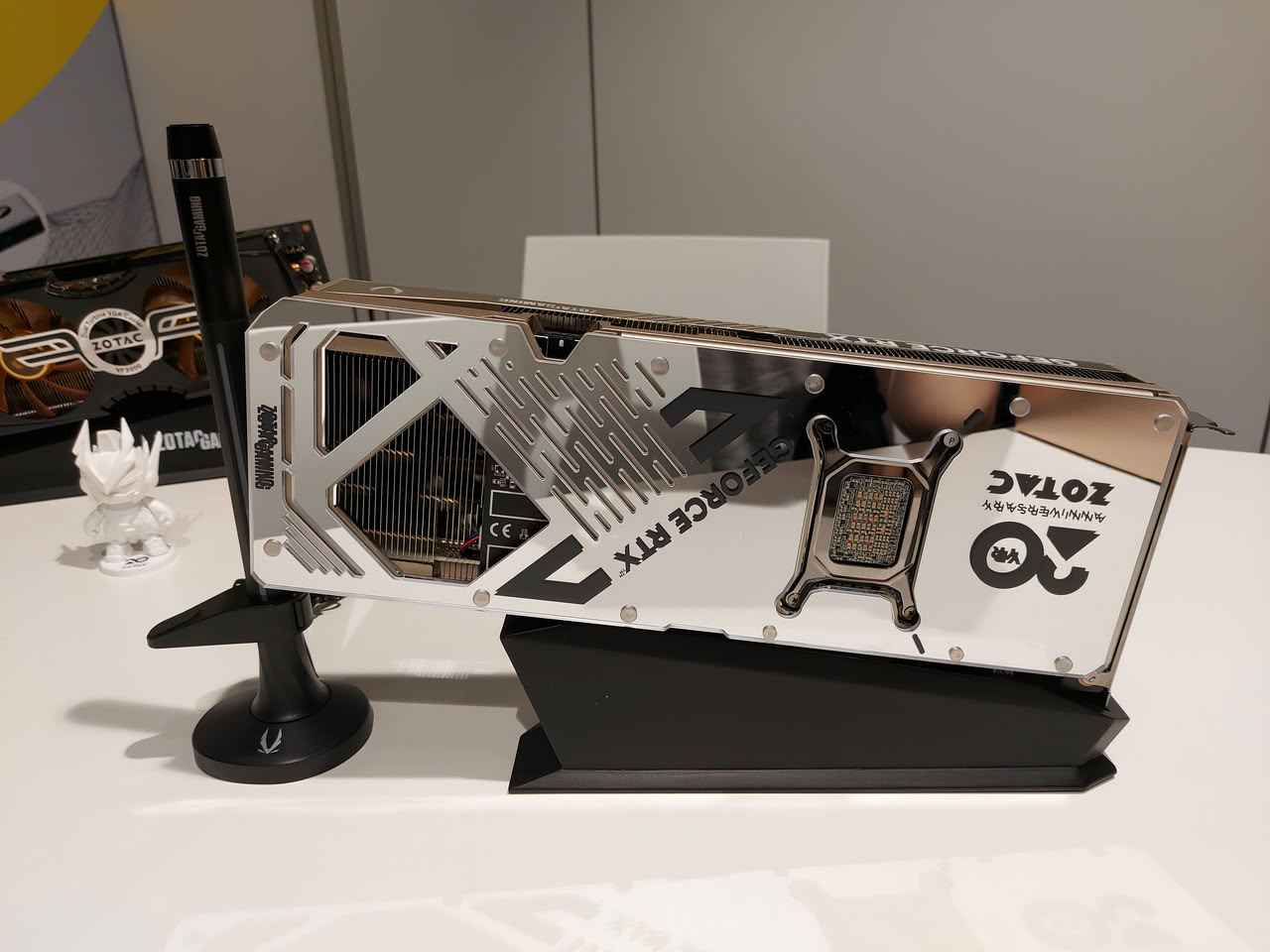
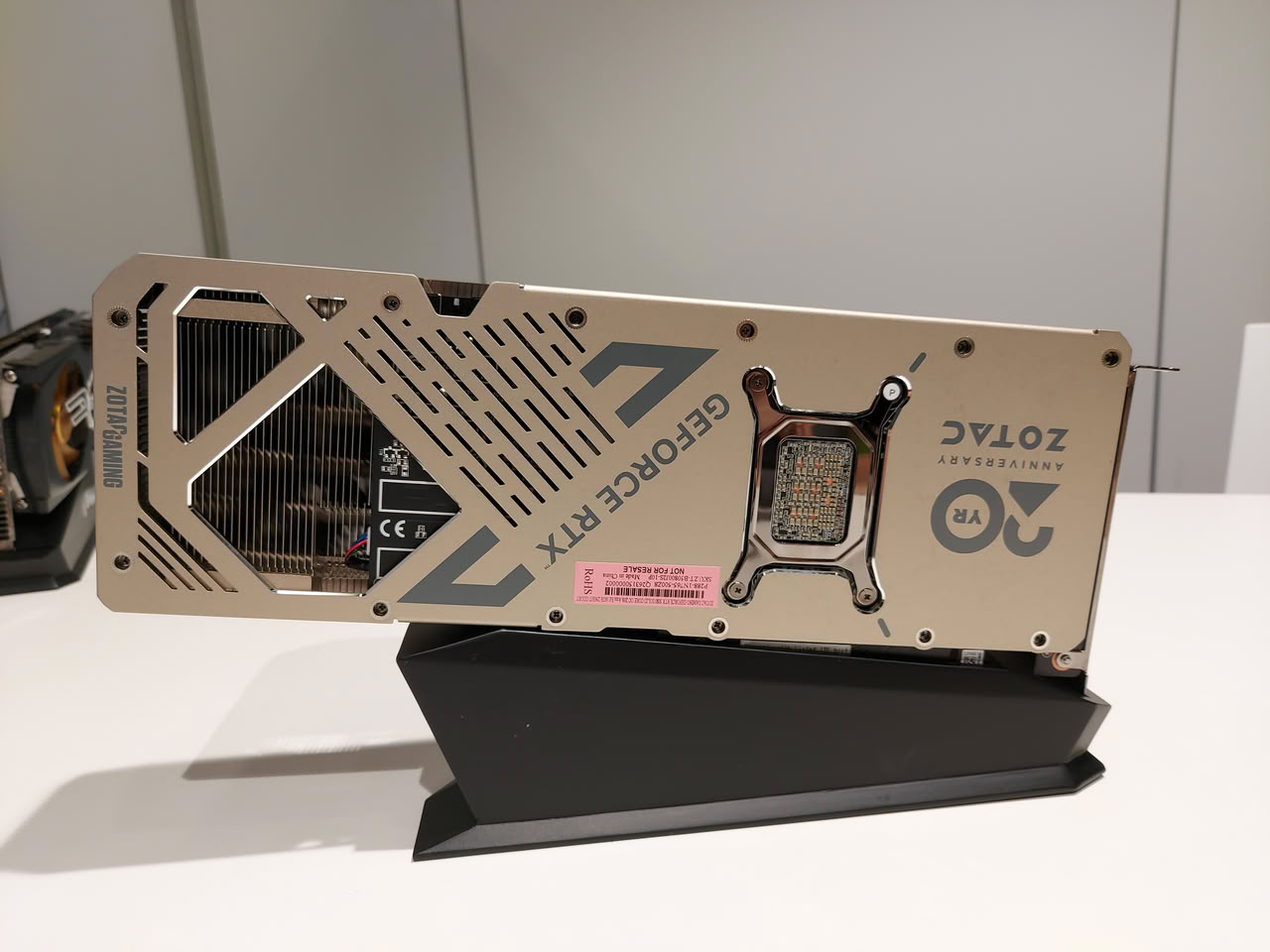
Beyond its unique packaging, the Anniversary Edition features two distinctive elements: a magnetically attached secondary backplate with a mirror-like finish and the ZOTAC GAMING DUO ARGB GPU Support Stand, which was previously sold separately. These features are complemented by a unique titanium colorway, giving the otherwise understated SOLID CORE design a more distinctive look without making the card overly flashy. The large cooler remains a dominant feature, with its full-length heatsink, multiple heat pipes, and three-fan configuration designed to keep the RTX 5080 running smoothly under sustained loads. The backplate's reflective surface is particularly striking in person, adding a premium touch that photos can't quite capture.
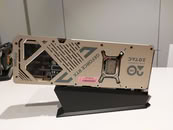
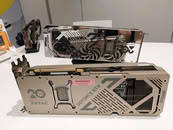
Beyond its unique packaging, the Anniversary Edition features two distinctive elements: a magnetically attached secondary backplate with a mirror-like finish and the ZOTAC GAMING DUO ARGB GPU Support Stand, which was previously sold separately. These features are complemented by a unique titanium colorway, giving the otherwise understated SOLID CORE design a more distinctive look without making the card overly flashy. The large cooler remains a dominant feature, with its full-length heatsink, multiple heat pipes, and three-fan configuration designed to keep the RTX 5080 running smoothly under sustained loads. The backplate's reflective surface is particularly striking in person, adding a premium touch that photos can't quite capture.