News Posts matching #GPU

Return to Keyword Browsing

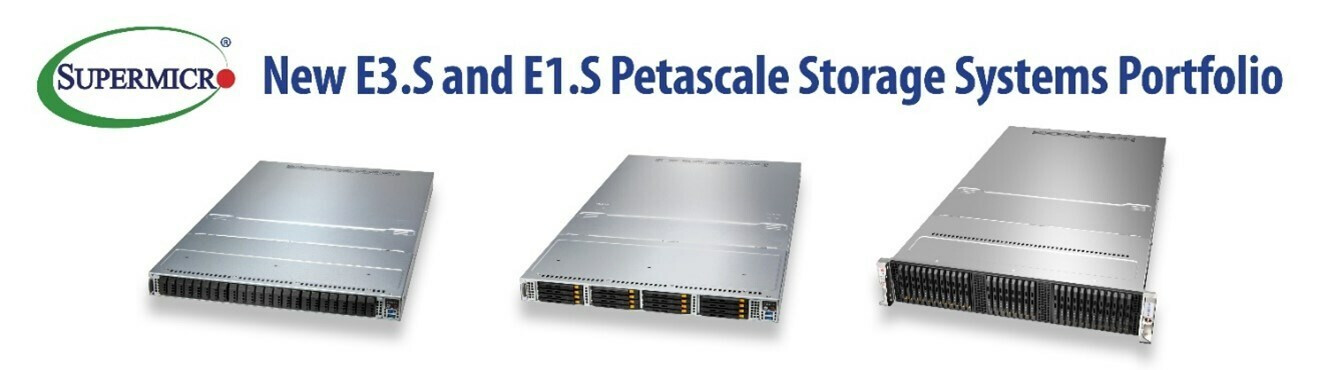
Supermicro Expands Storage Solutions Portfolio for Intensive I/O Workloads with Industry Standard Based All-Flash Servers Utilizing EDSFF E3.S, and E1

Supermicro, Inc., a Total IT Solution Provider for Cloud, AI/ML, Storage, and 5G/Edge, is announcing the latest addition to its revolutionary ultra-high performance, high-density petascale class all-flash NVMe server family. Supermicro systems in this high-performance storage product family will support the next-generation EDSFF form factor, including the E3.S and E1.S devices, in form factors that accommodate 16- and 32 high-performance PCIe Gen 5 NVMe drive bays.

The initial offering of the updated product line will support up to one-half of a petabyte of storage space in a 1U 16 bay rackmount system, followed by a full petabyte of storage space in a 2U 32 bay rackmount system for both Intel and AMD PCIe Gen 5 platforms. All of the Supermicro systems that support either the E1.S or E3.s form factors enable customers to realize the benefits in various application-optimized servers.

Giga Computing Releases First Workstation Motherboards to Support DDR5 and PCIe Gen5 Technologies

Giga Computing, a subsidiary of GIGABYTE and an industry leader in high-performance servers, server motherboards, and workstations, today announced two new workstation motherboards, GIGABYTE MW83-RP0 and MW53-HP0, built to support the Intel Xeon W-3400 or Intel Xeon W-2400 desktop workstation processors. The new CPU platform, developed on the Intel W790 chipset, is the first workstation platform in the market that supports both DDR5 and PCIe 5.0 technology, and this platform excels at demanding applications such as complex 3D CAD, AI development, simulations, 3D rendering, and more.

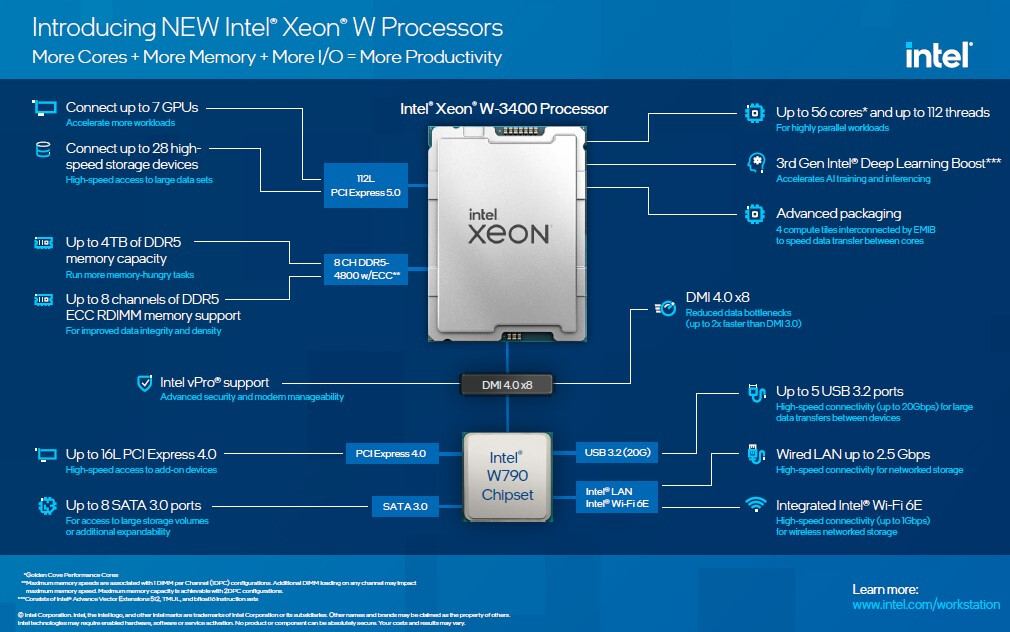
The new generation of Intel "Sapphire Rapids" Xeon W-3400 & W-2400 series processors adds some significant benefits to its workstation processors when compared to the prior gen of "Ice Lake" Xeon W-3300 processors. Like its predecessor, the new Xeon processors support up to 4 TB of 8-channel memory; however, the new Xeon CPUs have moved to DDR5, which is incredibly advantageous because of the big jump in memory bandwidth performance. Second, higher CPU performance across most workloads, partially due to the higher CPU core count and higher clock speeds. As mentioned before, the new Xeon processors support PCIe Gen 5 devices and speeds for higher throughput between CPU and devices such as GPU.

AMD Announces Appointment of New Corporate Fellows

AMD today announced the appointment of five technical leaders to the role of AMD Corporate Fellow. These appointments recognize each leader's significant impact on semiconductor innovation across various areas, from graphics architecture to advanced packaging. "David, Nathan, Suresh, Ben and Ralph - whose engineering contributions have already left an indelible mark on our industry - represent the best of our innovation culture," said Mark Papermaster, chief technology officer and executive vice president of Technology and Engineering at AMD. "Their appointments to Corporate Fellow will enable AMD to innovate in new dimensions as we work to deliver the most significant breakthroughs in high-performance computing in the decade ahead."

Appointment to AMD Corporate Fellow is an honor bestowed on the most accomplished AMD innovators. AMD Corporate Fellows are appointed after a rigorous review process that assesses not only specific technical contributions to the company, but also involvement in the industry, mentoring of others and improving the long-term strategic position of the company. Currently, only 13 engineers at AMD hold the title of Corporate Fellow.

Aetina to Showcase Its New AI Solutions at Embedded World 2023

Aetina Corporation, a leading provider of AI solutions for the creations of different types of vertical AI, will showcase its new embedded computers, AI inference platforms, GPUs, AI accelerators, and edge devices management software at upcoming Embedded World 2023. Aetina provides different types of form factors based on GPUs or ASICs, such as MXMs, graphic cards, and edge computing systems. The MXMs that are powered by NVIDIA Ampere architecture-based GPU offer extra computing power to existing AI systems, ensuring low-latency data analytics tasks. The MXMs and systems that are built with ASICs, on the other hand, are ideal for the creation of any specific applications or AI systems that involve multi-inference processes.

As an Elite member of the NVIDIA Partner Network, Aetina offers a variety of edge computing systems and platforms powered by the NVIDIA Jetson edge AI and robotics platform. Aetina's newly released embedded computers are built with the Jetson Orin series SoMs—Jetson AGX Orin, Jetson Orin NX, and Jetson Orin Nano ; these small-sized systems and platforms, supporting different peripherals, can be easily integrated into larger AI-powered systems while also being able to function as a standalone AI computer.

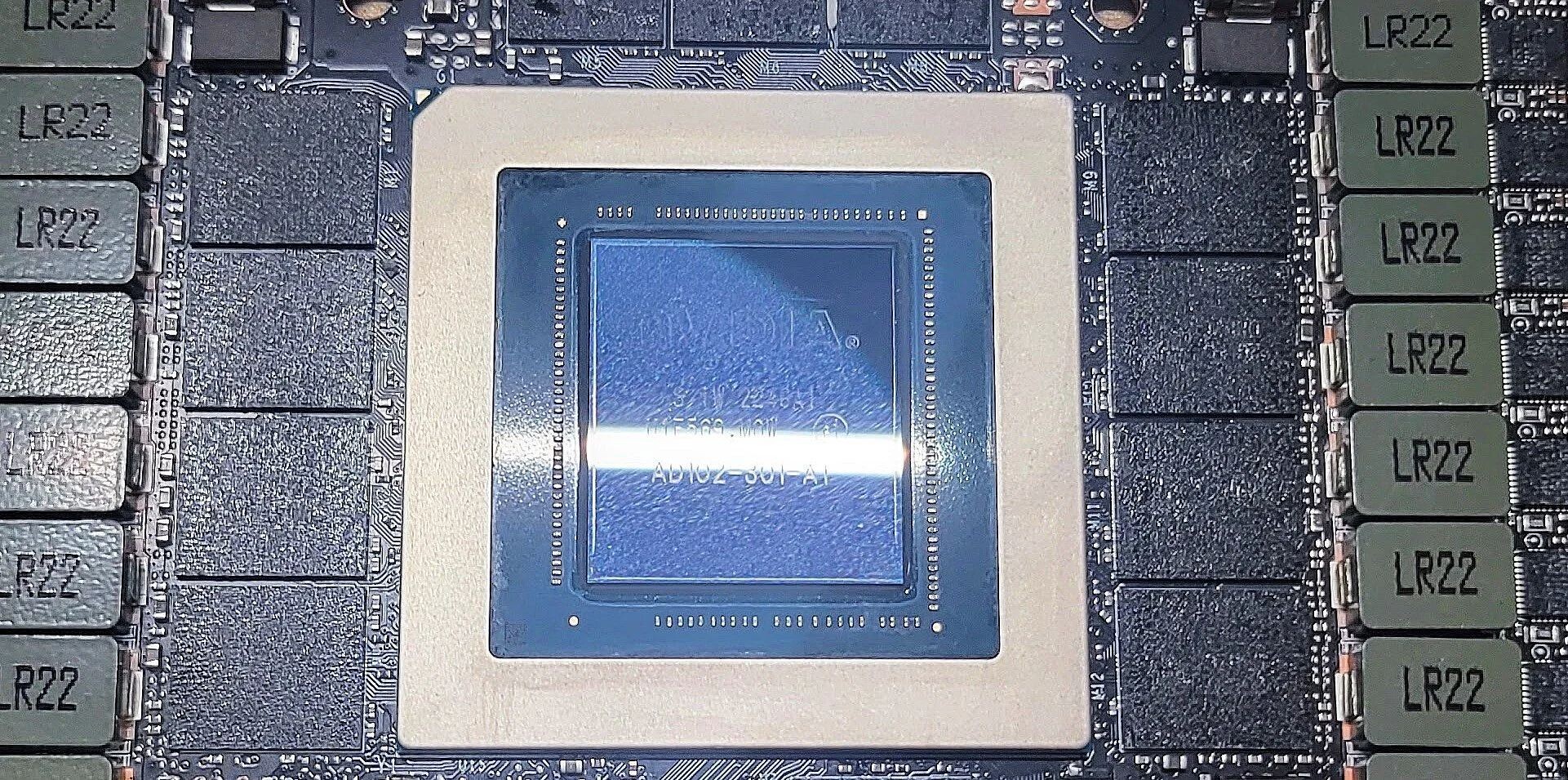
NVIDIA Geforce RTX 4090 Updated With AD102-301 GPU

There have already been rumors that NVIDIA plans to introduce new GPU variants to some of its RTX 40 series graphics cards, namely the RTX 4070 and the RTX 4080, but now, a fresh RTX 4090 Founders Edition has been spotted with an updated AD102-301 GPU. According to the previous reports, an updated GPU was needed in order to enable a new voltage comparator circuit on the board. The same reports suggested that it could result in cheaper boards, lower build cost, and thus a lower price, but so far, there are no significant price changes for the RTX 40 series.

While there were no reports that the GeForce RTX 4090 will be on the update path, an updated GeForce RTX 4090 has been shipped to Redditor "cavityserach123." The card in question keeps the same Device PCI ID in GPU-Z, but the Sub ID has been changed, suggesting that it won't be possible to flash it with the BIOS of the previous AD102-300 based RTX 4090.

NVIDIA to Lose Two Major HPC Partners in China, Focuses on Complying with Export Control Rules

NVIDIA's presence in high-performance computing has steadily increased, with various workloads benefiting from the company's AI and HPC accelerator GPUs. One of the important markets for the company is China, and export regulations are about to complicate NVIDIA's business dealing with the country. NVIDIA's major partners in the Asia Pacific region are Inspur and Huawei, which make servers powered by A100 and H100 GPU solutions. Amid the latest Biden Administration complications, the US is considering limiting more export of US-designed goods to Chinese entities. Back in 2019, the US blacklisted Huawei and restricted the sales of the latest GPU hardware to the company. Last week, the Biden Administration also blacklisted Inspur, the world's third-largest server maker.

In the Morgan Stanley conference, NVIDIA's Chief Financial Officer Colette Cress noted that: "Inspur is a partner for us, when we indicate a partner, they are helping us stand up computing for the end customers. As we work forward, we will probably be working with other partners, for them to stand-up compute within the Asia-Pac region or even other parts of the world. But again, our most important focus is focusing on the law and making sure that we follow export controls very closely. So in this case, we will look in terms of other partners to help us." This indicates that NVIDIA will lose millions of dollars in revenue due to the inability to sell its GPUs to partners like Inspur. As the company stated, complying with the export regulations is the most crucial focus.
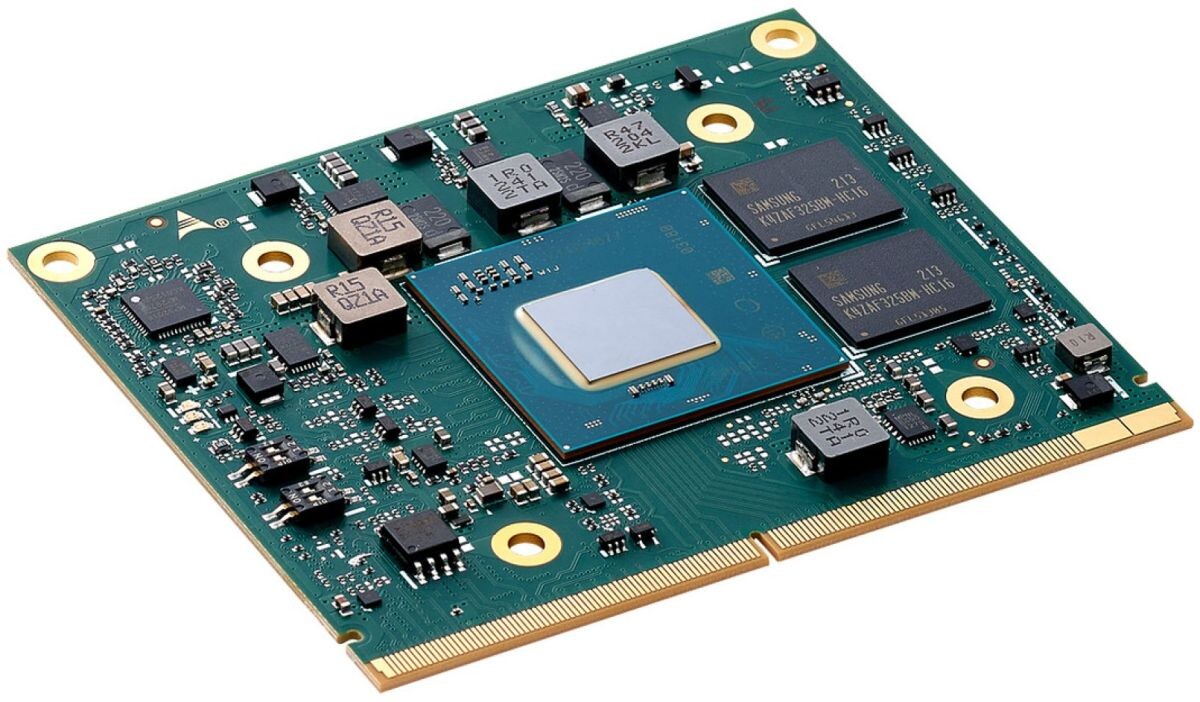
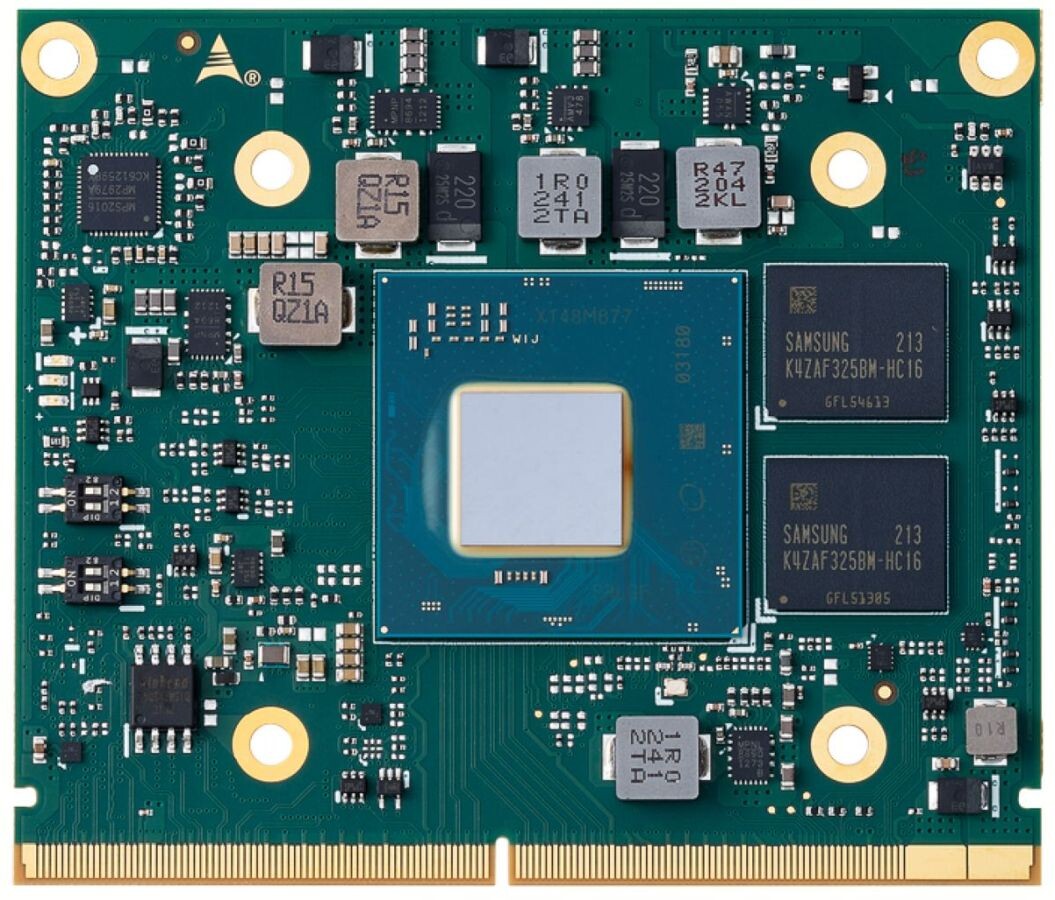
ADLINK Puts Intel Arc A-series GPUs on MXM Form Factor

After GUNNIR showed the same product back in January, ADLINK is now offering both Intel Arc A-series GPUs in MXM form factor. The MXM (Mobile PCI Express Module) is a standardized form factor that is used mostly in laptops and some small form factor PCs. Product pages confirm that ADLINK offers both the Intel Arc A370M and the Intel Arc A350M in MXM form factor.

According to specifications The ADLINK MXM-AXe, as the product is called, is MXM 3.1 Type A based on Intel Arc GPU, packing 8 Xe-cores, 128 Execution Units, 4 GB of GDDR6 memory, and TDP of 35-50 W, which is pretty much standard for the Arc A370M GPU. The company also offers the same product with A350M GPU with TDP of 25-35 W. With decent power efficiency, full AV1 hardware encoding, and support for up to four 4K displays, such a GPU would be perfect for small form factor machines, and could be even a decent upgrade for some laptops.

Shipments of AI Servers Will Climb at CAGR of 10.8% from 2022 to 2026

According to TrendForce's latest survey of the server market, many cloud service providers (CSPs) have begun large-scale investments in the kinds of equipment that support artificial intelligence (AI) technologies. This development is in response to the emergence of new applications such as self-driving cars, artificial intelligence of things (AIoT), and edge computing since 2018. TrendForce estimates that in 2022, AI servers that are equipped with general-purpose GPUs (GPGPUs) accounted for almost 1% of annual global server shipments. Moving into 2023, shipments of AI servers are projected to grow by 8% YoY thanks to ChatBot and similar applications generating demand across AI-related fields. Furthermore, shipments of AI servers are forecasted to increase at a CAGR of 10.8% from 2022 to 2026.

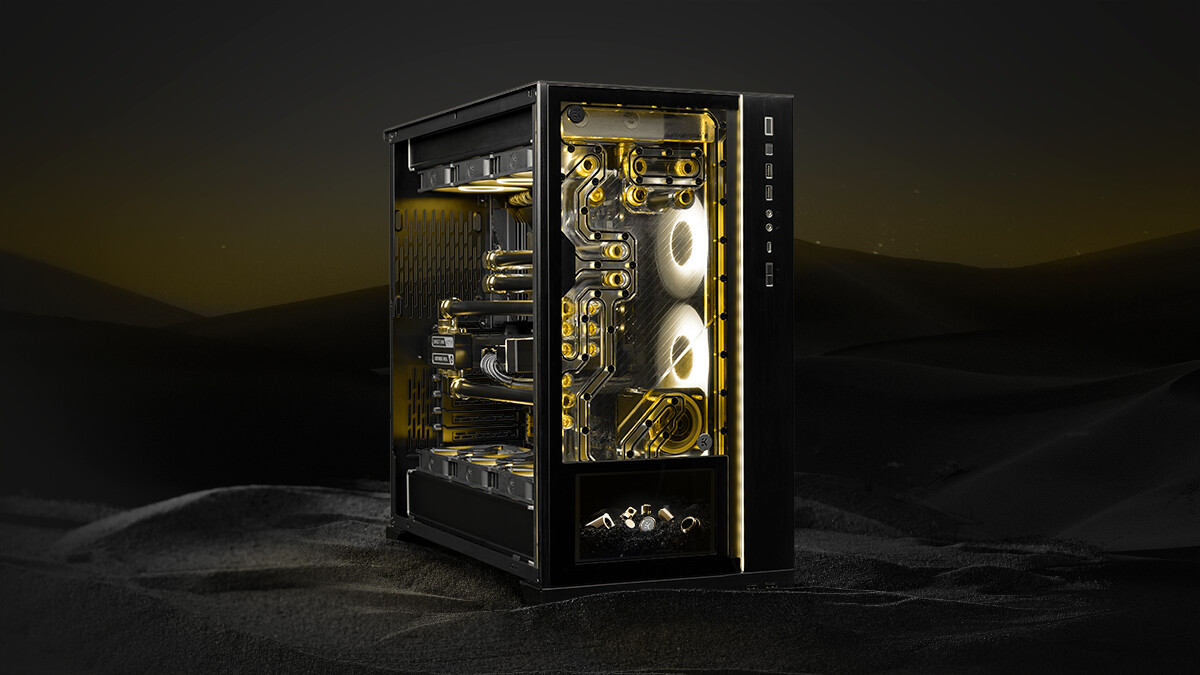
Lian Li O11D XL Case Gets EK Reflection² Distribution Plate With an Integrated Screen

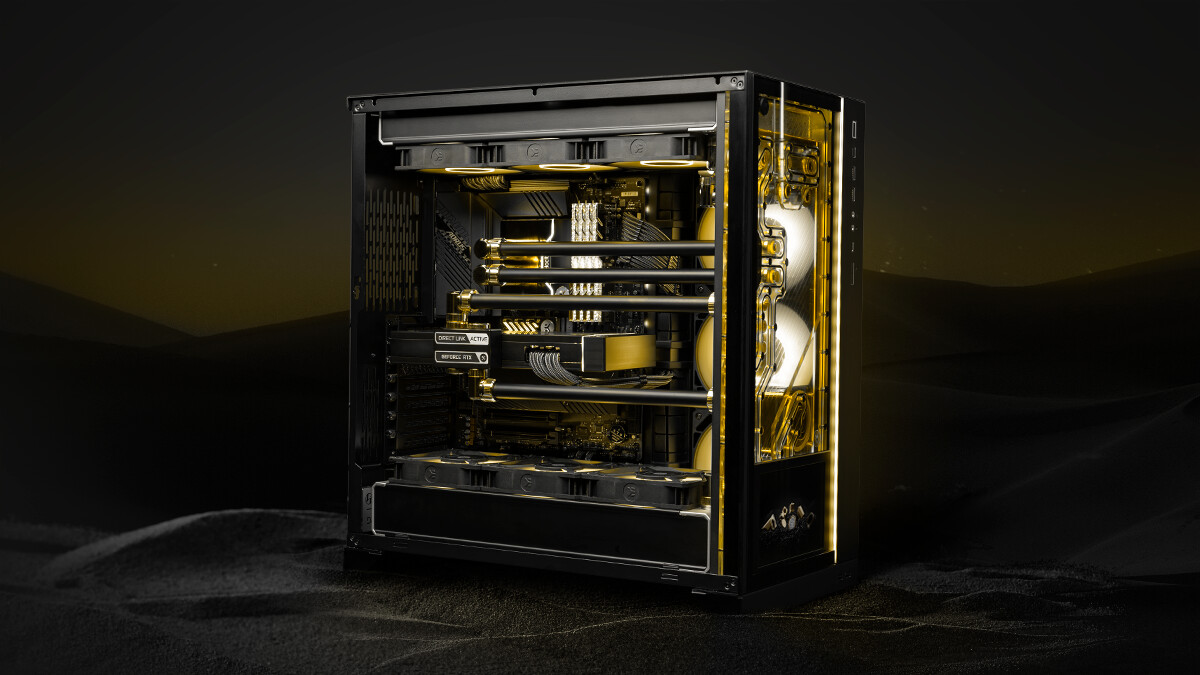
EK, the premium water-cooling gear manufacturer, is launching a new distro plate for the Lian Li O11D XL chassis. The distro has a built-in EK-Quantum Lumen screen, a 7" IPS monitor that can be seen from the front of the case. It is designed to provide advanced water cooling with the latest 3rd-generation SATA-powered D5 pump, removing the need for additional 4-pin Molex cables. The Reflection² series distribution plates are EK-Matrix7 compliant.

The EK-Quantum Reflection² PC-O11D XL D5 PWM D-RGB - Screen Edition is a custom water-cooling reservoir, routing, and pump solution that seamlessly fits into the front of the case showing off a beautiful 7" IPS screen with an aluminum frame. This waterway is also equipped with six innovative push-in ports that come with female G1/4" threaded adapters. The idea is that users can easily assemble the whole radiator + fittings + tubing combo and use these push-in adapters to simply slide it into the distribution plate. The bottom radiator is mounted via a special metal bracket.
Intel's Ponte Vecchio HPC GPU Successor Rialto Bridge Gets the Axe

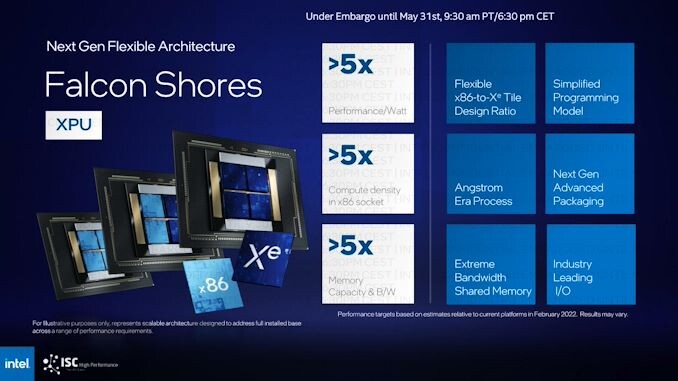
Late on Friday in a newsroom posting by Intel's Interim GM Jeff McVeigh a roadmap uplift was quietly revealed. Rialto Bridge, the process improved version of Ponte Vecchio currently shipping under the Max Series GPU branding, has been pulled from the roadmap in favor of doubling down on the future design code-named Falcon Shores. Rialto Bridge was first announced last May at SC22 as the direct successor to Ponte Vecchio, and was set to begin sampling later this year. In the same post Intel also cancelled Lancaster Sound, their Visual Cloud GPU meant to replace the Arctic Sound Flex series of GPUs based on similar Xe cores to Arc Alchemist. In its stead the follow-up architecture Melville Sound will receive focused development efforts.

Falcon Shores is described as a new foundational chiplet architecture that will integrate more diverse compute tiles, creating what Intel originally dubbed the XPU. This next architectural step would combine what Intel is already doing with products such as Sapphire Rapids and Ponte Vecchio into one CPU+GPU package, and would offer even further flexibility to add other kinds of accelerators. With this roadmap update there is some uncertainty as to whether the XPU designation will make the transition as it is notably absent in the letter. It is clear though that Falcon Shores will directly replace Ponte Vecchio as the next HPC GPU, with or without CPU tiles included.

AMD Releases Adrenalin Edition 23.3.1 WHQL GPU Drivers

AMD has released its latest Adrenalin drivers for Radeon graphics cards. With support dating back to RX 400, the latest Adrenalin 23.3.1 WHQL drivers bring a lot of improvements to the table, as well as support for Halo Infinite Ray Tracing Update and Wo Long: Fallen Dynasty game. Most importantly, the new driver has a series of fixes, including intermittent driver timeout, system freeze, or BSOD, with the latest Radeon RX 7000 series. Problems in games such as Premium Gold Packs in EA SPORTS FIFA 23 and Dying Light 2 lighting effects corruption have been fixed. As far as Radeon RX 6000 series goes, this driver release manages to fix corruption in certain scenes with ray tracing enabled observed in the Returnal game. Check the list below for the entire set of changes.
Download: AMD Radeon Graphics Drivers 23.3.1 WHQL here.

AMD's Zen 4 I/O Die Detailed Courtesy of ISSCC Presentation

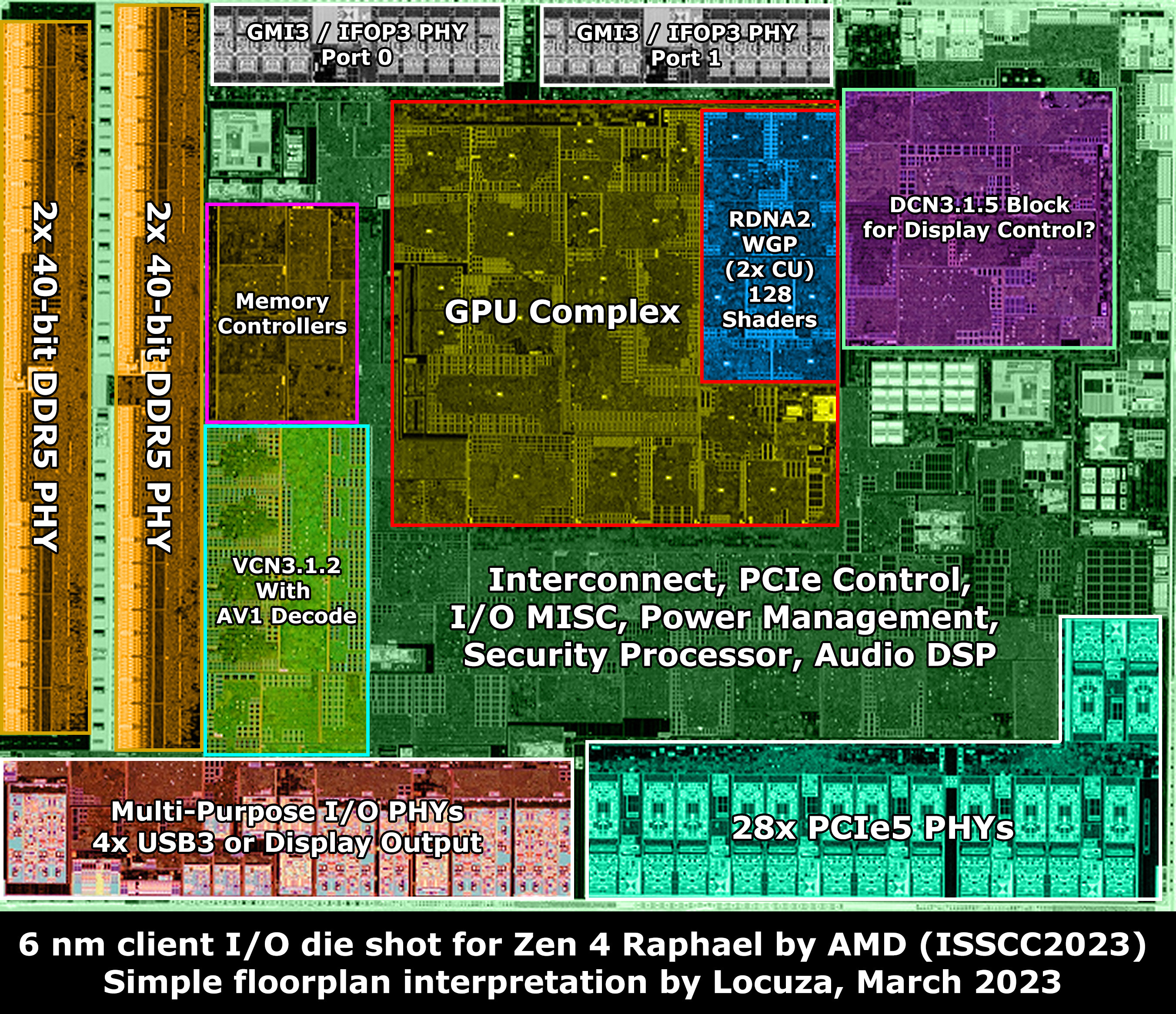
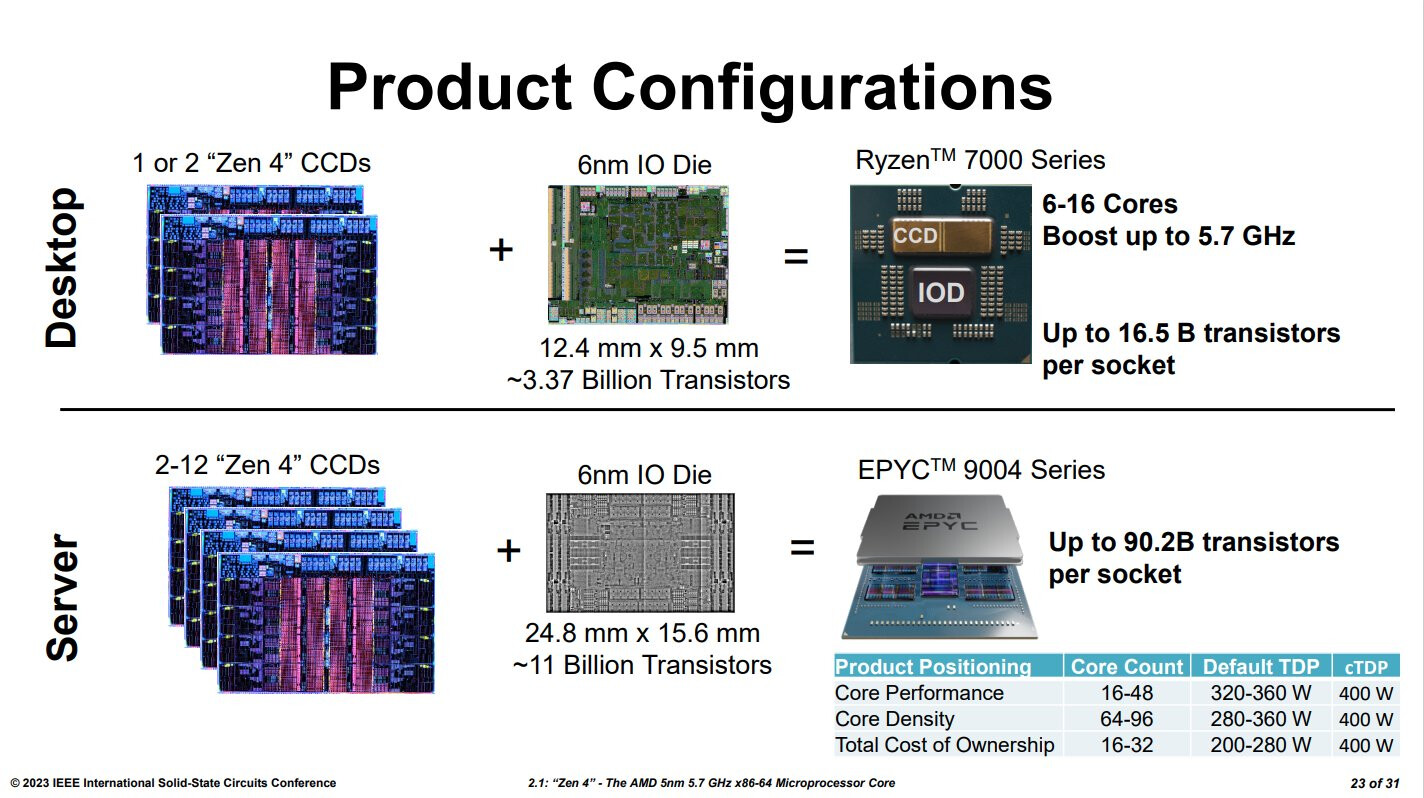
Although we've known most of the details of AMD's I/O die in its Zen 4 processors, until now, AMD hadn't shared a die shot of the cIOD, but thanks to its ISSCC 2023 presentation, we not only have a die shot of the cIOD, but some friendly people on the internet have also made annotations for us mere mortals. There are no big secrets here, but based on the annotations by @Locuza_ we now know for certain that it's not possible to use the current I/O die with three CCDs, as it only has two GMI3 interfaces, to which the CCDs are connected.

If you're wondering about the 2x 40-bit memory interface, it's for ECC memory support outside of the on-die ECC support of DDR5 memory. Also note that DDR5 memory is two times 32-bit in non ECC mode. That said, it's up to the motherboard makers to implement support for ECC memory, but it would appear all Zen 4 CPUs support it. The addition of a GPU, even a basic one like this, takes up a fair bit of space inside the cIOD, especially once you add things like video decoders/encoders and so on. In fact, it appears that the parts related to the GPU and video decoders/encoders take up at least a third of the space inside the I/O die, yet thanks to a significant die shrink from the Zen 3 era cIOD, it's physically smaller in the Zen 4 processors, while having an estimated 58 percent increase in transistors.

MSI GeForce RTX 40 Series Gaming Desktops Also Provide Creators With NVIDIA Studio Benefits

MSI, a leading innovator in computer hardware and peripherals, is proud to announce that its Gaming Desktops, equipped with GeForce RTX 40 Series GPUs, not only deliver gamers the power they desire, but also provide creators with the many benefits of the NVIDIA Studio platform. These systems ensure outstanding graphics performance and, when used with NVIDIA Studio Drivers, deliver exceptional reliability to meet the needs of creators and designers.

When gamers aren't experiencing ultra-high FPS gaming with the lowest latency, the latest NVIDIA GeForce RTX graphics cards provide users with the ultimate graphics performance to bring their creative vision to life. MSI Gaming Desktops with GeForce RTX GPUs have access to an exclusive suite of free software: NVIDIA Broadcast, Canvas and Omniverse.

JPR: PC GPU Shipments Decreased 15.4% Sequentially from Last Quarter and 38% Year to Year

Jon Peddie Research reports that the growth of the global PC-based graphics processor unit (GPU) market reached 64.2 million units in Q4'22 and PC CPU shipments decreased by -35% year over year. Overall, GPUs will have a compound annual growth rate of 0.19% during 2022-2026 and reach an installed base of 3,013 million units at the end of the forecast period. Over the next five years, the penetration of discrete GPUs (dGPUs) in PCs will grow to reach a level of 32%.

Year to year, total GPU shipments, which include all platforms and all types of GPUs, decreased by -38%, desktop graphics decreased by -24%, and notebooks decreased by -43%—the largest decrease since its peak in 2011. AMD's overall market share percentage from last quarter increased 0.4%, Intel's market share decreased by -1.1%, and Nvidia's market share increased 0.68%, as indicated in the following chart.

Intel Accelerates 5G Leadership with New Products

For more than a decade, Intel and its partners have been on a mission to virtualize the world's networks, from the core to the RAN (radio access network) and out to the edge, moving them from fixed-function hardware onto programmable, software-defined platforms, making networks more agile while driving down their complexity and cost.

Now operators are looking to cross the next chasm in delivering cloud-native functionality for automating, managing and responding to an increasingly diverse mix of data and services, providing organizations with the intelligence needed at the edge of their operations. Today, Intel announced a range of products and solutions driving this transition and broad industry support from leading operators, original equipment manufacturers (OEMs) and independent software vendors (ISVs).

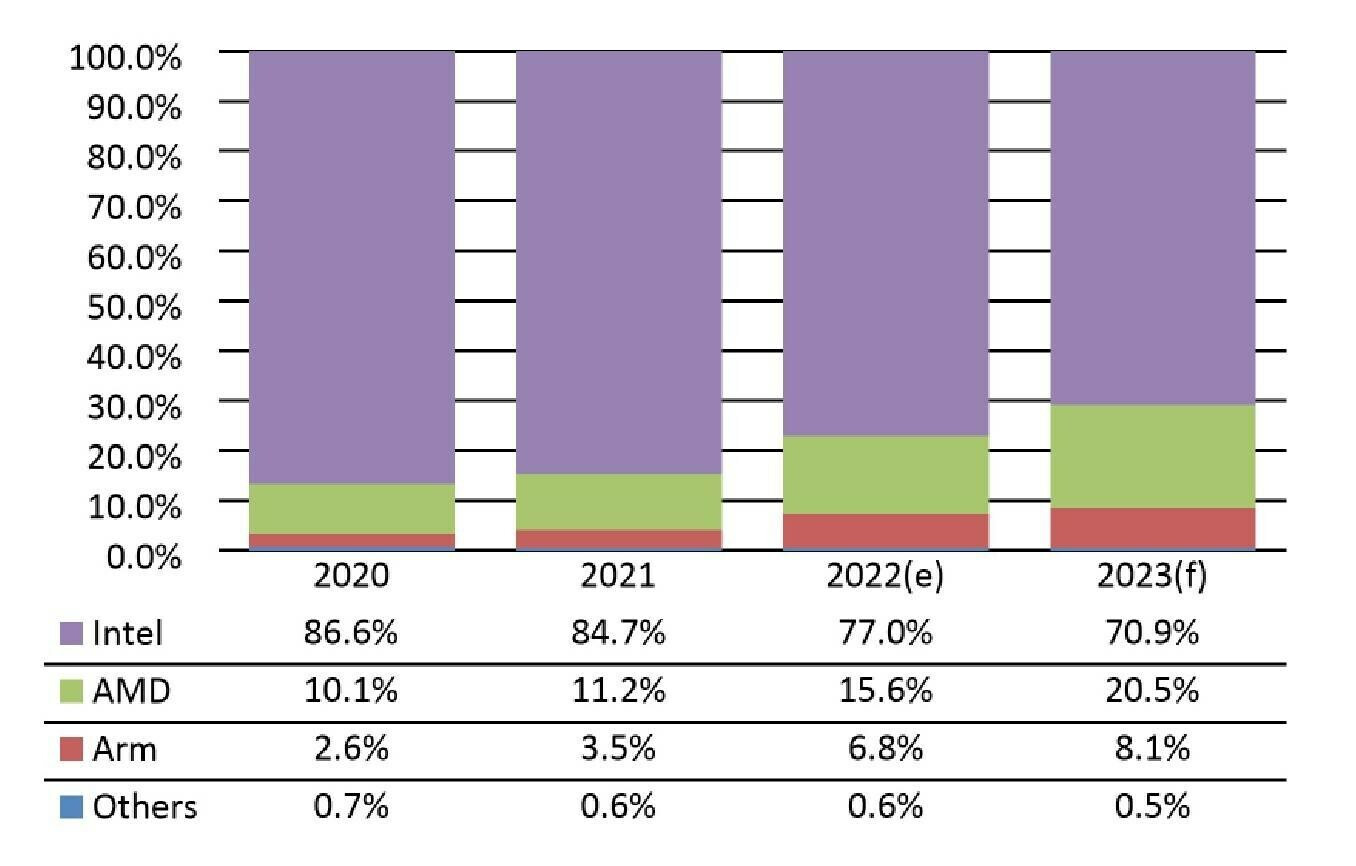
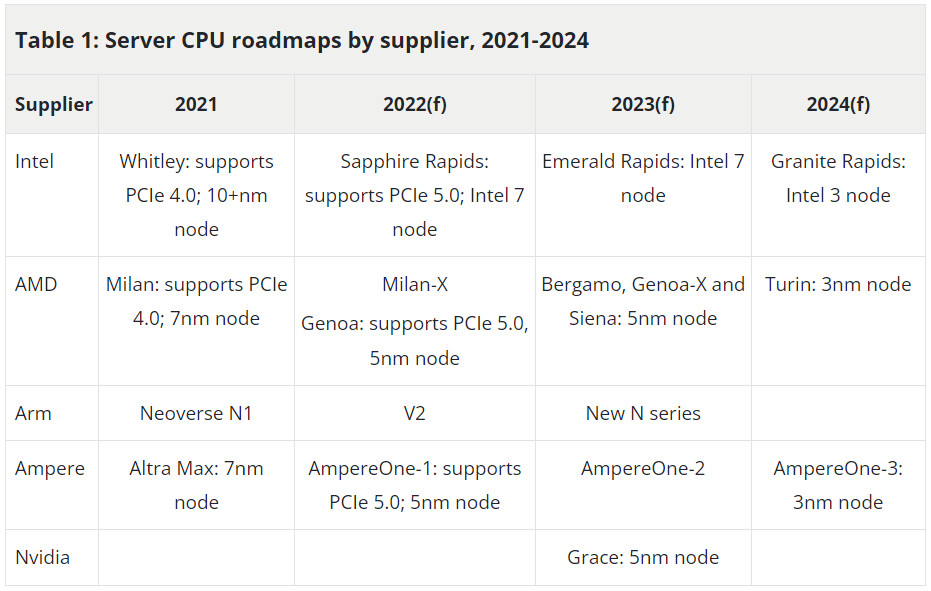
AMD Expected to Occupy Over 20% of Server CPU Market and Arm 8% in 2023

AMD and Arm have been gaining up on Intel in the server CPU market in the past few years, and the margins of the share that AMD had won over were especially large in 2022 as datacenter operators and server brands began finding that solutions from the number-2 maker growing superior to those of the long-time leader, according to Frank Kung, DIGITIMES Research analyst focusing primarily on the server industry, who anticipates that AMD's share will well stand above 20% in 2023, while Arm will get 8%.

Prices are one of the three major drivers that resulted in datacenter operators and server brands switching to AMD. Comparing server CPUs from AMD and Intel with similar numbers of cores, clockspeed, and hardware specifications, the price tags of most of the former's products are at least 30% cheaper than the latter's, and the differences could go as high as over 40%, Kung said.

Razer Launches Updated Blade 15 Laptop with NVIDIA RTX 4060 and 4070 GPU Options

A brand-new Razer Blade 15—continuing its storied legacy of pushing the boundaries of thin and light 15" gaming laptops—is now available. This ultra-portable gaming machine is powered by the latest 13th generation Intel Core i7 13800H processor and NVIDIA's newest GeForce RTX 40-series GPUs, up to the RTX 4070. Enhanced vapor chamber cooling and thinner 0.05 mm exhaust fins provide the exceptional thermal control needed to pack this level of performance in a laptop that is 25% smaller than the Blade 16.

The Blade 15 places portability at the forefront. As the thinnest Blade in the 2023 line, it weighs less than four and a half pounds and delivers up to over six hours of battery life from its 80 Wh battery. The 16:9 QHD 240 Hz display provides smooth, sharp visuals with a 2.5 ms response time and 100% of the DCI-P3 color gamut. The Blade 15 is easily upgradeable, accommodating up to 4 TB of storage using an extra M.2 slot and up to 64 GB DDR5-5200 MHz memory, allowing users to keep pace with even the most demanding games and tasks.

XMG Introduces PRO and FOCUS Laptops with i9-13900HX and RTX 4070

With the new PRO and the FOCUS (E23), XMG introduces two laptop series on a similar hardware basis: Both feature Intel's Core i9-13900HX and NVIDIA graphics cards up to the GeForce RTX 4070. While the PRO 15 and PRO 17 are slightly thinner as gaming workstations and boast more extensive connectivity, the FOCUS scores at a more affordable price and is not only available in 15.6 and 17.3-inch versions, but also in a 16-inch format. For the laptops originally designed as an entry-level series, the hardware upgrades mean a significant upgrade: the FOCUS series moves closer to the PRO laptops.

The key components found in the new XMG PRO 15 and PRO 17 as well as the XMG FOCUS 15, FOCUS 16 and FOCUS 17 are almost identical. All laptops employ Intel's Core i9-13900HX with 24 cores (8 P-cores, 16 E-cores) and 32 threads. The freely configurable graphics card options each include NVIDIA's new, DLSS-3-capable GeForce RTX 4050 (FOCUS only) as well as 4060 and 4070 (FOCUS and PRO) with a maximum graphics power rating of up to 140 watts (115 watts TGP plus 25 watts Dynamic Boost 2.0). However, since the clock behaviour and the actual power consumption of the GPUs in the new generation are subject to much more restrictive, application-specific specifications from NVIDIA, the maximum values are only achieved in synthetic stress tests such as Furmark - according to the official requirements of the graphics chip manufacturer.

AMD Ryzen 9 7900 iGPU Overclocking Pushes Performance Up to 42%

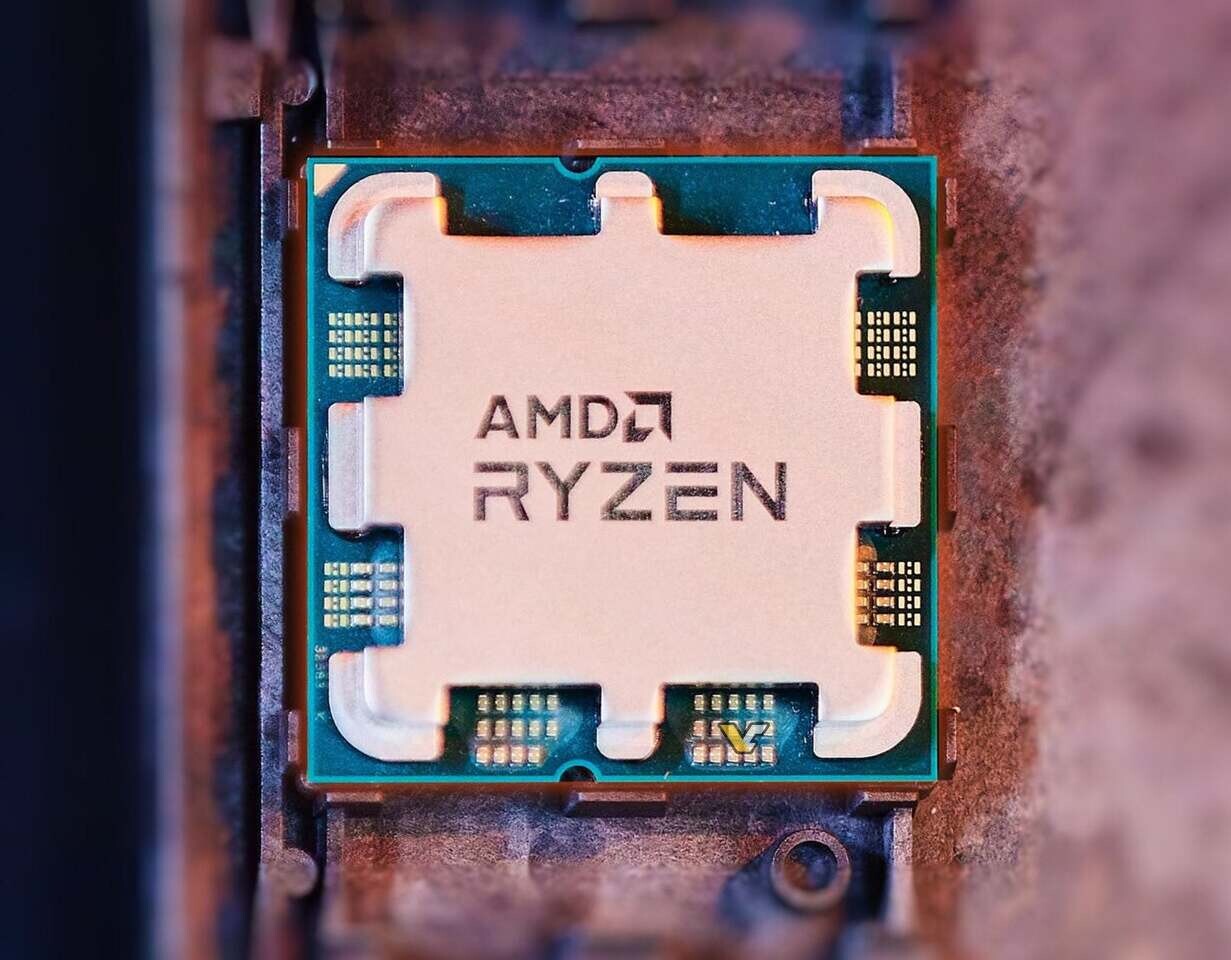
According to SkatterBench, a website known for incredible overclocking attempts, we get to see AMD's Ryzen 7000 series integrated GPU get up to 42% performance improvement from overclocking. Specifically, the SKU used in the attempt was the Ryzen 9 7900 non-X model with 12 cores and 24 threads, clocked at 3.7 GHz base frequency and 5.4 GHz boost speed. The SKU contains a basic AMD GPU integrated into the package; however, not meant for any serious gaming tasks. Nonetheless, it is interesting to see what a two-core RDNA2 GPU clocked at 2.2 GHz managed to achieve once overclocked. The memory clock of the GPU is set to 2.4 GHz at stock.

Running at the base voltage of 0.997 volts under Furmark workload, the iGPU consumes around 38.5 Watts. However, the overclocking attempt pushed the voltage to 1.395 Volts, resulting in a 3.1 GHz iGPU frequency. The GPU Memory clock is now set to 3200 MHz, and the GPU+SOC power is 60.689 Watts, almost double compared to the stock settings. The overclocker used a GFX curve optimizer with various system tweaks to achieve these numbers. While the OC attempt was successful, the most significant performance improvement was a 42% increase, with some game titles averaging less. Below, the blue bar indicates stock, while the green bar indicates OC'd performance. You can check out the YouTube video as well to see more details.

HP Engineers Extreme Performance with Z By HP, Powered by Intel's New Xeon Workstation Processors

HP Inc. announced its new Z by HP high-performance workstation desktop lineup, engineered to change what is possible within complex, data rich workflows. HP is advancing hybrid workforce management with the HP Anyware Remote System Controller, a device that gives IT departments the management capabilities to support high performance devices from anywhere.

The complex workflows in industries spanning media and entertainment, data science, and engineering mean increased time pressure and the need for more compute power to deliver faster results. They also highlight a need to iterate with remote teams and push creative boundaries to deliver more accurate results. The new Z by HP Z4, Z6, Z8, and Z8 Fury desktops, powered by Intel, deliver the scalable balance of CPU and GPU compute needed to fuel new levels of speed, accuracy, and creativity.

Intel Launches New Xeon Workstation Processors - the Ultimate Solution for Professionals

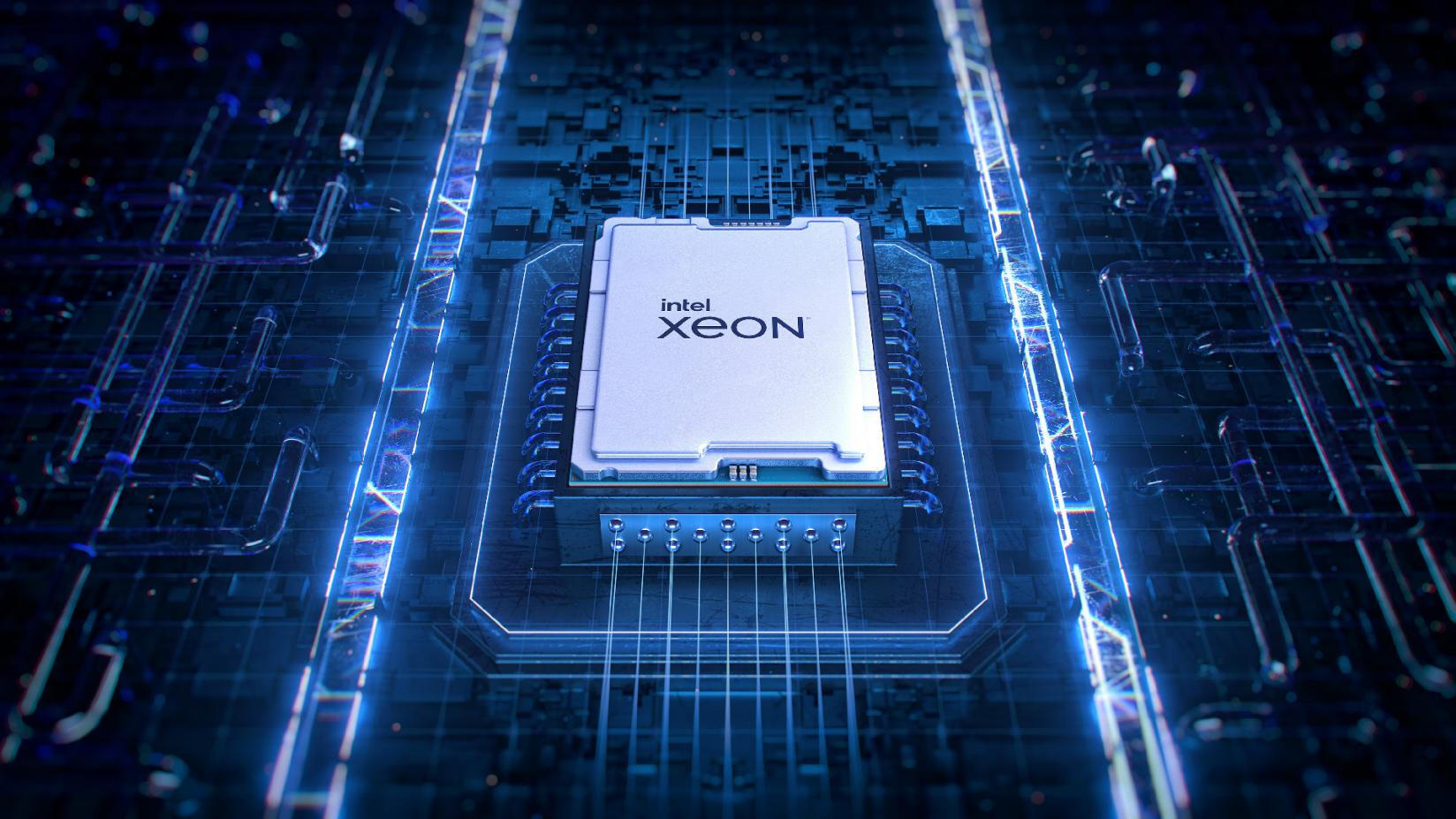
Intel today announced the new Intel Xeon W-3400 and Intel Xeon W-2400 desktop workstation processors (code-named Sapphire Rapids), led by the Intel Xeon w9-3495X, Intel's most powerful desktop workstation processor ever designed. Built for professional creators, these new Xeon processors provide massive performance for media and entertainment, engineering and data science professionals. With a breakthrough new compute architecture, faster cores and new embedded multi-die interconnect bridge (EMIB) packaging, the Xeon W-3400 and Xeon W-2400 series of processors enable unprecedented scalability for increased performance.

"For more than 20 years, Intel has been committed to delivering the highest quality workstation platforms - combining high-performance compute and rock-solid stability - for professional PC users across the globe. Our new Intel Xeon desktop workstation platform is uniquely designed to unleash the innovation and creativity of professional creators, artists, engineers, designers, data scientists and power users - built to tackle both today's most demanding workloads as well as the professional workloads of the future." -Roger Chandler, Intel vice president and general manager, Creator and Workstation Solutions, Client Computing Group

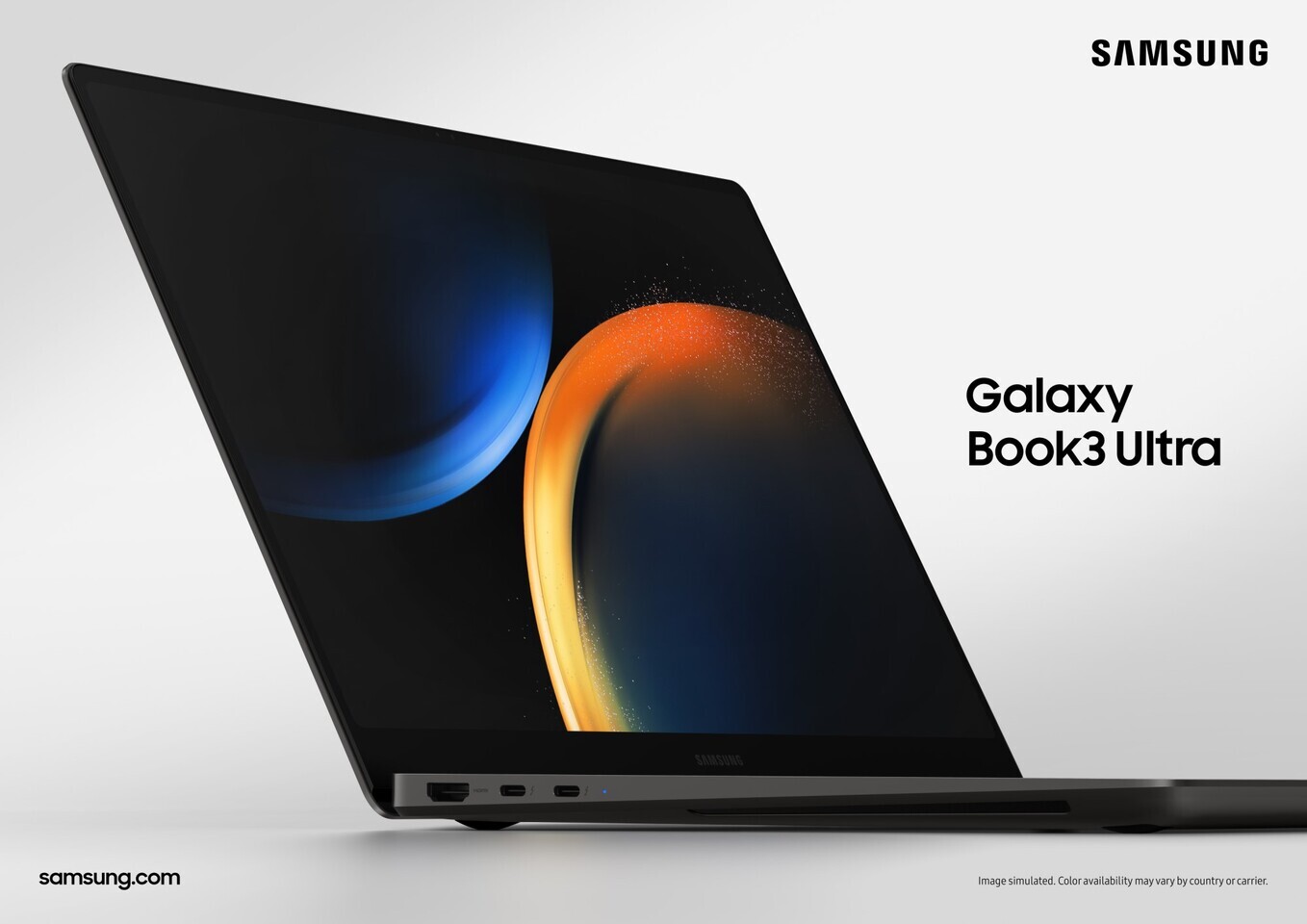
Samsung Galaxy Book3 Ultra PC Available for Pre-Order on Feb 14, on Shelves Feb 22

Samsung Electronics announced the Galaxy Book3 Ultra is available for pre-order beginning today, February 14, with global availability starting February 22. Samsung's new premium PC offers an unmatched Samsung Galaxy ecosystem experience and high-performance computing, all in a thin, light and sleek design. The Galaxy Book3 Pro and Book3 Pro 360, has been available for global pre-orders on February 1. The latest Galaxy Book Pro series has experienced record-breaking interest from consumers, generating more than doubling pre-orders of last year's Galaxy Book2 Pro series.

"At Samsung, Ultra means big, bold and the best, regardless of category. That's why we're excited to bring the Ultra heritage to our PC lineup, delivering the seamless multi-device connectivity and ultra-high performance that users demand," said TM Roh, President and Head of Mobile eXperience Business at Samsung Electronics. "The Galaxy Book3 Ultra delivers on the market expectation for an ultra-high performance laptop, particularly for consumers interested in gaming and content creation who require the powerful performance."

Atos to Build Max Planck Society's new BullSequana XH3000-based Supercomputer, Powered by AMD MI300 APU

Atos today announces a contract to build and install a new high-performance computer for the Max Planck Society, a world-leading science and technology research organization. The new system will be based on Atos' latest BullSequana XH3000 platform, which is powered by AMD EPYC CPUs and Instinct accelerators. In its final configuration, the application performance will be three times higher than the current "Cobra" system, which is also based on Atos technologies.

The new supercomputer, with a total order value of over 20 million euros, will be operated by the Max Planck Computing and Data Facility (MPCDF) in Garching near Munich and will provide high-performance computing (HPC) capacity for many institutes of the Max Planck Society. Particularly demanding scientific projects, such as those in astrophysics, life science research, materials research, plasma physics, and AI will benefit from the high-performance capabilities of the new system.

WATERCOOL Announces HEATKILLER V Pro Waterblock for NVIDIA RTX 4090 FE

The new HEATKILLER V PRO graphics card coolers for Nvidia's RTX 4090 Founders Edition have been specially developed to cope with the high power dissipation of 450 watts and more. In order to achieve the necessary performance increase, the German manufacturer decided to introduce a modular high-performance bottom plate as well as implementing existing proven technologies.

To increase the cooling performance in the GPU core area, Watercool relies on a modular high-performance base plate. Due to a fine-slit fin structure and the resulting increase in the cooling surface, this ensures a significantly higher cooling performance compared to a monolithic design. At the same time, the German manufacturer has optimized the fin structure in order to achieve a high flow rate as well. The distances to heat-relevant components were kept tight, which means that the heat of the thermal problem zones like GDDR6X Ram and voltage converters can be dissipated ideally.

Gigabyte Introduces New AORUS 17, AORUS 15 Gaming Laptops, and AERO 14 OLED Super-thin Creator Laptops

GIGABYTE today introduces the AORUS 17, AORUS 15, and AERO 14 OLED, a suite of new laptops optimized to provide power and mobility. The three new additions now join the flagship AORUS 17X, AORUS 15X, and AERO 16 OLED in GIGABYTE's 2023 laptop lineup, which was unveiled earlier at CES 2023. Boasting the latest cores from both Intel and NVIDIA in a sleek and portable design, the AORUS 17 and AORUS 15 provide strong performance with max total graphics power (TGP) for enthusiasts who want to take their games on the go; while the AERO 14 OLED is tailored for creative minds, combining portability with a perfectly color-accurate display.

Both AORUS 17 and AORUS 15 offer powerful gaming performance fueled by the Intel 13th-gen i7 H series processors and NVIDIA GeForce RTX 4070 laptop GPUs with full access to max 140 W TGP with Dynamic Boost technology, all in a slender profile. These portable powerhouses feature the improved WINDFORCE Infinity cooling system that can handle up to 160 W of thermal design power (TDP) to ensure optimal performance even when running at maximum capacity. As for the significantly upgraded display performance, blazing-fast 240 Hz refresh rates at 1440p resolution enable a smooth and vibrant gaming experience. The gaming essence is reflected both in the device's internal power and the external design. The sleek enclosure is further accented with the mysterious spatial design and RGB Light Bar for a sophisticated gaming aesthetic.
Return to Keyword Browsing
Nov 22nd, 2026 18:19 CST change timezone

New Forum Posts

Popular Reviews

TPU on YouTube

Controversial News Posts