News Posts matching #RDNA 2

Return to Keyword Browsing

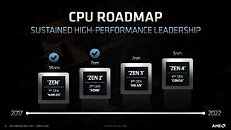
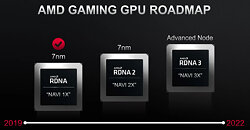
AMD Looks to Keep Performance, Efficiency Gains Momentum With Zen 4, RDNA 3, and Commitment to Threadripper

AMD's Executive Vice President Rick Bergman in an interview with The Street shed some light on the company's future plans for Zen 4 and RDNA 3, even as we are still reeling from (or coming in to) Zen 3 and RDNA 2's launches. Speaking on RDNA 3, Rick Bergman mentioned the company's commitment to achieve the same 50% performance-per-watt increase they achieved with RDNA 2, and had some interesting takes on the matter of why this is actually one of the most important metrics:
Rick Bergman, AMD Executive Vice PresidentIt just matters so much in many ways, because if your power is too high -- as we've seen from our competitors -- suddenly our potential users have to buy bigger power supplies, very advanced cooling solutions. And in a lot of ways, very importantly, it actually drives the [bill of materials] of the board up substantially. This is a desktop perspective. And invariably, that either means the retail price comes up, or your GPU cost has to come down. We focused on that for RDNA 2. It's a big focus on RDNA 3 as well.

AMD Radeon RX 6800 and RX 6800 XT GPU OpenCL Performance Leaks

AMD has just recently announced its next-generation Radeon RX 6000 series GPU based on the new RDNA 2 architecture. The architecture is set to compete with NVIDIA Ampere architecture and highest offerings of the competing company. Today, thanks to the well-known leaker TUM_APISAK, we have some Geekbench OpenCL scores. It appears that some user has gotten access to the system with the Radeon RX 6800 and RX 6800 XT GPUs, running Cinebench 4.4 OpenCL tests. In the tests, the system ran on the Intel platform with Core i9-10900K CPU with 16 GB DDR4 RAM running at 3600 MHz. The motherboard used was ASUS top-end ROG Maximus XII Extreme Z490 board.

When it comes to results, the system with RX 6800 GPU scored anywhere from 347137 points to 336367 points in three test runs. For comparison, NVIDIA GeForce RTX 3070 scores about 361042 points, showcasing that the Radeon card is not faster in any of the runs. When it comes to the higher-end Radeon RX 6800 XT GPU, it scored 407387 and 413121 points in two test runs. Comparing that to GeForce RTX 3080 GPU that scores 470743 points, the card is slower compared to the competition. There has been a Ryzen 9 5950X test setup that boosted the performance of Radeon RX 6800 XT card by quite a lot, making it reach 456837 points, making a huge leap over the Intel-based system thanks to the Smart Access Memory (SAM) technology that all-AMD system provides.

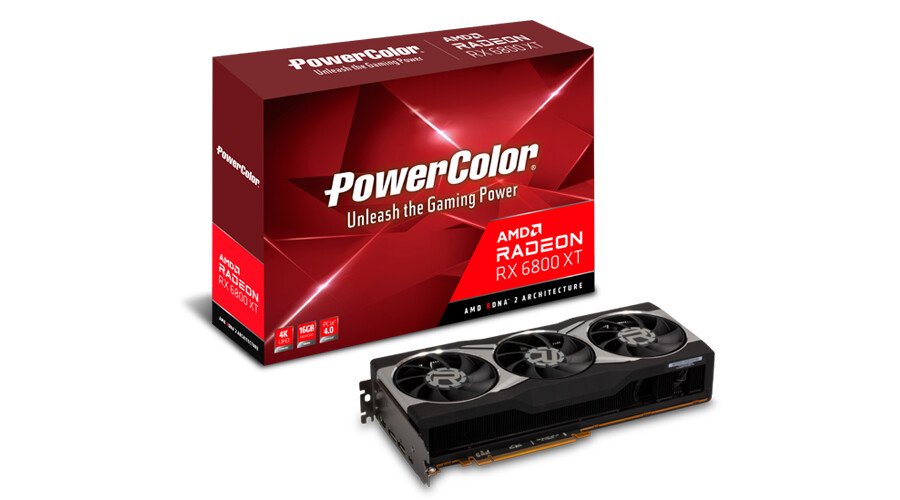
PowerColor Announces its Radeon RX 6800 XT and RX 6800 Graphics Cards

TUL Corporation, a leading and innovative manufacturer of AMD graphic cards since 1997, is tackling today the high end gaming market with its new RX 6800 XT and RX 6800 based on the AMD's RDNA2 architecture and with 16Gb of GDDR6, PowerColor RX6800 stakes gaming to a new level of visual immersion and graphics performance.

AMD RDNA 2 gaming architecture was designed to deliver the optimal combination of performance and power efficiency. AMD RDNA 2 architecture is the next generation enthusiast gaming platforms. Designed for the most demanding gaming enthusiasts looking to game on the highest possible settings PowerColor RX 6800 XT and RX 6800 come with boost clock up to 2250 MHz and 2105 MHz respectively and makes use of 16 GB of ultra-fast GDDR6 for no performance compromises.

AMD in Talks with Partners About Custom Radeon RX 6900 XT Designs

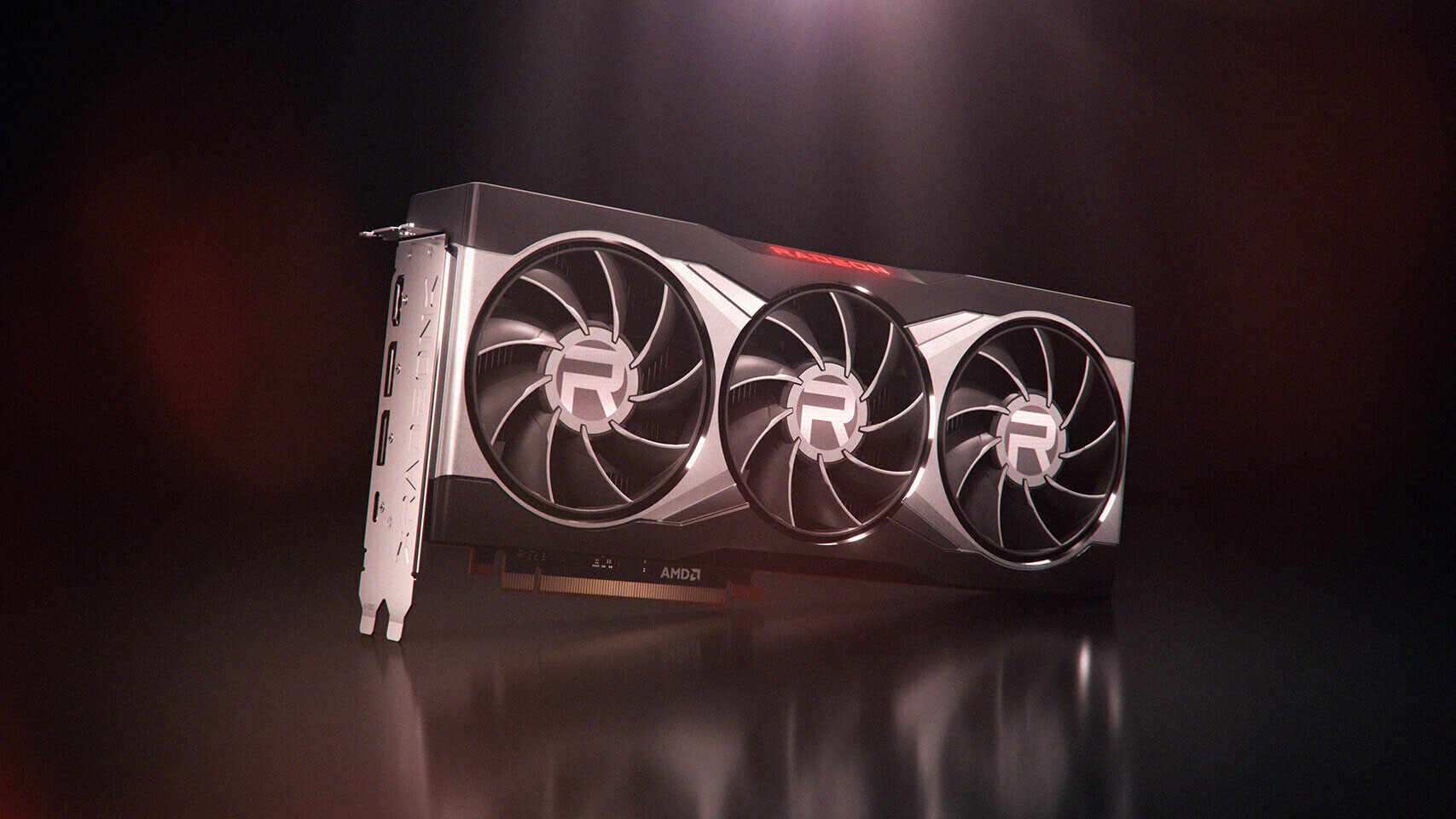
Just a few days ago AMD has announced its Radeon RX 6000 series of graphics cards based on the new RDNA 2 architecture. While AMD has given out the "Big Navi" chips to its partners to design custom boards and give users designs with better cooling and possibly higher overclocking capabilities, that doesn't seem to extend to the highest-end parts. So far, we have seen custom designs from companies like ASUS, MSI, etc., and all of them have one thing in common - they only do designs for Radeon RX 6800 or RX 6800 XT. So one would wonder where are the highest-end custom Radeon RX 6900 XT designs.

The first wave of the "custom" cards will be on November 18th, when manufacturers will release designs that are MBA (Made-by-AMD), meaning that the PCB is a reference design, just with a custom cooler installed. When it comes to the custom RX 6900 XT cards, AMD is now in talks with its partners whether to keep the biggest "Big Navi" design available for custom designs, or to keep it as AMD exclusive, with the most likely scenario being the AMD exclusivity. AMD partners could carry the models in their stores and offerings, however, the PCB and cooler design would be AMD's. The situation is yet unresolved so we have to wait and see what comes out of it and if we are getting any custom designs of the Radeon RX 6900 XT model.

Microsoft: Only Consoles Supporting Full RDNA 2 Capabilities Are Xbox Series X and Series S, Excludes PlayStation 5

Microsoft has today published another article on its Xbox Wire blog, dedicated to all the news regarding the Xbox consoles and its ecosystem. In the light of yesterday's launch of AMD Radeon RDNA 2 graphics cards, Microsoft has congratulated its partner and provider of processors SoCs for their next-generation consoles. Besides the celebrations and congratulations, Microsoft has proceeded to show off what the Xbox Series X and Series S consoles are capable of, and how they integrate the RDNA 2 architecture. The company notes that there are hardware accelerated DirectX Raytracing, Mesh Shaders, Sampler Feedback, and Variable Rate Shading units built-in, so game developers can take advantage of it.

Another interesting point Microsoft made was that "Xbox Series X|S are the only next-generation consoles with full hardware support for all the RDNA 2 capabilities AMD showcased today." What this translates into is that Microsoft is the only console maker that uses the full RDNA 2 potential. This could leave Sony out in the dark with its PlayStation 5 console, meaning that it does not support all the features of AMD's new GPU architecture. There are not any specific points, however, we have to wait and see what Sony has left out, if anything.

AMD Announces the Radeon RX 6000 Series: Performance that Restores Competitiveness

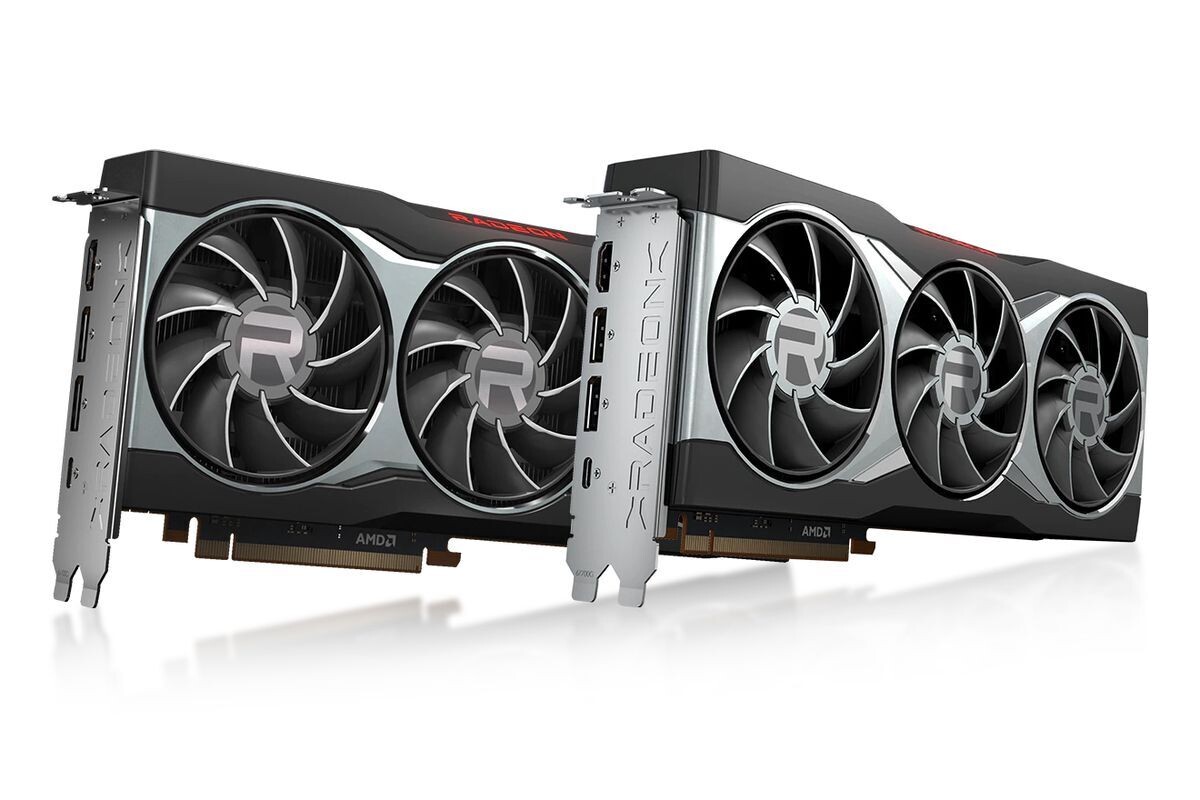
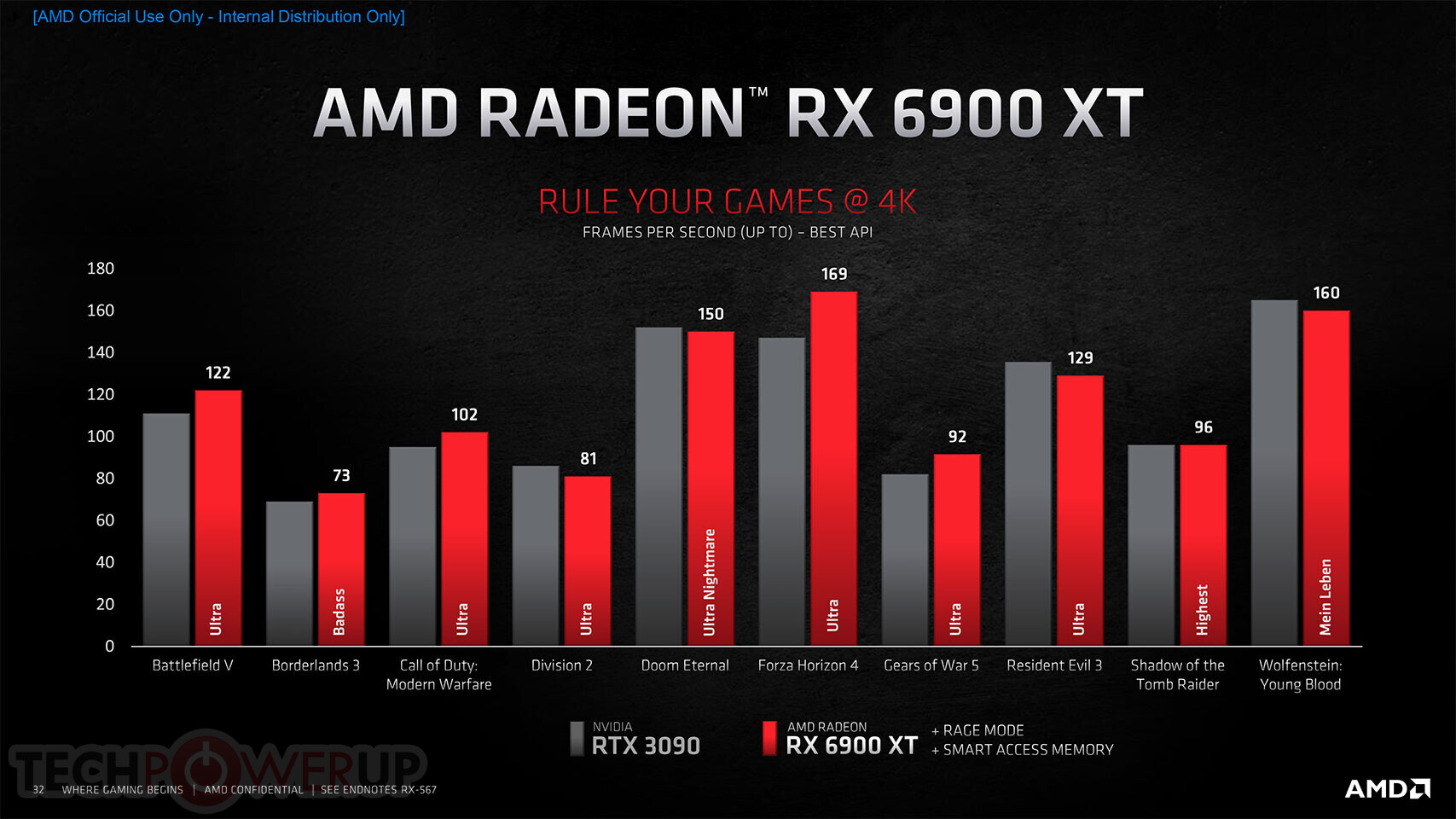
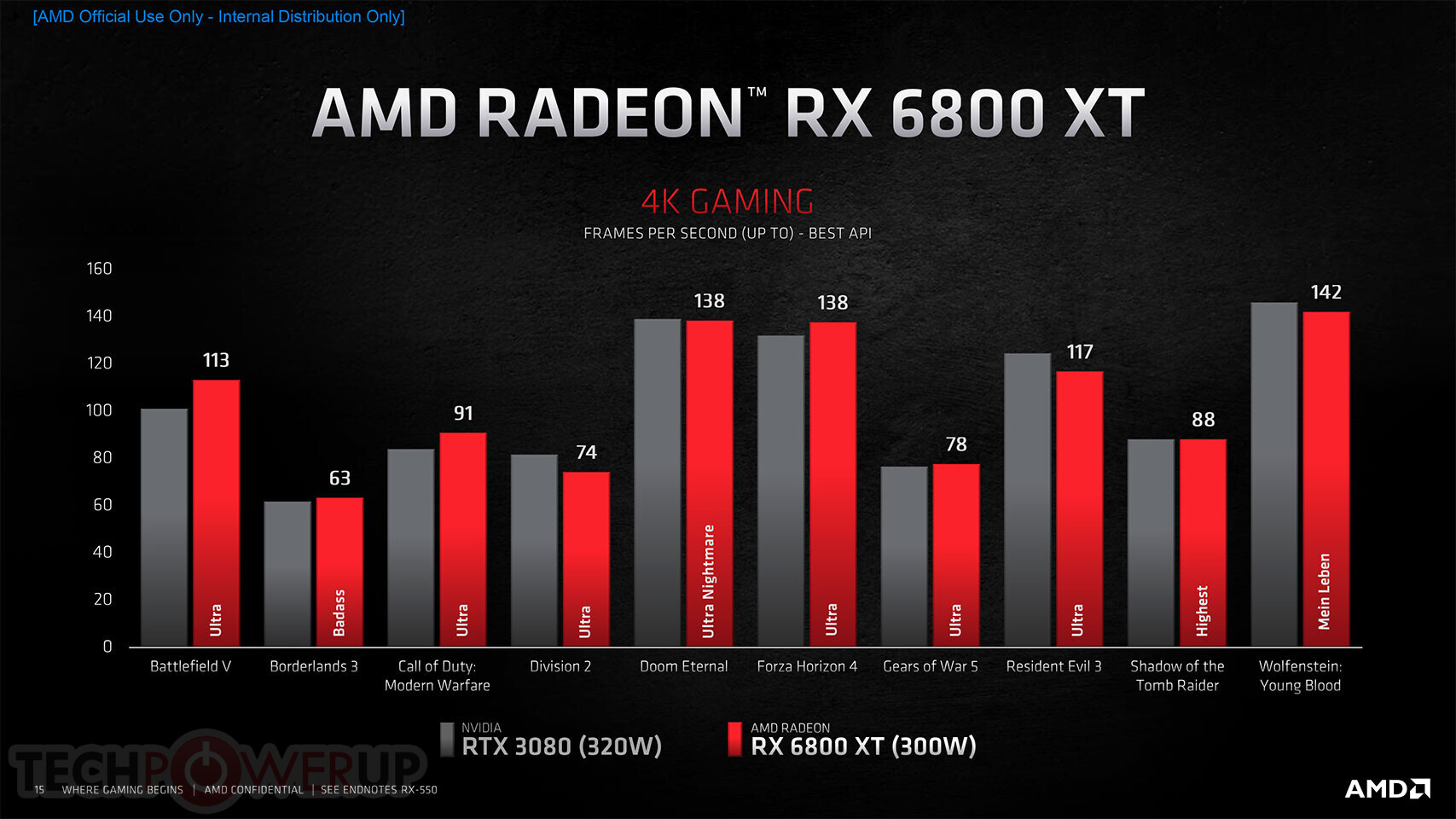
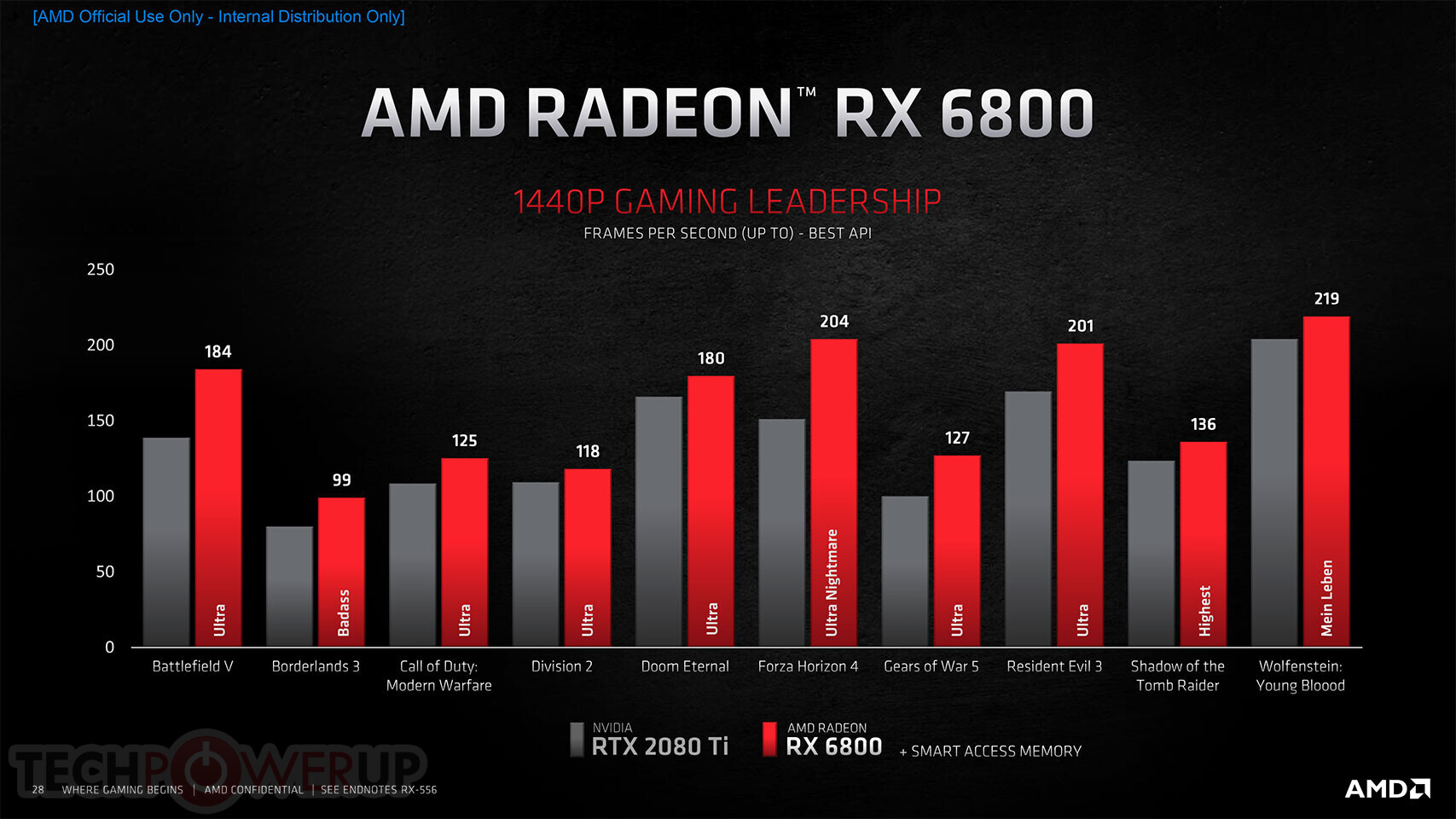
AMD (NASDAQ: AMD) today unveiled the AMD Radeon RX 6000 Series graphics cards, delivering powerhouse performance, incredibly life-like visuals, and must-have features that set a new standard for enthusiast-class PC gaming experiences. Representing the forefront of extreme engineering and design, the highly anticipated AMD Radeon RX 6000 Series includes the AMD Radeon RX 6800 and Radeon RX 6800 XT graphics cards, as well as the new flagship Radeon RX 6900 XT - the fastest AMD gaming graphics card ever developed.

AMD Radeon RX 6000 Series graphics cards are built upon groundbreaking AMD RDNA 2 gaming architecture, a new foundation for next-generation consoles, PCs, laptops and mobile devices, designed to deliver the optimal combination of performance and power efficiency. AMD RDNA 2 gaming architecture provides up to 2X higher performance in select titles with the AMD Radeon RX 6900 XT graphics card compared to the AMD Radeon RX 5700 XT graphics card built on AMD RDNA architecture, and up to 54 percent more performance-per-watt when comparing the AMD Radeon RX 6800 XT graphics card to the AMD Radeon RX 5700 XT graphics card using the same 7 nm process technology.

AMD Big Navi GPU Features Infinity Cache?

As we are nearing the launch of AMD's highly hyped, next-generation RDNA 2 GPU codenamed "Big Navi", we are seeing more details emerge and crawl their way to us. We already got some rumors suggesting that this card is supposedly going to be called AMD Radeon RX 6900 and it is going to be AMD's top offering. Using a 256-bit bus with 16 GB of GDDR6 memory, the GPU will not use any type of HBM memory, which has historically been rather pricey. Instead, it looks like AMD will compensate for a smaller bus with a new technology it has developed. Thanks to the new findings on Justia Trademarks website by @momomo_us, we have information about the alleged "infinity cache" technology the new GPU uses.

It is reported by VideoCardz that the internal name for this technology is not Infinity Cache, however, it seems that AMD could have changed it recently. What does exactly you might wonder? Well, it is a bit of a mystery for now. What it could be, is a new cache technology which would allow for L1 GPU cache sharing across the cores, or some connection between the caches found across the whole GPU unit. This information should be taken with a grain of salt, as we are yet to see what this technology does and how it works, when AMD announces their new GPU on October 28th.

AMD RX 5700 Series Reportedly Enter EOL - No Longer Manufactured

Update, October 7th 2020: AMD has confirmed it has ceased production for the RX 5700, but that RX 5700 XT manufacturing will be ongoing at least until 1Q2021. It's unclear what this means for the company's RDNA2 launch plans; it could be speculated the company will be releasing halo products first, with lower tiers being launched at a later time, in line with NVIDIA's usual launch cadence. This would justify the RX 5700 being kept in fabrication, since with a substantial price cut, it could become a mainstream AMD product).

A report originated from Cowcotland paints AMD as having ceased production on the Navi 10-powered RX 5700 XT and RX 5700. No reference or custom designs are currently being manufactured for either of these GPUs. AMD having ceased production on these cards makes sense, considering the upcoming announcement for the RX 6000 series scheduled for October 28th. This serves as a way for the supply channel to keep draining its supply of RX 5700 cards ahead of the upcoming RDNA 2 solutions. Them being discontinued means that AMD is looking to replace them - at least price-wise - on their product stack.

Interestingly, it appears that the RX 5600 XT is still being manufactured - it's likely AMD reduced manufacturing of Navi 10 so as to feed only this GPU, which should, as such, remain in the market for a little while until AMD launches an RDNA 2 equivalent - if those are the company's plans. TSMC capacity is freed for additional wafers for other AMD product requirements - which, with both Zen 3, next-gen consoles, and RDNA 2 all launching between the same time frame - should tend towards infinity.

AMD RDNA 2 "Big Navi" to Feature 12 GB and 16 GB VRAM Configurations

As we are getting close to the launch of RDNA 2 based GPUs, which are supposedly coming in September this year, the number of rumors is starting to increase. Today, a new rumor coming from the Chinese forum Chiphell is coming our way. A user called "wjm47196" known for providing rumors and all kinds of pieces of information has specified that AMD's RDNA 2 based "Big Navi" GPU will come in two configurations - 12 GB and 16 GB VRAM variants. Being that that is Navi 21 chip, which represents the top-end GPU, it is logical that AMD has put a higher amount of VRAM like 12 GB and 16 GB. It is possible that AMD could separate the two variants like NVIDIA has done with GeForce RTX 2080 Ti and Titan RTX, so the 16 GB variant is a bit faster, possibly featuring a higher number of streaming processors.

Microsoft Details Technologies at the Soul of Xbox Series X: The Velocity Architecture

When we set out to design the Xbox Series X, we aspired to build our most powerful console ever powered by next generation innovation and delivering consistent, sustained performance never before seen in a console with no compromises. To achieve this goal, we knew we needed to analyze each component of the system, to push beyond the limitations in traditional console performance and design. It was critical in the design of the Xbox Series X to ensure we had a superior balance of power, speed and performance while ensuring no component would constrain the creative ambition of the world's best creators, empowering them to deliver truly transformative next gen gaming experiences not possible in prior console generations.

Microsoft Project xCloud Servers to be Powered by Xbox Series X SoC

Microsoft is preparing to launch a competitive product to Google's Stadia and Amazon's Project Tempo, which are both game streaming services. To Microsoft's advantage, the company has experience in building gaming systems and using cloud technology to integrate them. While both Google and Amazon are cloud providers and have the infrastructure to implement game streaming services, Microsoft has its Xbox division, which has been in the gaming industry for a long time. Despite already owning the infrastructure, Microsoft wants to use the hardware from its Xbox consoles as a base of the upcoming game streaming service called Project xCloud.

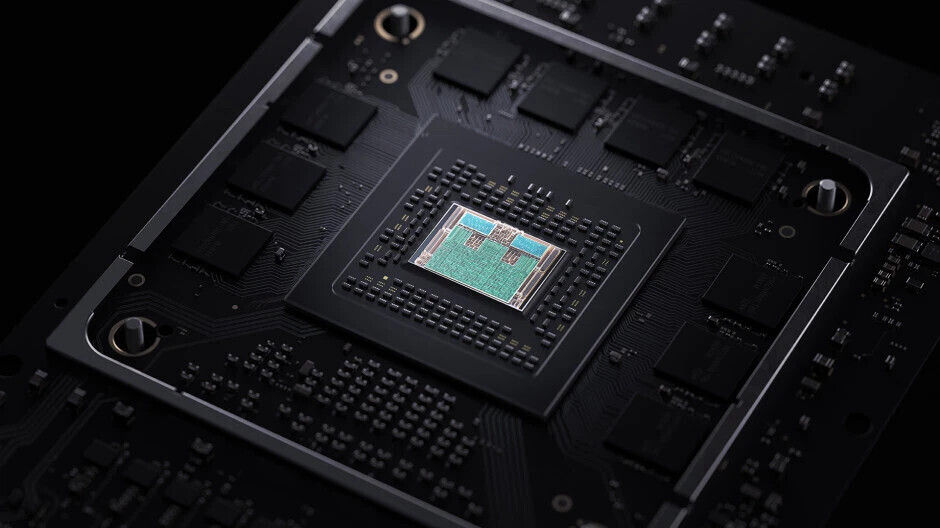
According to sources of Tom Warren, senior editor at Verge, Microsoft will be re-using the Xbox SoCs found in their consoles. According to the source, in the beginning, Microsoft is going to use Xbox One S blades to power its game streaming service. After that, the company will upgrade its servers with more powerful Xbox Series X SoC. As a reminder, the Xbox Series X SoC has 8 Ryzen CPU cores based on "Zen 2" µarch, RDNA 2 GPU capable of delivering 12 TFLOPs, 16 GB of GDDR6 memory and a mighty fast SSD. This will be enough to satisfy game streaming service demands and power all of the AAA titles users will be playing once it is available.
Xbox Series X SoC

AMD "Ryzen C7" Smartphone SoC Specifications Listed

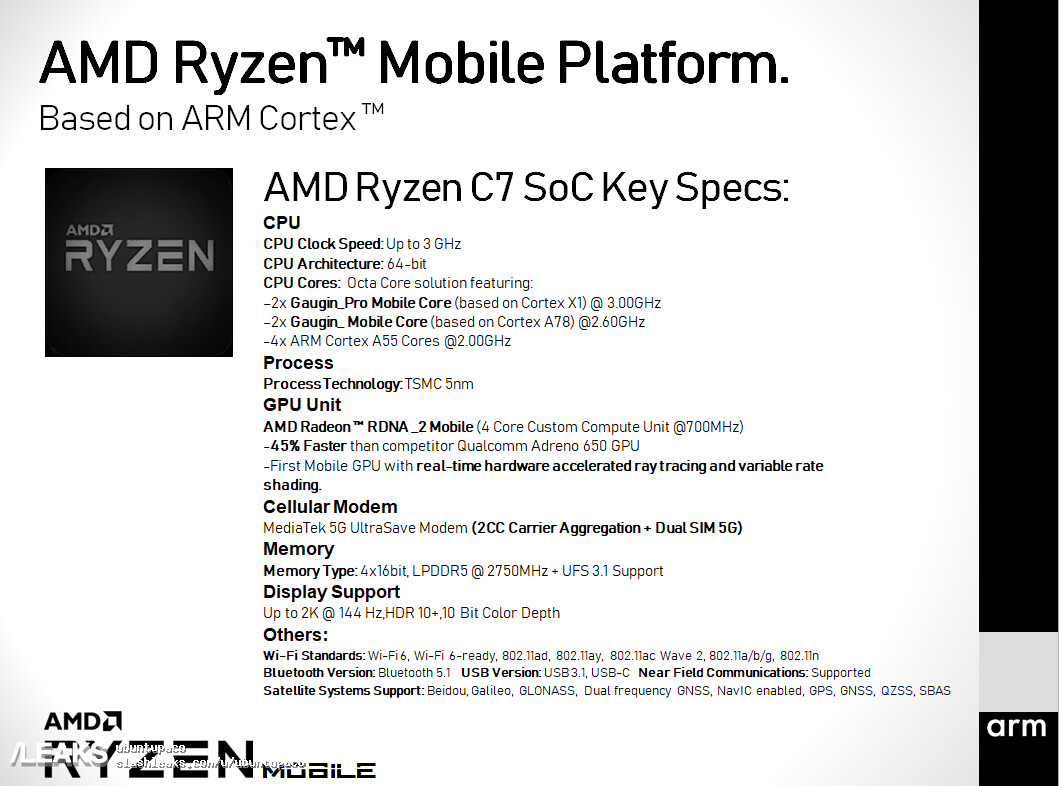
Last year Samsung and AMD announced their collaboration which promises to deliver smartphone chips with AMD RDNA 2 graphics at its heart. This collaboration is set to deliver first products sometime at the beginning of 2021 when Samsung will likely utilize new SoCs in their smartphones. In previous leaks, we have found that the GPU inside this processor is reportedly beating the competition form Qualcomm, where the AMD GPU was compared to Adreno 650. However, today we have obtained more information about the new SoC which is reportedly called "Ryzen C7" smartphone SoC. A new submission to a mobile phone leaks website called Slash Leaks has revealed a lot of new details to us.

The SoC looks like a beast. Manufactured on TSMC 5 nm process, it features two Gaugin Pro cores based on recently announced Arm Cortex-X1, two Gaugin cores based on Arm Cortex-A78, and four cores based on Arm Cortex-A55. This configuration represents a standard big.LITTLE CPU typical for smartphones. Two of the Cortex-X1 cores run at 3 GHz, two of Cortex-A78 run at 2.6 GHz, while four little cores are clocked at 2 GHz frequency. The GPU inside this piece of silicon is what is amazing. It features four cores of custom RDNA 2 based designs that are clocked at 700 MHz. These are reported to beat the Adreno 650 by 45% in performance measurements.

AMD Confirms Zen 3 and RDNA2 by Late-2020

AMD in its post Q1-2020 earnings release disclosures stated that the company is "on track" to launching its next-generation "Zen 3" CPU microarchitecture and RDNA2 graphics architecture in late-2020. The company did not reveal in what shape or form the two will debut. AMD is readying "Zen 3" based EPYC "Milan" enterprise processors, "Vermeer" Ryzen desktop processors, and "Cezanne" Ryzen mobile APUs based on "Zen 3," although there's no word on which product line the microarchitecture will debut with. "Zen 3" compute dies (CCDs) are expected to do away with the quad-core compute complex (CCX) arrangement of cores, and are expected to be built on a refined 7 nm-class silicon fabrication process, either TSMC N7P or N7+.

The only confirmed RDNA2 based products we have as of now are the semi-custom SoCs that drive the Sony PlayStation 5 and Microsoft Xbox Series X next-generation consoles, which are expected to debut by late-2020. The AMD tweet, however, specifies "GPUs" (possibly referring to discrete GPUs). Also, with AMD forking its graphics IP to RDNA (for graphics processors) and CDNA (for headless compute accelerators), we're fairly sure AMD is referring to a Radeon RX or Radeon Pro launch in the tweet. Microsoft's announcement of the DirectX 12 Ultimate logo is expected to expedite launch of Radeon RX discrete GPUs based on RDNA2, as the current RDNA architecture doesn't meet the logo requirements.

AMD RDNA 2 GPUs to Support the DirectX 12 Ultimate API

AMD today announced in the form of a blog post that its upcoming graphics cards based on RDNA 2 architecture will feature support for Microsoft's latest DirectX 12 Ultimate API. "With this architecture powering both the next generation of AMD Radeon graphics cards and the forthcoming Xbox Series X gaming console, we've been working very closely with Microsoft to help move gaming graphics to a new level of photorealism and smoothness thanks to the four key DirectX 12 Ultimate graphics features -- DirectX Raytracing (DXR), Variable Rate Shading (VRS), Mesh Shaders, and Sampler Feedback." - said AMD in the blog.

Reportedly, Microsoft and AMD have worked closely to enable this feature set and provide the best possible support for RDNA 2 based hardware, meaning that future GPUs and consoles are getting the best possible integration of the new API standard.
AMD RDNA 2 supports DirectX12 Ultimate AMD RDNA 2 supports DirectX12 Ultimate AMD RDNA 2 supports DirectX12 Ultimate AMD RDNA 2 supports DirectX12 Ultimate

AMD Financial Analyst Day 2020 Live Blog

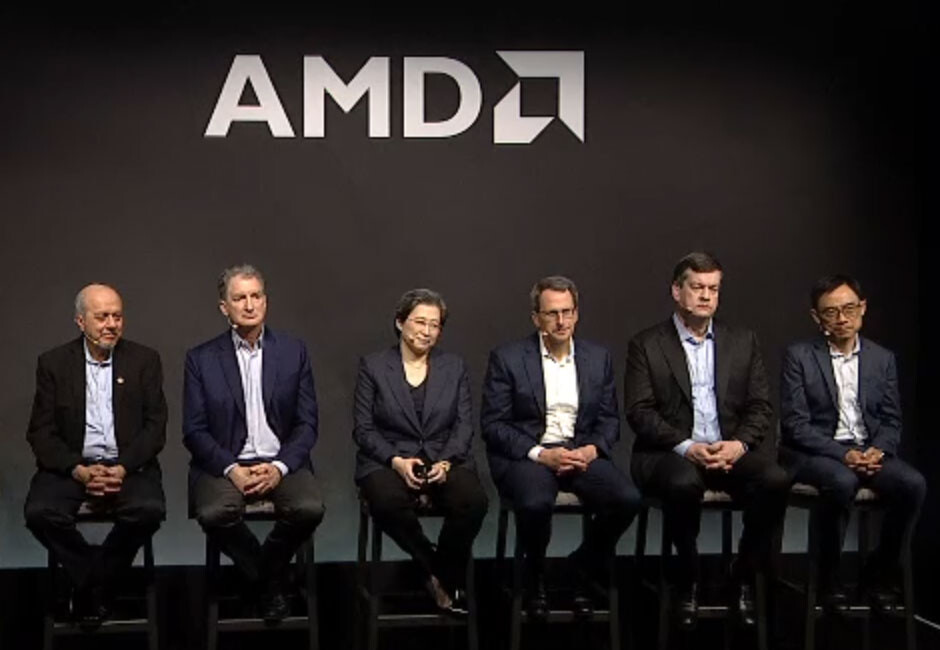
AMD Financial Analyst Day presents an opportunity for AMD to talk straight with the finance industry about the company's current financial health, and a taste of what's to come. Guidance and product teasers made during this time are usually very accurate due to the nature of the audience. In this live blog, we will post information from the Financial Analyst Day 2020 as it unfolds.
20:59 UTC: The event has started as of 1 PM PST. CEO Dr Lisa Su takes stage.

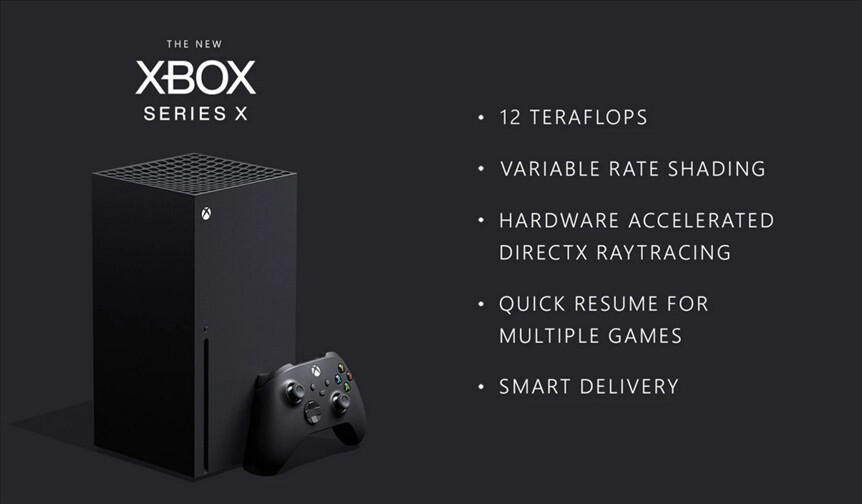
Microsoft Confirms Xbox Series X Specs - 12 TFLOPs, Custom APU With Zen 2, RDNA 2, H/W Accelerated Raytracing

Microsoft has confirmed the official specs for the Xbox Series X games console, due Holiday 2020 (think November). The new specs announcement confirms the powerhouse of a console this will be, with its peak 12 TFLOPs compute being 8 times that of the original Xbox One, and twice that of the Xbox One X, which already quite capable of powering true 4K experiences. This 12 TFLOPs figure is a mighty impressive one - just consider that AMD's current highest-performance graphics card, Radeon VII, features a peak 13.4 TFLOPs of computing power - and that's a graphics card that was launched just a year ago.

The confirmation also mentions support for Hardware-Accelerated raytracing, something that all but confirms the feature being built into AMD's RDNA 2 microarchitecture (of which we are expecting news anytime now). this, alongside Variable Rate Shading (VRS) support, brings AMD to feature parity with NVIDIA's Turing, and should allow developers to optimize their performance and graphical targets without any discernible quality loss.
Return to Keyword Browsing
Nov 27th, 2026 20:23 CST change timezone

New Forum Posts

Popular Reviews

TPU on YouTube

Controversial News Posts