News Posts matching #Ryzen 7

Return to Keyword Browsing

AMD Ryzen 7 8700G & Ryzen 5 8600G APUs Geekbenched

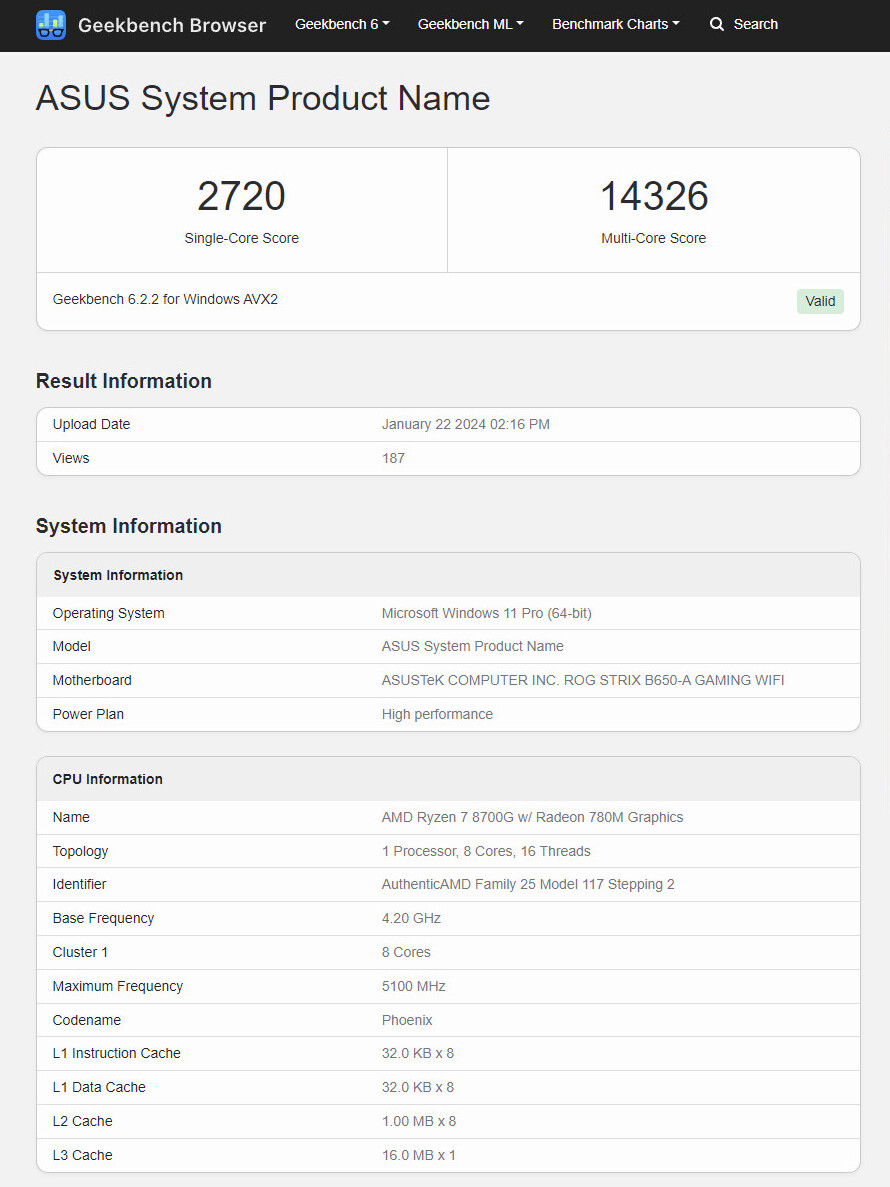
AMD announced its Ryzen 8000G series of Zen 4-based desktop APUs earlier this month, with an official product launch date: January 31. The top models within this range are the "Hawk Point" Ryzen 7 8700G and Ryzen 5 8600G processors—Olrak29_ took to social media after spotting pre-release examples popping up on the Geekbench Browser database. It is highly likely that evaluation samples are in the hands of reviewers, and more benchmarked results are expected to be uploaded over the next week and a half. The Ryzen 7 8700G (w/ Radeon 780M Graphics) was benched on an ASUS ROG STRIX B650-A GAMING WIFI board with 32 GB (6398 MT/s) of DDR5 system memory. Leaked figures appeared online last weekend, originating from an Ryzen 5 8600G (w/ Radeon 760M Graphics) paired with an MSI B650 GAMING PLUS WIFI (MS-7E26) motherboard and 32 GB (6400 MT/s) of DDR5 RAM.

The Geekbench 6 results reveal that the Ryzen 7 8700G and Ryzen 5 8600G APUs are slightly less performant than "Raphael" Ryzen 7000 non-X processors—not a massive revelation, given the underlying technological similarities between these AMD product lines. Evaluations could change with the publication of official review data, but the 8000G series is at a natural disadvantage here—lower core clock frequencies and smaller L3 cache designations are the likely culprits. The incoming APUs are also somewhat hobbled with PCIe support only reaching 4.0 standards. VideoCardz, Tom's Hardware and Wccftech have taken the time to compile the leaked Geekbench 6 results into handy comparison charts—very much worth checking out.

AMD's Phoenix 1 and Phoenix 2 APUs Differ in PCIe Lane Count, Affects NVMe Drive Performance and GPU PCIe Lane Count

At CES, AMD didn't give away too many technical details of its upcoming Ryzen 8000G-series APUs, but details are starting to trickle out and it's not all good news. As has been known for some time, AMD is using two different chips to make the Ryzen 8000G APUs and they're known as the Phoenix 1 and Phoenix 2, where the Phoenix 2 parts feature Zen 4c cores, which are not present in the Phoenix 1 APUs. This in and of itself shouldn't be a huge issue, although the Zen 4c CPU cores can be slightly slower in some tasks based on testing of AMD's EPYC server parts.

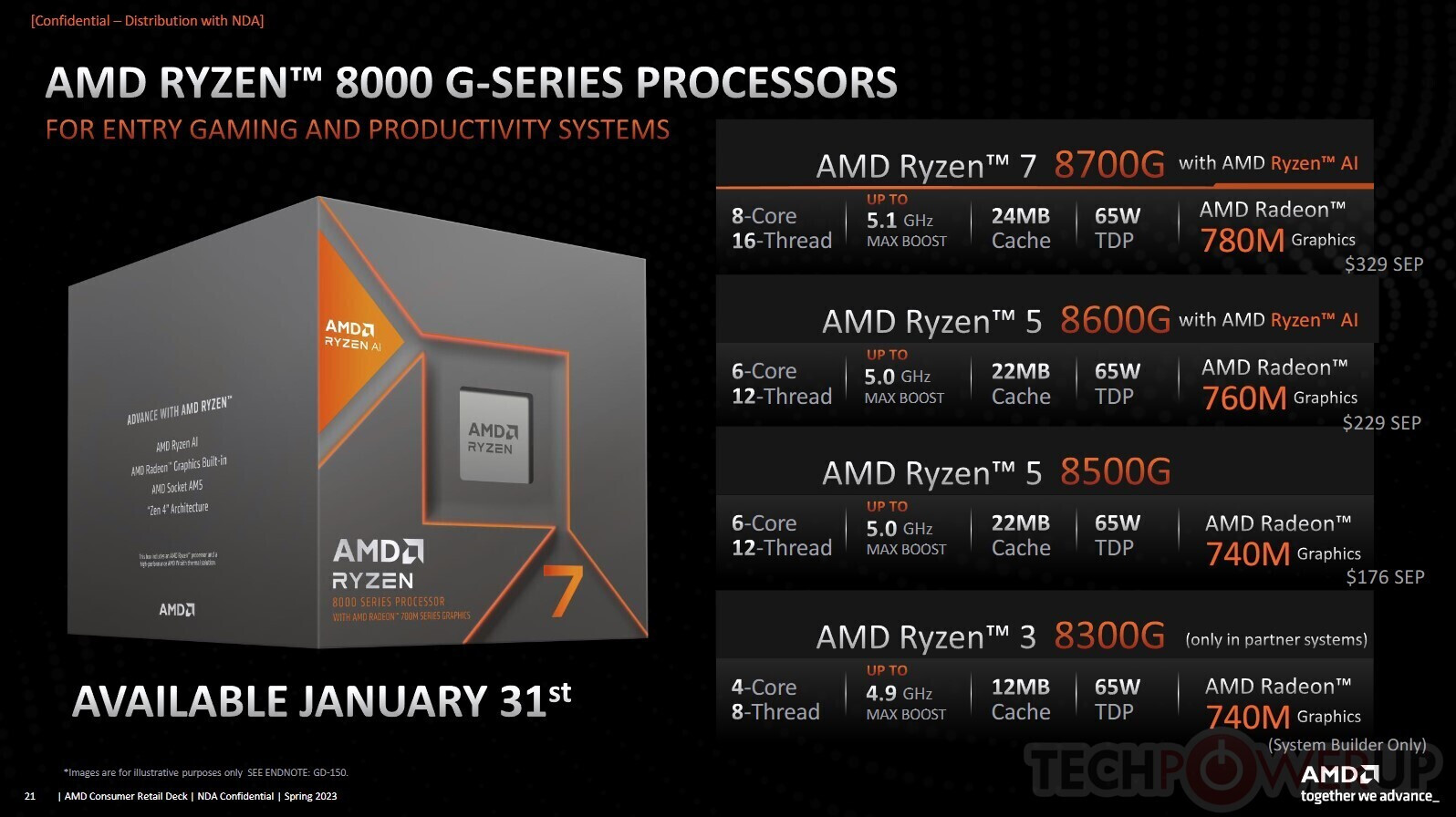
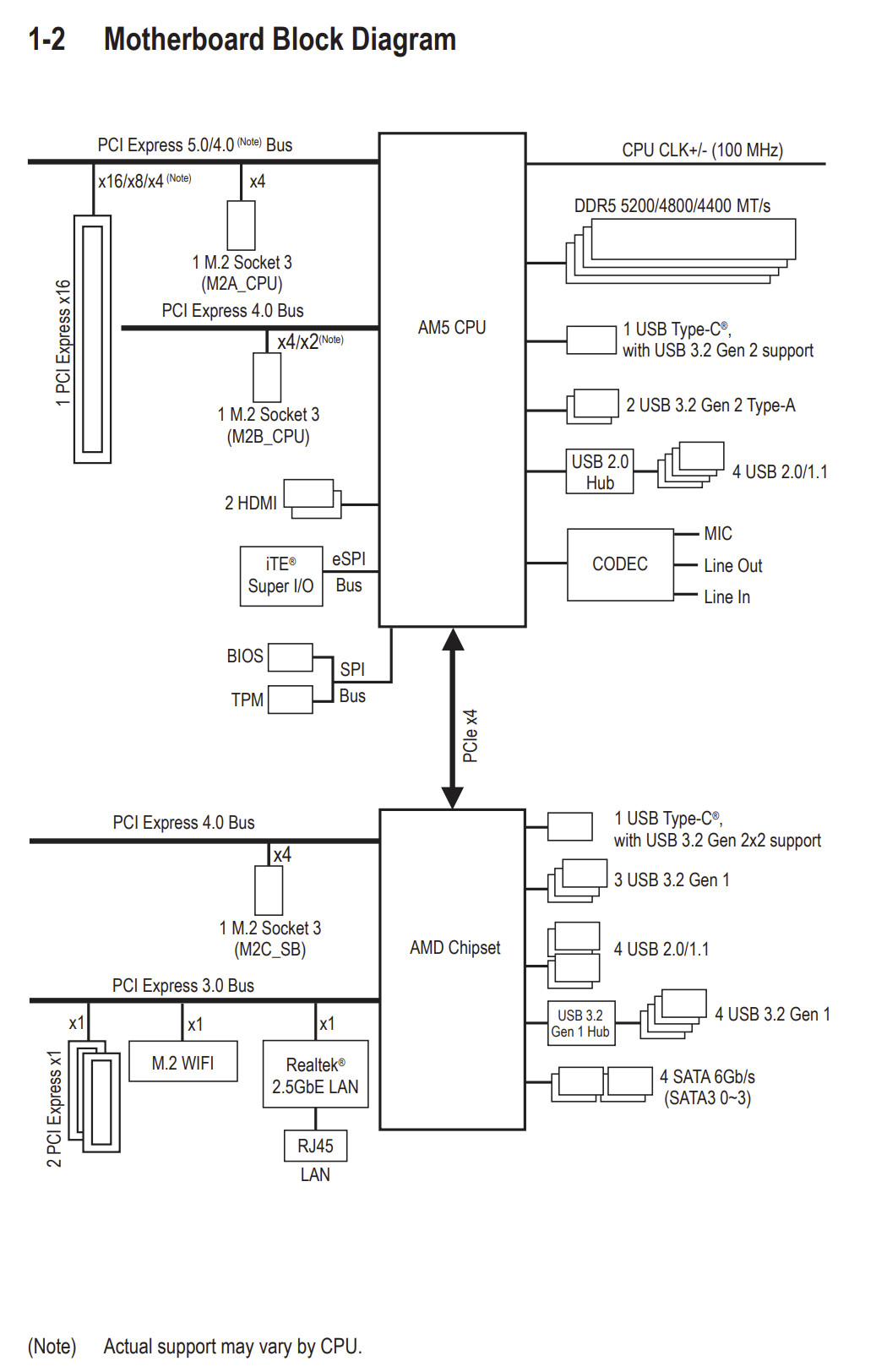
However, PCGamesN noticed that Gigabyte has posted the full specs for the B650E Aorus Elite X AX Ice motherboard and it looks like there's a much bigger difference between the Phoenix 1 and Phoenix 2 based APUs. Namely, the Phoenix 2 APUs have fewer PCIe lanes and as such are limited to two PCIe 4.0 lanes for the secondary NVMe slot. As if this wasn't bad enough, the Phoenix 2 APUs only have four PCIe 4.0 lanes for add-in GPUs, whereas the Phoenix 1 APUs have eight. This is very likely to lead to reduced performance if a higher-end GPU is used with such an APU. Note that this will vary depending on the motherboard design, but many B650/B650E boards feature a similar design with regards to the PCIe lanes coming from the CPU socket. Luckily, it's easy to avoid this issue, as the Ryzen 5 8600G and the Ryzen 7 8700G are both Phoenix 1 designs, whereas the Ryzen 5 8500G is the only Phoenix 2 design available in retail, as the Ryzen 3 8300G is an OEM only part.

Lenovo Showcases New Yoga and Other Consumer Devices at CES 2024

Today, at CES 2024, Lenovo showcased its latest repertoire of new consumer devices: A selection of Yoga AI laptops that supercharge the creative process, a tablet that invites users to play and learn, IdeaPad laptops designed for the everyday user, and peripherals for the modern world. "Modern consumers need solutions that adapt to their evolving needs, and our latest selection of portable devices addresses those needs with thoughtful technologies, including AI," said Jun Ouyang, Lenovo's Vice President and General Manager of the Consumer Business Segment, Intelligent Devices Group. "Our vision of delivering 'AI for all' places the individual user at the center, while emphasizing privacy and security."

Seeing is Believing - The Power and Flexibility of AI
Ushering in a new era, Lenovo's newest lineup of Microsoft Windows 11 Lenovo Yoga laptops come with Lenovo Yoga Creator Zone, an exclusive new software for creators, artists, and anybody looking to harness the power of generative AI in a simple and private way with security in mind. As an imagination sparkplug, Lenovo Yoga Creator Zone offers image generation, which transforms text-based descriptions or even sketches into stunning visuals without complex prompts, codes, or setups. Users simply type whatever they want to see, and the system instantly creates a visual representation.

Framework Demonstrates Laptop 16 Customization and Expansion Modules at CES 2024

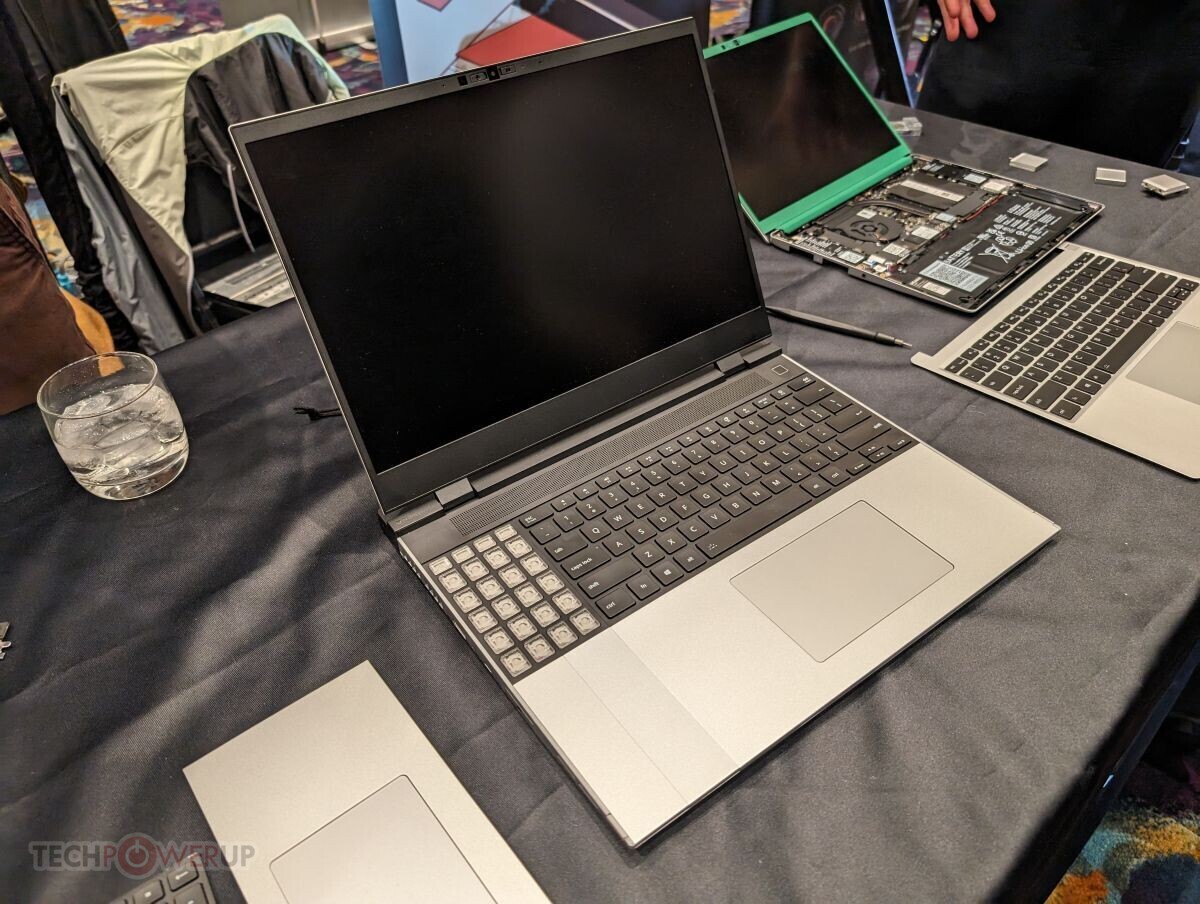
Modularity takes center stage in Framework's latest laptop innovation—the Laptop 16—showcased at their CES 2024 booth. The TechPowerUp team was there to look at the modules that the company showed. As a bigger brother to their popular Laptop 13, the 16-inch model amps up the modularity with new expansion systems for unrivaled customizability. The showstopper is the laptop's graphics modularity, realizing the long-sought dream of upgradeable discrete GPUs in a laptop. Gamers and creators can swap graphics modules to keep up with the latest technology. The laptop also introduces a modular keyboard deck with interchangeable parts for full input flexibility. Framework's expansive modularity translates to sustainability. Components can be reused, reducing e-waste. The company is open-sourcing designs and engaging partners to participate in the ecosystem.

Starting at $1399 for the DIY edition, the choice is either AMD Ryzen 7 7840HS or Ryzen 9 7940HS CPUs, along with Radeon RX 7700S graphics configured at 100 Watt TGP. A variety of modules and various keyboard positions can be seen in the pictures below, including the configuration with LED matrix spacer, color shifting spacer, different color screen bezels, and much more. Additional modules like SD Card expansion module are coming soon as well.

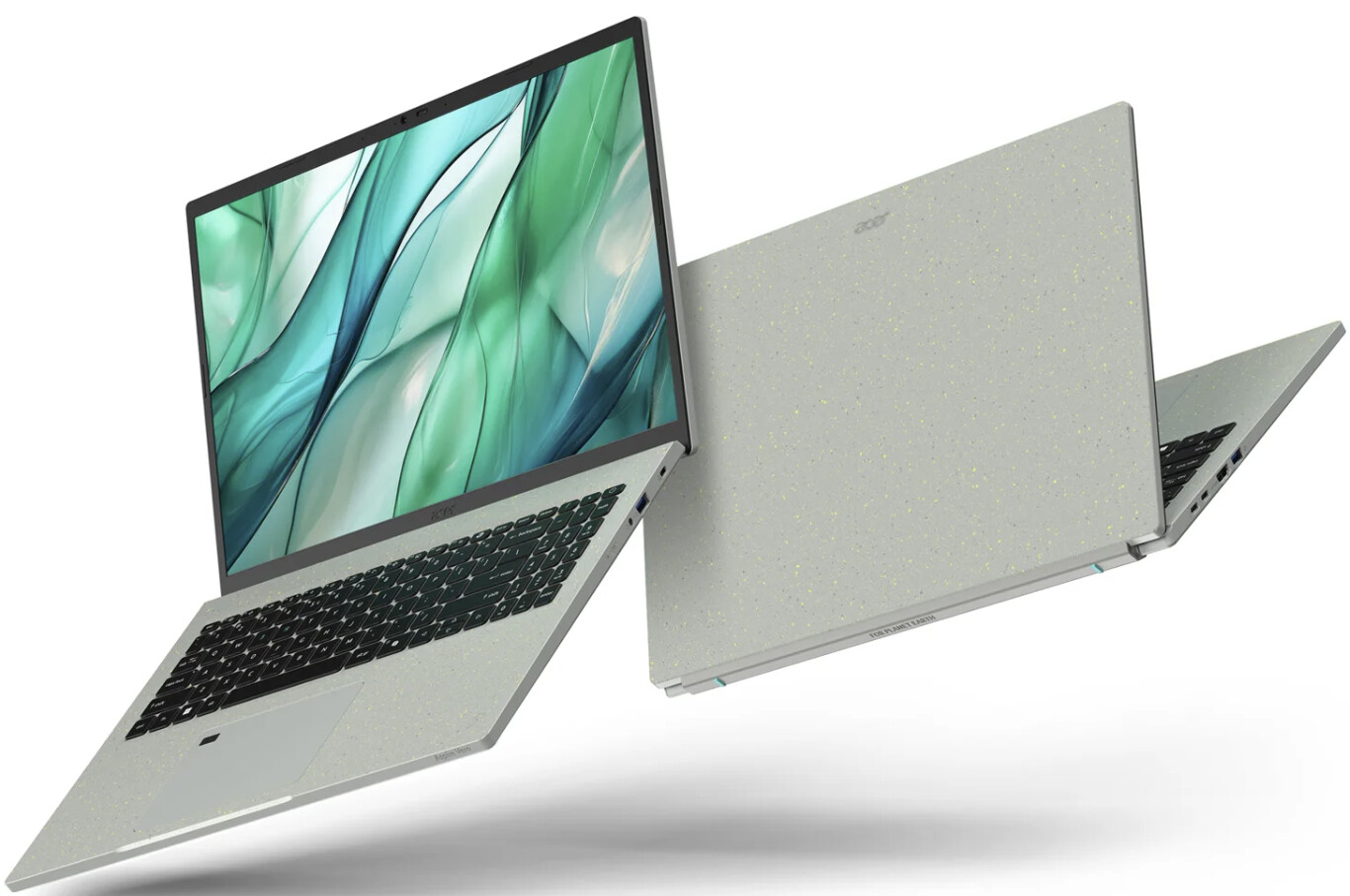
Acer Debuts Carbon-Neutral Aspire Vero 16 with Latest Intel Core Ultra Processors

Acer announced new additions to its Aspire laptop line, showcasing an extensive range of performance and design options to support everyday computing needs.

The Aspire Vero 16 is the latest from its Vero product line, powered by the new Intel Core Ultra processors with Intel AI Boost and Wi-Fi 7 compatibility. Acer has committed to carbon neutrality for the Aspire Vero 16, following international standards for carbon footprint calculation and carbon neutrality. Actions are taken at each stage of the device lifecycle to minimize its carbon footprint, and then, high-quality carbon credits will be applied to attain carbon neutrality. The Intel Evo Edition laptop has increased the usage of post-consumer recycled (PCR) materials on the chassis, doubling that of the 2021 model, to combine eco-innovation and premium PC experiences on the device.

MINISFORUM Unveils V3 AMD Tablet

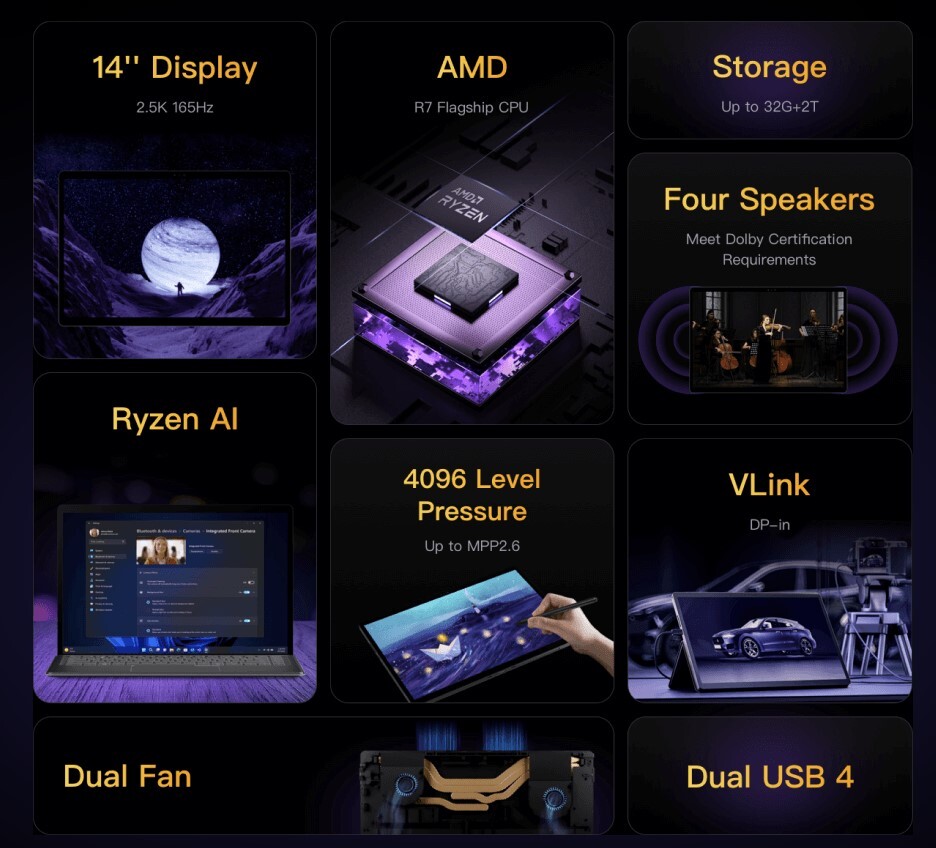
MINISFORUM unveiled a high-end tablet convertible based on the Windows 11 x64 platform. Called simply the V3 AMD Tablet, this 3-in-1 convertible can be used as a 14-inch tablet, or combined with a dock that adds a keyboard, trackpad, and a stand. The tablet measures 318 mm x 213.8 mm x mm 9.8 mm (WxDxH), weighing 946 g. Its 14-inch 16:10 aspect-ratio display offers a 2560 x 1600 pixels resolution, with 165 Hz refresh rate, 100% DCI-P3 coverage, and 500 nits maximum brightness. This display is backed by a sensitive touchscreen that supports MPP 2.6 SLA and sensitivity suitable for a natural handwriting stylus.

Connectivity includes Wi-Fi 6E with Bluetooth 5.3, a USB-C V-Link (DP in), two 40 Gbps USB4, a fingerprint reader, and 4-pole headset jack. Under the hood, the MINISFORUM V3 is powered by an AMD Ryzen 7 8040U series "Hawk Point" processor, paired with 32 GB of LPDDR5-6400 memory, and a 2 TB M.2 Gen 4 NVMe SSD. The SoC has a 28 W configured TDP, and MINISFORUM has innovated a four flat copper heatpipe, dual fan cooling solution. The tablet also has a 4-speaker setup and multi-directional microphone. The front camera is 2 MP with full Windows Hello compatibility, while the rear cam is 5 MP. Powering it all is a 50.82 Wh battery, and a 65 W USB-PD power source over a type-C connector. Windows 11 Pro 23H2 with Ryzen AI enablement comes pre-installed. The company didn't reveal pricing.

Alleged Ryzen 8000G AM5 APU Pricing Makes an Early Appearance

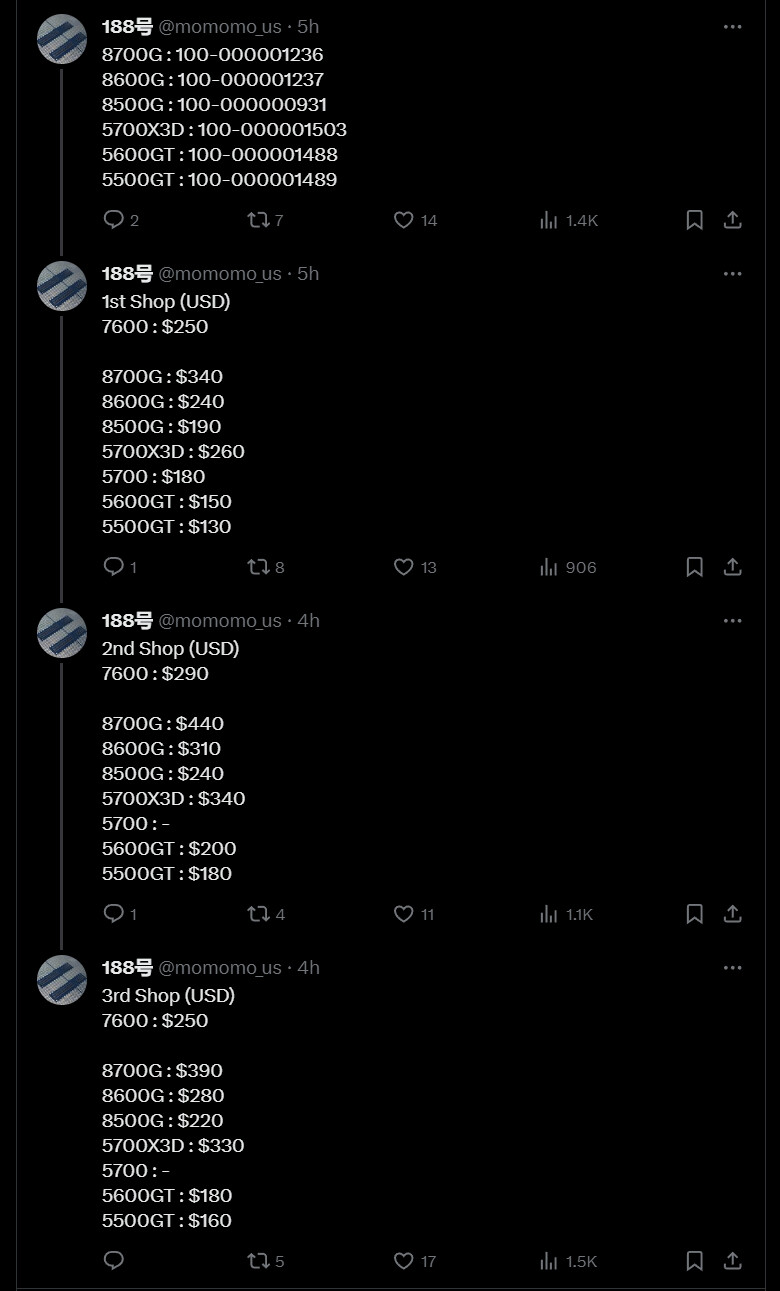
Courtesy of serial leaker @momomo_us we now have an indication on potential pricing for AMD's upcoming 8000G-series of APUs for the AM5 socket. The Ryzen 8000G-series APUs are expected to use the same CPU cores as AMD's Zen 4 based Ryzen 7000-series CPUs, but paired with a new I/O design in a monolithic die. The leaker has provided pricing from what is said to be three different shops and for three different SKUs, with the Ryzen 5 7600 as the reference point in all three cases. All three shops list the Ryzen 5 7600 at a higher price than Amazon, so it's unlikely that we're looking at MSRP pricing here.

The Ryzen 5 8500G has a price range of US$190-240, followed by the Ryzen 5 8600G which comes in at US$240-310 and finally the Ryzen 7 8700G which is listed at US$340-440. The price span is rather large, which makes it impossible to draw any conclusions of what the MSRP will be. Tom's hardware managed to dig up a pair of retailers, including what appears to be the one with the lowest pricing in the leak, which is DirectDial. The other retailer that Tom's Hardware located was Zones, but that pricing doesn't match any of the initial leaks, but are somewhat towards the higher numbers. AMD is expected to announce the new series of APUs at CES early next year.

Graph Provides Valuable Insights to Ryzen User Upgrade Patterns Based on AMD Chipset Sales Share

Market research by Korean publication Danawa DPG provides valuable insights to how desktop AMD Ryzen processor users are charting their upgrade paths given the long upgrade longevity of AMD sockets. The research follows a 10-month date range from December 2022 to October 2023, and tracks the sales of motherboards based on various AMD chipset models. We're shown that toward the turn of the year, AMD B550 chipset motherboards sell the most. This is when AMD Ryzen 5000 Socket AM4 processors top sales for the company, Given that the B550 fully supports CPU overclocking, and that there are plenty of feature-packed B550 motherboard models, it explains why the B550 covers a wide price-band.

AMD launched the Ryzen 7000 series "Zen 4" to lukewarm response in September 2022, mainly because the platform lacked DDR4 memory support that was relevant at the time, and hence wasn't as flexible to consumers as Intel's LGA1700. Its launch caused price-cuts for Ryzen 5000 series processors, clearing out some upgrade headroom for those on the AM4 platform still using Ryzen 3000. Off to a slow start, we see its successor from Socket AM5, the B650 chipset, rise steadily over the time period, and for two reasons—DDR5 memory became affordable over the course of 2023; and AMD breathed life into the Ryzen 7000 series with the introduction of the Ryzen 7000X3D series, which restored gaming performance competitiveness to Intel's 13th Gen Core "Raptor Lake." The B650 has everything you need right now for a Ryzen 7000X3D build, given that both the GeForce RTX 40-series and Radeon RX 7000 series are PCIe Gen 4 graphics cards; and that the B650 has at least a Gen 5 NVMe slot. If you absolutely need a Gen 5 x16 slot, there's the premium B650E chipset to go with.

BIOSTAR Announces A620MP-E PRO Motherboard and Radeon RX7600 GPU Combo

BIOSTAR, a leading manufacturer of motherboards, graphics cards, and storage devices, is excited today to showcase the best graphics card and motherboard combo for work efficiency and home entertainment.

The A620MP-E PRO motherboard and Radeon RX7600 GPU by BIOSTAR redefine excellence, specifically catering to the diverse requirements of students, home users, and casual gamers. These innovative products, embodying BIOSTAR's commitment to quality, seamlessly blend advanced technology with unparalleled performance. This dynamic duo establishes a new standard in versatility and efficiency, exemplifying BIOSTAR's legacy in delivering cutting-edge, reliable solutions for a broad range of computing needs.

Intel Core Ultra 5 125H Squares off Against AMD Ryzen 7 7840HS in Benchmark Leak

The Intel Core Ultra 5 125H is designed to be a middle-of-the-market processor SKU from Intel's next generation "Meteor Lake" processor family. It comes with a CPU core configuration of 14-core/18-thread. That's 4P+8E+2L (four performance cores, eight efficiency cores, two low-power island cores), although with a full featured Xe-LPG iGPU that has all 8 Xe cores (128 EU) enabled. The chip is normally rated for a 28 W power envelope, although OEMs such as Lenovo have developed a custom 65 W "power mode," which raises the base power value.

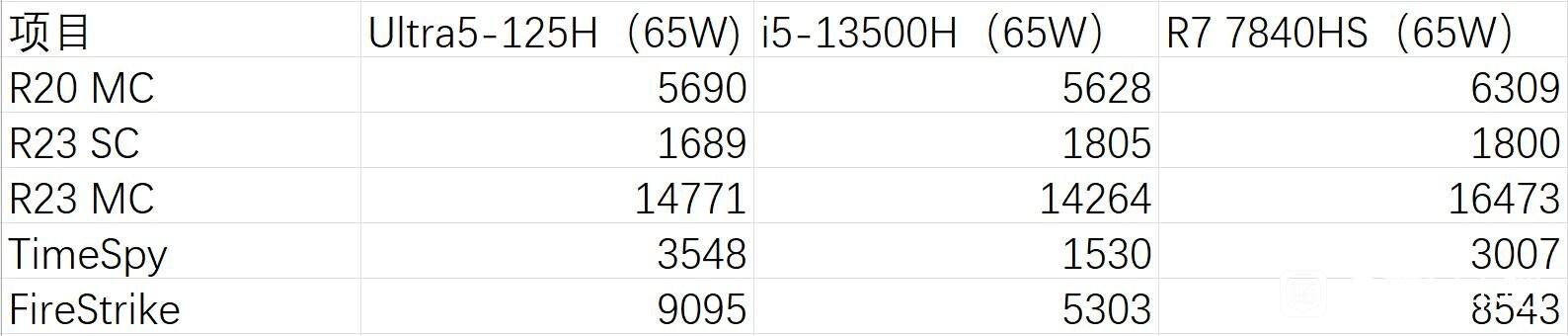
A Chinese PC enthusiast with access to an unreleased Lenovo notebook based on this processor, including Lenovo's 65 W Mode toggle, benchmarked it, and compared it with a notebook powered by an AMD Ryzen 7 7840HS "Phoenix" processor (8-core/16-thread, "Zen 4," Radeon 780M iGPU with all 12 compute units enabled); and another notebook powered by Intel's current middle-of-market chip in the H-segment, the Core i5-13500H "Raptor Lake" (4P+8E, Xe-LP iGPU with 5 Xe cores or 80 EU). The results were a little unexpected. The Xe-LPG iGPU of the 125H is shown beating both the Radeon 780M of the Ryzen, and the Xe-LP iGPU of the i5-13500H, with the highest 3DMark Time Spy and Fire Strike scores in the comparison. The Xe-LPG iGPU is 15% faster than the Radeon 780M in Time Spy, and 6% faster in Fire Strike. It's a whopping 70% faster than the Xe-LP iGPU of the "Raptor Lake" chip in this comparison. Things are shockingly different on the CPU performance front for the "Meteor Lake" chip.

QNAP Launches TS-hx77AXU-RP Series Enterprise ZFS NAS with Revolutionary AMD Ryzen 7000 Series Processors

QNAP Systems, Inc., a leading computing, and storage solutions innovator, today unveiled the new high-capacity TS-hx77AXU-RP ZFS NAS series, including 12-bay TS-h1277AXU-RP and 16-bay TS-h1677AXU-RP rackmount models powered by AMD Ryzen 7000 Series processors based on the cutting-edge AMD Socket AM5 platform. By integrating robust hardware and diverse I/O including DDR5 RAM, M.2 PCIe Gen 5, PCIe Gen 4 slots, and redundant power supplies, the TS-hx77AXU-RP series unleashes enterprise-level performance and delivers ultra-high bandwidth, futureproof expandability, and trusted reliability for performance-demanding Tier 2 storage, virtualization, 4K video editing, and PB-level storage applications.

"The whole new TS-hx77AXU-RP series ZFS NAS provides enterprises with superb performance and large storage capacity to tackle business-critical workloads and storage-demanding applications. The AMD Ryzen 7000 Series multi-core processors further unlocks the key performance of DDR5 and M.2 PCIe Gen 5," said Alex Shih, Product Manager of QNAP, adding "Paired with the ZFS file system that's most suited for business applications, the TS-hx77AXU-RP series stands out as the top choice for storage solutions that require uncompromising data integrity."

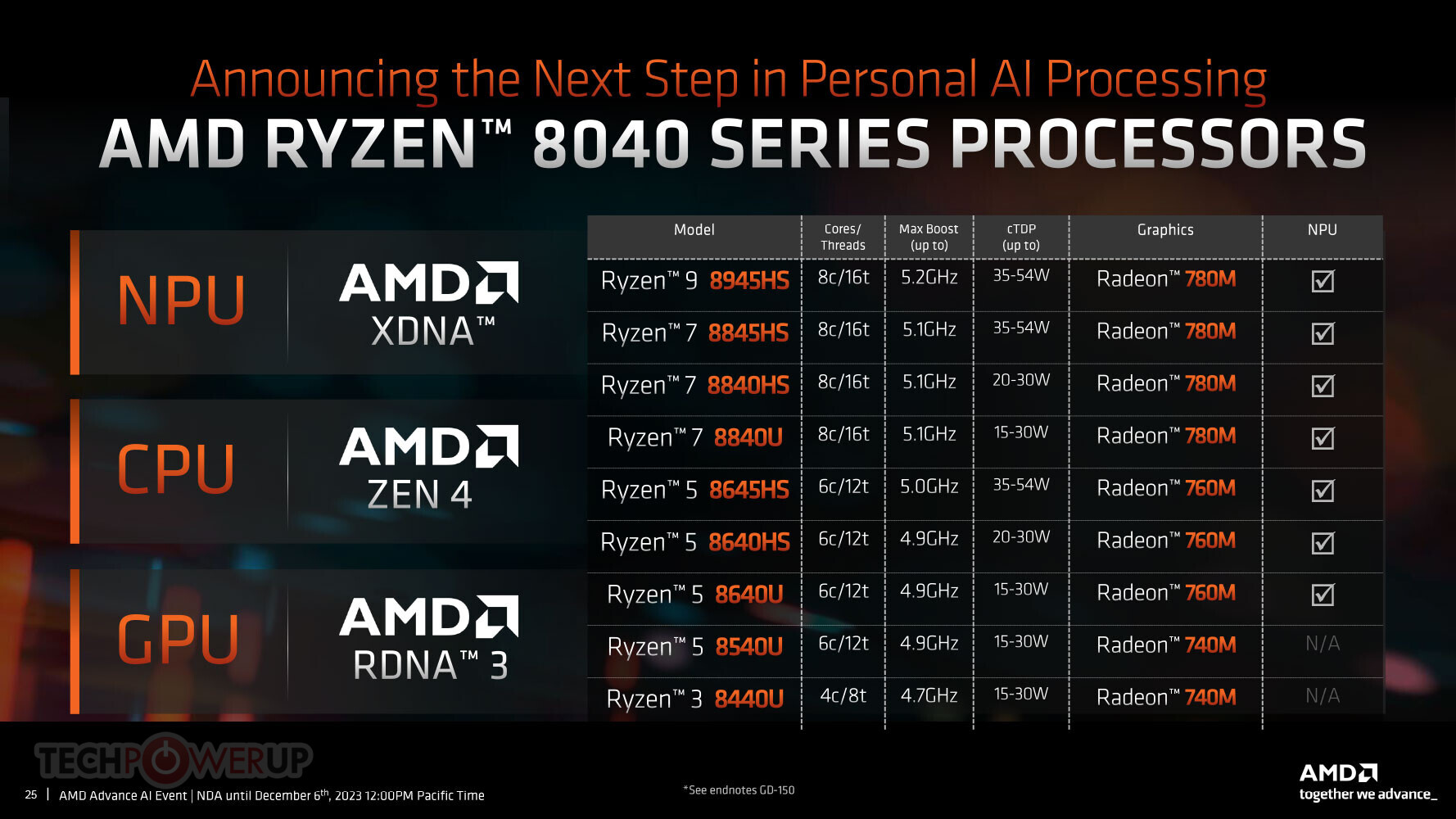
AMD Ryzen 8040 Series "Hawk Point" Mobile Processors Announced with a Faster NPU

AMD today announced the new Ryzen 8040 mobile processor series codenamed "Hawk Point." These chips are shipping to notebook manufacturers now, and the first notebooks powered by these should be available to consumers in Q1-2024. At the heart of this processor is a significantly faster neural processing unit (NPU), designed to accelerate AI applications that will become relevant next year, as Microsoft prepares to launch Windows 12, and software vendors make greater use of generative AI in consumer applications.

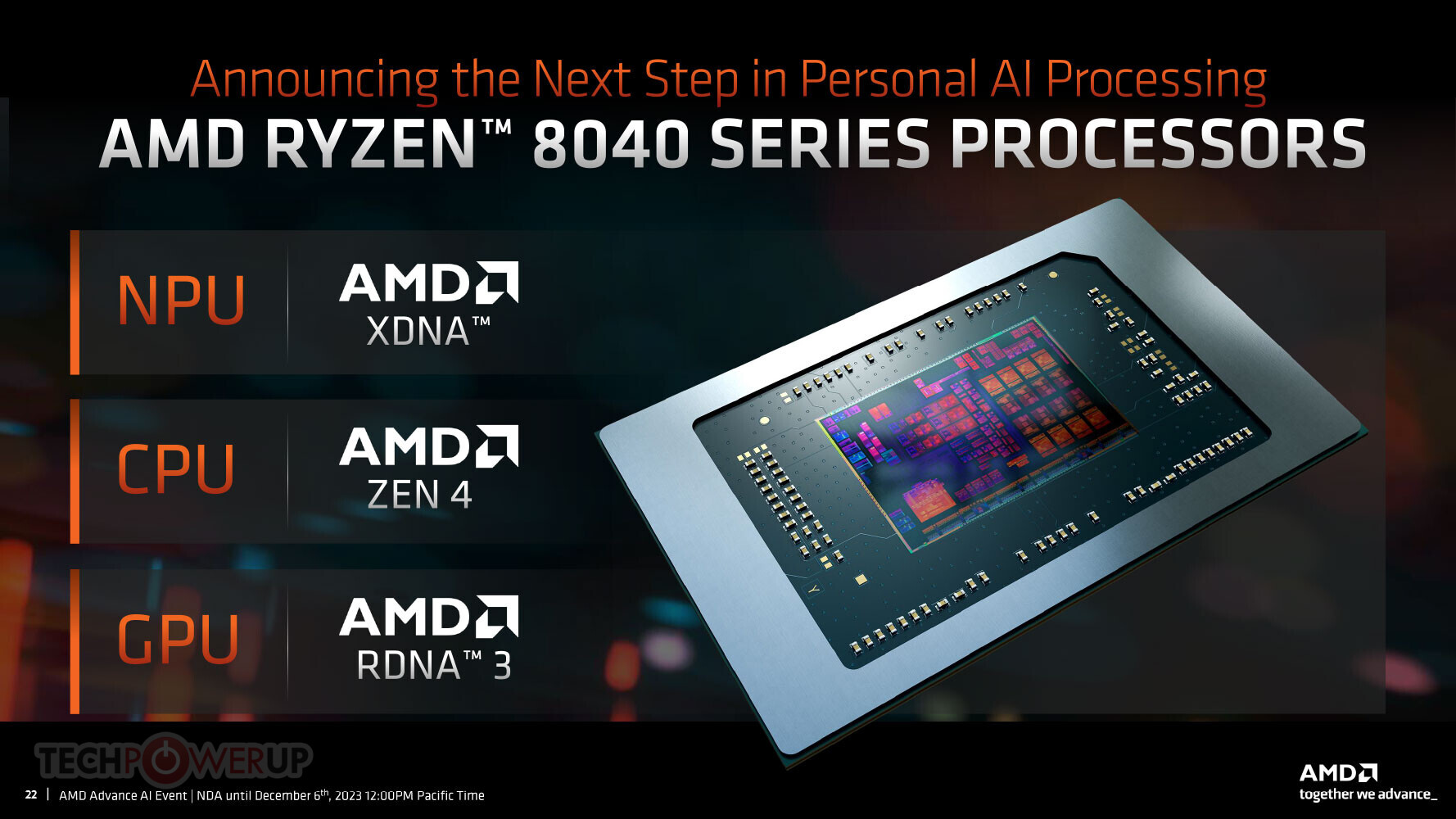
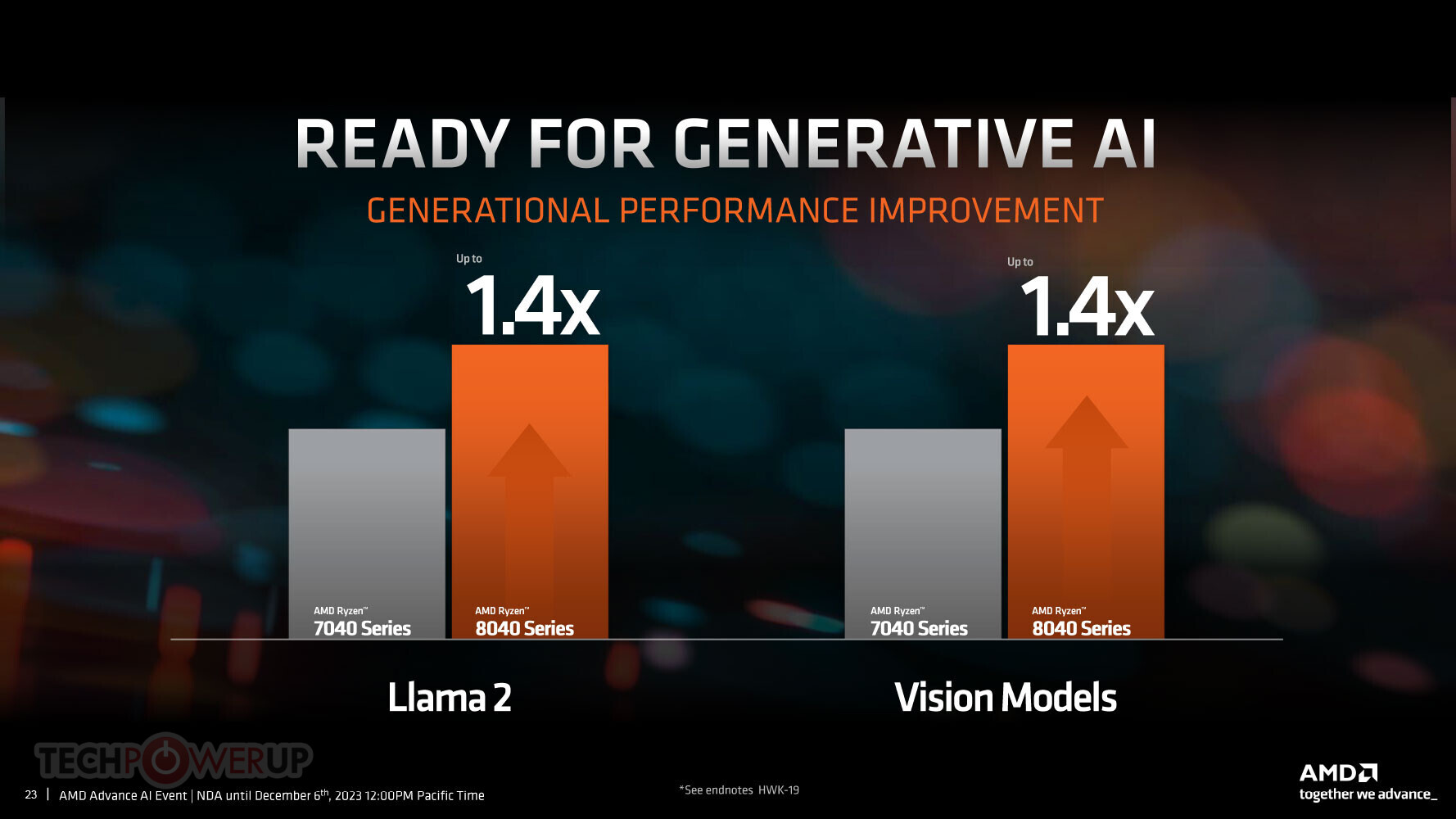
The Ryzen 8040 "Hawk Point" processor is almost identical in design and features to the Ryzen 7040 "Phoenix," except for a faster Ryzen AI NPU. While this is based on the same first-generation XDNA architecture, its NPU performance has been increased to 16 TOPS, compared to 10 TOPS of the NPU on the "Phoenix" silicon. AMD is taking a whole-of-silicon approach to AI acceleration, which includes not just the NPU, but also the "Zen 4" CPU cores that support the AVX-512 VNNI instruction set that's relevant to AI; and the iGPU based on the RDNA 3 graphics architecture, with each of its compute unit featuring two AI accelerators, components that make the SIMD cores crunch matrix math. The whole-of-silicon performance figures for "Phoenix" is 33 TOPS; while "Hawk Point" boasts of 39 TOPS. In benchmarks by AMD, "Hawk Point" is shown delivering a 40% improvement in vision models, and Llama 2, over the Ryzen 7040 "Phoenix" series.

GEEKOM Teases Upcoming AMD Phoenix Mini PC With a Familiar Design

The market for mini PCs has been blooming recently, and GEEKOM has been working to put themselves at the forefront with exceptionally well priced and decently performing machines mainly benefiting from their partnership with ASUS. We don't have much info about this upcoming mini PC except that it will offer configurations based on either the Ryzen 7 7840HS or Ryzen 9 7940HS and departs from the ASUS PN series styling for an aluminium chassis that takes clear inspiration from Apple's Mac Mini. Whether this is due to a vendor change or the efforts of internal R&D we'll likely learn when it launches. Aside from the rounded corners, bead blasted aluminium finish, and rear I/O laid out on a black accent fascia plate little else about the machine compares to the Mini except the tiny size at a mere 112.4 x 112.4 mm (4.43 in). Despite this tiny frame the I/O compliment is decent; three 10 Gbps USB 3.2 Gen 2 Type A ports, a 5 Gbps USB 3.2 Gen 1 Type A, a 40 Gbps and a 10 Gbps Type C that can each handle DisplayPort out, two HDMI ports, a 2.5G Ethernet jack, SD Card reader on the side, and one 3.5 mm combo audio jack at the front.

GEEKOM is expected to launch this new mini PC model in Asia within the next month. Worldwide availability should follow soon after. Competitor offerings with similar hardware configurations have been available for a few months by now and have been seen discounted down to around $600 USD in recent weeks, with barebone unit prices going even lower. GEEKOM has quite the challenge ahead of them to offer competitive value.

AMD 3D V-Cache RAM Disk Delivers Over 182 GB/s and 175 GB/s Read and Write Speeds

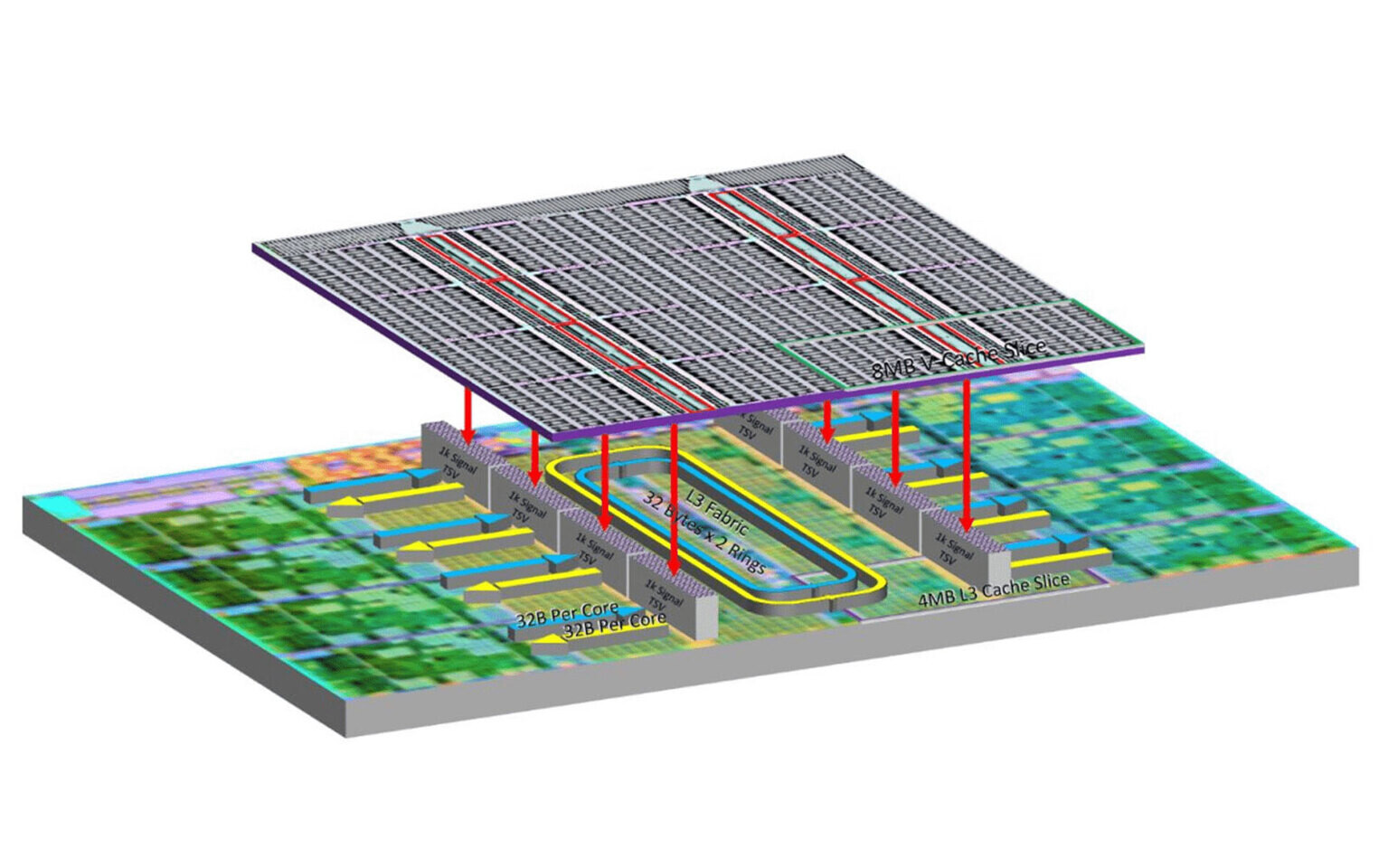
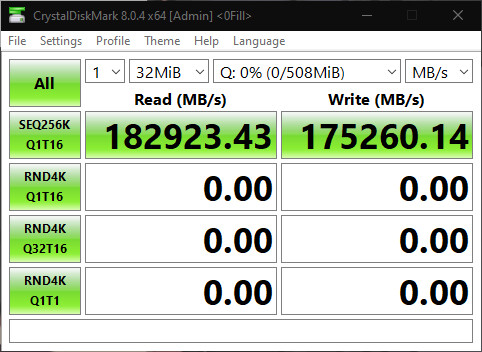
AMD's 3D V-Cache technology utilizes blocks of SRAM stacked on top of the CPU logic die, where CPU cores reside, and allows the processor to access massive pools of cache for applications. However, using this extra level 3 (L3) cache as a RAM disk appears possible, where the L3 SRAM behaves similarly to a storage drive. A big disclaimer here is that this is only possible by exposing the L3 to the CrystalDiskMark benchmark, and no real-world applications can do it in a way that CrystalDiskMark. According to X/Twitter user Nemez (@GPUsAreMagic), the steps to replicate this procedure are: Obtaining an AMD Ryzen CPU with 3D V-Cache, installing OSFMount and creating a FAT32 formatted RAM disk, and running CrystalDiskMark, with values set to values to SEQ 256 KB, Queue Depth 1, Threads 16, and data fill to 0s instead of random.

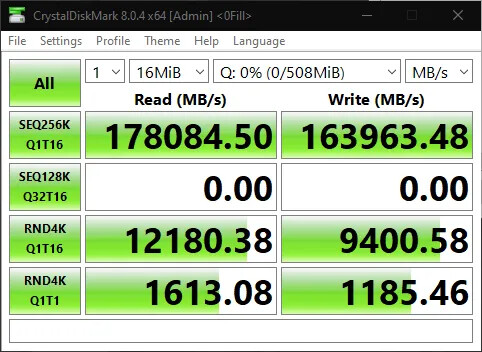
The results of this experiment? Well, they appear to be rather stunning as the nature of L3 SRAM is that the memory is tiny but very fast and accessible to the CPU, so it can help load data locally before going to the system RAM. With AMD Ryzen 7 5800X3D, the speeds of this RAM disk are over 182 GB/s for reading and over 175 GB/s for writing. In another test, shared by Albert Thomas (@ultrawide219), we managed to see RAM disk based on AMD Ryzen 7800X3D V-Cache, which scores a little less with over 178 GB/s read and over 163 GB/s write speeds. Again, CrystalDiskMark only performed these tests on small allocations varying between 16 MiB and 32 MiB, so no real-world workloads are yet able to utilize this.

TUXEDO Computers Launches Sirius 16 - First all-AMD Linux Gaming Laptop

Uptake on AMD's latest generation mobile offerings has been slow and steady to put it mildly, but today TUXEDO Computers, a specialist in Linux notebooks at a range of performance and pricing tiers, has announced pre-orders for their new Sirius 16 gaming laptop. This machine combines AMD's latest generation Ryzen 7 7840HS "Phoenix" APU with a Radeon RX 7600M XT RDNA3 GPU inside a sleek all aluminium chassis design that strives to remain understated while still providing a "sleek gamer look" via programmable RGB keys. The Sirius 16 is TUXEDO's first go at an all-AMD configuration and they've held very little back, choosing to allow the full TDP rating of the Phoenix APU at 54 W sustained (or 80 W CPU-only turbo) as well as keeping the RDNA3 GPU at its rated 120 W TGP under full CPU+GPU loads. The Sirius 16 features venting out of both sides as well as the rear of the chassis, and roughly half of the bottom panel is open intake for the dual-fan cooling system.

Powering everything is a 230 W power brick and an 80 Wh replaceable battery bolted inside the chassis. TUXEDO claims up to 10 hours of battery life at minimum display brightness with wireless disabled and without any programmable lighting enabled, or a more realistic 6 hours at medium brightness with wireless enabled and under minimal "office work" load.

AMD Readies Ryzen 7 5700X3D and Ryzen 5 5500X3D Socket AM4 Processors

AMD Socket AM4 users are in for a treat, as the company plans two more processor models in the Ryzen 5000X3D series, according to chi11eddog, a reliable source with AMD leaks. Although based on the older "Zen 3" microarchitecture, these chips feature 3D Vertical Cache technology, which helps shore up their gaming performance to levels comparable at least to 12th Gen Intel Core "Alder Lake," giving Socket AM4 platform users a cost-effective upgrade path to prolong their gaming PC builds that could be as old as 5 years now. If you recall, AMD has formally extended "Zen 3" and 3D V-cache support to all Socket AM4 chipset generations, including AMD 300-series.

Among the two new processor models are the Ryzen 7 5700X3D, and the Ryzen 5 5500X3D. The 5700X3D is an 8-core/16-thread processor with 100 MB of total cache (that's 512 KB of L2 cache per core, plus 96 MB of L3 cache); while the Ryzen 5 5500X3D is a 6-core/12-thread chip with 99 MB of total cache. What sets the 5700X3D and 5500X3D apart from the 5800X3D and 5600X3D are lower clock speeds, and possibly, lower TDP. Both chips come with a base frequency of 3.00 GHz, compared to the 3.30 GHz of the 5600X3D and 3.40 GHz of the 5800X3D. The 5700X3D boosts up to 4.10 GHz compared to the 4.50 GHz of the 5800X3D; while the 5500X3D boosts up to 4.00 GHz when compared to 4.40 GHz of the 5600X3D. Both the 5800X3D and 5600X3D have their TDP rated at 105 W, so it's possible that AMD is using lower TDP and PPT values for the 5700X3D and 5500X3D. There's no word on when the two new chips are coming out, although AMD continues to release updates to the Socket AM4 AGESA microcode, with the latest version ComboAM4v2 1.2.0.B being released as recently as September 2023.

MINISFORUM Launches EliteMini UM780 XTX Mini PC

MINISFORUM starts the full payment pre-sale of its new flagship mini-PC: UM780 XTX, with a starting price of $479. It stands out as the flagship integrated graphics mini-PC on the market, boasting the most powerful performance and comprehensive interface array. The UM780 XTX, distinguished by its outstanding hardware and innovative design, delivers exceptional performance and diverse interface choices. Compared to its predecessor, the UM780 XTX boasts six major upgrades: enhanced cooling, vertical stand, RGB lighting effects, OCulink support, dual Ethernet ports, and a USB4 layout on both the front and back. These enhancements comprehensively elevate the reliability, expandability, personalization, and user-friendliness of the entire system.

In terms of processing power, the MINISFORUM UM780 XTX features the AMD Ryzen 7 7840HS processor with 8 cores and 16 threads, capable of reaching a maximum overclocking frequency of 5.10 GHz, providing users with outstanding computing capabilities. For CPU performance optimization, the UM780 XTX offers two modes: balanced mode (54 W) and performance mode (70 W). The AMD Radeon 780M integrated graphics in this CPU delivers smooth graphics processing performance, supporting VRAM allocation and positioning the UM780 XTX as one of the most powerful products in the integrated graphics mini-PC market.

Framework Marketplace Readied for EU & UK Shipping

The first reviews of Framework Laptop 13 (AMD Ryzen 7040 Series) are live, and the results are everything we hoped for when we kicked off the product. Reviewers called out the massive jump in graphics performance, increases in battery life, and improvements in multi-core workloads. The integrated graphics capabilities are especially astounding, putting a wide range of recent game titles within reach in a thin, light, portable system. Check out some of what reviewers have to say:

"It immediately jumps to my number one recommendation for software developers looking for a small and portable laptop. But, given how insanely good this laptop is, I'd also strongly recommend those looking for a laptop for school or home or office use, to really consider this one."—JustJosh

MINISFORUM Launches BD770i ITX Board With AMD Ryzen 7 7745HX

MINISFORUM today is launching their BD770i ITX "Mobile on Desktop" motherboard which comes equipped with AMD's 8-core "Zen 4" Ryzen 7 7745HX. Upon the CPU sits a custom "integrated advanced cooling system" which partially exhausts out of the I/O shield and supports installation of a 120 mm fan, which is not included. The board features dual actively cooled M.2 2280 PCI-E Gen 5 SSDs plus M.2 2230 E-Key for WLAN cards, 2.5G Ethernet, a pair of USB 2.0 ports, another pair of USB 3.2 Gen 1 ports, and a USB 3.2 Gen 2 Type-C port that also supports display out as DisplayPort 1.4. The BD770i also features dual SODIMM slots for up to DDR5-5200 DRAM, as well as a full length PCI-E Gen 5 x16 for dedicated graphics cards. A small detail we noticed in the product images is the silhouette of two more M.2 ports on the rear of the board that aren't in the specifications. On the product page there are mentions of a higher-end BD790i with the Ryzen 9 7945HX which does not seem to be available yet, so perhaps this higher end board will feature these extra ports.

Despite the AMD Ryzen 7 7745HX supporting overclocking features such as an unlocked multiplier, AMD EXPO, and Precision Boost Overdrive; MINISFORUM has chosen to not support those features on the BD770i. Perhaps the upcoming BD790i will include OC support and features, we'll have to wait and see. Pricing for the BD770i is currently set at $399 USD for early orders, however the price is expected to increase to $499 USD after the launch period promotion expires.

AMD Ryzen 7 7840S Lenovo-Exclusive APU Benchmarked

Lenovo's newly released ultra-thin Yoga Air 14s 2023 Ryzen Edition laptop packs an exclusively tuned variant from AMD's 7040 "Phoenix" APU series—we are seeing a whole bunch of these mobile chipsets finally arriving inside portable computer hardware and in handheld games systems (Ryzen Z1 series), following several delays earlier in the year. AMD and Lenovo have partnered up on a special Ryzen 7 7840S eight-core APU, with a custom 30 W TDP profile—likely implemented to synergize with the Yoga Air's thin and lightweight design. Folks in the west have started to enjoy playing around with Ryzen 7 7840HS-equipped laptops, this particular APU has a 45 W TDP rating—also shared by China-market specific 7840H variants.

The MyDrivers review team has been taking Lenovo's Yoga Air 14s 2023 Ryzen Edition for a spin—PC Mark results suggest 10 to 11 hours of normal operation on battery, while lighter office tasking bumps that up to 14 hours. A snazzy 14.5-inch OLED screen with 10-touch support seemed to be a highlighted feature on this fancy slimline laptop. A 5% overall difference in performance (across a number of benchmark suites) was noted by the reviewer—a flagship Ryzen 9 7940HS (45 W) APU narrowly beat its less greedy 30 W sibling. The Yoga Air was judged to offer "top tier" performance that competes with a larger class of notebook (15.6-inch). The reviewer was suitably impressed by Lenovo's chassis design: "To be honest, there are very few thin and light notebooks on the market priced at 8,000 yuan (~$1095) that can surpass Yoga Air 14s 2023 Ryzen Edition in terms of appearance and craftsmanship."

Schenker XMG CORE 16 Gets Ryzen 7 7840HS and GeForce RTX 4070

With the XMG CORE 16, XMG's CORE series gets a new 16-inch model, whose features are based on the current top models of the NEO seri
es in many details. Powered by AMD's Ryzen 7 7840HS and an NVIDIA GeForce RTX 4070 or 4060, the laptop is aimed at the upper mid-range, but also adds features from the premium segment. These include, for example, an optional keyboard with CHERRY MX Ultra Low Profile Tactile switches, a 99 Wh battery and a liquid metal thermal compound for cooling the processor and graphics card. For the first time, there is also a configuration option for up to 96 GB DDR5 RAM.

The XMG CORE 16 (L23) is the first laptop in the CORE series to come in a 16-inch format and, alongside the APEX 15 and APEX 17, is now the third model to be based on an AMD Phoenix CPU featuring the Ryzen 7 7840HS with 8 cores and 16 threads. XMG offers the laptop with either an NVIDIA GeForce RTX 4070 or an RTX 4060, each with a graphics power of 140 watts (115 watts plus 25 watts Dynamic Boost). A composite cooling system with four heat pipes, separate heat sinks on all four air outlets and liquid metal for improved heat transfer from both the CPU and GPU is utilised to provide high continuous performance.

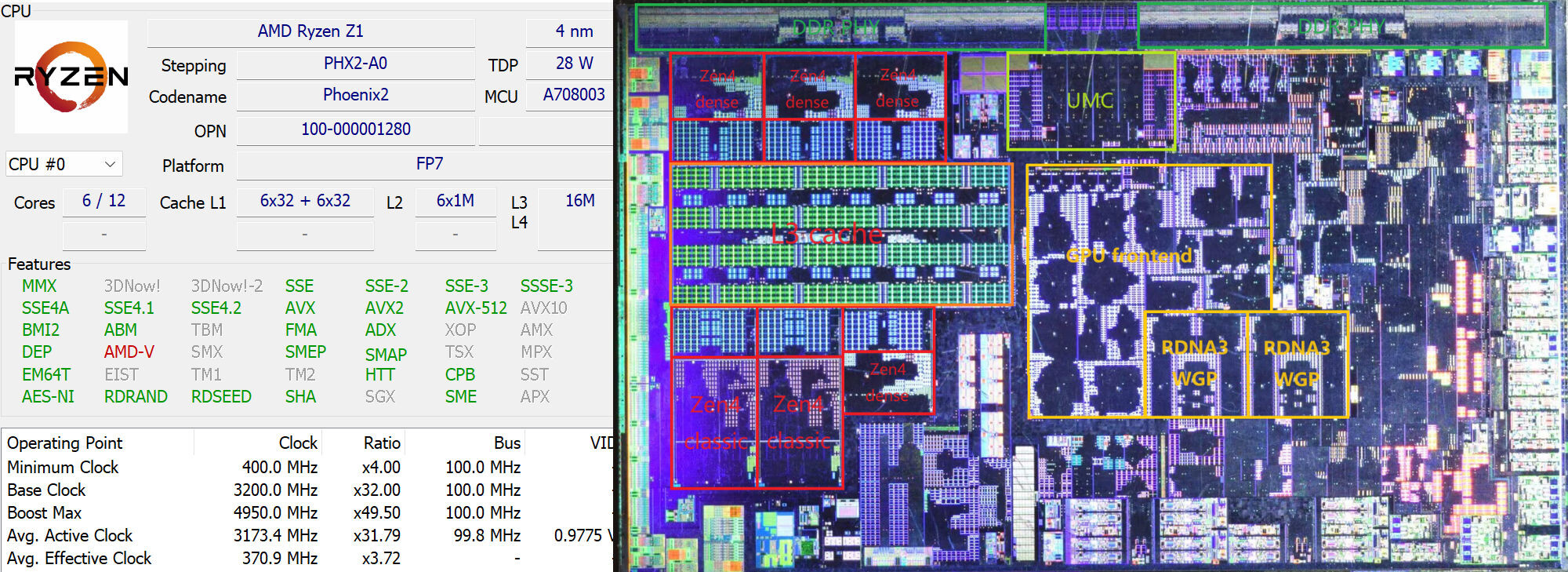
AMD Ryzen Z1 APU Utilizes Zen 4c Cores - Discovered by Reviewer in China

A die-shot of AMD's 4 nm "Phoenix 2" monolithic APU emerged over the weekend—possibly the first example of a Team Red hybrid core processor, utilizing a combination of bog standard Zen 4 cores as well as "compacted" Zen 4c units. Phoenix 2 has been hiding in plain sight it seems, within Ryzen Z1 series APUs—that have much in common with mobile/laptop-oriented 7040U products. David Huang has posted an analysis of a Ryzen Z1 APU via his review as posted on Zhuanlan, where he investigates the intriguing combination of Zen 4 and Zen 4c cores.

As interpreted/translated by Tom's Hardware: "HWiNFO, a system information, monitoring, and diagnostics utility, confirms that the Ryzen Z1, codenamed Phoenix 2, is on the PHX2-A0 stepping. It differs from AMD's Ryzen 7040U series (Phoenix) with the PHX-A1 stepping. The Ryzen Z1 has been rumored to be a clone of the Ryzen 5 7540U for a long time now." Laptops housing the latter APU are reported to have reached retail markets in certain territories, while the Ryzen Z1 (non-Extreme) SoC has not debuted in any new devices. A cheaper ASUS ROG Ally is expected to arrive in the near future with the lesser chip.

AMD Reveals Radeon RX 7900 XTX and Ryzen 7 7800X3D Starfield Limited Edition

As a part of its promotional deal with Bethesda for the upcoming Starfield game, AMD has announced a limited edition release of both its Radeon RX 7900 XTX graphics card and its Ryzen 7 7800X3D CPU. The latter is in all fairness a bit dull as far as limited editions go, as the only thing really limited is the packaging the CPU comes in. Despite being a limited production run of only 500 units, AMD didn't bother adding any extra marking on the CPU itself, making it less of a collectors edition than it could've been.

On the other hand, the Radeon RX 7900 XTX Starfield Special Edition gets a custom white shroud with a lot of little quirky bits of text on the card and an overall different feel to it compared to AMD's reference design cards. Again, we're looking at a limited run of 500 cards here too and it's not clear if these will be numbered or not. Neither product will be available to buy though, so the only way to get your hands on one or the other, is to enter one of multiple giveaways that either AMD or its partners will host in the near future. There's a video after the break with more details.

SolidRun Intros Bedrock R7000 - an AMD Ryzen 7840HS Powered Fanless Edge-AI IPC

SolidRun has announced the world's first rugged system design that combines 8-core AMD Ryzen 7040 series processors with multiple Hailo-8 AI accelerators to create its Bedrock R7000 Edge AI for artificial intelligence (AI) applications. This new member in SolidRun's Bedrock family of fanless modular industrial PCs is specifically designed to meet demanding vision-based situational awareness in harsh environments.

The new system integrates with the AMD Ryzen 7840HS processor, a state-of-the-art 4 nm APU with 8C/16T Zen 4 CPU and integrated RDNA 3 Radeon 780M GPU. The 20 native PCIe Gen 4 lanes and up to three Hailo-8 AI accelerators can be fully utilized together with NVMe Gen4x4 storage, dual 2.5 Gbit Ethernet and 4x4K displays. The CPU and all devices are passively cooled by the innovative fanless cooling system of the Bedrock R7000 in an industrial temperature range of -40°C to 85°C.

ASUS Republic of Gamers Announces ROG Strix SCAR 17 X3D, the World's First AMD Ryzen 9 7945HX3D Laptop

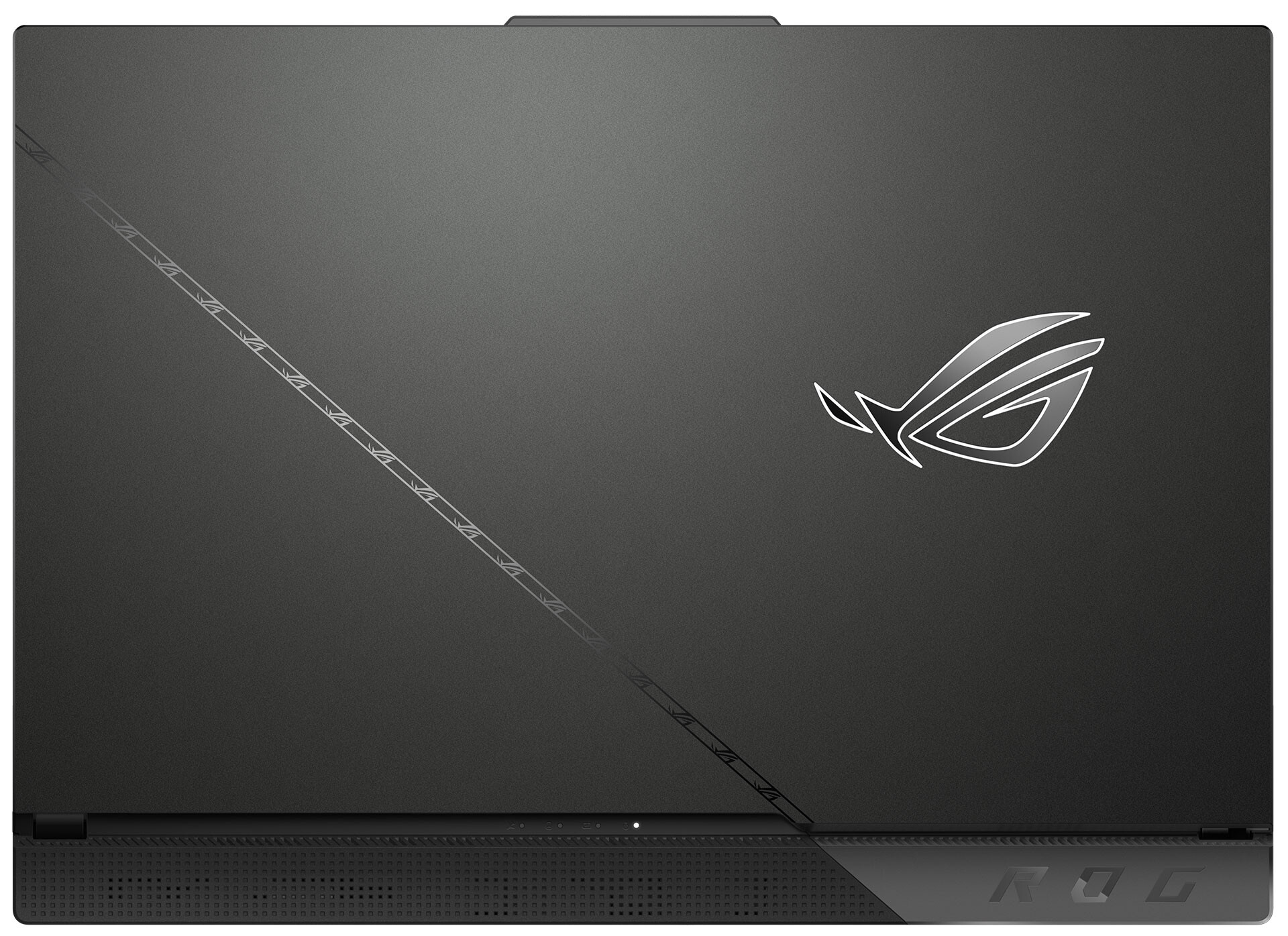
ASUS Republic of Gamers (ROG) today announced the new ROG Strix SCAR 17 X3D, the perfect fusion of cutting-edge silicon and ROG engineering. Featuring the AMD Ryzen 9 7945HX3D mobile processor equipped with AMD 3D V-Cache technology for the very first time, the Strix SCAR 17 X3D takes performance to a whole new level. By doubling the L3 cache of the mighty Ryzen 9 7945HX processor, the Ryzen 9 7945HX3D gives users a boost in games that are hungry for this onboard ultrafast memory. Paired with a 240 Hz QHD display, Conductonaut Extreme liquid metal on the GPU, and a vapor chamber, the Strix SCAR 17 X3D is ready to dominate the leaderboards.

Making great processors even better
While the original 2023 ROG Strix SCAR 17 came equipped with AMD Ryzen 7000 Series processors, the AMD Ryzen 9 7945HX3D is truly in a league of its own. It leverages the power of AMD 3D V-Cache technology, a stacking of extra ultra-high-speed L3 cache vertically on top of one of the two core compute dies (CCD). This extra cache enables the eight cores to perform certain calculations quickly and efficiently, notably in gaming. For situations where increasing CPU frequency simply doesn't show significant performance gains, 3D V-Cache technology holds the potential to unlock extra compute power.
Return to Keyword Browsing
Nov 24th, 2026 22:51 CST change timezone

New Forum Posts

Popular Reviews

TPU on YouTube

Controversial News Posts