News Posts matching #inkjet

Return to Keyword Browsing

TCL CSOT Inkjet OLED t8 Factory Begins Equipment Installation Phase

TCL CSOT announced it has started moving production equipment into its t8 factory in Guangzhou, China. Feng Zhang, Senior Vice President of TCL CSOT said "The move-in of the first piece of core production equipment marks the t8 project's transition to the equipment installation and commissioning phase". The fab is an 8.6-generation inkjet-printed OLED production line, with mass production scheduled for Q4 2027. Construction started on September 16, 2025, and in less than a year (226 days), the main factory structure was completed. The project has a total investment of approximately RMB 29.5 billion (around $4.42 billion).

When completed, TCL CSOT's t8 fab will process around 22,500 glass substrates monthly. Each substrate measures 2,290 x 2,620 mm, the kind used for manufacturing medium to large-sized OLED panels. For the start, production will focus on displays for tablets, notebooks, and monitors. Also, TCL CSOT explores inkjet-printed OLED technology potential for flexible and foldable panels.

TCL Readies 700 Hz OLED Panels for 2028

TCL's panel arm, TCL CSOT (China Star), is planning OLED monitor panels with refresh rates of up to 700 Hz, according to a new Omdia report on OLED monitor shipments. The panels will apparently come from TCL's Gen 8.6 inkjet-printed (IJP) OLED line in Guangzhou, which is expected to begin production in 2028, and will include larger sizes such as 32-inch and 34-inch. No resolutions were given, and it's not clear whether 700 Hz will be a native refresh rate or a dual-mode setting at a lower resolution. TCL is starting smaller, with its Gen 5.5 line set to ship 27-inch UHD 120 Hz IJP OLED panels in Q3 2026 for an MSI content-creation monitor. If the 2028 timeline pans out, TCL could be the first to mass-produce IJP OLED monitor panels at Gen 8.6.

The 700 Hz figure isn't a record, however. LG Display already makes a 24.5-inch 1080p 720 Hz OLED panel, used in the ASUS ROG Swift OLED PG259QWS Ace, and the ROG Swift PG27AQWP-W hits 720 Hz in its lower-resolution dual mode. The interesting part is getting that kind of speed onto 32-inch and 34-inch panels, using a printing process that wastes less material. As for the rest of the industry, Omdia expects 6.1 million OLED monitor panels to ship in 2026, a 79% jump over last year, rising to 7.5 million in 2027. Prices are falling too, as 27-inch 240 Hz OLED monitors dropped over 40% this year. A third major supplier next to Samsung Display and LG Display should help that trend, though 2028 is still a long way off.

TCL CSOT Shapes a "Beyond Limits" Future for Displays at MWC 2026

TCL CSOT, a global leader in advanced display technologies and TCL Technology subsidiary, debuts its next-generation display innovation at Mobile World Congress (MWC) 2026. Under the theme "Super Pixel Beyond Limits," the company debuts its Super Pixel technology alongside major Inkjet-printed OLED (IJP OLED) advancements and a full portfolio of next-generation displays. These innovations reflect the APEX philosophy, prioritizing human-centric benefits and sustainability over pure specifications to inspire future possibilities.

"The APEX philosophy is our compass, guiding us to create visually stunning, healthier, more sustainable technologies," said Jun Zhao, Senior Vice President of TCL Technology and CEO of TCL CSOT. "Advancements like Super Pixel and IJP OLED aren't just single-component improvements; they represent a fundamental shift toward manufacturing stunning, flexible, and efficient displays."

Growing Demand for Mid-Size Displays Opens New Opportunities for FMM-Free OLED Technologies

TrendForce's latest report on the display industry reveals that OLED technology—valued for its self-emissive structure, high contrast ratio, and lightweight design—continues to expand its market presence, primarily in small-size applications such as smartphones. However, its penetration into the large-size display segment has been hindered by high production costs and limited capacity. In contrast, the mid-size segment, including monitors, notebooks, tablets, and automotive displays, is emerging as a new battleground, driven by growing consumer demand for premium visual experiences.

TrendForce forecasts that OLED monitor shipments will grow by 80.6% YoY in 2025, with market penetration rising to 2%, and potentially reaching 5% by 2028. Amid this upward momentum, Chinese panel makers Visionox and TCL CSOT are distinguishing themselves by investing in alternative OLED technologies: Visionox through its proprietary technology, Visionox intelligent Pixelization (ViP), and TCL CSOT through inkjet printing OLED—setting themselves apart from Korean manufacturers focused on QD-OLED and WOLED evaporation-based technologies.

TCL Launches Inkjet-Printed OLED Display: 21.6-Inch 4K Panel with 99% DCI-P3 Coverage

Chinese giant TCL has officially begun mass production of inkjet-printed OLED displays. The company's subsidiary, TCL CSOT, is leading this initiative with its first product: a 21.6-inch 4K UHD panel designed for professional monitors. The new display boasts a 204 pixels per inch density and coverage of 99% of the DCI-P3 color space. With a maximum brightness of 350 cd/m², the panel is suited for professional applications, with TCL CSOT targeting the medical sector. Additionally, the firm advertises more than 1,000,000:1 contrast ratio. Using the leftovers from JOLED's closure, a Japanese venture that previously attempted similar technology but filed for bankruptcy in 2023, TCL's approach utilizes Gen 5.5 glass substrates measuring 1,300 × 1,500 mm. Notably, it incorporates other materials from the former Japanese pioneer.

Printed OLED technology promises more cost-effective display production compared to traditional methods. Unlike traditional evaporation methods in OLED production that use shadow masks and waste significant amounts of material, inkjet OLED printing allows for precise deposition of organic materials directly onto substrates. This maskless process not only reduces material waste but also minimizes contamination risks, which is crucial given OLEDs' sensitivity to environmental factors. The choice of starting with medical monitors mirrors JOLED's initial strategy from 2017, when they launched a similar 21.6-inch 4K panel for the same market segment. TCL has already announced plans to expand its printed OLED lineup in 2025 with additional display sizes. The success of this venture could potentially revolutionize OLED display manufacturing, making high-quality screens more accessible across various market segments, and we hope, one day, the enthusiast segment. TCL's consumer brand carrying these printed displays will be named APEX.

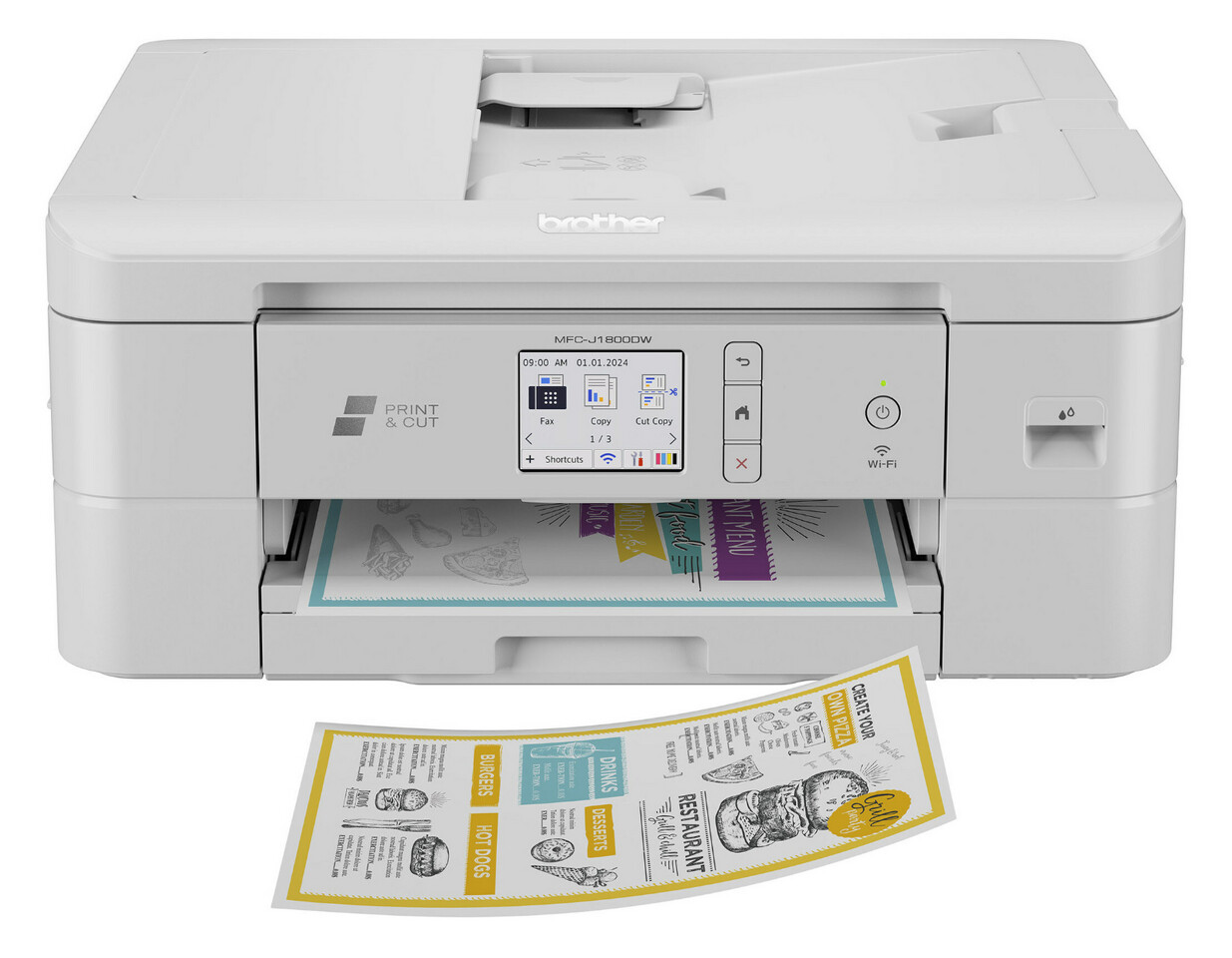
Brother Introduces Innovative 5-in-1 Color Inkjet Printer with Built-In Paper Cutting Technology

Today, Brother International Corporation introduced its newest inkjet printer model, the MFC-J1800DW Print & Cut All-in-One Color Inkjet Printer, the brand's first printer to feature automatic paper cutting capabilities. Print & Cut utilizes innovative Brother Blade Sensor Technology (BST) designed to cut full letter pages in half with precision. For home, small business or crafting, the Print & Cut features full print, copy, scan and fax functionality with the added benefit of a paper cutter for cutting perfectly sized cards, invitations, restaurant menus, shipping labels and more.

"Consumers' needs are constantly evolving, and Brother is committed to producing devices that continue to offer the same reliable solutions we're known for, with the latest technology and innovative features," said Alejandra Bello, Product Marketing Manager at Brother International Corporation. "By adding a revolutionary built-in paper cutter to an all-in-one color inkjet printer, we're introducing customers to a new way of printing and cutting."

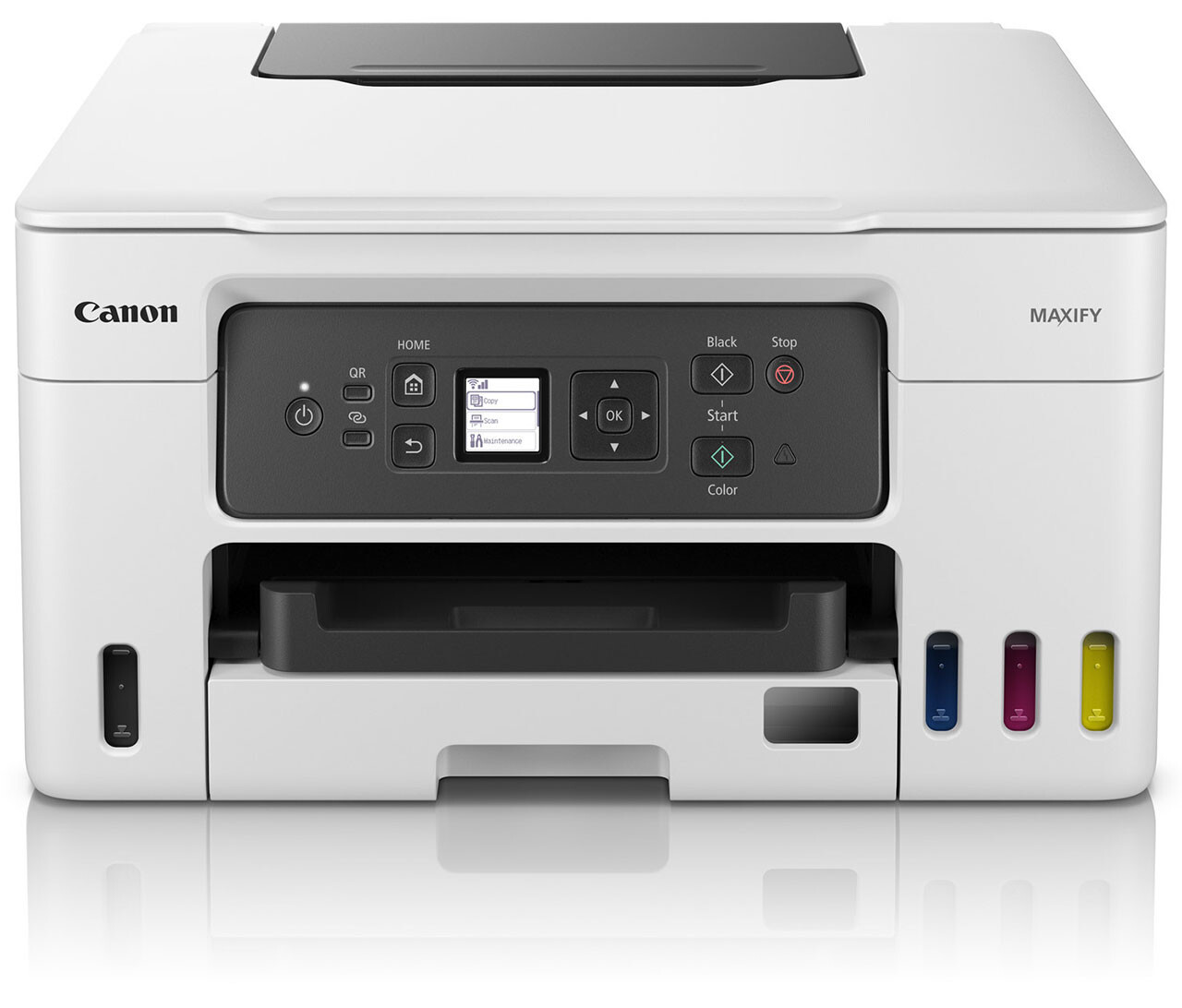
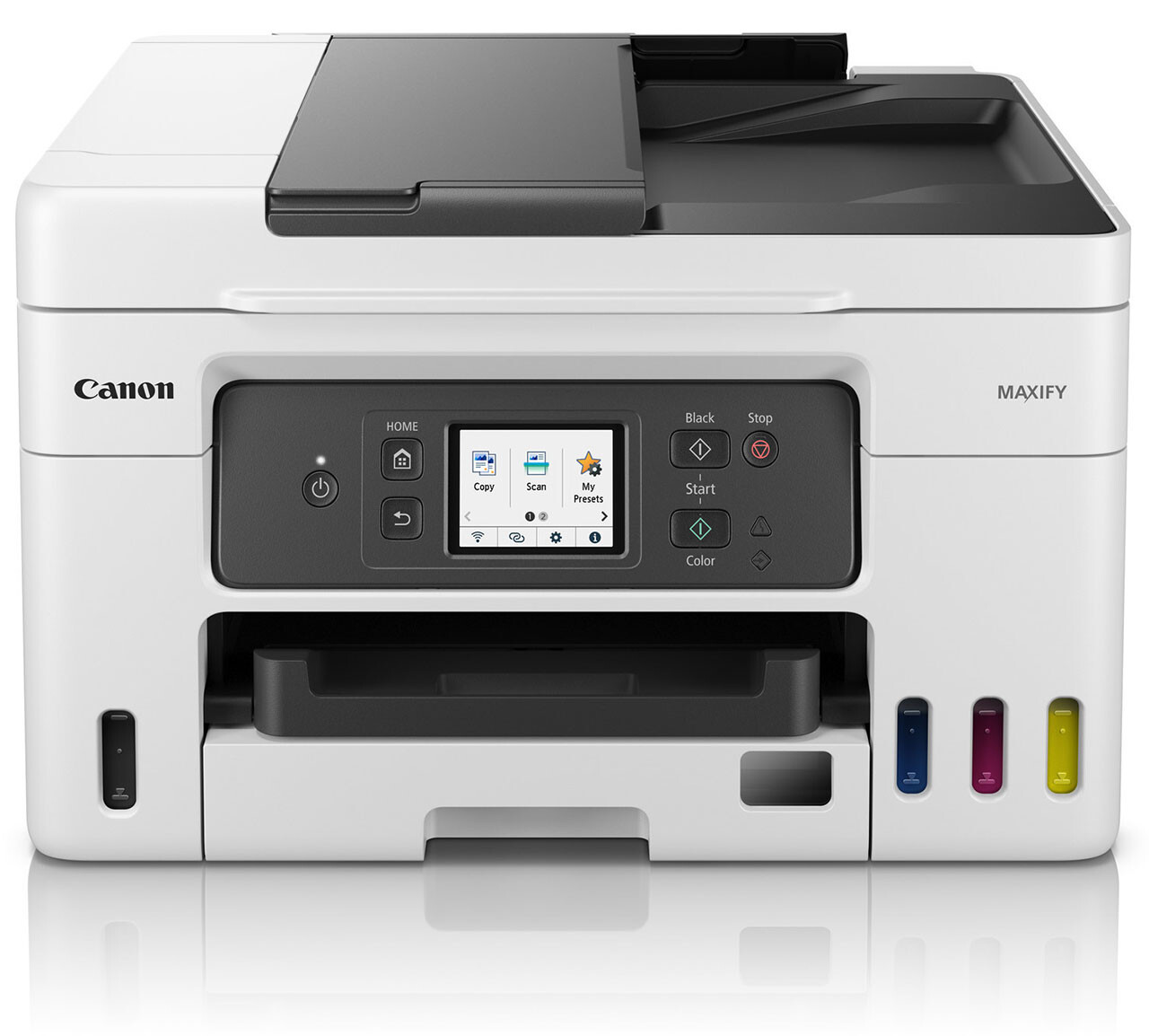
Canon Expands Business Inkjet and Laser Printer Portfolio with Four New Printers to Help Provide Harmony at Work

In today's working world it's vital that households and offices have the tools they need to get their work done, and that are simultaneously efficient and affordable. To help create Harmony at Work, Canon U.S.A., Inc., a leader in digital imaging solutions, is pleased to announce two new inkjet printer models and two new laser printers, expanding the MAXIFY GX and imageCLASS printer lines. The 4-in-1 MAXIFY GX4020 printer (print, copy, scan, and fax) and the 3-in-1 MAXIFY GX3020 printer (print, copy, and scan) expand the Canon MegaTank Printer lineup at an increasingly affordable cost. These models utilize a continuous ink supply system, which can significantly reduce ink costs by utilizing high-volume inkbottles. The imageCLASS MF264dw II and MF262dw II printers are 3-in-1 multifunction machines (print, copy, and scan) adding to the Canon black-and-white laser portfolio.

The new MAXIFY printers can help hybrid and remote workers looking to upgrade their home office, as well as small business owners looking to manage daily work at a fast-moving pace. The MAXIFY GX4020 and GX3020 printers boast a print speed of 18 images per minute (IPM) in black-and-white, and 13 (IPM) in color. They both boast multiple paper paths, with a 250-sheet front-loading cassette, a 100-sheet rear tray, and a separate rear flat tray which is ideal for thicker paper, such as used for poster creation. The MAXIFY GX4020 and GX3020 printers can produce approximately 14,000 sheets in color and approximately 6,000 sheets in black ink. A three-year limited warranty comes standard, and users can easily replace the maintenance cartridge and the print head (replacements sold separately) to assist with printer longevity. These inkjet printers are environmentally conscious, meeting EPEAT Gold standard, and offer a small footprint, making it easy and convenient to place them in a compact space.
Return to Keyword Browsing
Nov 13th, 2026 23:56 CST change timezone

New Forum Posts

Popular Reviews

TPU on YouTube

Controversial News Posts