Microsoft Patent Filing Targets Easier Thumbstick Swaps
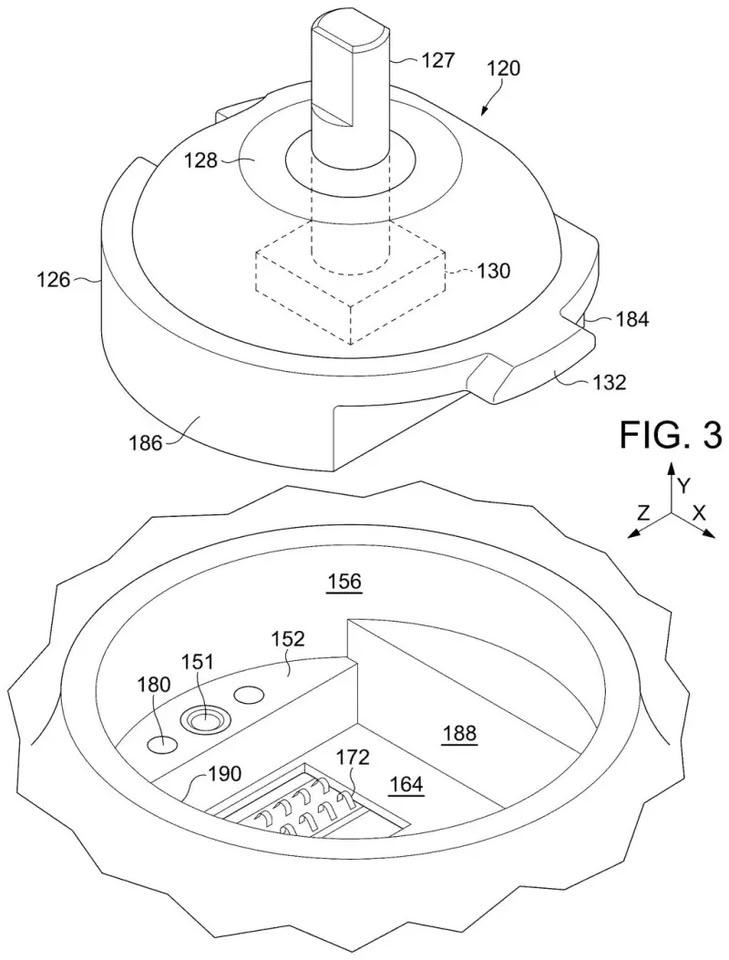
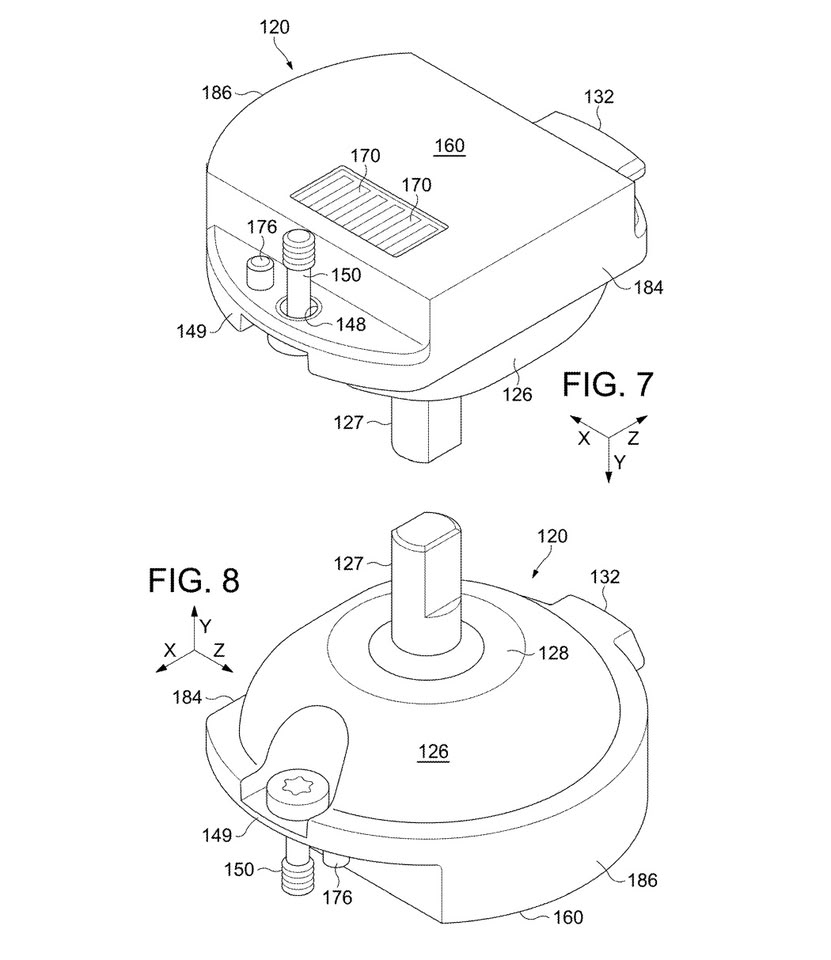
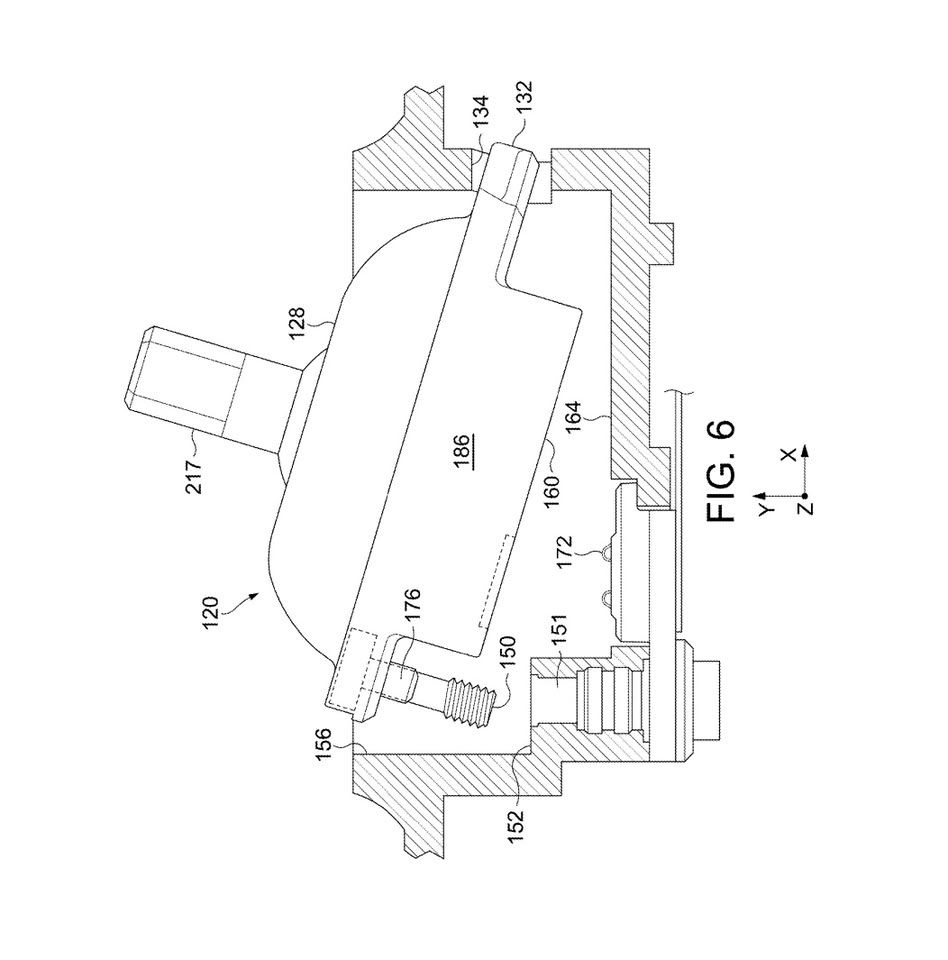
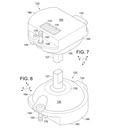
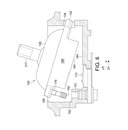
We all know how annoying and fragile thumbsticks can be sometimes. Everyone has experienced the dreaded stick drift at least once in their gaming career, but the most frustrating part is that there is no easy way to repair it. However, it looks like Microsoft may be working on a solution behind the scenes. A Microsoft patent application titled "Replaceable Input Module," spotted by Patentlyze, describes a self-contained stick module that drops right into the controller and locks down with a single screw. That could mean, in theory, fixing a broken thumbstick would take only a screwdriver and a few minutes of time. Looking into the patent, the screw seemingly stays attached to the module, so you can't easily lose it either. There's a locating pin and an angled lip line to line it up, with contacts on the underside of the module that replace a soldered connection.
The patent also mentions redundant contacts in case one gets dirty. Moreover, there's an ID signal that tells the controller which module is currently installed. The company names keyboards, laptops, and drone controllers as possible uses in addition to gamepads, but the design isn't currently linked to any product officially. The application was filed on May 8, 2025, and was published on November 12, but it was rejected in the examiner's first review. That's pretty common in the patent world, and usually only means amended claims. It's important to remember that this is just a patent, but if it were to turn into a real product, that would make Xbox controllers a lot more repairable. Currently, thumbsticks on Xbox controllers are soldered to the board, and stick drift often means you have to replace the whole pad. There's no word yet on whether this technology will show up in Xbox Project Helix controllers.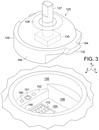
The patent also mentions redundant contacts in case one gets dirty. Moreover, there's an ID signal that tells the controller which module is currently installed. The company names keyboards, laptops, and drone controllers as possible uses in addition to gamepads, but the design isn't currently linked to any product officially. The application was filed on May 8, 2025, and was published on November 12, but it was rejected in the examiner's first review. That's pretty common in the patent world, and usually only means amended claims. It's important to remember that this is just a patent, but if it were to turn into a real product, that would make Xbox controllers a lot more repairable. Currently, thumbsticks on Xbox controllers are soldered to the board, and stick drift often means you have to replace the whole pad. There's no word yet on whether this technology will show up in Xbox Project Helix controllers.