 3
007 First Light Handheld Performance Review
Performance »Out-of-Box Experience on SteamOS
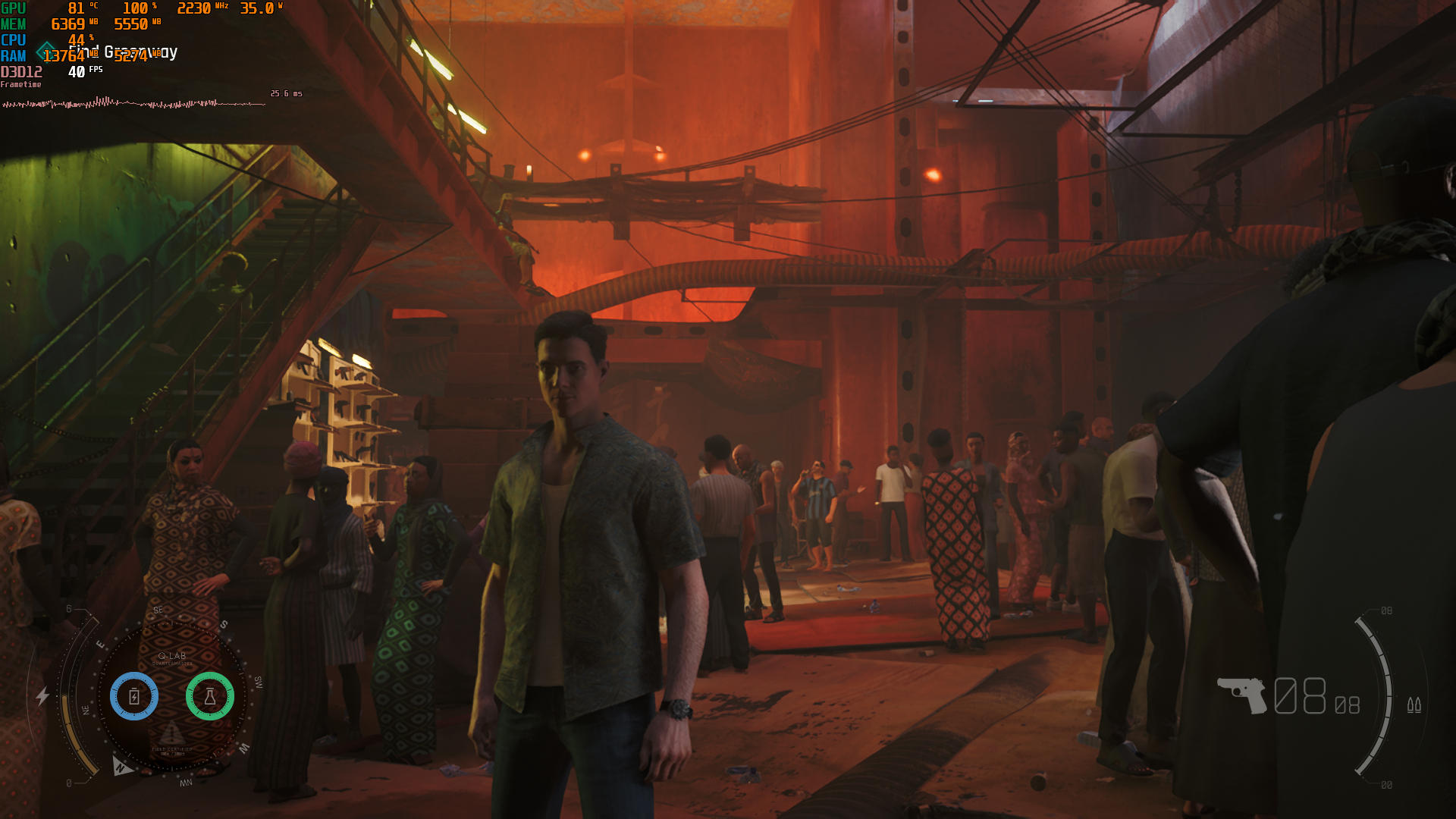
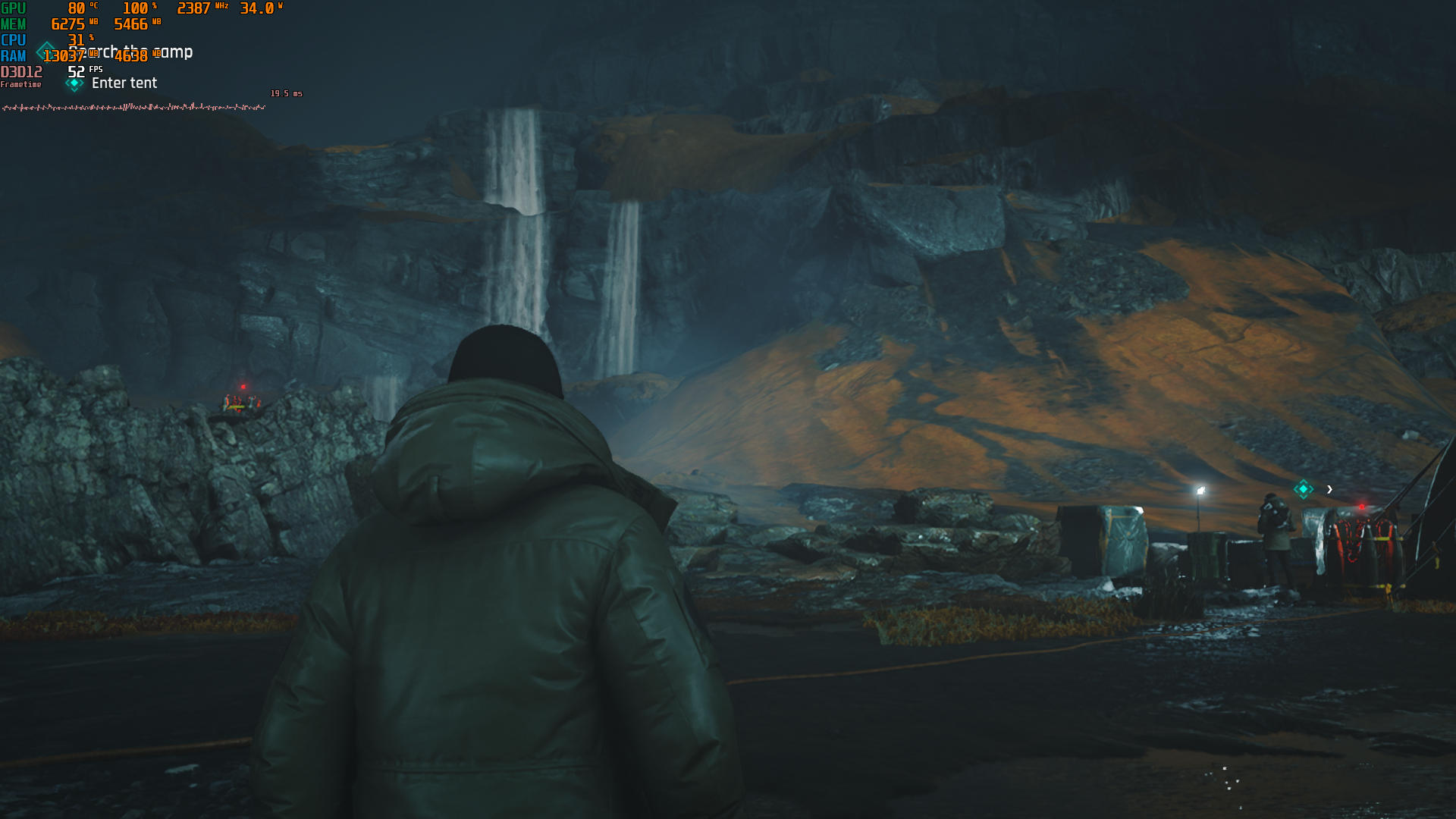
The screenshots in this section were captured on the Steam Deck.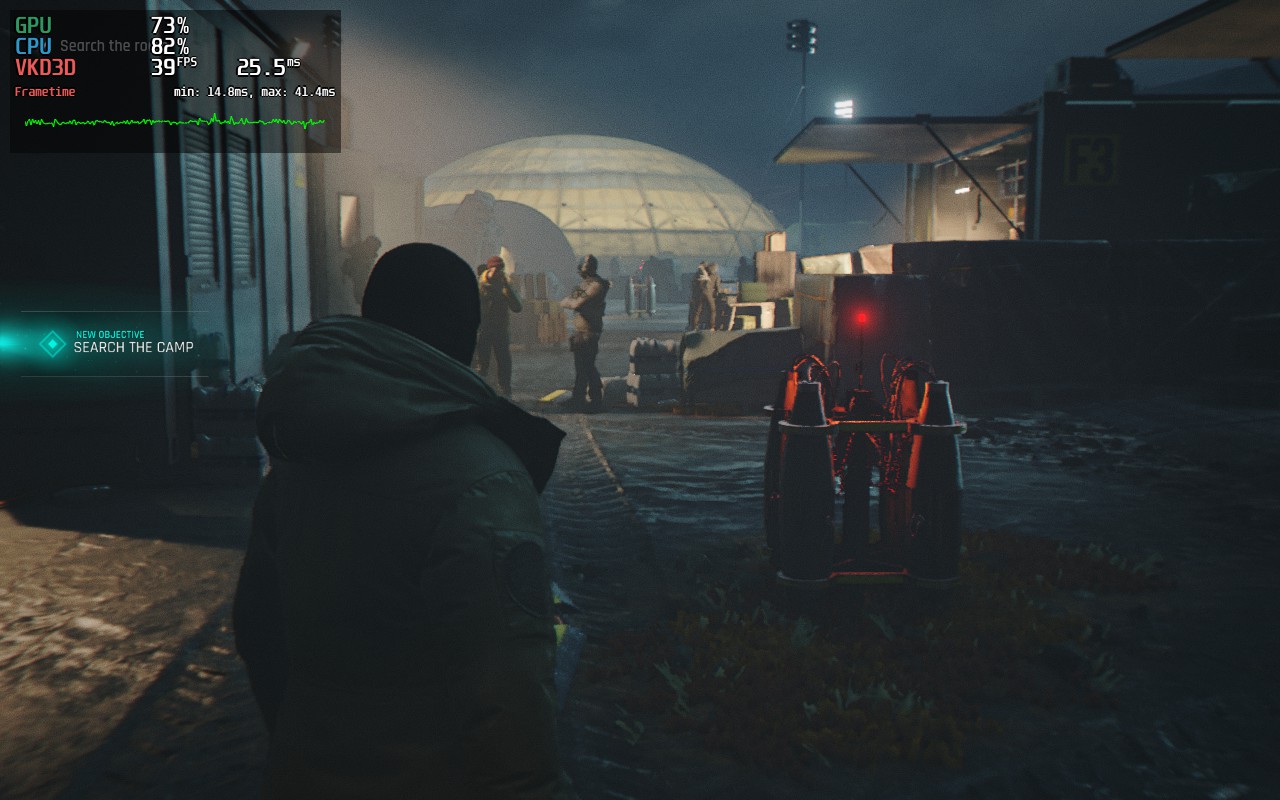
The game launches fine on SteamOS, but we had to wait what felt like an eternity for shaders to compile, which only happens during the initial launch. We expect Valve to provide precompiled shaders once the game is out, but during the review period we didn't have access to them. In general, we waited about 7–8 minutes for shaders to compile, which is more or less double what you can expect on Windows.
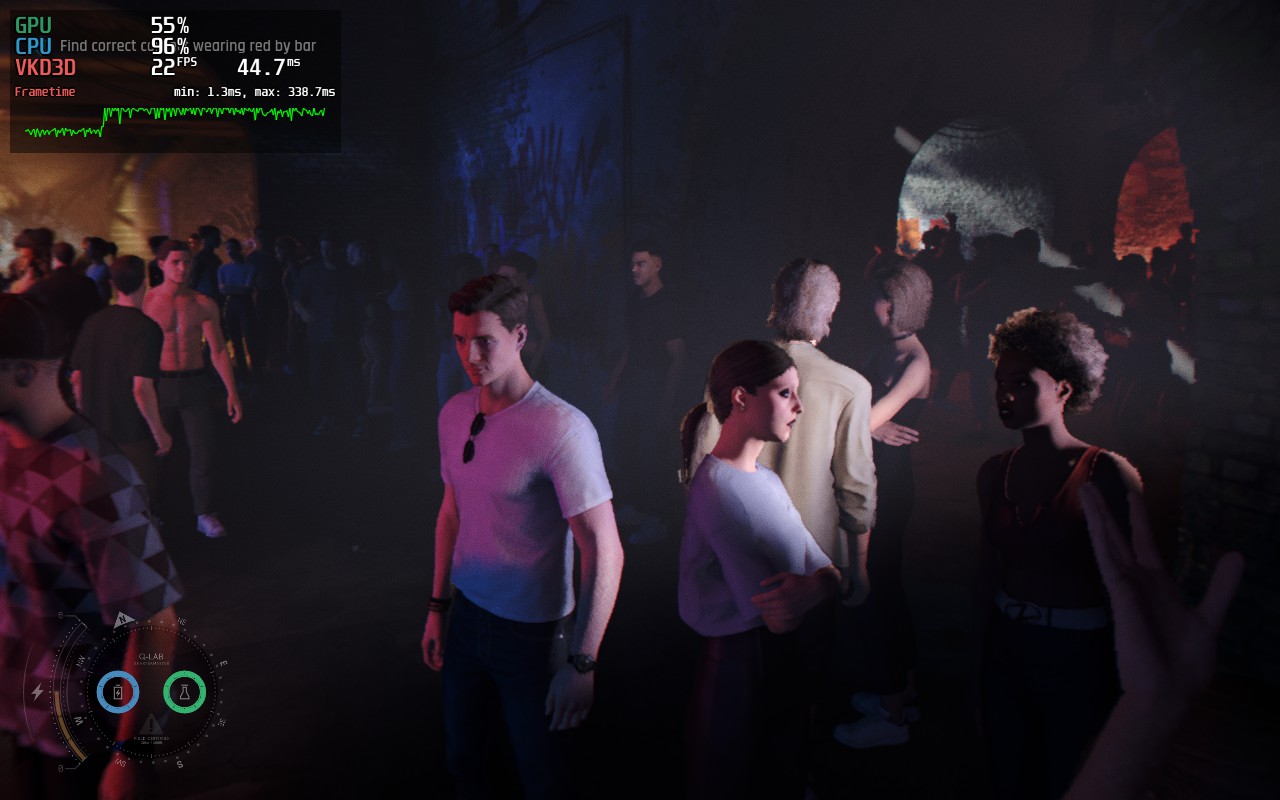
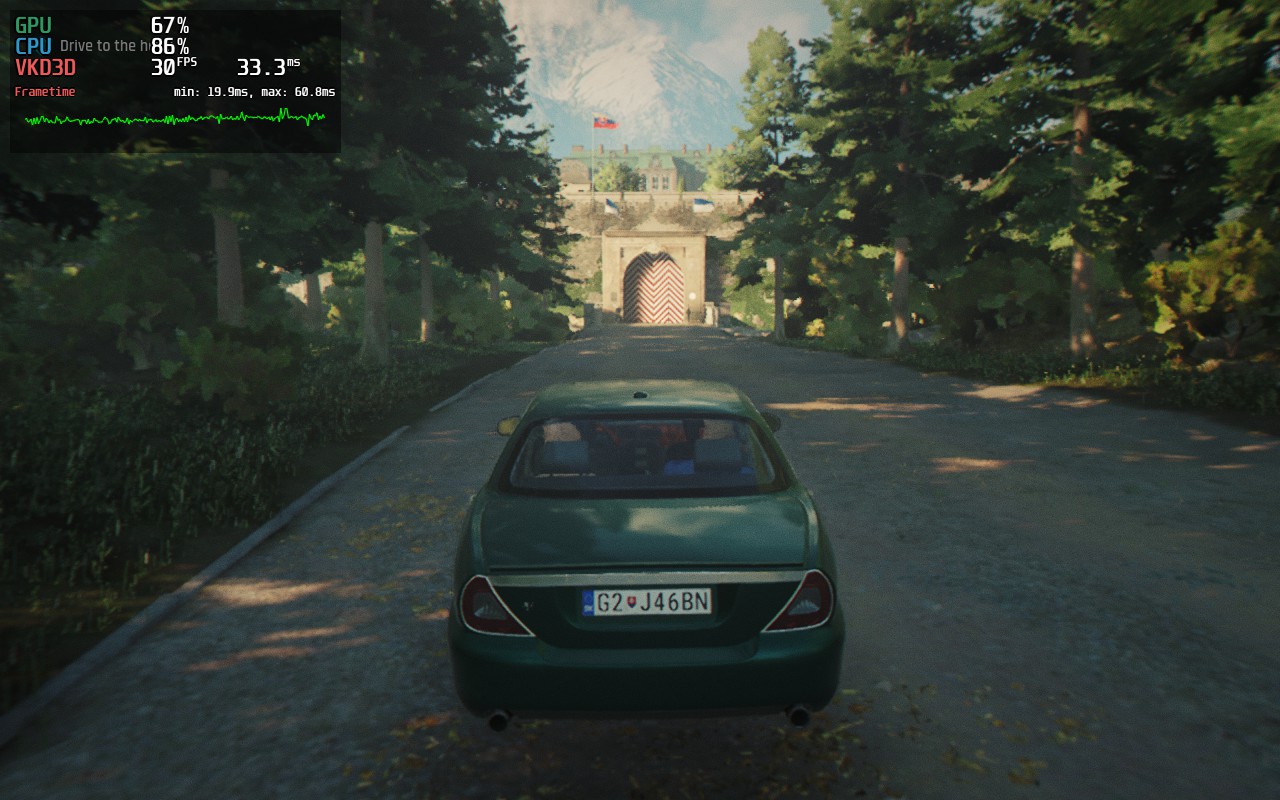
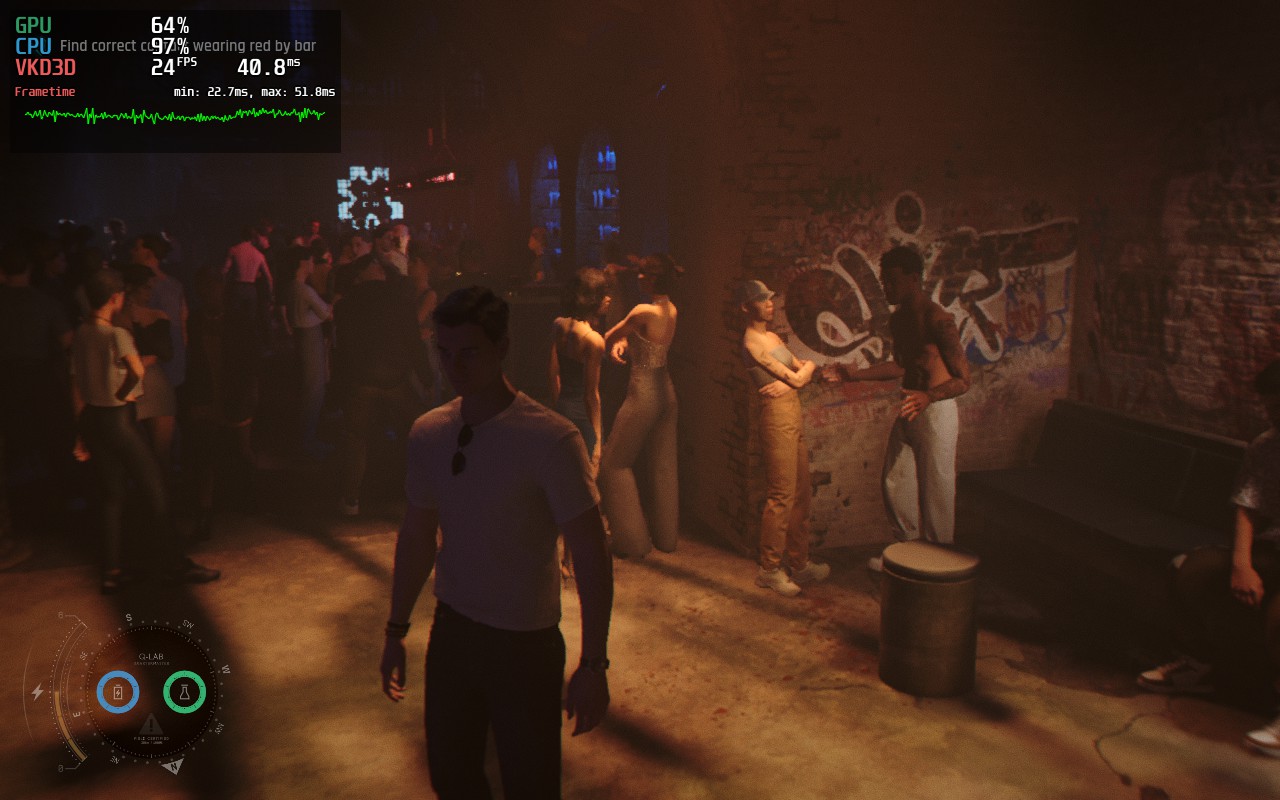
Performance-wise, our first impressions were positive. The game ran fine during the first mission, but as soon as Bond was surrounded by huge crowds of people, we realized we wouldn't be able to recommend 007 First Light to Steam Deck owners. The game is simply too demanding for the Deck's quad-core CPU (as you can see in the provided screenshots), and no matter how low we went with the settings and FSR presets we simply couldn't reach 30 FPS in many areas, especially during car chases and high-octane set pieces. Unfortunately, the Steam Deck is simply too feeble for this game.

The original ASUS ROG Ally has no issues running 007 First Light, but it, like most other handhelds we tested the game on, also lacks the Global Illumination setting. Without GI, performance was more or less in line with what the ASUS ROG Xbox Ally X achieved with GI enabled, which is a solid result.
SteamOS helped the ROG Ally match the MSI Claw 8 in all testing scenarios, which is a worthy achievement. Compared to the ROG Ally X running Windows, the SteamOS-loaded ROG Ally usually came out ahead regardless of power level or resolution, showing that SteamOS definitely has an edge over Windows in this game.
You can expect average performance of around 40 FPS or higher most of the time with our optimized settings applied, with occasional dips into the high and mid-30s during car chases and scenes featuring large numbers of NPCs. The only tweak you need to make is setting VRAM allocation to 6 GB. As for stutters, we only noticed a few during car chases, probably because of the ROG Ally's limited amount of memory. That said, on-foot sections ran without stutters with textures set to Medium and VRAM allocation set to 6 GB. Note that all this is only valid if you run SteamOS on your ROG Ally.
Out-of-Box Experience on Windows
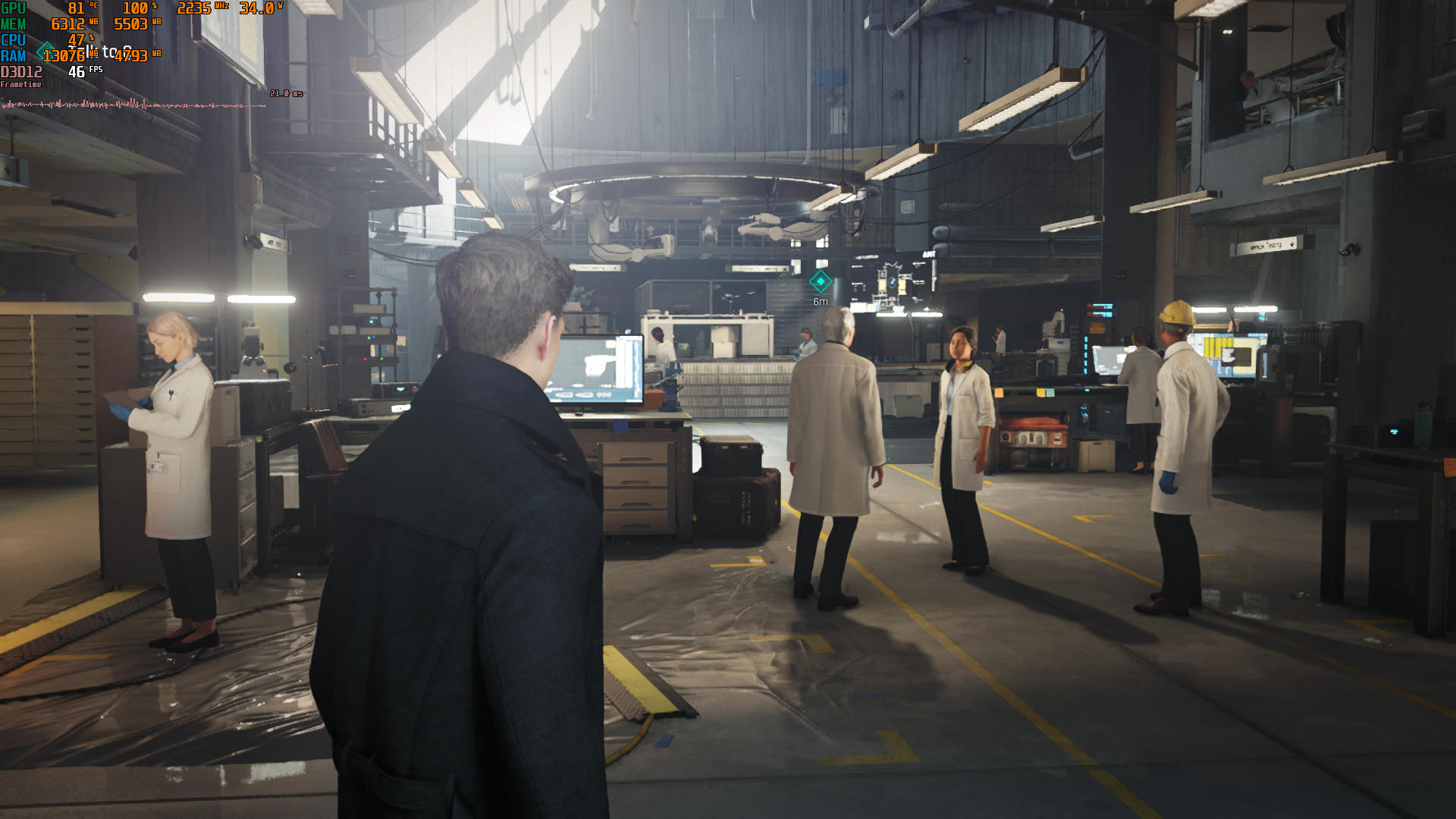
007 First Light launches without issues on Windows. We didn't encounter any incompatible driver warnings or anything else out of the ordinary, with shaders taking about four minutes or so to compile when launching the game for the first time.
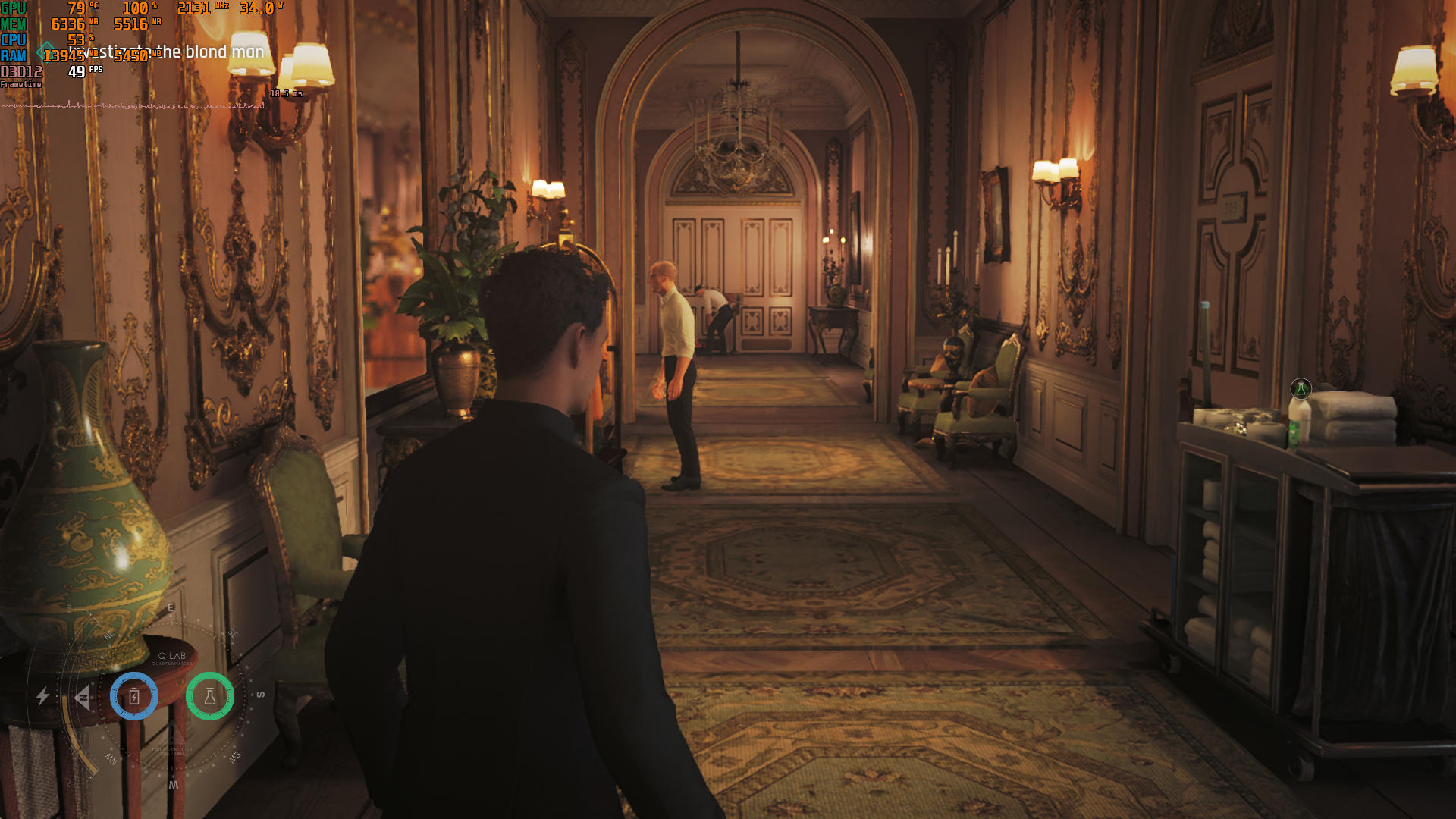
We first played the game on the MSI Claw 8 before moving on to the ASUS ROG Xbox Ally X. Then, while rifling through the graphics settings, we noticed something peculiar: the ROG Xbox Ally X had one setting that wasn't present on the Claw 8, namely Global Illumination. Checking the settings on the ASUS ROG Ally X showed that the GI option was missing there as well.
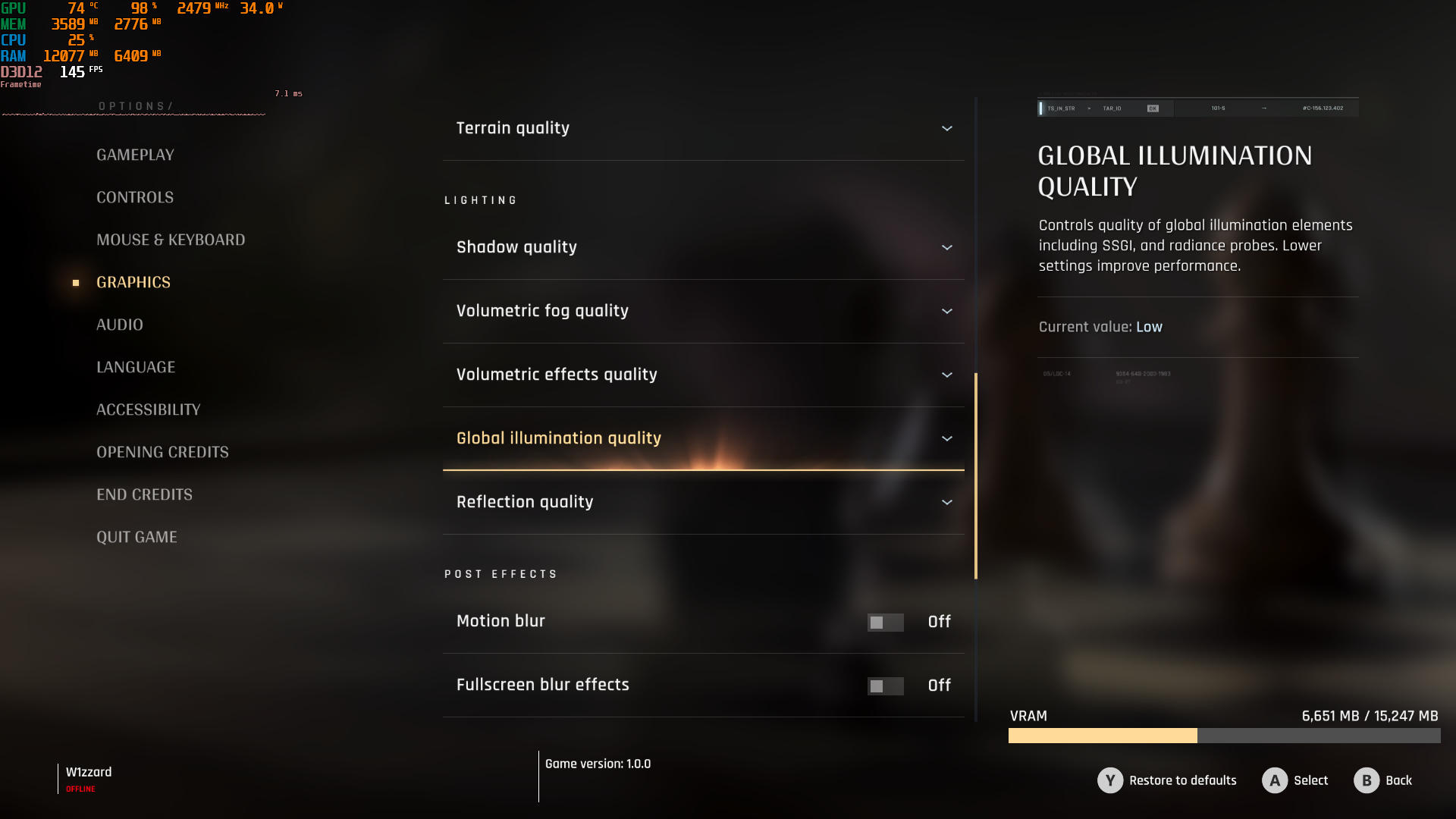
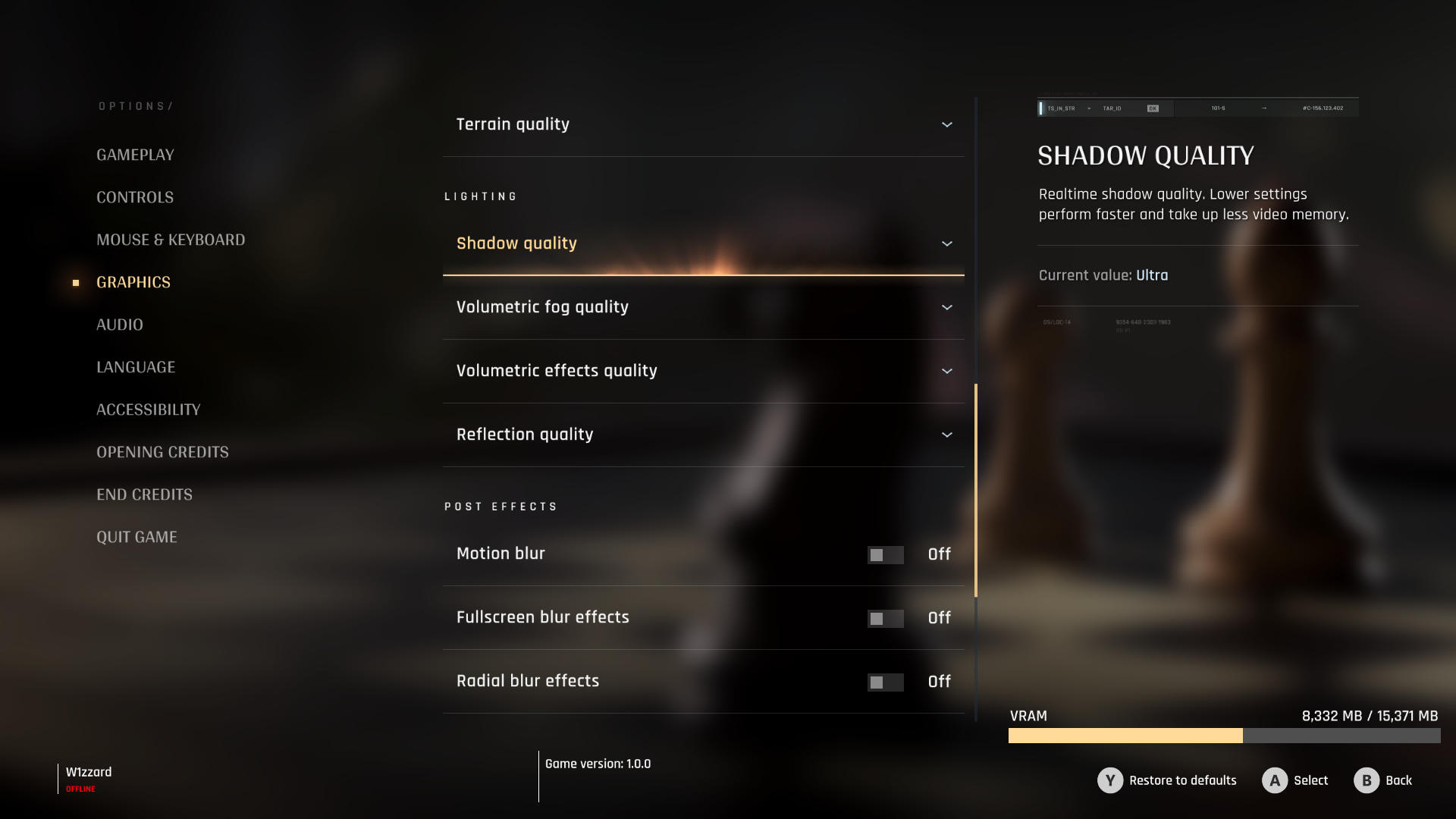
Initially, we thought it was some kind of bug, so we redownloaded the game on both the Claw 8 and ROG Ally X, but we still couldn't find the Global Illumination setting. Running the game on the ROG Ally with SteamOS confirmed this. Then we tried launching the game on the Steam Deck, but we were greeted with an error notifying us that we'd reached the five-device activation limit, which is the reason this review is running a bit late. Thanks, Denuvo.
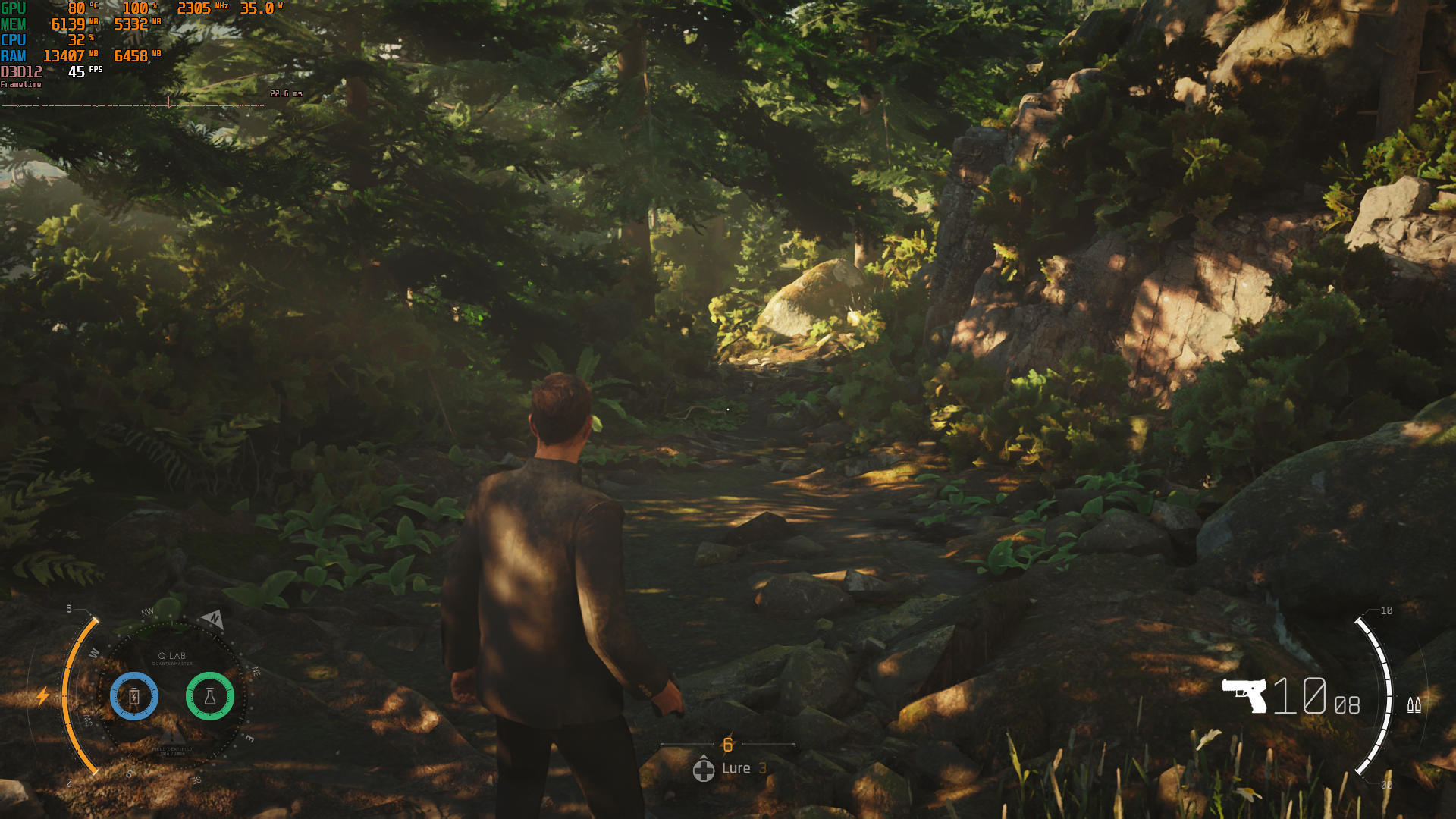
Once we finally managed to run the game on our Steam Deck, we couldn't find the Global Illumination setting there either. So IO Interactive, for some reason, decided to include Global Illumination only on the ASUS ROG Xbox Ally X. We don't have another Z2 Extreme or Strix Halo handheld on hand to check whether GI is limited to Z2 Extreme and more powerful handhelds, or whether the Xbox Ally X is the only PC handheld with access to the setting.
Whichever the case, this is not a bug. As you can see in the comparison below, the game looks different on the ROG Xbox Ally X compared to the ASUS ROG Ally X with all settings set to Ultra. The lighting is richer on the Xbox Ally X, with better-looking ambient occlusion as well.
The second screenshot also shows subtle yet visible differences between the two devices.
The situation is similar on the MSI Claw 8, which also lacks the Global Illumination option.
Anyway, you cannot disable Global Illumination on the ROG Xbox Ally X; you can only set it to Low. Because of that, we decided to test the Xbox Ally X with GI enabled despite the noticeable performance hit compared to the other handhelds when using the same settings. This is why the ROG Xbox Ally X performs more or less the same as the other handhelds even though it should outperform its Z1 Extreme cousins.

Aside from this bizarre issue, the game runs fine on every one of our Windows handhelds. The MSI Claw 8 performs worse than expected, but that's a trend we've noticed in a number of games we've tested so far on the Intel-powered handheld, including Forza Horizon 6 and Pragmata. We hope Intel brings performance improvements with a future driver update.
Anyway, 007 First Light is playable on every Windows handheld with a mix of low and medium settings, 900p resolution, and FSR set to Quality. You have to run the game at high TDPs to get playable frame rates and good enough image quality, so we didn't provide battery-optimized settings this time. There's no shader or traversal stutter, and the game isn't particularly hungry for video memory, allowing you to set textures to High on devices with 24 GB of RAM and to Ultra on the Claw 8.
As for controller support, the game plays fine with a controller, but we did find the camera controls and aiming a bit twitchy, which we couldn't fix no matter how much we tweaked the camera and aiming sensitivity and related controller settings.
Nov 19th, 2026 22:04 PST
change timezone
Latest GPU Drivers
New Forum Posts
- WarpCoreBench scores! (78)
- Anthrophics IPO (9)
- How to prevent OLED burn damage due to PC freezes or power outtages? (39)
- Honestly, do you care about GTA VI? (177)
- TPU's Nostalgic Hardware Club (22172)
- RX 7600 + Ryzen 5 5600GT getting the same FPS as my old RX 6500 XT – What am I missing? (5)
- GTA VI (11)
- GPU Temperatures Rise Very Quickly in FurMark – Is This Normal? (18)
- Time to upgrade CPU and MOBO (72)
- Dual B70 or Dual R9700 Pro on Linux (13)
Popular Reviews
- AMD Zen 6 Technical Deep Dive
- Ugreen NASync DXP4800 GT Review
- Acemagic Retro X3 Review
- Upcoming Hardware Launches 2027 (Updated Nov 2026)
- Pulsar Office Tour & First Look at P1 Dual-Sensor Mouse
- Corsair RM1200e (Second Generation) Review
- Biwin Black Opal NV7400 2 TB Review
- Chieftec Iceberg PRO 360 DARK Review
- AMD Ryzen 7 9800X3D Memory Performance Scaling
- AMD Ryzen 7 9800X3D Review - The Best Gaming Processor
TPU on YouTube
Controversial News Posts
- NVIDIA Co-Founder and CEO Jensen Huang Officially Resigns (490)
- Report: Jensen Huang Eyes NVIDIA Comeback (224)
- Open Letter Asking NVIDIA to Reinstate Jensen Huang Passes 115,000 Signatures (184)
- OpenAI CEO Argues Home PCs Waste the World's Limited DRAM Supply (152)
- NVIDIA Launches Investigation Into Jensen Huang's Relationship With Suspected Chinese Spy (136)
- Intel "Raptor Lake Next" 16-Core and 20-Core CPUs Surface (130)
- Legendary Game Studio BioWare Shuts Down Following EA Layoffs (104)
- Dell CEO Says the Memory Shortage Will Get Worse in 2027 (95)