 48
A Plague Tale Requiem Benchmark Test & Performance Analyis Review
(48 Comments) »Introduction
A Plague Tale: Requiem is the second chapter in a one-of-a-kind survival horror series. You're in Medieval France, the Black Plague has taken over the land, and the French Inquisition is enforcing a containment to keep the Plague from spreading; you're a survivor—a young girl with a baby brother who is ill with a mysterious blood disease—not the Plague.The cure to his illness is somewhere in Southern France, but your journey there is filled with trials and tribulations: evading hordes of Plague-carrying rats, and soldiers of the Inquisition. You are no warrior, and have simple tools and makeshift weapons to defeat soldiers, enemies, and hordes. You carry with you the emotional trauma of your actions, and the long journey that lies ahead. Will you get there in time? Are the people who promised you a cure doing it out of genuine kindness, or want to turn your brother into a test subject? Play to find out.

Developed by French Asobo Studio for Focus Entertainment, A Plague Tale: Requiem was released this week for the Nintendo Switch, PlayStation 5, Xbox Series X/S, and the PC platform, with platform-specific visual enhancements to harness the power of modern high-end graphics hardware. It uses a proprietary game engine developed in-house by Asobo, and takes advantage of the DirectX 12 API. The game comes with some pretty steep recommended system requirements, and promises good visuals for faster hardware. Ray tracing is not available, but the developer promises to add this with a later patch.
Screenshots
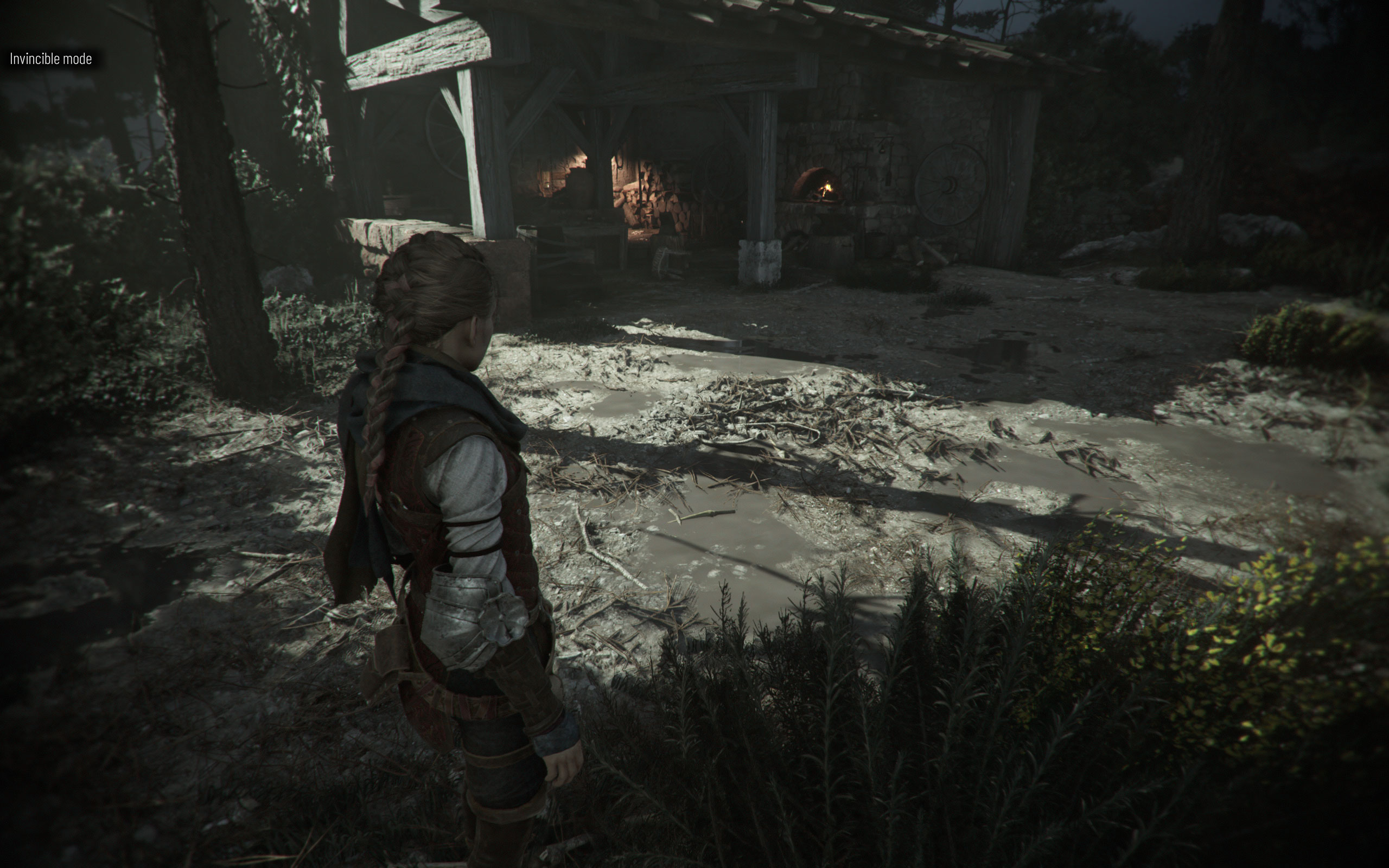
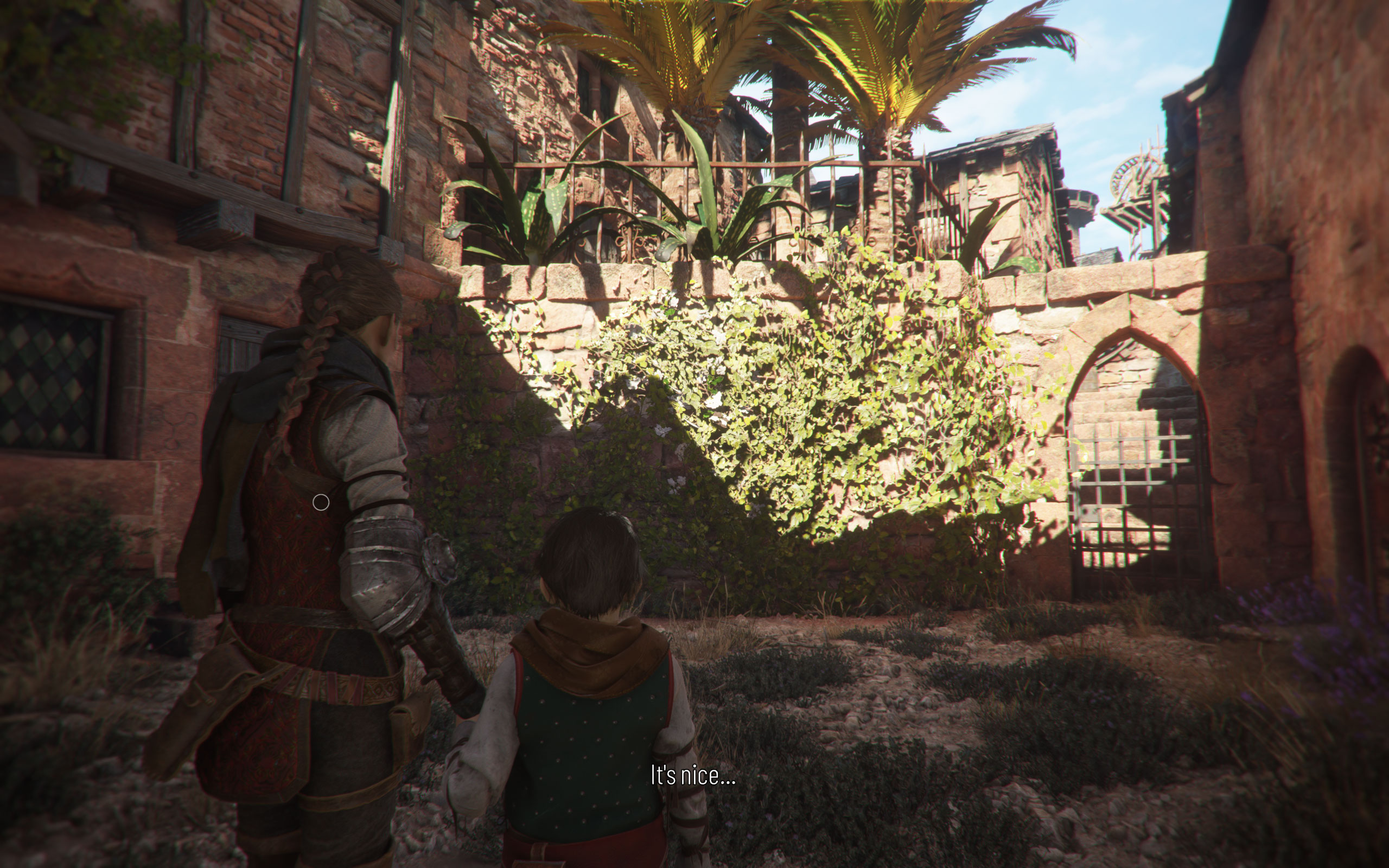
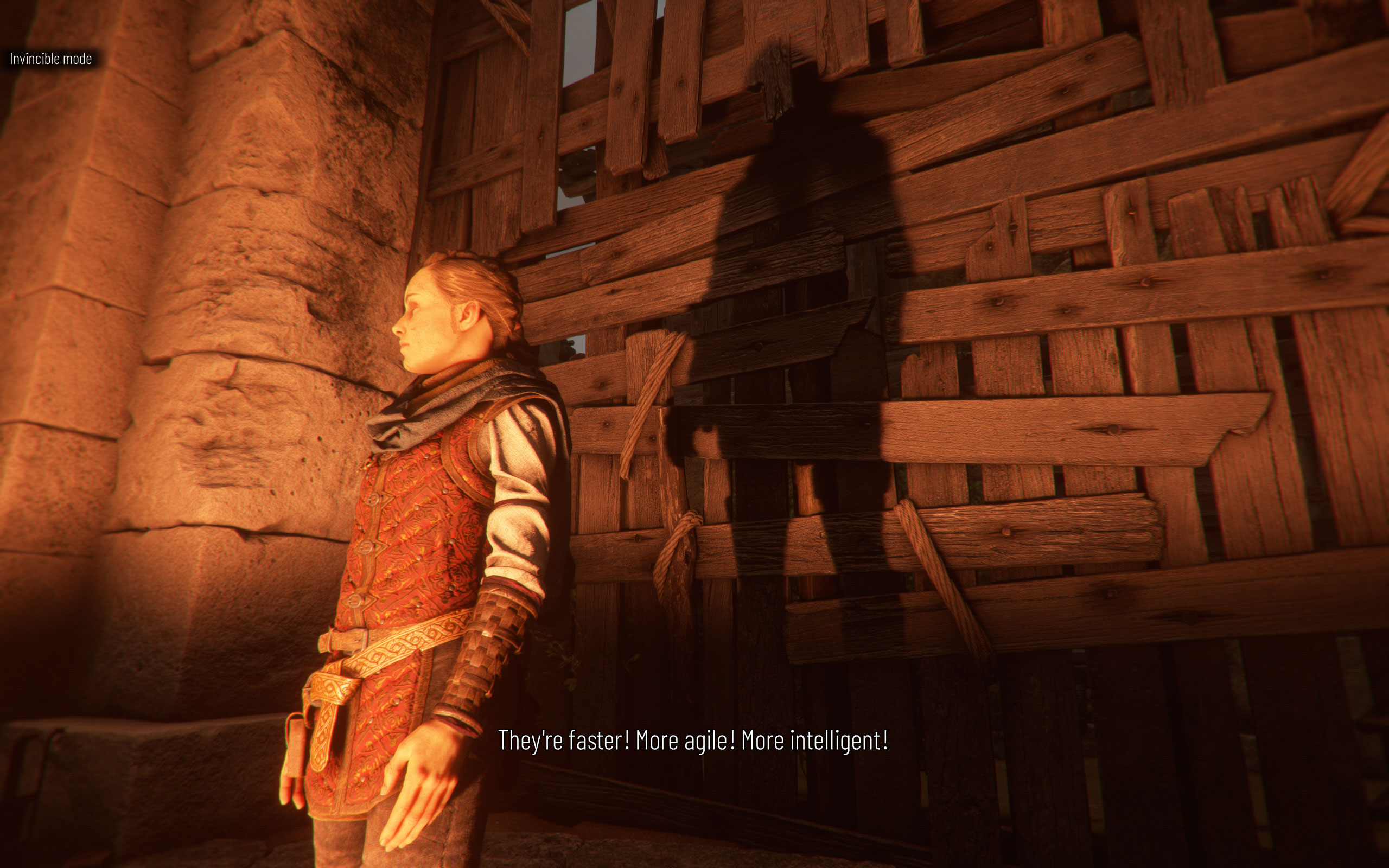
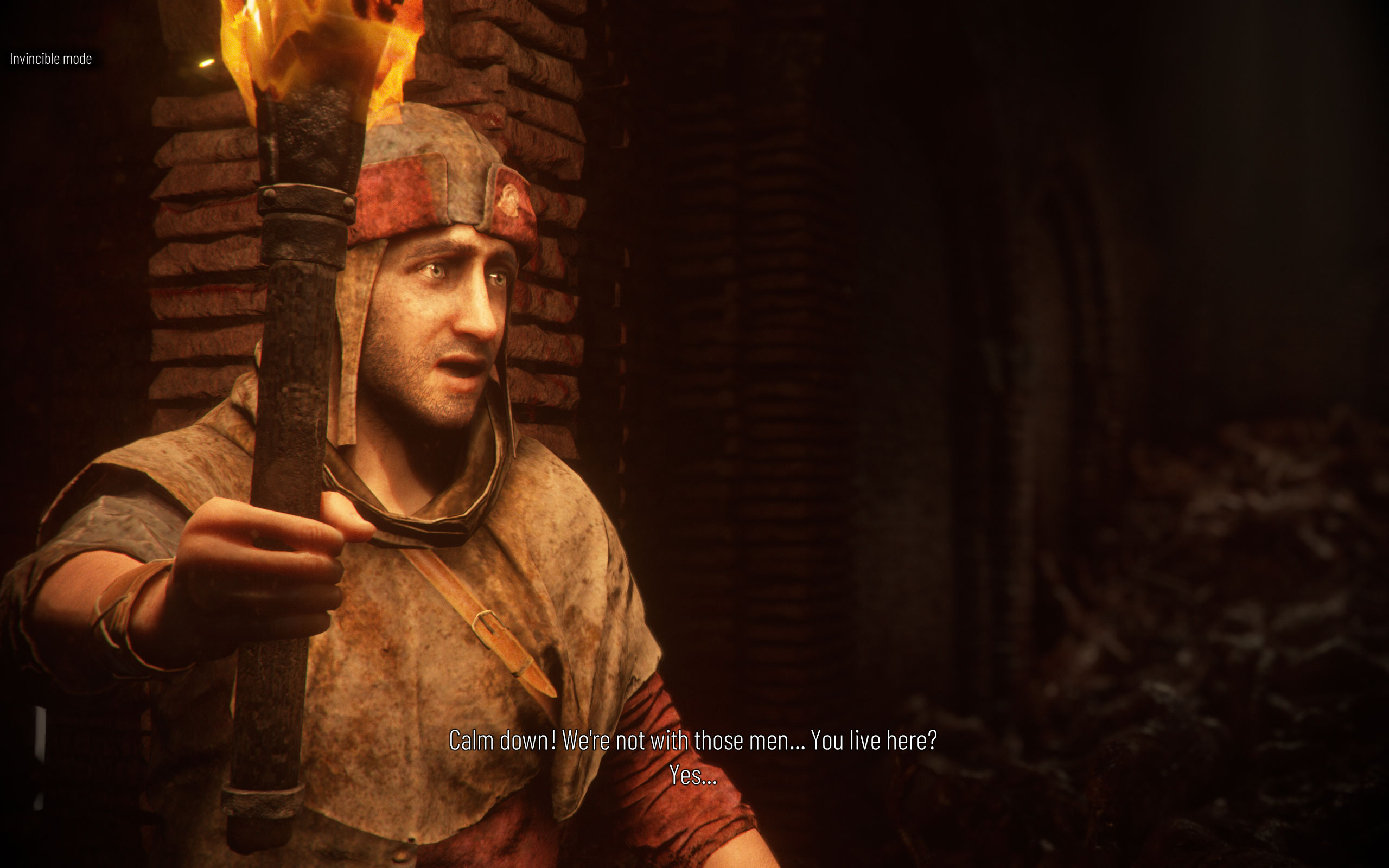
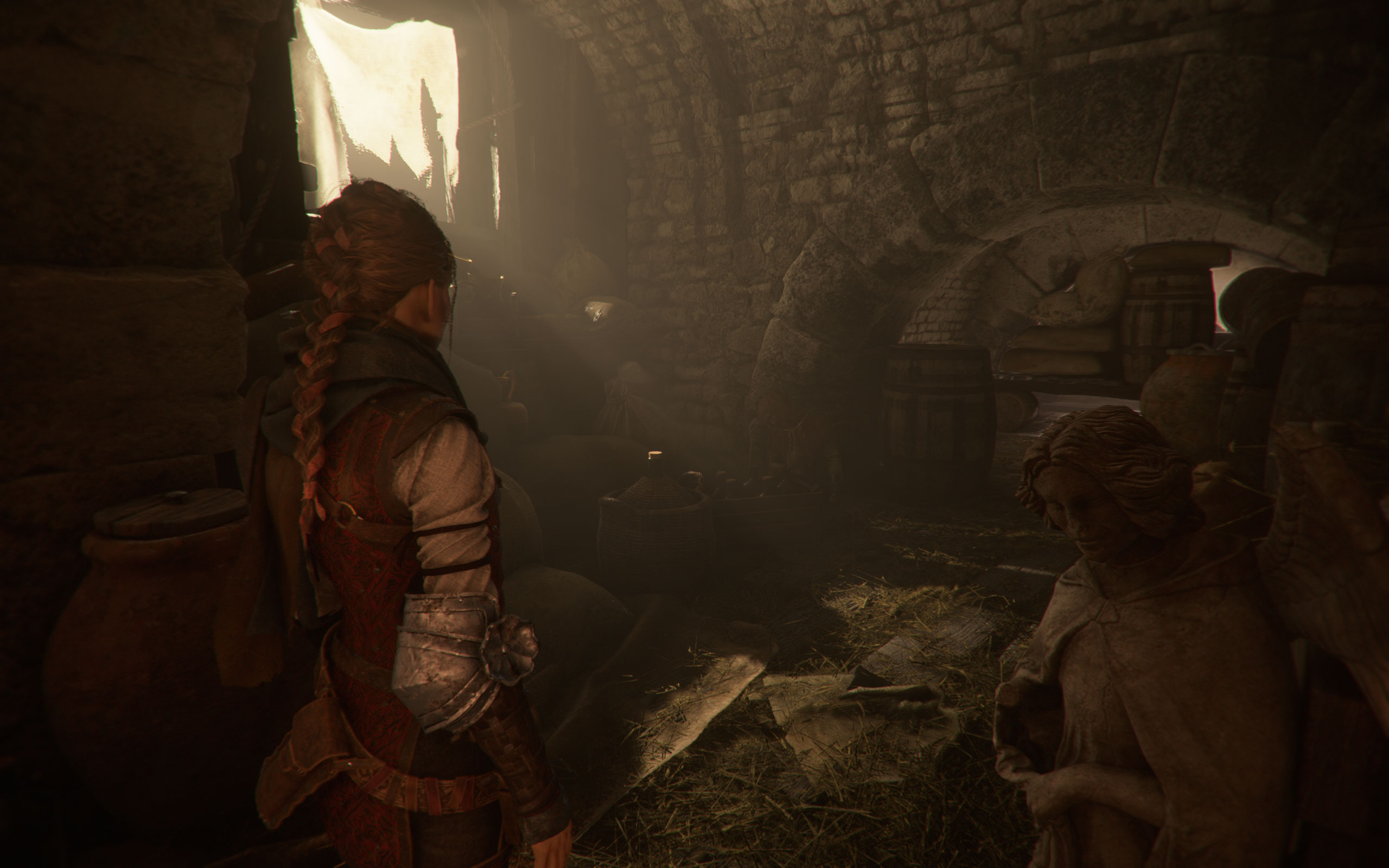
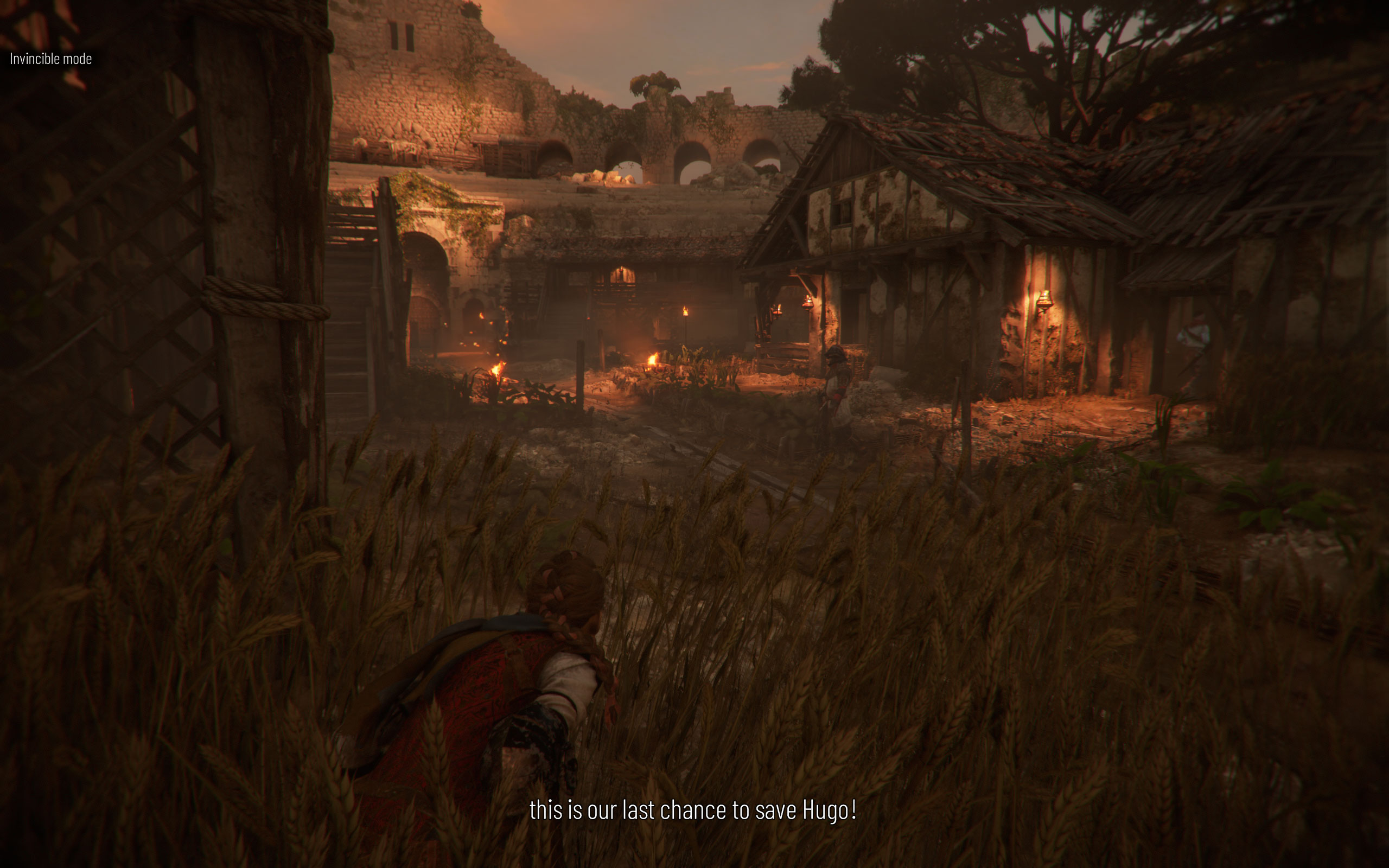
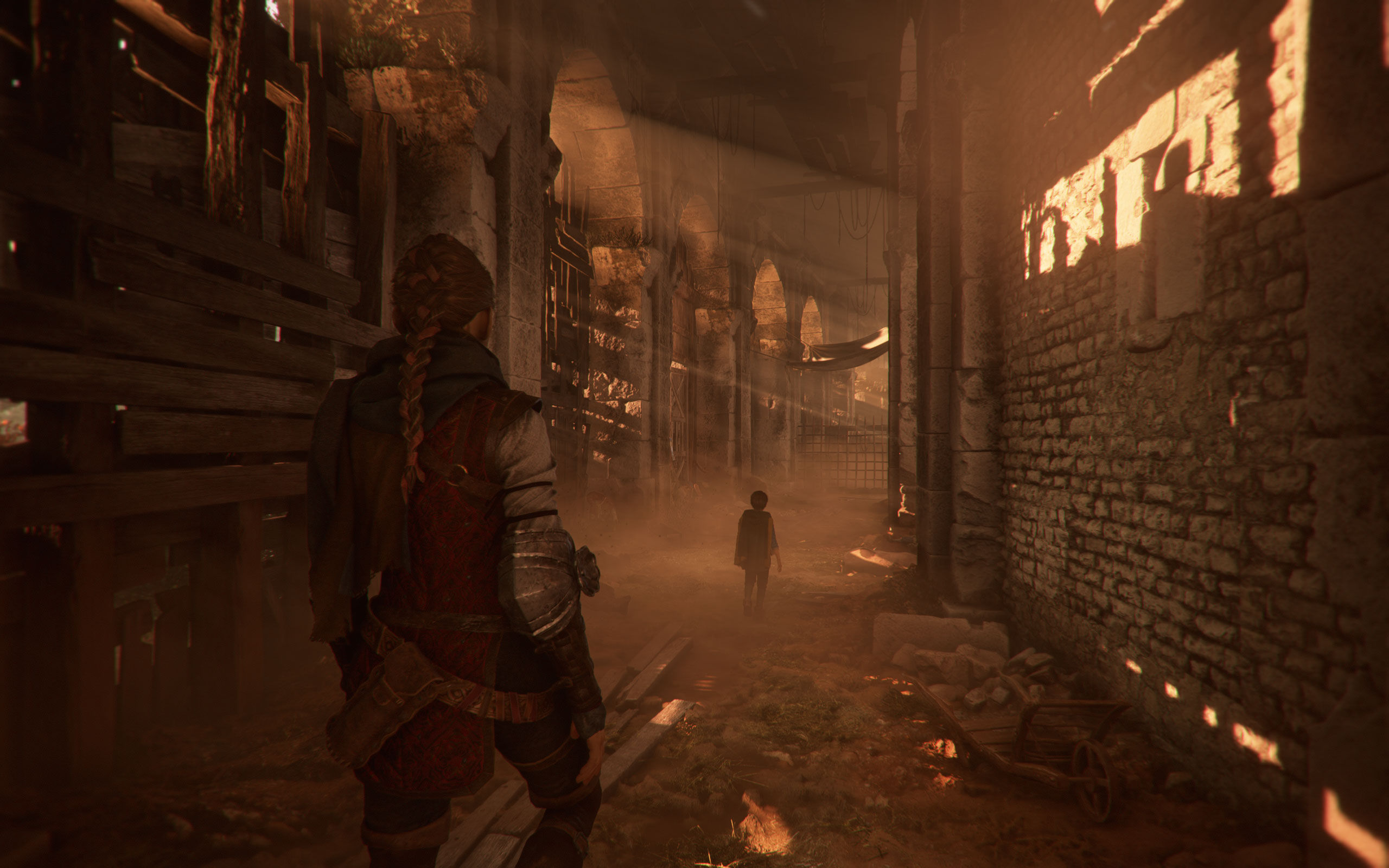
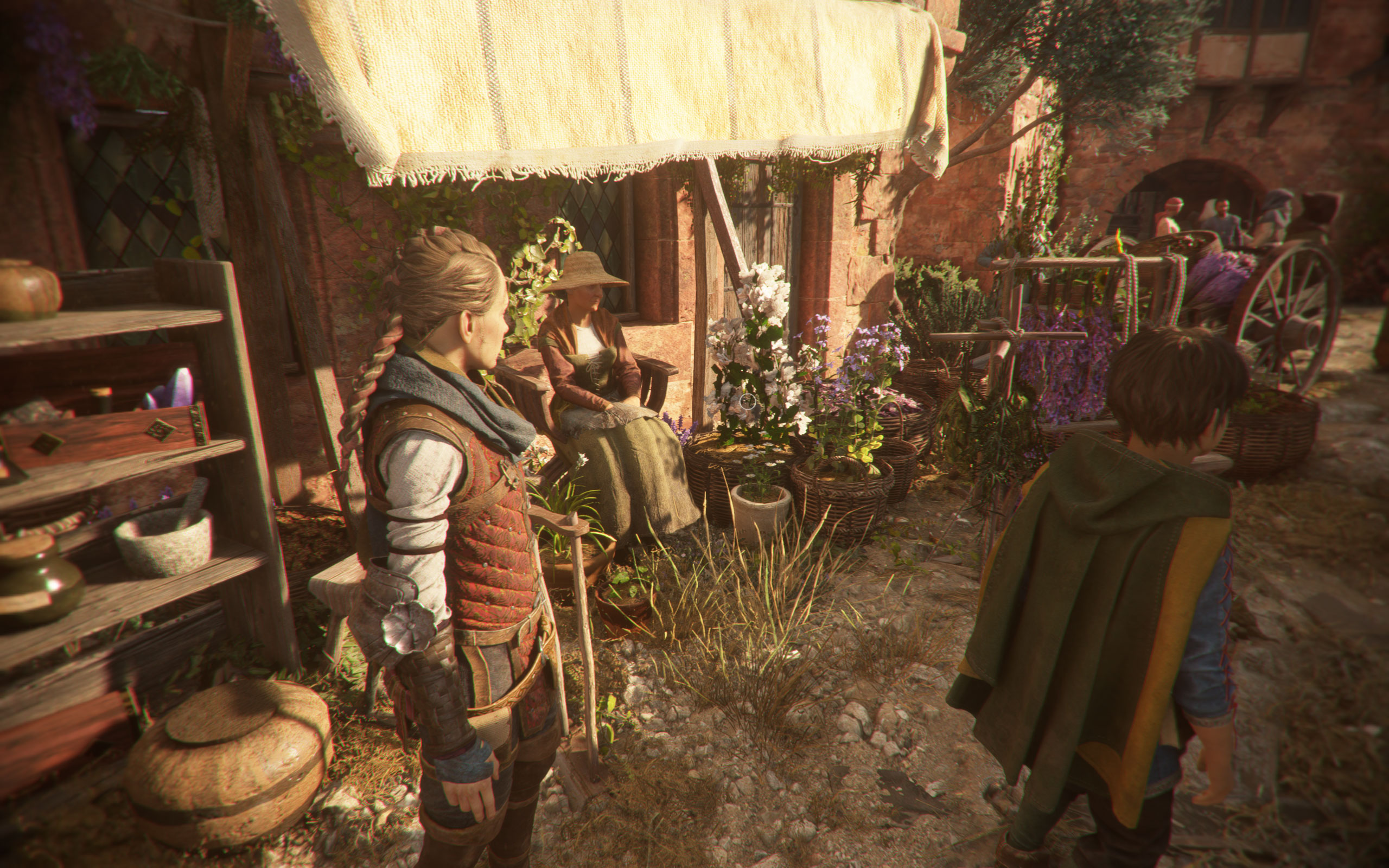
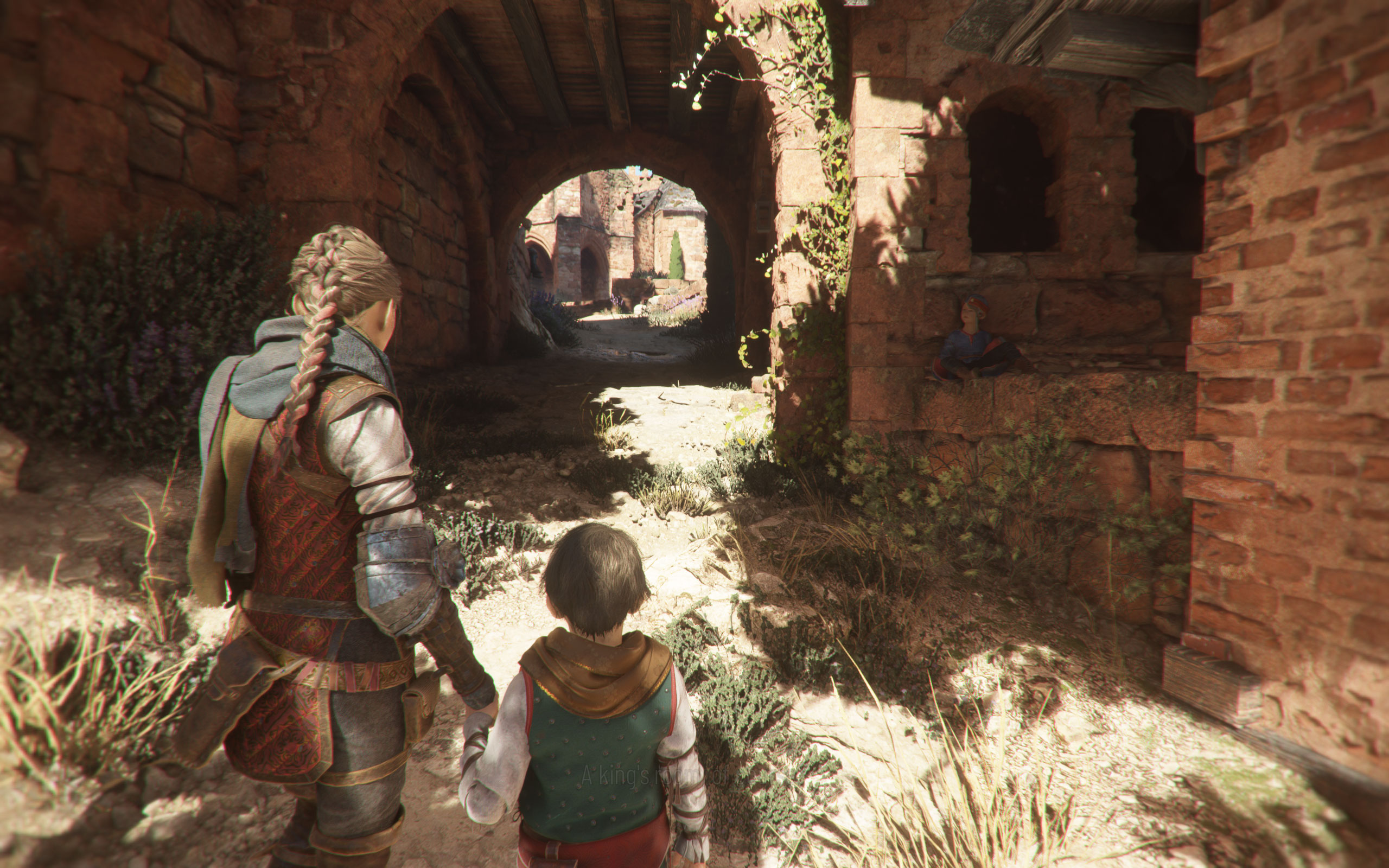
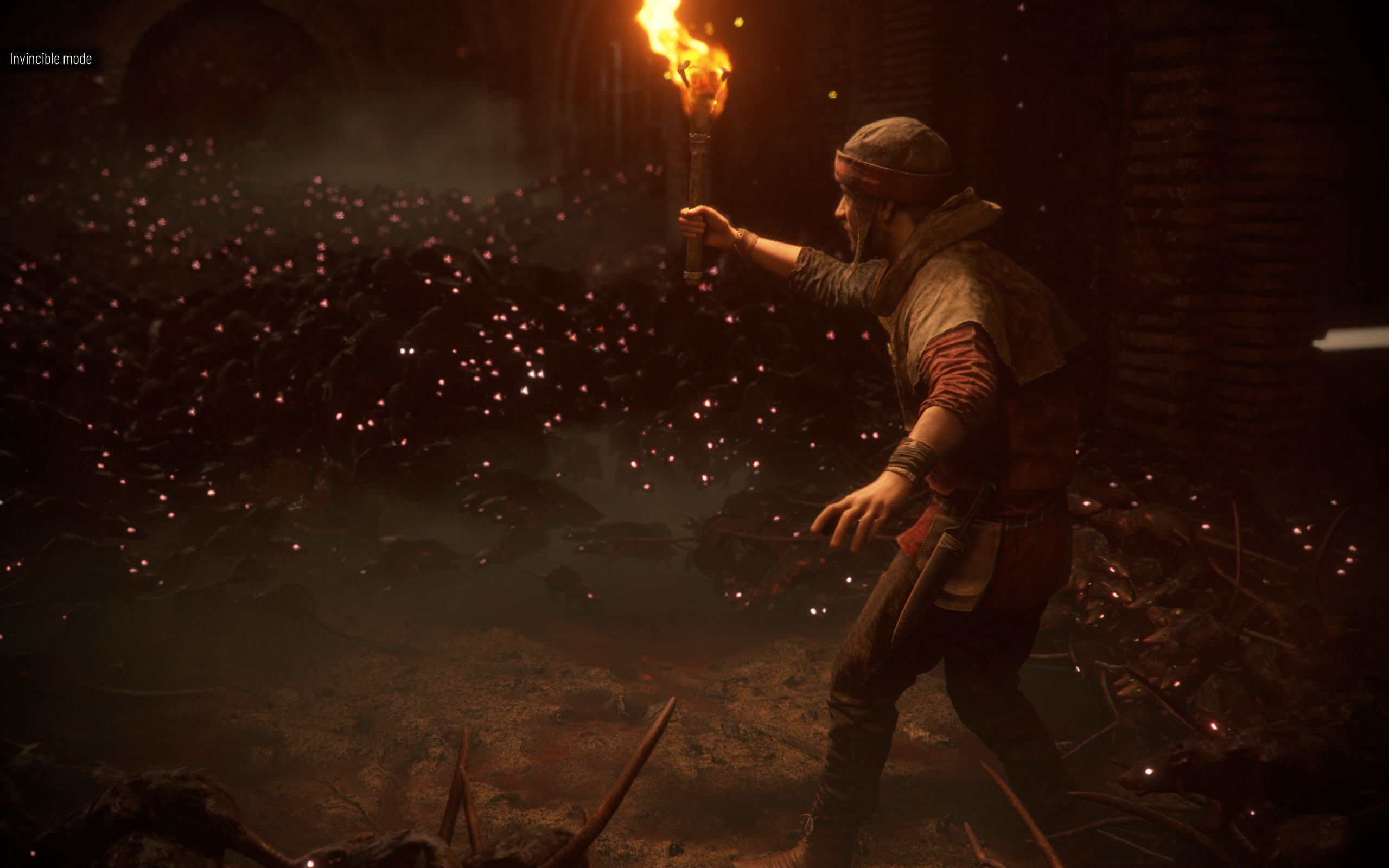
All screenshots were taken at the "Ultra" settings profile. The gallery can be navigated with the cursor keys.


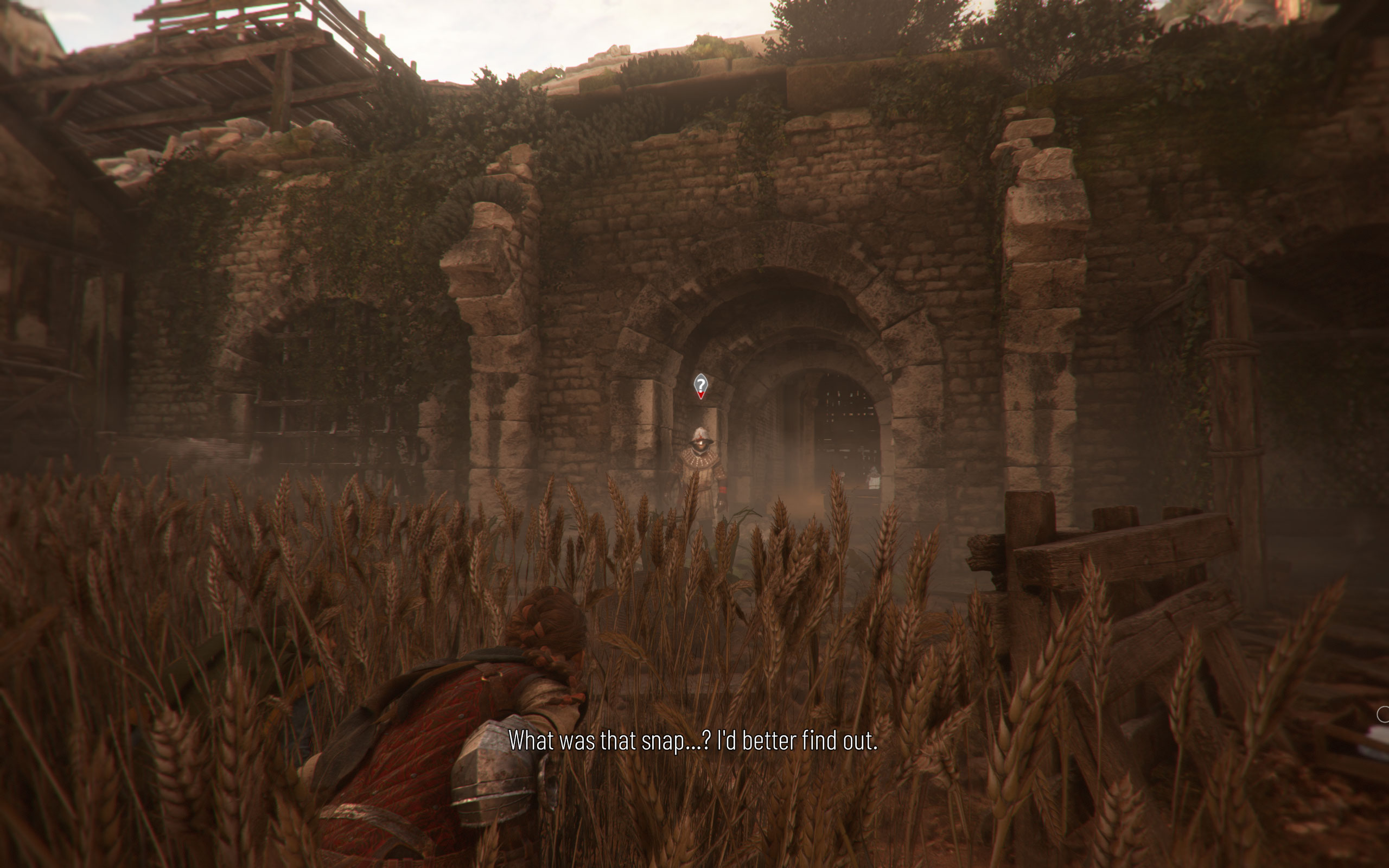


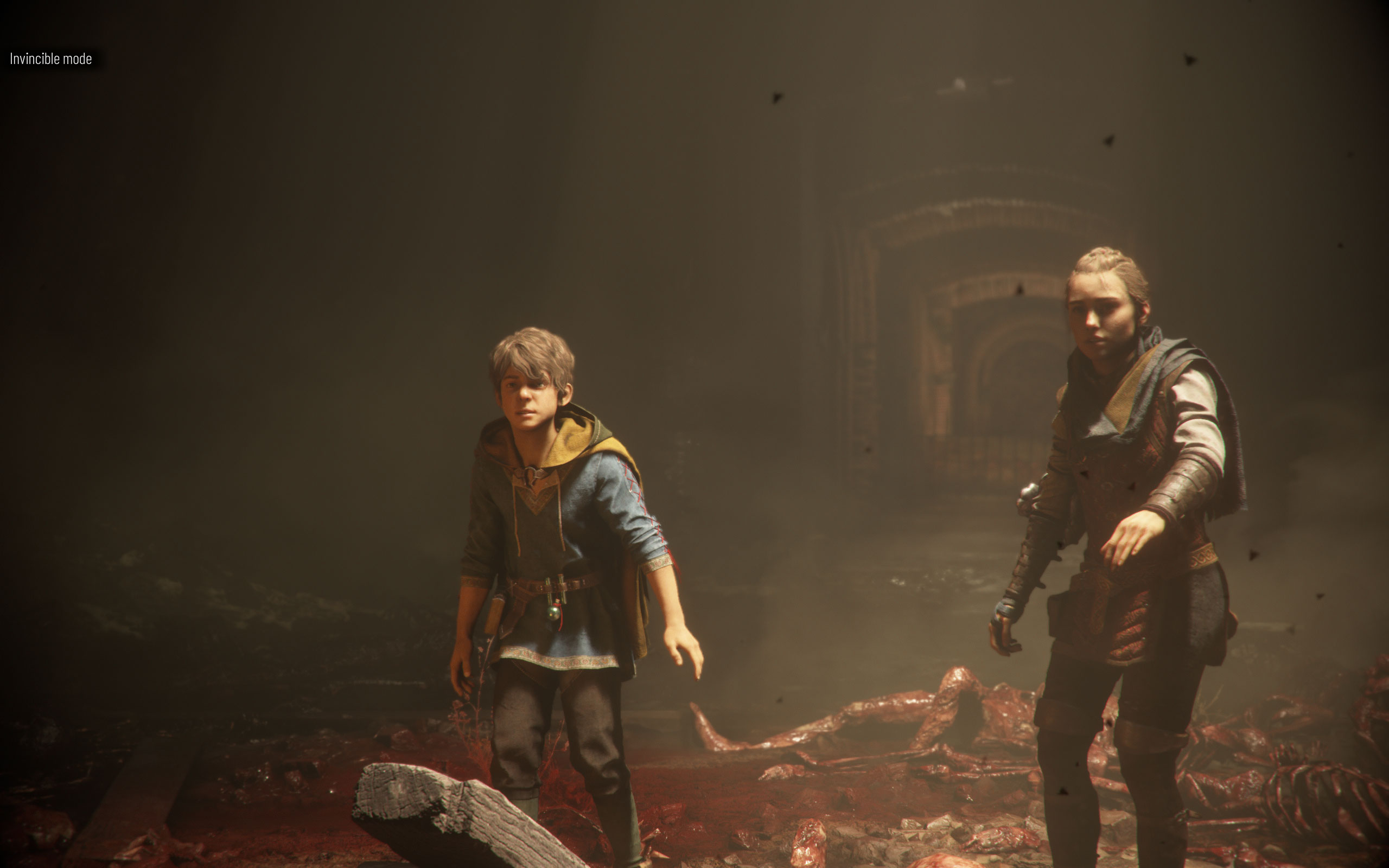
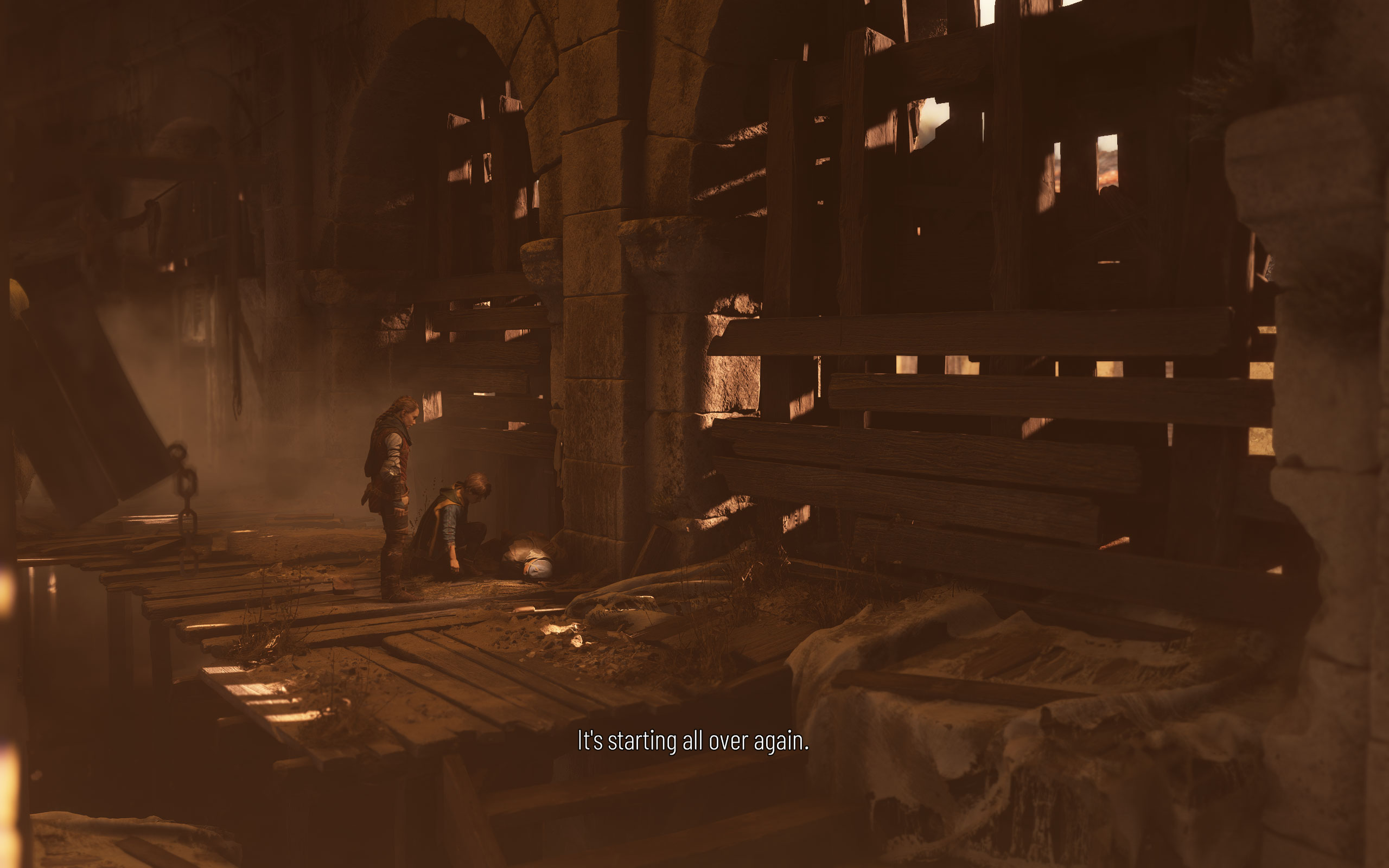

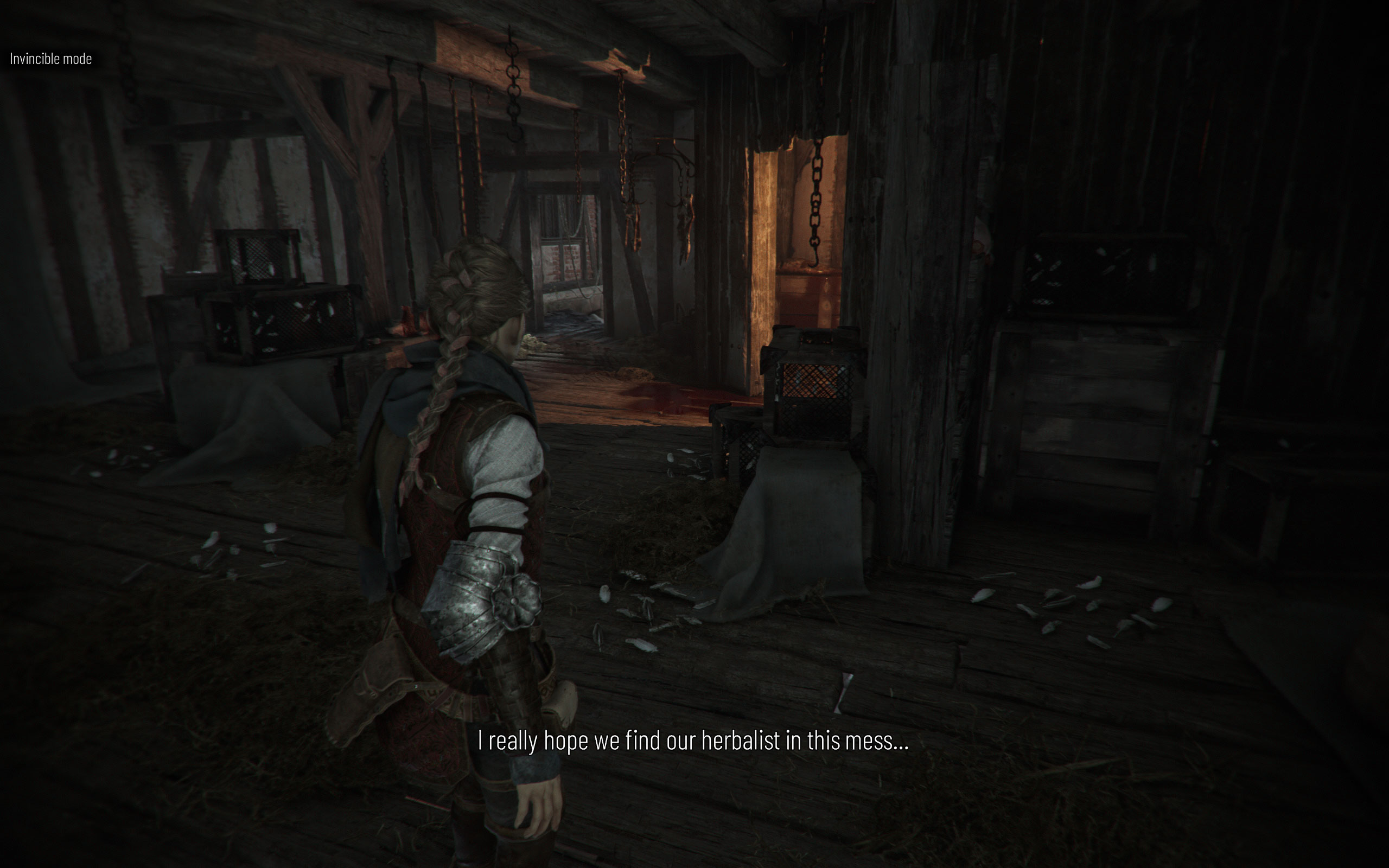

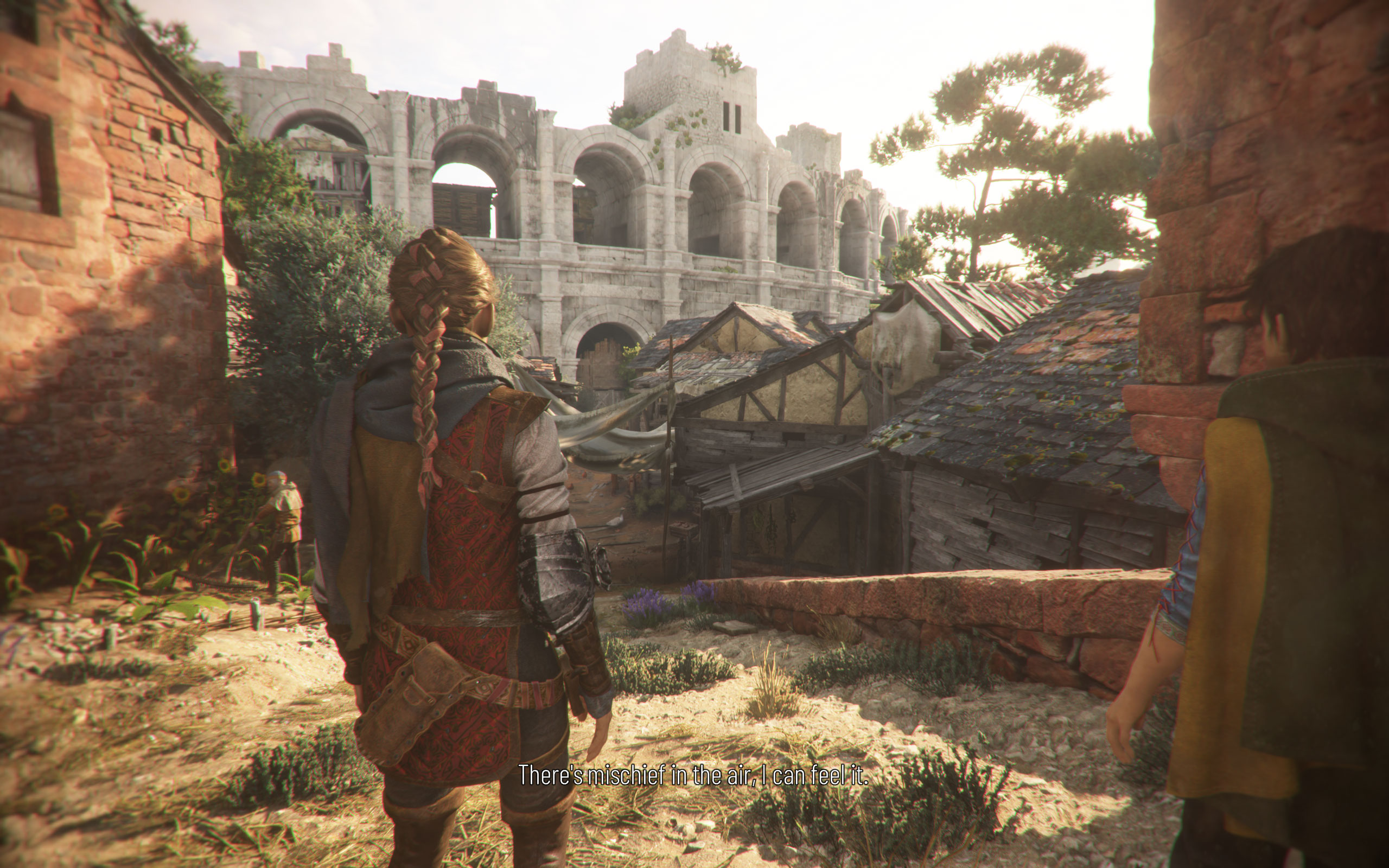

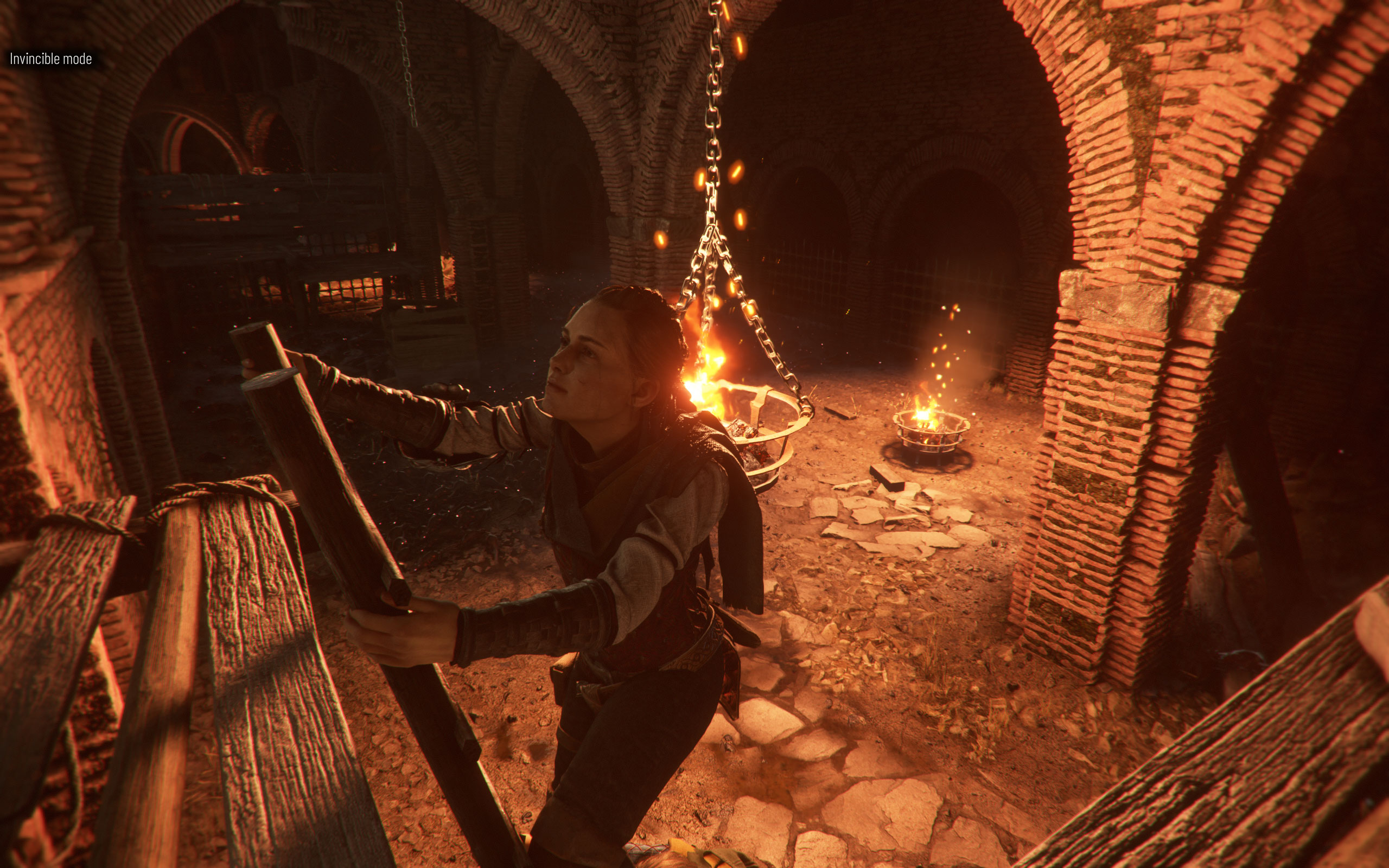
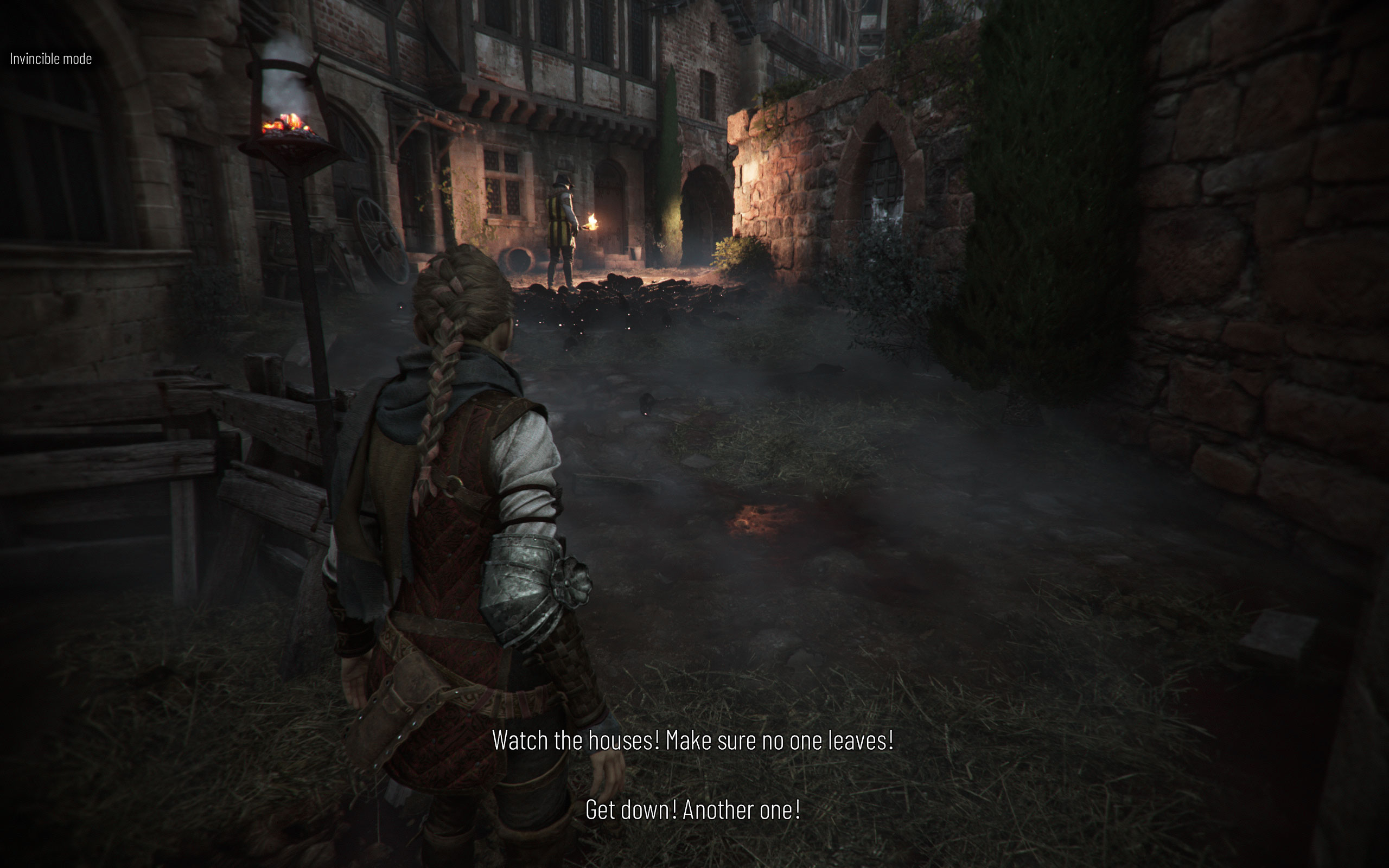


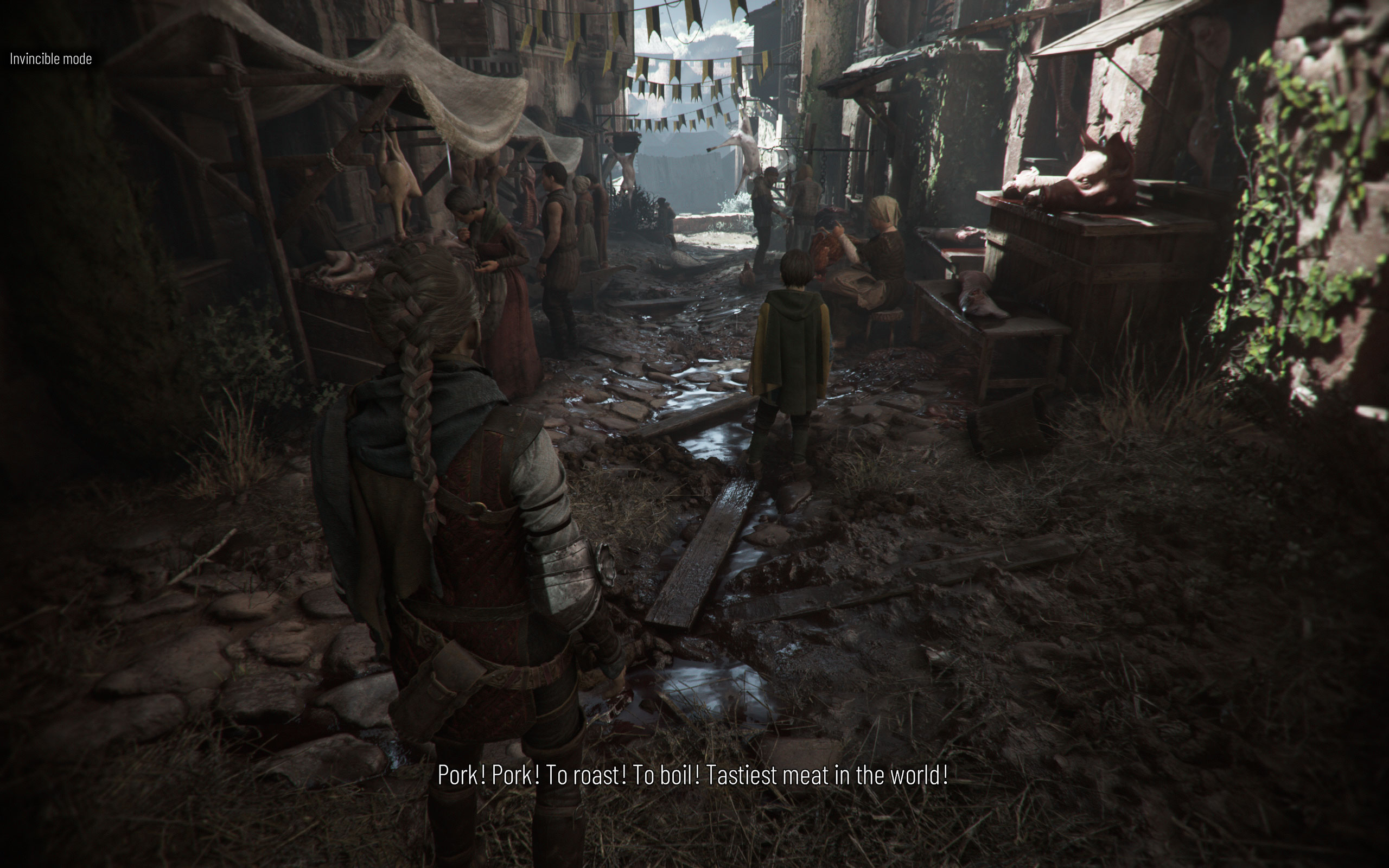









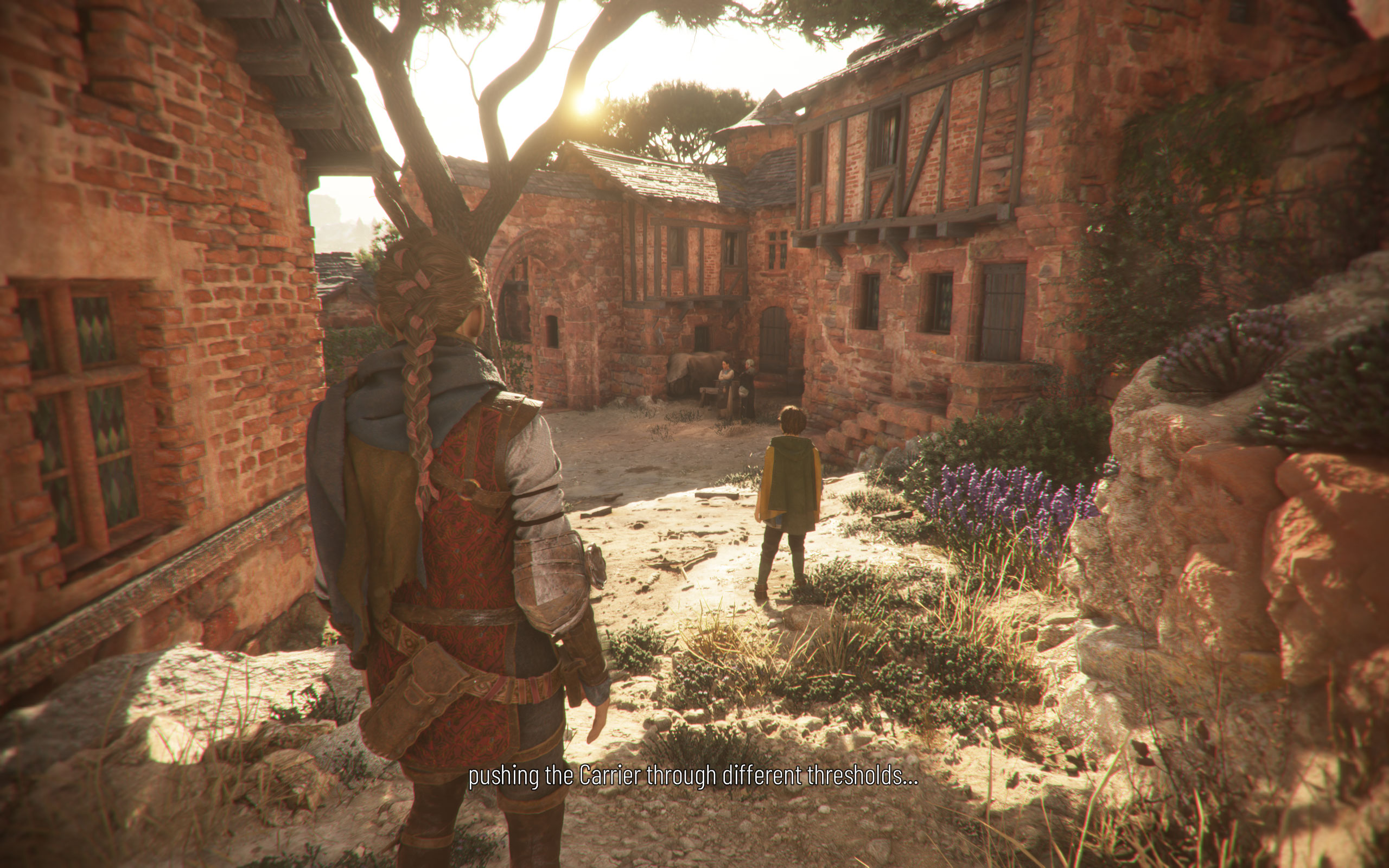
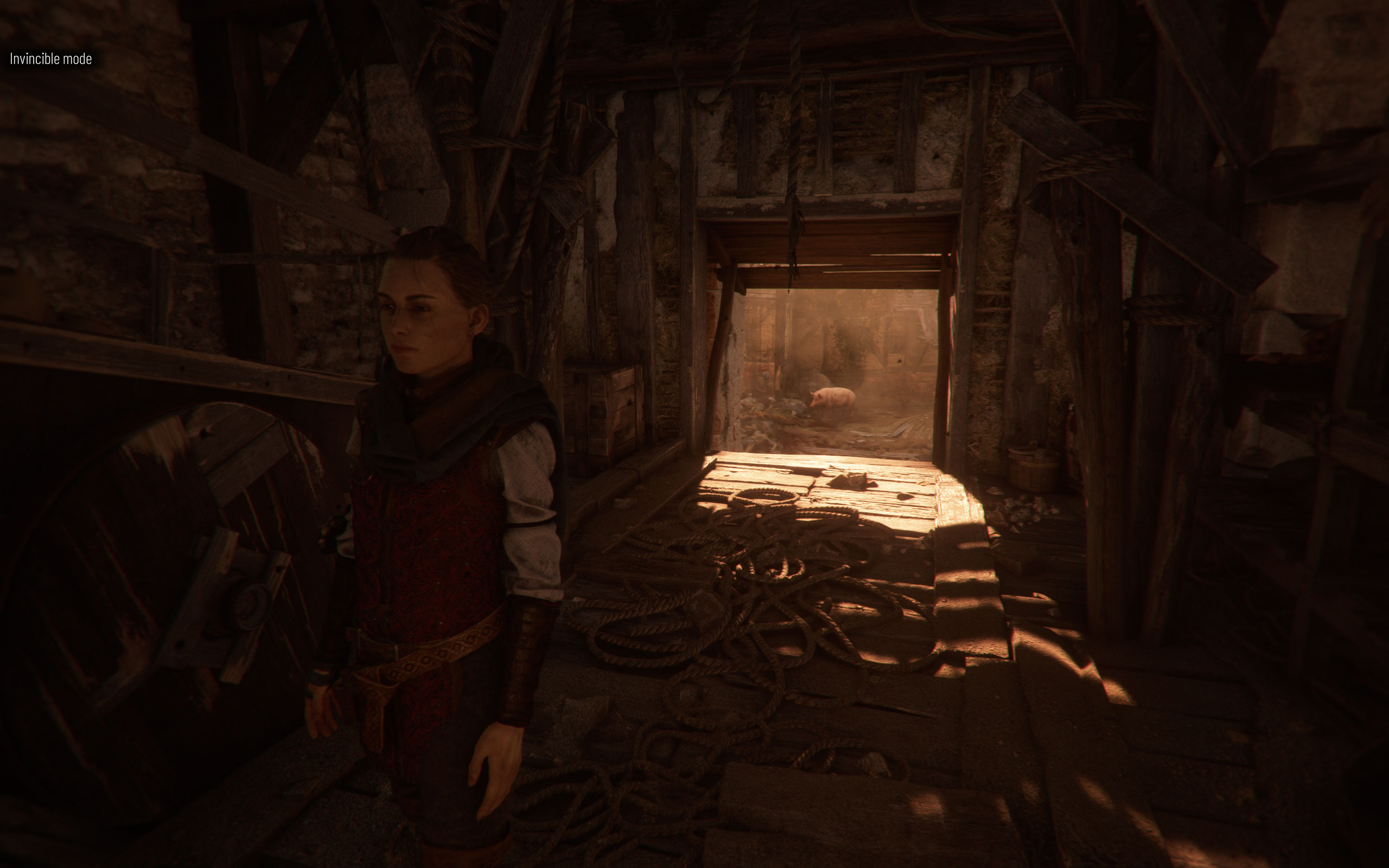
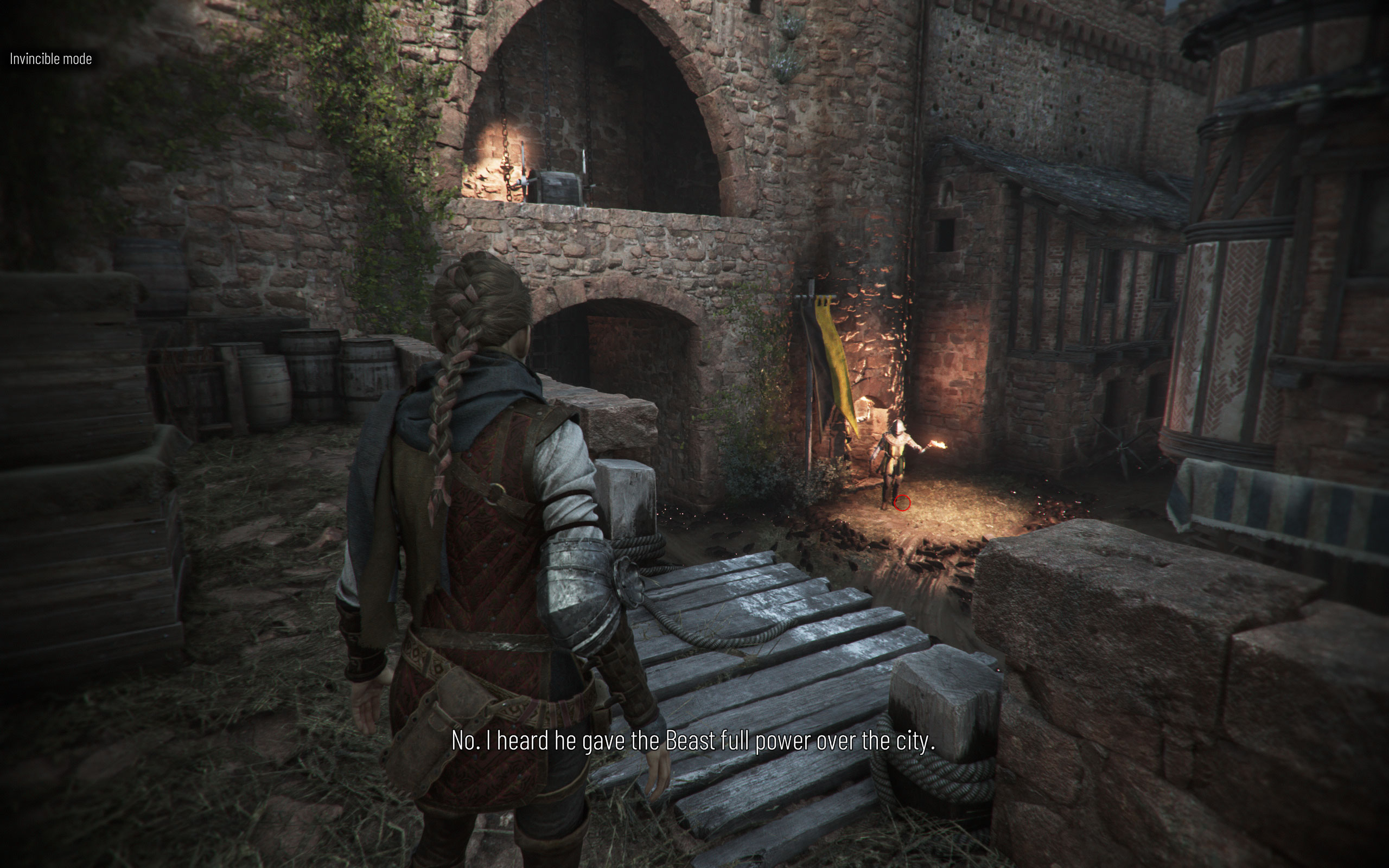
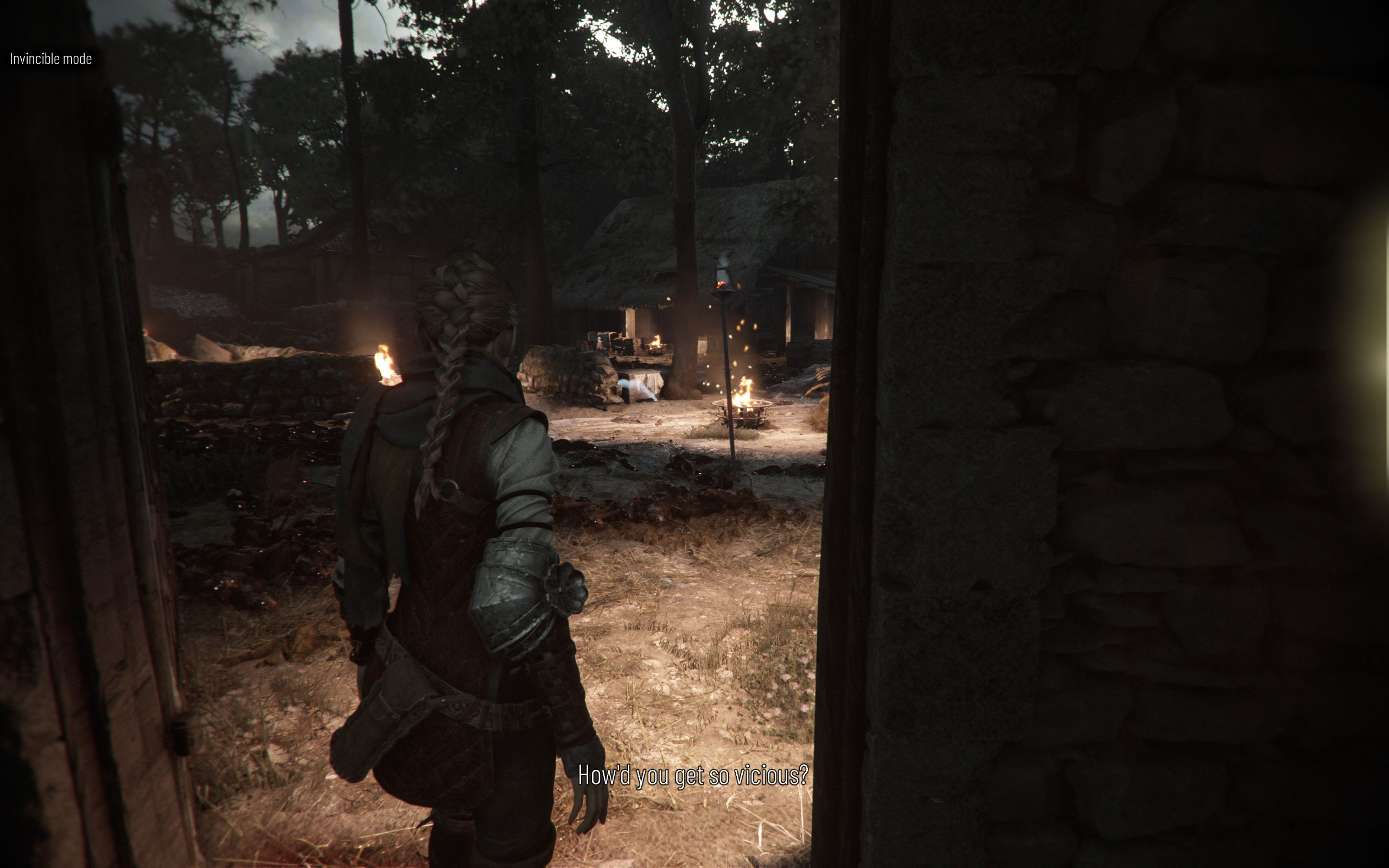
Graphics Settings

- The game supports fullscreen and windowed, there is no "borderless" option
- You can disable V-Sync, there is no hidden FPS cap
- Resolution scale can be adjusted between 30% and 200%, so rendering at higher-than-native is possible
- DLSS is supported, including DLAA and DLSS3
- The developers have integrated support for NVIDIA Reflex, too, which reduces gaming latency
- Motion blur and chromatic aberration can be turned off
- You may pick from four graphics presets "low", "medium", "high" and "ultra"
- As we'll see on the next page, there's only minimal differences between those presets
- You may also use custom settings and fine-tune these to your system's capabilities
Our Patreon Silver Supporters can read articles in single-page format.
Nov 16th, 2026 11:27 CST
change timezone
Latest GPU Drivers
New Forum Posts
- HP Office Jet 7740 Pro - Supply system problem with replacement cartridge (6)
- Meeting point of those who broke their GPUs. Please share what GPUs you've burned, shattered, ionized or melted accidentally. (40)
- I don’t know been building “by hand” for years and we at the point where “Server Quality” is mentioned, is this the future of it or will it continue? (42)
- What are you playing? (26225)
- Can you guess Which game it is? (340)
- Disabling MPO (MultiPlane Overlay) in 2025 (54)
- Asus Rog Maximus Z890 Extreme. (Various questions). (28)
- Without Jensen, PC gaming will be (7)
- RX 6700 XT ~2 s screen + cursor freezes with FreeSync: FPO VRAM clock hang, fixed with a longer vblank (MPO stays on) (0)
- Honestly, do you care about GTA VI? (68)
Popular Reviews
- ASUS ROG Strix B850-I Gaming Wi-Fi7 W Review
- Corsair HX1000i Shift Crystal Review
- AMD Zen 6 Technical Deep Dive
- Upcoming Hardware Launches 2027 (Updated Nov 2026)
- Acemagic Retro X3 Review
- Montech King 95 3D PRO Review
- NZXT C1200 Platinum Review
- Phantom Blade Zero Performance Benchmark Review - 35 GPUs Tested
- AMD Ryzen 7 9800X3D Review - The Best Gaming Processor
- NZXT H7 RGB+ Review
TPU on YouTube
Controversial News Posts
- NVIDIA Co-Founder and CEO Jensen Huang Officially Resigns (431)
- Open Letter Asking NVIDIA to Reinstate Jensen Huang Passes 115,000 Signatures (184)
- OpenAI CEO Argues Home PCs Waste the World's Limited DRAM Supply (152)
- NVIDIA Launches Investigation Into Jensen Huang's Relationship With Suspected Chinese Spy (136)
- Intel "Raptor Lake Next" 16-Core and 20-Core CPUs Surface (130)
- Legendary Game Studio BioWare Shuts Down Following EA Layoffs (104)
- Dell CEO Says the Memory Shortage Will Get Worse in 2027 (95)
- Report: Jensen Huang Eyes NVIDIA Comeback (92)