 12
Alliwava G15 Review - Good Budget Offer
(12 Comments) »Introduction

Most people don't need top-tier hardware just to check emails or handle basic daily tasks. Personally, I'd say the modern baseline is a 6-core/12-thread CPU, 16 GB of RAM, and a decent Gen 3 SSD.
In many cases, even when buying an entry-level laptop from an established brand, you're paying a price premium because of the manufacturer's reputation. If that's worth the peace of mind for you, fair enough—to each their own.
Now, if you want to save some cash, you need to take a look at the not-so-popular brands that, in some cases, offer better bang for your buck than the main players.
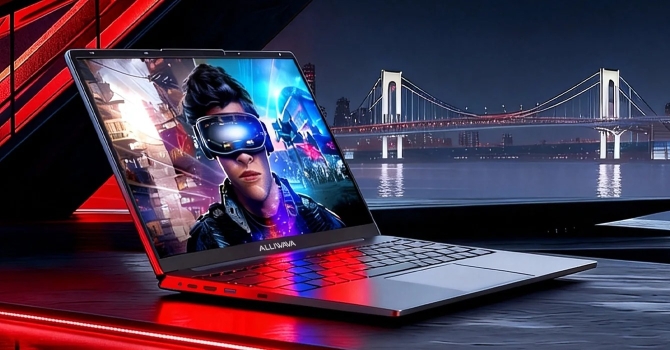
Take the Alliwava G15, for example. It relies on an AMD Zen 3 Barcelo-U processor. Aside from the fact that the chip was released back in 2022, it has 8 cores and 16 threads, which is more than sufficient for work or standard entertainment. In addition to that, you get a pretty nice upgradability, along with rich I/O options, including four USBs and a card reader.
The display is based on the standard 15.6" form factor, so it has a 16:9 ratio. We are in the budget segment, so no 1440p screen here, just 1080p. It still looks fine considering the small size of the panel though, and it's an IPS unit with normal viewing angles. Ergo, this one is much better than any TN iteration.
The backlit keyboard comes as a standard feature, which is a definite plus in my book, and rare for this segment. You also get a decently wide touchpad with a built-in fingerprint reader, front-firing speakers, and a webcam privacy shutter.
I expected a basic single-heat pipe setup, but popping the bottom cover revealed a dual-heat pipe system, which is more enough to effectively cool the 15 W CPU.
Specifications
| Specifications | |
|---|---|
| Manufacturer: | Alliwava |
| Model: | Alliwava G15 |
| Weight: | 1.74 kg |
| Processor: | AMD Ryzen 7 5825U/Barcelo-U/Zen 3 8 Cores/16 threads Up to 4.5 GHz, 16 MB cache 15 W default TDP |
| Chipset: | Ryzen SoC |
| Display: | Display: 15.6"/1920×1080 (16:9)/IPS/60 Hz ~270 nits/50% sRGB Eye protection + Bright View tech |
| Operating System: | Windows 11 Pro |
| Integrated Graphics: | AMD Radeon RX Vega 8 |
| Memory: | Up to 32 GB of DDR4-3200 |
| Storage: | 2× M.2 2280 PCI Express 3.0 x4 |
| Optical Drive: | None |
| Connectivity: | 2× 5 Gbps USB Type-A/3.2 Gen. 1 1× USB 2.0 1× 10 Gbps USB Type-C/3.2 Gen. 2 with DP Alt Mode/65 W PD HDMI Audio combo jack microSD card slot |
| Communications: | Wi-Fi 5 + Bluetooth 4.2 1 MP webcam |
| Audio: | 2× 1 W stereo speakers |
| Input device: | Multi-point touchpad Keyboard with backlight |
| Power: | 1× 65 W barrel plug AC adapter 57.75 Wh battery |
| Warranty: | Two years (region dependent) |
| MSRP: | Starting at €416/$484 |
Packaging
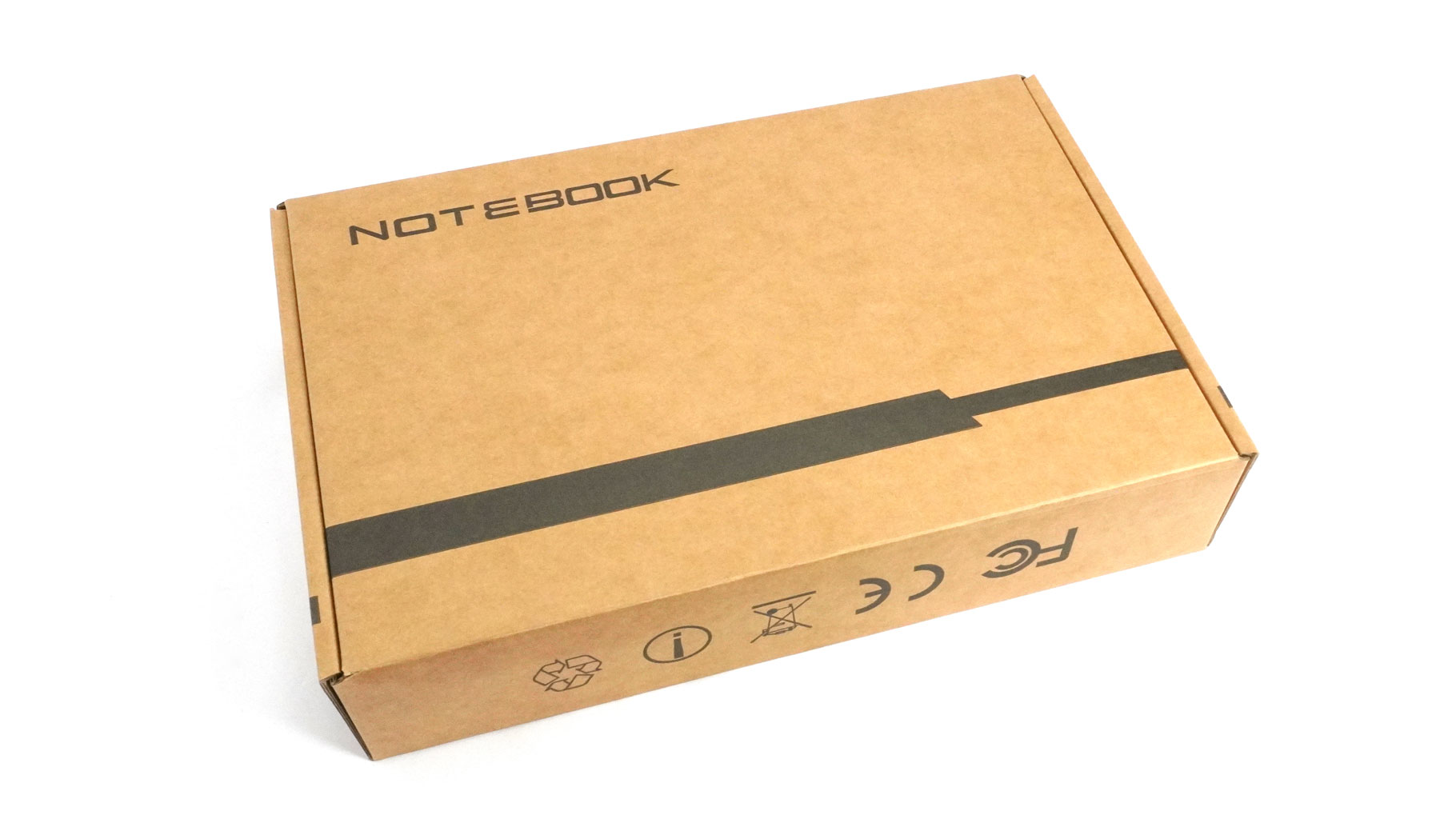
The laptop comes in a cardboard box. Inside, the device is protected by a thick layer of bubble wrap.
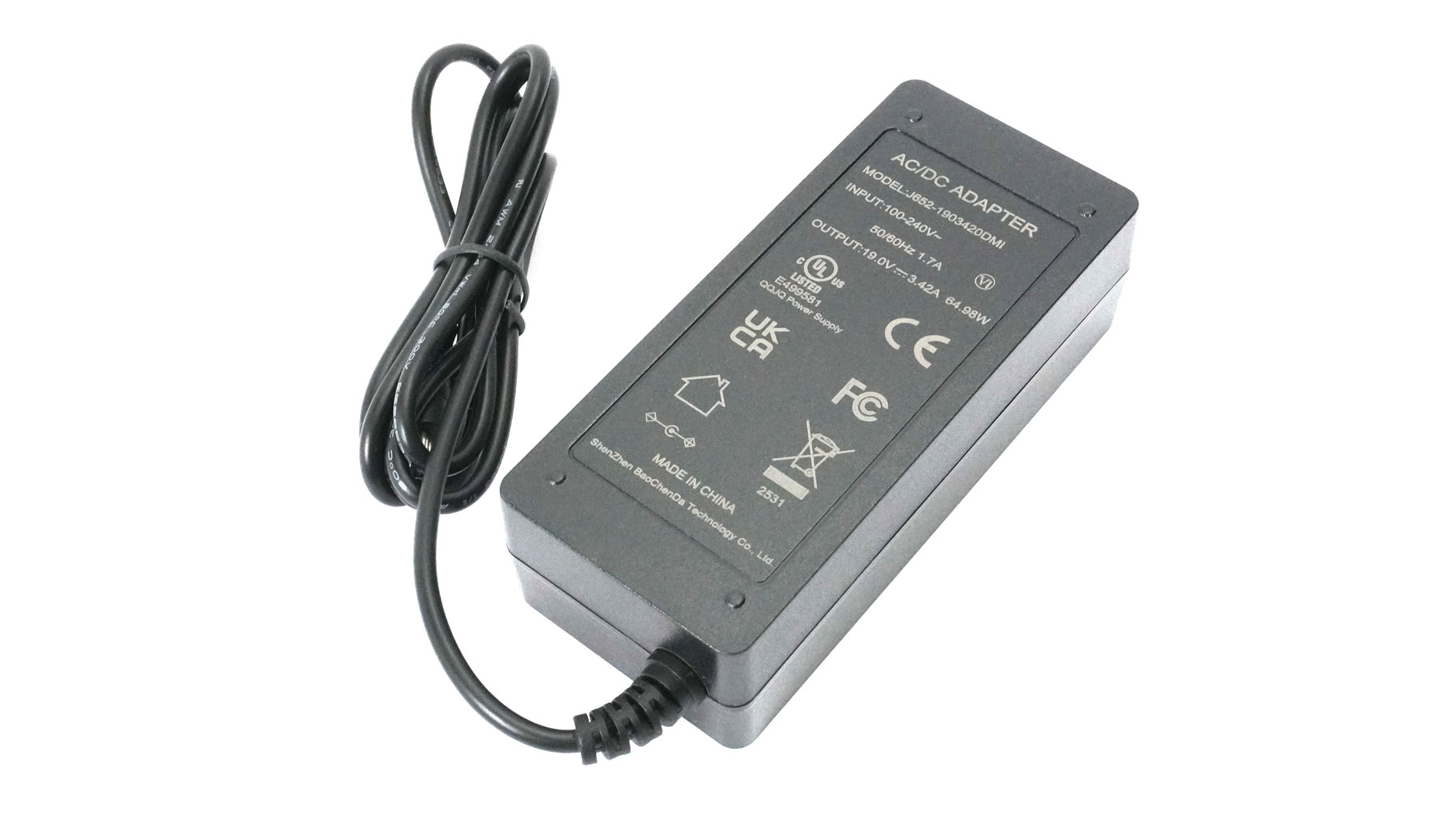
The Alliwava gadget is powered by a 65 W barrel plug adapter, so you don't lose a Type-C port while charging.
A Closer Look - Outside
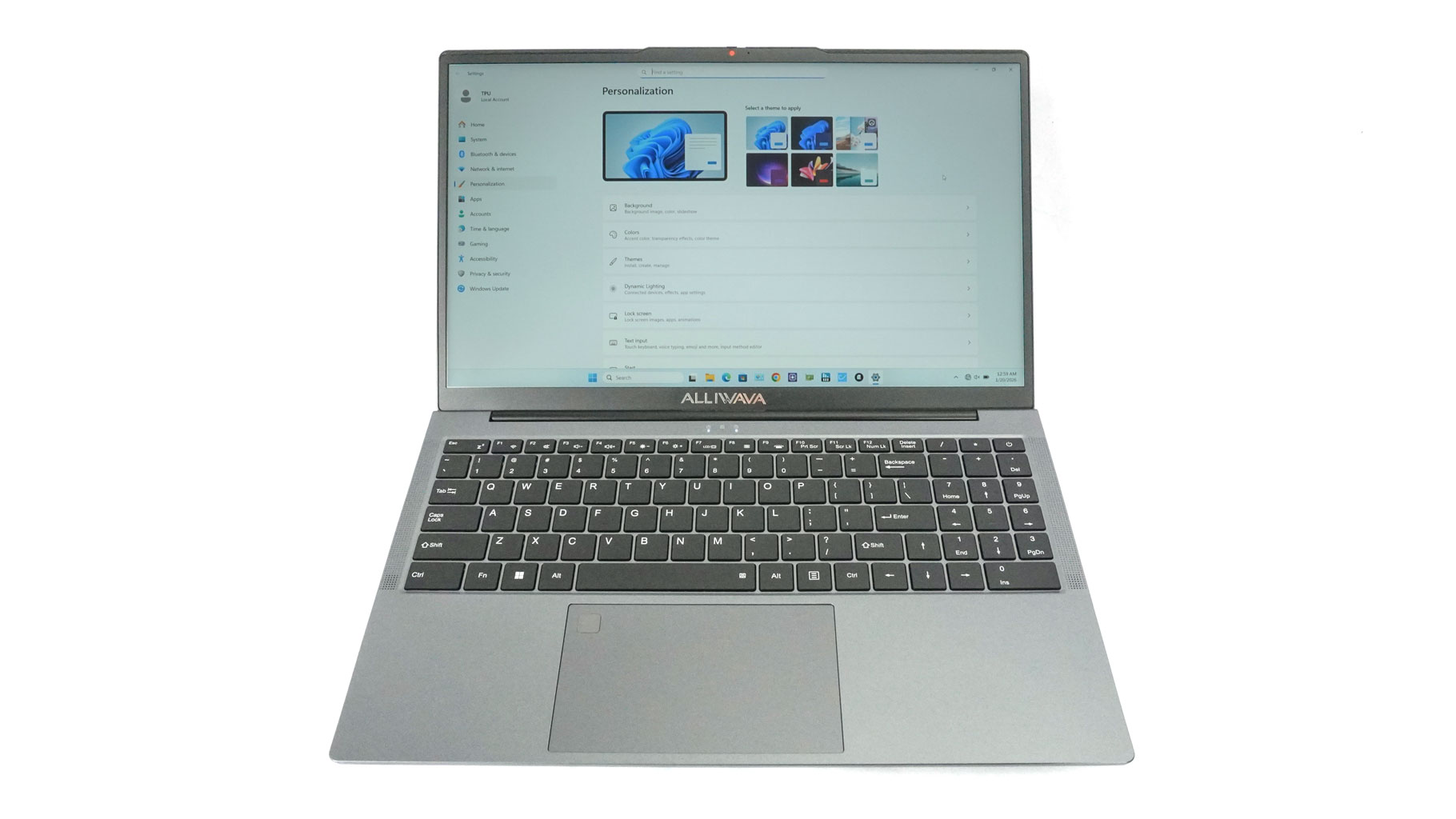
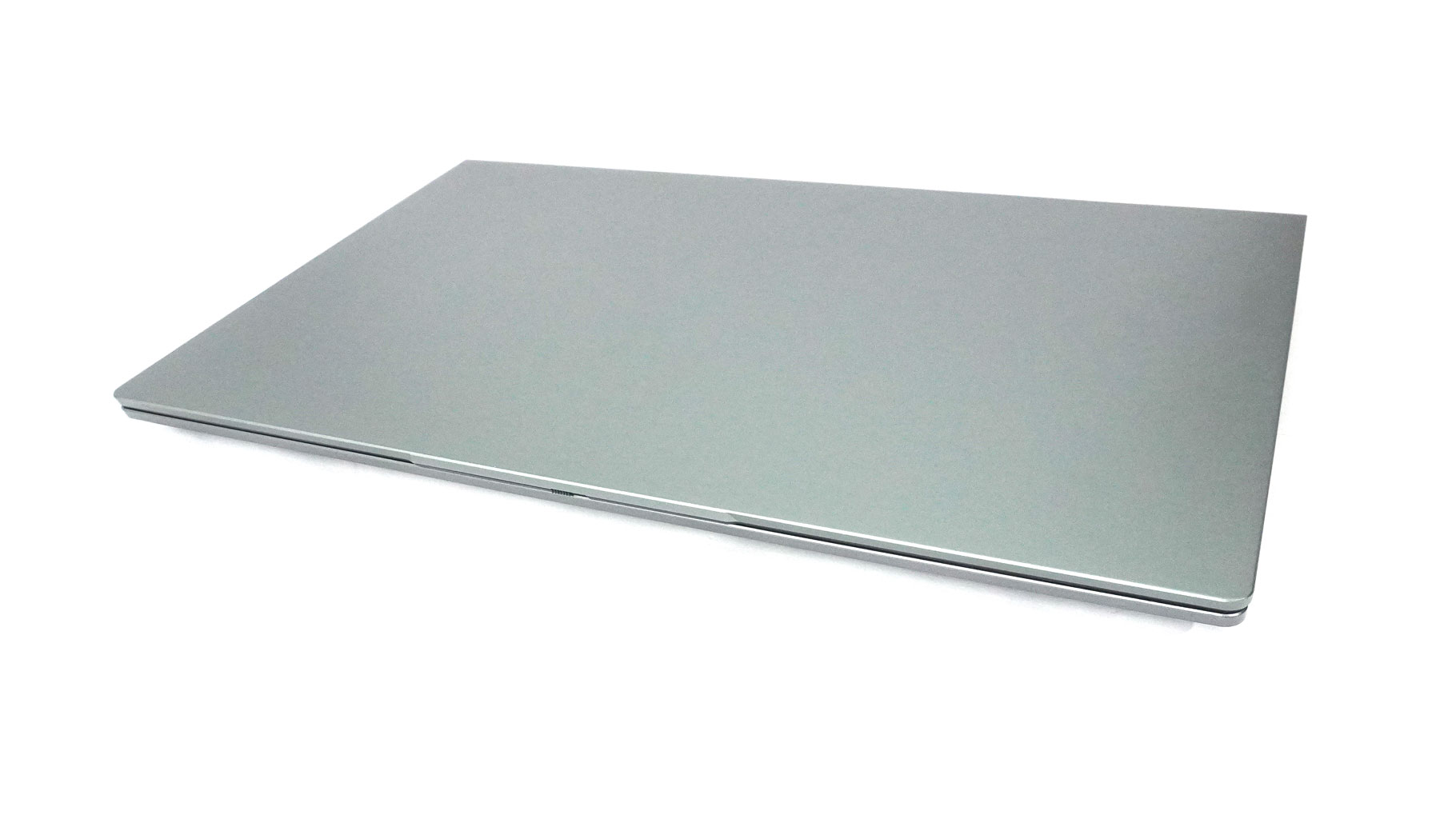
On the outside, the Alliwava G15 seems like a standard notebook. What makes it look sleek is the thin 15–18 mm profile and the gray matte sticker-free chassis. Yes, there is even zero branding on the lid. Perfect for meetings in the office where you don't need shiny logos and glowing RGBs.
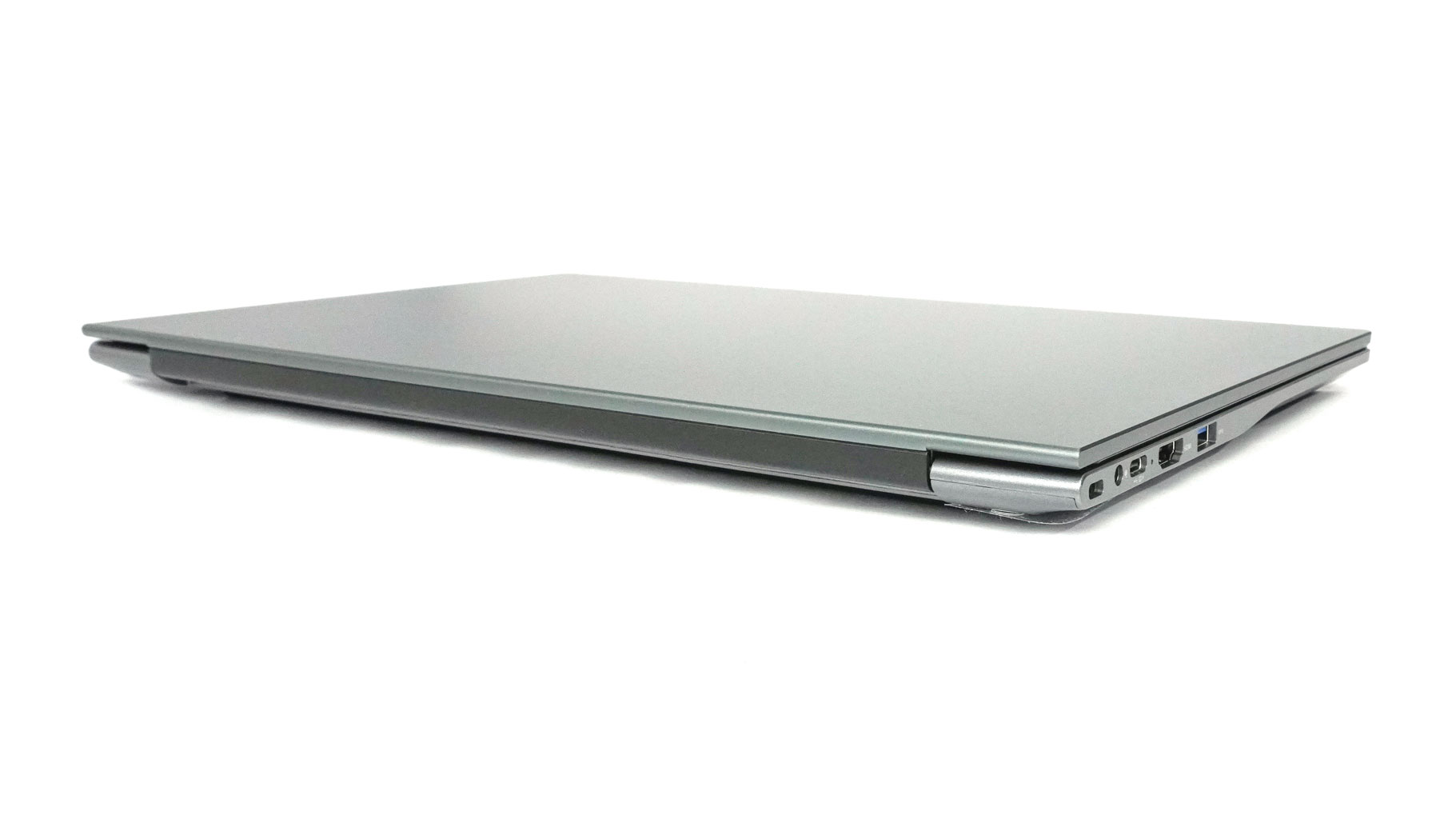
The weight is on the low side - just 1.74 kg. Not bad for a 15.6-incher. The lid is made of metal, while the body is plastic. Build quality is respectably good, which is a positive surprise given the price. The lid doesn't feel spongy when pressed in the middle, and the main body showed only a minimal amount of flex right below the keyboard when I pushed really hard.
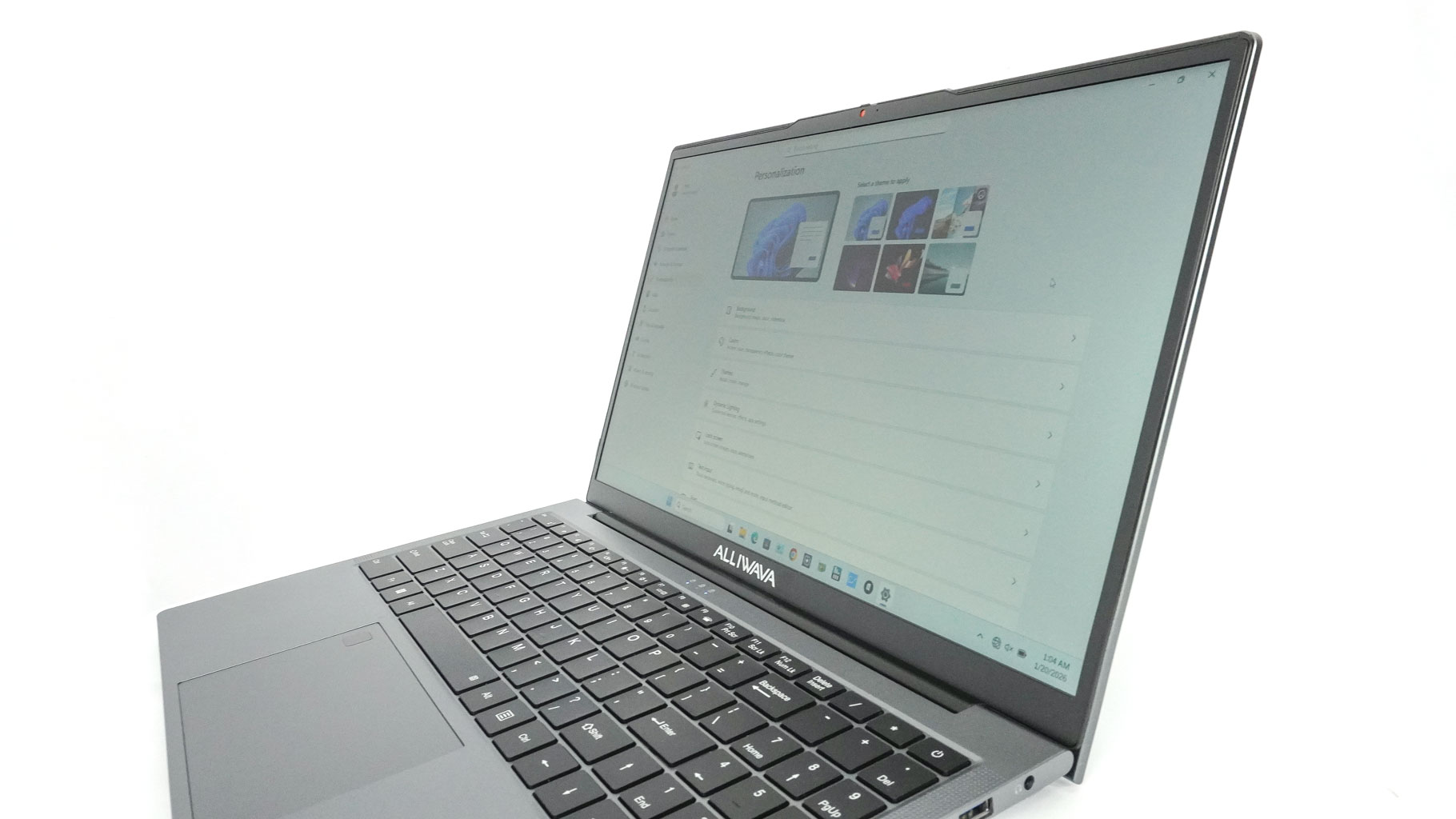
The only thing that I dislike in this regard is that you need both hands to open the machine. This reminds me that the bezels are fairly thin, too, except for the "chin" at the bottom where the logo sits.
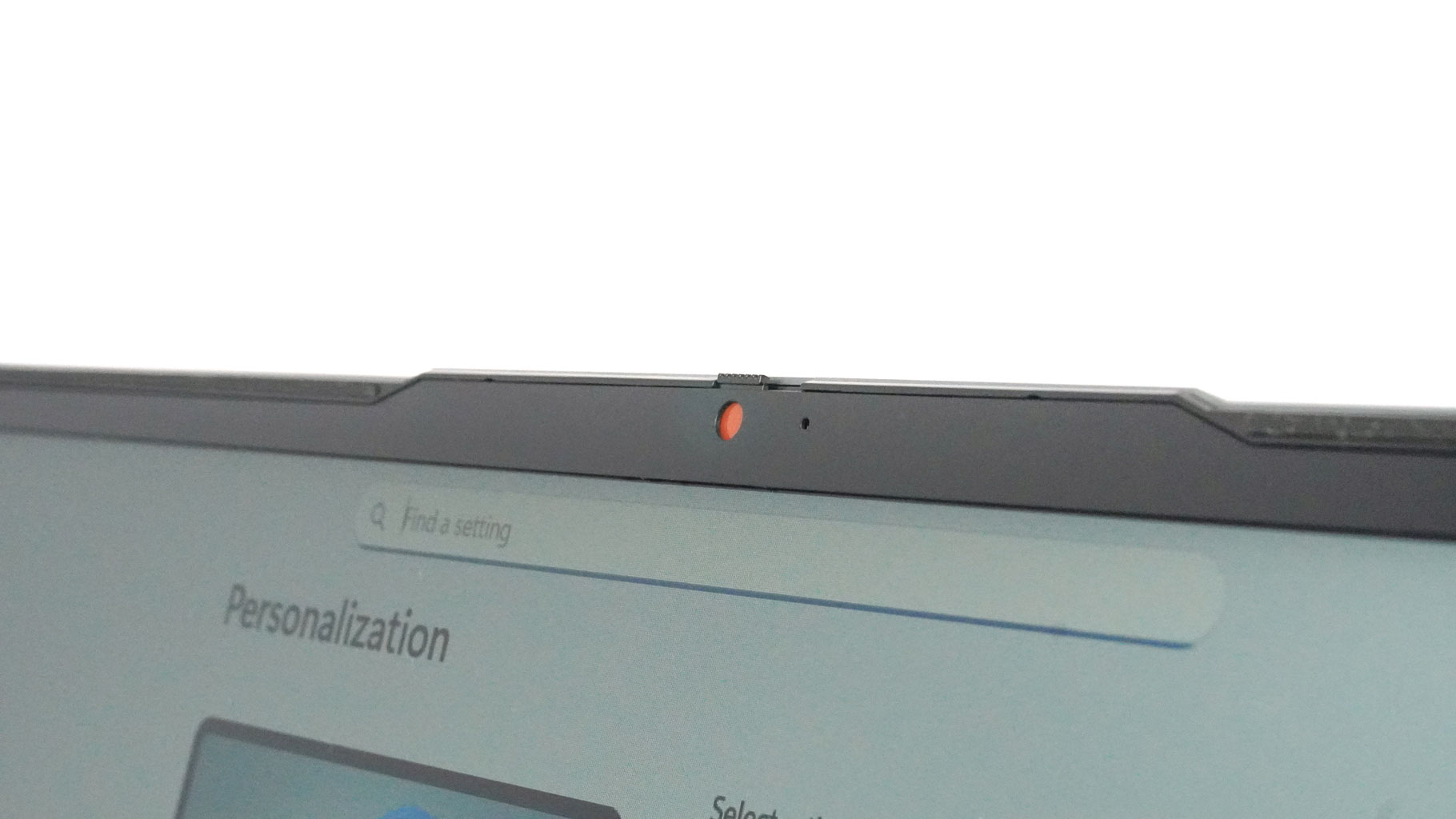
The basic 1 MP webcam is placed on top, and it has a privacy shutter, which is a nice extra.
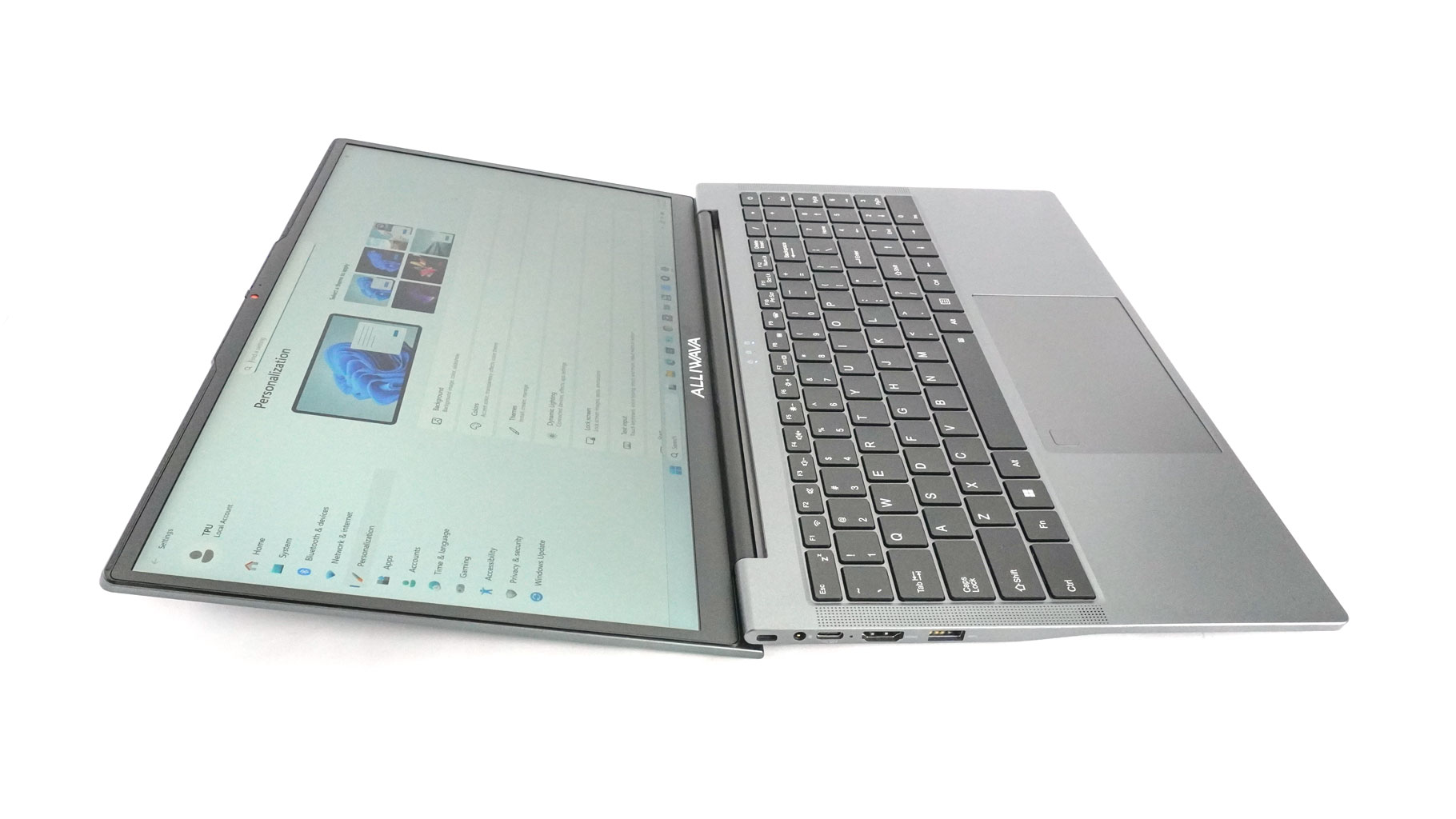
While still discussing the device's top cover, let's note that Alliwava states a 180-degree opening. In practice, it gets close, though the lid doesn't quite lie perfectly flat on a desk. You can also check the pictures below to see for yourself.
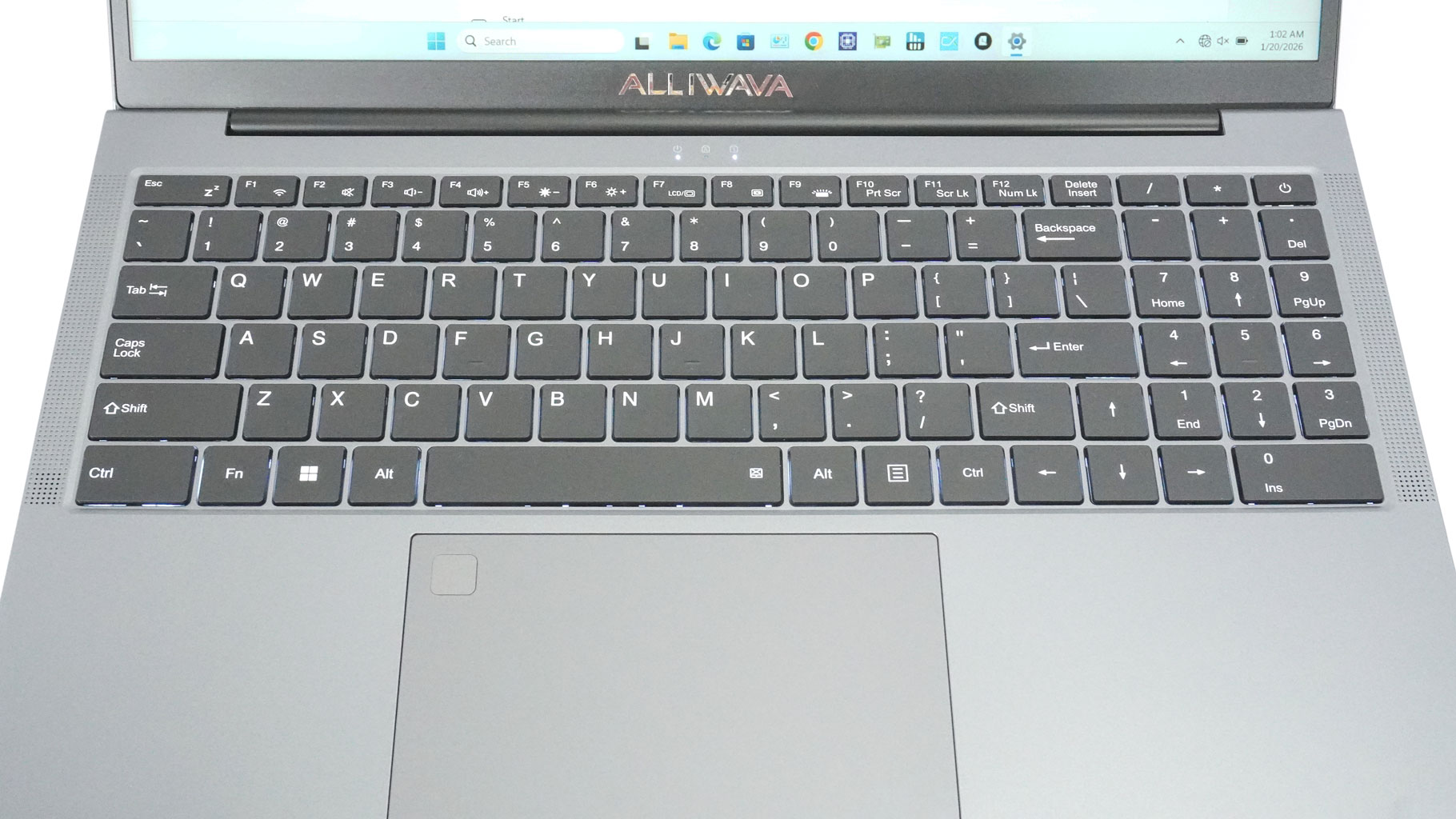
The two 1 W speakers are placed on the sides of the backlit keyboard. The latter is surprisingly good for the class with large keycaps that offer super clicky feedback. The key travel is decent - not quite as long as I'd like, but it's just fine. The board is definitely suitable for typing, and the accountants out there will value the presence of a NumPad plus full-sized Arrows.
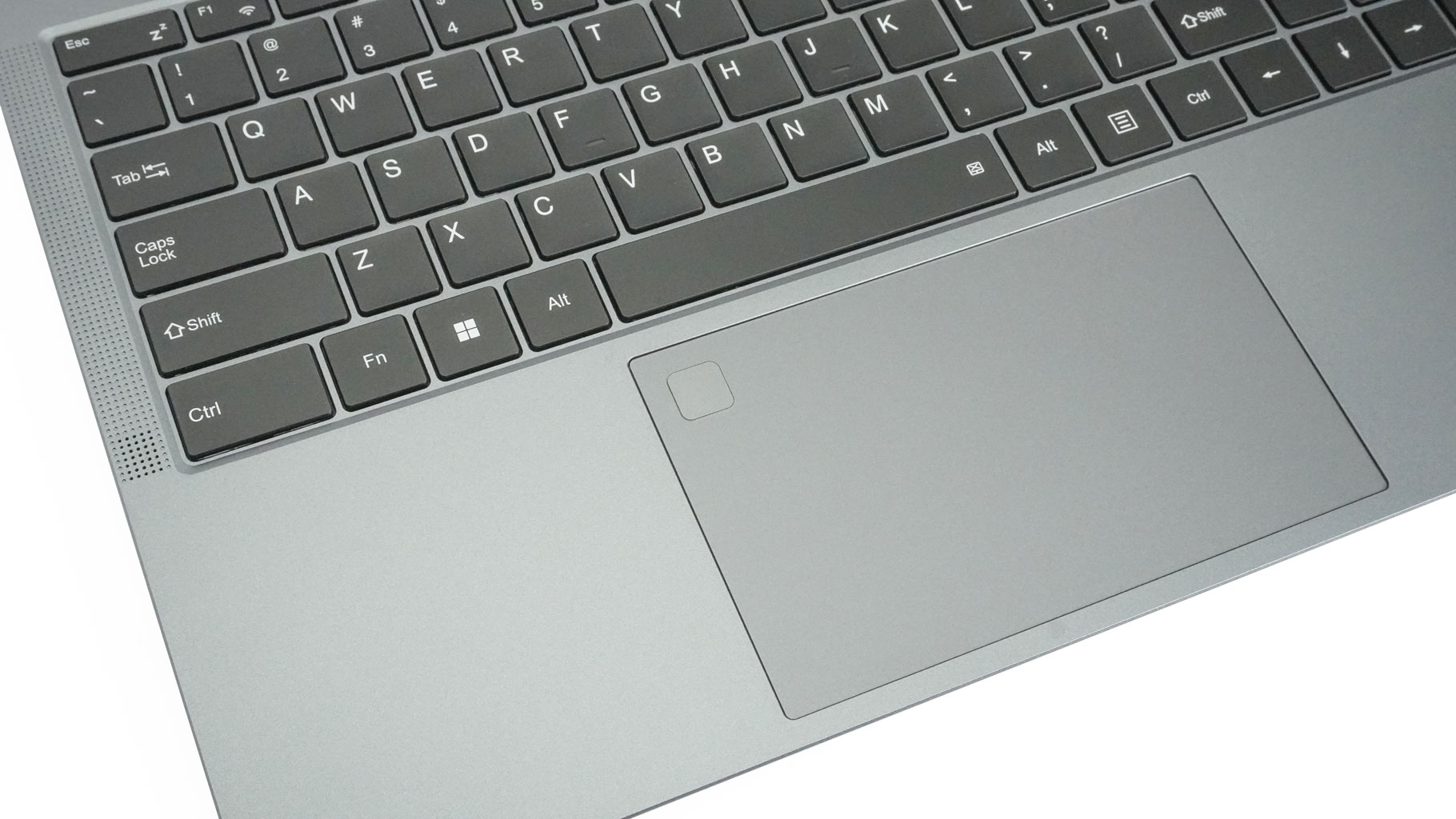
The touchpad surprised me with its smooth surface and comfortable size. The unit precision is average, though. The clicking mechanism works well, but it sounds loud, so you're better off just using tap-to-click. There is a fingerprint reader in the top left corner. It works blazingly fast.
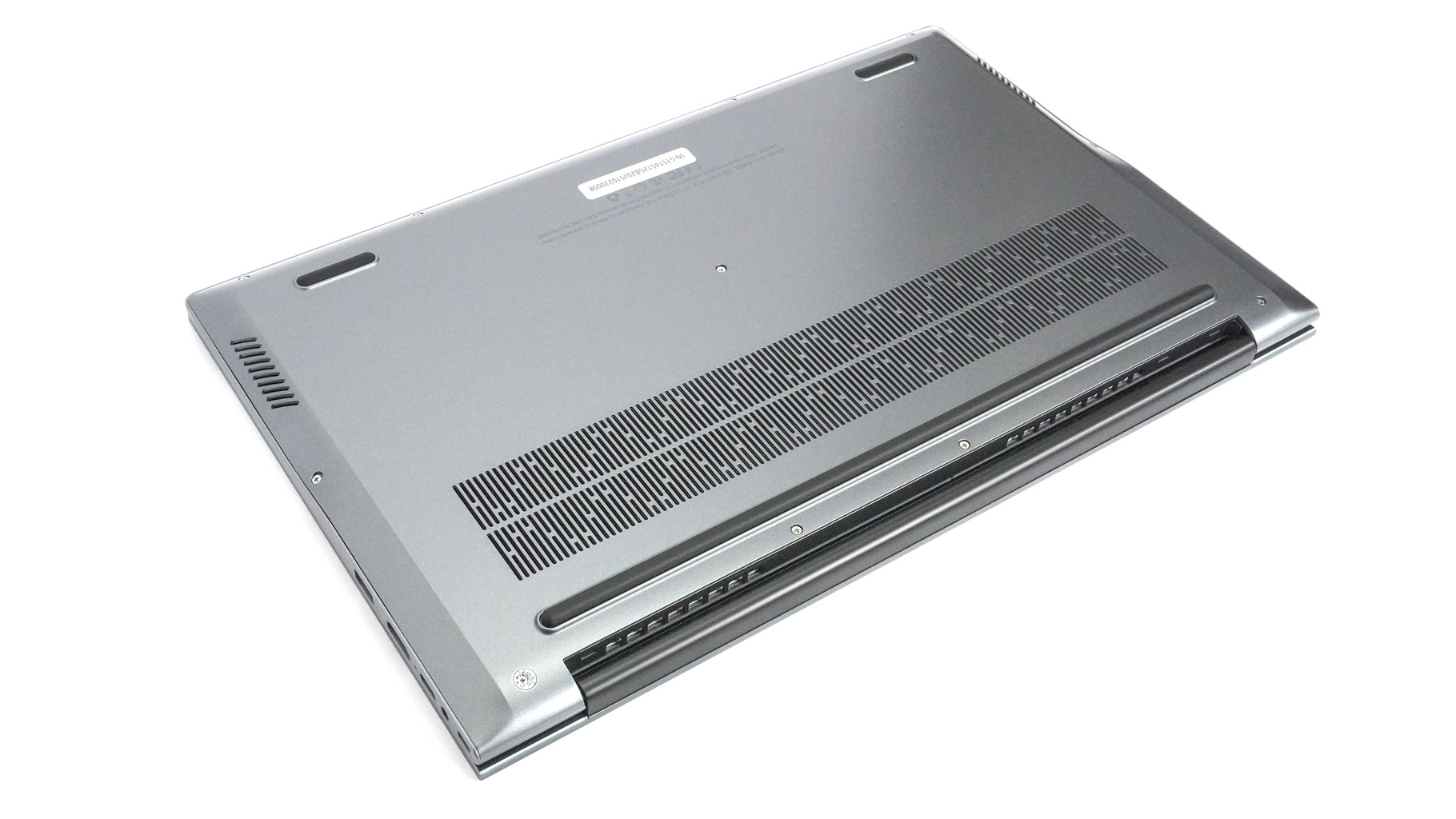
The bottom plate is business as usual - a two-row ventilation grille, three stable rubber feet, and speaker cutouts. The heat is pushed through two vents on the back. The hinge cover sits right in front of them, but some hot air still reaches the screen during heavy CPU loads.
Ports and Connectivity
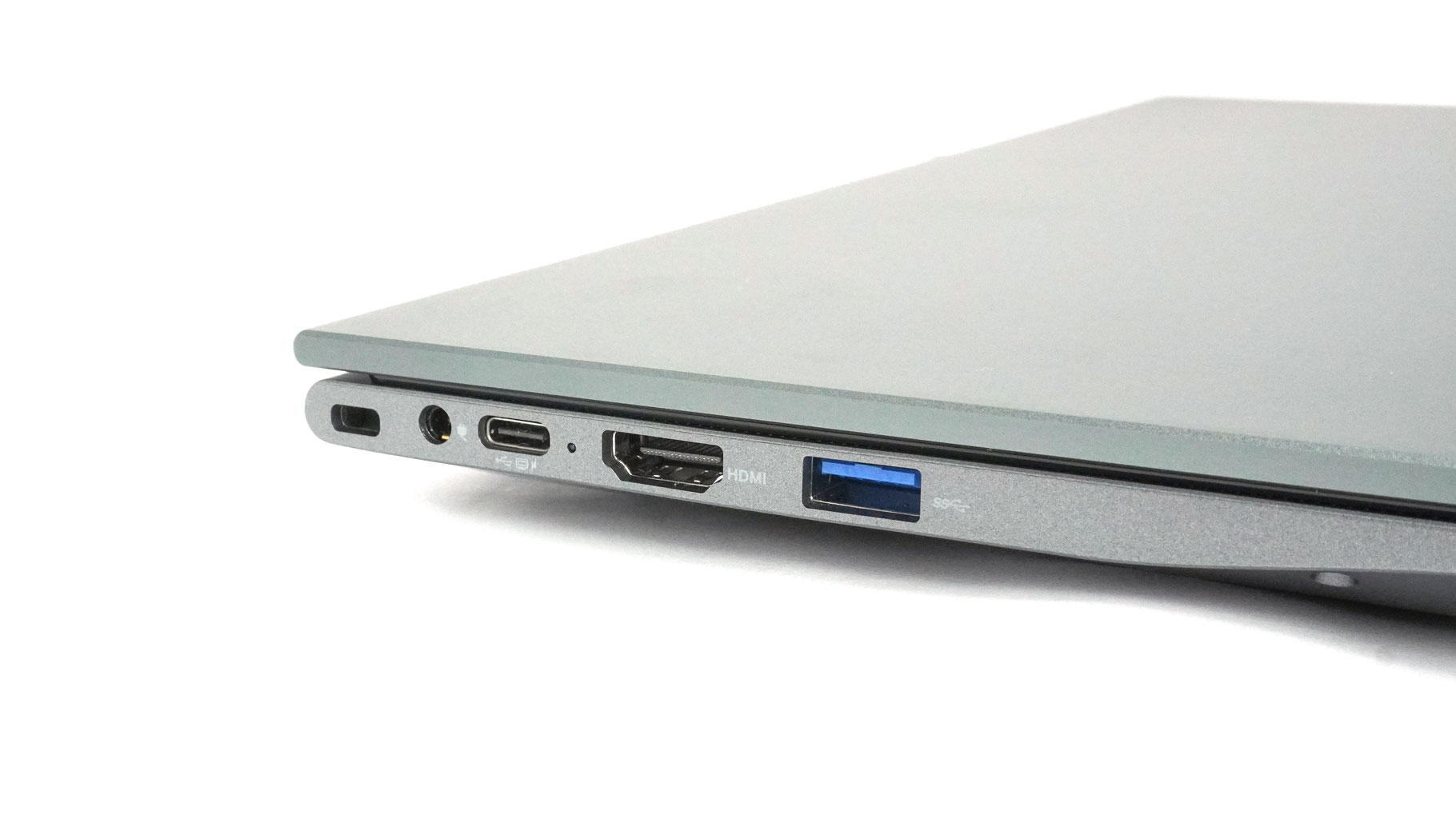
On the left, you get a Kensington lock slot, a power plug, a USB Type-C 3.2 Gen. 1 port with DP and 65 W PD, a full size HDMI port, and a USB Type-A 3.2 Gen. 1 port.
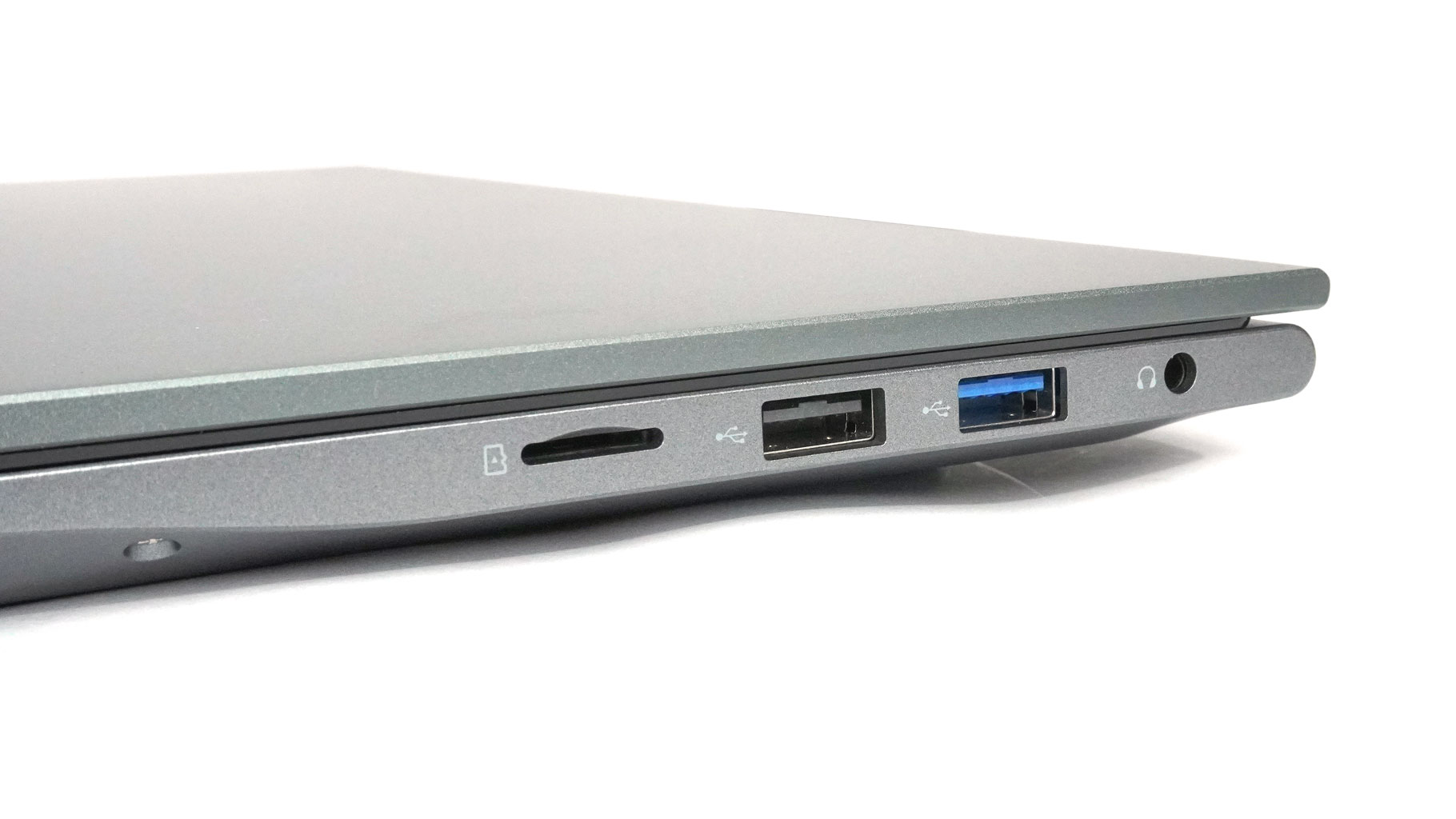
The left side offers an audio combo jack, one more 5 Gbps USB Type-A 3.2 Gen. 1 port, a USB 2.0 port, and a microSD card reader.
Please note that the exact specifications for the ports and HDMI version are currently unconfirmed. We will update this section as soon as the full details are available.
Our Patreon Silver Supporters can read articles in single-page format.
Nov 26th, 2026 14:52 CST
change timezone
Latest GPU Drivers
New Forum Posts
- Wireless Internet sharing between PC and router both-ways, is it possible? (25)
- TPU's WCG/BOINC Team (34810)
- ASUS Prime 5060 ti 16gb x4 instead of x8 PCIe (10)
- Windows 10 Power save mode. See what program that cause sleep to fail. (1)
- Mouse Pad advice - Shidenkai out of production? (1)
- Can you guess Which game it is? (370)
- WarpCoreBench scores! (110)
- TechPowerUp Screenshot Thread (MASSIVE 56K WARNING) (4388)
- UPS what one to get? (75)
- Using sodimm+adapter instead of full size dimm DDR5? (101)
Popular Reviews
- ASRock X870E Challenger Wi-Fi White Review
- VZMORE AX9 Max Review
- Upcoming Hardware Launches 2027 (Updated Nov 2026)
- Microsoft Surface Laptop Ultra Review - The Next-gen Arm Laptop
- AMD Ryzen 7 9800X3D Review - The Best Gaming Processor
- AMD Zen 6 Technical Deep Dive
- Phantom Blade Zero Performance Benchmark Review - 35 GPUs Tested
- Corsair RM1200e (Second Generation) Review
- Montech CyberFlow ARGB 360 Review
- Pulsar Office Tour & First Look at P1 Dual-Sensor Mouse
TPU on YouTube
Controversial News Posts
- Jensen Huang Reinstated as CEO of NVIDIA (600)
- NVIDIA Co-Founder and CEO Jensen Huang Officially Resigns (492)
- Report: Jensen Huang Eyes NVIDIA Comeback (281)
- Open Letter Asking NVIDIA to Reinstate Jensen Huang Passes 115,000 Signatures (184)
- OpenAI CEO Argues Home PCs Waste the World's Limited DRAM Supply (152)
- NVIDIA Launches Investigation Into Jensen Huang's Relationship With Suspected Chinese Spy (136)
- Intel Razor Lake Gets a 12 P-Core bLLC Chip With No E-Cores, Per Leak (94)
- NVIDIA GeForce RTX 50-Series Scheduled for up to $500 Price Hike This Week (89)