 41
ASRock X870E Taichi Lite Review
VRM Overview »Component Analysis
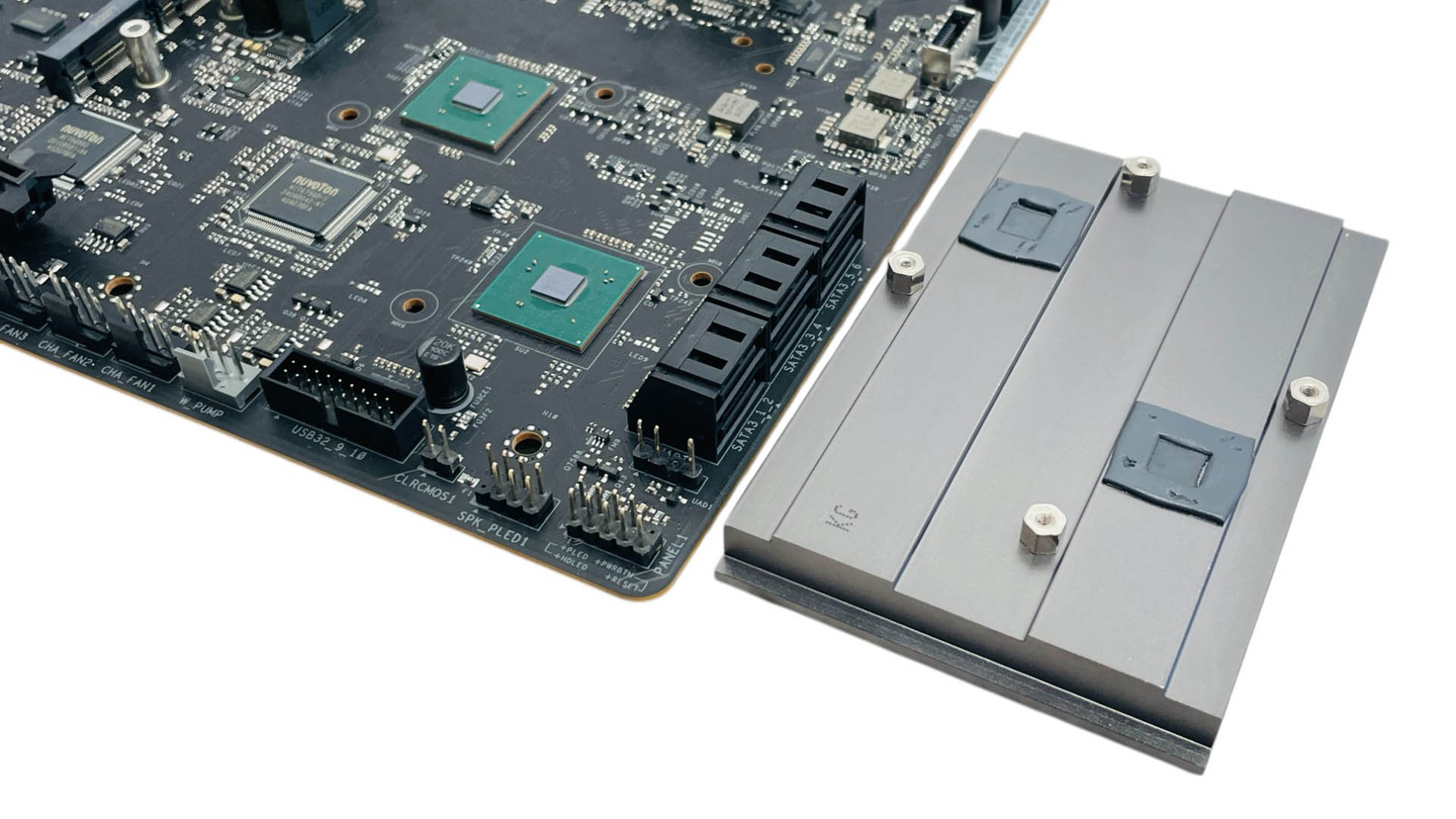
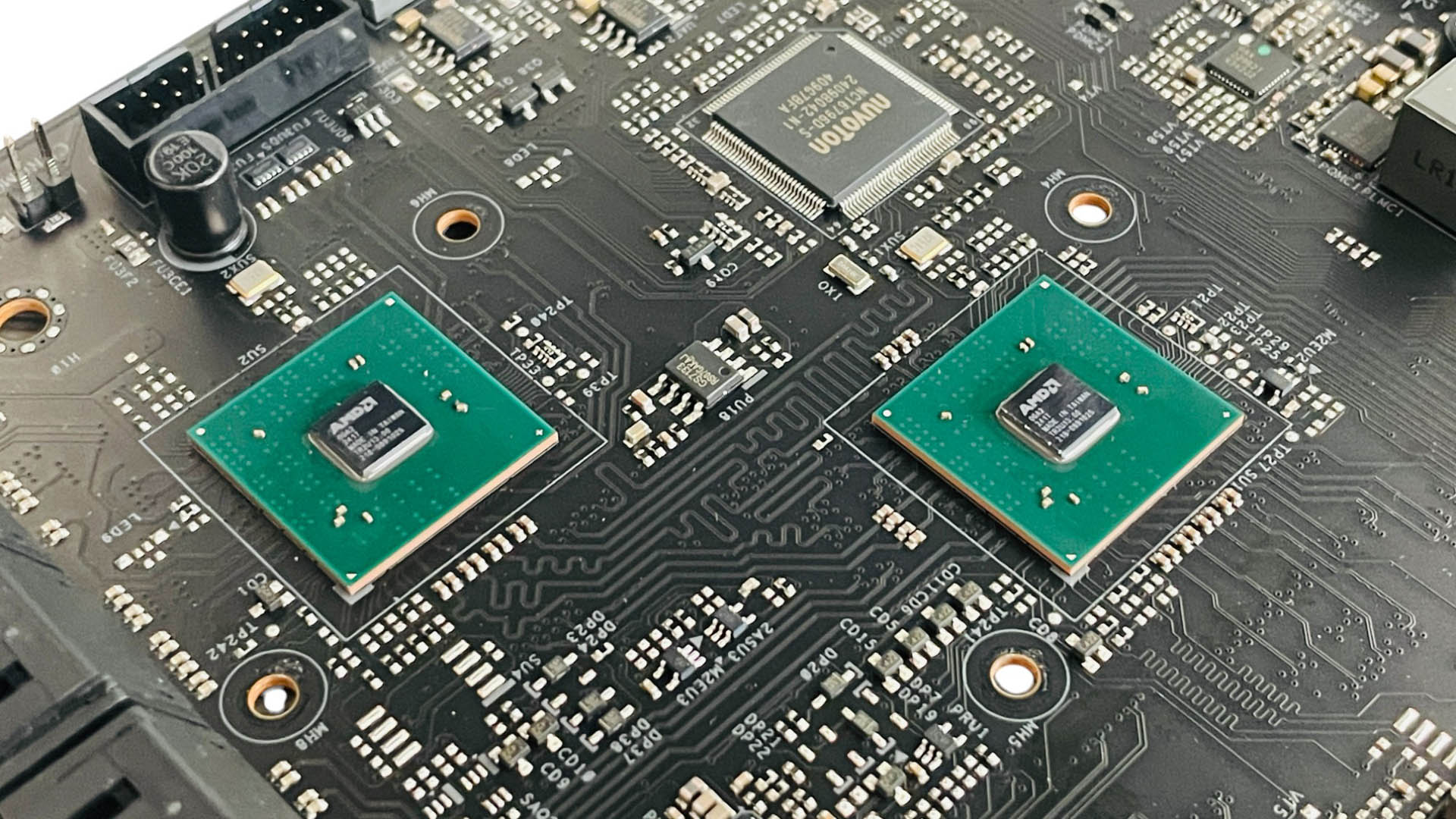
Being an X870E board, you get two chipsets which are in proximity and cooled by their own heatsink. On the more expensive full-fat Taichi board, the heatsink is larger, with a thin section stretching across the board below the lower M.2 heatsink.

For anyone wanting a peek at the block diagram, we have it for you. There's very little lane sharing with all M.2 ports able to be occupied without any conflicts between them or the PCIe slots. The only thing to be aware of is the two PCIe slots dropping to PCIe Gen 5 x8 speed if both are used.
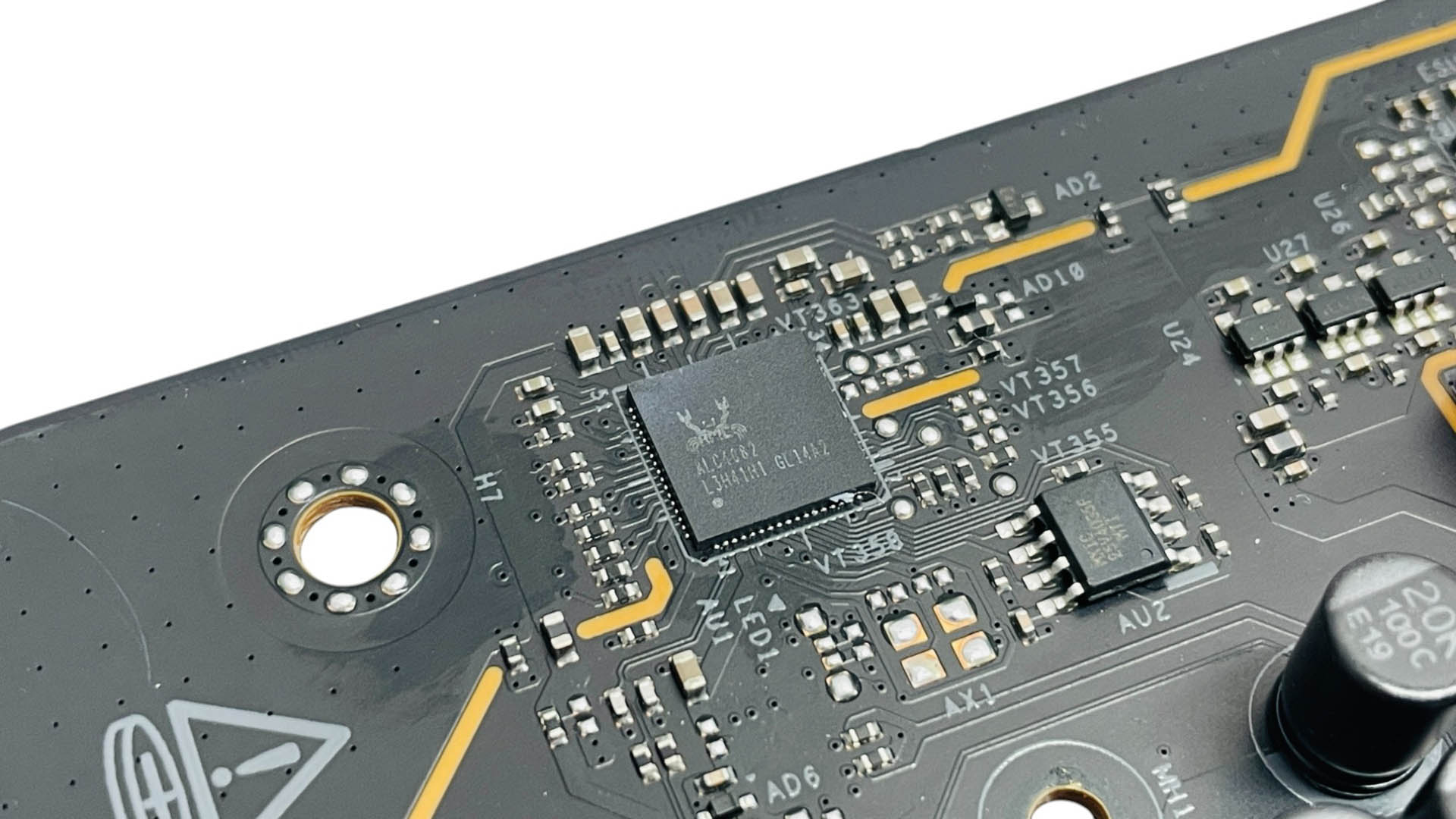
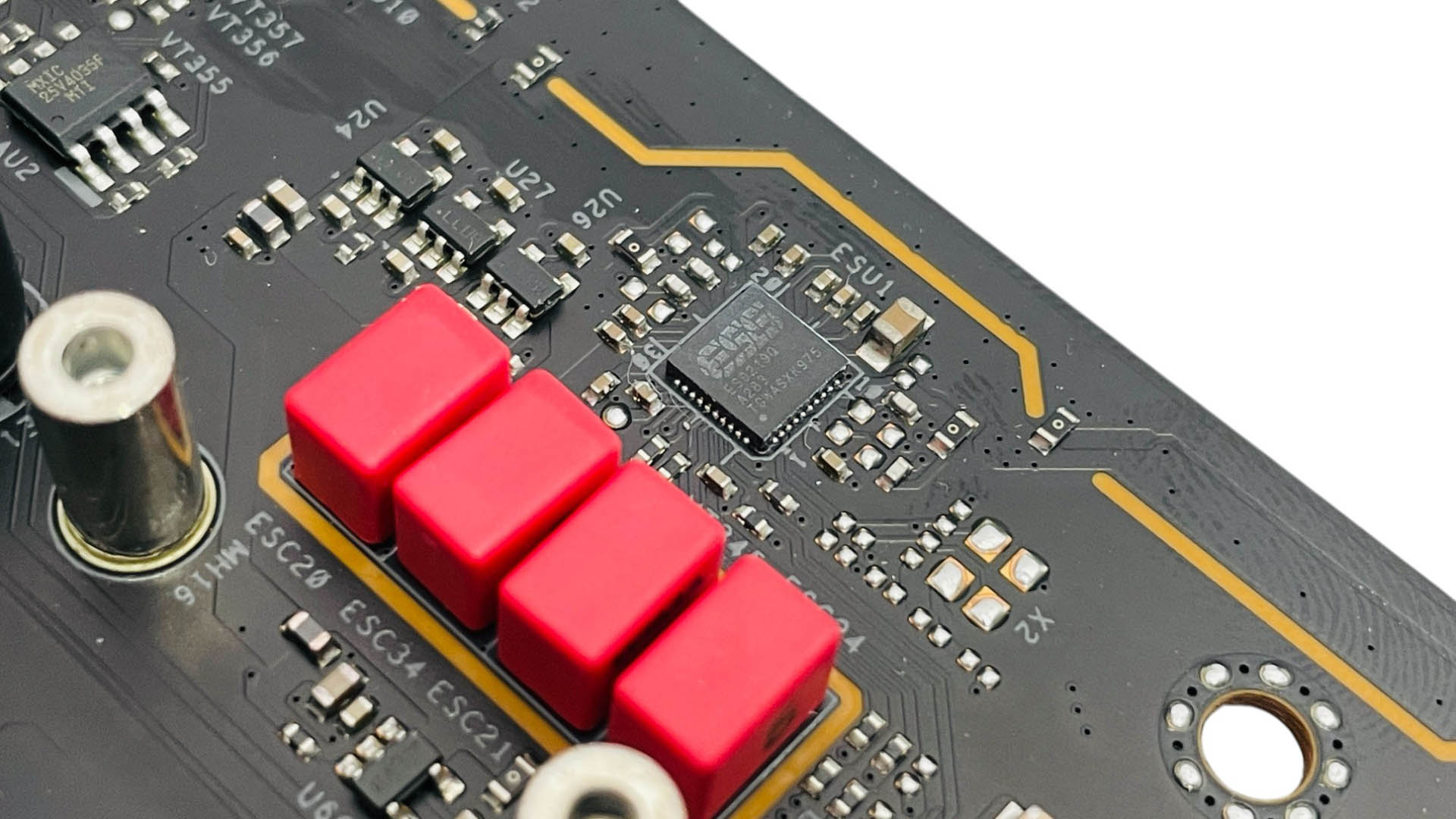
ASRock has chosen the USB-based Realtek ALC4082 codec for the X870E Taichi Lite's onboard audio, paired with an ESS 9219 DAC, again the same as the main Taichi board.
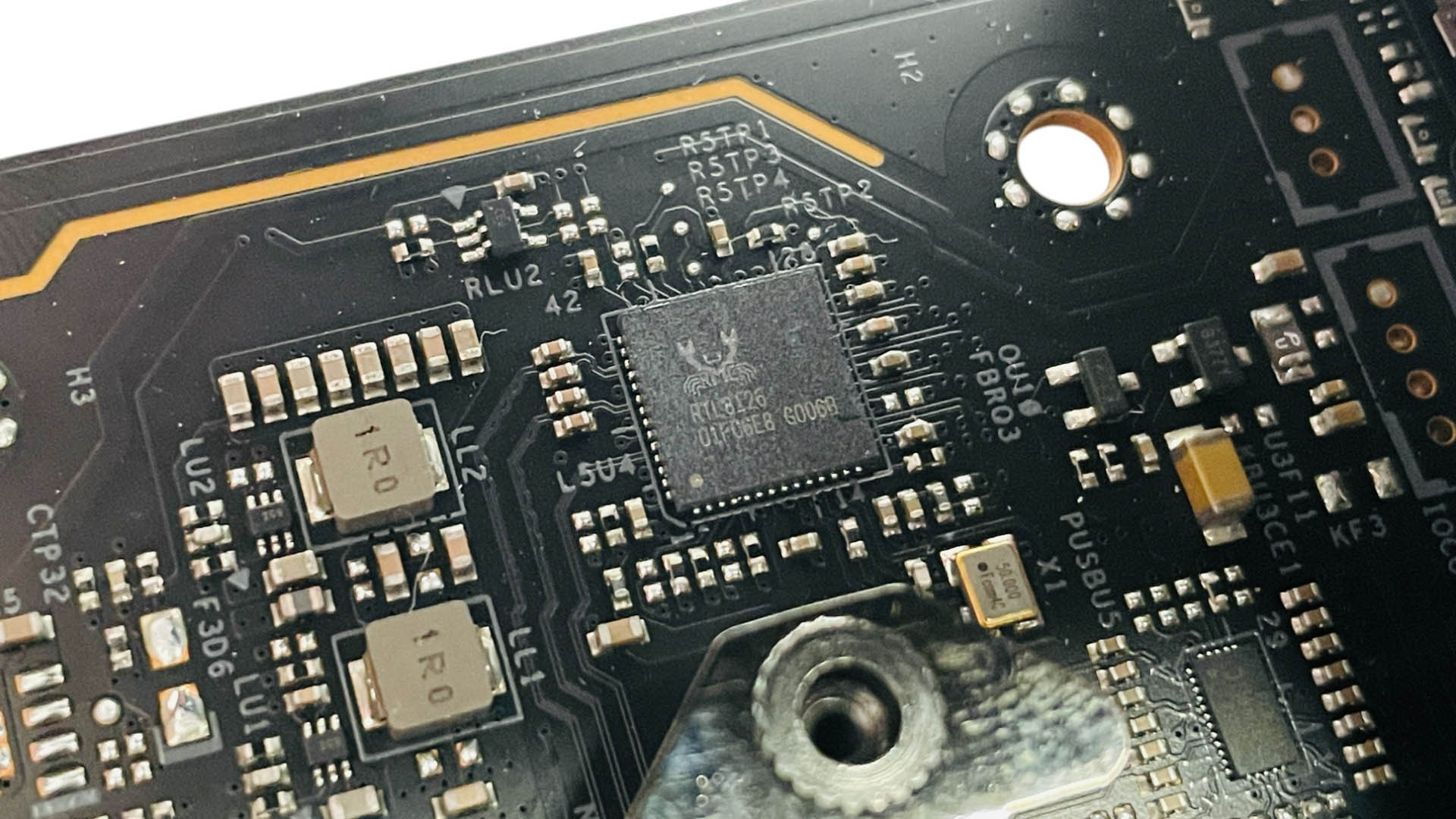
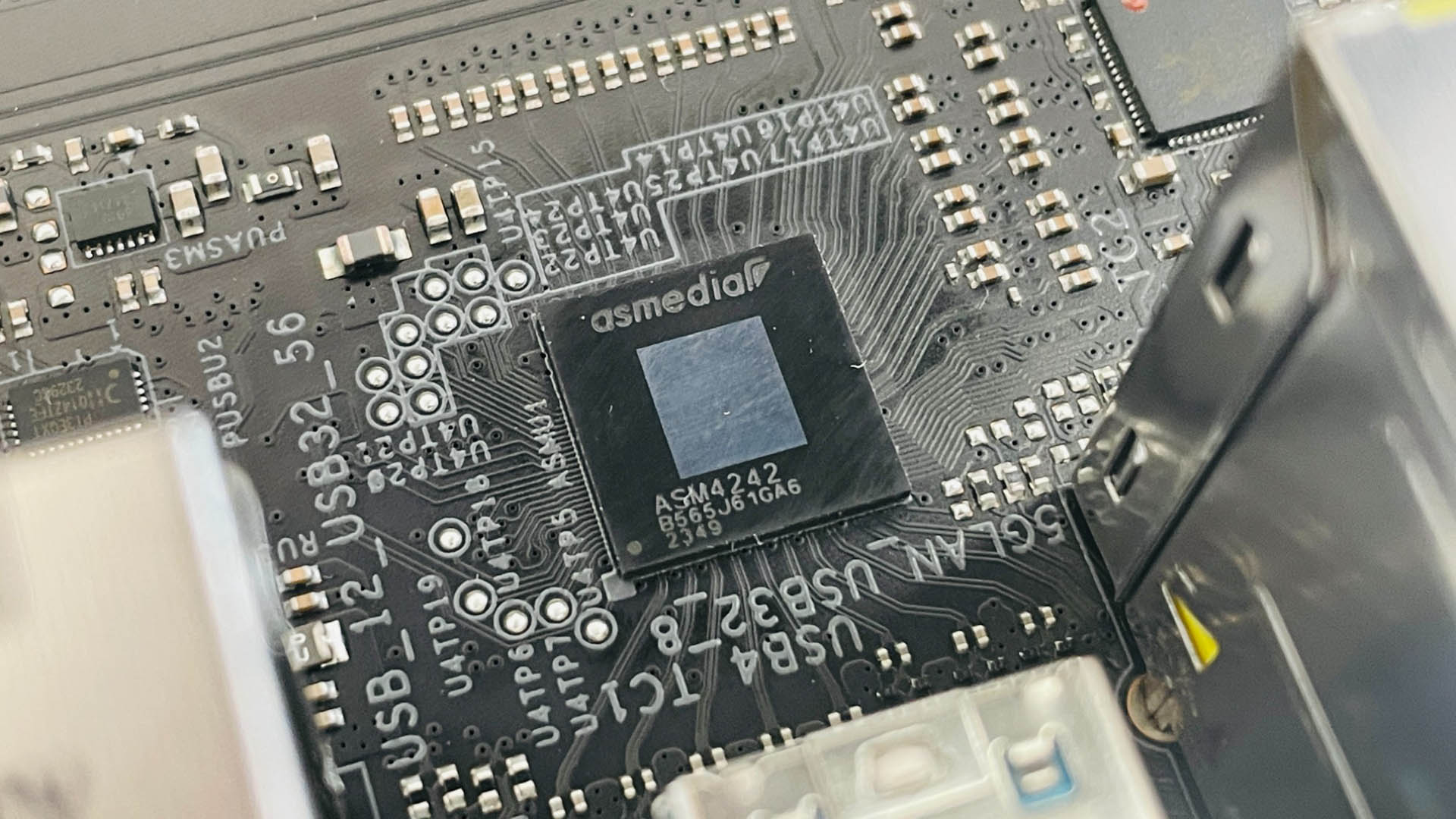
The 5 Gbps Ethernet controller is provided by Realtek and is the RTL8126, which is common on X870 boards. For USB4 and the two Type-C ports on the rear I/O panel, the popular ASMedia controller - the ASM4242, is used which passed full Thunderbolt 4 accreditation last year. This is cooled by an extension of the VRM heatsink/IO shroud.
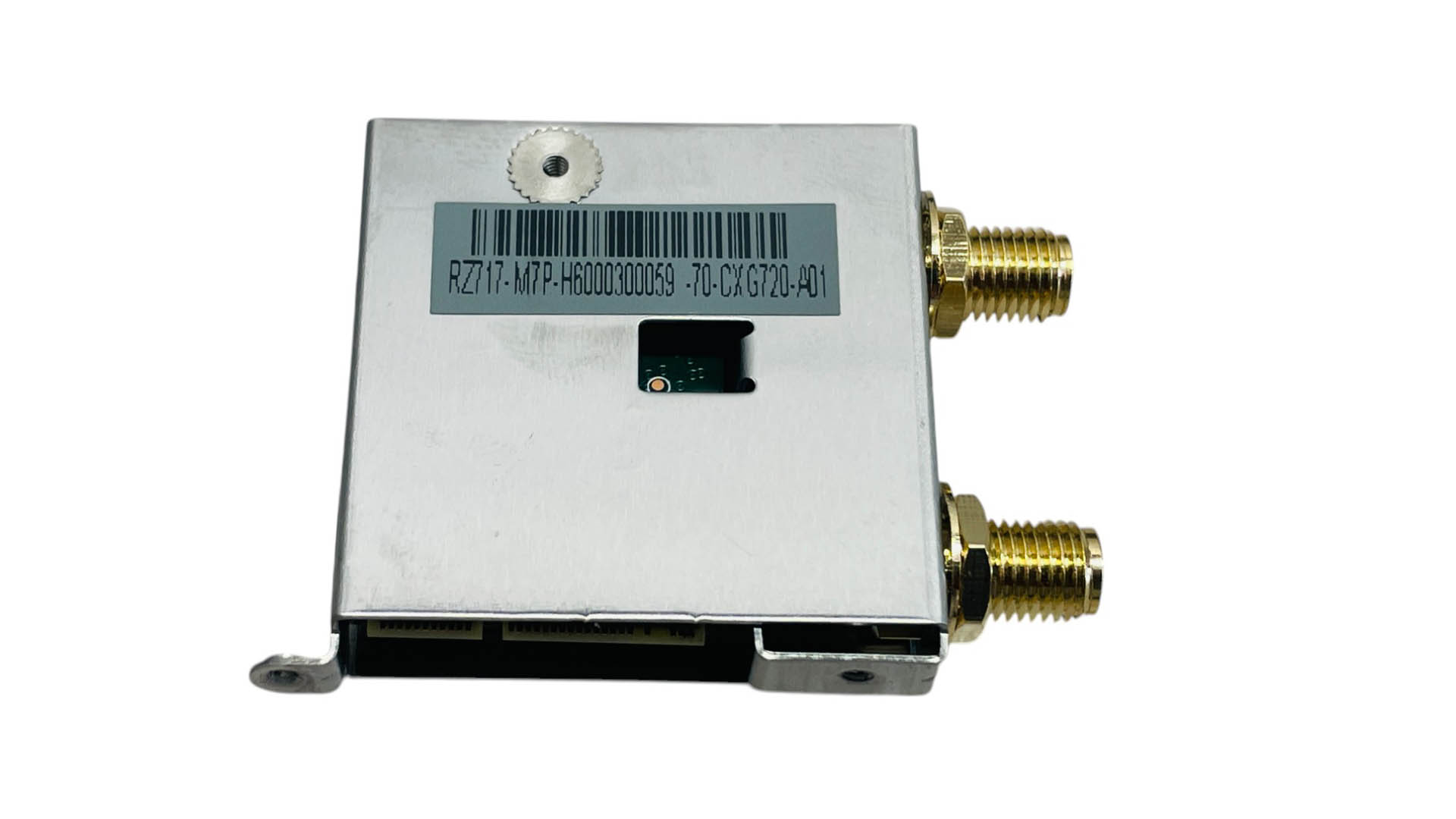
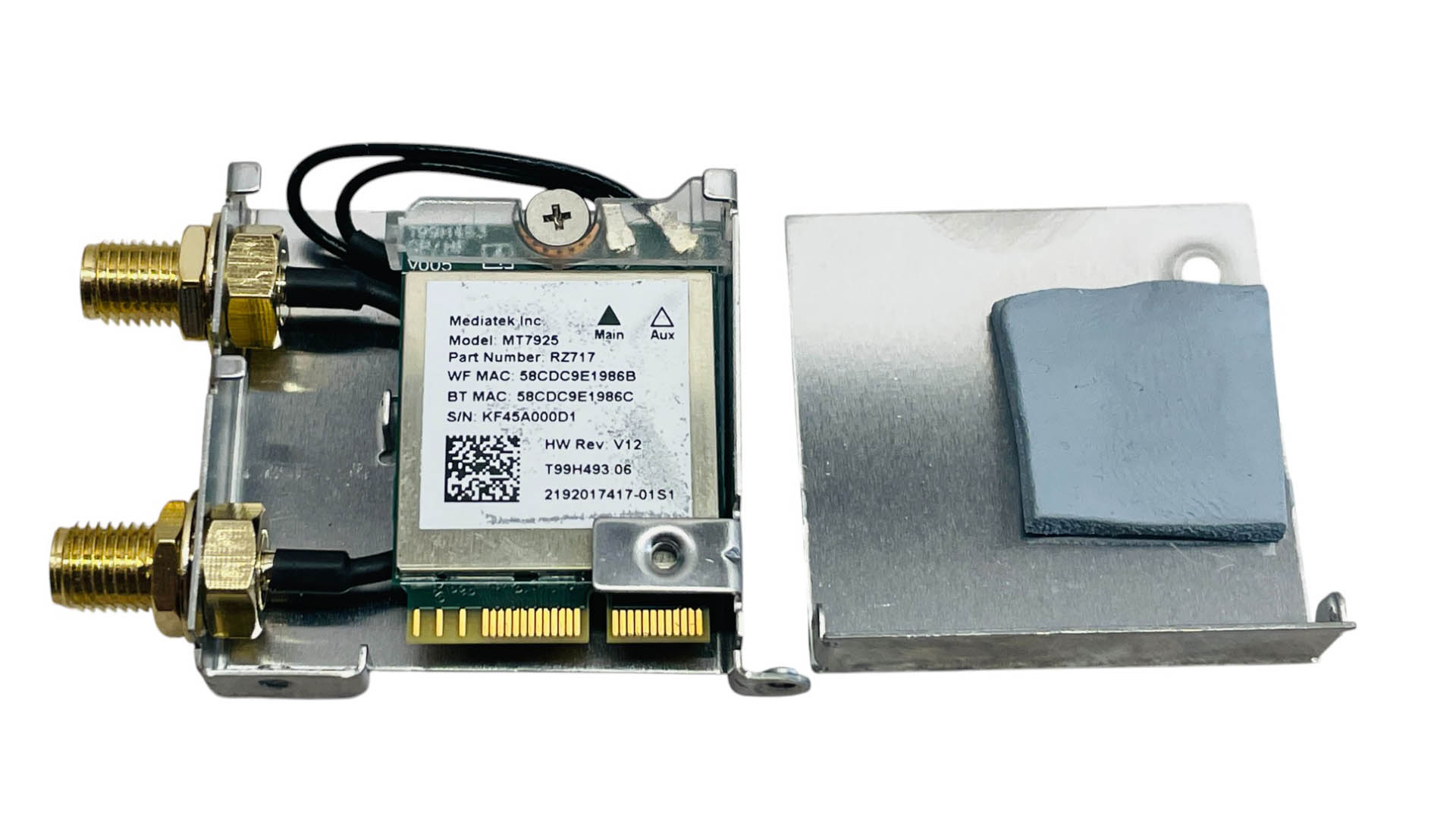
The Wi-Fi 7 module is the MediaTek MT7925. It's easily removable if need be by detaching the I/O shroud heatsink and removing two screws that secure the I/O shield, which then allows you to get the module's two screws. It's cooled by the module housing using a large thermal pad and also with a smaller pad on top of the housing that makes contact with the I/O shroud.
Nov 27th, 2026 12:47 CST
change timezone
Latest GPU Drivers
New Forum Posts
- What's your main Black Friday / Cyber Monday purchase? (35)
- -18C on GPU by moving it to the front of the case. (9)
- The TPU UK Clubhouse (27299)
- Mouse Pad advice - Shidenkai out of production? (19)
- Unigine Superposition on Linux (20)
- Making a game in Godot engine (23)
- TPU's WCG/BOINC Team (34814)
- Anthrophics IPO (41)
- Found Out Why My FygoOS Transfers Were Stuck at 11 MB/s (1)
- Dell Dimension E510 Retro Gaming PC Upgrade & Modification (4)
Popular Reviews
- VZMORE AX9 Max Review
- Upcoming Hardware Launches 2027 (Updated Nov 2026)
- ASRock X870E Challenger Wi-Fi White Review
- AMD Ryzen 7 9800X3D Review - The Best Gaming Processor
- Microsoft Surface Laptop Ultra Review - The Next-gen Arm Laptop
- Montech CyberFlow ARGB 360 Review
- AMD Zen 6 Technical Deep Dive
- Phantom Blade Zero Performance Benchmark Review - 35 GPUs Tested
- Corsair RM1200e (Second Generation) Review
- ORICO Obook15 AI Review
TPU on YouTube
Controversial News Posts
- Jensen Huang Reinstated as CEO of NVIDIA (622)
- NVIDIA Co-Founder and CEO Jensen Huang Officially Resigns (492)
- Report: Jensen Huang Eyes NVIDIA Comeback (281)
- Open Letter Asking NVIDIA to Reinstate Jensen Huang Passes 115,000 Signatures (184)
- OpenAI CEO Argues Home PCs Waste the World's Limited DRAM Supply (152)
- NVIDIA Launches Investigation Into Jensen Huang's Relationship With Suspected Chinese Spy (136)
- Intel Razor Lake Gets a 12 P-Core bLLC Chip With No E-Cores, Per Leak (94)
- NVIDIA GeForce RTX 50-Series Scheduled for up to $500 Price Hike This Week (89)