 33
Assassin's Creed Black Flag Resynced Performance Benchmark Review - 35 GPUs Tested
(33 Comments) »Introduction
Assassin's Creed Black Flag Resynced is Ubisoft's modern reimagining of Assassin's Creed IV: Black Flag, the 2013 pirate-themed game that's one of the most popular and commercially successful games in the entire series—everyone loves pirates. Thirteen years later, Ubisoft has rebuilt the title from the ground up—but this is more than a straightforward remake. Alongside completely overhauled visuals, the devs added new gameplay mechanics and missions, which is why Ubisoft labels it a "Remake+" rather than a simple remaster. You once again step into the boots of Edward Kenway, pirate and Assassin, sailing the golden-age Caribbean in a mix of naval ship combat, open-world exploration, and the typical AC stealth-action gameplay.
Ubisoft has ported the game to the current version of their in-house Anvil engine, the same technology that impressed us in Assassin's Creed Shadows a little over a year ago. As expected, the only rendering API supported is DirectX 12. Unlike AC Shadows, Black Flag Resynced now offers hardware ray tracing across the whole game world, and not just in your "home" area. There are two RT modes: "Standard," which adds ray-traced global illumination (RTGI), and "Extended" also brings in ray-traced reflections—there is no RT for shadows or ambient occlusion, and no full path tracing either. The upscaling support is very complete, everything is supported: NVIDIA DLSS Super Resolution, AMD FSR, and Intel XeSS are all present, and each vendor also gets frame generation—DLSS MFG up to 6x, FSR FG x2, and XeSS FG up to x4. A native TAA mode is available when upscaling is disabled, ultra-wide 21:9 is supported, and manual sharpening can be dialed in.
This review will evaluate the performance of Assassin's Creed Black Flag Resynced across a wide range of contemporary graphics cards, compare image quality settings, and analyze the game's VRAM usage to provide insight into the hardware requirements needed for an optimal experience.
Screenshots
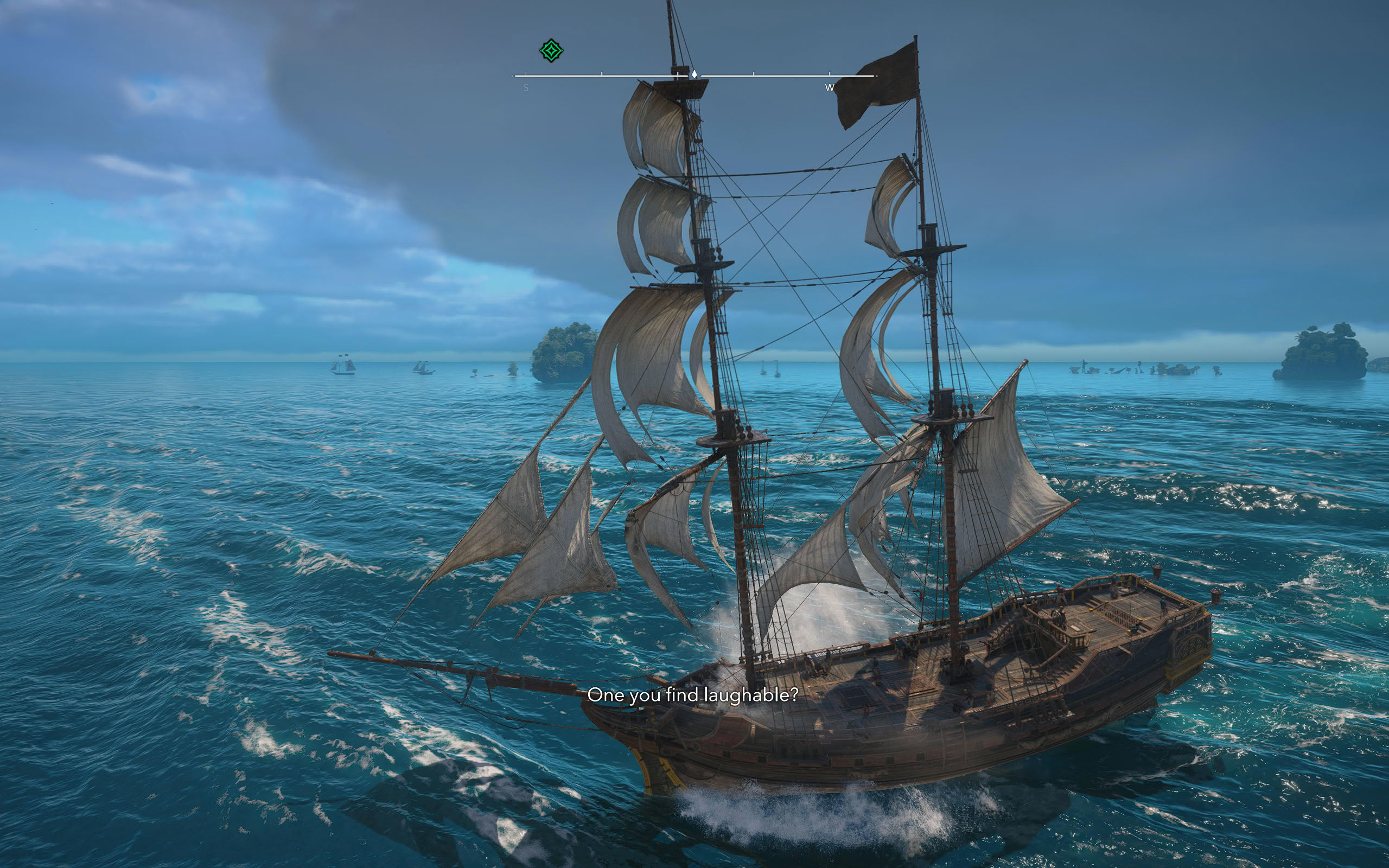
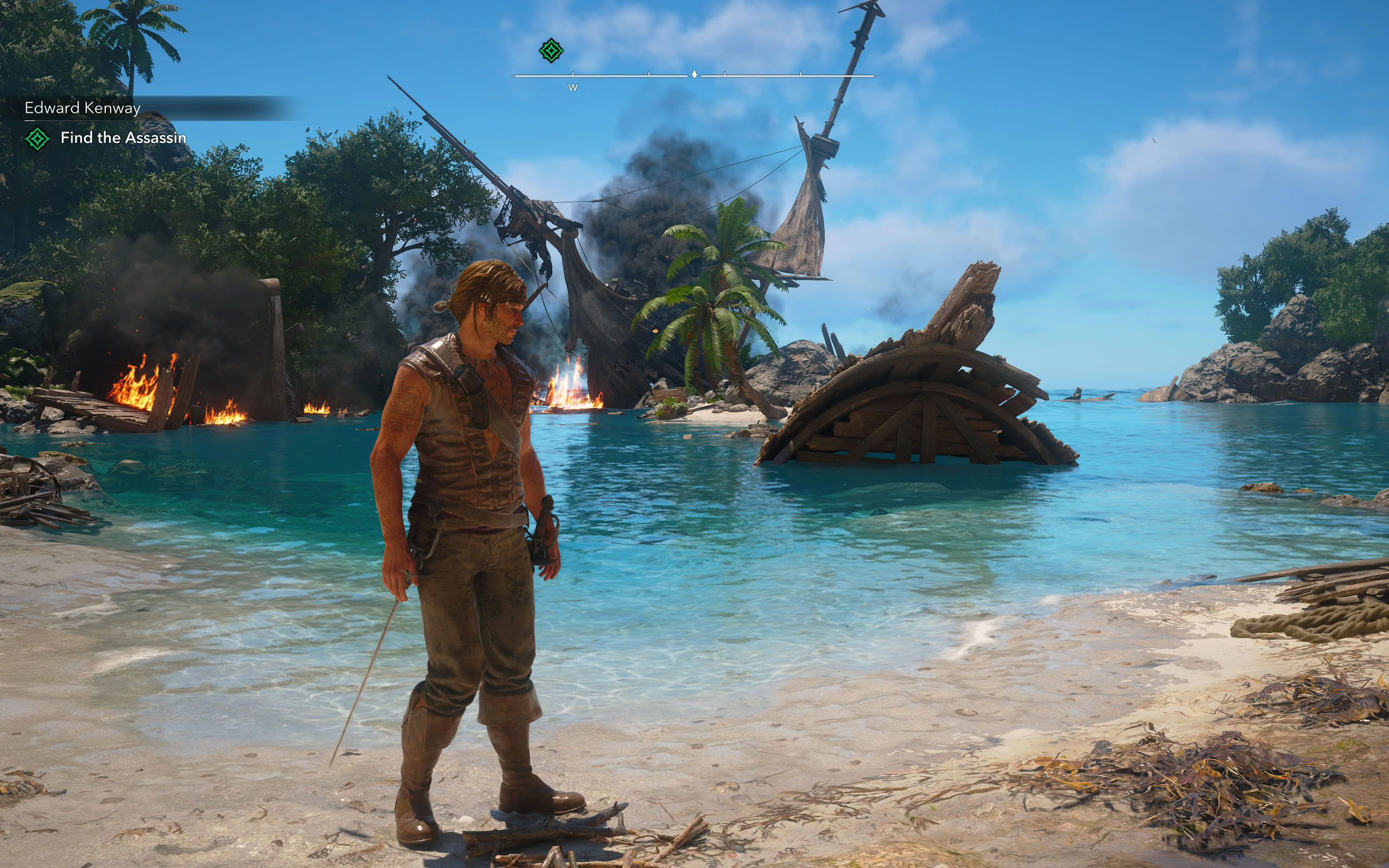
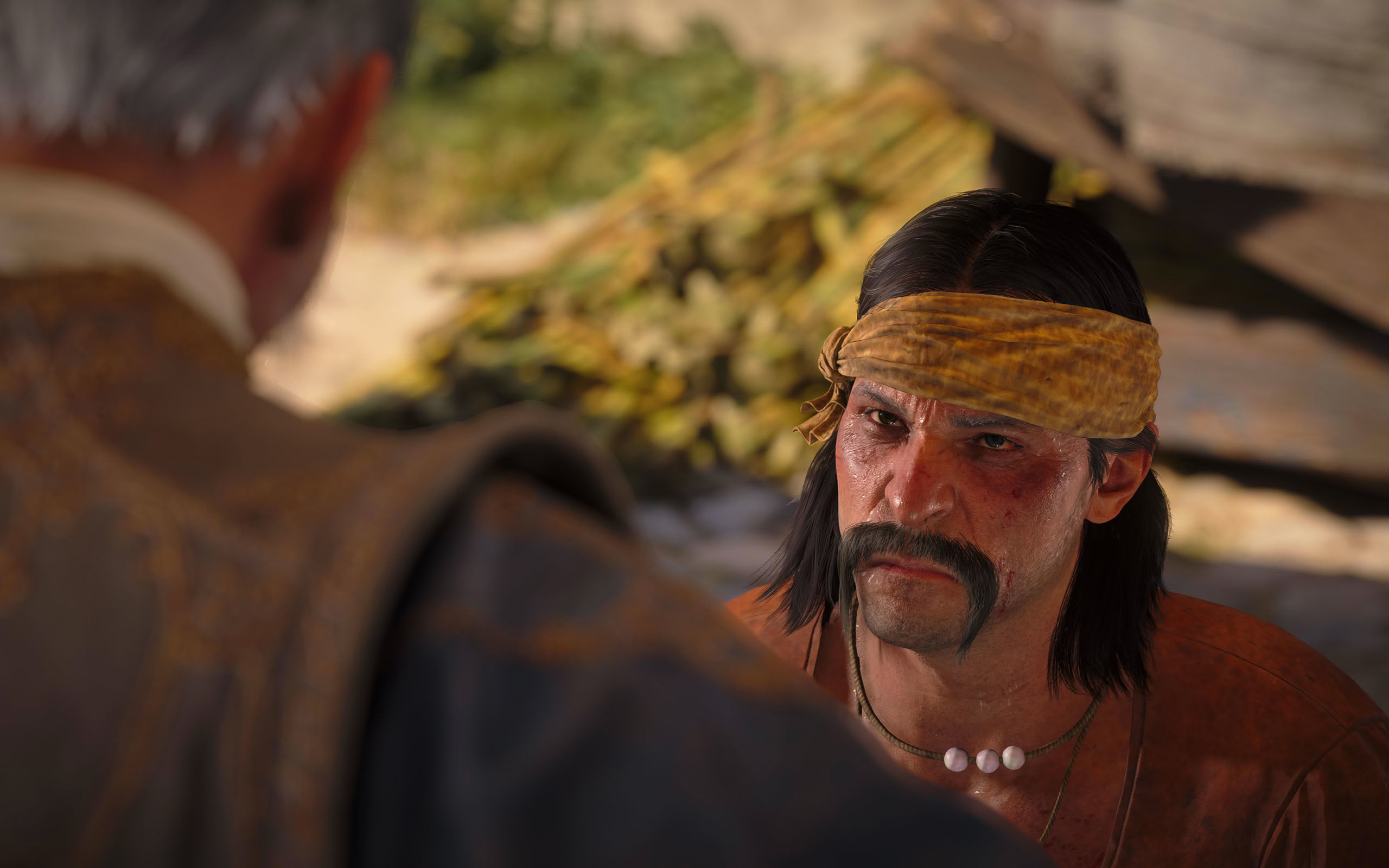
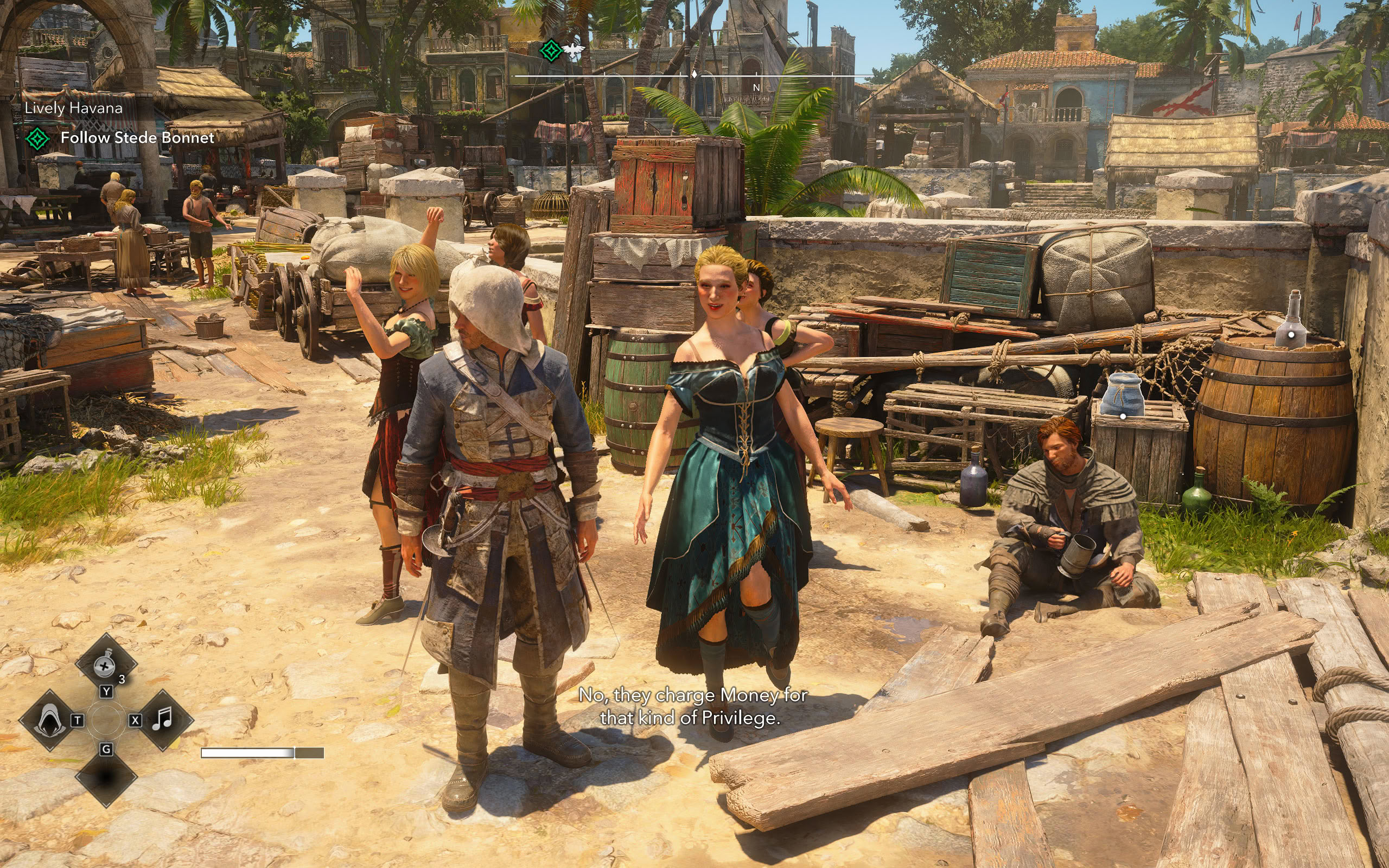
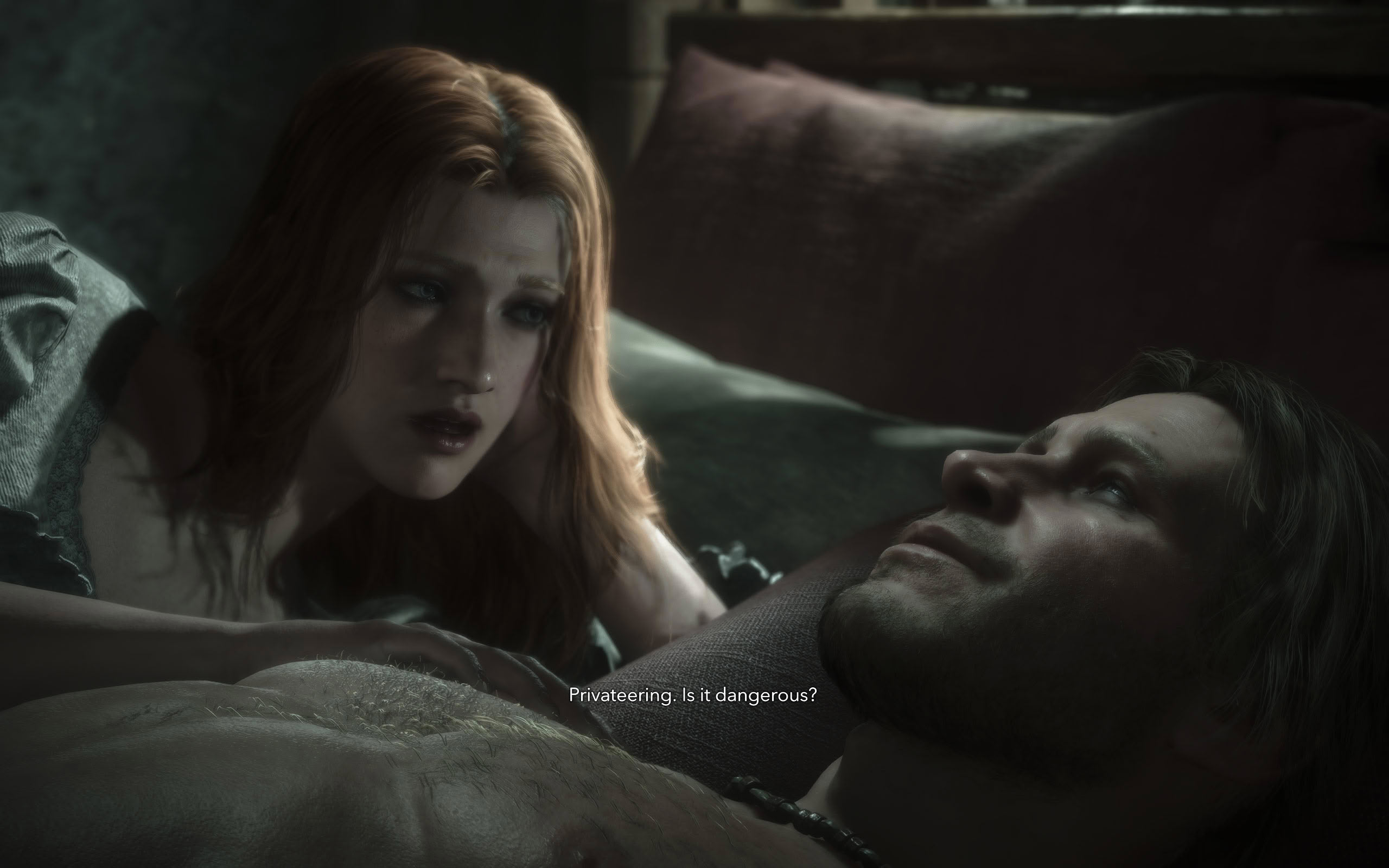
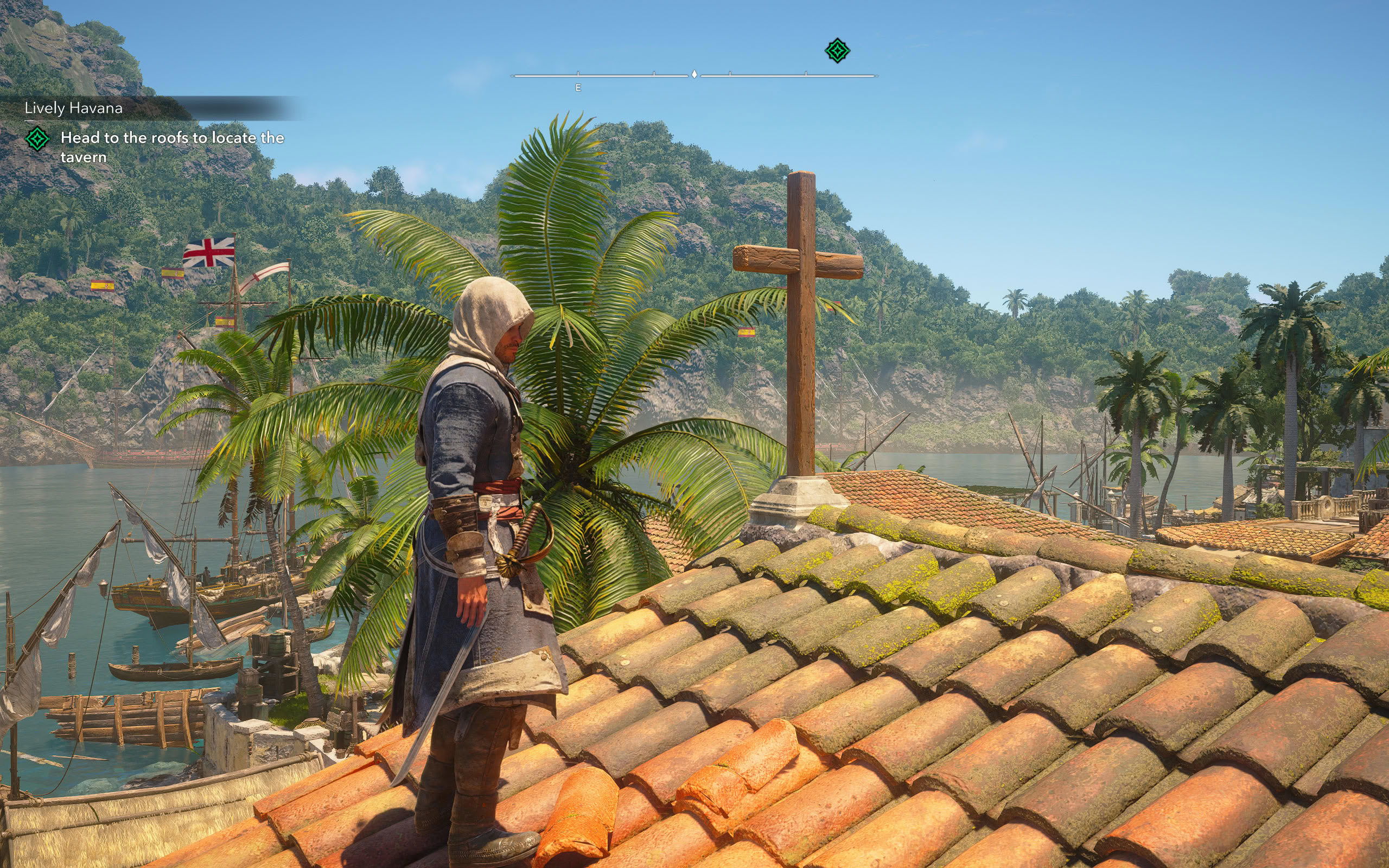
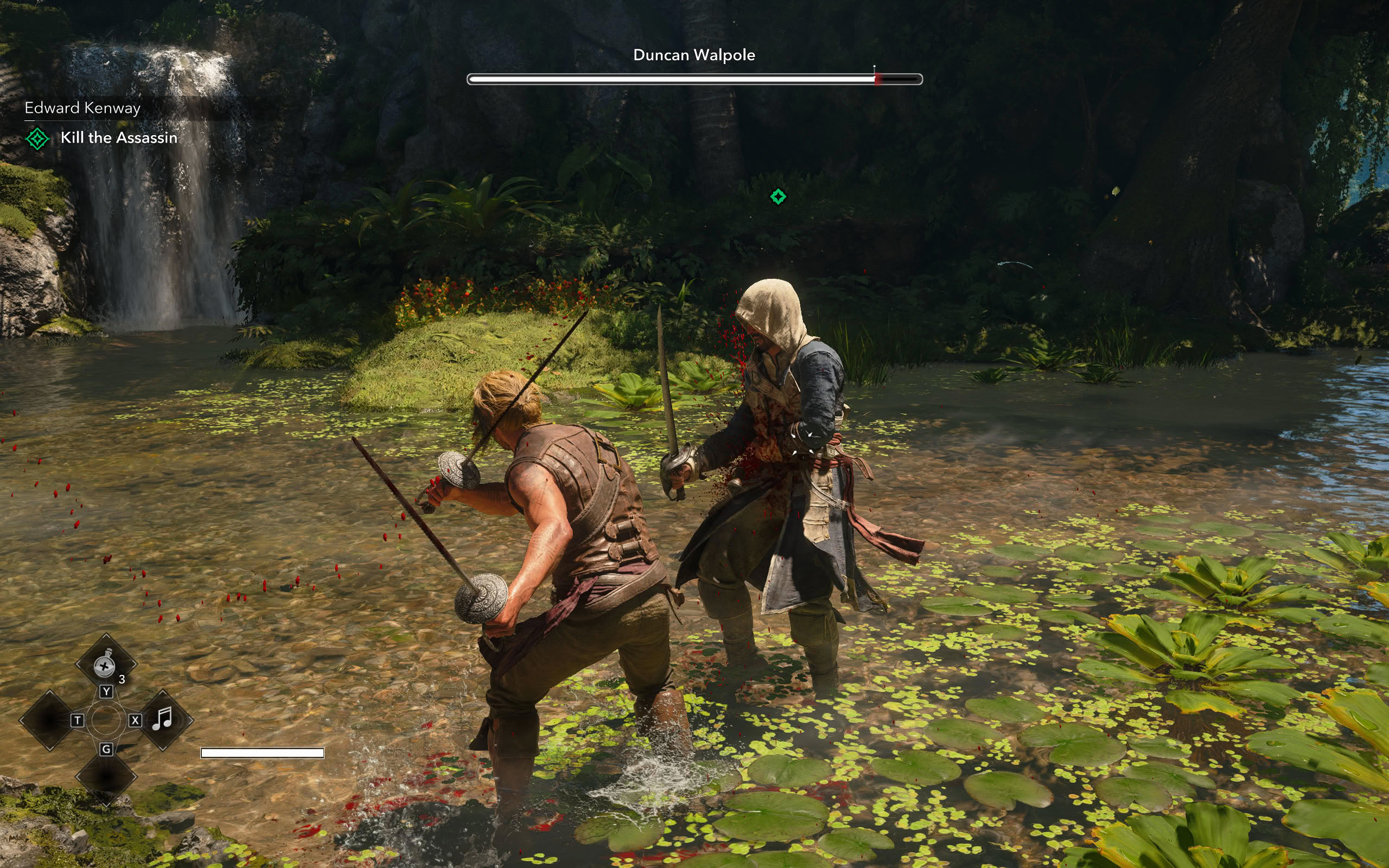
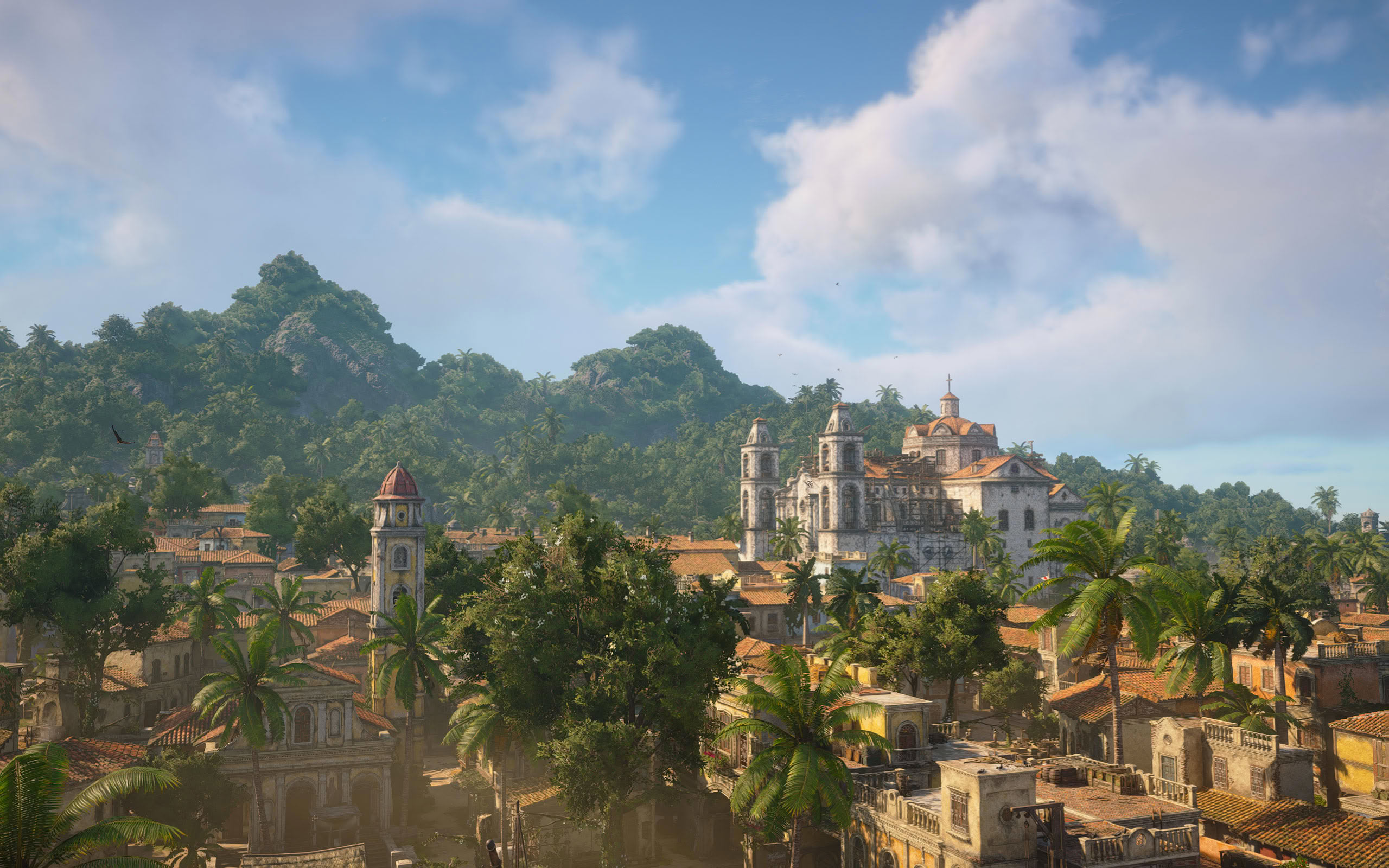
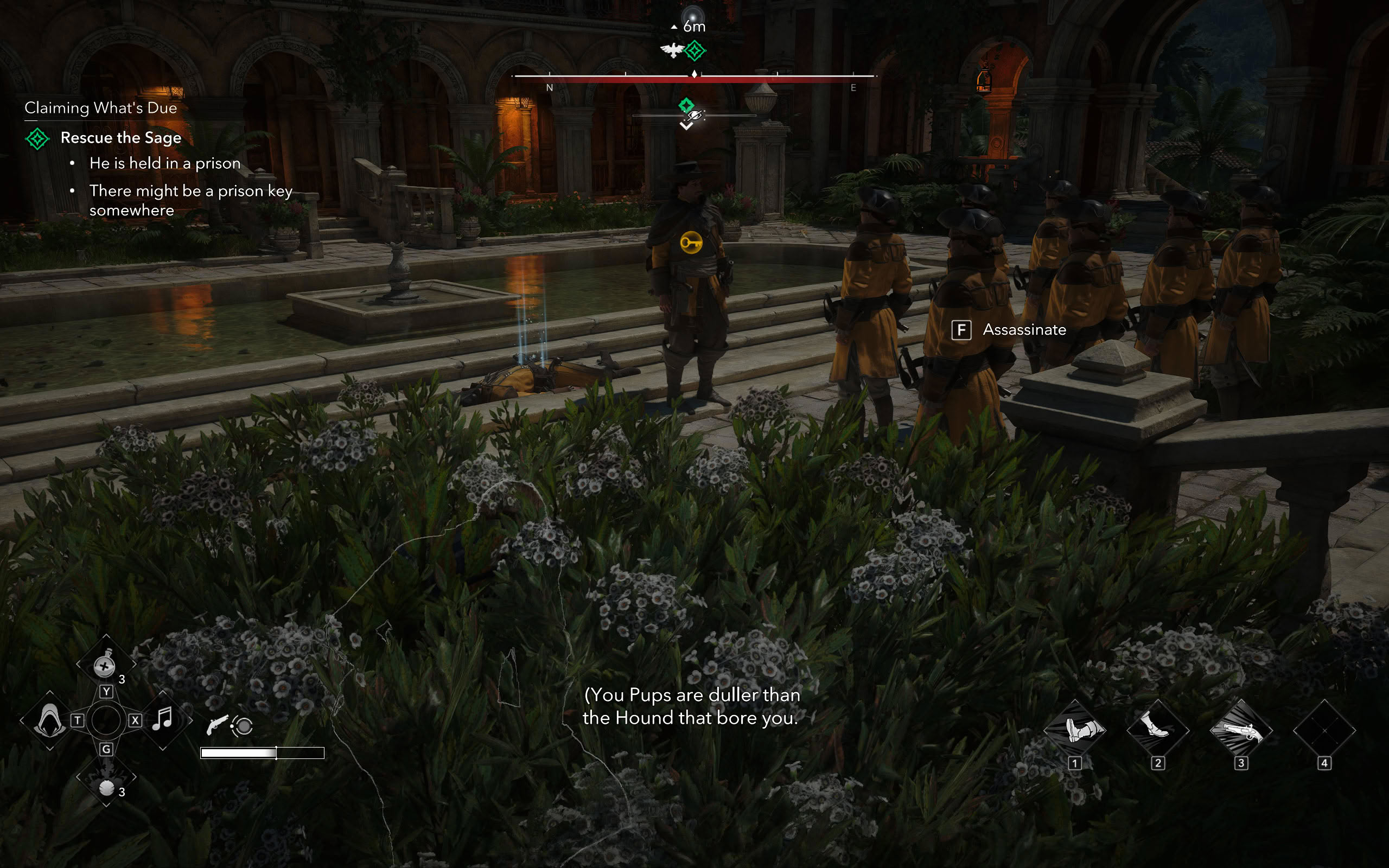
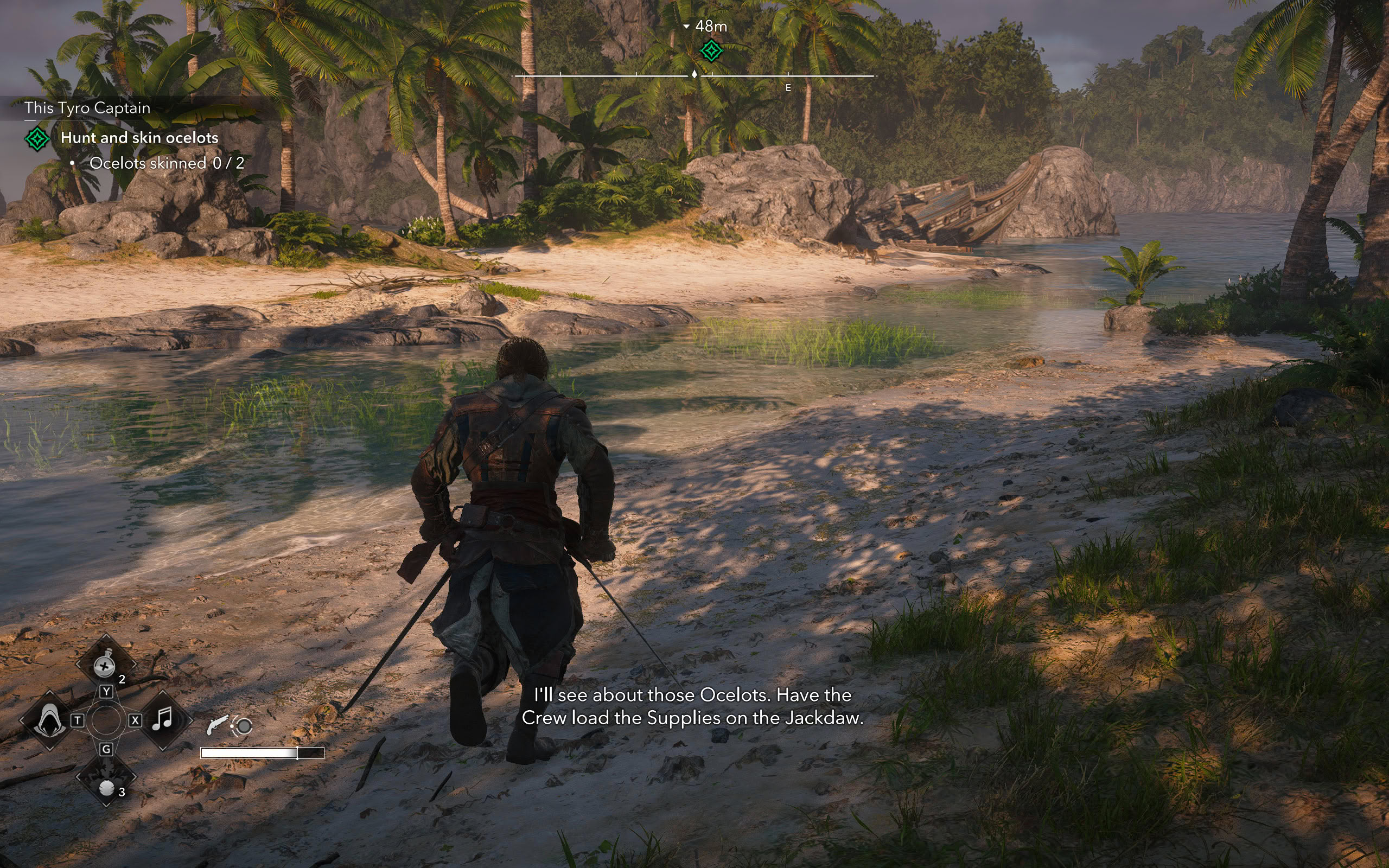
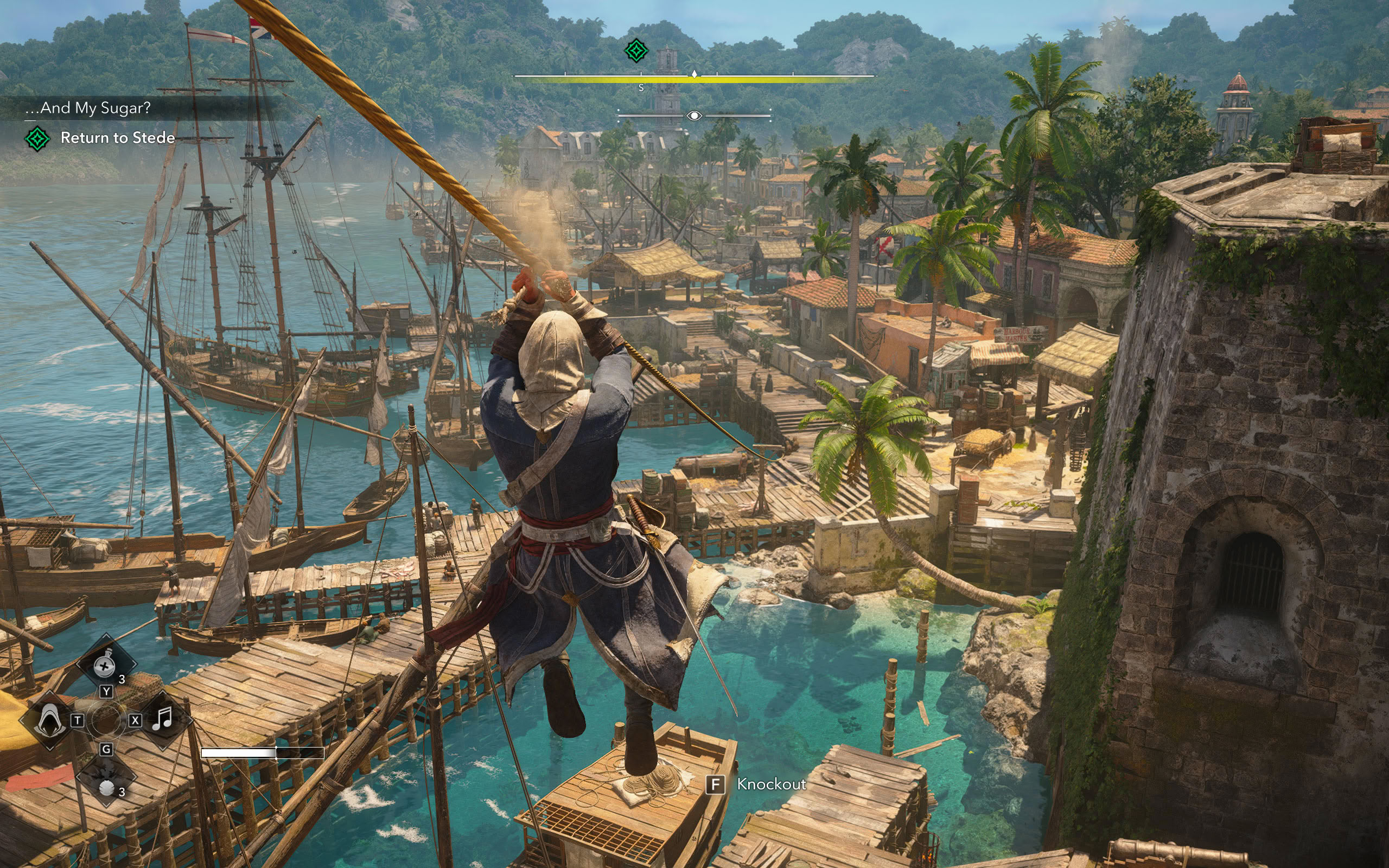
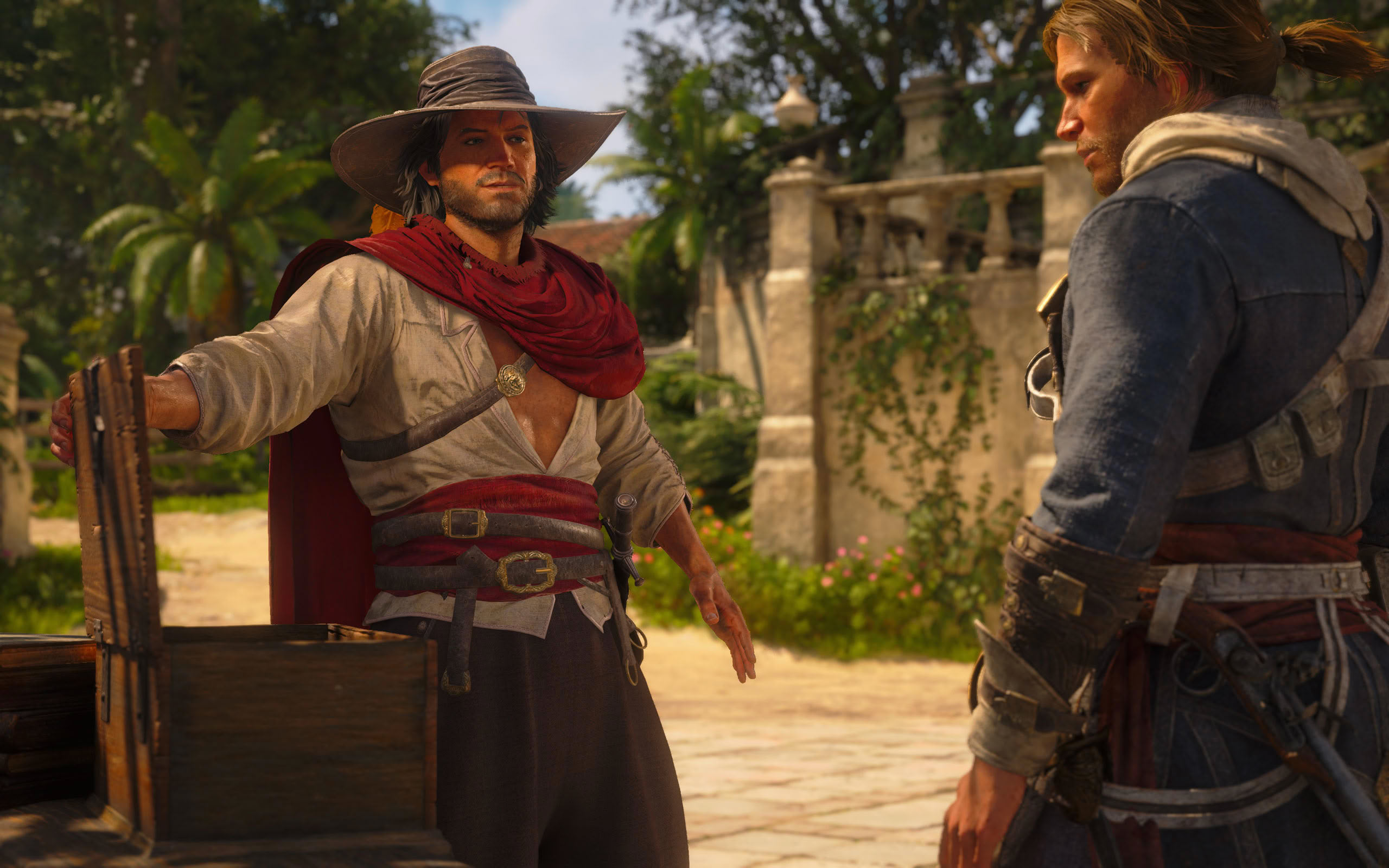
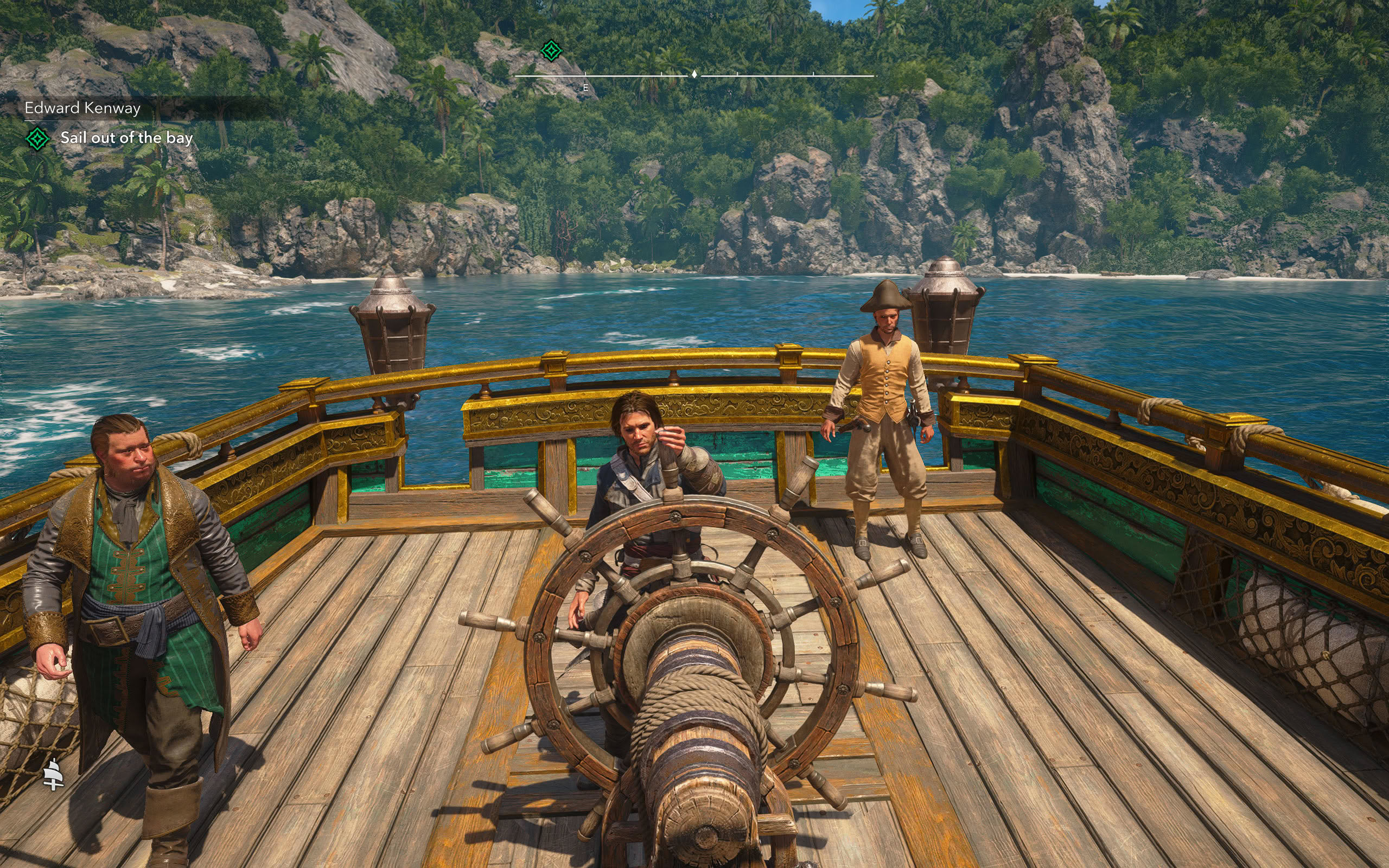
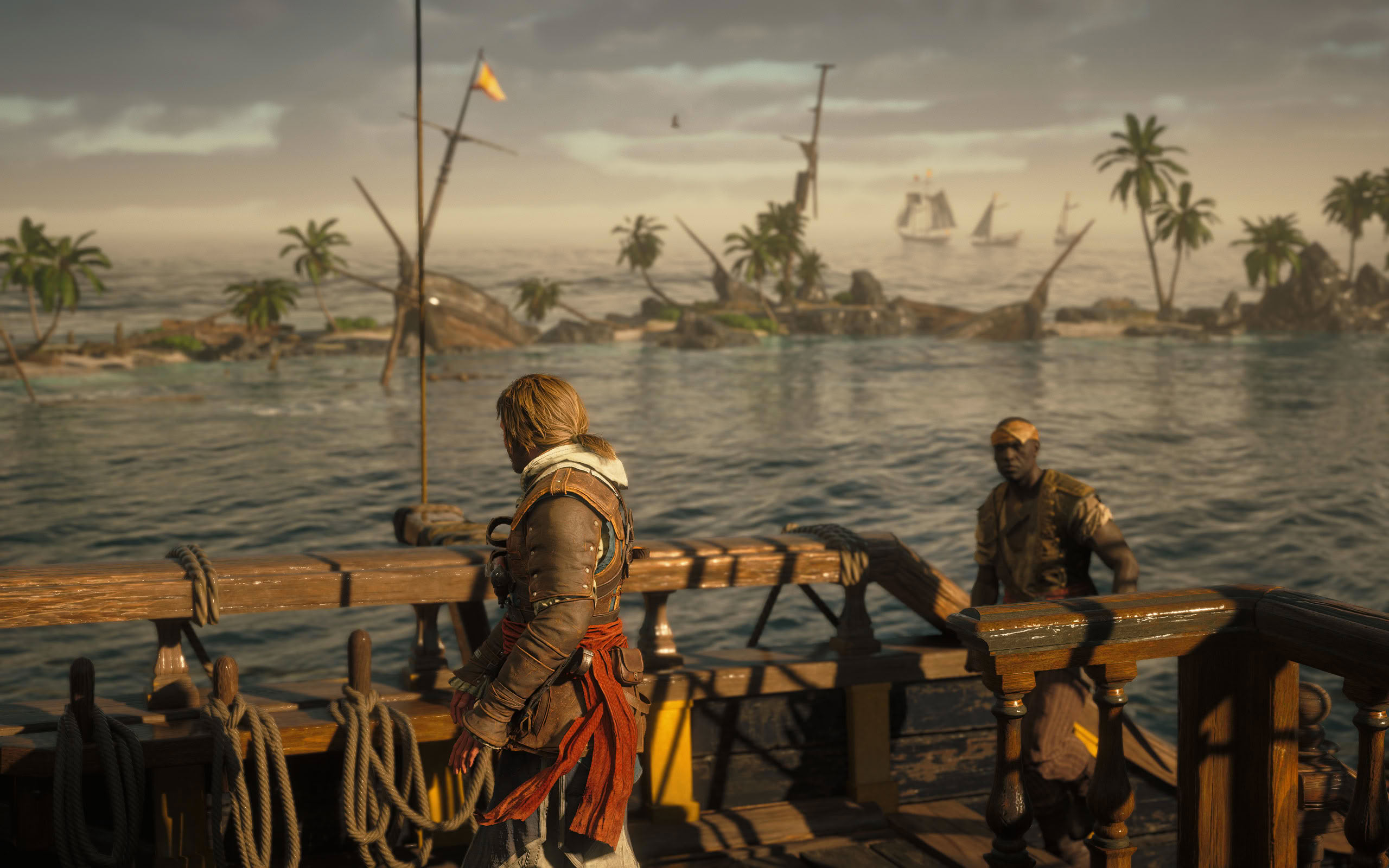
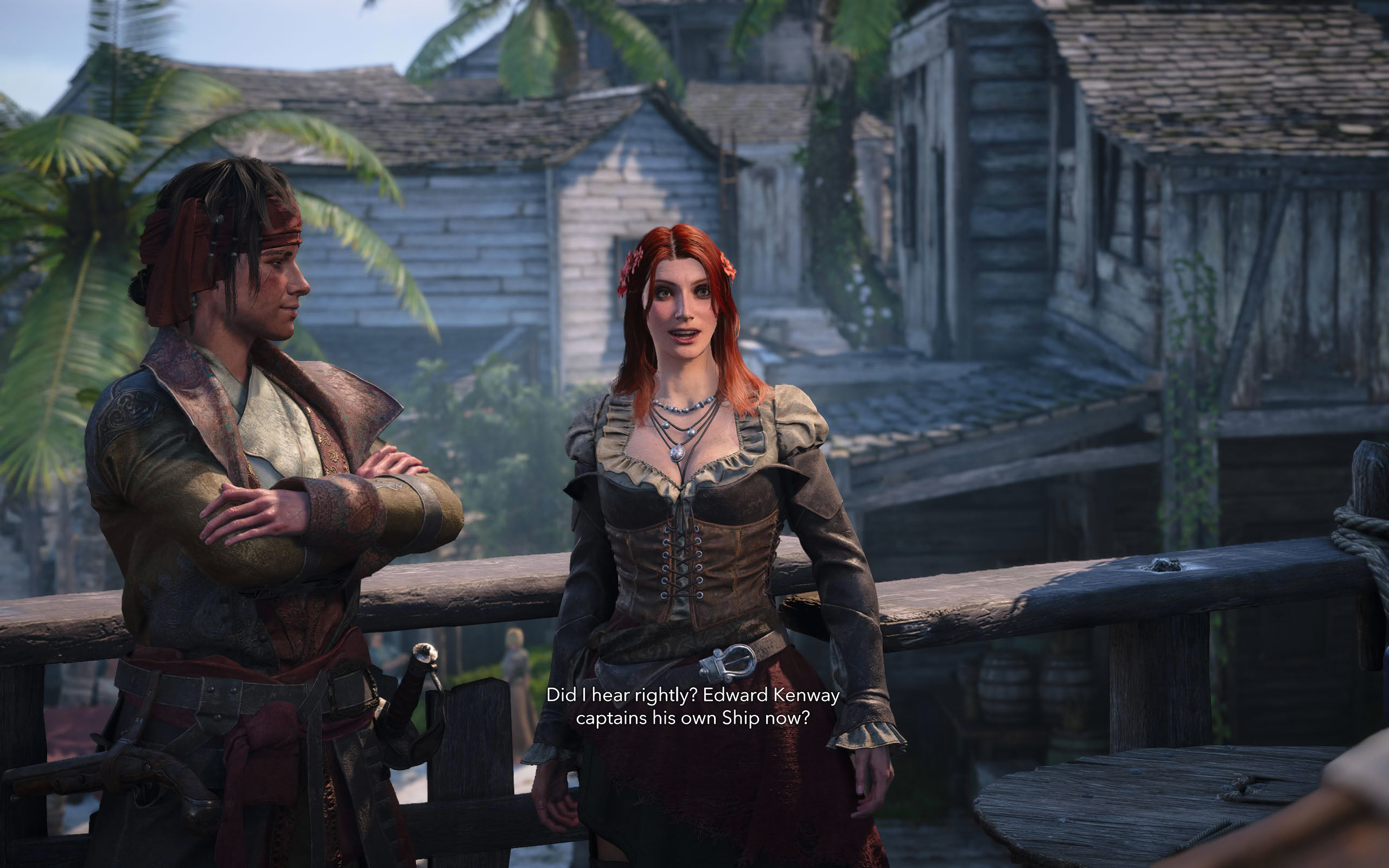
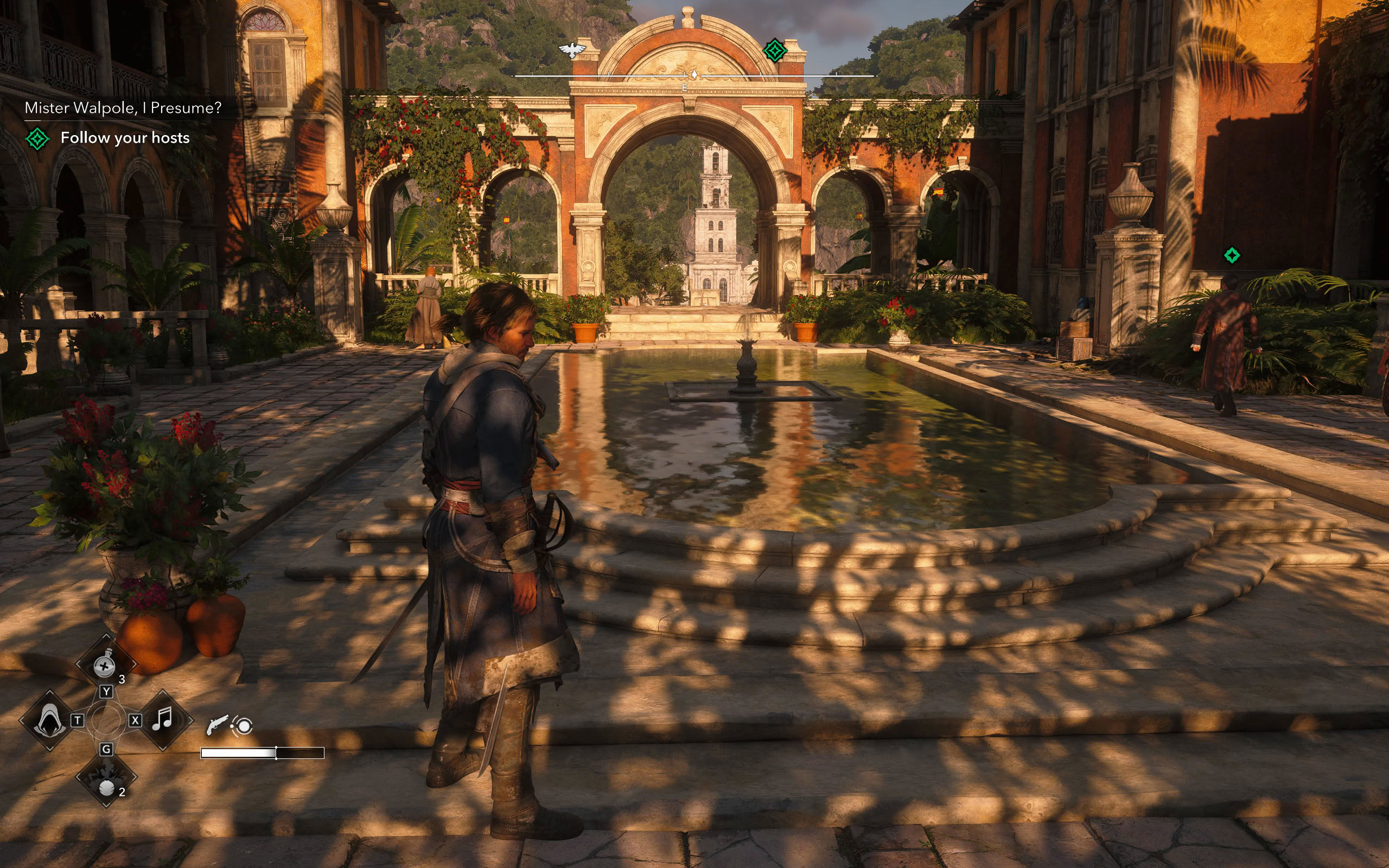
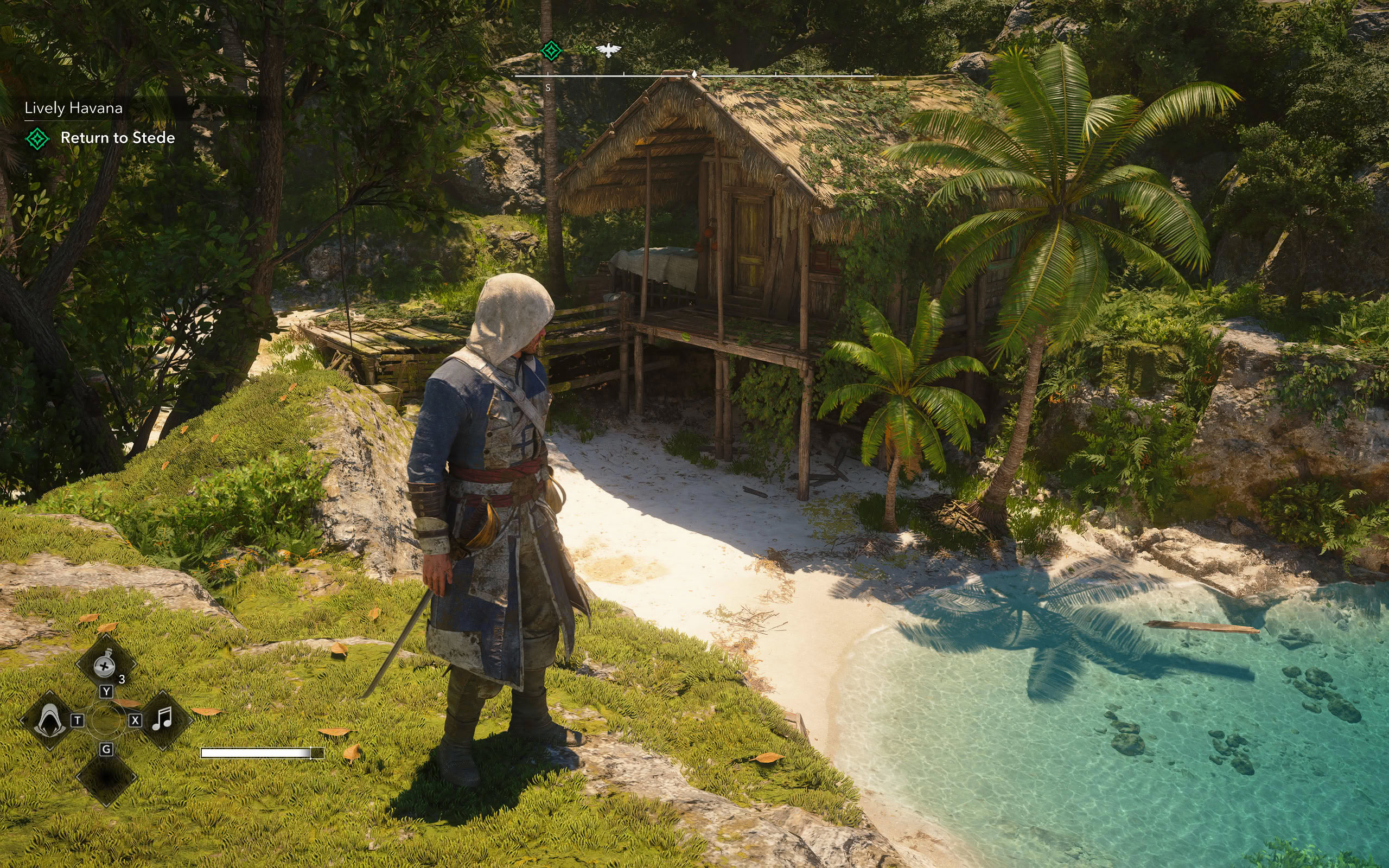
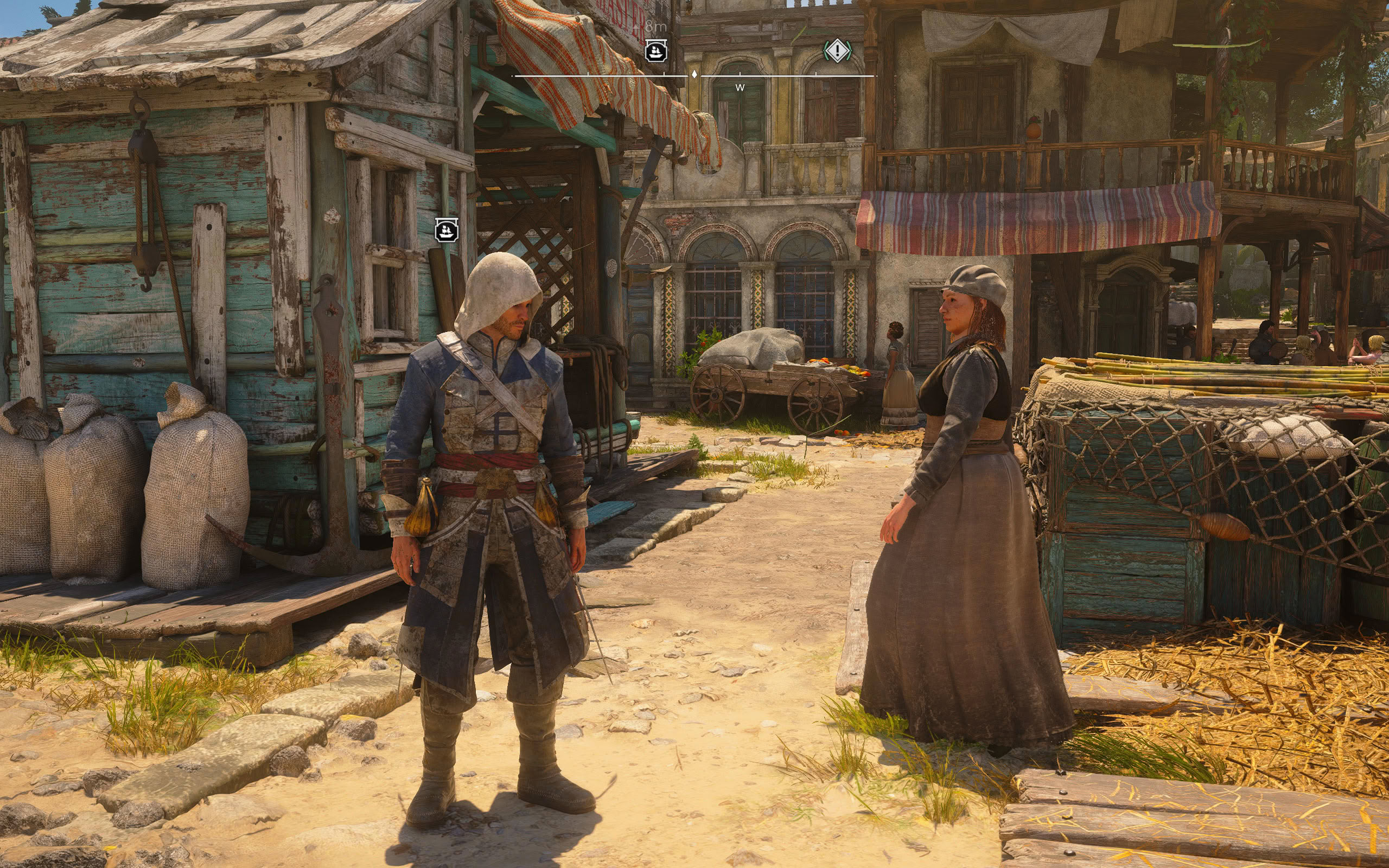
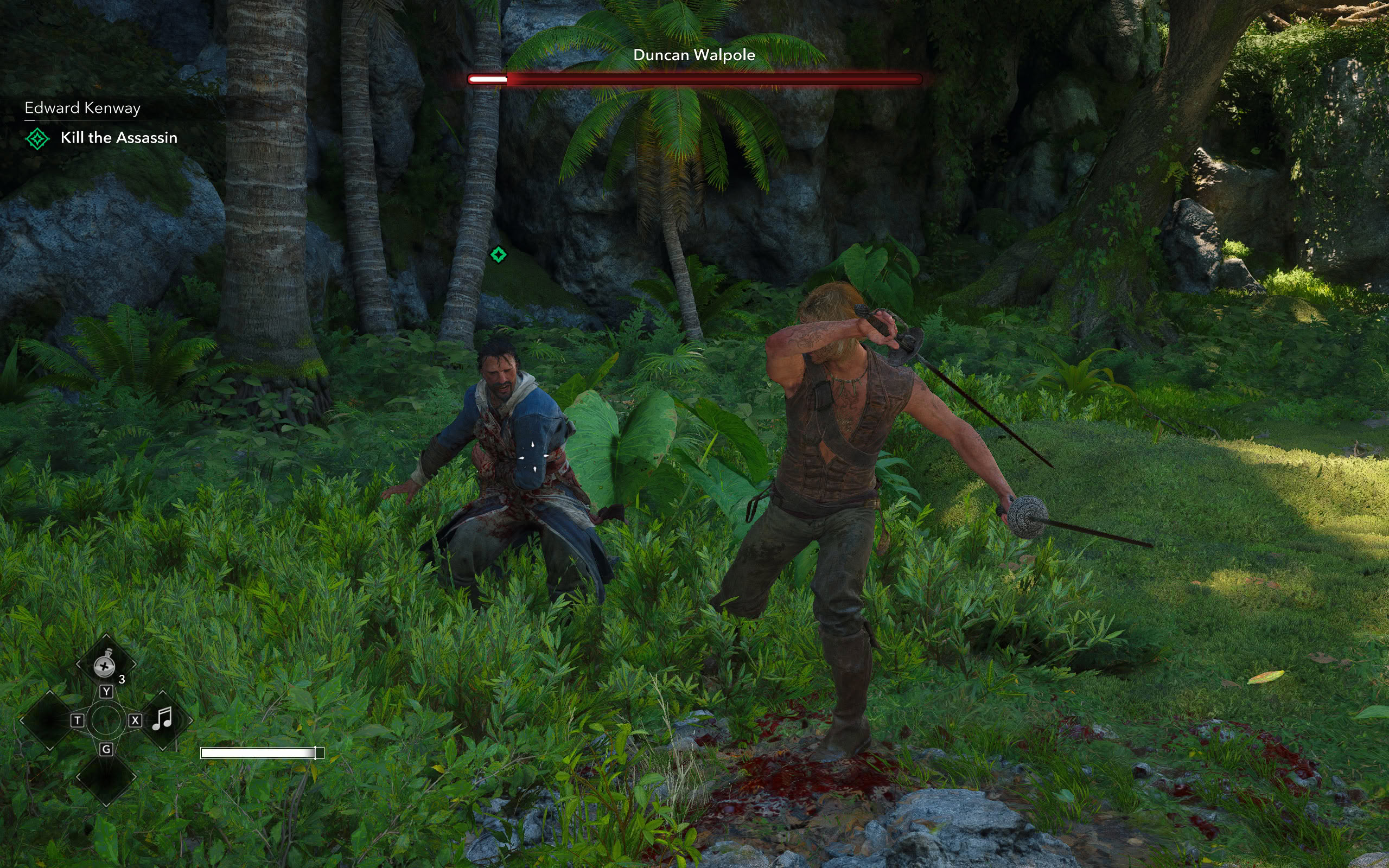
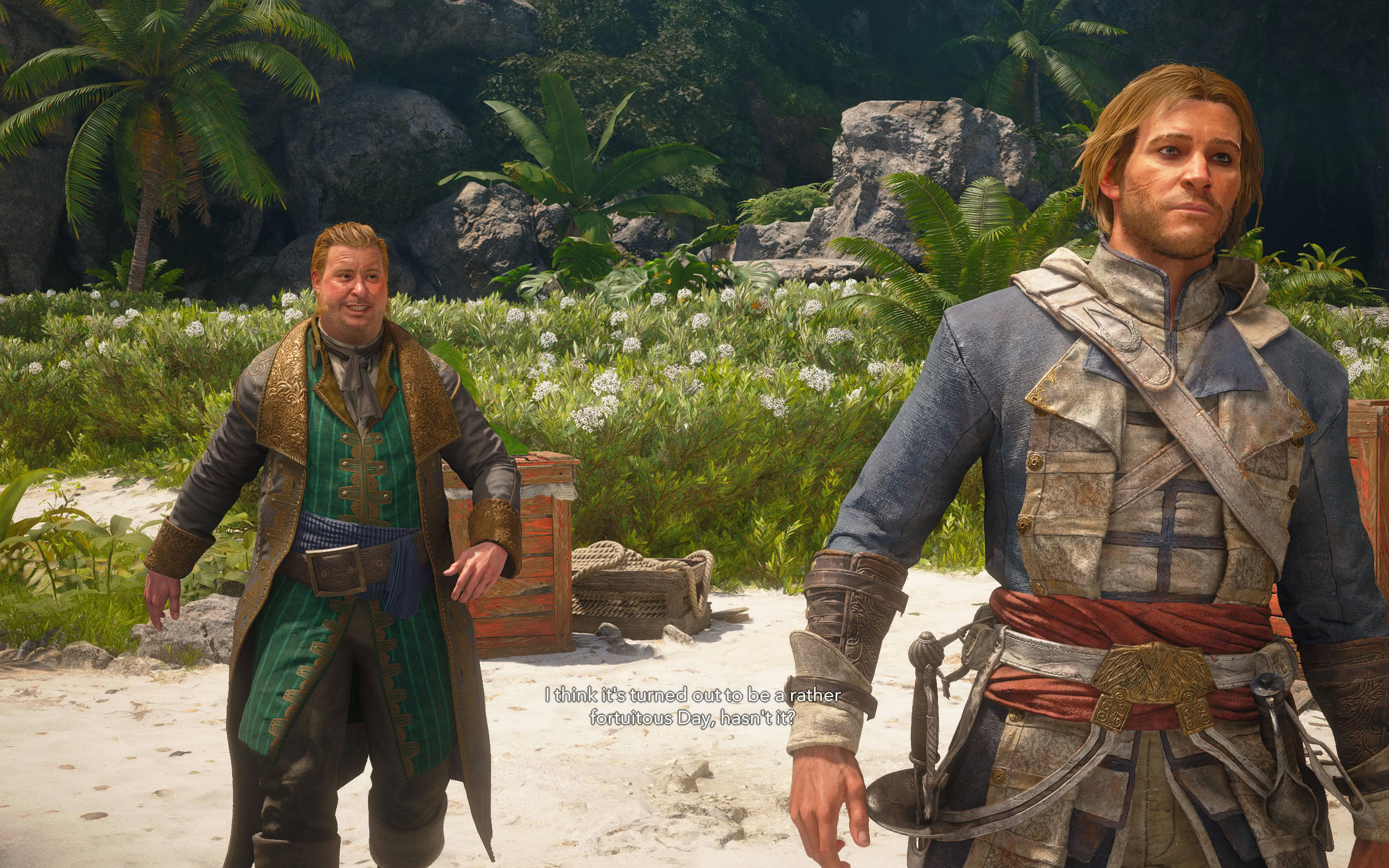
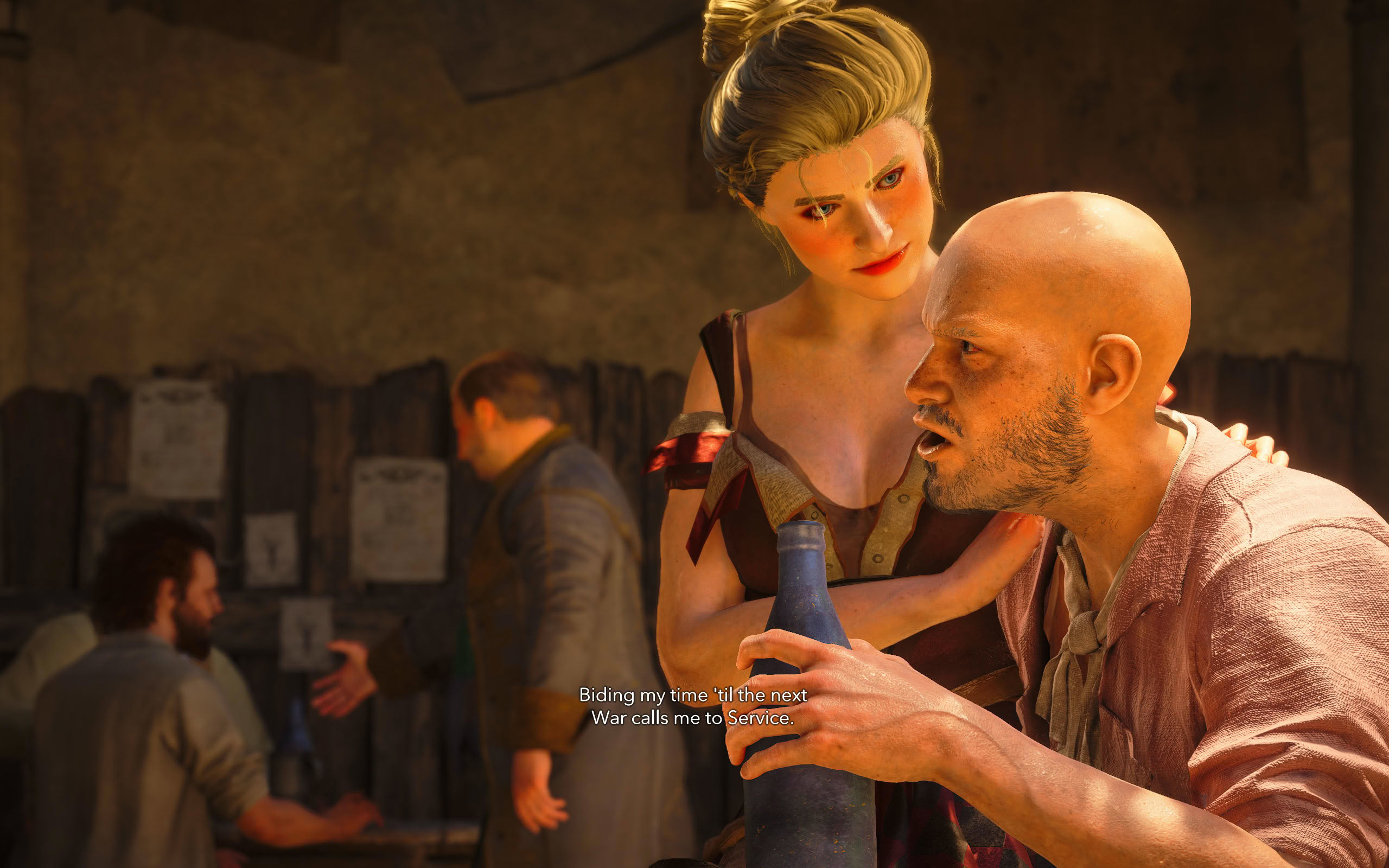
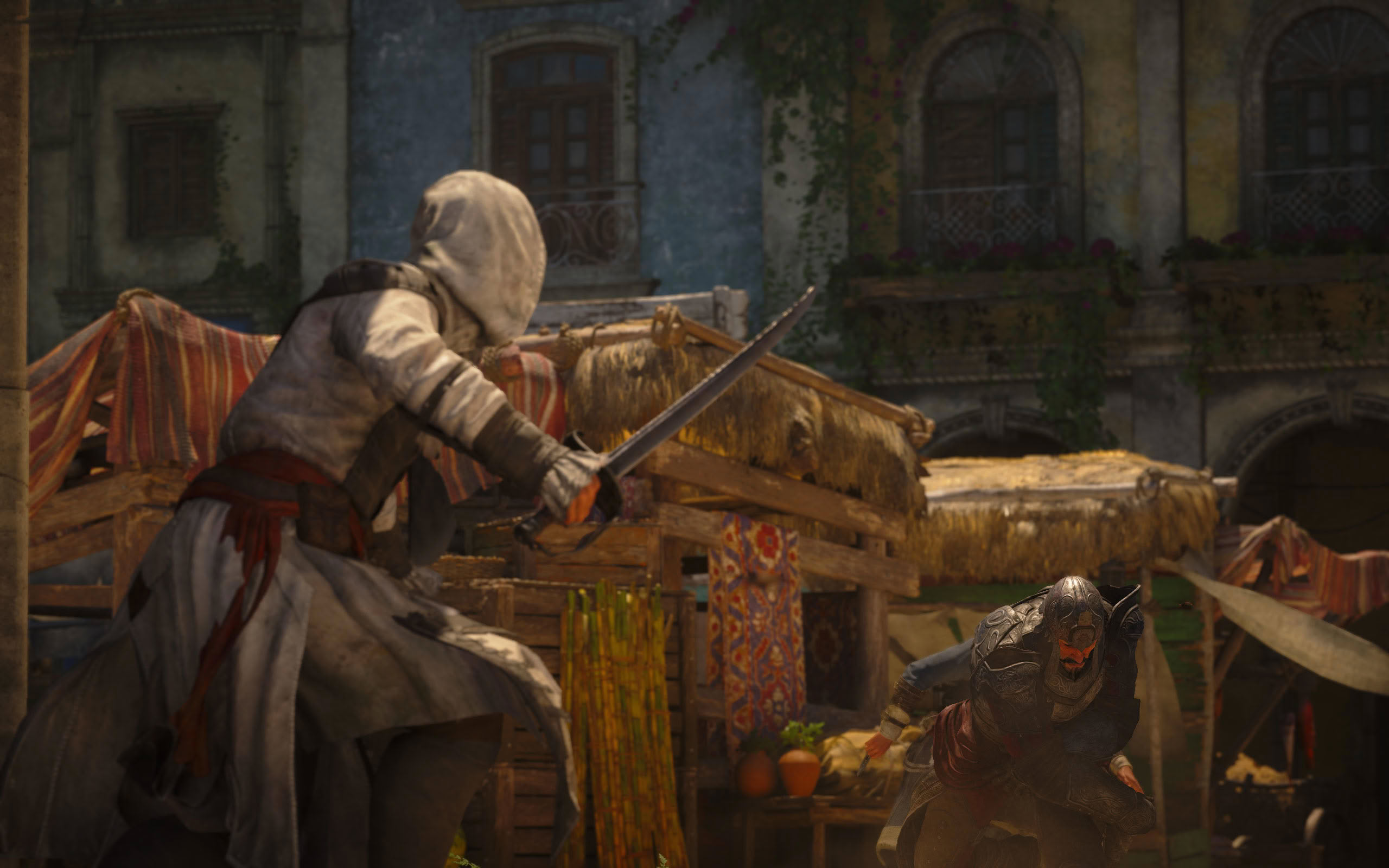
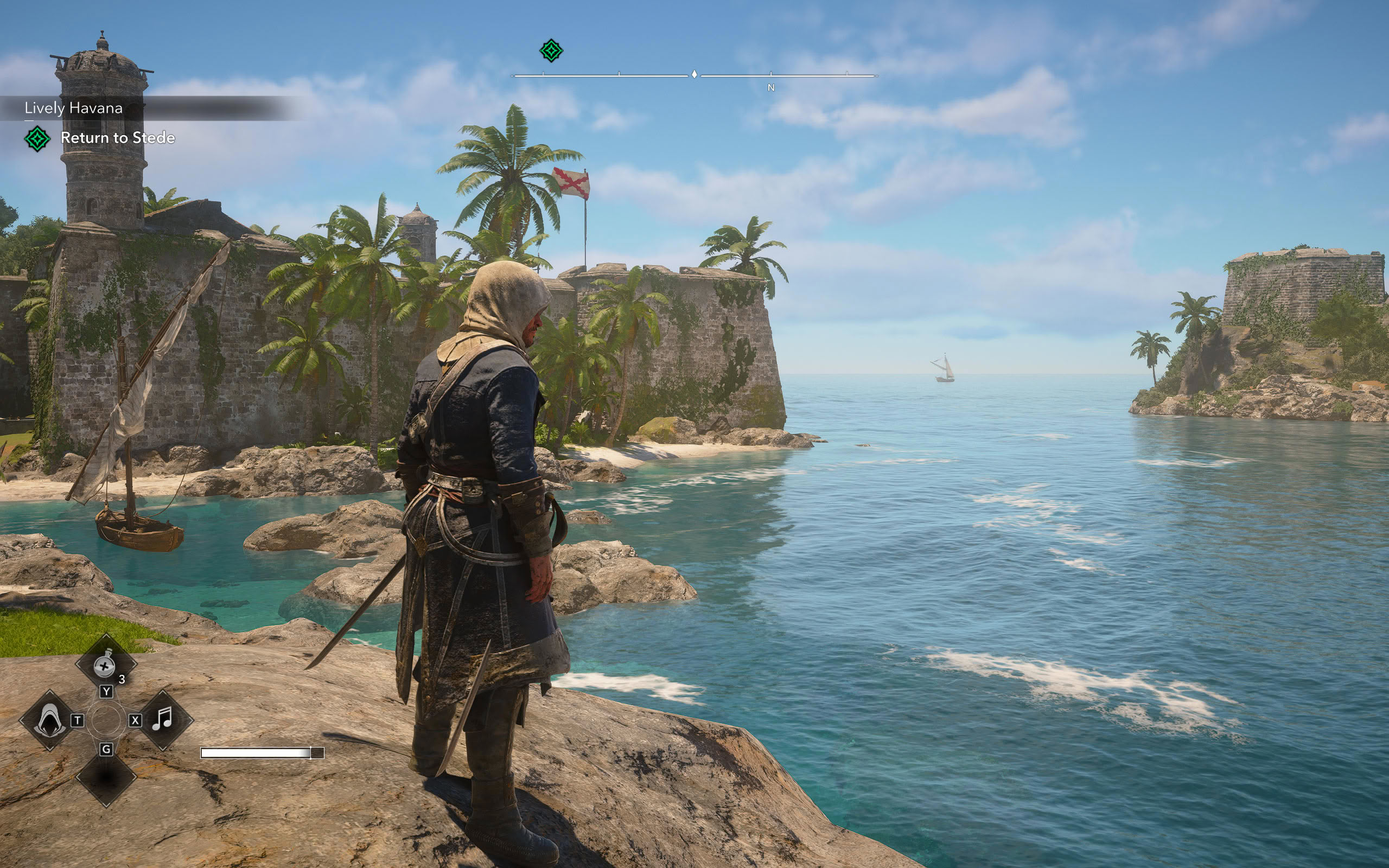
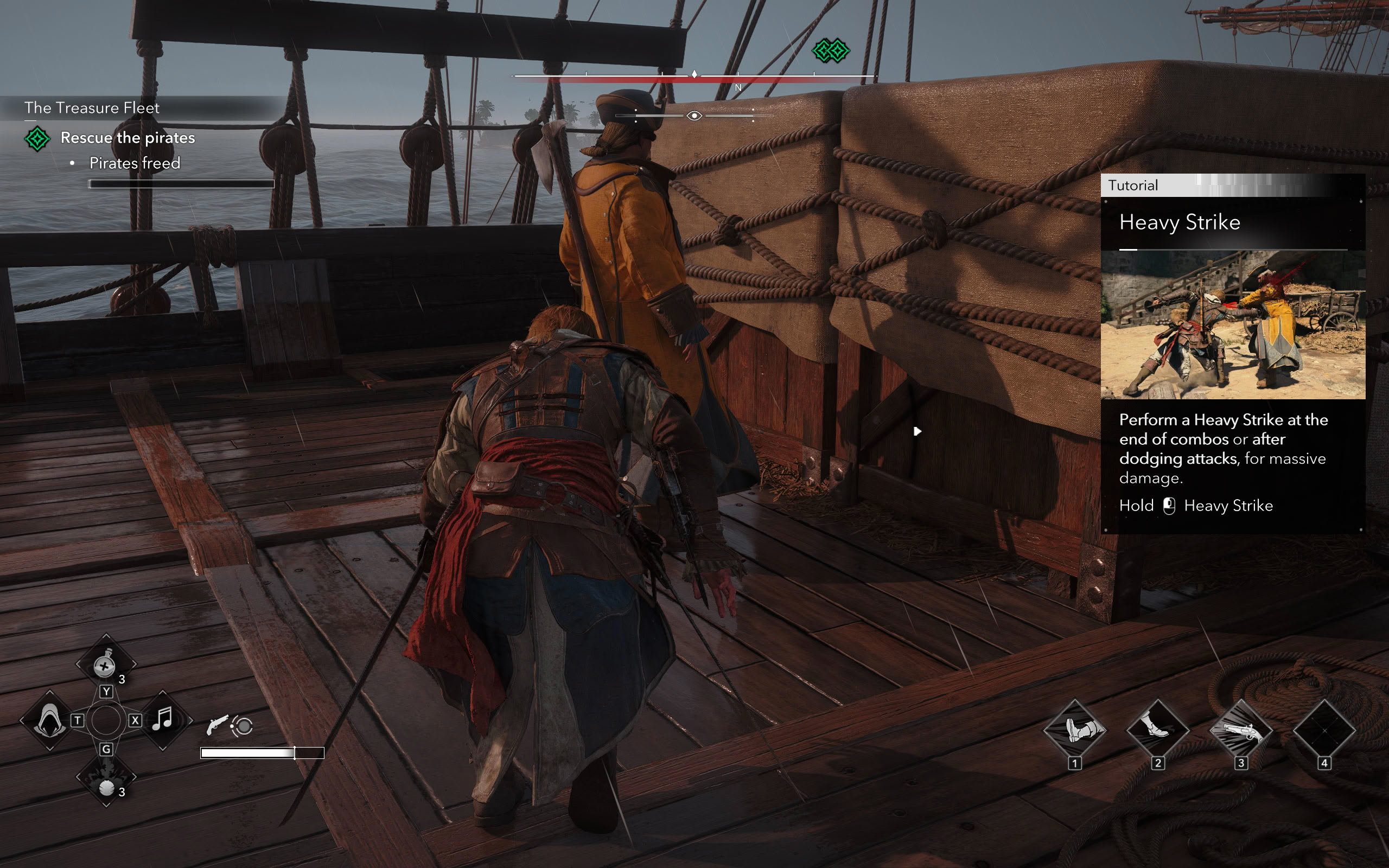
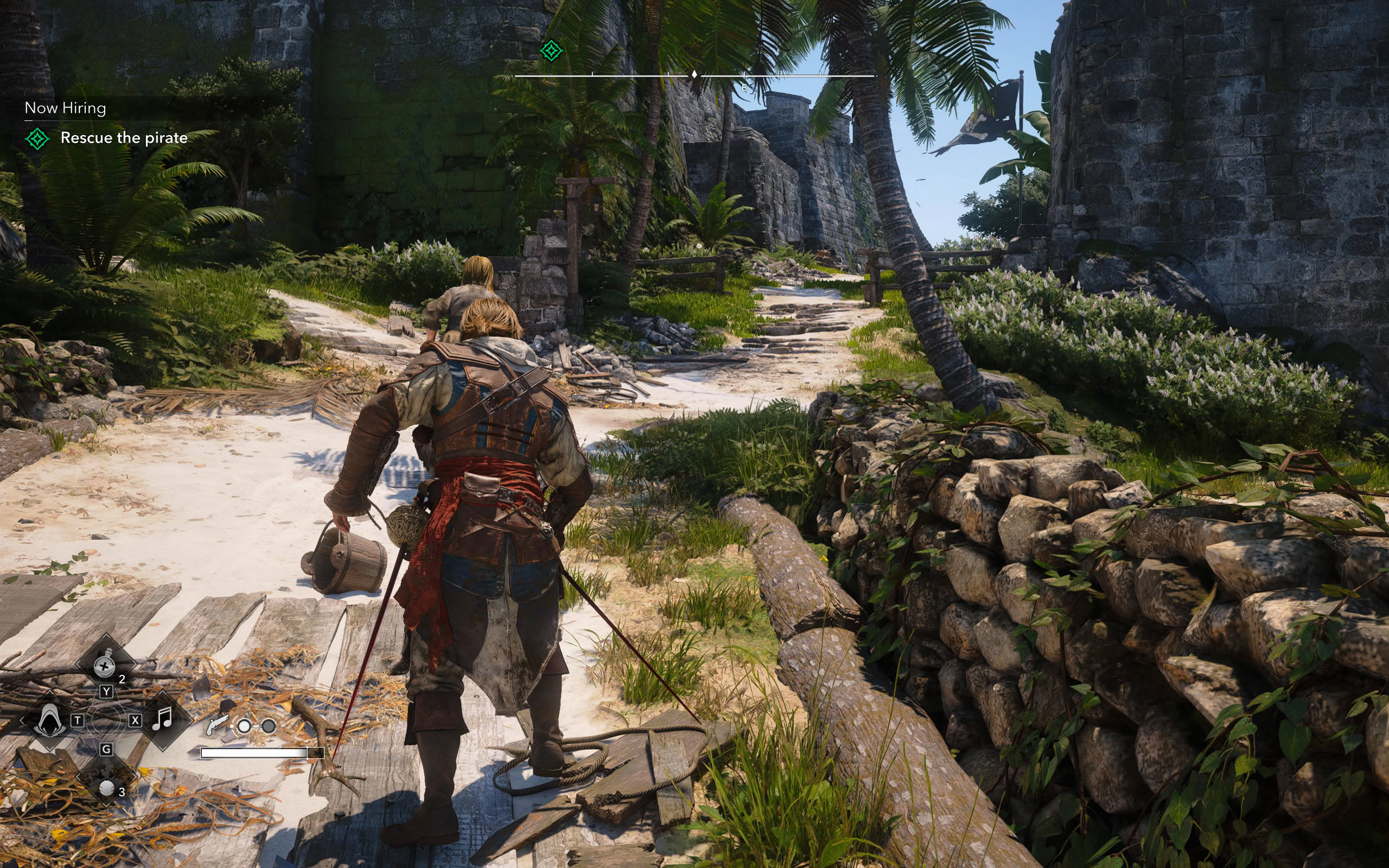
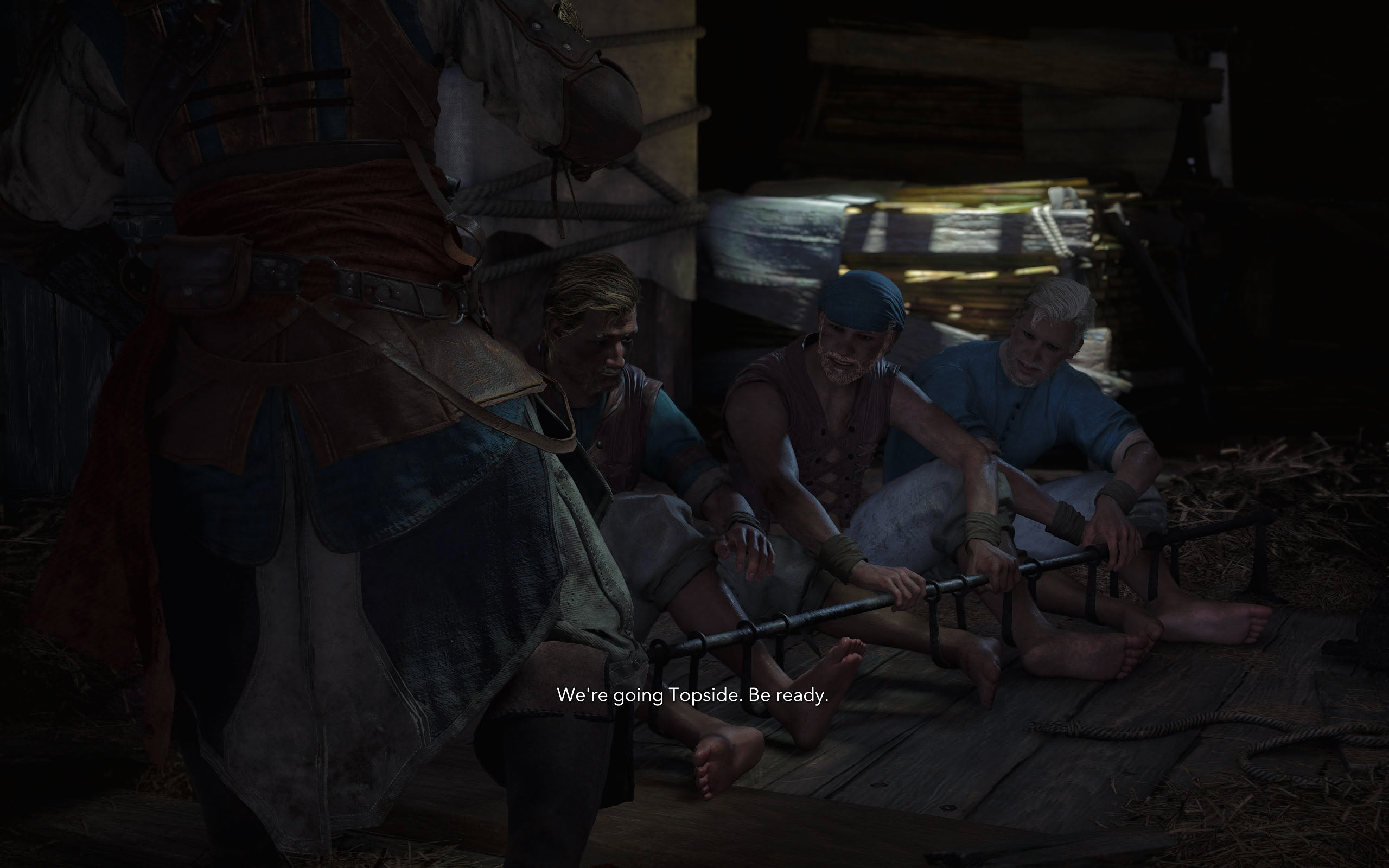
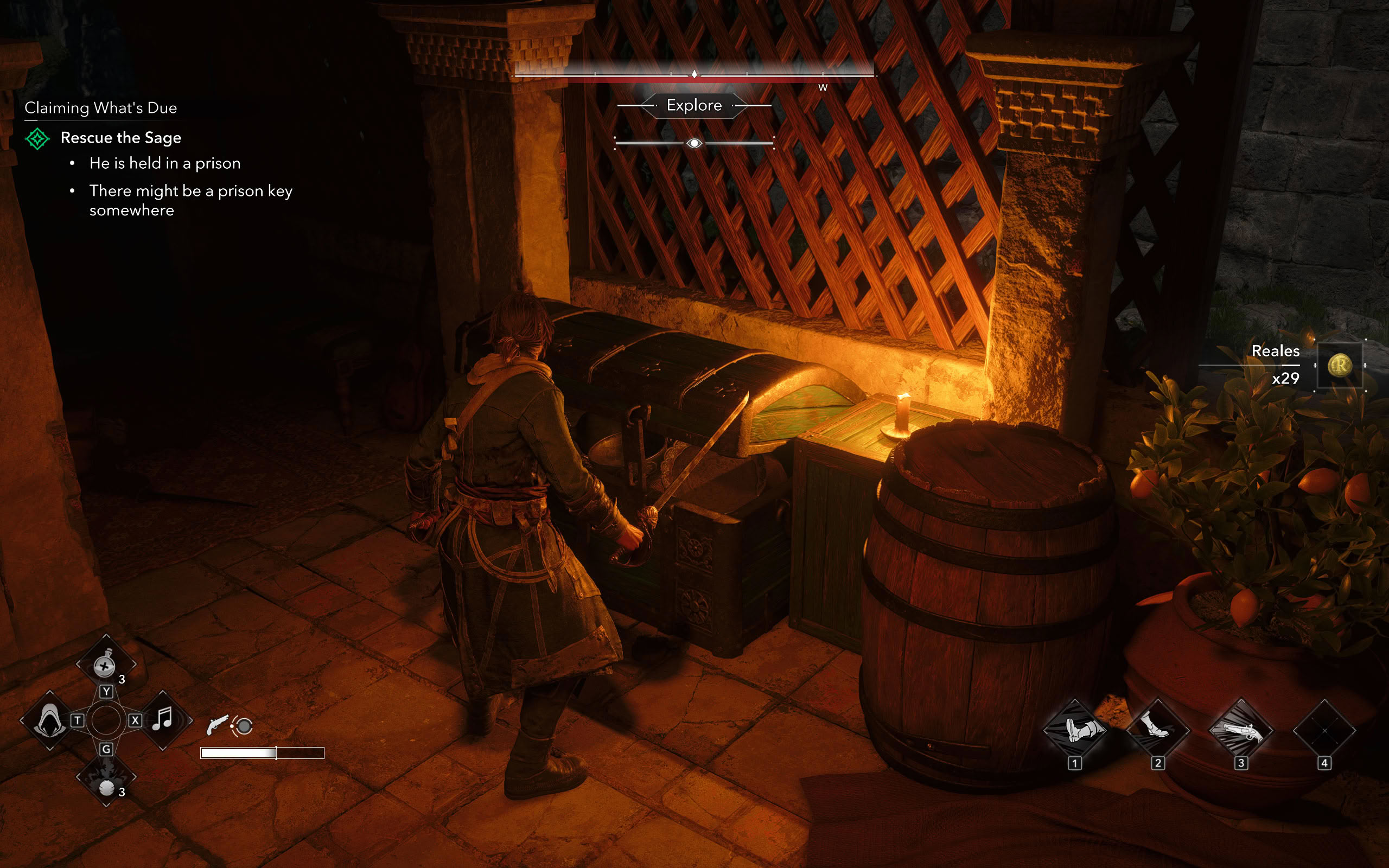
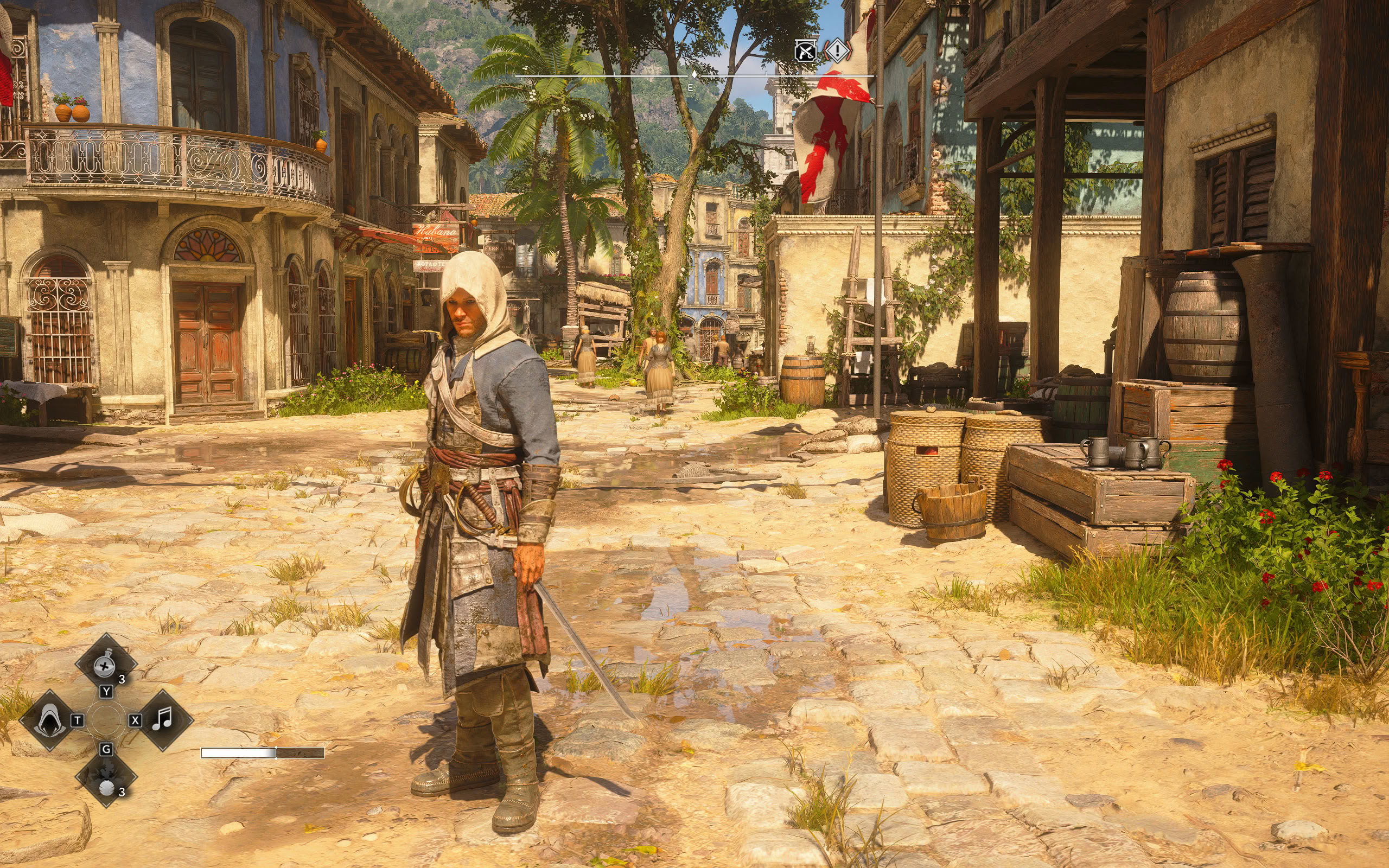
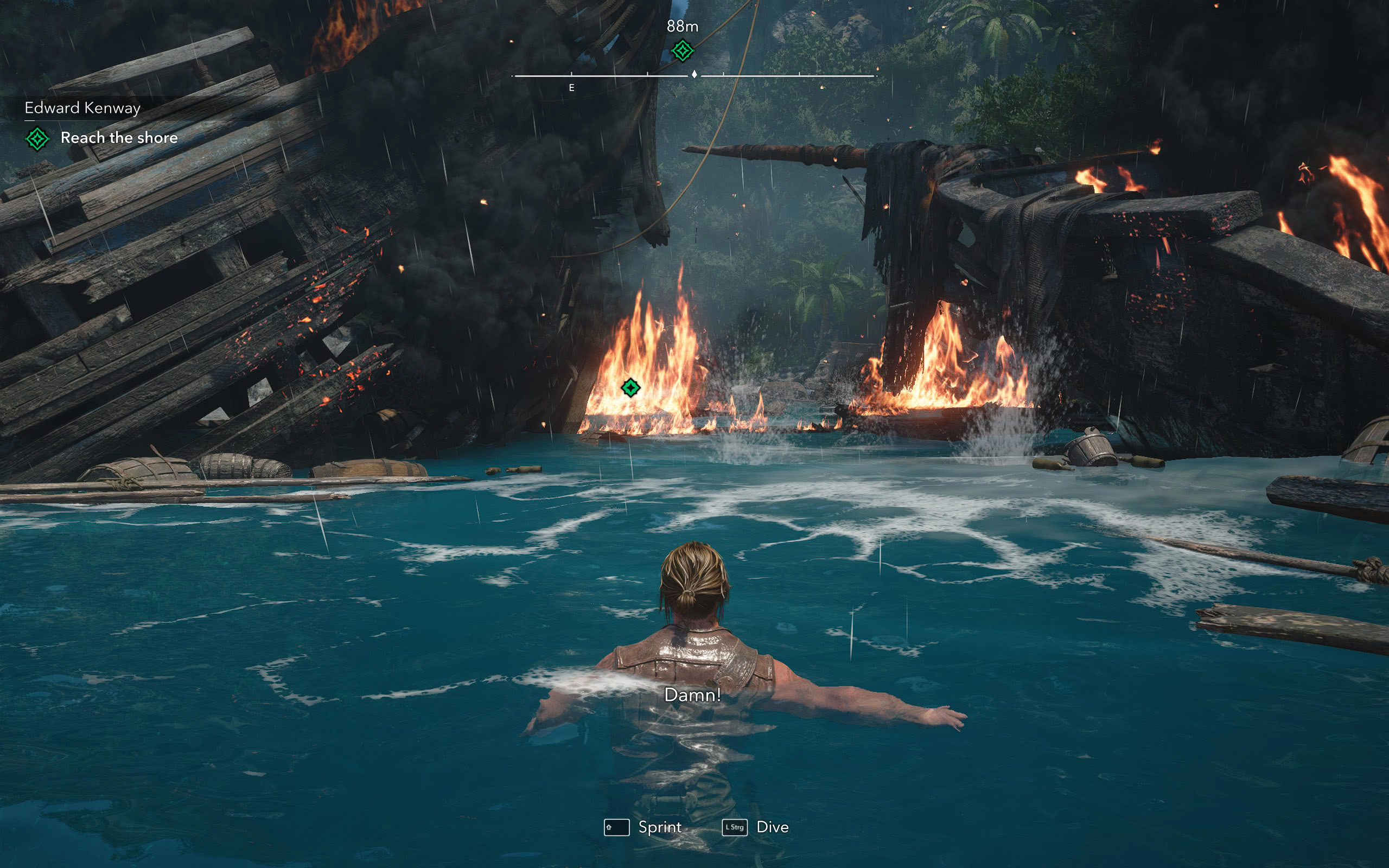
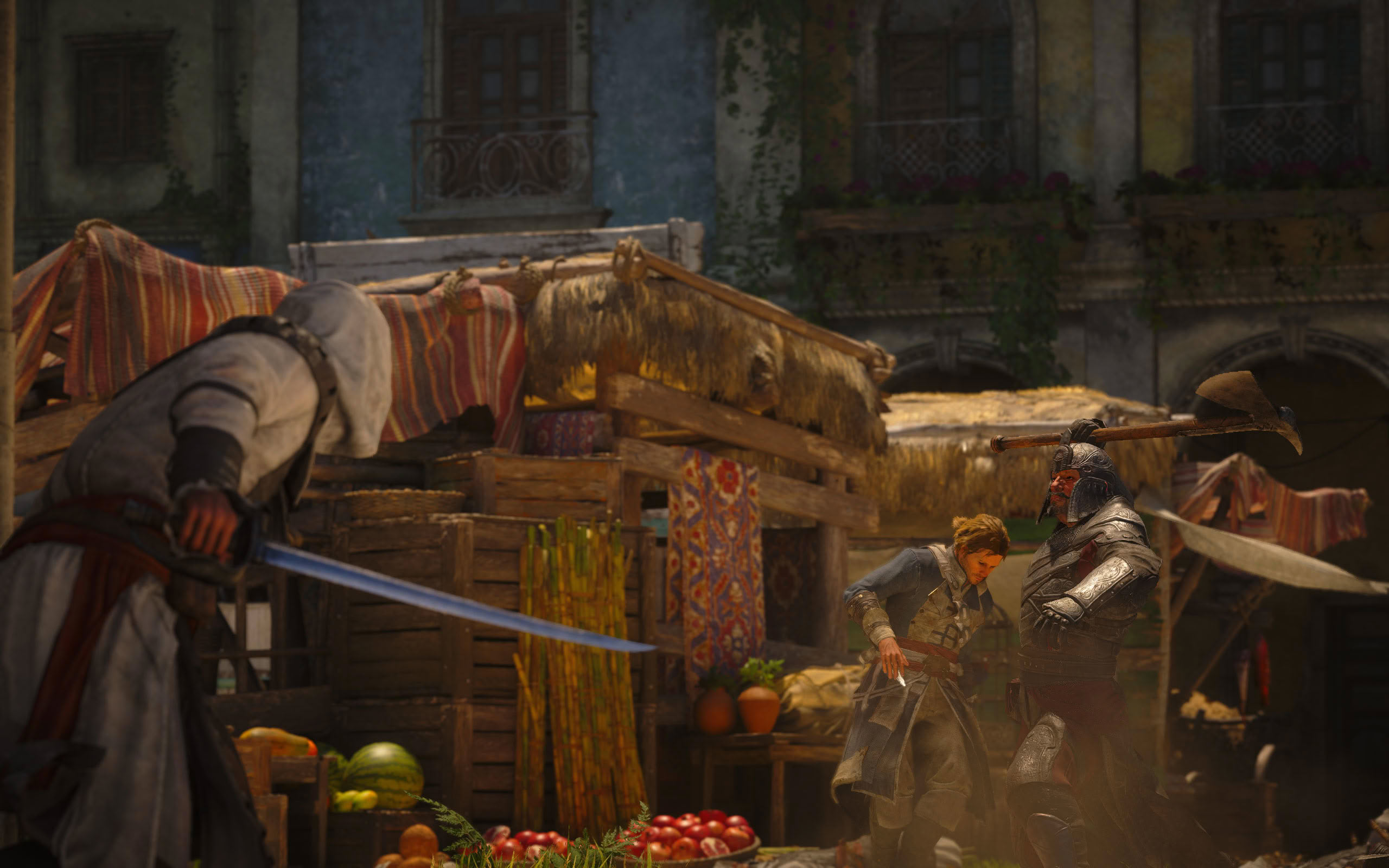
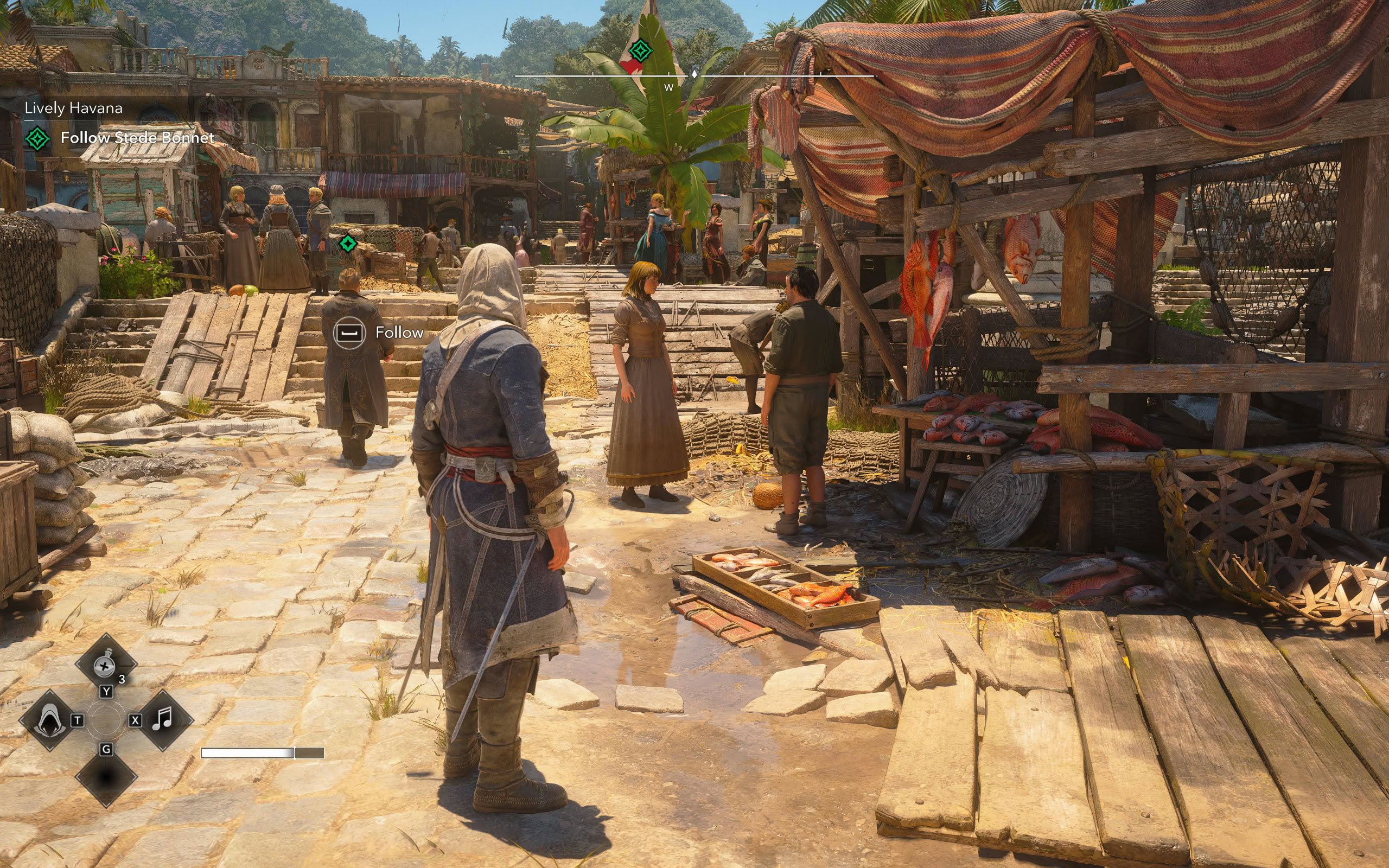
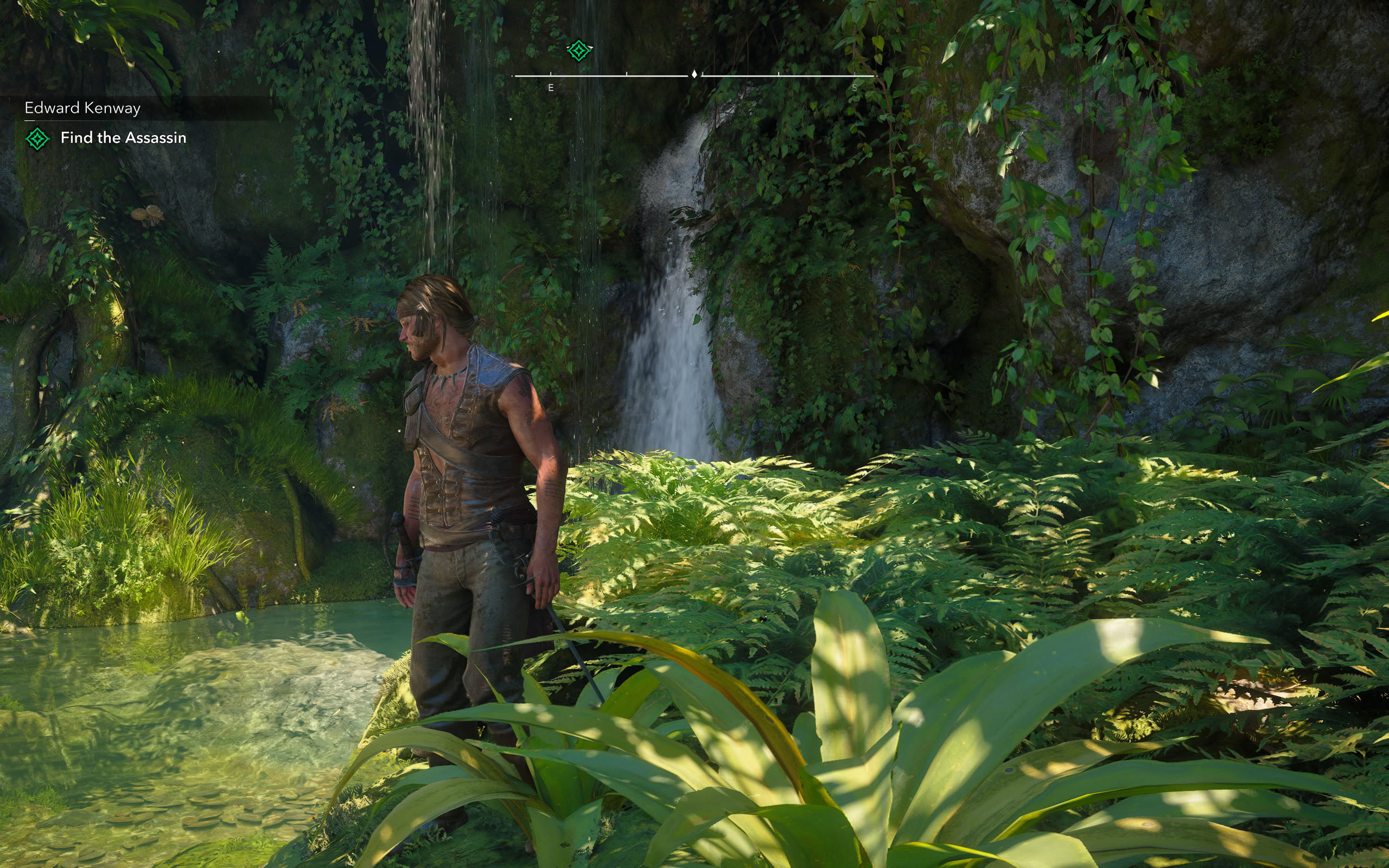
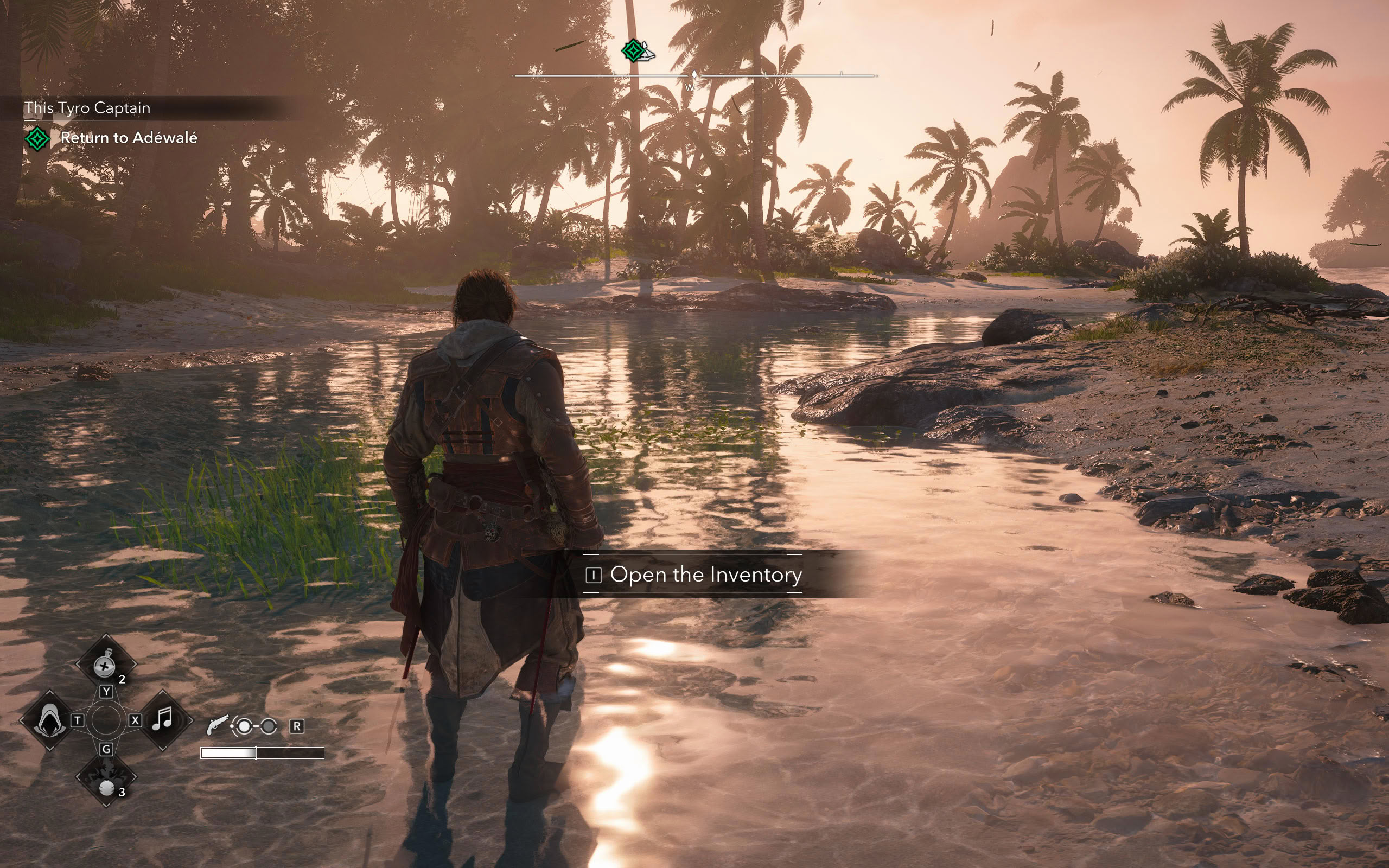
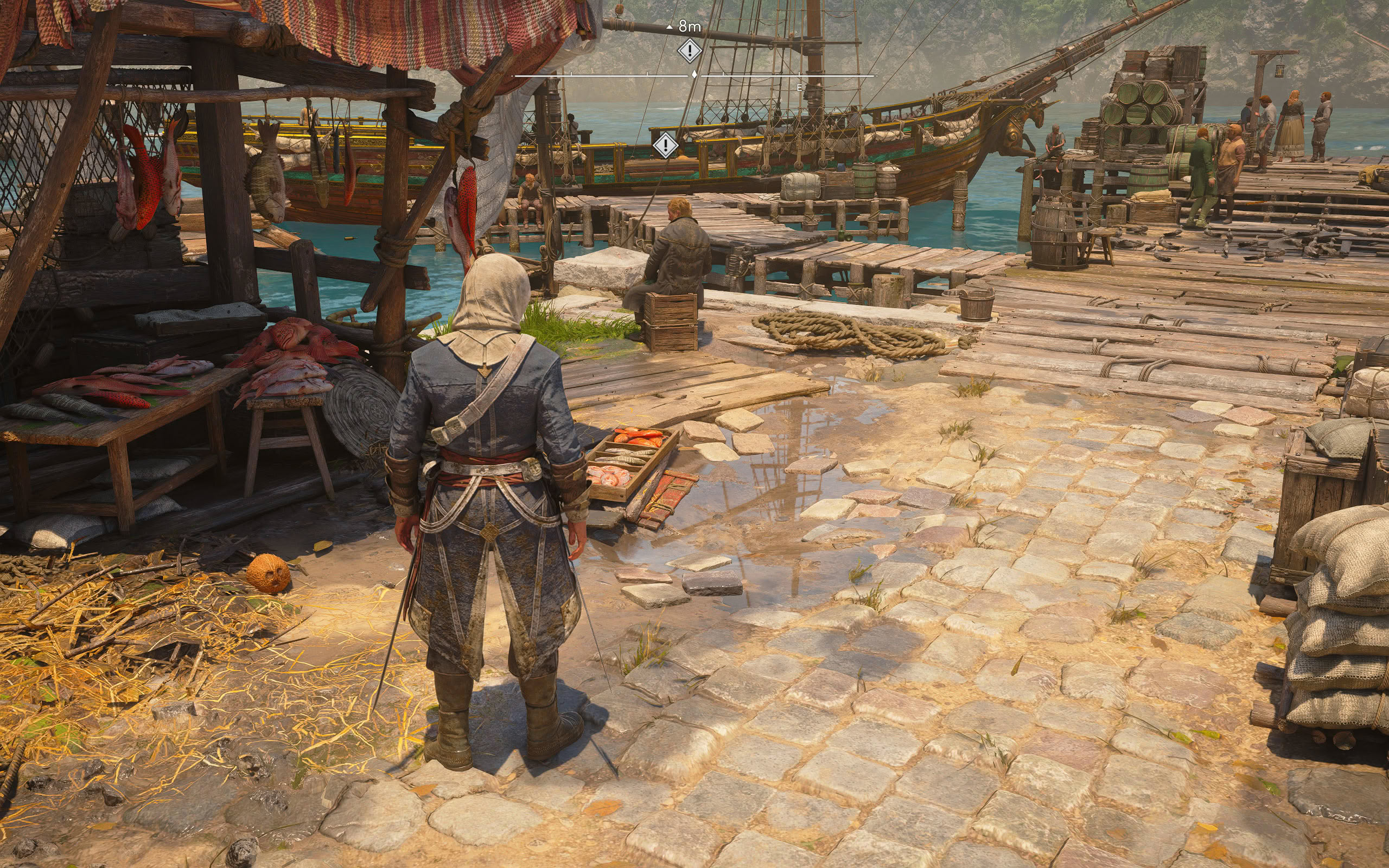
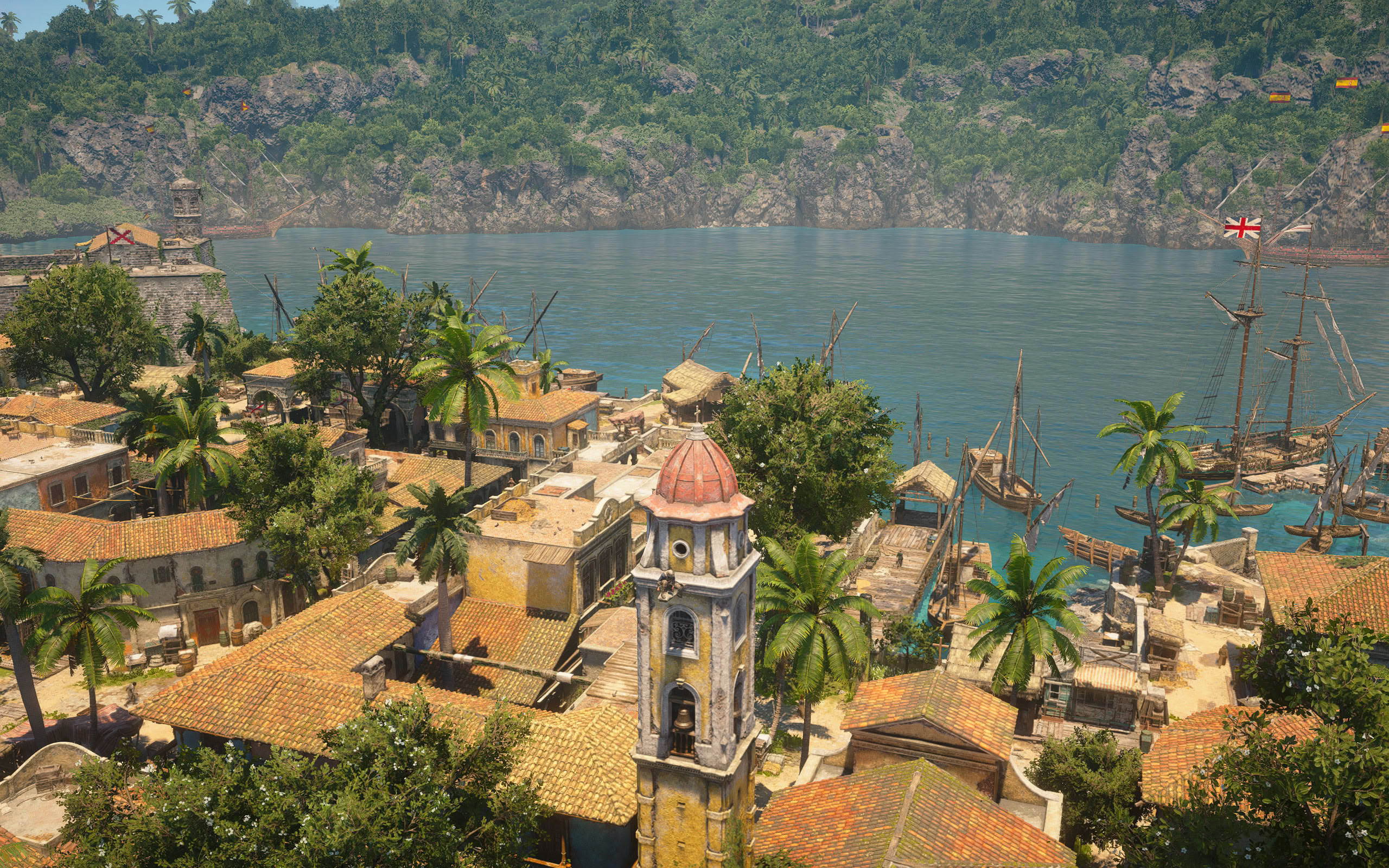
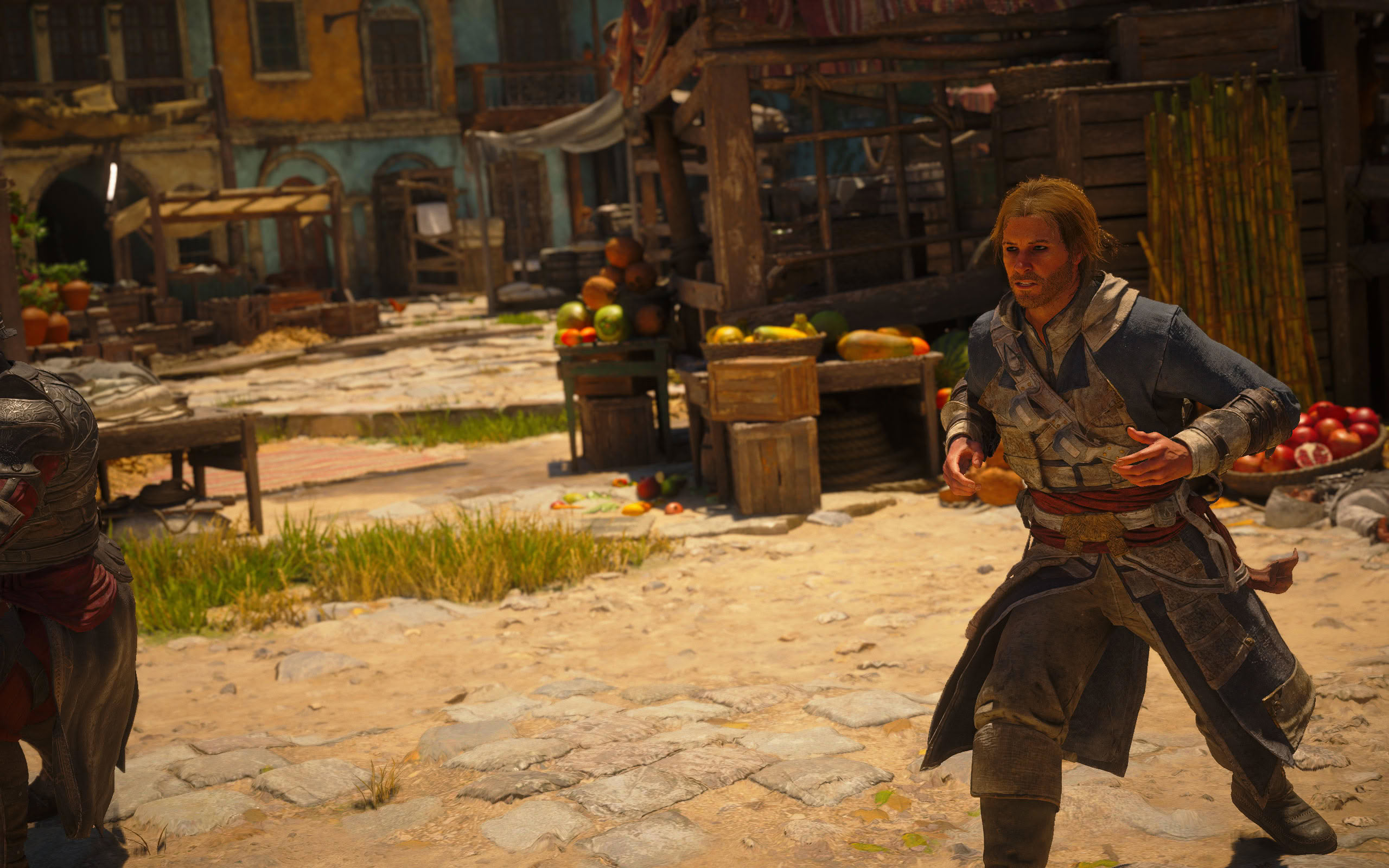
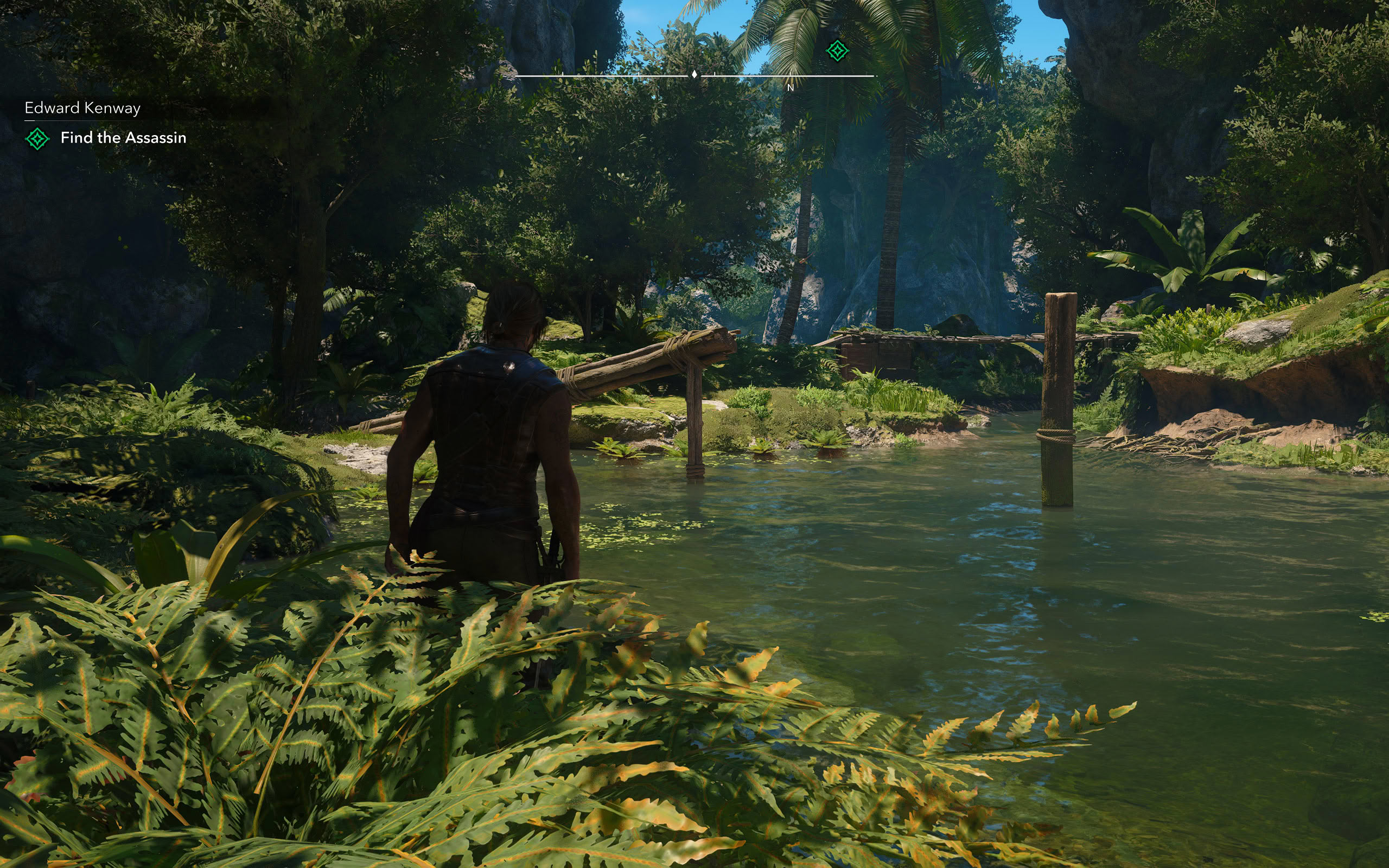
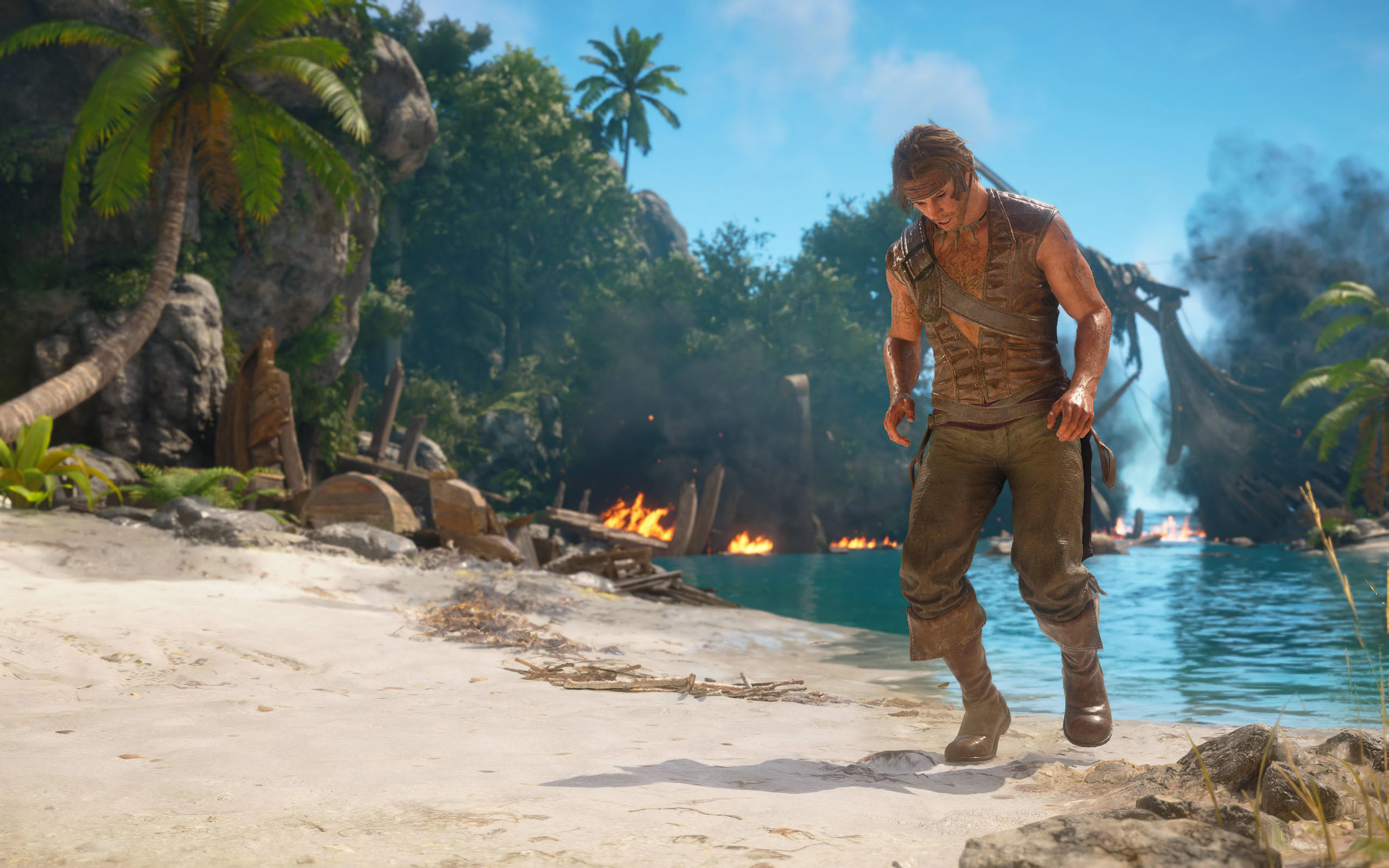
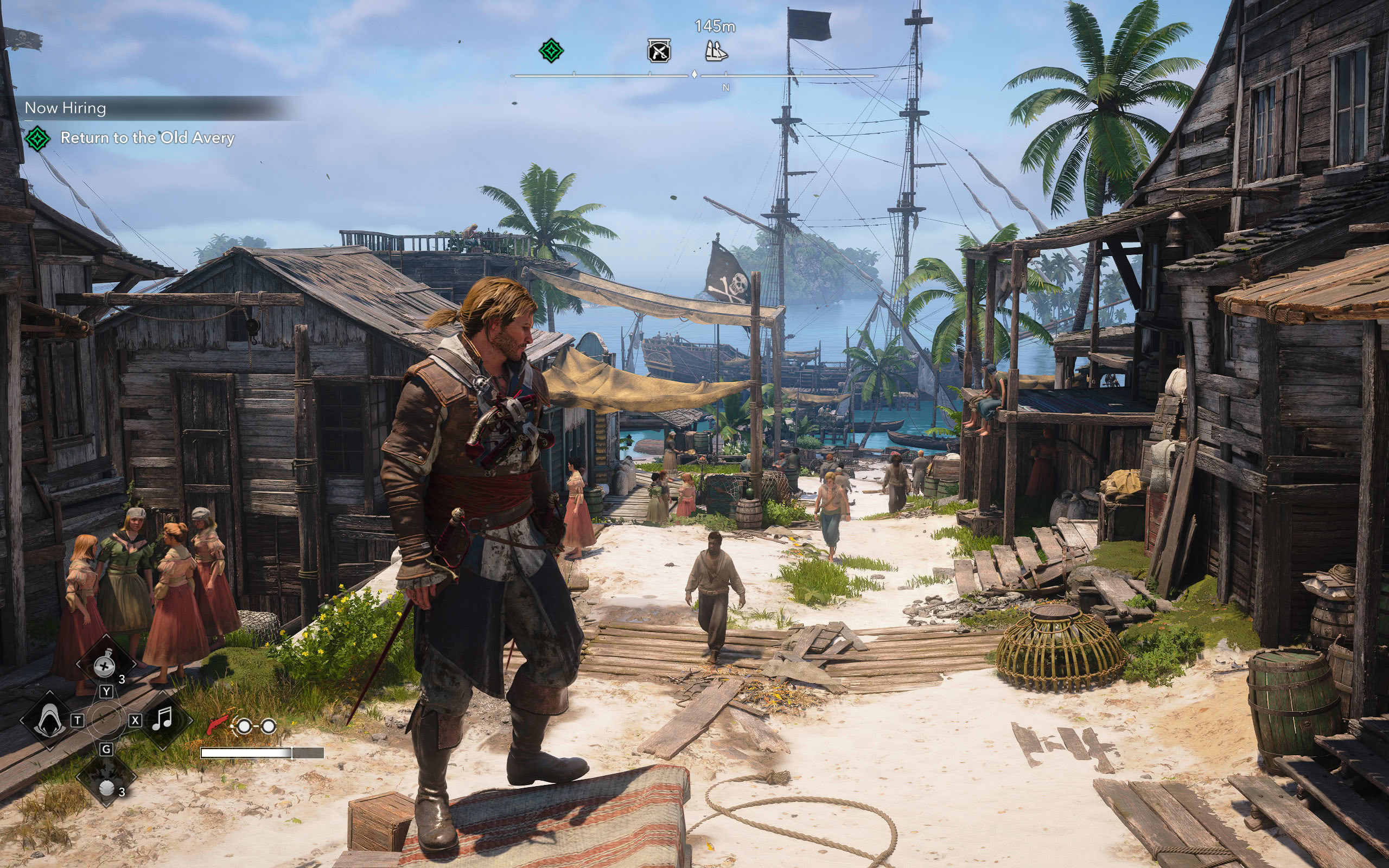
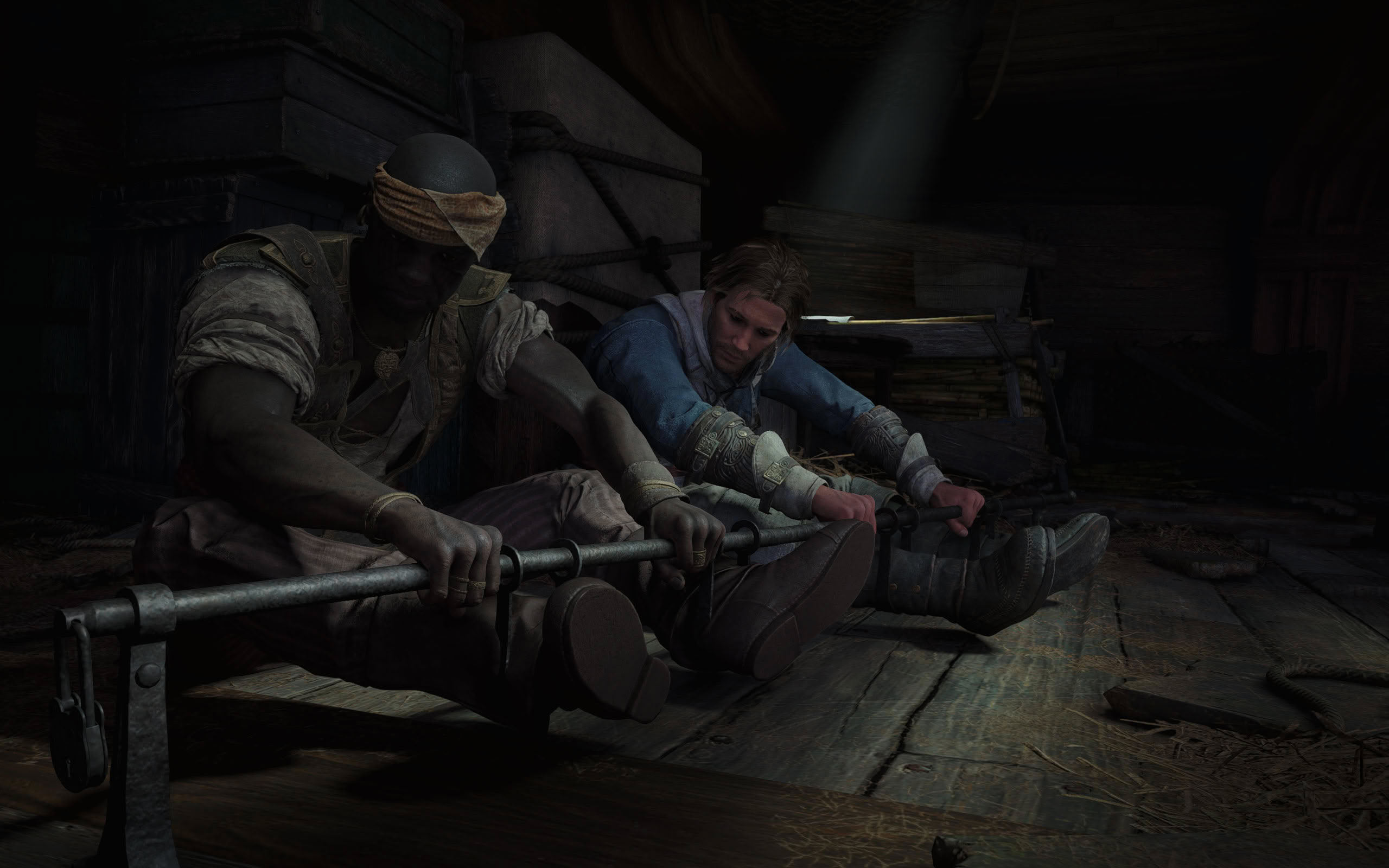
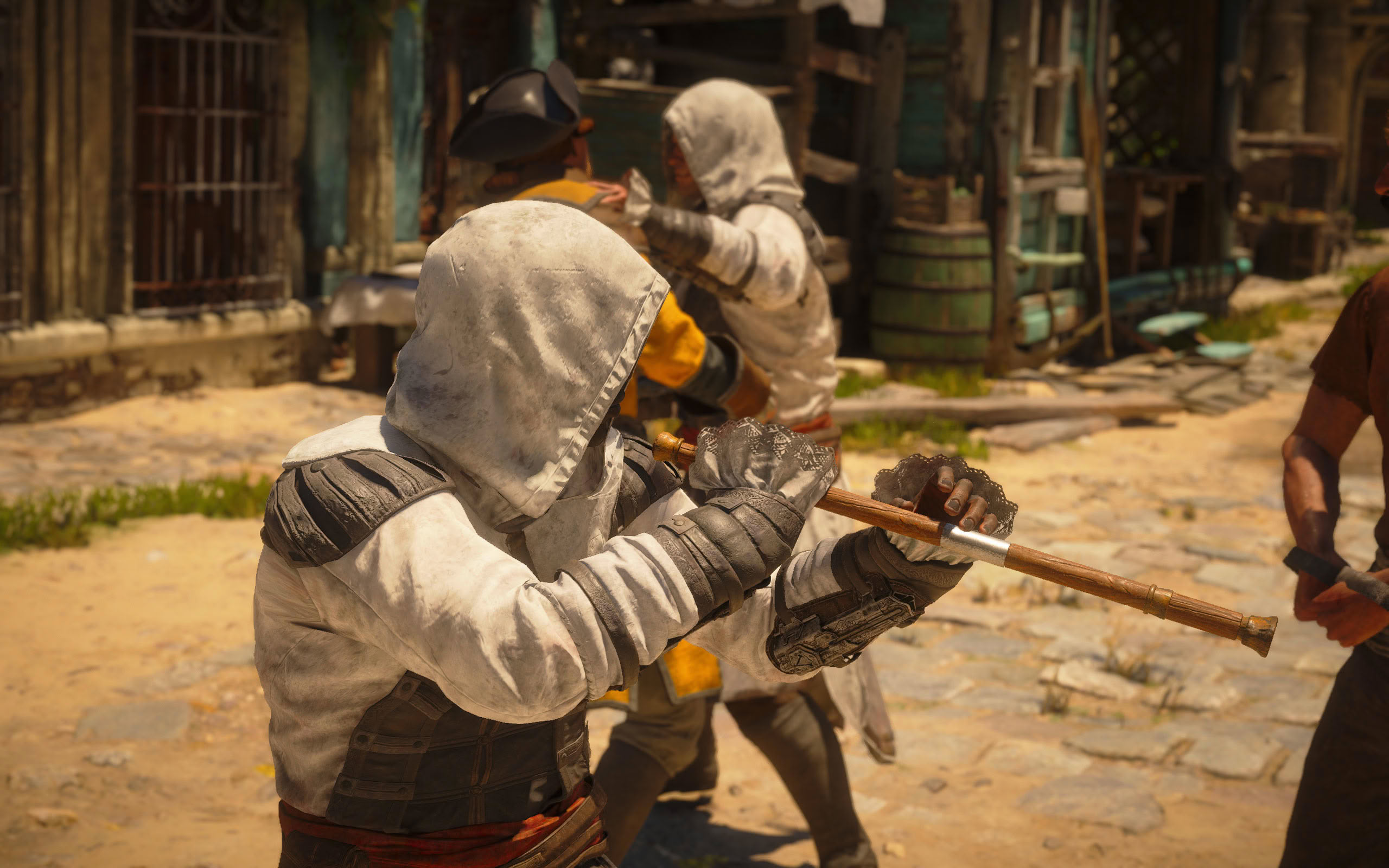
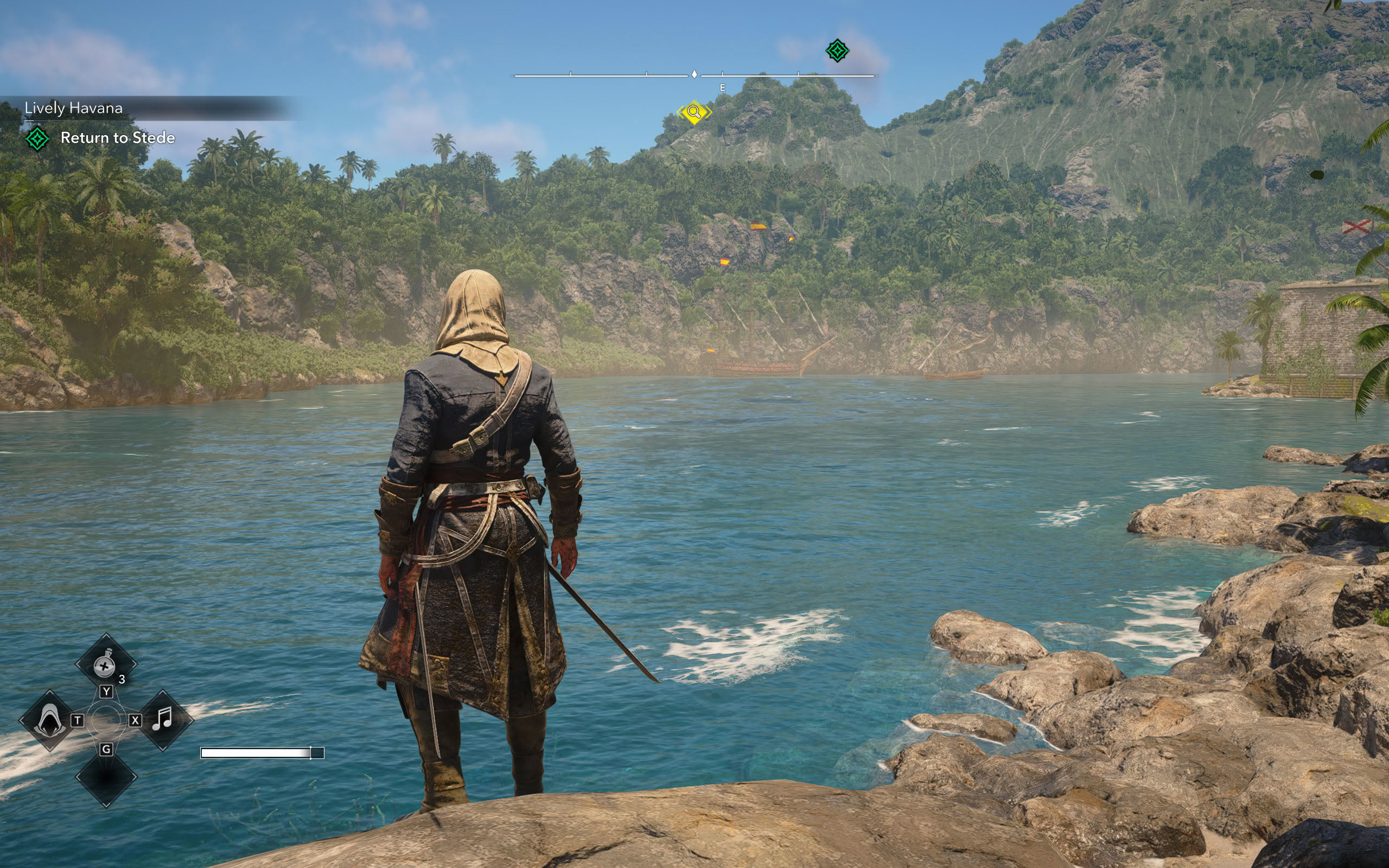
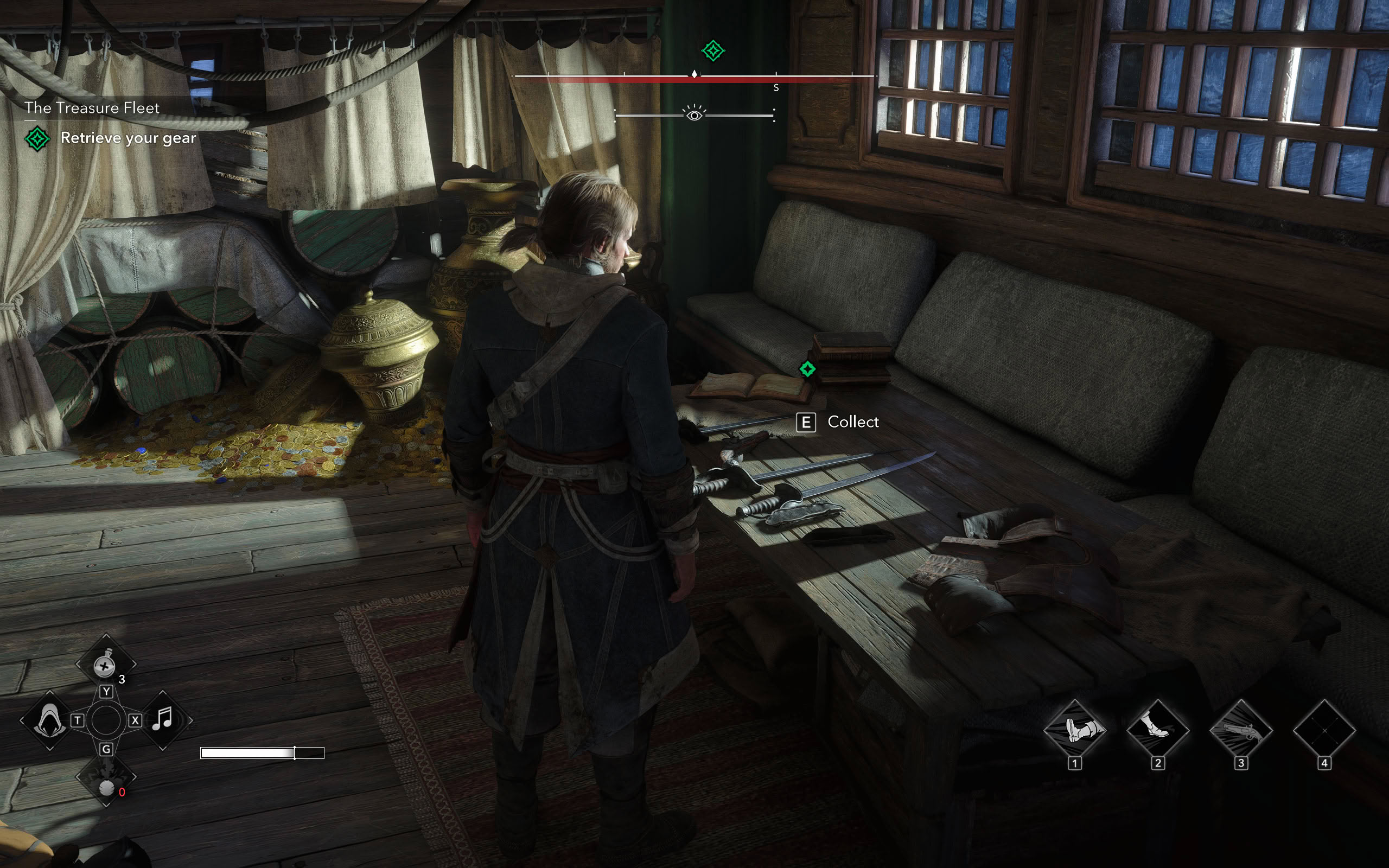
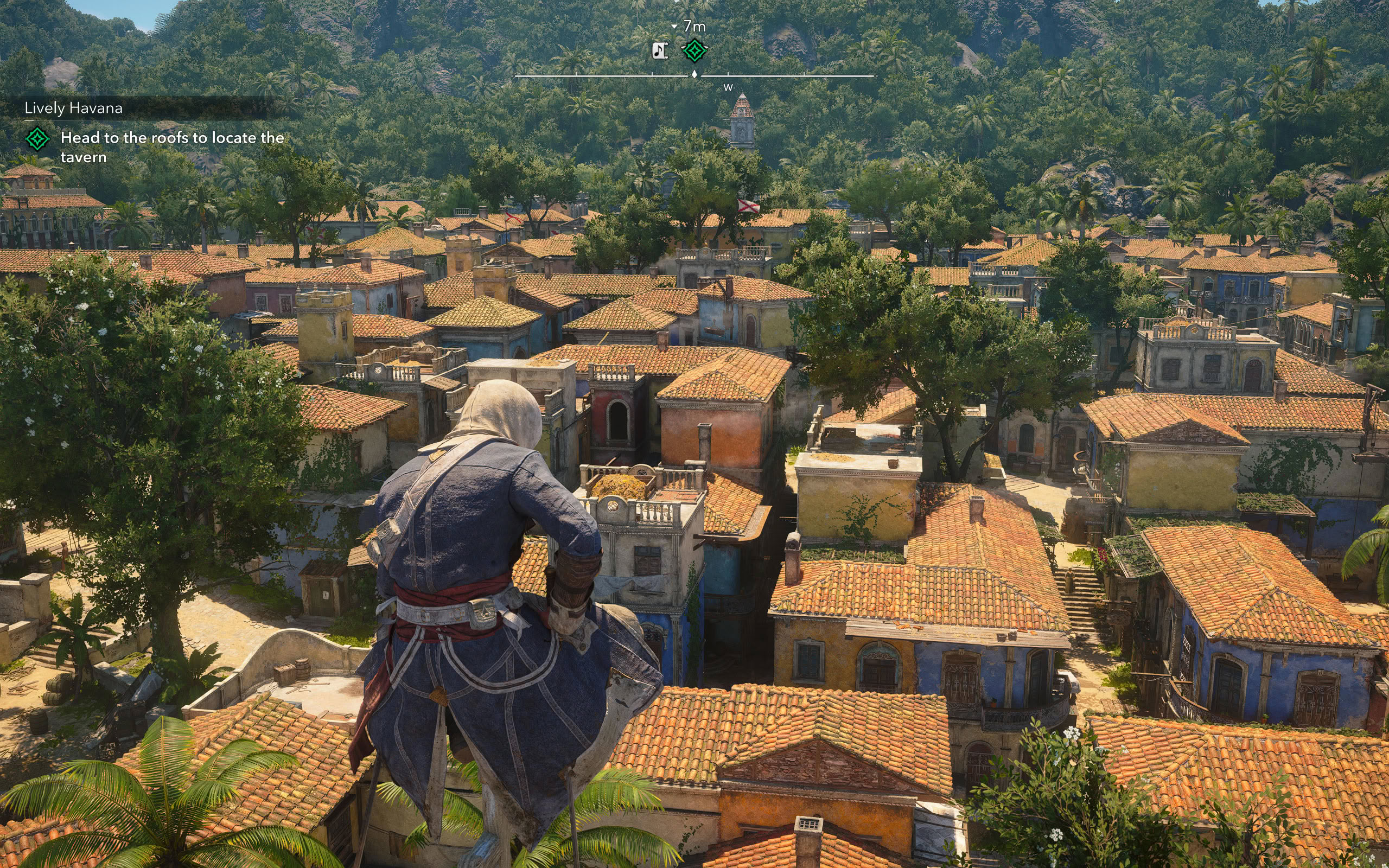
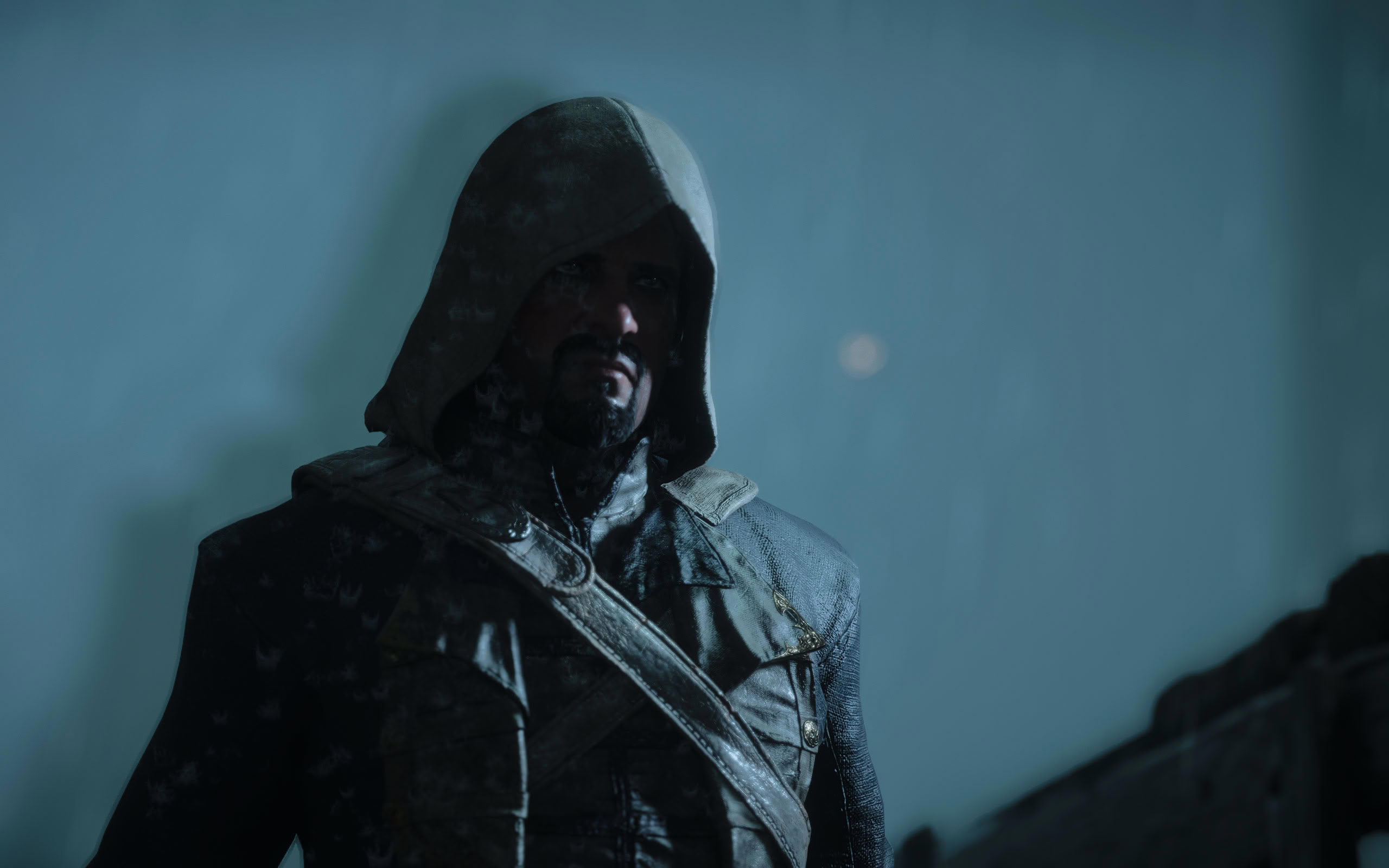
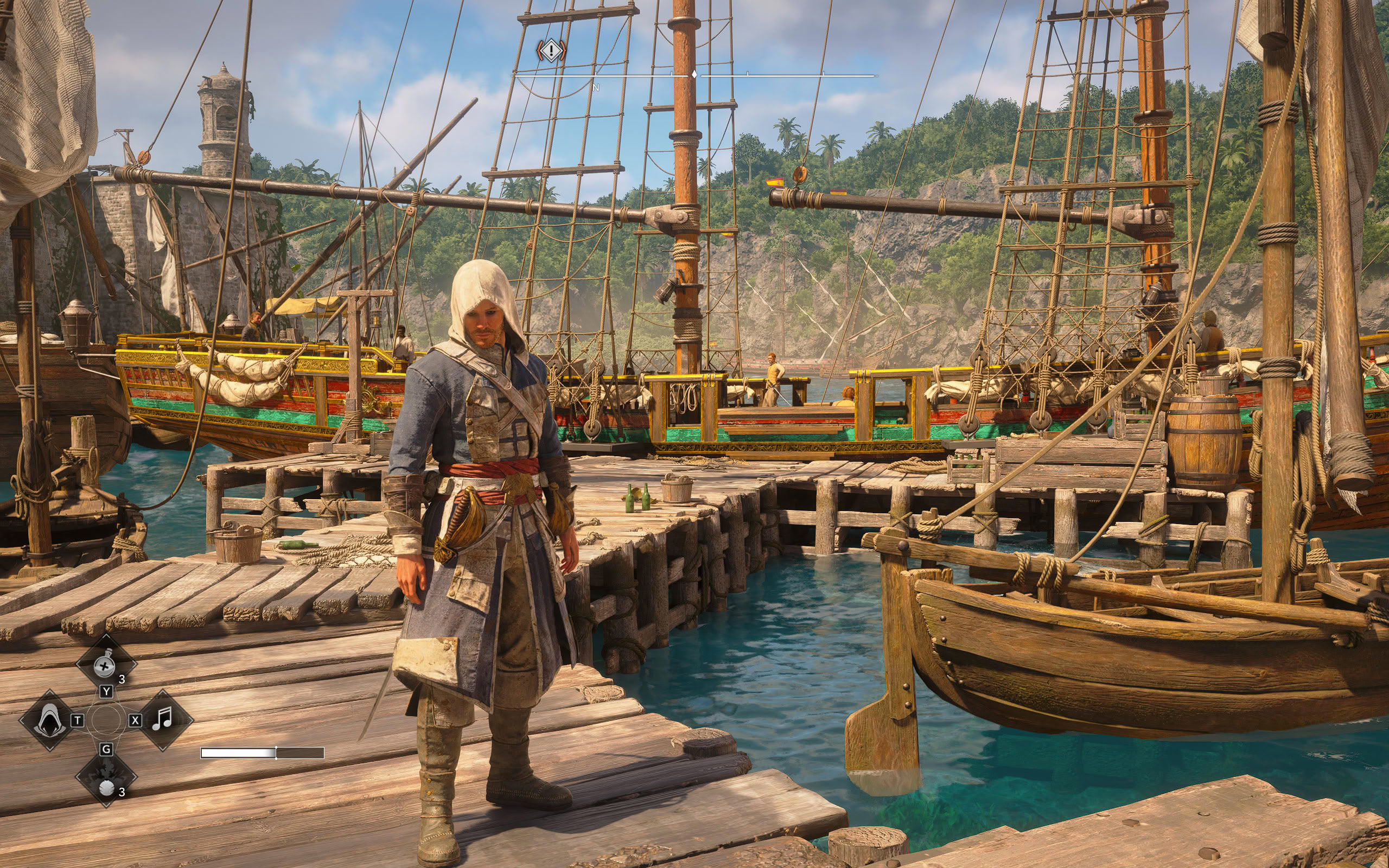
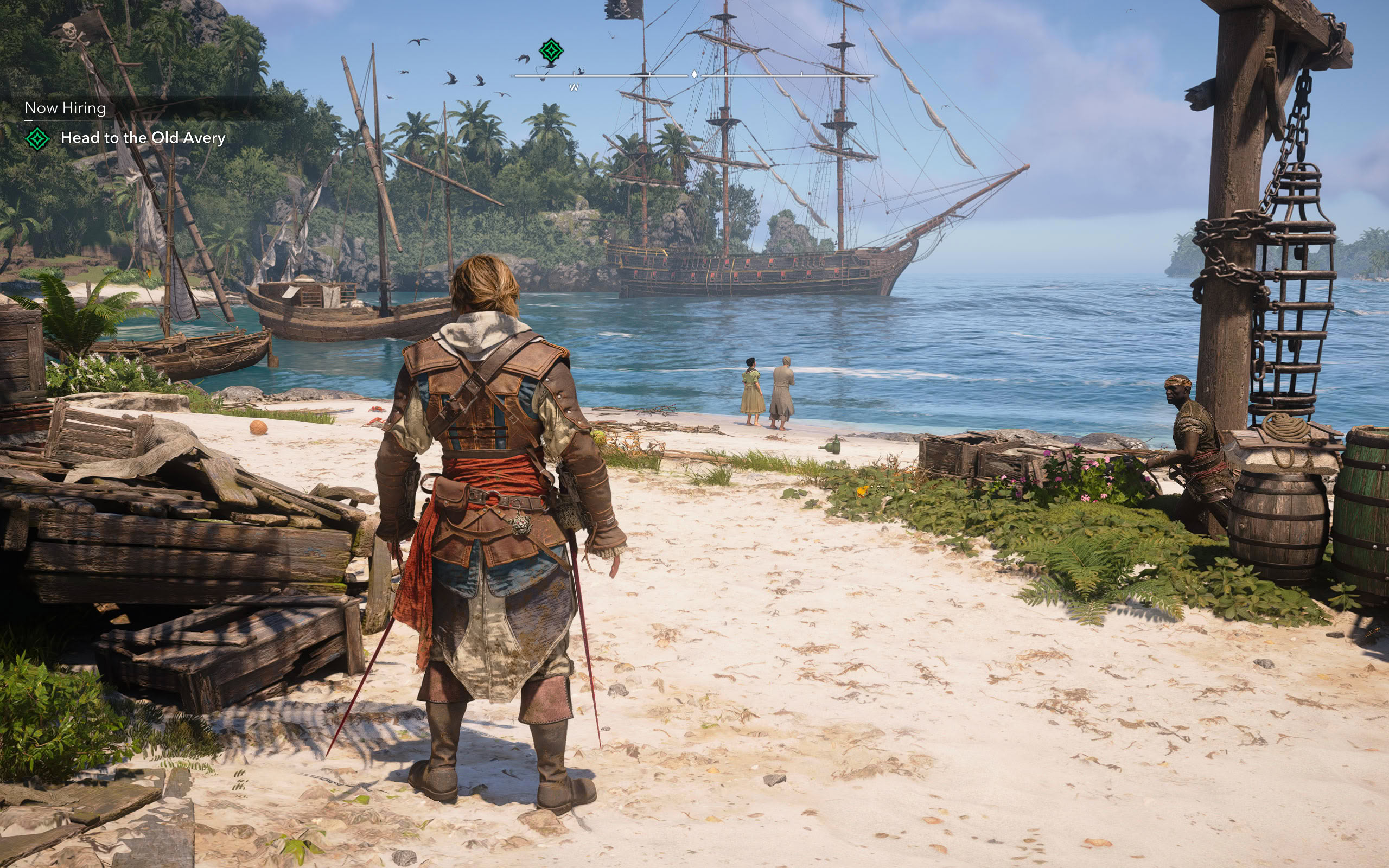
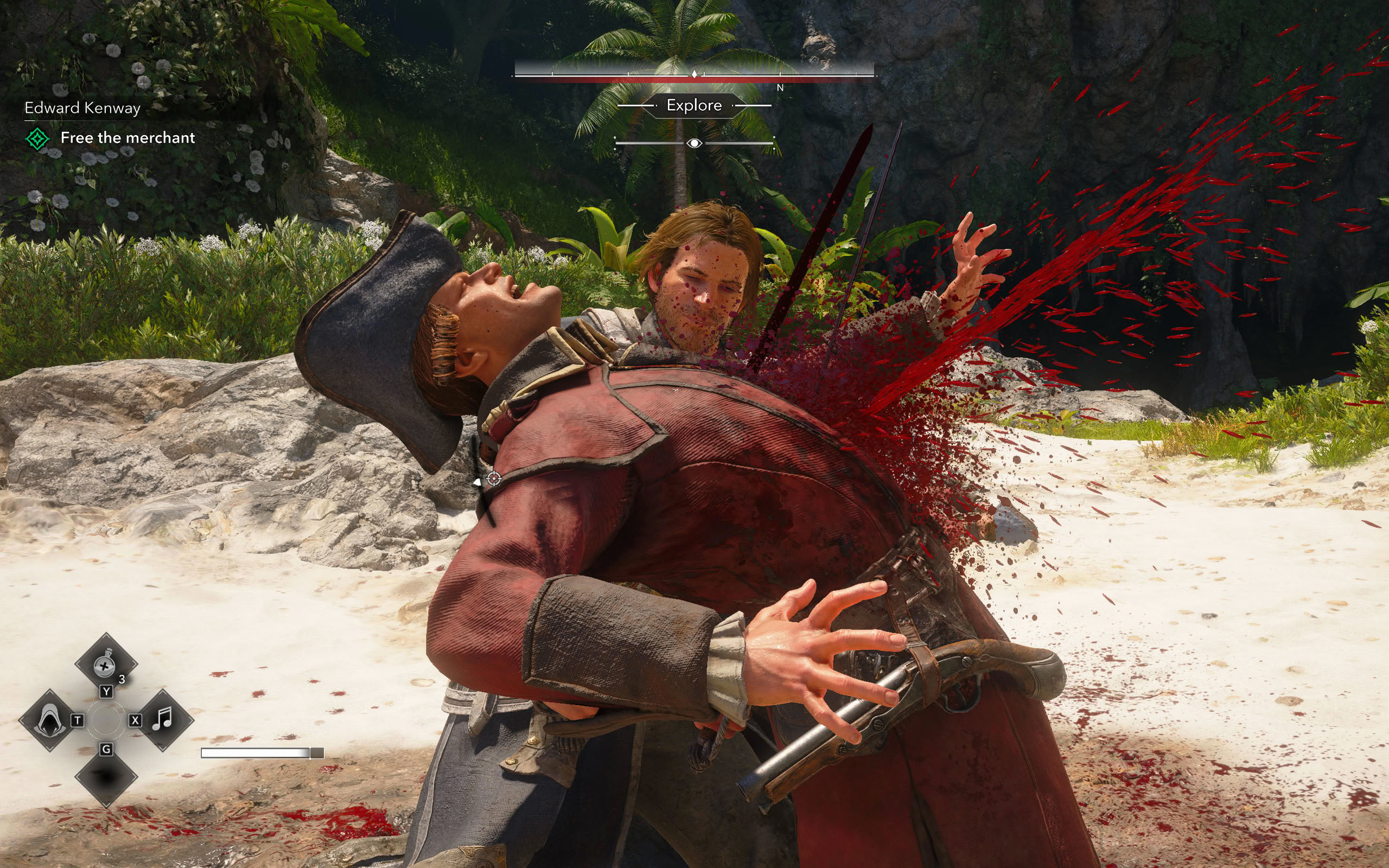
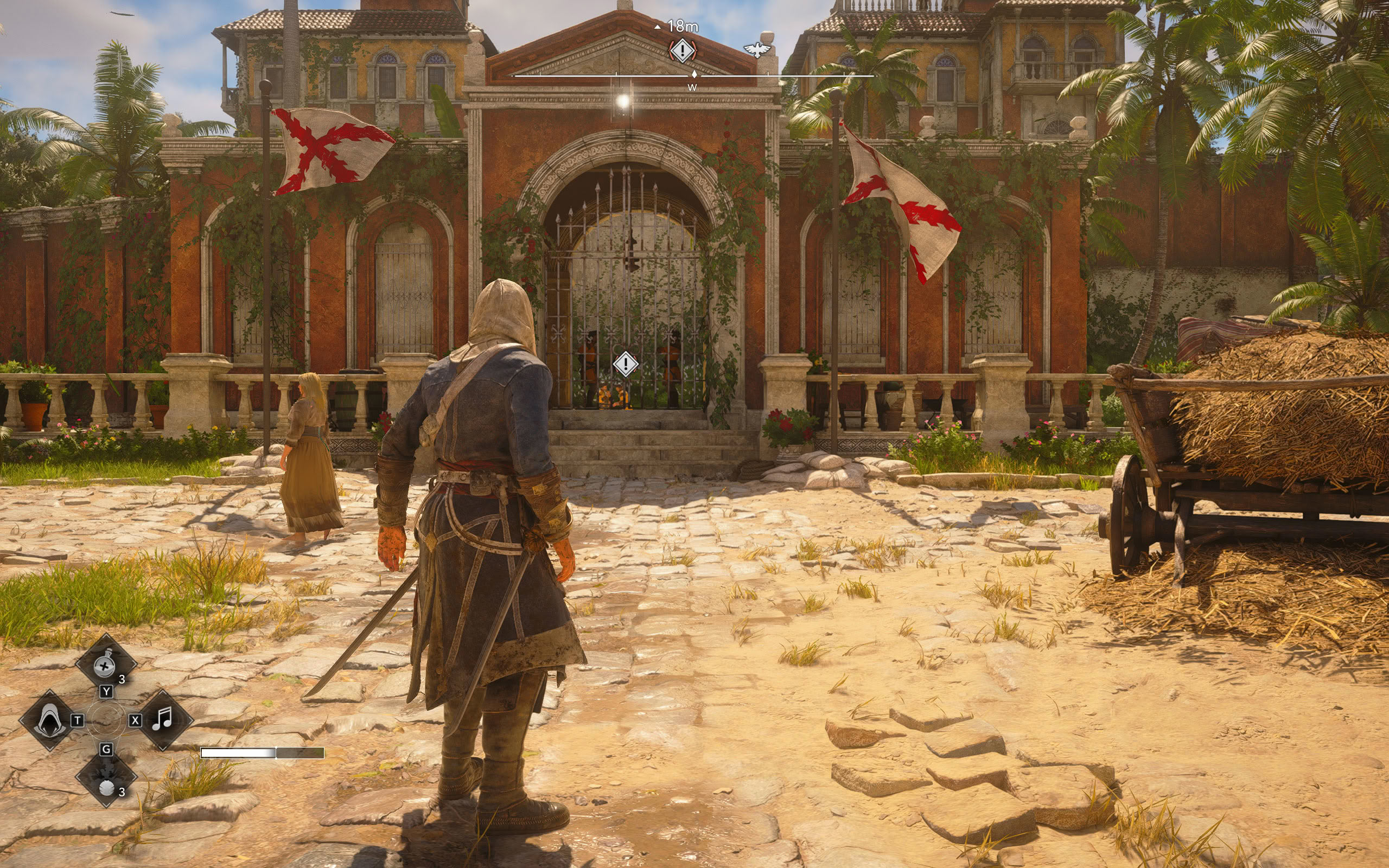
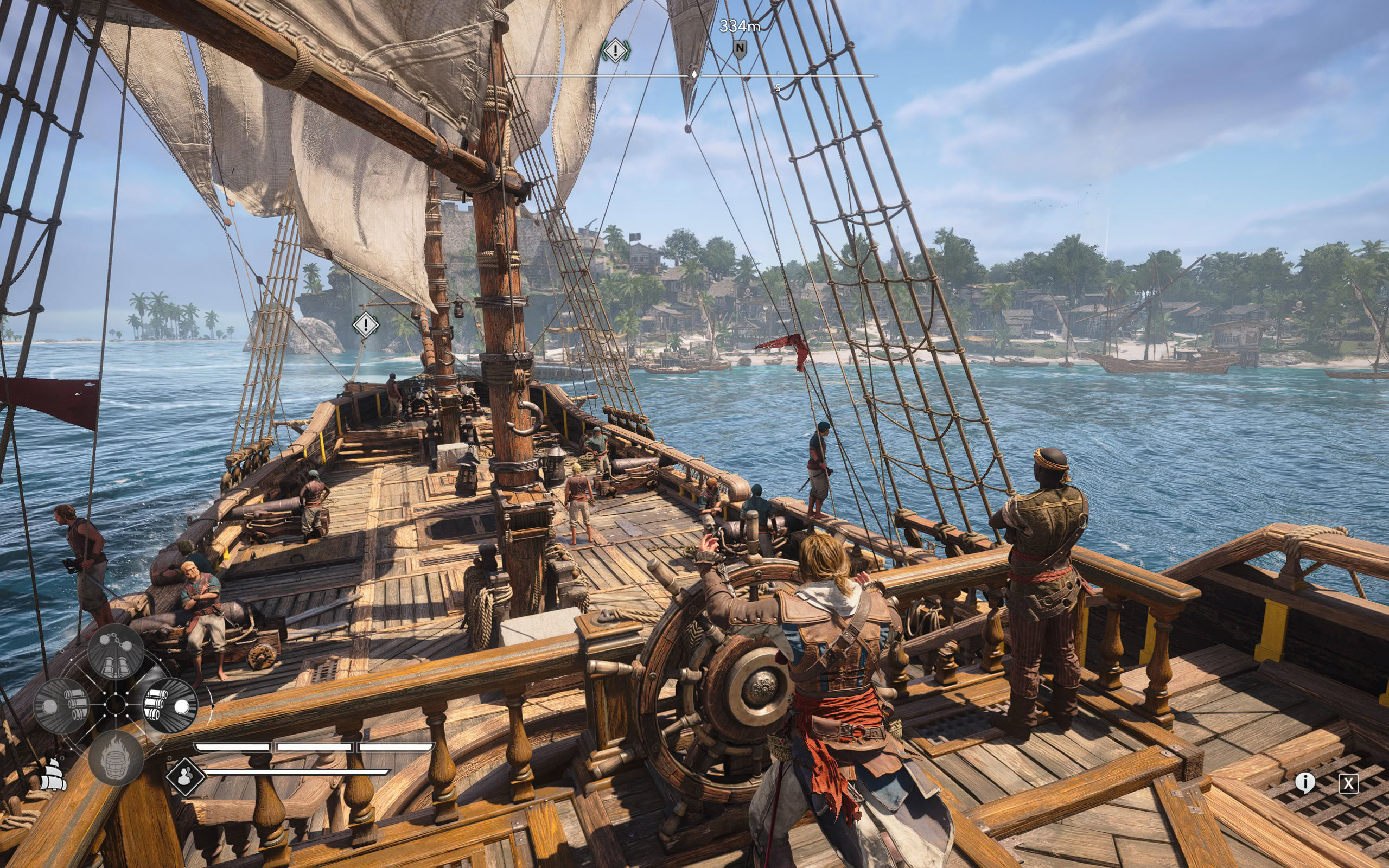
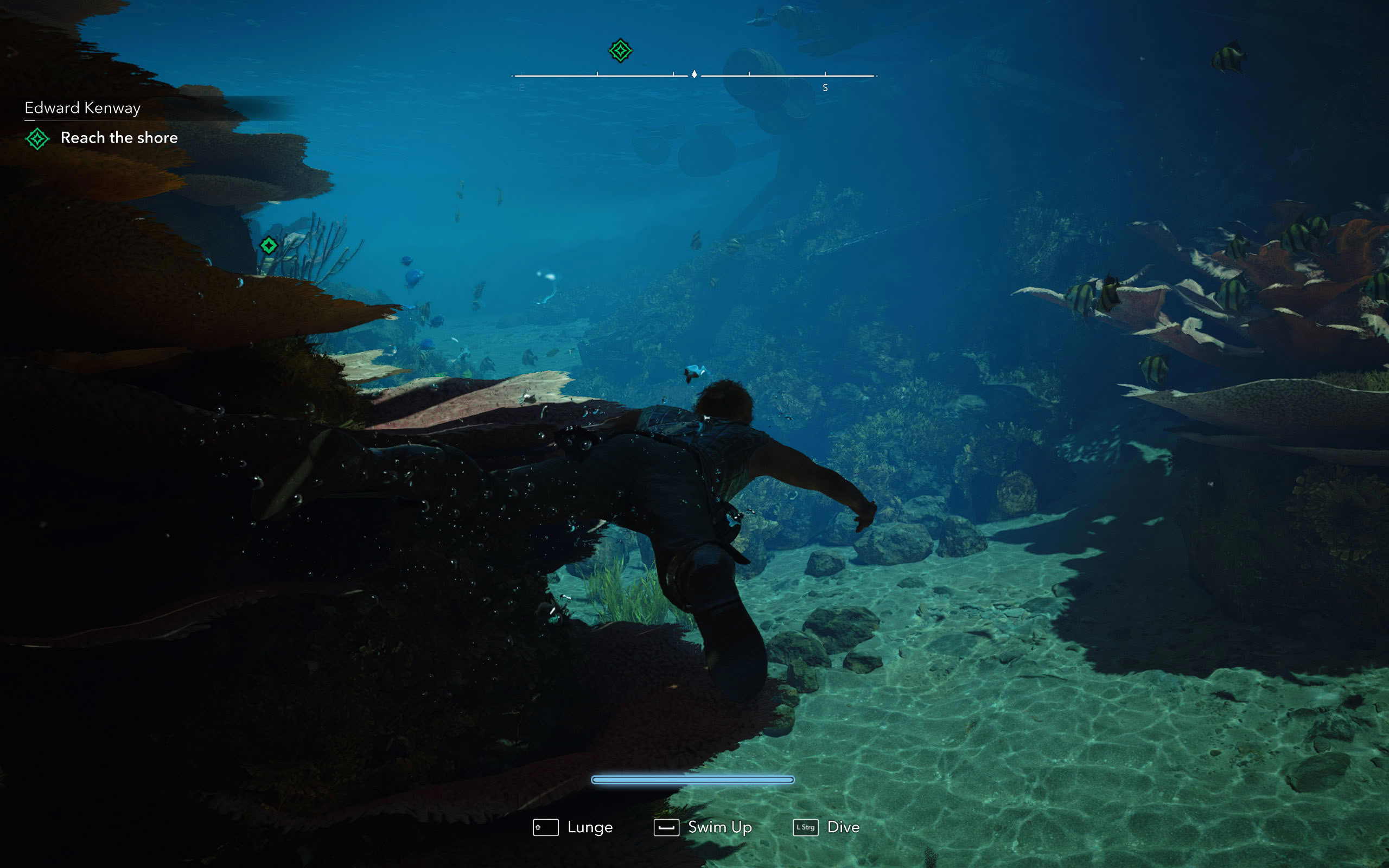
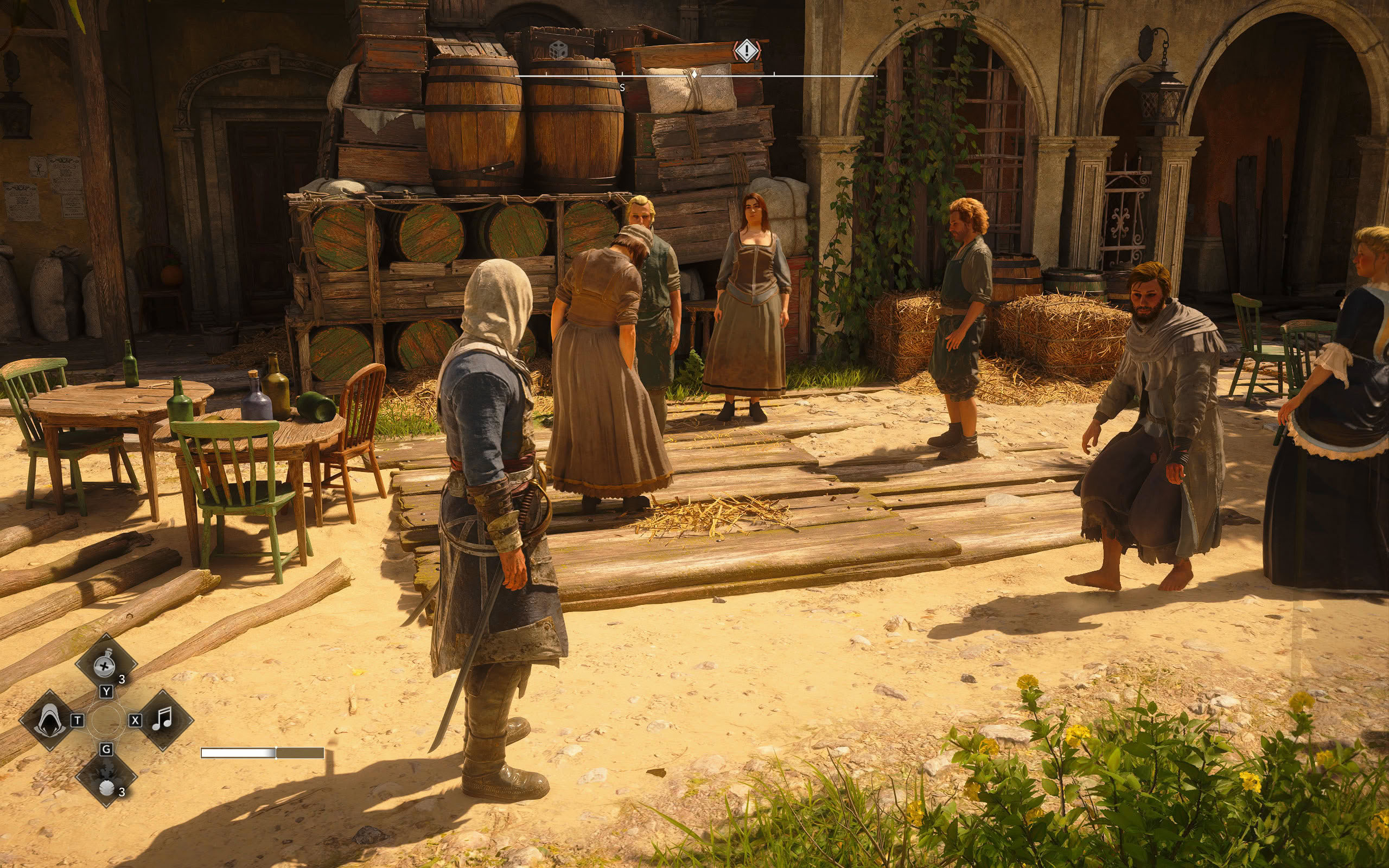
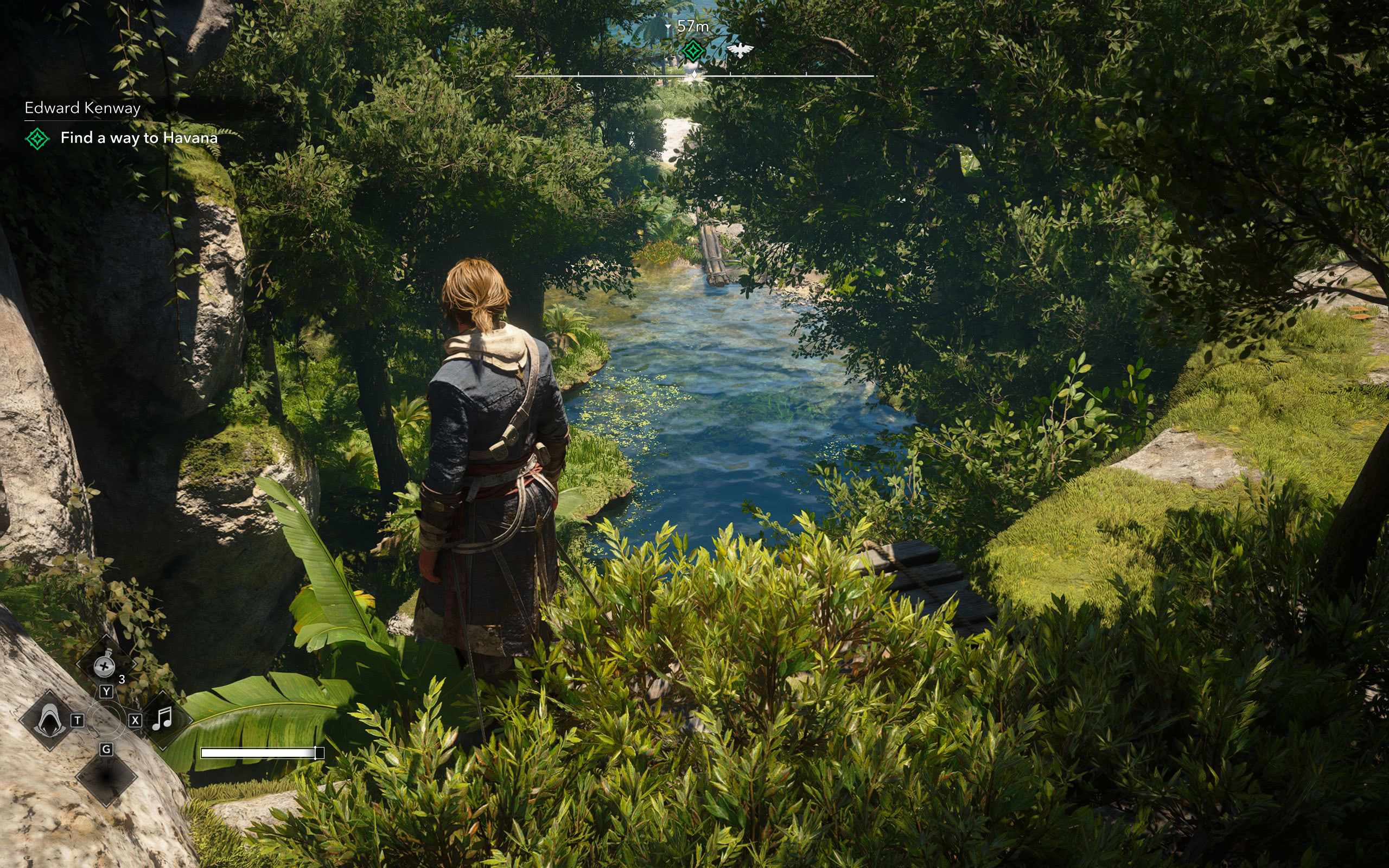
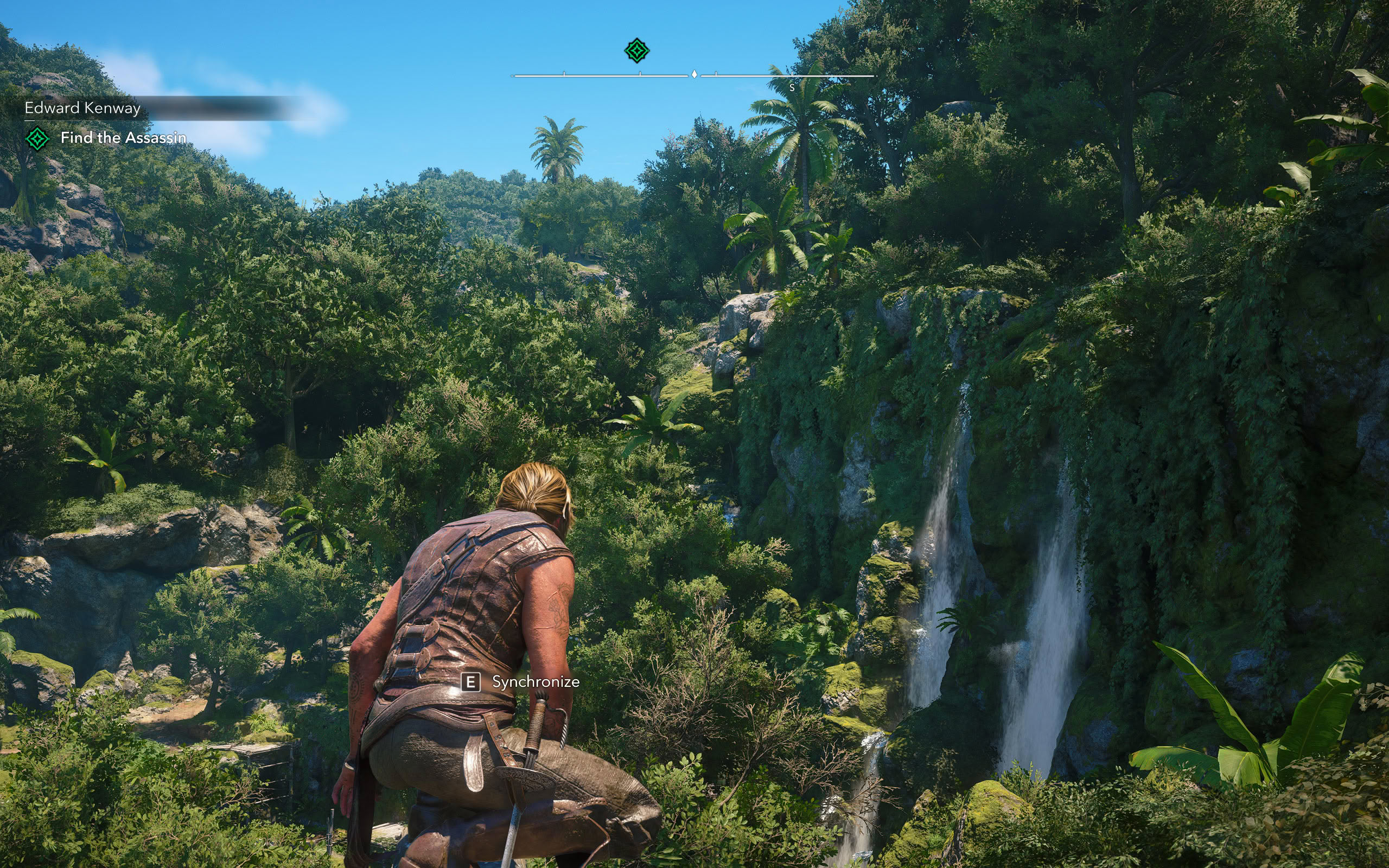
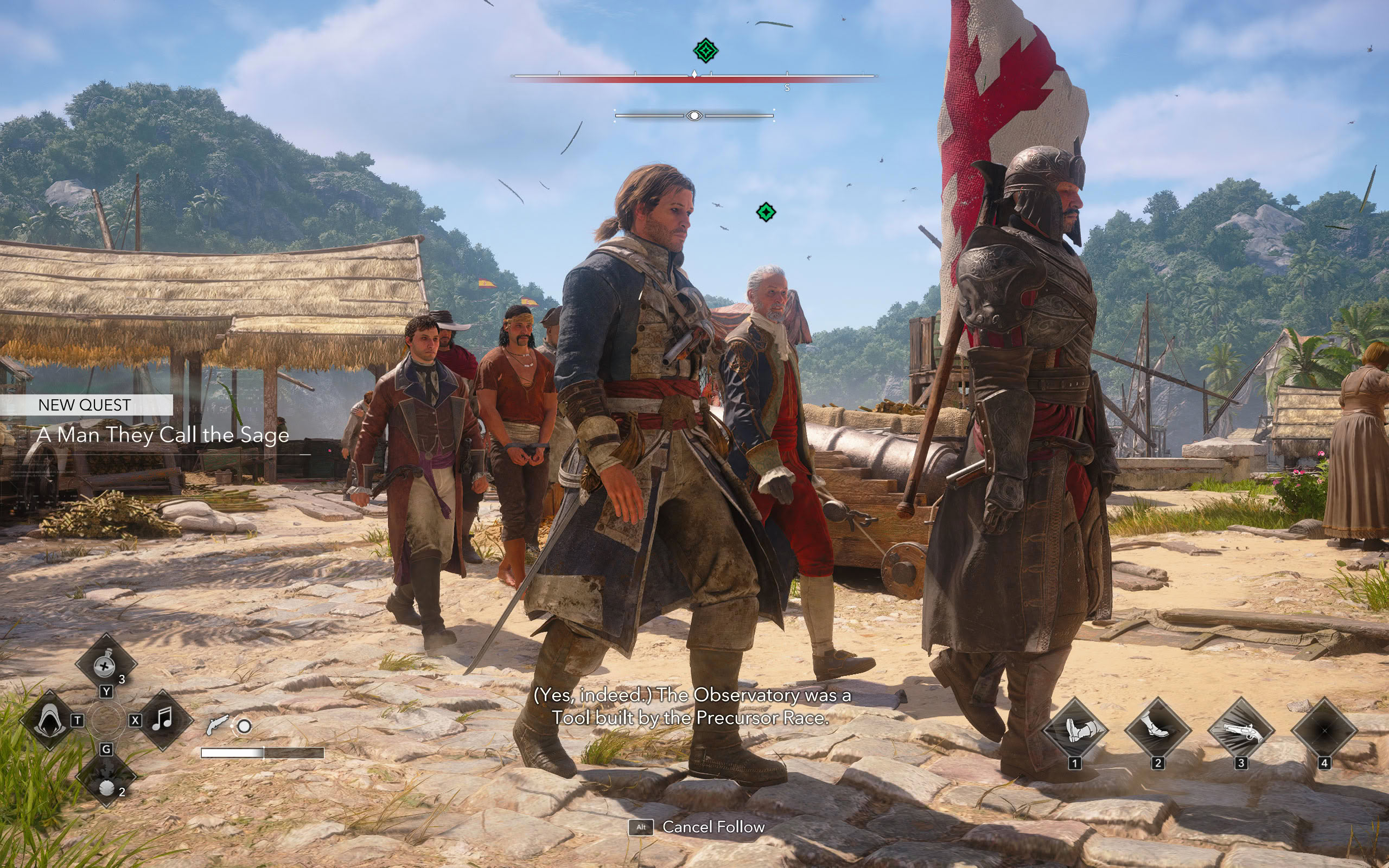
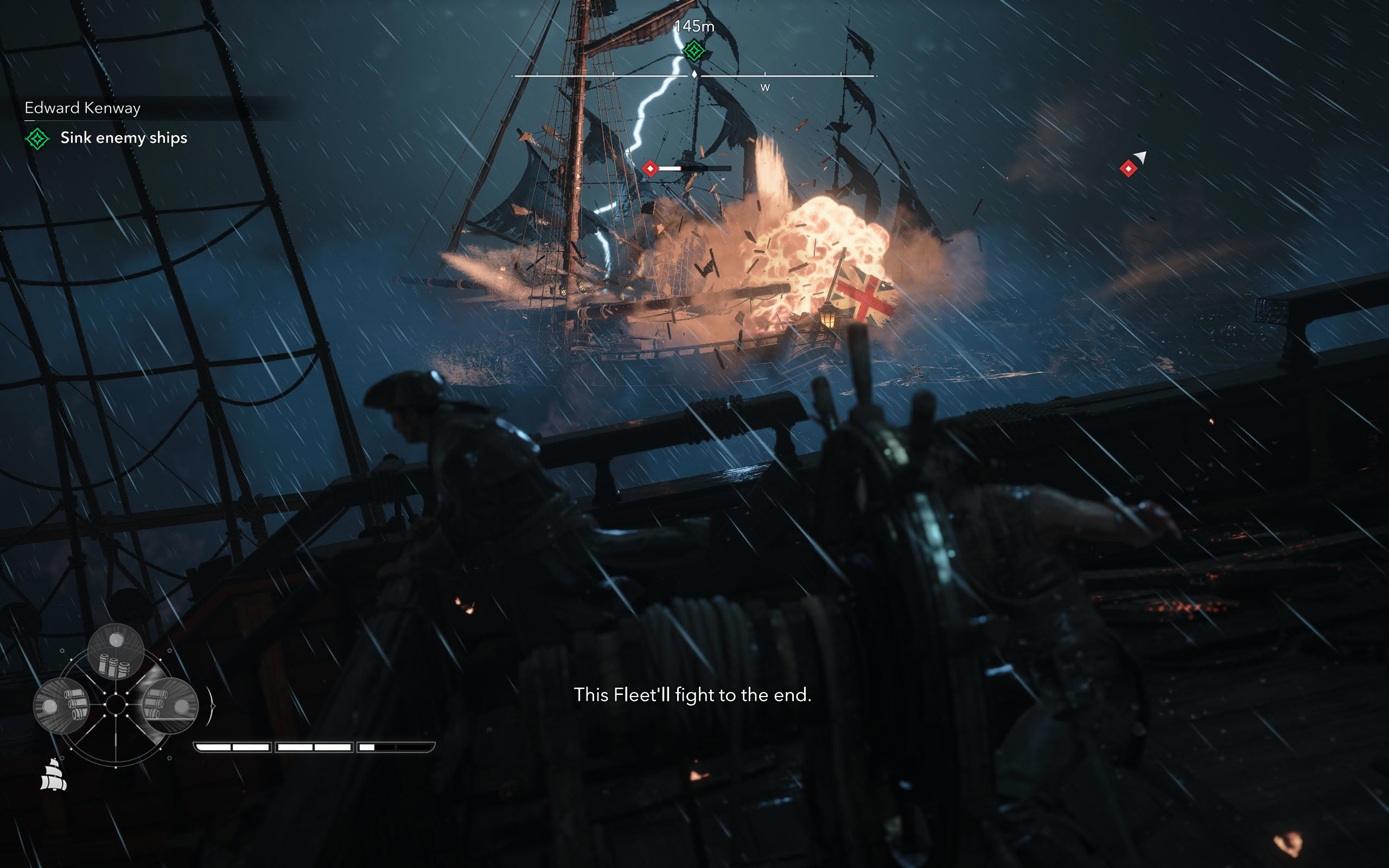
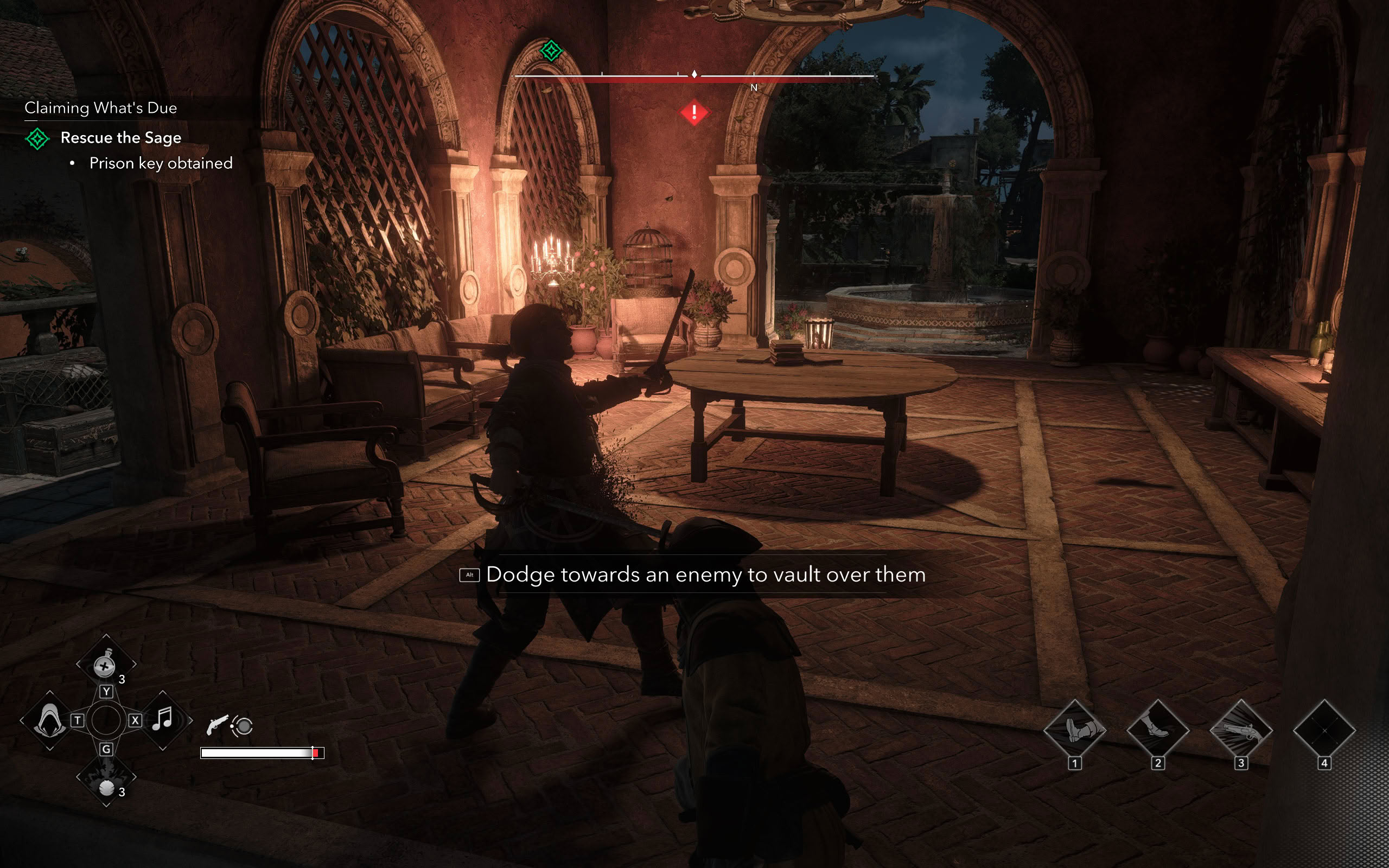
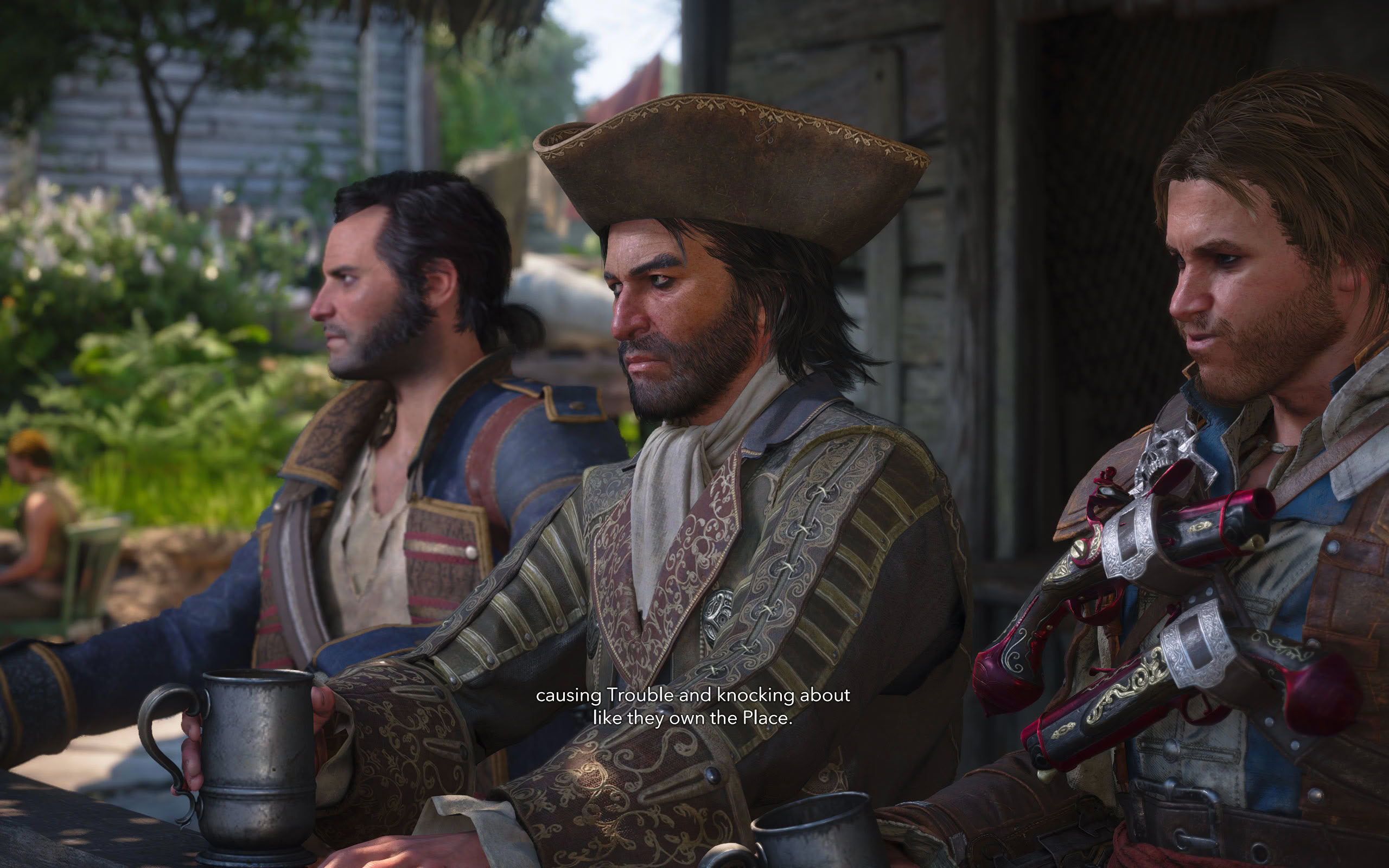
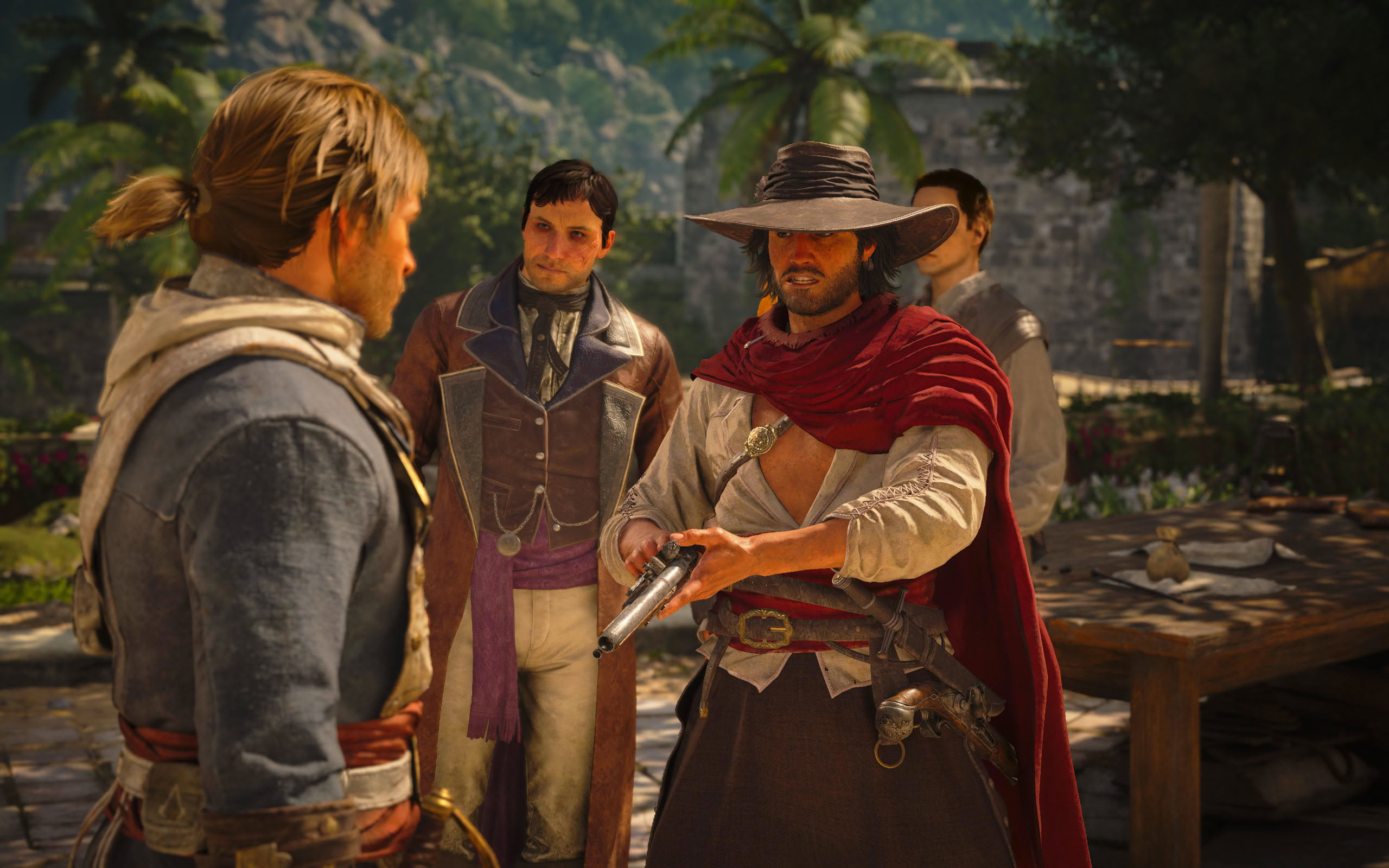
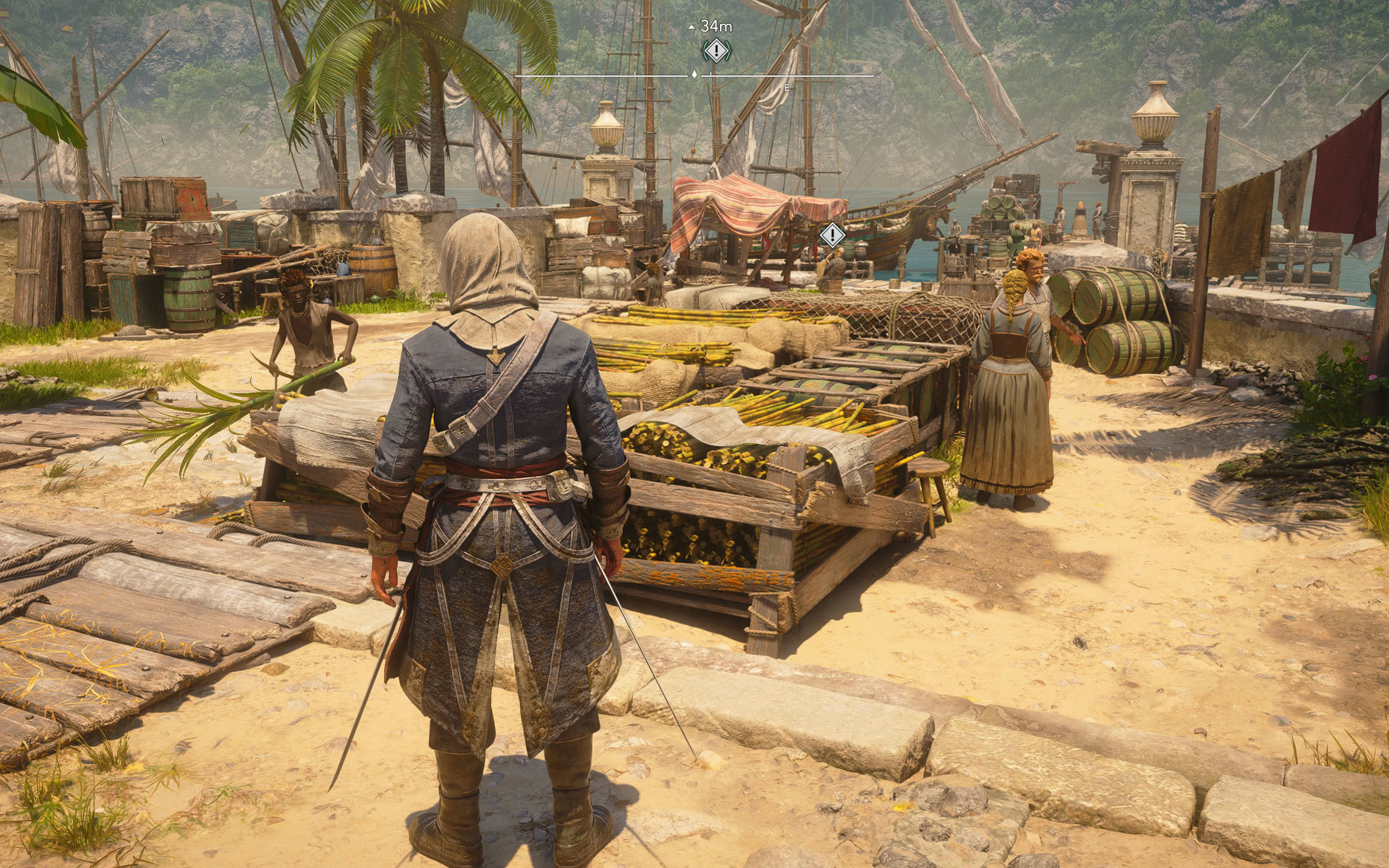
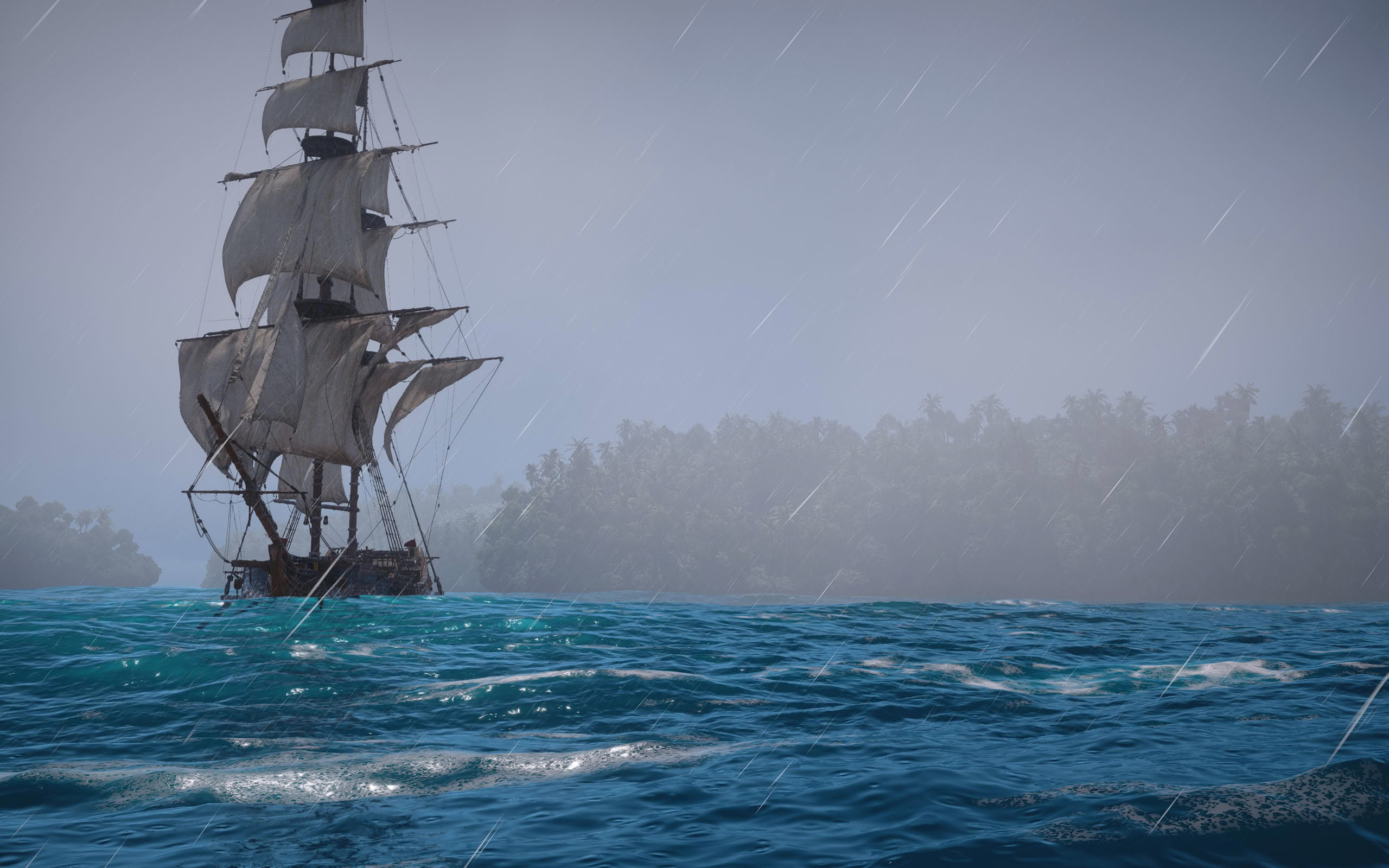
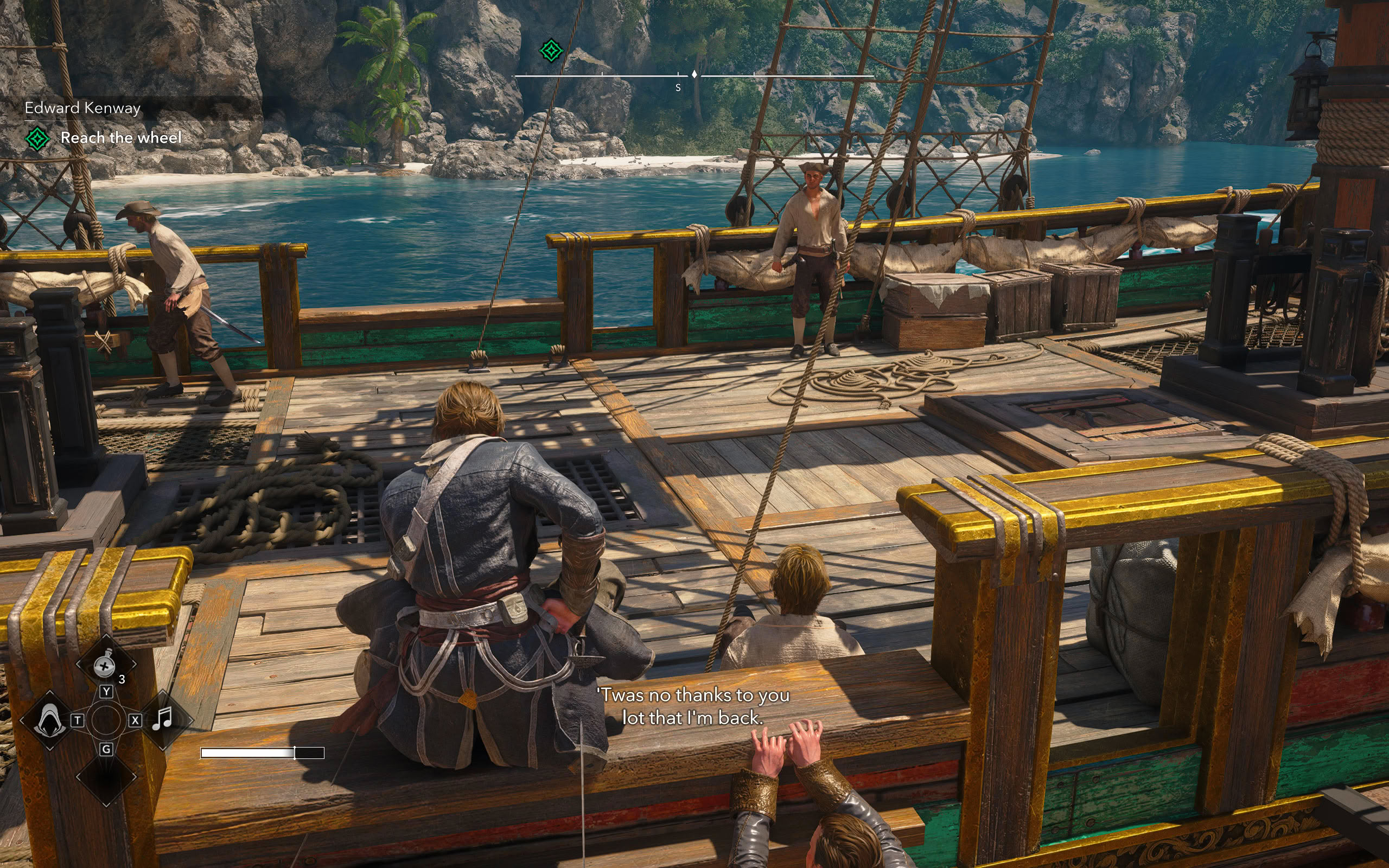
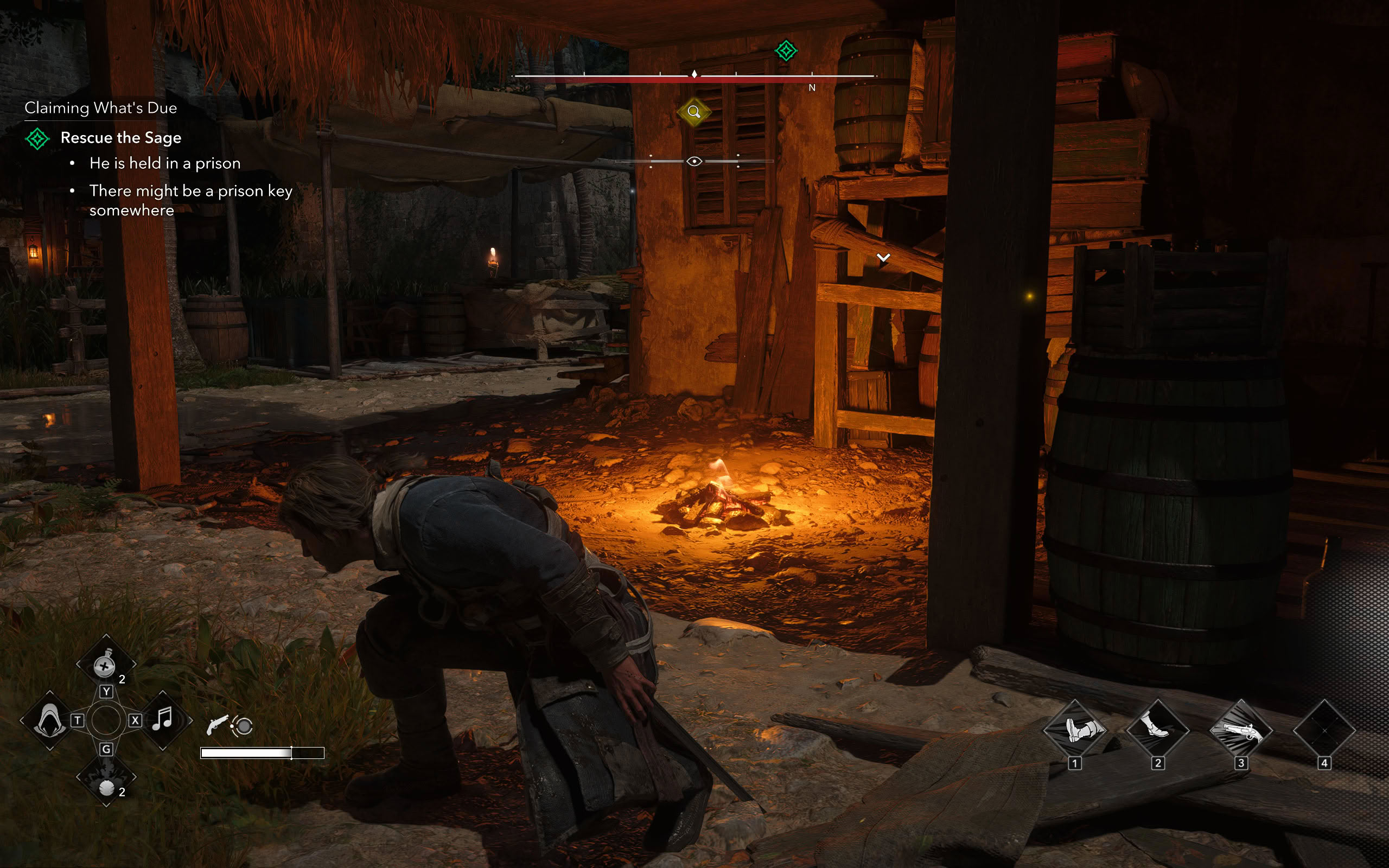
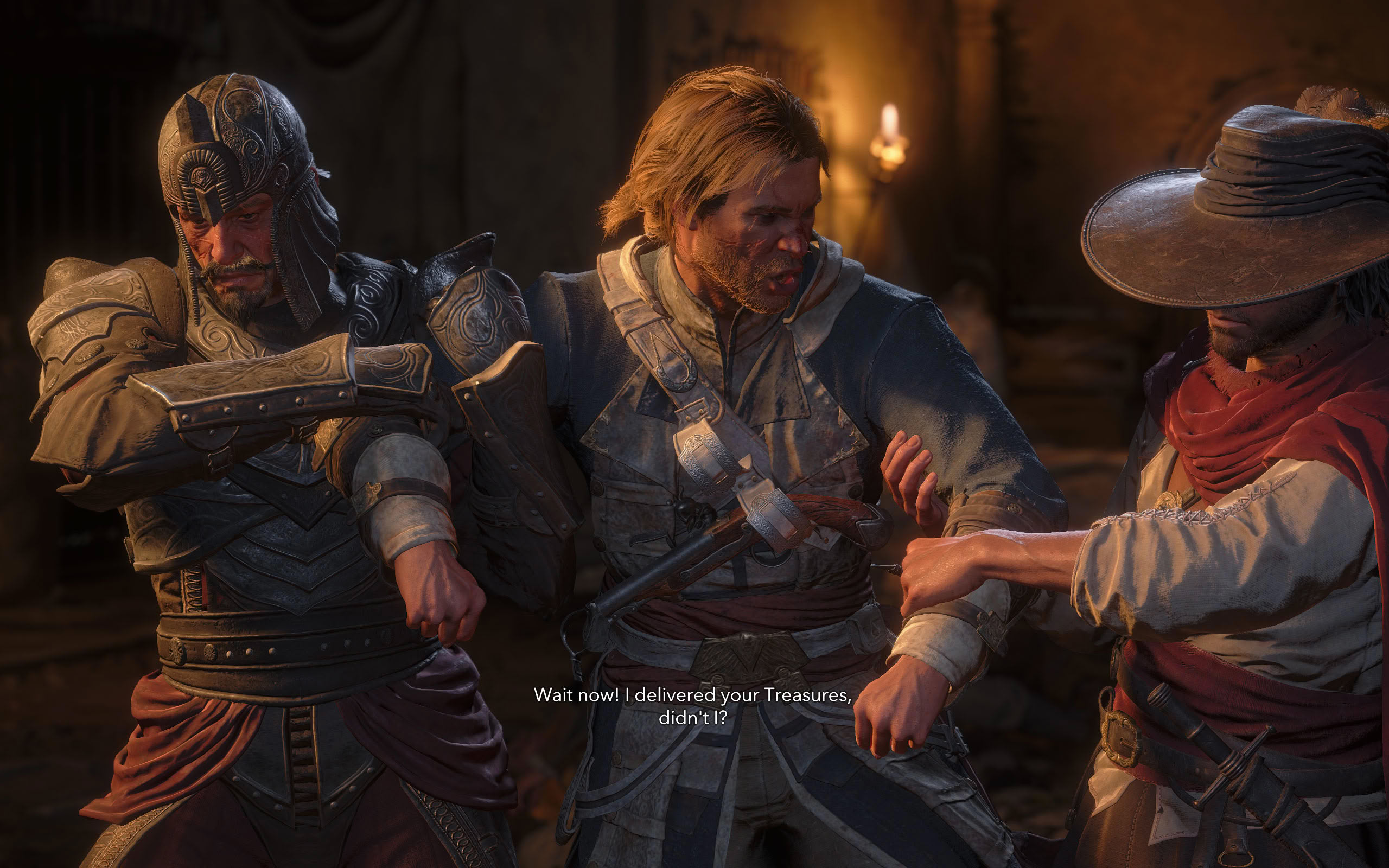
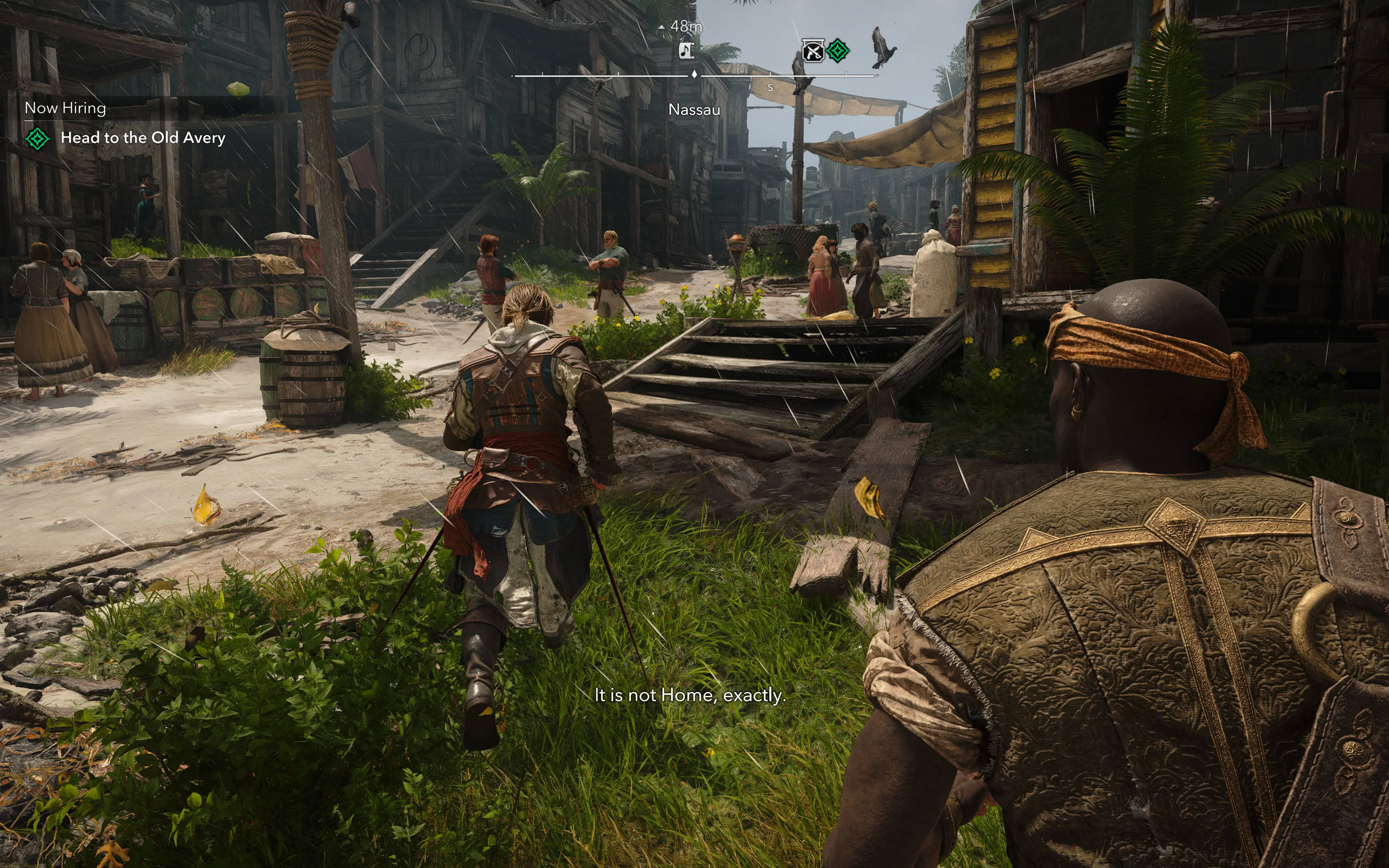
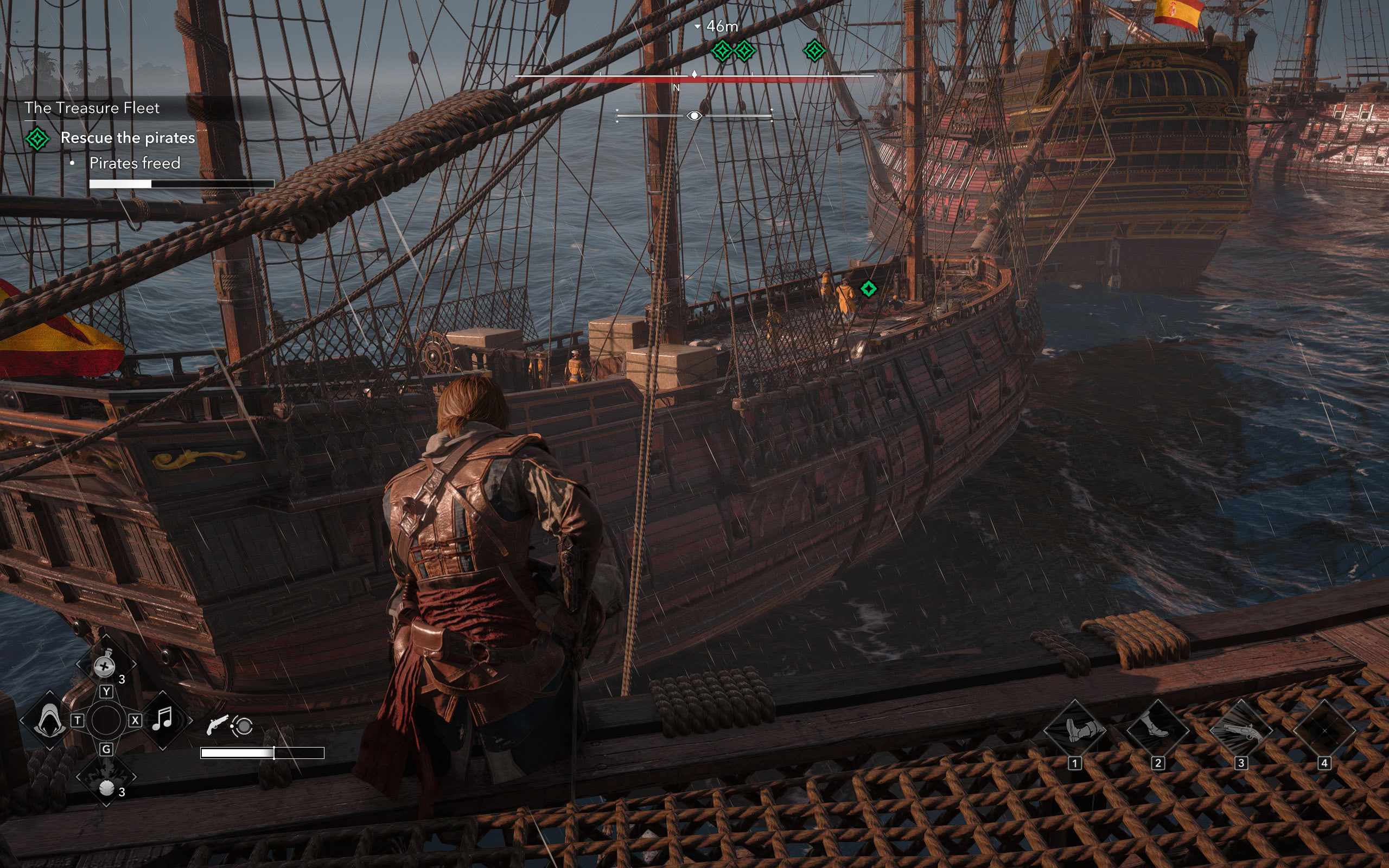
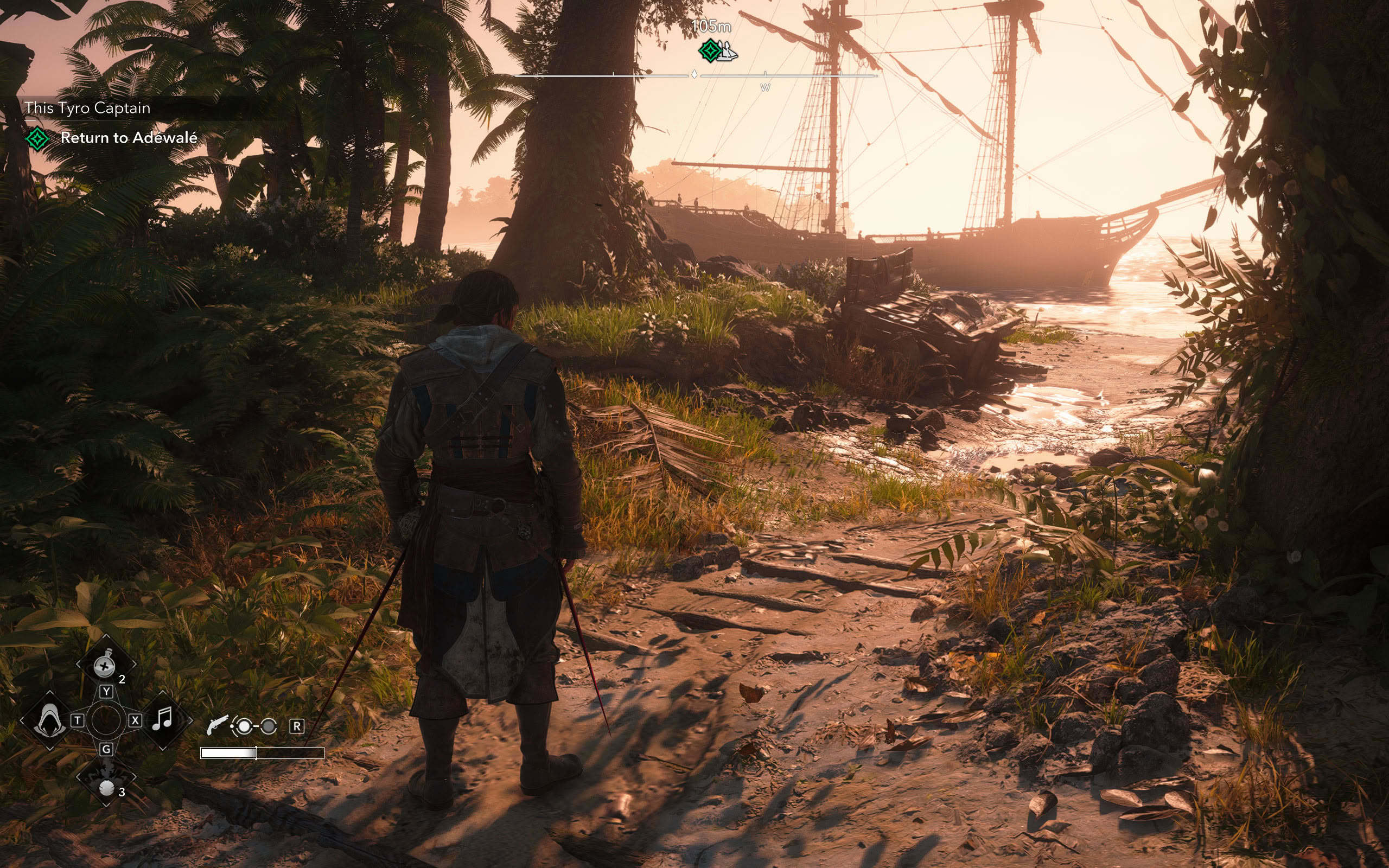
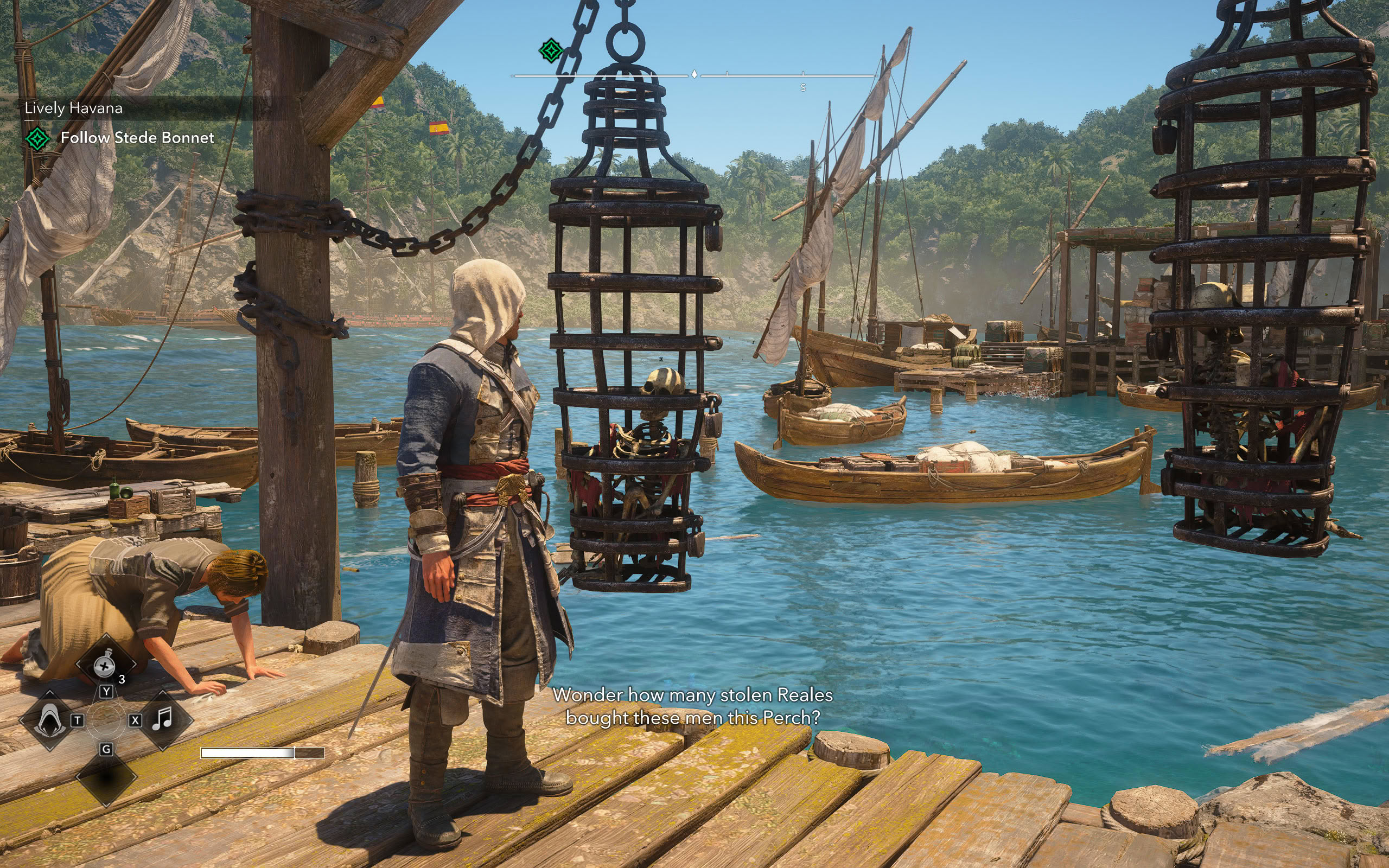
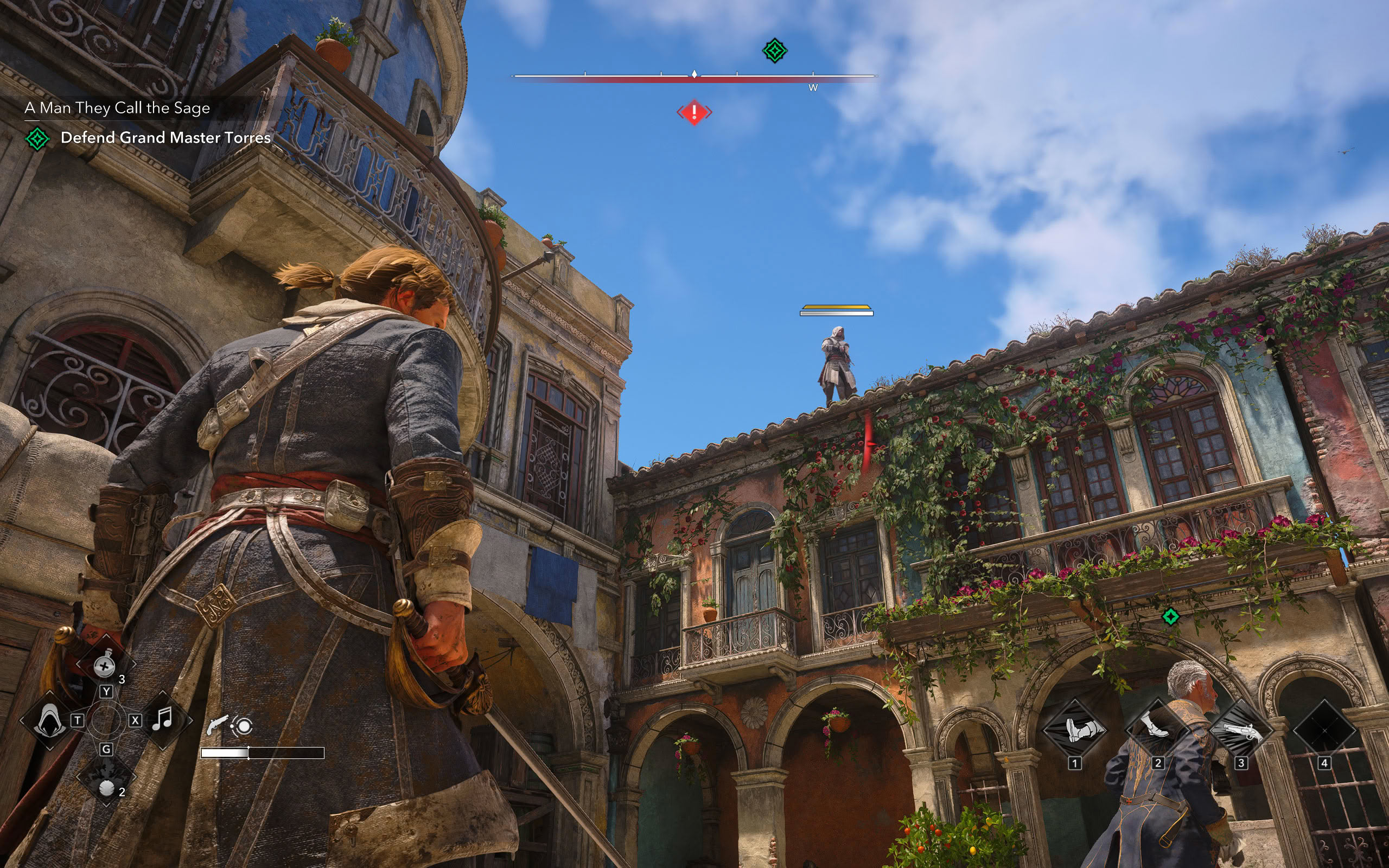
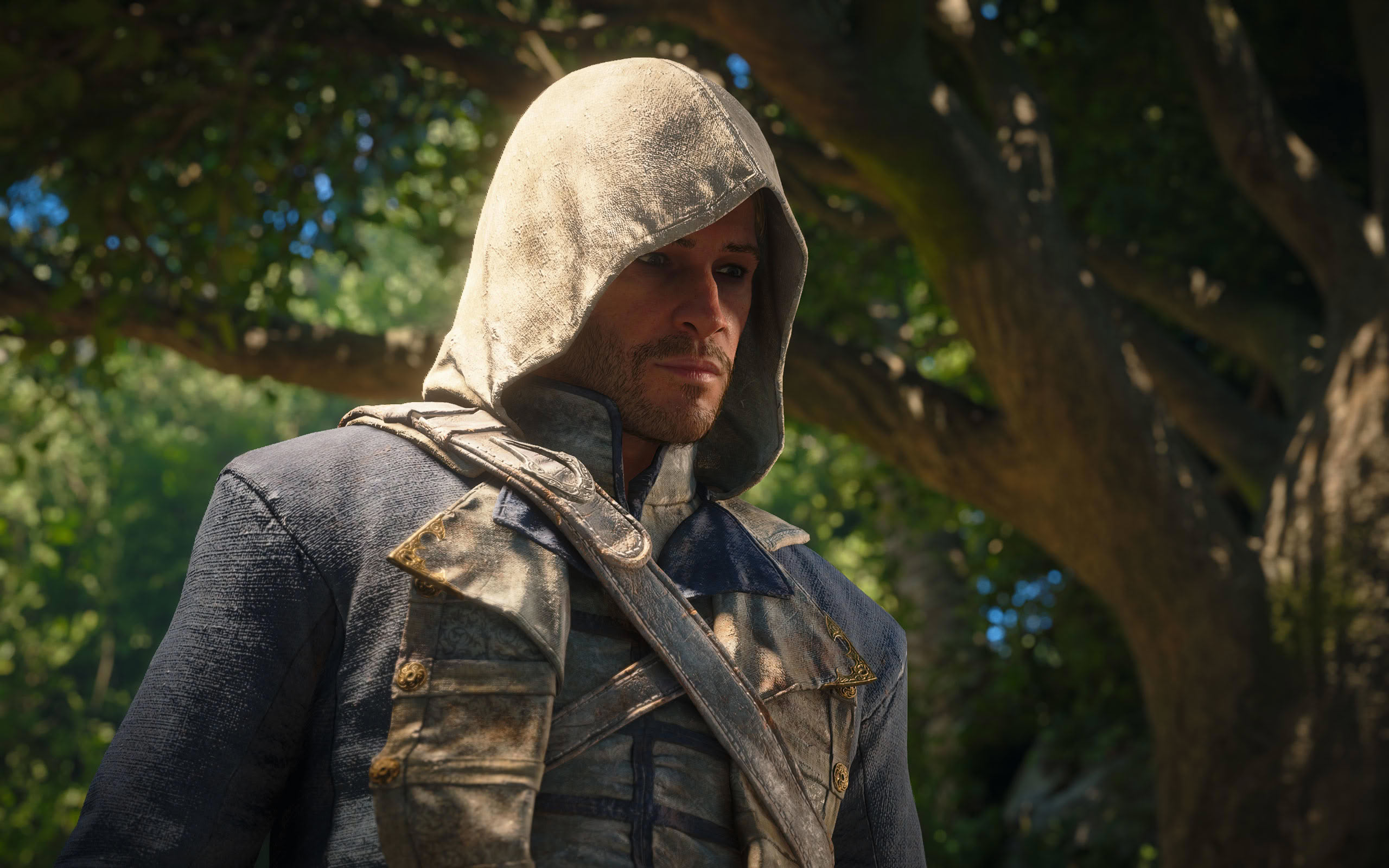
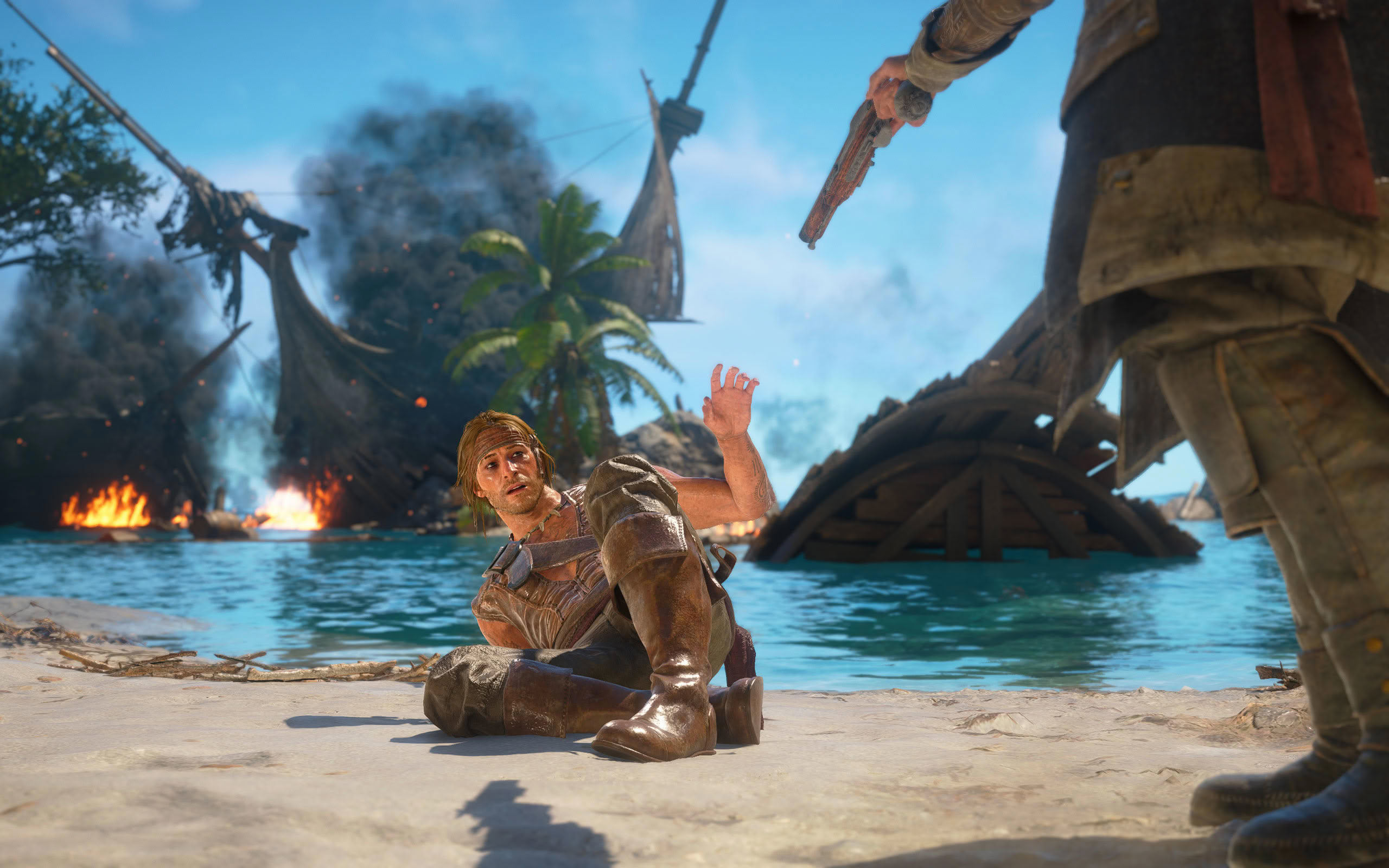
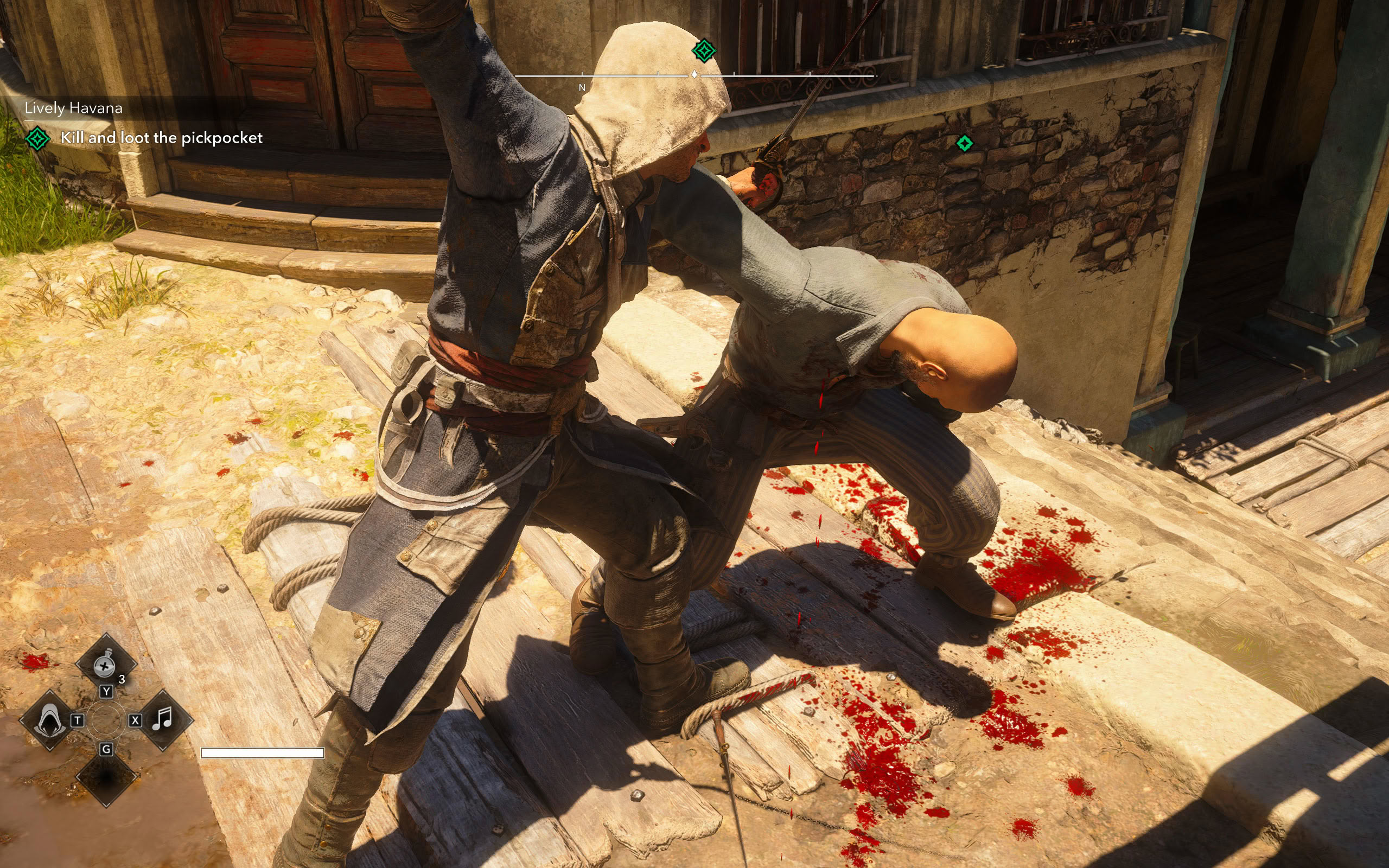
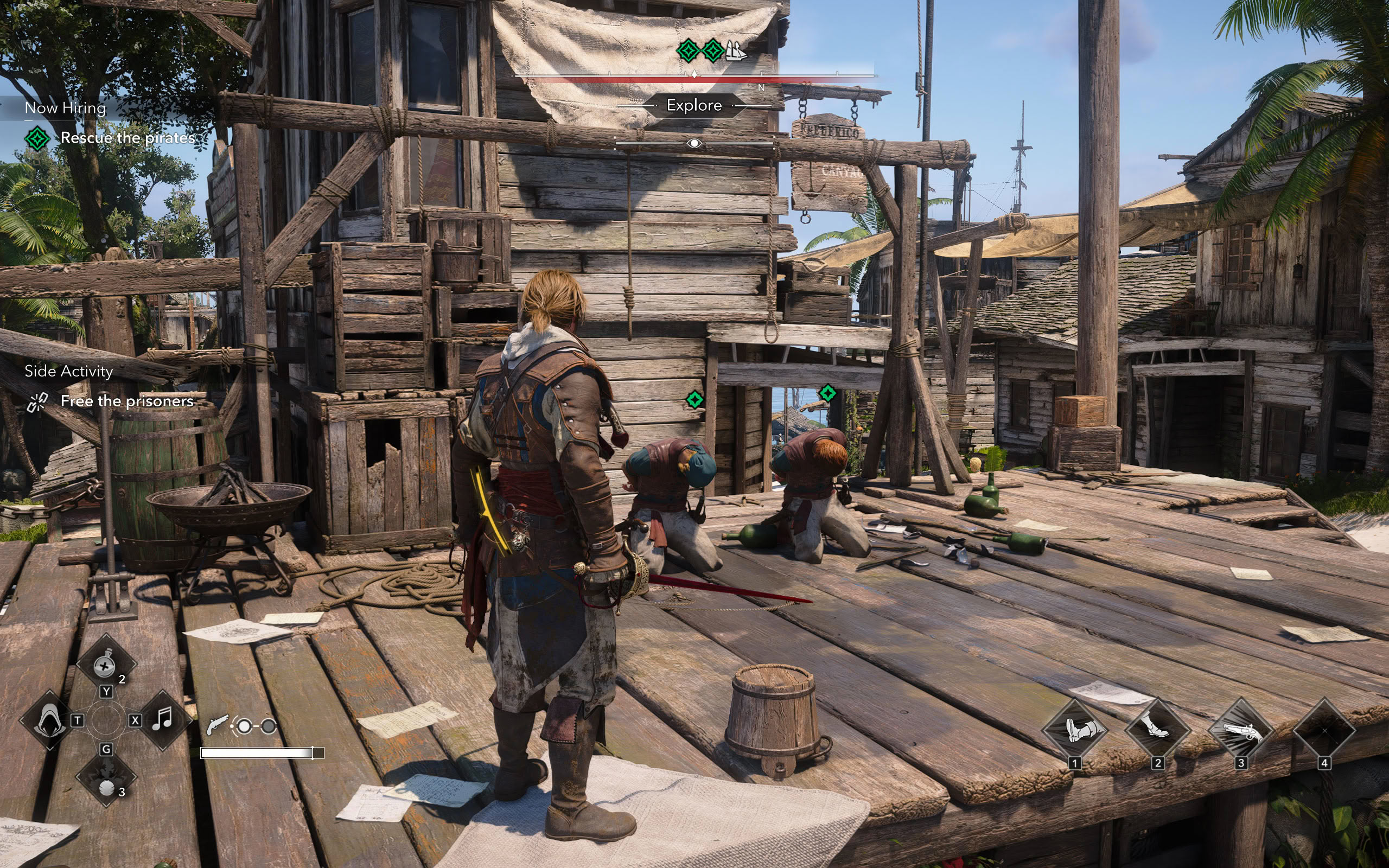
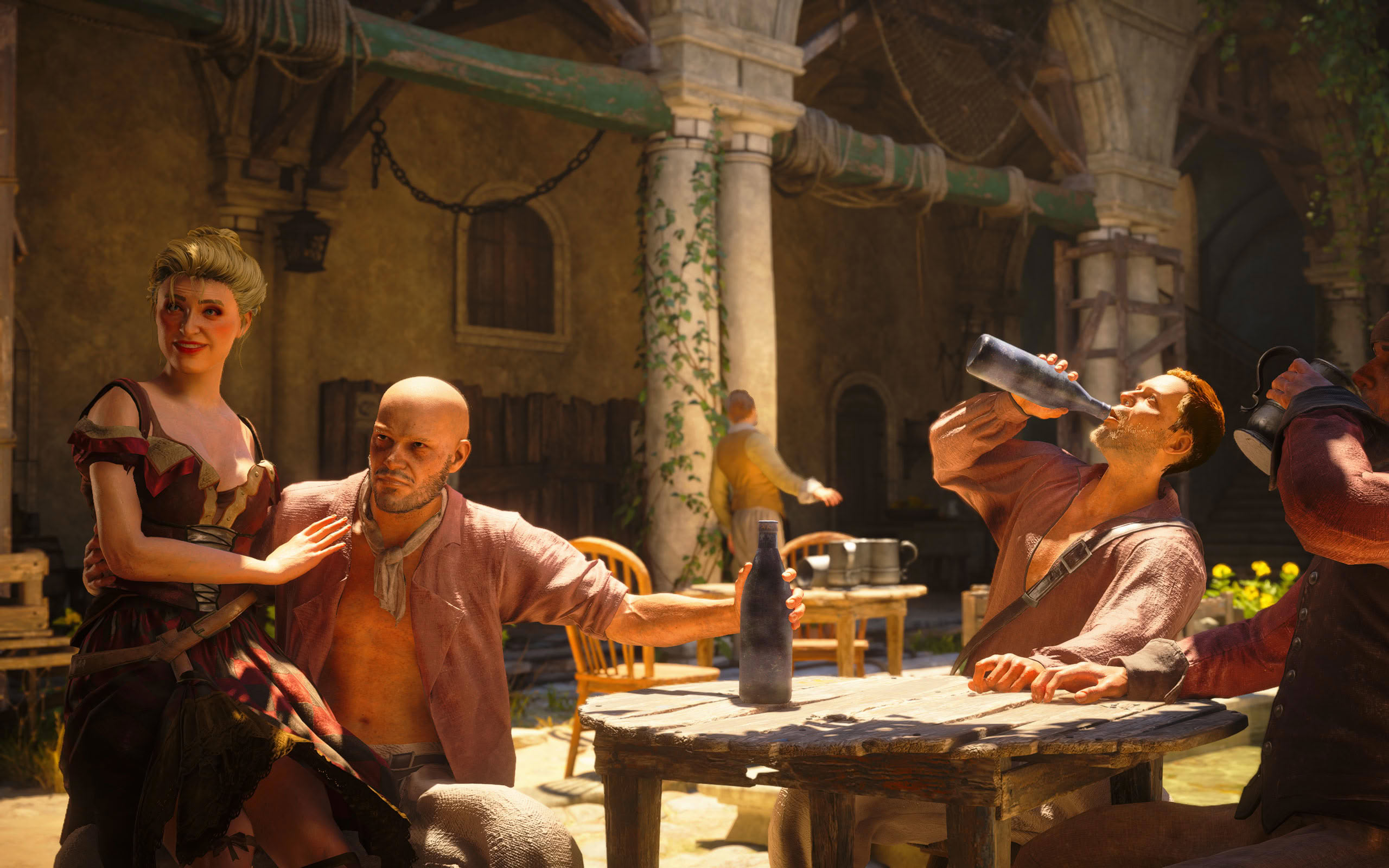
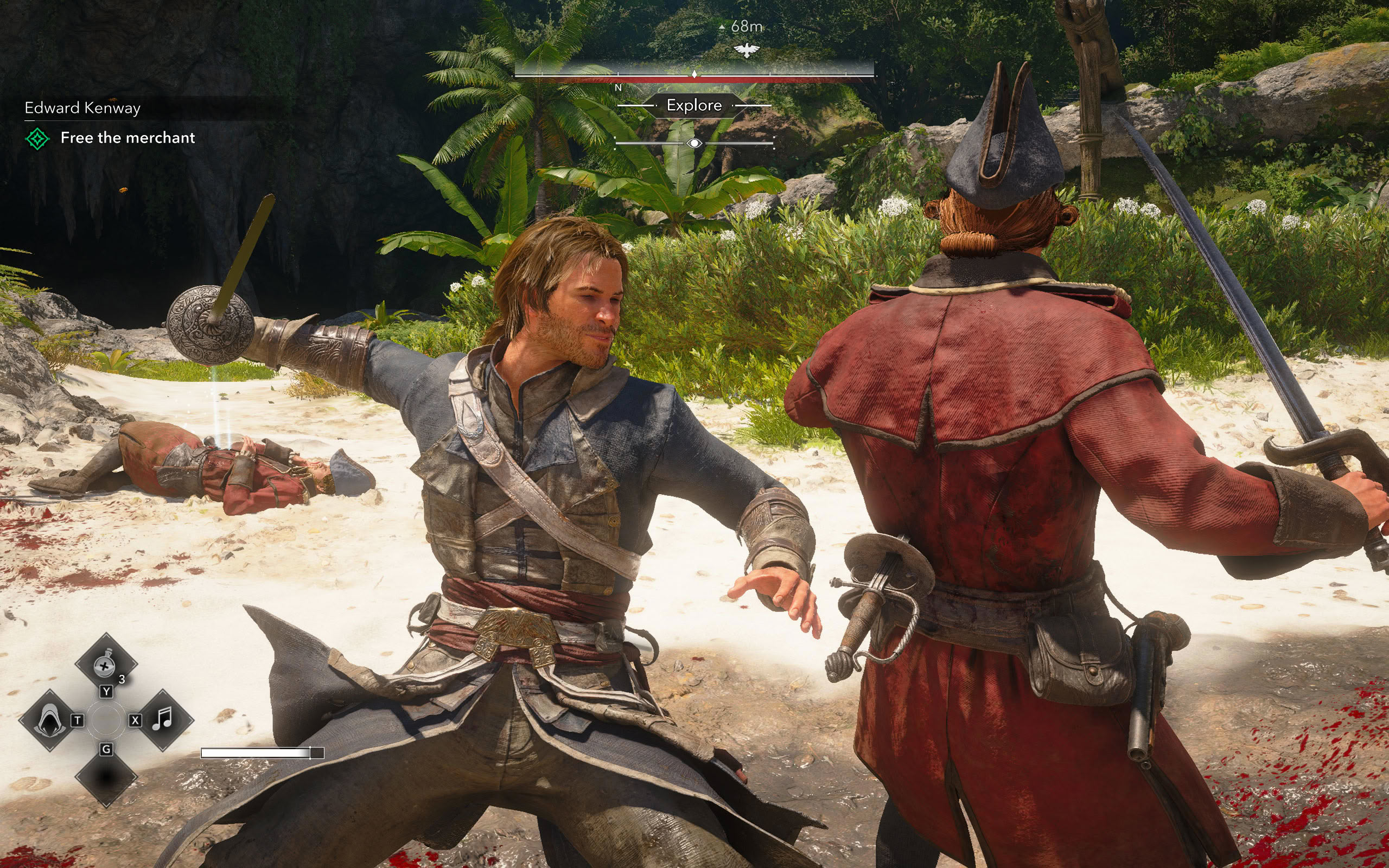
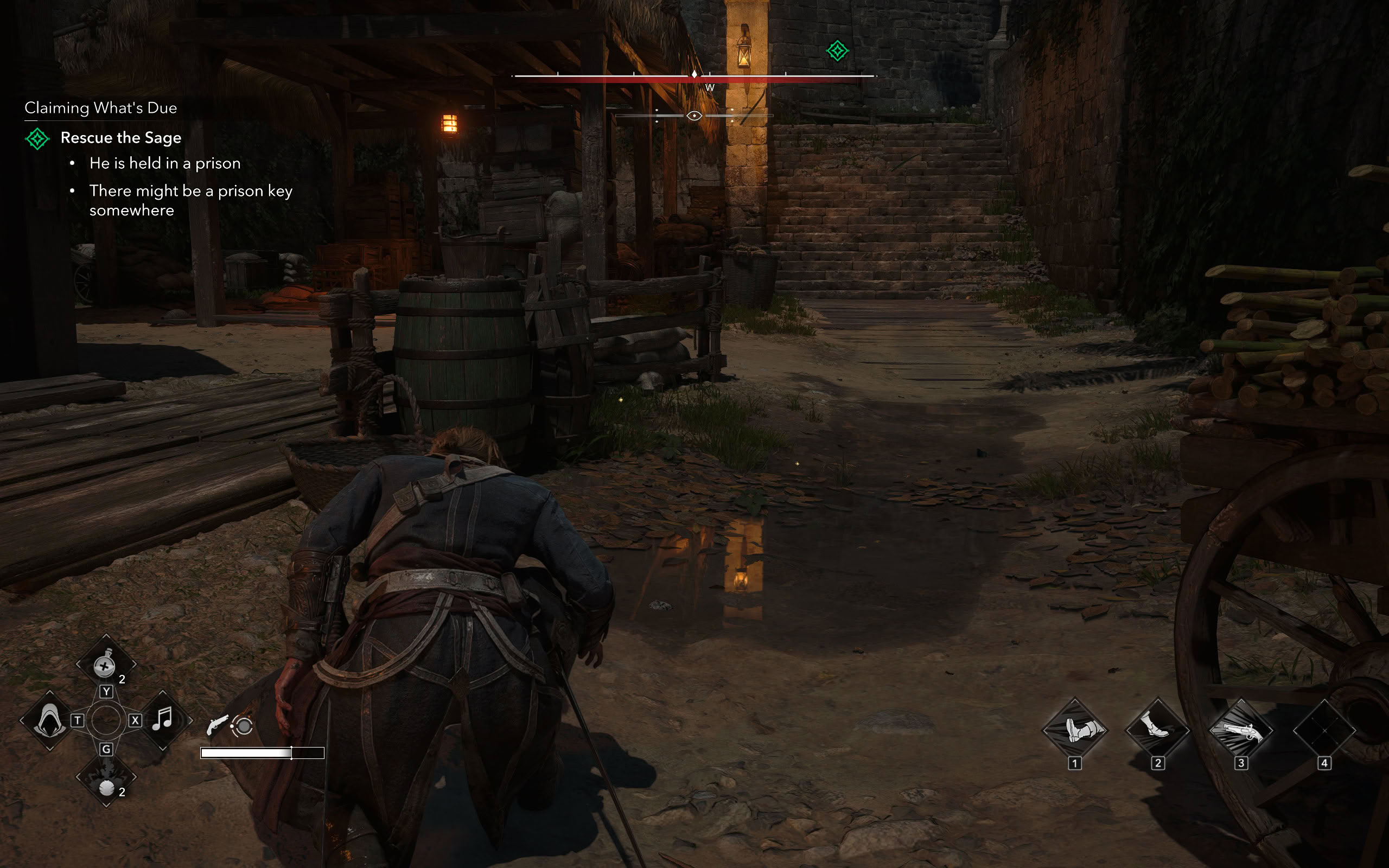
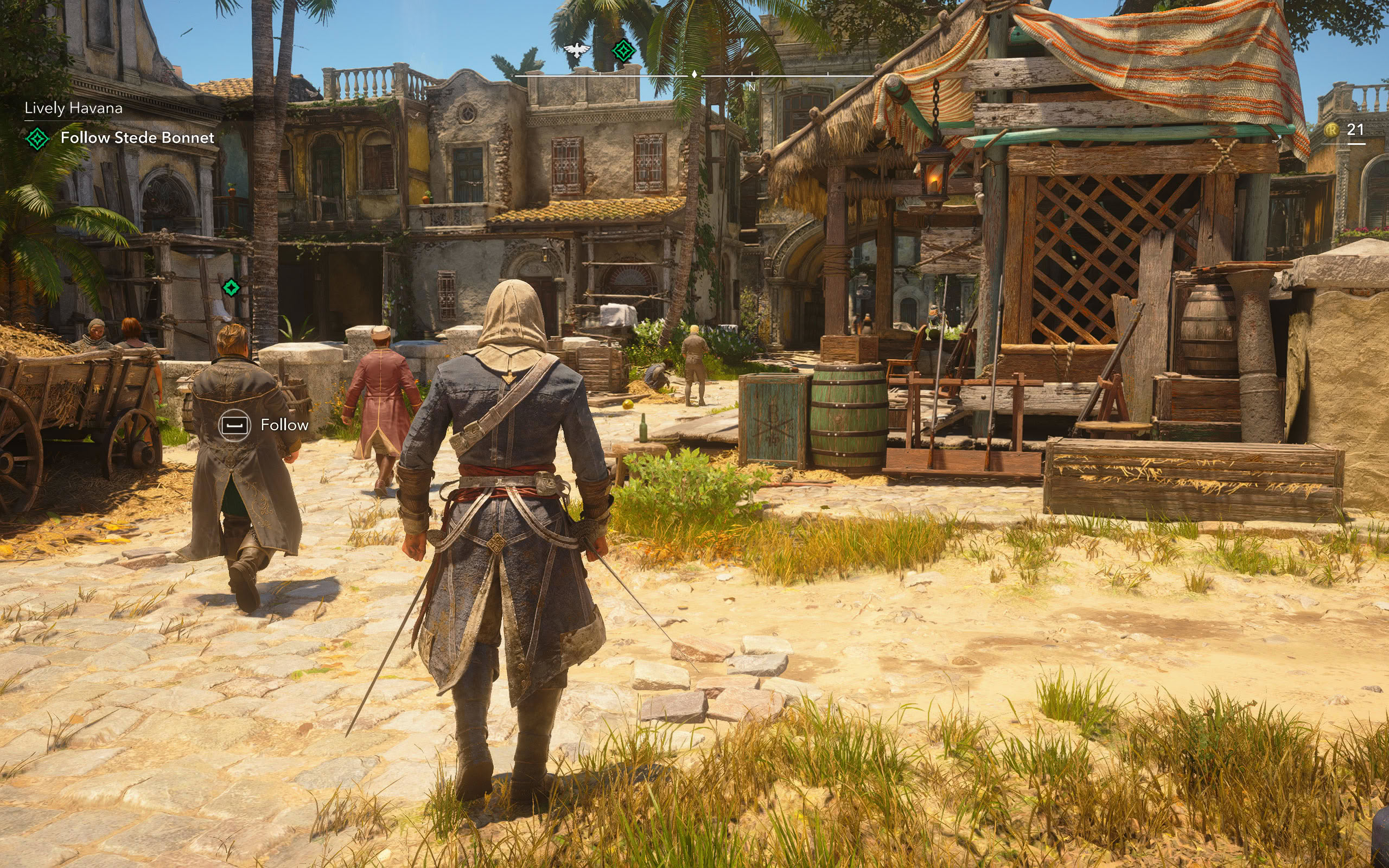
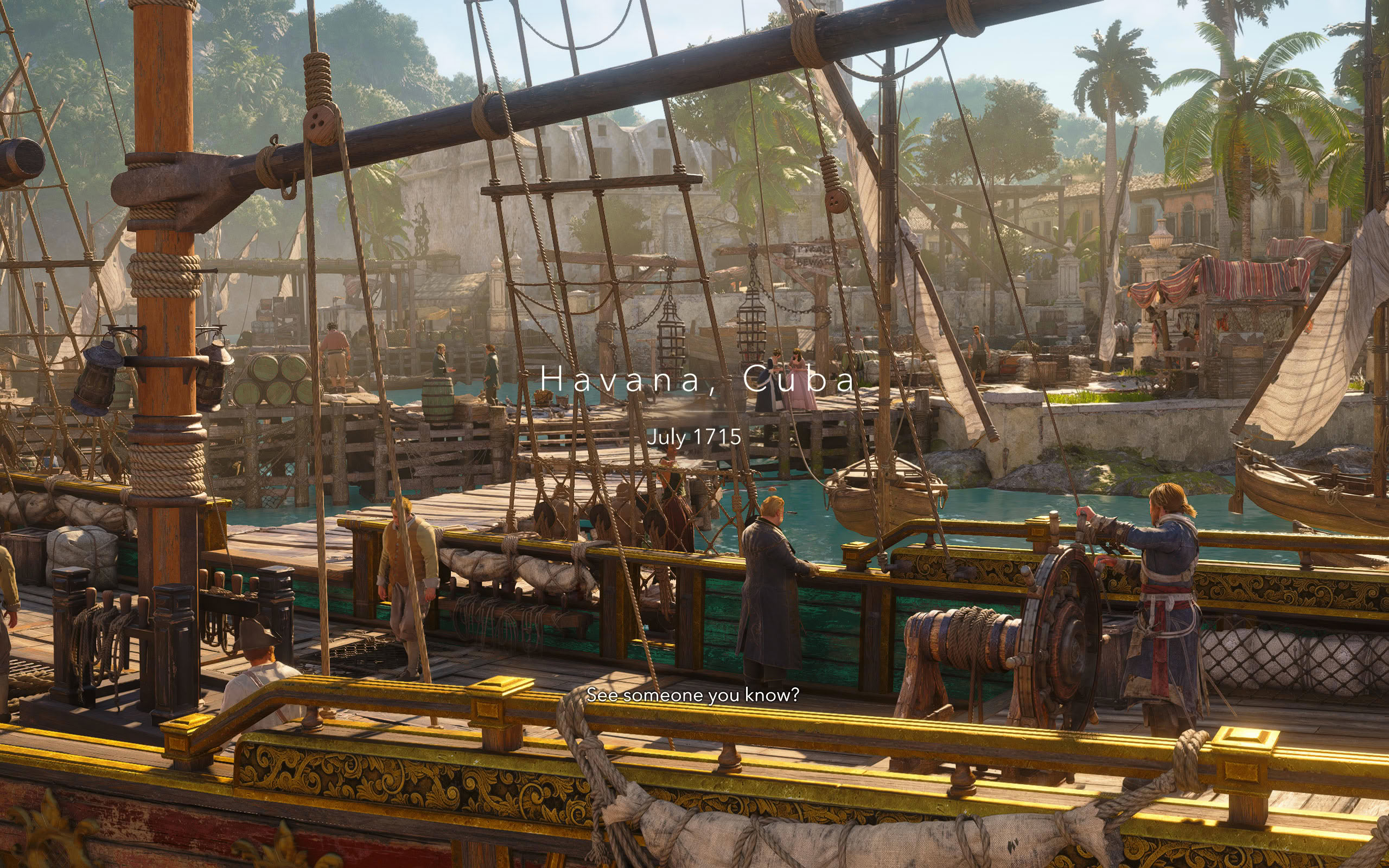
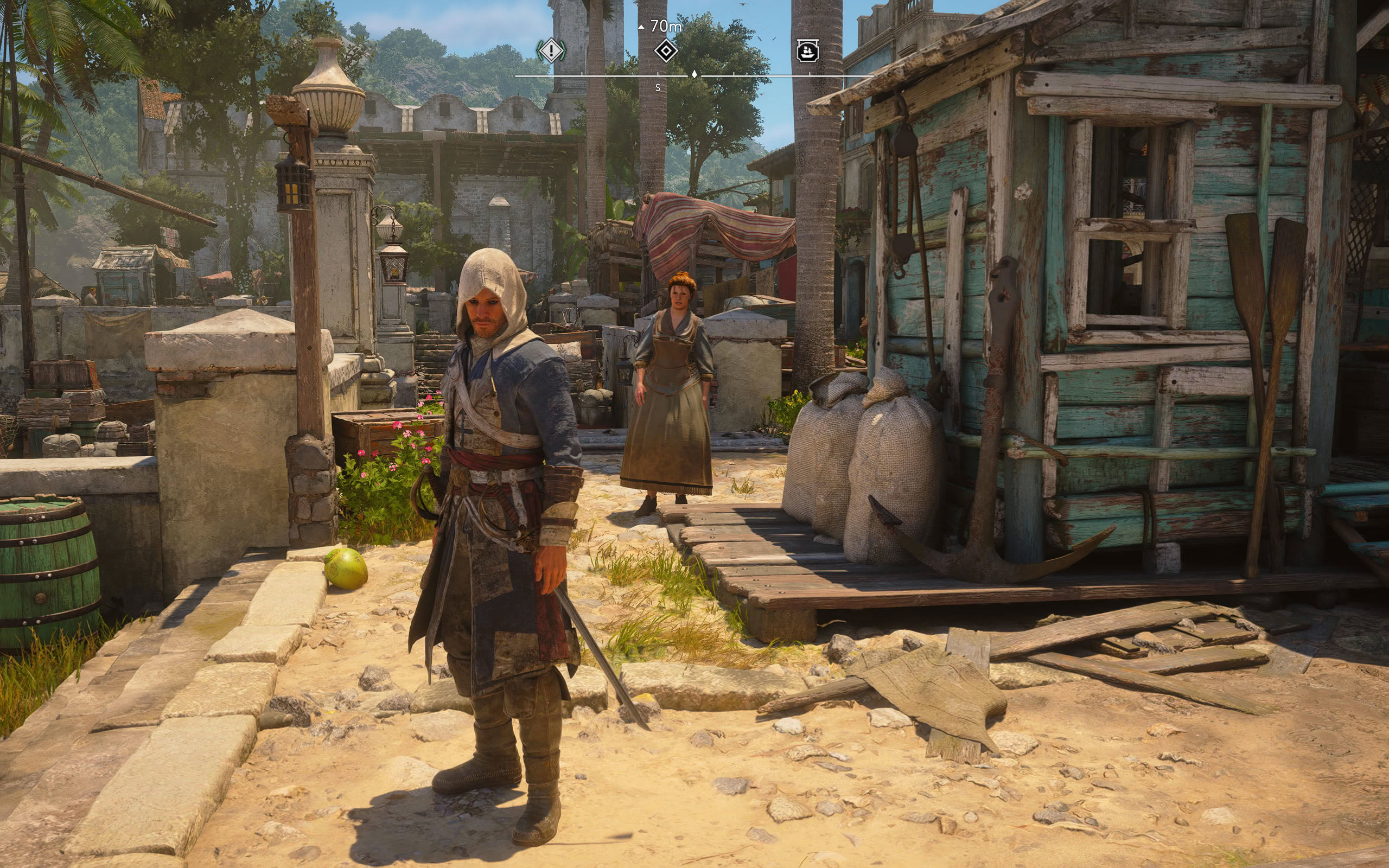
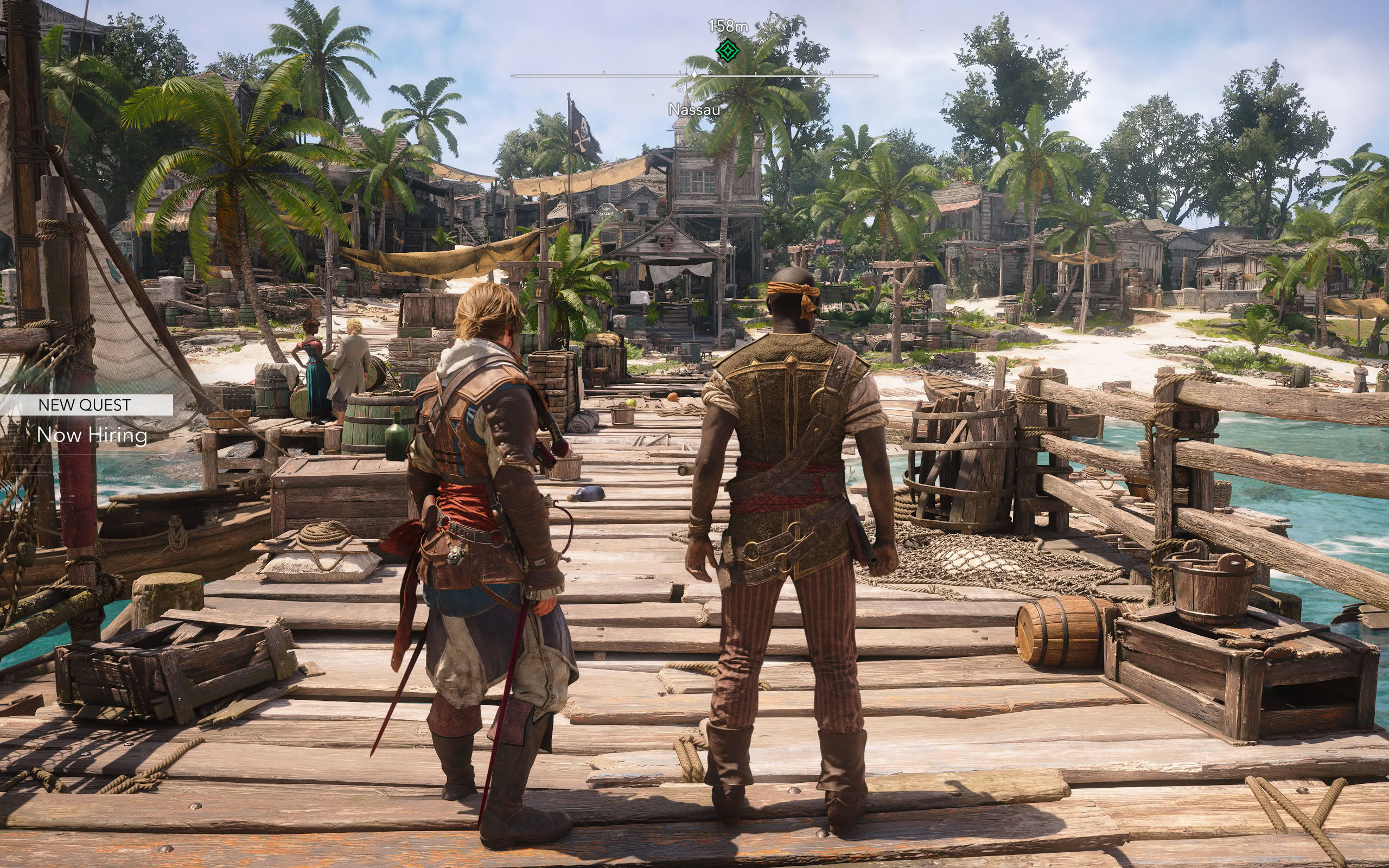
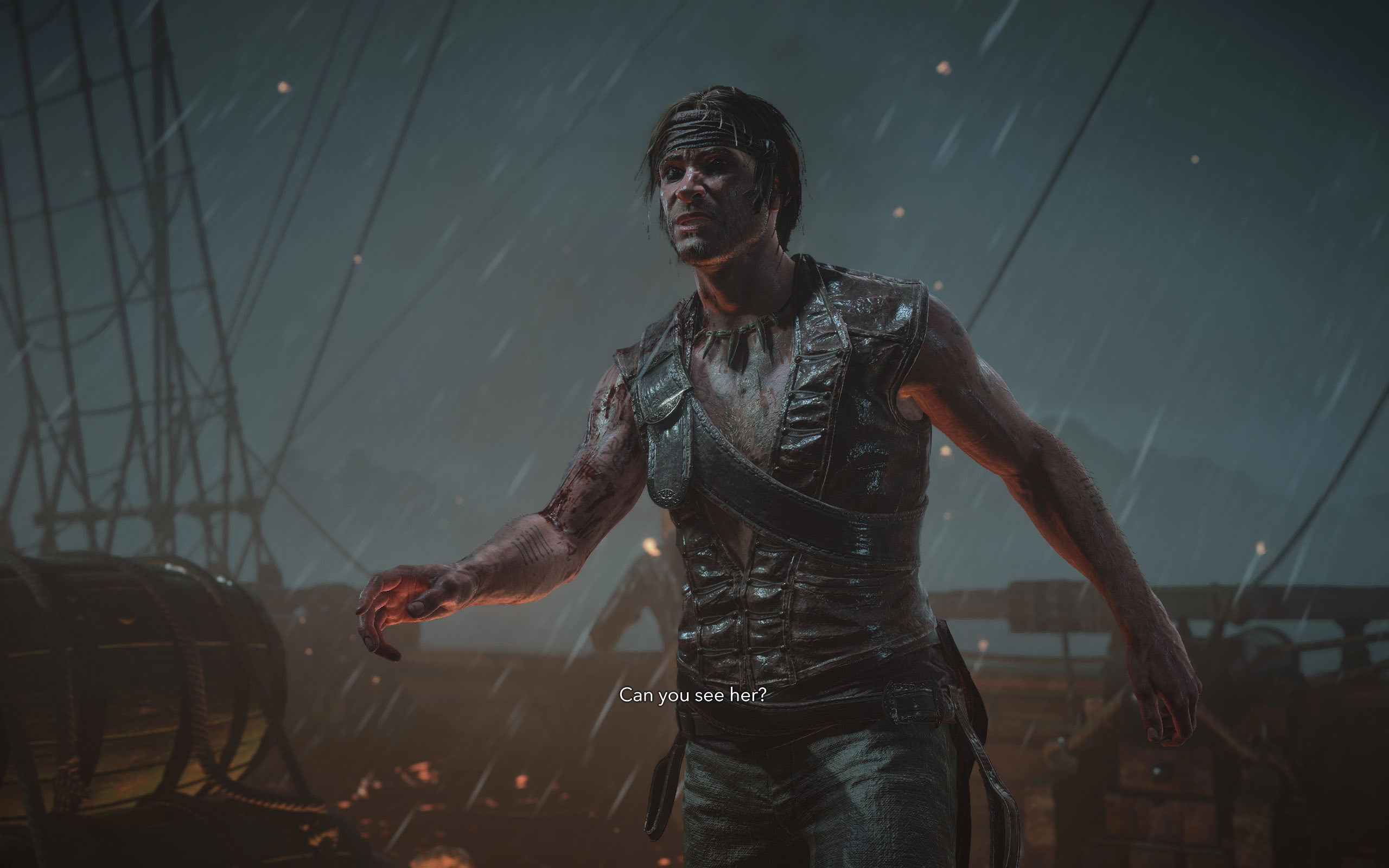
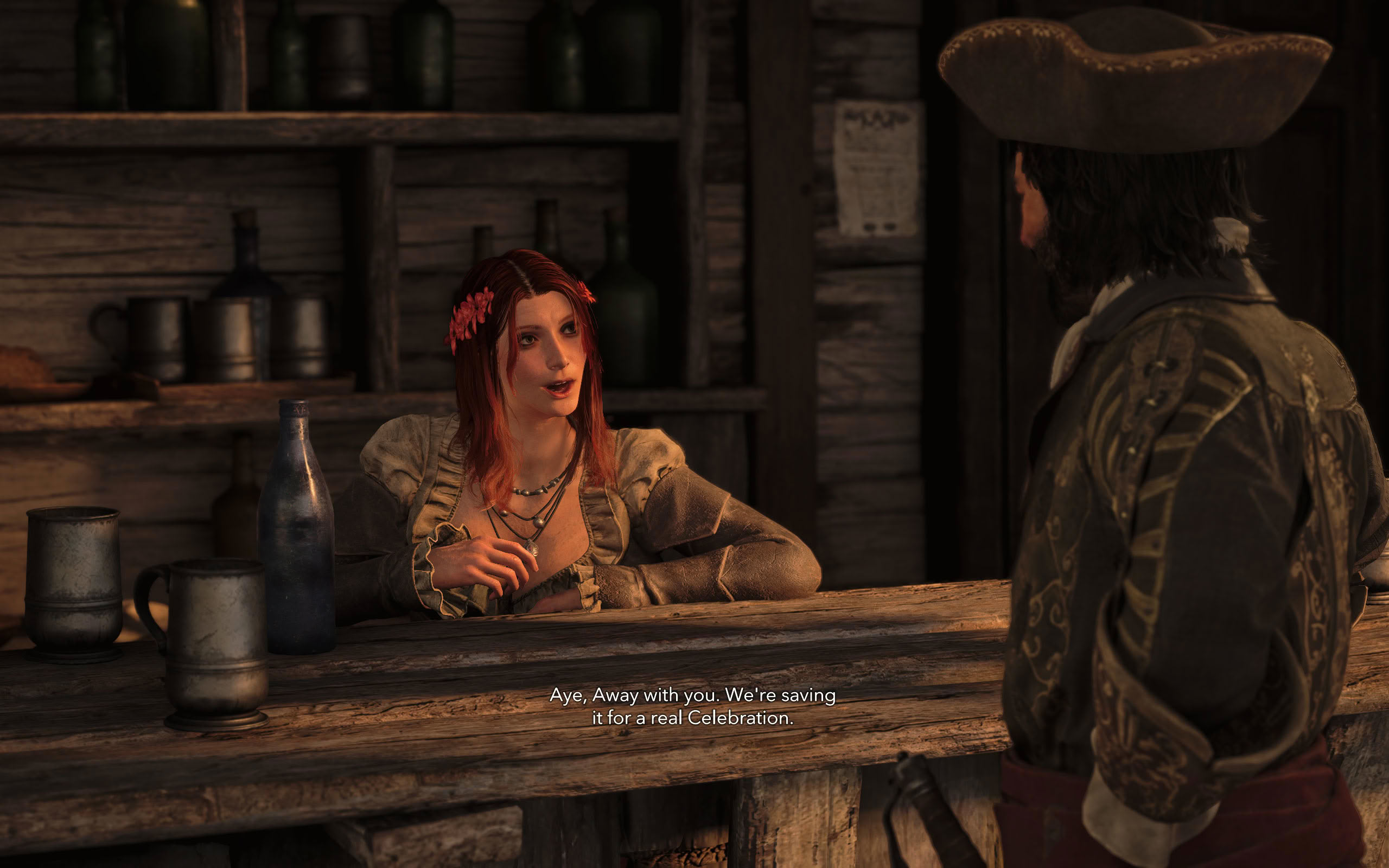
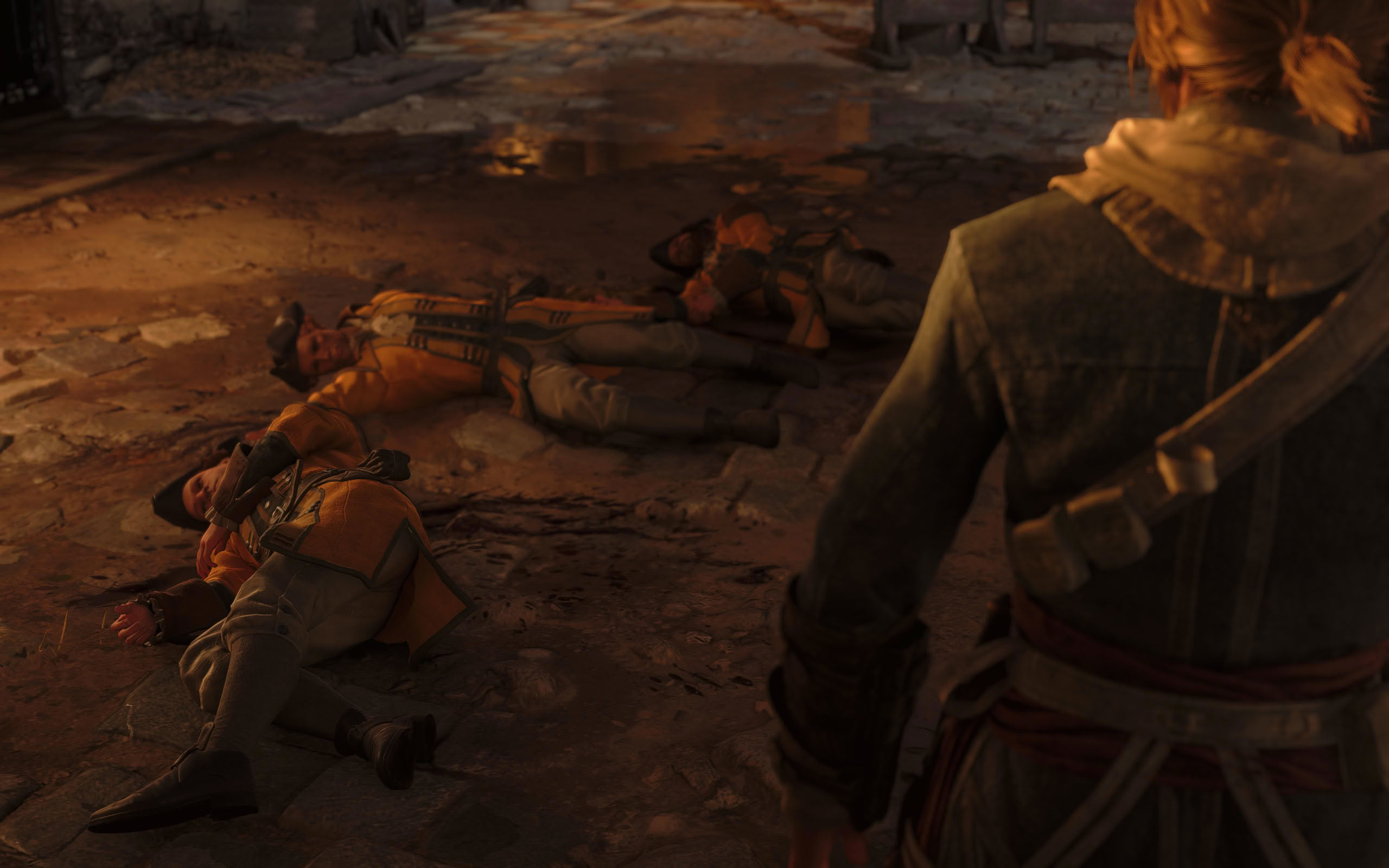
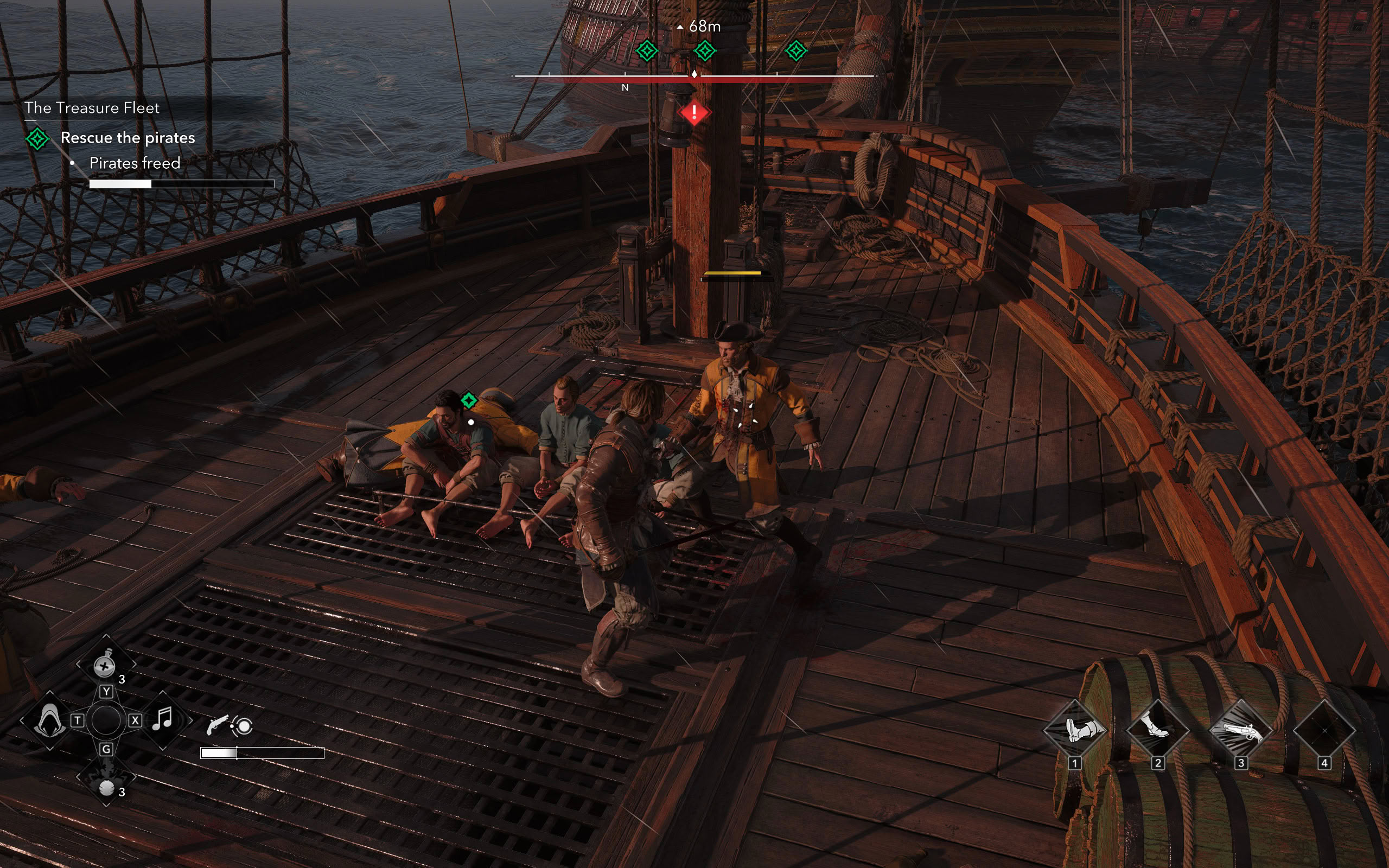
All screenshots were taken at the "Ultra High" preset with ray tracing set to "Extended" and upscaling disabled. The gallery can be navigated with the cursor keys.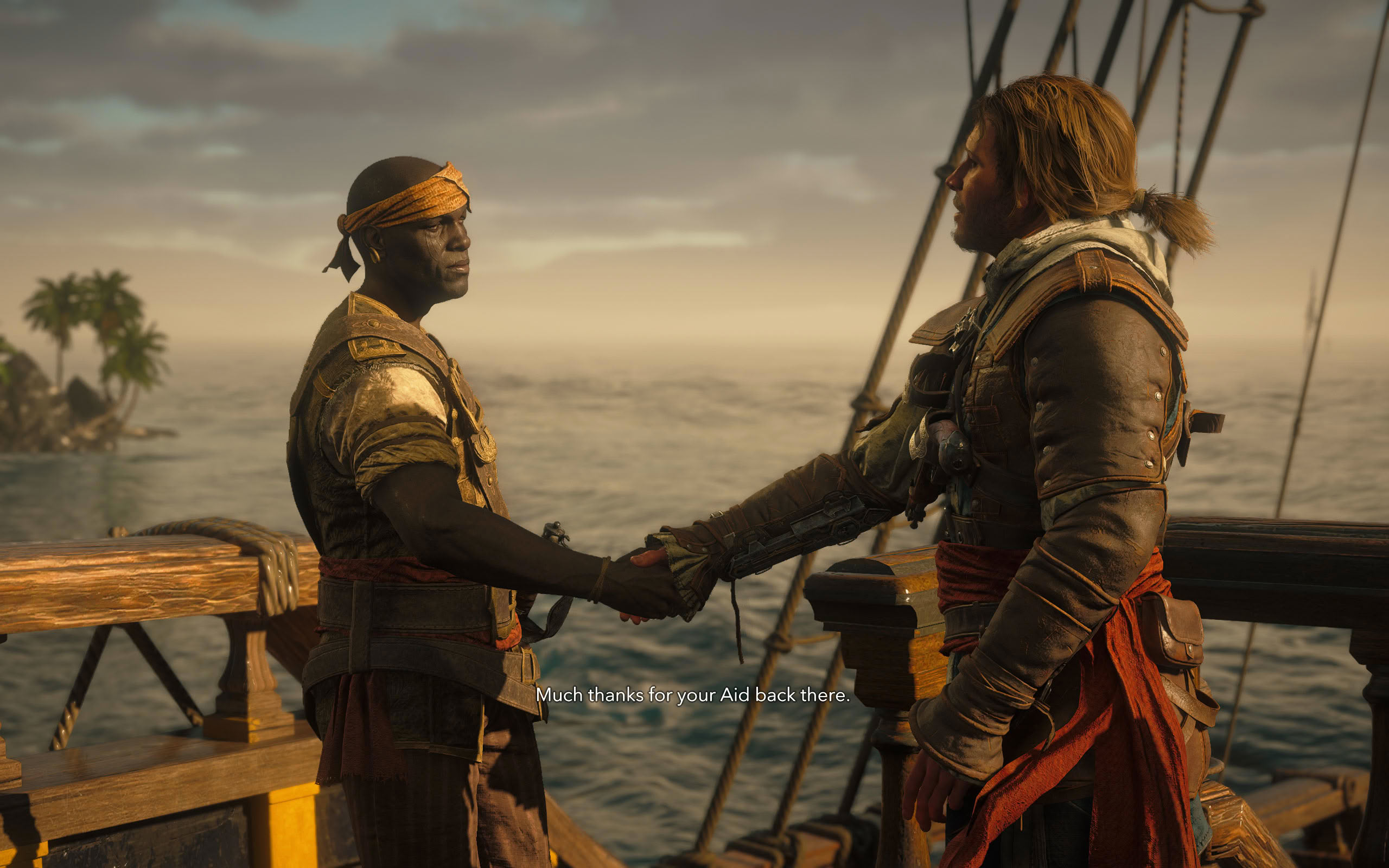





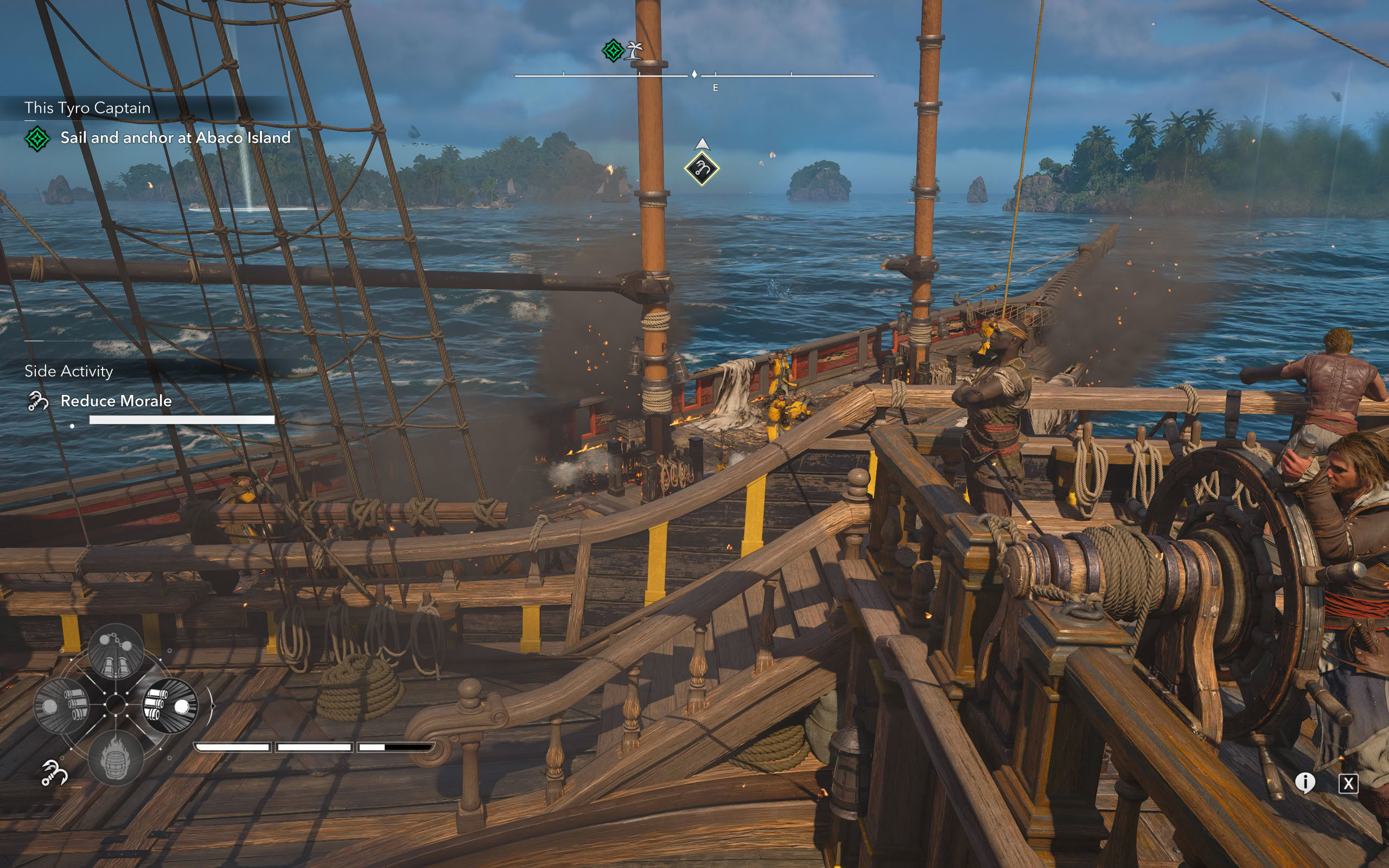
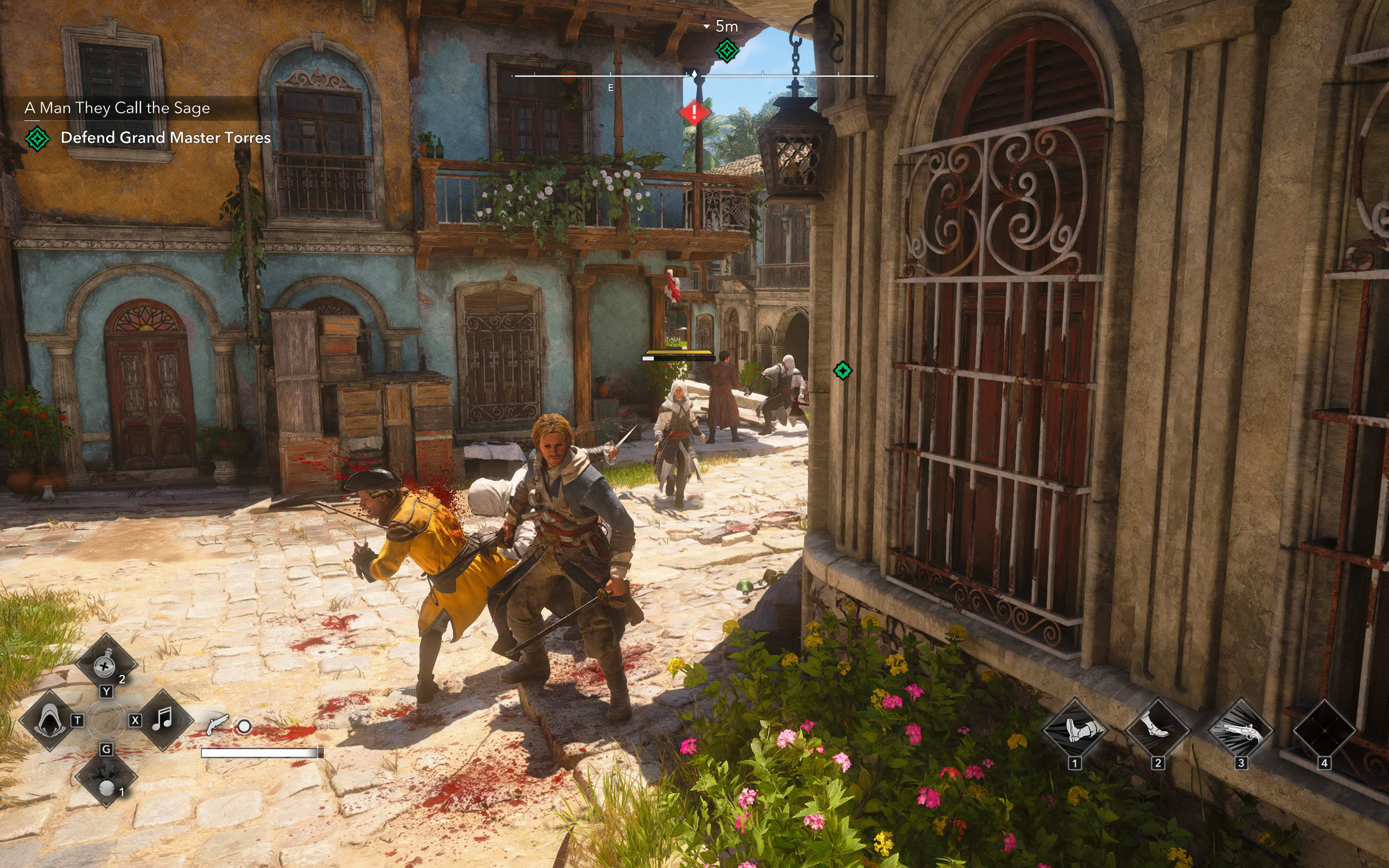
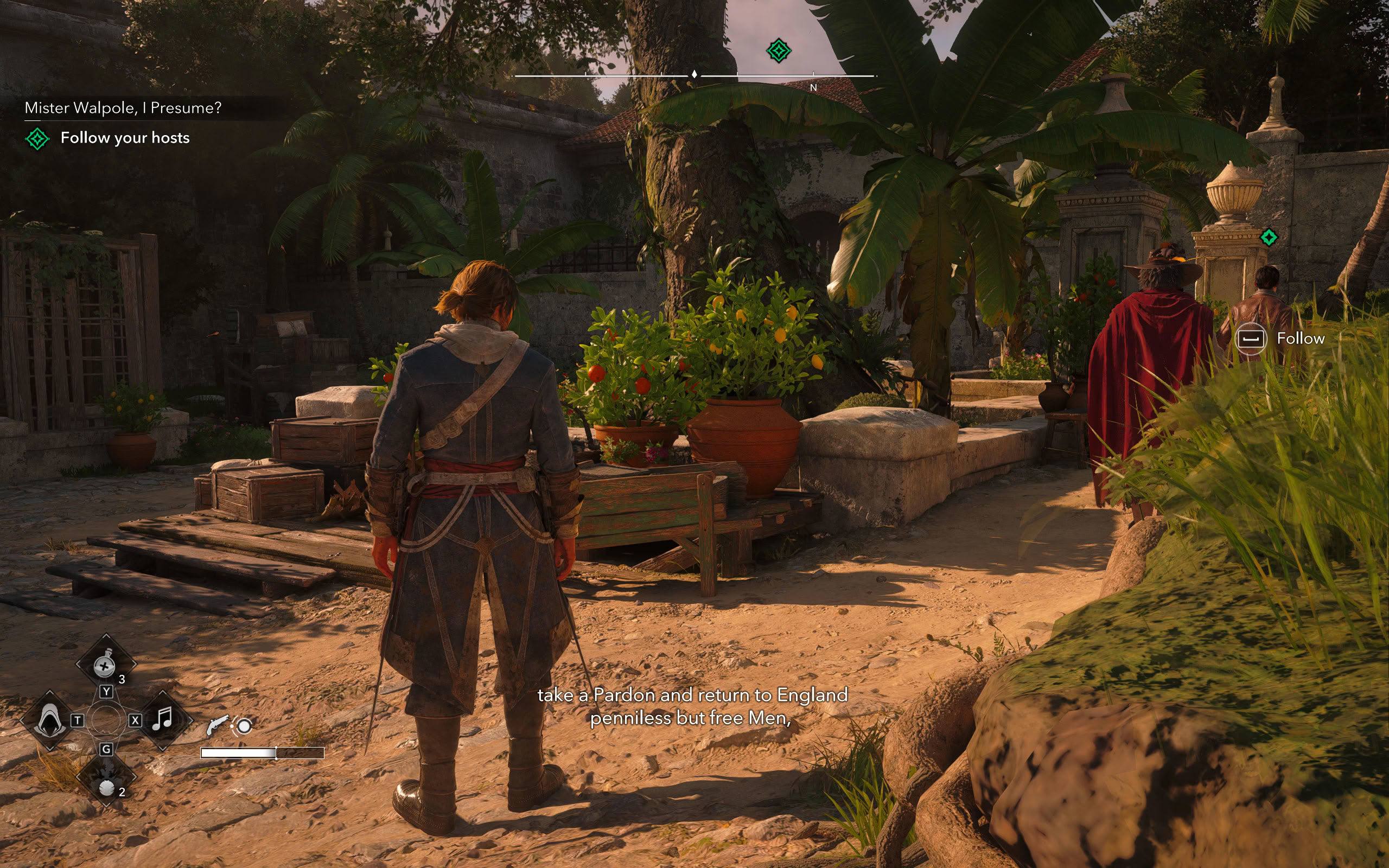
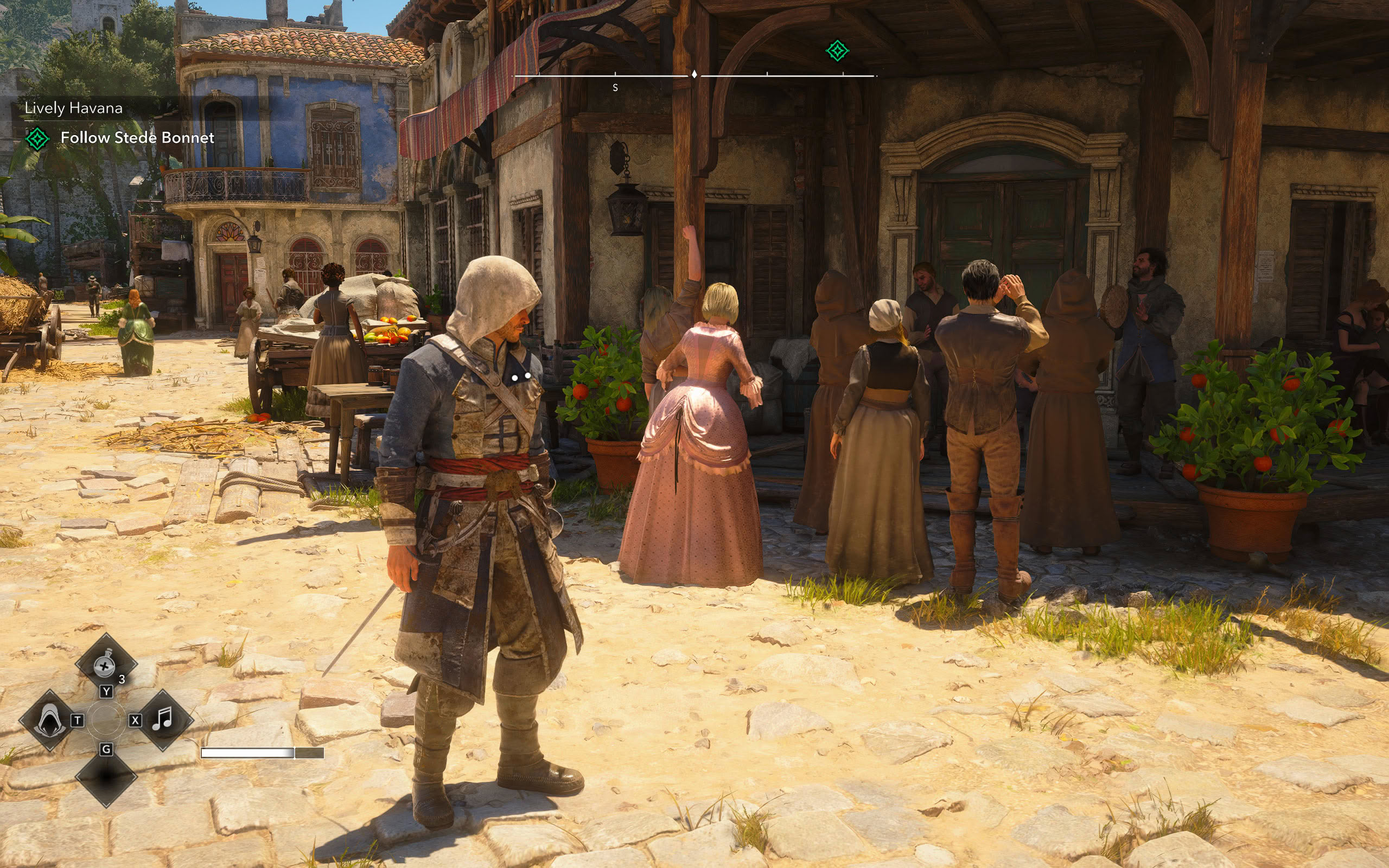
Graphics Settings
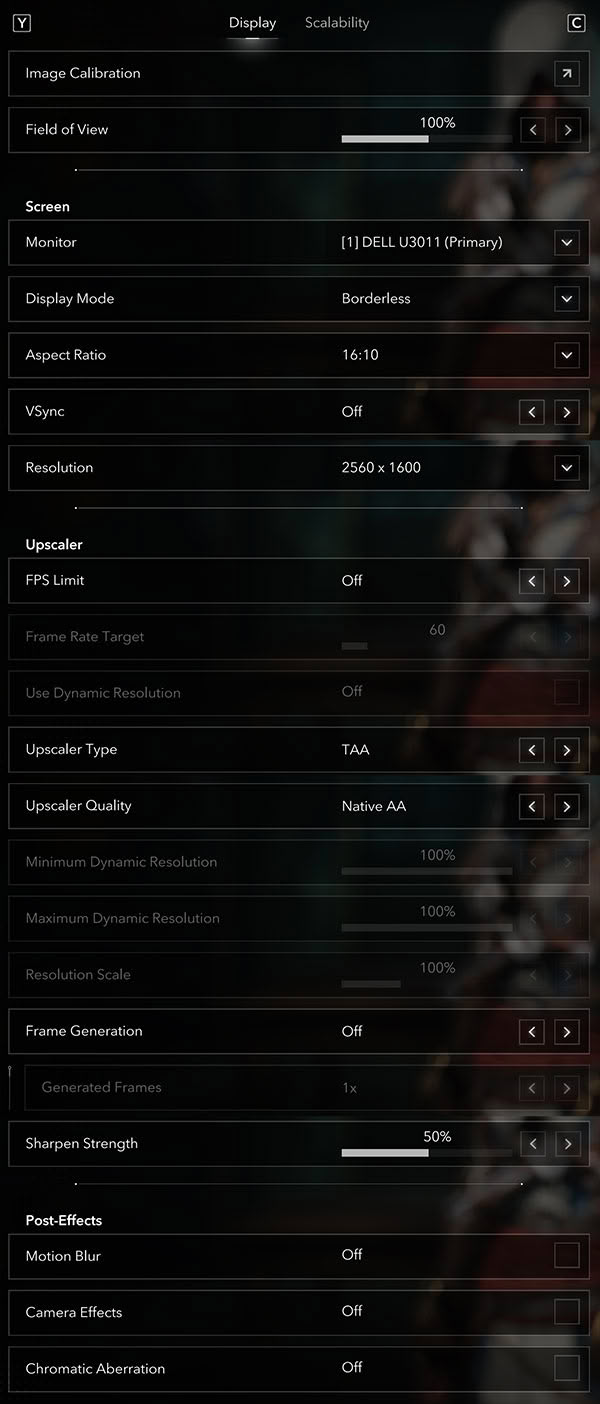
- Display Mode offers "Borderless" and "Windowed"—there is no dedicated exclusive fullscreen mode.
- A Field of View slider is available (default 100%), along with a monitor selector, an Aspect Ratio selector (ultra-wide 21:9 is supported) and an Image Calibration submenu.
- I found the default FOV fine, and usually I prefer a wider FOV than most game defaults.
- V-Sync can be fully disabled. An optional FPS Limit is available, with a Frame Rate Target adjustable from 20 FPS to 360 FPS.
- Dynamic Resolution is supported, with configurable minimum and maximum resolution scaling. There is also a fixed Resolution Scale—with TAA it can be pushed above 100%, up to 200% for supersampling.
- Upscaler Type options are TAA, NVIDIA DLSS, AMD FSR and Intel XeSS. Upscaler Quality ranges from a Native AA (DLAA-style) mode down through Quality, Balanced and Performance.
- Frame Generation is supported for all three vendors (DLSS, FSR and XeSS). The Generated Frames multiplier goes up to 6x with DLSS Multi Frame Generation and up to 4x with XeSS Multi Frame Generation.
- DLSS preset bug: DLSS Performance correctly uses the latest DLSS 4.5 preset (Preset K), but the DLAA/Native, Quality and Balanced modes fall back to Preset E (DLSS 3). This looks like a bug in the higher-quality modes rather than intended behavior.
- XeSS naming quirk: the in-game "Quality" step is actually XeSS "Ultra Quality," so it lands at the same performance level as FSR Quality—Ubisoft named the XeSS steps as if Intel's XeSS 1.3 renaming had never happened.
- Sharpen Strength is adjustable (default 50%).
- Post-Effects can be toggled individually—Motion Blur, Camera Effects and Chromatic Aberration can all be disabled.
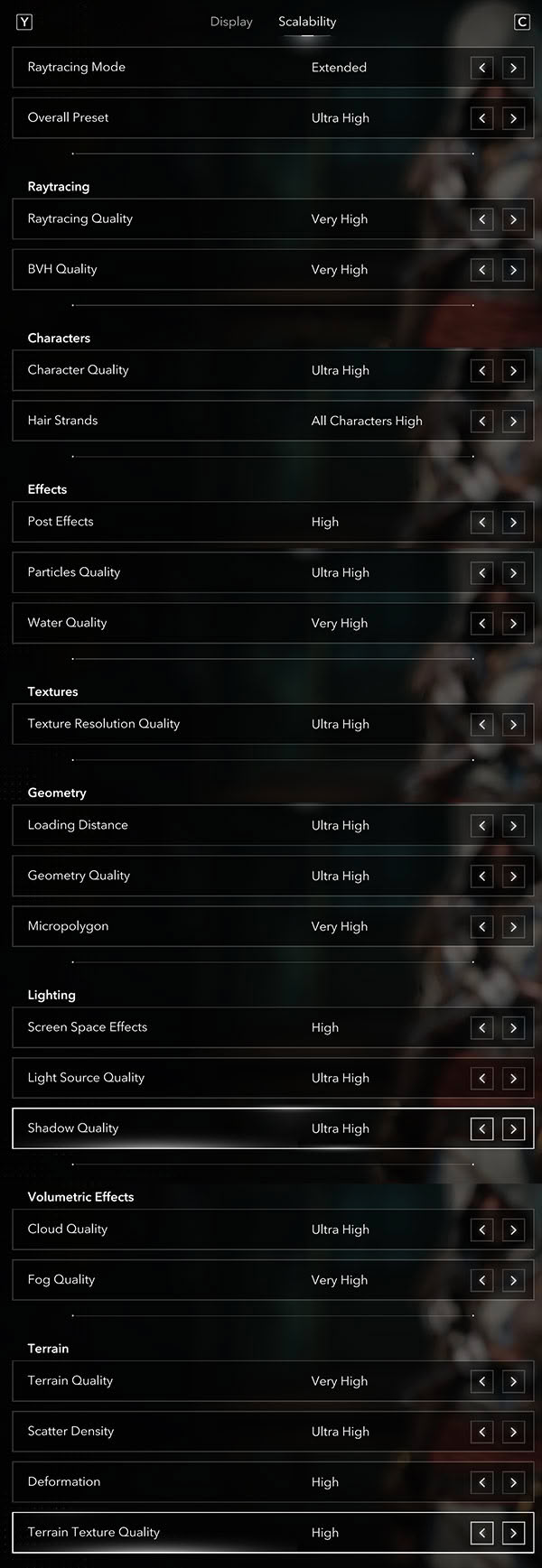
- At the top of the "Scalability" section are ray tracing Mode ("Off," "Standard" or "Extended") and the Overall Preset, which offers ten (!) levels—Ultra High, Very High, High, Medium, Low, Very Low, Ultra Low, plus Handheld High, Handheld Medium and Handheld Low (in this review I'll sometimes just write "Ultra," when I mean the game's "Ultra High").
- RT Mode "Standard" enables ray-traced global illumination (RTGI); "Extended" adds ray-traced reflections on top.
- Every quality setting can also be tuned individually, grouped into ray tracing (ray tracing Quality, BVH Quality), Characters (Character Quality, Hair Strands), Effects (Post Effects, Particles, Water), Textures, Geometry (Loading Distance, Geometry Quality, Micropolygon), Lighting (Screen Space Effects, Light Source Quality, Shadow Quality), Volumetric Effects (Cloud, Fog) and Terrain (Quality, Scatter Density, Deformation, Terrain Texture).
- ray tracing Quality controls the density and number of rays/bounces, while BVH Quality controls the geometric detail of the Bounding Volume Hierarchy used to accelerate ray tracing—you can't really "see" it in-game, but it affects RT accuracy, performance and memory usage.
- Even at the "Ultra High" preset not everything is maxed out—several settings (ray tracing Quality, BVH Quality, Water, Micropolygon, Fog and Terrain Quality) sit at "Very High," and Post Effects, Screen Space Effects, Deformation and Terrain Texture Quality at "High"—so there is still some headroom above the preset.
Our Patreon Silver Supporters can read articles in single-page format.
Nov 13th, 2026 03:03 PST
change timezone
Latest GPU Drivers
New Forum Posts
- I won't download games that are larger than 30–40 GB. (101)
- DDR5 CL30 SK HYNIX A Die ram overclocking - End goal is CL26 6400, FCLK 2200 if possible (26)
- Microsoft Exchange/365 outages? (30)
- Unigine Superposition GPU Benchmark (1080P Extreme) (462)
- Warning for Windows 10 and 11 users running newer AMD GPU drivers (54)
- What are you playing? (26212)
- What phone you use as your daily driver? And, a discussion of them. (2446)
- budget home NAS – X79, X99 or another platform? (147)
- Last game you purchased? (1399)
- Share your CPUZ Benchmarks! (2676)
Popular Reviews
- AMD Zen 6 Technical Deep Dive
- NZXT C1200 Platinum Review
- Corsair HX1000i Shift Crystal Review
- Upcoming Hardware Launches 2027 (Updated Nov 2026)
- NZXT H7 RGB+ Review
- Montech King 95 3D PRO Review
- NZXT H5 Review
- Phantom Blade Zero Performance Benchmark Review - 35 GPUs Tested
- XPG NIMBUS PLUS Review - Mid-range Chair With Strong Competitors
- Gigabyte Z890I Aorus Ultra Review
TPU on YouTube
Controversial News Posts
- NVIDIA Co-Founder and CEO Jensen Huang Officially Resigns (326)
- OpenAI CEO Argues Home PCs Waste the World's Limited DRAM Supply (152)
- NVIDIA Launches Investigation Into Jensen Huang's Relationship With Suspected Chinese Spy (136)
- Intel "Raptor Lake Next" 16-Core and 20-Core CPUs Surface (130)
- Legendary Game Studio BioWare Shuts Down Following EA Layoffs (104)
- Dell CEO Says the Memory Shortage Will Get Worse in 2027 (95)
- NVIDIA GeForce RTX 50-Series Scheduled for up to $500 Price Hike This Week (89)
- Modder Fits RTX 5090 With Four 8-Pin Connectors, Halving Current per Wire (80)