 8
ASUS ROG Strix B850-A Gaming Wi-Fi7 Neo Review
VRM Overview »Component Analysis
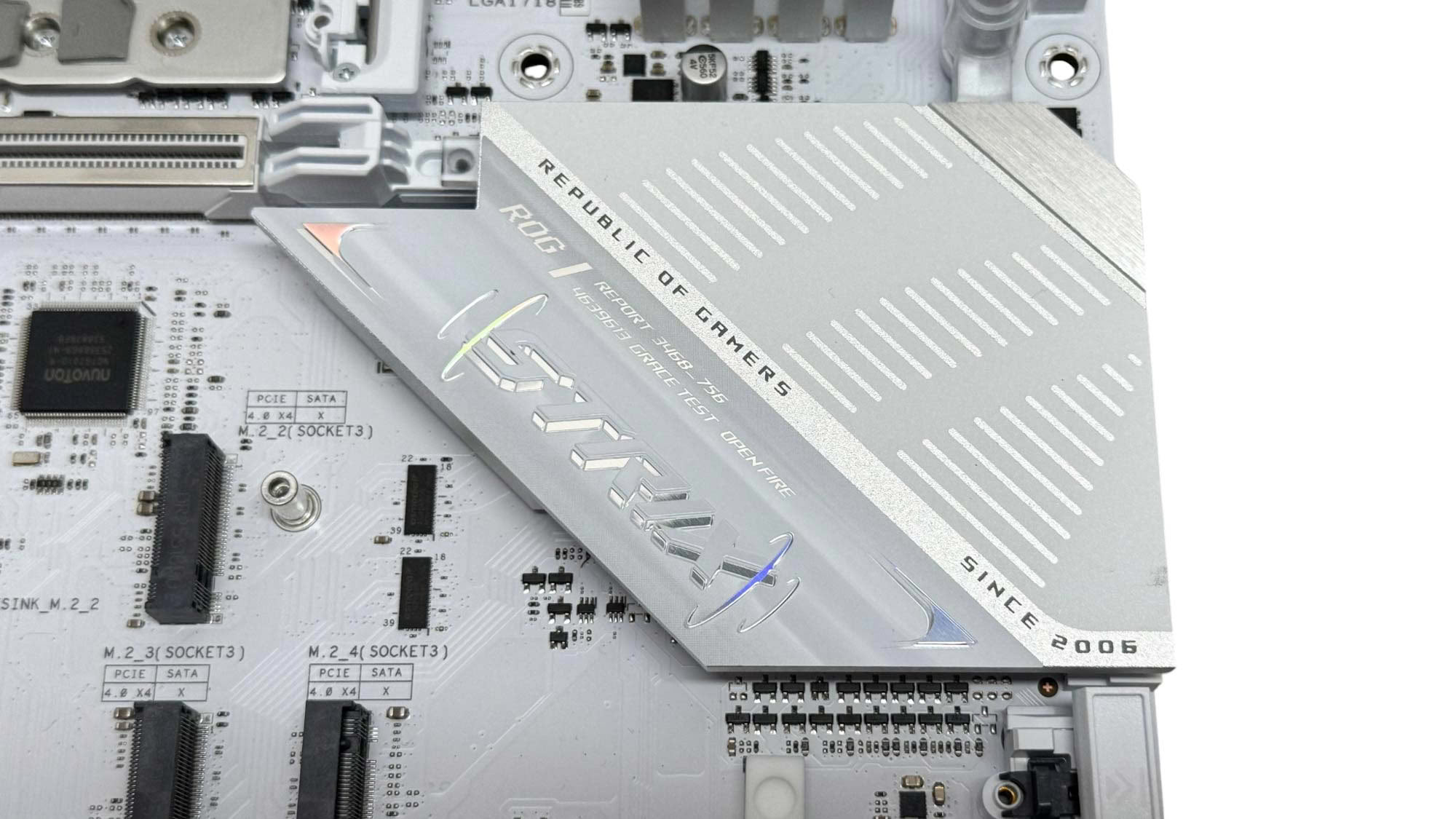
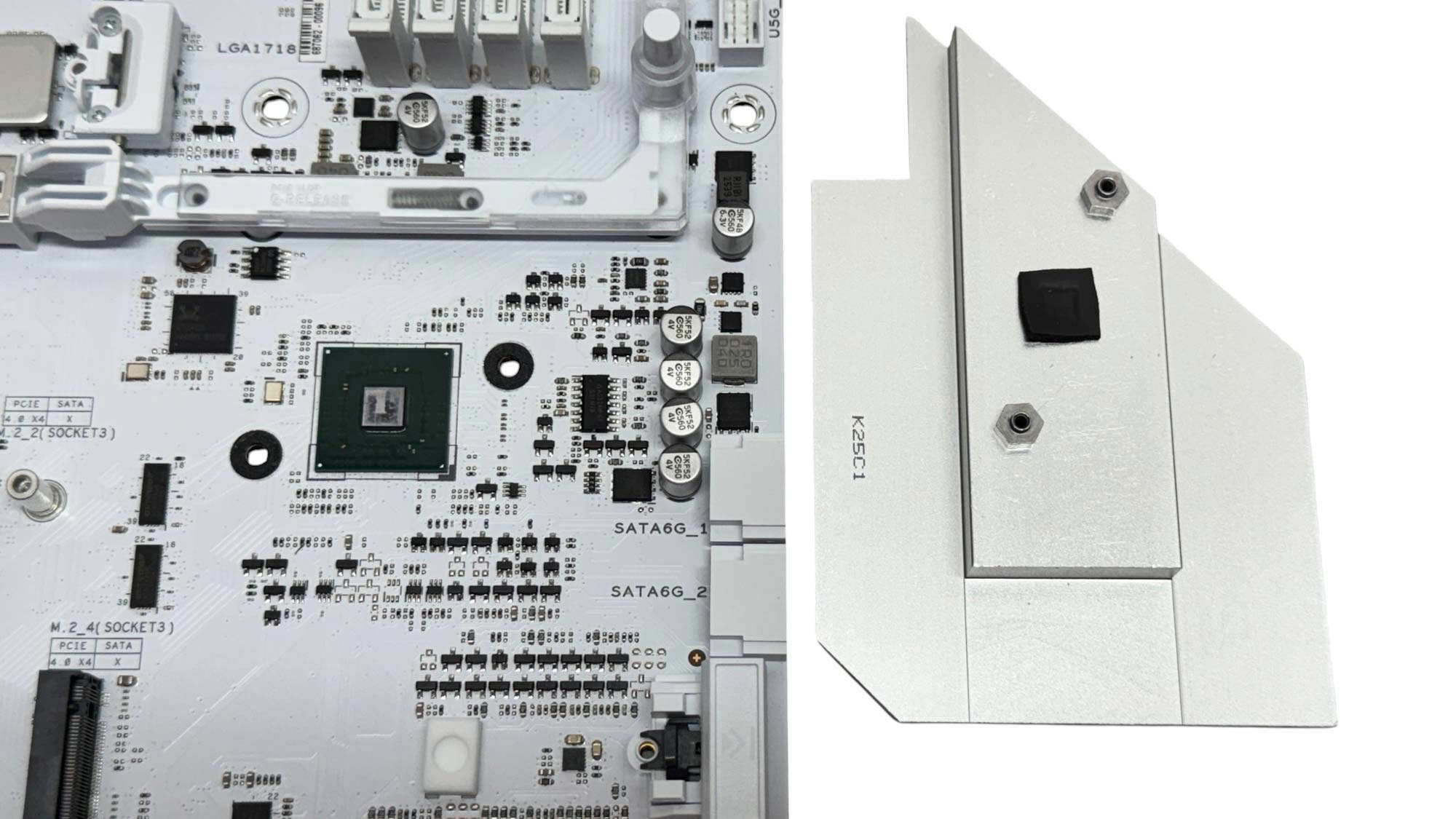
Being a B850 motherboard, there's a single chipset so no need for anything extravagant. A mid-size heatsink deals with the chipset alone and isn't obscured by the neighboring M.2 heatsinks.
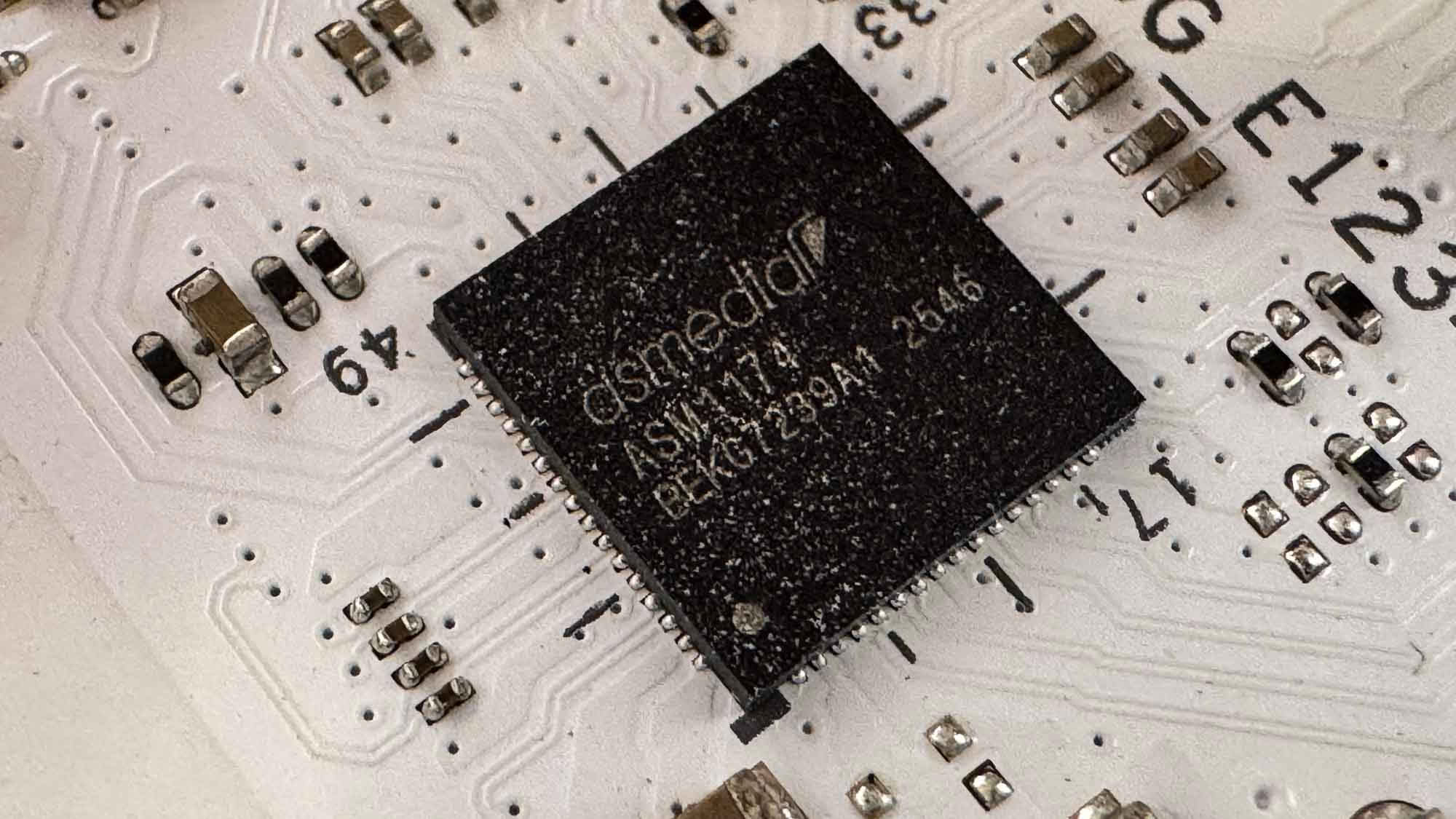
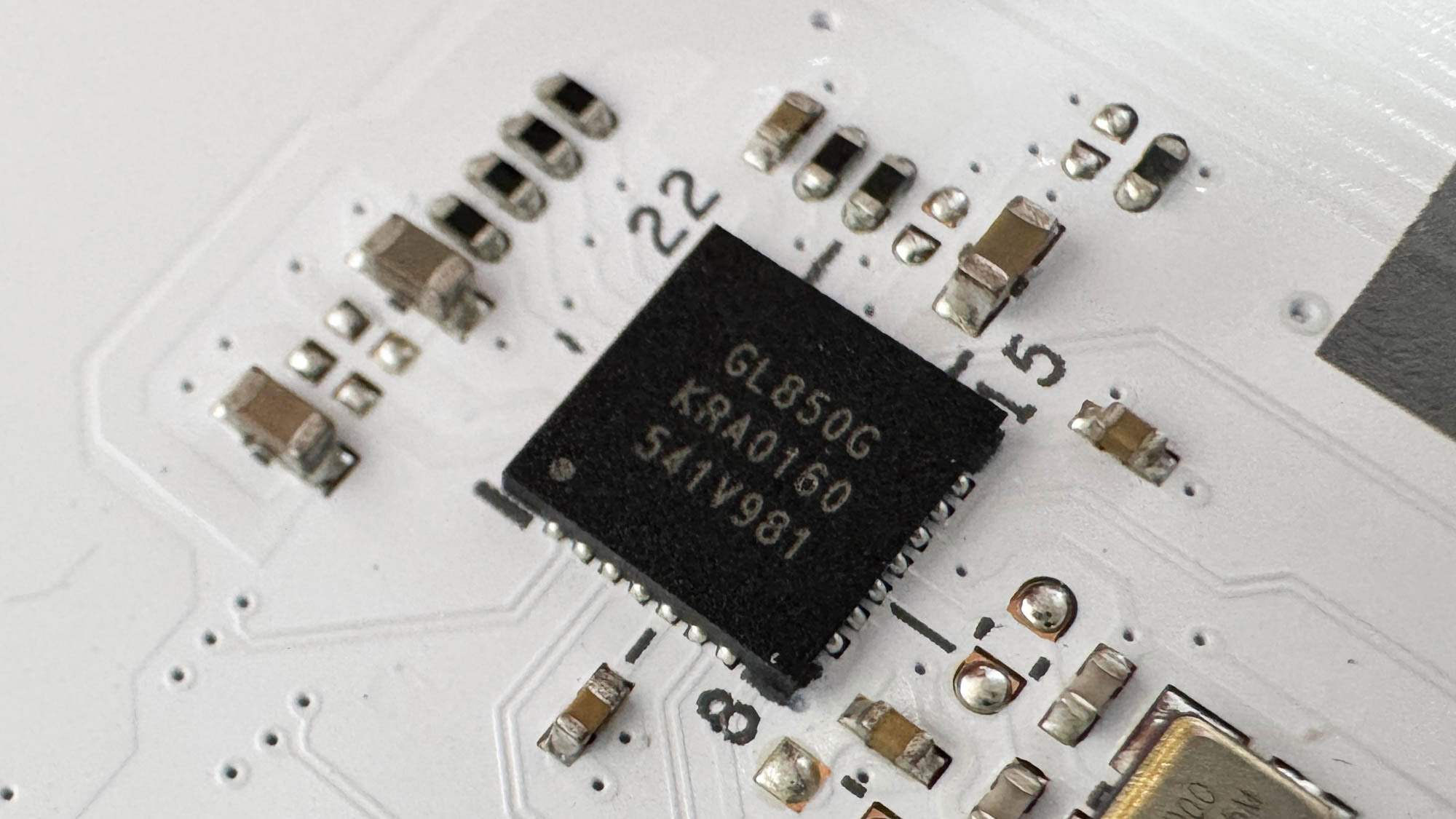
An ASMedia ASM1174 USB 3.0 hub controller is located next to the rear I/O panel powering Type-A ports while a Genesys Logic GL850G hub resides next to the USB 2.0 headers.
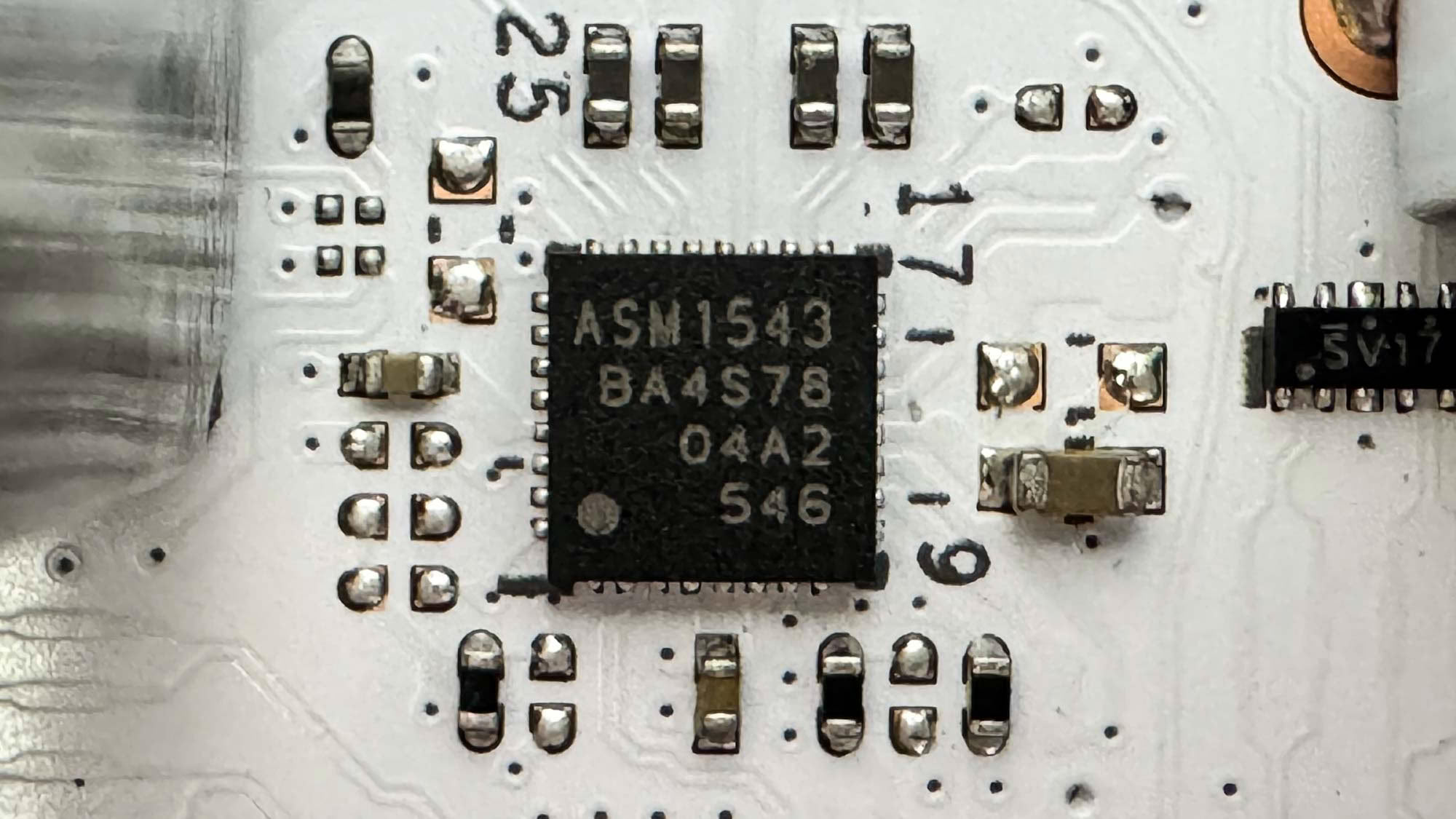
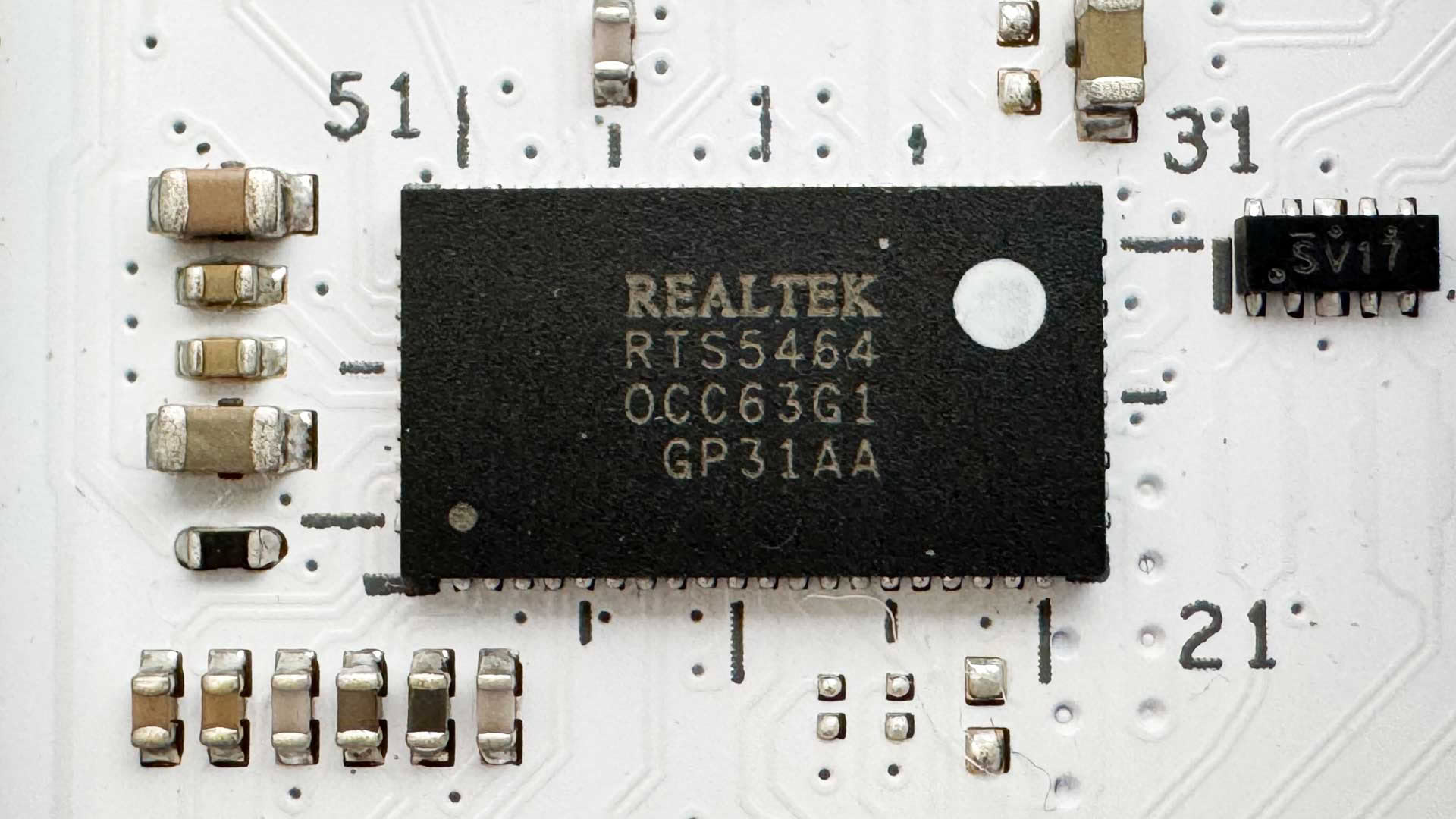
A pair of ASMedia ASM1543 USB 3.2 Gen 2 10 Gbps mux switches are located next to the rear Type-C ports, while a Realtek RTS5464 USB controller powers the 20 Gbps USB 3.2 Gen 2x2 20 Gbps Type-C header.
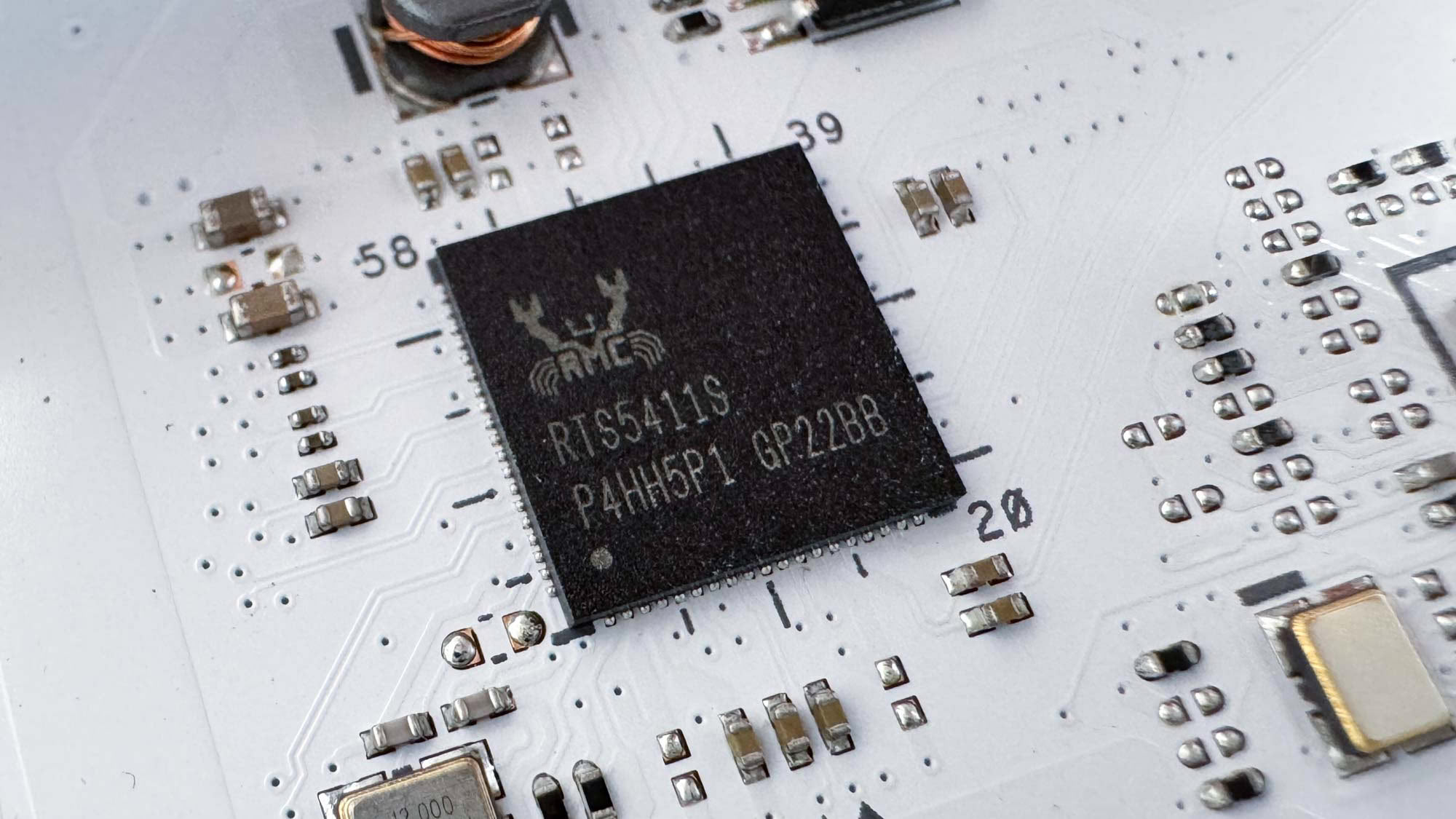
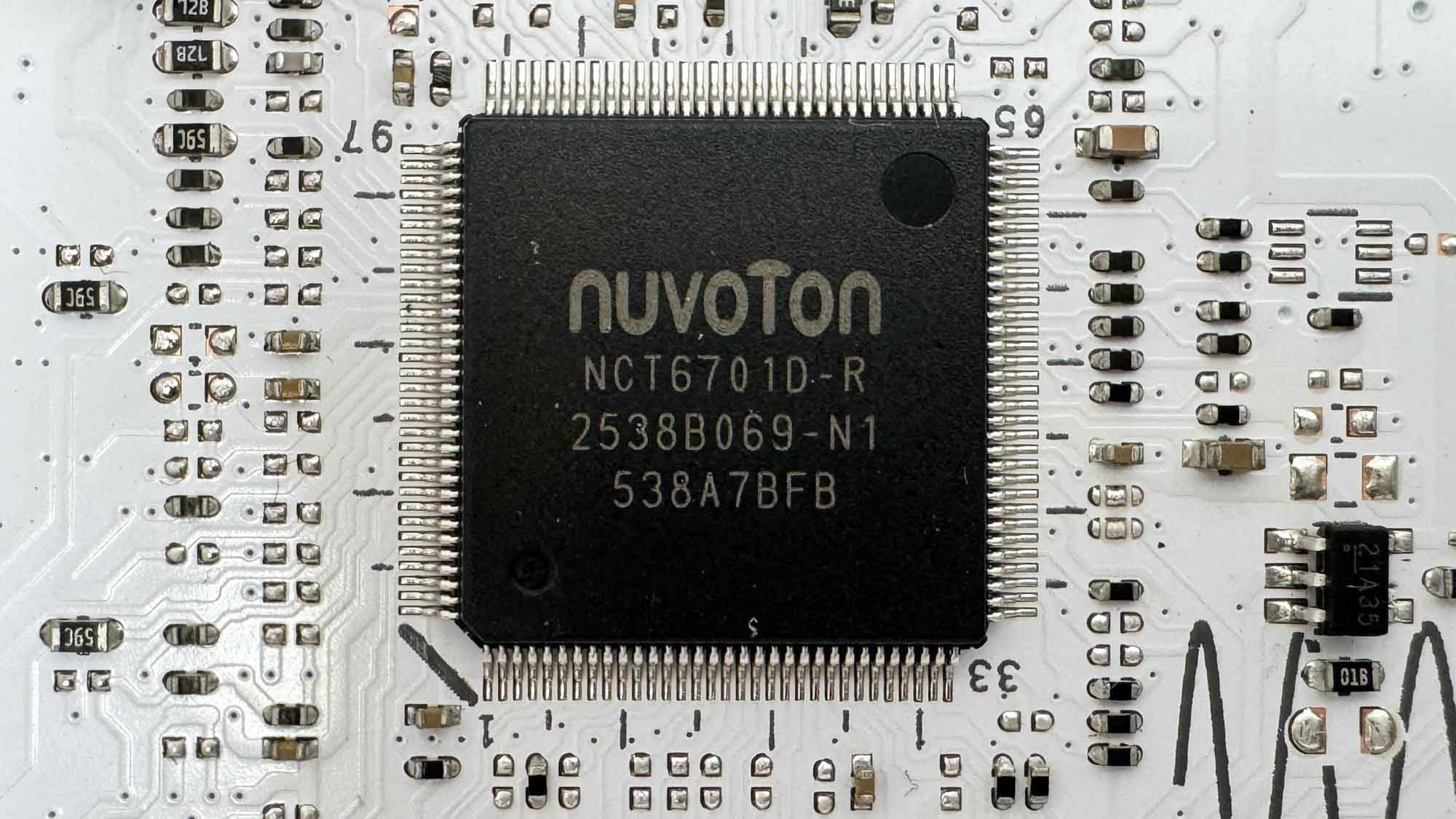
A Realtek RTS5411S hub controller powers the two USB 3.0 headers. Hardware monitoring and fan control are provided by Nuvoton's NCT6701D super I/O chip.
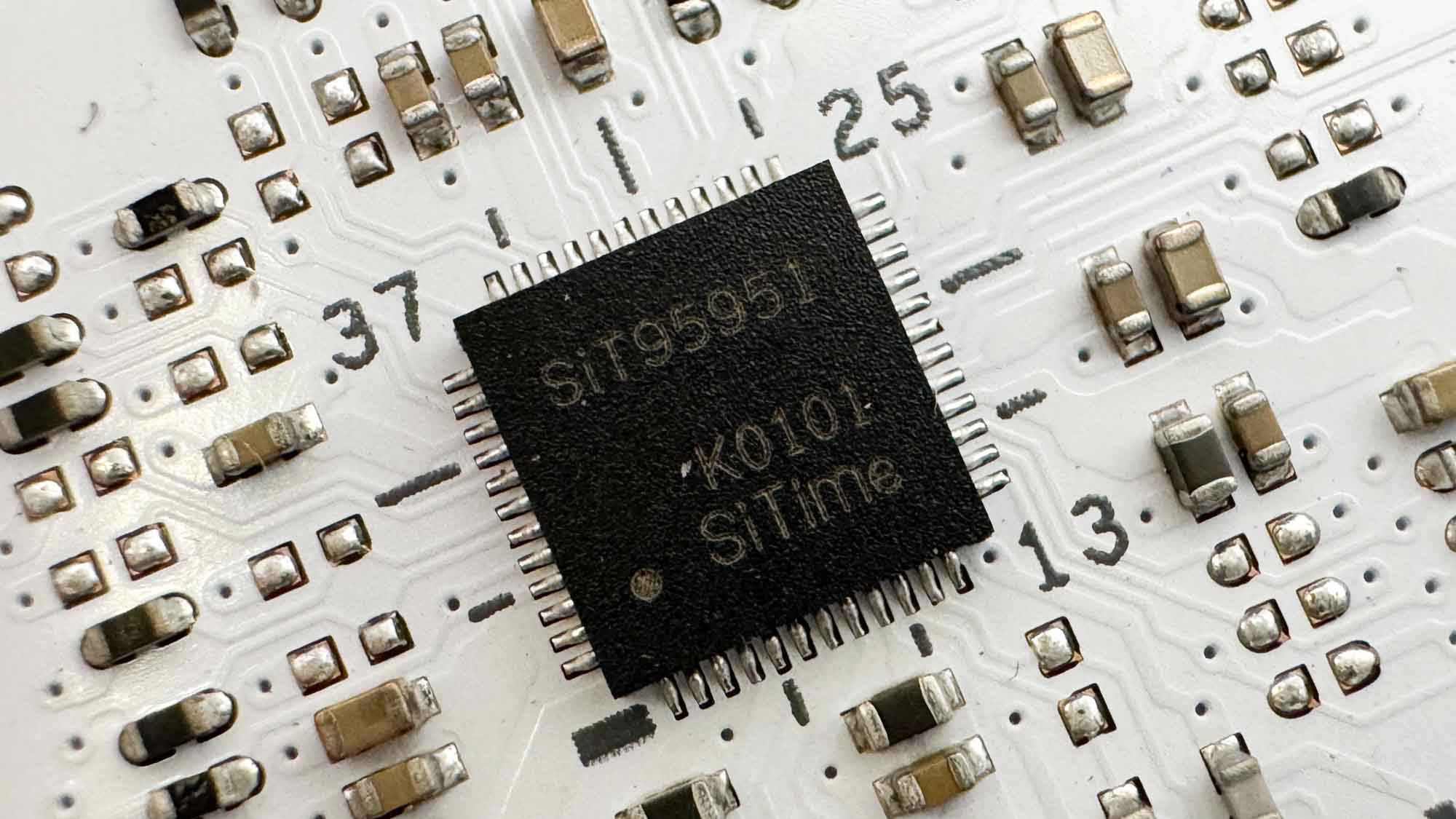
The SiT95951 chip is an external clock generator that allows for independent base clock control.
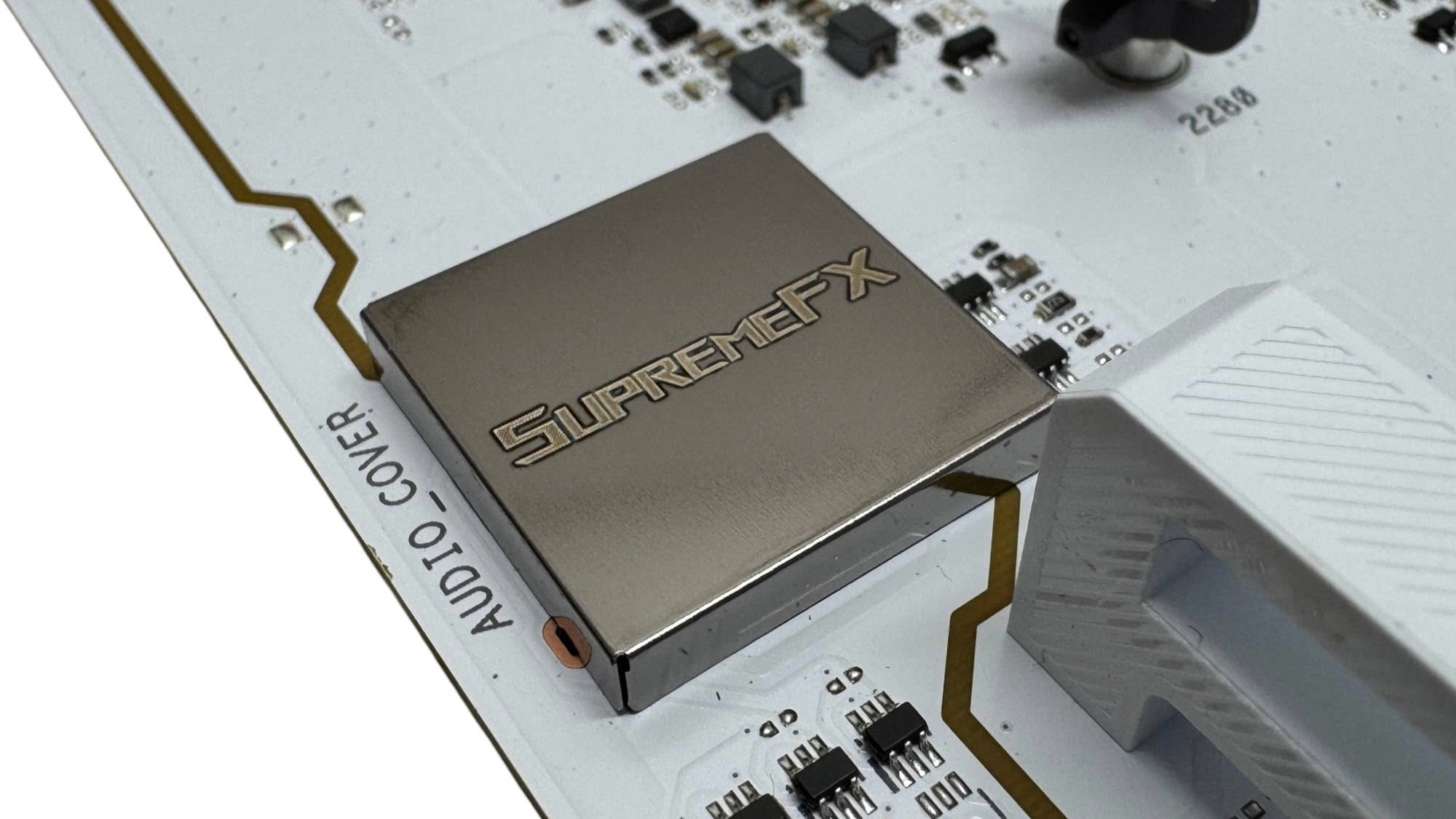
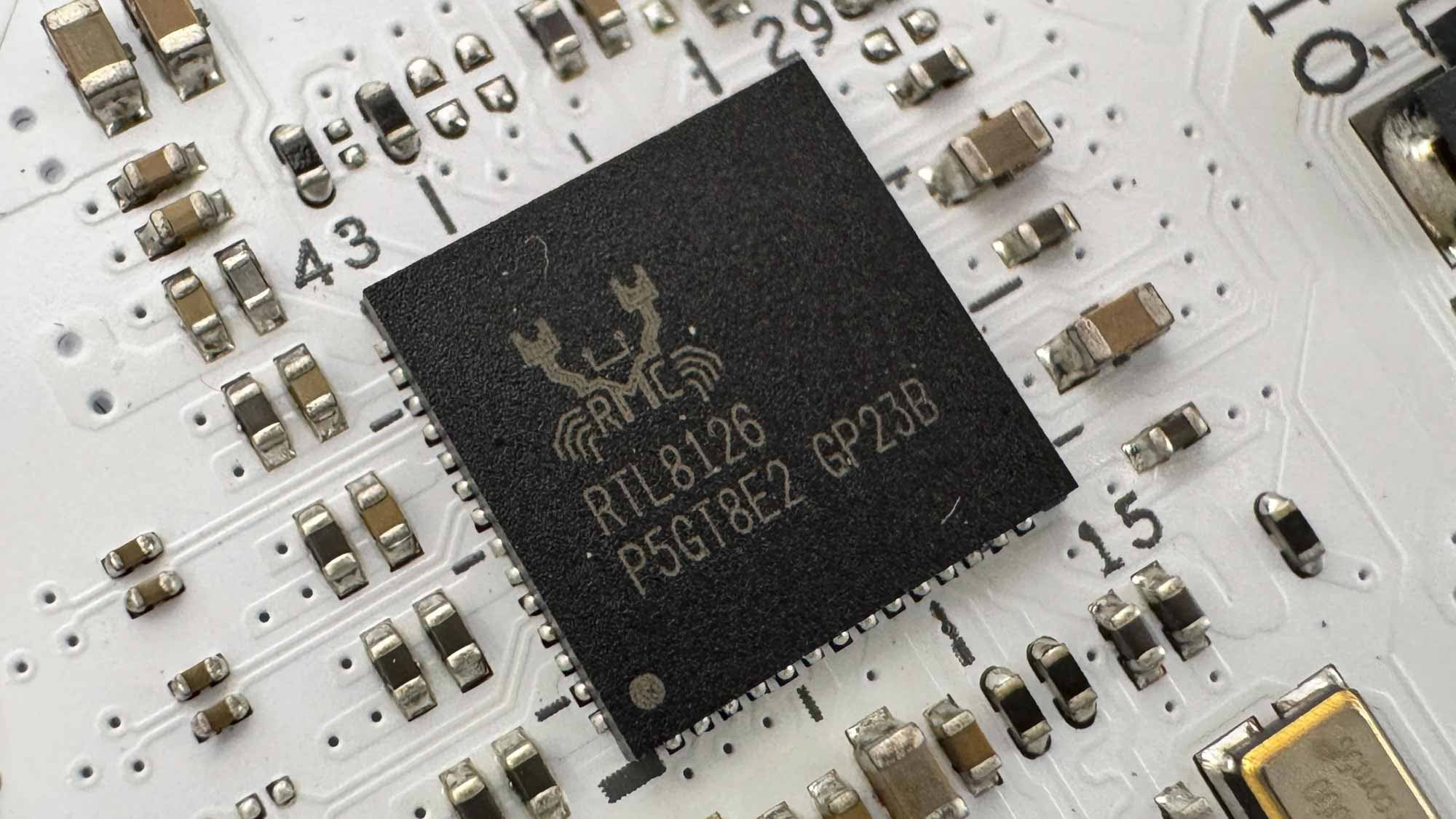
Onboard audio is Realtek's ALC4080 USB-based codec, which is located under a SupremeFX-branded shield cap. For wired networking we have Realtek's RTL8126 5 Gbps Ethernet controller.
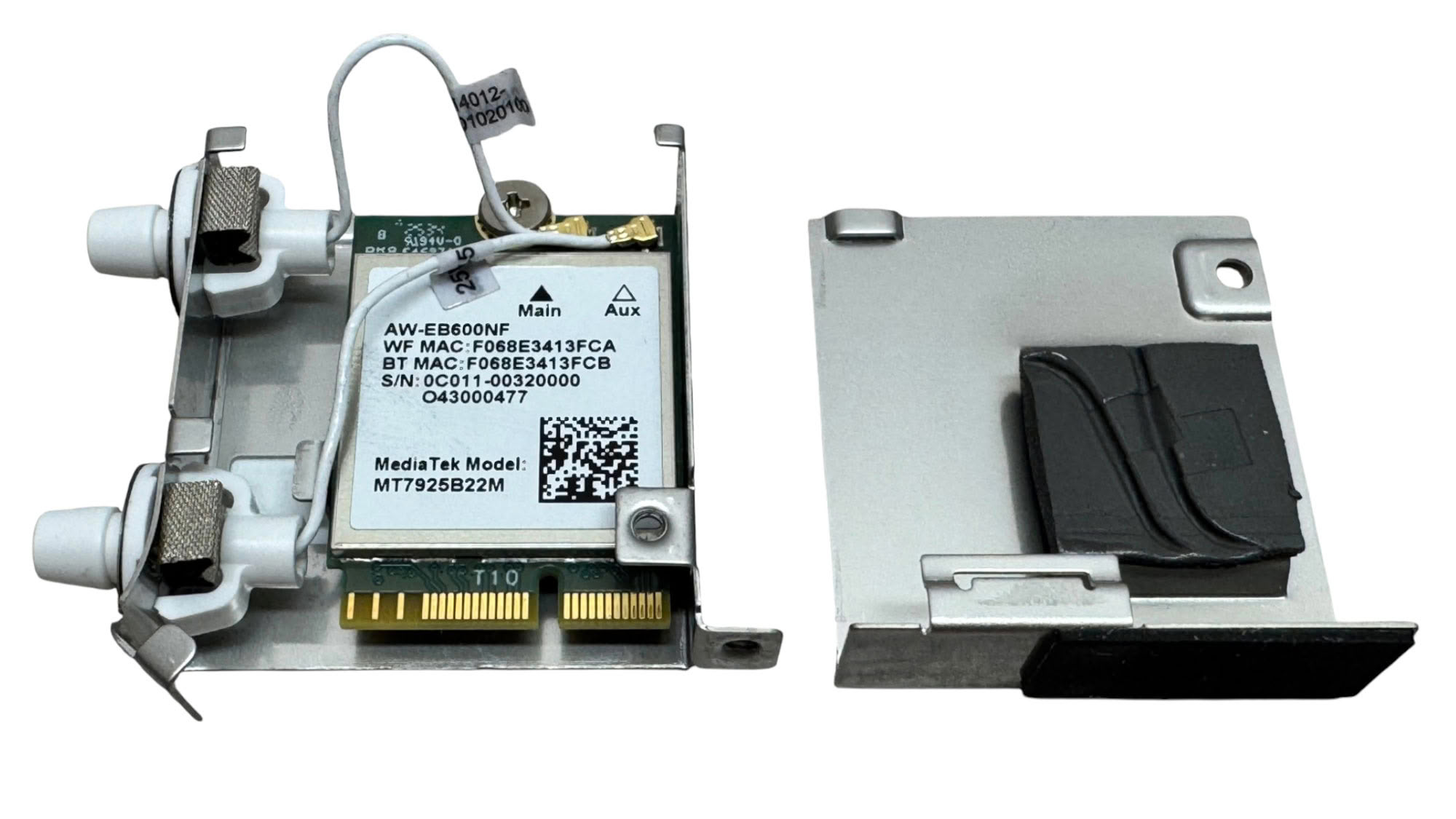
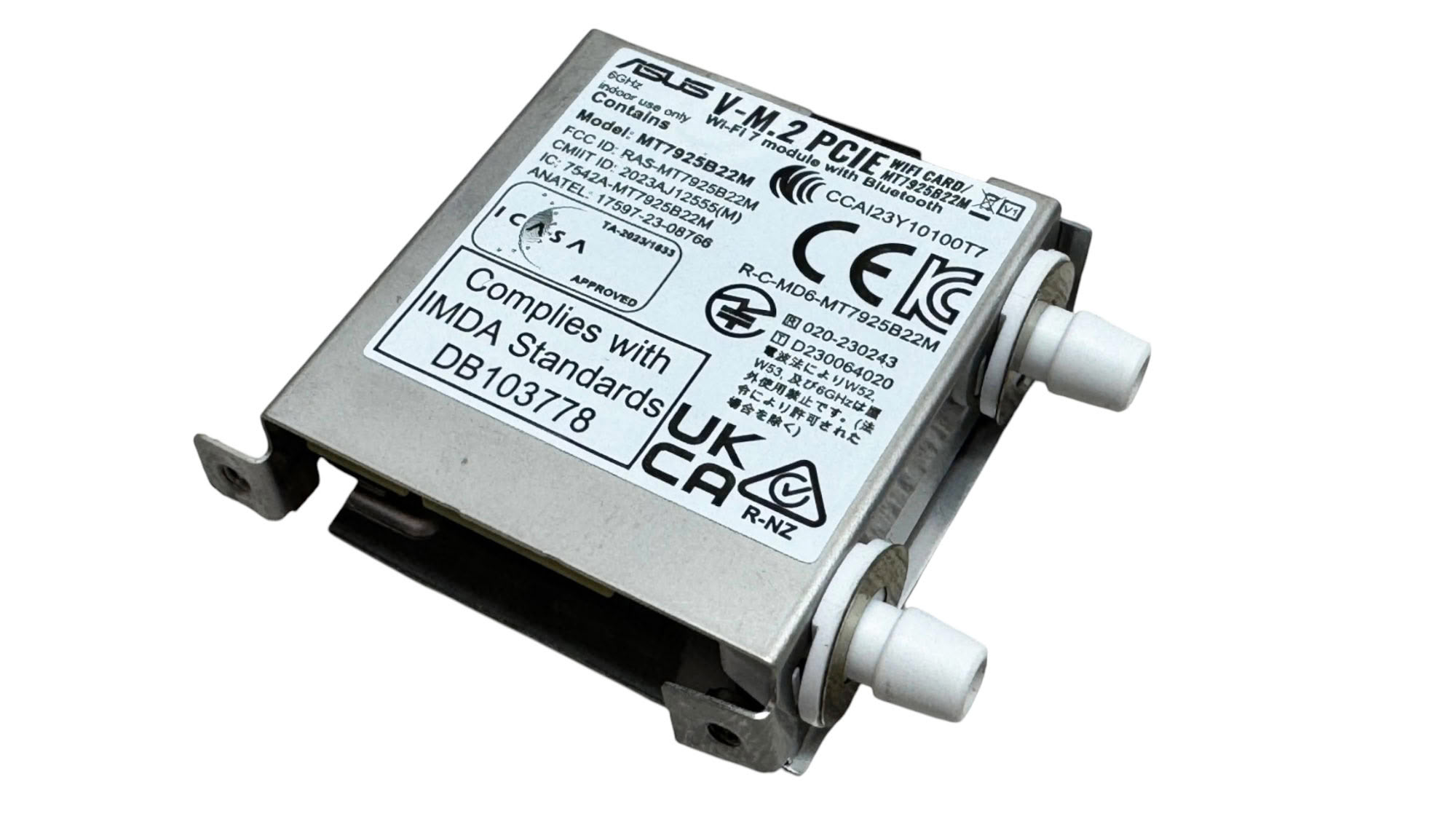
The ROG Strix B850-A Gaming Wi-Fi7 Neo, as its name suggests, is equipped with Wi-Fi 7 courtesy of a MediaTek MT7925 module. Externally this has ASUS Q-Antenna connectors, which are only compatible with the included ASUS antenna. Internally, it uses standard micro connectors and is also equipped with a thermal pad. Swapping out the Wi-Fi module is a little involved as you need to remove the larger VRM heatsink, upper plastic shroud and I/O shield, but isn't too difficult.
Nov 18th, 2026 09:23 CST
change timezone
Latest GPU Drivers
New Forum Posts
- WarpCoreBench scores! (61)
- X99 Club (188)
- Wireless Internet sharing between PC and router both-ways, is it possible? (16)
- Time to upgrade CPU and MOBO (22)
- Last game you purchased? (1403)
- Without Jensen, PC gaming will be (43)
- [Poll] 12V-2x6 Connector Protection: What Are You Using? (WireView / Ampinel / Equalizer / Other / Nothing) (35)
- Help with fixing Overclock (10)
- GIGABYTE - H55N-USB3 ITX Upgrade experience (4)
- Honestly, do you care about GTA VI? (137)
Popular Reviews
- Acemagic Retro X3 Review
- Upcoming Hardware Launches 2027 (Updated Nov 2026)
- AMD Zen 6 Technical Deep Dive
- ASUS ROG Strix B850-I Gaming Wi-Fi7 W Review
- Corsair HX1000i Shift Crystal Review
- Biwin Black Opal NV7400 2 TB Review
- Chieftec Iceberg PRO 360 DARK Review
- AMD Ryzen 7 9800X3D Review - The Best Gaming Processor
- Phantom Blade Zero Performance Benchmark Review - 35 GPUs Tested
- Montech King 95 3D PRO Review
TPU on YouTube
Controversial News Posts
- NVIDIA Co-Founder and CEO Jensen Huang Officially Resigns (472)
- Open Letter Asking NVIDIA to Reinstate Jensen Huang Passes 115,000 Signatures (184)
- Report: Jensen Huang Eyes NVIDIA Comeback (176)
- OpenAI CEO Argues Home PCs Waste the World's Limited DRAM Supply (152)
- NVIDIA Launches Investigation Into Jensen Huang's Relationship With Suspected Chinese Spy (136)
- Intel "Raptor Lake Next" 16-Core and 20-Core CPUs Surface (130)
- Legendary Game Studio BioWare Shuts Down Following EA Layoffs (104)
- Dell CEO Says the Memory Shortage Will Get Worse in 2027 (95)