 51
be quiet! System Power 10 750W Review - A Big Step Backwards
(51 Comments) »Introduction


be quiet! renewed its affordable System Power series, and the new models have increased capacities and a different OEM for the models up to 750 W. The 450 W up to 750 W units are Bronze rated, while the flagship System Power 10 model with 850 W max power is rated as Gold since it uses a different platform from the rest. Its price is also notably higher. The System Power 10 750 W, which I evaluate in this review, has a retail price of $75, while the 850 W model goes for $110.
All System Power 10 units use a non-modular cable design to reduce production costs. The OEM for the 450 - 750 W units is HEC, and the platform is an older design using some newer elements, including DC-DC converters for the generation of the minor rails. All line members operate with 200 - 240 VAC input, so they are destined for the 230 V markets only, and not for the US. Compared to the previous models, the new ones (from 450 to 750 W) have 50 W more for every model tier, are compatible with alternative sleep modes, use flat (ribbon cables) instead of sleeved ones, have a single rail instead of two, and the warranty has been increased to five years from three. A warranty increase always looks nice to users since it is evidence of increased reliability. The similarities between the 450 W to 750 W models and the older generation System Power 9 units are the PSU's housing and the fan, which remain the same. It would be great if be quiet! replaced the fan with a higher quality one.
The System Power 10 750 is 80 Plus and Cybenetics Bronze rated, and in noise, it gets a Cybenetics Standard++ which is decent for a bronze unit of this capacity. Still, given the brand's name, I expected better in the noise output section. This is an affordable PSU, and its main competitors are the XPG Pylon 750, the Thermaltake Smart BM2 750, and the Corsair CX750M. In the EU market, there is also the Chieftronic SteelPower 750. All three PSUs mentioned above use Channel Well Technology's (CWT) platforms.
Specifications
| Features & Specs | |
|---|---|
| Max. DC Output | 750 Watt |
| PFC | Active PFC |
| Efficiency (230 V): | 80 PLUS Bronze, Cybenetics Bronze (84-87%) |
| Noise | Cybenetics Standard++ (30 - 35 dBA) |
| Modular | No |
| Intel C6/C7 Power State Support | Yes |
| Operating temperature | 0 - 40 °C |
| Protections | Over Voltage Protection Under Voltage Protection Over Power Protection Over Temperature Protection Over Current Protection Short Circuit Protection |
| Cooling | 120 mm Sleeve Bearing Fan (D12SH-12) |
| Semi-passive operation | Yes |
| Dimensions (W x H x D) | 150 mm x 85 mm x 140 mm |
| Weight | 1.97 kg (4.34 lb) |
| Compliance | ATX12V v2.52, EPS 2.92 |
| Alternative Low Power Mode (ALPM) compatible | Yes |
| Warranty | 5 years |
| Price at time of review (excl. VAT) | $75 |
| Power Specs | |||||||
|---|---|---|---|---|---|---|---|
| Rail | 3.3 V | 5 V | 12 V | 5 VSB | -12 V | ||
| Max. Power | 20 A | 20 A | 62.5 A | 3 A | 0.3 A | ||
| 130 W | 750 W | 15 W | 3.6 W | ||||
| Total Max. Power | 750 W | ||||||
Photos


The box is large enough; on its face, you will find a photo of the PSU, with part of the native cables in view. You have to look at the backside for more details on its specifications.
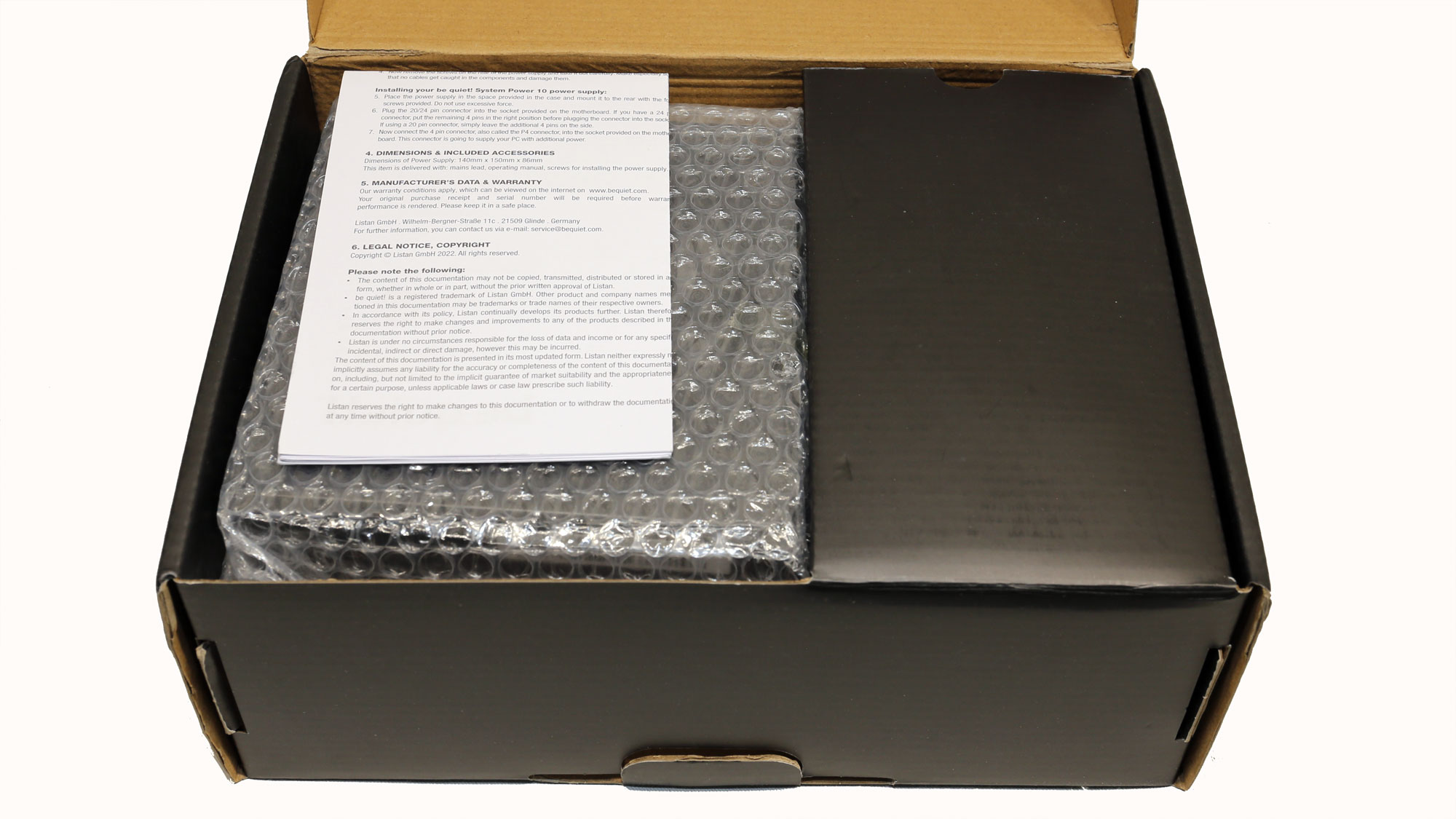

The package's protection is restricted to bubble wrap. I would like to see some packing foam. How much would this increase the price?
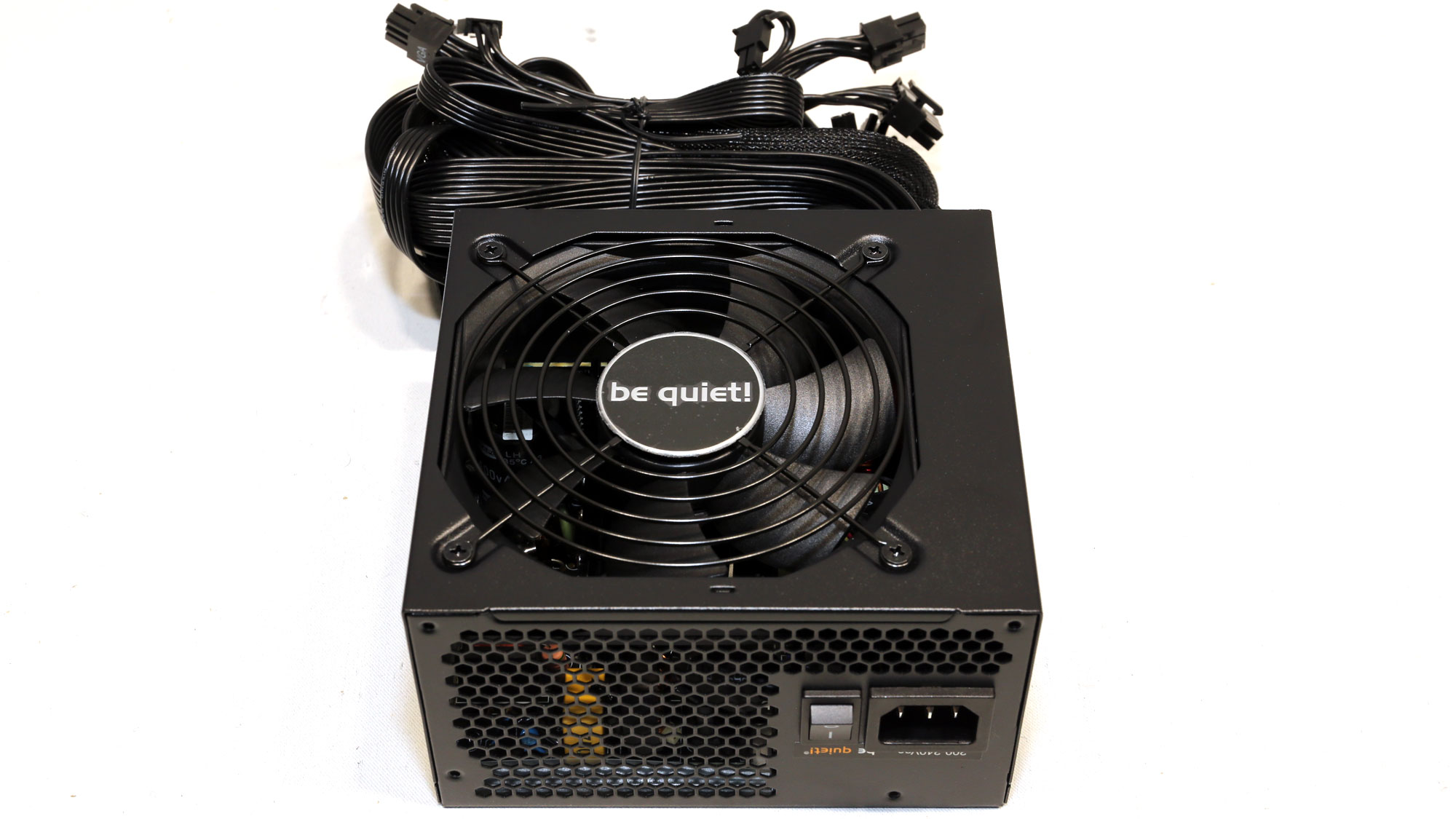

The fan grille's design is not restrictive. The unit's exhaust utilizes the omnipresent honeycomb style.
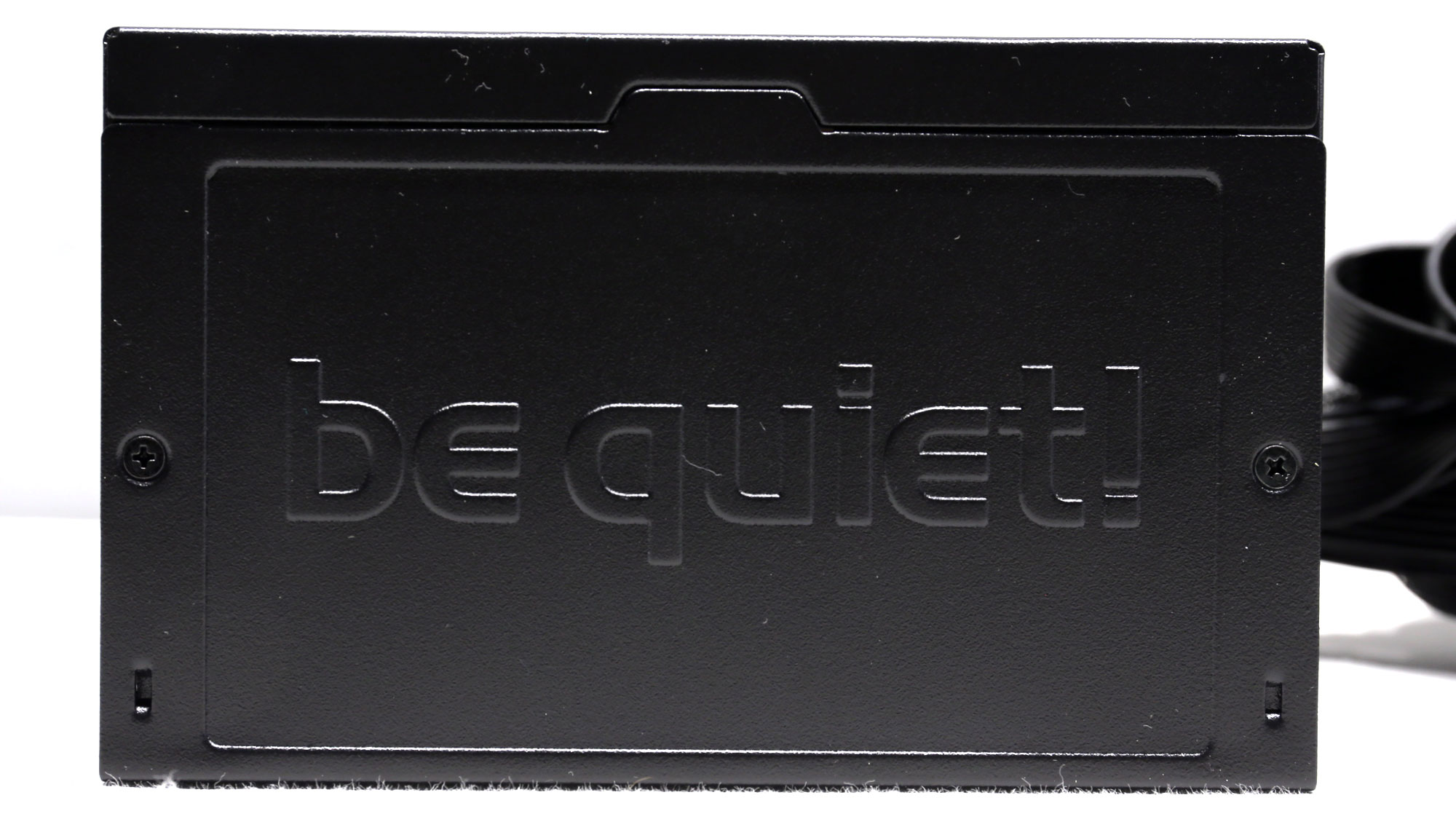
The brand's name is stamped onto one of the sides.


The power specifications label.


Only the ATX cable is sleeved. The rest are flat, which is better for airflow.


With 140 mm depth, this is a compact footprint PSU.


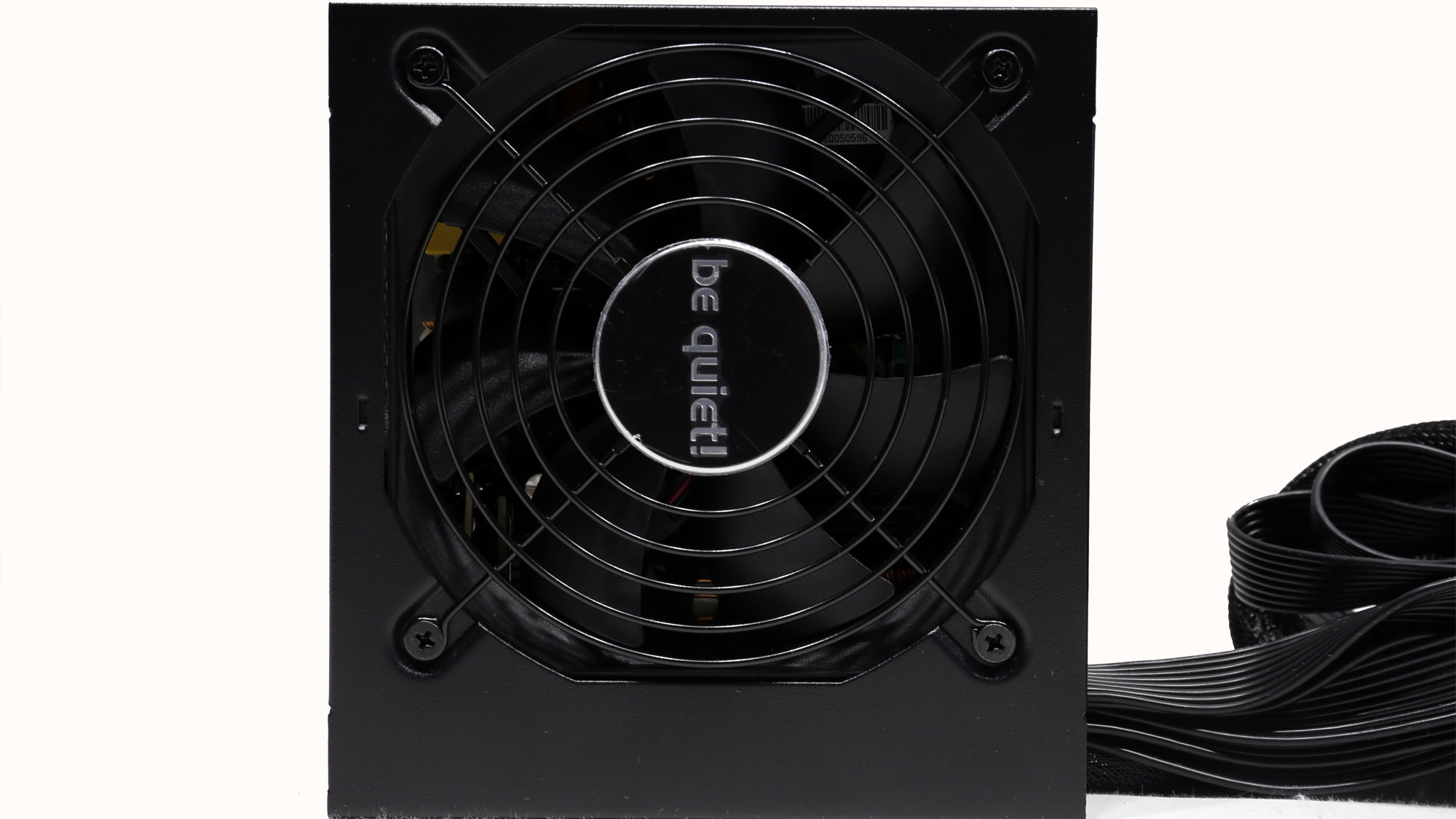
Here are some more photos of the PSU from various angles.
Cables and Connectors
| Captive Cables | ||||
|---|---|---|---|---|
| Description | Cable Count | Connector Count (Total) | Gauge | In Cable Capacitors |
| ATX connector 20+4 pin (540 mm) | 1 | 1 | 18-20AWG | No |
| 4+4 pin EPS12V (590 mm) | 1 | 1 | 18AWG | No |
| 8 pin EPS12V (600 mm) | 1 | 1 | 18AWG | No |
| 6+2 pin PCIe (550 mm+150 mm) | 2 | 4 | 18AWG | No |
| SATA (570 mm+120 mm) / 4-pin Molex (+120 mm) | 1 | 3 | 18AWG | No |
| SATA (460 mm+120 mm+120 mm+120 mm) | 1 | 4 | 18AWG | No |
| Modular Cables | ||||
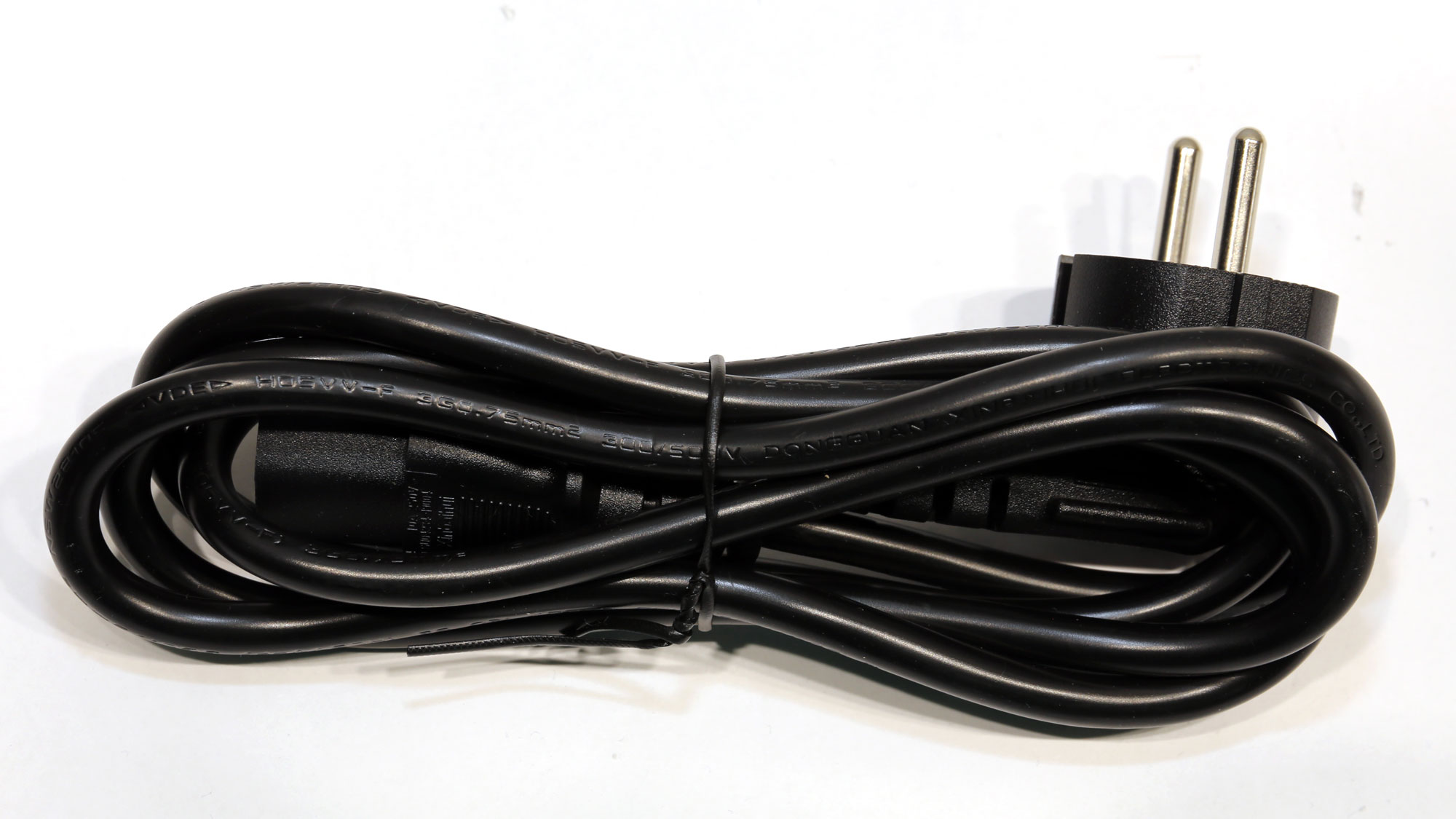
| AC Power Cord (1390 mm) - C13 coupler | 1 | 1 | 18AWG | - |

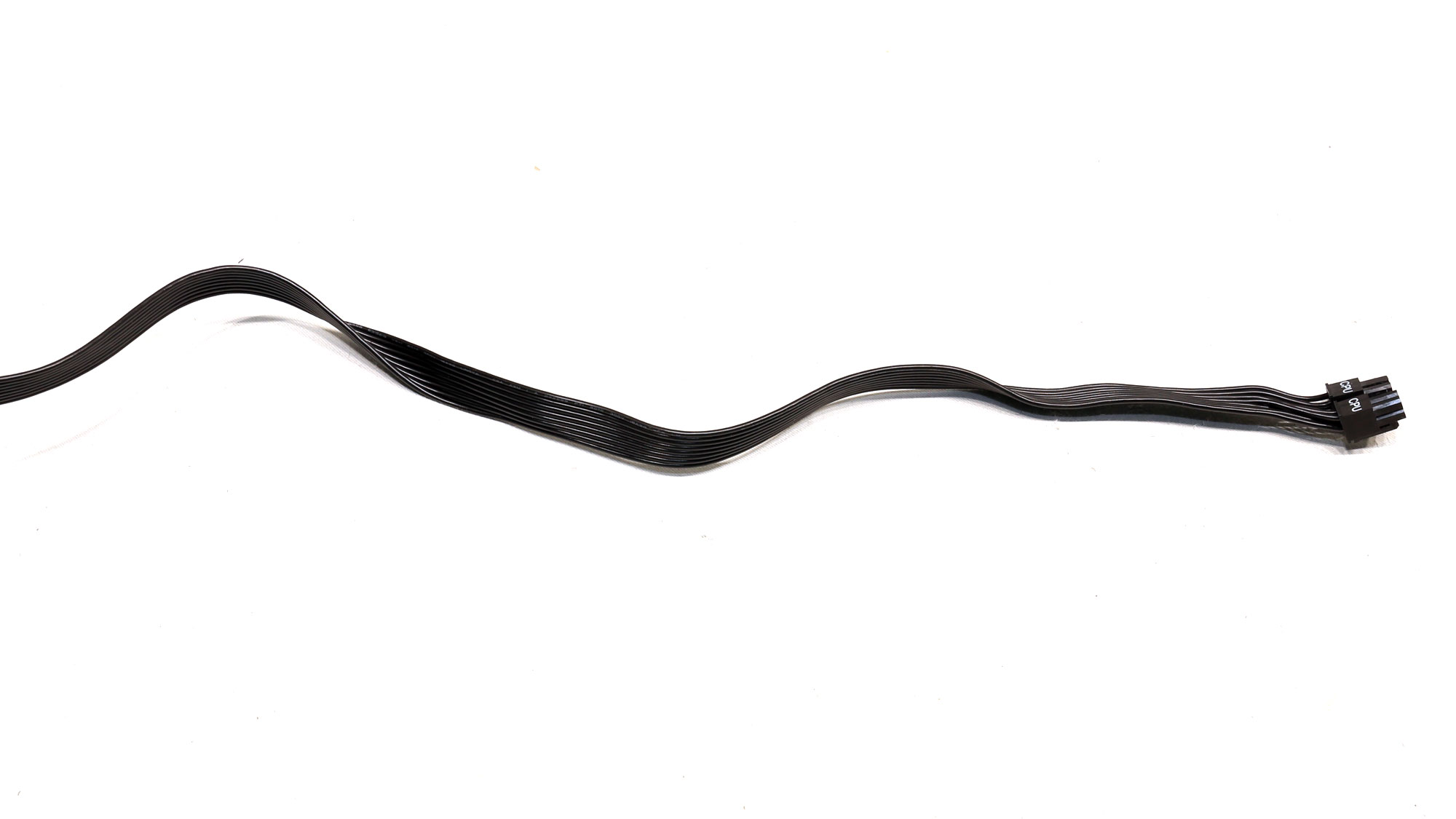
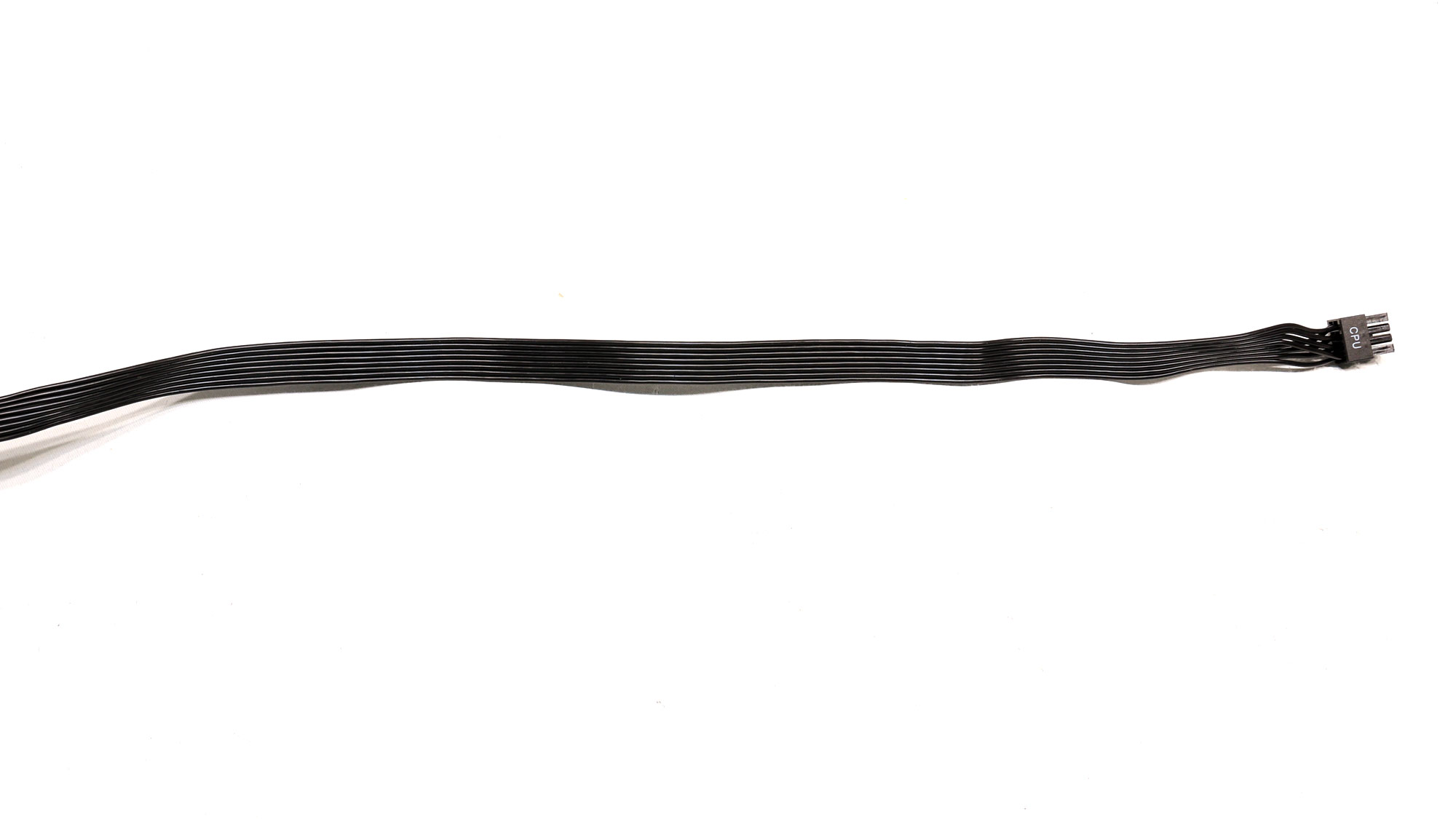
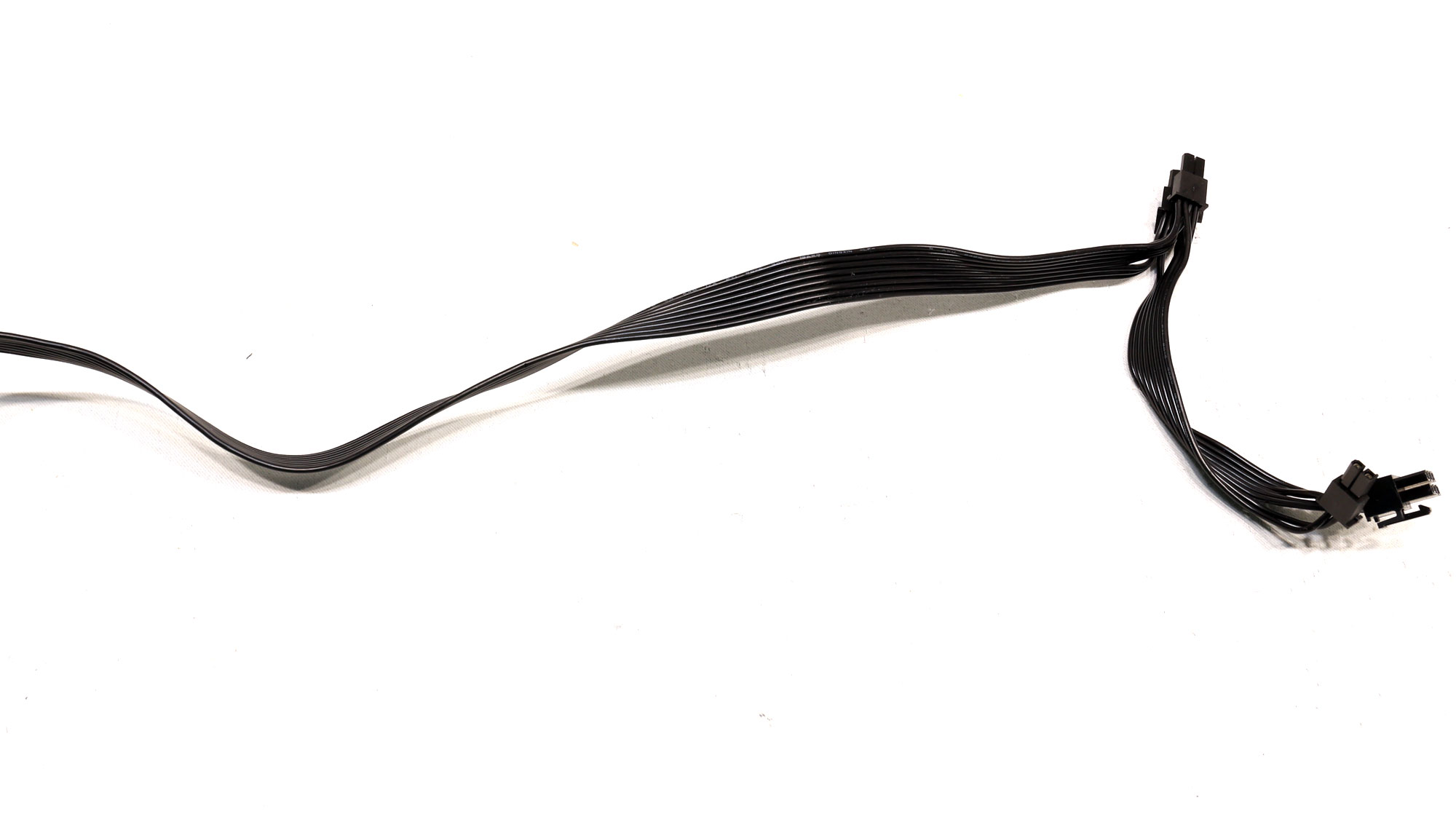
The cables are not so long, and the single 4-pin Molex troubles me. These connectors are no longer popular, but including only a single one can create headaches for some users.
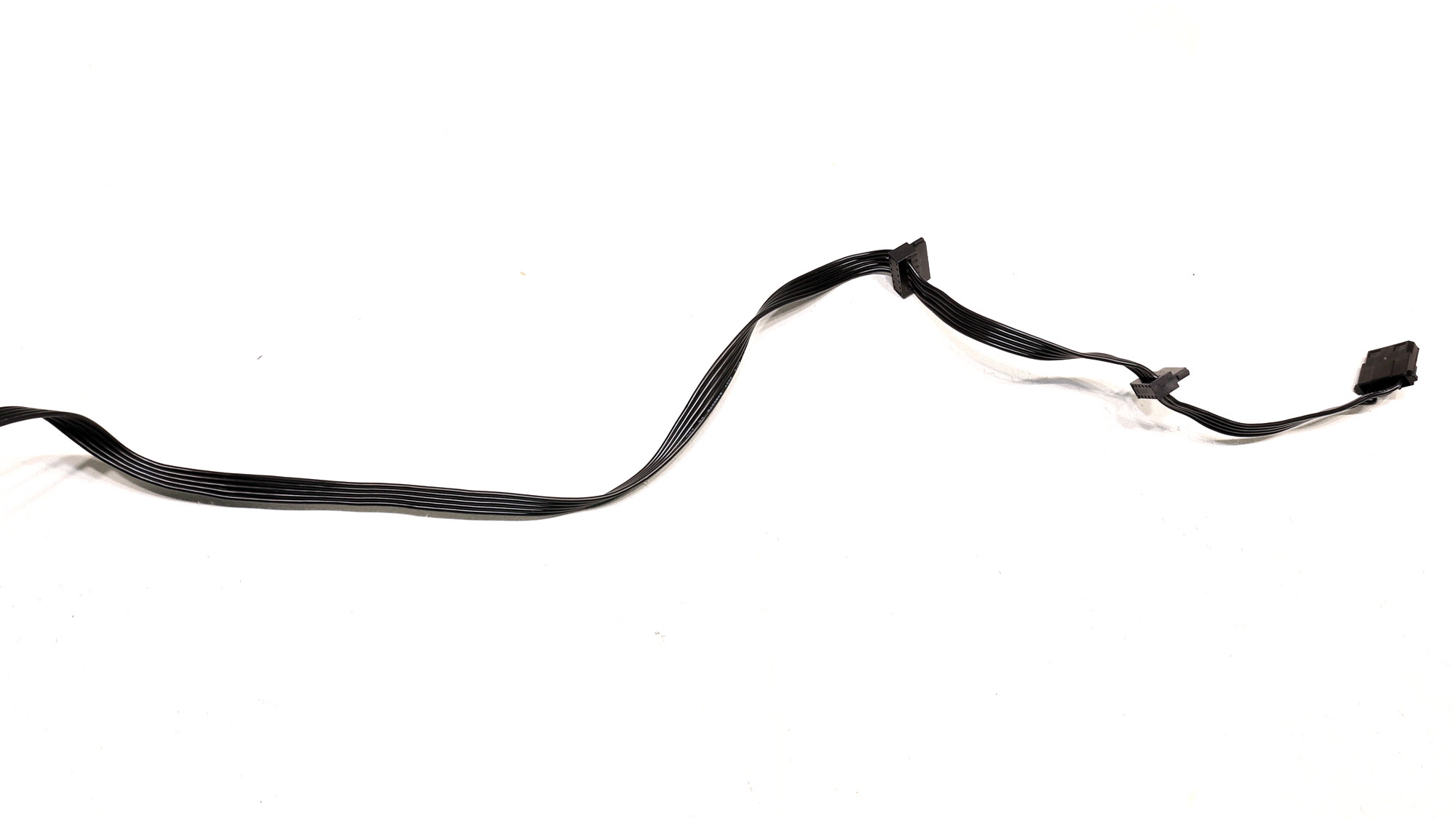
The distance between the peripheral connectors should be longer, ideally close to 150 mm.
Component Analysis
Before reading this page, look at this article, which will help you better understand the insides of a PSU.| be quiet! System Power 10 750W Parts Description | |
|---|---|
| General Data | |
| Manufacturer (OEM) | HEC |
| PCB Type | Single Sided |
| Primary Side | |
| Transient Filter | 4x Y caps, 2x X caps, 2x CM chokes, 1x MOV, 1x Power Integrations CAP200DG (Discharge IC) |
| Bridge Rectifier(s) | 1x MCC GBU8K (800 V, 8 A @ 100 °C, w/o heatsink) |
| Inrush Current Protection | NTC Thermistor (SCK-2R58) (2.5 Ohm) & Relay |
| APFC MOSFETs | 2x Great Power GPT18N50D (500 V, 18 A, Rds (on): 0.27 Ohm) |
| APFC Boost Diode | 1x STMicroelectronics STTH8R06FP (600 V, 8 A @ 85 °C) |
| Bulk Cap(s) | 1x Teapo (400 V, 470 uF, 2,000 h @ 85 °C, LH) |
| Main Switchers | 2x GPT22N50SYX |
| Combo PFC/PWM Controller | Champion CM6800TX |
| Topology | Primary side: APFC, Double Forward Secondary side: Passive Rectification & DC-DC converters |
| Secondary Side | |
| +12 V SBRs | 2x CHONGQING PS30U60CT (60 V, 30 A @ 90 °C) & 4x PFC PFR40V60CT (60 V, 40 A @ 100 °C) |
| +5 V & +3.3 V | DC-DC Converters: 7x Excelliance MOS EMB07N03V (25 V, 97 A @ 100 °C, Rds (on): 1.4 mOhm) PWM Controller(s): 2x ANPEC APW7164 |
| Filtering Capacitors | Electrolytic: 10x Teapo (1 - 3,000 h @ 105 °C, SC) 2x Nichicon (4 - 10,000 h @ 105 °C, HE) 7x Nippon Chemi-Con (4 - 10,000 h @ 105 °C, KY), 1x Teapo (1,000 h @ 105 °C, SEK) Polymer: 3x Teapo |
| Supervisor IC | Weltrend WT7527RT (OCP, OVP, UVP, SCP, PG) |
| Fan Model | Yate Loon D12SH-12 (120 mm, 12 V, 0.30 A, Sleeve Bearing Fan) |
| 5VSB Circuit | |
| Rectifier(s) | 1x MOSPEC S10M60C SBR (60 V, 10 A) |
| Standby PWM Controller | Power Integrations TNY289PG |


The manufacturer is HEC, and the design is old with some new elements, including the VRMs for the generation of the minor rails and the alternative low power modes support. Despite the small PCB, HEC didn't use large parts, so there is enough space between them for good airflow. Even on the secondary side with the native cables, the caps are in clear sight, so the fan will effectively cool them down. The heatsinks are small for a Bronze unit, and the bridge rectifier doesn't use one. Since this is a 230 V only PSU, it won't have to deal with high amperage.


The input filter has all the necessary parts and a discharge IC to provide a slight efficiency boost.


There is an MOV for protection against power surges. An NTC thermistor handles inrush currents. There is no bypass relay for the latter, which usually is the case for low-cost PSUs.

The bridge rectifier can handle up to 8 Amperes at 100 °C. It doesn't use a heatsink since it won't have to handle more than 5 Amps in the worst-case scenario, because the PSU's input voltage is 200-240 V.


The APFC converter uses two Great Power FETs and a single boost diode by STMicroelectronics. The bulk cap is by Teapo, and it is rated at 85 °C, while most PSUs use 105 °C bulk caps.


The main FETs are installed in a double forward topology, and the combo PFC/PWM controller is a Champion CM6800TX.

The main transformer has be quiet!'s name on it.


Several SBRs regulate the +12 V rail.

A pair of VRMs handle the minor rails.


Most electrolytic caps belong to the low-end Teapo SC line, which is not among my favorites. The last time I talked with be quiet's PSU PM, he assured me that he never had these caps fail, even in hot climates, and I don't have a reason not to believe him. Still, I want higher quality caps used at this stage.


The standby PWM controller is a Power Integrations TNY289PG.

The primary supervisor IC is a Weltrend WT7527RT.


Soldering quality is average.


The cooling fan is by Yate Loon, and uses a sleeve bearing.
Test Setup

Our Patreon Silver Supporters can read articles in single-page format.
Nov 11th, 2026 17:23 CST
change timezone
New Forum Posts
- WarpCoreBench scores! (14)
- Warning for Windows 10 and 11 users running newer AMD GPU drivers (49)
- Bought MAX-P495 - Which model? (29)
- GeekMagic Ultra Smart WiFi Weather Station (3)
- DTS DCH Driver for Realtek HDA [DTS:X APO4 + DTS Interactive] (2809)
- Rare GPUs / Unreleased GPUs (2271)
- Samsung 870 EVO - Beware, certain batches prone to failure! (1486)
- Windows new update 26H2 - Throttlestop (10)
- When you could finally run Crysis maxed out? (42)
- TPU's F@H Team (20569)
Popular Reviews
- AMD Zen 6 Technical Deep Dive
- Upcoming Hardware Launches 2027 (Updated Nov 2026)
- Gigabyte Z890I Aorus Ultra Review
- XPG NIMBUS PLUS Review - Mid-range Chair With Strong Competitors
- INNOCN 45C1R Review - Two QHD Screens, Zero Bezels
- NZXT H7 RGB+ Review
- Phantom Blade Zero Performance Benchmark Review - 35 GPUs Tested
- Gears of War: E-Day Performance Benchmark Review - 35 GPUs Tested
- NZXT H5 Review
- be quiet! Light Mount TKL Keyboard Review
TPU on YouTube
Controversial News Posts
- OpenAI CEO Argues Home PCs Waste the World's Limited DRAM Supply (152)
- NVIDIA Launches Investigation Into Jensen Huang's Relationship With Suspected Chinese Spy (136)
- Intel "Raptor Lake Next" 16-Core and 20-Core CPUs Surface (130)
- Legendary Game Studio BioWare Shuts Down Following EA Layoffs (104)
- Dell CEO Says the Memory Shortage Will Get Worse in 2027 (95)
- NVIDIA GeForce RTX 50-Series Scheduled for up to $500 Price Hike This Week (89)
- Modder Fits RTX 5090 With Four 8-Pin Connectors, Halving Current per Wire (80)
- AMD Radeon Owners Can Now Run Nearly Every DLSS Feature Through Fan-Made Mod (80)