 9
Building a Keyboard 12: MOONDROP Switches, Akko MOD 004 Kit, Epomaker Sailing Keycaps
(9 Comments) »Introduction

The "Building a Keyboard" series on TechPowerUp has been an exercise to showcase various DIY components in the world of custom keyboards, and how you can make your own from parts that come together easier than assembling a PC. This has become extremely simple over the last couple of years with the development of hot-swap switch sockets, to where the series has also become a way to cover products sent for review that are not complete keyboards. This happens to be the case today whereby MOONDROP appreciated my detailed and extremely popular review of its first keyboard—the innovative DASH75—and requested I cover its switches too. I just so happened to be sitting on a keyboard kit and keycap set that all worked together quite well.

As of the time I write this article, MOONDROP has two switches under its name in the form of the linear Lunalight we saw previously in the DASH75 review as well as the tactile Tessence—don't ask me if the starting letters are based on the switch type. These switches came about after a collaboration with the keyboard design and manufacturing studio G-Square and I had been quite curious about them. Akko, on the other hand, is a brand we've covered extensively with its neat designs and themed keyboards that employ a variety of form factors and materials alike. It got into the DIY space with some fantastic keyboard kits, of which we have previously talked about the gasket mount MOD 003 as well as the acrylic stack ACR 75. Today we examine the MOD 004 which is a less expensive version of the MOD 003 that foregoes the gaskets but retains a premium build nonetheless. The keyboard is made complete with Epomaker's Sailing keycap set which aims to be an inexpensive Cherry profile ABS plastic set that gives different shades of blue and white to match the other components fairly well. There's a lot to unpack, literally, so let's thank MOONDROP, Akko, and Epomaker for providing all the parts before we get on with it!
Akko MOD 004 Kit


Akko introduced its "Akko Designer Studio" line of products in late 2021 with the goal being to address the needs of the burgeoning enthusiast keyboard community that wants premium keyboard kits and the freedom to pair them with different switches and keycaps. Typically such kits are sold on the group buy model with prices exceeding $1000 at times and getting worse on the second-hand market owing to the scarcity of the products. Chinese keyboard brands saw the potential to mass produce premium kits and sell at at a lower cost while also offering in-stock items for all, and the MOD 004 from Akko is one such example. It ships in a heavy-duty cardboard box that is a far cry from the more inexpensive Akko pre-built keyboards. It's a two-piece box using a monochrome color scheme that does not have a lot going on the front or back, allowing for the same box to be used for multiple products. A sticker on the side confirms the exact unit inside and lifting off the top lid reveals a thick foam sheet on top of the contents for added protection.


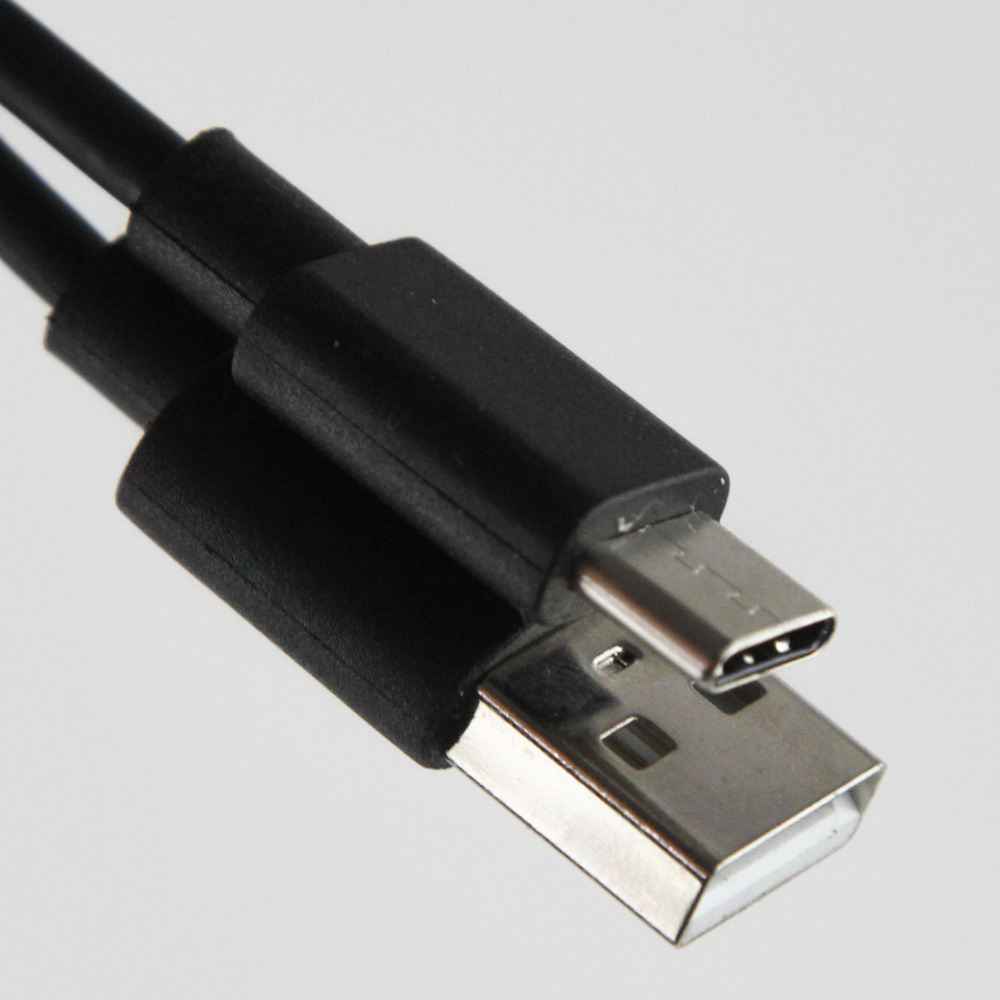
There is an even thicker foam body with two cut-out compartments for the keyboard kit inside another foam wrap, and the cable off to the side. Akko also has the product user manual (online copy here) underneath the kit and it goes over the pre-programmed functions and customization options for the MOD 003 and 004 in both English and Mandarin; the former is the gasket mount version we saw before. The cable is quite generic, however. I would have liked a color-matched cable similar to what Akko did with the ACR series. It's otherwise a black Type-C to Type-A cable with a standard PU sleeve and no fabric sleeving—completely functional, possibly more so than others in that it isn't very thick and is easy to manage, but still basic. Missing are a keycap puller and switch remover, with the former provided with many keycap sets from Akko, Epomaker, and the likes.
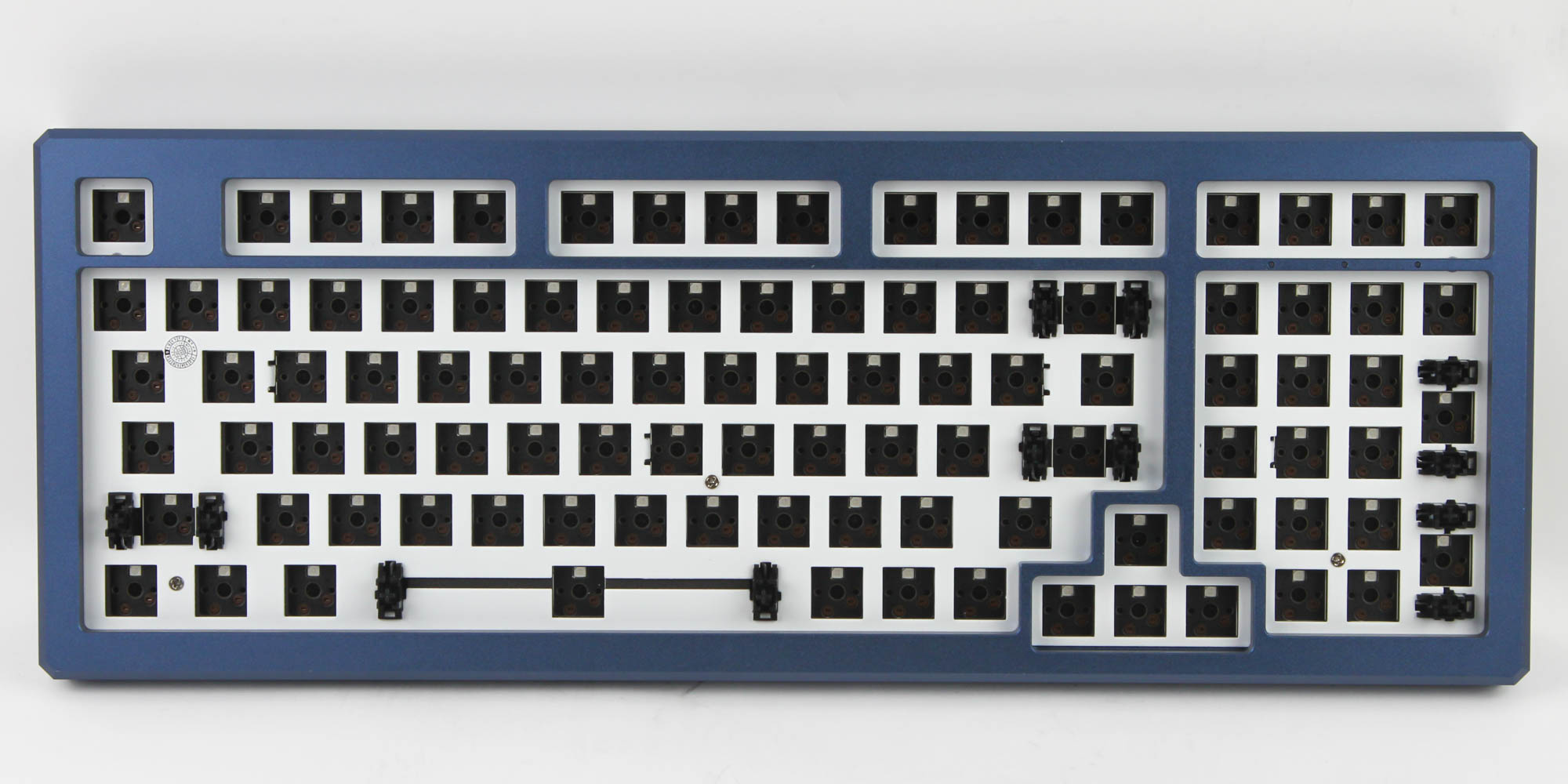


The MOD 004 kit from Akko is a 96% form factor unit, with the US ANSI layout resulting in a total of 98 keys similar to the MOD 003 and Akko's 3098/5098 series of pre-built keyboards. The difference between the kit version and the pre-builts is pretty obvious in that the MOD 004 swaps out the ABS plastic case for thick CNC-machined aluminium. It comes anodized in seven color options ranging from a tamer gray to a dashing pink, and I picked the Ocean Blue finish that is quite stunning in person. When light hits it, you can see the metallic sparkle coming off the chamfered edges that are neatly done with no errors in manufacturing or finish. This is also a hefty kit at over 1.5 kg by itself that will easily weigh ~2 kg with the switches and keycaps installed. Note the various cordoned off sections similar to some old-school designs, which I would have rather seen omitted because installing and removing switches is harder this way. This is a medium-profile case, and the bottom is still tall enough for a wrist rest if you are not used to touch typing with your hands hovering over the keys. It is otherwise a plug-and-play kit using 5-pin hot-swap switch sockets compatible with your favorite Cherry MX-style cross-point stem switches and you do not need to clip plastic pins off 5-pin switches compared to 3-pin sockets. Each socket has a north-facing SMD RGB LED for backlighting, but the plate-mounted stabilizers are one of the drawbacks of this otherwise impressive case design. The stabilizer stems are lightly pre-lubed, though, which does help, and I don't see native support for screw-in stabilizers.
A look from the back shows more of the two-piece aluminium construction used here with screws securing it in place. There's a badge in the middle for branding and certification alike, making the kit clean in use on the front. We also see the MOD 004 loses the fancier plate insert the more expensive MOD 003 got, and four long rubber pads on the corners lift the kit off the desk to prevent scratches to the aluminium and keep it from moving around, although it is massive. There are no add-on feet, which I wasn't surprised by on this all-metal chassis, so the integrated elevation is all you get. In the middle on the side facing away from the user is a relatively large cutout providing access to the USB Type-C connector, and the accompanying cable fits easily. In fact, there is enough room for most aftermarket cables if you wanted to jazz things up further. The cable is the usual 6' long and requires an available Type-A port on your PC, where USB 3.2 Gen 1 (USB 3.0) is recommended, although USB 2.0 will still suffice for power.


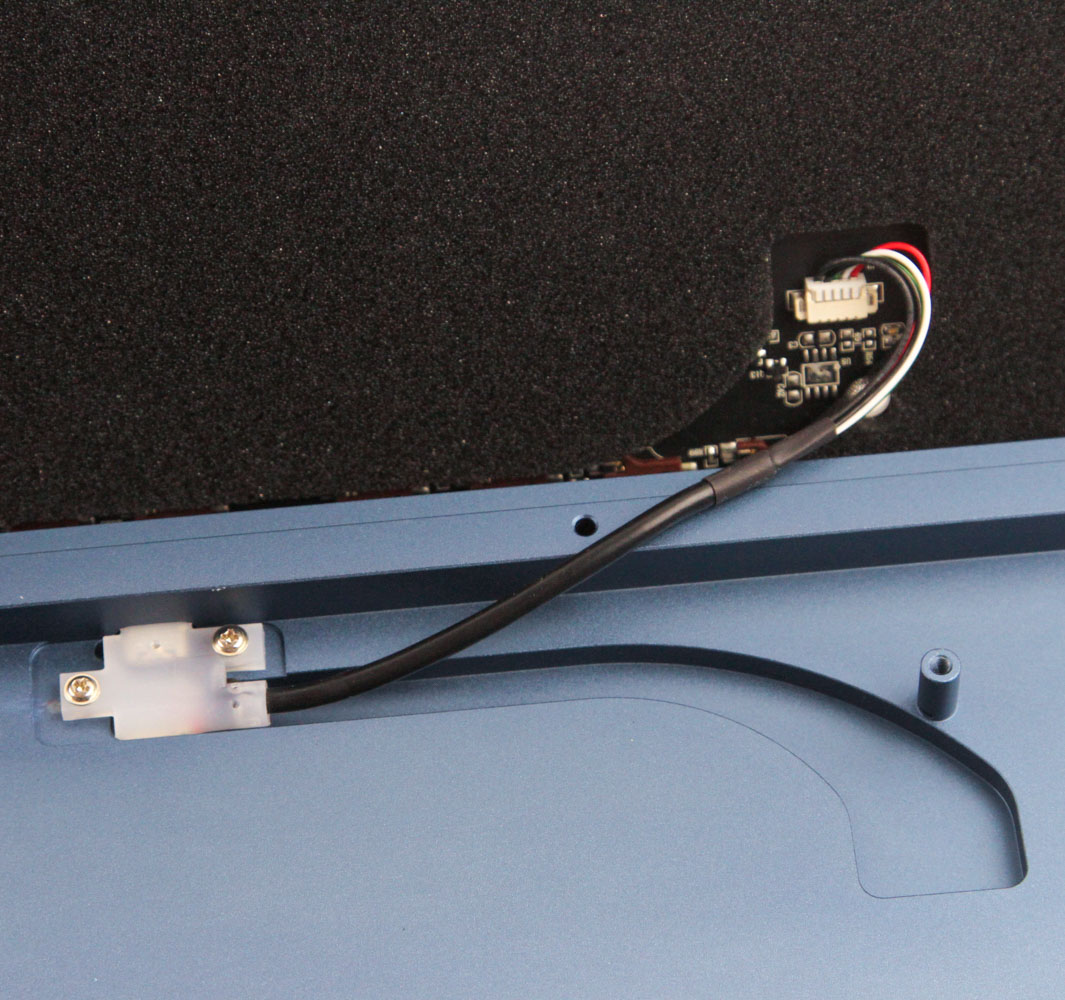



The Akko MOD 004 kit employs a more typical tray mount design with disassembly being extremely simple to allow for further mods and improvements as desired. Eight socket head screws on the back have to be removed to take out the top panel that has a single insert for the indicator LEDs to be lightly diffused through. We also see the machining and anodization are well executed throughout. Three more screws hold the plate and PCB in place on the bottom mount panel and now we get a closer look at the white powdercoated steel plate as well as the pre-lubed stabilizers. You could potentially go for a replacement plate of different materials at this point. There is a thick EVA foam sheet between the plate and the PCB and another underneath the PCB itself which in turn has an internal cable going from the Type-C connector to the board itself. The foam sheets will help dampen keystrokes and reverberations while also potentially supporting heavier typists even in the absence of a gasket mount design such as in the MOD 003.
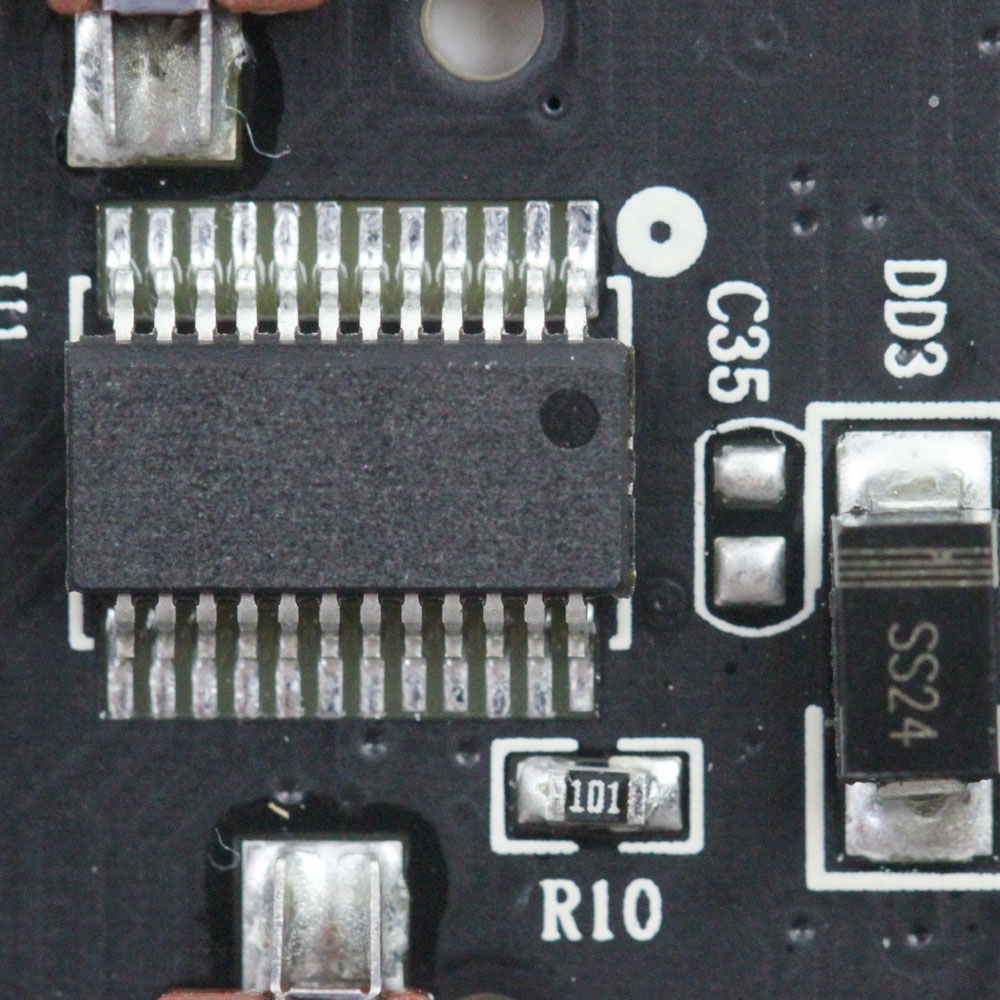
The PCB is black and quite similar to the older Akko 96% keyboards, which makes sense given the MOD 004 released before the company refreshed its keyboard line to add more modern features. Solder quality is quite good, including for the TTC hot-swap sockets I was expecting since the company has a history with TTC. Akko is clearly banking on using this platform for at least a couple of years, so much so it has partnered with a USB microcontroller manufacturer to have its own branding on the chipset. This is a good way of hiding what is used, and the same continues with the (presumably) dedicated hardware LED drivers that also have no identification on them. Unfortunately, we don't get hybrid wireless connectivity despite there being room on the PCB, so this is a wired-only kit. All the components, including the switch sockets, SMD RGB LEDs, and capacitors, are soldered to a multi-layered PCB.
Epomaker Sailing Keycaps Examination


Akko suggests the Red & Blue Samurai 226-keycap set for the Ocean Blue MOD 004 kit. It sells for $60 and uses the Akko ASA profile. This is a take on an existing colorway, and Akko isn't the only one adopting it. I have it here too and was going to use it originally, but then realized I had another set that might work better not only with the kit but also the switches themselves which I know come in white and a light blue color. As such, I opted to go for the Epomaker Sailing keycap set instead. It has fewer keys and comes in unambiguously worse packaging without any extras but costs less, while also using the lower-height Cherry profile many prefer over taller profiles such as Akko's ASA. This also means the keyboard when fully assembled would not be super tall and thus may well be usable without a wrist/palm rest. Packaging consists of a cardboard box that has a plastic window in the middle teasing the keycaps inside. Side flaps keep the contents in place during transit, and three separate plastic clamshell layers are stacked one above the other. I did appreciate that the layers were carefully taped together on the sides to prevent the keycaps from working themselves loose during transit.


The Epomaker Sailing is a 173-keycap set that supports any keyboard form factor on the market, especially with modifier keys in various sizes. The first layer itself contains all the keycaps necessary for a typical 60% keyboard while also providing the entirety of the Fn key row. The second layer has the other keys needed for a full-size layout in addition to modifiers for non-standard layouts such as the 96% kit we are using today. Interestingly, we even get ISO support in the same kit, which really goes to show the one-size-fits-all approach employed by Epomaker here as opposed to the piece-meal nature of most keycap group buys. The bottom layer has a whole new color scheme in white to contrast from the two shades of blue we saw on the previous two layers and Epomaker also throws in a few novelty keycaps and different space bar sizes too in addition to the rarely seen split space bar. The design of the keycap set comes from sailing itself whereby the dark blue is supposed to represent the "tone of the oceans" whereas the light blue and white keycaps are supposed to be the shallower waters and the foam generated in the wake. It's a stretch, but ultimately the goal is to appease your sense of aesthetics and match the rest of your keyboard build.


There is no keycap puller provided with this set and the absence of the same with the keyboard kit means that you will have to procure a separate keycap puller as well as switch remover tool. The keycaps themselves are composed of thick ABS plastic rather than the usual PBT. This means the keycaps are more likely to develop a shine over time from finger oils but the colors themselves are more vibrant and some people prefer the smoother ABS texture over PBT. I personally go the PBT route for my own keyboards though and there is certainly a cost aspect here too since this set does cost less than equivalent PBT ones would. The average wall thickness is 1.3 mm so these are not your cheap mainstream keycaps that are under 1 mm thick. The legends are double-shot injected in white for the blue base keycaps and in blue for the white keycaps as seen above. This helps with visibility although note that the keycaps are opaque as a deliberate design choice so any backlighting support via the keyboard kit will be left unused. The injection itself is fine on the shorter keycaps although we see it could certainly have been done better on the longer ones. Not that it matters though since the actual relevant part is at the very top and the injection marks are all underneath to be hidden in use.
Our Patreon Silver Supporters can read articles in single-page format.
Nov 21st, 2026 10:16 PST
change timezone
Latest GPU Drivers
New Forum Posts
- 1 - 5 person file storage server equivalent accasible from anywhere + general VM server. (3)
- Honestly, do you care about GTA VI? (225)
- UPS what one to get? (14)
- Can you guess Which game it is? (341)
- RX 9000 series GPU Owners Club (2251)
- Windows 11 General Discussion (7746)
- How to prevent OLED burn damage due to PC freezes or power outtages? (51)
- TPU's Nostalgic Hardware Club (22182)
- [Poll] 12V-2x6 Connector Protection: What Are You Using? (WireView / Ampinel / Equalizer / Other / Nothing) (51)
- Cpu waterblock water shows some tinting = Bad? (19)
Popular Reviews
- Microsoft Surface Laptop Ultra Review - The Next-gen Arm Laptop
- Ugreen NASync DXP4800 GT Review
- Corsair RM1200e (Second Generation) Review
- Pulsar Office Tour & First Look at P1 Dual-Sensor Mouse
- Upcoming Hardware Launches 2027 (Updated Nov 2026)
- Acemagic Retro X3 Review
- Biwin Black Opal NV7400 2 TB Review
- AMD Ryzen 7 9800X3D Review - The Best Gaming Processor
- AMD Zen 6 Technical Deep Dive
- Chieftec Iceberg PRO 360 DARK Review
TPU on YouTube
Controversial News Posts
- NVIDIA Co-Founder and CEO Jensen Huang Officially Resigns (492)
- Report: Jensen Huang Eyes NVIDIA Comeback (259)
- Open Letter Asking NVIDIA to Reinstate Jensen Huang Passes 115,000 Signatures (184)
- OpenAI CEO Argues Home PCs Waste the World's Limited DRAM Supply (152)
- NVIDIA Launches Investigation Into Jensen Huang's Relationship With Suspected Chinese Spy (136)
- Intel "Raptor Lake Next" 16-Core and 20-Core CPUs Surface (130)
- NVIDIA GeForce RTX 50-Series Scheduled for up to $500 Price Hike This Week (89)
- Intel Razor Lake Gets a 12 P-Core bLLC Chip With No E-Cores, Per Leak (86)