 23
Corsair Warthog Review
A Closer Look - Inside »A Closer Look - Outside
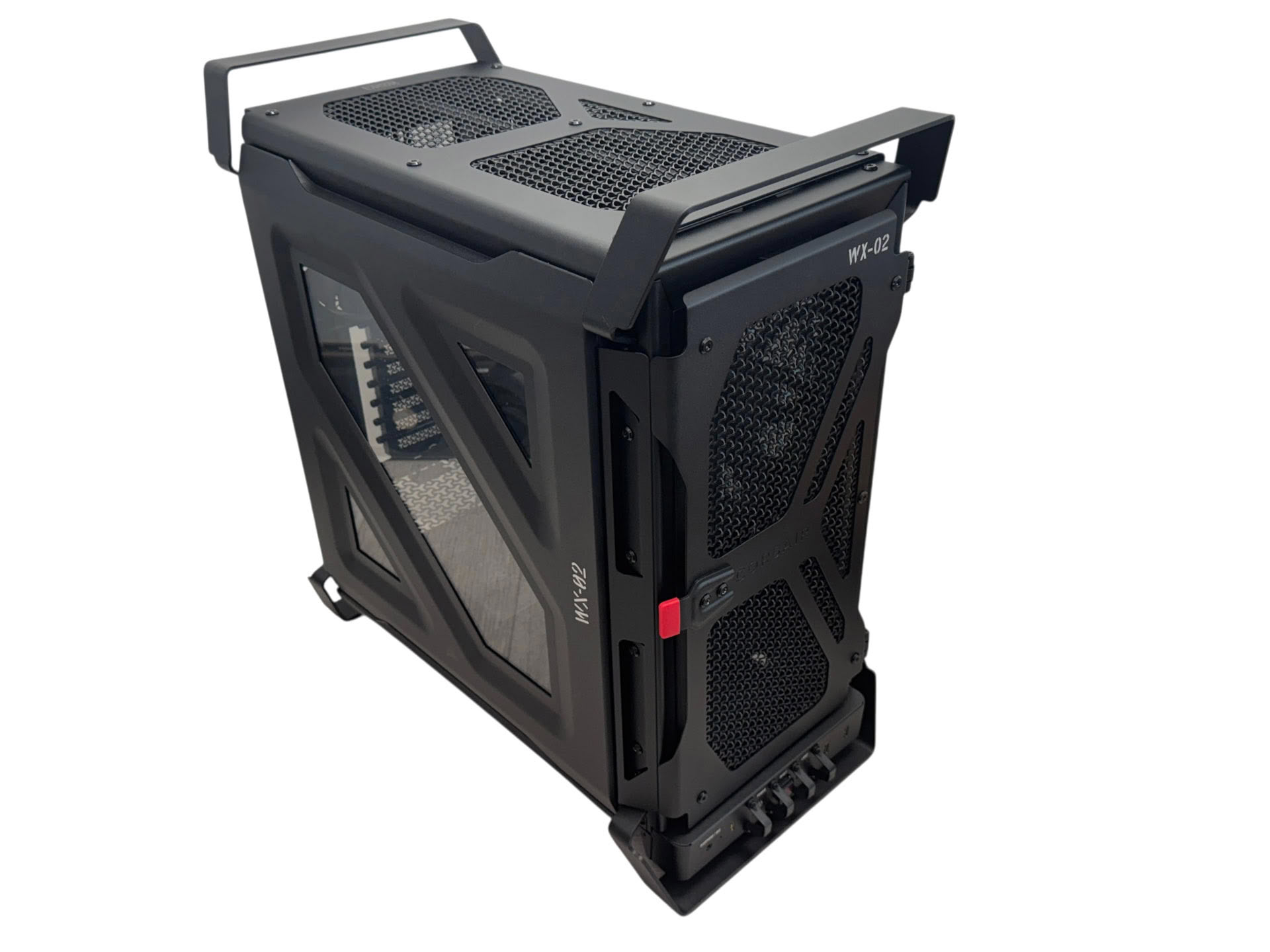
The Warthog harks back to the decade and a half-old Vengeance C70 with its military design, plus you can see the design cues taken from the off-road vehicle in Halo too, with angular side and front panel mimicking the green shell of the virtual vehicle. Search longer, and you might find even more, but the case does stop short of becoming totally impractical like many game-themed or show cases before it.
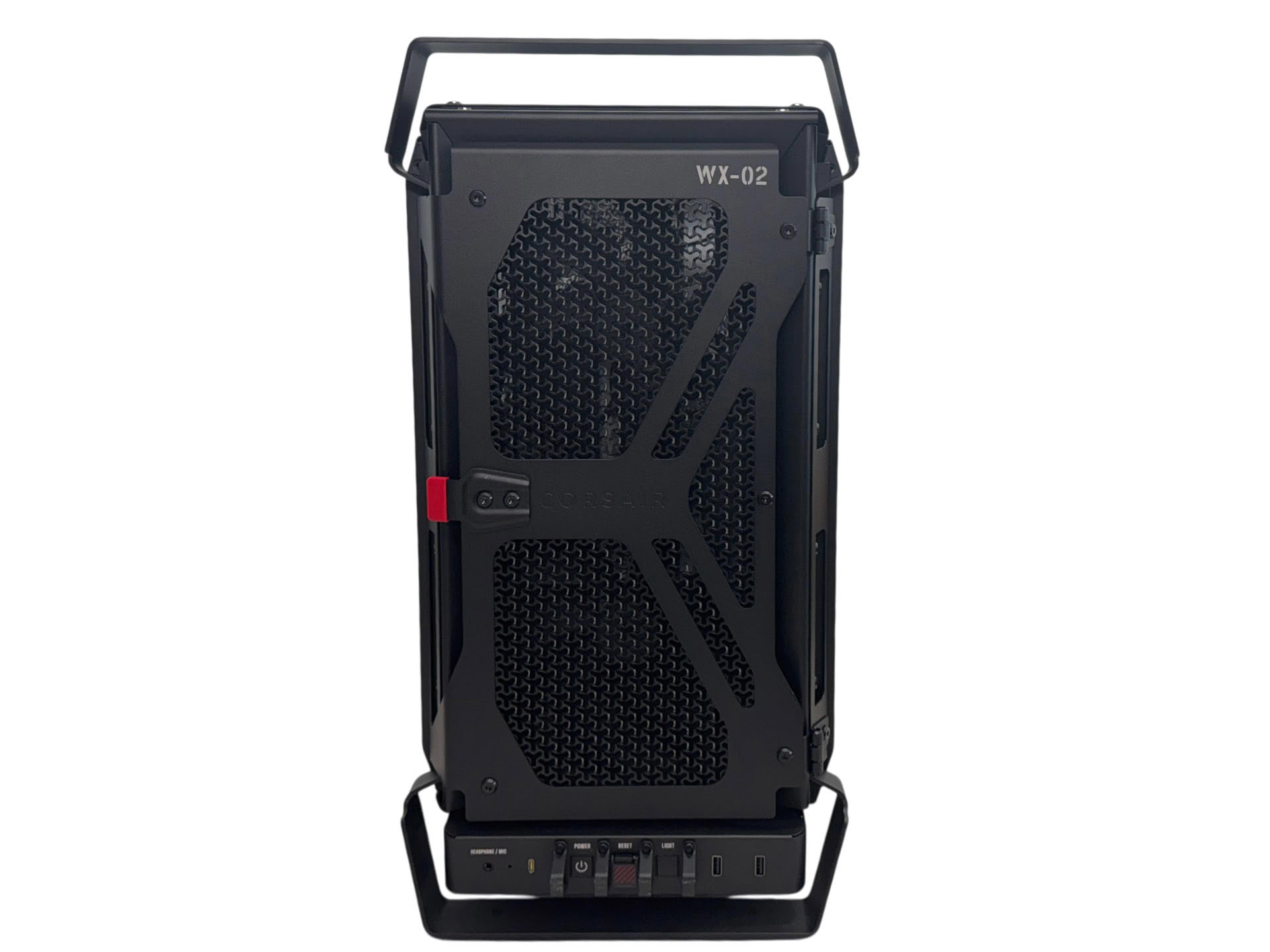
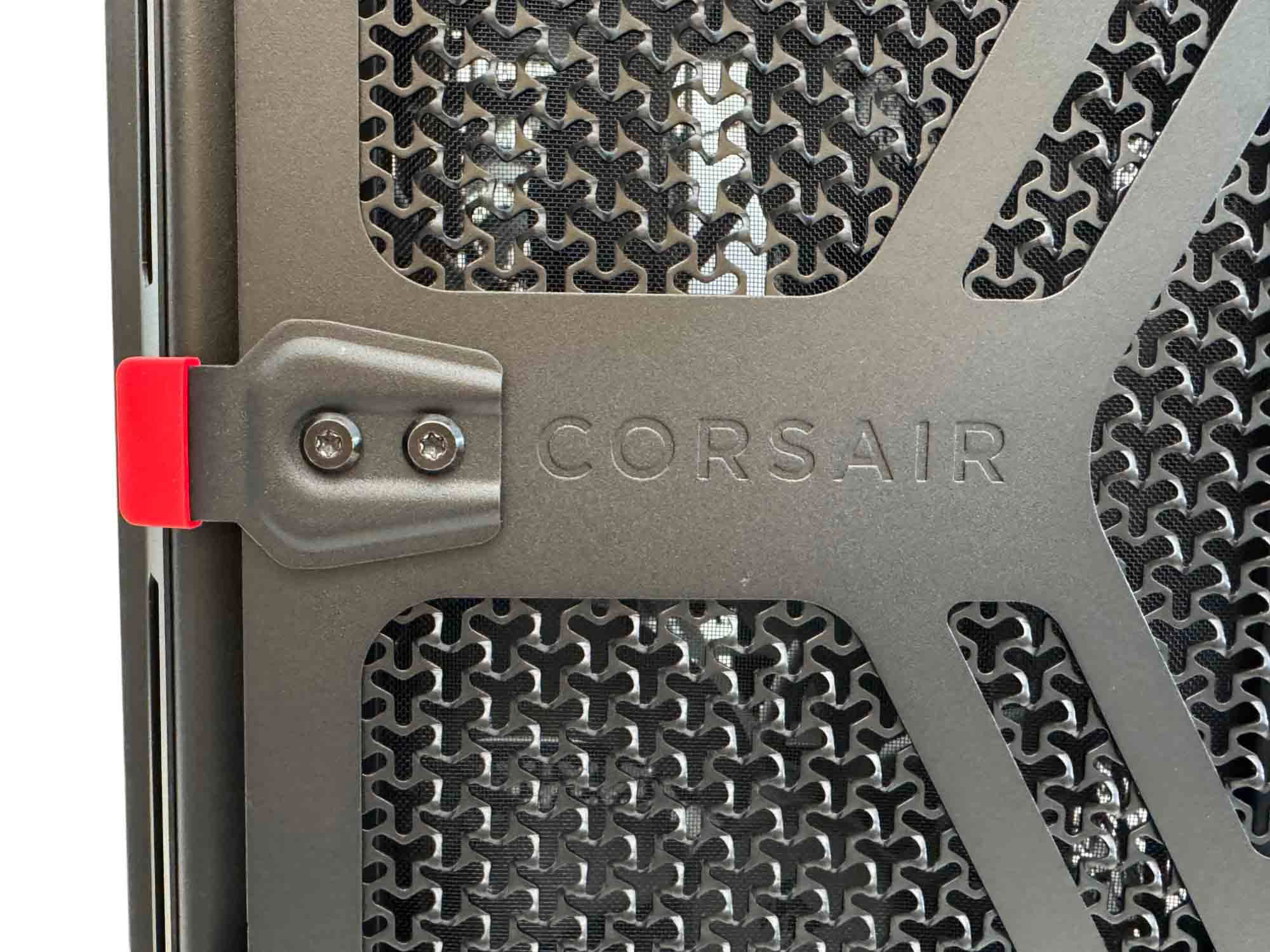
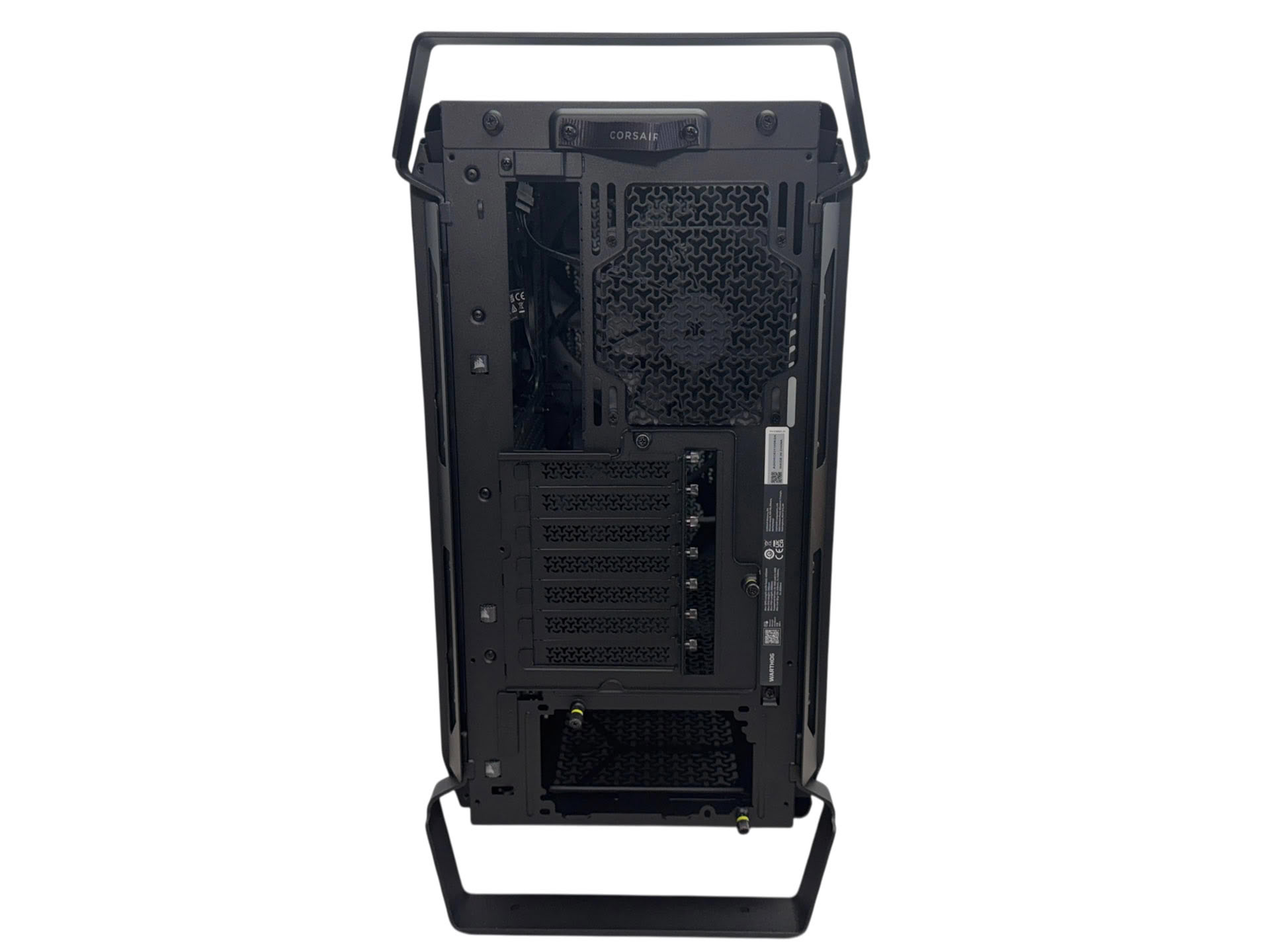
The front section is busy, with a door, front panel area and handles/feet all being made from steel. The door vent features the same 3D-Y Pattern geometric cut-outs on other Corsair cases, and is both visually striking and offers optimized airflow and structural strength. The rear continues that design with the fan mount and PCI slot covers. The case uses a traditional layout, with the PSU at the bottom, but does jazz things up a little with BTF motherboard support.
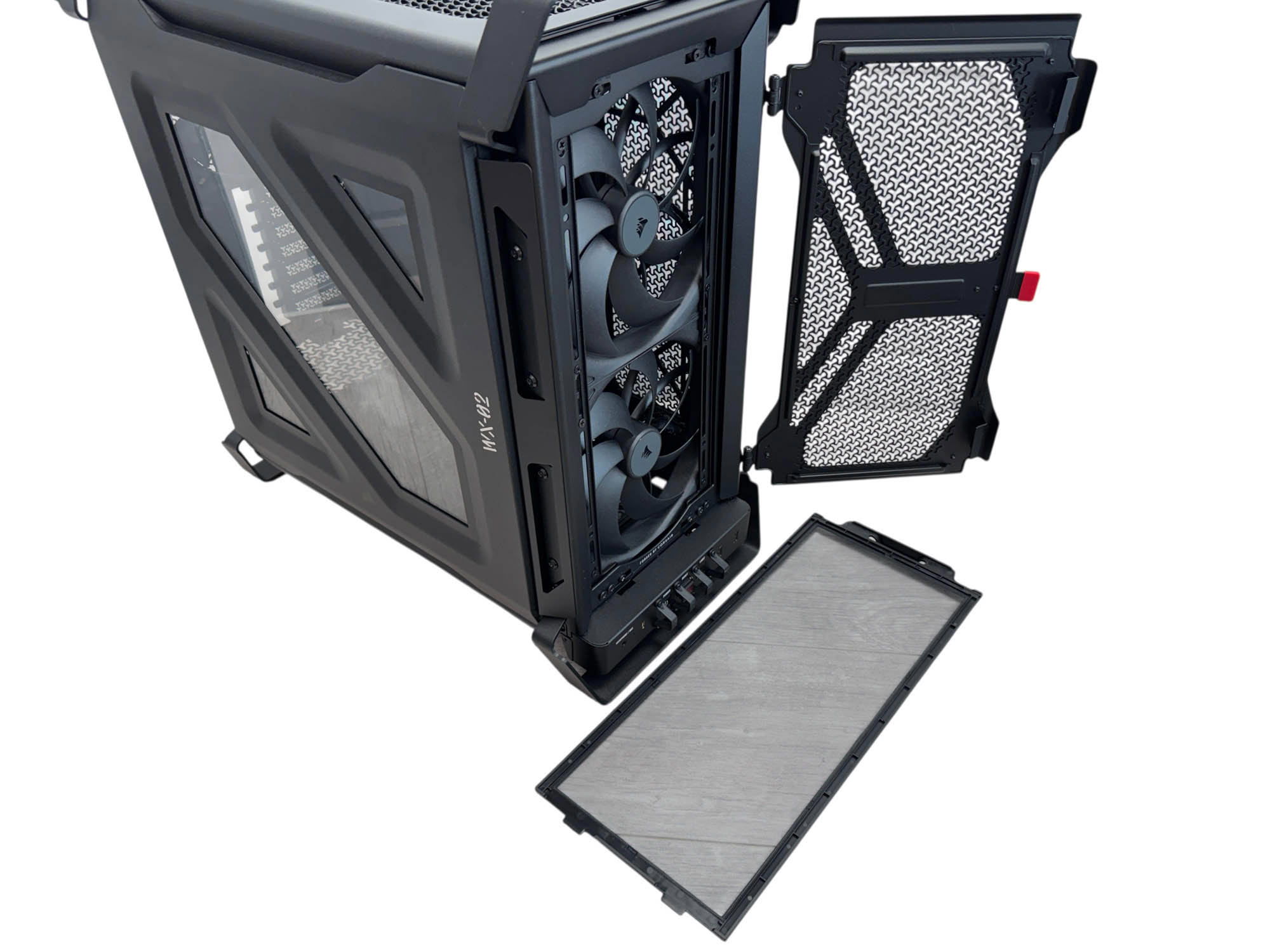
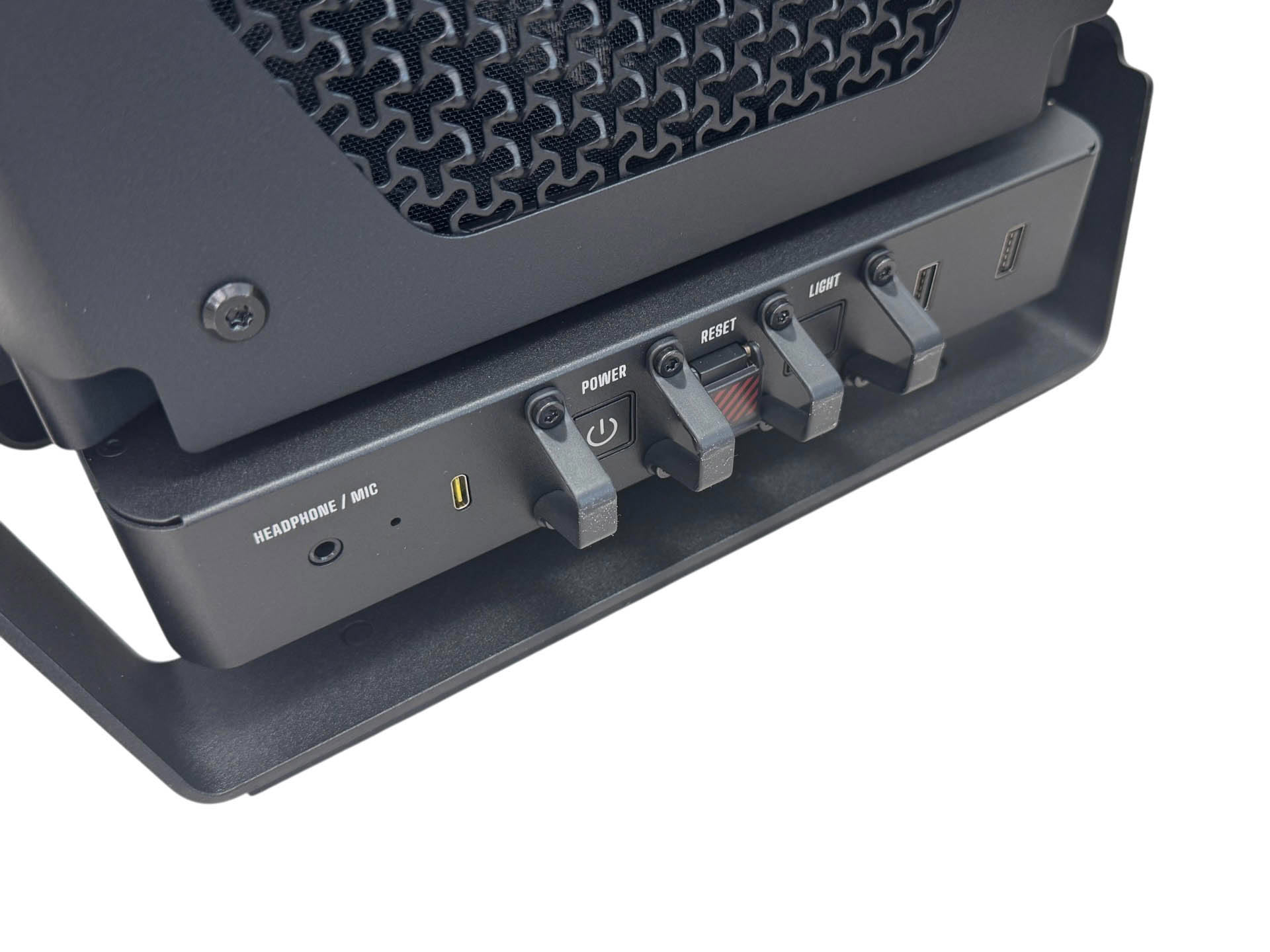
The magnetic door reveals a clip-in dust filter and behind it two enormous 200 mm fans, which are the trademark for our Warthog RS sample. Alternatively, the cheaper standard Warthog includes no fans. The front panel offers an audio combo port, USB 3.2 Gen 2x2 20 Gbps-capable Type-C port, two USB 3.0 ports, power and reset buttons plus a switch for a light that illuminates the rear I/O panel. The reset button features a red safety flip switch too.
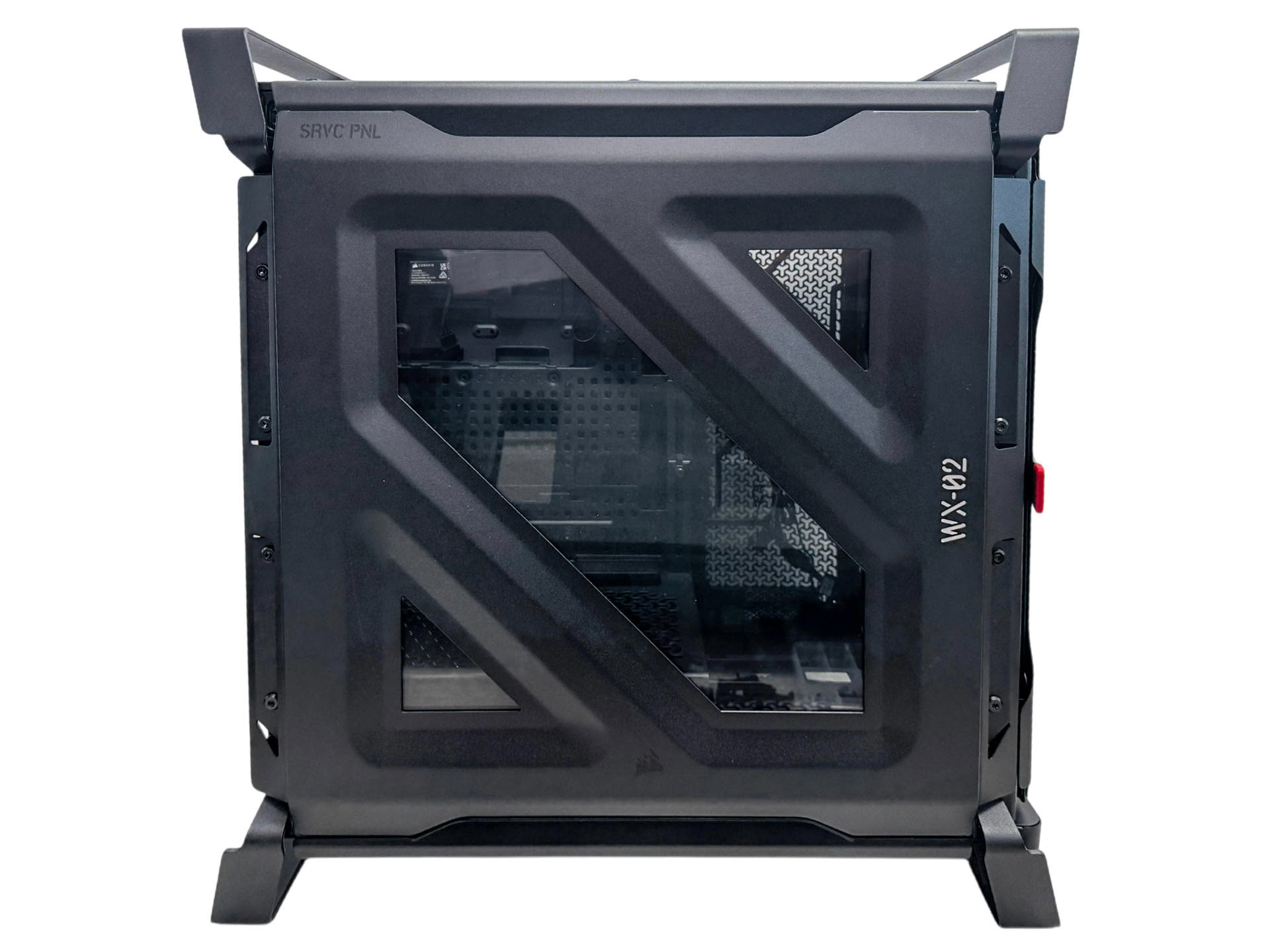
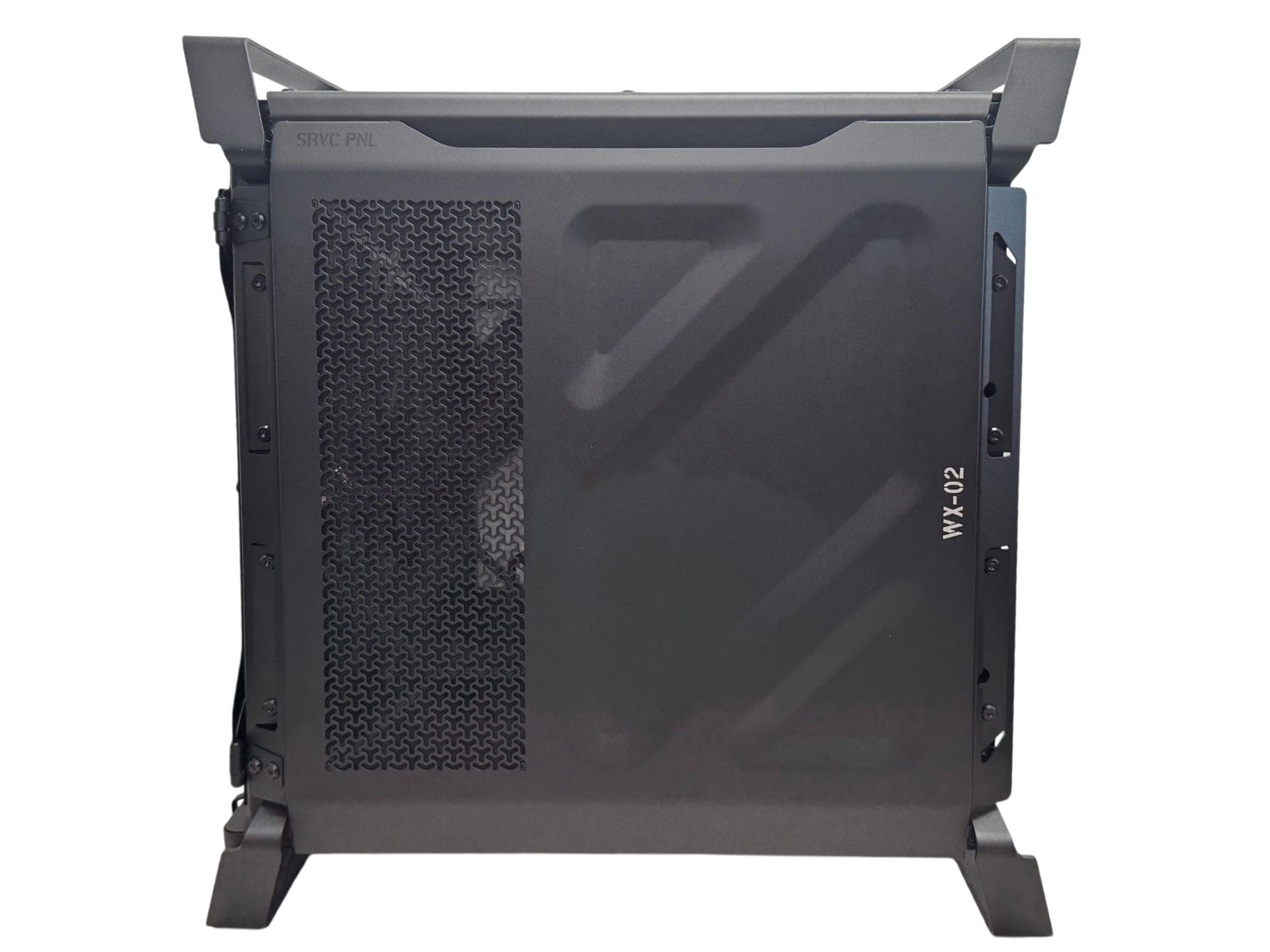
The side panels feature similar indentations or ribbing that again give a nod to the design of the Halo warthog, but also serve to boost rigidity. The side window view is limited, though, so this isn't a case you'd buy to show off your hardware like the myriad of panoramic cases out there.
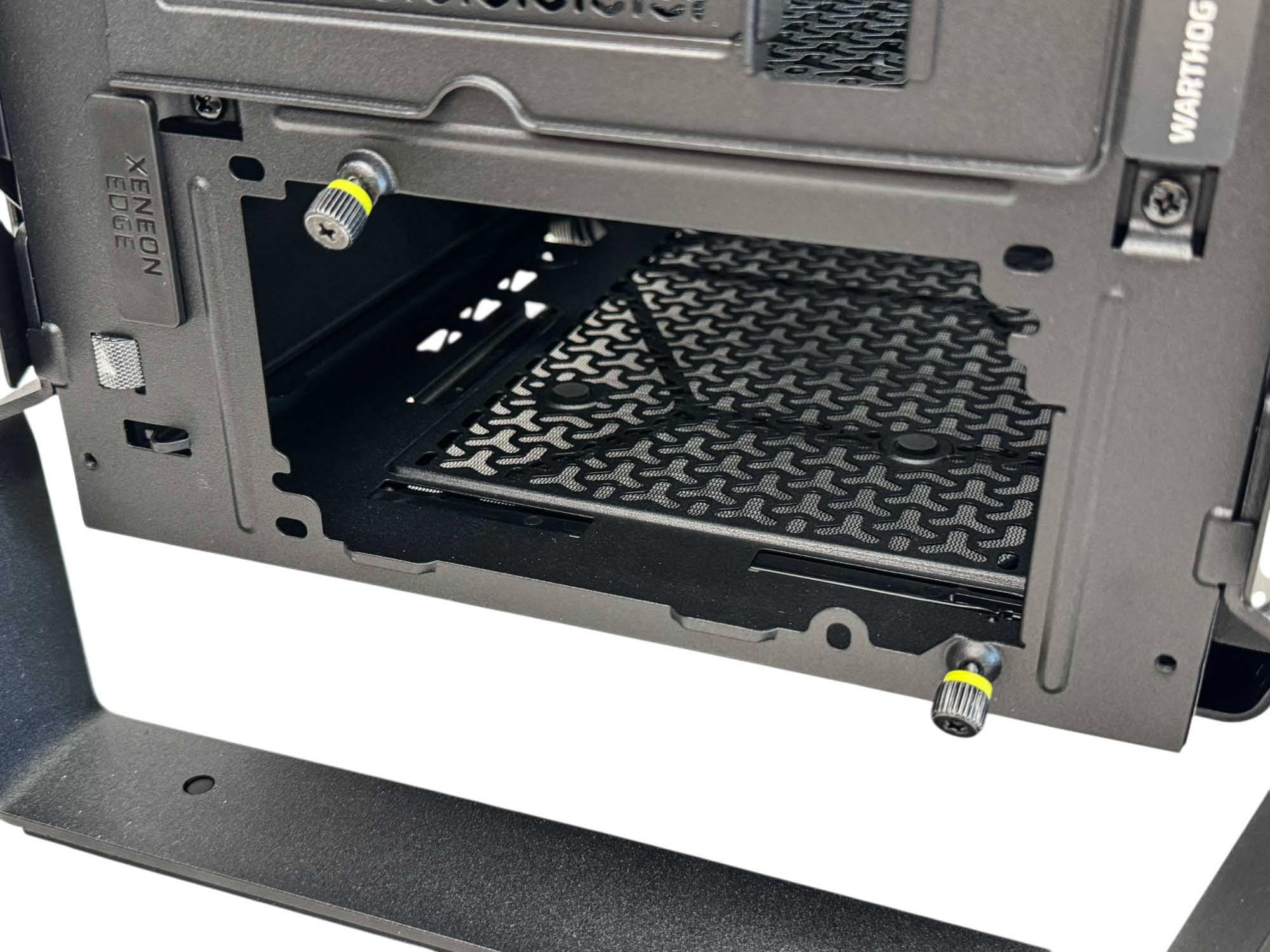
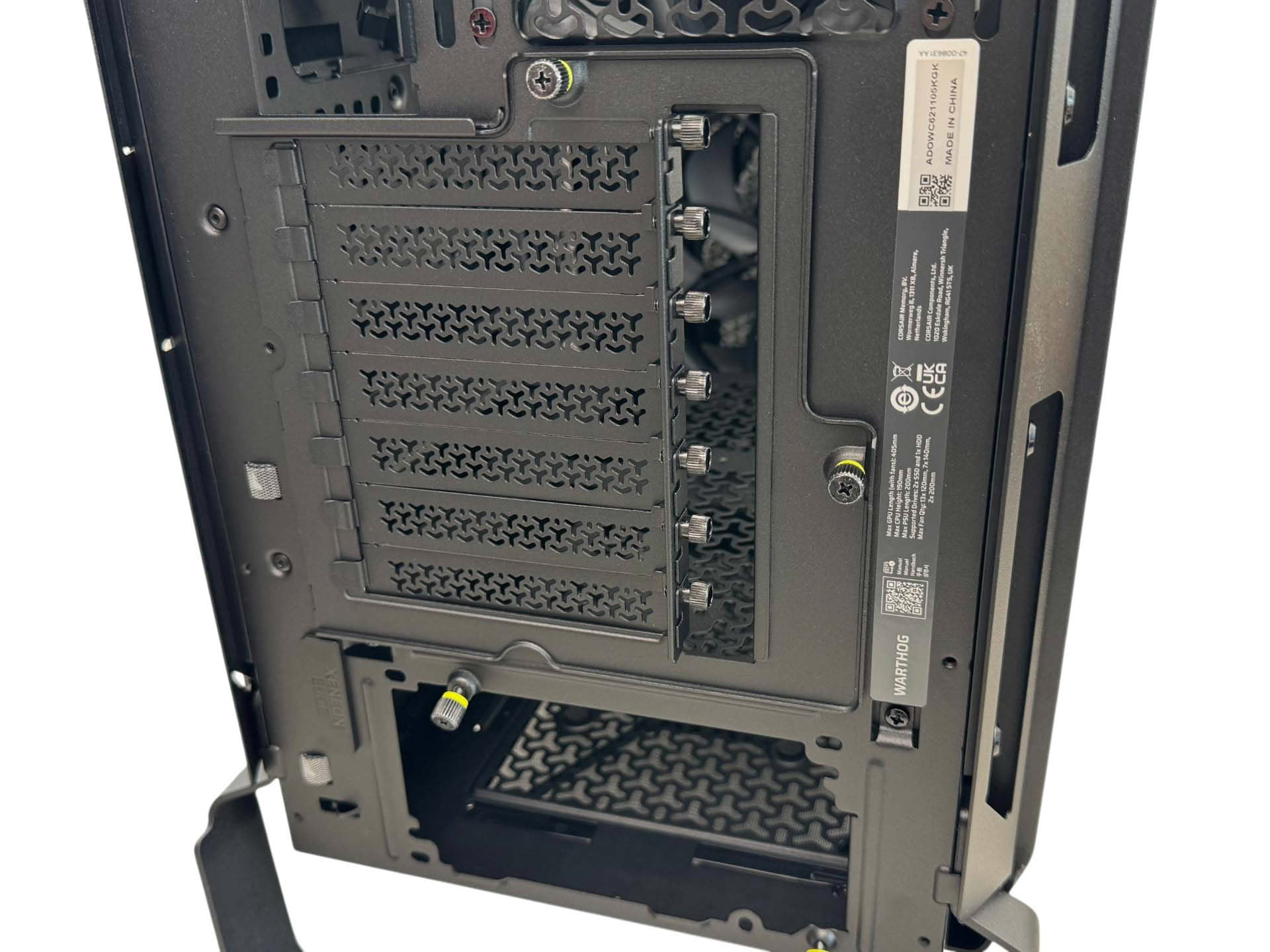
Your PSU needs to be installed from the side and secured at the rear, and there are two captive screws to aid in that process. There's a reasonable amount of space in front of it, but it can be a little tight with larger models. The PSU cover is removable, but it's a little time-consuming to do so. The seven PCI slot covers use small thumb screws and these can be a little tricky to access as they sit flush with the main panel, and the side panel overlaps them a little too.
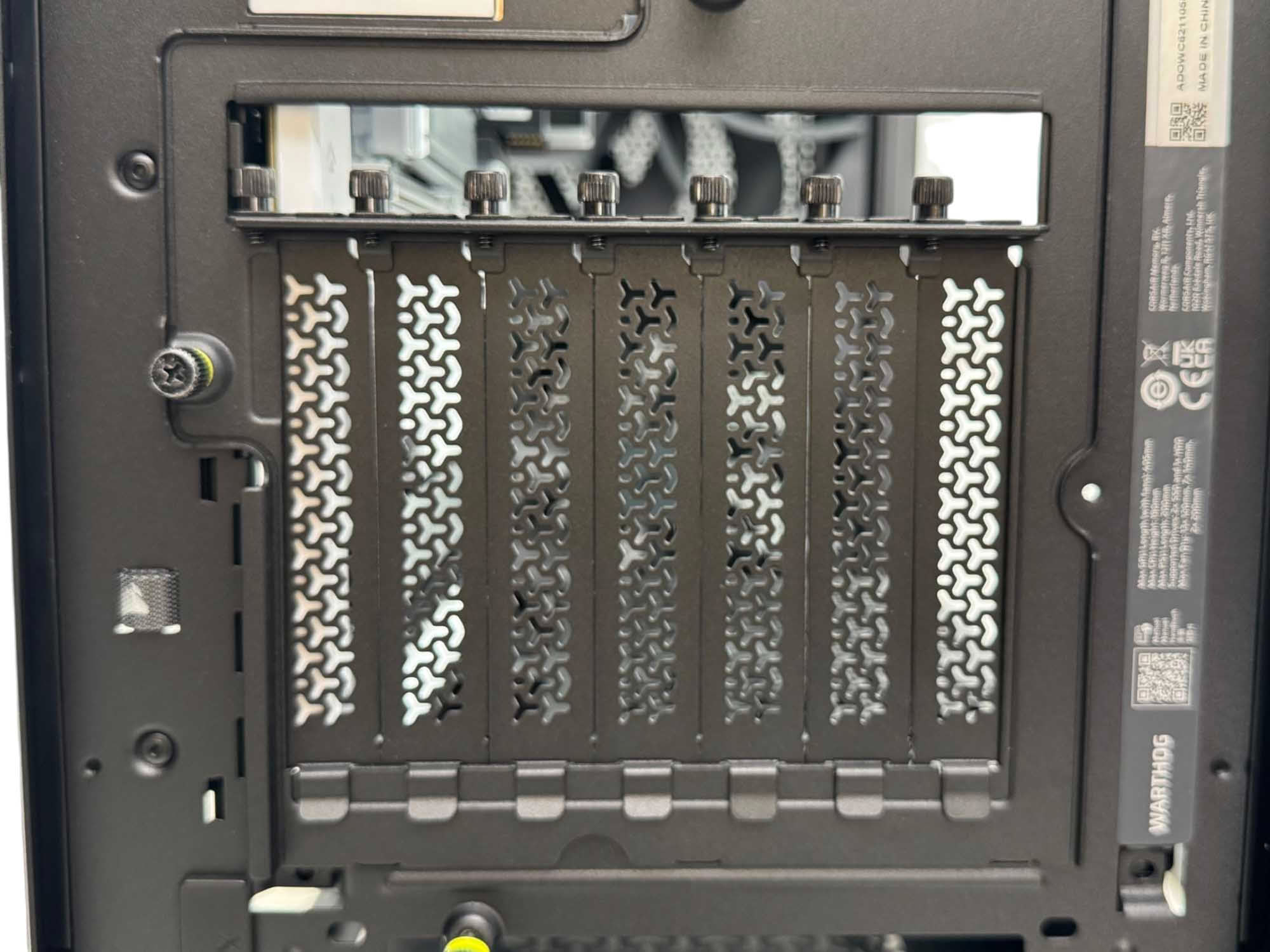
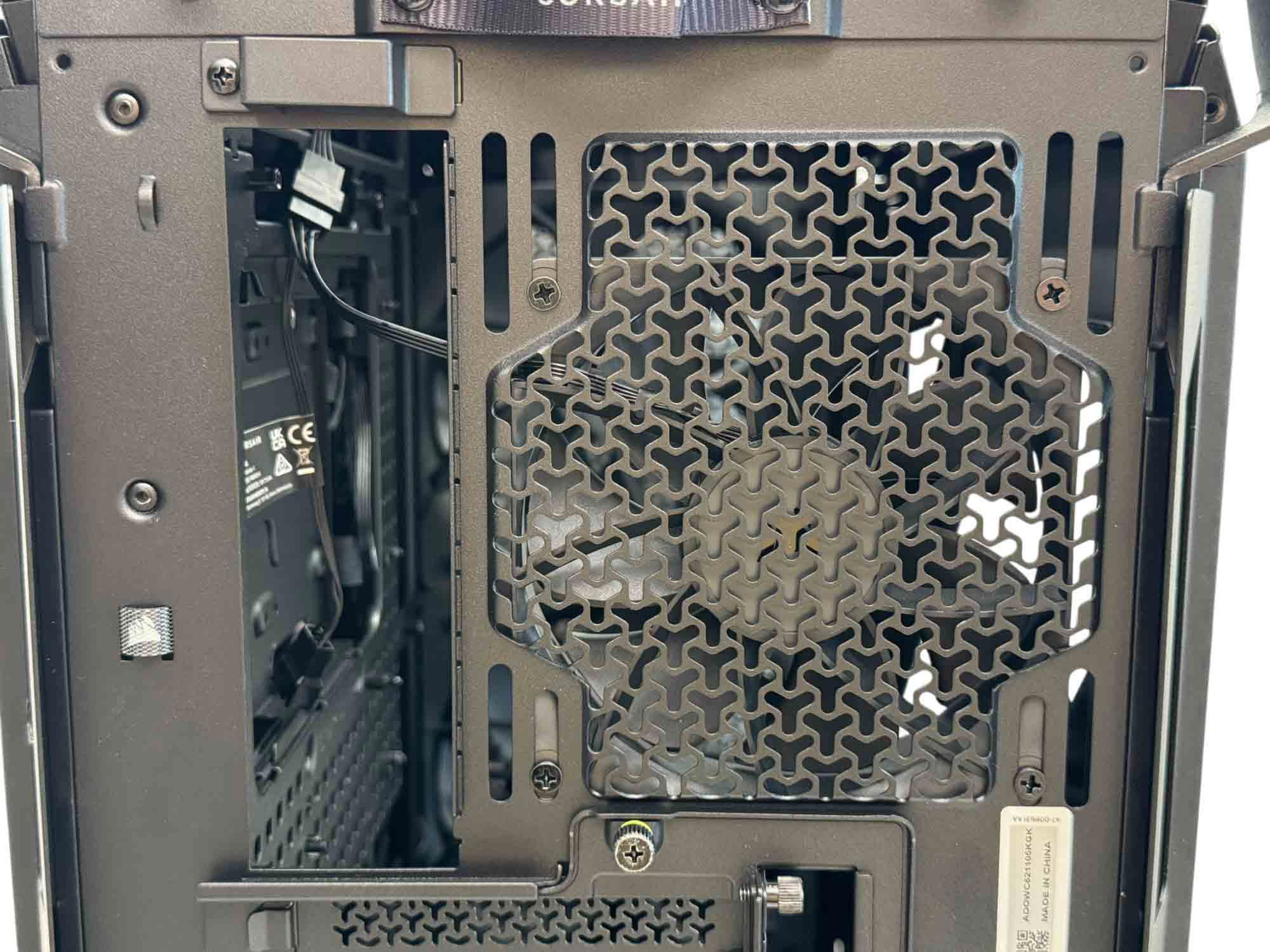
The PCIe slots sit in a removable bracket, which is of course able to rotate for vertical GPU mounting, although additional accessories for this are optional extras. A rear 120 mm fan is included with both it and the surround 140 mm mounts, offering vertical adjustment to align with your CPU cooler.
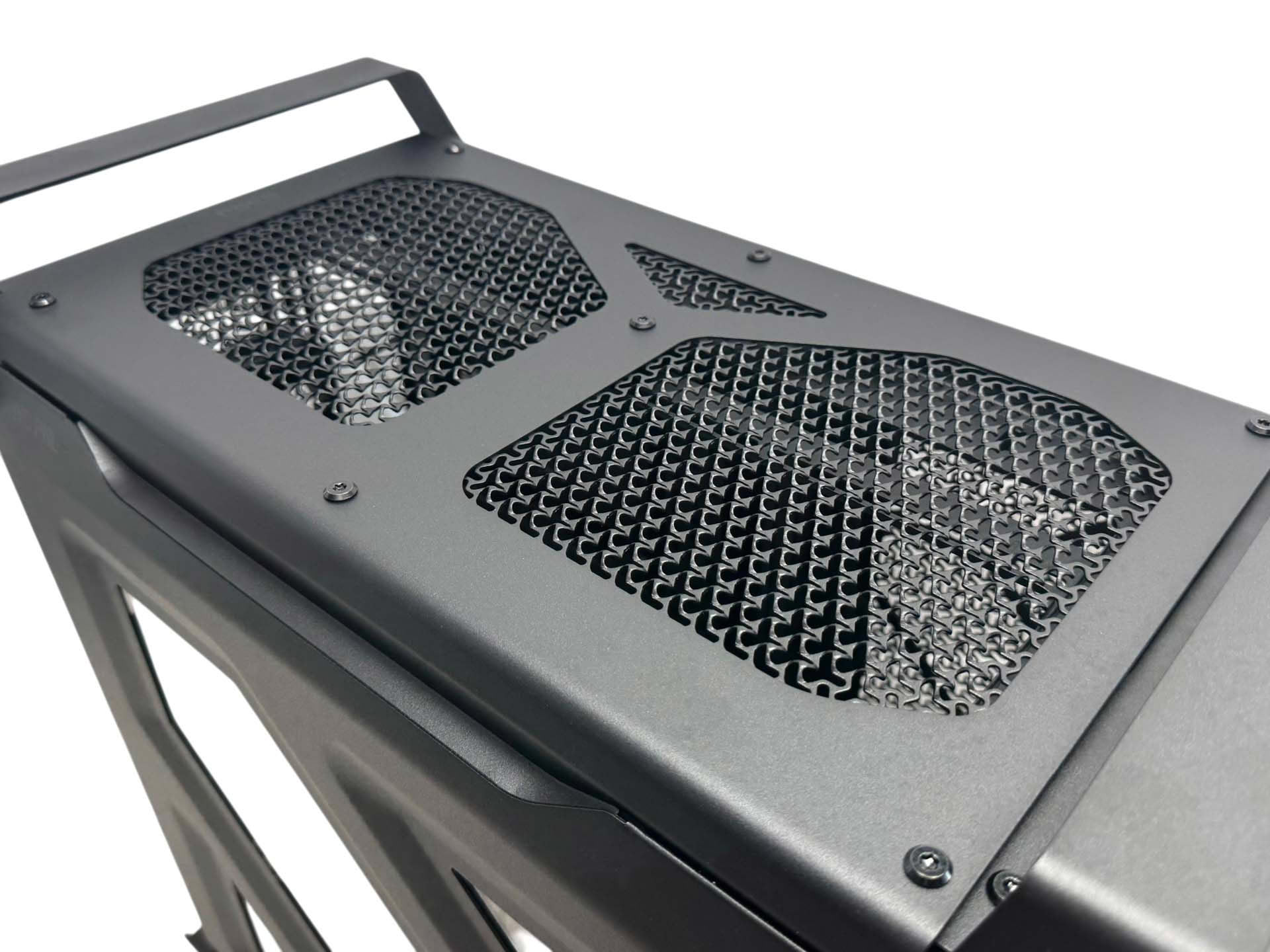
The single-piece roof section is covered in more detail over the page as it provides push-pin mounting points for both side panels. As a result, removing it disassembles the case, so what is left is for the insides view on the next page. It, too, features the same fan grille design and slides off by tugging on a tag at the rear, but essentially you need to remove the side panels first.
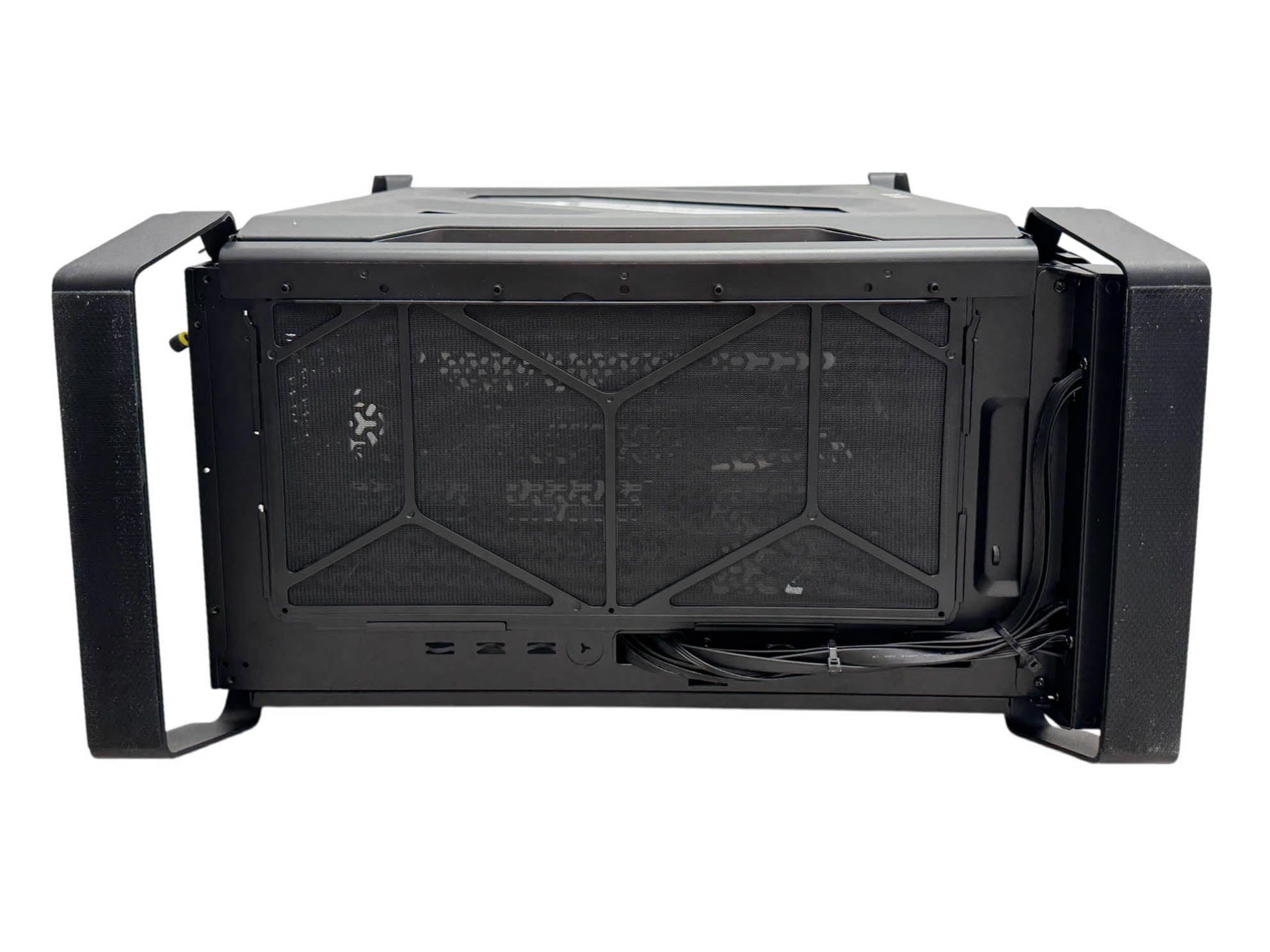
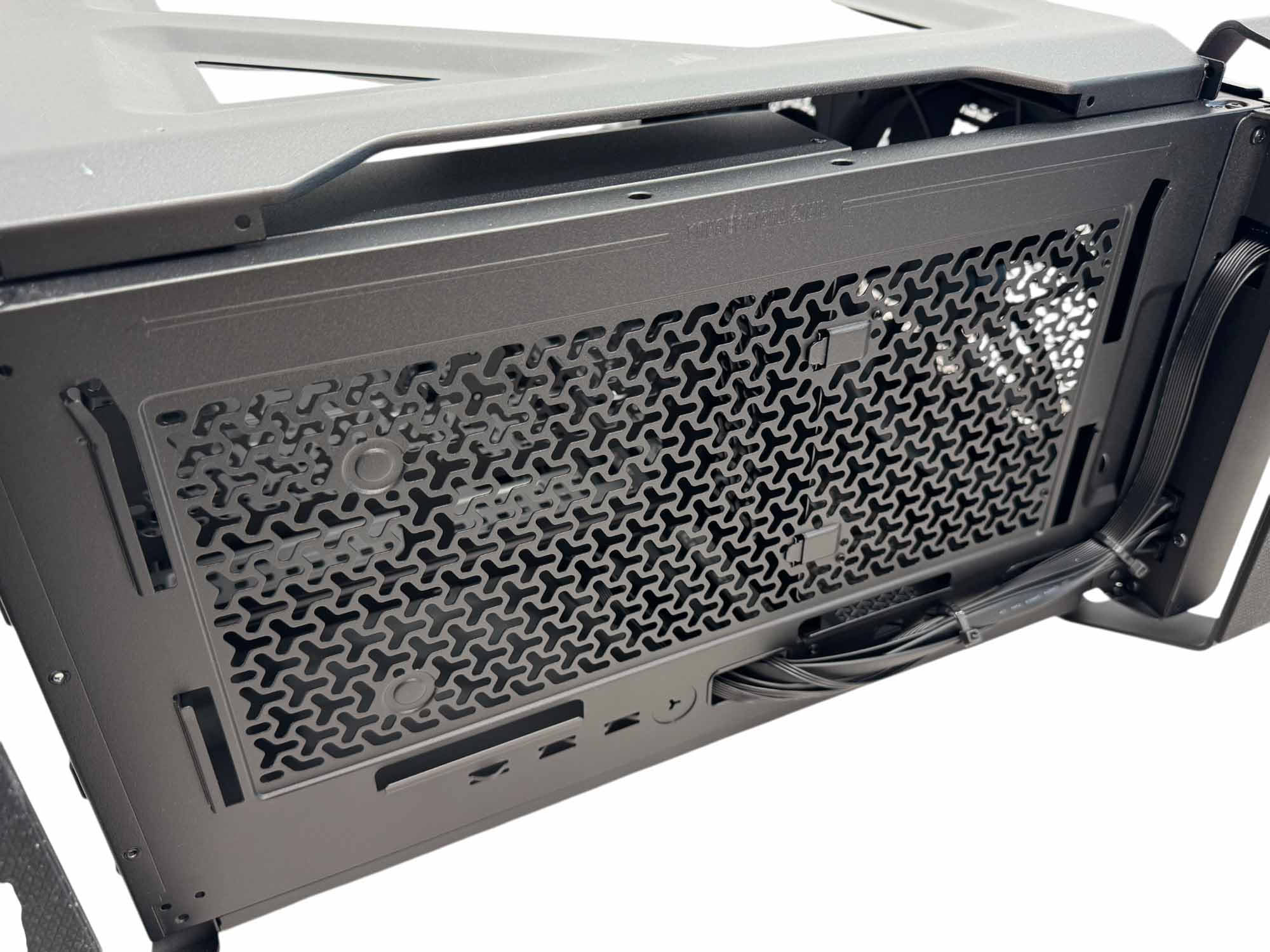
The base features a full-coverage dust filter that slides out from the side, so doesn't require the case to be tilted or flipped. This was a little flimsy compared to the supremely sturdy nature of the rest of the case, but didn't exhibit any vibrations during testing. If you plan on moving your PC, you'll want to make sure the exposed front panel cables don't snag on anything.
Nov 27th, 2026 14:48 CST
change timezone
Latest GPU Drivers
New Forum Posts
- The TPU UK Clubhouse (27302)
- Anthrophics IPO (47)
- Exit Adobe - PDF reader, and PDF editor recommendations (9)
- Mouse Pad advice - Shidenkai out of production? (20)
- What's your main Black Friday / Cyber Monday purchase? (38)
- Samsung TV screen care: check the finish before choosing a cleaning method (3)
- -18C on GPU by moving it to the front of the case. (11)
- Unigine Superposition on Linux (20)
- Making a game in Godot engine (23)
- TPU's WCG/BOINC Team (34814)
Popular Reviews
- VZMORE AX9 Max Review
- Upcoming Hardware Launches 2027 (Updated Nov 2026)
- ASRock X870E Challenger Wi-Fi White Review
- AMD Ryzen 7 9800X3D Review - The Best Gaming Processor
- Microsoft Surface Laptop Ultra Review - The Next-gen Arm Laptop
- Montech CyberFlow ARGB 360 Review
- AMD Zen 6 Technical Deep Dive
- Phantom Blade Zero Performance Benchmark Review - 35 GPUs Tested
- Corsair RM1200e (Second Generation) Review
- ORICO Obook15 AI Review
TPU on YouTube
Controversial News Posts
- Jensen Huang Reinstated as CEO of NVIDIA (622)
- NVIDIA Co-Founder and CEO Jensen Huang Officially Resigns (492)
- Report: Jensen Huang Eyes NVIDIA Comeback (281)
- Open Letter Asking NVIDIA to Reinstate Jensen Huang Passes 115,000 Signatures (184)
- OpenAI CEO Argues Home PCs Waste the World's Limited DRAM Supply (152)
- NVIDIA Launches Investigation Into Jensen Huang's Relationship With Suspected Chinese Spy (136)
- Intel Razor Lake Gets a 12 P-Core bLLC Chip With No E-Cores, Per Leak (94)
- NVIDIA GeForce RTX 50-Series Scheduled for up to $500 Price Hike This Week (89)