 10
Death Stranding 2 Handheld Performance Review
(10 Comments) »Introduction
Hideo Kojima's "strand-type" game series got a second entry a year ago on PlayStation 5, and now PC gamers have also gotten the chance to play as Sam Bridges in Death Stranding 2: On the Beach, as he traverses the wastelands of Mexico and Australia trying to connect them with the UCA (United Cities of America) via the Chiral Network.Similar to the first game, you take control of Sam as he explores multiple massive open-world maps on foot and in vehicles, trying to reconnect the world after a catastrophe that had cataclysmic effects on human civilization. Gameplay-wise, this is more Death Stranding, only bigger and better, with a heavier focus on stealth and combat, and much improved visuals.
As with the first game, Kojima's studio used Guerrilla Games' Decima engine to develop Death Stranding 2. The latest rendition of the engine supports ray-traced reflections and ambient occlusion, as well as a new upscaling and antialiasing solution dubbed PICO (Progressive Image Compositor), developed by Guerrilla Games. Aside from PICO, PC gamers can choose between DLSS, FSR, and XeSS for upscaling and frame generation, and can mix and match different solutions.
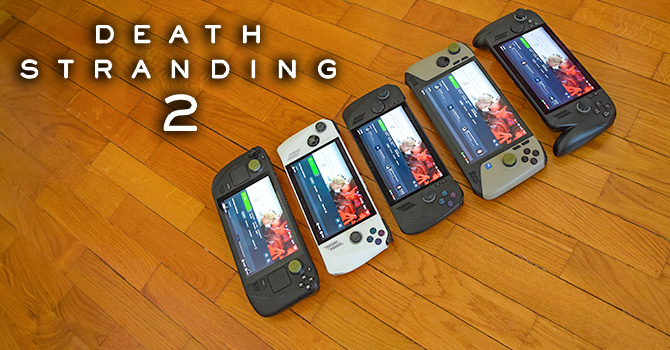
Our handheld performance review evaluates how Death Stranding 2 performs across a wide range of PC handhelds: Steam Deck, ASUS ROG Xbox Ally X, ASUS ROG Ally X, ASUS ROG Ally running SteamOS, and MSI Claw 8. On top of providing benchmark results, we'll also provide optimized settings for some handhelds.
Screenshots
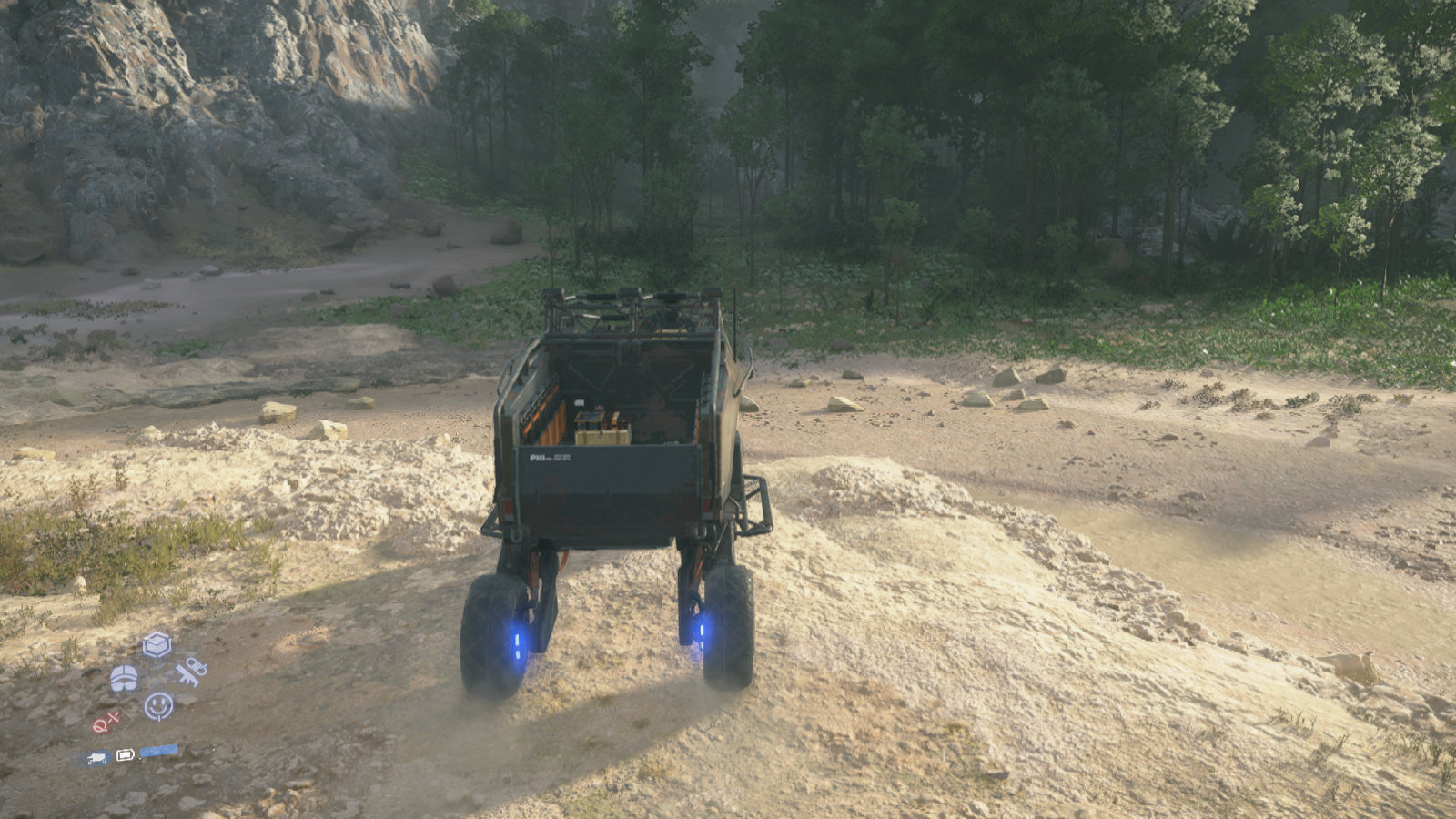
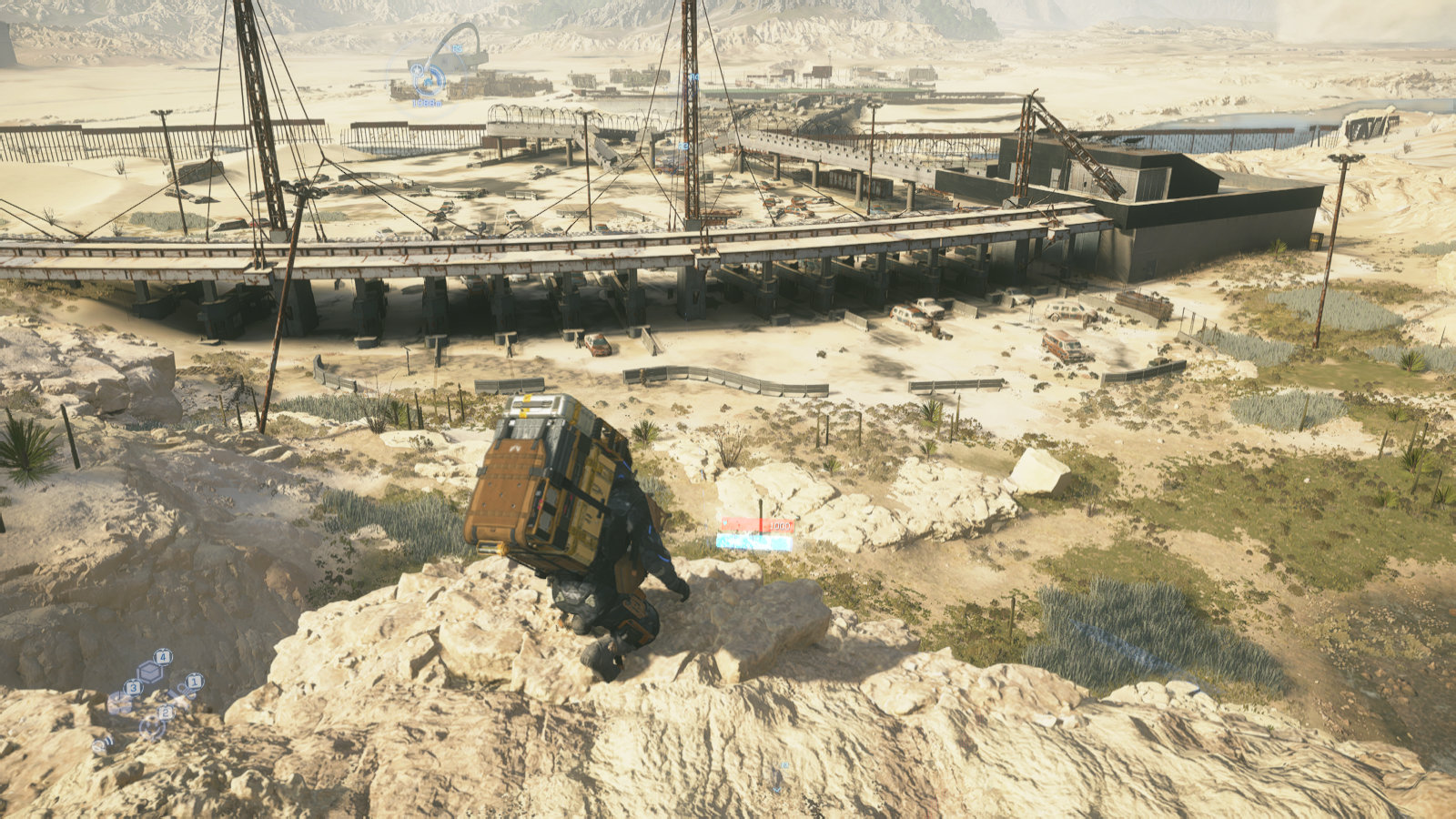
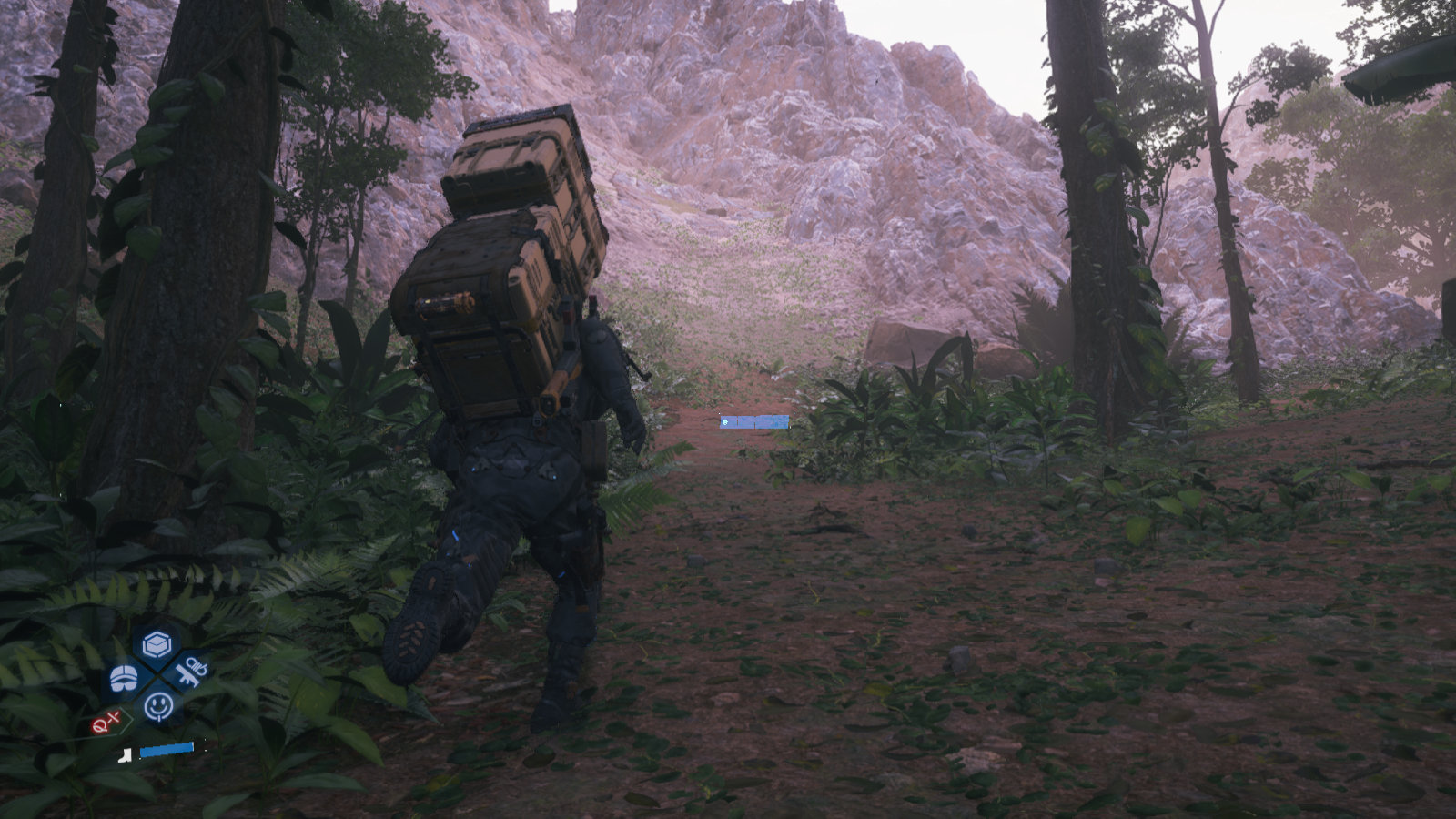
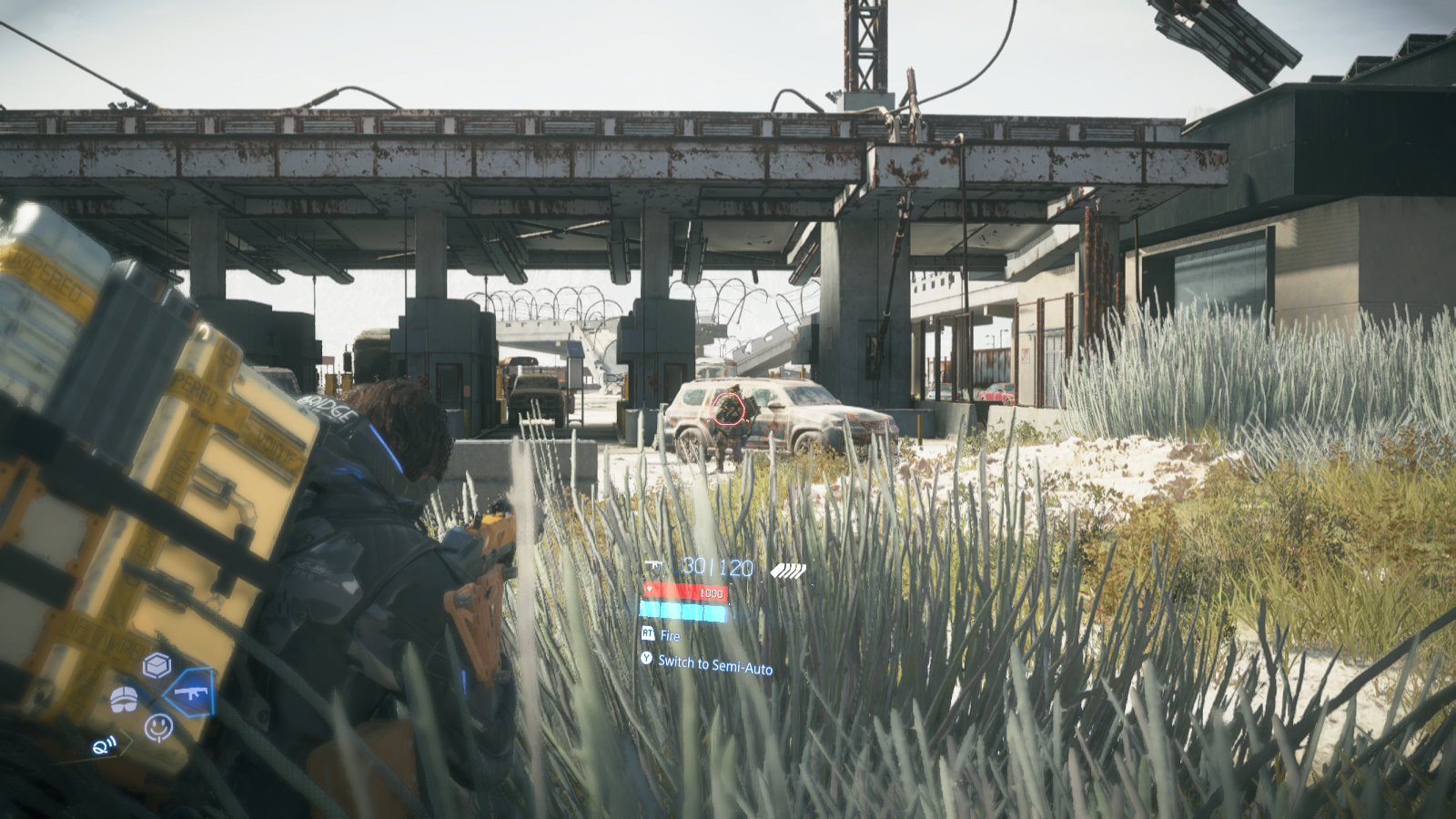
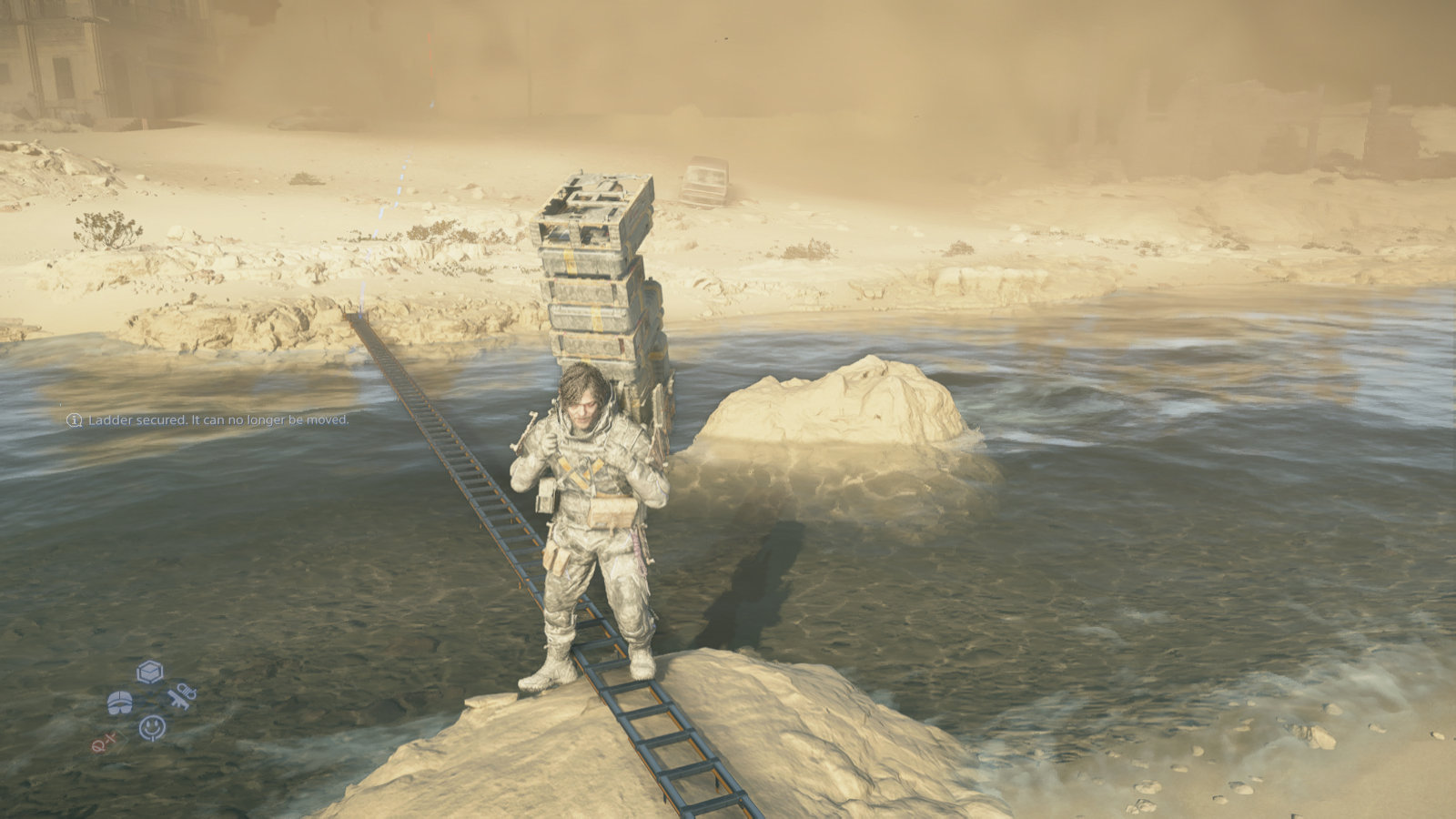
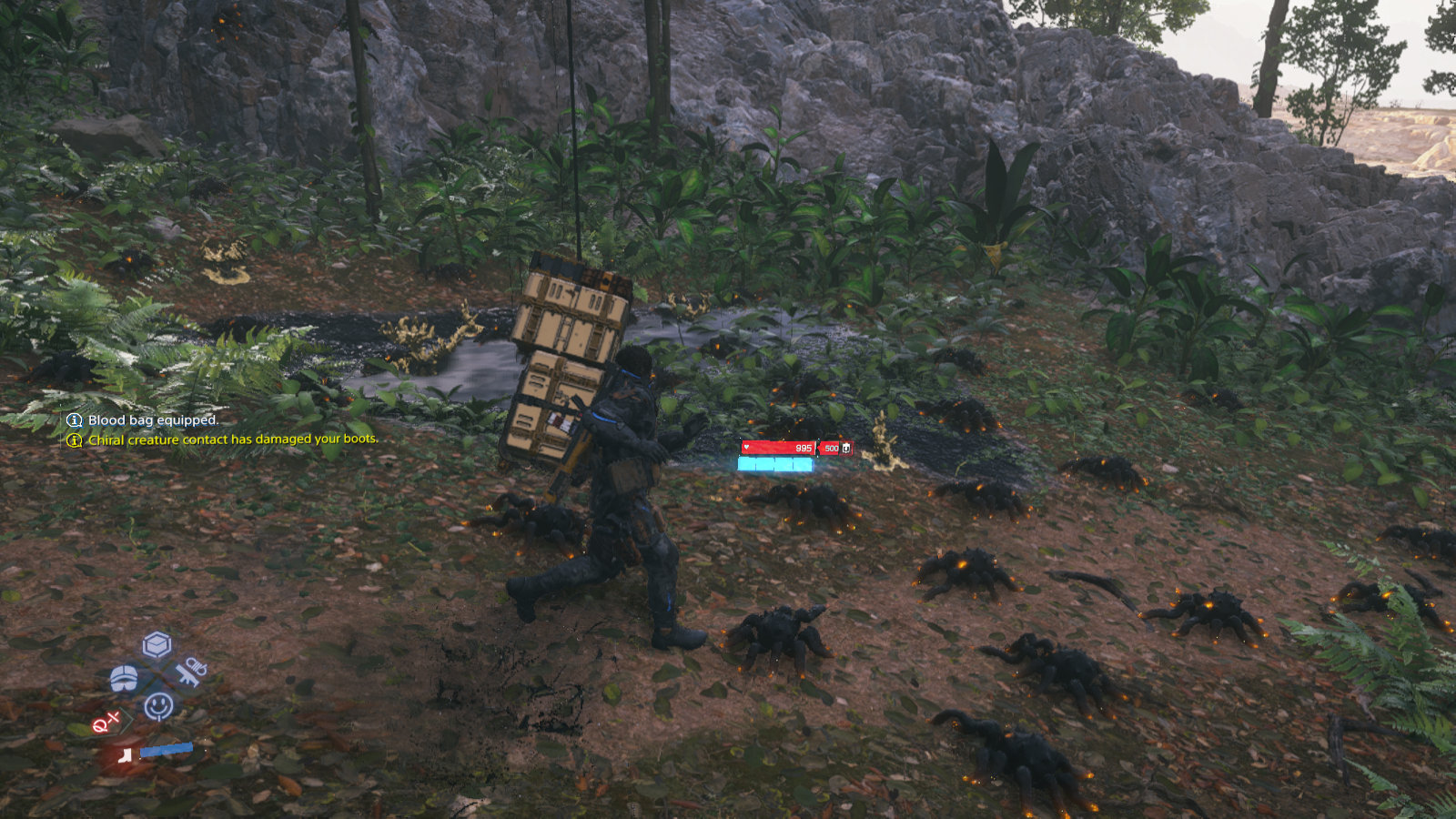
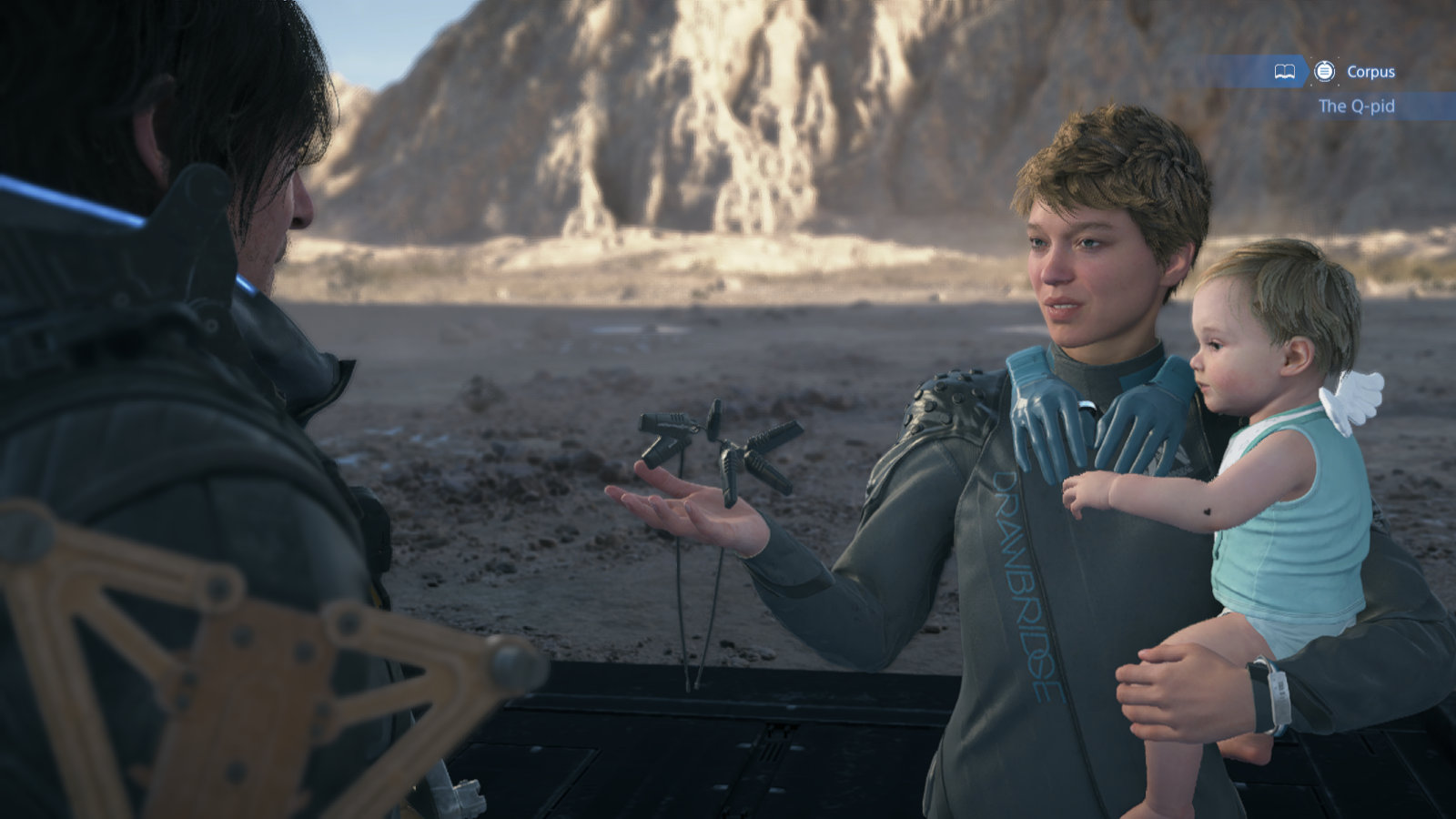
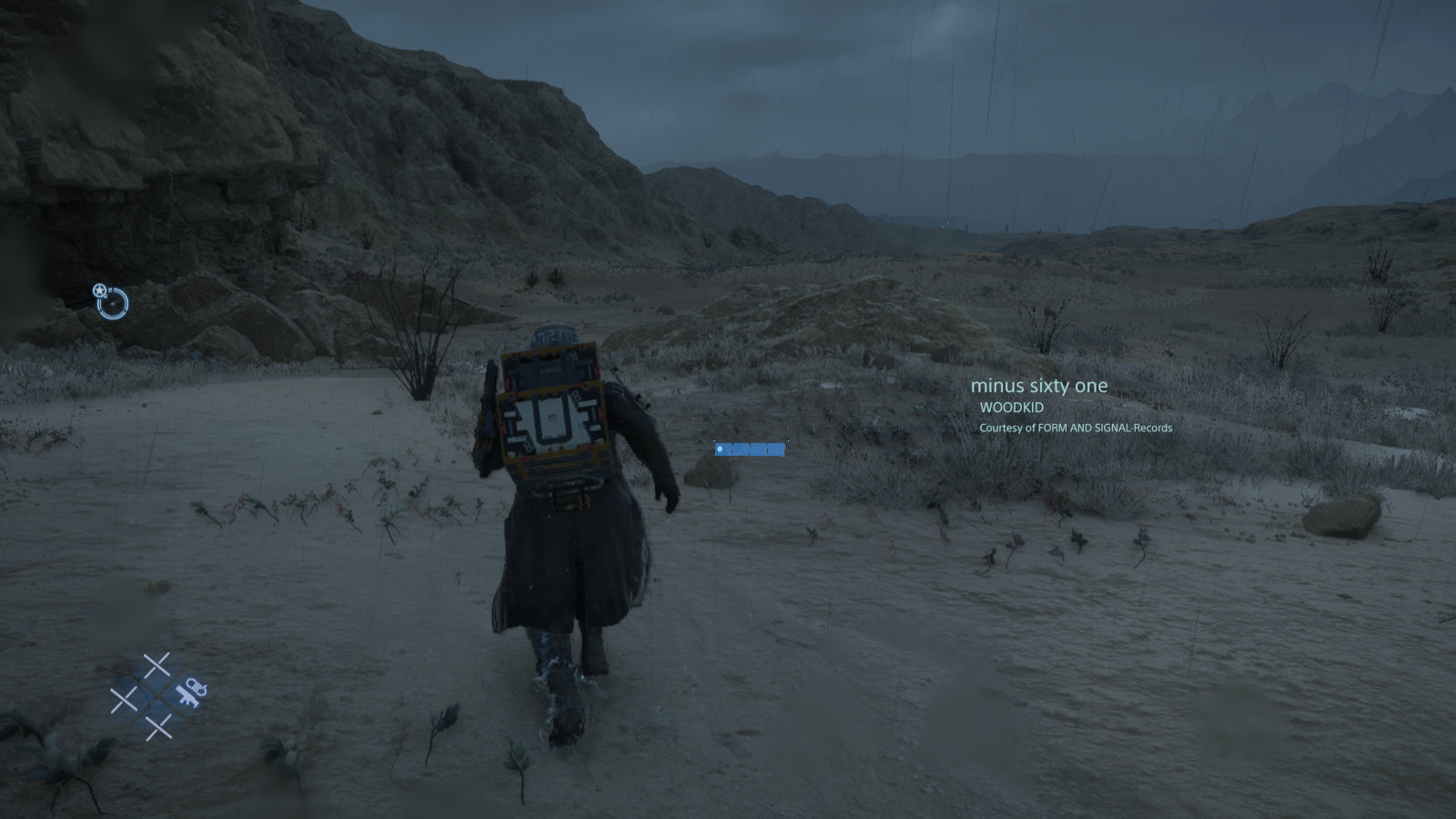
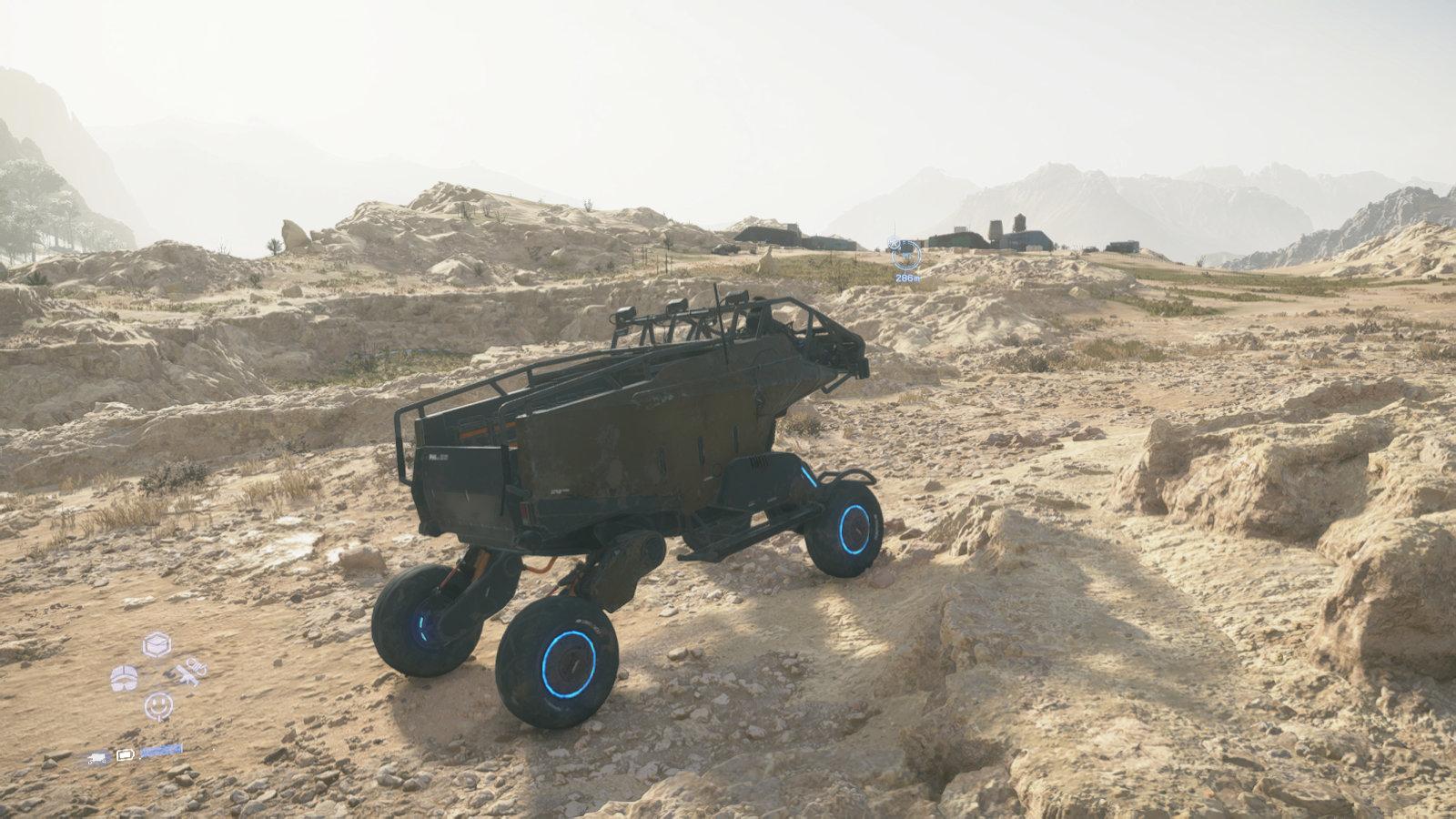
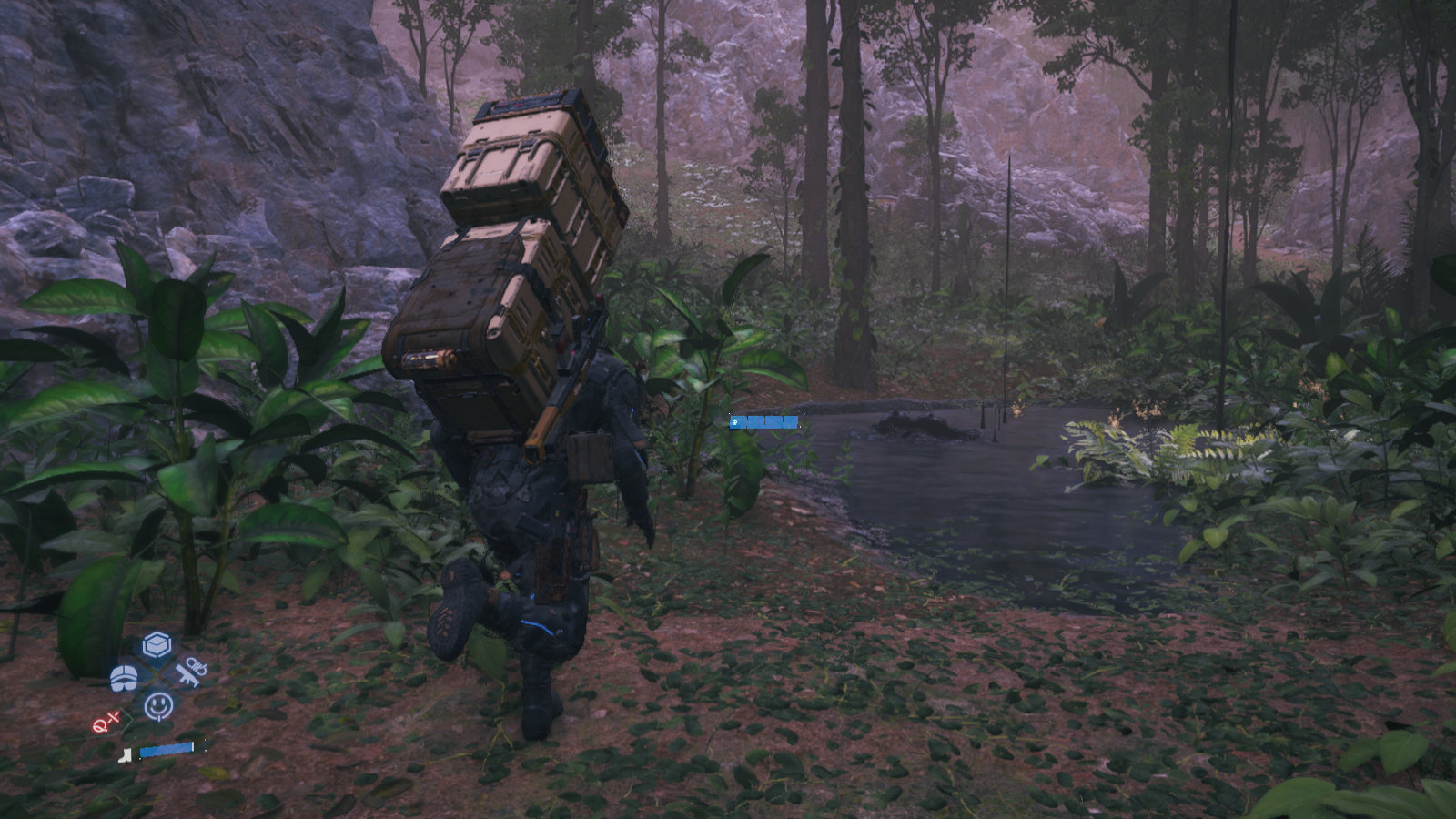
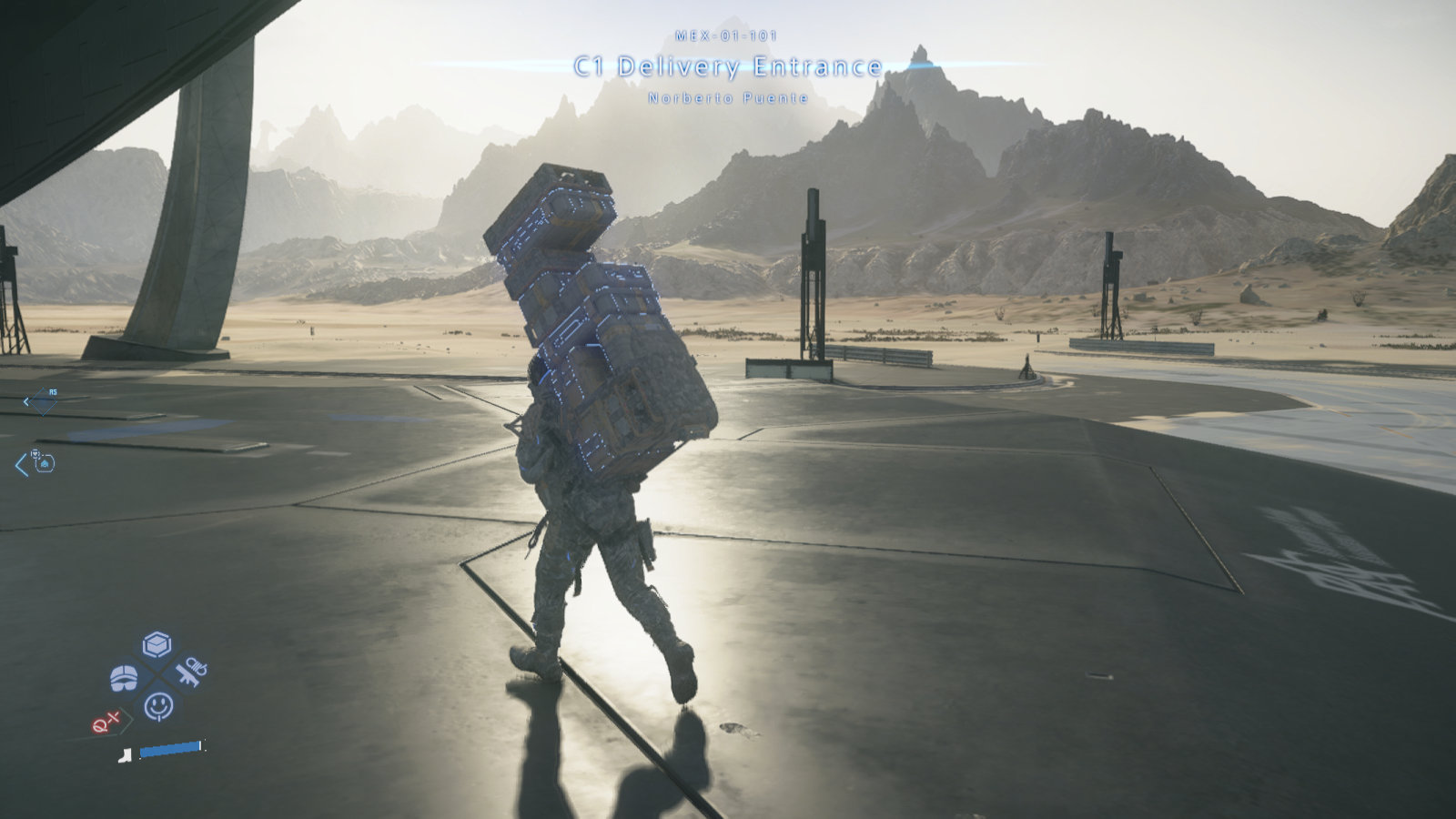
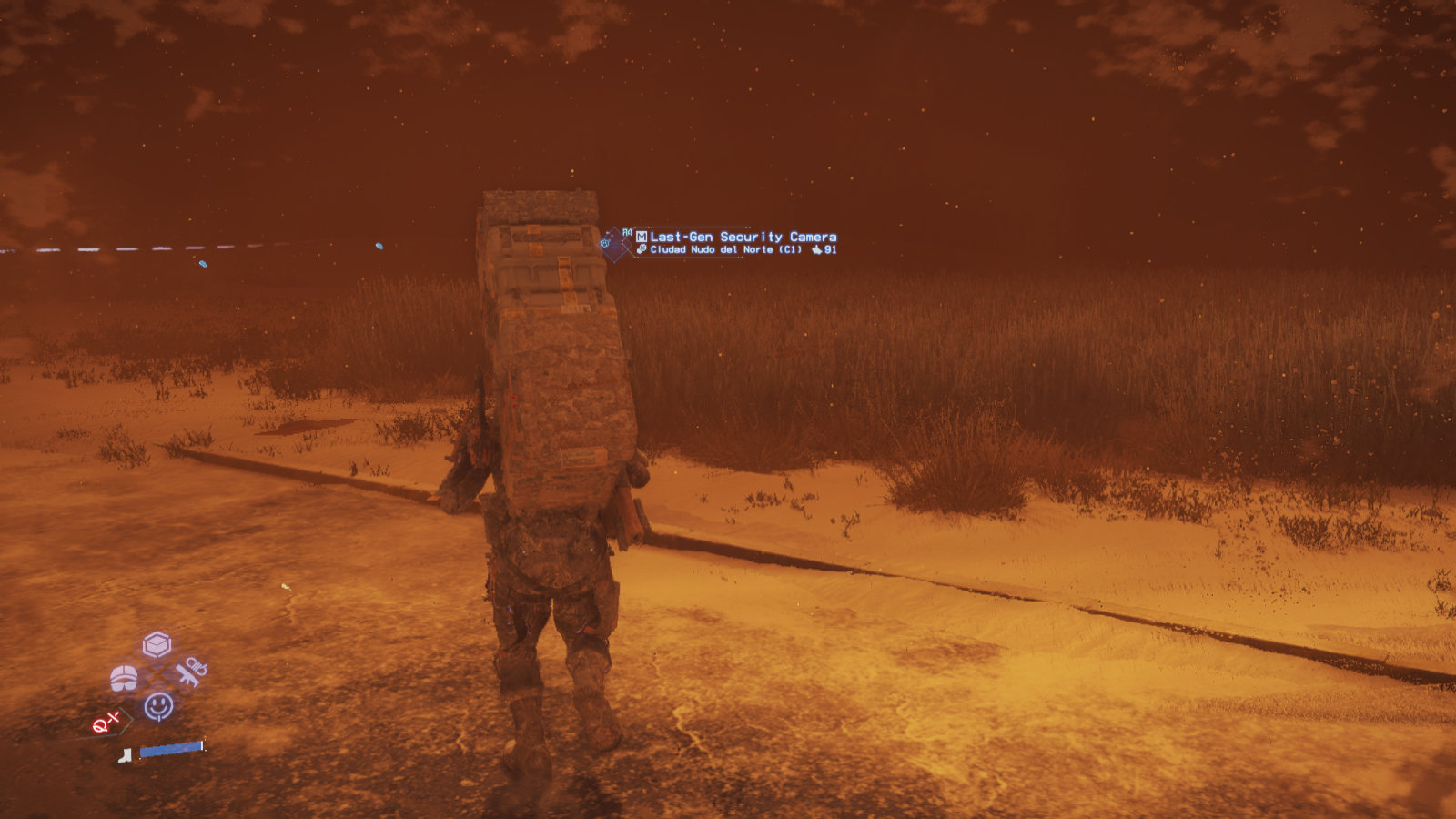
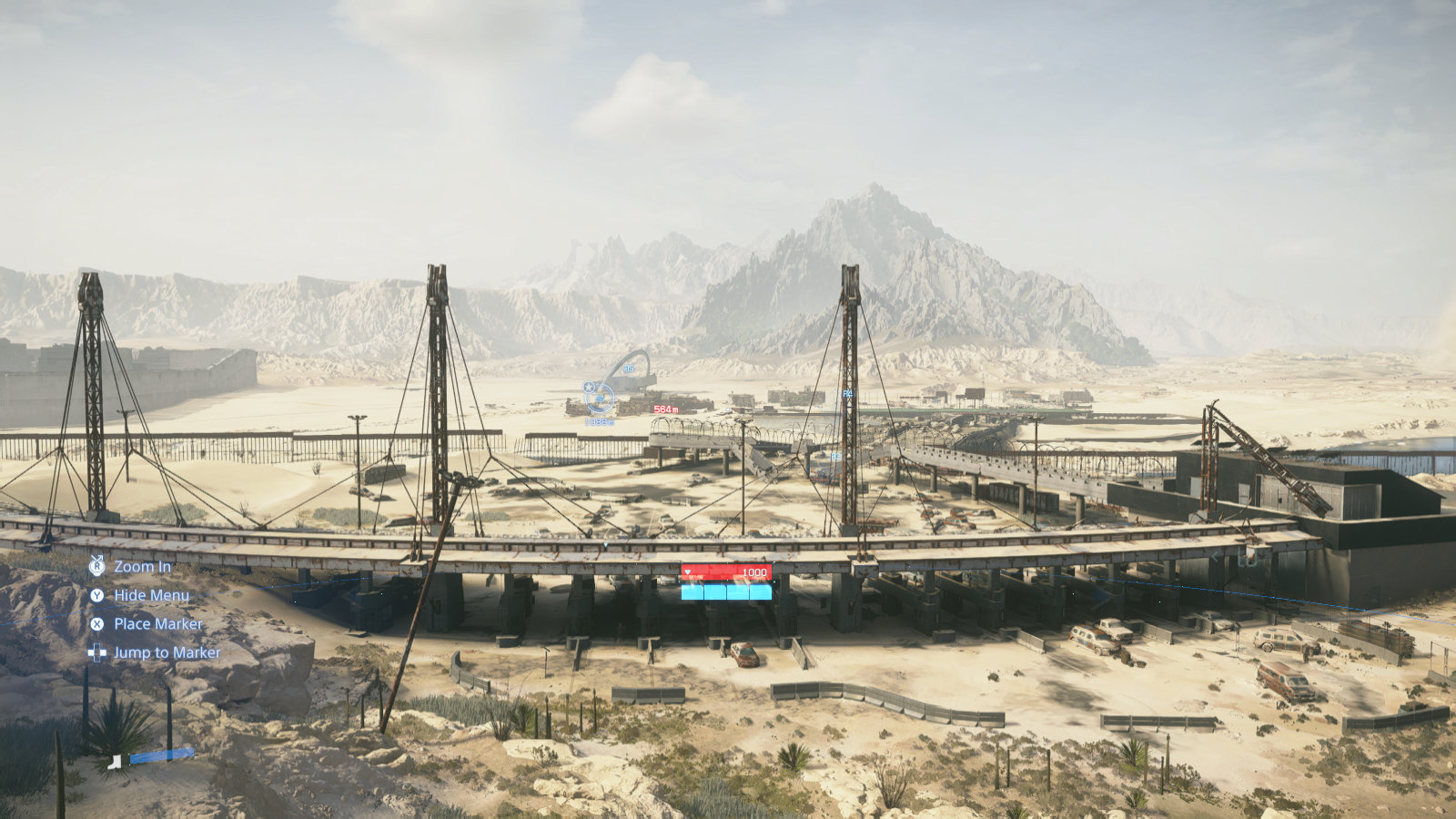
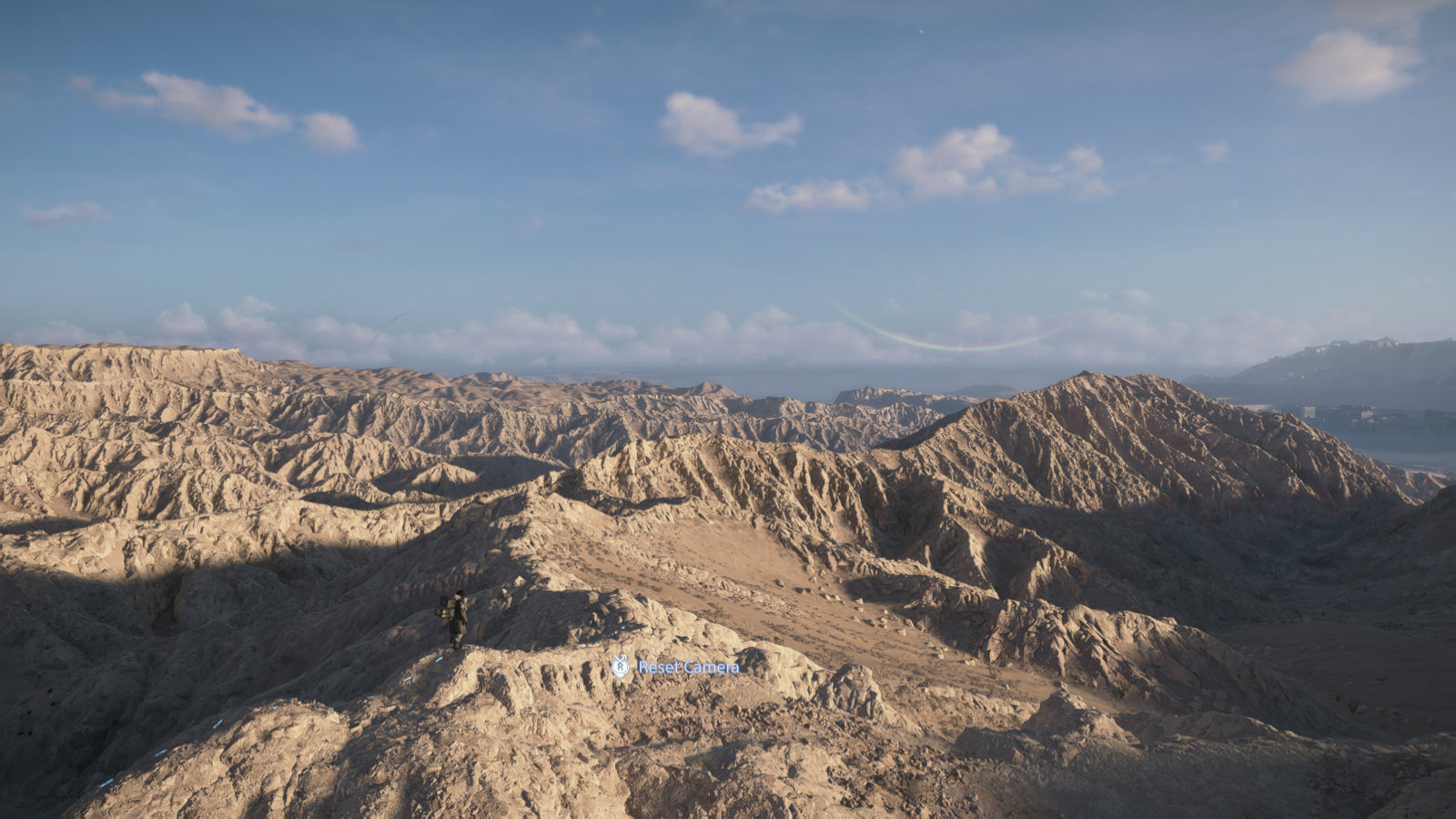
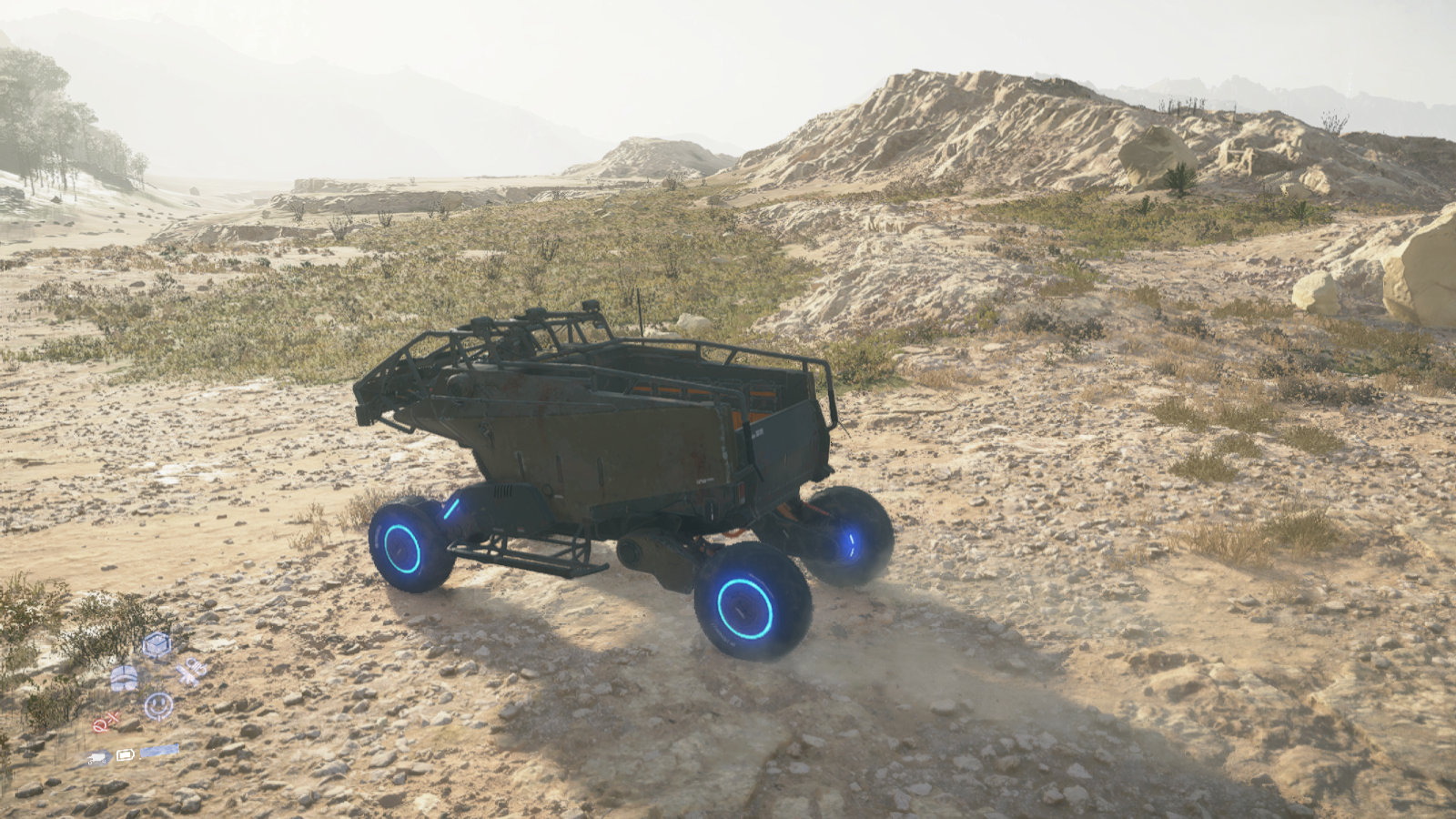
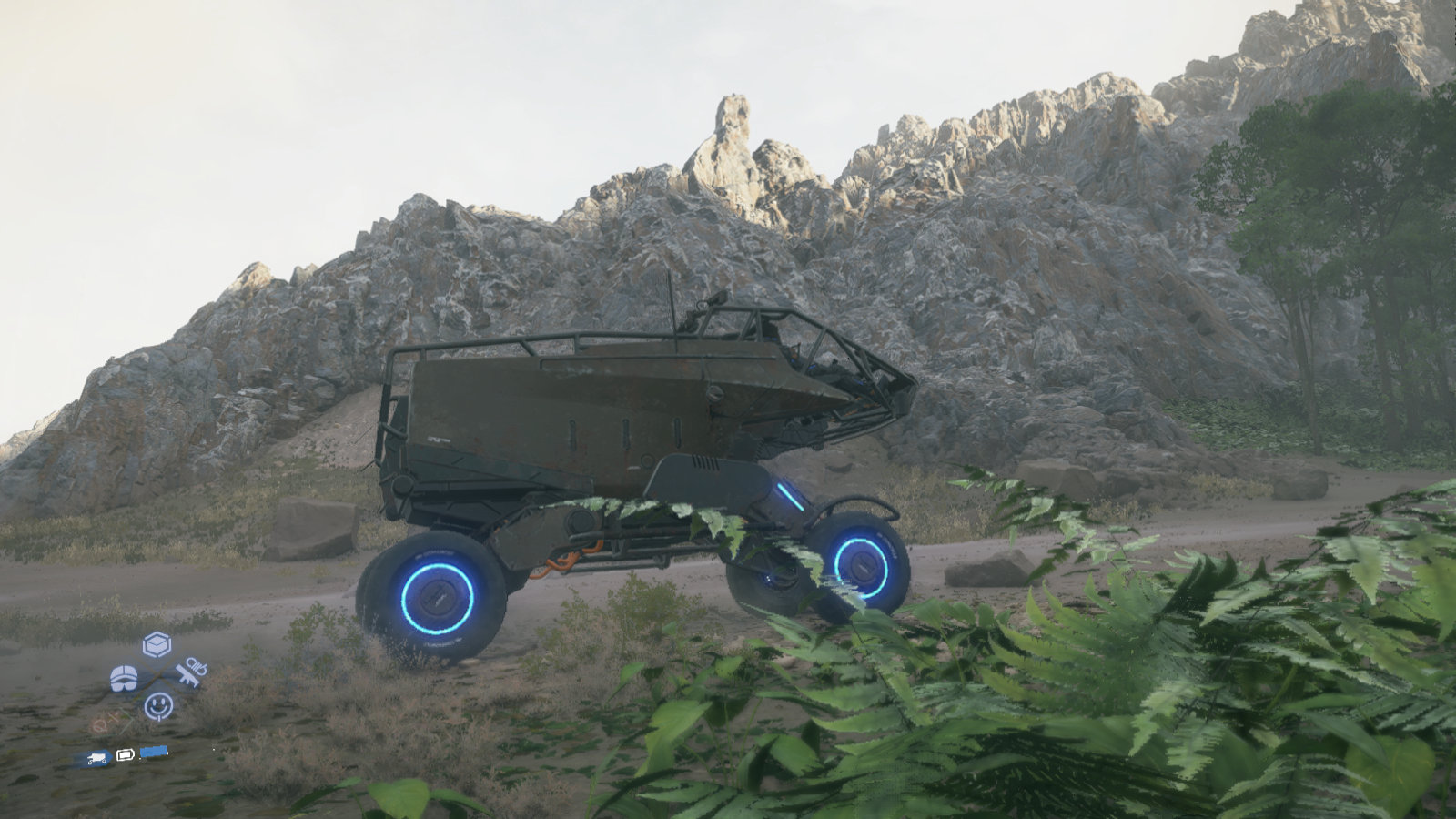
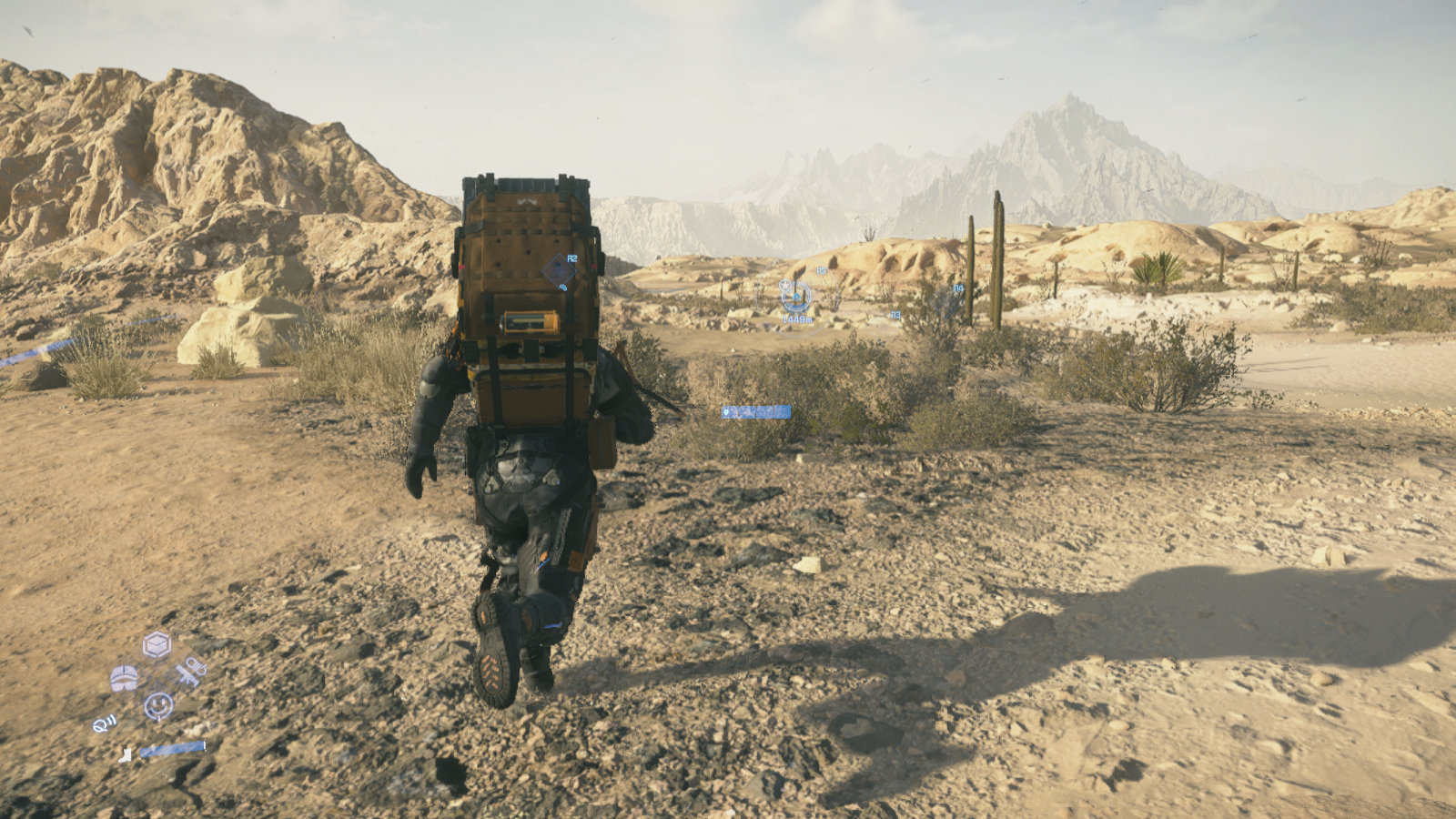
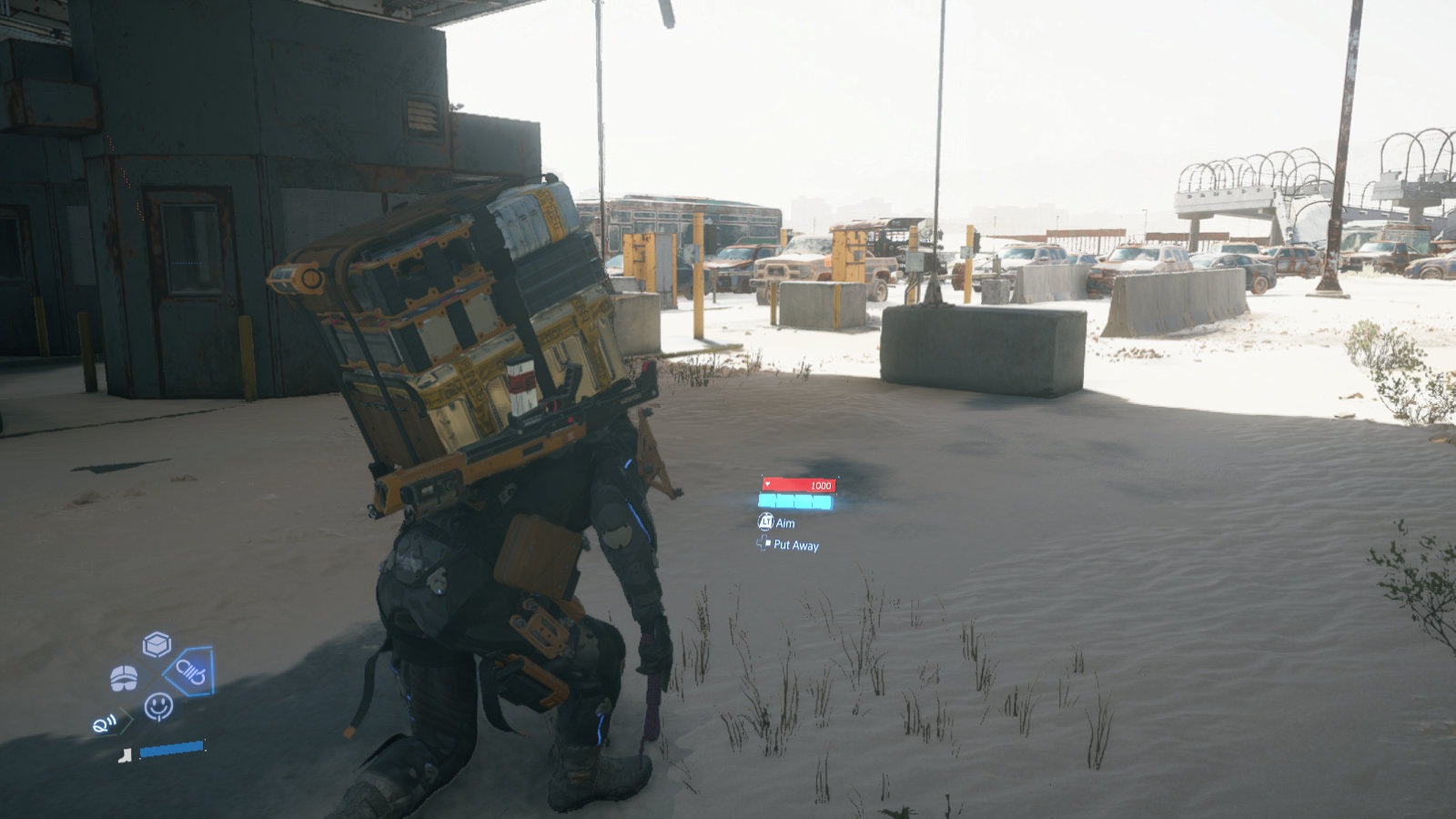
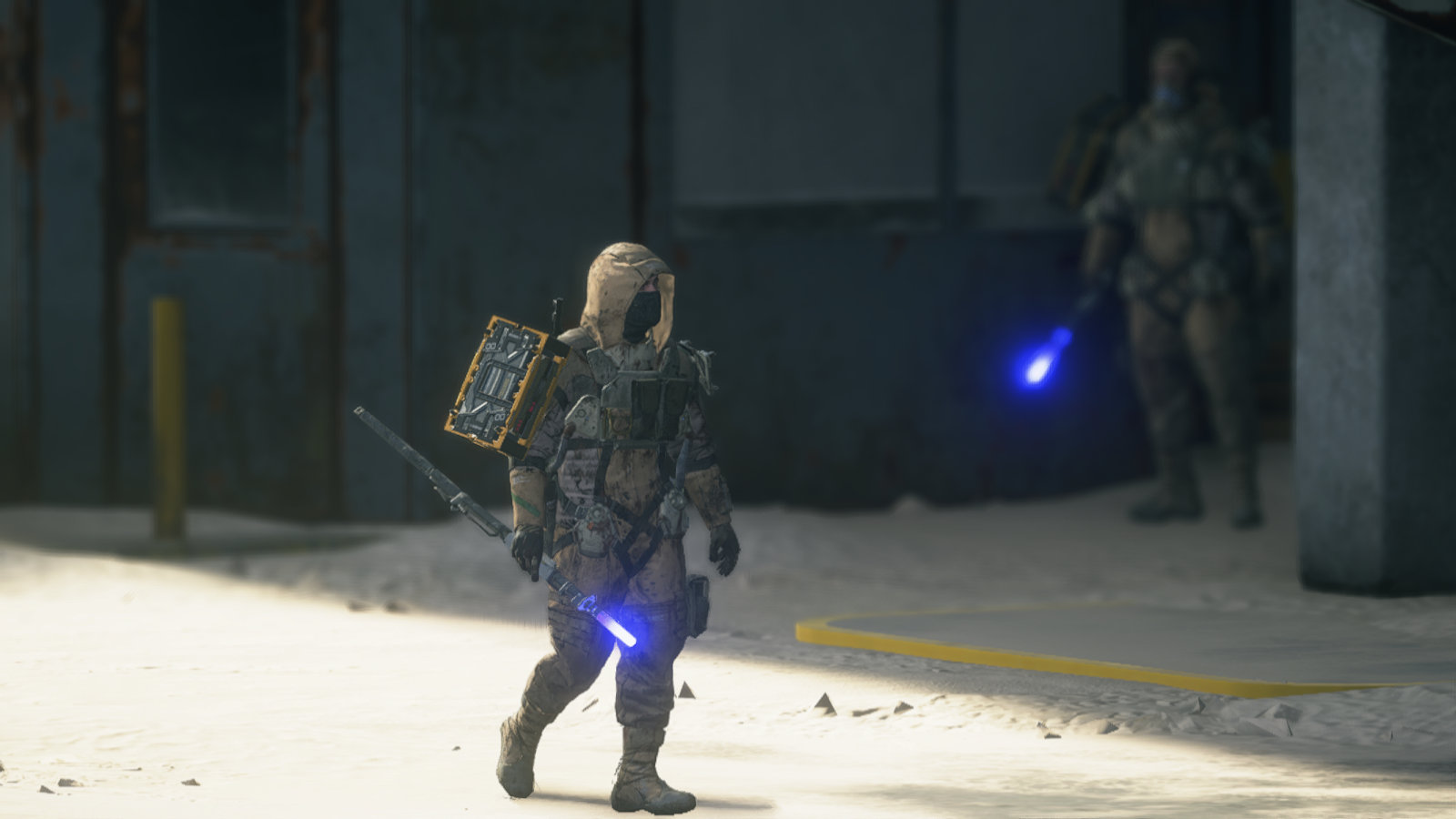
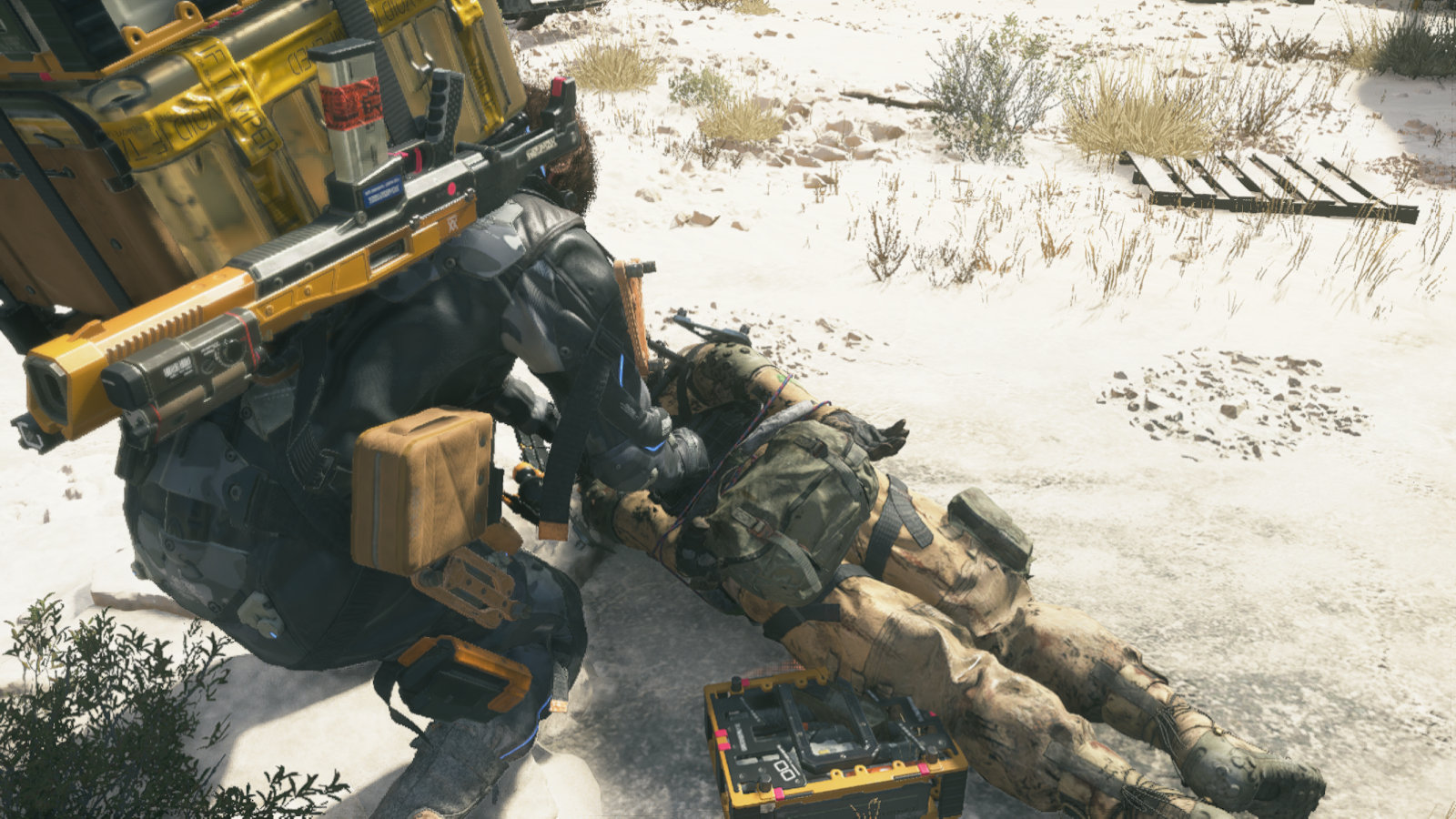
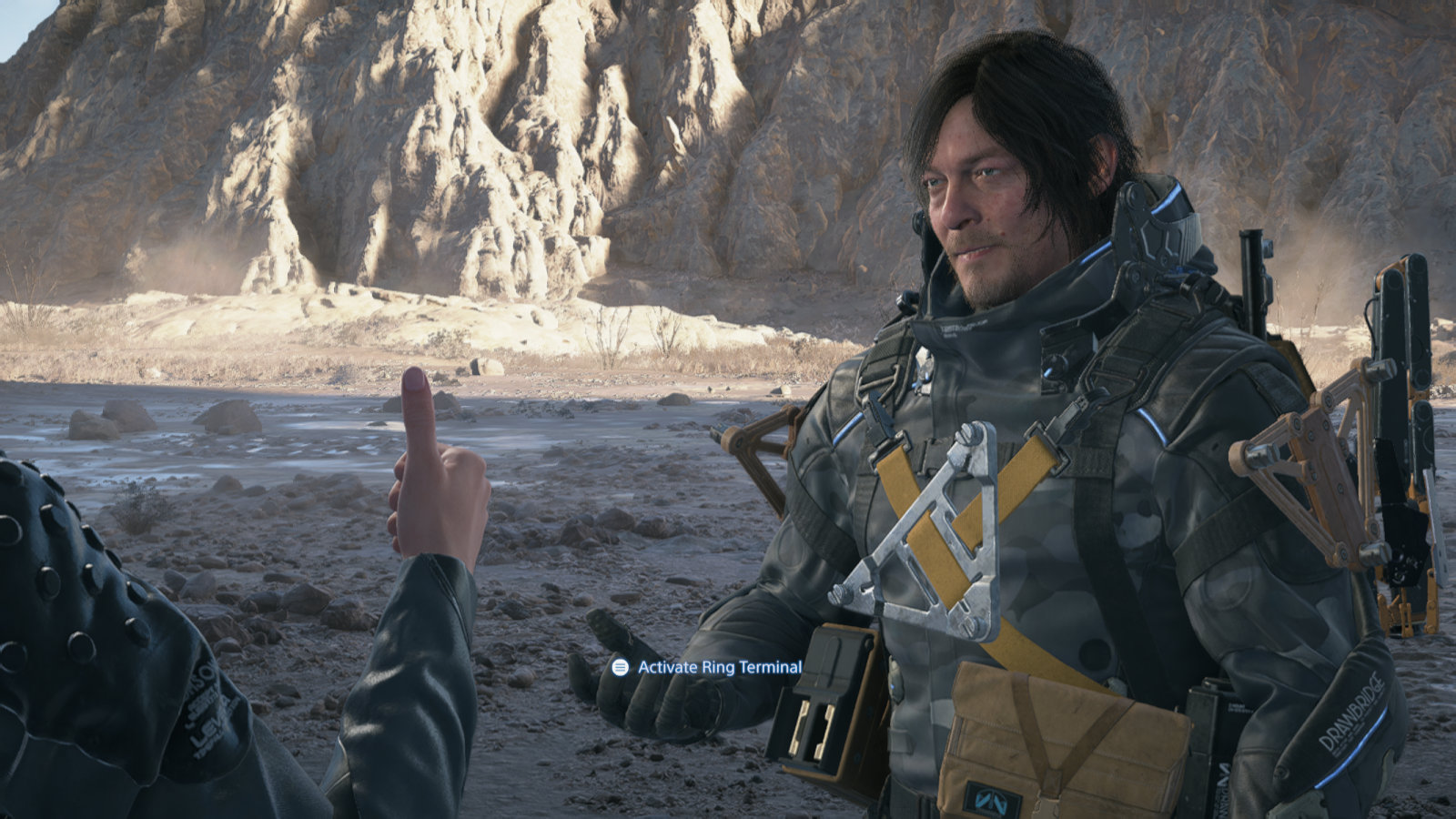
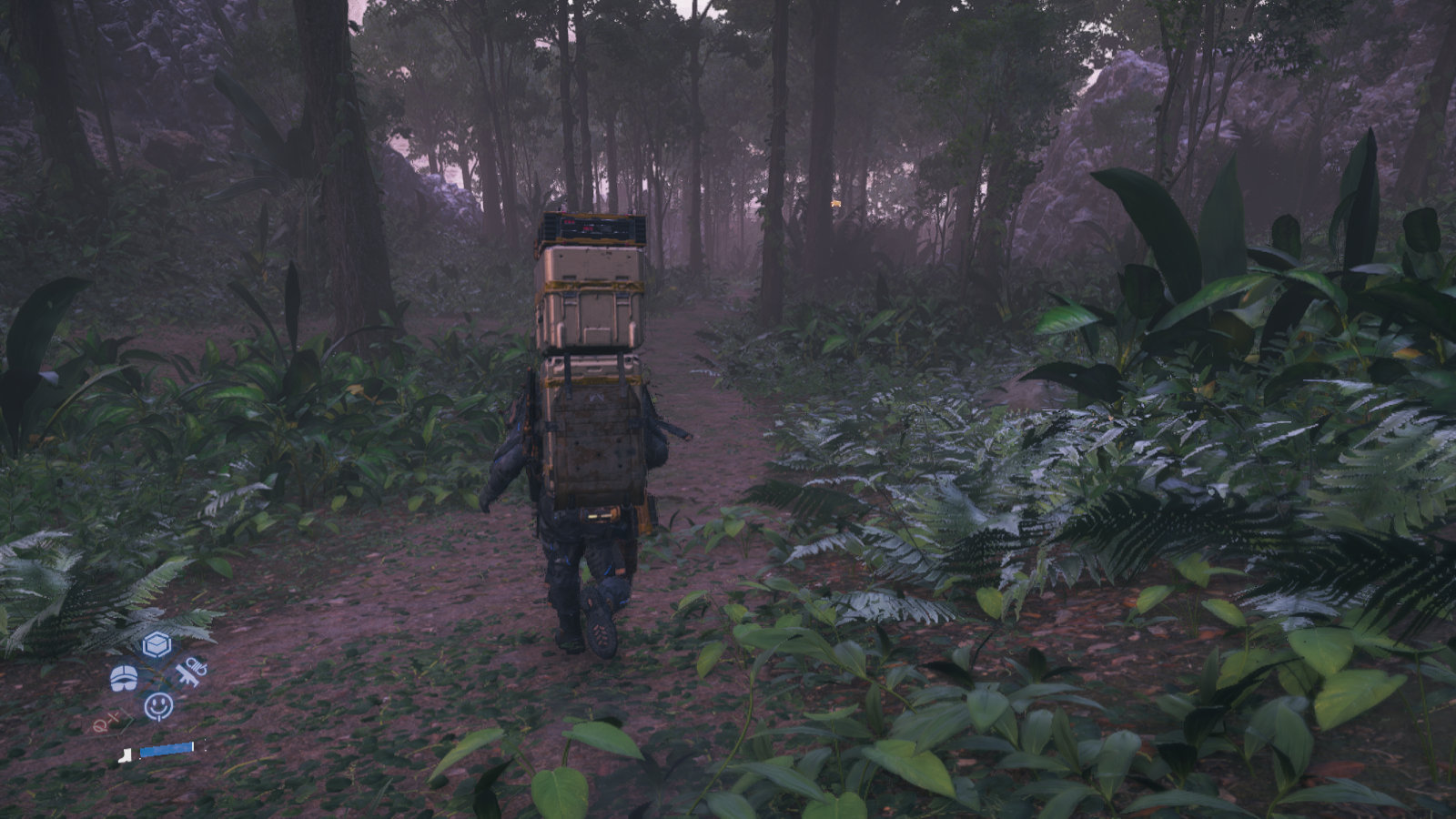
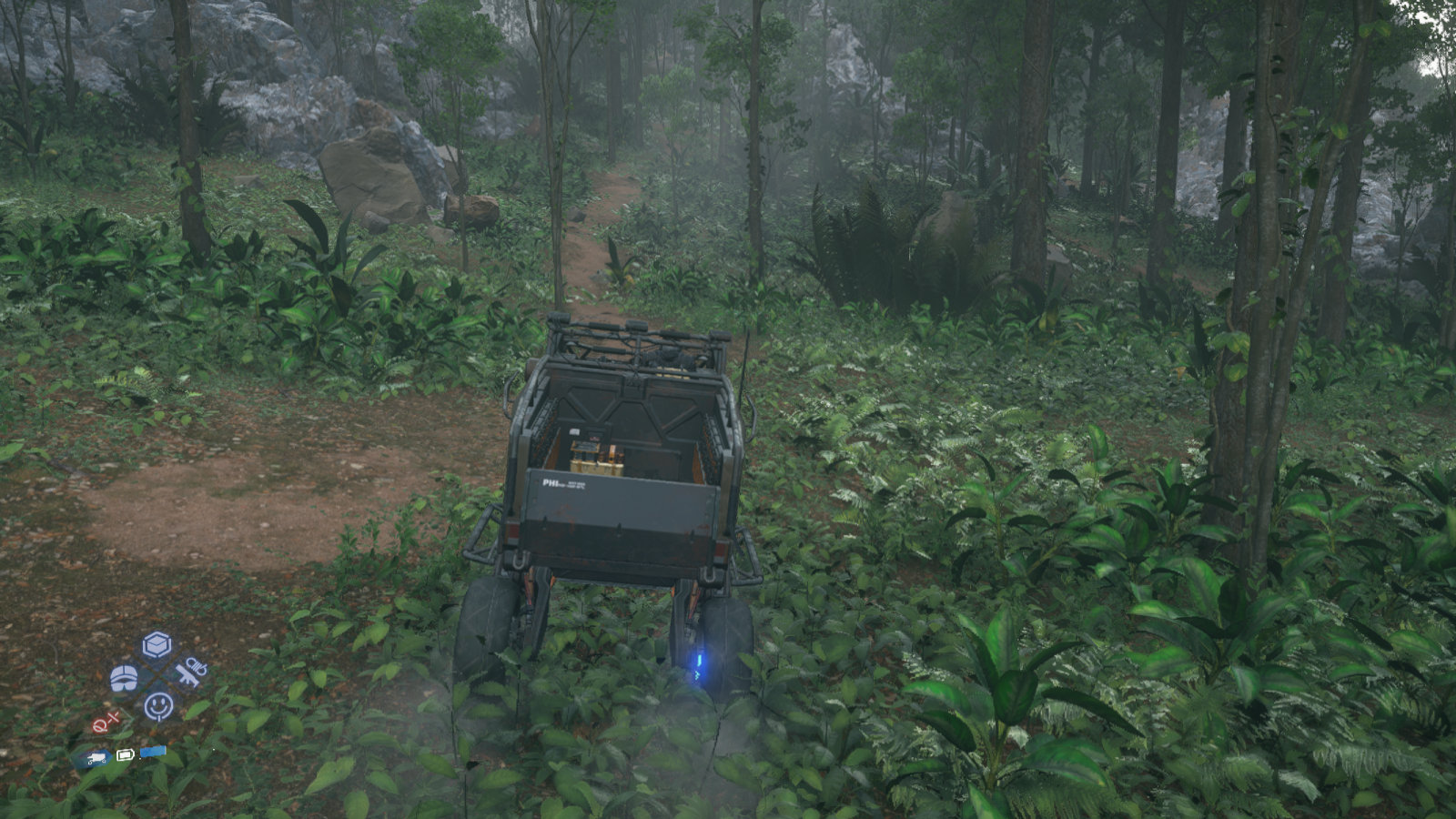
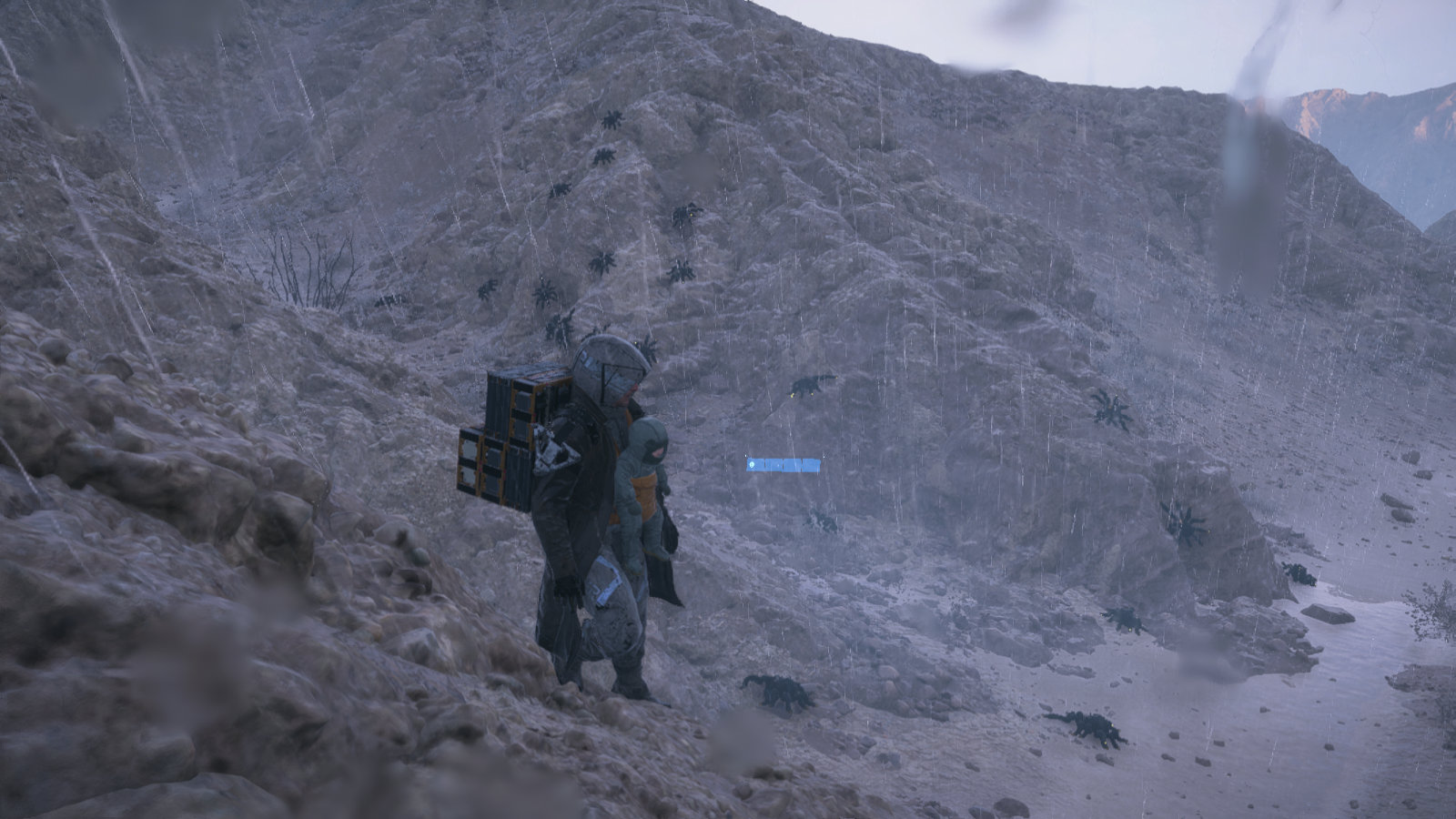
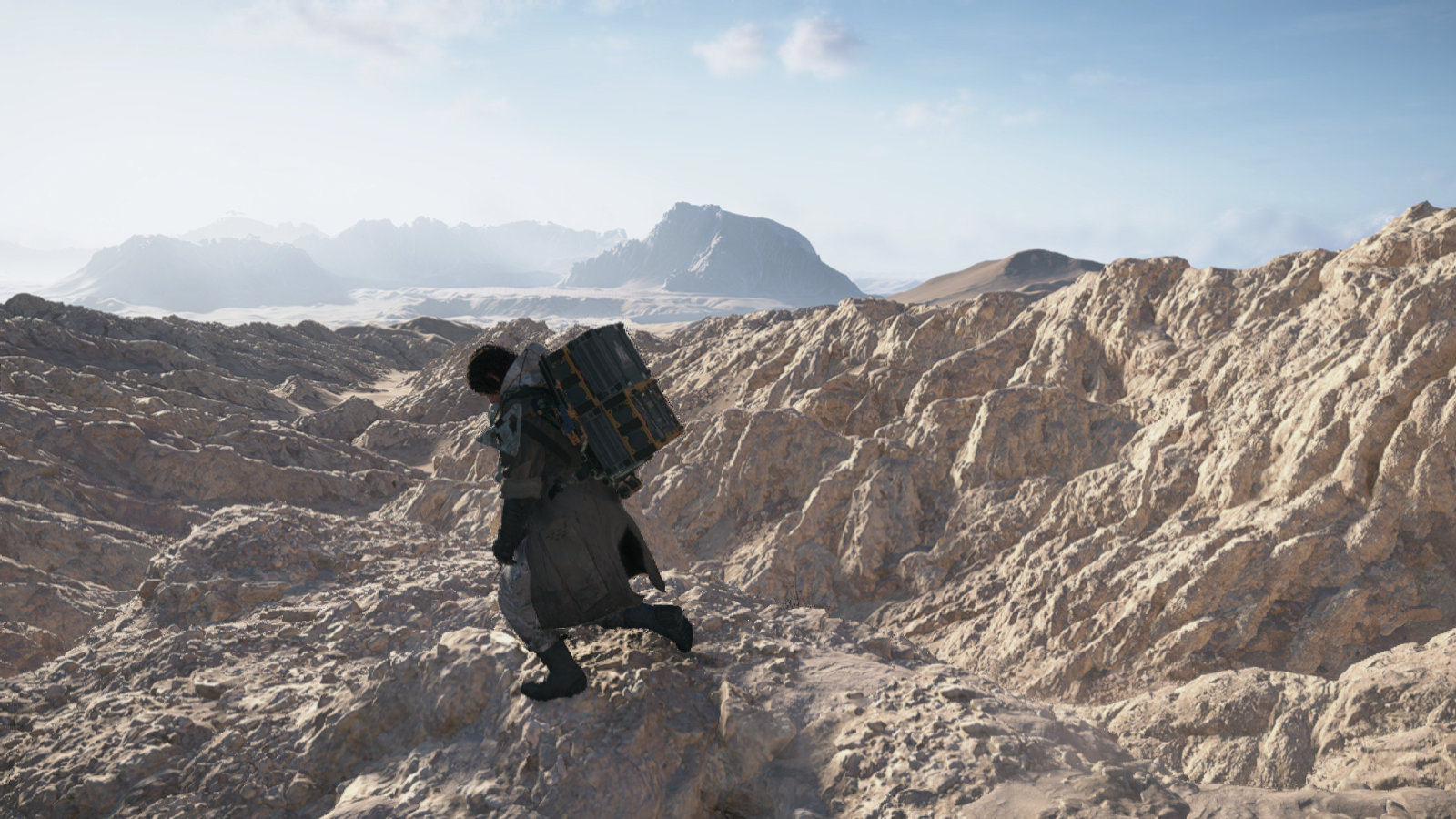
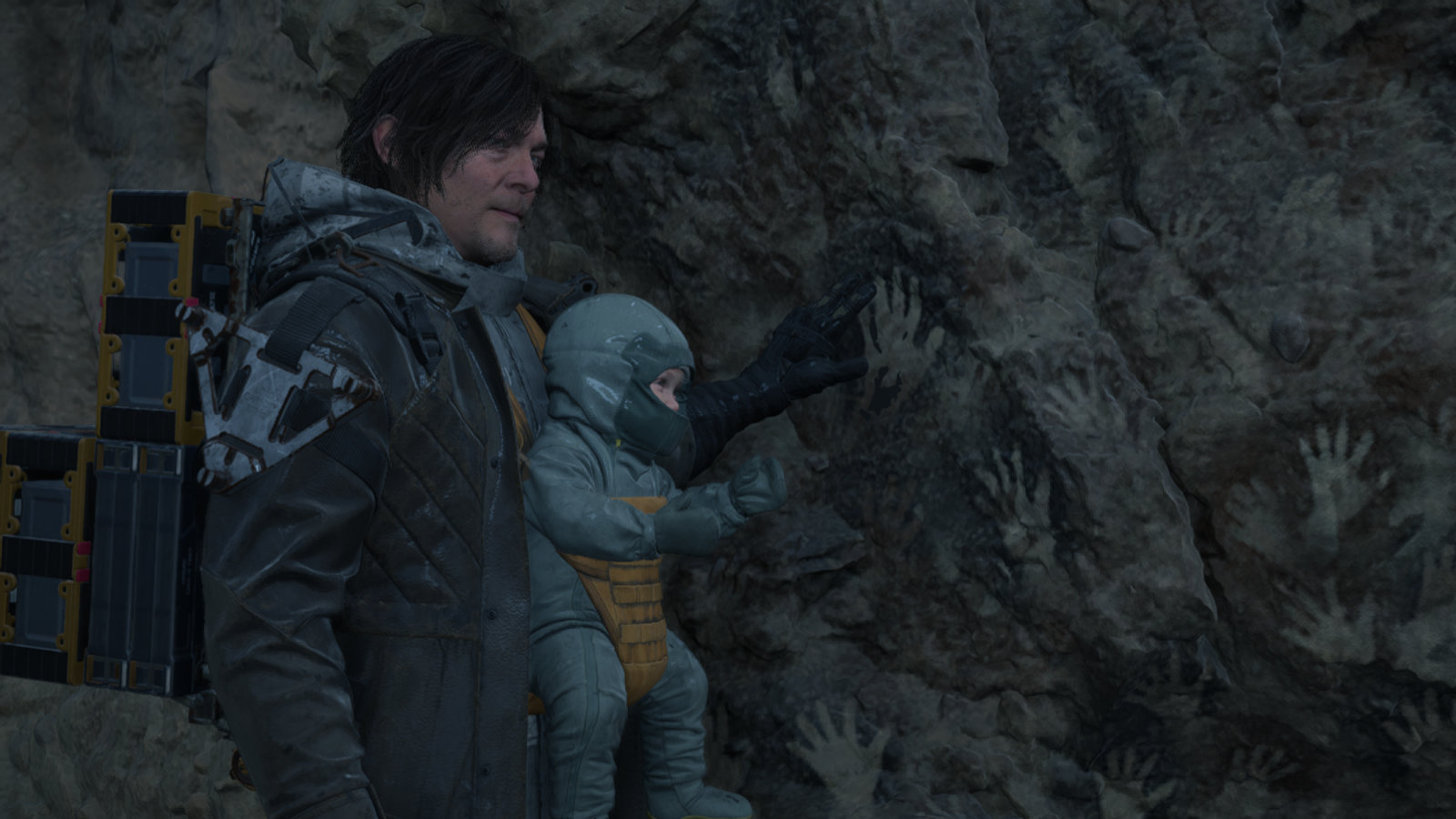
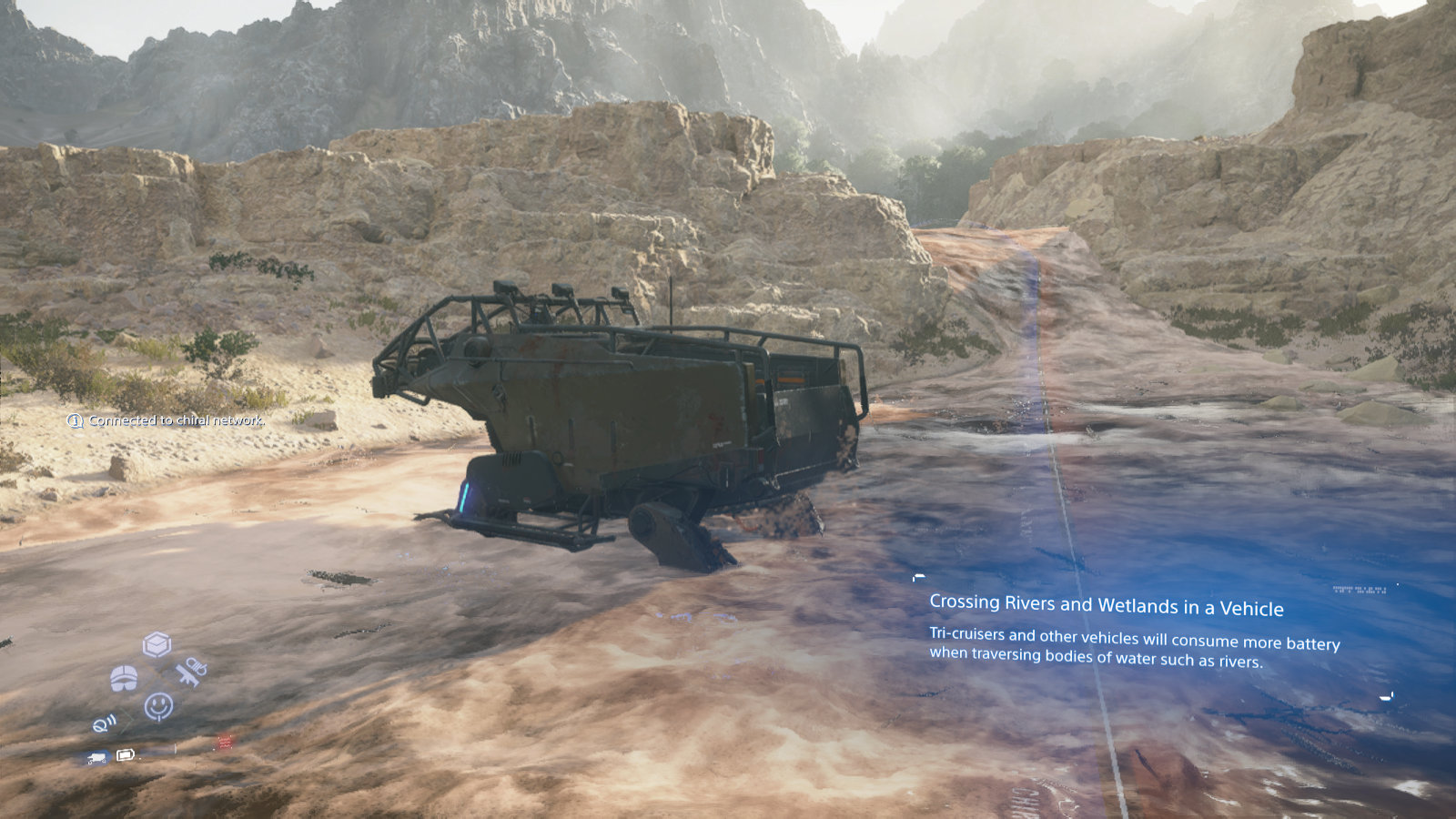
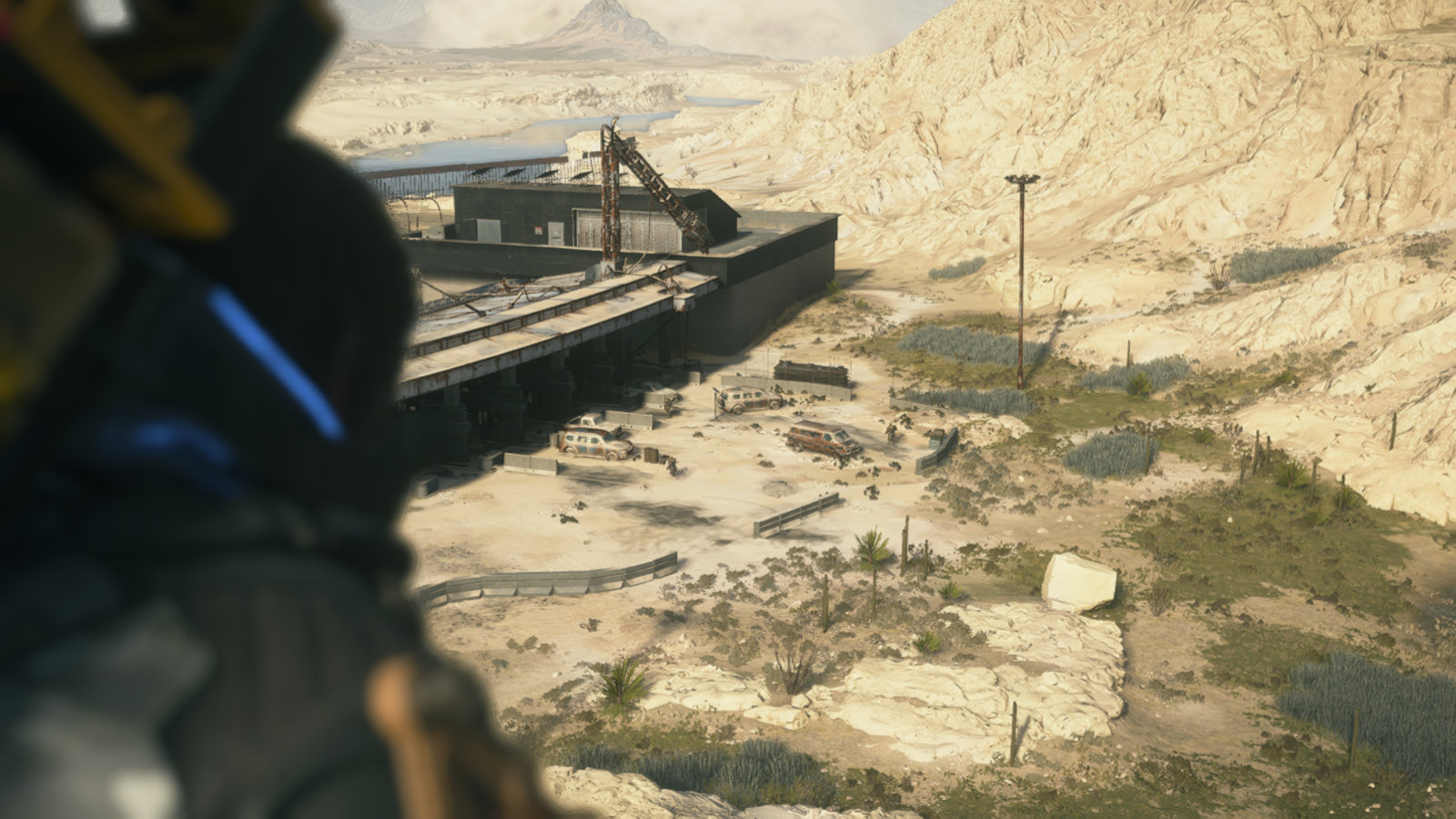
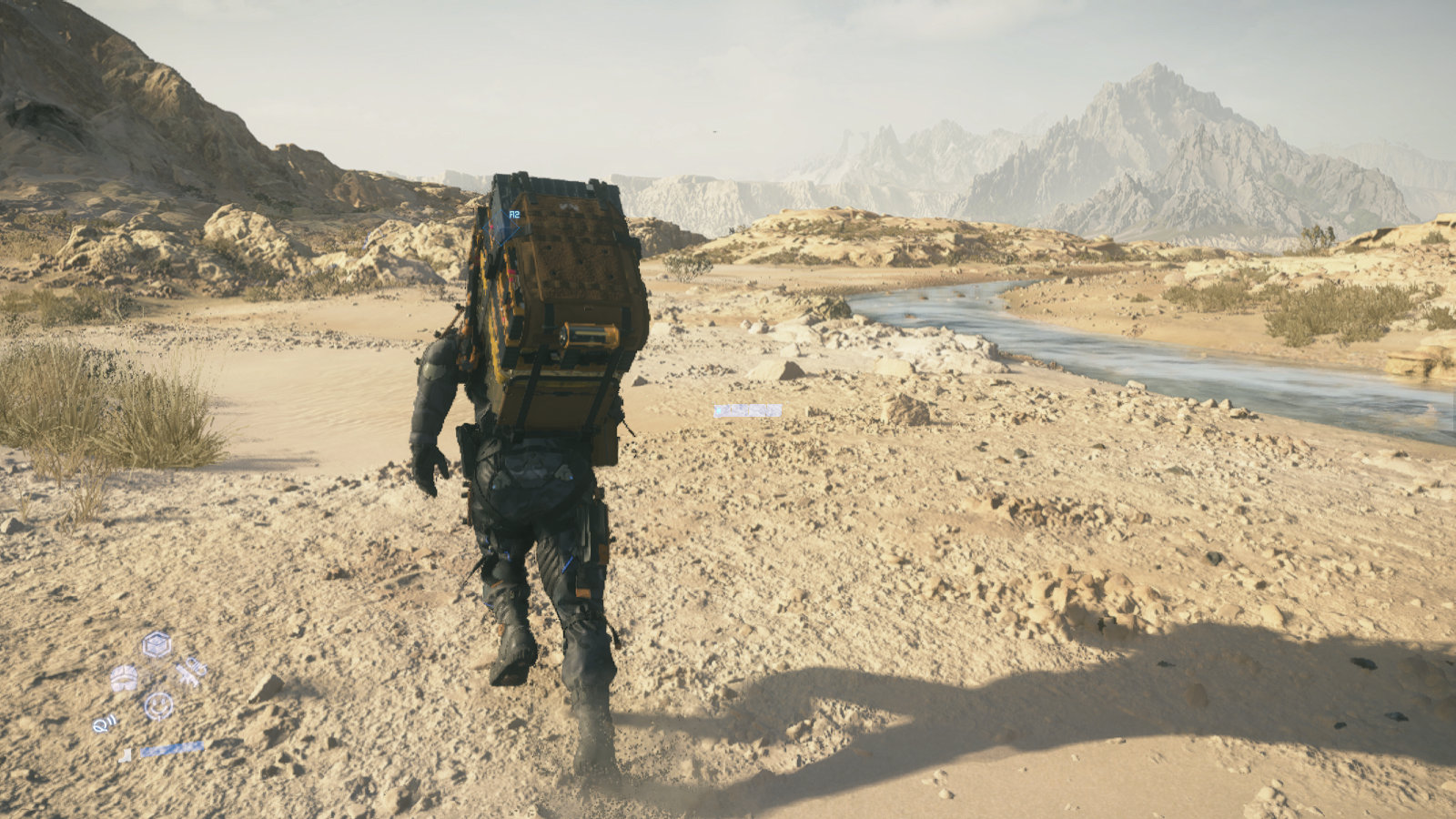
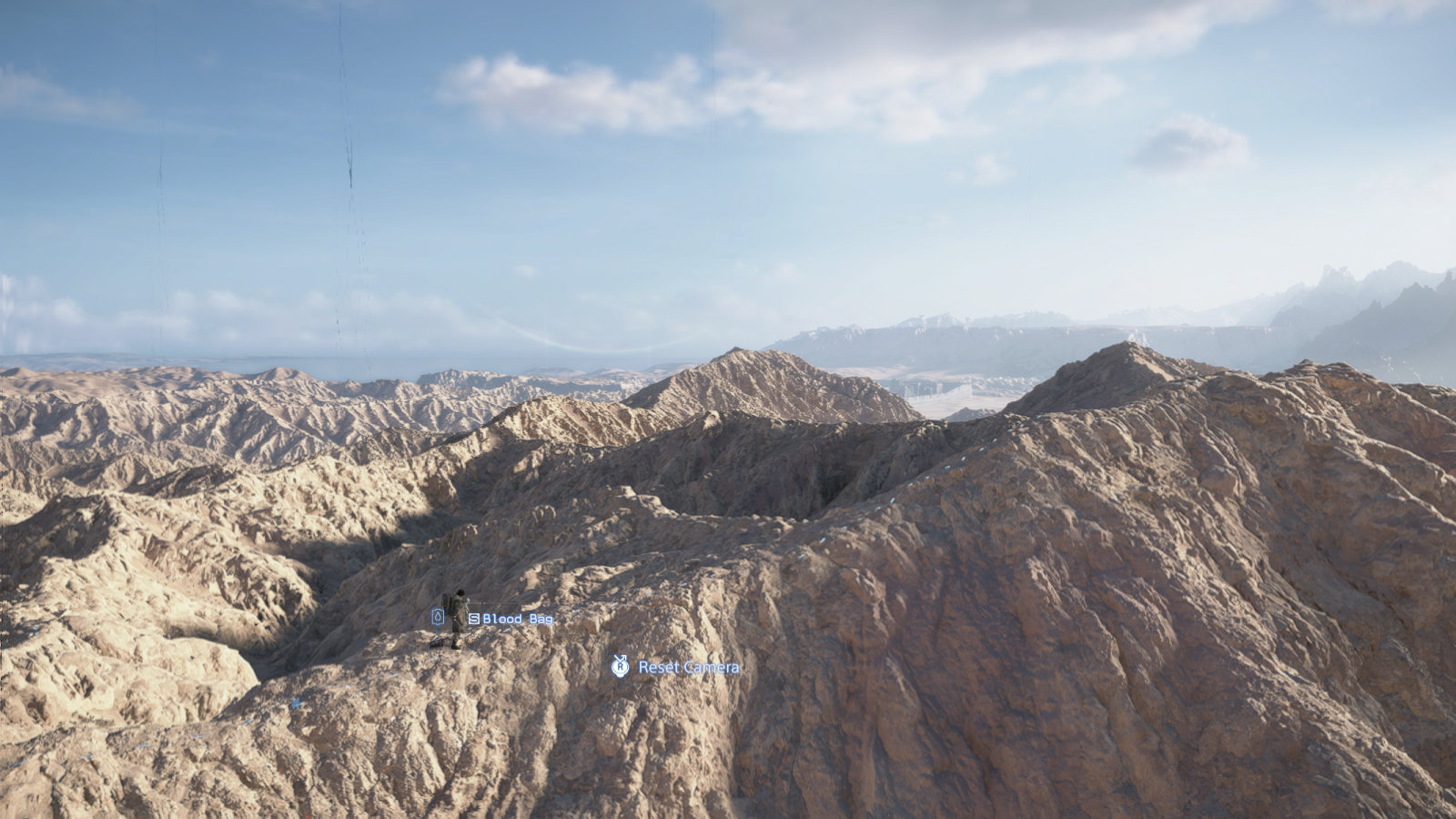
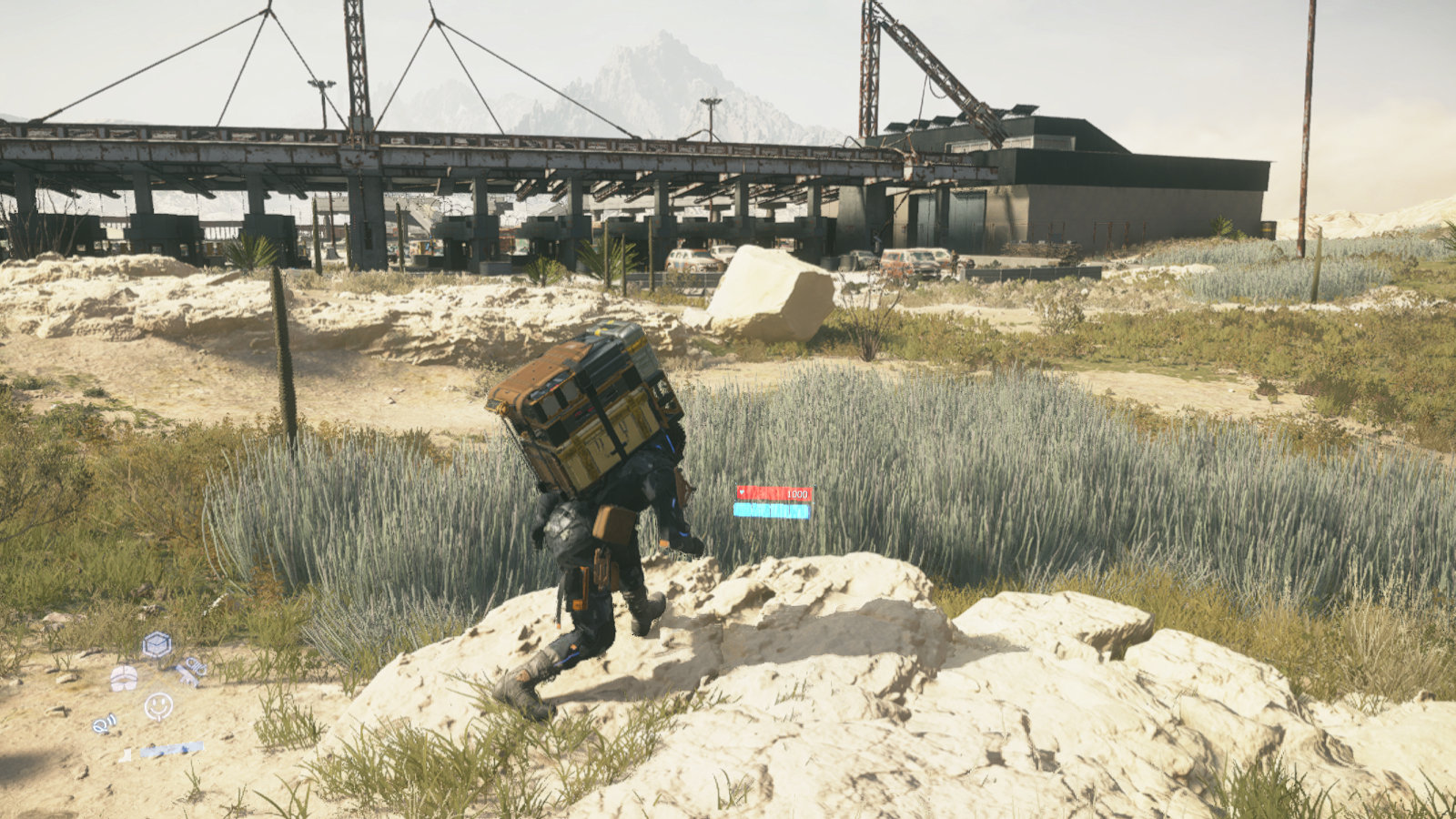
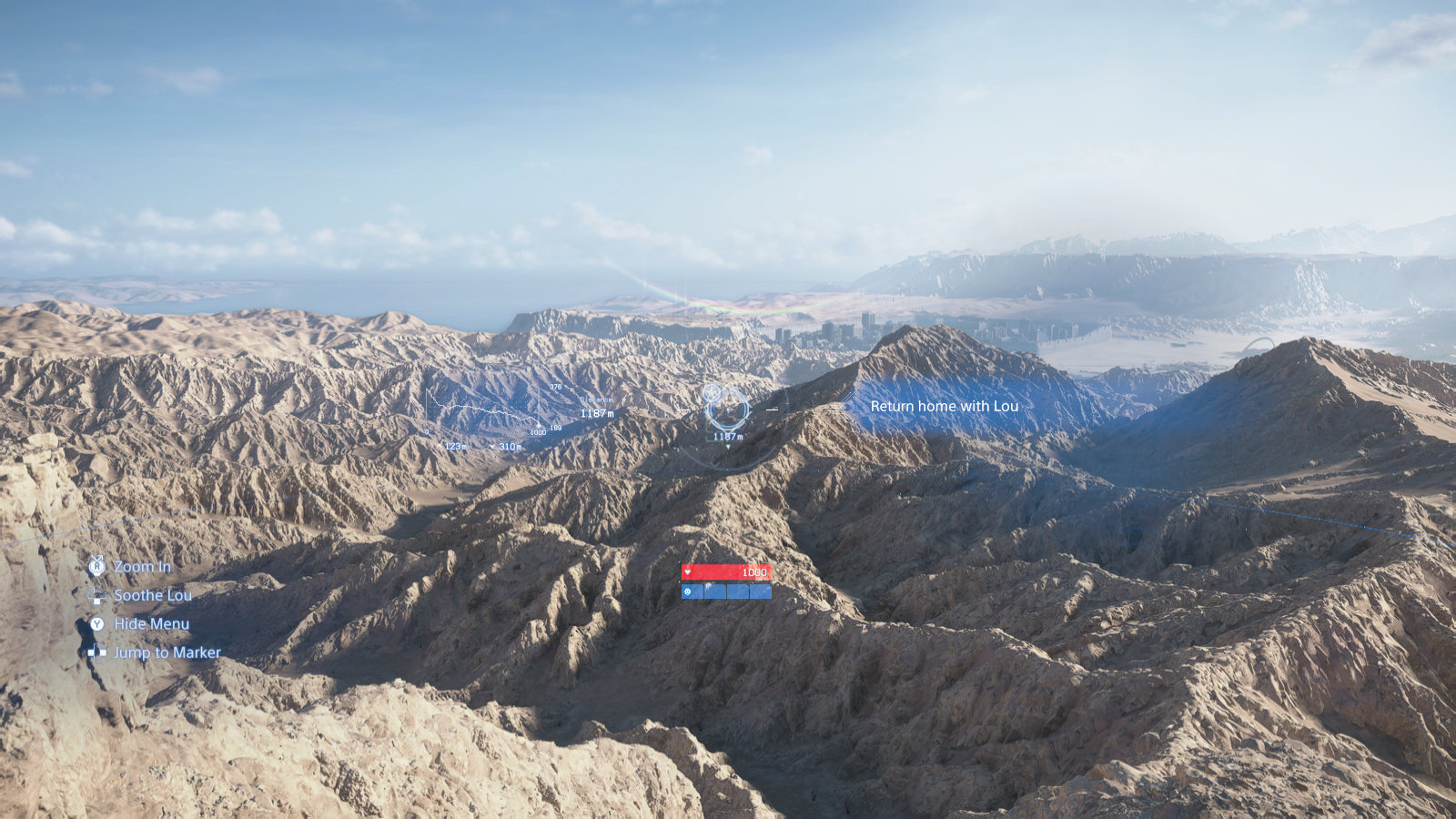
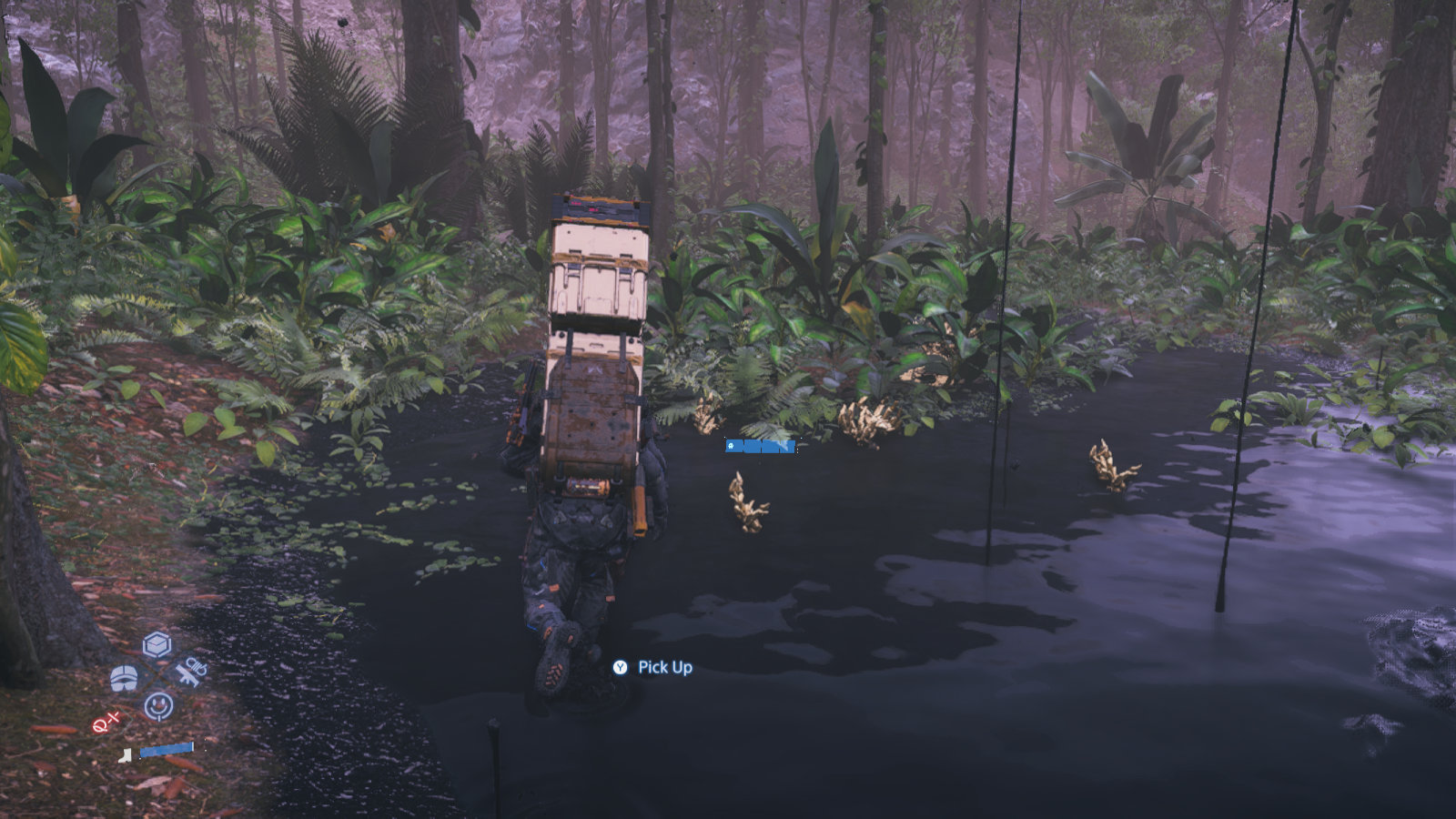
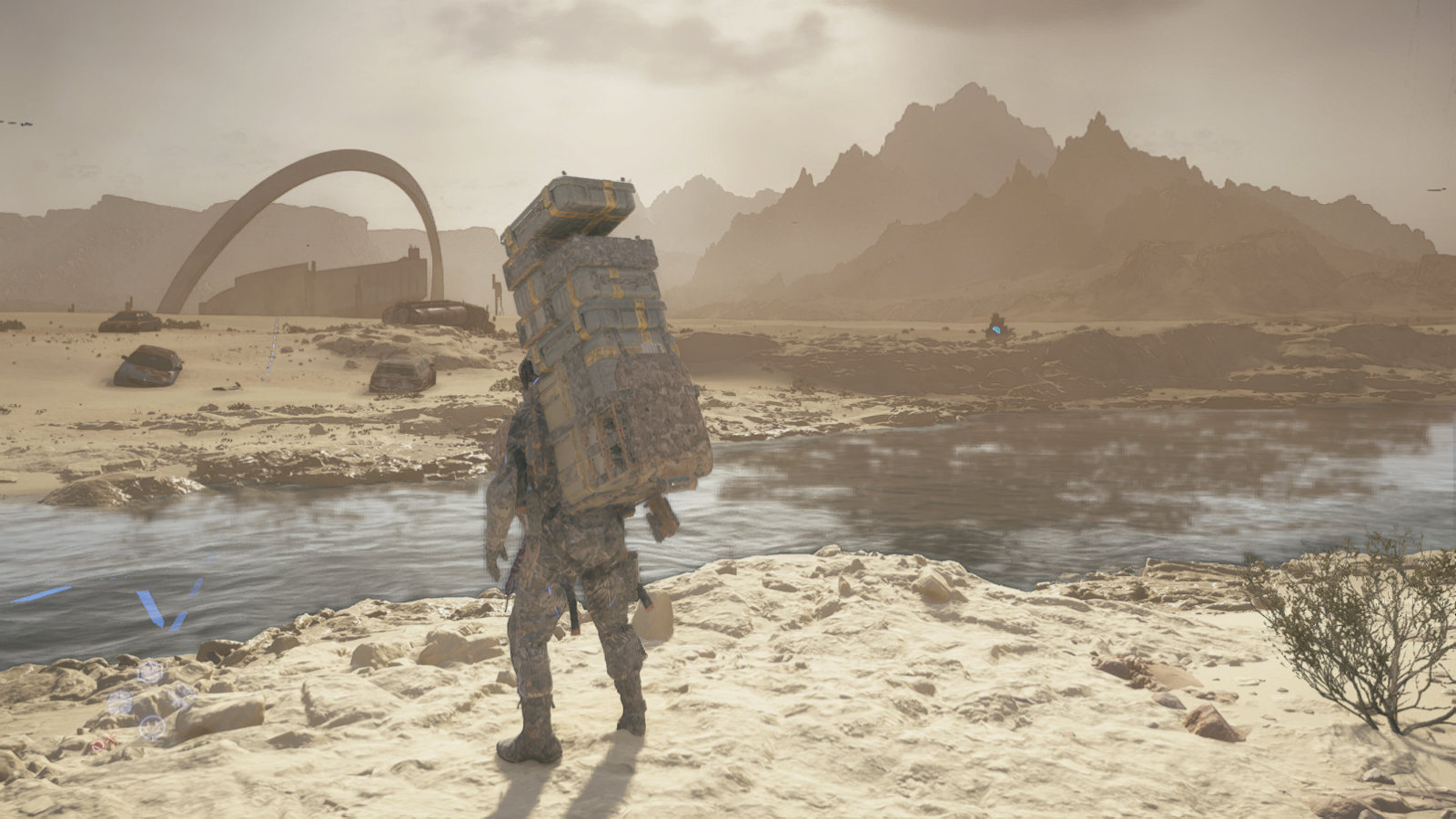
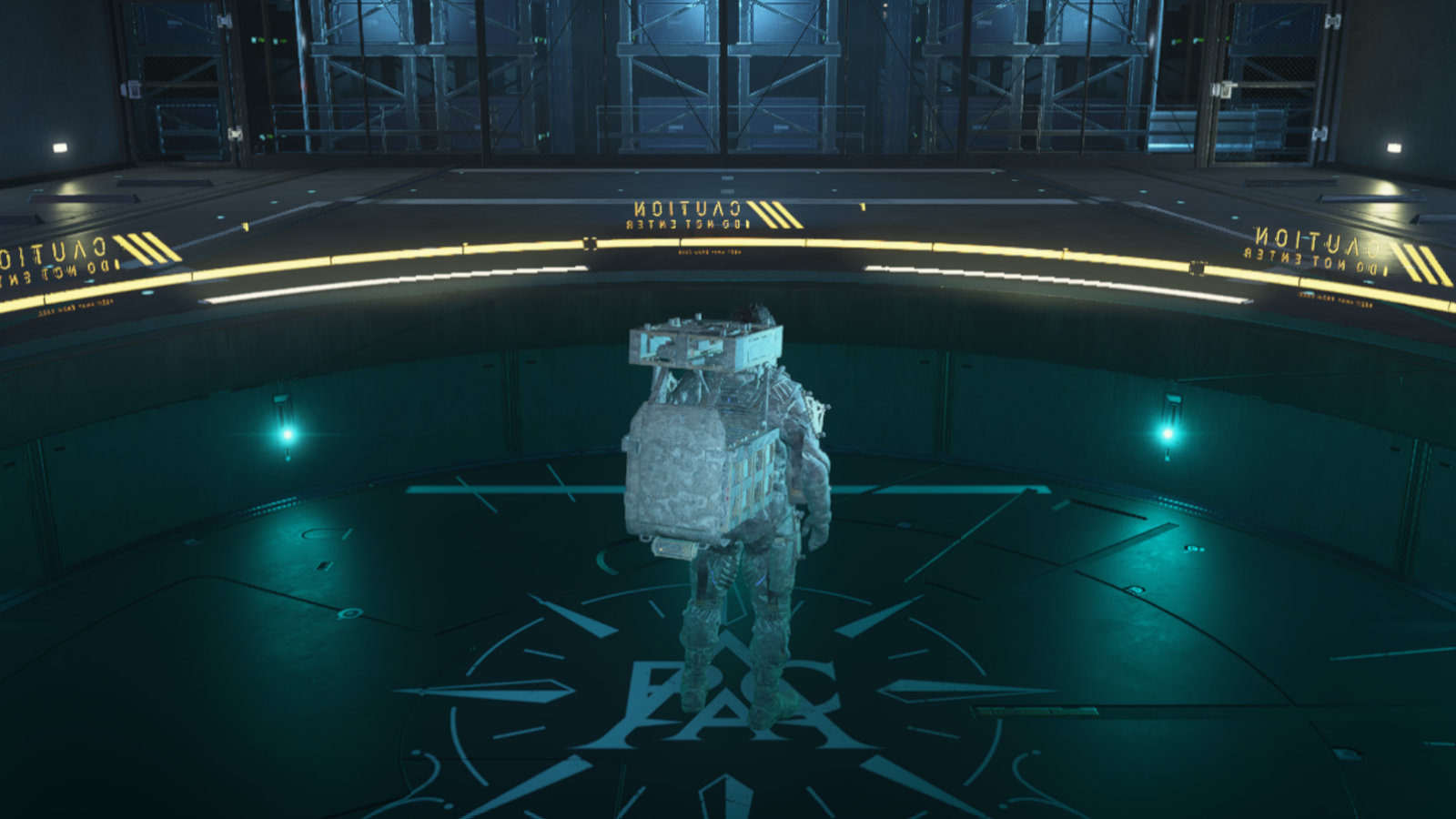
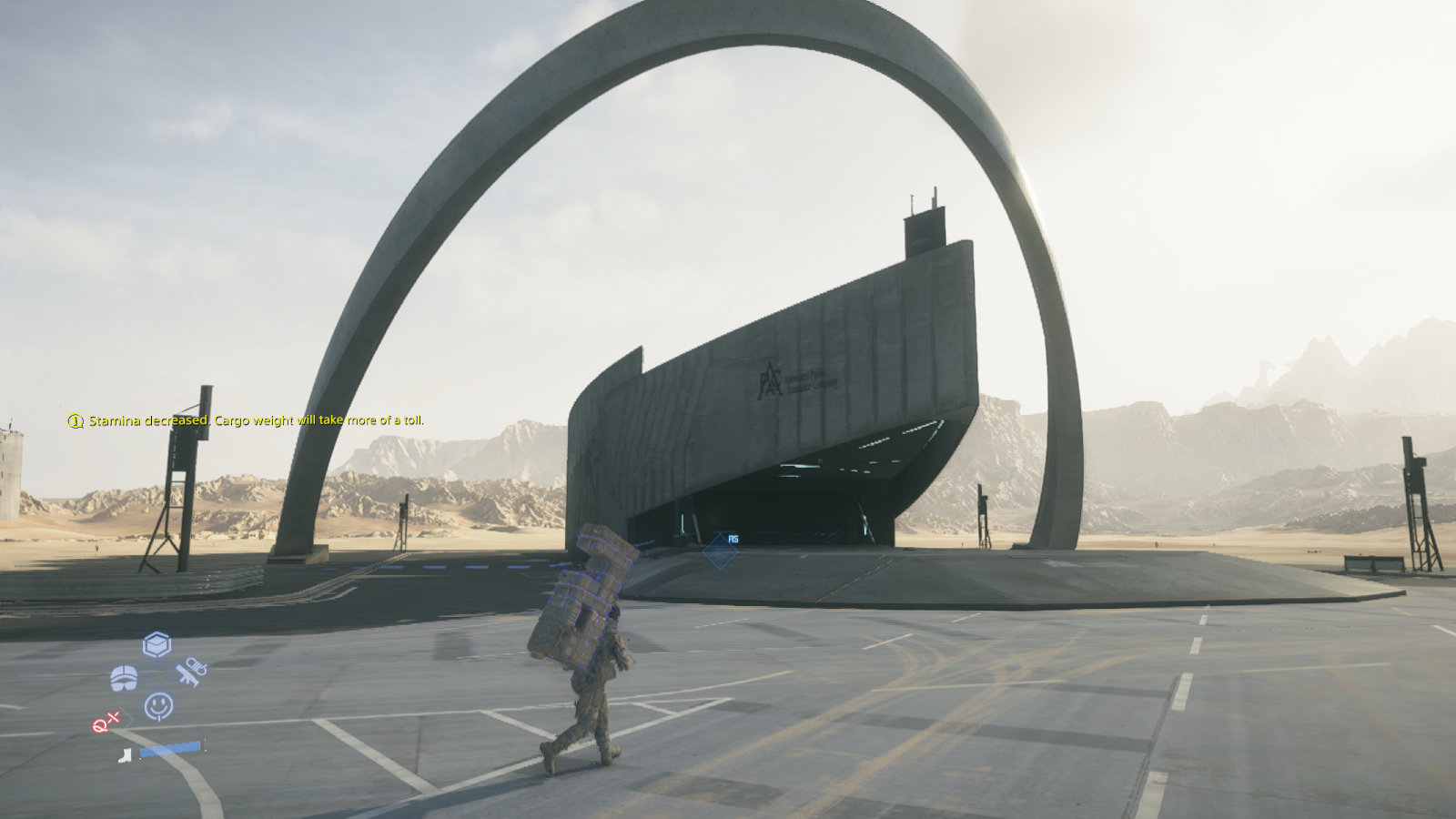
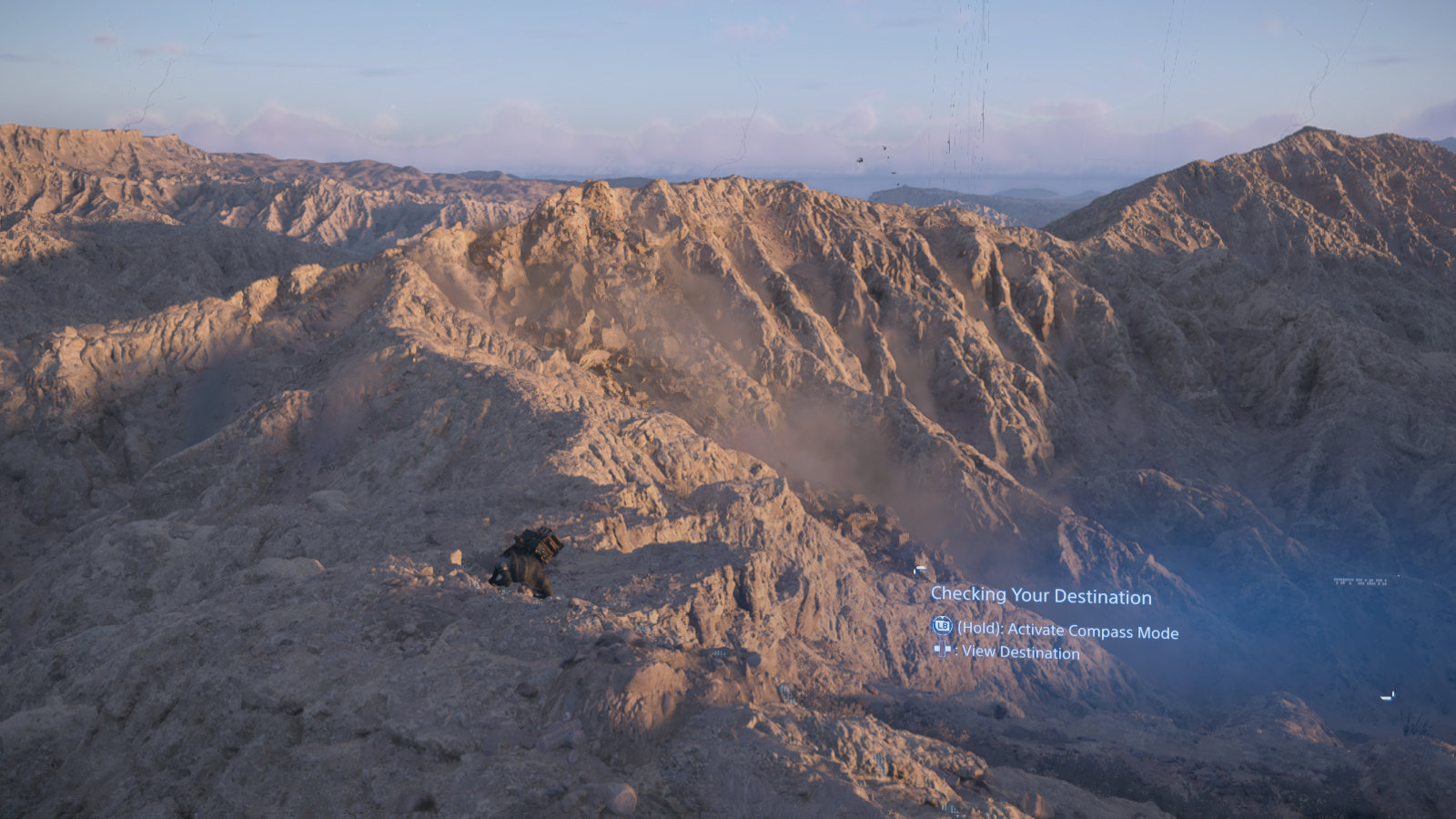
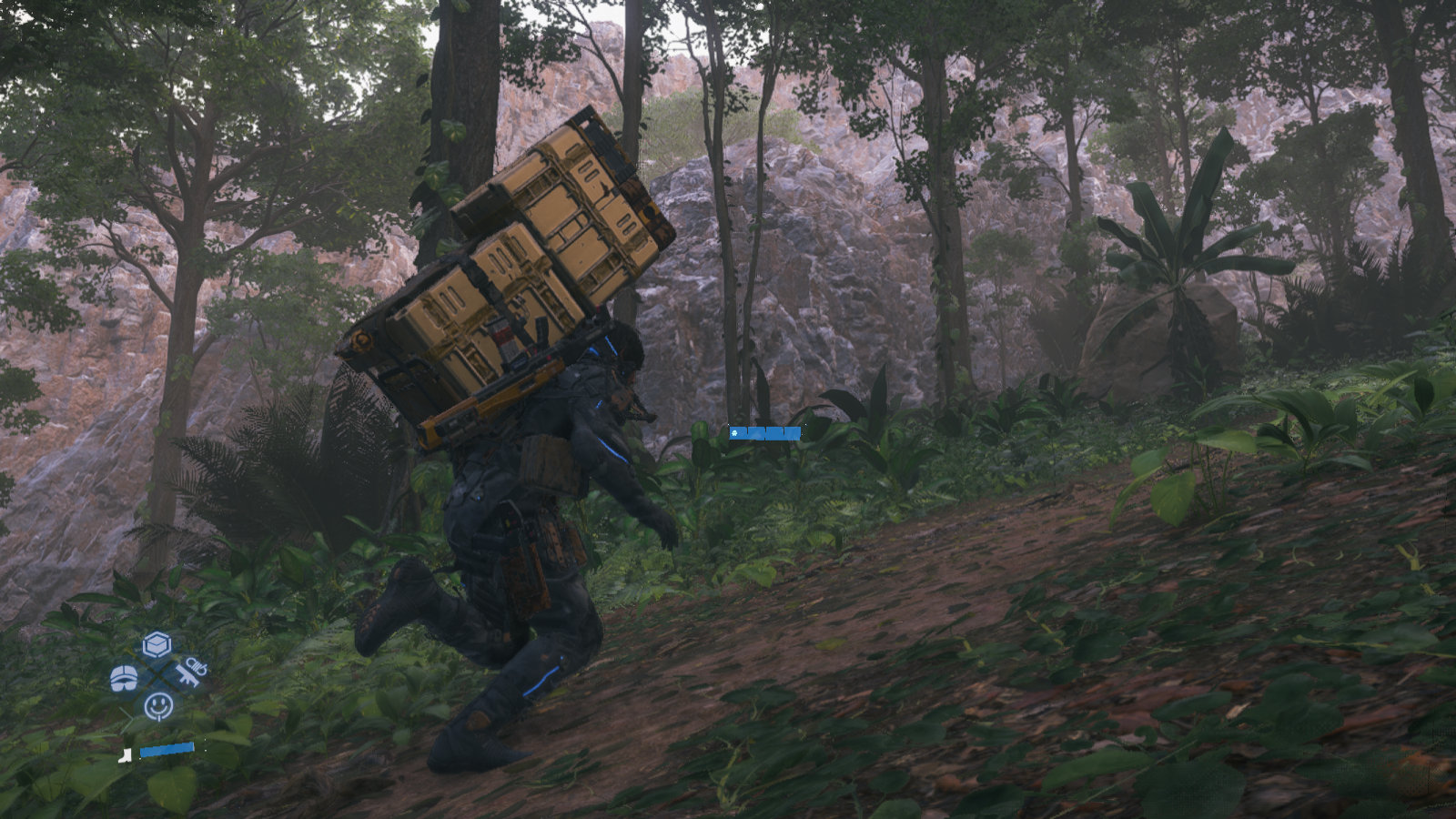
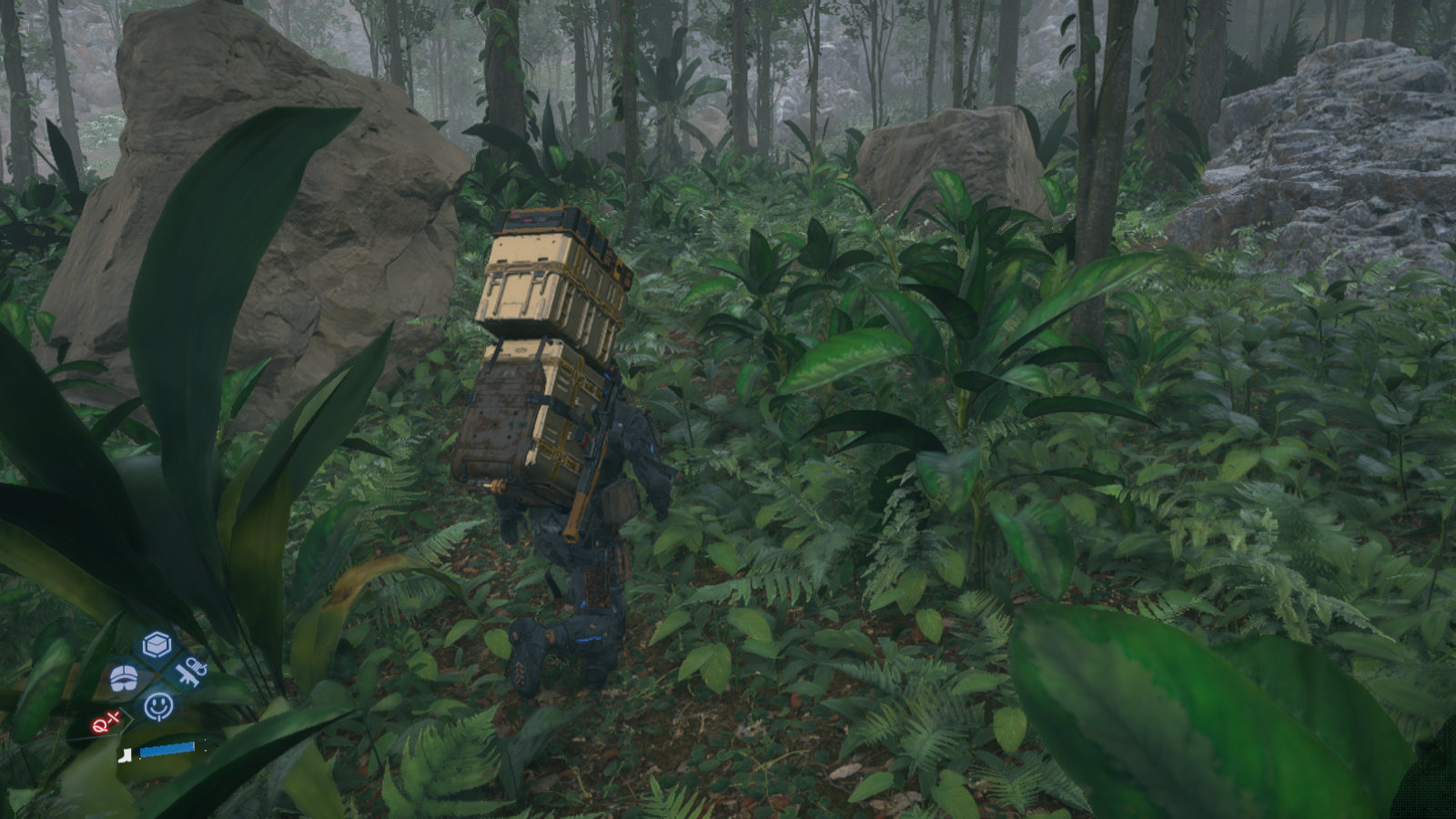
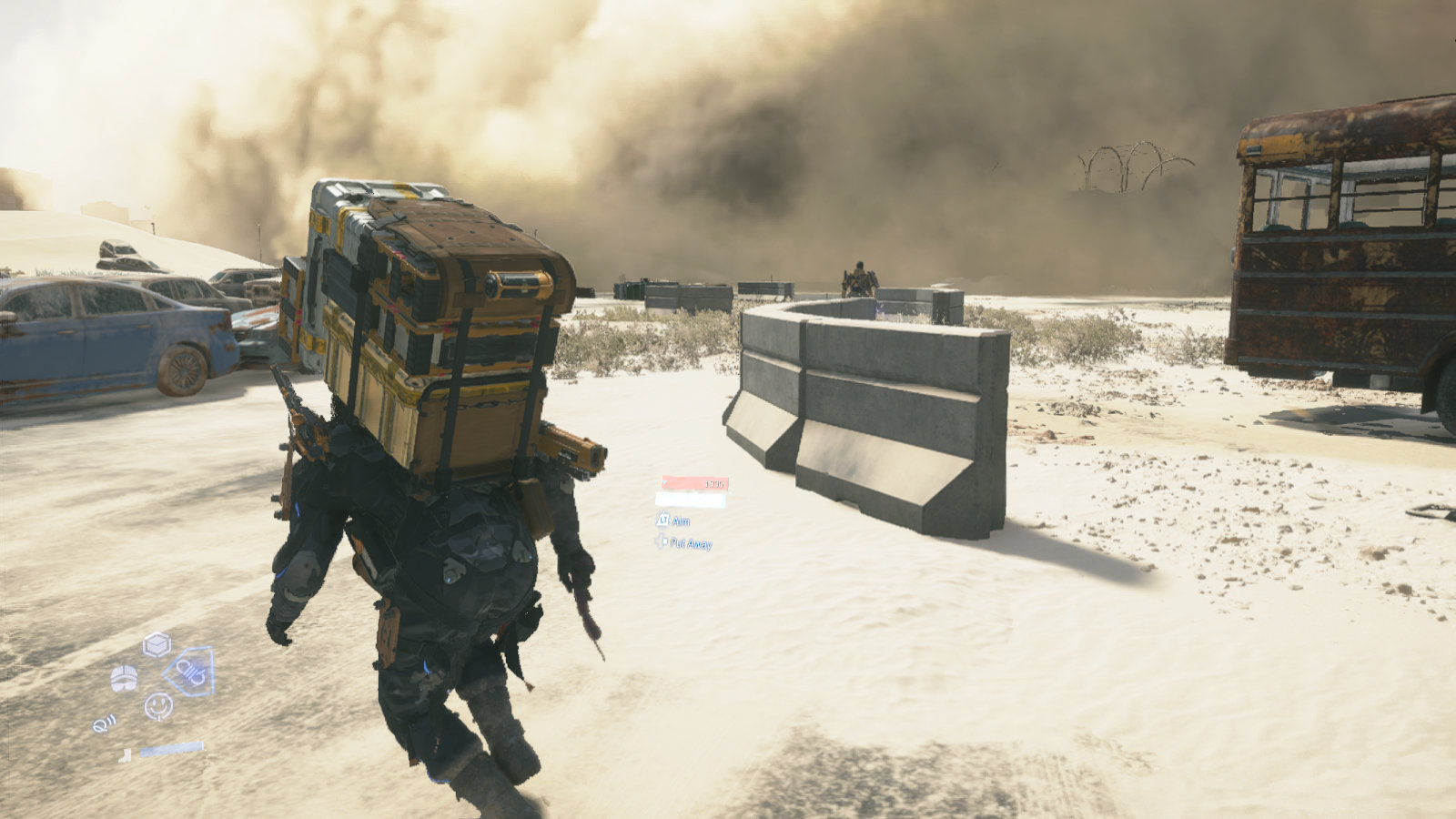
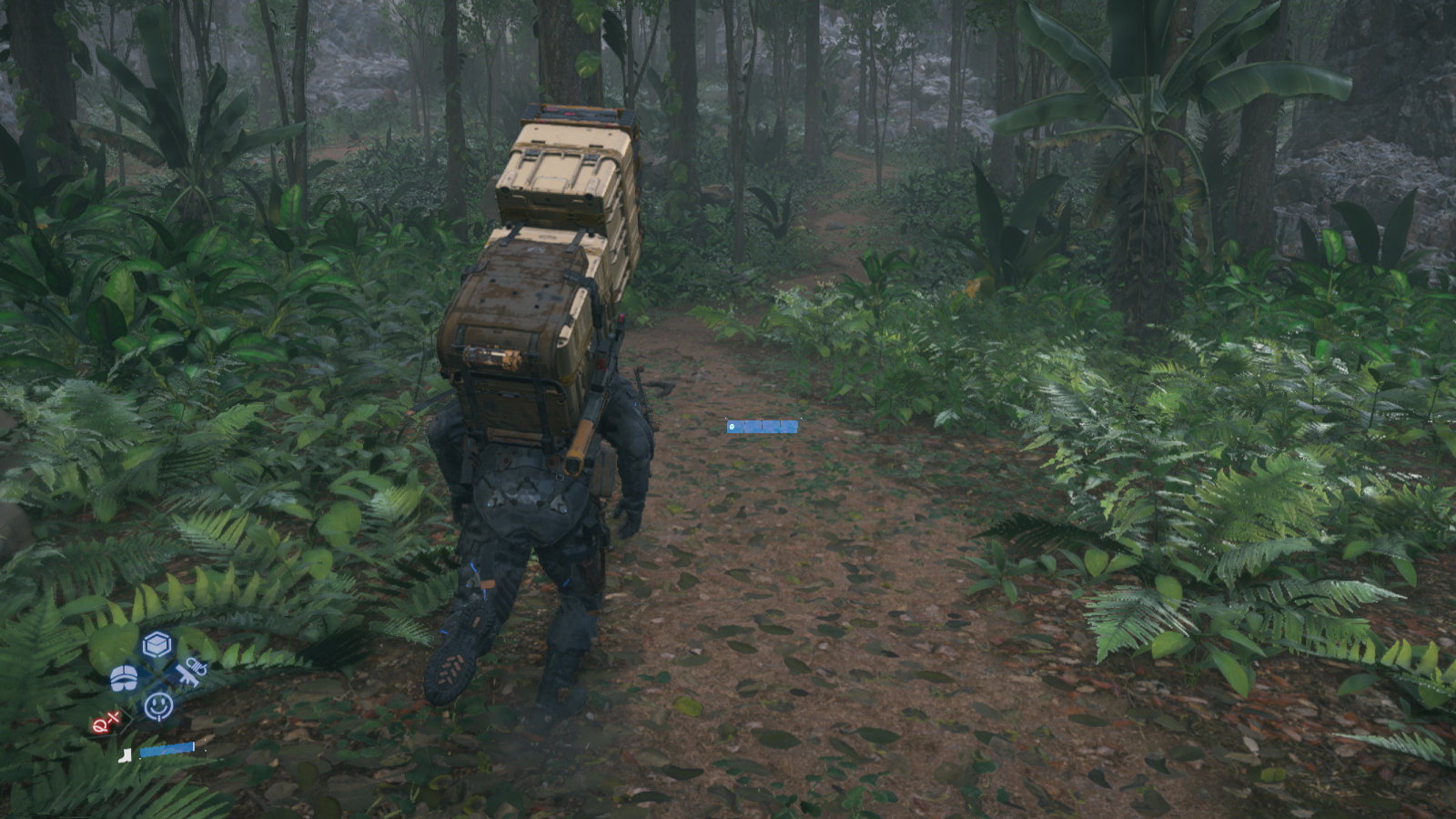
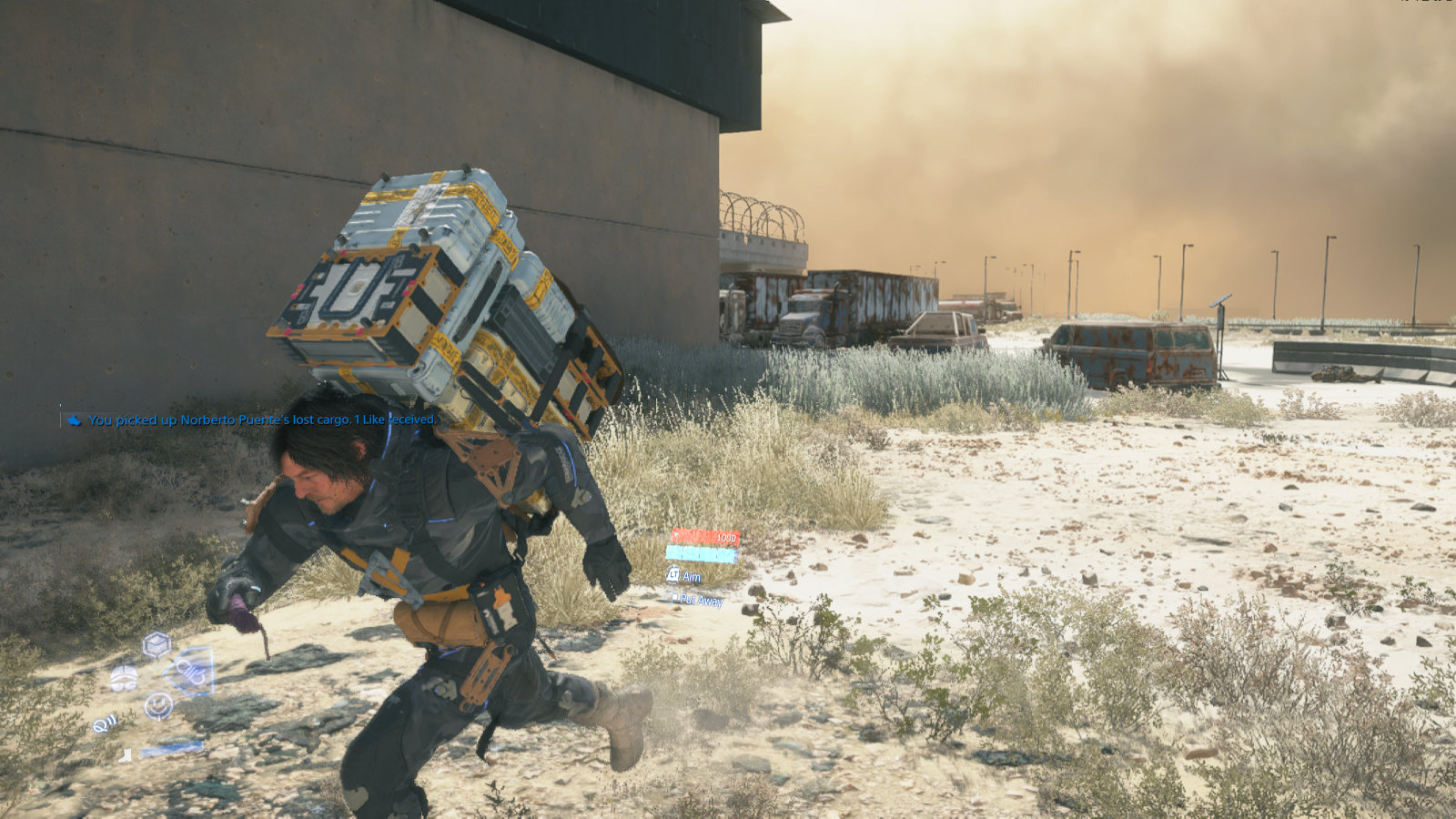
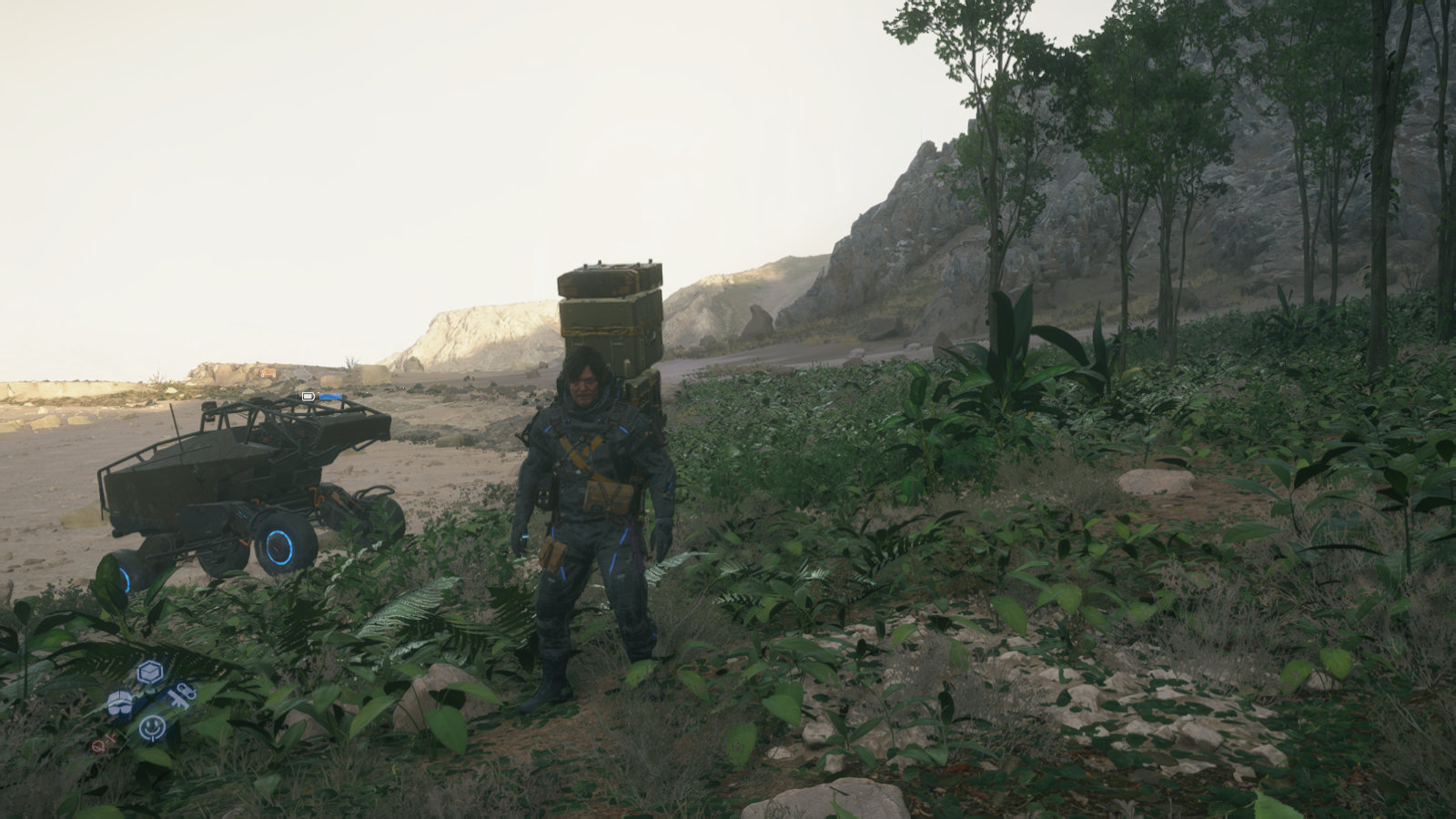
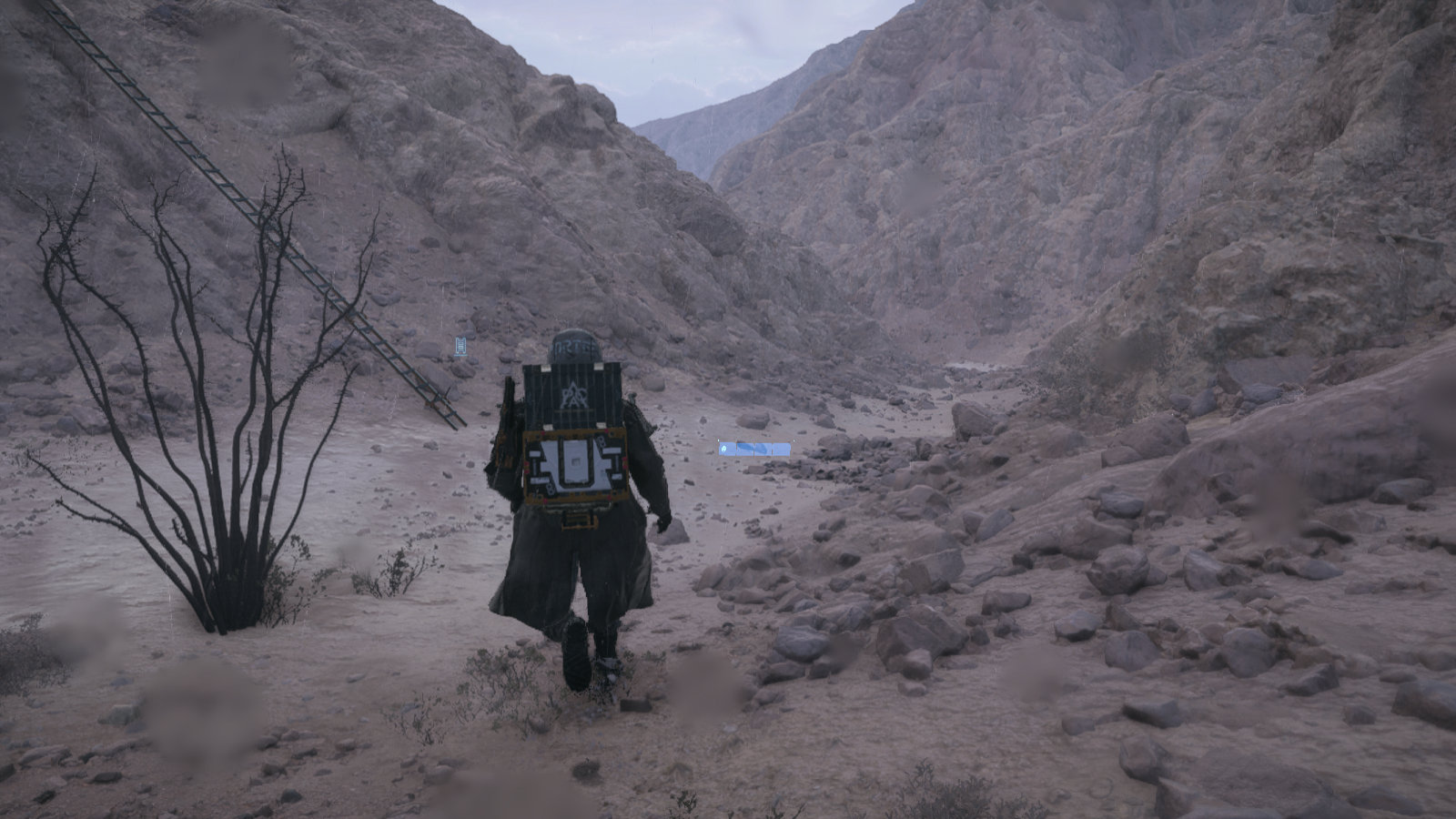
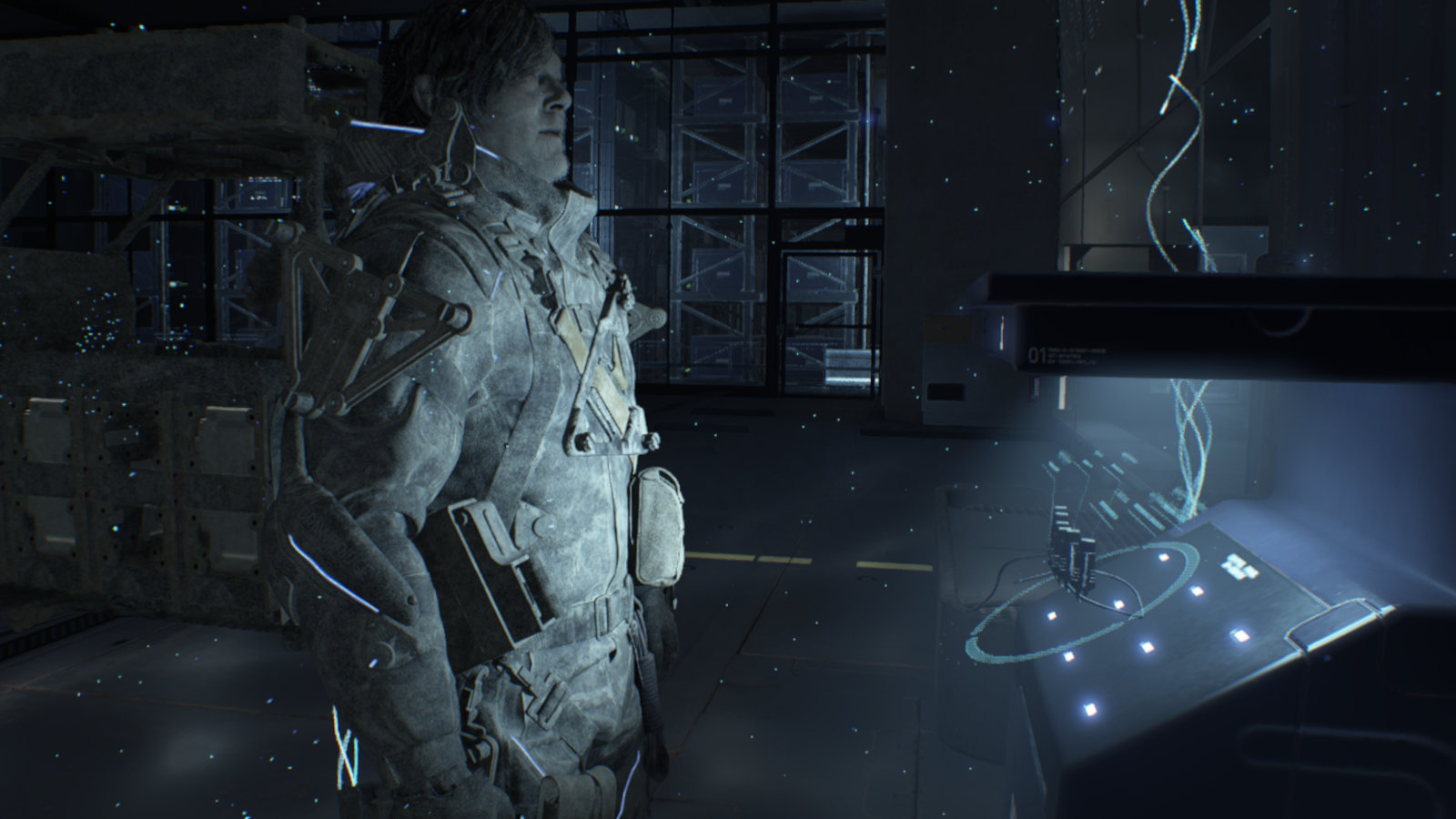
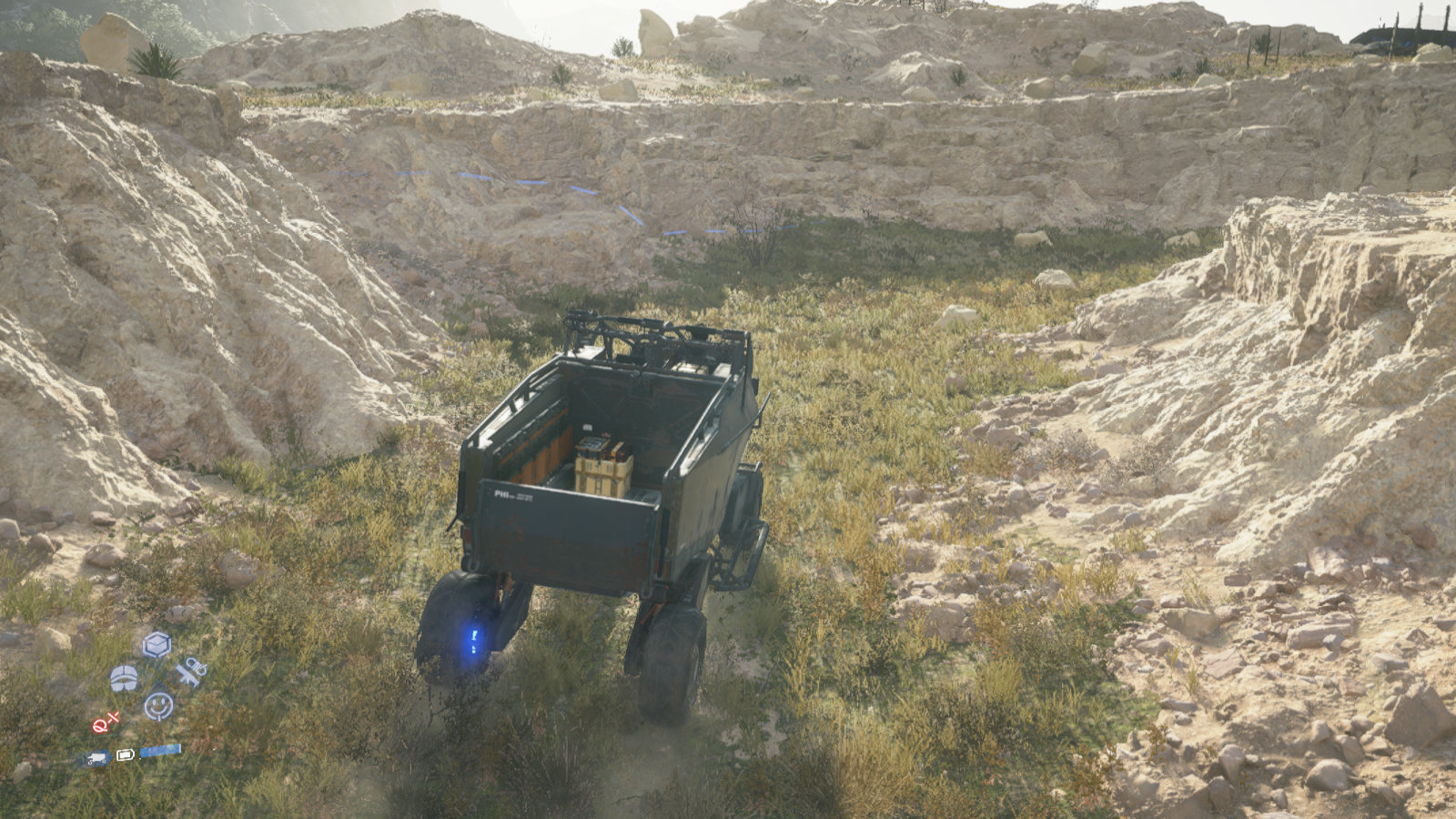
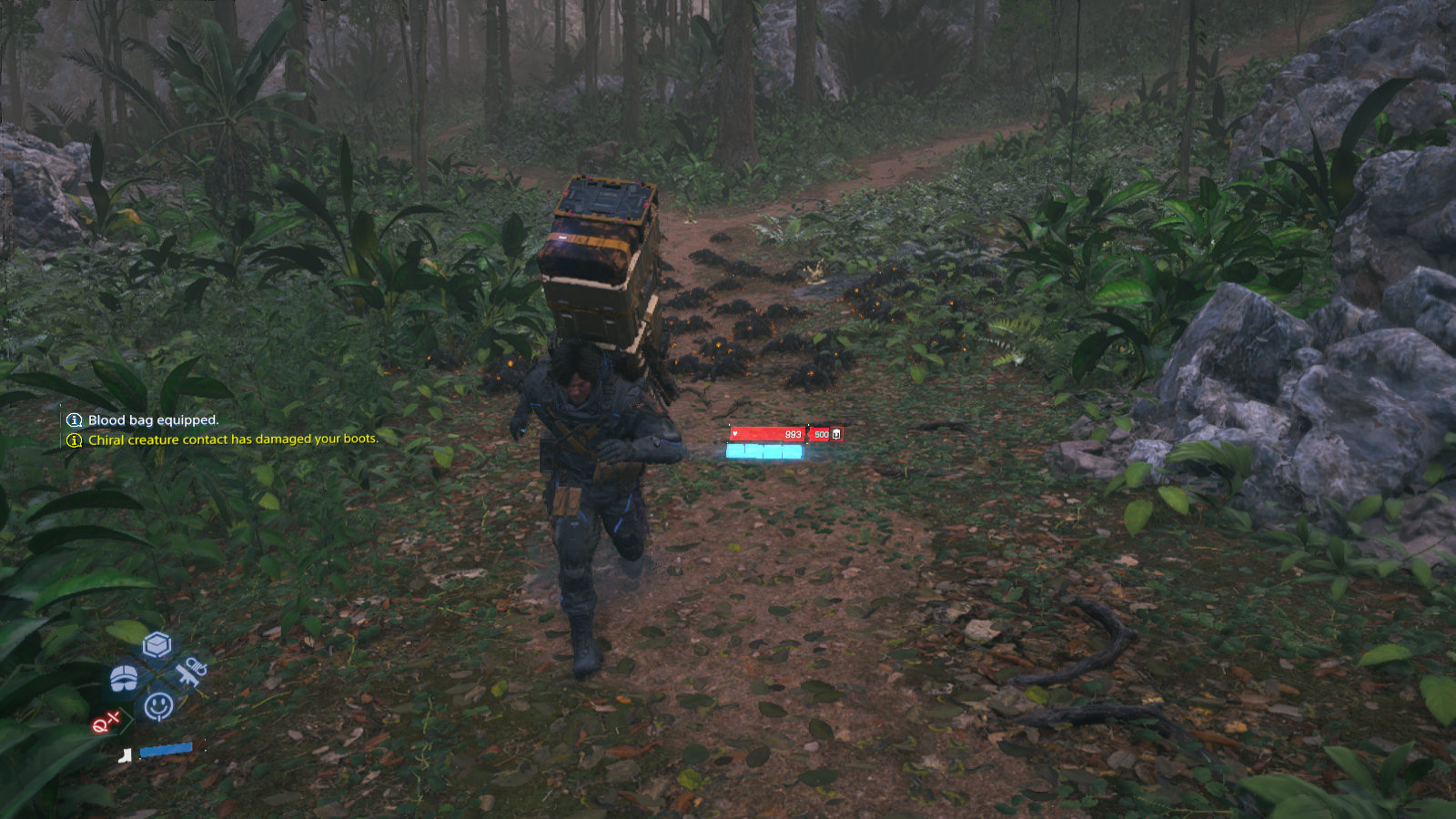
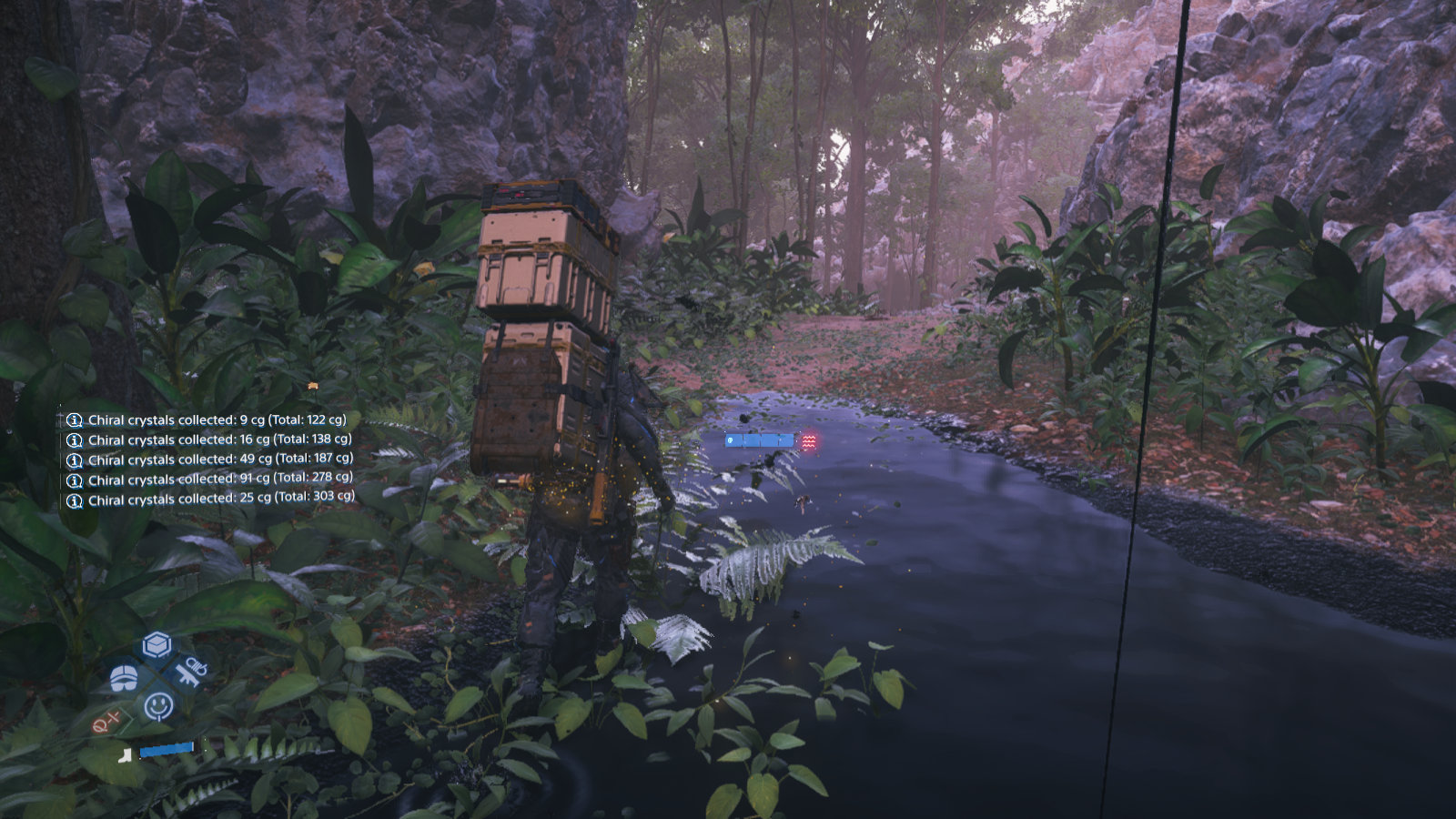
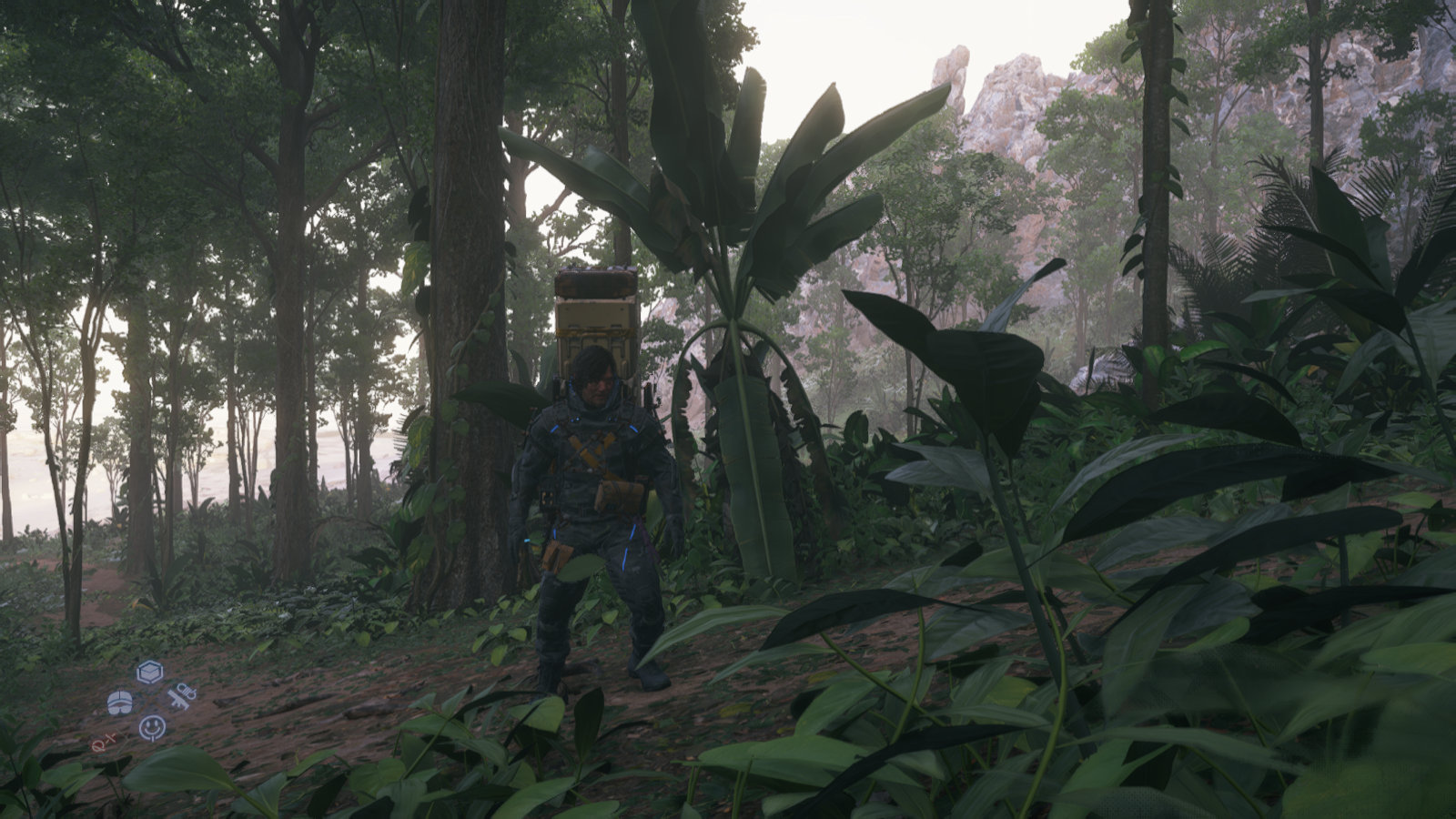
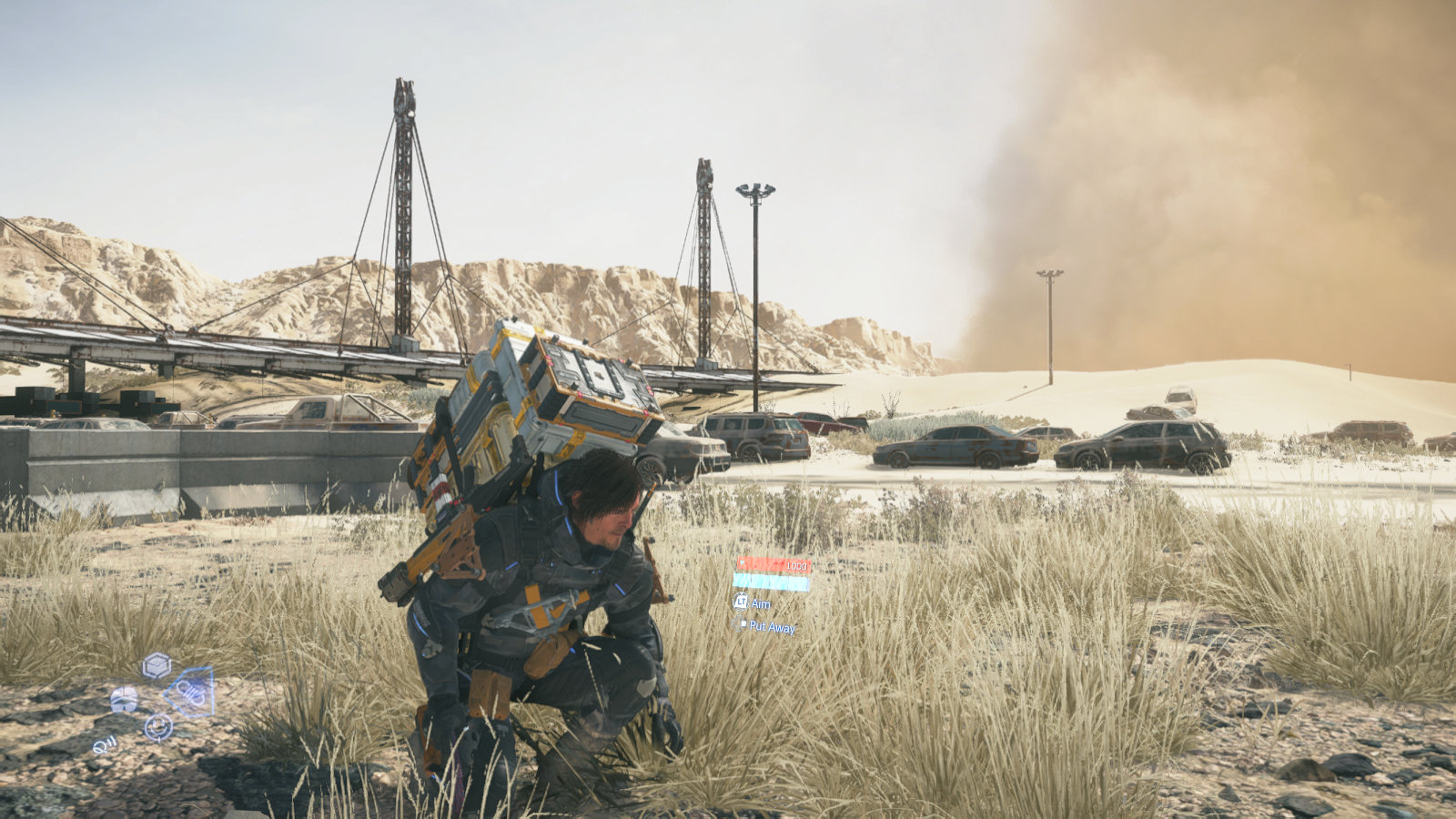
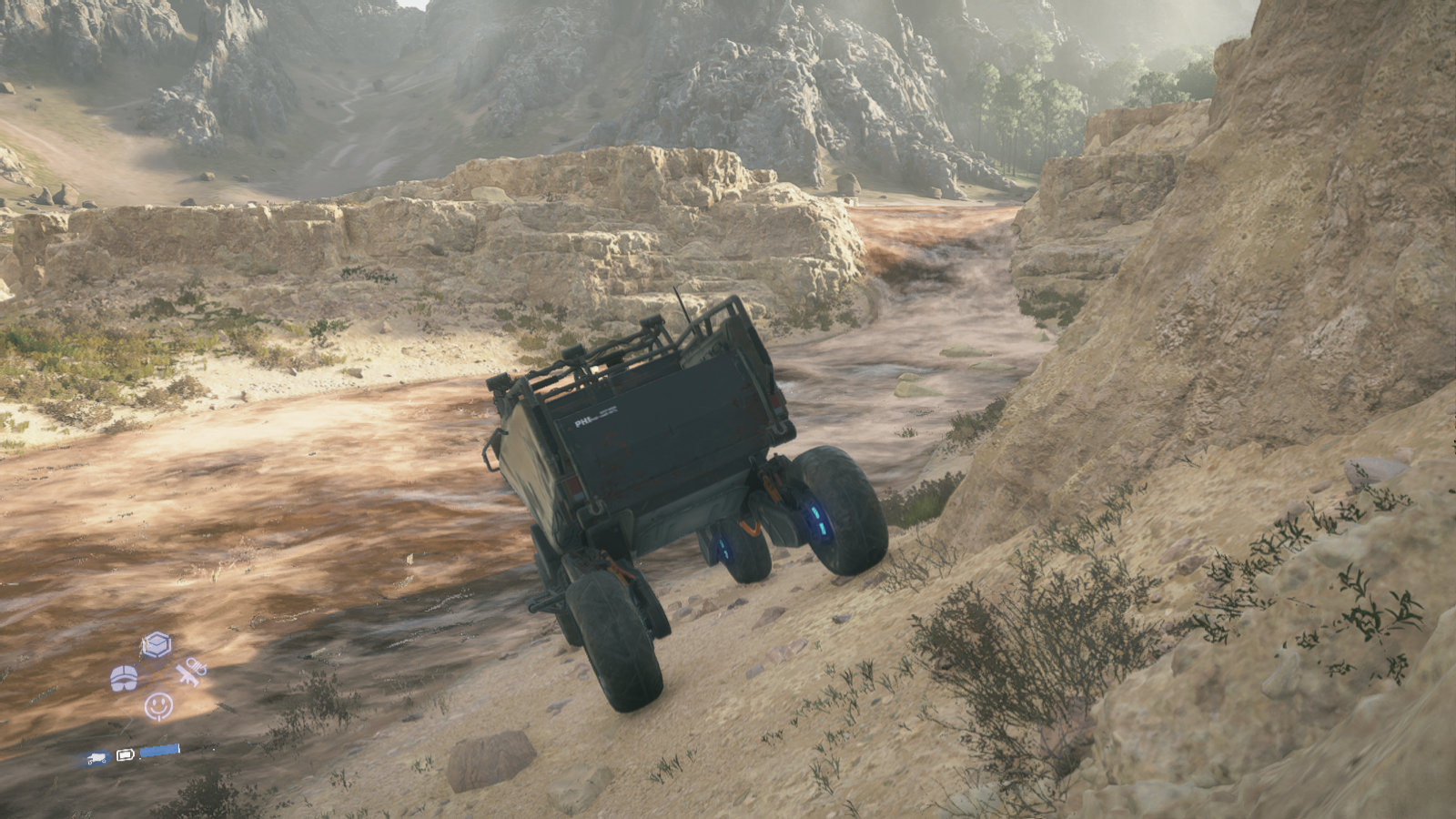
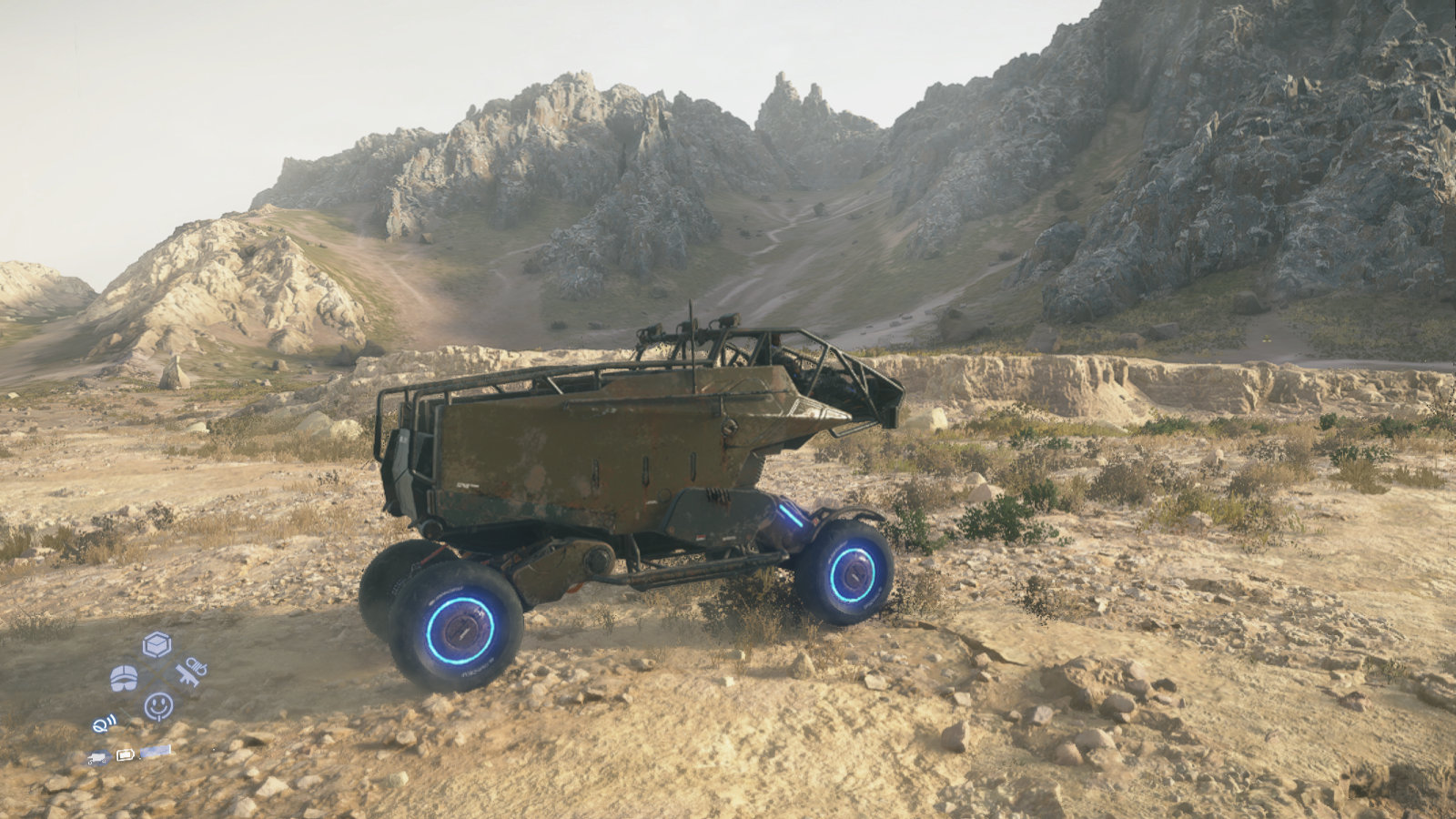
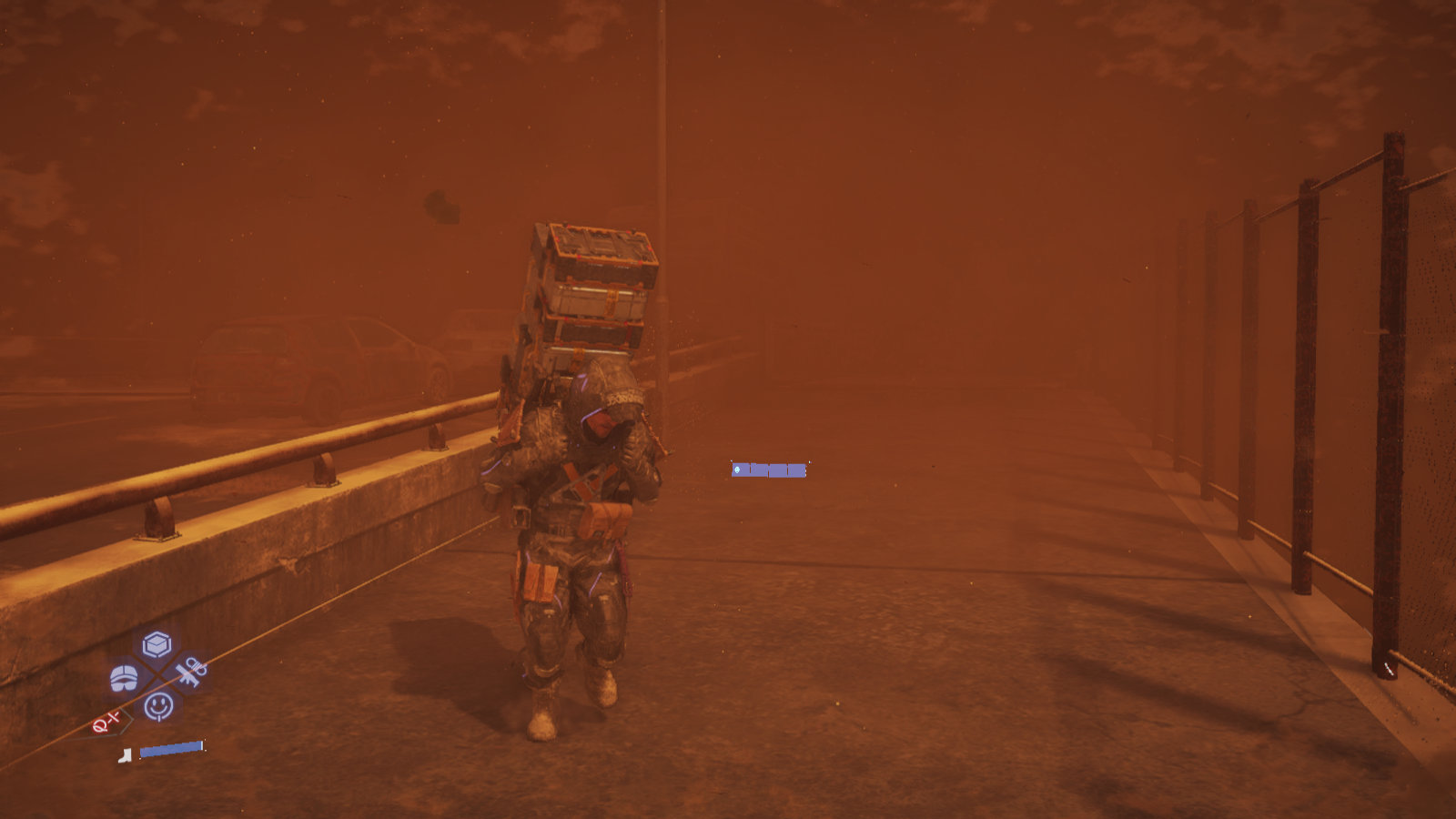
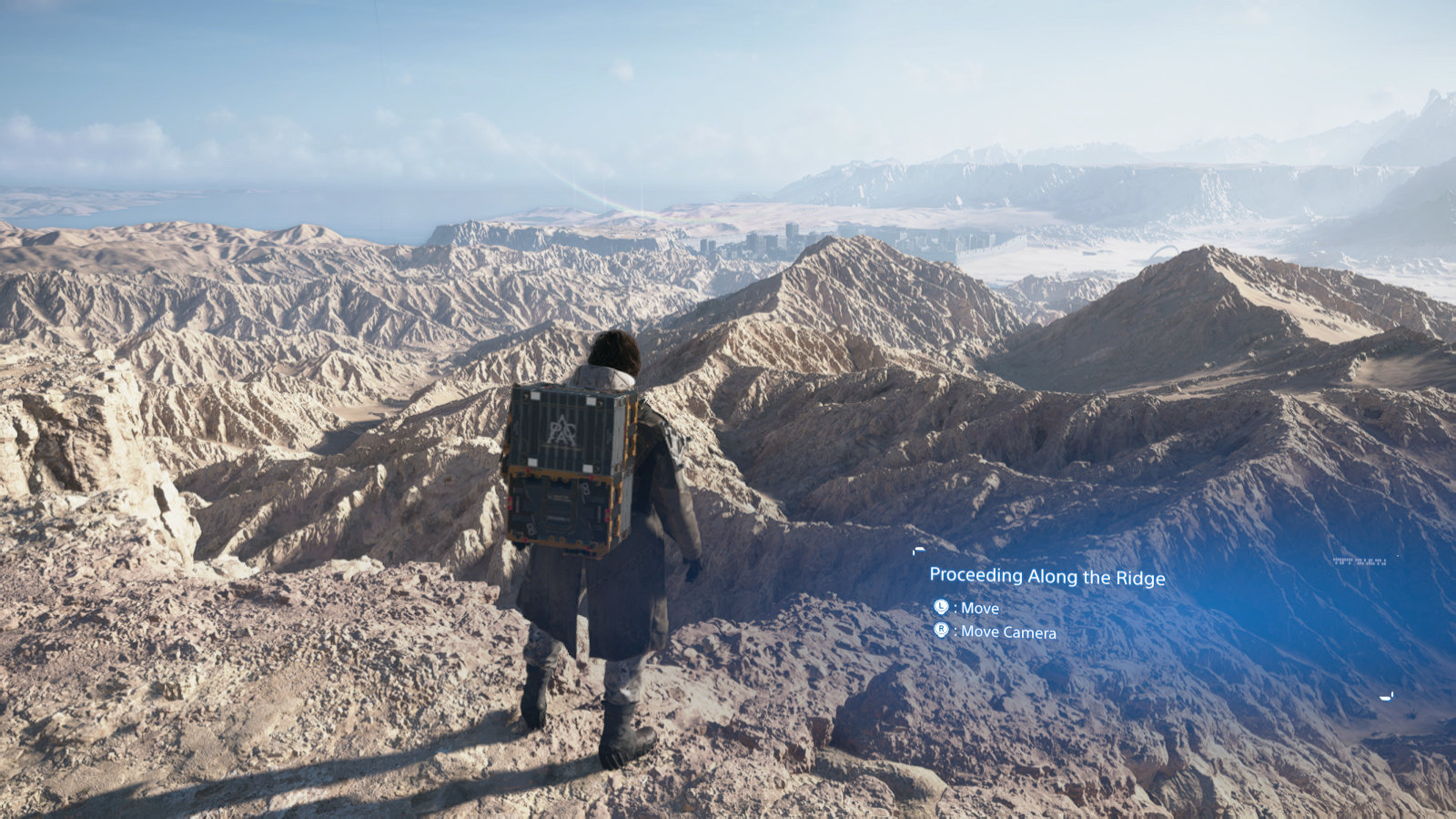
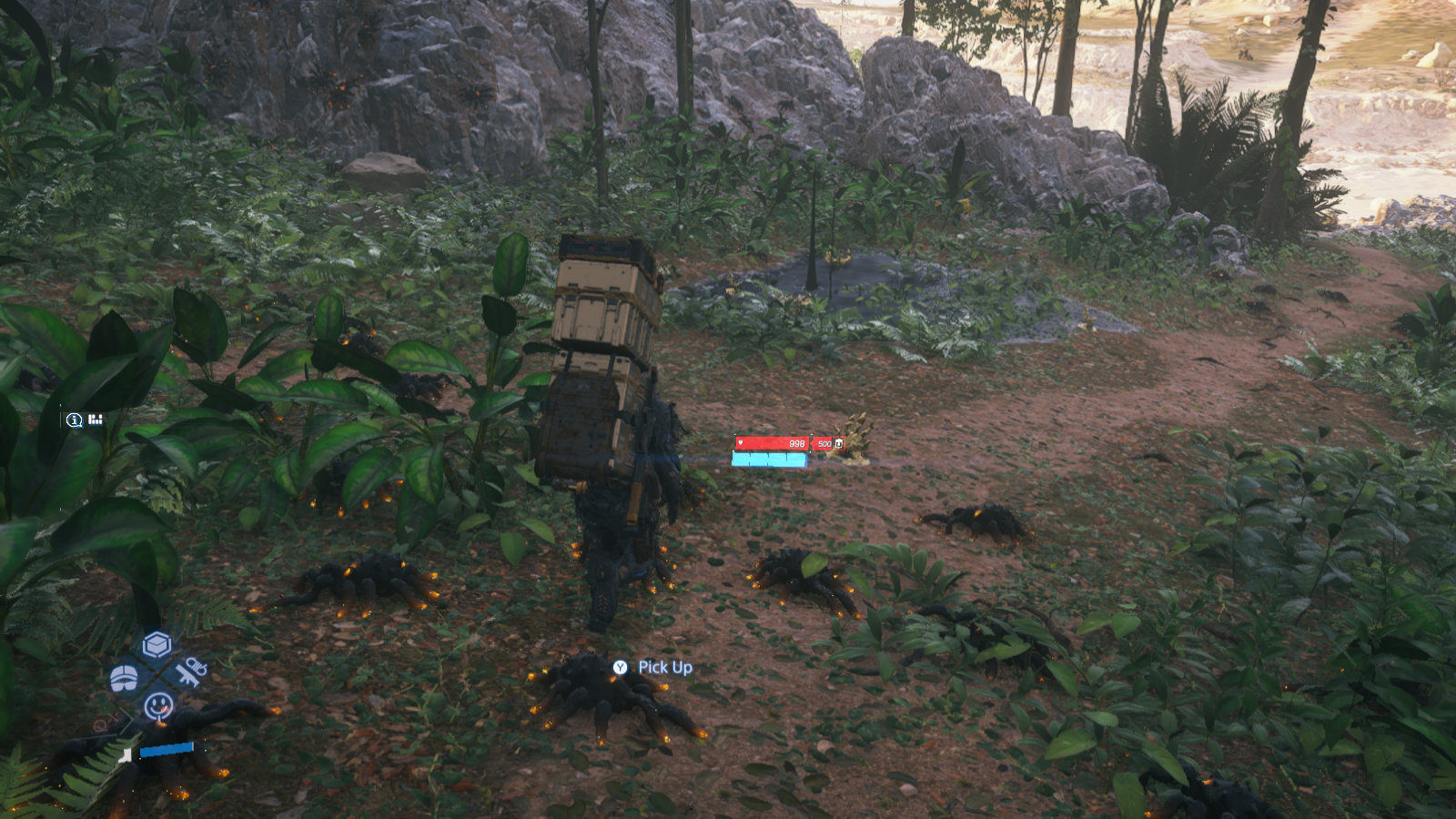
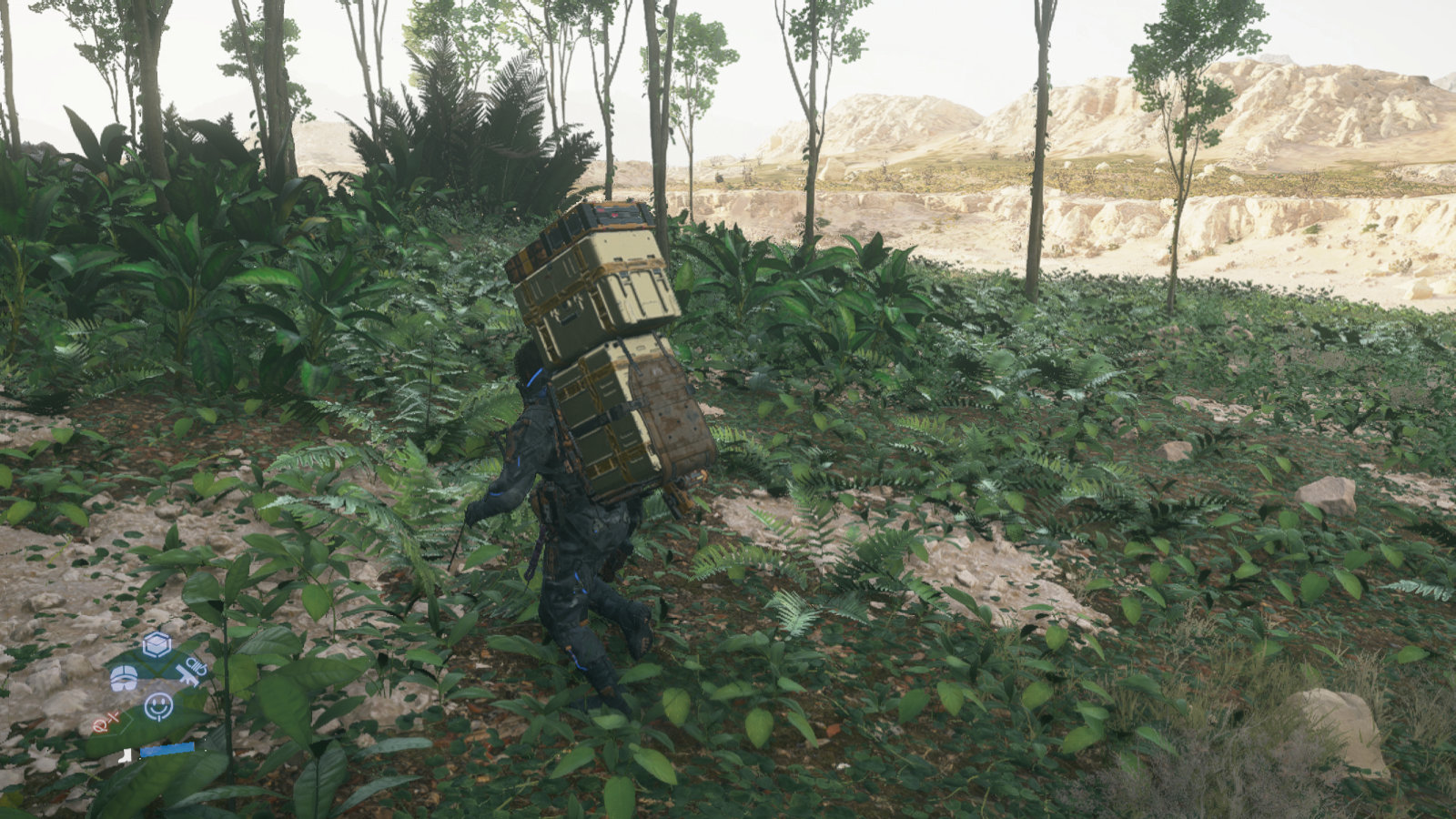
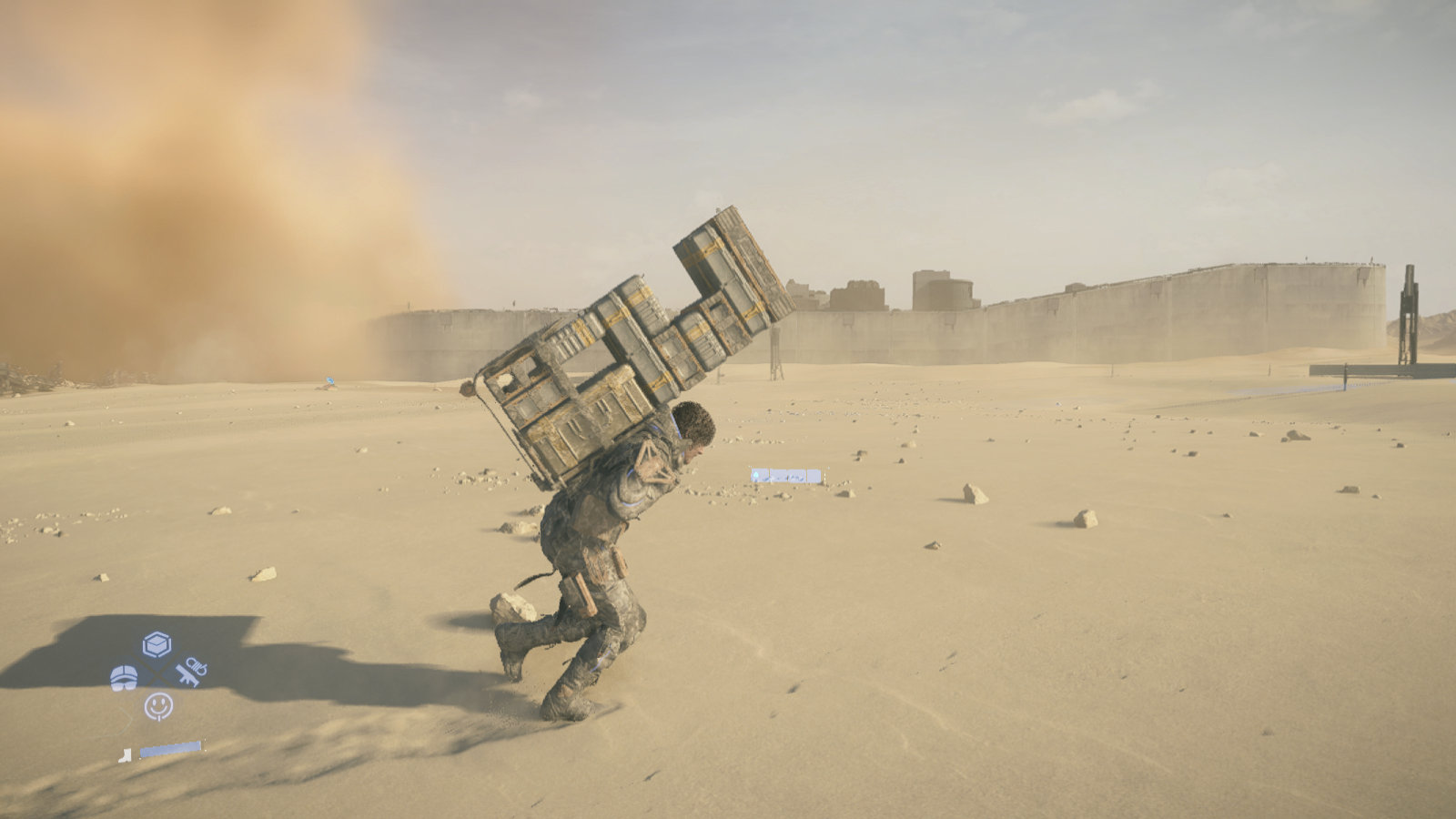
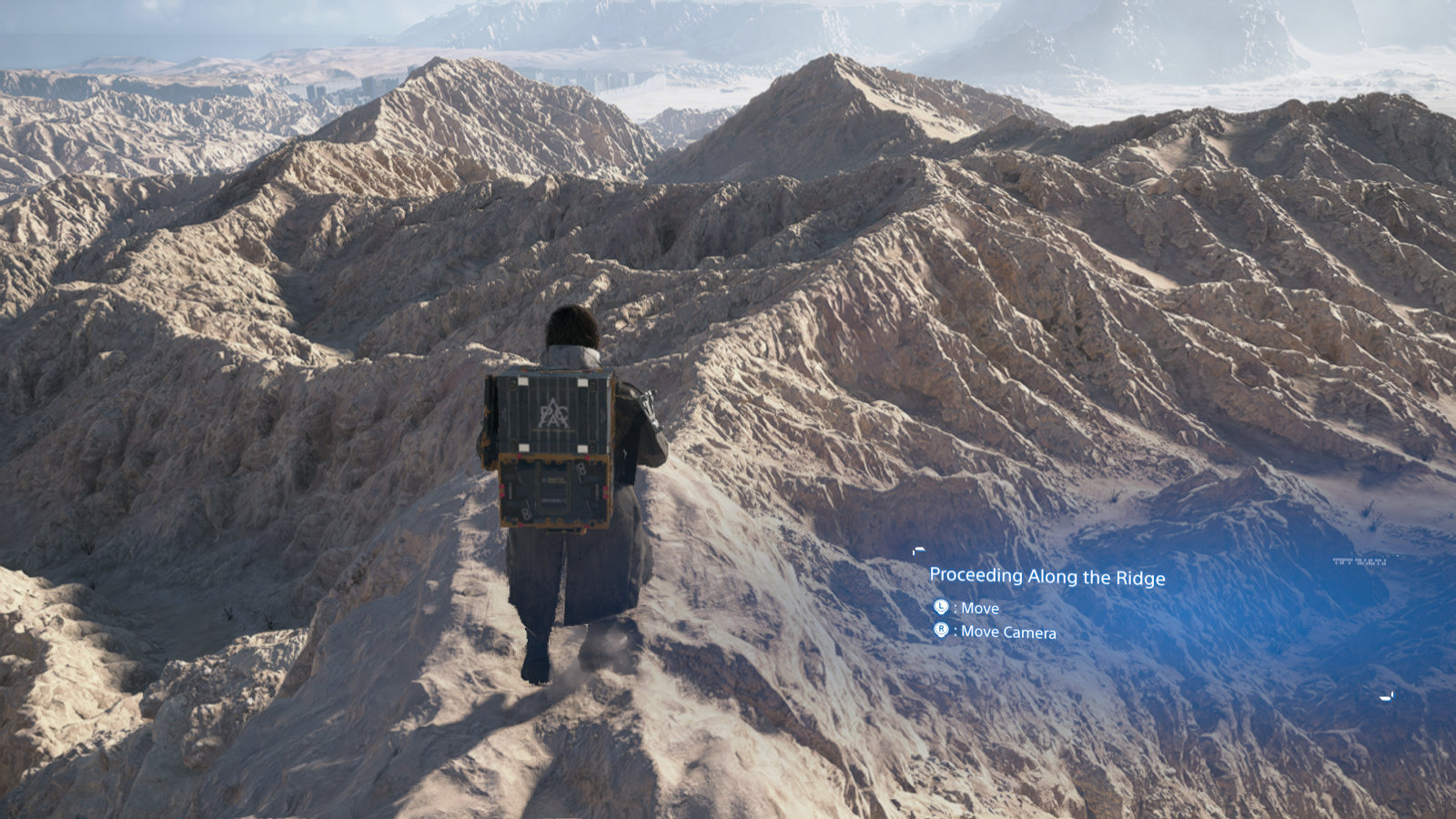
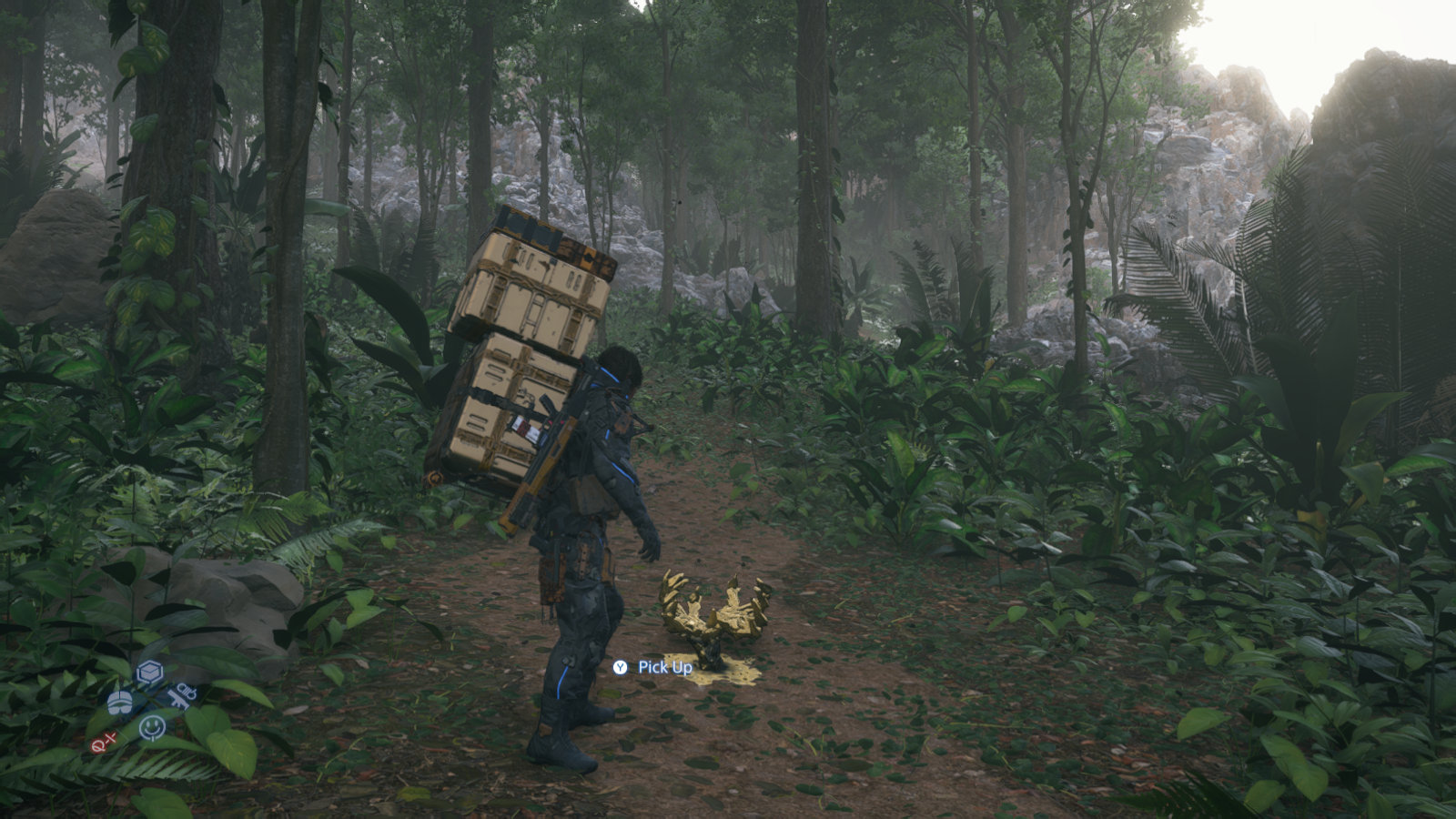
All screenshots were taken on an ASUS ROG Xbox Ally X (900p with FSR set to "Quality") with our optimized settings applied. You can navigate the gallery with cursor keys.ROG Xbox Ally X Screenshots


















Our Patreon Silver Supporters can read articles in single-page format.
Nov 23rd, 2026 20:08 CST
change timezone
Latest GPU Drivers
New Forum Posts
- DTS DCH Driver for Realtek HDA [DTS:X APO4 + DTS Interactive] (2819)
- WarpCoreBench scores! (96)
- Increasing Power Limit? (20)
- Gacha Games - Discussions, Pulls, Updates, etc. (1162)
- RX 580 2048SP 8GB - SK Hynix - Ardiyes - BIOS Needed (4)
- UPS what one to get? (59)
- Your PC ATM (36480)
- 6502-based superscalar core (logisim) progress updates (1)
- GTA VI (27)
- Last game you purchased? (1419)
Popular Reviews
- Microsoft Surface Laptop Ultra Review - The Next-gen Arm Laptop
- ASRock X870E Challenger Wi-Fi White Review
- Upcoming Hardware Launches 2027 (Updated Nov 2026)
- Corsair RM1200e (Second Generation) Review
- AMD Ryzen 7 9800X3D Review - The Best Gaming Processor
- AMD Zen 6 Technical Deep Dive
- AMD Ryzen 7 7700X3D Review
- Pulsar Office Tour & First Look at P1 Dual-Sensor Mouse
- Ugreen NASync DXP4800 GT Review
- Phantom Blade Zero Performance Benchmark Review - 35 GPUs Tested
TPU on YouTube
Controversial News Posts
- NVIDIA Co-Founder and CEO Jensen Huang Officially Resigns (492)
- Jensen Huang Reinstated as CEO of NVIDIA (383)
- Report: Jensen Huang Eyes NVIDIA Comeback (278)
- Open Letter Asking NVIDIA to Reinstate Jensen Huang Passes 115,000 Signatures (184)
- OpenAI CEO Argues Home PCs Waste the World's Limited DRAM Supply (152)
- NVIDIA Launches Investigation Into Jensen Huang's Relationship With Suspected Chinese Spy (136)
- Intel "Raptor Lake Next" 16-Core and 20-Core CPUs Surface (130)
- NVIDIA GeForce RTX 50-Series Scheduled for up to $500 Price Hike This Week (89)