 234
DOOM: The Dark Ages Performance Benchmark Review - 40 GPUs Tested
(234 Comments) »Introduction
"DOOM: The Dark Ages" is a first-person shooter developed by id Software and published by Bethesda Softworks. Set in a grim medieval-inspired world, the game serves as a prequel to 2016's DOOM and DOOM Eternal, reimagining the origins of the Doom Slayer. Players wield brutal weapons, both futuristic and archaic, to battle demonic hordes across sprawling gothic environments. The game emphasizes fast-paced combat, dynamic movement, and cinematic intensity within a darker narrative framework.
id Software, the legendary game studio behind the franchise, has been a pioneer in the FPS genre since the early '90s, known for its foundational work on titles such as Wolfenstein 3D, DOOM, and Quake. Now operating under Bethesda and the Microsoft-owned ZeniMax Media umbrella, they continue work on their franchise. The PC version of DOOM: The Dark Ages is built using the latest iteration of the id Tech engine—id Tech 8, which is newer than what we've seen in Indiana Jones, which uses an updated id Tech 7 engine. Just like previous iterations of the engine, id Tech 8 uses the Vulkan API, not DirectX, unlike virtually all games on the market. Doom: The Dark Ages supports high framerates, ultrawide displays, and extensive graphical customization. Just like Indiana Jones, the game only runs with ray tracing capable hardware. Advanced upscaling options such as NVIDIA DLSS, AMD FSR and Intel XeSS are included, and there's support for frame generation from both vendors, too.
This review will evaluate the performance of DOOM: The Dark Ages across a wide range of contemporary graphics cards, compare image quality settings, and analyze the game's VRAM usage to provide insight into the hardware requirements needed for an optimal experience.
Screenshots
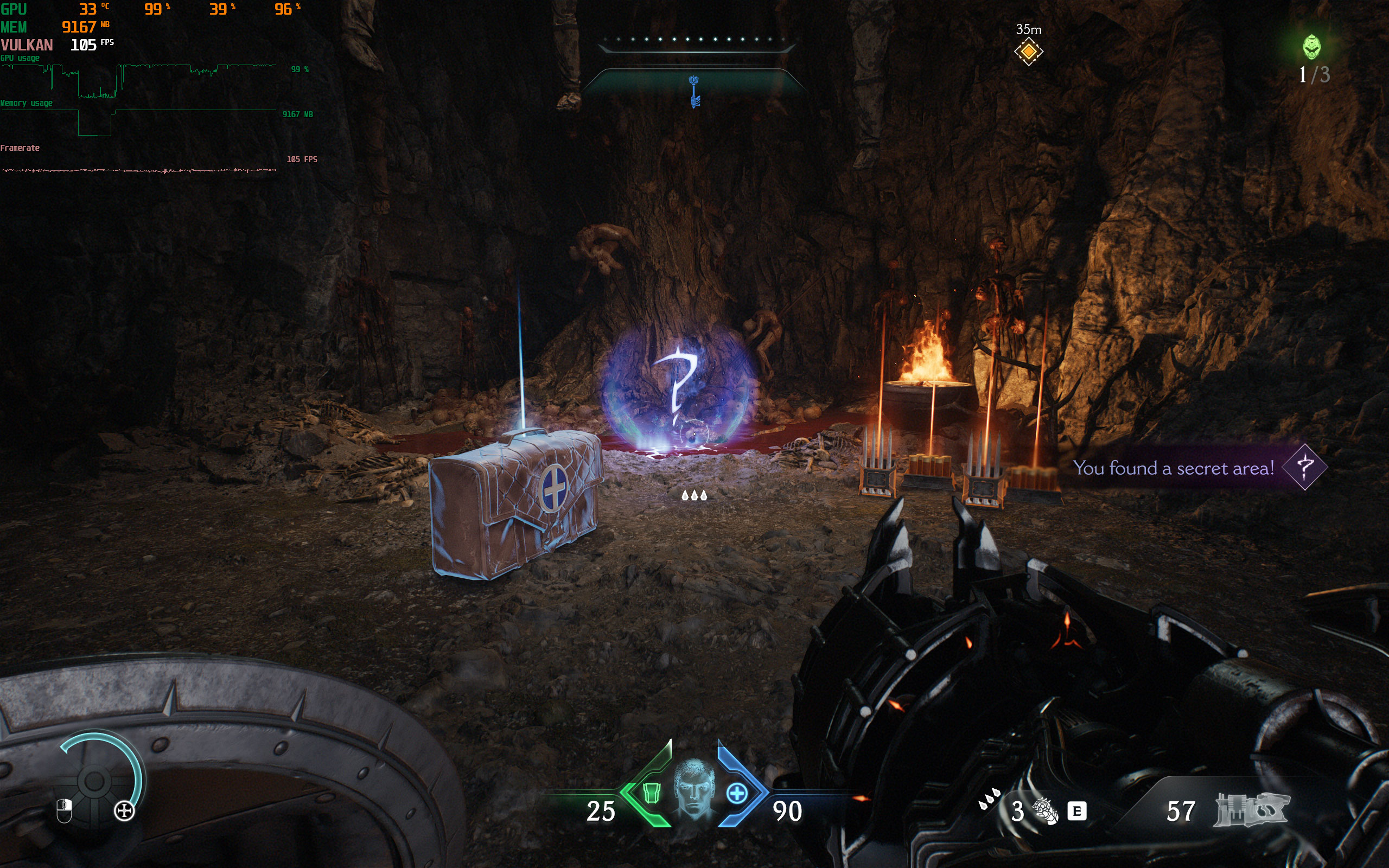
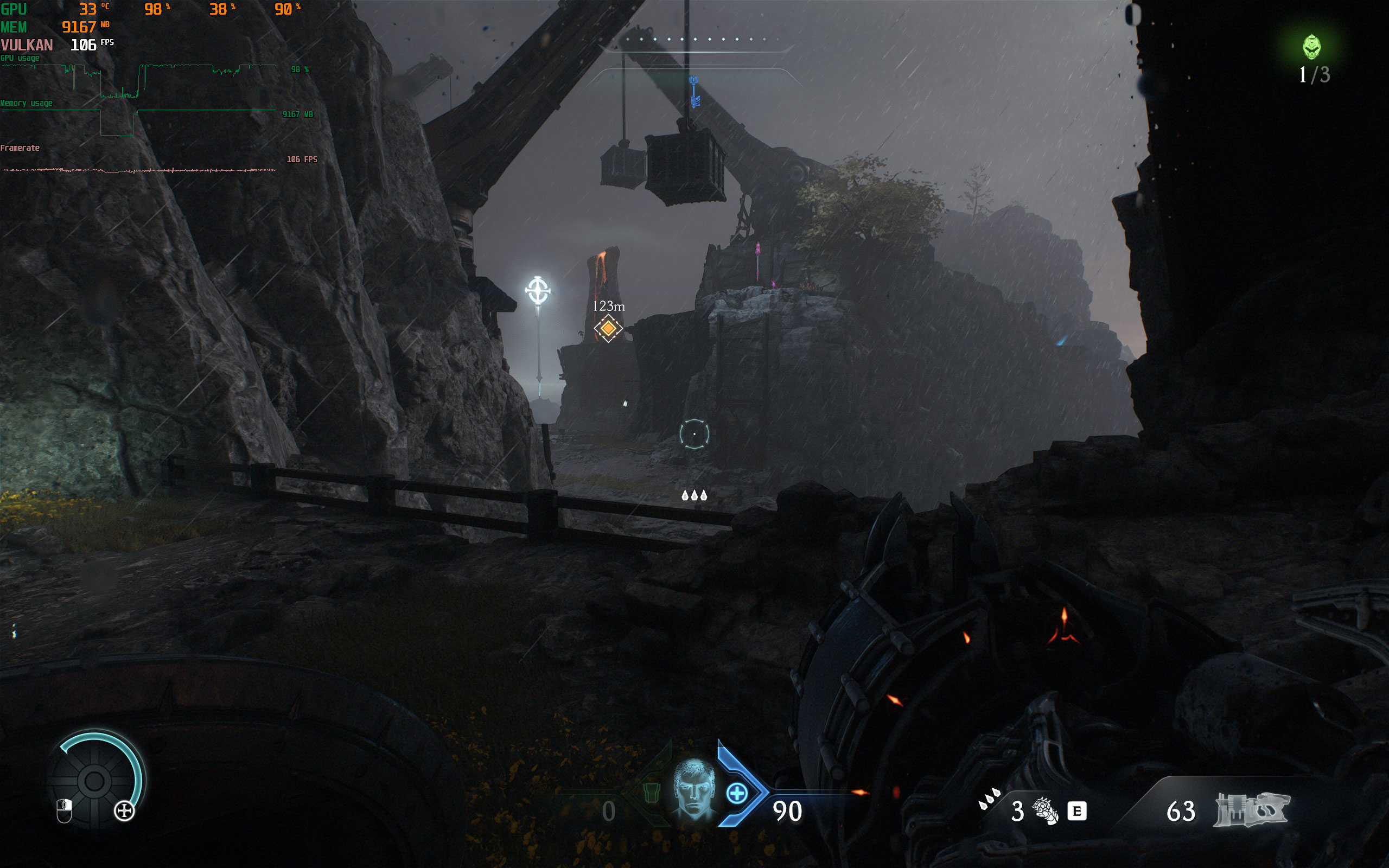
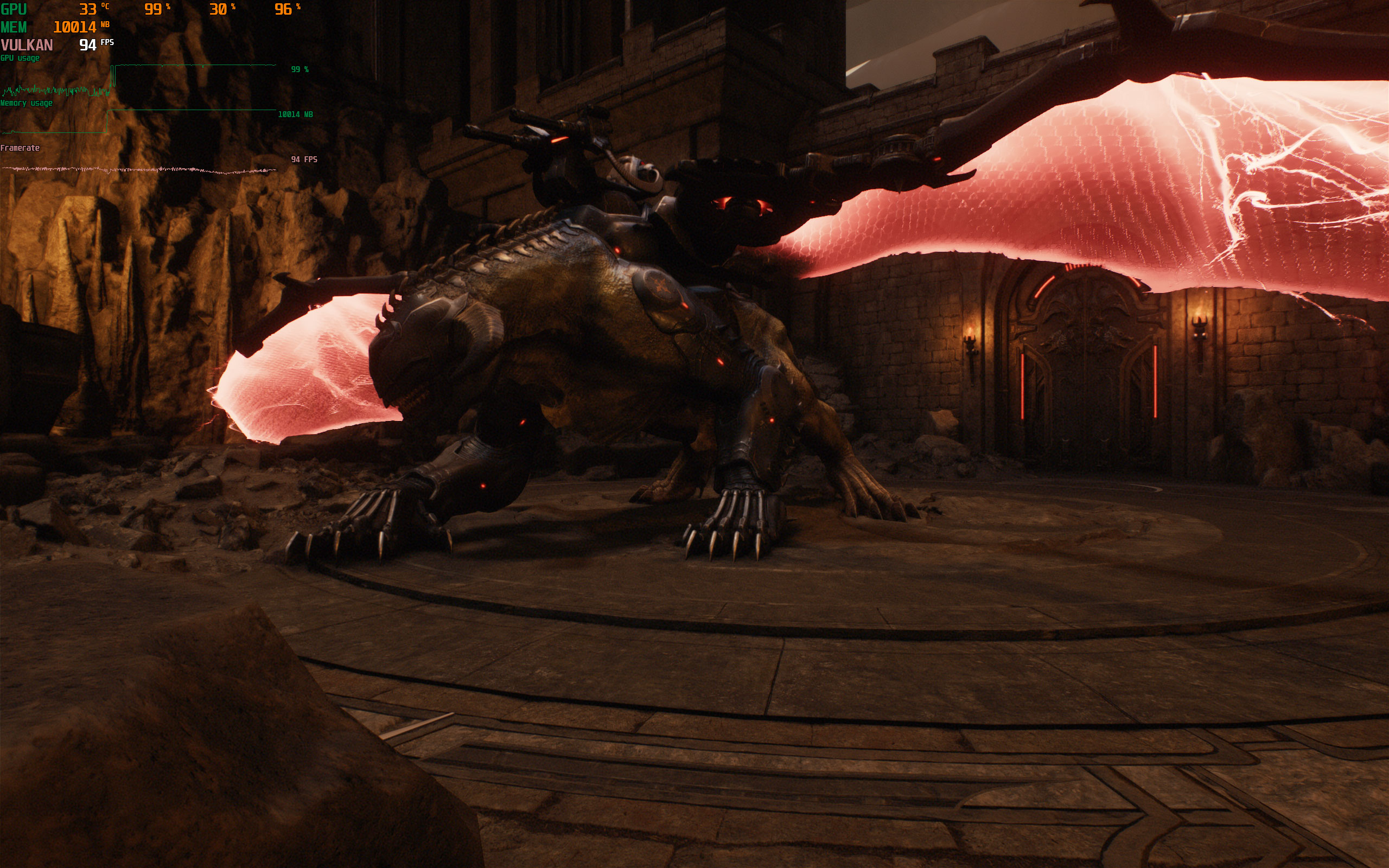
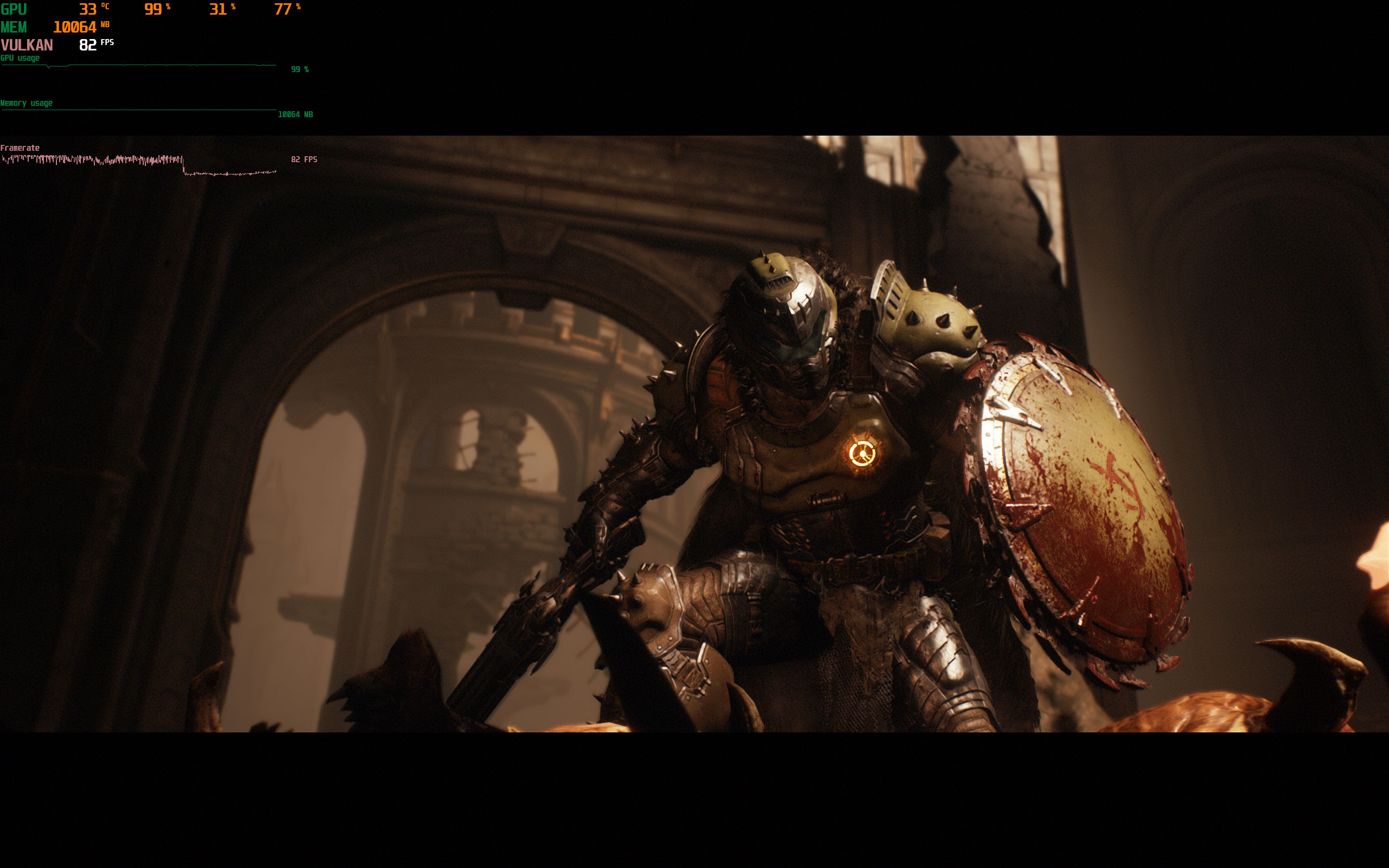
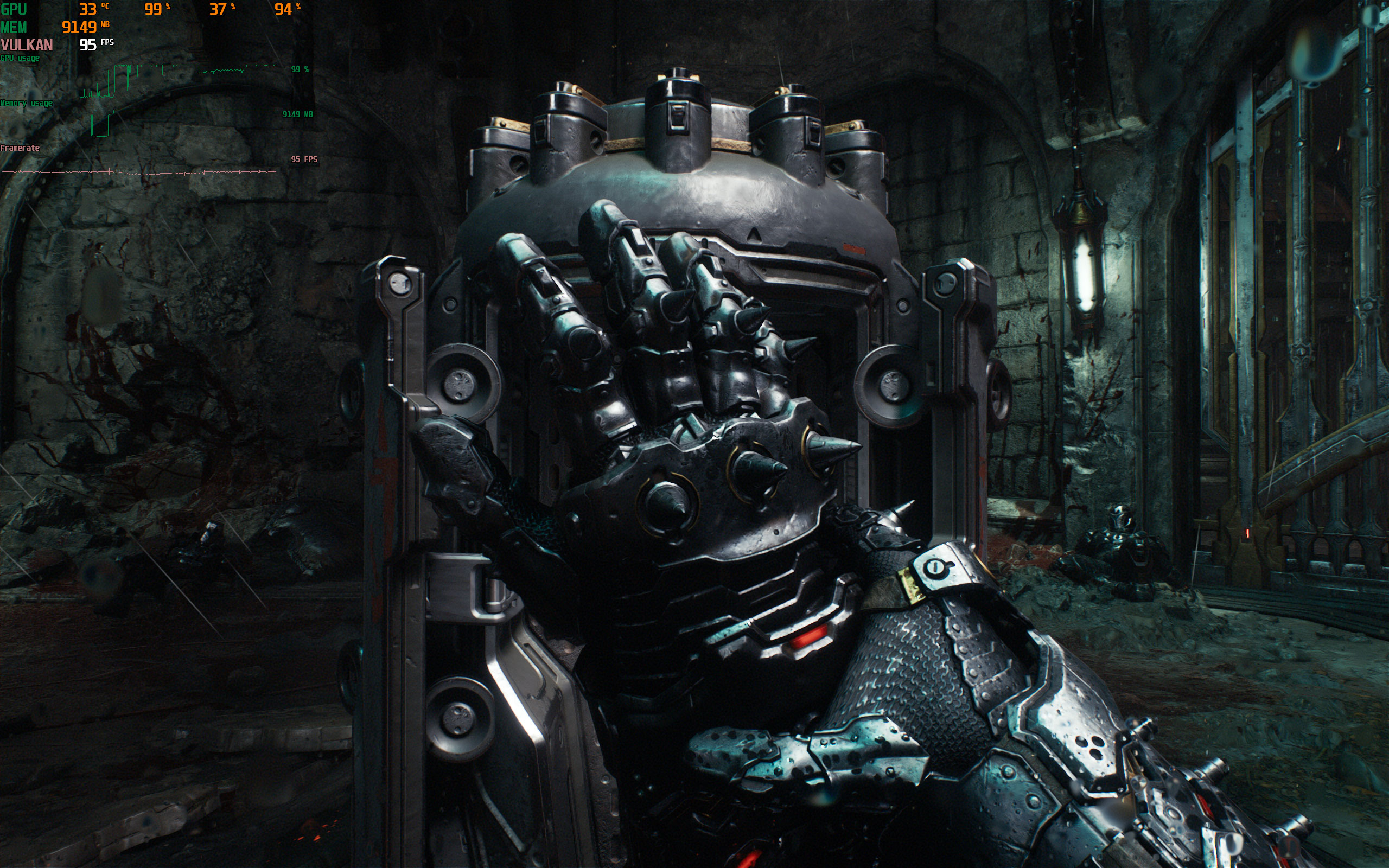
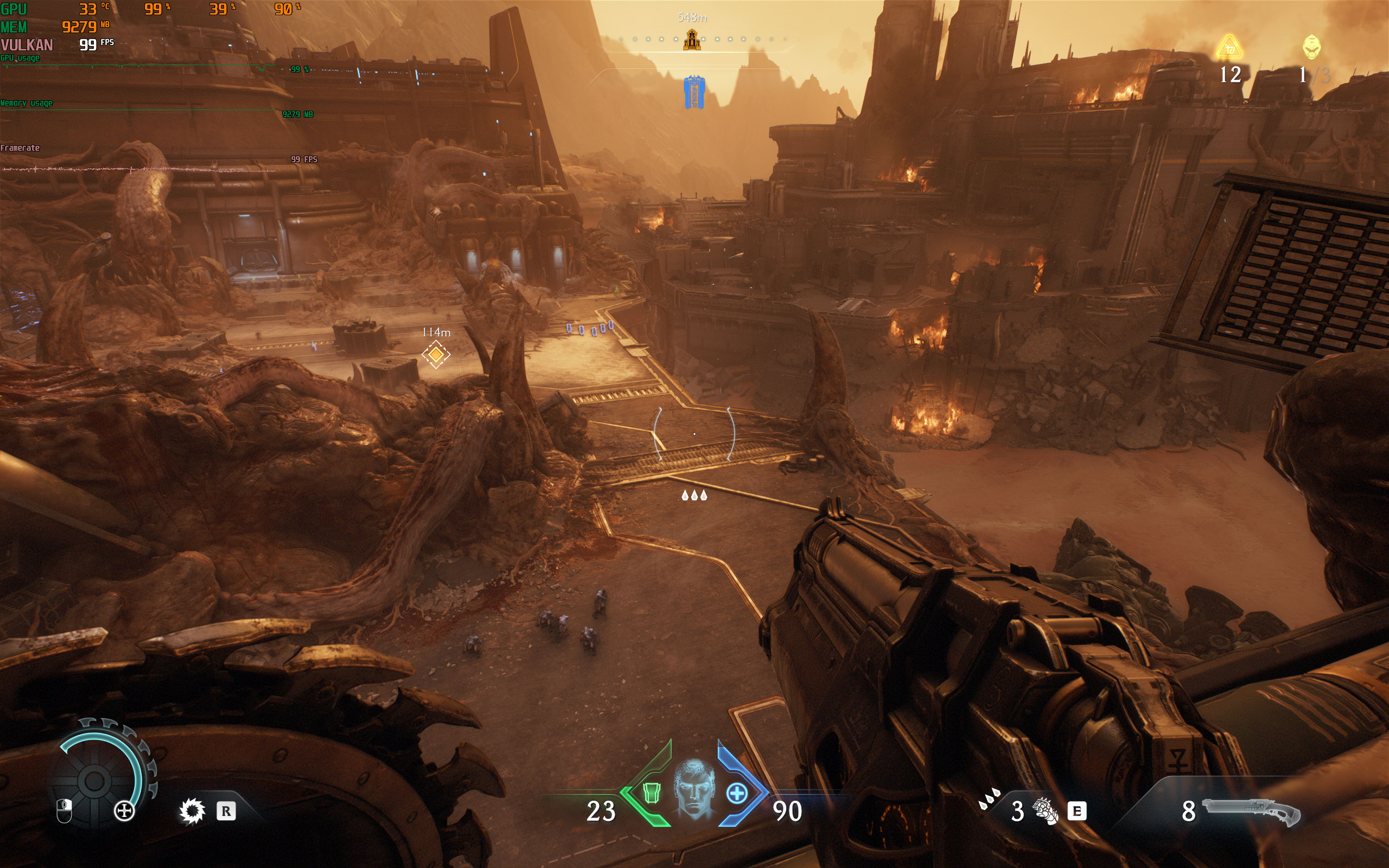
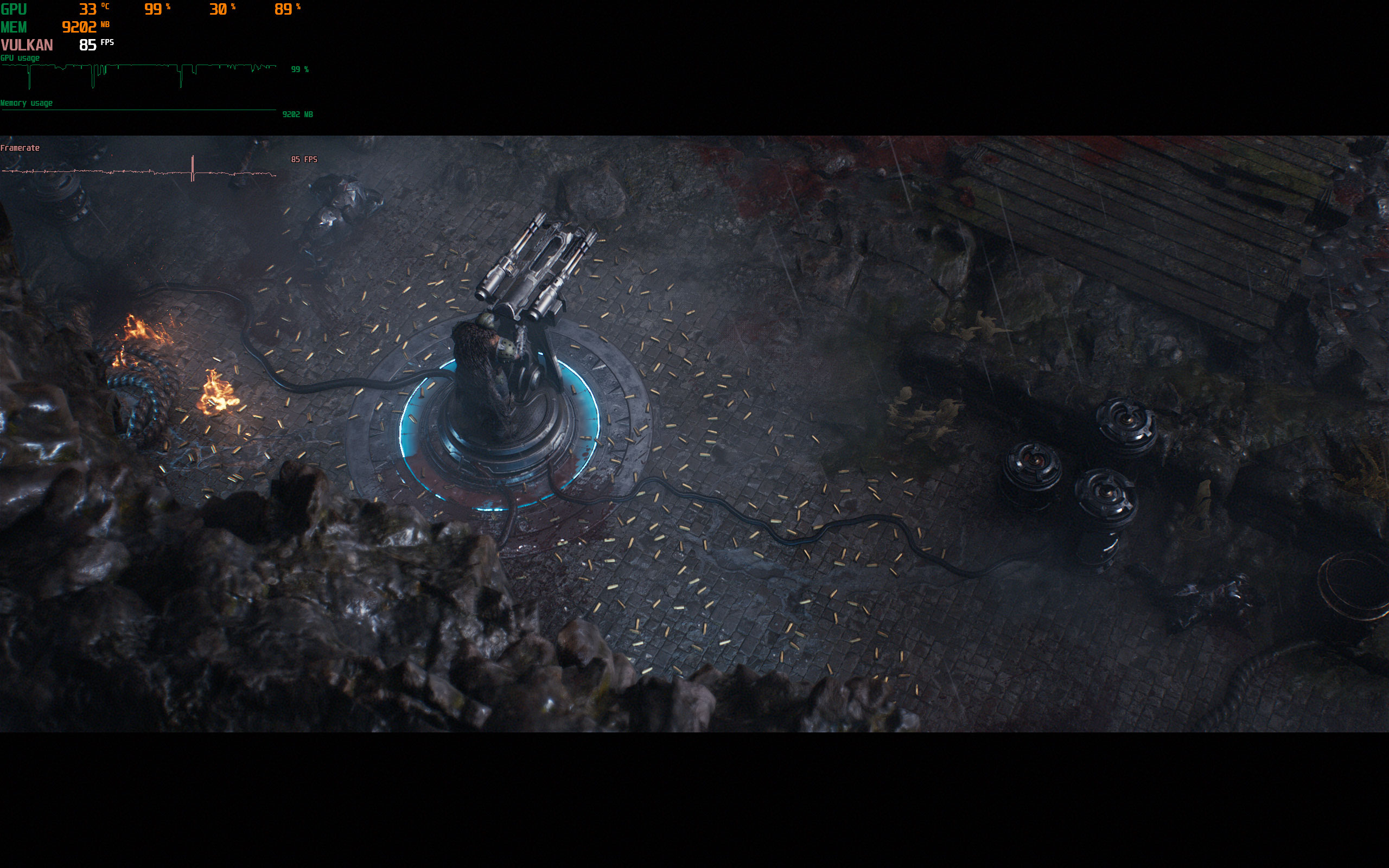
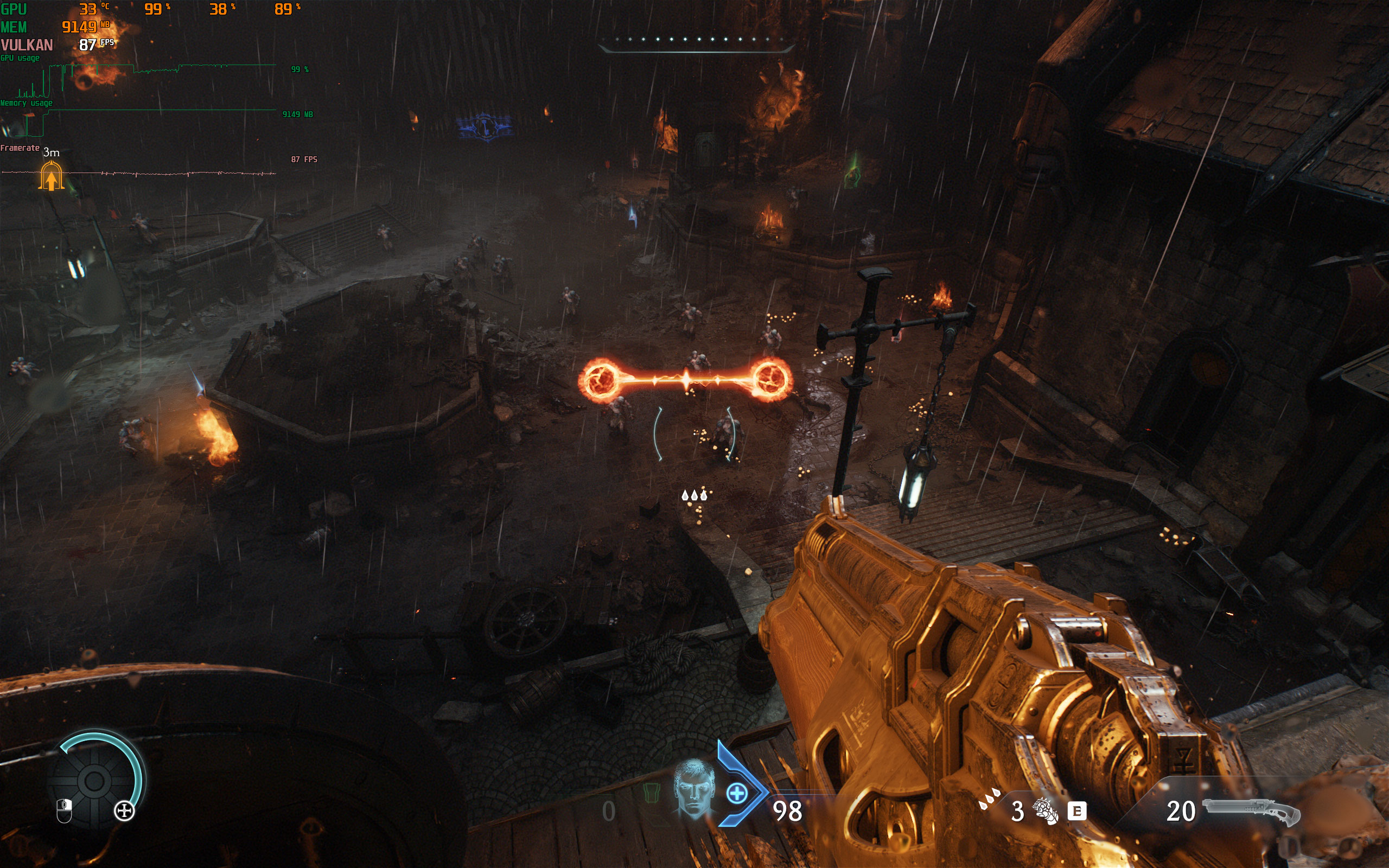
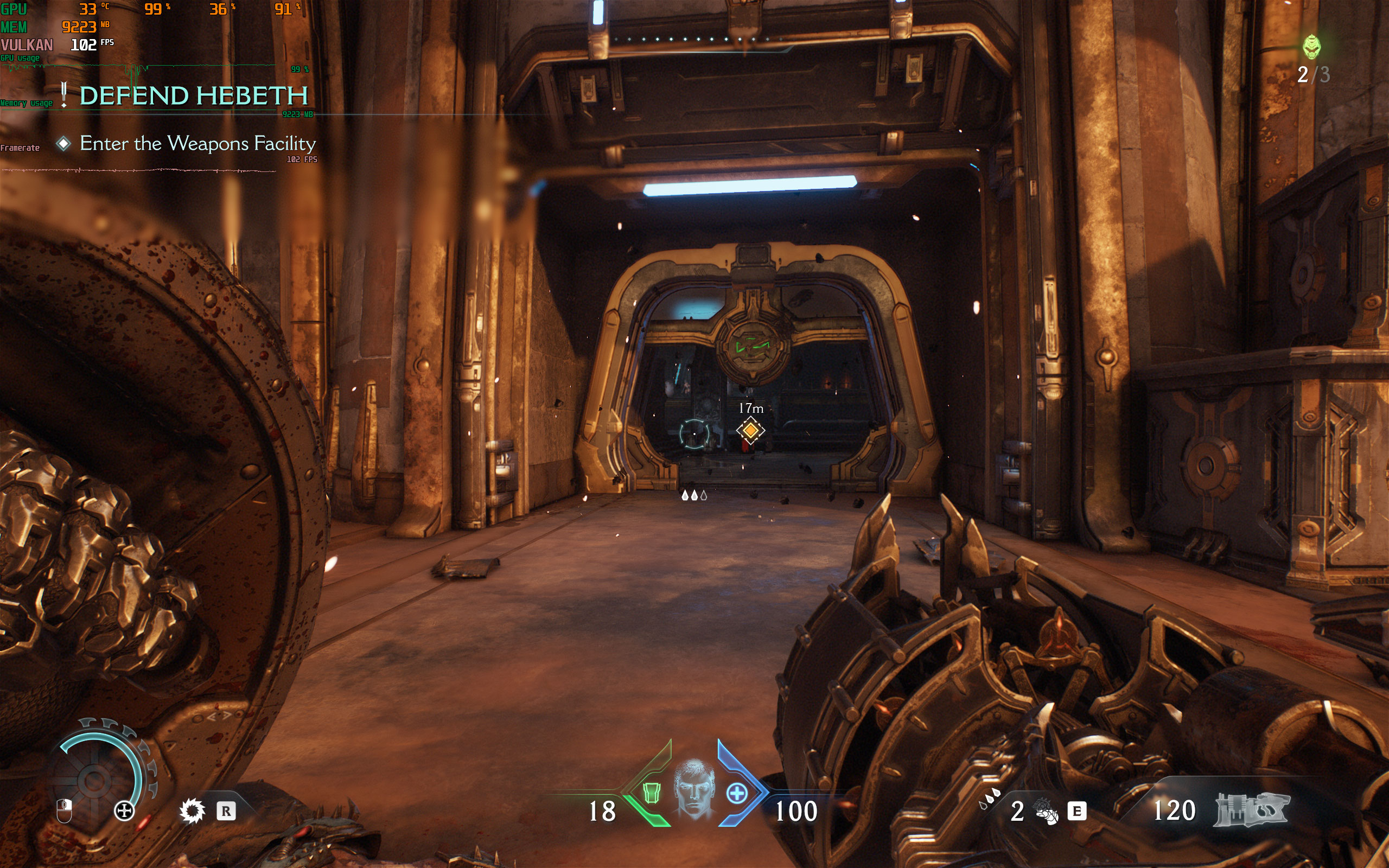
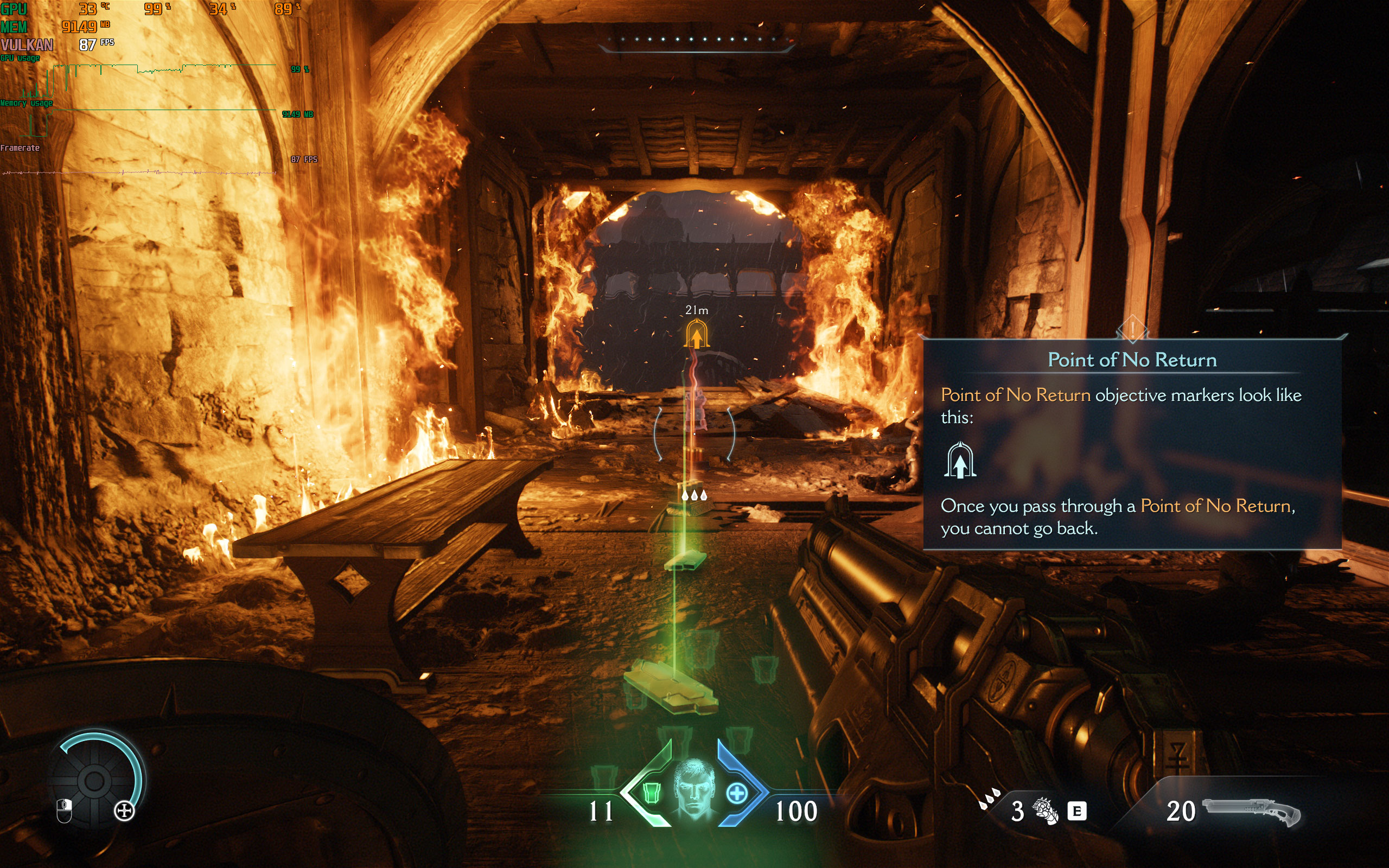
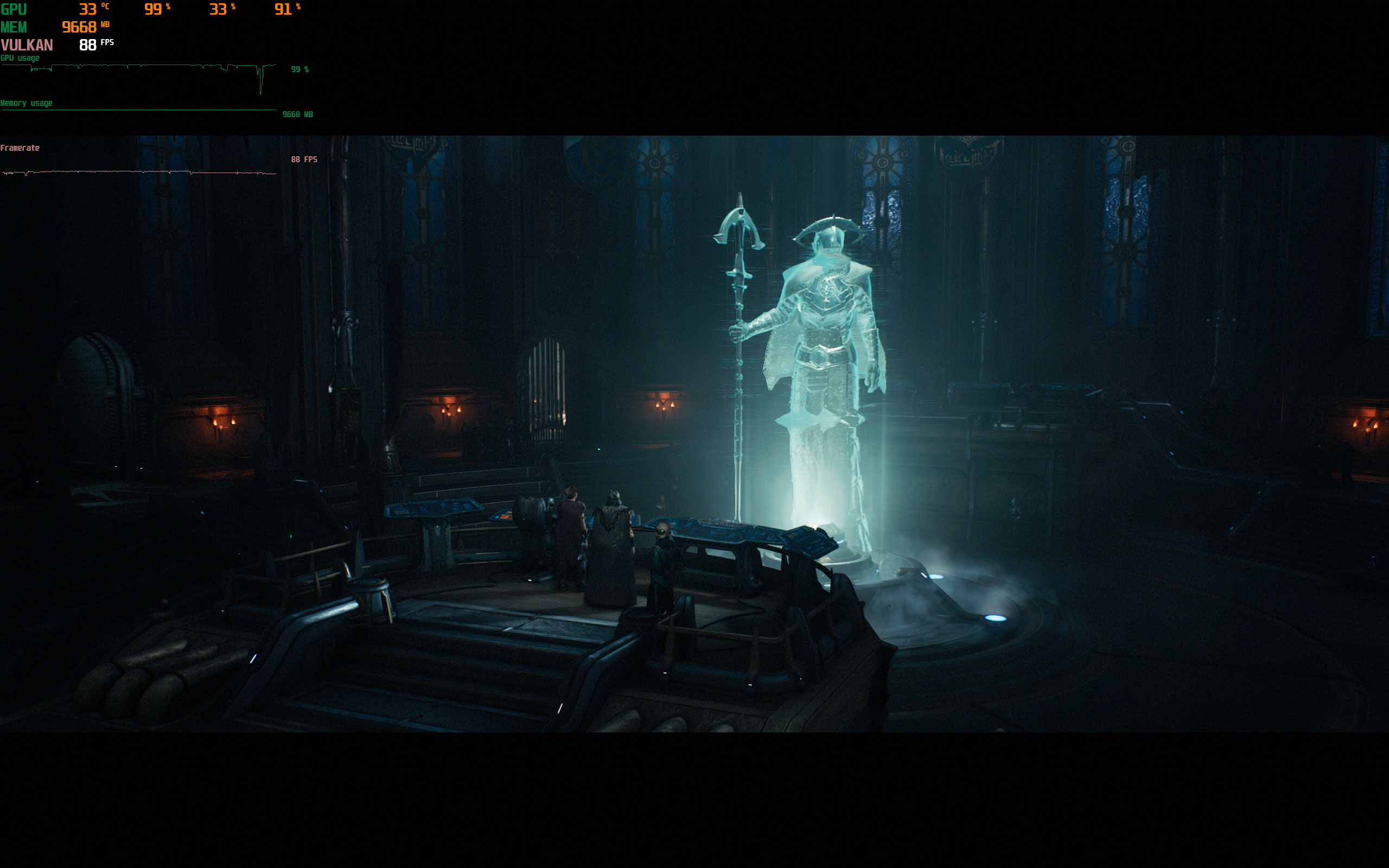
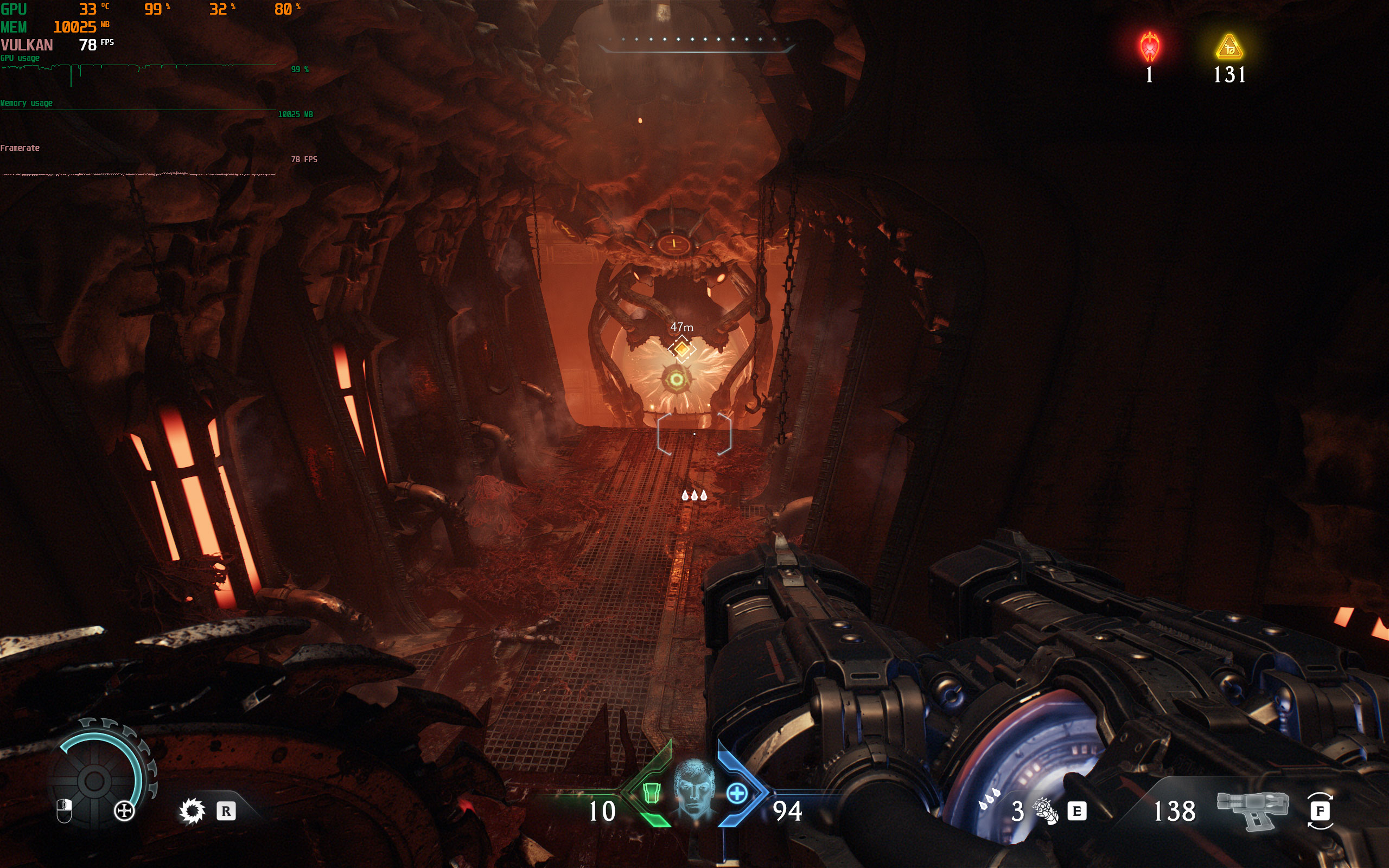
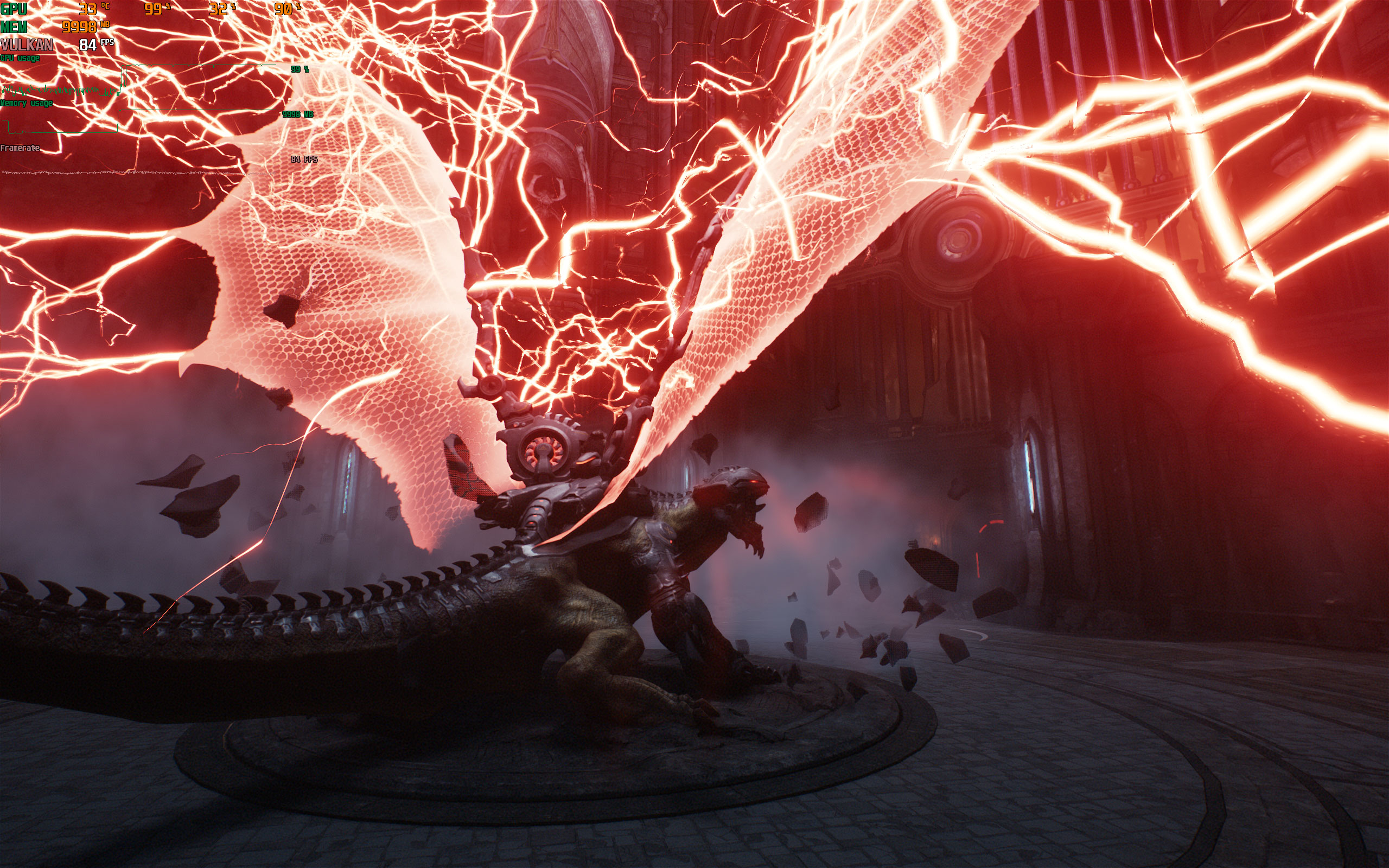
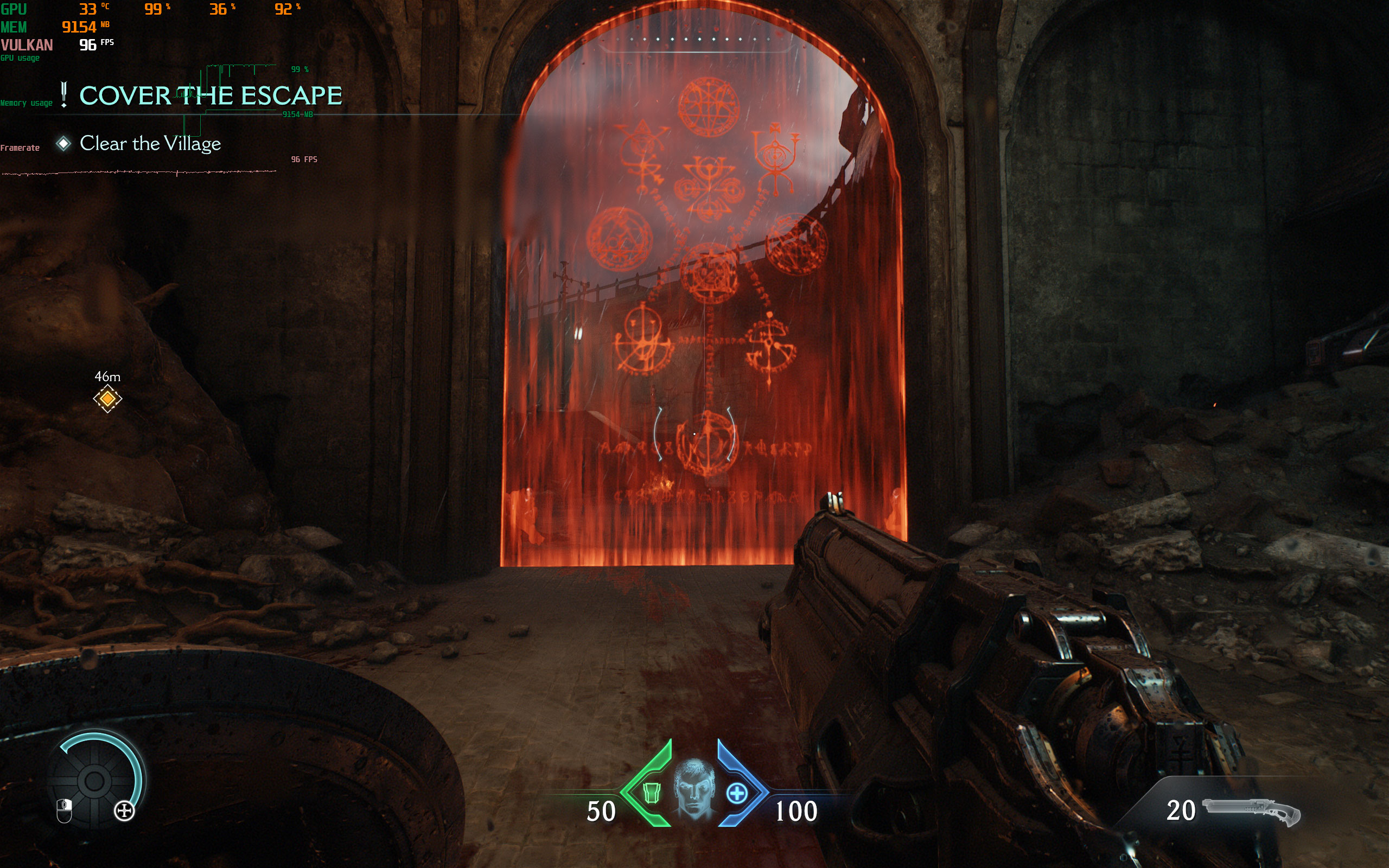
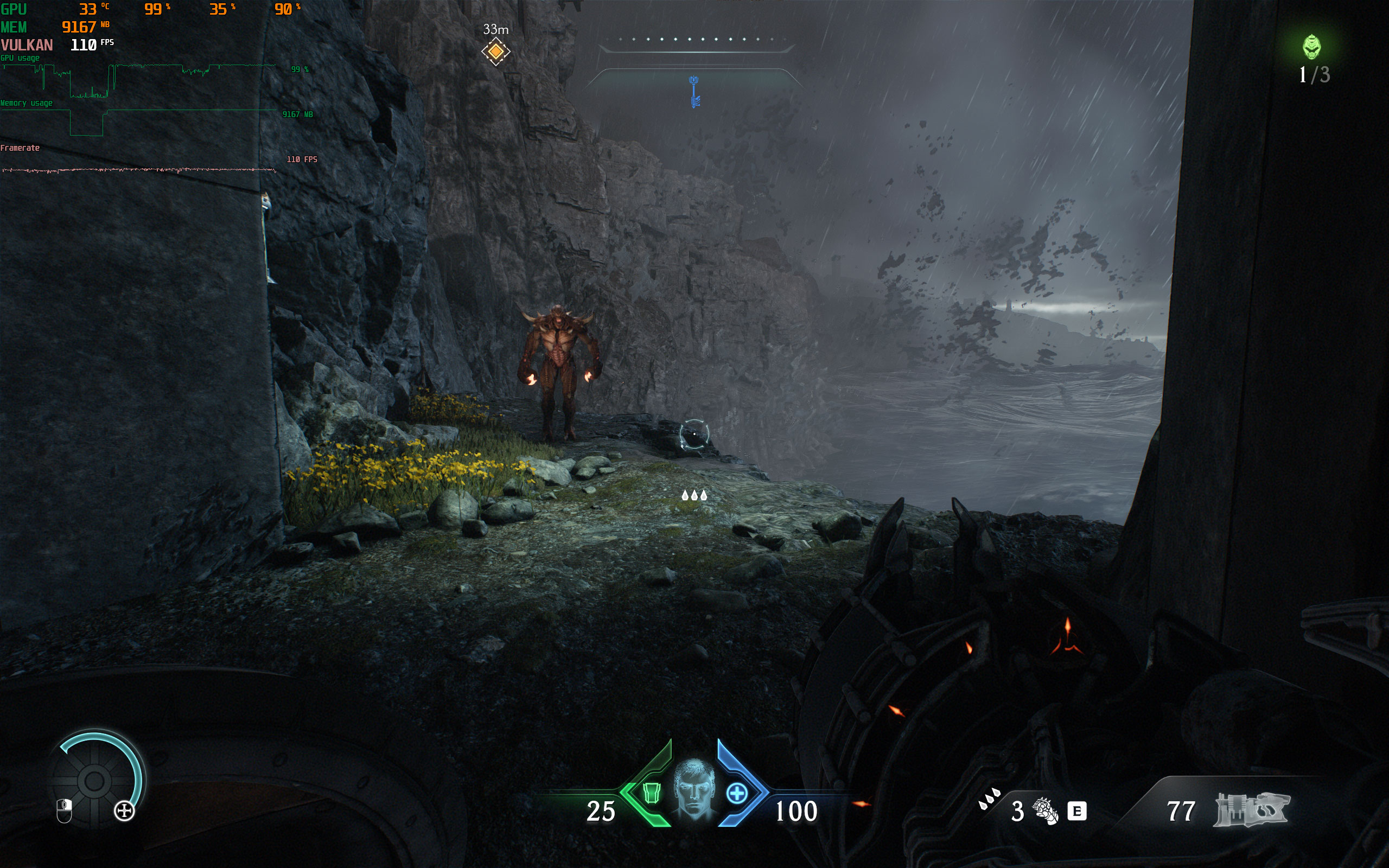
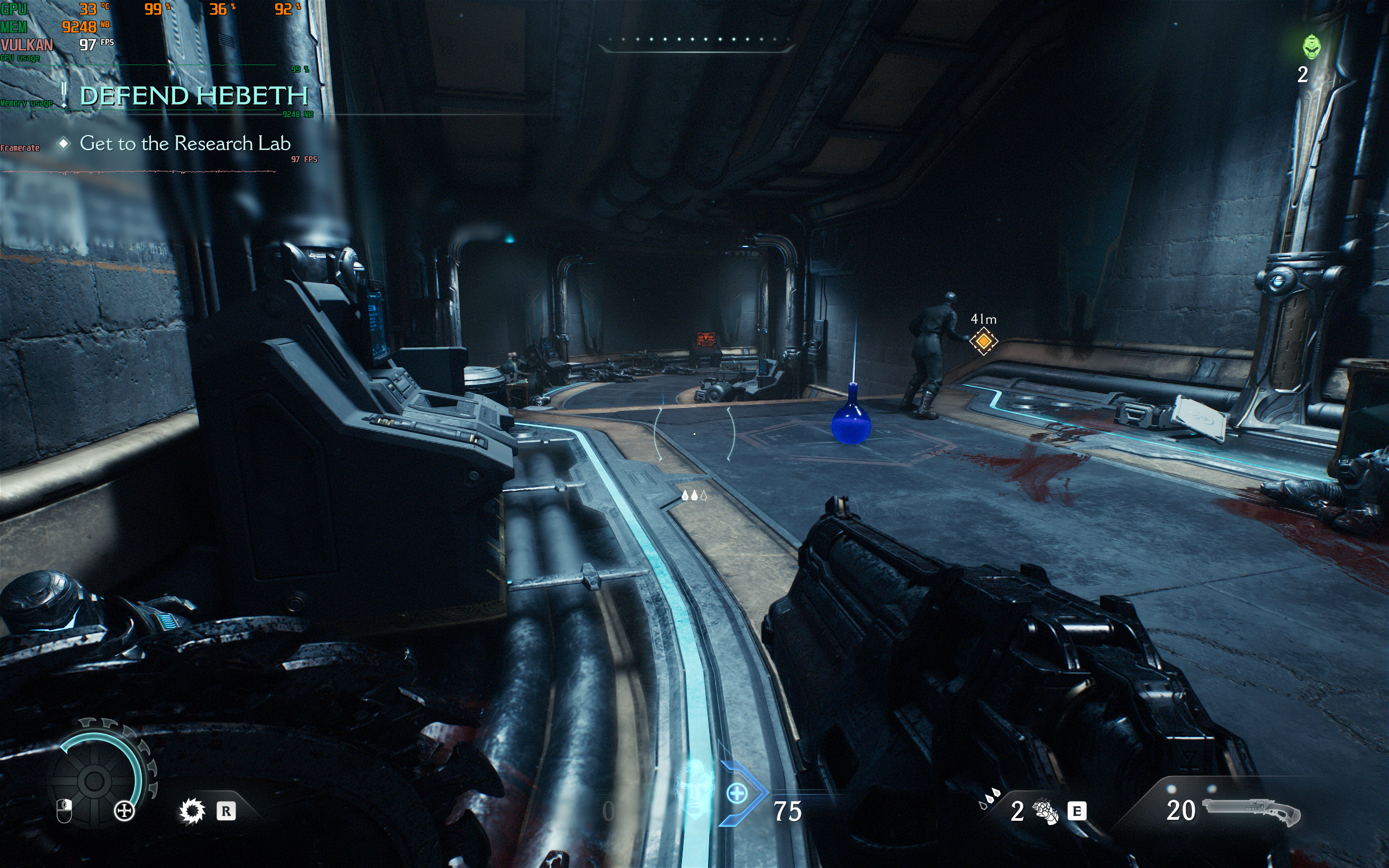
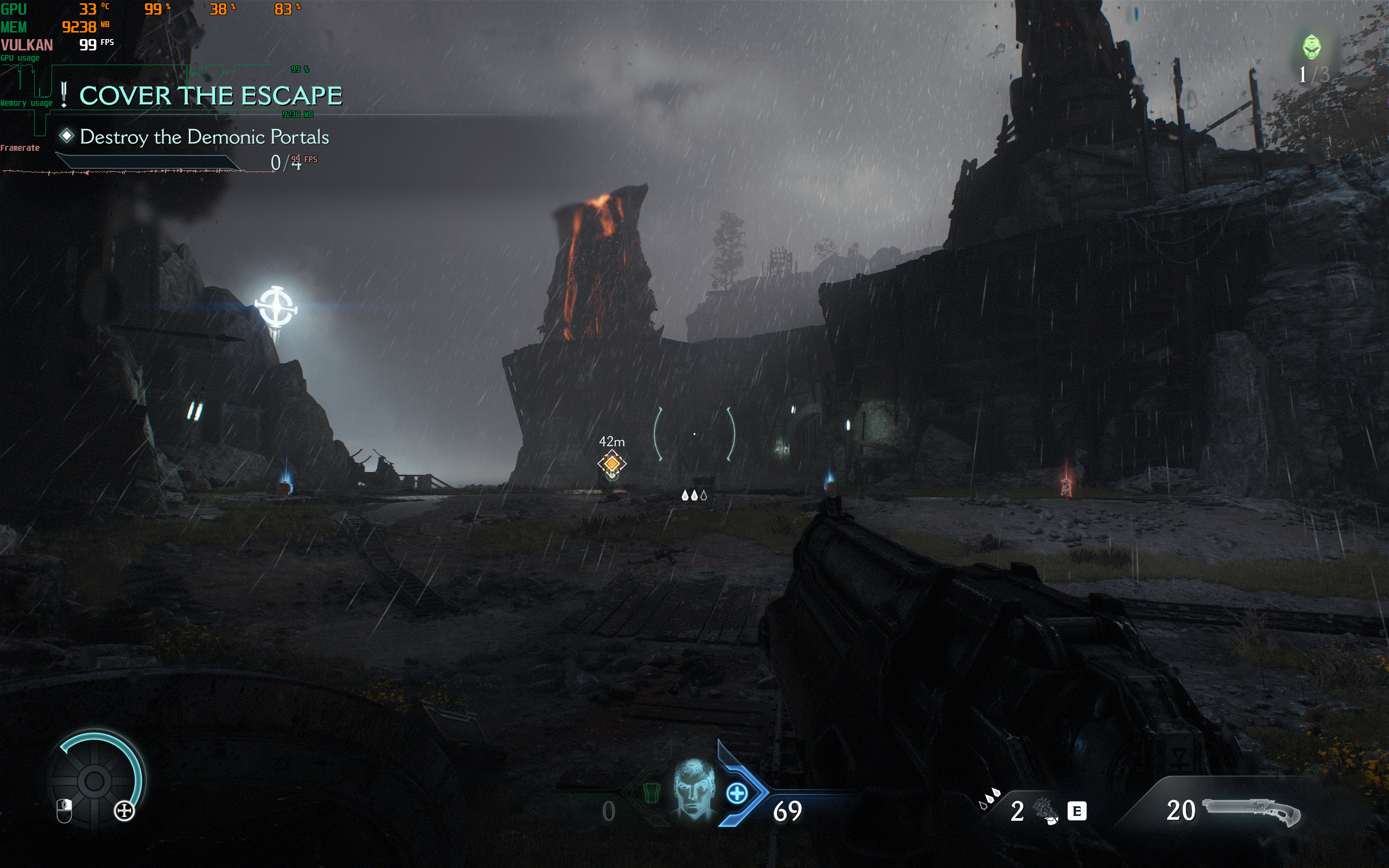
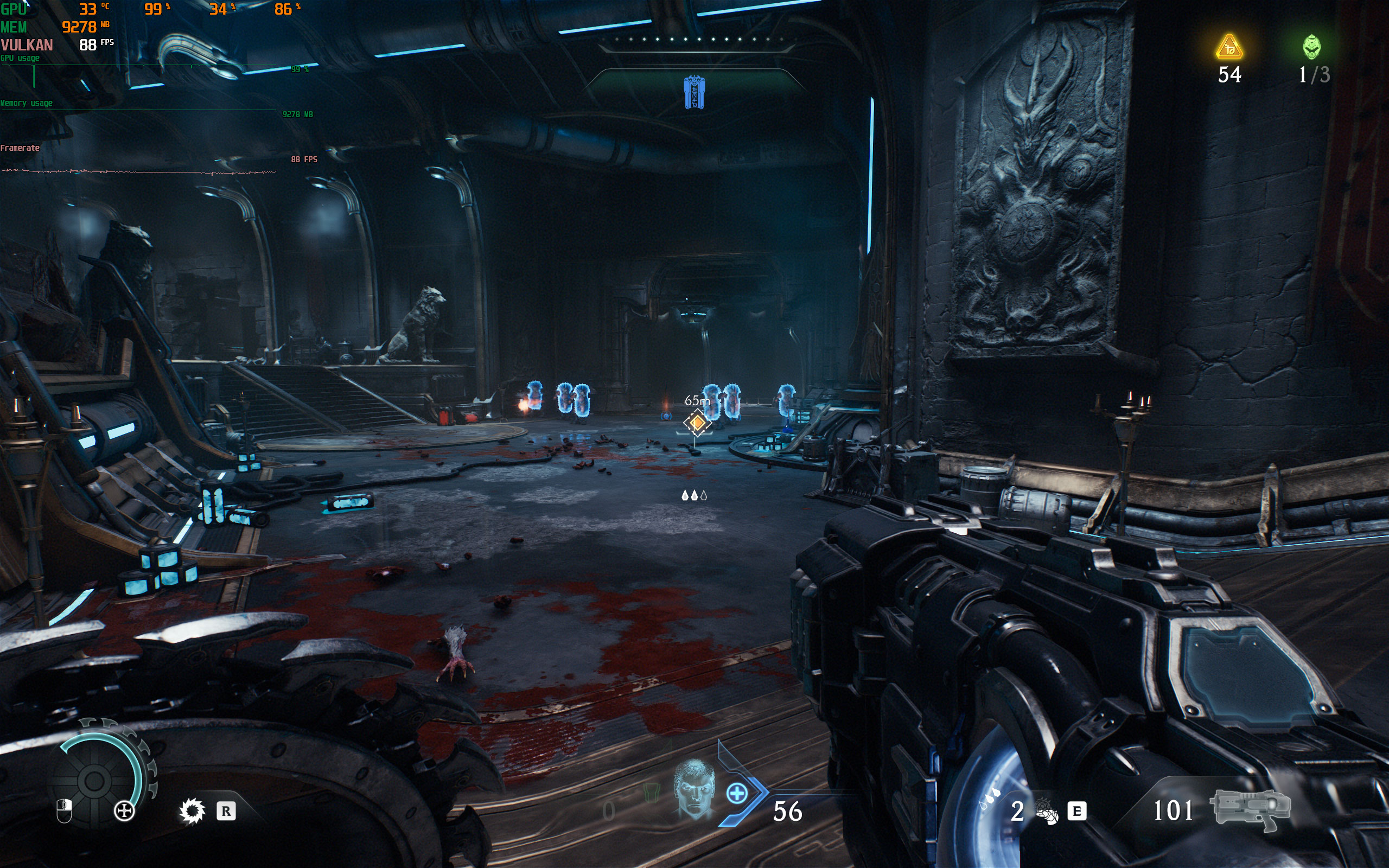
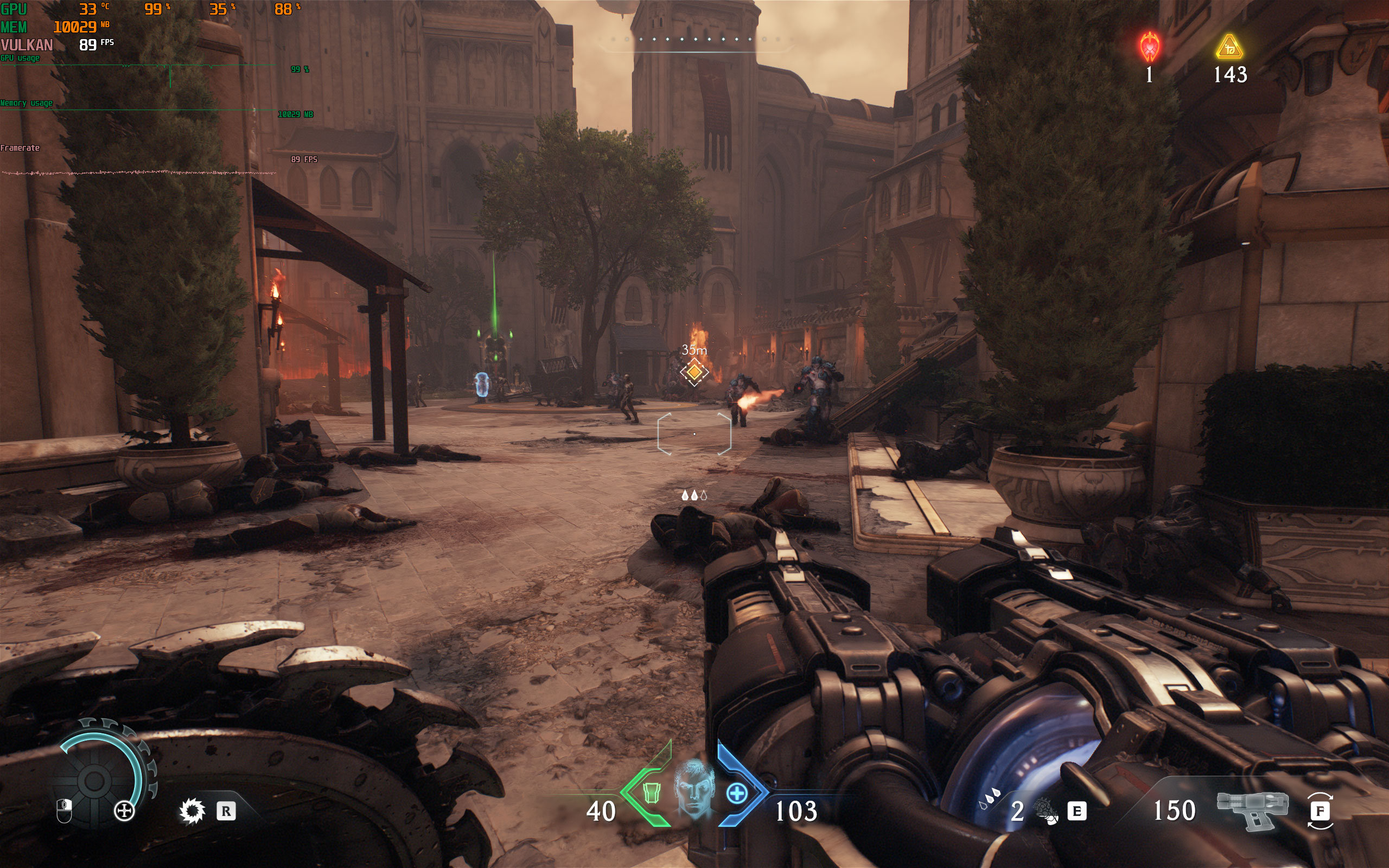
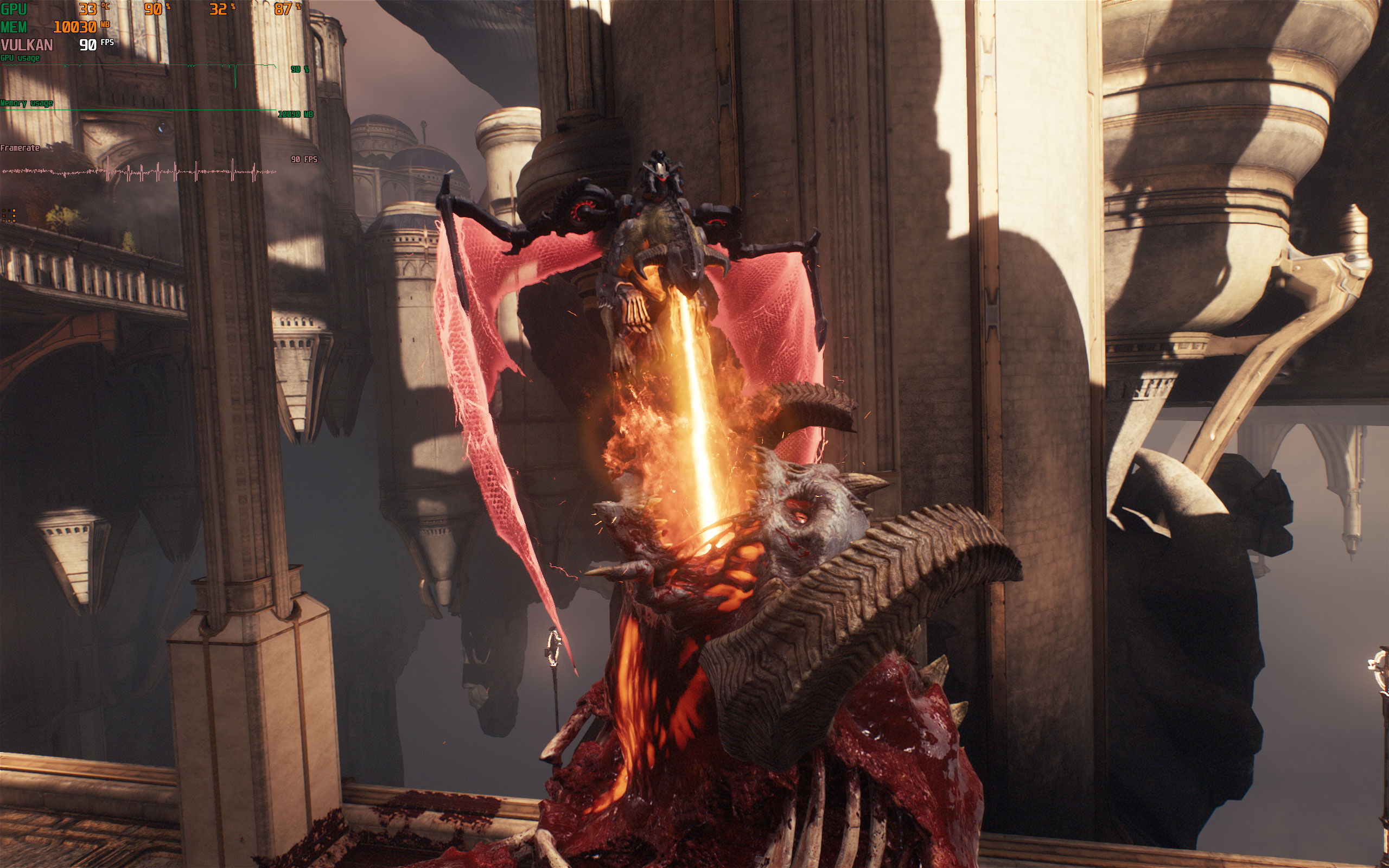
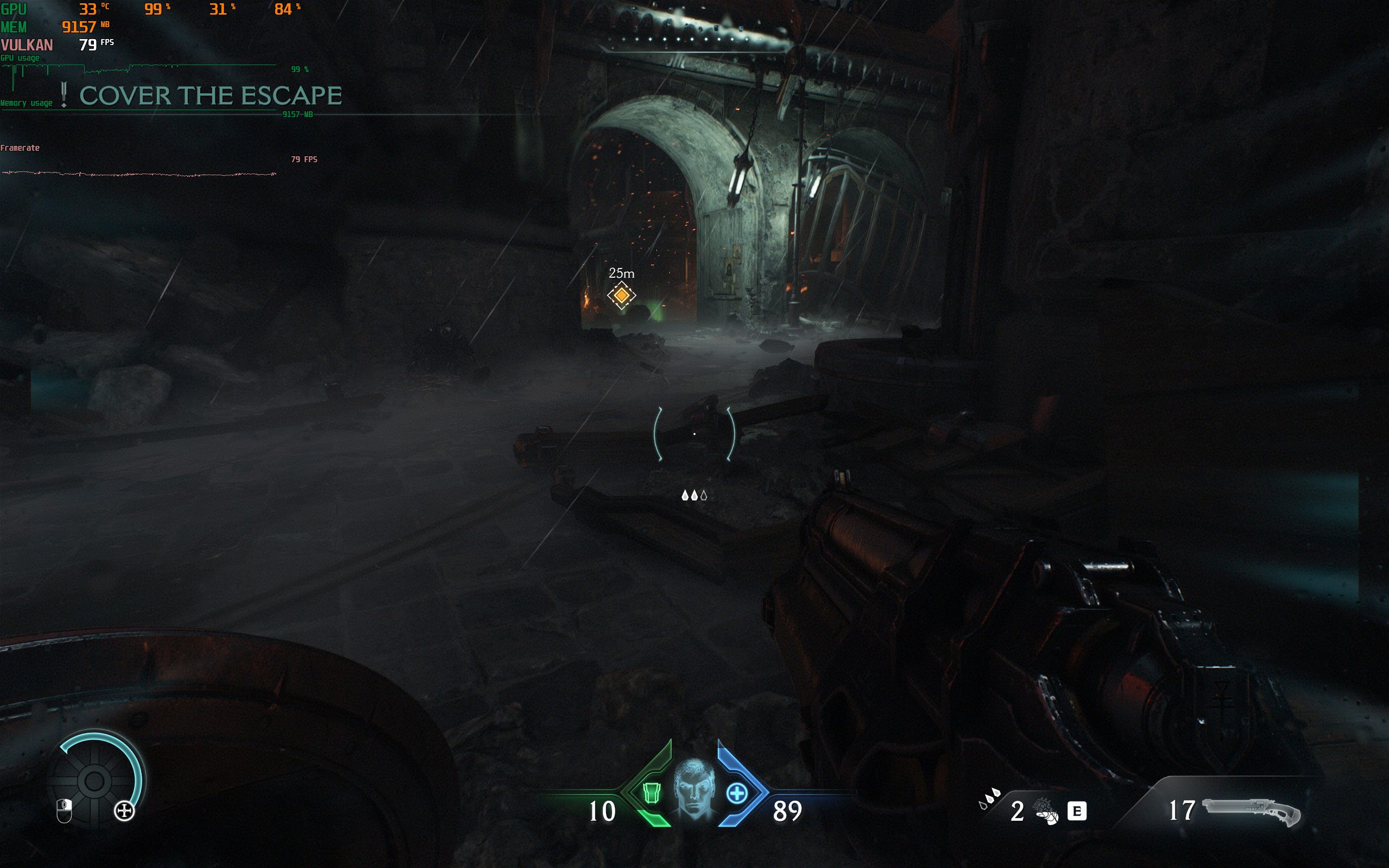
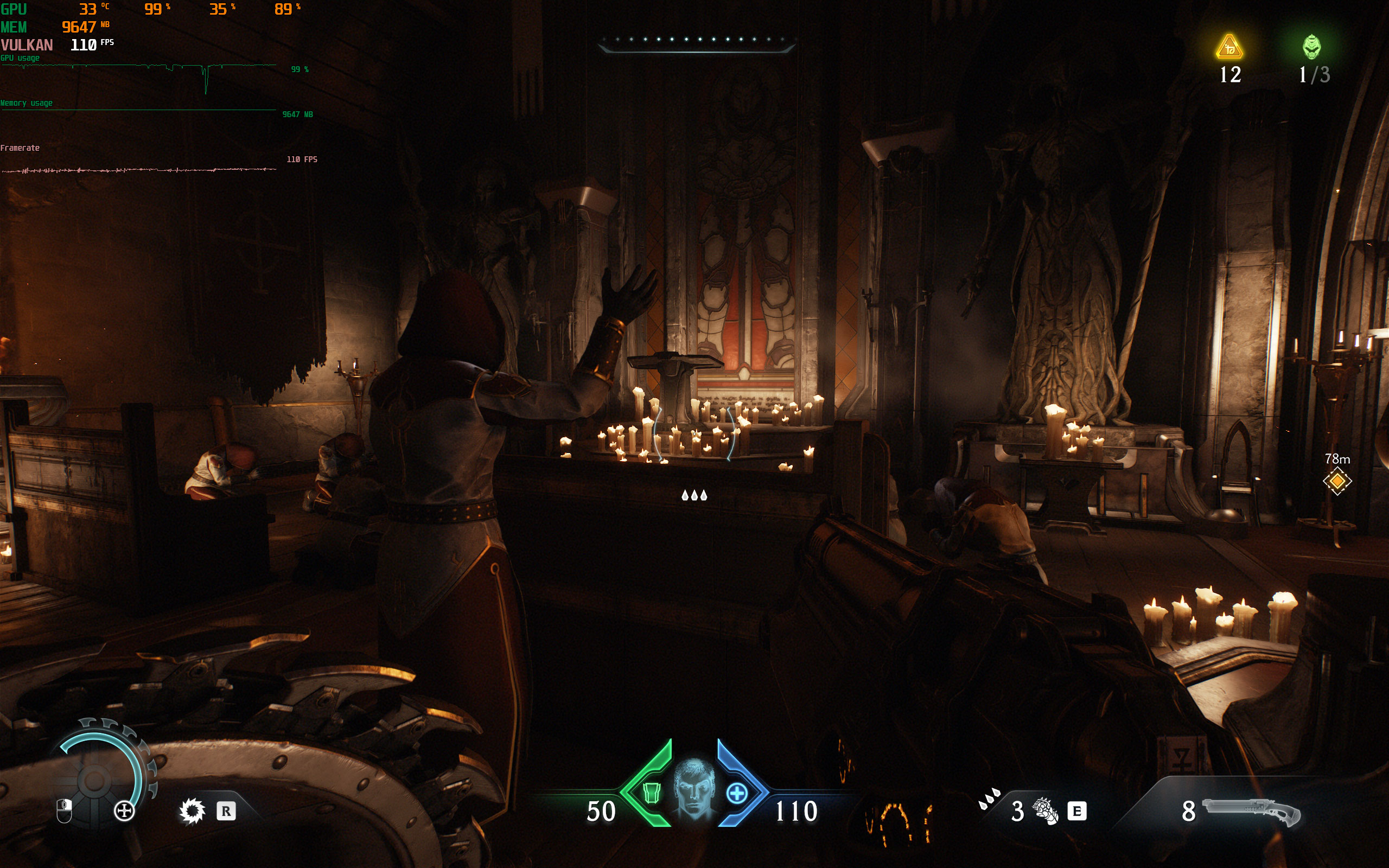
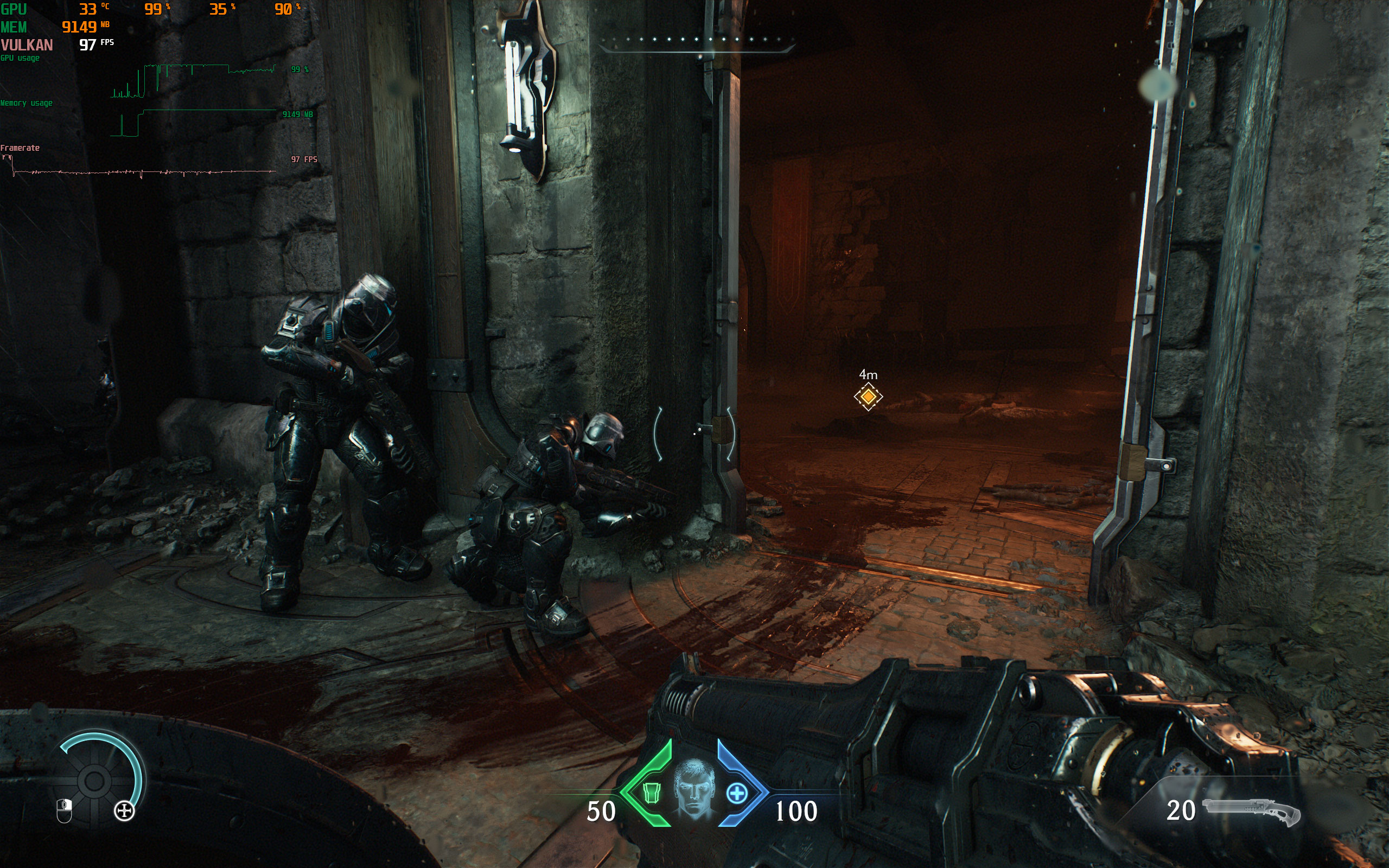
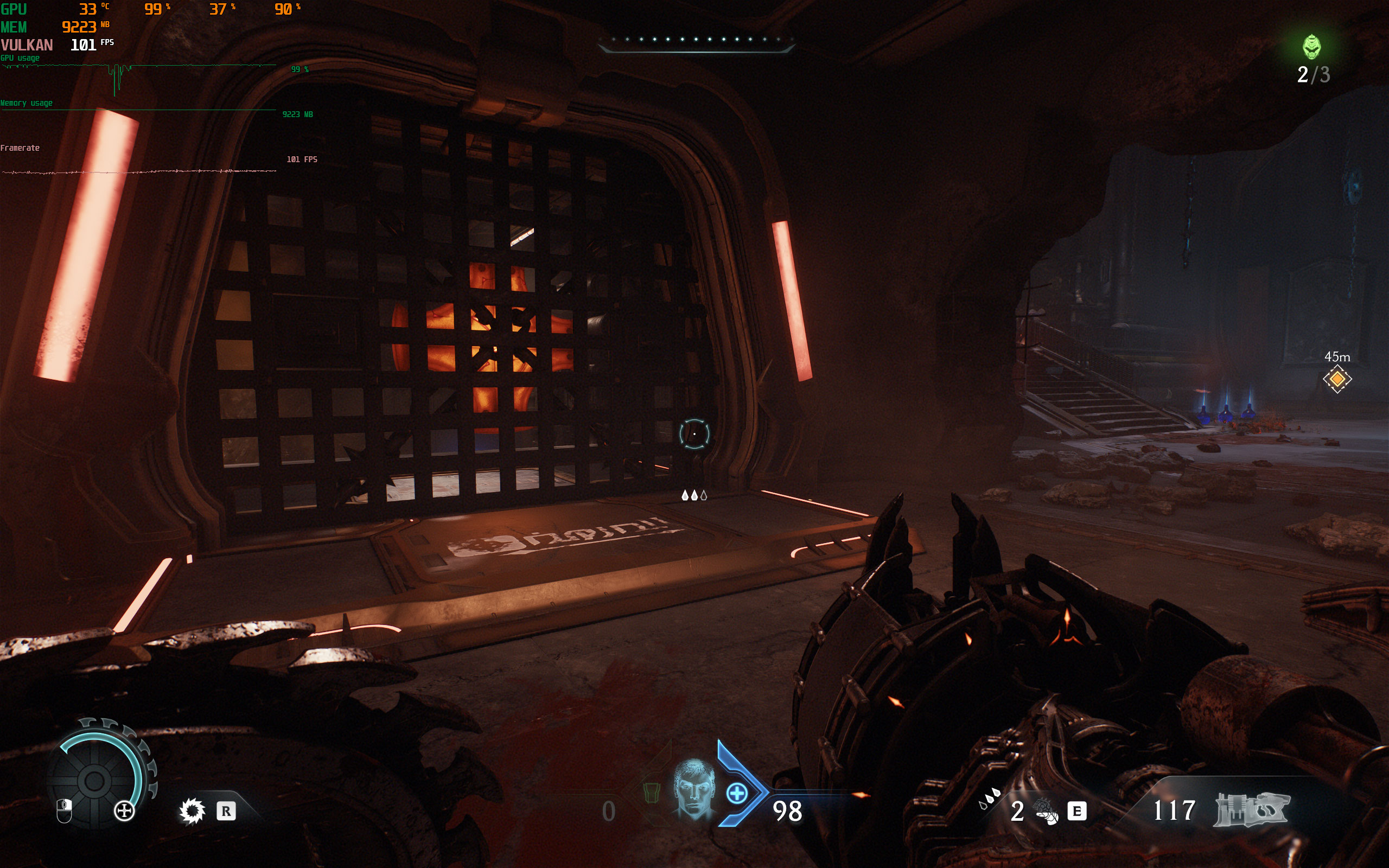
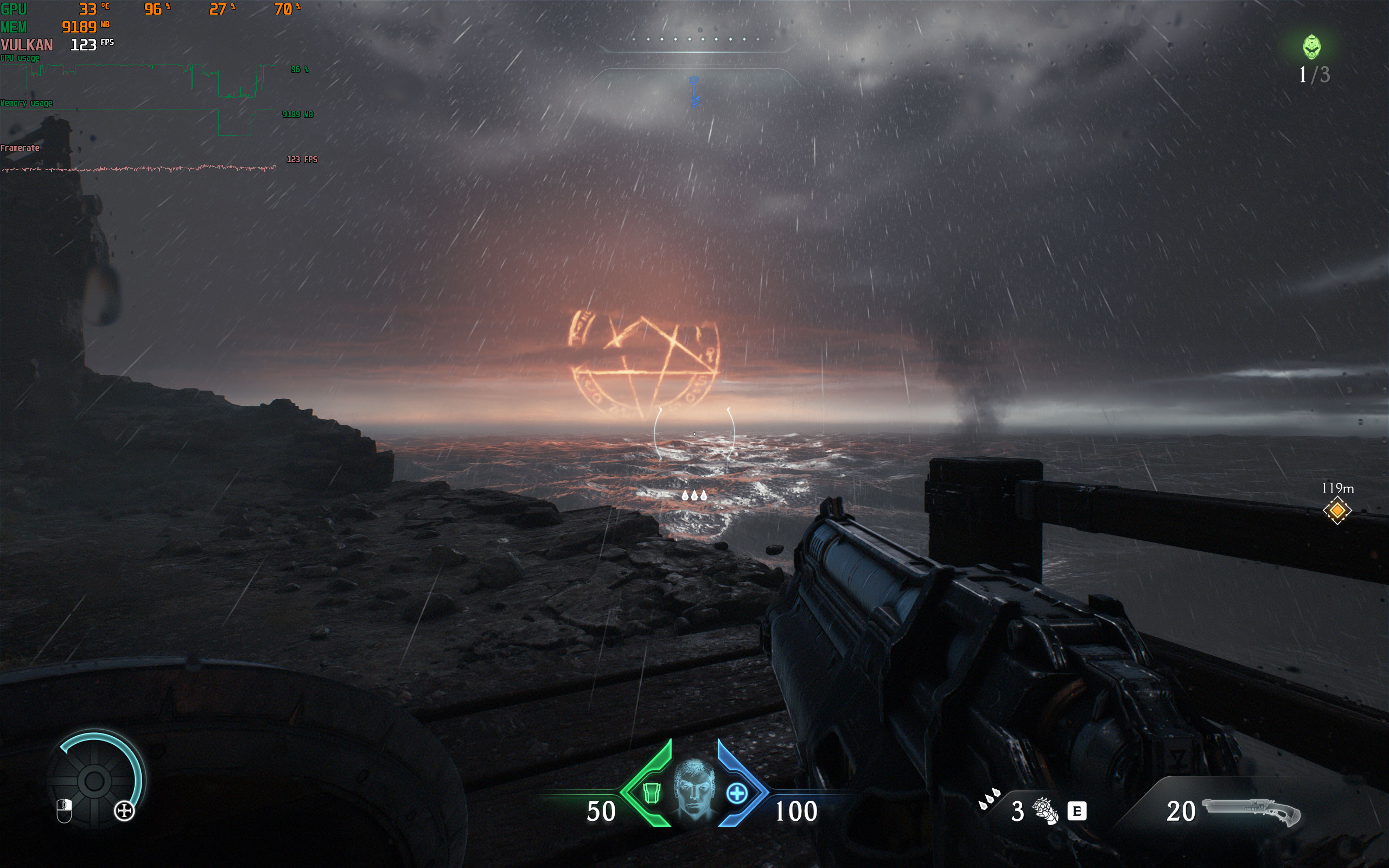
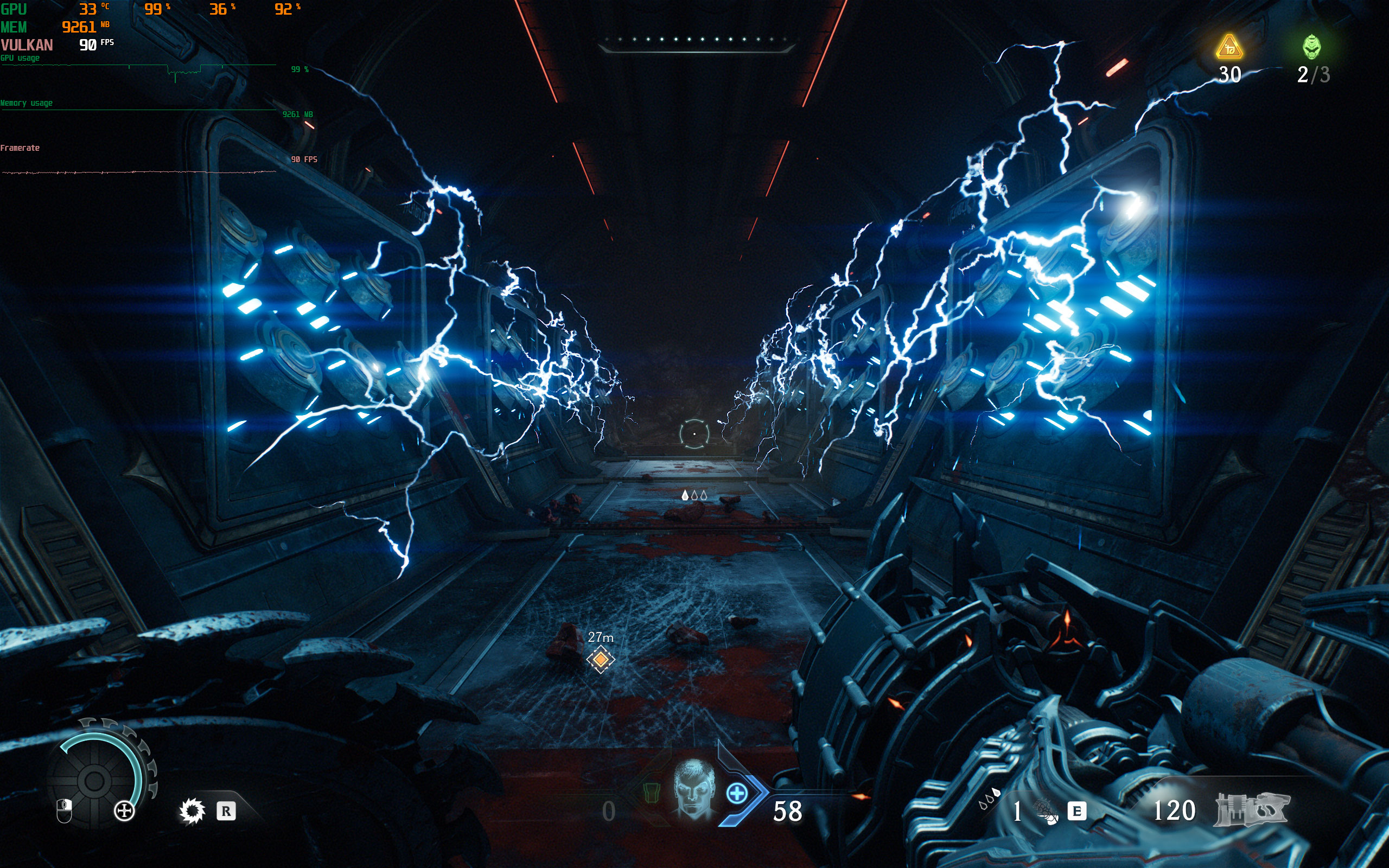
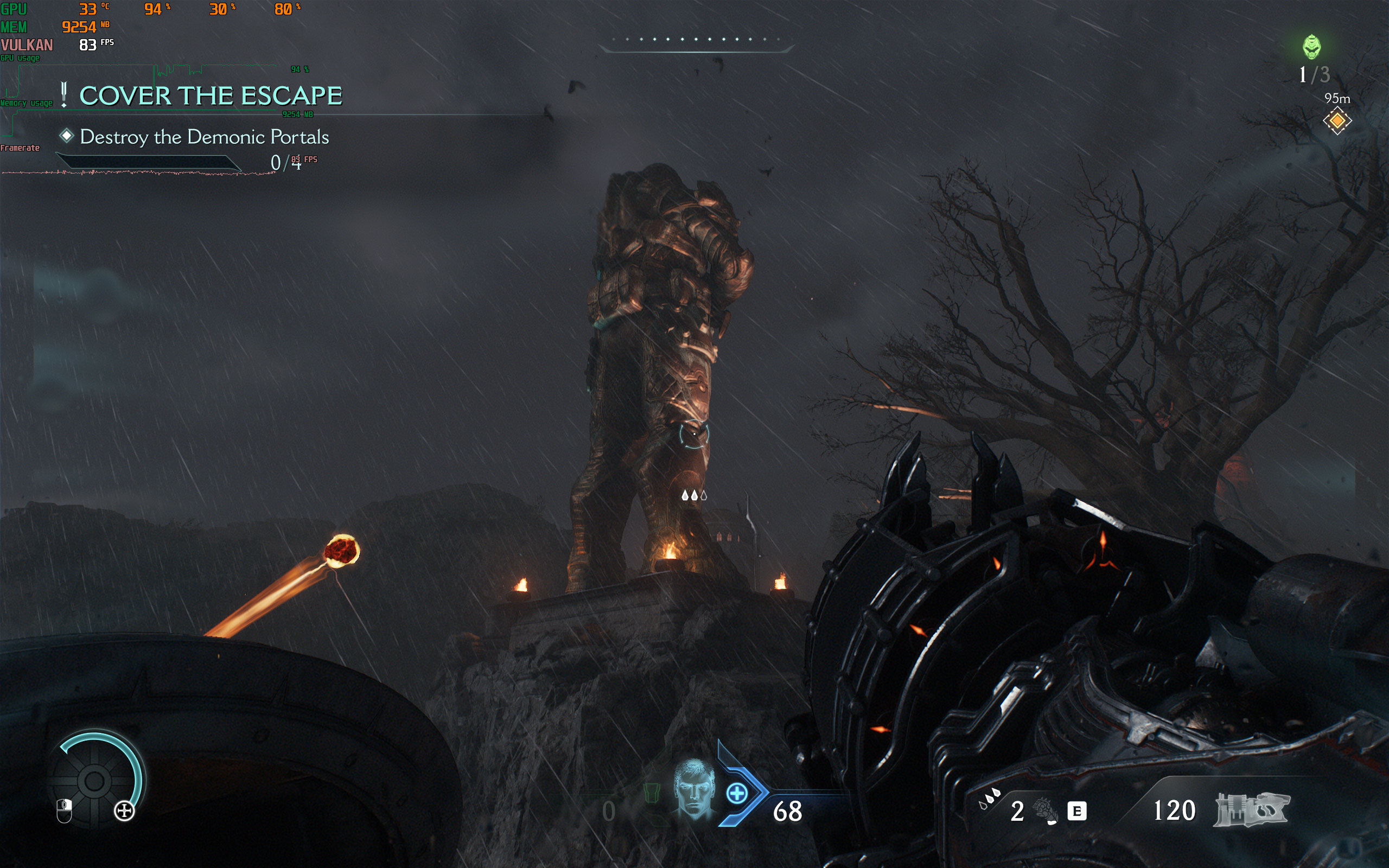
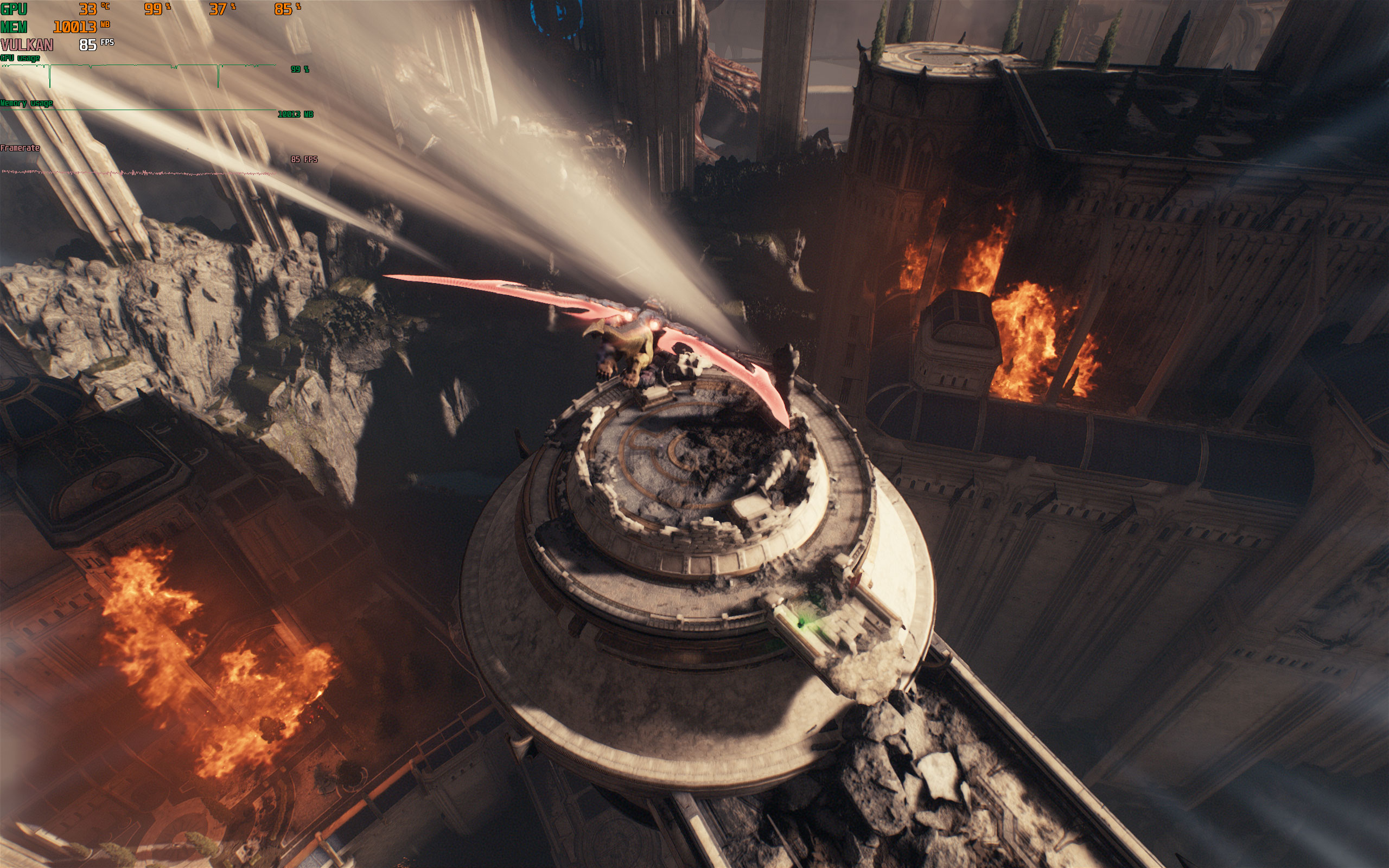
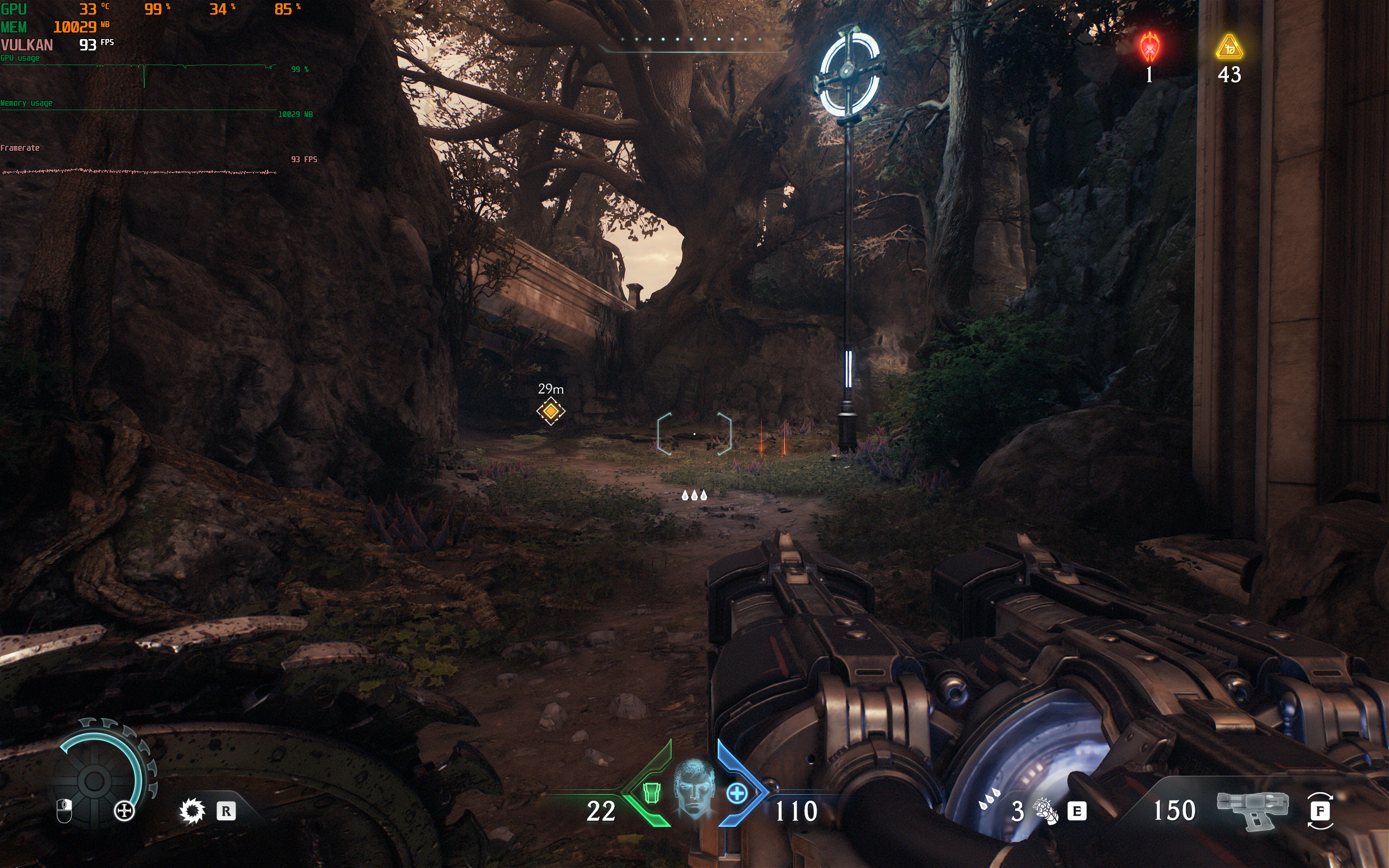
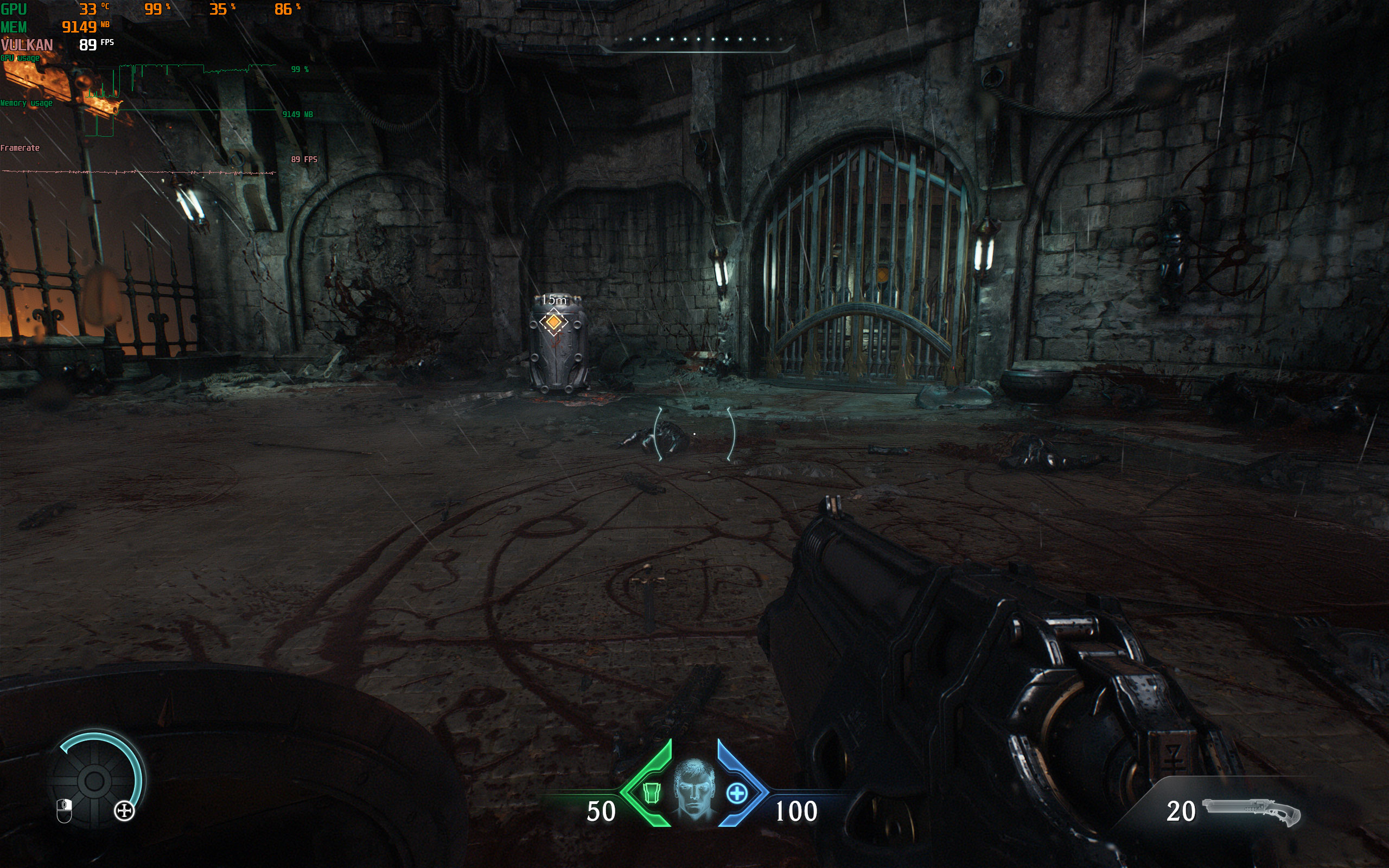
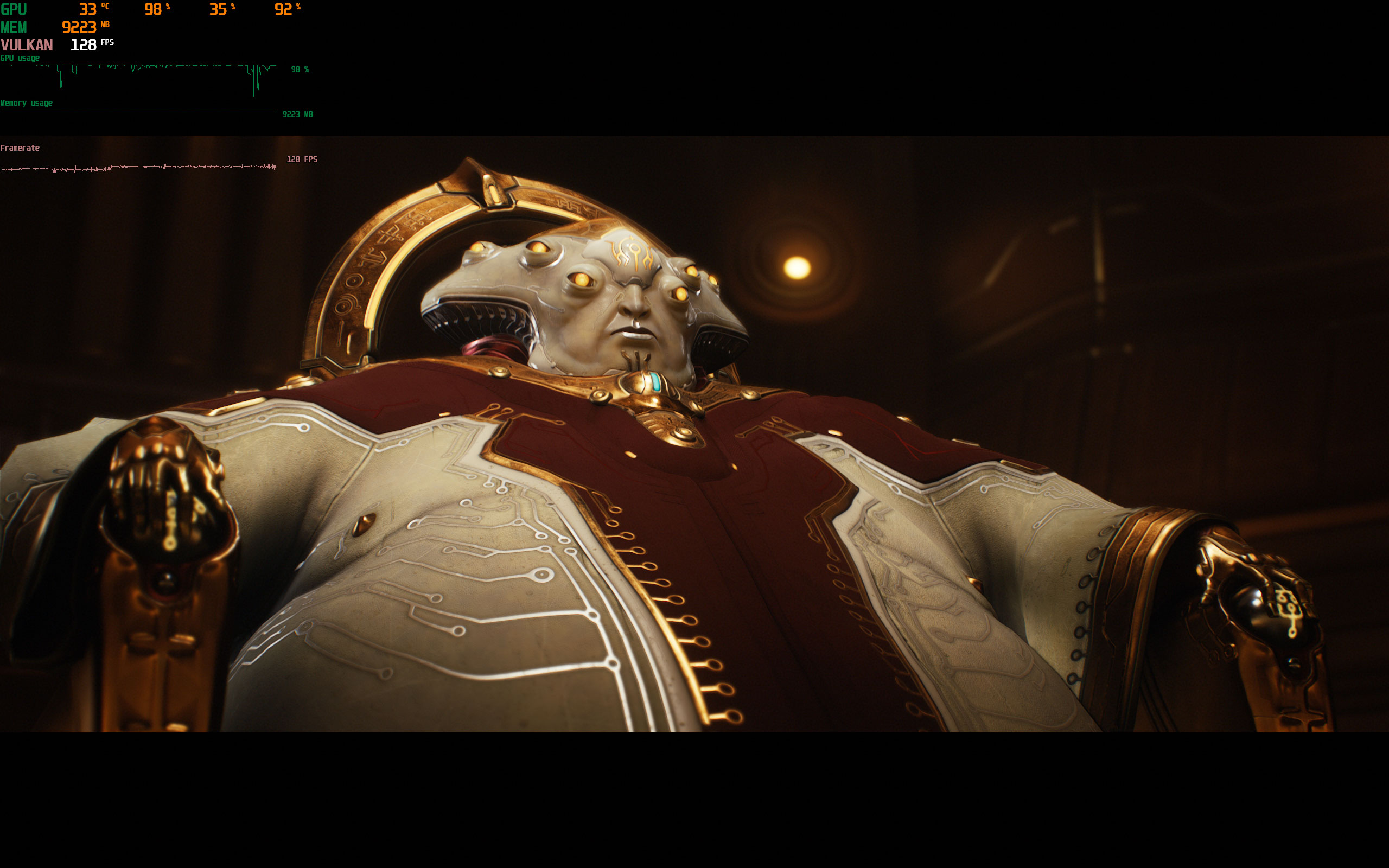
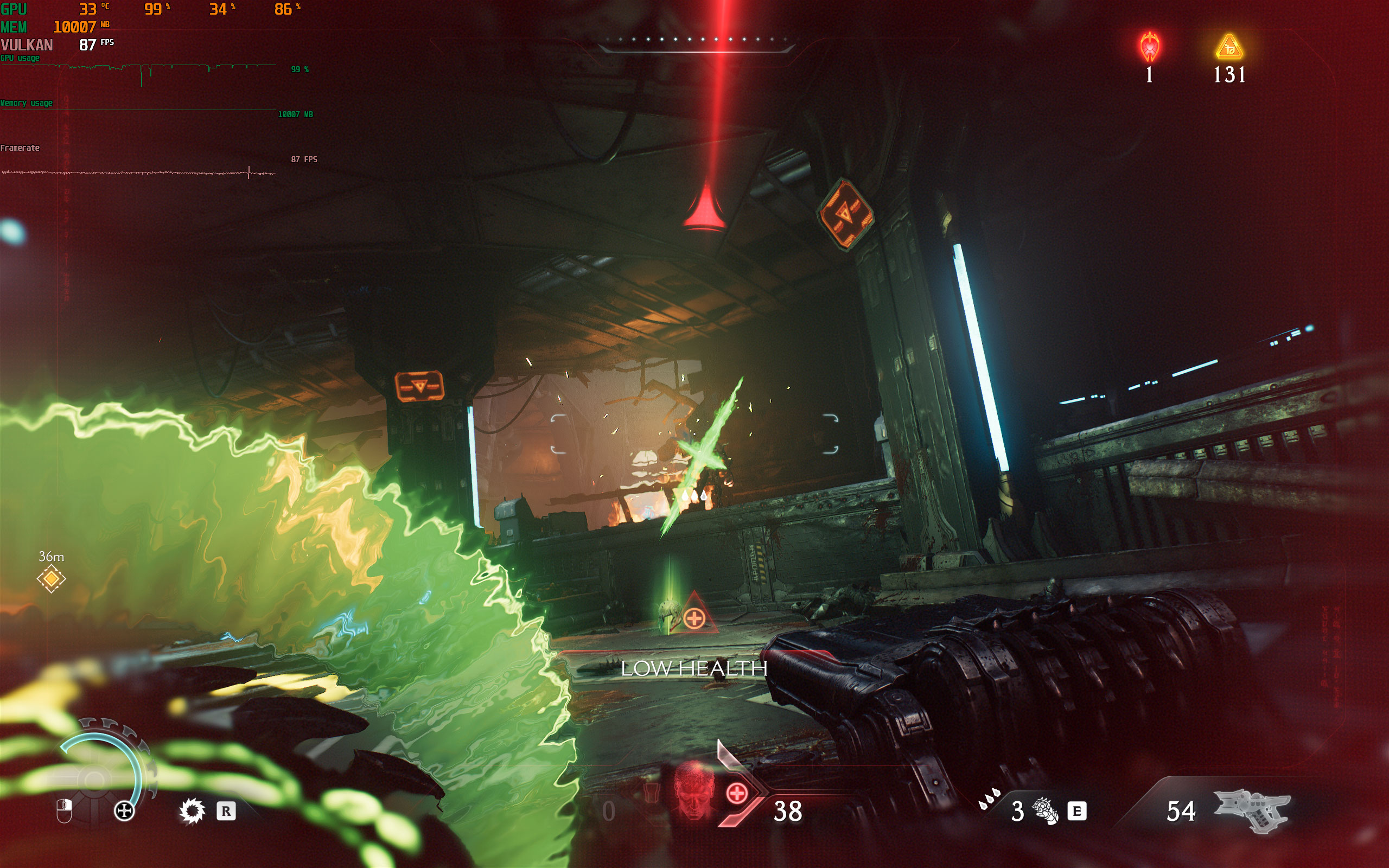
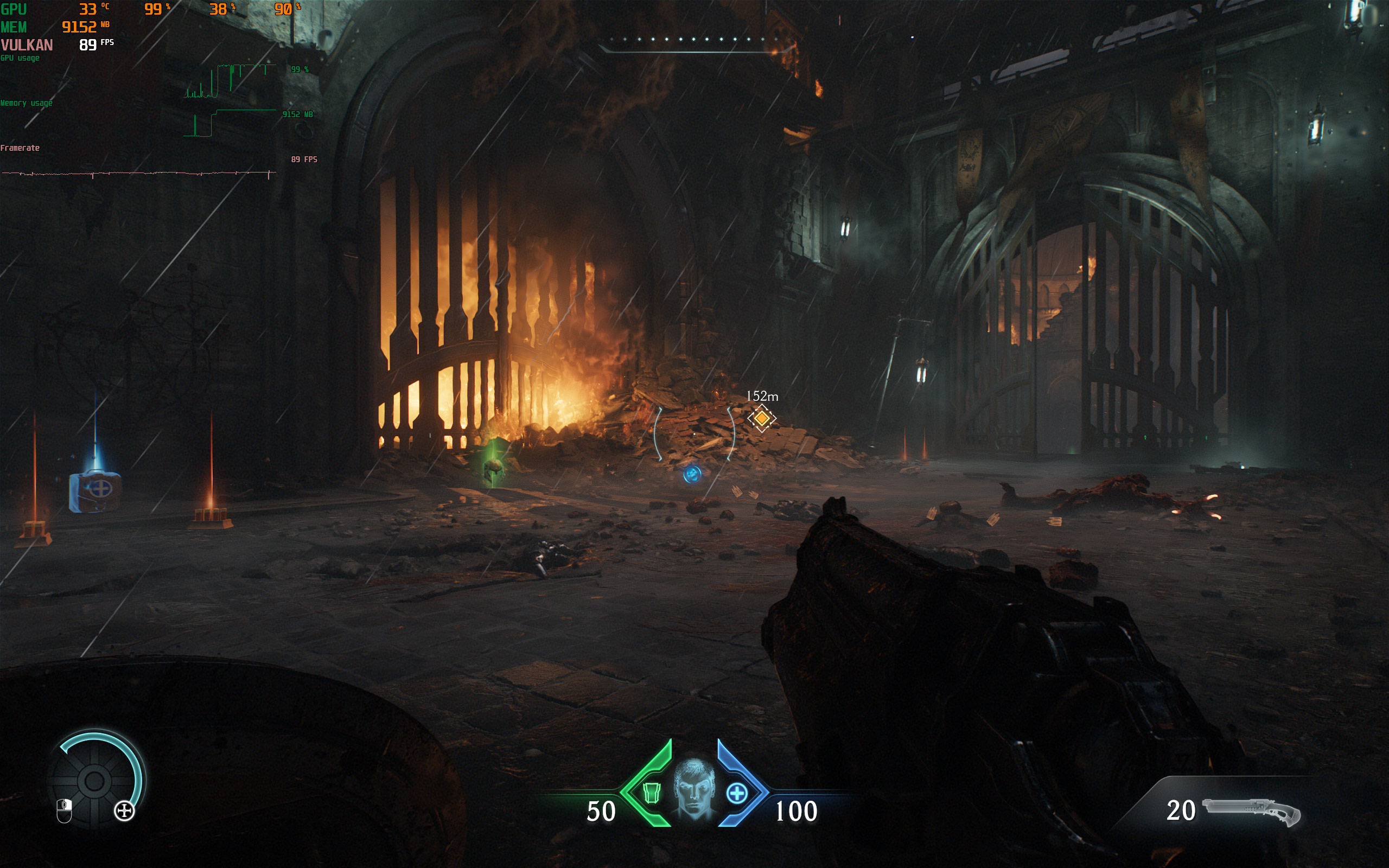
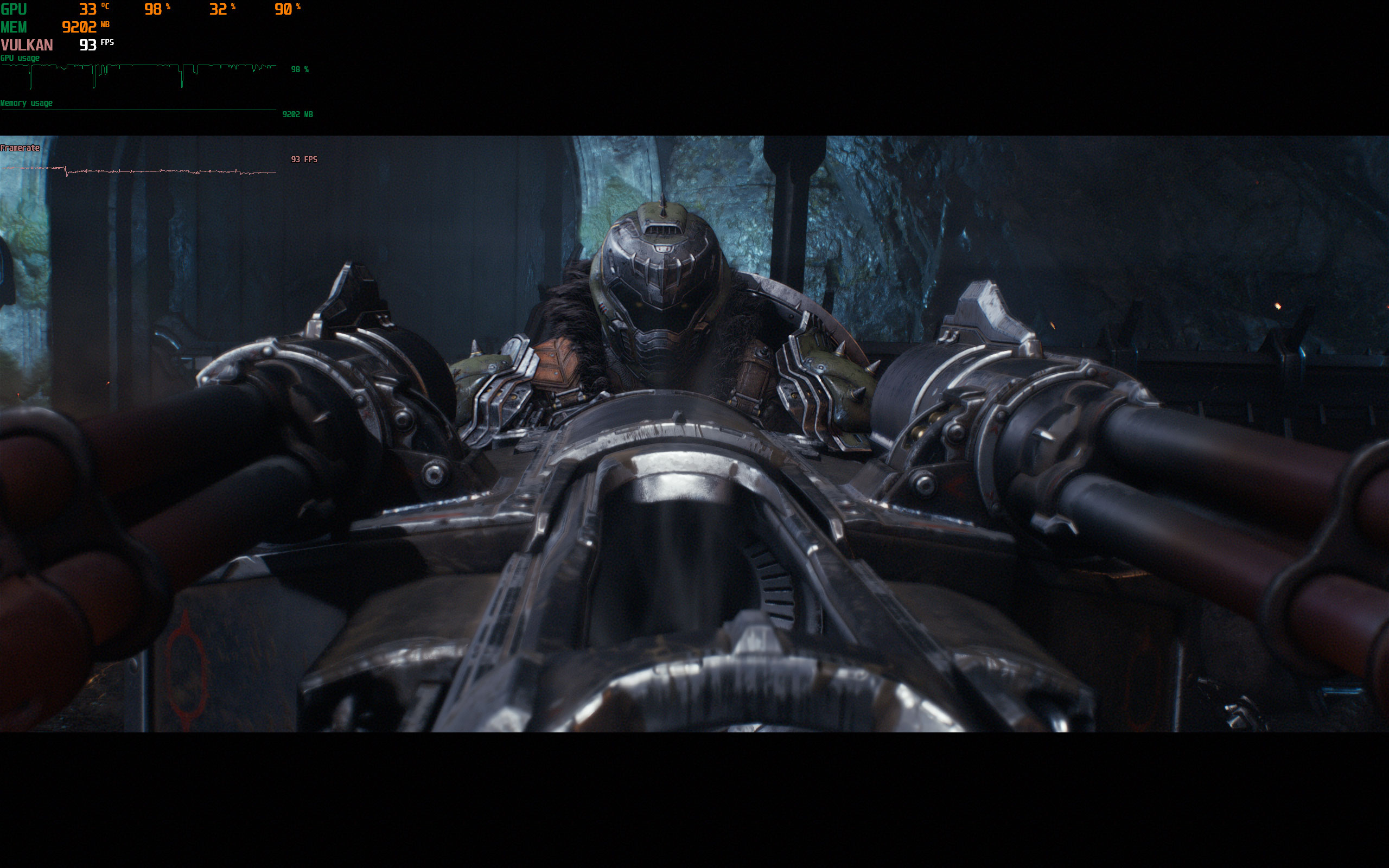
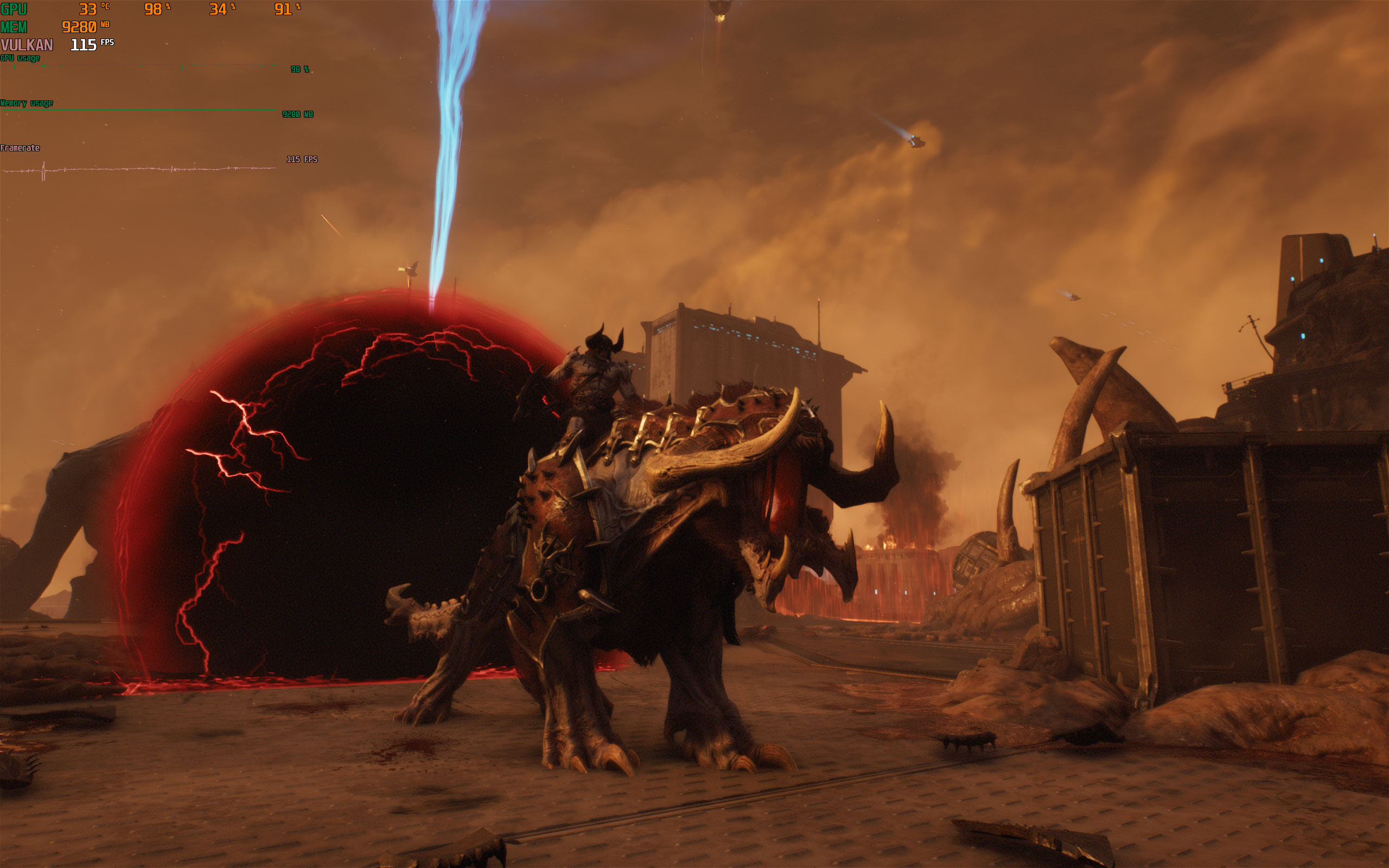
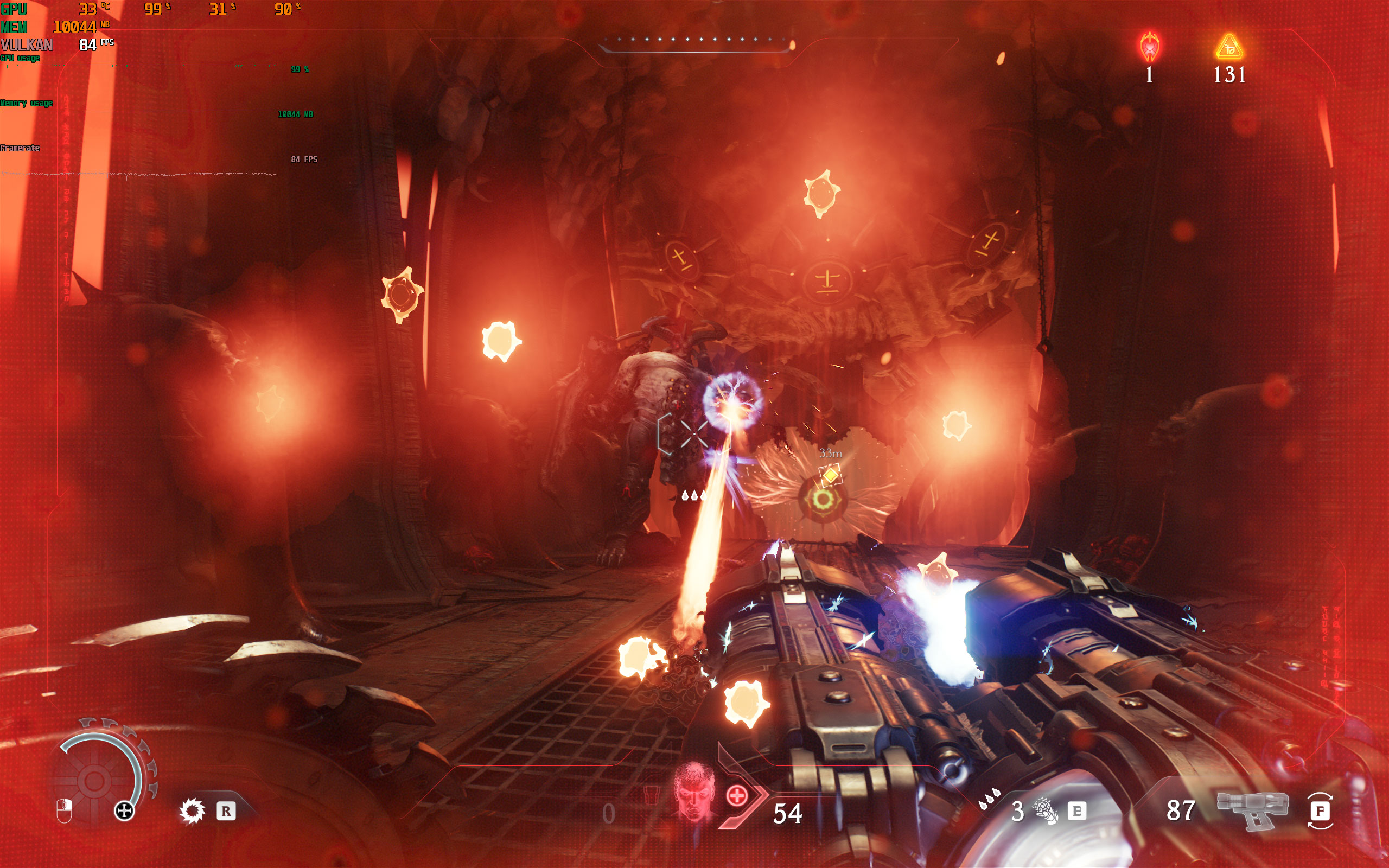
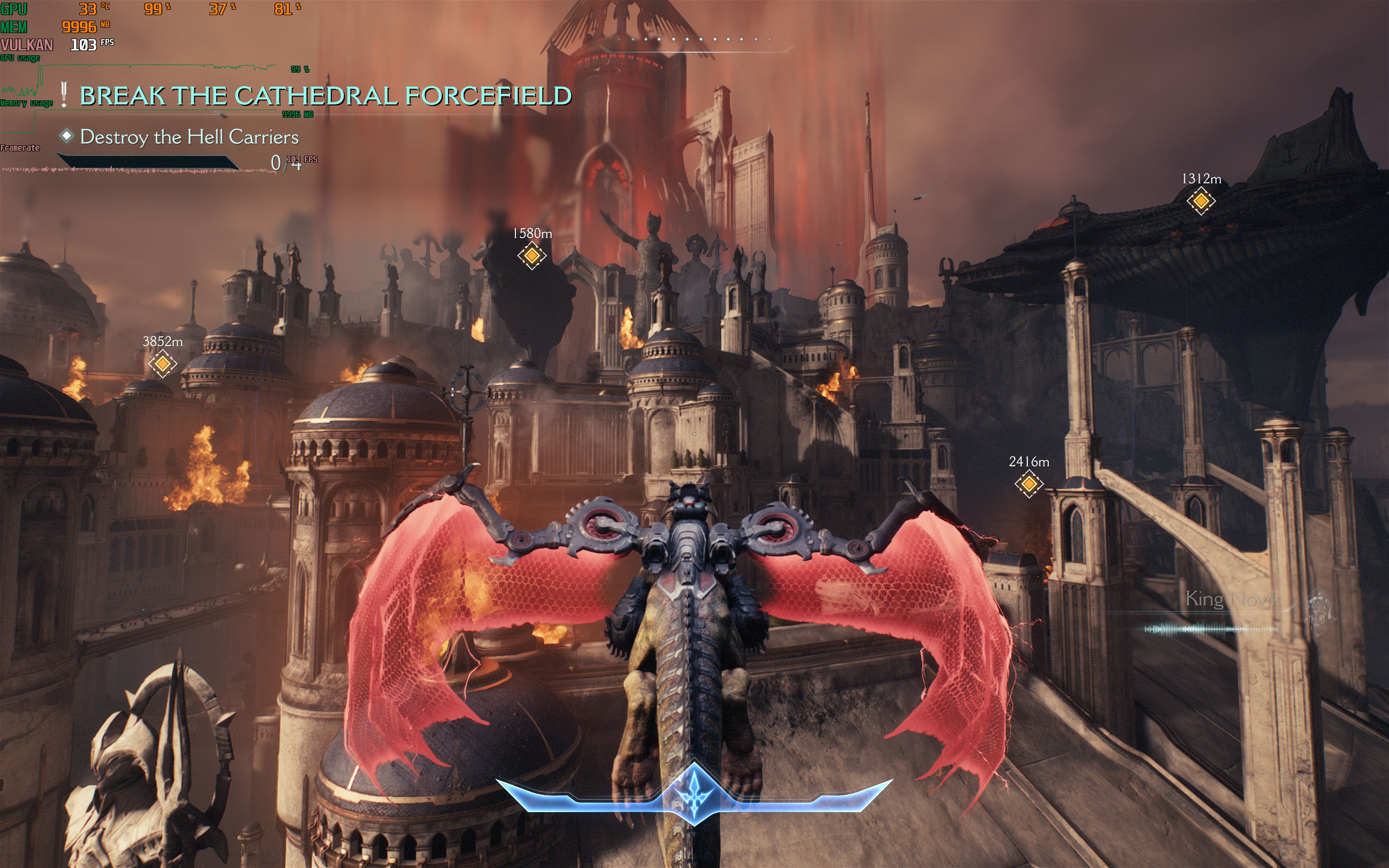
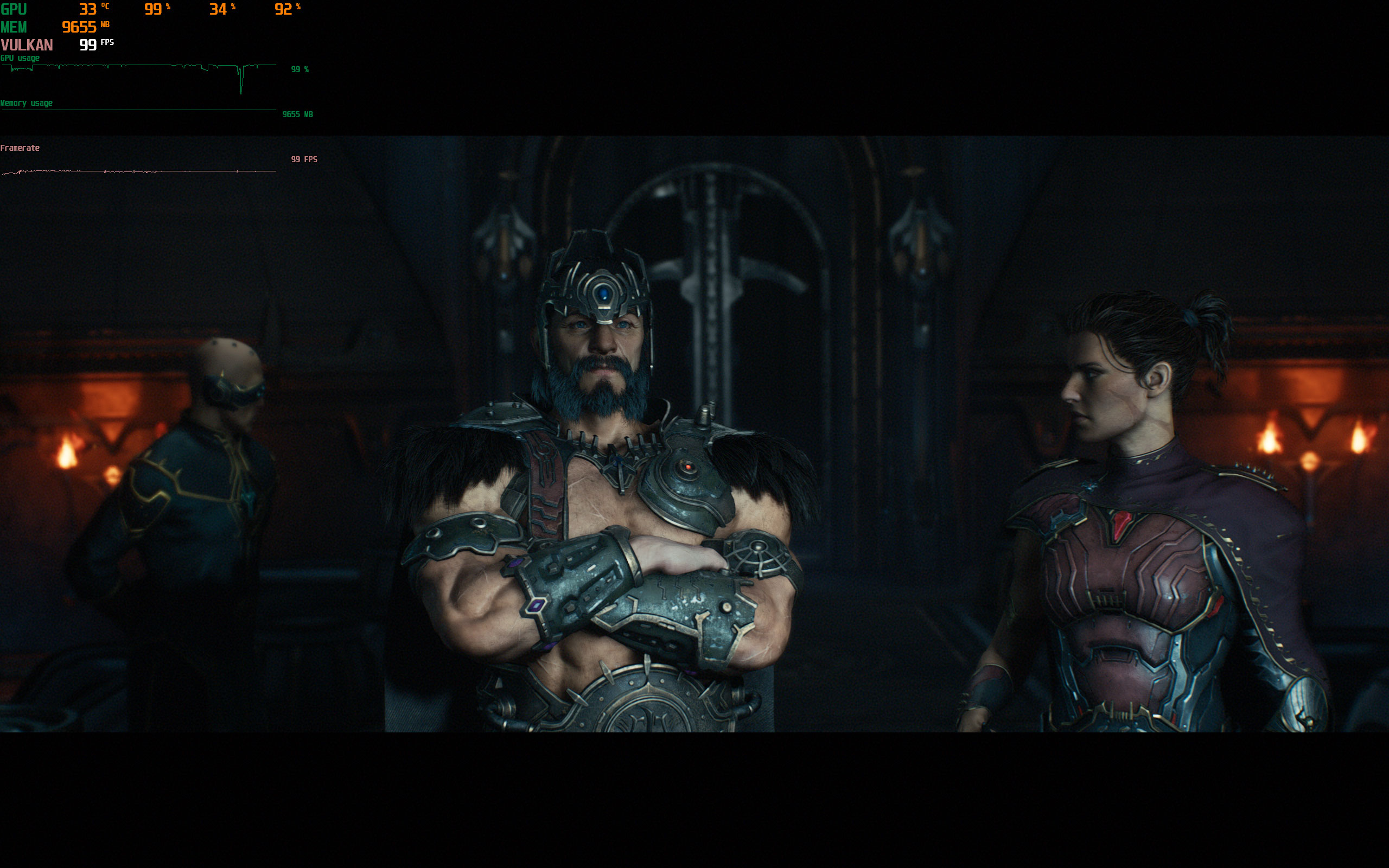
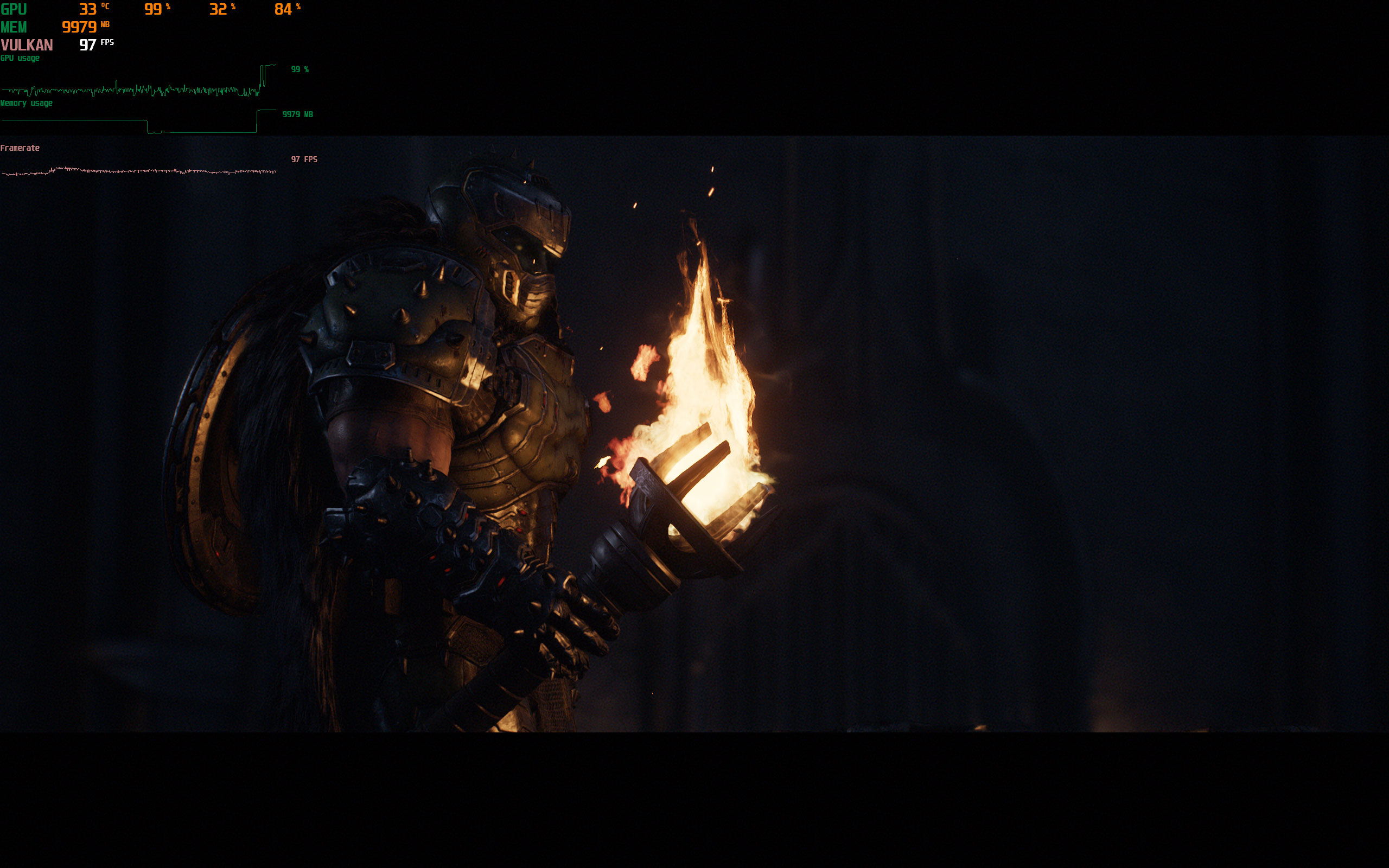
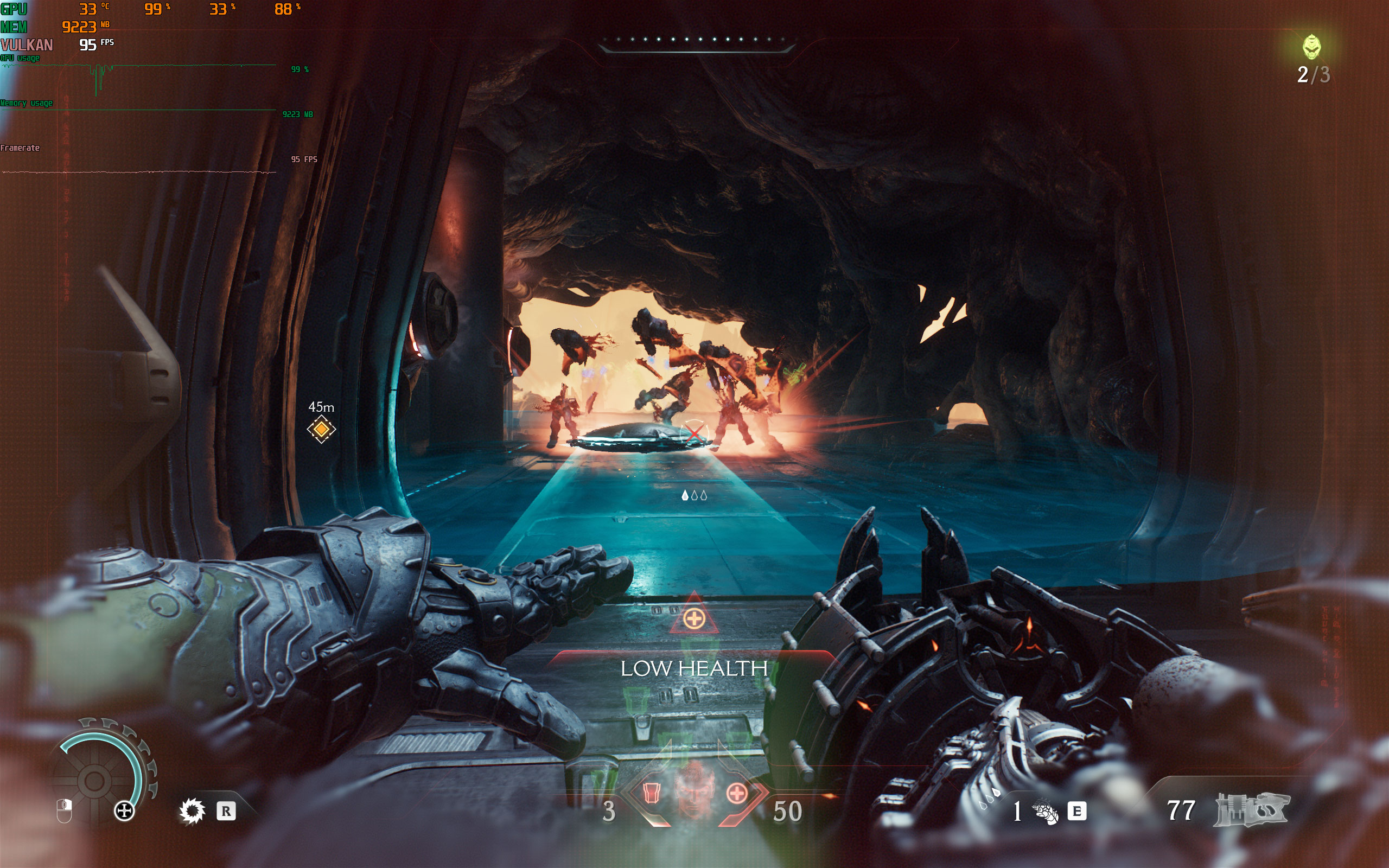
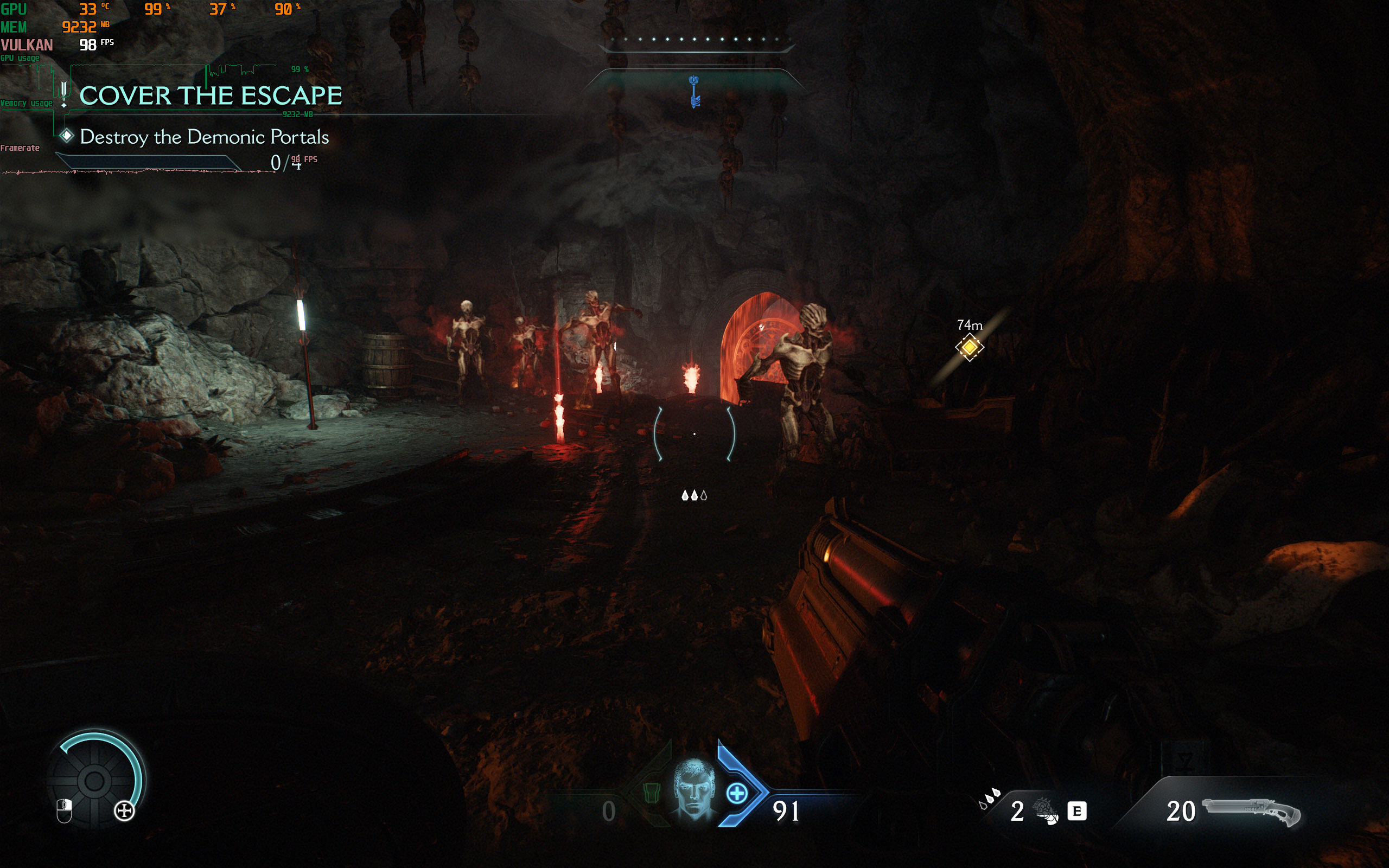
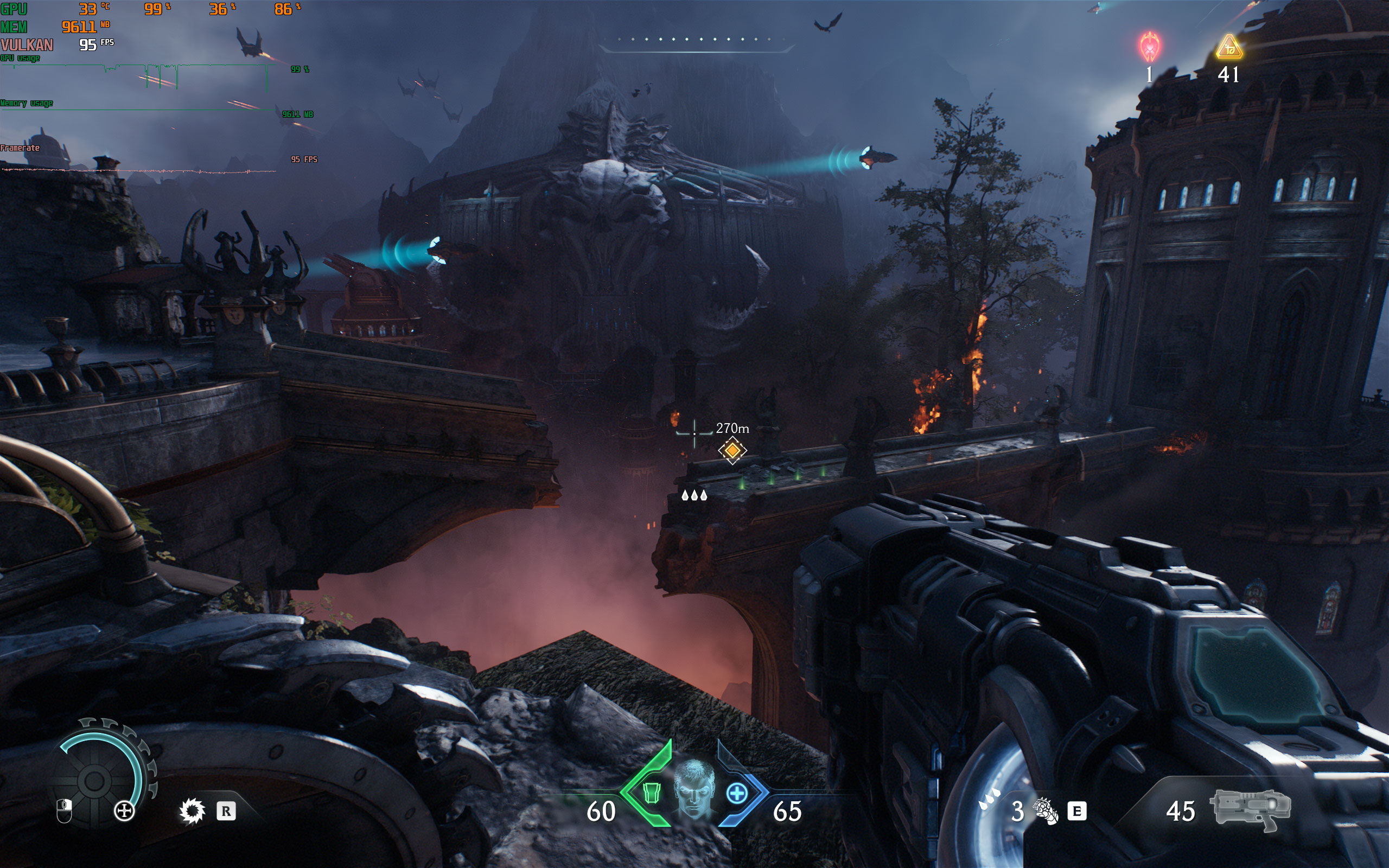
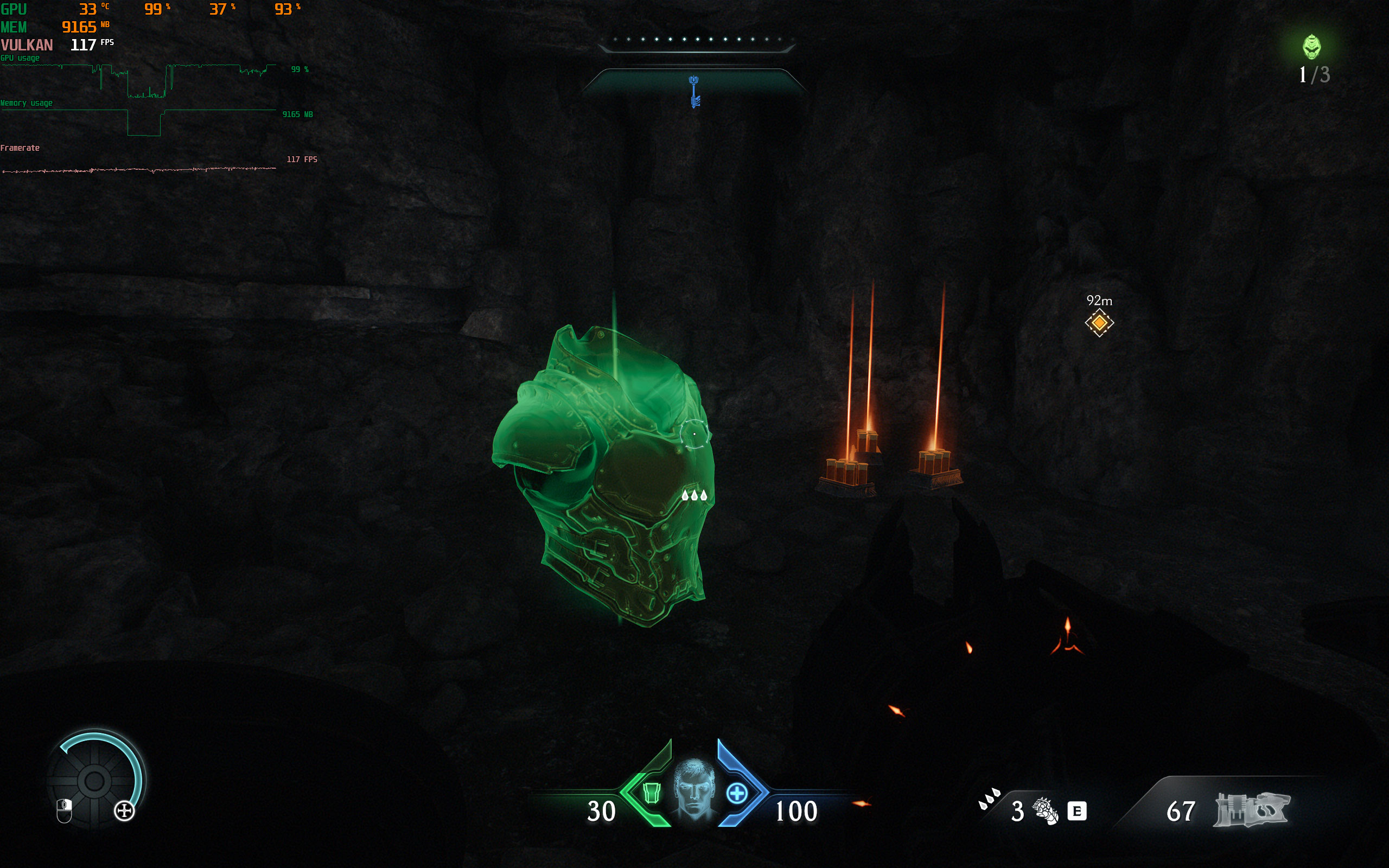
All screenshots were taken at the "ultra nightmare" settings profile with distracting effects disabled, upscalers disabled and TAA enabled. The gallery can be navigated with the cursor keys.























Graphics Settings

- The Window mode options are "fullscreen," "windowed" and "borderless"
- V-Sync can be disabled completely
- The resolution scaling mode can be set to "static", which lets you choose a fixed scaling factor between 0.5 and 1.0, and "dynamic", which lets you set a target FPS between 15 and 240 FPS. For this option to work, TAA has to be selected as upscaler.
- "Performance Metrics" give you an option to enable an overlay that shows stats, like FPS, but you can also show A LOT more engine details
- Field of View can be set between 90° and 120°. The default of 90° was too narrow for me, I definitely prefer 100°
- Distracting effects like chromatic aberration, depth of field, sharpening, film grain and motion blur can be disabled. On another screen you may adjust the HUD size and reflections, too
- Upscalers available are TSR, DLSS, FSR and XeSS
- Sharpening can be adjusted when the upscalers are active
- Both DLSS and FSR frame generation is supported, but to enable FSR frame generation you must use FSR upscaling, i.e. it can't be combined with DLSS upscaling for GeForce 30-series owners
- The available performance presets are "low," "medium," "high," "ultra," "nightmare," and "ultra nightmare"
- The Texture Pool Size option defaults to 2048 MB, which looks like a very low option, but actually the range is fairly limited. It goes from 1536 MB to 4096 MB. Unlike other games, DOOM seems to allocate a fixed-size buffer for textures that never grows or shrinks. I didn't notice any visual difference between 2048 MB and 4096 MB
- In addition to that, there's a good amount of additional options to fine-tune the performance.
Our Patreon Silver Supporters can read articles in single-page format.
Nov 18th, 2026 10:50 CST
change timezone
Latest GPU Drivers
New Forum Posts
- DTS DCH Driver for Realtek HDA [DTS:X APO4 + DTS Interactive] (2812)
- Time to upgrade CPU and MOBO (31)
- Primary DisplayPort Monitor Not Waking After Driver Updates 621.01 and 621.14 (9)
- My Final Barrier to Exclusively Using Linux has Fallen (Azure Virtual Desktops) (1)
- Will zen 6 mobos have anything extra vs current ones? (56)
- Last game you purchased? (1404)
- Very unusual two gaming-pc scenarios. (0)
- [Poll] 12V-2x6 Connector Protection: What Are You Using? (WireView / Ampinel / Equalizer / Other / Nothing) (36)
- WarpCoreBench scores! (61)
- X99 Club (188)
Popular Reviews
- Acemagic Retro X3 Review
- Upcoming Hardware Launches 2027 (Updated Nov 2026)
- AMD Zen 6 Technical Deep Dive
- ASUS ROG Strix B850-I Gaming Wi-Fi7 W Review
- Corsair HX1000i Shift Crystal Review
- Biwin Black Opal NV7400 2 TB Review
- Chieftec Iceberg PRO 360 DARK Review
- AMD Ryzen 7 9800X3D Review - The Best Gaming Processor
- Phantom Blade Zero Performance Benchmark Review - 35 GPUs Tested
- Montech King 95 3D PRO Review
TPU on YouTube
Controversial News Posts
- NVIDIA Co-Founder and CEO Jensen Huang Officially Resigns (474)
- Open Letter Asking NVIDIA to Reinstate Jensen Huang Passes 115,000 Signatures (184)
- Report: Jensen Huang Eyes NVIDIA Comeback (180)
- OpenAI CEO Argues Home PCs Waste the World's Limited DRAM Supply (152)
- NVIDIA Launches Investigation Into Jensen Huang's Relationship With Suspected Chinese Spy (136)
- Intel "Raptor Lake Next" 16-Core and 20-Core CPUs Surface (130)
- Legendary Game Studio BioWare Shuts Down Following EA Layoffs (104)
- Dell CEO Says the Memory Shortage Will Get Worse in 2027 (95)