 0
FiiO x Crinacle FHE:Eclipse In-Ear Monitors Review
(0 Comments) »Introduction

FiiO has been on a non-stop roll this year when it comes to new product releases, and we have covered plenty of their FD (dynamic driver only) and FH (hybrid driver) IEMs, as well as portable FiiO DAC/amps. I was going to mention the FiiO FA (all balanced armature series) too, especially with the new FA7s awaiting its turn, but then came along something else that took priority owing to its hot-off-the-press release. The FH3 is a hybrid driver configuration set of in-ear monitors using one dynamic and two balanced armature drivers. While it is not a new release in itself, having being released in July 2020, it is the second part in the name of the product under review today that makes the FH3, or rather the new FHE, intriguing.

Crinacle is as close to an authority when it comes to the wacky world of in-ear headphones as any, with over 1000 frequency response measurements done to date. The guy has enough experience to where there clearly are collaborative aspects with audio brands, including the Fearless Audio x Crinacle Dawn and MOONDROP x Crinacle Blessing2:Dusk, both of which are more expensive than the third such collaboration, which happens to be with FiiO and a re-tuning of the FH3. Two other partnerships have been announced since, including the recently announced Yume:Midnight with See Audio. Fittingly, the all-new FiiO x Crinacle FHE:Eclipse was announced during the recent lunar eclipse event, which I thought was hilarious, and it markets itself as a bassy IEM. Thanks to FiiO and Crinacle for arranging a review sample for TechPowerUp!
Specifications
| FiiO x Crinacle FHE:Eclipse In-Ear Monitors | |
|---|---|
| Shell: | 5-axis CNC-machined aluminium/magnesium alloy in black |
| Cable: | High-purity monocrystalline silver-plated copper |
| Driver Units: | 10 mm beryllium-plated dynamic driver, Knowles ED30262 for mid frequencies, and Knowles RAD33518 for high frequencies |
| Sensitivity: | 111 dB/mW @1 kHz |
| Frequency Response: | 10 Hz–40 kHz |
| Impedance: | 21 Ω @1 kHz |
| Cable Connectors: | 3.5 mm TRS from source to two MMCX connectors for IEMs |
| Cable Length: | 4 ft/1.2 m |
| Warranty: | One year |
Packaging and Accessories

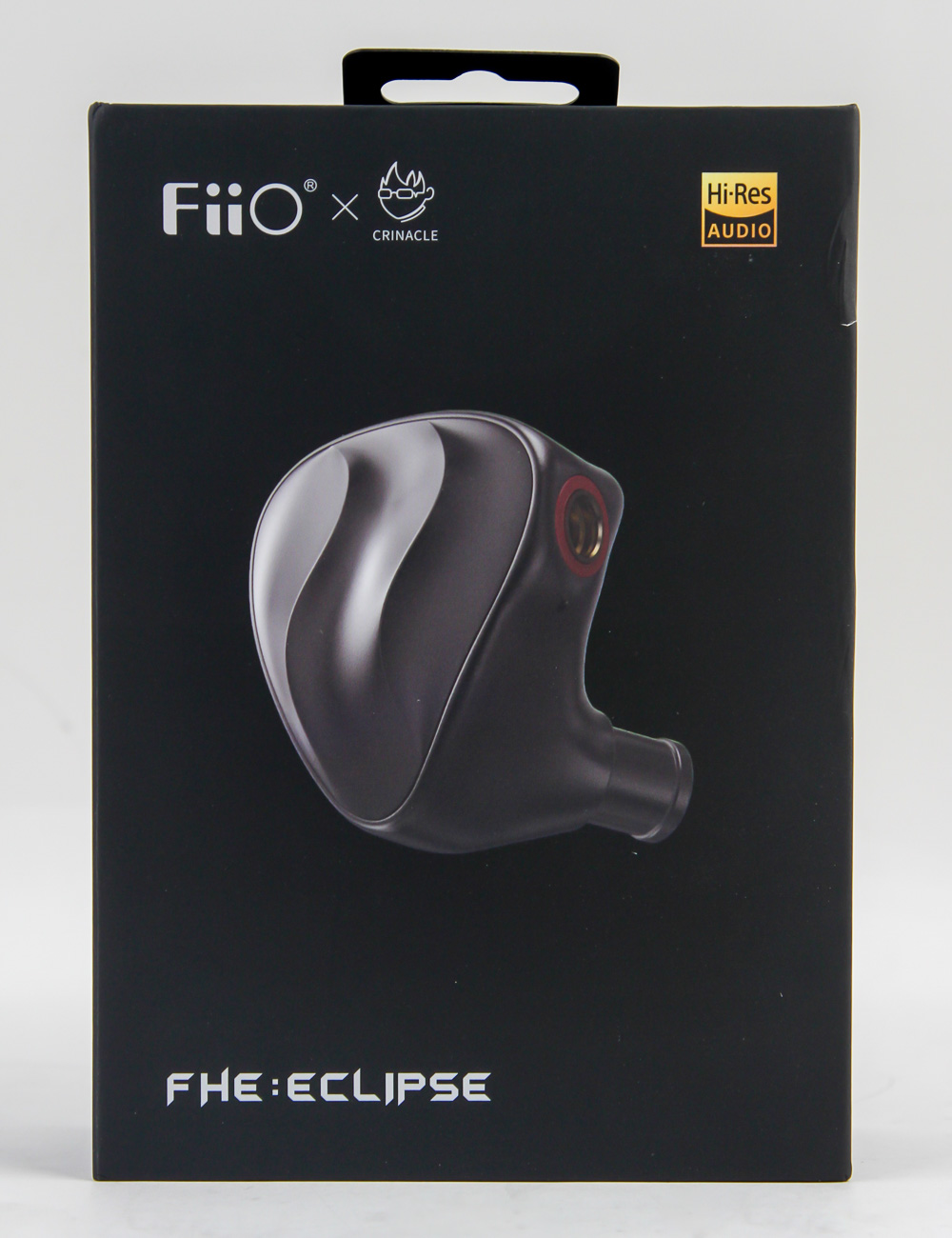
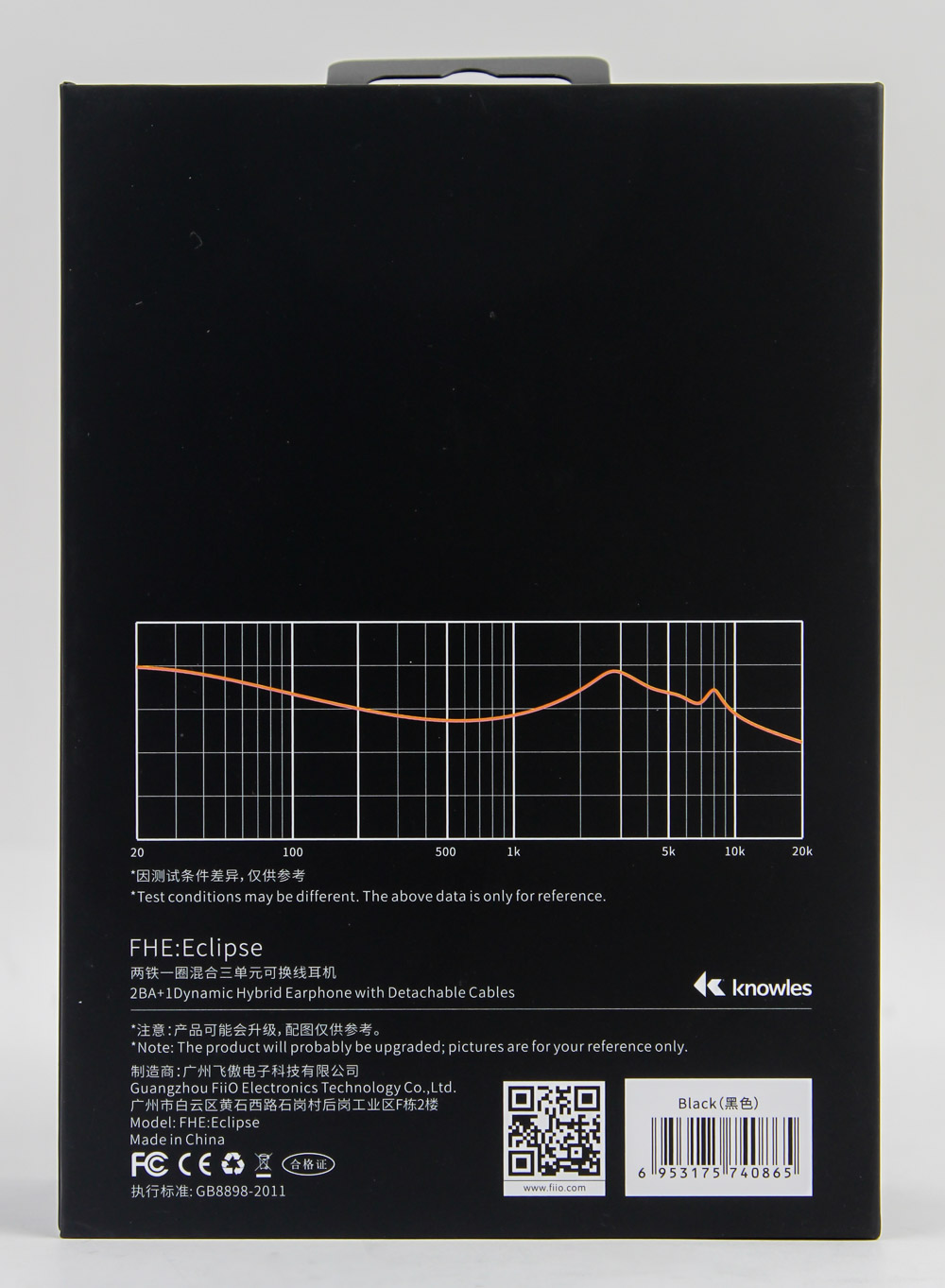
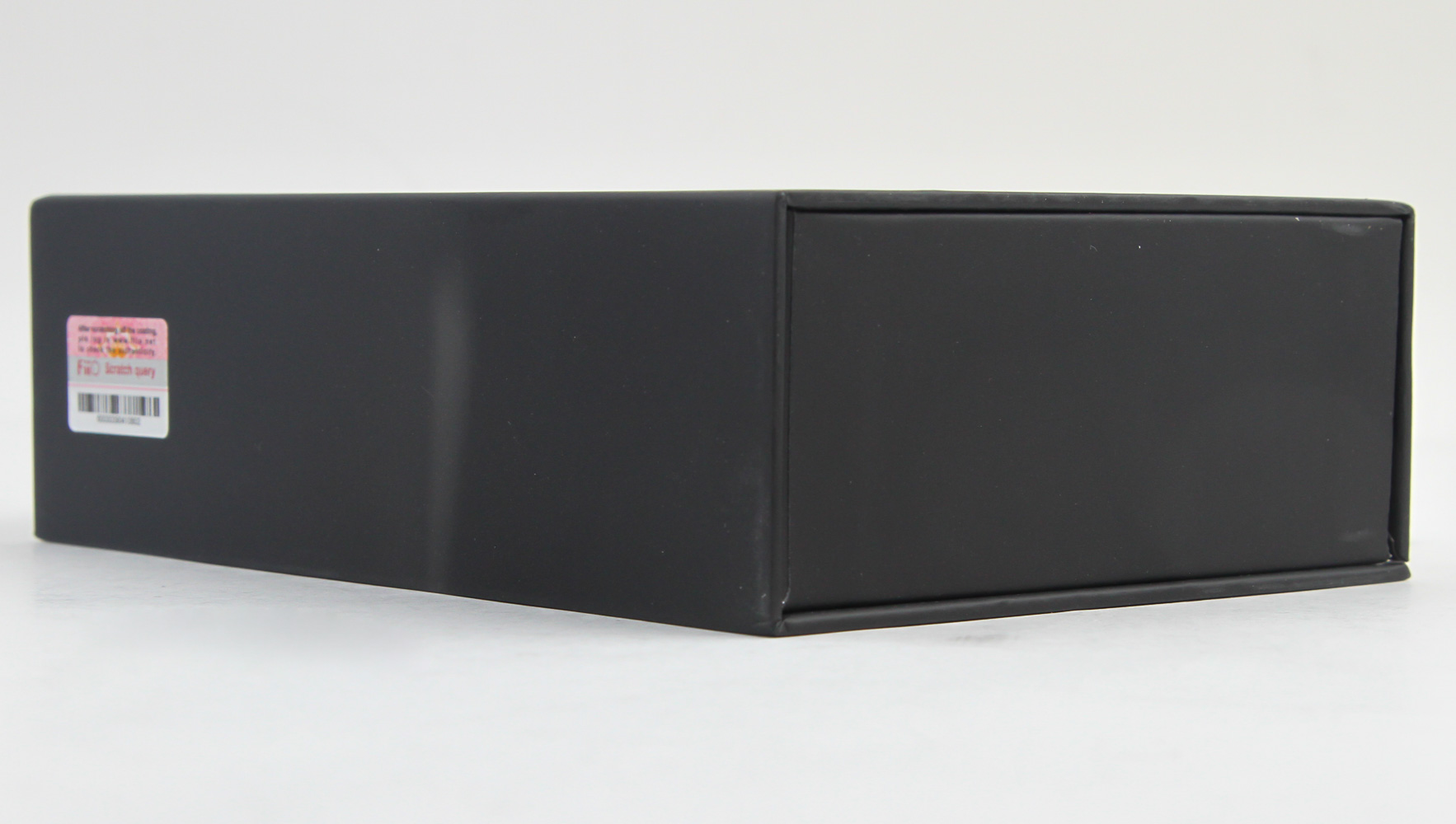
FiiO operates a web shop by itself, but the FiiO x Crinacle FHE:Eclipse I will henceforth simply refer to as the FHE:Eclipse is exclusive to SHENZHENAUDIO, an online retailer who also shipped me the product. As such, we begin with product packaging, and note that it was plenty adequate. The product box for the FHE:Eclipse comes with a plastic wrap around the black cardboard box, which in turn has a plastic hang tag that is redundant for this online-only item. On the front is a clear sign that this is a product borne out of a collaboration between FiiO and Crinacle, with the In-Ear Fidelity logo making a showing at the top to go with the now-customary Hi-Res Audio badge. The product name and a render of the right channel IEM also make an appearance here. Turning things over to the back, we see contact information for FiiO, a typical frequency response curve, and the Knowles logo to confirm the use of Knowles balanced armature drivers. As expected from a FiiO product, the box itself is substantial, with an authentication sticker on the side and a magnetic clasp holding the box shut.
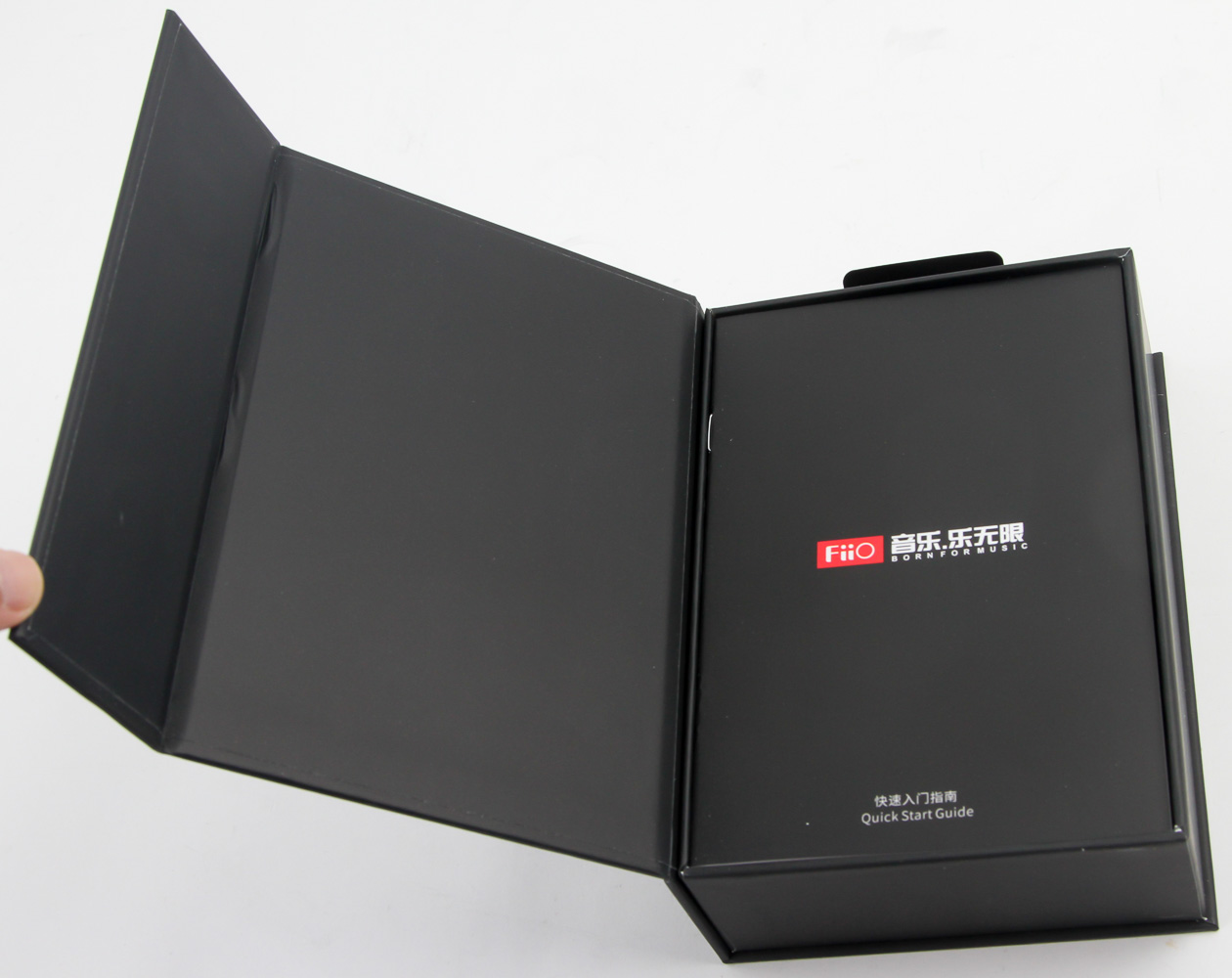
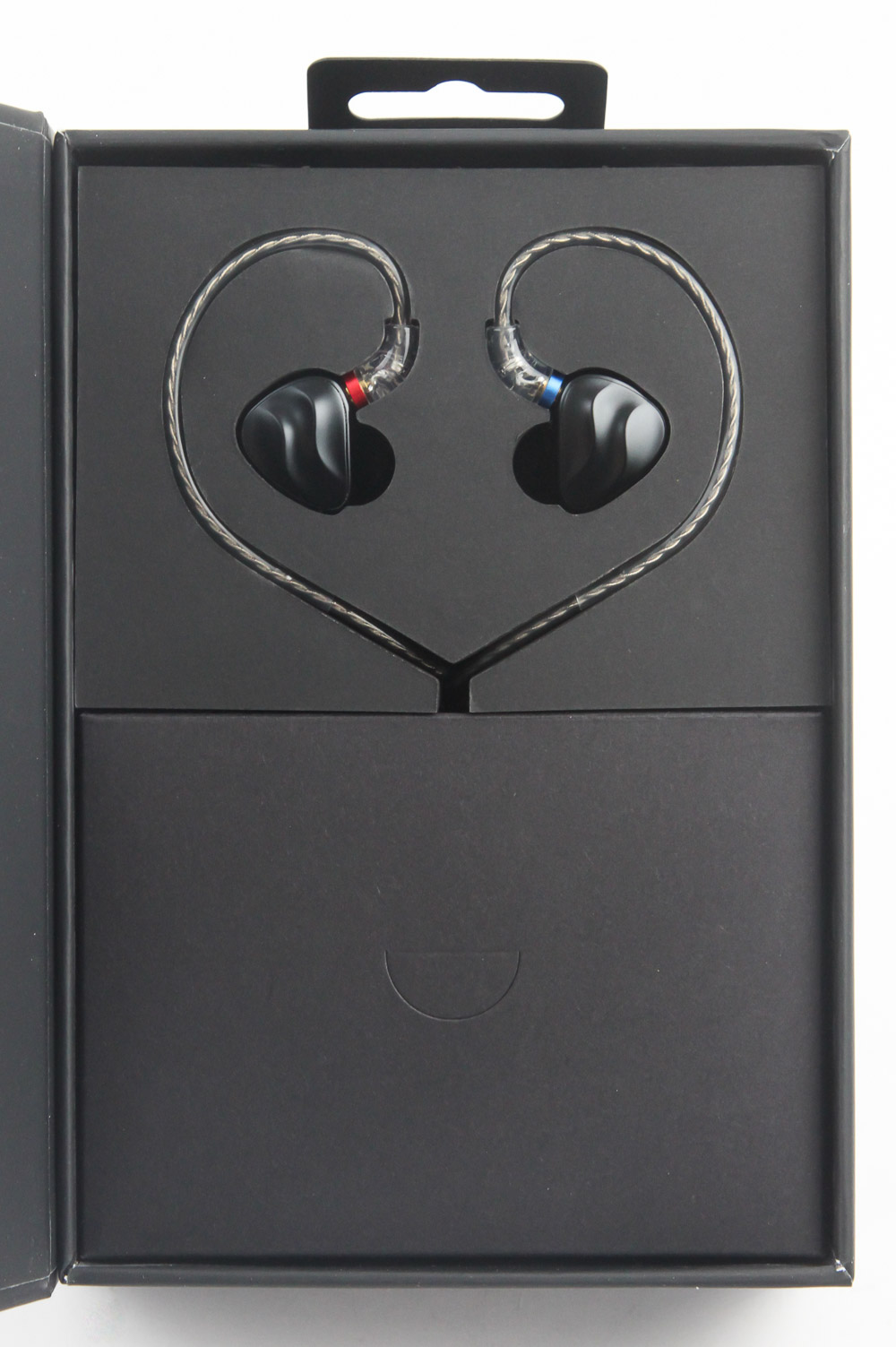
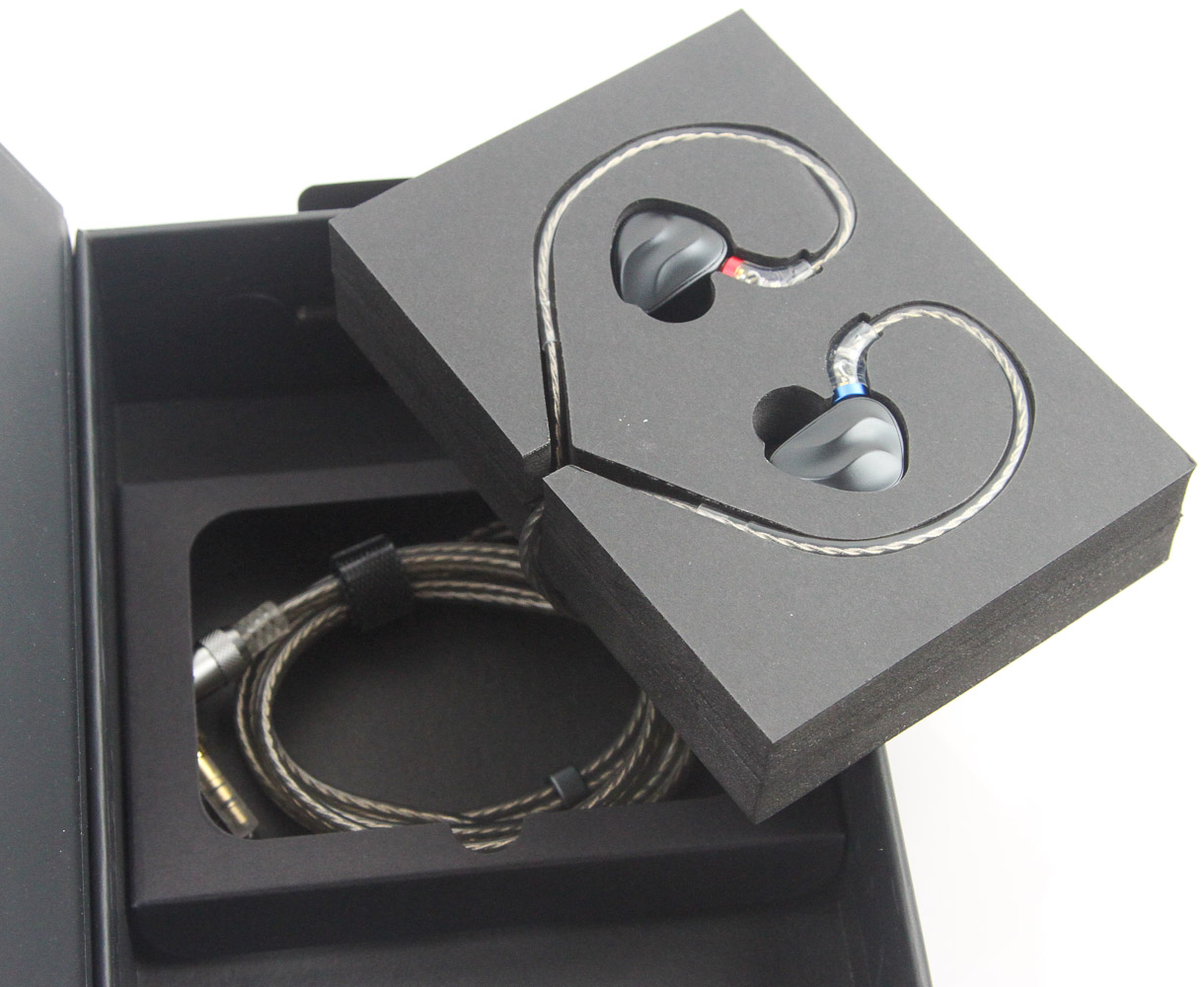
Unboxing is on the simpler side thus, and we see the box unfurl from the side akin to a hardcover book. A multi-language quick start guide greets us right away, and I encourage those new to IEMs to go through it if only to better understand how the IEM shells, ear tips, and cable come together. Below is a two-part packaging with the IEMs already connected to the stock cable, placed in machined foam cutouts in two layers of its own, as well as a cardboard box that contains the other accessories provided with the FHE:Eclipse. The packaging is taken directly from the FiiO FH3 and hasn't been updated to match the newer FiiO IEMs released this year.
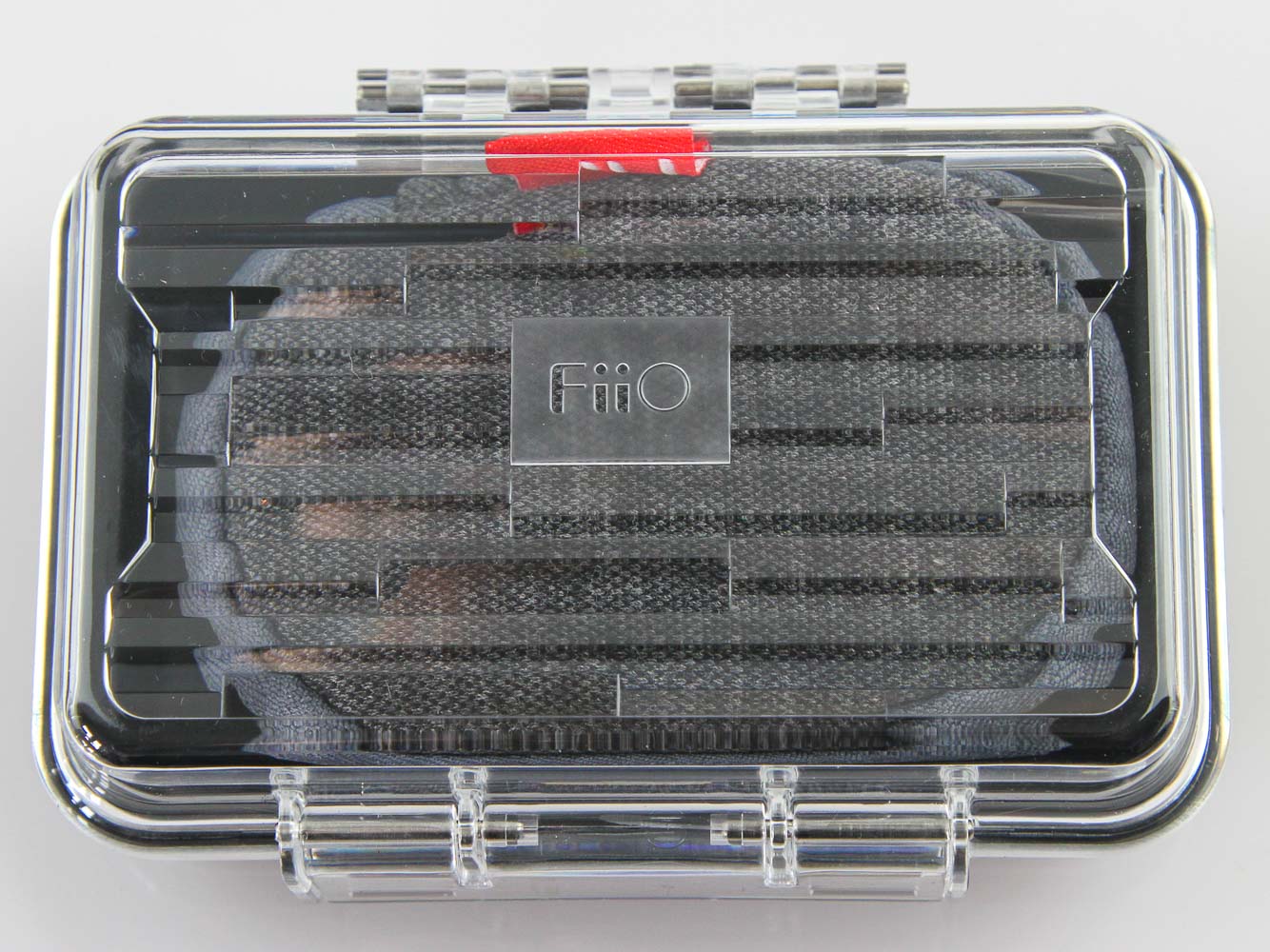
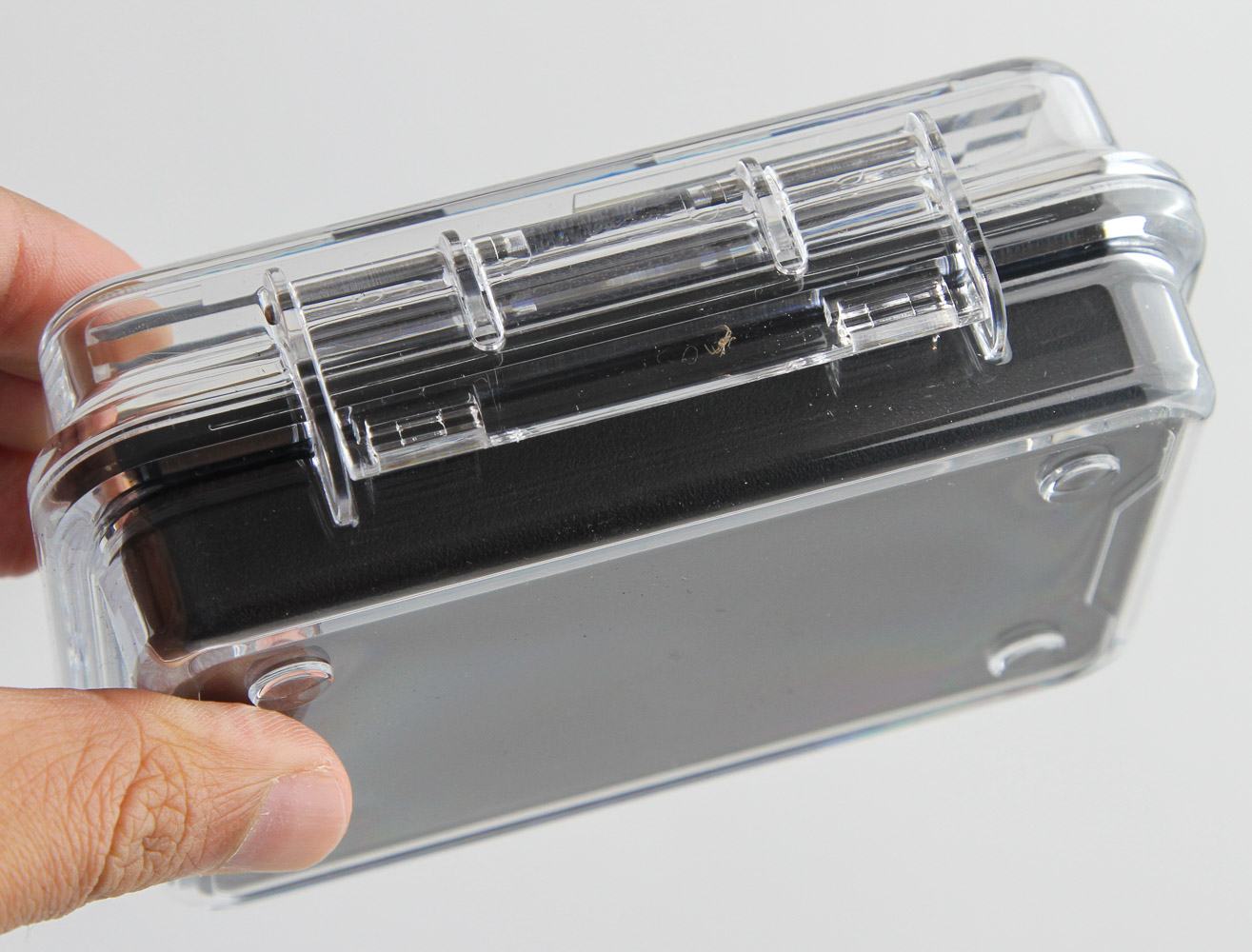
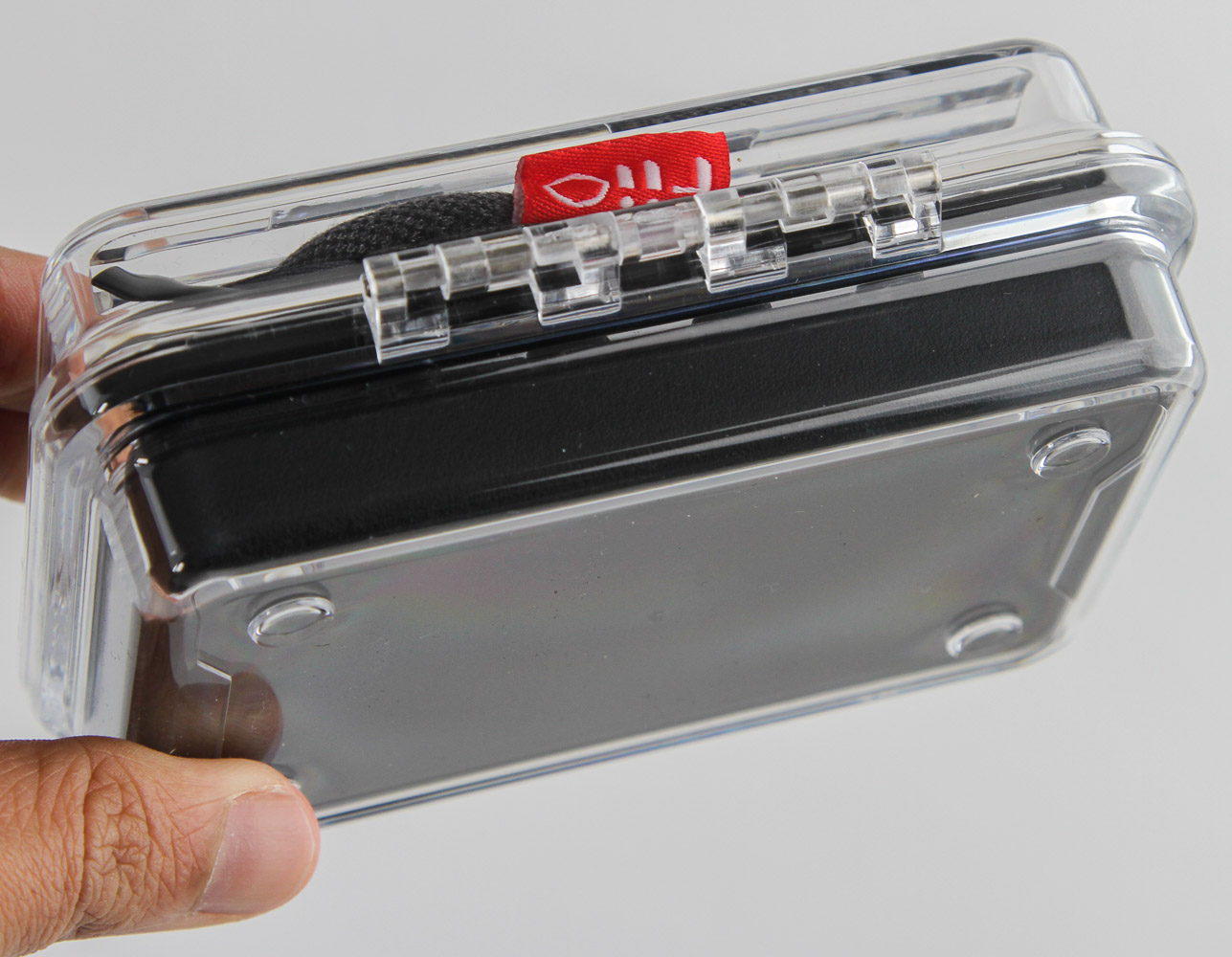
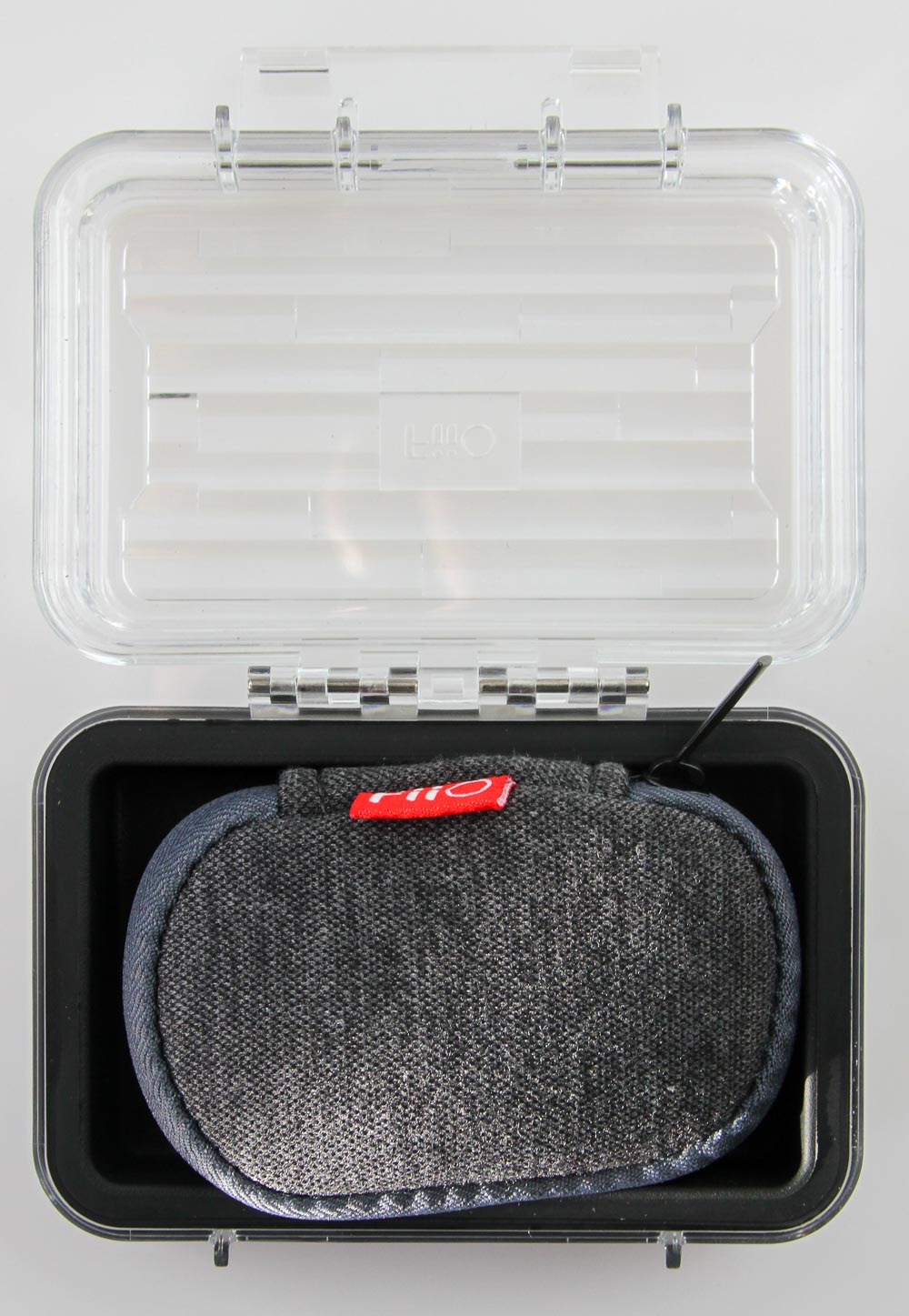
FiiO provides an updated take on its HB1 hard case with a see-through polycarbonate lid. It makes for a sturdy, element-resistant storage and travel option FiiO claims is waterproof, but that by itself is a generic claim since testing conditions are not mentioned, and the lack of an O-ring seal also makes it harder to believe. Regardless, this case with a sturdy hinge and lock on the side is a very good option for daily use given ample storage room inside. Open the case and you will see the use of thermoplastic polyurathane (TPU) for the lining material. It is relatively soft to allow for the IEMs to be placed inside without being scratched and has enough give to create a decent seal with the lid in the absence of a full O-ring seal and pressure-equalization akin to more expensive Pelican or SKB offerings.
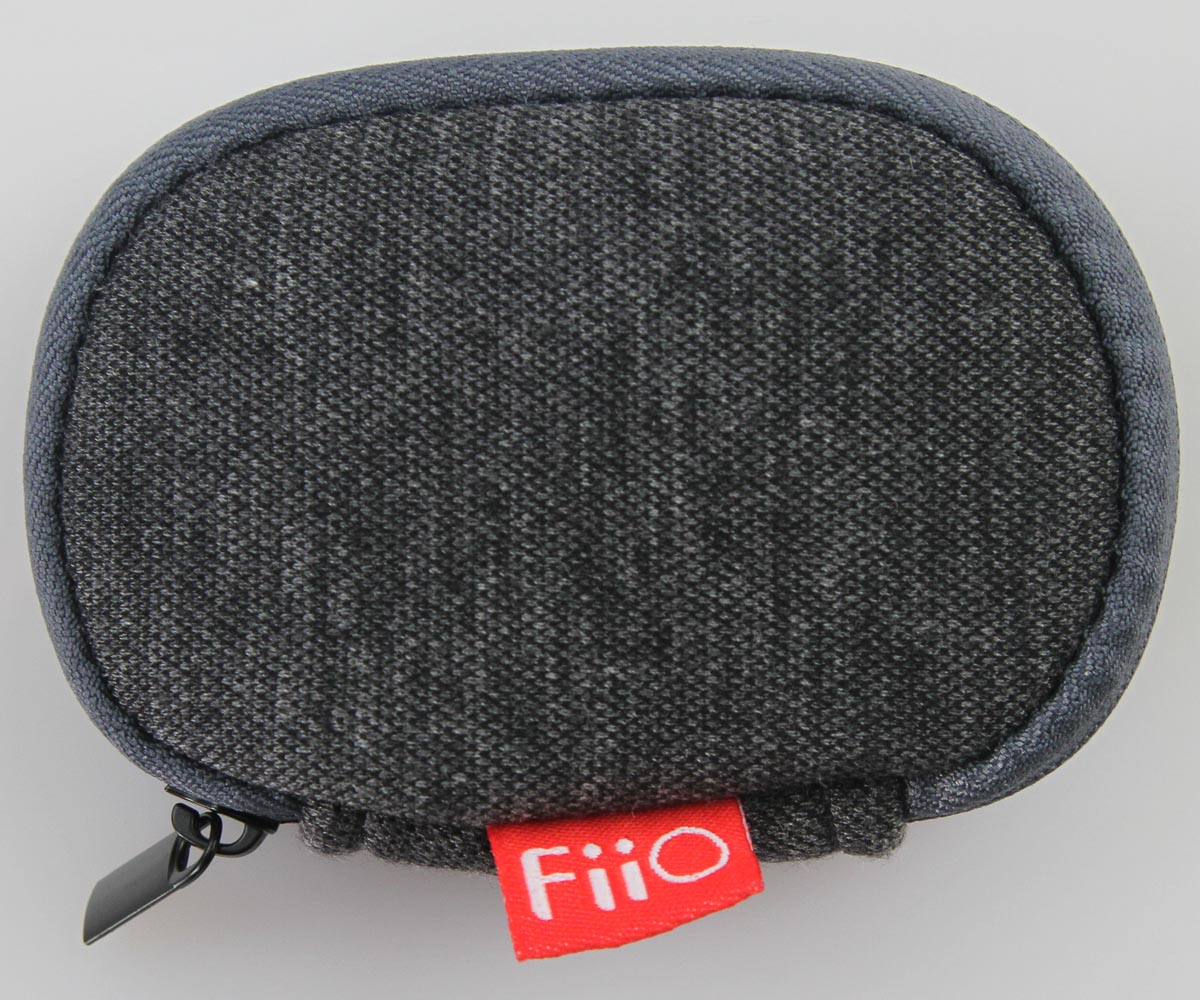
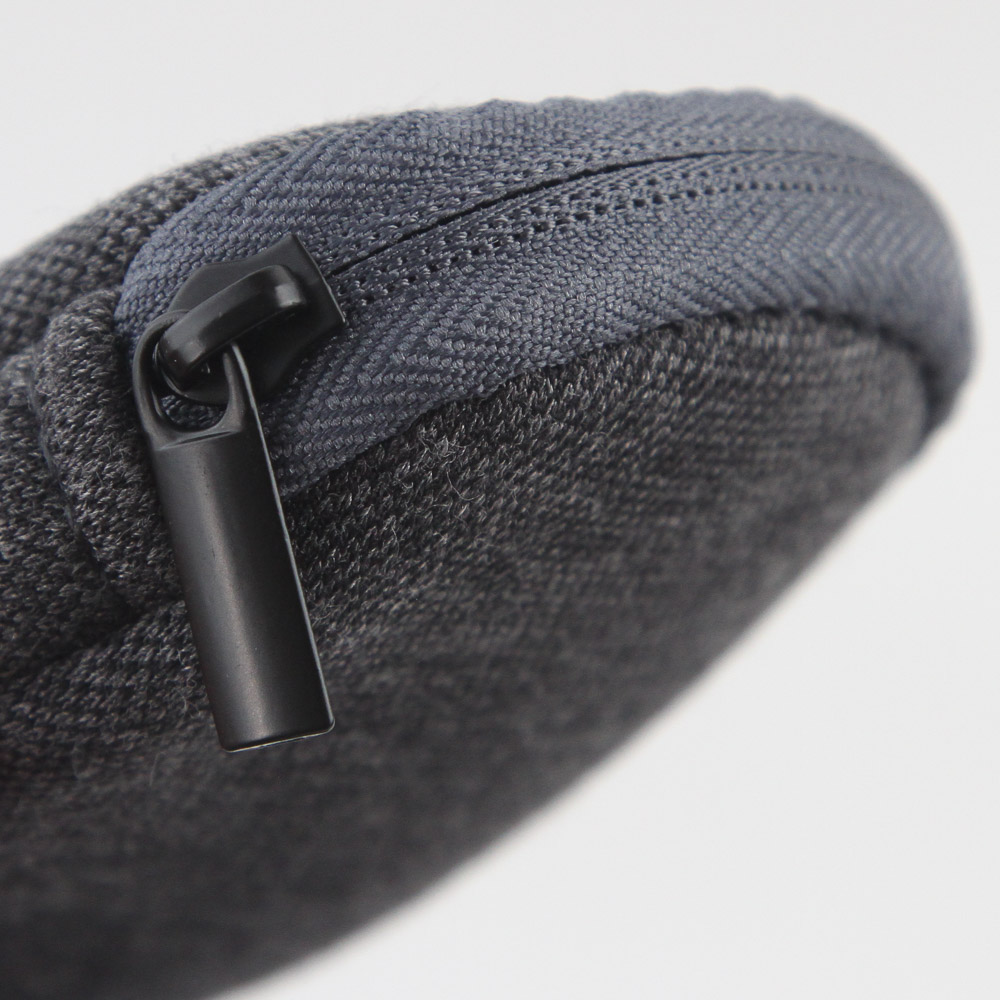
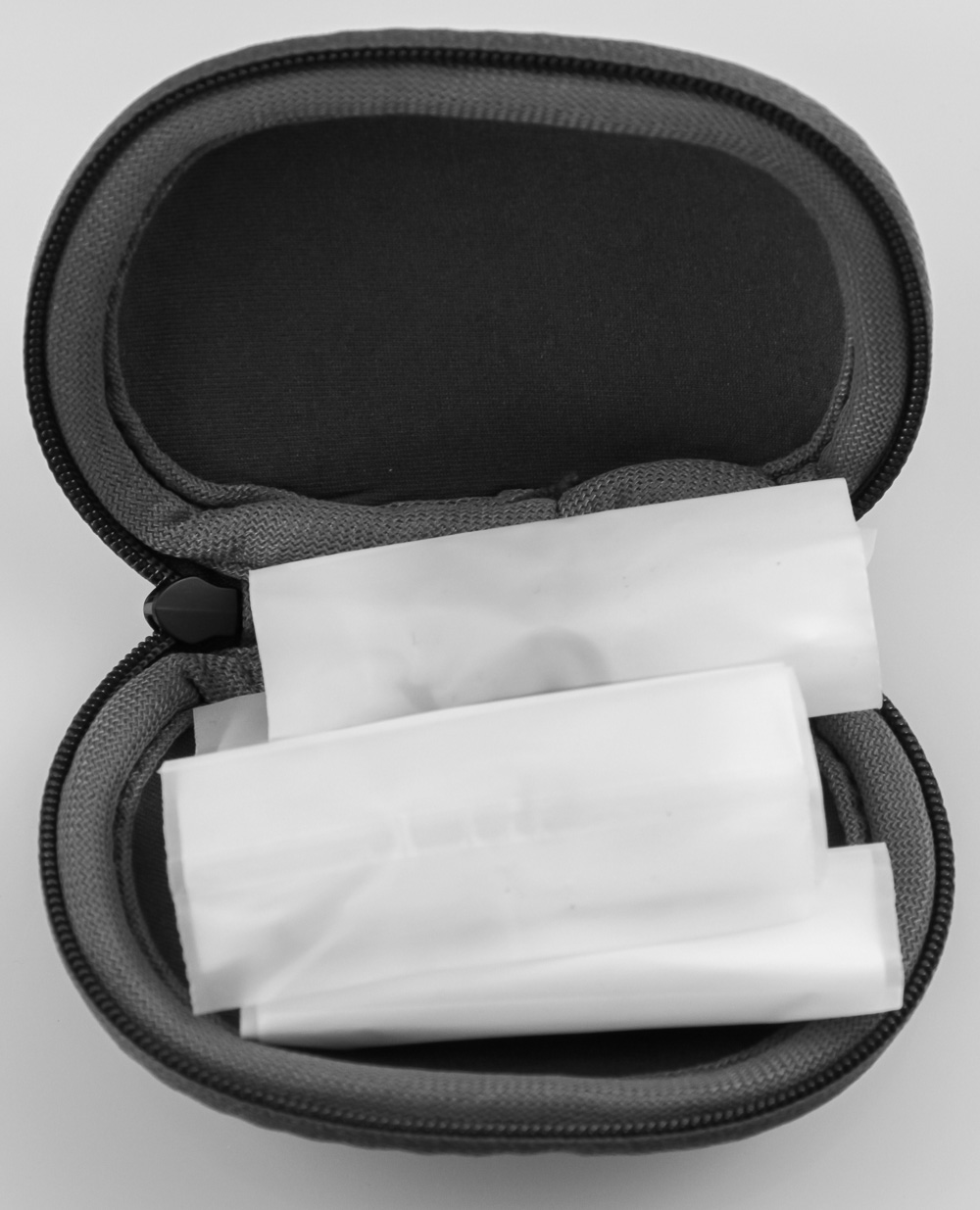
The same case came with the FiiO FD3 released earlier this year, but the FHE:Eclipse gets a second case inside the first one! It happens to be a soft carry case with the FiiO logo stitched onto the side of the canvas bag, and stitching and zipper quality is plenty satisfactory. This smaller case can also fit the IEMs with the cable, though it is a tighter squeeze than with the harder plastic case. Inside, four wax paper pouches contain ear tips, so we don't get the MMCX extraction tool or a cleaning brush as with the newer FiiO IEMs. I would have certainly wanted FiiO to include the former at the very least, especially as many struggle with MMCX connectors on IEMs and IEM cables.


Another point of contention I have here is FiiO not labeling the different ear tips this time around, instead leaving it to the customer to waste the time and figure out which of the three types of silicone ear tips are balanced, vocal-optimized, or bass-optimized—refer to this page for more on that. The various silicone tips come in S/M/L size options, with the M-sized balanced tips pre-installed on the IEMs. We also get two sets of memory foam tips, which makes for a handsome assortment of ear tips and is as expected from FiiO.


Seen above is visual confirmation of the IEMs coming with the M-sized balanced ear tips out of the box, and the cable pre-installed. While this has the FHE:Eclipse ready to be listened to right away, it is not conducive for our separate inspection of the cable and IEMs. To do so requires separating the two, meaning you need to hold an IEM shell in one hand and carefully tug at the MMCX connector on the accompanying cable channel without wiggling it around much. Do the same for the other side and we can proceed.
Our Patreon Silver Supporters can read articles in single-page format.
Nov 21st, 2026 10:08 PST
change timezone
Latest GPU Drivers
New Forum Posts
- Honestly, do you care about GTA VI? (225)
- UPS what one to get? (14)
- Can you guess Which game it is? (341)
- RX 9000 series GPU Owners Club (2251)
- Windows 11 General Discussion (7746)
- How to prevent OLED burn damage due to PC freezes or power outtages? (51)
- 1 - 5 person file storage server equivalent accasible from anywhere + general VM server. (2)
- TPU's Nostalgic Hardware Club (22182)
- [Poll] 12V-2x6 Connector Protection: What Are You Using? (WireView / Ampinel / Equalizer / Other / Nothing) (51)
- Cpu waterblock water shows some tinting = Bad? (19)
Popular Reviews
- Microsoft Surface Laptop Ultra Review - The Next-gen Arm Laptop
- Ugreen NASync DXP4800 GT Review
- Corsair RM1200e (Second Generation) Review
- Pulsar Office Tour & First Look at P1 Dual-Sensor Mouse
- Upcoming Hardware Launches 2027 (Updated Nov 2026)
- Acemagic Retro X3 Review
- Biwin Black Opal NV7400 2 TB Review
- AMD Ryzen 7 9800X3D Review - The Best Gaming Processor
- AMD Zen 6 Technical Deep Dive
- Chieftec Iceberg PRO 360 DARK Review
TPU on YouTube
Controversial News Posts
- NVIDIA Co-Founder and CEO Jensen Huang Officially Resigns (492)
- Report: Jensen Huang Eyes NVIDIA Comeback (259)
- Open Letter Asking NVIDIA to Reinstate Jensen Huang Passes 115,000 Signatures (184)
- OpenAI CEO Argues Home PCs Waste the World's Limited DRAM Supply (152)
- NVIDIA Launches Investigation Into Jensen Huang's Relationship With Suspected Chinese Spy (136)
- Intel "Raptor Lake Next" 16-Core and 20-Core CPUs Surface (130)
- NVIDIA GeForce RTX 50-Series Scheduled for up to $500 Price Hike This Week (89)
- Intel Razor Lake Gets a 12 P-Core bLLC Chip With No E-Cores, Per Leak (86)