 41
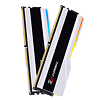
G.SKILL Trident Z5 NEO RGB DDR5-6000 96 GB CL28 Review
(41 Comments) »Value and Conclusion
- The 96 GB (2x 48 GB) G.SKILL Trident Z5 NEO RGB DDR5-6000 kit is available for around US$400
- Great for content creators or streamers
- Dual Profiles (XMP/EXPO) 1.35 V
- "Sweet Spot" for AMD Ryzen 7000/9000 users
- Good for Intel 12th/13th/14th Gen CPUs
- Unified RGB lighting
- Thermal pad on PMIC
- Limited lifetime warranty
- JEDEC 5600 MT/s supported
- Subpar stock performance (in comparison to 2x 16 GB kits)
- Pricey
Now that we have benchmarked this memory, it is time to put everything into perspective. We will go over which platform this memory kit is best suited for, what G.SKILL could improve upon to make a better product, and finish up on a positive note.
As has been noted earlier in the review, this particular G.SKILL memory kit has a measurable performance gap compared to its peers at lower resolutions. Though that statement is a misleading without some context. To recap, investigating the underlying cause led us to tRFC timings within the EXPO/XMP 6000 MT/s profile. This issue is not exclusively isolated to G.SKILL either. Simply by having larger ICs (3 vs 2 GB), these timings must be increased to stay within specifications. When comparing 16 GB to 24 GB DIMMs, there will be a clear regression in gaming performance memory latency sensitive games at stock.
The memory kit in question here offers decent performance out of the box, but to unlock its full potential, users will have to change timings manually. By manually tweaking the EXPO/XMP settings, you can bring this kit's performance on par with G.SKILL 2x16 GB kits, and kits from other well-regarded brands like Team Group, KLEVV, Corsair, Kingston and XPG. This adjustment is particularly beneficial for those using 2x 24 GB or 2x 48 GB configurations. However, for users who aren't comfortable with manual adjustments and prioritize the highest framerates, especially in esports titles or when gaming at lower resolutions with a high-end graphics card, it might be worth considering a 32 or 64 GB kit instead. This ensures optimal performance without the need for additional tweaks by the user.
Moving onto system compatibility. Since DDR5's debut in 2021, we have seen multiple generations of Intel and AMD processors. 6000 MT/s (DDR5-6000) memory has been a reliable choice for Intel and AMD systems, as compatibility issues were minimal even when DDR5 debuted with Intel's 12th Generation processors in 2021. As for AMD, determining the best match for memory configurations on Ryzen 9 7000 and 9000 series CPUs hasn't changed either, as both generations share the same CPU memory controller (IMC).
The G.SKILL Trident Z5 NEO series is designed and marketed primarily for AMD users but also functions effectively on Intel-based computers. G.SKILL ensures consumers are aware of the memory kit's intended use for AMD systems and our complaint in the last review was the lack of an extra XMP profile, because why not?. To our pleasant surprise this kit has both XMP and EXPO DDR5-6000 memory profiles. AMD's EXPO (Extended Profiles for Overclocking) is an open standard created to rival Intel's XMP (Extreme Memory Profile), established as the industry standard since 2007. On Intel systems that do not support EXPO, this Trident Z5 NEO memory kit has an XMP profile. The fallback for both systems when no profile is enabled is "up to" DDR5-5600, following JEDEC specifications.
DDR5-6000 is AMD "Sweet Spot" for the Ryzen 7000/9000 series for a good reason. This is the golden zone for these CPUs, for simple plug and play compatibility and price to performance output. Using memory beyond 6400 MT/s has its own set of potential compatibility issues, from lacking motherboard support, to increased latency when changing the CPU memory controller to a 2:1 ratio (UCLK:MCLK/2). Since AMD switched from a monolithic die configuration to the CCD (Core Complex Die) that is used in all Ryzen CPUs, DRAM memory latency has been a big part in the generating the highest frame-rates in games. AMD 3D V-Cache often removes the system memory latency as a performance factor in games due to the immense size of the L3 CPU cache. Those not using an AMD X3D CPU will have to pay closer attention to memory latency for optimal frame-rates in games.
Even though the AMD platform is the primary target for this G.SKILL Trident Z5 NEO memory kit, we did run a number of benchmarks on two Intel CPUs to give a better representation of which platform may benefit the most. Intel users utilizing 12th, 13th or 14th Generation processors will find higher bandwidth often outperforms lower frequency memory with equally good latency. With the architectural redesign of the next-generation Intel Ultra 200 series, lower latency has become a priority—similar to AMD's approach. However, as a direct result of its architectural shift from a monolithic to a tile-based die design, memory latency is much higher regardless of the XMP/EXPO profile used. Users can make manual adjustments to the CPU Ring Cache and Die-to-Die (D2D) ratio which will yield a noticeable performance increase, but that is also outside the scope of most user's willingness to overclock the CPU, thankfully Intel offers a one click 200S Boost profile, that is covered under warranty and achieves similar positive results.
While 96 GB of system memory may seem excessive to casual users, it has a solid use case for content creators. Running software like Open Broadcaster Software (OBS), using Discord, and keeping browser tabs open while streaming live on Twitch or YouTube is all more manageable with increased memory capacities, making previously difficult workflows a seamless experience. When focusing on editing, being constrained to one program at a time because of limited memory makes simple projects tedious and drawn out. That is resolved with more system memory, without sacrificing major gaming performance, especially compared to kits running at JEDEC memory timings, which this kit outperforms.
With that, it's time to wrap up this review. DDR5-6000 remains a solid choice for AMD Ryzen 7000/9000 series owners. The 96 GB of memory capacity offers numerous ways to enhance workflows across editing and livestreaming. What truly sets the G.SKILL Trident Z5 NEO apart from its high-capacity basic JEDEC counterparts is its impressive gaming performance. There's no need to significantly compromise system performance for memory capacity anymore, making it an ideal option for those seeking straightforward plug-and-play functionality without sacrifice.


As has been noted earlier in the review, this particular G.SKILL memory kit has a measurable performance gap compared to its peers at lower resolutions. Though that statement is a misleading without some context. To recap, investigating the underlying cause led us to tRFC timings within the EXPO/XMP 6000 MT/s profile. This issue is not exclusively isolated to G.SKILL either. Simply by having larger ICs (3 vs 2 GB), these timings must be increased to stay within specifications. When comparing 16 GB to 24 GB DIMMs, there will be a clear regression in gaming performance memory latency sensitive games at stock.
The memory kit in question here offers decent performance out of the box, but to unlock its full potential, users will have to change timings manually. By manually tweaking the EXPO/XMP settings, you can bring this kit's performance on par with G.SKILL 2x16 GB kits, and kits from other well-regarded brands like Team Group, KLEVV, Corsair, Kingston and XPG. This adjustment is particularly beneficial for those using 2x 24 GB or 2x 48 GB configurations. However, for users who aren't comfortable with manual adjustments and prioritize the highest framerates, especially in esports titles or when gaming at lower resolutions with a high-end graphics card, it might be worth considering a 32 or 64 GB kit instead. This ensures optimal performance without the need for additional tweaks by the user.
Moving onto system compatibility. Since DDR5's debut in 2021, we have seen multiple generations of Intel and AMD processors. 6000 MT/s (DDR5-6000) memory has been a reliable choice for Intel and AMD systems, as compatibility issues were minimal even when DDR5 debuted with Intel's 12th Generation processors in 2021. As for AMD, determining the best match for memory configurations on Ryzen 9 7000 and 9000 series CPUs hasn't changed either, as both generations share the same CPU memory controller (IMC).
The G.SKILL Trident Z5 NEO series is designed and marketed primarily for AMD users but also functions effectively on Intel-based computers. G.SKILL ensures consumers are aware of the memory kit's intended use for AMD systems and our complaint in the last review was the lack of an extra XMP profile, because why not?. To our pleasant surprise this kit has both XMP and EXPO DDR5-6000 memory profiles. AMD's EXPO (Extended Profiles for Overclocking) is an open standard created to rival Intel's XMP (Extreme Memory Profile), established as the industry standard since 2007. On Intel systems that do not support EXPO, this Trident Z5 NEO memory kit has an XMP profile. The fallback for both systems when no profile is enabled is "up to" DDR5-5600, following JEDEC specifications.
DDR5-6000 is AMD "Sweet Spot" for the Ryzen 7000/9000 series for a good reason. This is the golden zone for these CPUs, for simple plug and play compatibility and price to performance output. Using memory beyond 6400 MT/s has its own set of potential compatibility issues, from lacking motherboard support, to increased latency when changing the CPU memory controller to a 2:1 ratio (UCLK:MCLK/2). Since AMD switched from a monolithic die configuration to the CCD (Core Complex Die) that is used in all Ryzen CPUs, DRAM memory latency has been a big part in the generating the highest frame-rates in games. AMD 3D V-Cache often removes the system memory latency as a performance factor in games due to the immense size of the L3 CPU cache. Those not using an AMD X3D CPU will have to pay closer attention to memory latency for optimal frame-rates in games.
Even though the AMD platform is the primary target for this G.SKILL Trident Z5 NEO memory kit, we did run a number of benchmarks on two Intel CPUs to give a better representation of which platform may benefit the most. Intel users utilizing 12th, 13th or 14th Generation processors will find higher bandwidth often outperforms lower frequency memory with equally good latency. With the architectural redesign of the next-generation Intel Ultra 200 series, lower latency has become a priority—similar to AMD's approach. However, as a direct result of its architectural shift from a monolithic to a tile-based die design, memory latency is much higher regardless of the XMP/EXPO profile used. Users can make manual adjustments to the CPU Ring Cache and Die-to-Die (D2D) ratio which will yield a noticeable performance increase, but that is also outside the scope of most user's willingness to overclock the CPU, thankfully Intel offers a one click 200S Boost profile, that is covered under warranty and achieves similar positive results.
While 96 GB of system memory may seem excessive to casual users, it has a solid use case for content creators. Running software like Open Broadcaster Software (OBS), using Discord, and keeping browser tabs open while streaming live on Twitch or YouTube is all more manageable with increased memory capacities, making previously difficult workflows a seamless experience. When focusing on editing, being constrained to one program at a time because of limited memory makes simple projects tedious and drawn out. That is resolved with more system memory, without sacrificing major gaming performance, especially compared to kits running at JEDEC memory timings, which this kit outperforms.
With that, it's time to wrap up this review. DDR5-6000 remains a solid choice for AMD Ryzen 7000/9000 series owners. The 96 GB of memory capacity offers numerous ways to enhance workflows across editing and livestreaming. What truly sets the G.SKILL Trident Z5 NEO apart from its high-capacity basic JEDEC counterparts is its impressive gaming performance. There's no need to significantly compromise system performance for memory capacity anymore, making it an ideal option for those seeking straightforward plug-and-play functionality without sacrifice.
Nov 19th, 2026 00:43 PST
change timezone
Latest GPU Drivers
New Forum Posts
- 3DMARK "LEGENDARY" (475)
- [Poll] 12V-2x6 Connector Protection: What Are You Using? (WireView / Ampinel / Equalizer / Other / Nothing) (43)
- Windows HDR on = Tinted colors (5)
- Time to upgrade CPU and MOBO (42)
- Without Jensen, PC gaming will be (47)
- WarpCoreBench scores! (68)
- Honestly, do you care about GTA VI? (155)
- Very unusual two gaming-pc scenarios. (13)
- TPU's Nostalgic Hardware Club (22168)
- Dual B70 or Dual R9700 Pro on Linux (7)
Popular Reviews
- Acemagic Retro X3 Review
- Ugreen NASync DXP4800 GT Review
- Upcoming Hardware Launches 2027 (Updated Nov 2026)
- AMD Zen 6 Technical Deep Dive
- Pulsar Office Tour & First Look at P1 Dual-Sensor Mouse
- Biwin Black Opal NV7400 2 TB Review
- Sapphire Radeon RX 7700 XT Pure Review
- Sapphire Radeon RX 7700 XT Pulse Review
- Chieftec Iceberg PRO 360 DARK Review
- ASUS ROG Strix B850-I Gaming Wi-Fi7 W Review
TPU on YouTube
Controversial News Posts
- NVIDIA Co-Founder and CEO Jensen Huang Officially Resigns (483)
- Report: Jensen Huang Eyes NVIDIA Comeback (196)
- Open Letter Asking NVIDIA to Reinstate Jensen Huang Passes 115,000 Signatures (184)
- OpenAI CEO Argues Home PCs Waste the World's Limited DRAM Supply (152)
- NVIDIA Launches Investigation Into Jensen Huang's Relationship With Suspected Chinese Spy (136)
- Intel "Raptor Lake Next" 16-Core and 20-Core CPUs Surface (130)
- Legendary Game Studio BioWare Shuts Down Following EA Layoffs (104)
- Dell CEO Says the Memory Shortage Will Get Worse in 2027 (95)