 10
HIFIMAN EF400 Desktop R2R DAC and Headphone Amplifier Review
(10 Comments) »Introduction

HIFIMAN is one of the most covered brands on TechPowerUp even outside of just the audio categories, such is the tenacity at which it releases products that leave a strong impression on our review team and audience alike. Indeed, of the 20+ HIFIMAN product reviews done to date, you will note the vast majority of them tend to be for the headphones it is most popular for. There are a few in-ear monitors covered too, including the occasional unique TWS set, but did you know HIFIMAN also makes sources? HIFIMAN (then known as Head Direct) sold the EF1 and EF5 headphone amplifiers in 2008-2010 and the EF6—the company's first DAC/amp combo unit—released in 2012. There were a few other DAC/amps along the way, including the HIFIMAN EF100 we covered in 2015, but that used an off-the-shelf DAC which simply wasn't good enough for HIFIMAN founder Dr. Fang Bian.

It took ten years from the release of the EF6, but 2022 saw HIFIMAN publicly launch the new EF400 desktop-class DAC and headphone amplifier. It uses HIFIMAN's own developed R-2R DAC chip it calls HIMALAYA, which you will see also referred to as HYMALAYA given the company seems to be going back and forth on whether or not it wishes to trademark the term. For now it seems to have settled in on HIMALAYA and that's what I will use henceforth. The DAC stage is paired with a current amplification stage to make for a compact all-in-one device that HIFIMAN claims punches far above its price and form factor in the sonic experience it delivers. We'll put that to the test today in our review of the HIFIMAN EF400 that begins with a look at the product specifications in the table below, and thanks to HIFIMAN for providing a sample to TechPowerUp!
Specifications
| HIFIMAN EF400 Desktop DAC/Amplifier | |
|---|---|
| Dimensions: | 246.5 (L) x 228 (W) x 61 (H) mm |
| Weight: | 3.08 kg/6.79 lbs |
| Inputs: | USB Type-B, USB Type-C, power |
| Outputs: | RCA (single-ended) and balanced 3-pin XLR line out, 3.5 + 6.35 mm single-ended and 4.4 mm + XLR balanced headphones out |
| Output Functions: | Low gain OS/NOS, High gain OS/NOS |
| SNR: | 118 +/-3 dB (A-weighted) |
| THD+N (Line Out): | Between 0.002% and 0.004% |
| Channel Separation: | 125 +/-3 dB |
| Maximum Power Output: | 4.4 W per channel |
| Warranty: | One year standard + extra 6 months upon registration |
Packaging and Accessories

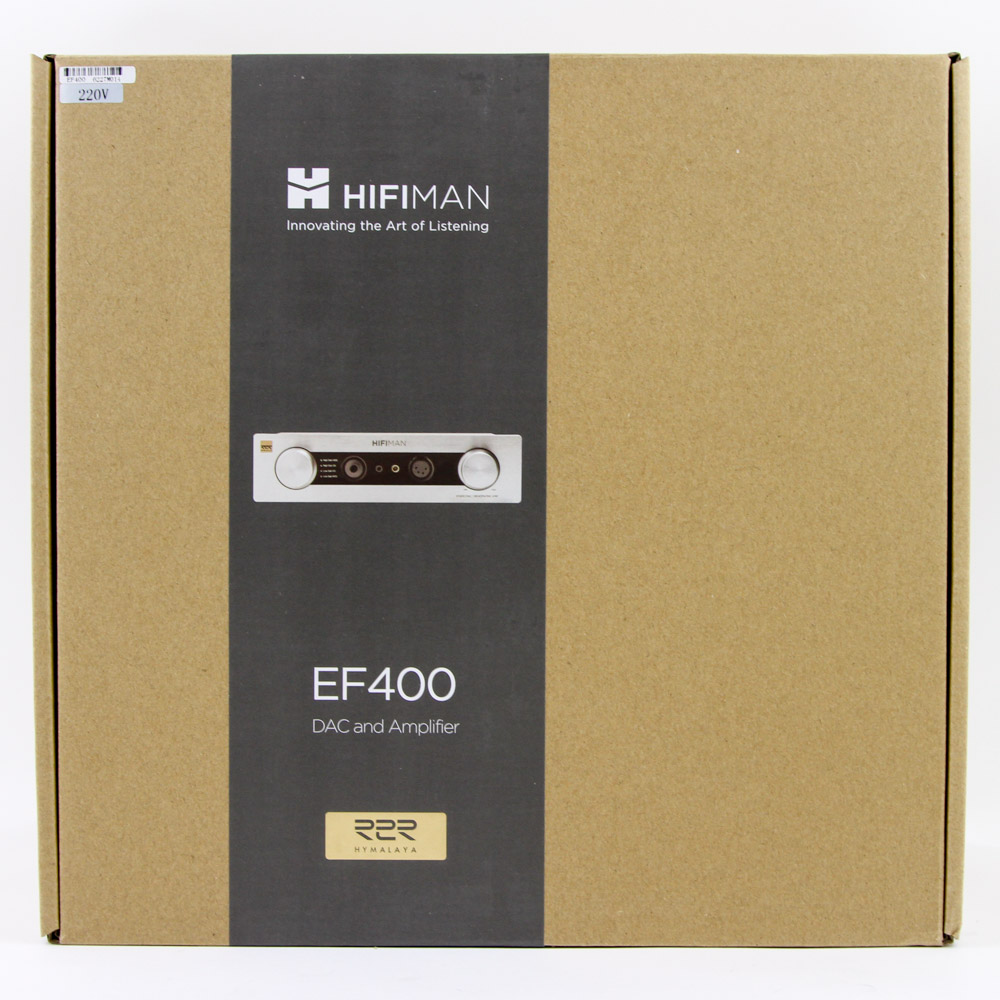
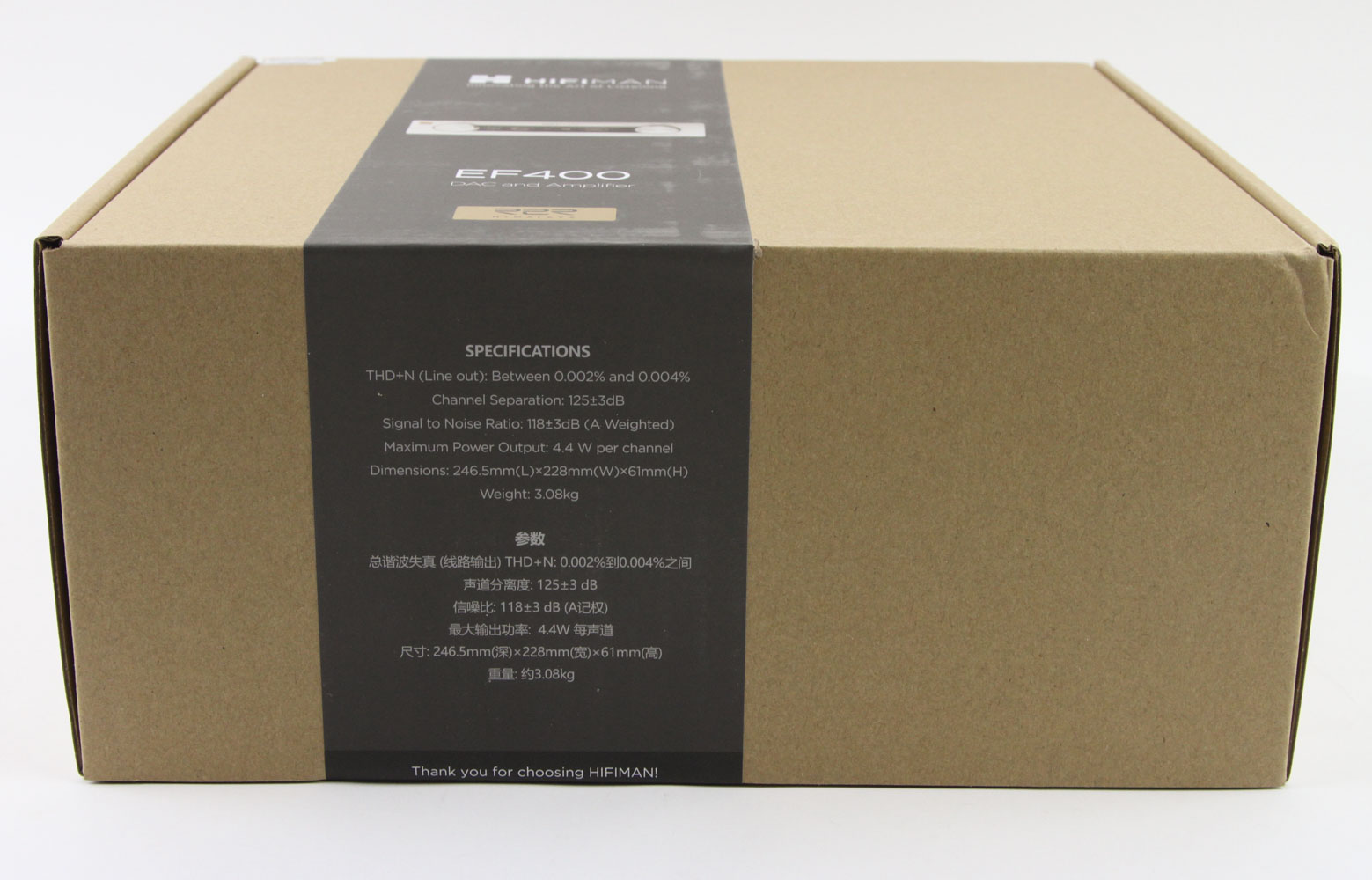
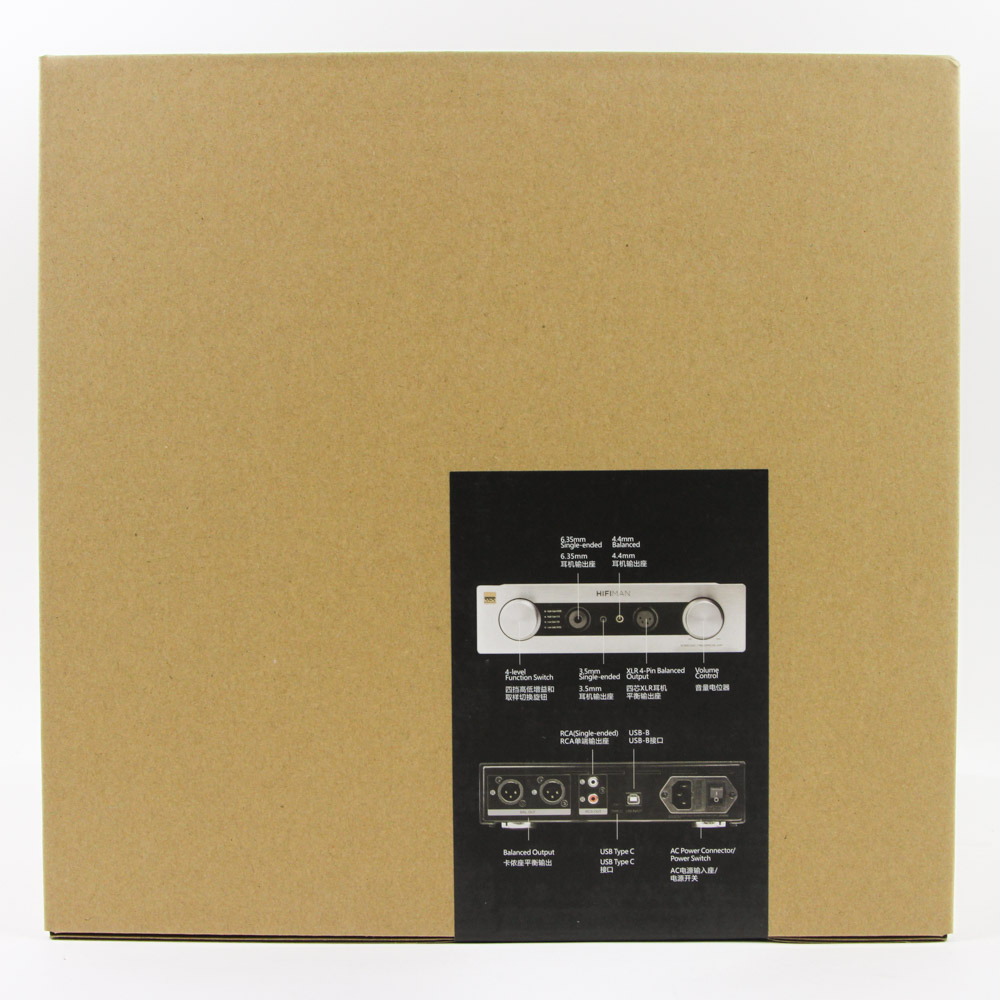
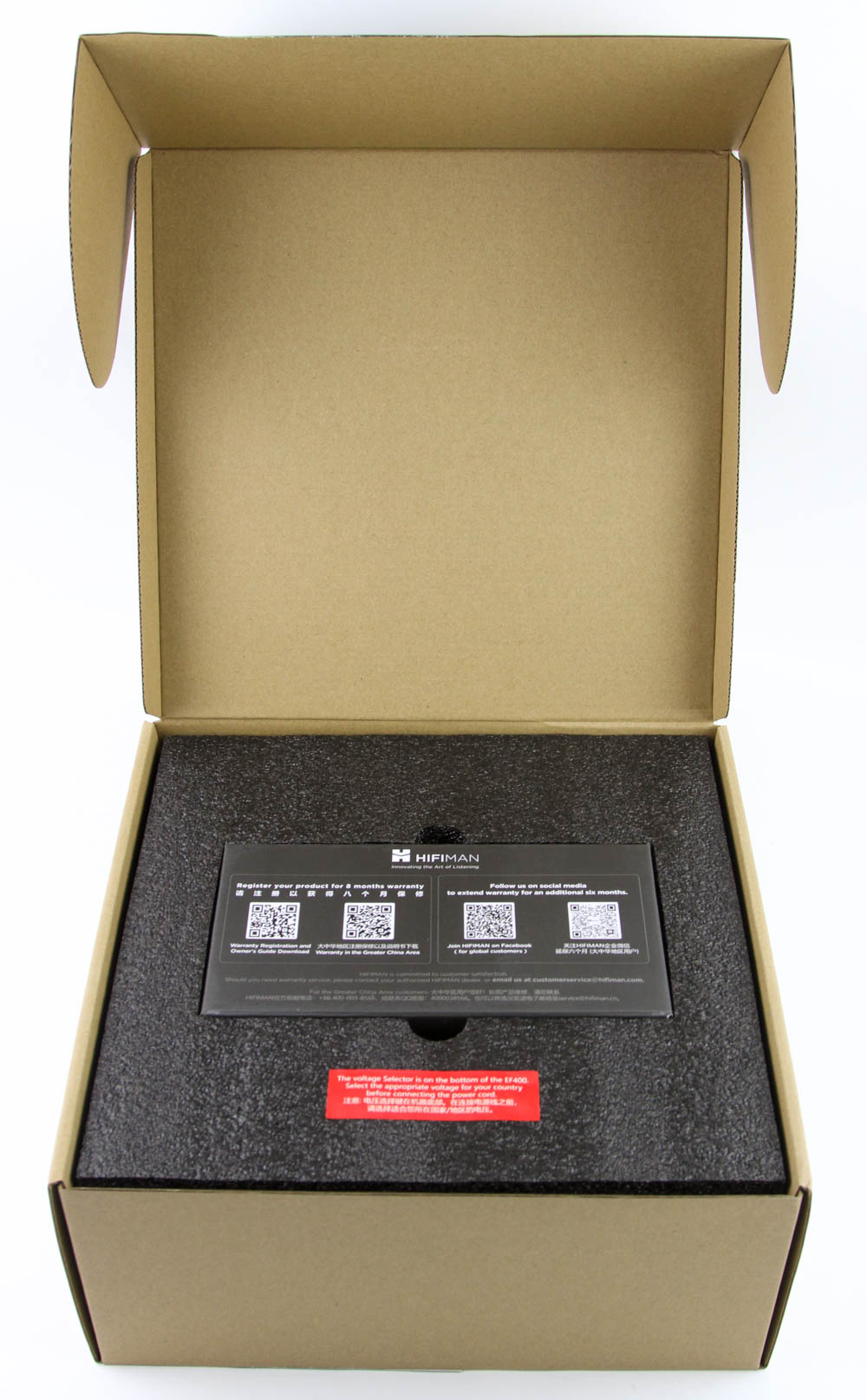
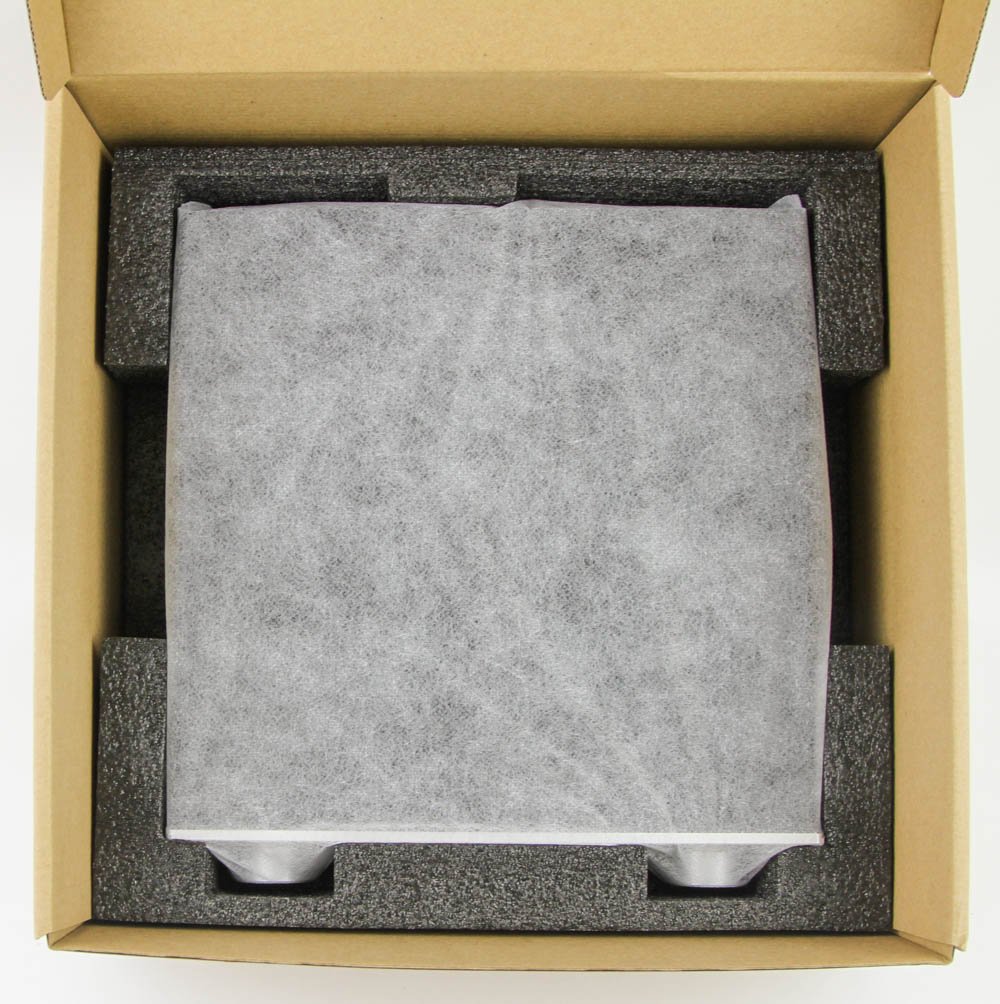
As with every other HIFIMAN product we've reviewed, the EF400 was shipped directly from HIFIMAN's HQ in China. The company also hosts a web store for direct sales to consumers so we begin with a look at the shipping packaging which this time is thankfully on the stealthier side owing to the absence of HIFIMAN-branded packing tape as well as HIFIMAN logos on the box. There's a simple sticker on the side which mentions the EF400 is inside but it is less likely to get any unwanted attention. The product box inside came with plenty of bubble wrap for added protection and we see the switch over to a plainer product box design has extended from HIFIMAN headphones to sources too. Two wrap--around stickers are all you get here, and there's a smaller one at the top on the front to confirm the set voltage of the unit to match your region. The company logo, product name, a render of the EF400, and salient features are seen on the front too. Some product specs are on the side in English and Mandarin, with more renders on the back to better illustrate what you get with the EF400. You'd have to tear the sticker to access the contents placed neatly inside, including an accessory box surrounded by foam and a warning sticker to not change the operating voltage. The EF400 itself is in the bottom compartment surrounded by more foam for added protection and comes inside a fabric pouch too.
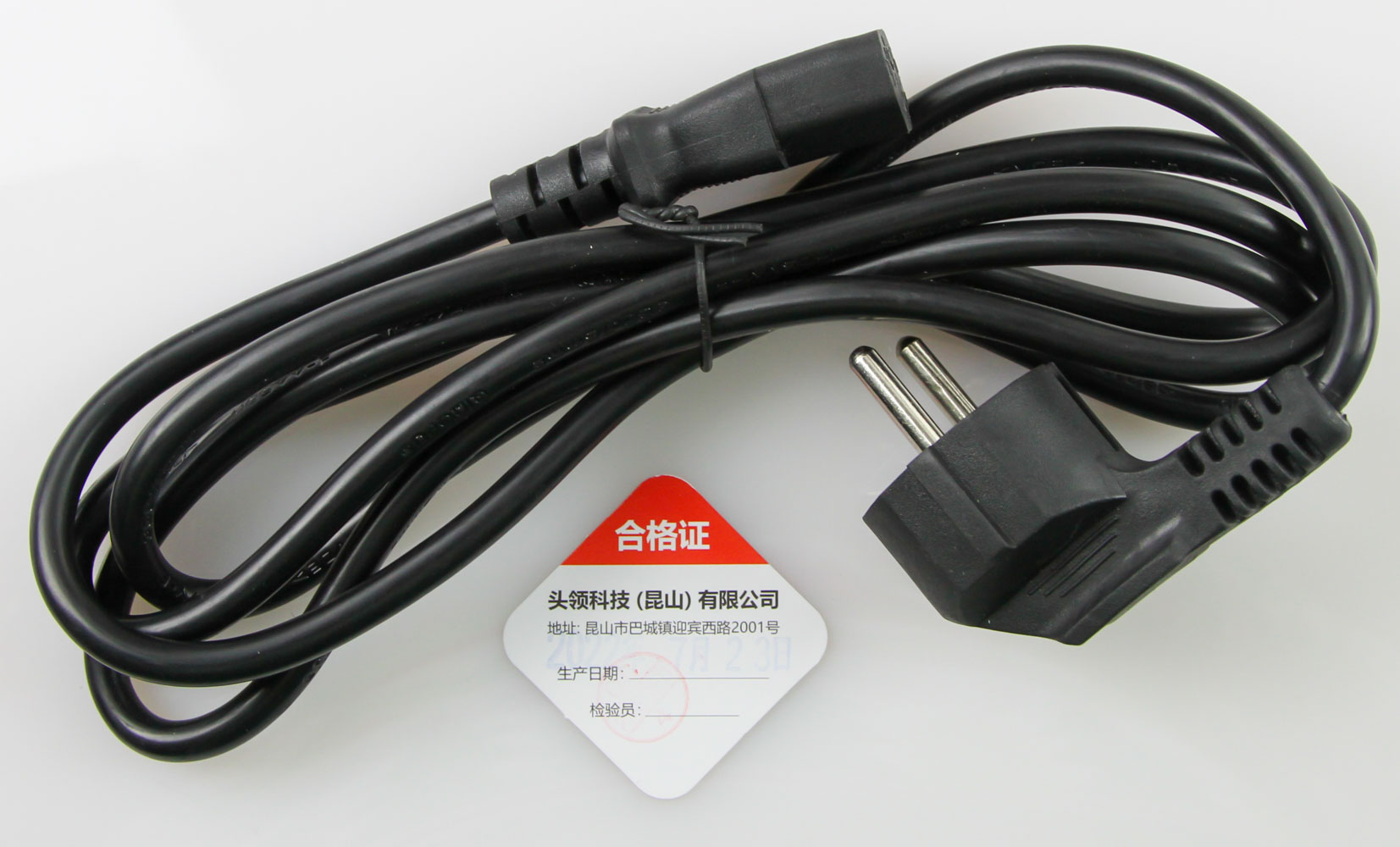
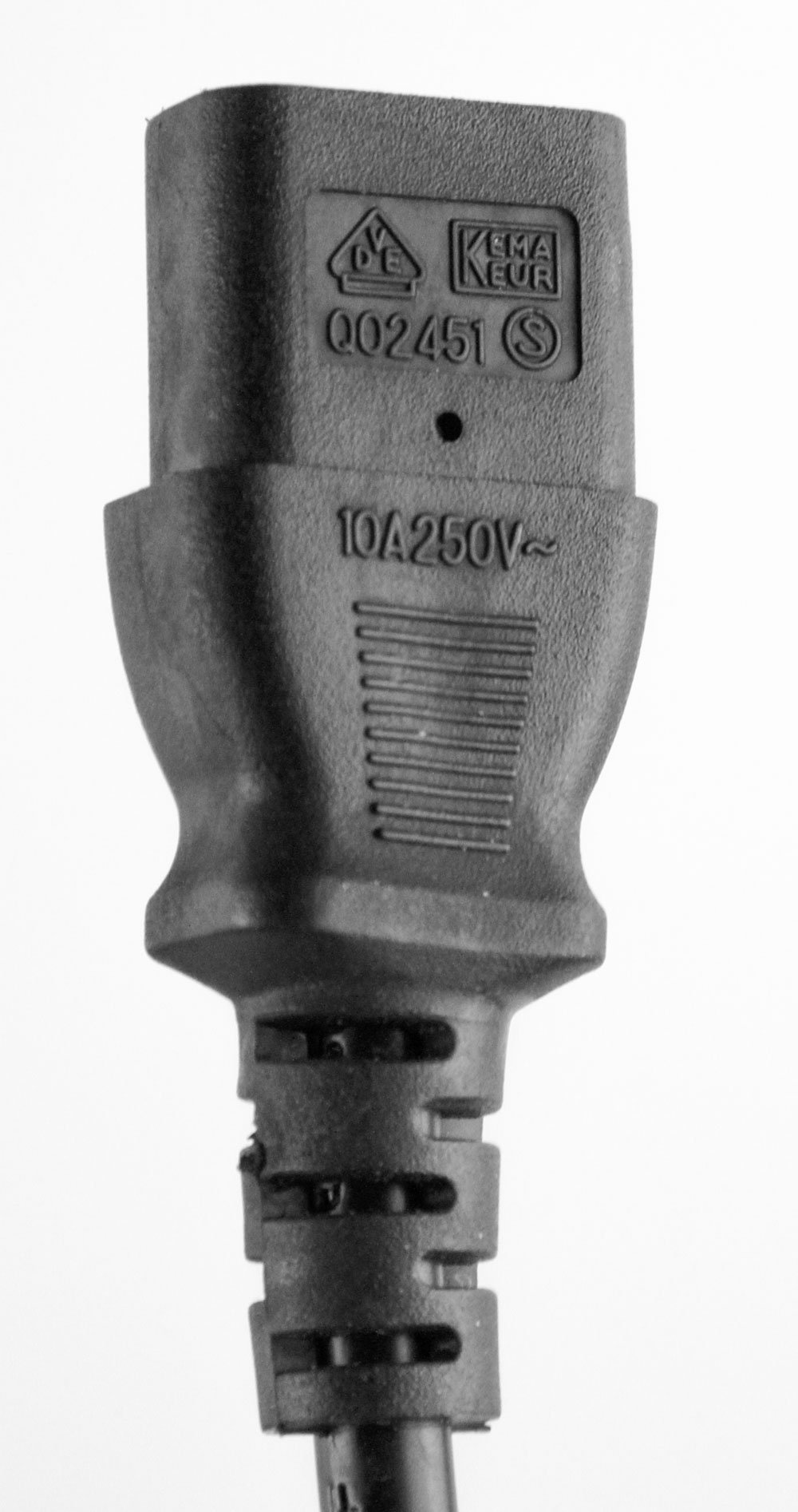
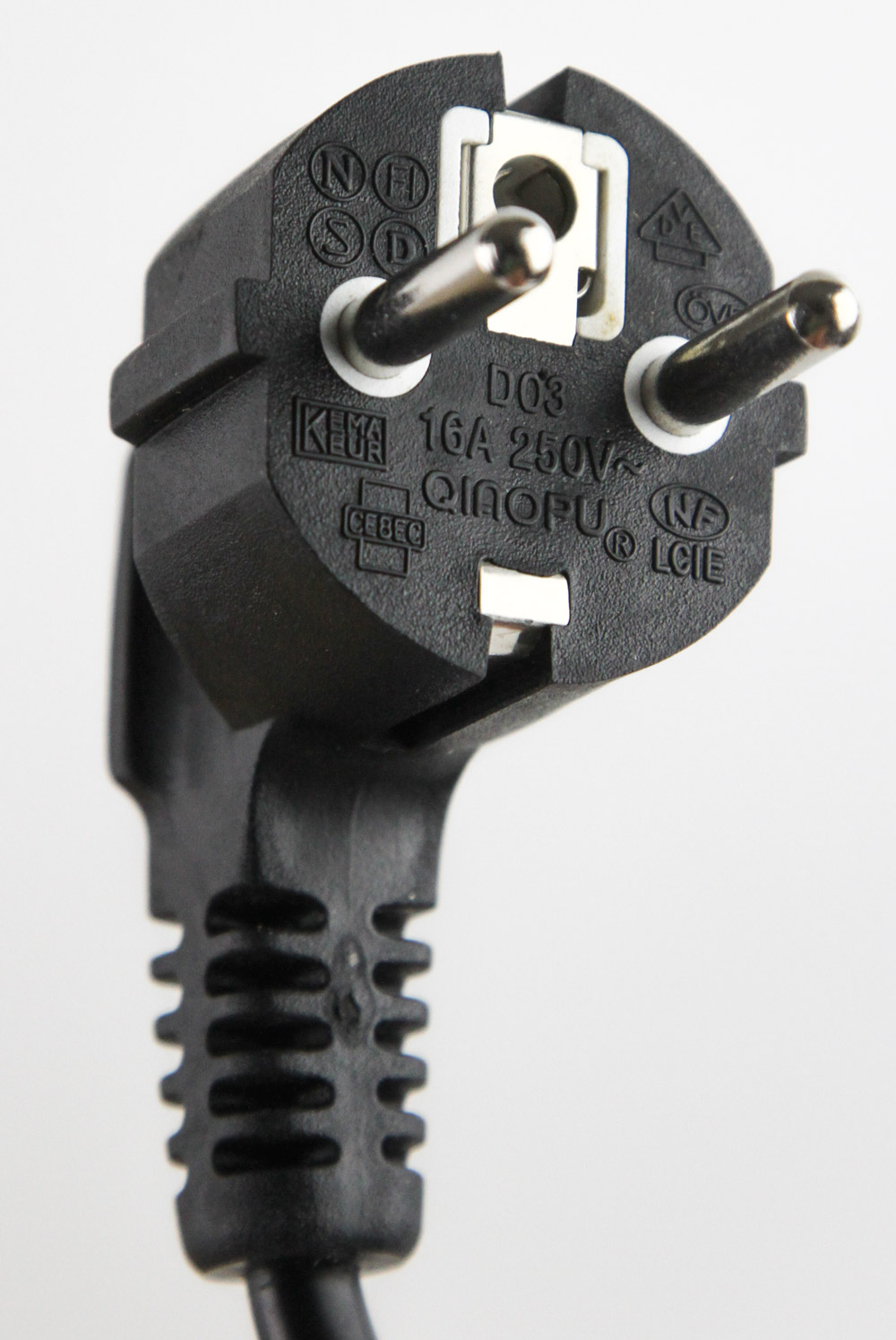
The accessory box contains a QC sticker and a power cable, that's it! I got the EU cable for some reason here so I opted to go for a matching UK cable I have already, making sure it is also rated to provide 10-16 A off the 230 V AC mains. The absence of a power supply means the EF400 has one integrated and then there's the part where you don't get any USB cable at all! I feel HIFIMAN should have included one given it's not like people have USB cables in abundance, but at least this is easy enough to procure by yourself.
Our Patreon Silver Supporters can read articles in single-page format.
Nov 20th, 2026 08:12 PST
change timezone
Latest GPU Drivers
New Forum Posts
- Very unusual two gaming-pc scenarios. (26)
- RX 7600 + Ryzen 5 5600GT getting the same FPS as my old RX 6500 XT – What am I missing? (18)
- Making a game in Godot engine (13)
- GTA VI (17)
- Intel Core Ultra 5 processor 250K Plus (10)
- RX 9000 series GPU Owners Club (2242)
- What is in your fleet, size and contents? (29)
- Windows 11 General Discussion (7741)
- TPU's Nostalgic Hardware Club (22173)
- What are you playing? (26237)
Popular Reviews
- AMD Zen 6 Technical Deep Dive
- Ugreen NASync DXP4800 GT Review
- Corsair RM1200e (Second Generation) Review
- Acemagic Retro X3 Review
- Upcoming Hardware Launches 2027 (Updated Nov 2026)
- Pulsar Office Tour & First Look at P1 Dual-Sensor Mouse
- Biwin Black Opal NV7400 2 TB Review
- AMD Ryzen 7 9800X3D Memory Performance Scaling
- Chieftec Iceberg PRO 360 DARK Review
- AMD Ryzen 7 9800X3D Review - The Best Gaming Processor
TPU on YouTube
Controversial News Posts
- NVIDIA Co-Founder and CEO Jensen Huang Officially Resigns (490)
- Report: Jensen Huang Eyes NVIDIA Comeback (238)
- Open Letter Asking NVIDIA to Reinstate Jensen Huang Passes 115,000 Signatures (184)
- OpenAI CEO Argues Home PCs Waste the World's Limited DRAM Supply (152)
- NVIDIA Launches Investigation Into Jensen Huang's Relationship With Suspected Chinese Spy (136)
- Intel "Raptor Lake Next" 16-Core and 20-Core CPUs Surface (130)
- Legendary Game Studio BioWare Shuts Down Following EA Layoffs (104)
- Dell CEO Says the Memory Shortage Will Get Worse in 2027 (95)