 13
HP FX900 1 TB M.2 NVMe SSD Review
(13 Comments) »Introduction

HP, aka Hewlett Packard, is one of the most well-known tech companies in the world. They produce nearly every product you can think of: laptops, desktops, printers, enterprise hardware, and solid-state drives.
For their SSD storage products, HP teamed up with BIWIN Storage, a large Chinese OEM for SSD solutions with 25 years of experience in the storage and microelectronics business. They were granted authorization from HP to produce SSDs in their name.

The HP FX900 is a brand-new release that builds upon the success of the HP FX900 Pro that was announced in January. While the FX900 Pro uses the high-end IG5236 PCIe 4.0 controller, the FX900 non-Pro in this review is built with the more affordable IG5220 controller, which still supports PCI-Express 4.0. In order to reach the $100 price point for 1 TB, a DRAM cache is not included. The flash chips used are Micron's latest and greatest B47R 176-layer 3D TLC. In terms of component choices, this makes the HP FX900 identical to the ADATA Atom 50—a drive that impressed when reviewed back in January.
The HP FX900 comes in capacities of 256 GB (pricing unknown), 512 GB ($65), 1 TB ($105), and 2 TB (pricing unknown). Endurance for these models is set to 100 TBW, 200 TBW, 400 TBW, and 800 TBW respectively. HP includes a five-year warranty with the FX900 SSD.
| Specifications: HP FX900 1 TB SSD | |
|---|---|
| Brand: | HP |
| Model: | 57S53AA#ABB |
| Capacity: | 1024 GB (953 GB usable) No additional overprovisioning |
| Controller: | Innogrit IG5220 RainierQX |
| Flash: | Micron 176-layer 3D TLC B47R Rebranded to BIWIN |
| DRAM: | N/A, but up to 512 MB Host-Memory-Buffer Windows uses 64 MB |
| Endurance: | 400 TBW |
| Form Factor: | M.2 2280 |
| Interface: | PCIe Gen 4 x4, NVMe 1.4 |
| Device ID: | HP SSD FX900 1TB |
| Firmware: | 1.A.3.P |
| Warranty: | Five years |
| Price at Time of Review: | $105 / $105 per TB |
Packaging


The Drive


The drive uses the M.2 2280 form factor, which makes it 22 mm wide and 80 mm long.

While most other M.2 NVMe SSDs transfer data over the PCI-Express 3.0 x4 interface, the FX900 from HP connects to the host system using a PCI-Express 4.0 x4 interface, which doubles the theoretical bandwidth.


On the PCB, you'll find the controller and two flash chips. The other side of the PCB is empty.


As part of the black top label, HP has installed a heatspreader on the SSD, which uses an approach I've never seen before. Inside the heatspreader we find several sheets of a gray substance—the official claim is "graphene," a material with amazing heat-transfer properties that's comprised of a single layer sheet of carbon atoms. Previously, I've been extremely sceptical about all graphene claims as they didn't withstand the simplest tests. Things are different here since the gray material is electrically conductive (like graphene), brittle, and scrapes off (like graphite). This leads me to believe that the material is carbon indeed, most probably graphite, like in your pencil. Some additional observations I've made are that despite the color, the material is not a paste, and there is no oilyness, so it is definitely not some kind of thermal paste. The heatspreader is attached using sticky tape. In its original form, there's a little bit of air (an insulator) between each sheet.
Chip Component Analysis

This is the second SSD with an Innogrit IG5220 RainierQX controller we're testing. This controller is optimized for low-cost Gen 4 designs without DRAM and manufactured on a 12 nanometer production process.

The two flash chips are Micron 176-layer 3D TLC NAND. They have been rebranded by BIWIN, who's manufacturing this drive for HP. BIWIN buys the wafer from Micron, cuts and test the individual dies, and then packages them into their own chips. Each chip has a capacity of 512 GB.
Test Setup
| Test System SSD 2021 | |
|---|---|
| Processor: | AMD Ryzen 3 3300X @ 4.3 GHz Zen 2, 16 MB Cache |
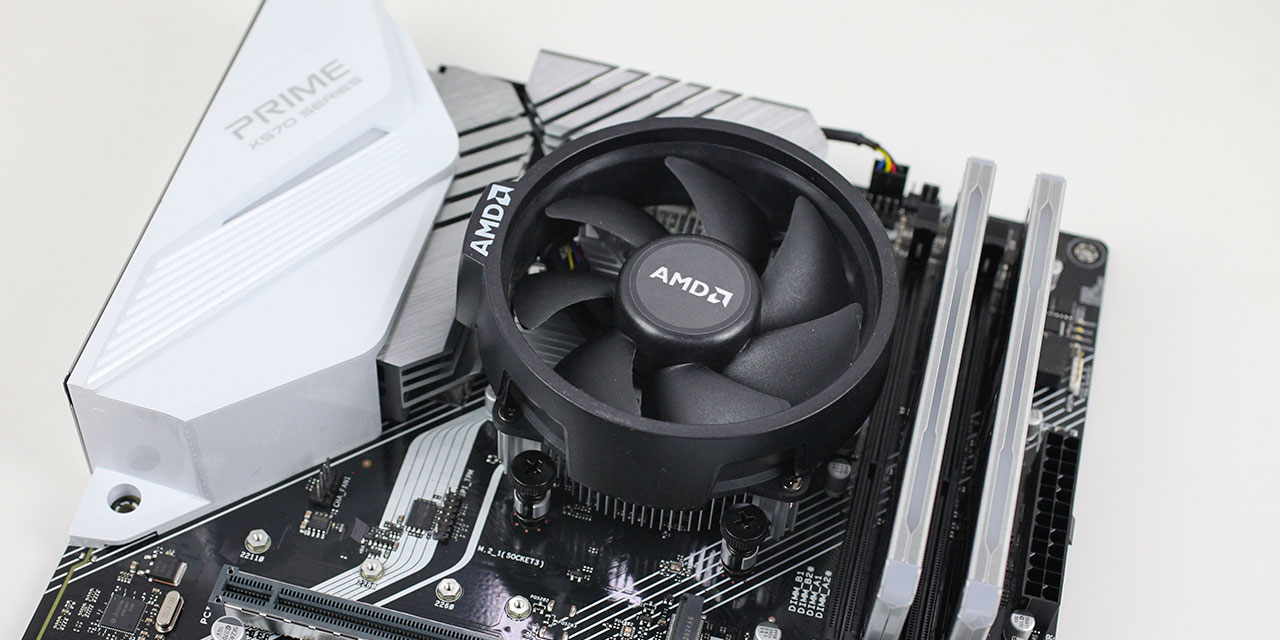
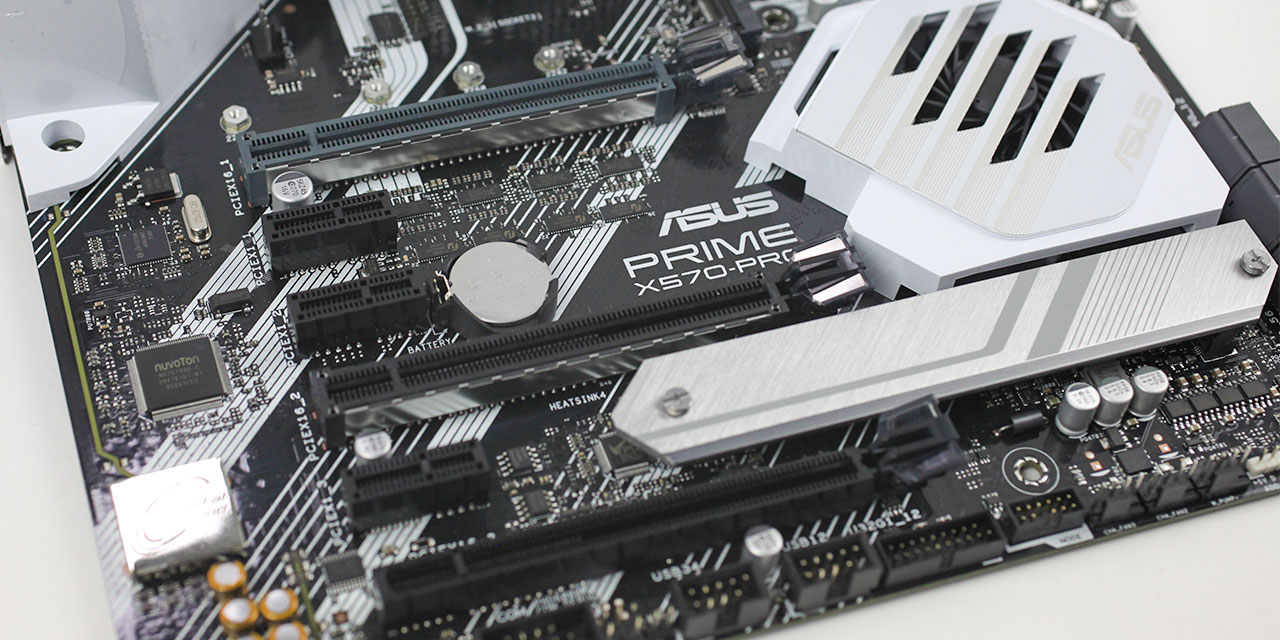
| Motherboard: | ASUS Prime X570-Pro BIOS 2606 / AGESA 1.0.8.0 |
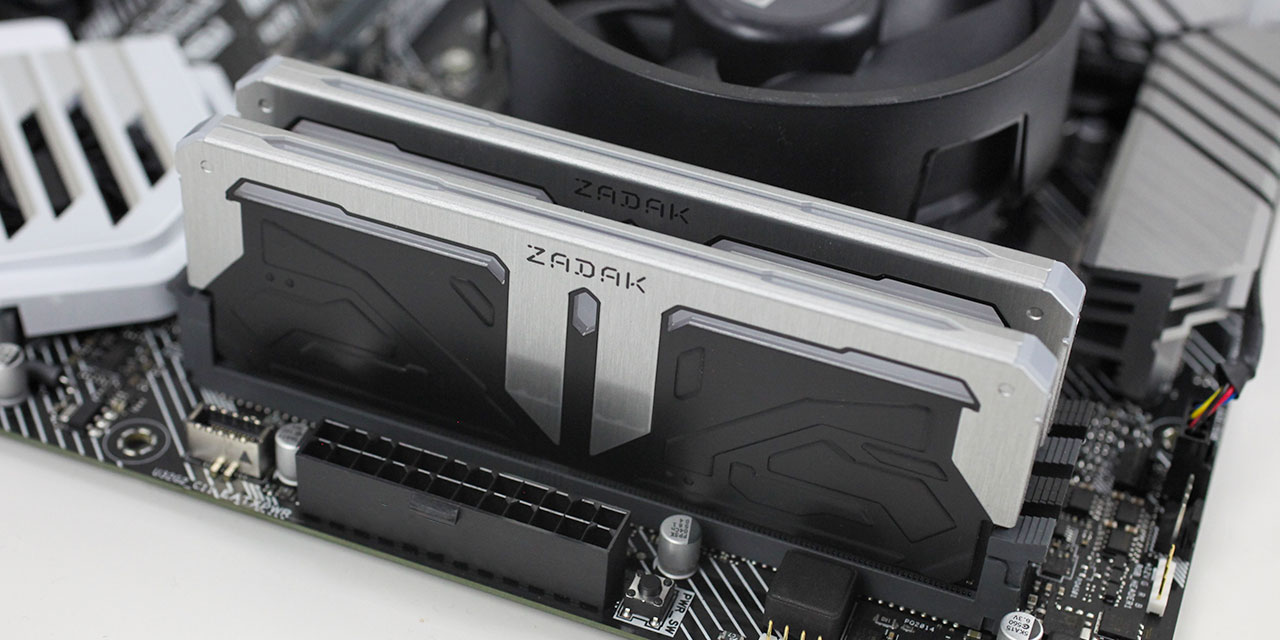
| Memory: | Zadak Spark RGB, 16 GB DDR4 @ 3200 MHz 16-18-18-38 |
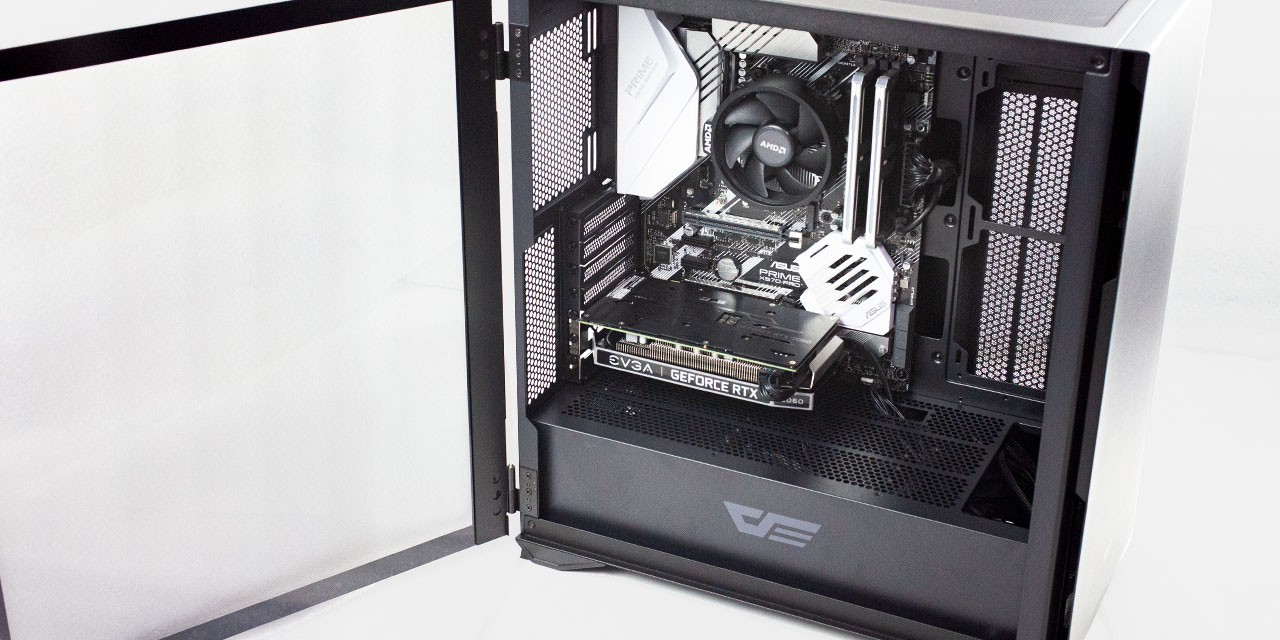
| Graphics: | EVGA GeForce RTX 2060 KO 6 GB |
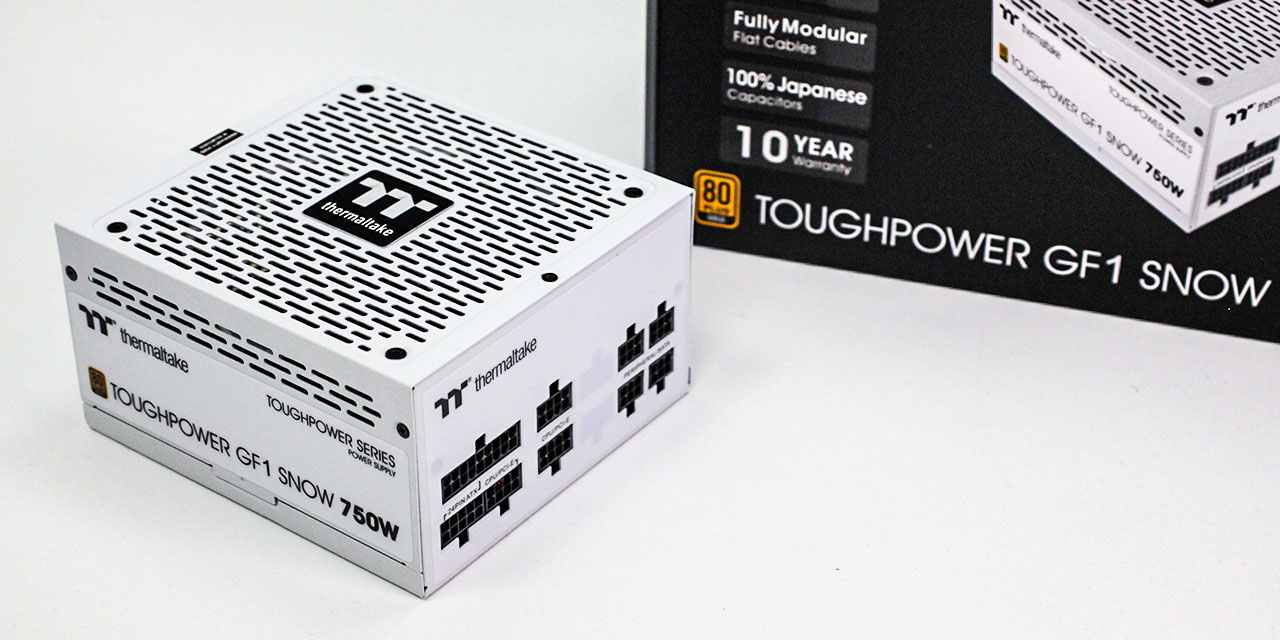
| Power Supply: | Thermaltake Toughpower GF1 Snow 750 W |
| Case: | DarkFlash DLX22 |
| Operating System: | Windows 10 Professional 64-bit Version 2004 (May 2020 Update) |
| Drivers: | AMD Chipset: 2.07.14.327 NVIDIA: 452.06 WHQL |
Our Patreon Silver Supporters can read articles in single-page format.
Nov 20th, 2026 14:25 PST
change timezone
Latest GPU Drivers
New Forum Posts
- Logitech Headsets Modded Driver — Unlock Dolby in G HUB (23)
- 1 - 5 person file storage server equivalent accasible from anywhere + general VM server. (1)
- WarpCoreBench scores! (81)
- How to prevent OLED burn damage due to PC freezes or power outtages? (48)
- Honestly, do you care about GTA VI? (208)
- When you could finally run Crysis maxed out? (63)
- GTA VI (20)
- Anthrophics IPO (25)
- GeekMagic Ultra Smart WiFi Weather Station (8)
- Very unusual two gaming-pc scenarios. (35)
Popular Reviews
- AMD Zen 6 Technical Deep Dive
- Microsoft Surface Laptop Ultra Review - The Next-gen Arm Laptop
- Ugreen NASync DXP4800 GT Review
- Corsair RM1200e (Second Generation) Review
- Acemagic Retro X3 Review
- Upcoming Hardware Launches 2027 (Updated Nov 2026)
- Pulsar Office Tour & First Look at P1 Dual-Sensor Mouse
- Biwin Black Opal NV7400 2 TB Review
- AMD Ryzen 7 9800X3D Memory Performance Scaling
- AMD Ryzen 7 9800X3D Review - The Best Gaming Processor
TPU on YouTube
Controversial News Posts
- NVIDIA Co-Founder and CEO Jensen Huang Officially Resigns (490)
- Report: Jensen Huang Eyes NVIDIA Comeback (256)
- Open Letter Asking NVIDIA to Reinstate Jensen Huang Passes 115,000 Signatures (184)
- OpenAI CEO Argues Home PCs Waste the World's Limited DRAM Supply (152)
- NVIDIA Launches Investigation Into Jensen Huang's Relationship With Suspected Chinese Spy (136)
- Intel "Raptor Lake Next" 16-Core and 20-Core CPUs Surface (130)
- Legendary Game Studio BioWare Shuts Down Following EA Layoffs (104)
- Dell CEO Says the Memory Shortage Will Get Worse in 2027 (95)