 22
Kingston Fury Beast DDR5-6000 32 GB CL40 Review
Test System Setup »A Closer Look

The Kingston Fury Beast memory series offers both RGB and non-RGB variants, with the only major distinction being a height difference (besides the RGB effect). Both versions share the same overall design, providing a cohesive look across the lineup. Additionally, Kingston offers the Fury Beast and Renegade series with choices of black or white heat spreaders, catering to different aesthetic preferences. The Fury Beast series targets the entry to mid-range market, delivering speeds up to 6800 MT/s. It offers a range of timings as well, from enthusiast-grade to more budget-friendly options, as demonstrated in this product review. This versatility makes for a compelling consumer choice, offering both performance and value.

Each DIMM has one side with the Kingston Fury Beast branding.
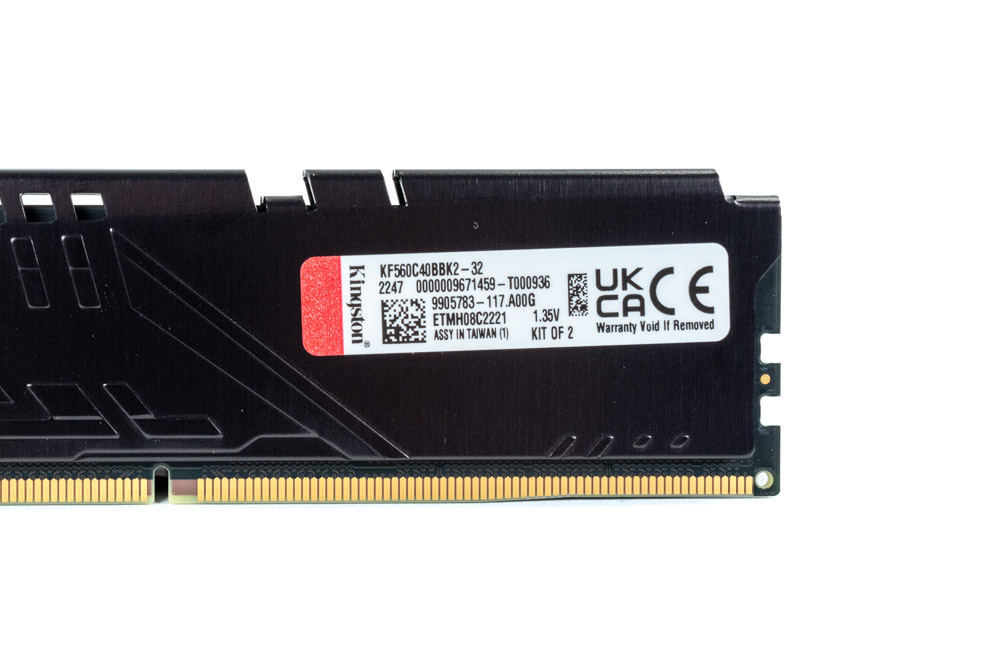
The identification sticker on each DIMM module is rather basic, displaying just the SKU without much additional information. While many brands typically include details like the XMP operating frequency and the corresponding voltage, Kingston falls short in this regard. The sticker lacks an easy-to-read format and doesn't provide much useful information for the consumer. If you've misplaced the box, you'll need to visit the Kingston website to gather more details.

When you lay the DIMMs on their side, the "Fury" branding is prominently displayed in white text. Since these modules are non-RGB, this is the aesthetic you'll see once they're installed in your computer case.
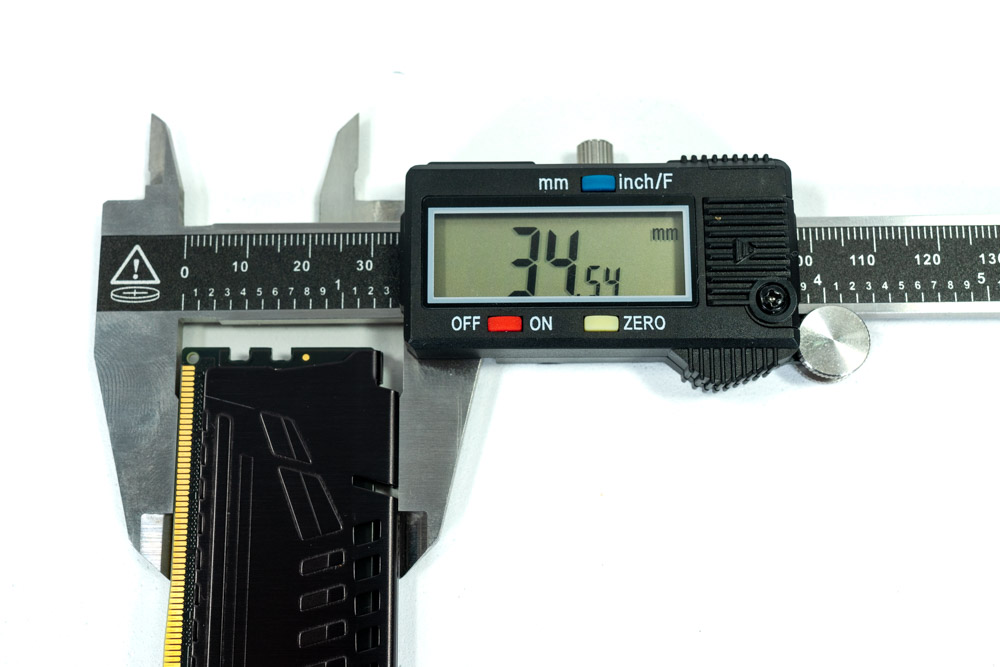
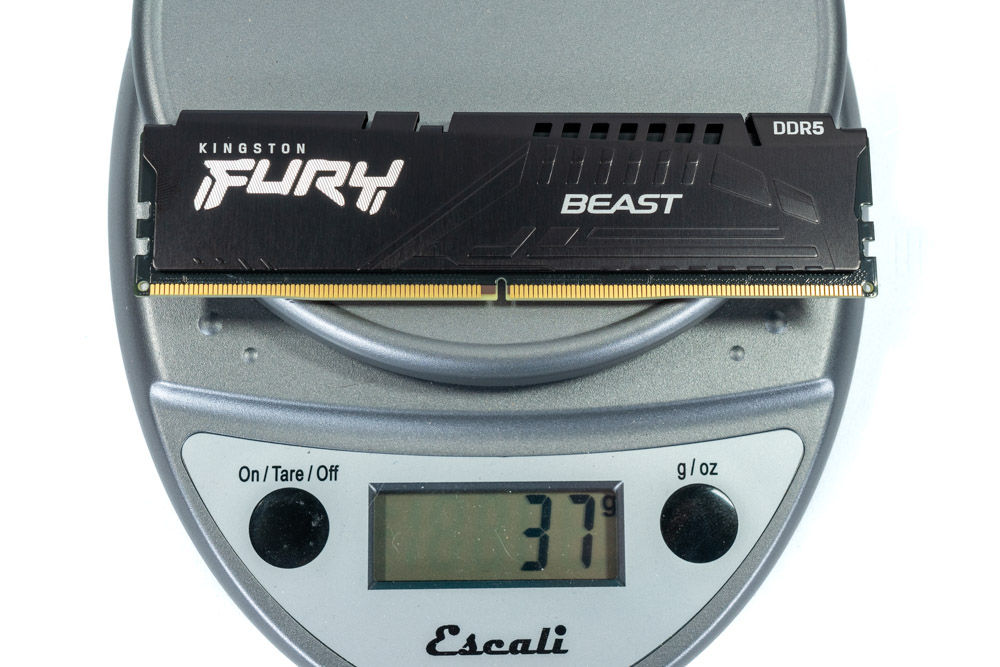
The Kingston Fury Beast DDR5-6000 Z-Height is 34.5 mm measuring with calipers, and weighs 37 grams on the scale.
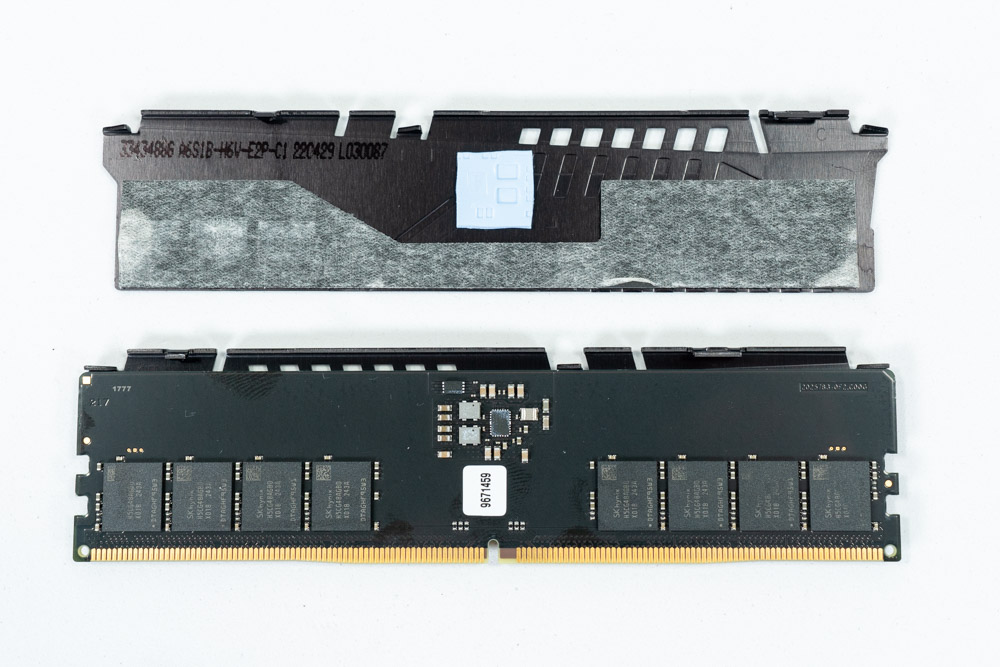
After taking the heat spreader off, we see that these are single-sided DIMMs with eight (16 Gbit) 2 GB ICs on each side. Included is the standard thermal pad that covers all the memory ICs. This particular kit does have coverage for the PMIC and surrounding components, well done Kingston.
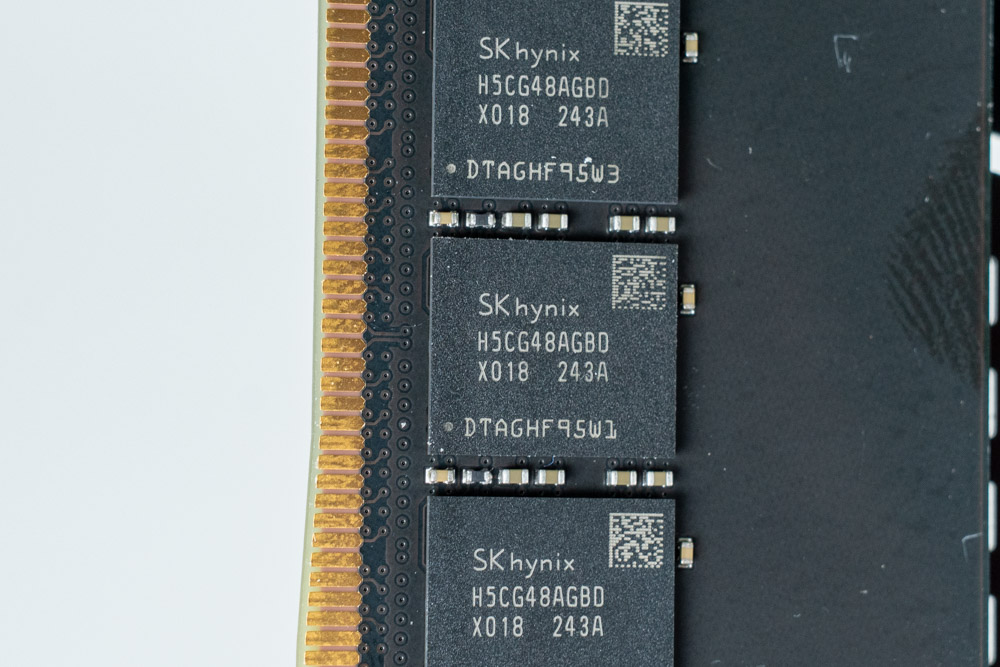
A closer look at the ICs shows that these are SK hynix (H5CG48AGBD-X018). Which can be abbreviated to SK Hynix 2 GB A-Die. Currently, Micron, Samsung, and SK Hynix are the three big suppliers of DDR5 ICs, with Nanya and CXMT holding 3% market share together. Up until the release of (24 Gbit) 3 GB ICs, the previous world record crown was held by SK hynix A-Die (16 Gbit) 2 GB, which is still considered a good choice for high frequency overclocks paired with lower primary timings, only to be outdone by the SK hynix 3 GB variant for highest frequency.
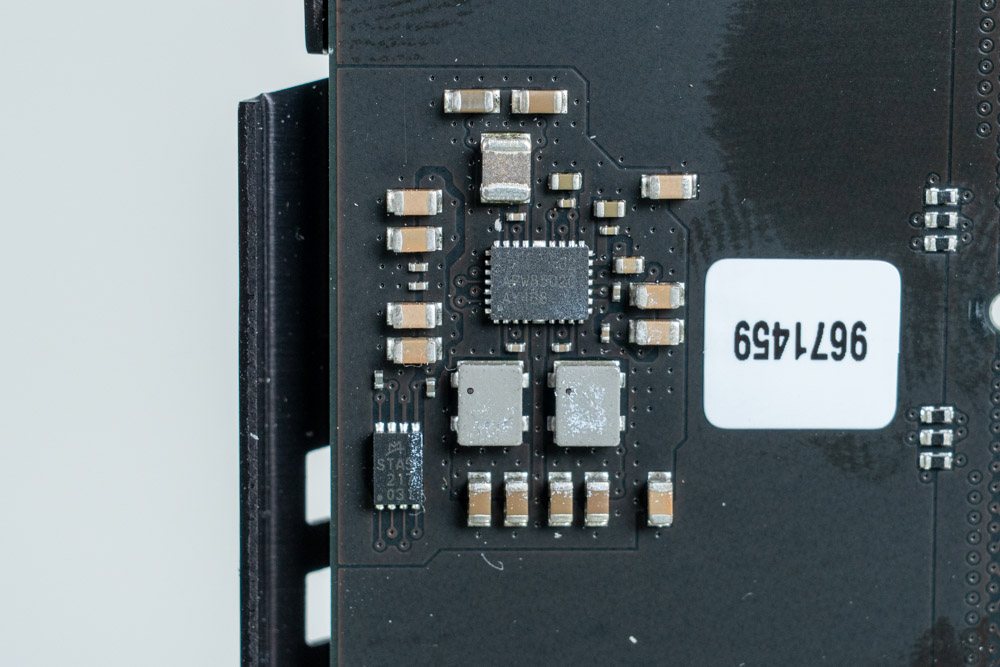
With DDR5, one of the major changes is how the motherboard directly provides 5 V to the memory module's PMIC, which is then stepped down and split accordingly. No longer is the motherboard responsible for regulating the voltages, as with DDR4. The PMIC has the part number "APW85020," software reports this as ANPEC being the manufacturer.
Nov 20th, 2026 14:33 PST
change timezone
Latest GPU Drivers
New Forum Posts
- Logitech Headsets Modded Driver — Unlock Dolby in G HUB (23)
- 1 - 5 person file storage server equivalent accasible from anywhere + general VM server. (1)
- WarpCoreBench scores! (81)
- How to prevent OLED burn damage due to PC freezes or power outtages? (48)
- RX 9000 series GPU Owners Club (2247)
- Honestly, do you care about GTA VI? (208)
- When you could finally run Crysis maxed out? (63)
- GTA VI (20)
- Anthrophics IPO (25)
- GeekMagic Ultra Smart WiFi Weather Station (8)
Popular Reviews
- AMD Zen 6 Technical Deep Dive
- Microsoft Surface Laptop Ultra Review - The Next-gen Arm Laptop
- Ugreen NASync DXP4800 GT Review
- Corsair RM1200e (Second Generation) Review
- Acemagic Retro X3 Review
- Upcoming Hardware Launches 2027 (Updated Nov 2026)
- Pulsar Office Tour & First Look at P1 Dual-Sensor Mouse
- Biwin Black Opal NV7400 2 TB Review
- AMD Ryzen 7 9800X3D Memory Performance Scaling
- AMD Ryzen 7 9800X3D Review - The Best Gaming Processor
TPU on YouTube
Controversial News Posts
- NVIDIA Co-Founder and CEO Jensen Huang Officially Resigns (490)
- Report: Jensen Huang Eyes NVIDIA Comeback (256)
- Open Letter Asking NVIDIA to Reinstate Jensen Huang Passes 115,000 Signatures (184)
- OpenAI CEO Argues Home PCs Waste the World's Limited DRAM Supply (152)
- NVIDIA Launches Investigation Into Jensen Huang's Relationship With Suspected Chinese Spy (136)
- Intel "Raptor Lake Next" 16-Core and 20-Core CPUs Surface (130)
- Legendary Game Studio BioWare Shuts Down Following EA Layoffs (104)
- Dell CEO Says the Memory Shortage Will Get Worse in 2027 (95)