 9
Klevv CRAS C925 2 TB Review
(9 Comments) »Introduction

Launched in 2014, KLEVV is a brand that specializes in memory products, both DRAM and NAND. The brand is owned by Essencore, who are part of the SK Group (SK C&C), KLEVV benefits from its strong ties to SK Hynix, one of the world's largest and most respected DRAM manufacturers. The brand name "KLEVV" was chosen to suggest a clever, technically advanced choice for consumers.

The Klevv CRAS C925 is designed to be an affordable value-oriented SSD that still ticks all the boxes: M.2 NVMe, PCIe 4.0 x4 and TLC NAND flash (not QLC). It is built using the legendary Maxiotech MAP1602 controller that also powers drives like the Lexar NM790. While the latter uses YMTC NAND flash, Klevv is using their own house-brand memory chips from SK Hynix. These TLC NAND chips are 238-layer V8. As expected for a value SSD, a DRAM cache chip is not installed, but the SSD will use up to 64 MB of system memory through the HMB (Host-Memory-Buffer) mechanism.
The Klevv CRAS C925 is available in capacities of 500 GB ($47), 1 TB ($67) and 2 TB ($108). The endurance is set to 600 TBW, 1200 TBW and 2400 TBW respectively. Klevv includes a five-year warranty with the C925 SSD.
| Specifications: Klevv CRAS C925 2 TB SSD | |
|---|---|
| Brand: | Klevv / Essencore |
| Model: | K02TBM2SP0-C9T |
| Capacity: | 2000 GB (1862 GB usable) 48 GB additional overprovisioning |
| Controller: | MaxioTech MAP1602 |
| Flash: | SK Hynix 238-Layer 3D TLC V8 Rebranded as Essencore ENFGGR8NC4AR-HR |
| DRAM: | N/A, but 64 MB HMB |
| Endurance: | 2400 TBW |
| Form Factor: | M.2 2280 |
| Interface: | PCIe Gen 4 x4, NVMe 1.4 |
| Device ID: | KLEVV CRAS C925 M.2 NVMe SSD 2TB |
| Firmware: | SVN24095 |
| Warranty: | Five years |
| Price at Time of Review: | $108 / $54 per TB |
Packaging


The Drive


The drive is designed for the M.2 2280 form factor, which makes it 22 mm wide and 80 mm long.

PCI-Express 4.0 x4 is used as the host interface to the rest of the system, which despite the release of Gen 5 drives is still pretty much the standard these days, it doubles the theoretical bandwidth compared to PCIe 3.0 x4.


On the PCB you'll find the SSD controller and two flash chips. A DRAM cache is not available.


Klevv includes a metal heatsink with the drive. It's made of aluminium and has a sticky thermal pad on the bottom.


Once installed, you can see that there's a little bit of flex, which is good, because it ensures optimum thermal contact—the controller chip is a bit lower in Z-Height than the NAND chips.
Chip Component Analysis

MaxioTech's MAP1602A controller is produced on TSMC's 12 nanometer node and uses several Arm Cortex R5 CPU cores.

The two flash chips are SK Hynix V8 238-layer 3D TLC NAND. Each chip has a capacity of 1 TB.
Test Setup
| Test System SSD 2024 | |
|---|---|
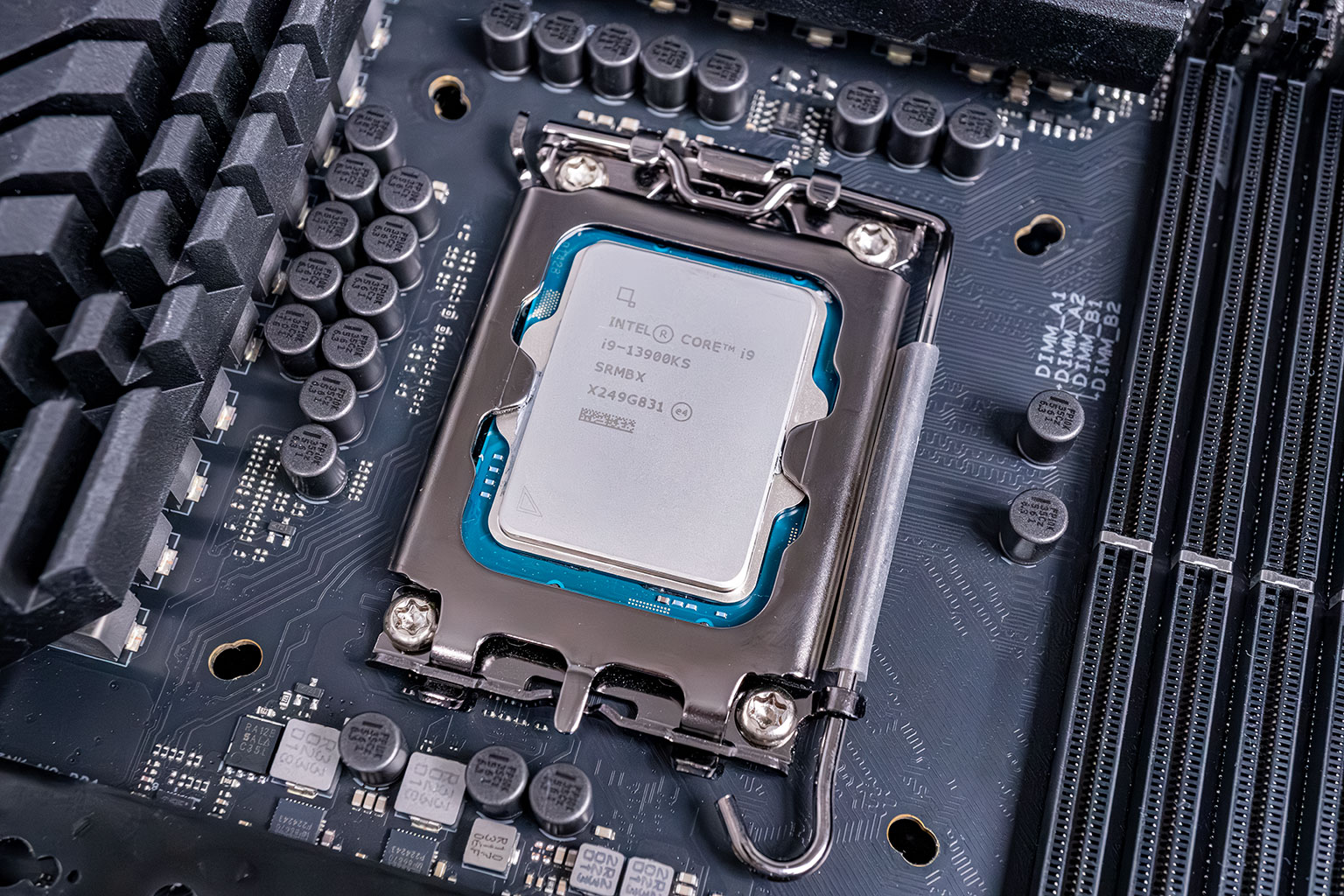
| Processor: | Intel Core i9-13900KS Raptor Lake 6.0 GHz, 8+16 cores / 32 threads |
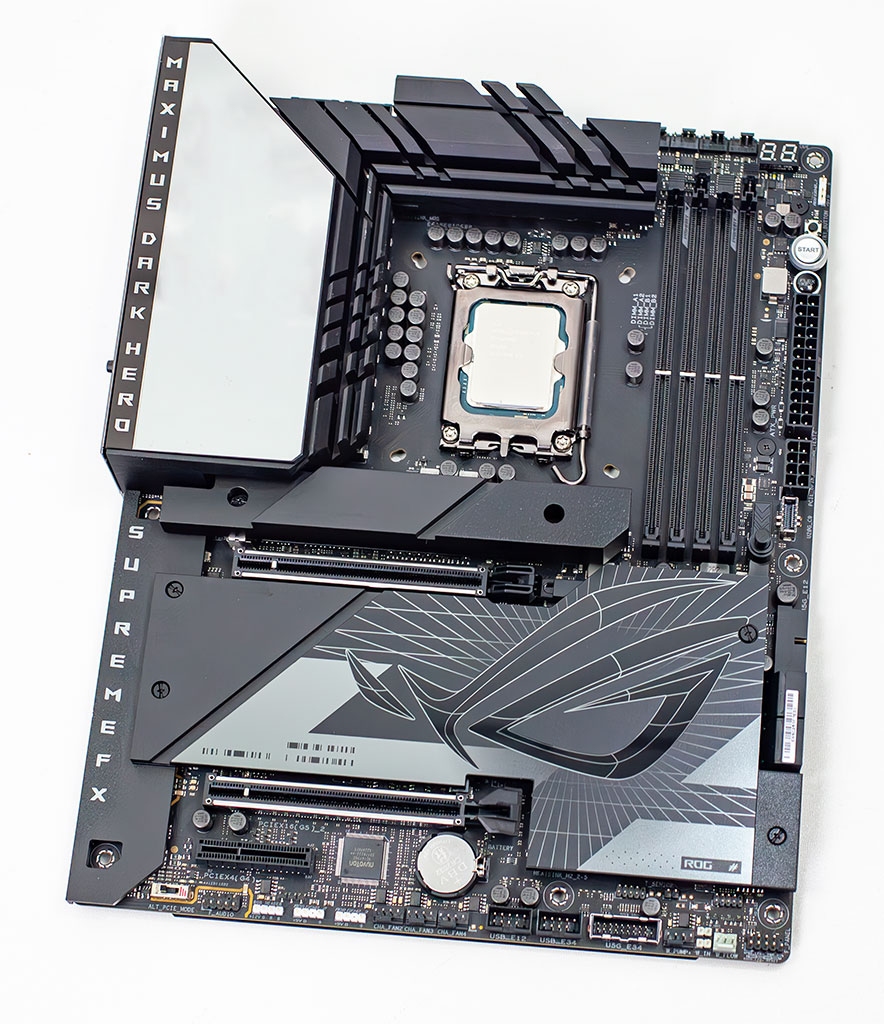
| Motherboard: | ASUS ROG Z790 Dark Hero BIOS 1102 |
| Memory: | 2x 16 GB DDR5-6000 |
| Graphics: | PNY GeForce RTX 4080 Super Verto OC |
| Cooling: | Valkyrie Syn 360 mm AIO |
| Thermal Paste: | Arctic MX-6 |
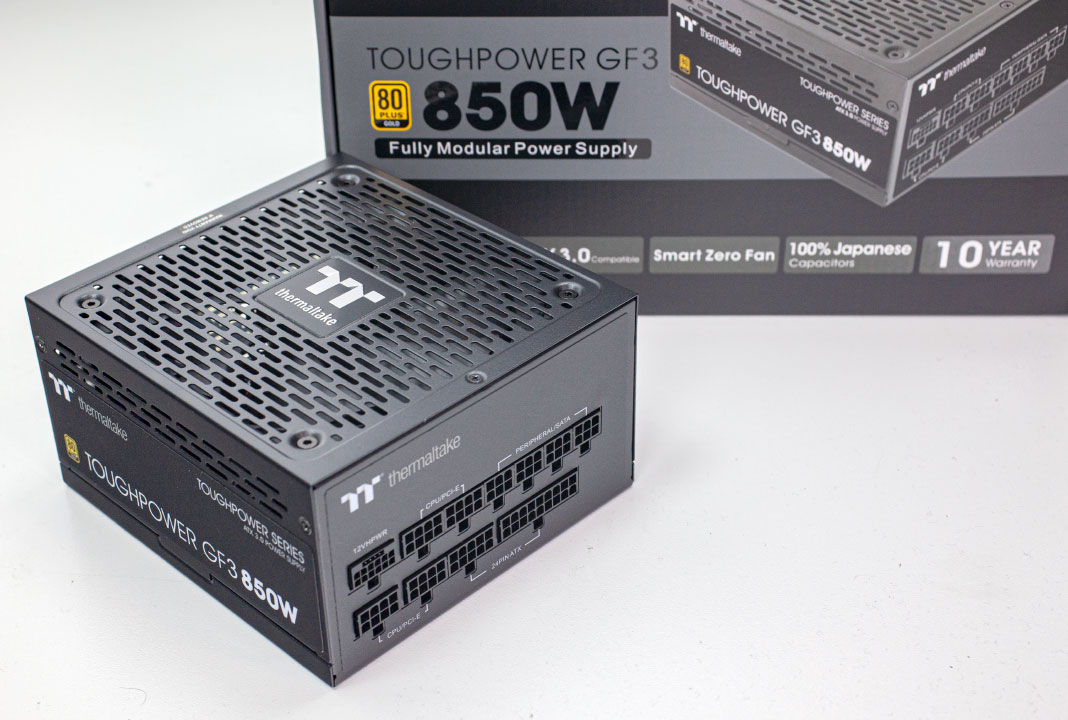
| Power Supply: | Thermaltake Toughpower GF3 850 W ATX 3.0 / 16-pin 12VHPWR |
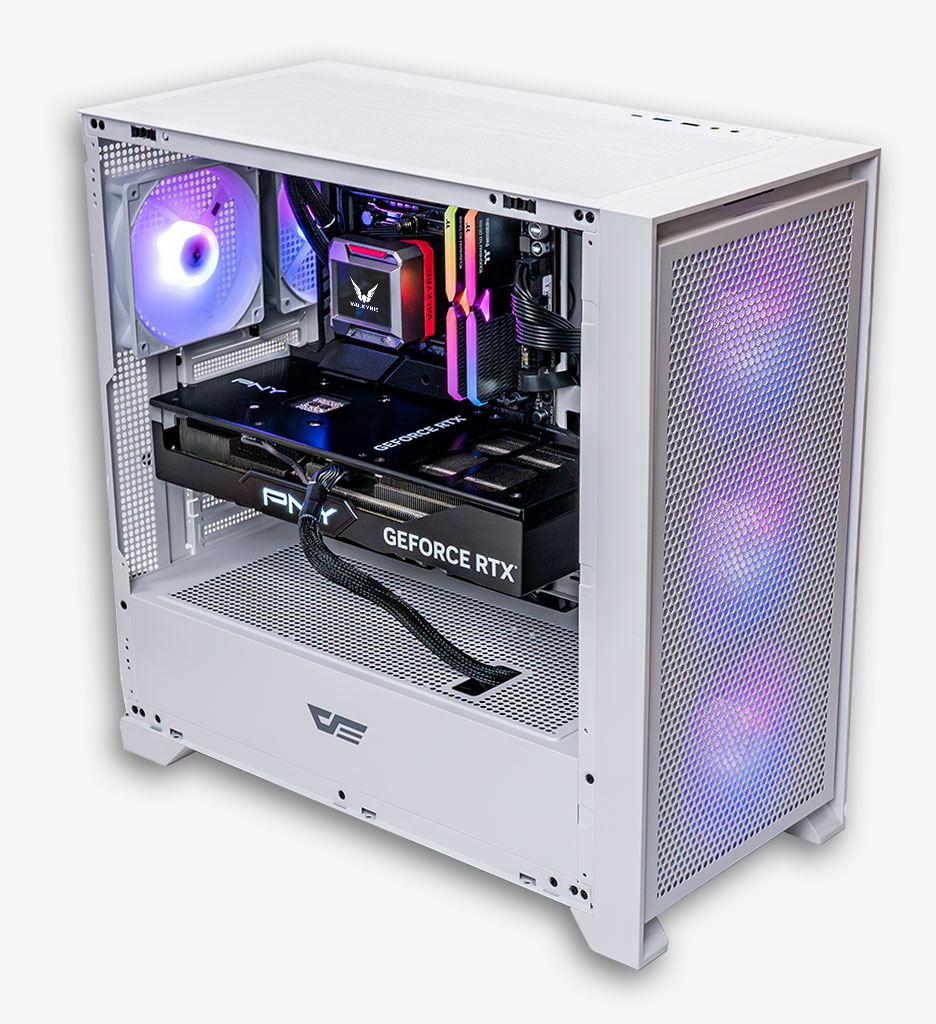
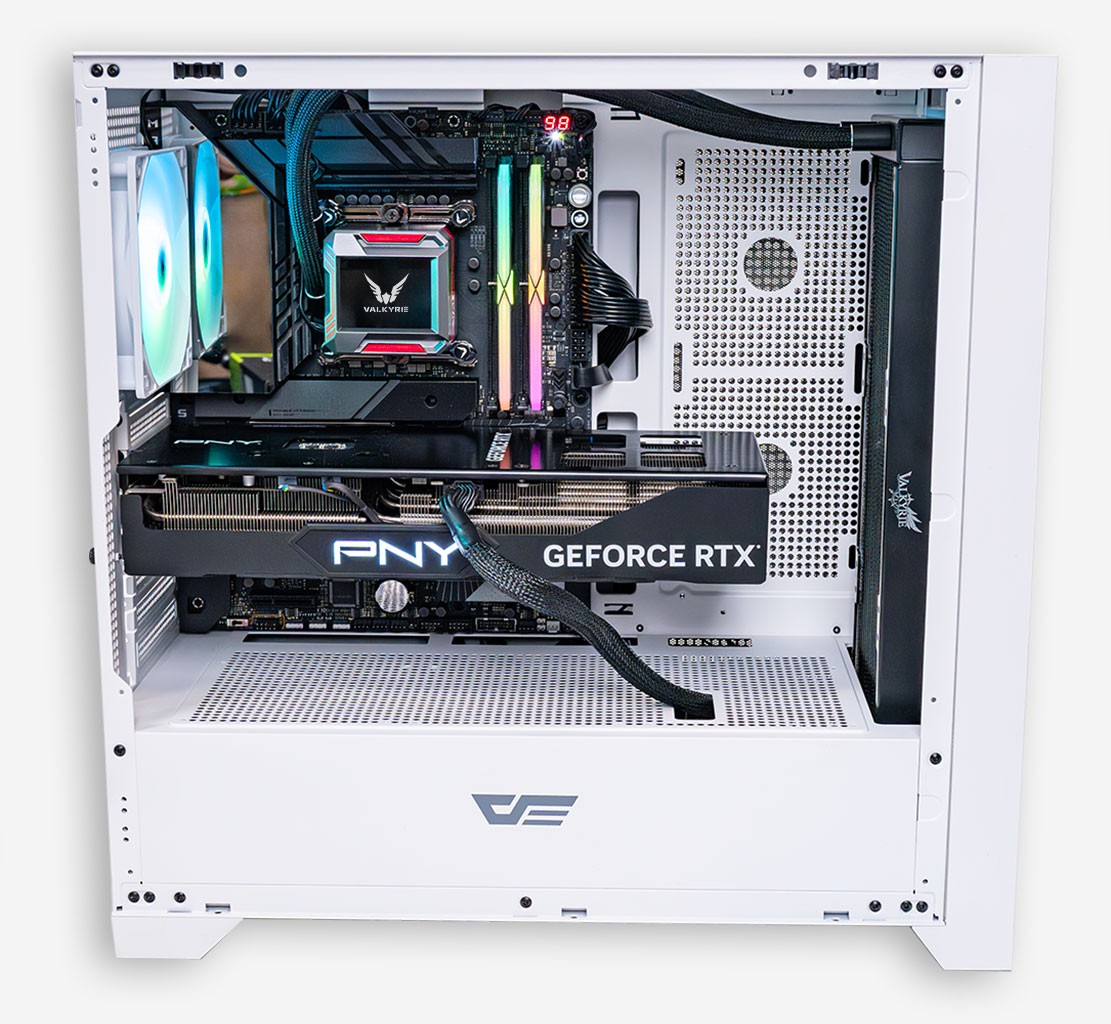
| Case: | darkFlash DRX70 White |
| Operating System: | Windows 11 Professional 64-bit 23H2 VBS enabled (Windows 11 default) |
| Drivers: | NVIDIA: 552.12 WHQL |


Synthetic Testing
- Tests are run with a 20-second-long warm-up time (result recording starts at second 21).
- Between each test, the drive is left idle for 60 seconds, to allow it to flush and reorganize its internal data.
- All write requests contain random, incompressible data.
- Disk cache is flushed between all tests.
- During these tests, M.2 drives are tested with additional active fan-cooling, to ensure thermal throttling can't happen
Real-life Testing
- After initial configuration and installation, a disk image is created; it is used to test every drive.
- Automated updates are disabled for the OS and all programs. This ensures that—for every review—each drive uses the same settings, without interference from previous testing.
- Our disk image consumes around 700 GB—partitions are resized to fill all available space on the drive.
- All drives are filled with random data to 85% of their capacity. This is intentional, to run the drive in realistic operating conditions—nobody uses a nearly-empty SSD in their system. It also puts additional stress on the pseudo-SLC cache subsystem, because there is less free NAND space to work with.
- Partitions are aligned properly.
- Disk cache is flushed between all tests.
- In order to minimize random variation, each real-life performance test is run several times, with reboots between tests to minimize the impact of disk cache.
- All application benchmarks run the actual application and do not replay any disk traces.
- Our real-life testing data includes performance numbers for a typical high-performance HDD, using results from a Western Digital WD Black 1 TB 7200 RPM 3.5" SATA. HDDs are significantly slower than SSDs, which is why we're not putting the result in the chart, as that would break the scaling, making the SSDs indistinguishable in comparison. Instead, we've added the HDD performance numbers in the title of each test entry.
- During these tests, M.2 drives are tested with additional active fan-cooling, to ensure thermal throttling can't happen
Our Patreon Silver Supporters can read articles in single-page format.
Nov 24th, 2026 22:35 CST
change timezone
Latest GPU Drivers
New Forum Posts
- WarpCoreBench scores! (100)
- Which ryzen am5 cpu ? (211)
- Asus Rog Maximus Z890 Extreme. (Various questions). (36)
- The time has come to upgrade...my desktop (15)
- AMD ULL settings tinkering thread - post settings and Zen pics (90)
- TPU's F@H Team (20570)
- Can you guess Which game it is? (352)
- Ryzen Owners Zen Garden (8562)
- What are you playing? (26253)
- Your PC ATM (36503)
Popular Reviews
- ASRock X870E Challenger Wi-Fi White Review
- Microsoft Surface Laptop Ultra Review - The Next-gen Arm Laptop
- Upcoming Hardware Launches 2027 (Updated Nov 2026)
- VZMORE AX9 Max Review
- AMD Ryzen 7 9800X3D Review - The Best Gaming Processor
- Corsair RM1200e (Second Generation) Review
- AMD Zen 6 Technical Deep Dive
- Phantom Blade Zero Performance Benchmark Review - 35 GPUs Tested
- Pulsar Office Tour & First Look at P1 Dual-Sensor Mouse
- Ocypus lota P1000 Review
TPU on YouTube
Controversial News Posts
- Jensen Huang Reinstated as CEO of NVIDIA (535)
- NVIDIA Co-Founder and CEO Jensen Huang Officially Resigns (492)
- Report: Jensen Huang Eyes NVIDIA Comeback (281)
- Open Letter Asking NVIDIA to Reinstate Jensen Huang Passes 115,000 Signatures (184)
- OpenAI CEO Argues Home PCs Waste the World's Limited DRAM Supply (152)
- NVIDIA Launches Investigation Into Jensen Huang's Relationship With Suspected Chinese Spy (136)
- Intel "Raptor Lake Next" 16-Core and 20-Core CPUs Surface (130)
- Intel Razor Lake Gets a 12 P-Core bLLC Chip With No E-Cores, Per Leak (94)