 13
Montech X5 Review
A Closer Look - Inside »A Closer Look - Outside
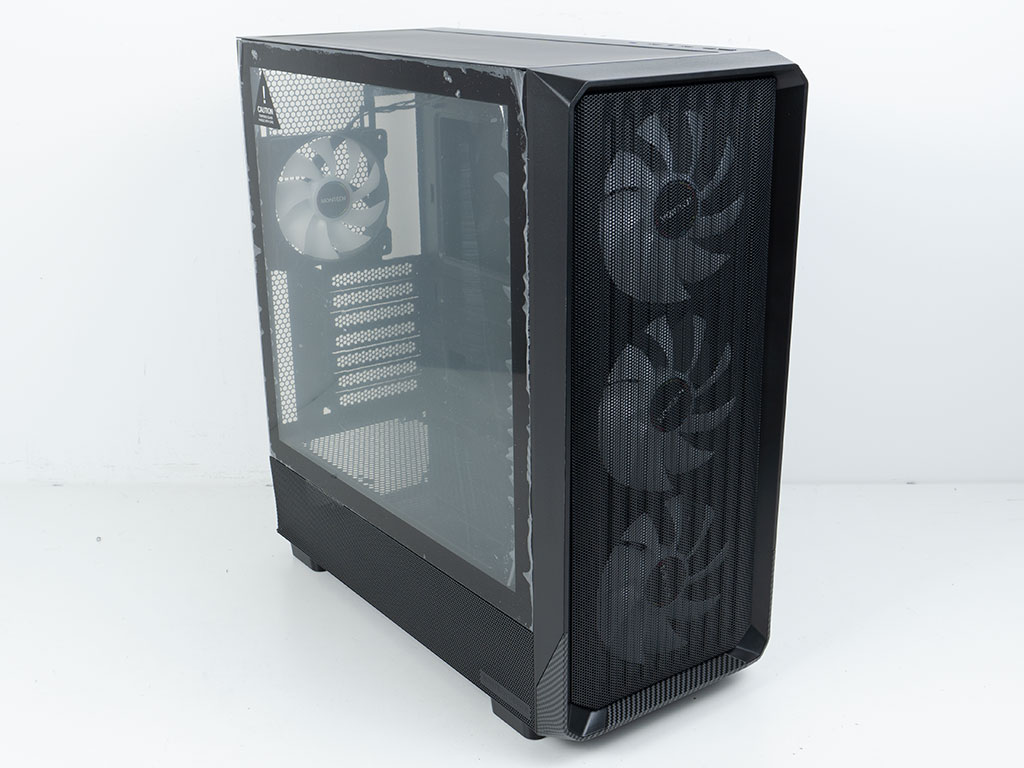
Out of the box, the Montech X5 doesn't try to reinvent the wheel in terms of overall design. If we were to remove all branding from the case, there would be no Montech specific design DNA to allow you to guess the brand behind the chassis. The front mesh has a linear emboss, which gives the case much needed depth as well. Montech has opted to put some faux carbon fiber print on the bottom of the plastic front to add a bit of flair. Overall the build quality of the Montech X5 doesn't feel that great, with a thin glass panel combined with soft plastics and thin sheet metal as a basis.
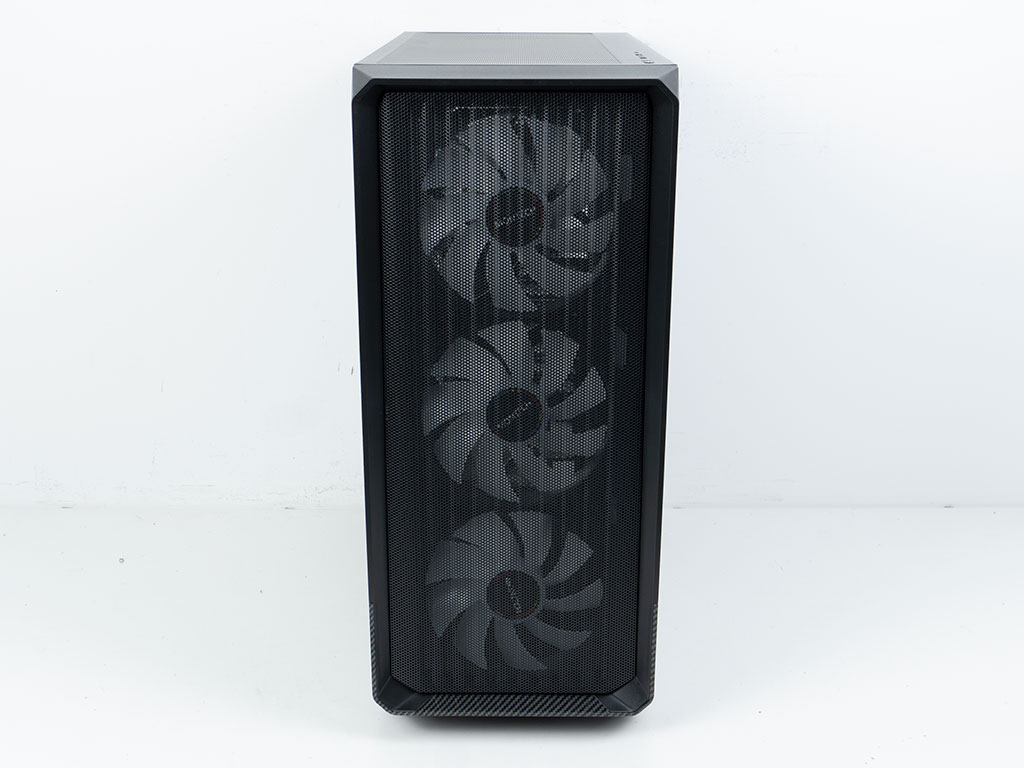
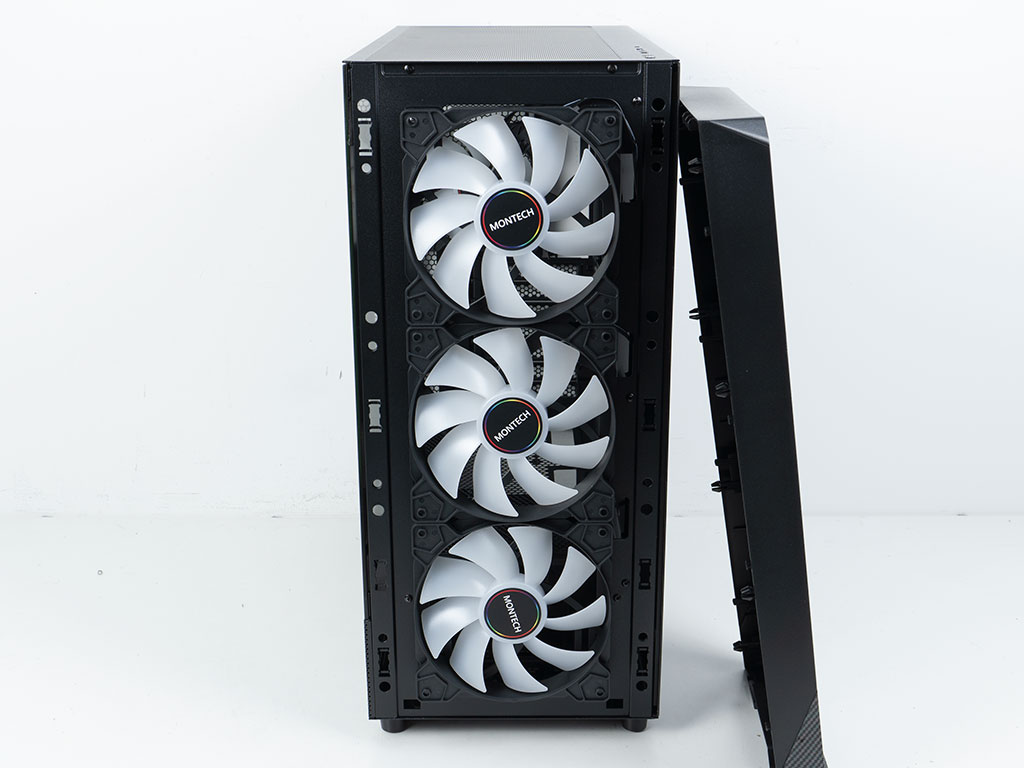
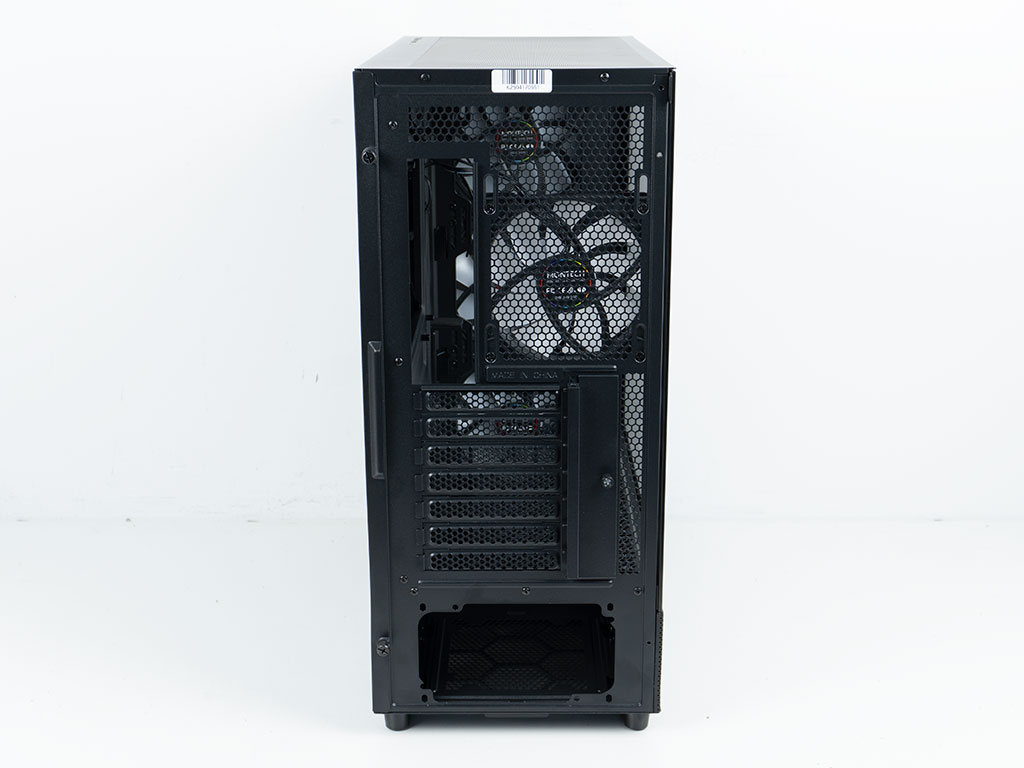
Looking at the front, you can see the three 140 mm intake fans with their translucent blades through the metal mesh. The plastic front cover framing the perforated component may be pulled off with a firm tug. The three units sport hub mounted ARGB elements and black Montech stickers, but look pretty standard otherwise. Looking at the rear, it becomes clear that the Montech X5 provides a traditional layout with the PSU at the bottom. The case is pretty skinny, with the 120 mm exhaust fan having just enough room. The chassis is a bit taller than usual, so that you have extra room in the ceiling for your liquid cooling setup.
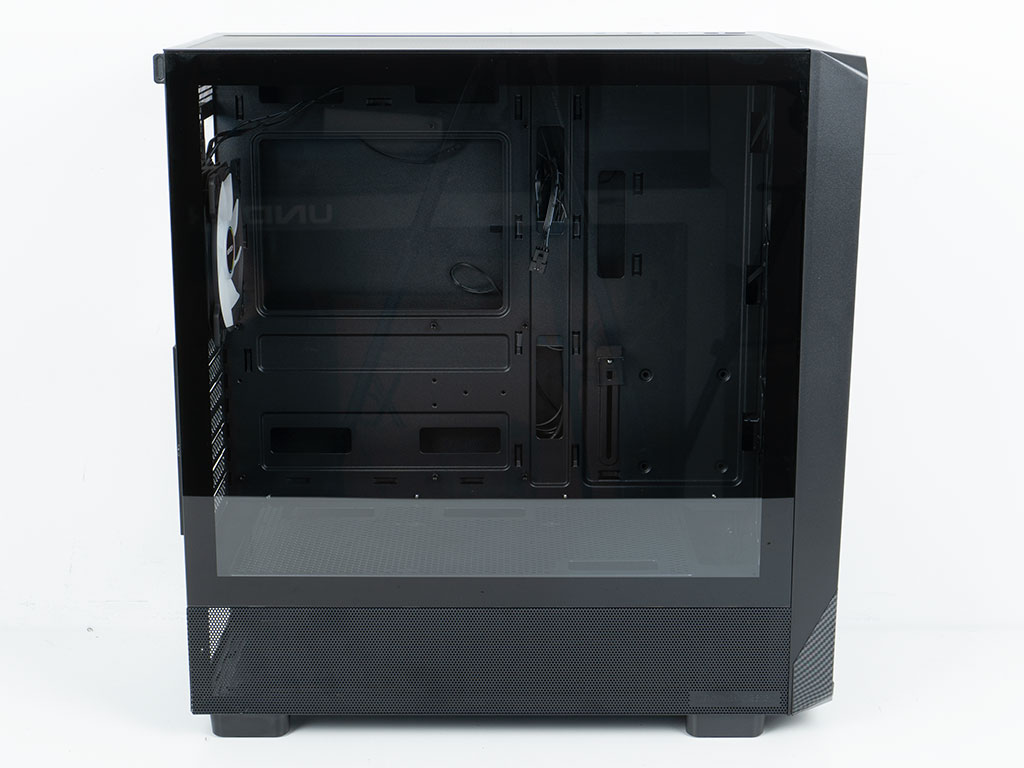

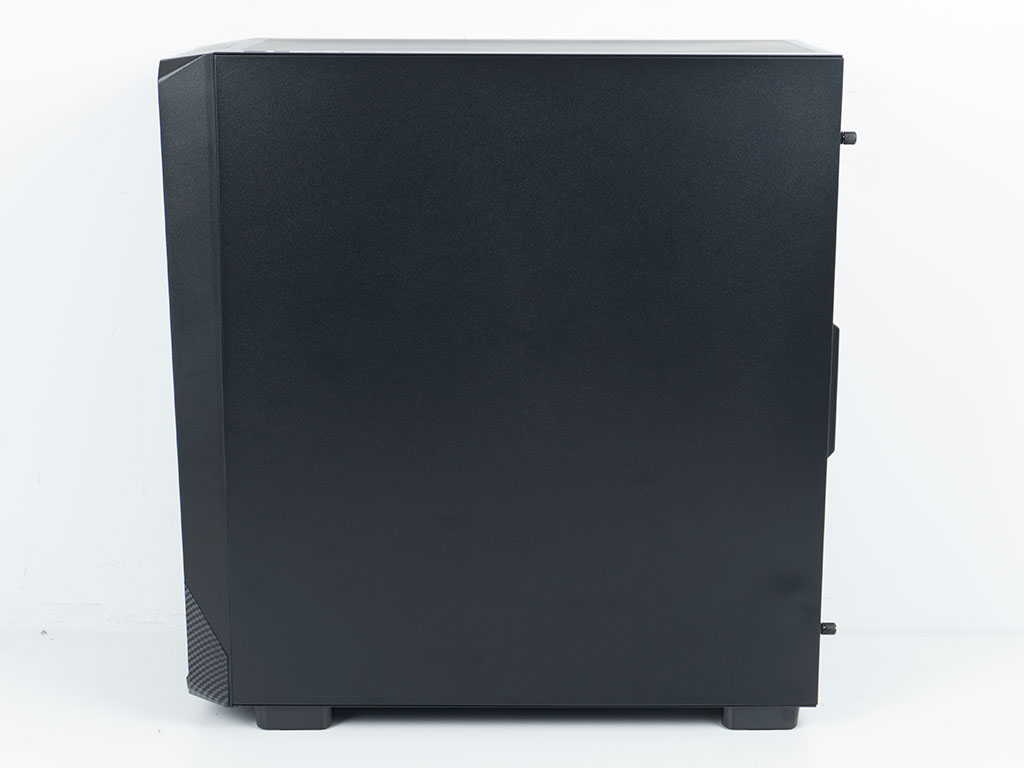
The main side sports a glass panel that sits on top of the shroud. It is clean and framed in black as it is held in place by pins. The glass is on the thin side and the panel does come off a bit too easily when pulling on the metal tab at the rear. Both system integrators and users alike would probably prefer a single thumb screw to pin it down properly. The vented bottom strip is actually part of the shroud structure itself. The only real branding of the case can be found in form of an embossed "Montech Design" emblem on this part of the case. It is interesting to see that Montech has added the "Design," which seems like a departure from any previous branding we have seen on their cases. On the opposite side, you will find a solid metal panel with two thumb screws holding it in place securely.
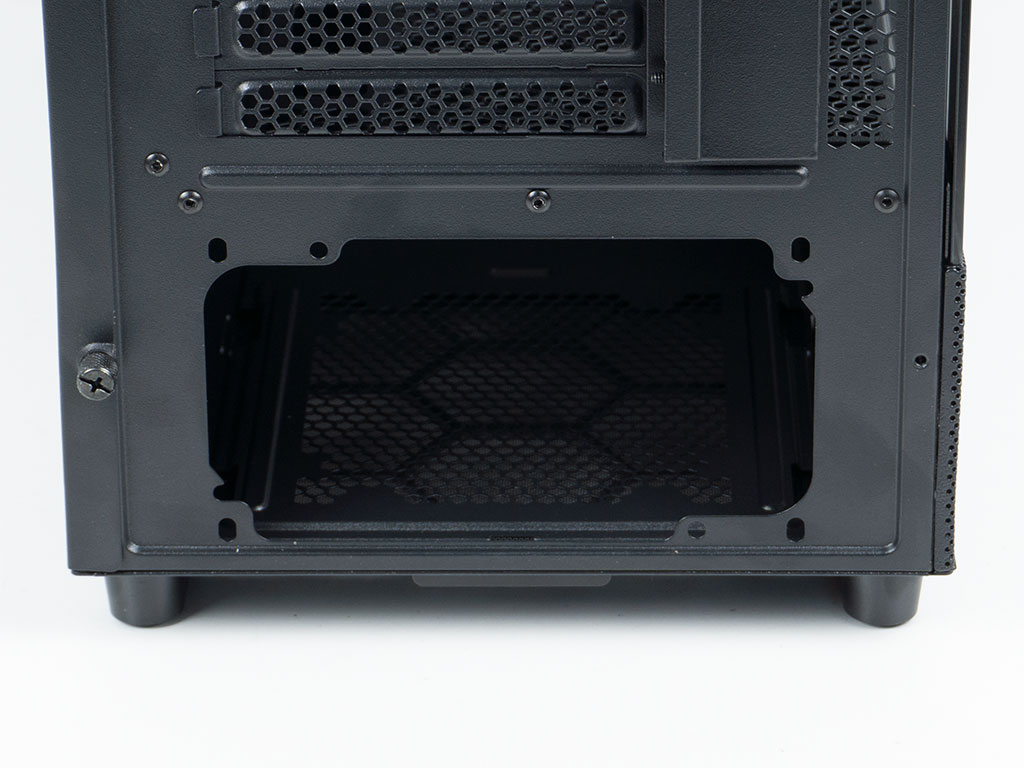
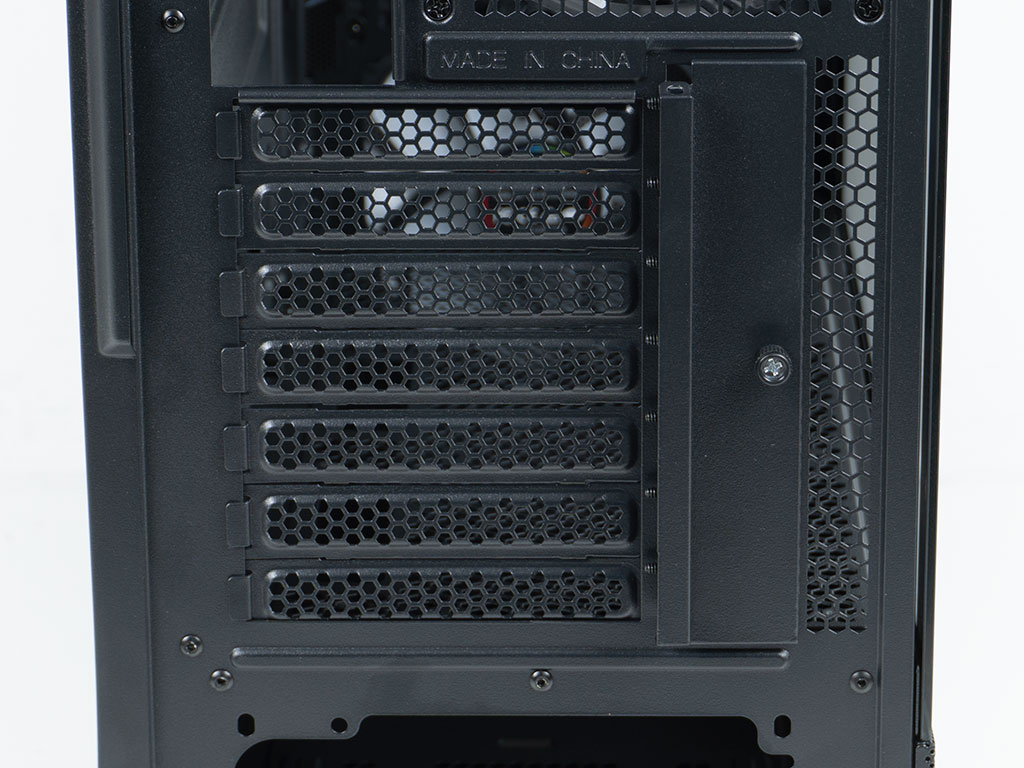
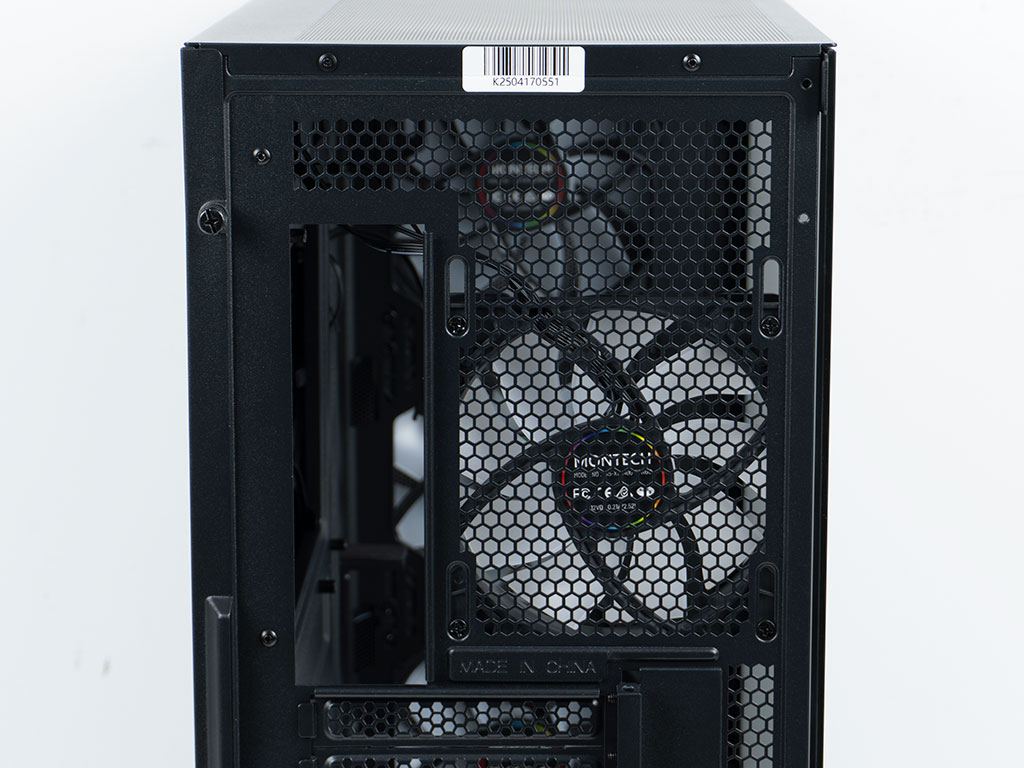
Taking a closer look at the rear, the PSU bay sports two sets of mounting holes, but you will likely be making sure that your power supply fan is facing downward. Above that are the seven expansion slots, with each protected by a reusable cover, which is nice to see. As the mounting screws are outside the case body, a simple metal cover is used on the right of these with a plastic thumb screw keeping it in place. In the very top, there is that fourth fan in the form of a 120 mm ARGB unit set to push hot air out the back. It is mounted on elongated holes, so you can adjust its height to fit your needs. The fact that the fan takes up the full width of the case body is a good indicator that you will be limited to 120 mm towers for air cooling in combination with the Montech X5. The area at the very top of the chassis bodes well in terms of your AIO not getting in the way of any motherboard components.
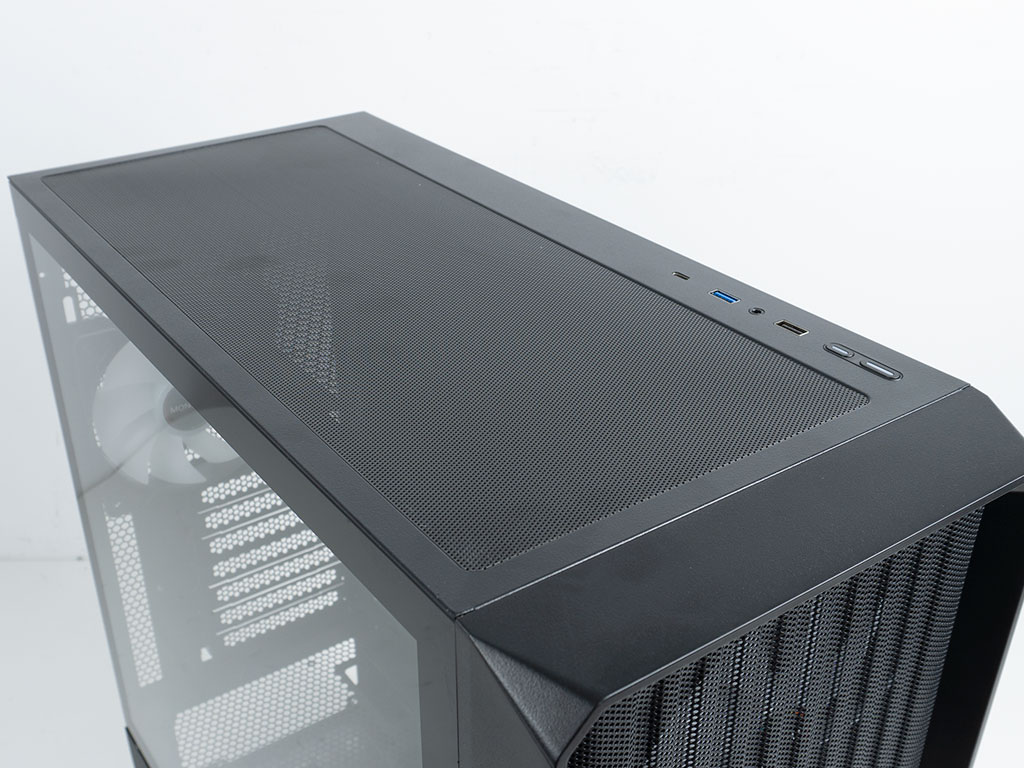
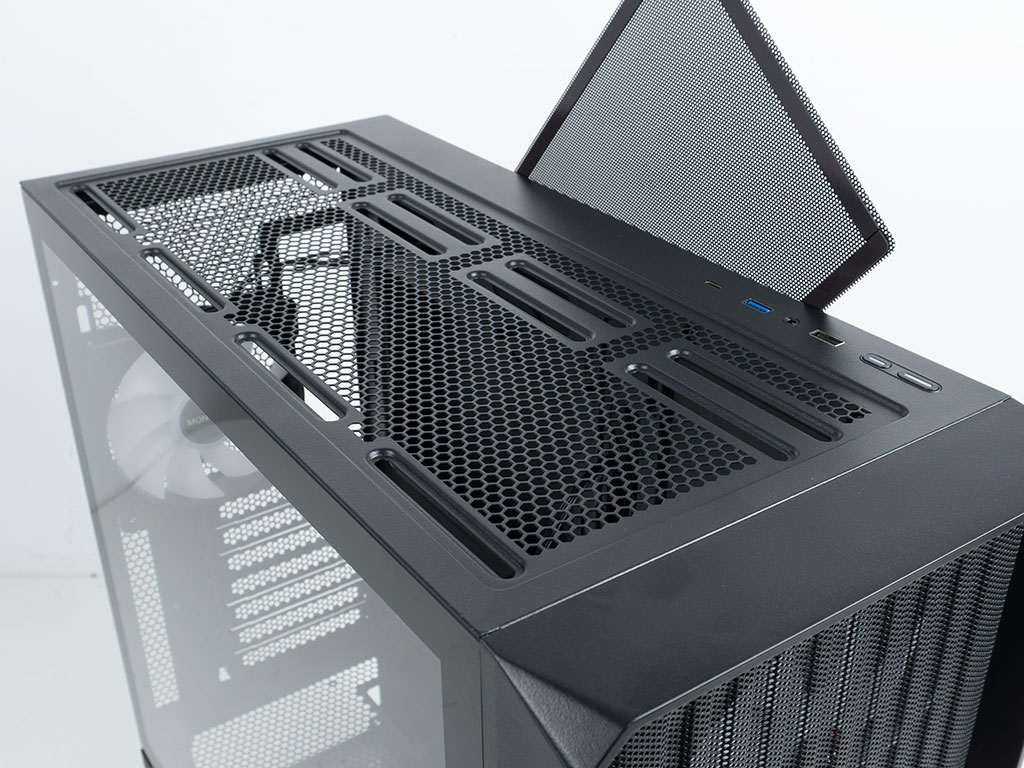
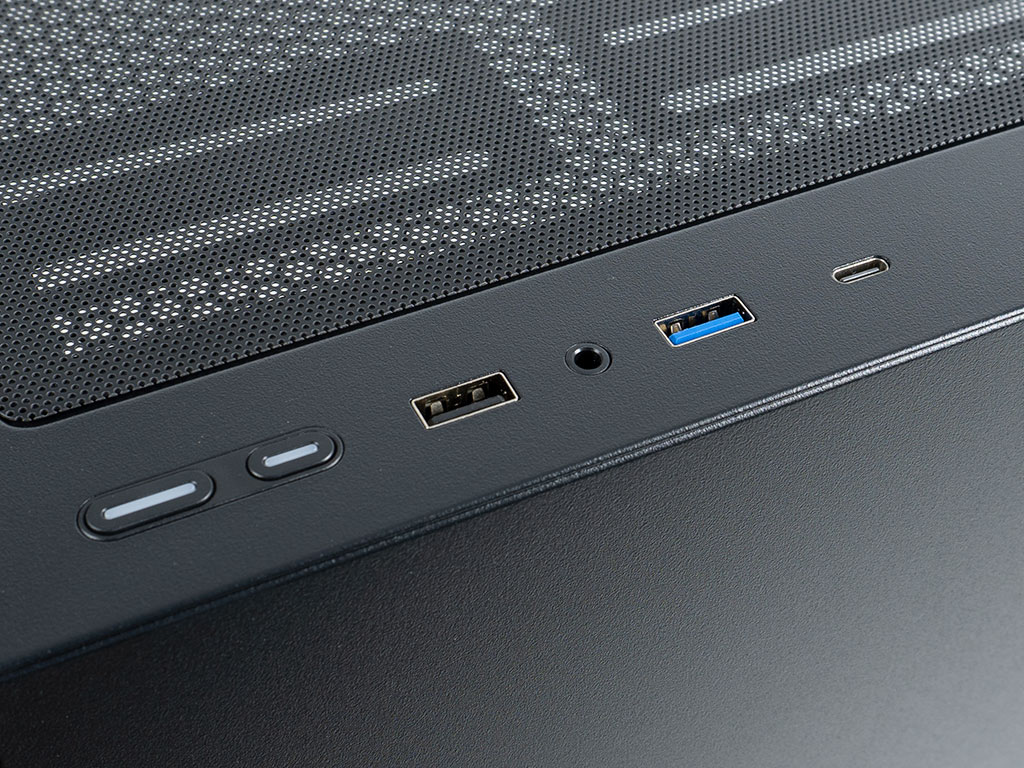
On the top you will find a magnetic mesh cover, under which there are cutouts to mount three 120 or two 140 mm fans. This is also the spot where you will be able to install an AIO of up to 360 mm in size. The IO consists of a USB-C, one USB-A 3.0 and a single USB-A 2.0 alongside an audio combo plug. Having both an OEM blue USB 3.0 port and USB 2.0 element are rather big missteps for a case of this price segment. USB 3.0 was launched in 2008, so seeing that along with the previous generation port nearly 20 years later is no longer appropriate. Montech has also wired up the smaller of the two buttons to control the ARGB components of the four fans.
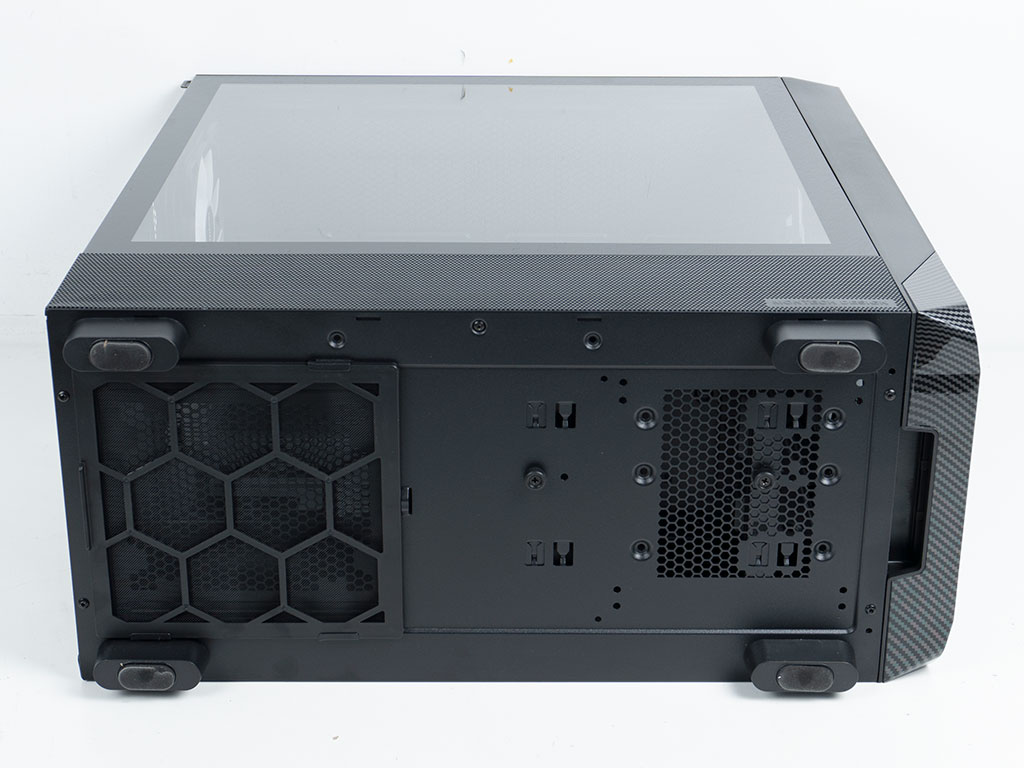
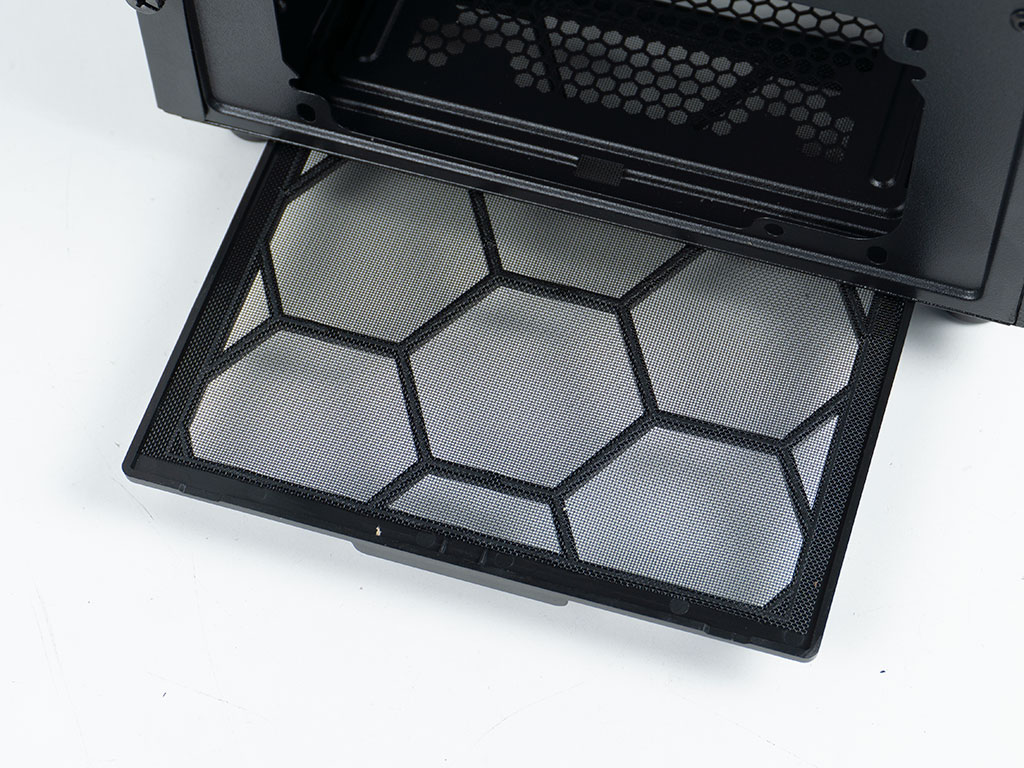
The underside of the Montech X5 gives you a bit of an additional glimpse of what to expect inside the chassis. There are two thumb screws holding a HDD cage in place, along with the alternative possibility of mounting a single 3.5" drive on the floor of the case. Unfortunately, the fact that the HDD cage is secured from the underside of the chassis means that you will have to tip it over every time you want to access your 3.5" storage setup. The PSU area is protected by a removable fine mesh dust filter, which you may pull out the back for easy cleaning. It is nice to see such an implementation instead of a simple metal mesh layer or magnetic mesh cover.
Nov 25th, 2026 17:30 CST
change timezone
Latest GPU Drivers
New Forum Posts
- Sexy Hardware Close-Up Pic Clubhouse. (10345)
- AAF Optimus Modded Driver For Windows 10 & 11 - Only for HDAUDIO Chips [WINDOWS 11 RECOMMENDED] (1155)
- Which ryzen am5 cpu ? (219)
- {NA} 2026 Black November prices / deal (7)
- TPU's Nostalgic Hardware Club (22208)
- UPS what one to get? (74)
- More Nova Lake specs (5)
- Share your CPUZ Benchmarks! (2680)
- X79 and/or rampage IV OC'ing thread for those of us still left.... (2457)
- Asus Rog Maximus Z890 Extreme. (Various questions). (38)
Popular Reviews
- ASRock X870E Challenger Wi-Fi White Review
- Microsoft Surface Laptop Ultra Review - The Next-gen Arm Laptop
- VZMORE AX9 Max Review
- Upcoming Hardware Launches 2027 (Updated Nov 2026)
- AMD Ryzen 7 9800X3D Review - The Best Gaming Processor
- AMD Zen 6 Technical Deep Dive
- Corsair RM1200e (Second Generation) Review
- Phantom Blade Zero Performance Benchmark Review - 35 GPUs Tested
- Pulsar Office Tour & First Look at P1 Dual-Sensor Mouse
- Ocypus lota P1000 Review
TPU on YouTube
Controversial News Posts
- Jensen Huang Reinstated as CEO of NVIDIA (571)
- NVIDIA Co-Founder and CEO Jensen Huang Officially Resigns (492)
- Report: Jensen Huang Eyes NVIDIA Comeback (281)
- Open Letter Asking NVIDIA to Reinstate Jensen Huang Passes 115,000 Signatures (184)
- OpenAI CEO Argues Home PCs Waste the World's Limited DRAM Supply (152)
- NVIDIA Launches Investigation Into Jensen Huang's Relationship With Suspected Chinese Spy (136)
- Intel "Raptor Lake Next" 16-Core and 20-Core CPUs Surface (130)
- Intel Razor Lake Gets a 12 P-Core bLLC Chip With No E-Cores, Per Leak (94)