 25
MSI GeForce RTX 5070 Gaming Trio OC Review
Circuit Board Analysis »Packaging


The Card


The MSI Gaming Trio comes with a color theme that's dominated by black and various shades of gray. A semi-transparent plastic envelops the fans, serving as an additional highlight. On the back you'll find a metal backplate with a large cutout and a shiny dragon logo.

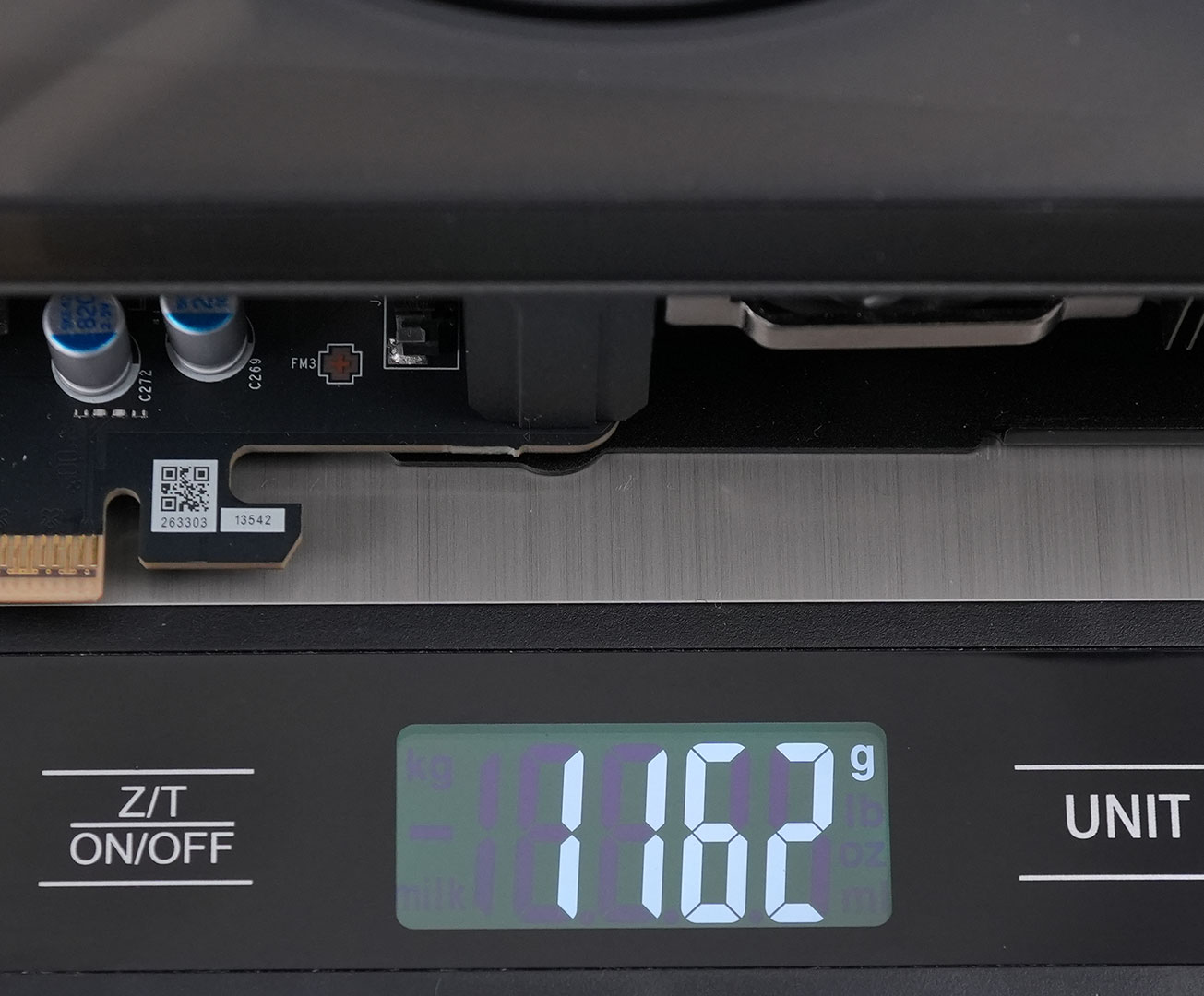
Dimensions of the card are 34.0 x 14.0 cm, and it weighs 1162 g.
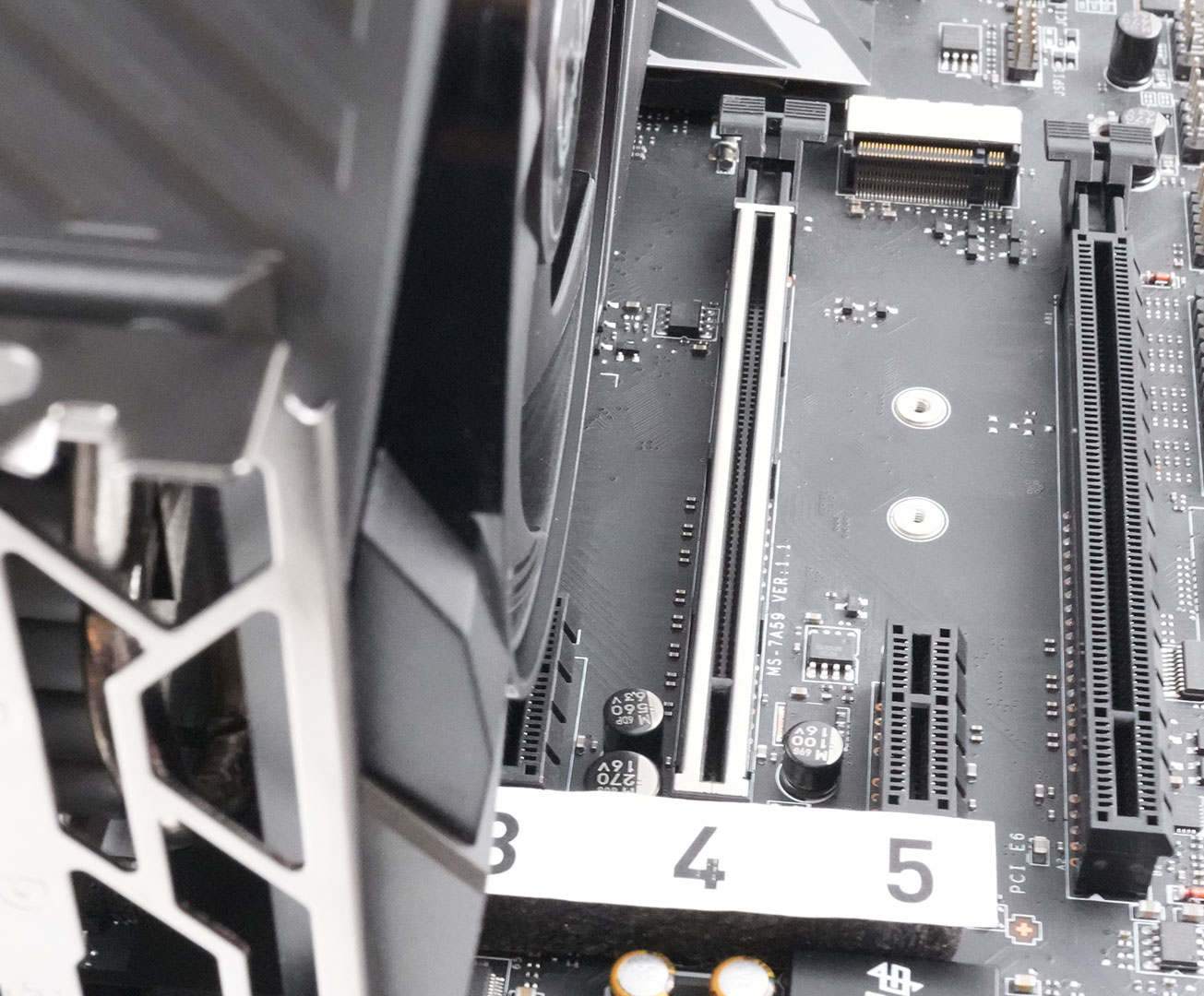
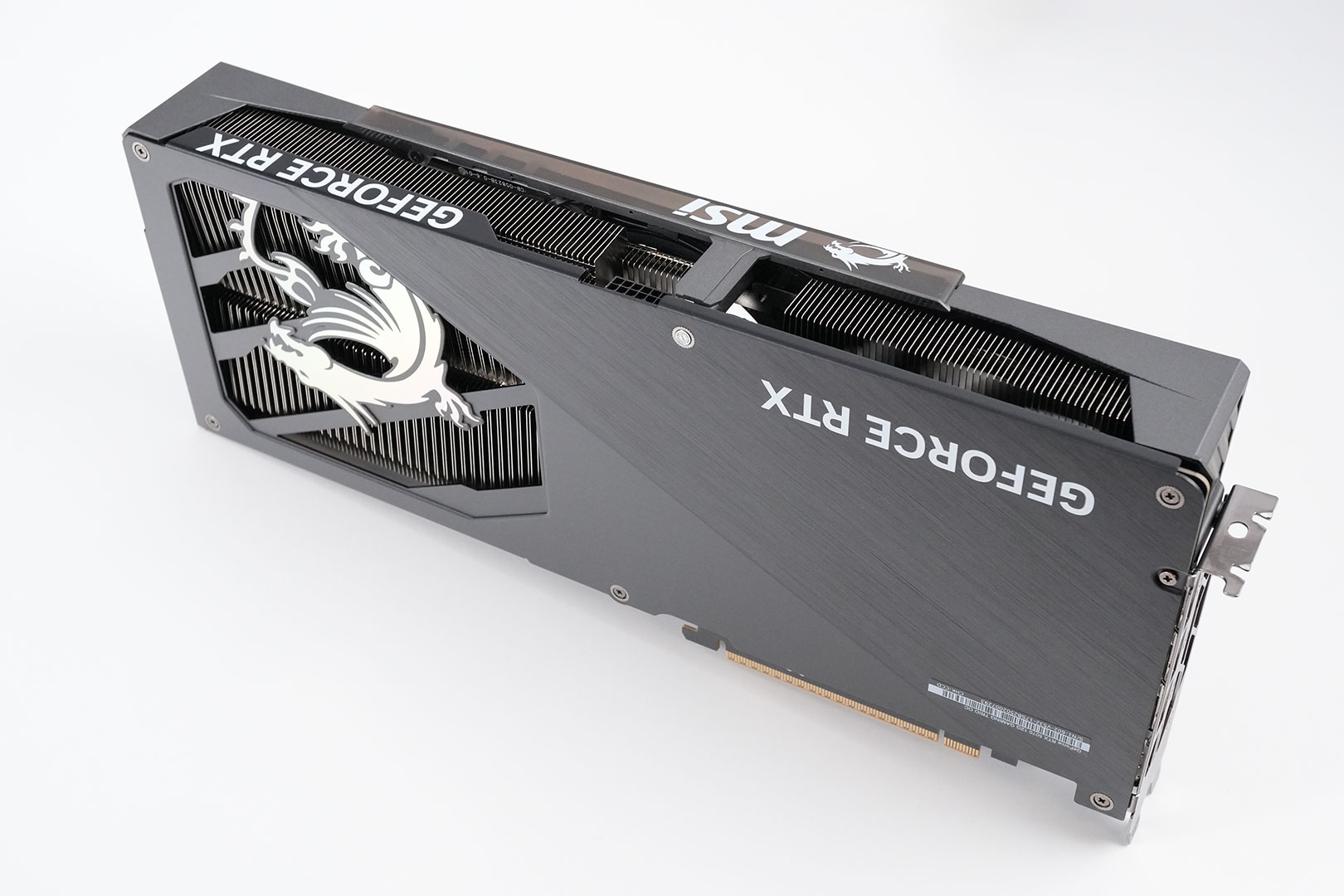
Installation requires three slots in your system. We measured the card's width to be 50 mm.

Display connectivity includes three standard DisplayPort 2.1b and a HDMI 2.1b.
All GeForce RTX 50-series Blackwell cards feature a new display engine supporting DisplayPort 2.1b with UHBR20, as well as HDMI 2.1a. Both interfaces support DSC (display stream compression). With DSC enabled, a single DisplayPort on this card can drive 4K 12-bit HDR at 480 Hz; or 8K 12-bit HDR at up to 165 Hz. The RTX 5070 features an updated media acceleration engine with support for 4:2:2 video formats, AV1 UHQ, and MV-HEVC. Unlike the bigger RTX 50 models, which have two, there is a single NVENC and NVDEC unit each.

The card uses a single 16-pin connector, which allows a maximum power draw of 600 W, but the board power limit is set much lower of course.
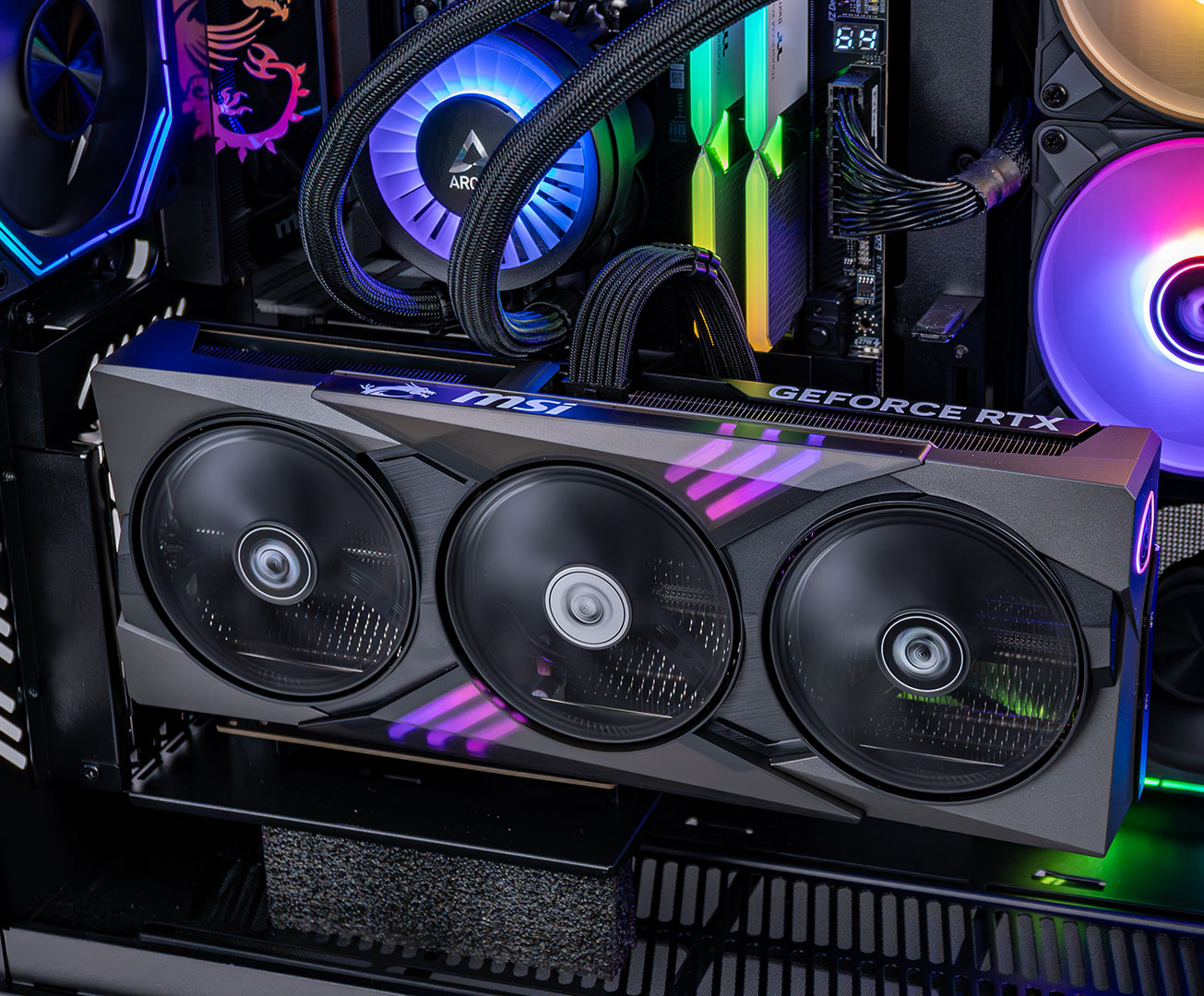
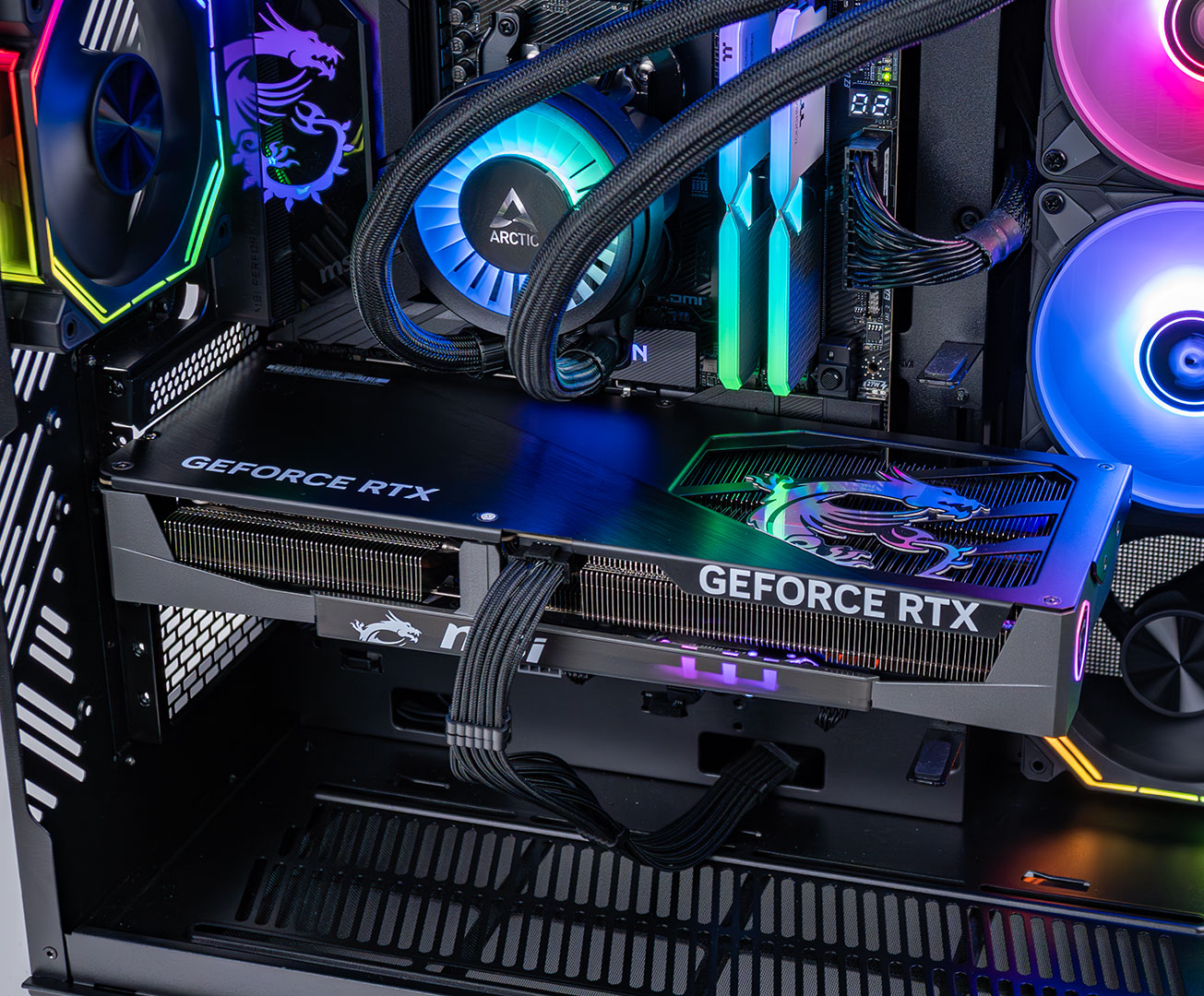
MSI has installed an RGB lighting zone on the "MSI" logo, near the fans and on the right side of the card on the second logo badge.
Teardown
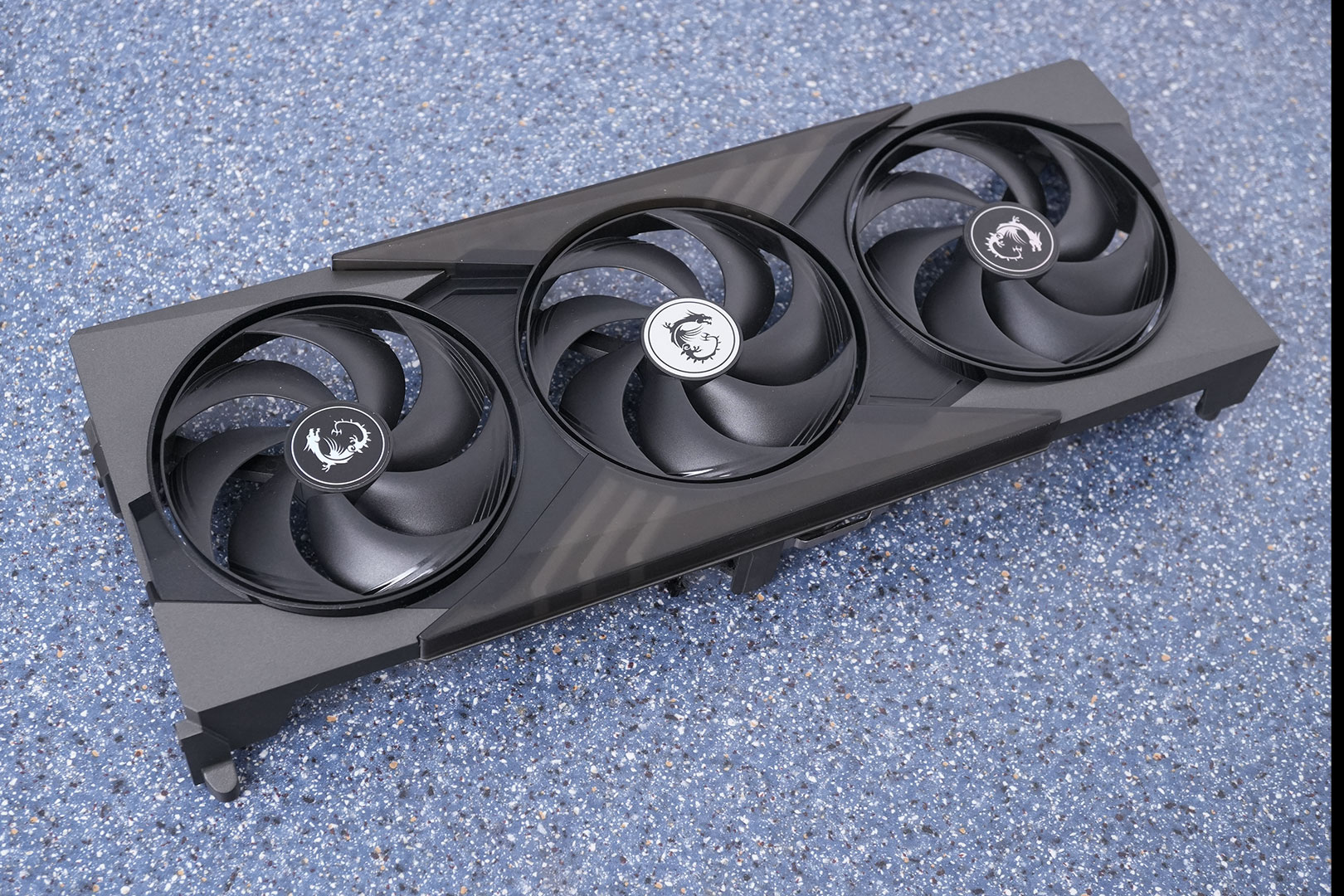
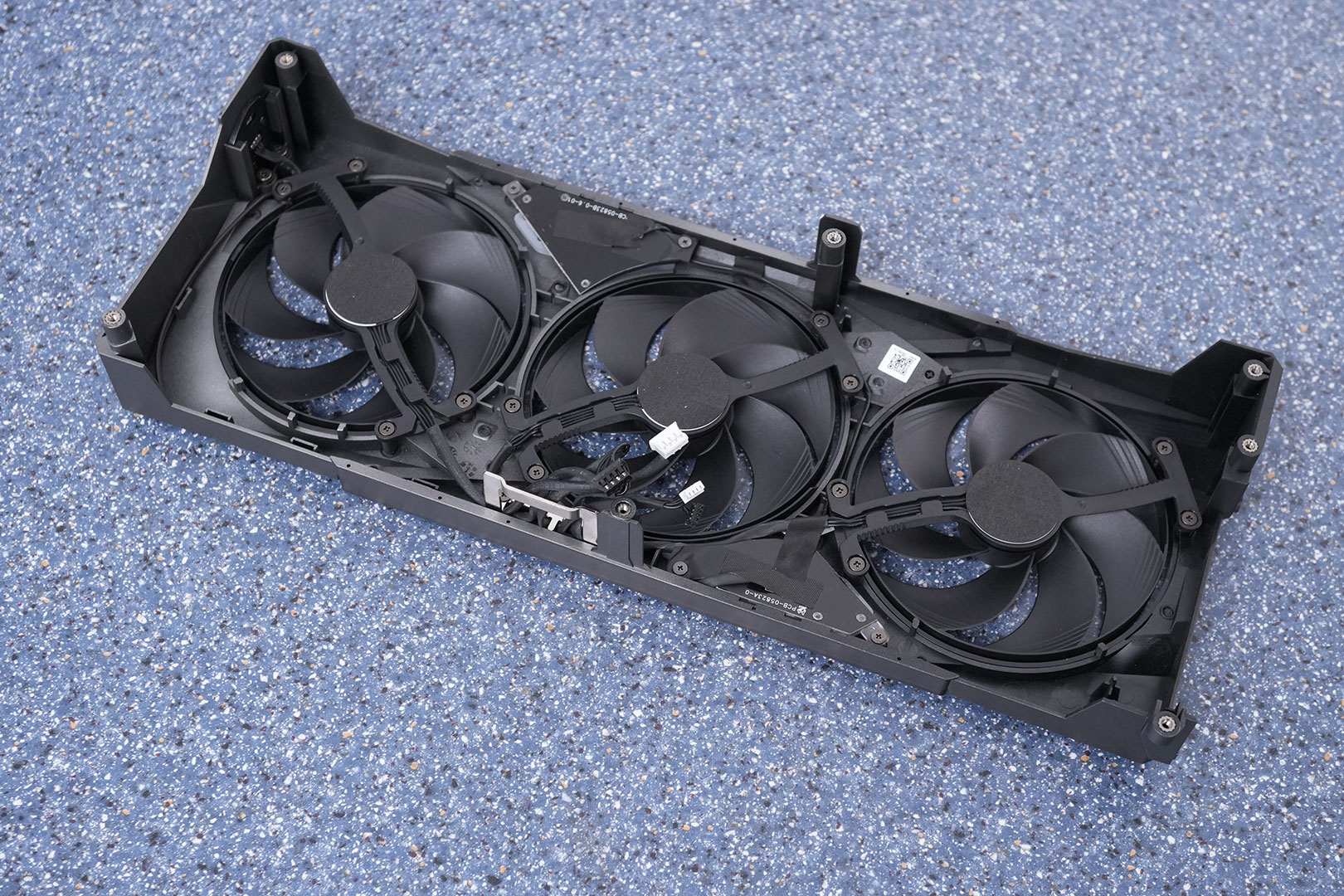
While these photos suggest that the fan assembly can be removed easily, like on other cards, it's not as elegant on the Gaming Trio, because two out of four cables can only be removed after the main heatsink is uninstalled.
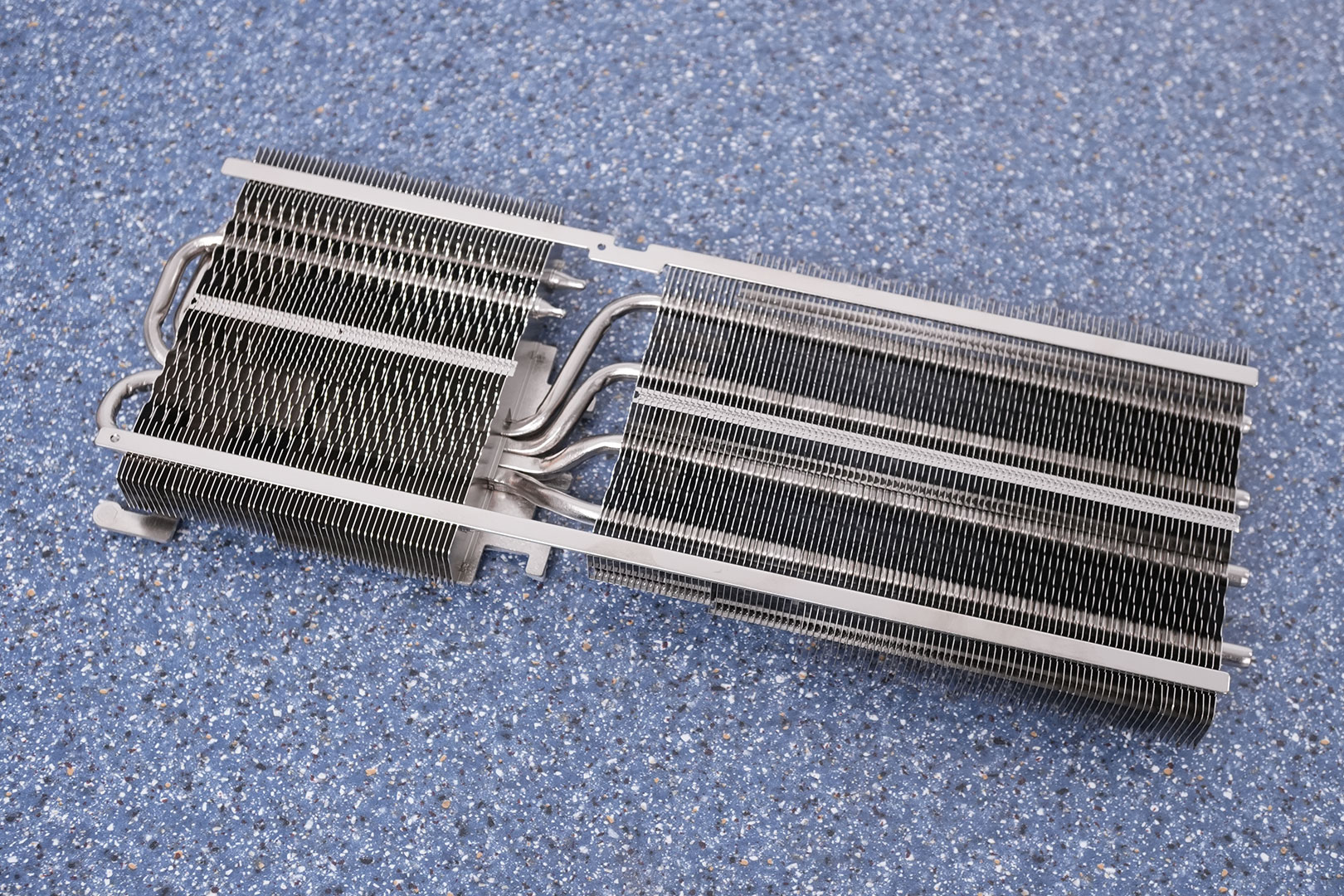
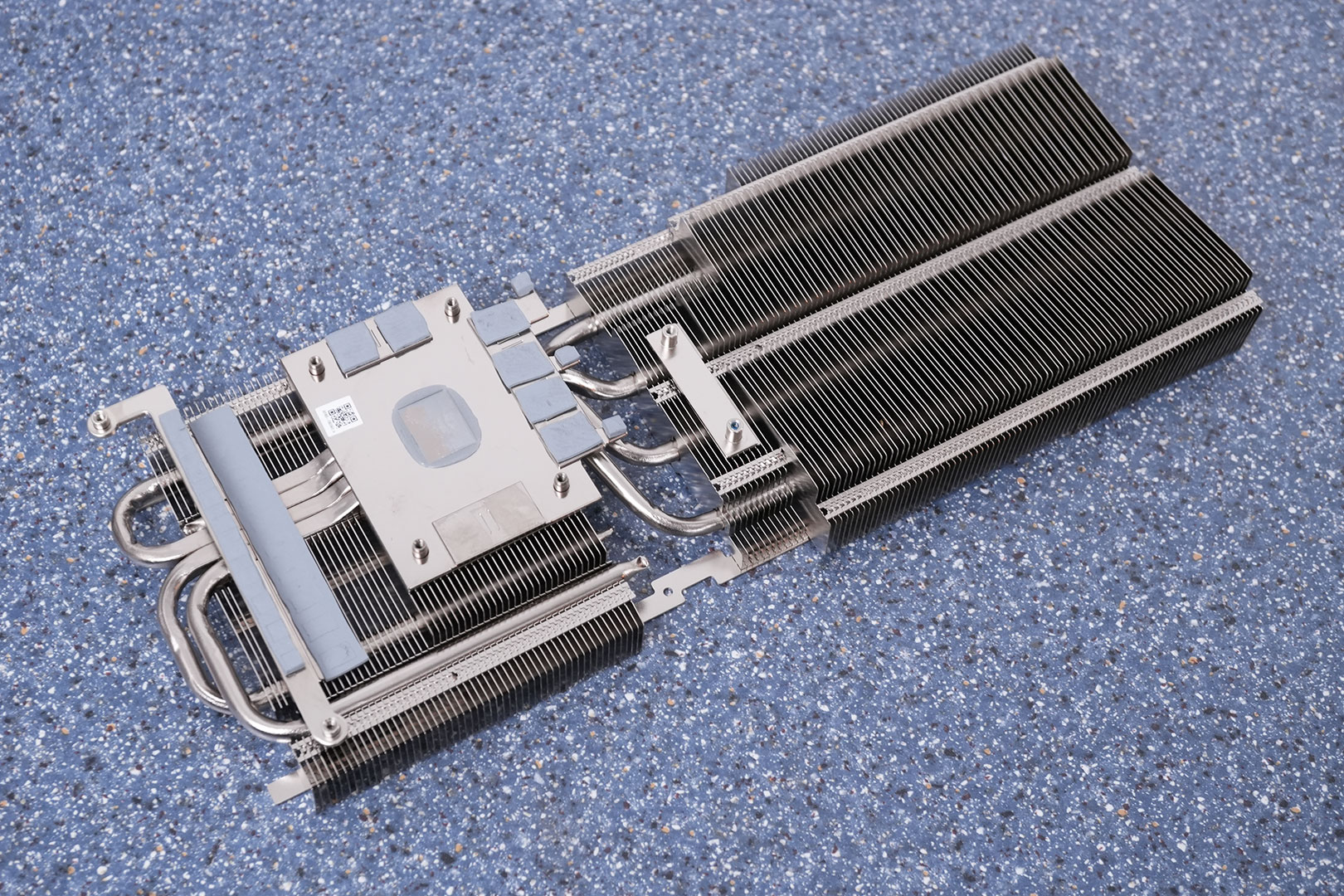
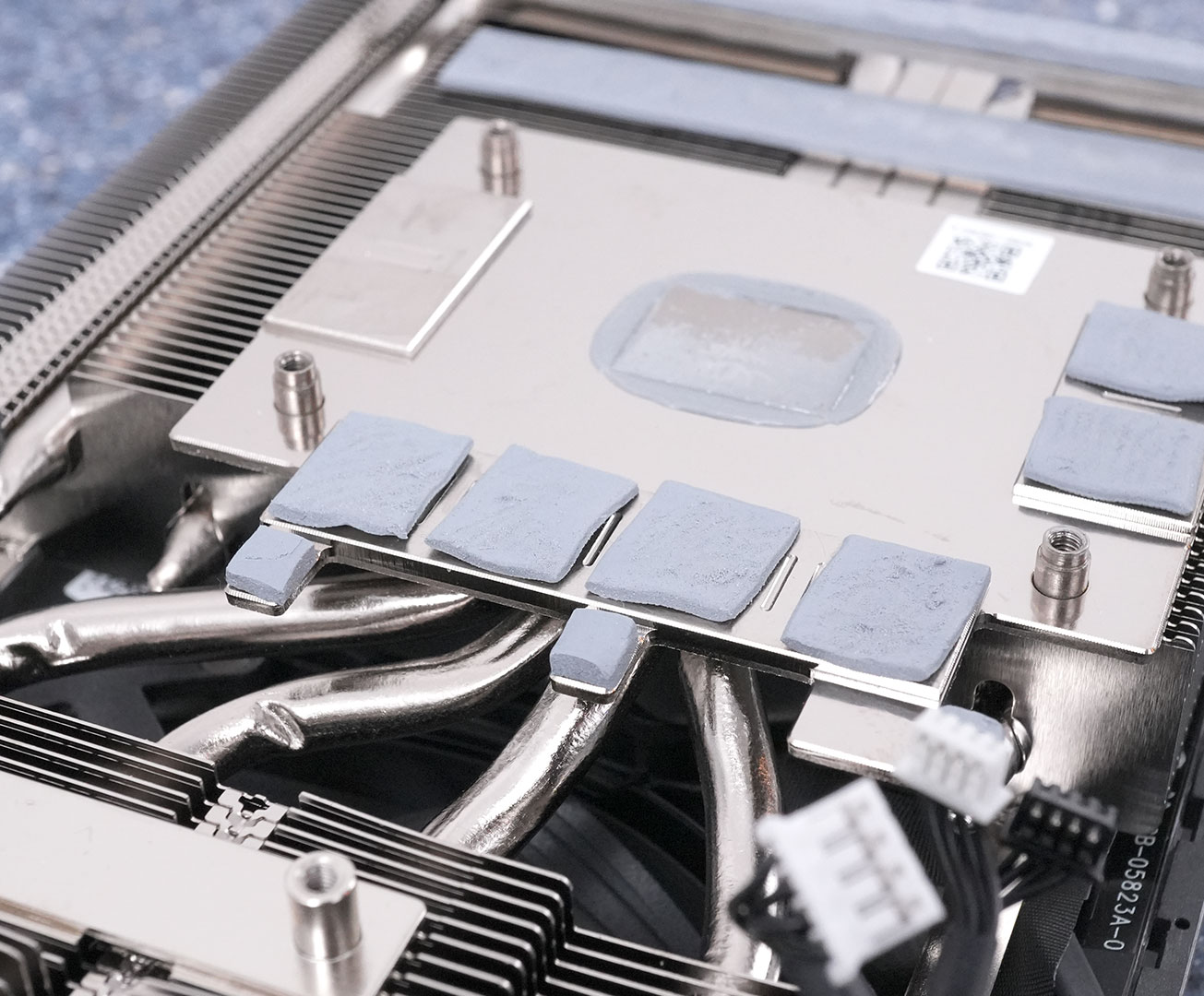
The heatsink uses four heatpipes. It provides cooling for the memory chips and VRM circuitry, too.
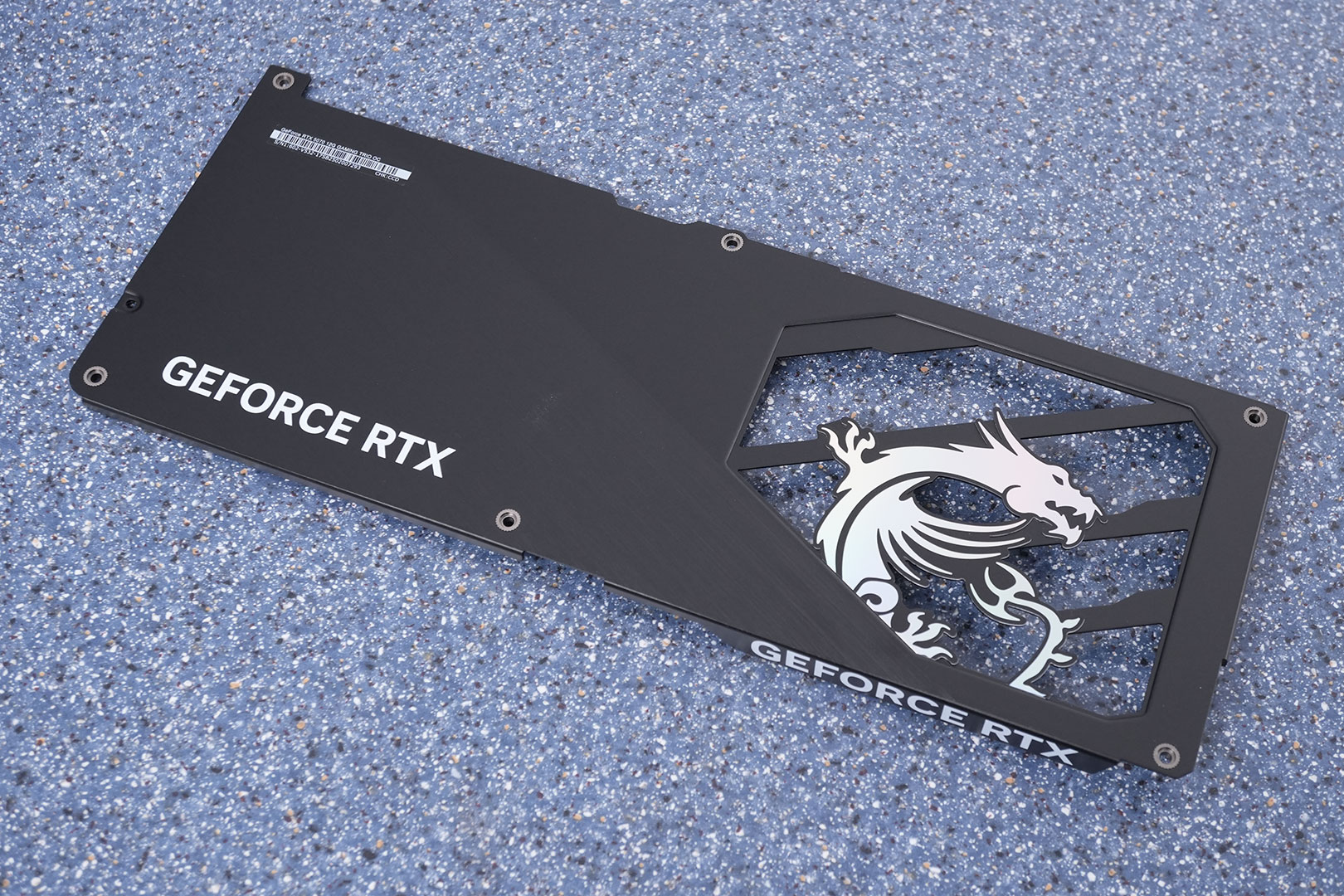
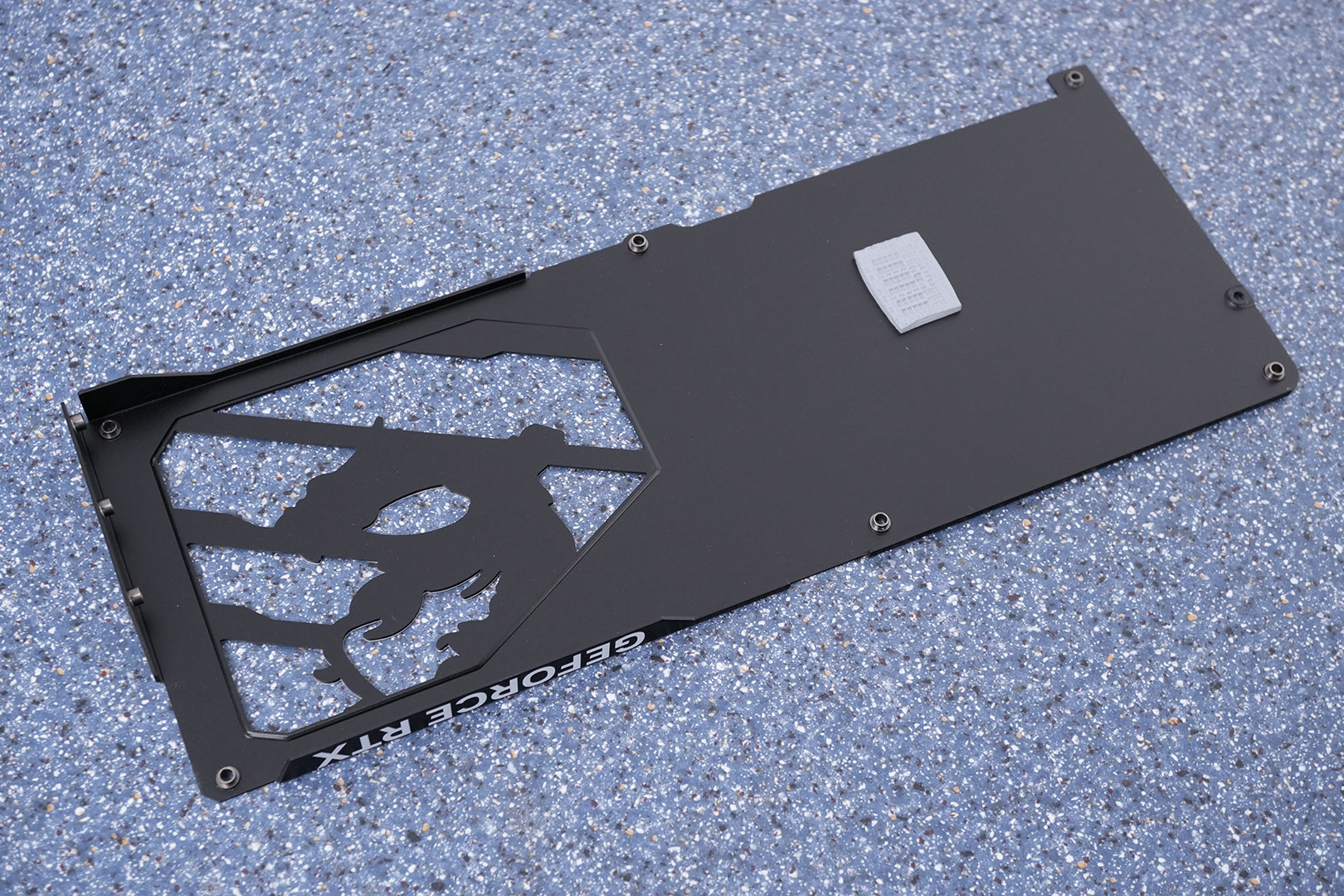
The backplate protects the card against damage during installation and handling.
Nov 21st, 2026 23:30 PST
change timezone
Latest GPU Drivers
New Forum Posts
- How to prevent OLED burn damage due to PC freezes or power outtages? (53)
- Your PC ATM (36447)
- Honestly, do you care about GTA VI? (238)
- SATA drive 1.4 GBps with Intel X25-E on Windows 98! (41)
- TPU's Nostalgic Hardware Club (22191)
- Ryzen or Intel system (11)
- AI generated images... (231)
- RX 9000 series GPU Owners Club (2252)
- Introducing DST Bench : one of the most advanced disk benchmark and storage analyzer real-time software (7)
- UPS what one to get? (26)
Popular Reviews
- Microsoft Surface Laptop Ultra Review - The Next-gen Arm Laptop
- Corsair RM1200e (Second Generation) Review
- Pulsar Office Tour & First Look at P1 Dual-Sensor Mouse
- Upcoming Hardware Launches 2027 (Updated Nov 2026)
- Ugreen NASync DXP4800 GT Review
- AMD Ryzen 7 9800X3D Review - The Best Gaming Processor
- Biwin Black Opal NV7400 2 TB Review
- AMD Zen 6 Technical Deep Dive
- Phantom Blade Zero Performance Benchmark Review - 35 GPUs Tested
- AMD Ryzen 7 5800X3D 10th Anniversary Review
TPU on YouTube
Controversial News Posts
- NVIDIA Co-Founder and CEO Jensen Huang Officially Resigns (492)
- Report: Jensen Huang Eyes NVIDIA Comeback (262)
- Open Letter Asking NVIDIA to Reinstate Jensen Huang Passes 115,000 Signatures (184)
- OpenAI CEO Argues Home PCs Waste the World's Limited DRAM Supply (152)
- NVIDIA Launches Investigation Into Jensen Huang's Relationship With Suspected Chinese Spy (136)
- Intel "Raptor Lake Next" 16-Core and 20-Core CPUs Surface (130)
- NVIDIA GeForce RTX 50-Series Scheduled for up to $500 Price Hike This Week (89)
- Intel Razor Lake Gets a 12 P-Core bLLC Chip With No E-Cores, Per Leak (86)