 3
NZXT C1200 Platinum Review
Test Methodology »Internals
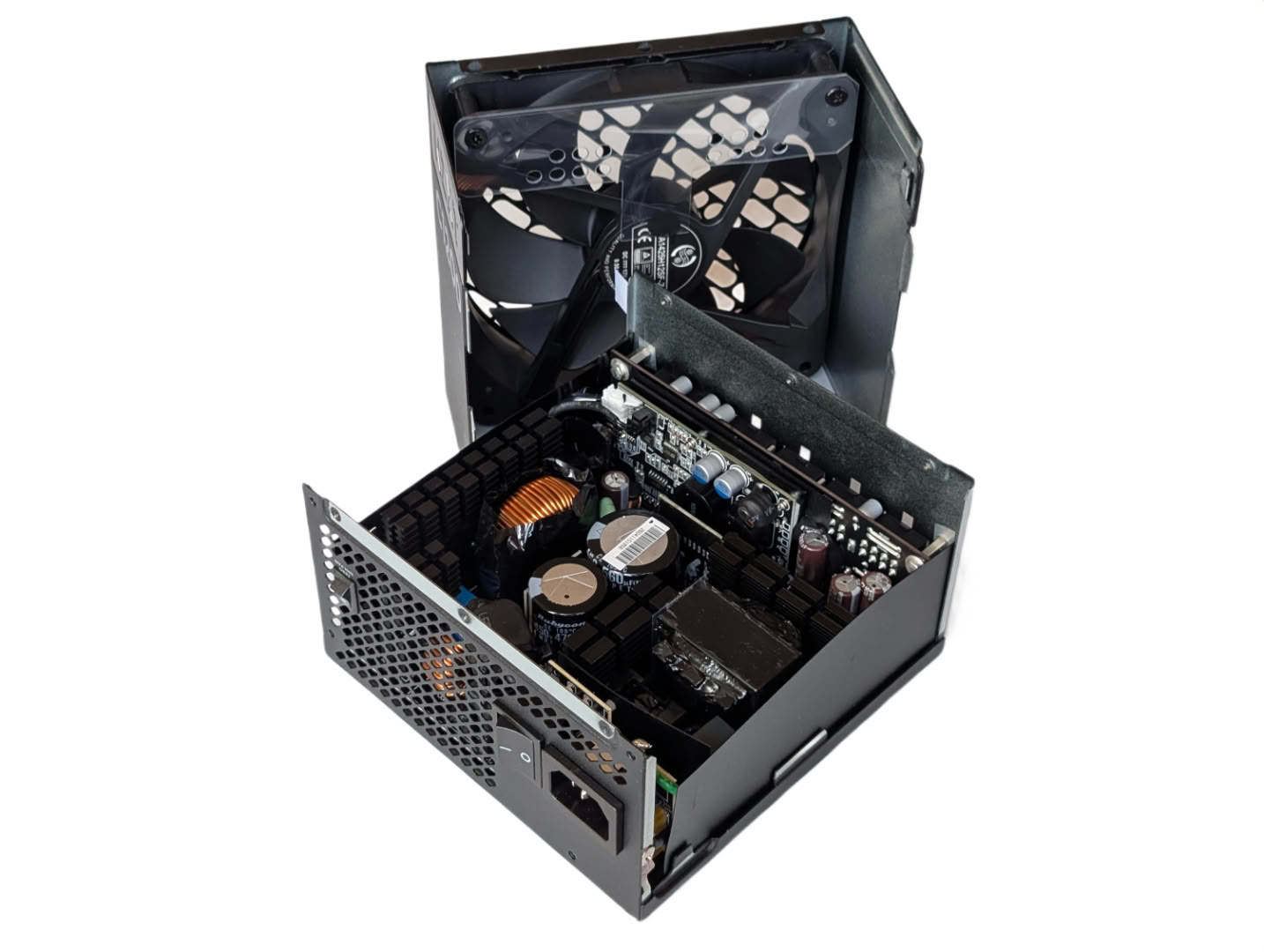
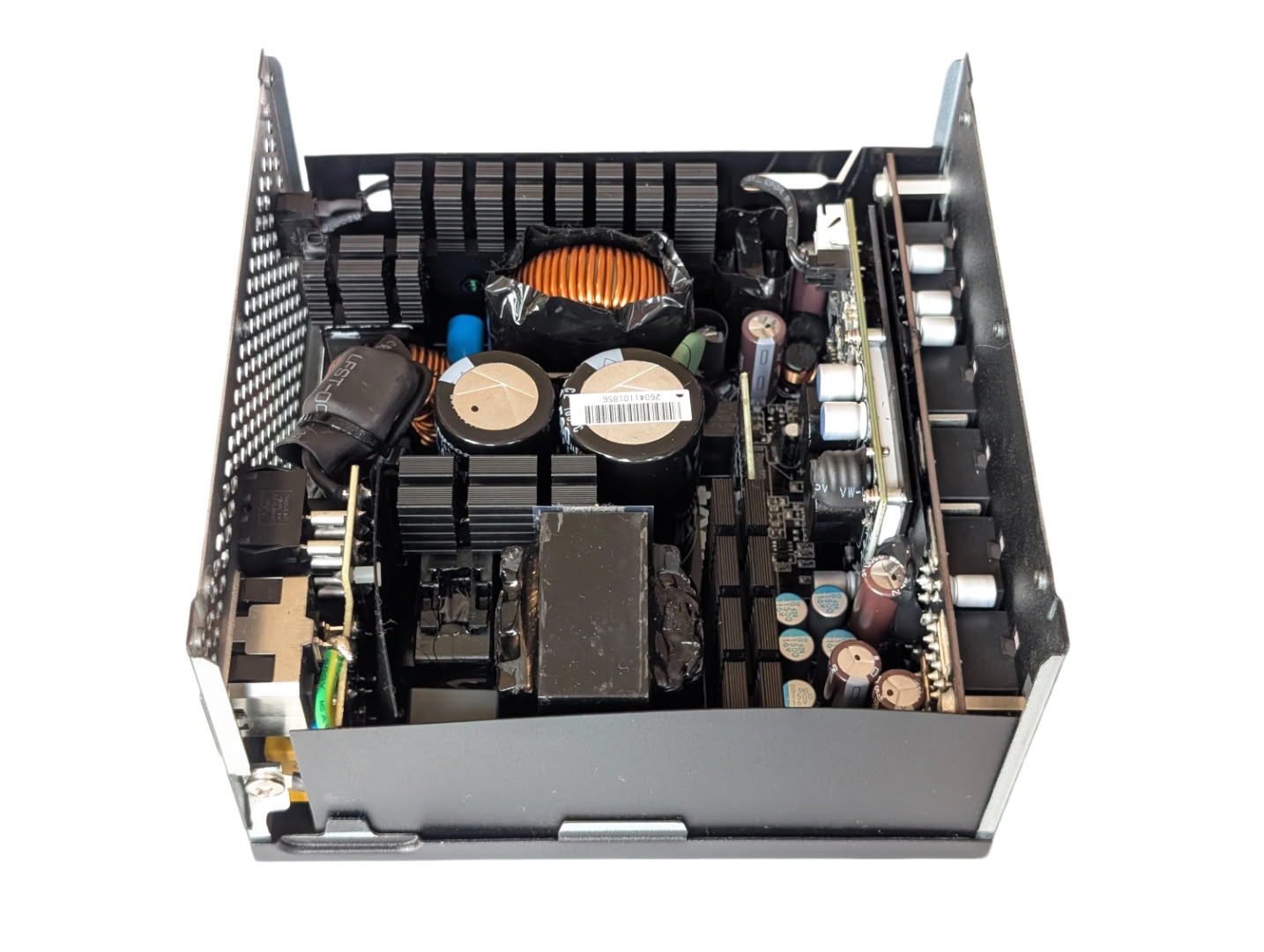
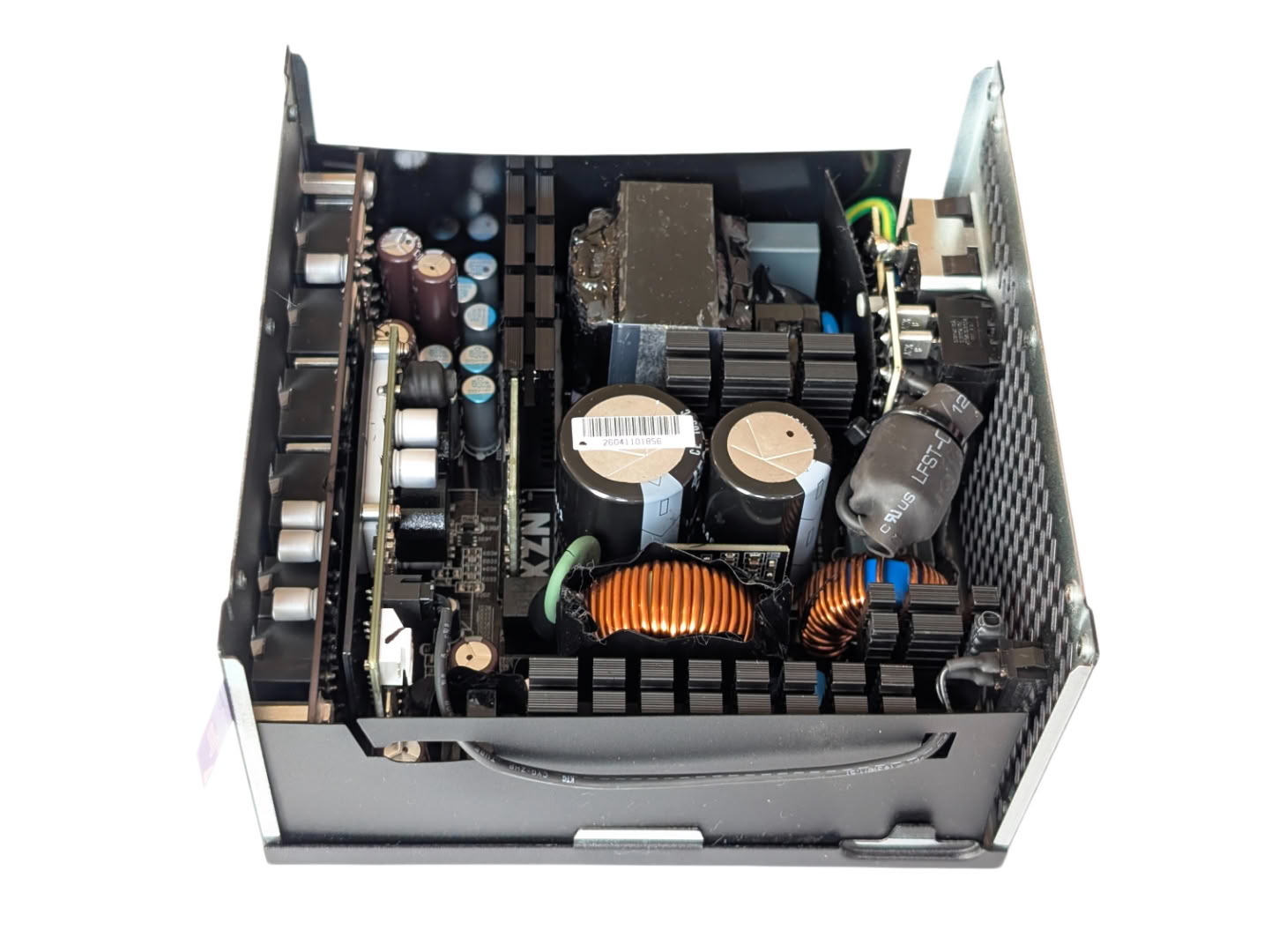
Taking a peek inside, we see a densely populated board with heatsinks, dual bulk caps, and upright cards.
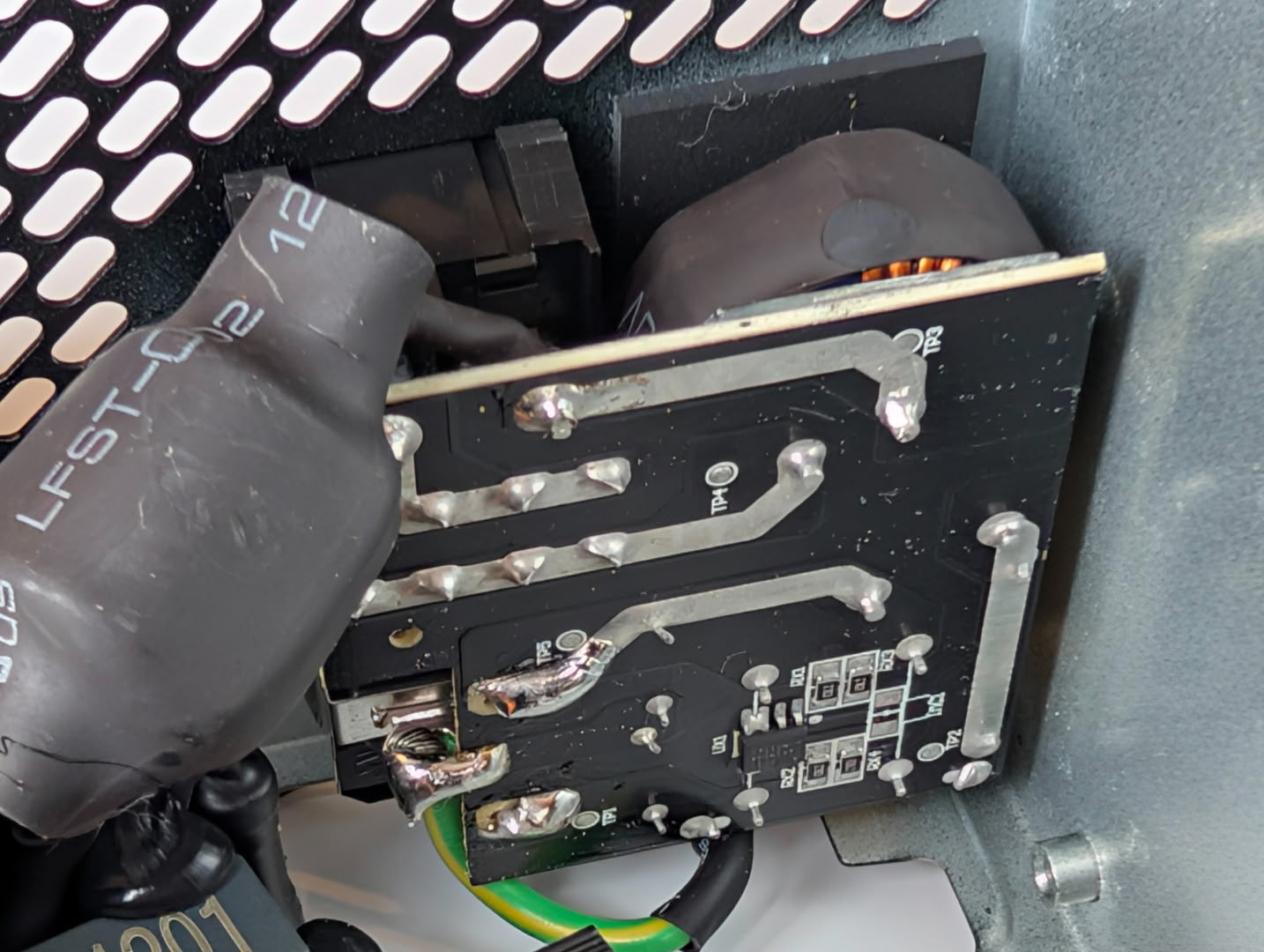
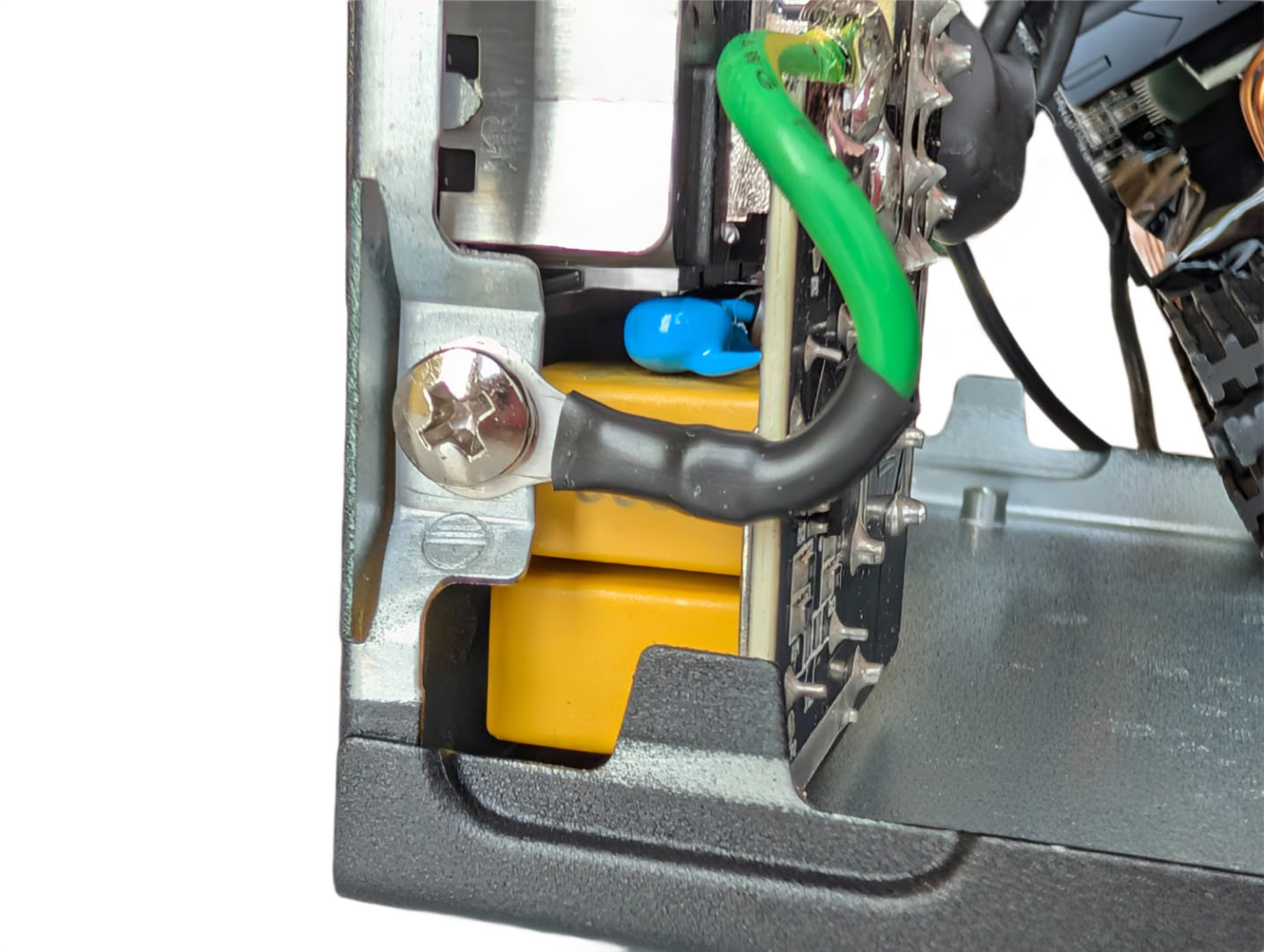
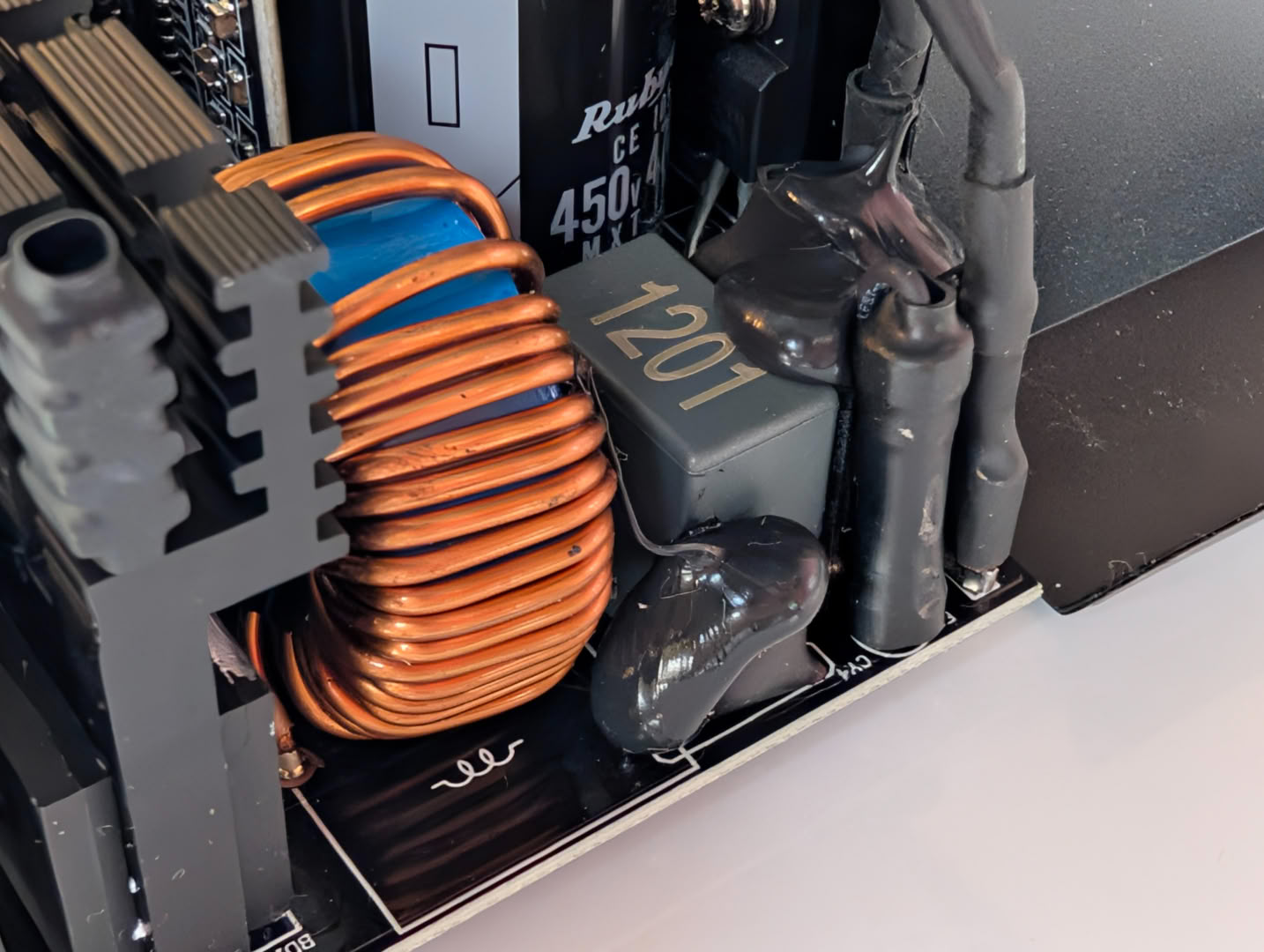
At the AC input, there is a filter board mounted directly to the power connector housing a CM choke and X and Y caps. There is also a ferrite choke on the wires leading to the main board, after which there are a couple more Y caps, X cap, second CM choke, fuse and MOV.
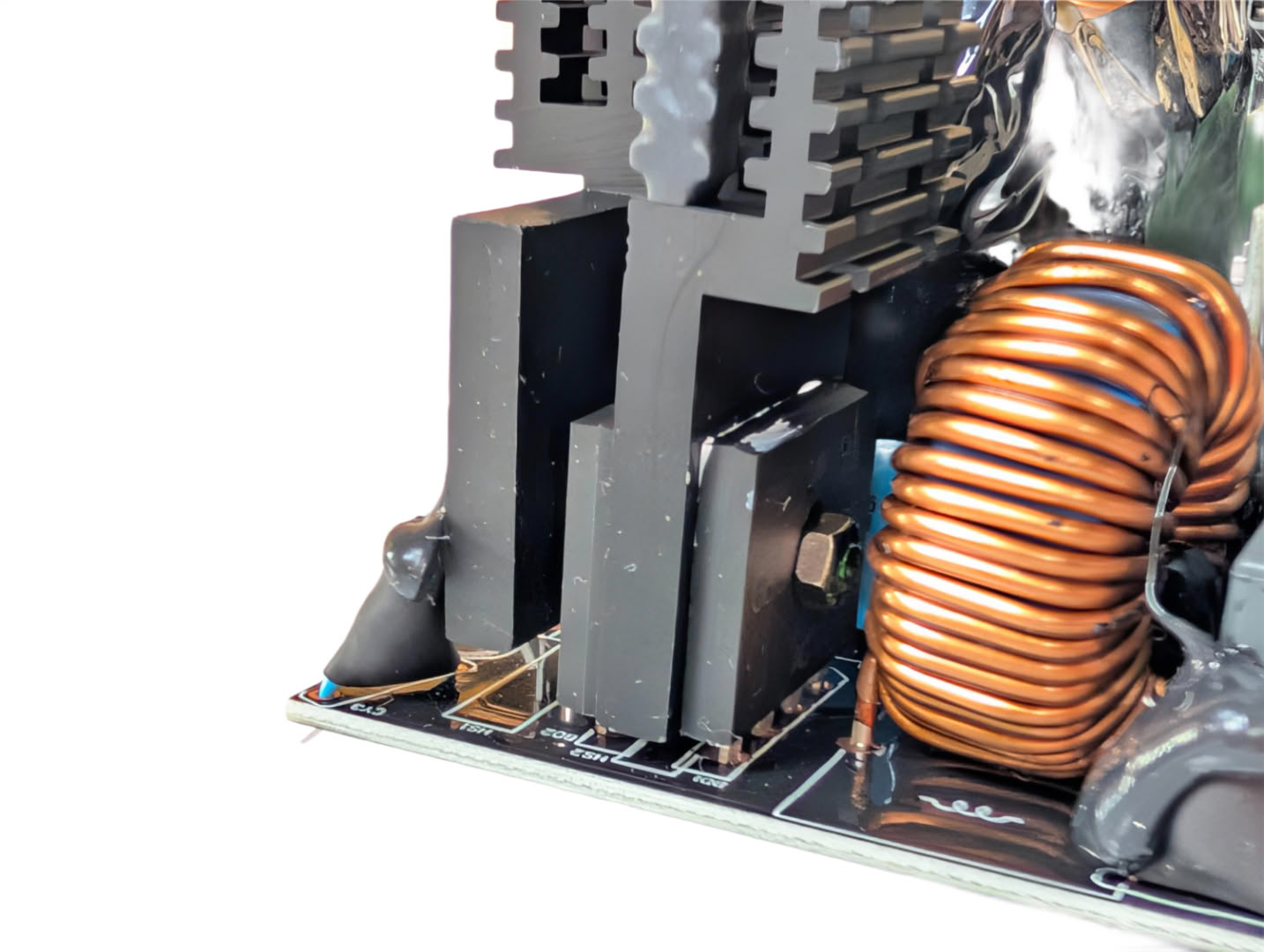
As with most 1000 W+ models, a pair of full bridge rectifiers are used, and these have their own heatsink with plenty of surface area.
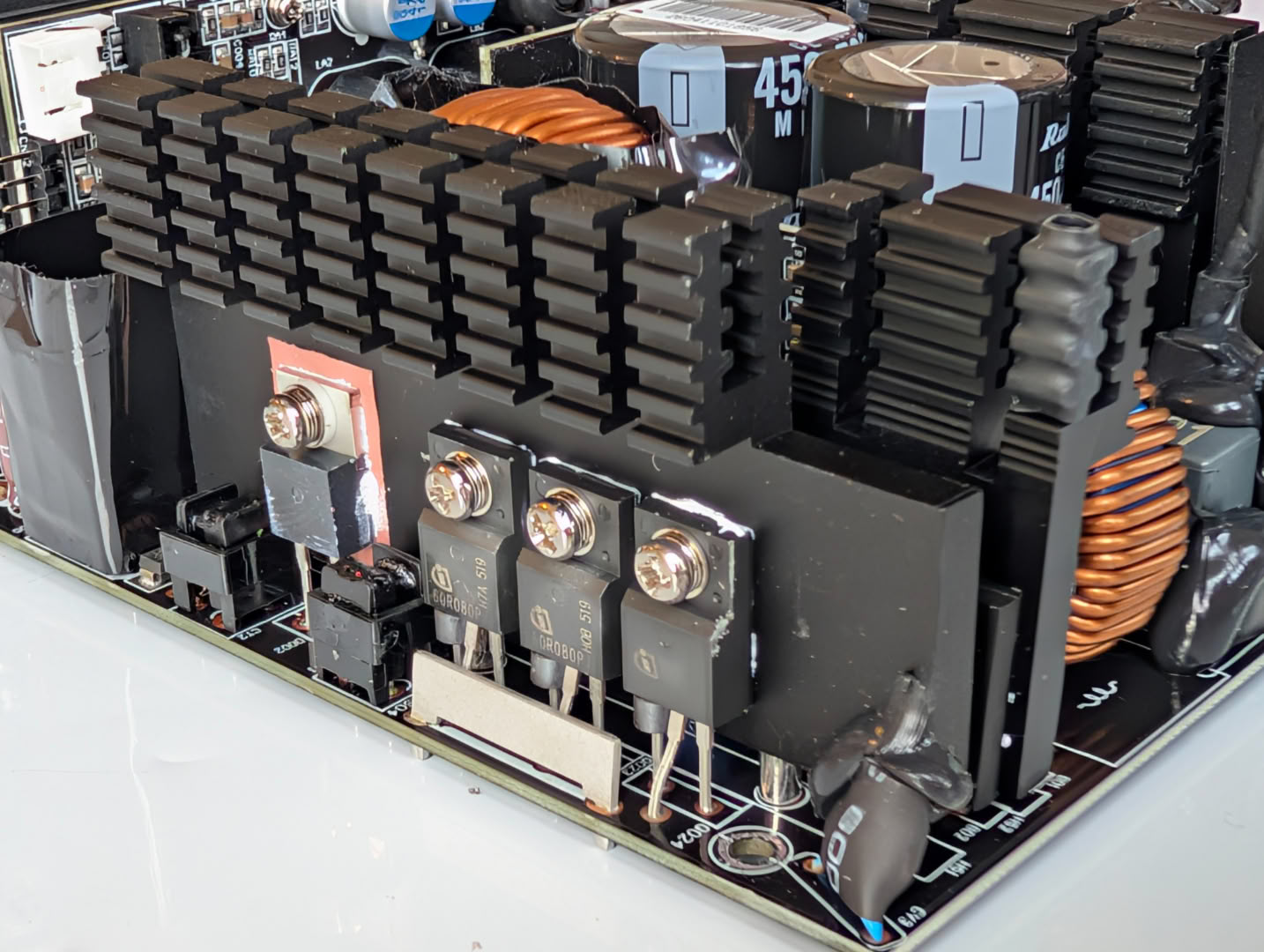
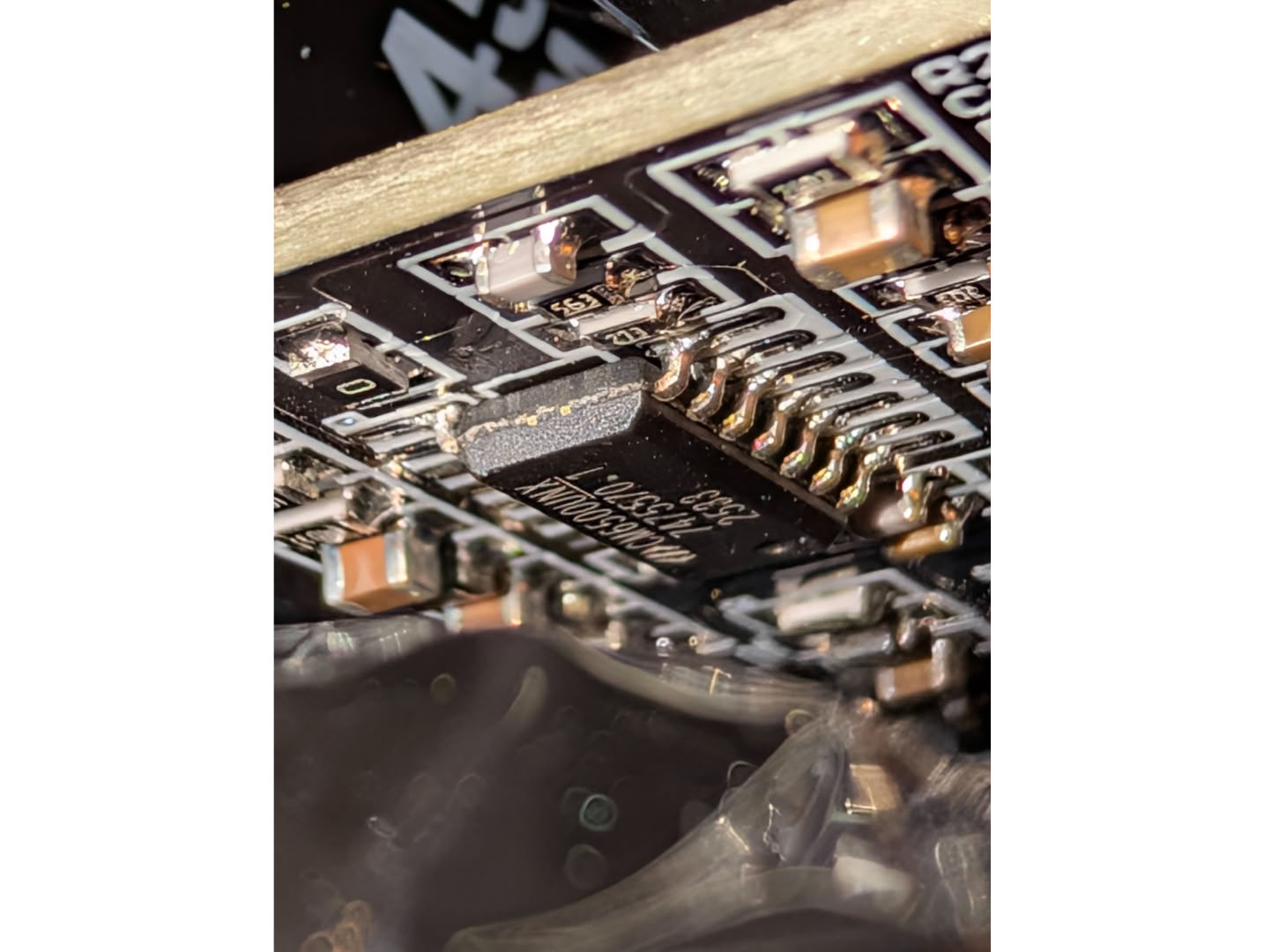
Active power factor correction is handled by the well-documented CM6500, used in an extremely broad range of units with good performance. The discrete TO-220 package APFC components also have their own finned heatsink.
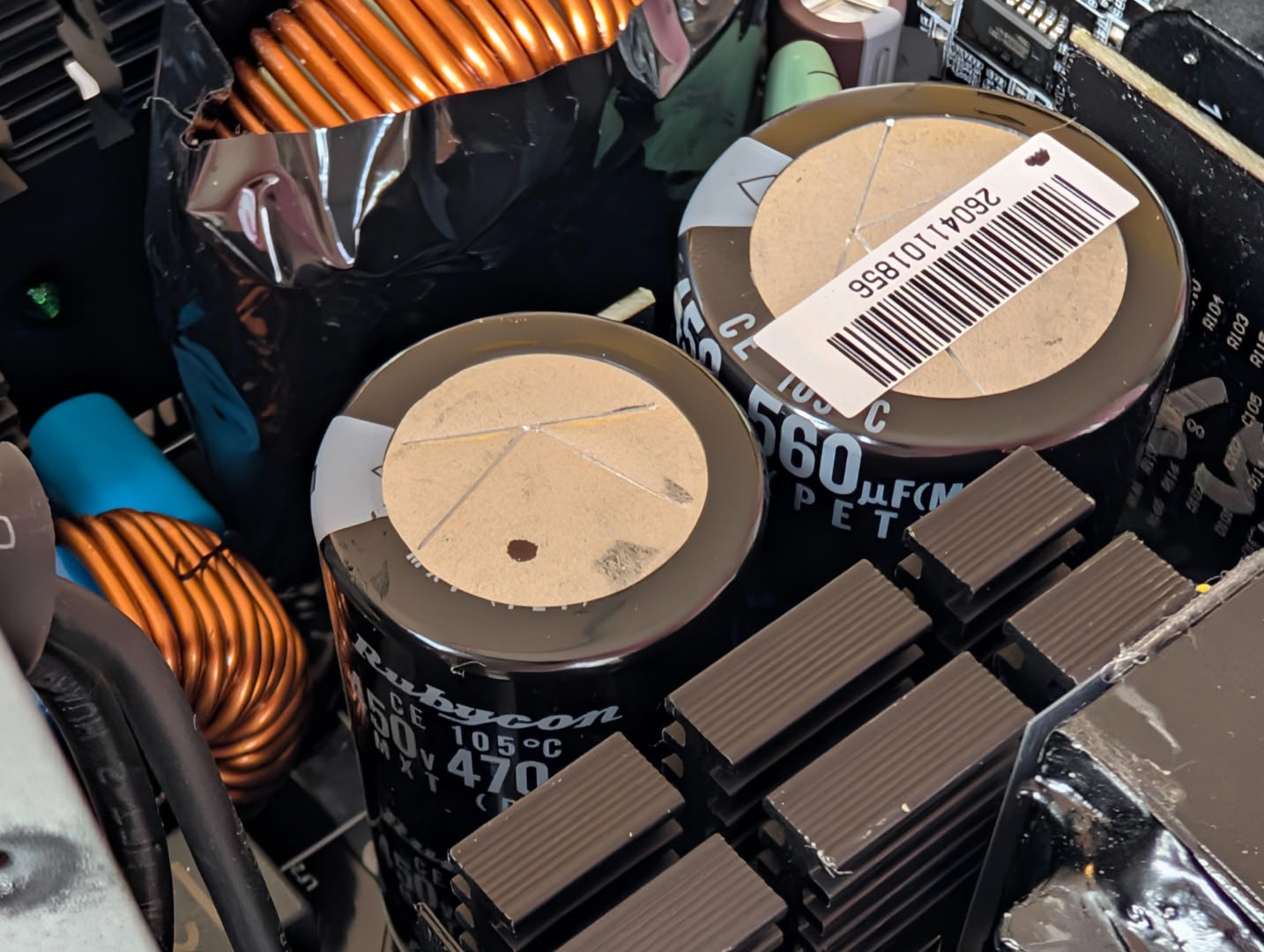
Despite many models opting for a single bulk cap, NZXT has fitted a pair here totaling 1030 µF, using quality Rubycon 105C rated capacitors.
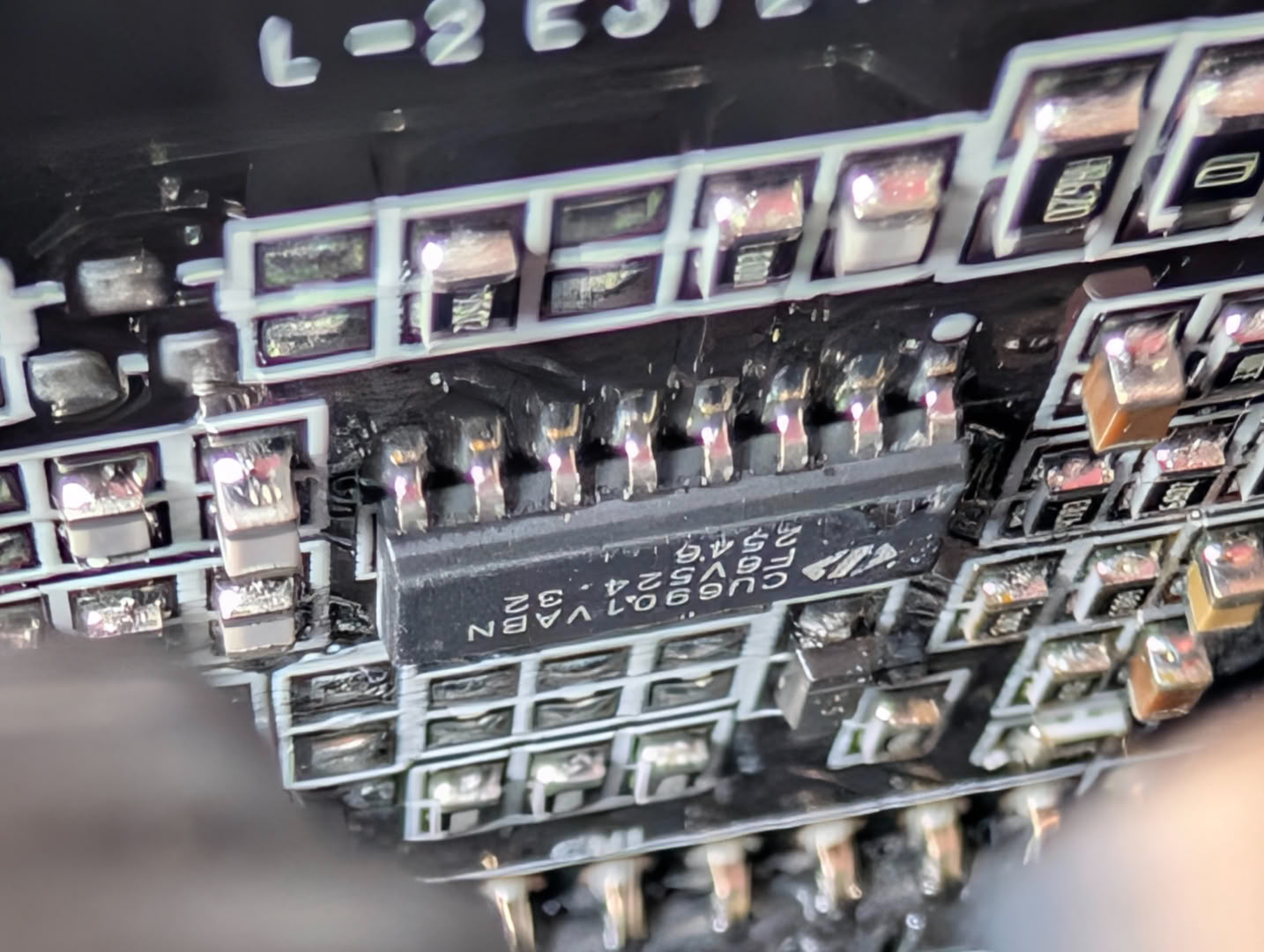
Running the main switchers and 12 V rail is a CU6901V, which is a SLS, SRC/LLC + SR resonant controller, which can operate in both SRC and LLC regions with synchronous rectification to achieve high efficiency.
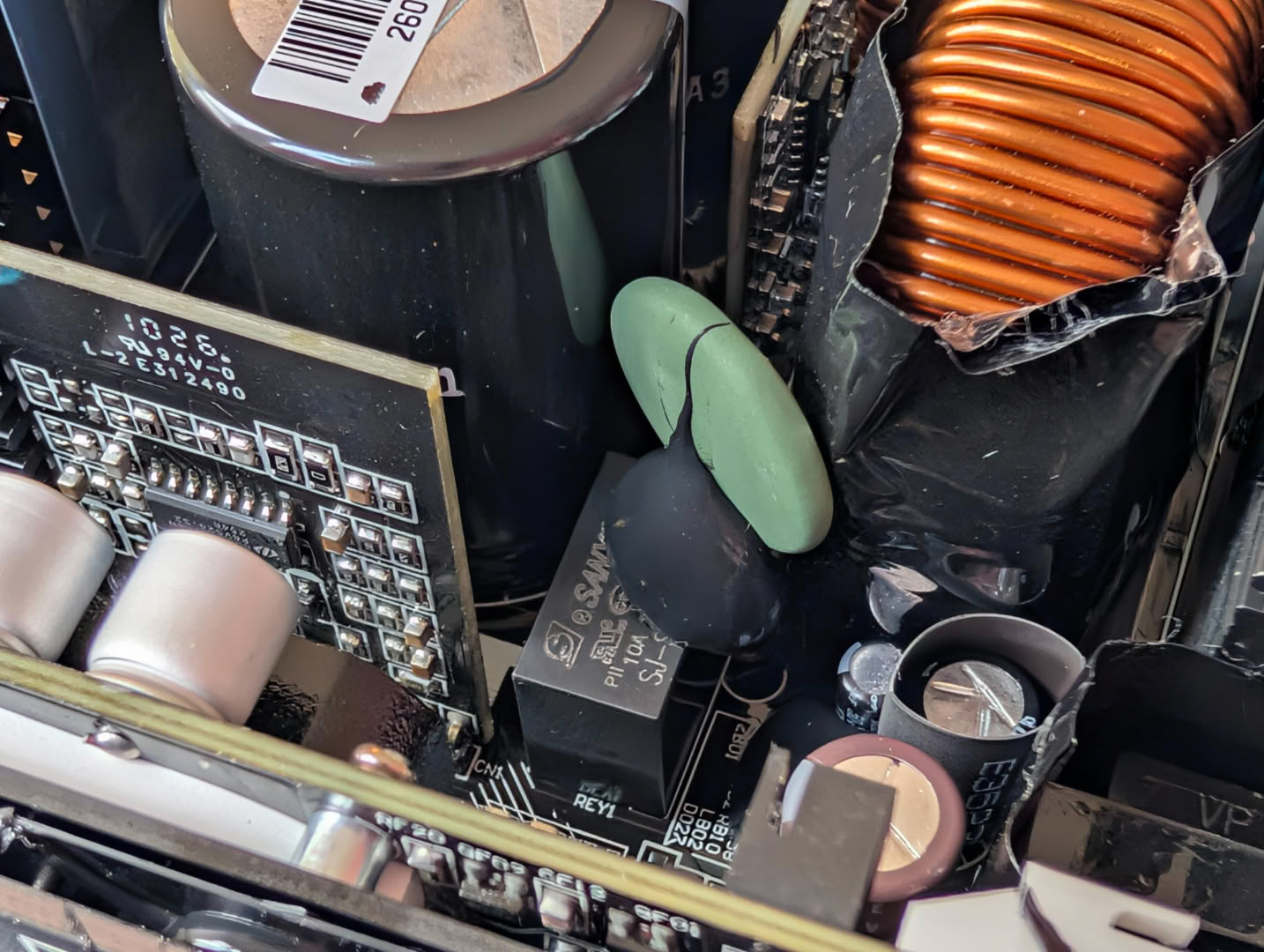
Inrush current suppression is located alongside the PWM board, in the form of this thermistor and bypass relay.
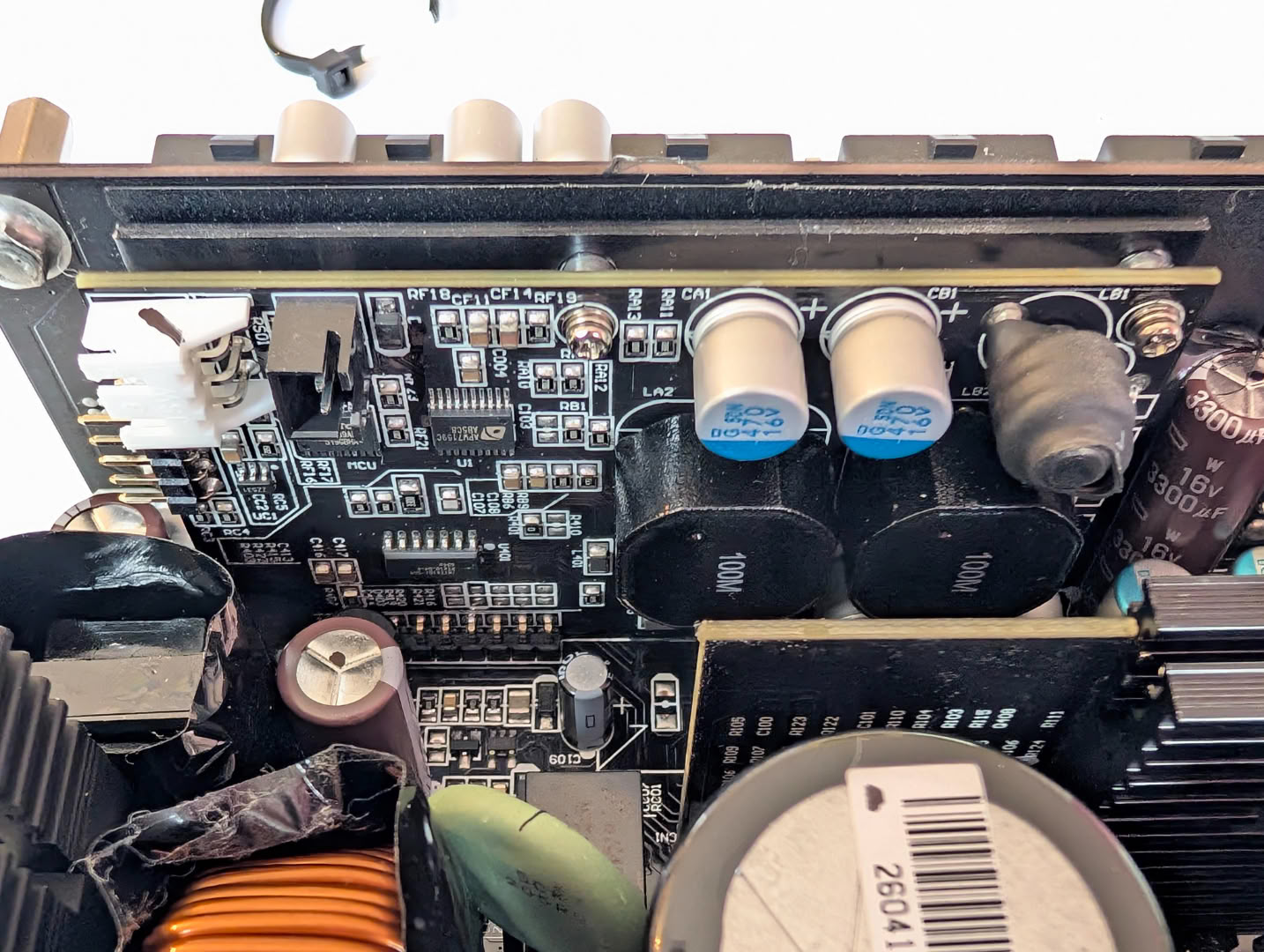
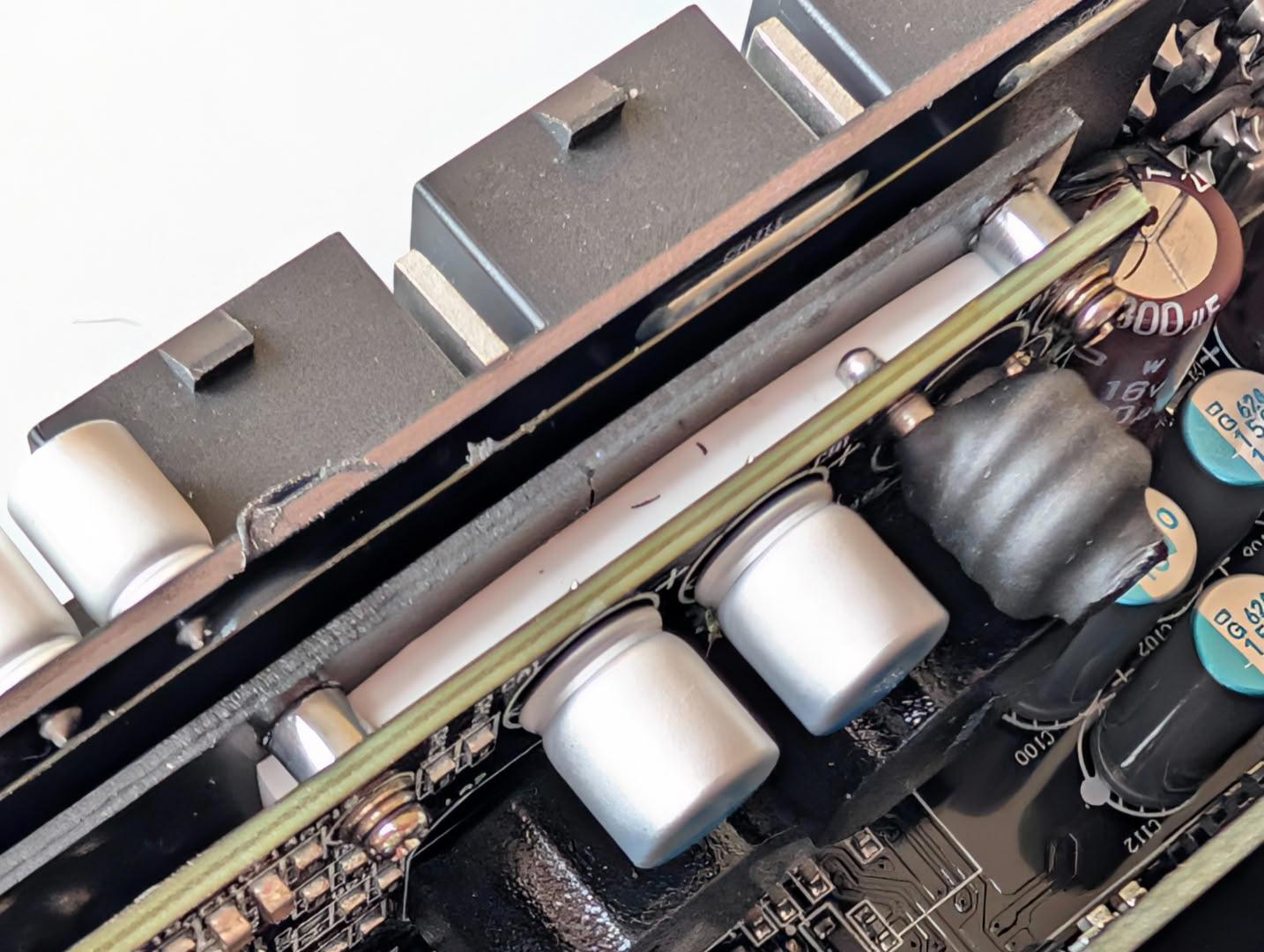
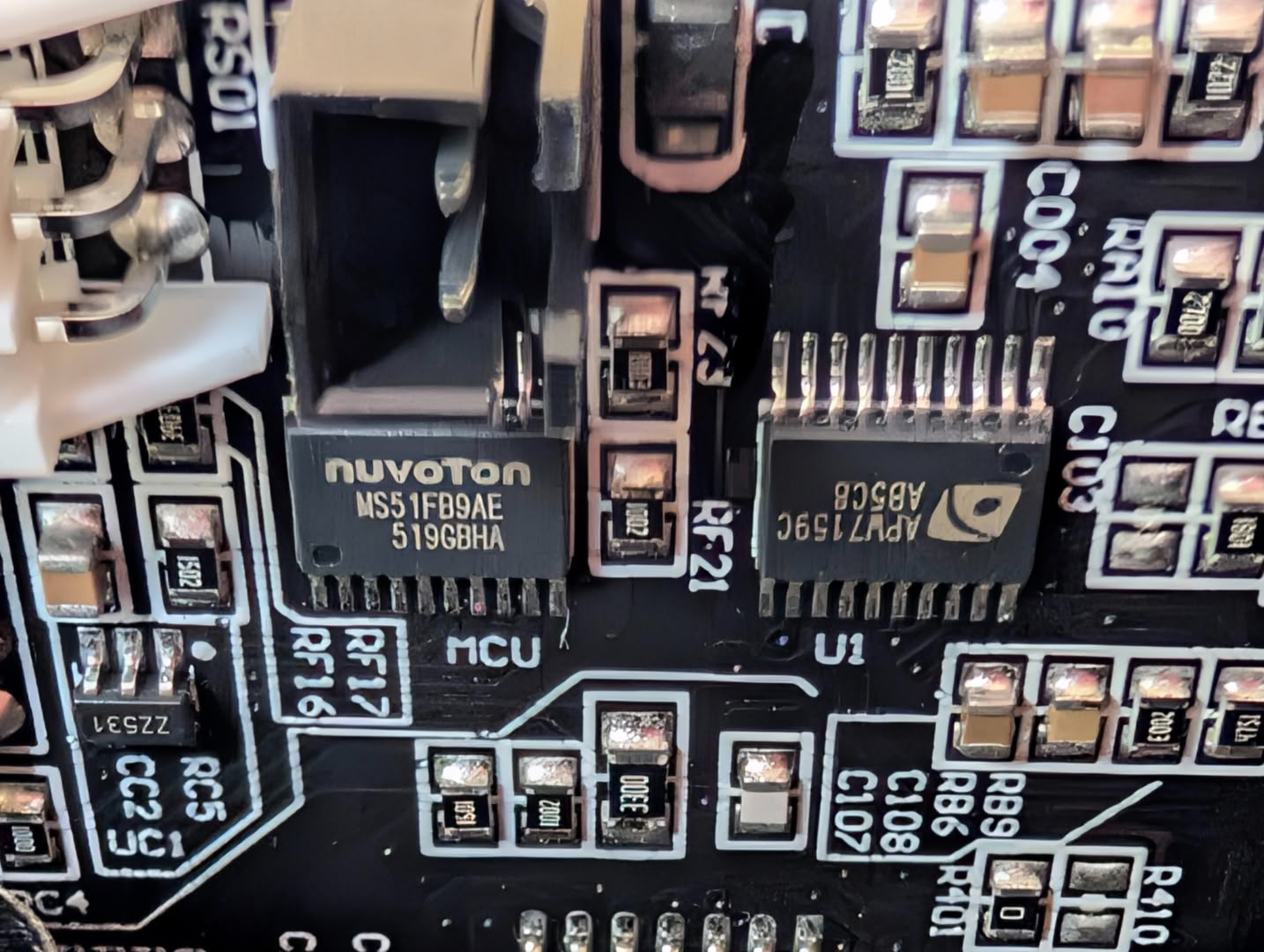
An upright card here handles a variety of tasks, including DC-DC conversion for the two minor rails, fan control, and some protections. A metal plate is thermally coupled to the back of this board to help dissipate heat generated by the MOSFETs, due to its proximity to the output connector board.
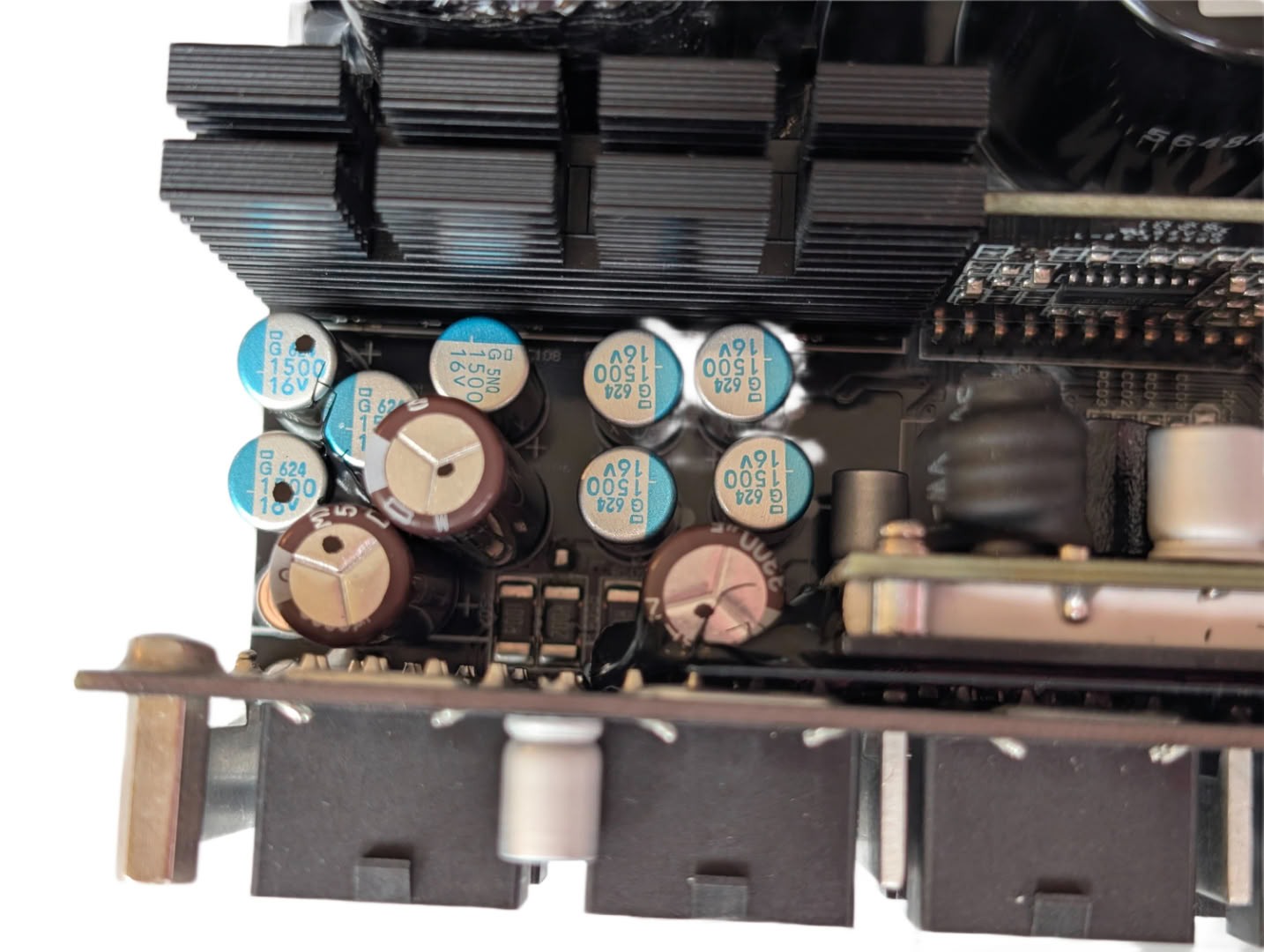
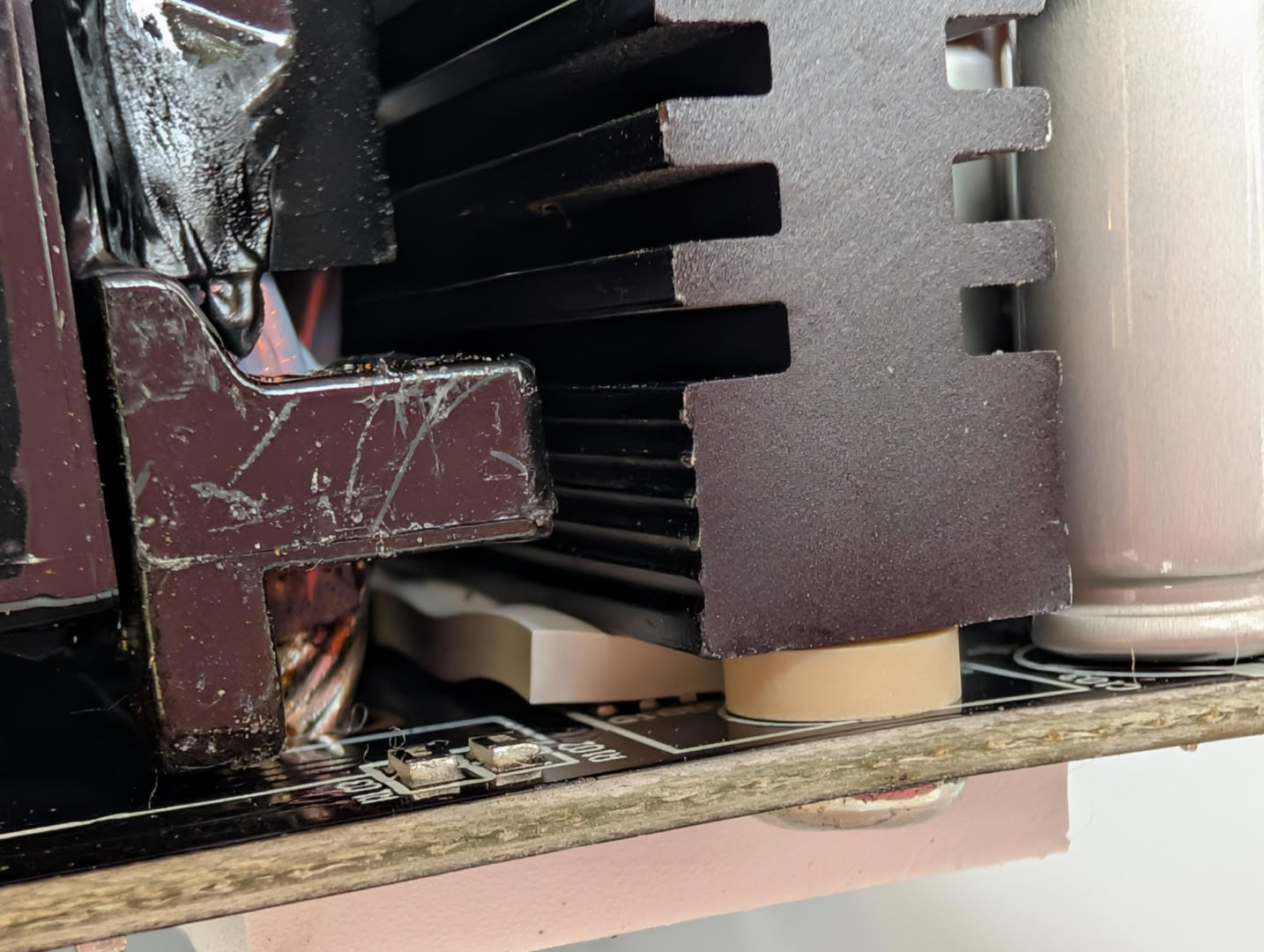
The 12 V MOSFETs are coupled thermally to a large upright heatsink with a thick thermal pad. The heatsink screws are soldered to the board as well, making it difficult to remove. High quality Japanese filter capacitors are used after the MOSFETs.
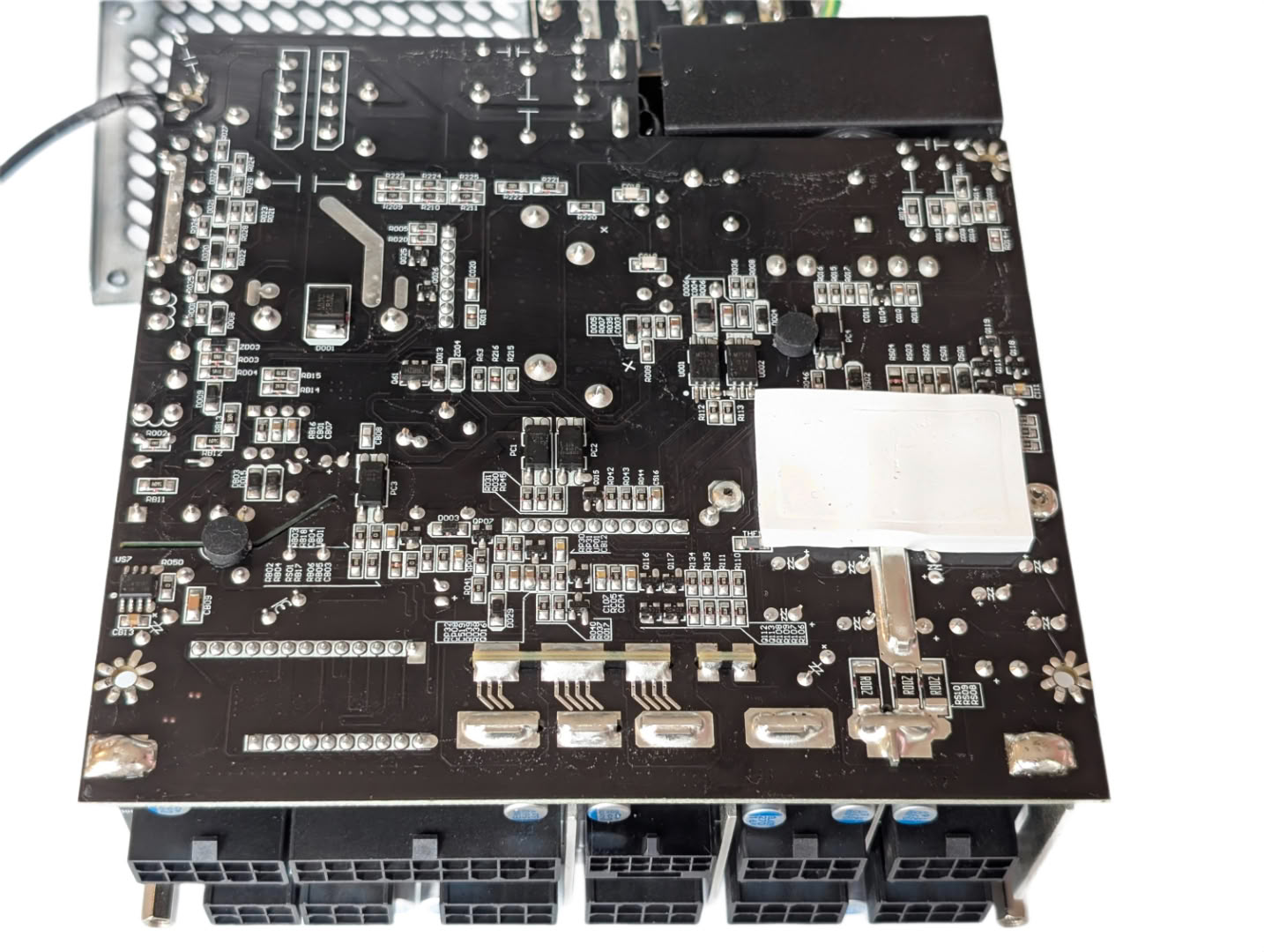
The underside of the board is full of resistors, capacitors and semiconductor components due to the compact nature of this 1200 W model. The thick traces connected to the 12 V MOSFETs are also thermally coupled to the main case with a thick thermal pad to further help dissipate heat.
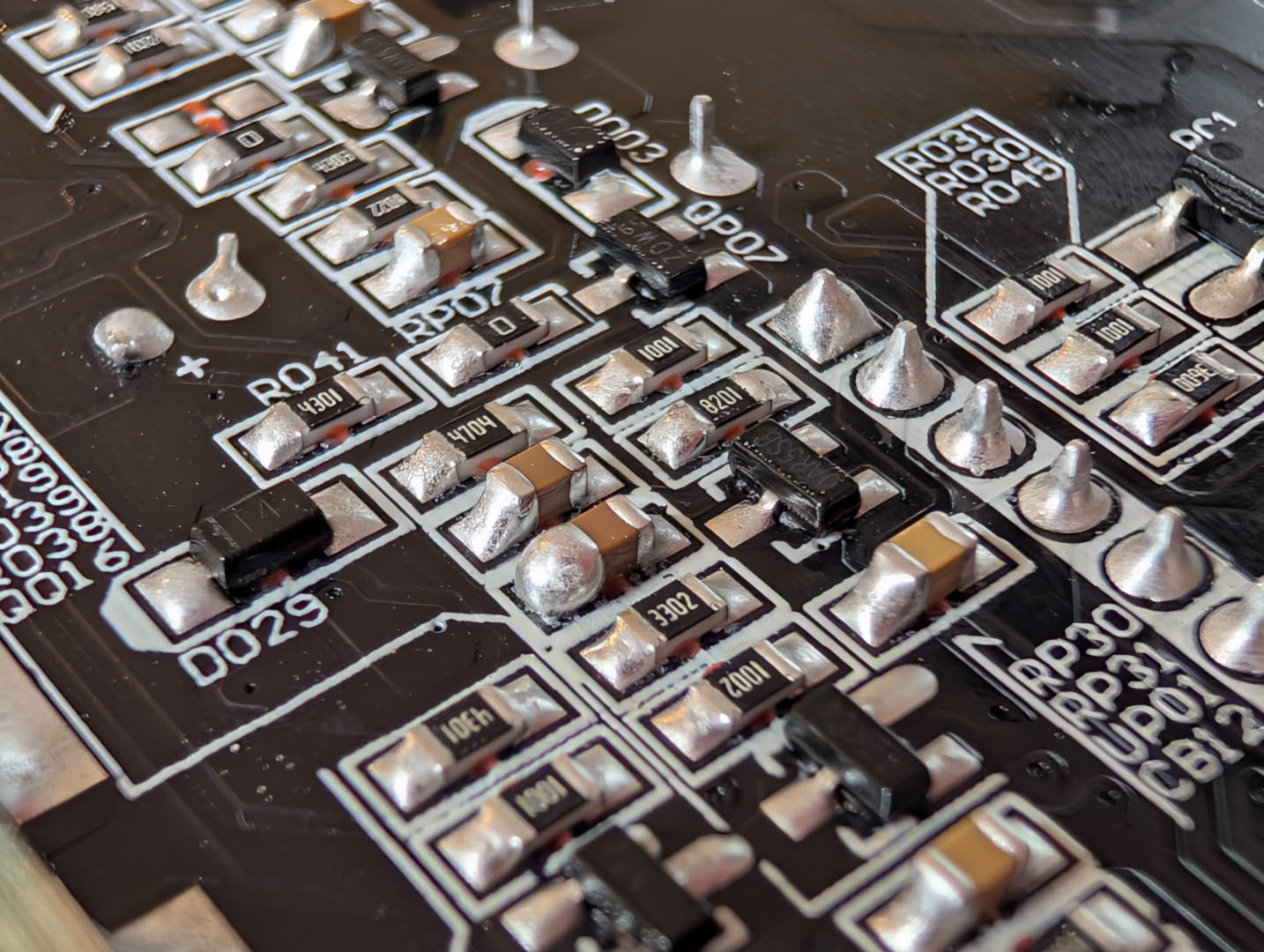
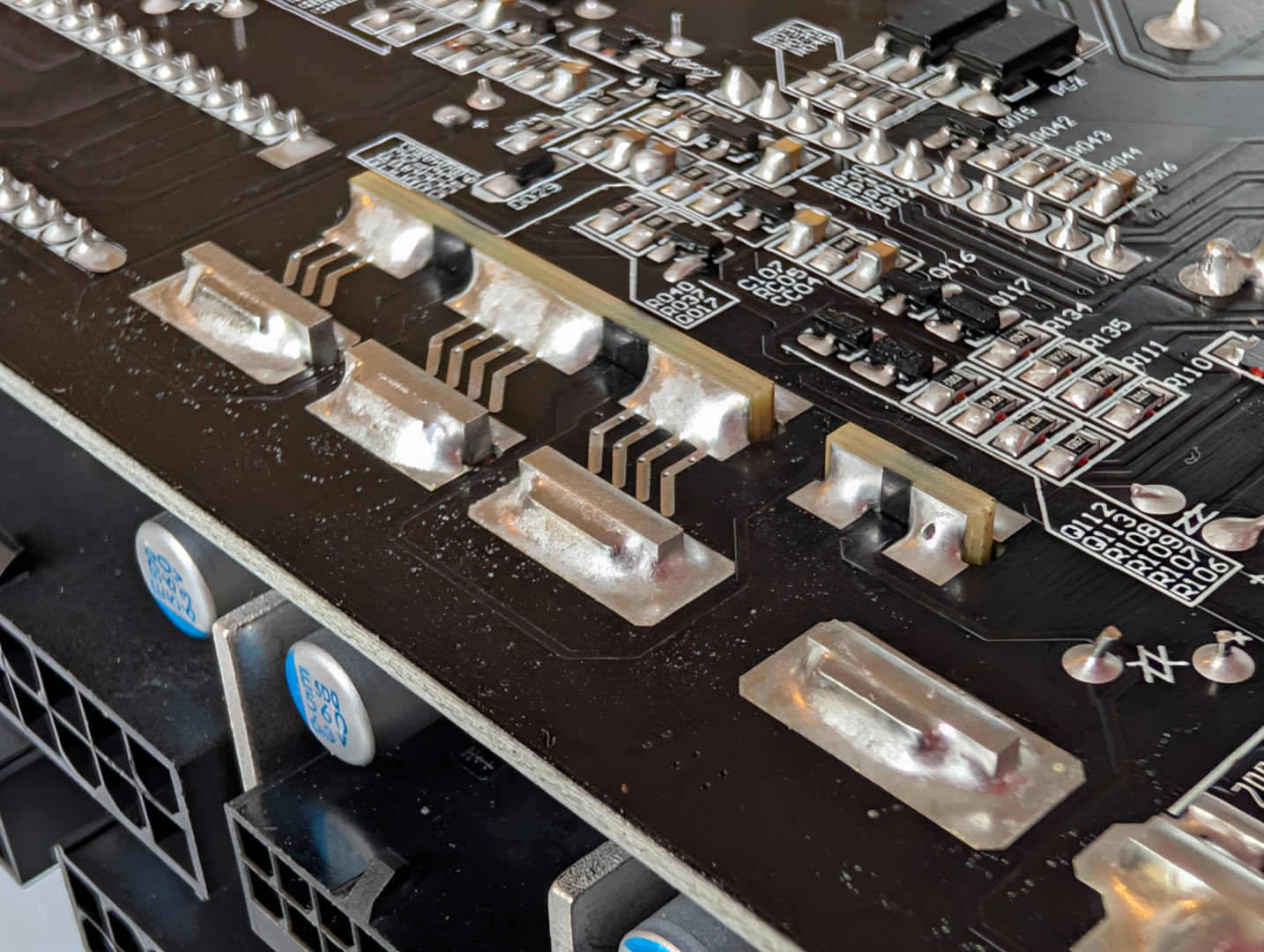
The soldering quality is decent throughout, with SMD parts held in place with adhesive during flow, assuring they don't shift and cause poor or intermittent connections. The lugs to the connector board are strong. The solder consistency among the SMD parts could be improved a little though, if being overly fussy.
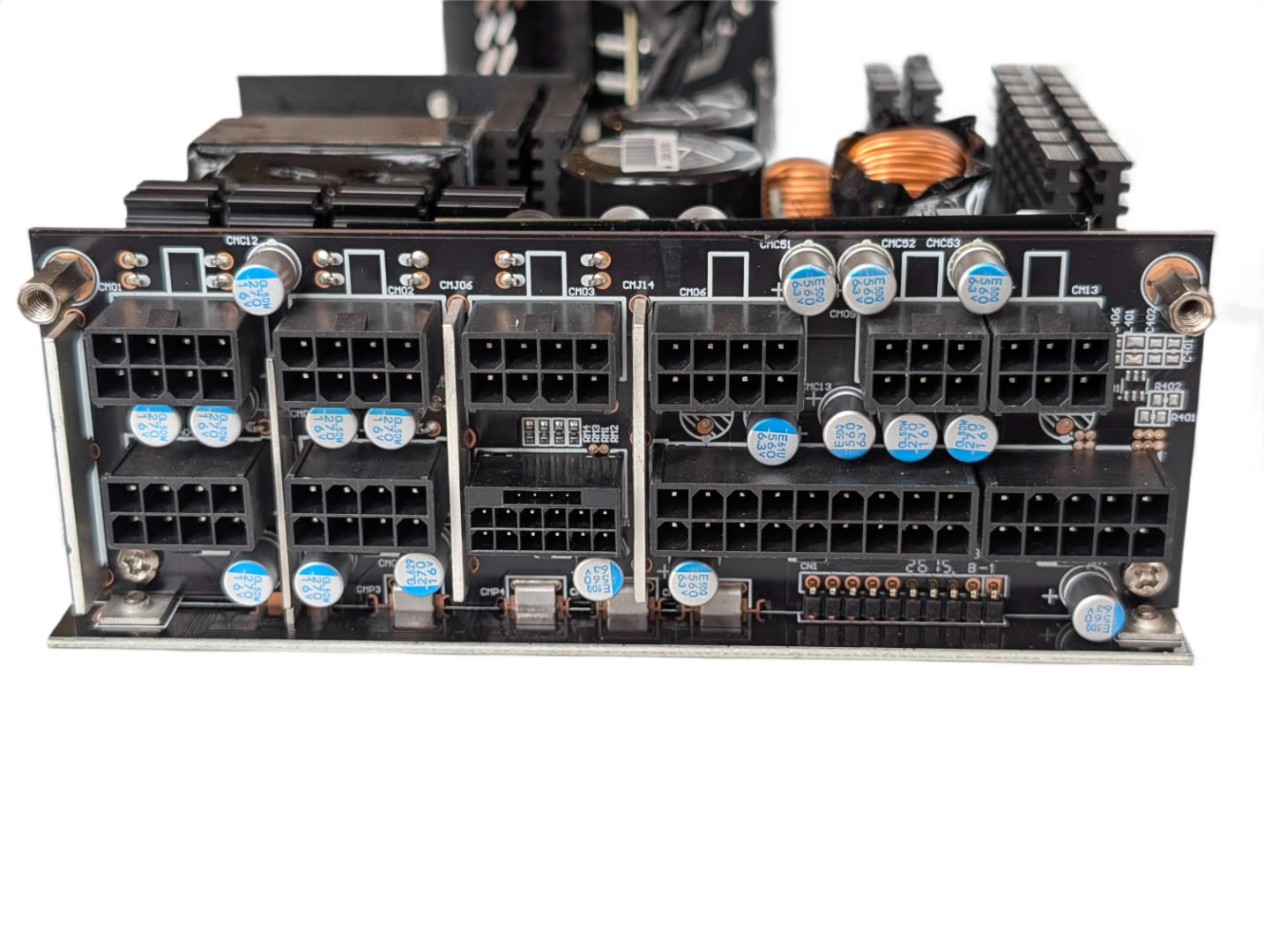
The connector board is almost fully populated, and plenty of filter caps are located right by the connectors for extra smoothing. There are thick bars added to help distribute current more evenly between connectors.
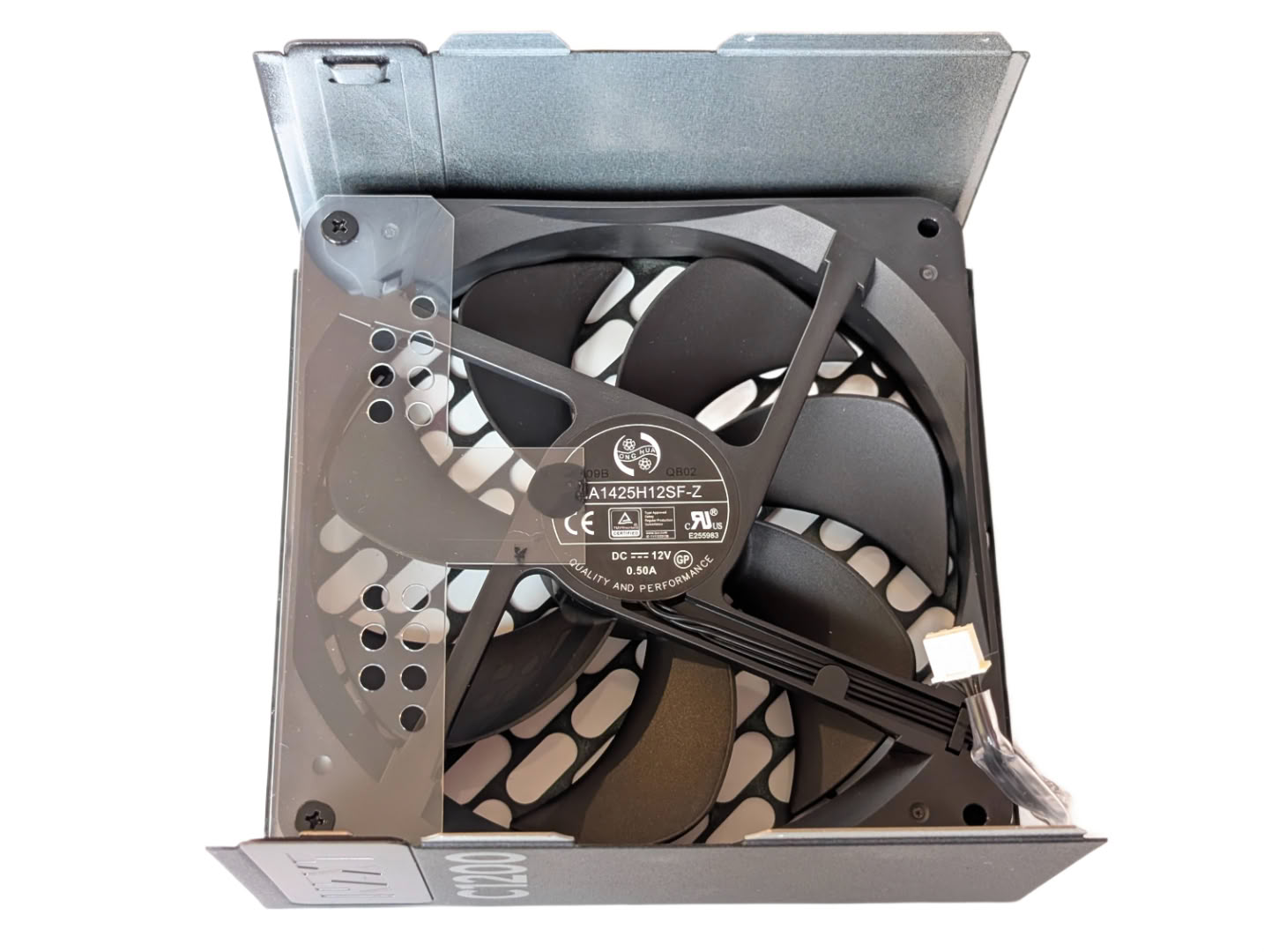
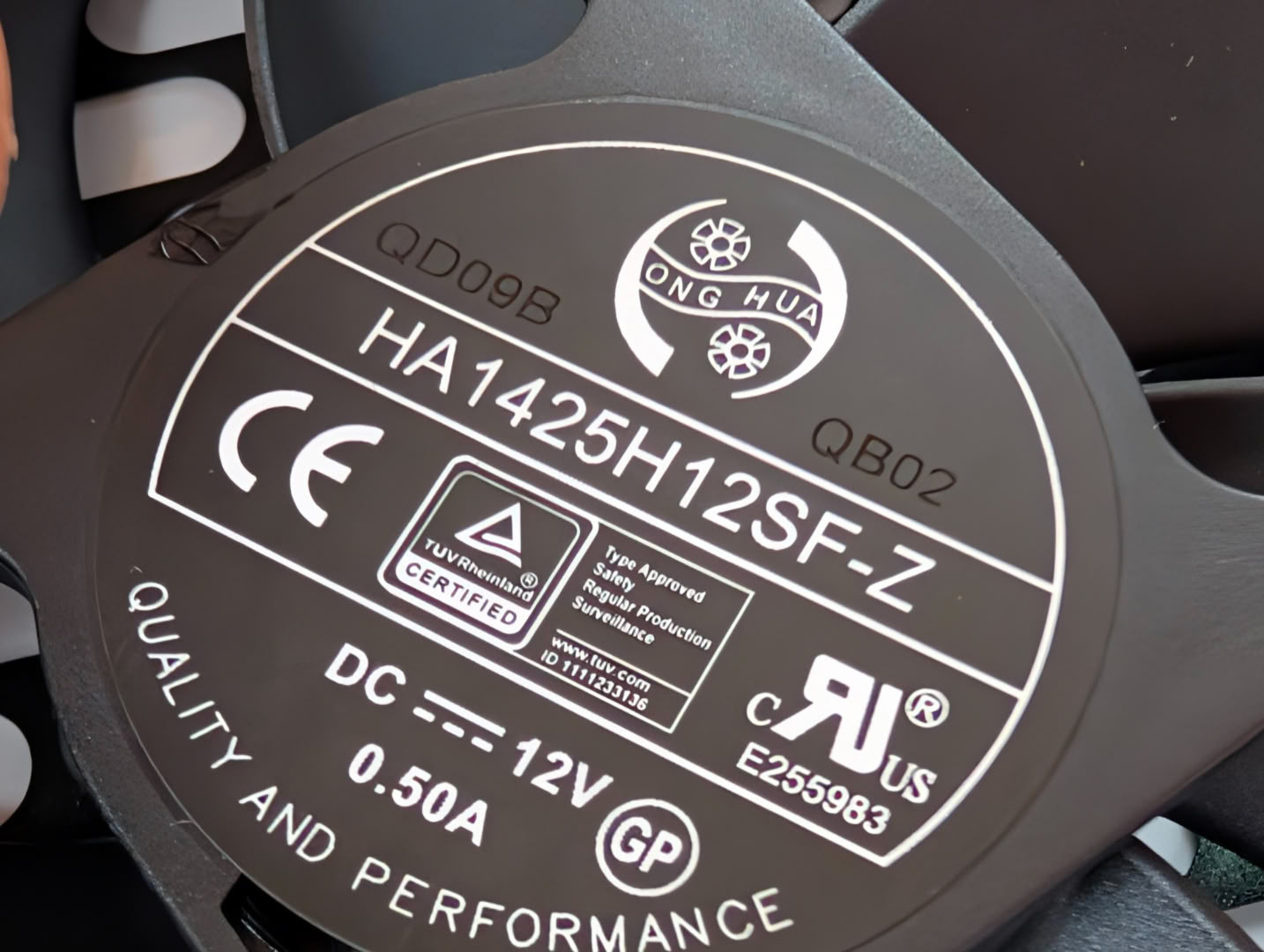
NZXT has selected a modified Hong Hua HA1425H12SF-Z 140 mm fan for this model; although there are no suffixes to the model number, this version sports a fluid dynamic bearing instead of the usual rifle bearing, and there are three wires consisting of power, ground, and PWM speed control. The stock version of this fan is praised for its high static pressure and acoustic performance, so the upgraded bearing and ability to spin it very slow should result in superb performance.
Nov 17th, 2026 20:31 CST
change timezone
Latest GPU Drivers
New Forum Posts
- Lenovo Legion Pro 5 Audio Nightmare: Fan Noise, Harsh Voice & Massive DPC Latency (Help!) (2)
- Help with fixing Overclock (8)
- Will zen 6 mobos have anything extra vs current ones? (51)
- WarpCoreBench scores! (56)
- Slow SSD read speeds - help! (15)
- Ryzen 7 8700G OC (9)
- Without Jensen, PC gaming will be (35)
- Honestly, do you care about GTA VI? (134)
- [testers wanted] Qsurfer My own QNAP Nas explorer/Search tool (7)
- Local LLM General Discussion (693)
Popular Reviews
- Acemagic Retro X3 Review
- Upcoming Hardware Launches 2027 (Updated Nov 2026)
- AMD Zen 6 Technical Deep Dive
- ASUS ROG Strix B850-I Gaming Wi-Fi7 W Review
- Corsair HX1000i Shift Crystal Review
- Chieftec Iceberg PRO 360 DARK Review
- AMD Ryzen 7 9800X3D Review - The Best Gaming Processor
- Phantom Blade Zero Performance Benchmark Review - 35 GPUs Tested
- Montech King 95 3D PRO Review
- Biwin Black Opal NV7400 2 TB Review
TPU on YouTube
Controversial News Posts
- NVIDIA Co-Founder and CEO Jensen Huang Officially Resigns (463)
- Open Letter Asking NVIDIA to Reinstate Jensen Huang Passes 115,000 Signatures (184)
- OpenAI CEO Argues Home PCs Waste the World's Limited DRAM Supply (152)
- Report: Jensen Huang Eyes NVIDIA Comeback (137)
- NVIDIA Launches Investigation Into Jensen Huang's Relationship With Suspected Chinese Spy (136)
- Intel "Raptor Lake Next" 16-Core and 20-Core CPUs Surface (130)
- Legendary Game Studio BioWare Shuts Down Following EA Layoffs (104)
- Dell CEO Says the Memory Shortage Will Get Worse in 2027 (95)