 17
Orbital Pathfinder Review
Build Quality & Disassembly »Shape


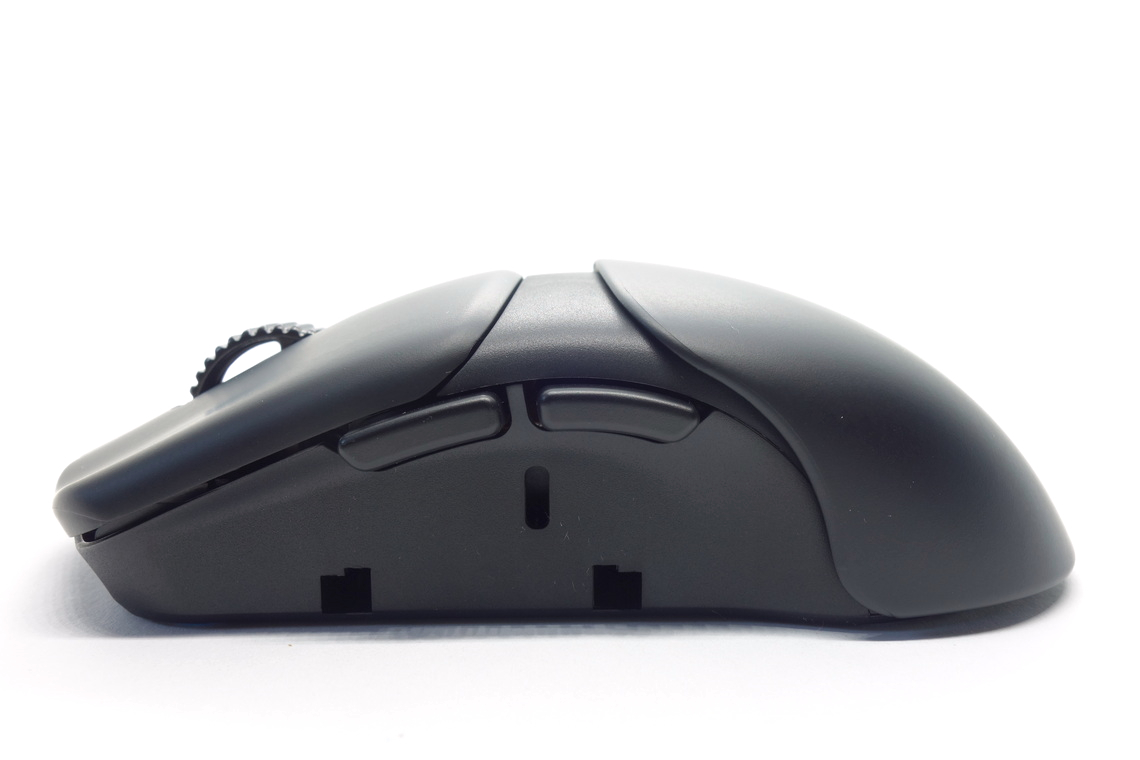
Being modular, the Pathfinder comes with various pieces for the left side, right side, and hump, allowing one to configure the shape to one's liking. By default, four left-hand side pieces, seven right-hand side pieces, four hump pieces, and two differently sized spacers for each group are included with the mouse, which amount to a total number of 1024 possible configurations. The side pieces also include some more exotic ones, such as a right-hand side piece with a ring finger rest. The adjustment encompasses two basic parameters. By using the spacers, both width and length of the Pathfinder can be adjusted, albeit only within certain boundaries. These are set by the dimensions of the base as well as the distances added by the spacers: 1.25 mm per unit for the sides and 4 mm per unit for the hump. Accordingly, if targeting symmetrical width, we arrive at three possible width configurations and three possible length configurations. Some additional granularity is afforded by the pieces themselves, which all differ slightly in their dimensions, with some being wider or longer than others. The second set of parameters comprises the shape of each piece and, by extension, the shape of the entire mouse. The hump pieces arguably have the largest impact in this regard: for ambidextrous shapes, there are low, medium, and high hump pieces, along with a single one for a right-handed ergonomic shape. The impact of the side pieces is lower, and with these, the differences lie mostly in their curvature and end up being rather subtle.


Despite the modularity of the Pathfinder, any adjustment is only one of a base shape, which somewhat limits the scope of what is possible. Certain traits such as main button height, whether the main buttons are framed by ledges, depth of comfort grooves, as well as the general profile of the mouse, including the degree to which it slopes down towards the front, cannot be modified. In addition, the included pieces themselves are not suitable for changing certain properties, such as the degree to which the front or rear flares out to any meaningful degree. By default, the base shape of the Pathfinder loosely resembles the Endgame Gear OP1, with a very skinny width and neither the front nor rear flaring out much if at all. While the individual pieces and spacers are able to change the width and length, other aspects such as the degree to which the hump fills the palm, or how much the sides curve inwards, or the degree to which the front or rear flare out, will essentially stay the same throughout. Hence, one should not confuse modularity with the ability to create any shape imaginable. Rather, the Pathfinder provides a single base shape, and allows adjusting this template further. Of course, more significant changes could potentially be made if you have access to a 3D-printer, and are proficient with modelling software.
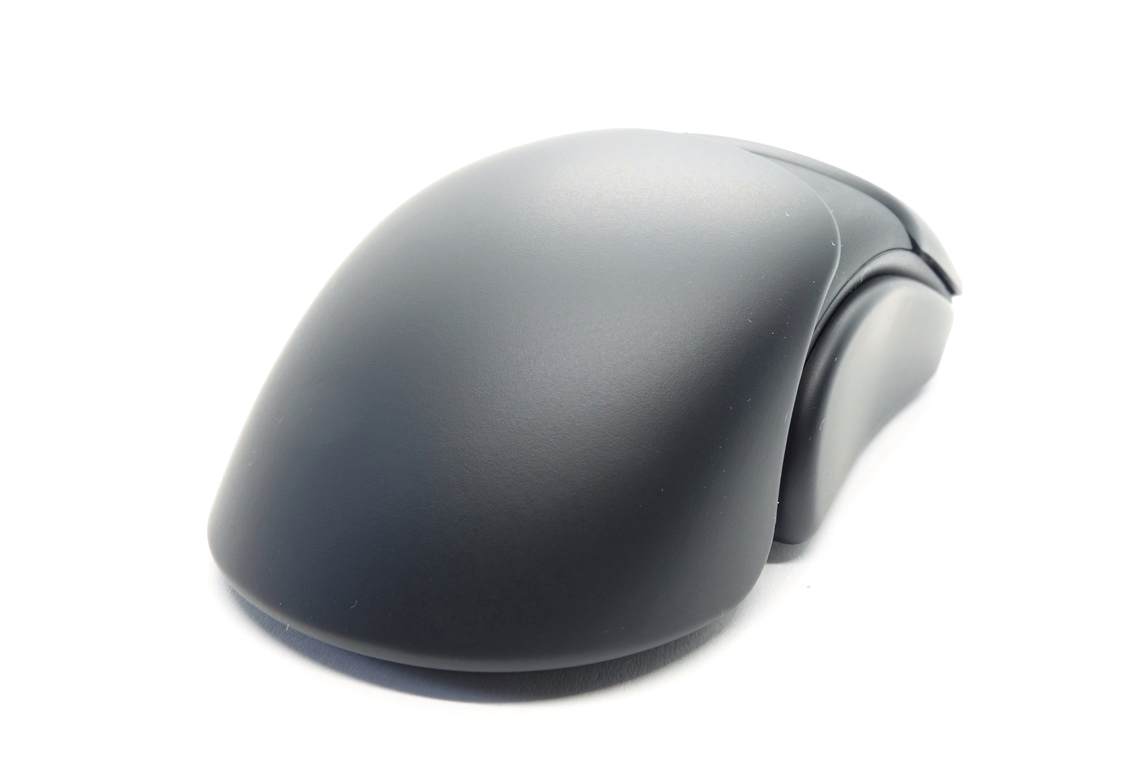


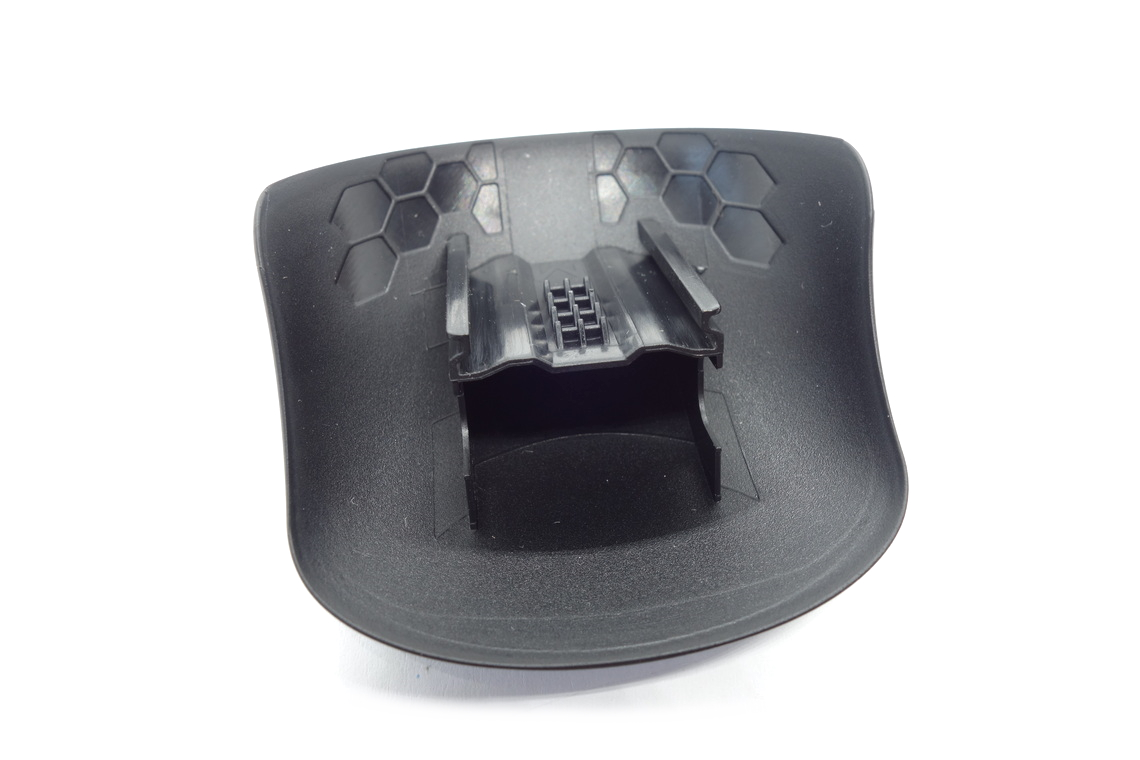


The mounting process is rather cumbersome. The hump pieces attach to a rail, which works rather well in that the pieces sit tight, yet can be taken off without requiring too much force. The side pieces, on the other hand, have perpendicular stems with indents locking the piece in place. This locking mechanism is very rigid, to where getting the piece off again requires an often unreasonable application of force. Unfortunately, there are no tools for doing so included with the mouse, which is why one might have to settle for screwdrivers or similar tools, which of course can damage the plastic. Given that the Pathfinder is all about experimentation and frequent changes to the shape, the mounting process being cumbersome to where it effectively discourages that very experimentation seems misplaced. To facilitate the mounting and dismounting of the side pieces, always using the spacers is highly recommended.
Dimensions
This table includes the dimensions of the Orbital Pathfinder and several of its configurations. "Front height" denotes the distance between the base and main buttons. Measurements with two decimals have been taken with a caliper, while those with one decimal have been taken with a ruler. For a full list of all measurements taken, please refer to this sheet compiled by an esteemed community member.| Pathfinder Dimensions | |||||||
|---|---|---|---|---|---|---|---|
| AAL-000 | PPM-001 | CCH-002 | LRR-000 | ||||
| Base Length | 10.6 cm | 10.6 cm | 10.6 cm | 10.6 cm | |||
| Length (including overhang) | 11.73 cm | 11.80 cm | 11.84 cm | 12.06 cm | |||
| Front Height (lowest point) | 1.1 cm | 1.1 cm | 1.1 cm | 1.1 cm | |||
| Height (highest point) | 3.63 cm | 3.67 cm | 3.63 cm | 3.63 cm | |||
| Front Width (widest point) | 5.50 cm | 5.38 cm | 5.46 cm | 5.43 cm | |||
| Back Width (widest point) | 5.73 cm | 5.96 cm | 6.22 cm | 6.19 cm | |||
| Grip Width (narrowest point) | 5.15 cm | 5.53 cm | 5.37 cm | 5.59 cm | |||
Left and right-side spacers will add 1.25 mm each. Hump spacers will add 4 mm each. Below are additional shots with each of the measured configurations:


Low Hump/Average/Average (Code: AAL-000)
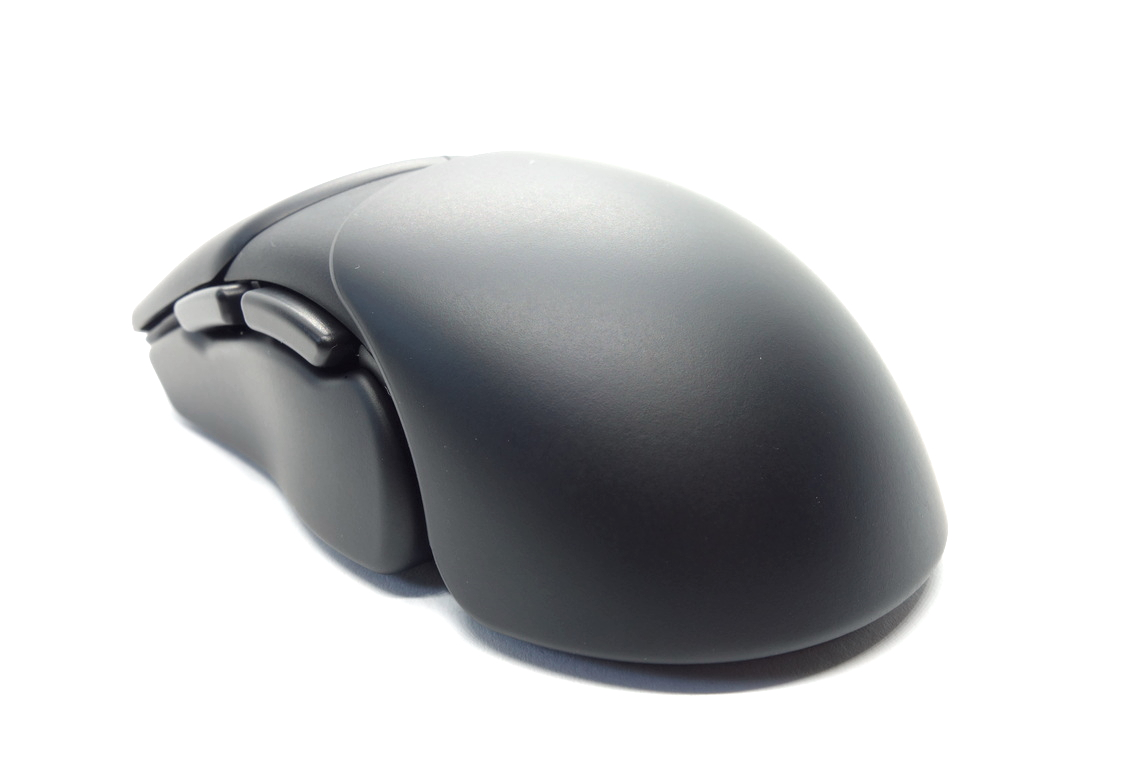
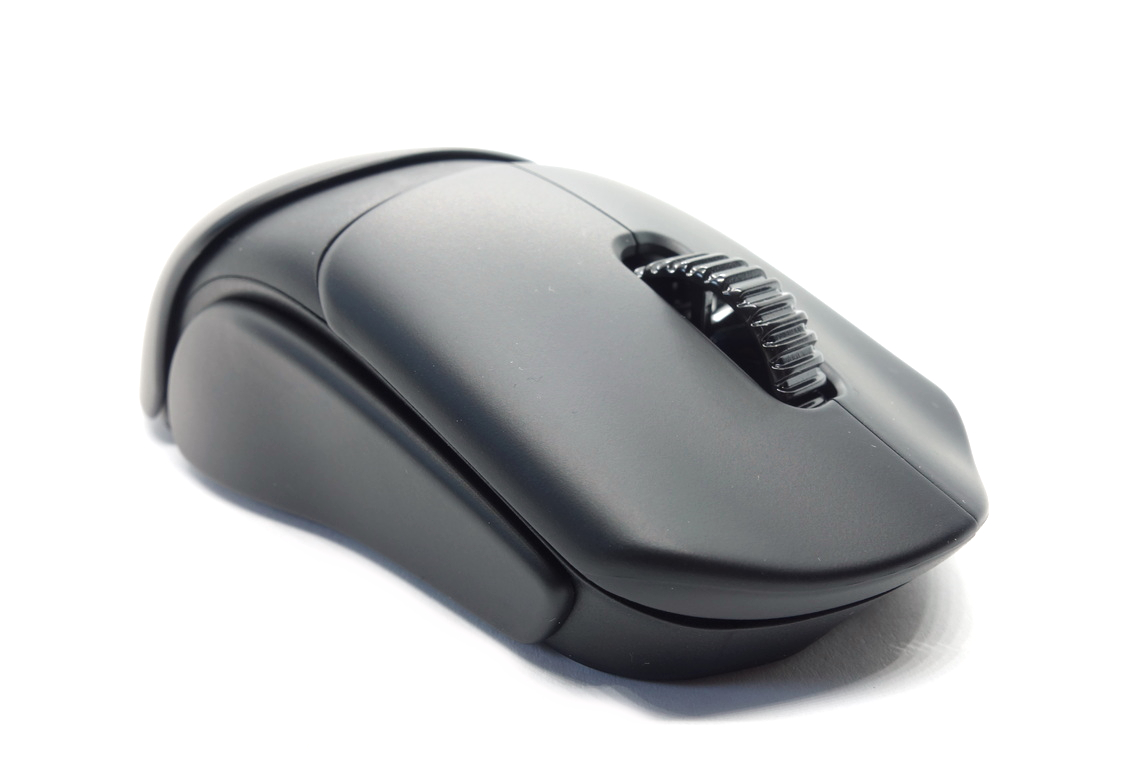
Medium Hump/Pinch/Pinch (Code: PPM-000)

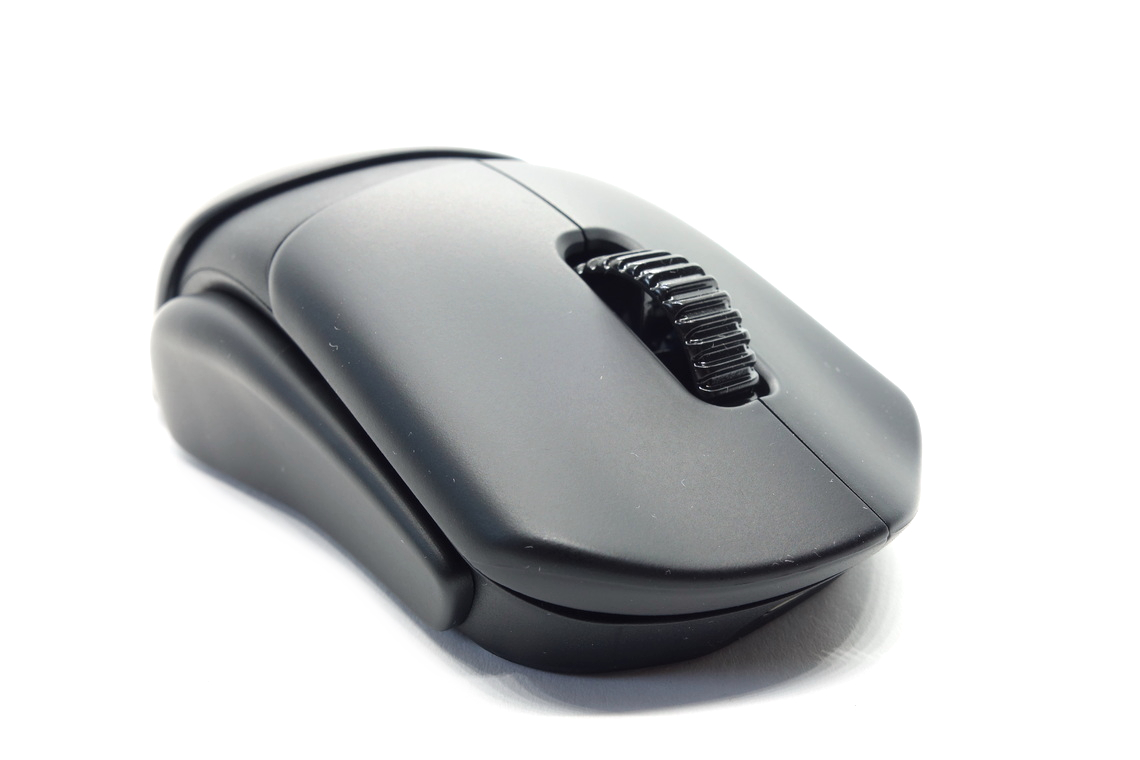
High Hump/Claw/Claw (Code: CCH-000)
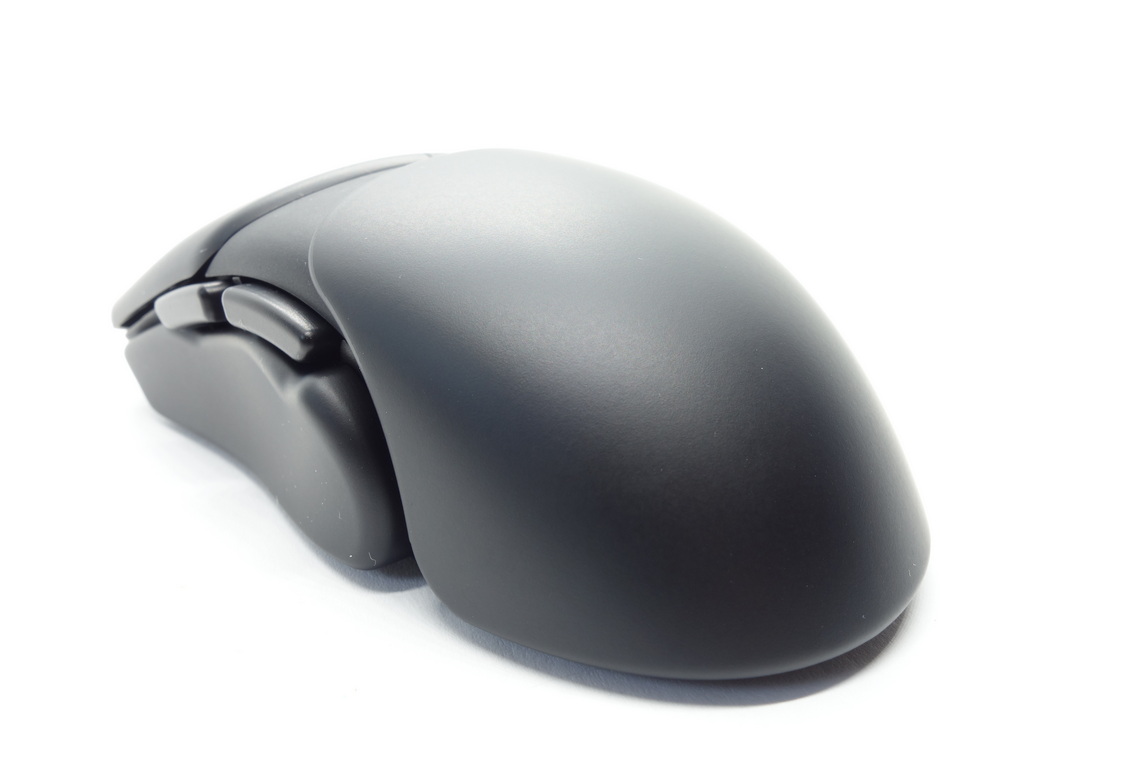
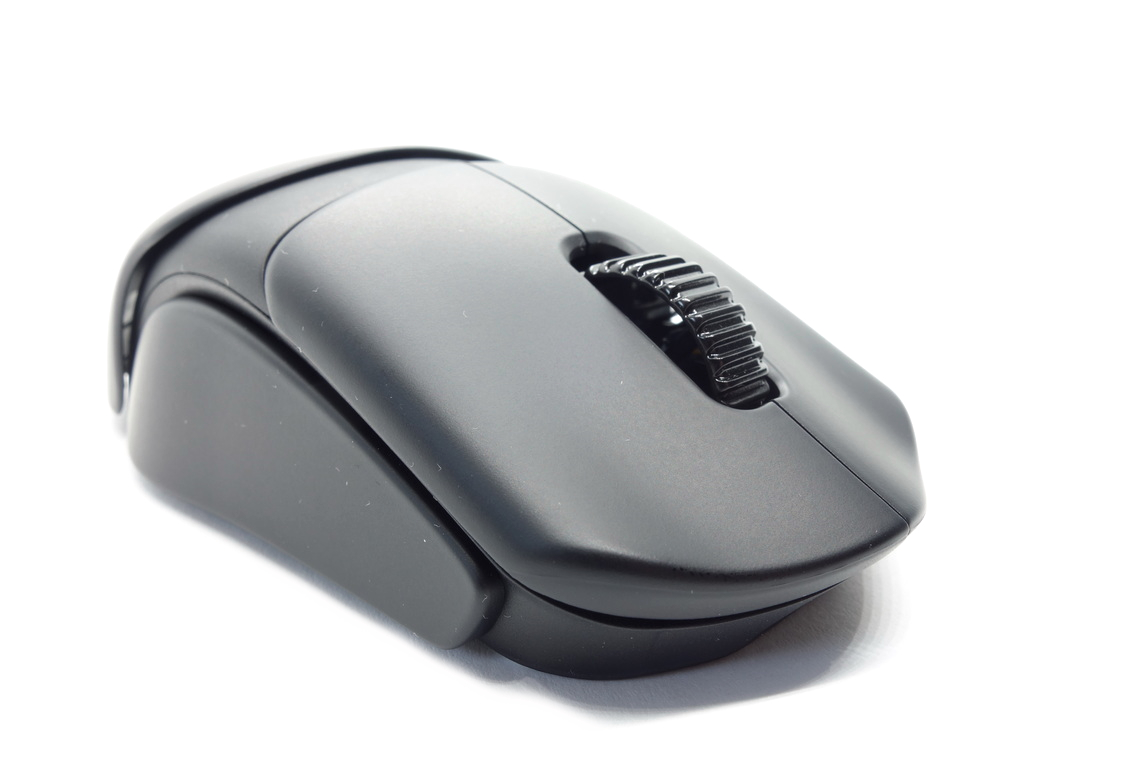
Right-Hand Hump/Latch/Right Hand (Code: LRR-000)
Nov 26th, 2026 09:51 CST
change timezone
Latest GPU Drivers
New Forum Posts
- Wireless Internet sharing between PC and router both-ways, is it possible? (24)
- Can you guess Which game it is? (366)
- Post your CrystalDiskMark speeds (658)
- Making a game in Godot engine (20)
- What's your main Black Friday / Cyber Monday purchase? (17)
- X79 and/or rampage IV OC'ing thread for those of us still left.... (2459)
- Exploring Local LLMs: Models, Hardware and Setup Experiences (4)
- Linpack Xtreme Released (513)
- Claude credits purchased on or after Dec. 7 now have an expiry date (20)
- Acer TravelMate P414-51 (i5-1135G7): CPU stuck at x4 / ~200 MHz effective under 100% load, no throttle flags. How to find who's clamping it? (1)
Popular Reviews
- ASRock X870E Challenger Wi-Fi White Review
- VZMORE AX9 Max Review
- Upcoming Hardware Launches 2027 (Updated Nov 2026)
- Microsoft Surface Laptop Ultra Review - The Next-gen Arm Laptop
- AMD Ryzen 7 9800X3D Review - The Best Gaming Processor
- AMD Zen 6 Technical Deep Dive
- Corsair RM1200e (Second Generation) Review
- Phantom Blade Zero Performance Benchmark Review - 35 GPUs Tested
- Montech CyberFlow ARGB 360 Review
- Pulsar Office Tour & First Look at P1 Dual-Sensor Mouse
TPU on YouTube
Controversial News Posts
- Jensen Huang Reinstated as CEO of NVIDIA (585)
- NVIDIA Co-Founder and CEO Jensen Huang Officially Resigns (492)
- Report: Jensen Huang Eyes NVIDIA Comeback (281)
- Open Letter Asking NVIDIA to Reinstate Jensen Huang Passes 115,000 Signatures (184)
- OpenAI CEO Argues Home PCs Waste the World's Limited DRAM Supply (152)
- NVIDIA Launches Investigation Into Jensen Huang's Relationship With Suspected Chinese Spy (136)
- Intel "Raptor Lake Next" 16-Core and 20-Core CPUs Surface (130)
- Intel Razor Lake Gets a 12 P-Core bLLC Chip With No E-Cores, Per Leak (94)