 50
Orico O7000 2 TB Review
(50 Comments) »Introduction

Founded in 2009 in Shenzhen, China, Orico is a hardware manufacturer specializing in storage solutions and accessories. The company offers a diverse range of products, including solid-state drives, external hard drive enclosures, USB hubs, NAS systems, docking stations and more.

The Orico O7000 is a PCI-Express 4.0 drive that's designed to be cost-effective. To achieve that, it uses the Maxiotech MAP1602 controller, which has been delivering outstanding performance at great pricing in well known drives like the Lexar NM790. Unlike the NM790, which uses YMTC TLC NAND flash, the Orico O7000 comes with YMTC QLC flash, in the 232-layer variant. This should give Orico an additional cost advantage, and I'm really curious what we can expect in performance differences. As expected for a value-oriented SSD, a DRAM cache chip is not available, but the SSD will use up to 40 MB of system memory through the HMB (Host-Memory-Buffer) mechanism.
The Orico O7000 is available in capacities of 512 GB (€50 / $45), 1 TB (€80 / $75), 2 TB (€120 / $115) and 4 TB (€250 / $235). The endurance is set to 300 TBW, 600 TBW, 1200 TBW and 2400 TBW respectively. Orico includes a five-year warranty with the O7000 Pro SSD.
| Specifications: Orico O7000 2 TB SSD | |
|---|---|
| Brand: | Orico |
| Model: | ORICO-O7000 |
| Capacity: | 2048 GB (1907 GB usable) No additional overprovisioning |
| Controller: | Maxiotech MAP1602A |
| Flash: | YMTC 232-Layer 3D QLC Rebranded as Biwin BWN0AQF1B1HCAD |
| DRAM: | N/A, but 40 MB HMB |
| Endurance: | 1200 TBW |
| Form Factor: | M.2 2280 |
| Interface: | PCIe Gen 4 x4, NVMe 1.4 |
| Device ID: | ORICO-2TB |
| Firmware: | H240313a |
| Warranty: | Five years |
| Price at Time of Review: | €120 / $115 / $56 per TB |
Packaging


The Drive
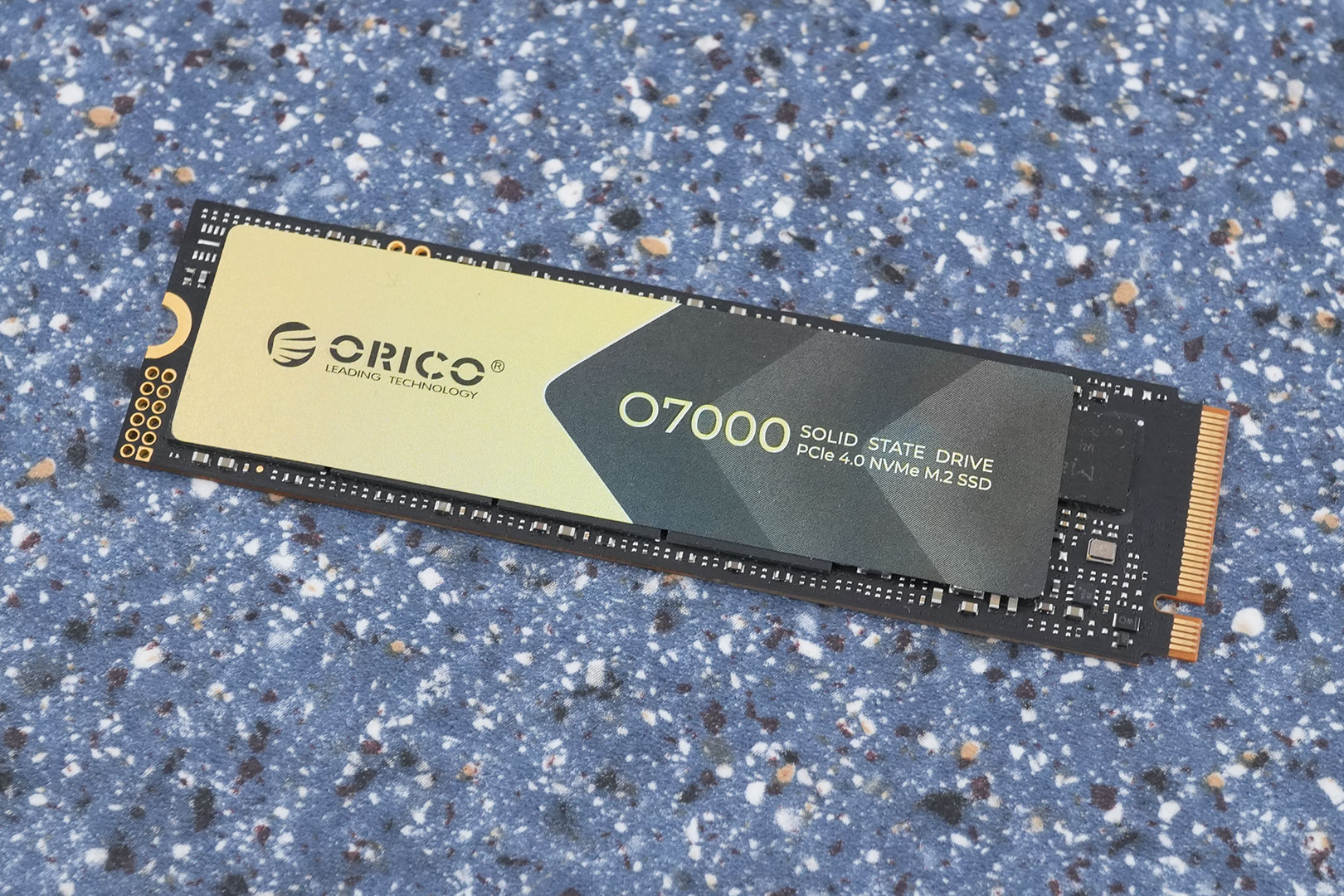

The drive is designed for the M.2 2280 form factor, which makes it 22 mm wide and 80 mm long.

PCI-Express 4.0 x4 is used as the host interface to the rest of the system, which doubles the theoretical bandwidth compared to PCIe 3.0 x4.


On the PCB you'll find the SSD controller and four flash chips. A DRAM cache is not available.


Orico includes a heatsink with their drive, it's not preinstalled, so laptop users don't have to remove it before installation.


During installation, I noticed that the thermal tape is a little bit long, so it will stick out under the heatsink—no big deal—better too long than too short.


On my ASUS Z790 Hero, the heatsink wouldn't fit on the first attempt. The silvery clip was making contact with the VRM heatsink (which I already cut off a while ago to make more room). It was not possible to push the SSD down in the M.2 slot, to put in the mounting screw. The solution was to align the SSD near the top of the cooler's metal frame, not in the center—then everything fit fine.
Chip Component Analysis
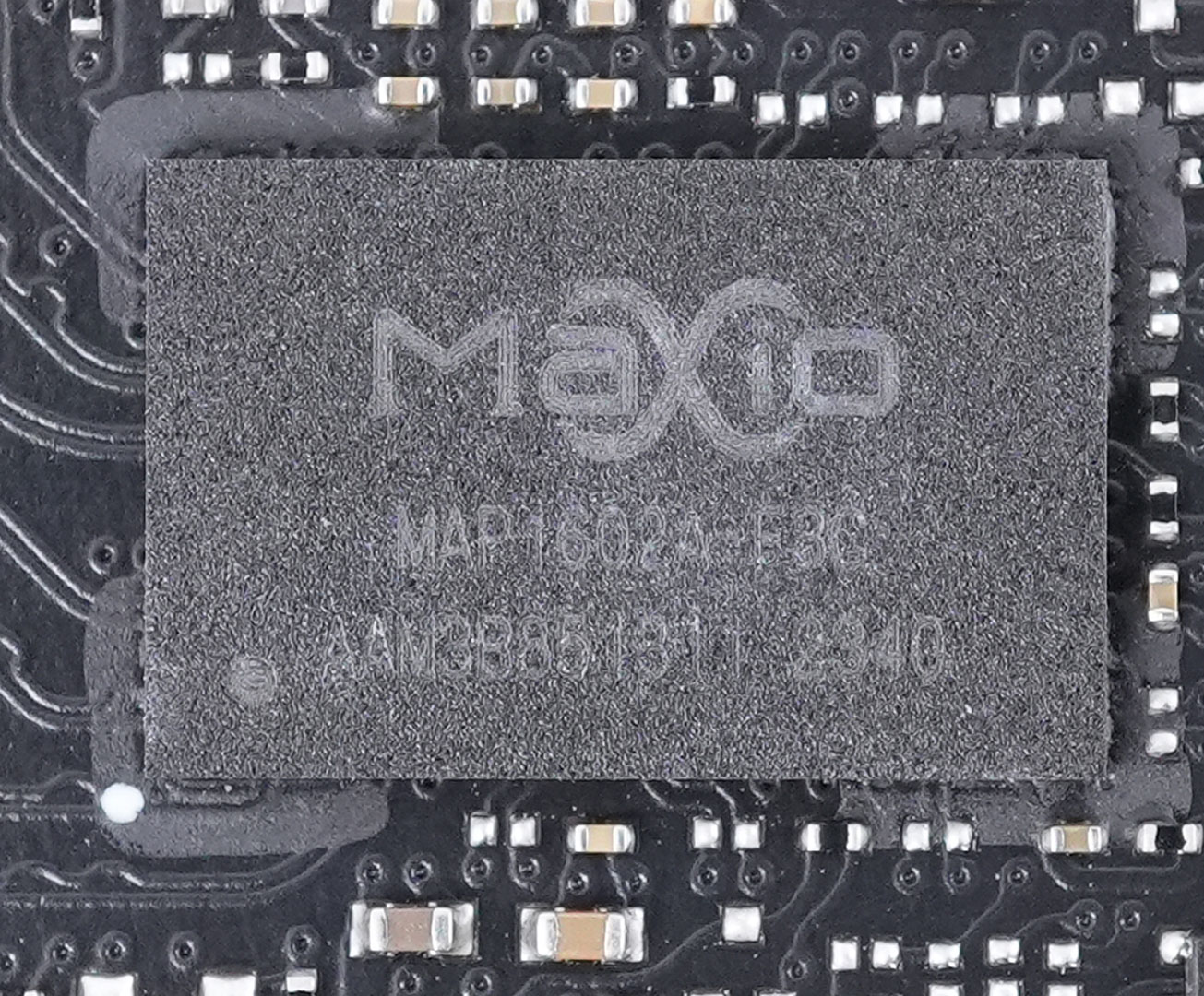
MaxioTech's MAP1602A controller is produced on TSMC's 12 nanometer node and uses several Arm Cortex R5 CPU cores.

The four flash chips are YMTC 232-layer 3D QLC NAND. Each chip has a capacity of 512 GB.
Test Setup
| Test System SSD 2024 | |
|---|---|
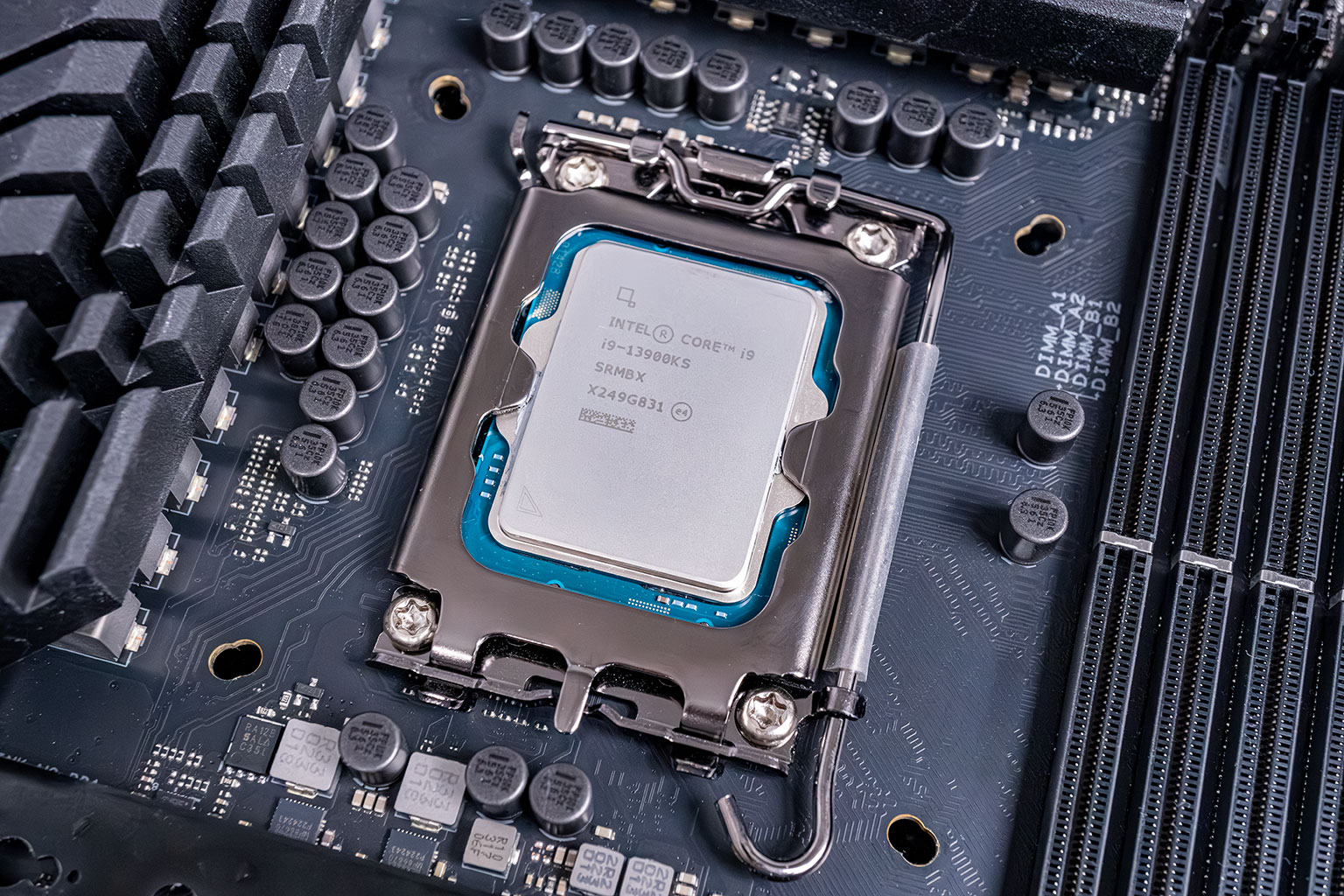
| Processor: | Intel Core i9-13900KS Raptor Lake 6.0 GHz, 8+16 cores / 32 threads |
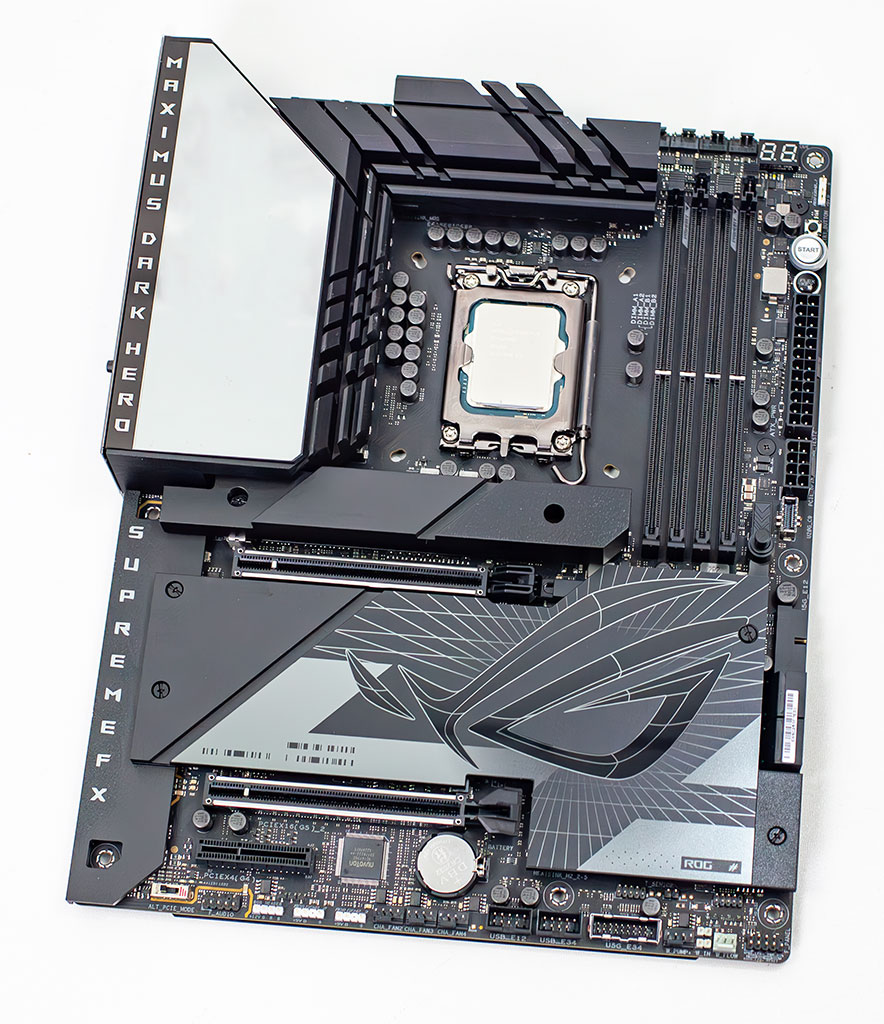
| Motherboard: | ASUS ROG Z790 Dark Hero BIOS 1102 |
| Memory: | 2x 16 GB DDR5-6000 |
| Graphics: | PNY GeForce RTX 4080 Super Verto OC |
| Cooling: | Valkyrie Syn 360 mm AIO |
| Thermal Paste: | Arctic MX-6 |
| Power Supply: | Thermaltake Toughpower GF3 850 W ATX 3.0 / 16-pin 12VHPWR |
| Case: | darkFlash DRX70 White |
| Operating System: | Windows 11 Professional 64-bit 23H2 VBS enabled (Windows 11 default) |
| Drivers: | NVIDIA: 552.12 WHQL |
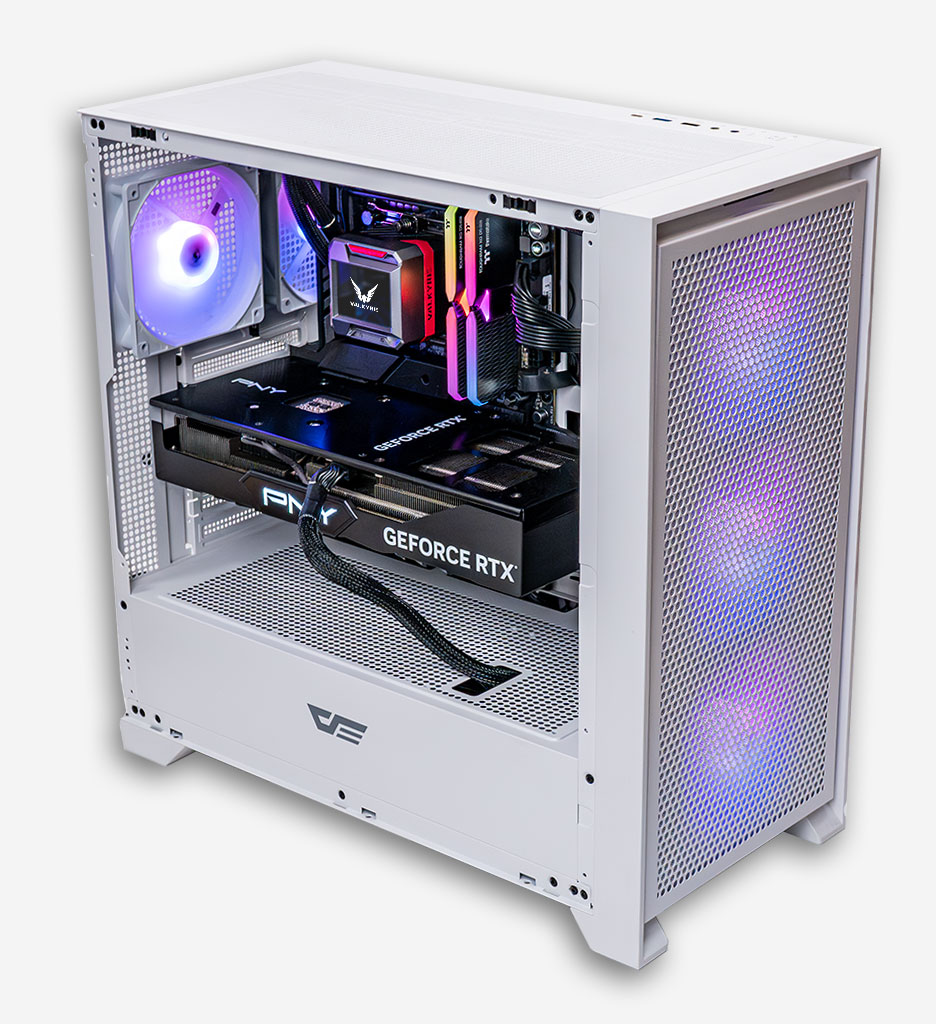
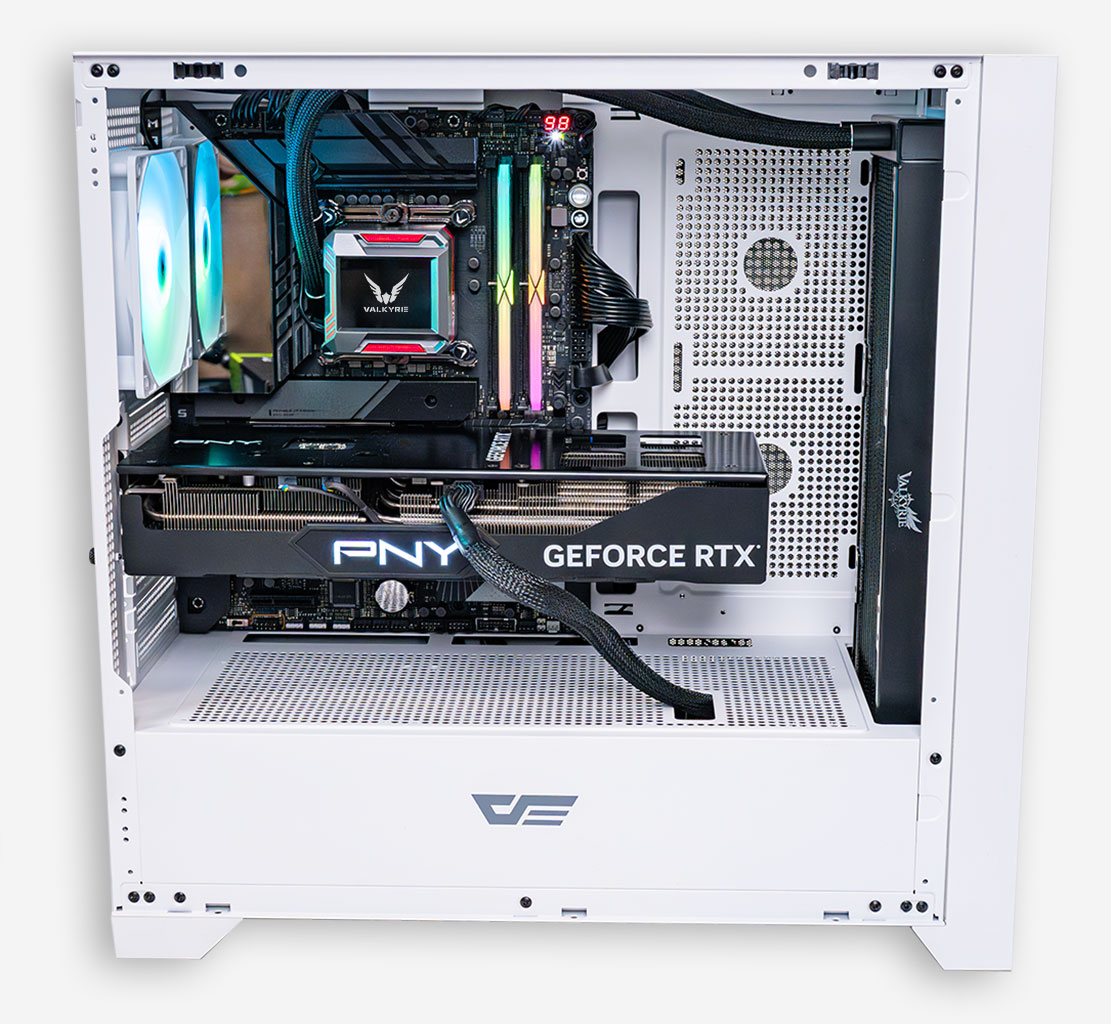
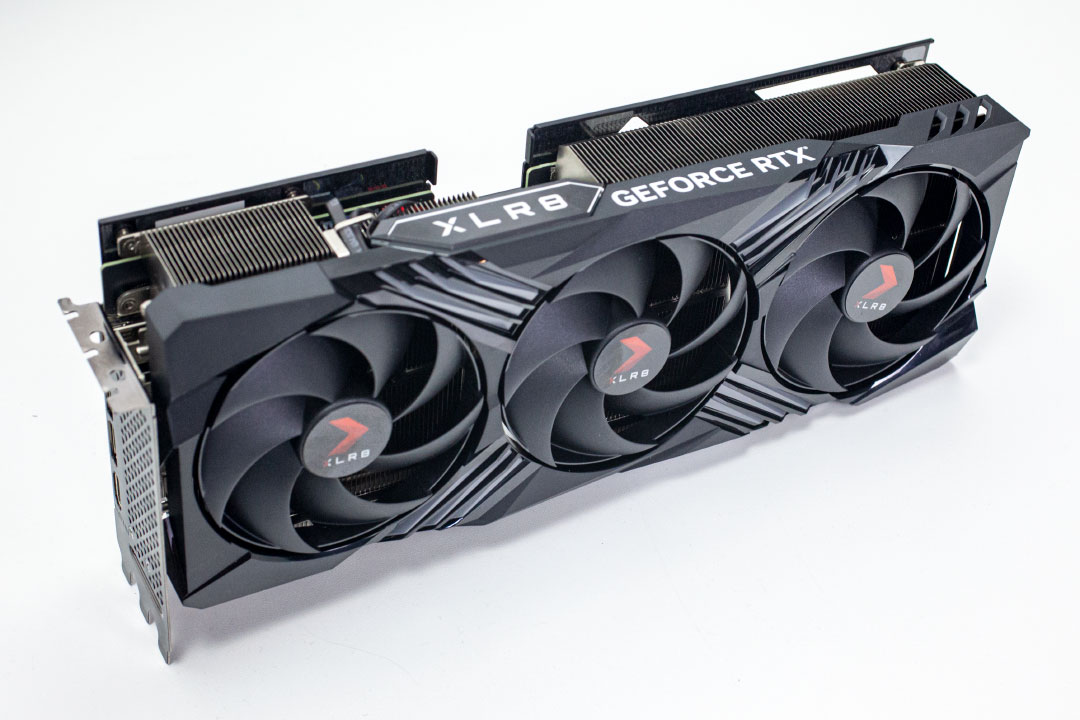

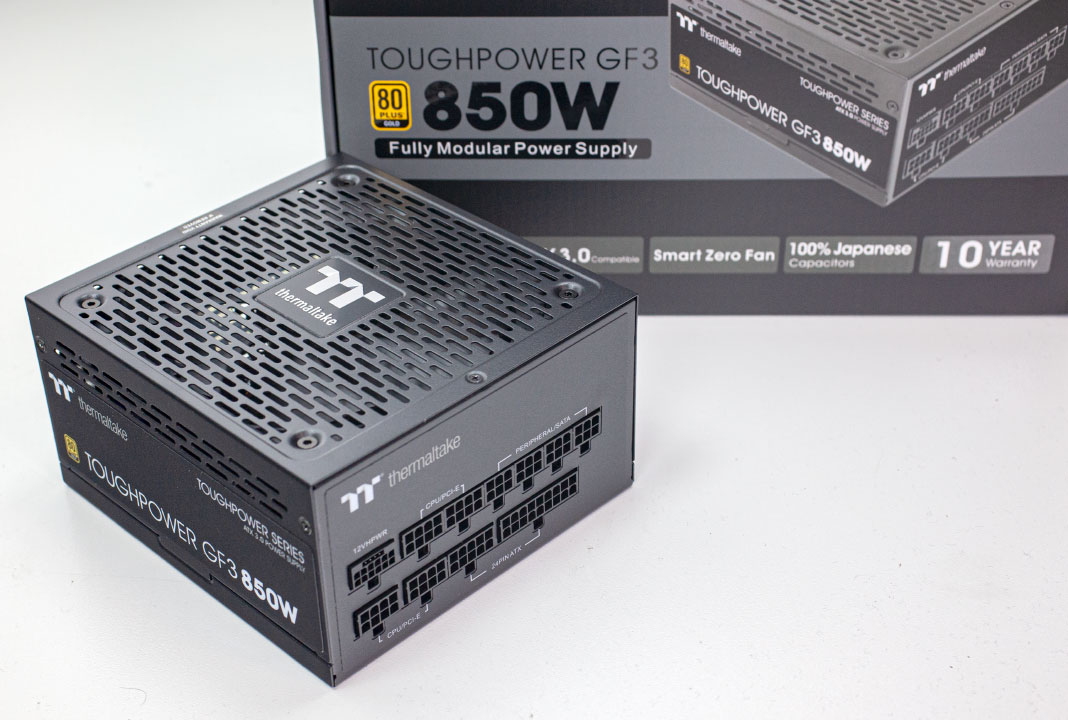
Synthetic Testing
- Tests are run with a 20-second-long warm-up time (result recording starts at second 21).
- Between each test, the drive is left idle for 60 seconds, to allow it to flush and reorganize its internal data.
- All write requests contain random, incompressible data.
- Disk cache is flushed between all tests.
- During these tests, M.2 drives are tested with additional active fan-cooling, to ensure thermal throttling can't happen
Real-life Testing
- After initial configuration and installation, a disk image is created; it is used to test every drive.
- Automated updates are disabled for the OS and all programs. This ensures that—for every review—each drive uses the same settings, without interference from previous testing.
- Our disk image consumes around 700 GB—partitions are resized to fill all available space on the drive.
- All drives are filled with random data to 85% of their capacity. This is intentional, to run the drive in realistic operating conditions—nobody uses a nearly-empty SSD in their system. It also puts additional stress on the pseudo-SLC cache subsystem, because there is less free NAND space to work with.
- Partitions are aligned properly.
- Disk cache is flushed between all tests.
- In order to minimize random variation, each real-life performance test is run several times, with reboots between tests to minimize the impact of disk cache.
- All application benchmarks run the actual application and do not replay any disk traces.
- Our real-life testing data includes performance numbers for a typical high-performance HDD, using results from a Western Digital WD Black 1 TB 7200 RPM 3.5" SATA. HDDs are significantly slower than SSDs, which is why we're not putting the result in the chart, as that would break the scaling, making the SSDs indistinguishable in comparison. Instead, we've added the HDD performance numbers in the title of each test entry.
- During these tests, M.2 drives are tested with additional active fan-cooling, to ensure thermal throttling can't happen
Our Patreon Silver Supporters can read articles in single-page format.
Nov 24th, 2026 21:29 CST
change timezone
Latest GPU Drivers
New Forum Posts
- AMD ULL settings tinkering thread - post settings and Zen pics (90)
- TPU's F@H Team (20570)
- Can you guess Which game it is? (352)
- The time has come to upgrade...my desktop (13)
- Ryzen Owners Zen Garden (8562)
- WarpCoreBench scores! (99)
- Asus Rog Maximus Z890 Extreme. (Various questions). (34)
- What are you playing? (26253)
- Which ryzen am5 cpu ? (210)
- Your PC ATM (36503)
Popular Reviews
- ASRock X870E Challenger Wi-Fi White Review
- Microsoft Surface Laptop Ultra Review - The Next-gen Arm Laptop
- Upcoming Hardware Launches 2027 (Updated Nov 2026)
- VZMORE AX9 Max Review
- AMD Ryzen 7 9800X3D Review - The Best Gaming Processor
- Corsair RM1200e (Second Generation) Review
- AMD Zen 6 Technical Deep Dive
- Phantom Blade Zero Performance Benchmark Review - 35 GPUs Tested
- Pulsar Office Tour & First Look at P1 Dual-Sensor Mouse
- Ocypus lota P1000 Review
TPU on YouTube
Controversial News Posts
- Jensen Huang Reinstated as CEO of NVIDIA (534)
- NVIDIA Co-Founder and CEO Jensen Huang Officially Resigns (492)
- Report: Jensen Huang Eyes NVIDIA Comeback (281)
- Open Letter Asking NVIDIA to Reinstate Jensen Huang Passes 115,000 Signatures (184)
- OpenAI CEO Argues Home PCs Waste the World's Limited DRAM Supply (152)
- NVIDIA Launches Investigation Into Jensen Huang's Relationship With Suspected Chinese Spy (136)
- Intel "Raptor Lake Next" 16-Core and 20-Core CPUs Surface (130)
- Intel Razor Lake Gets a 12 P-Core bLLC Chip With No E-Cores, Per Leak (94)