 0
Phanteks Glacier R160 Reservoir Review
(0 Comments) »Introduction

Phanteks generally impressed with their custom watercooling product lineup, in particular with both the GPU water block and recently tested CPU water block. They have been expanding quickly on top of those with an offering of fittings, including ones for both hard and soft tubing, as well as adapters, extensions, and stop plugs. One of the missing items in their lineup was a reservoir, and a reservoir with an integrated pump top would be all the better. As with everything else in this field, carving out a unique identity is harder than ever before, but Phanteks thinks they have something capable of it and more. Enter then the Glacier R160 (and also the R220), and thanks to Phanteks for providing a review sample for TechPowerUp.

The Glacier R160 is one of two reservoirs currently offered by Phanteks, with the name following a logical path based on their products. "Glacier" is the collective name for their watercooling products, the "R" here stands for reservoir, and "160" is the longest dimension of the unit in millimeters. There is also a 220 mm version, the R220, which offers a larger reservoir, but is otherwise identical when it comes to the pump top. As with other Phanteks products capable of it, the Glacier R160 supports RGB lighting out of the box. It also works with any standard Laing DDC pump, which is an interesting choice as most people running a custom watercooling loop are now opting for the larger D5 pump, which is on the quieter side of things. We will explore this choice and more and begin the review with a look at the specifications below.
Specifications
| Phanteks Glacier R160 Reservoir | |
|---|---|
| Materials: | Acrylic body, aluminum fins, nickel-plated copper base, Viton O-ring |
| Dimensions: | 80 x 160 x 37 mm |
| Weight: | 500 g / 1.1 lbs |
| Volume: | 120 mL |
| Ports: | Five, BSP G1/4" threaded |
| Warranty: | Two years |
Packaging and Accessories

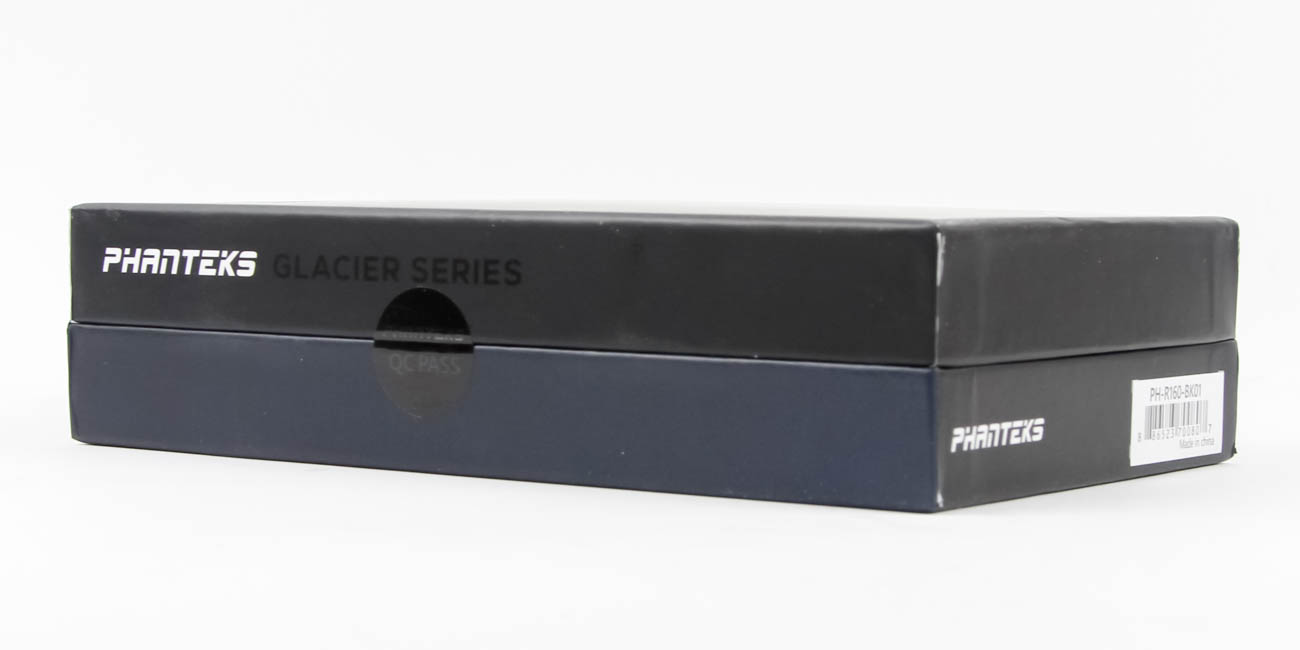
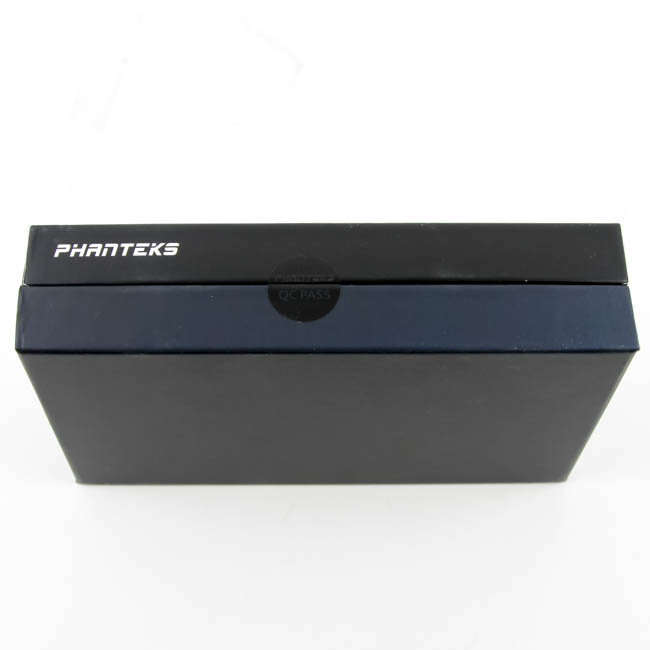
As with Phanteks' other Glacier products we have seen, the Glacier R160 packaging provides a premium unboxing experience, which makes for a good first impression before we even see the Glacier R160. A thick two-piece cardboard box with a dark blue and black color scheme greets us. The company and product name are really all we see, along with a label on the side for logistics, and there are two seals on the side that help keep the two pieces together and the rest of the contents inside in place.
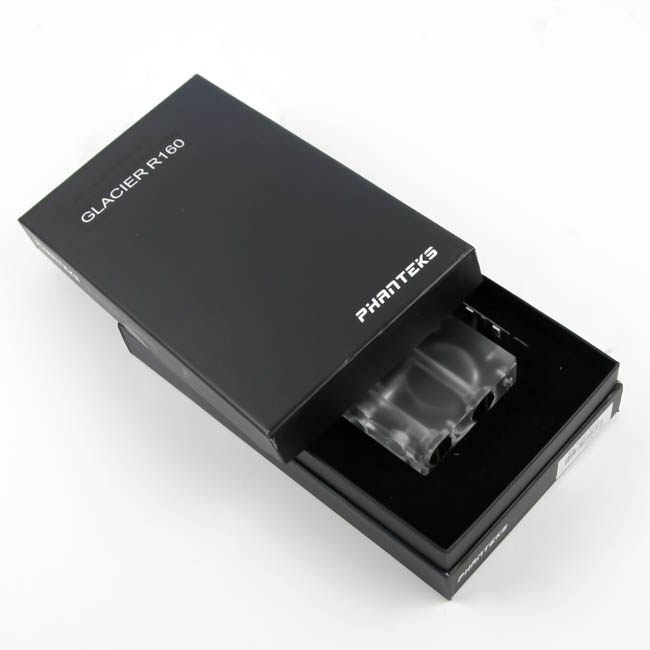
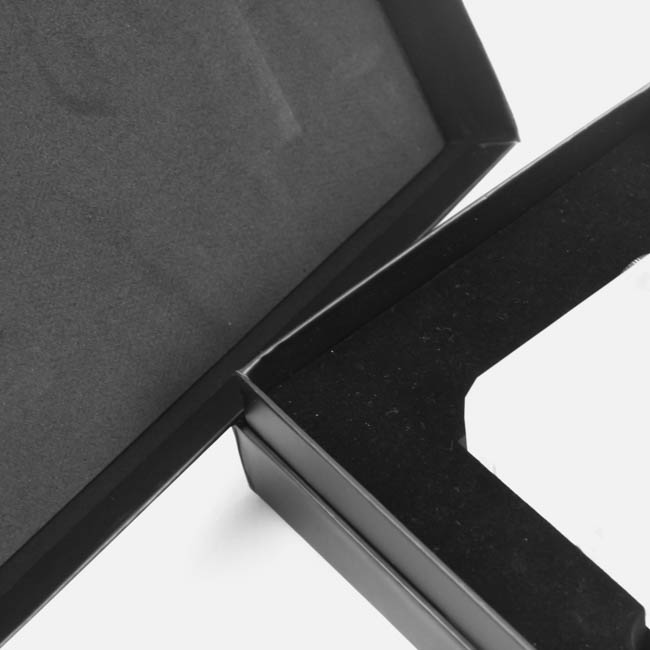
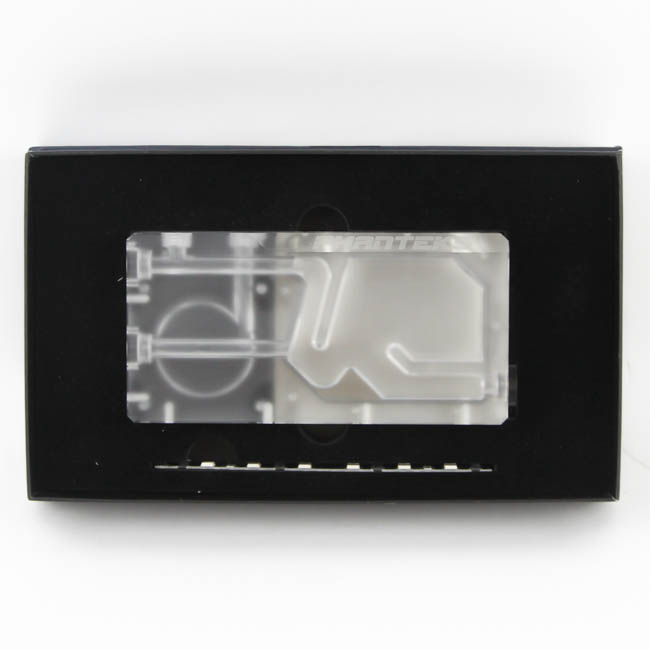
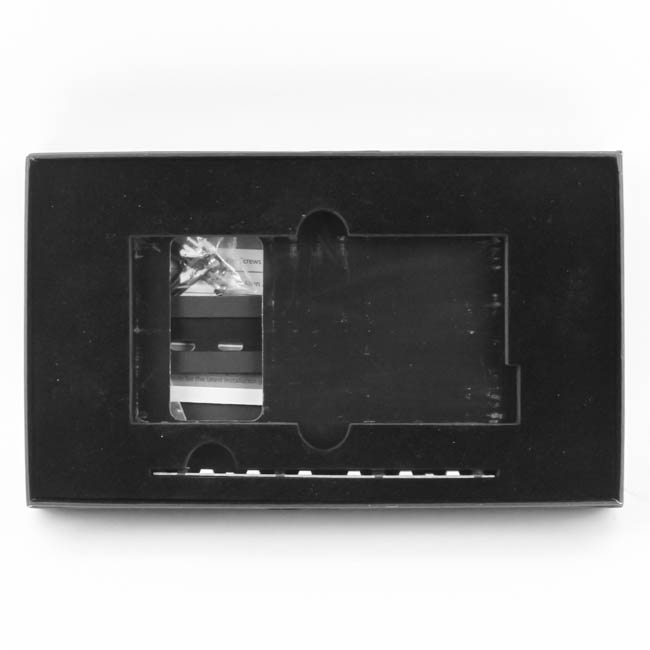
Cut open the seals and open the box to reveal the reservoir placed into a shaped cut foam piece similar to a jewelry box. The inside of the top piece is lined with black felt as well for some protection against scratches and shipping and handling hassles. We see that there is a good amount of foam on all sides of the product, so good job with the overall packaging here. There are cutouts to help remove the reservoir, and removing it, we see the accessories underneath this compartment, along with another slit cutout where one more accessory is snugly kept in place.
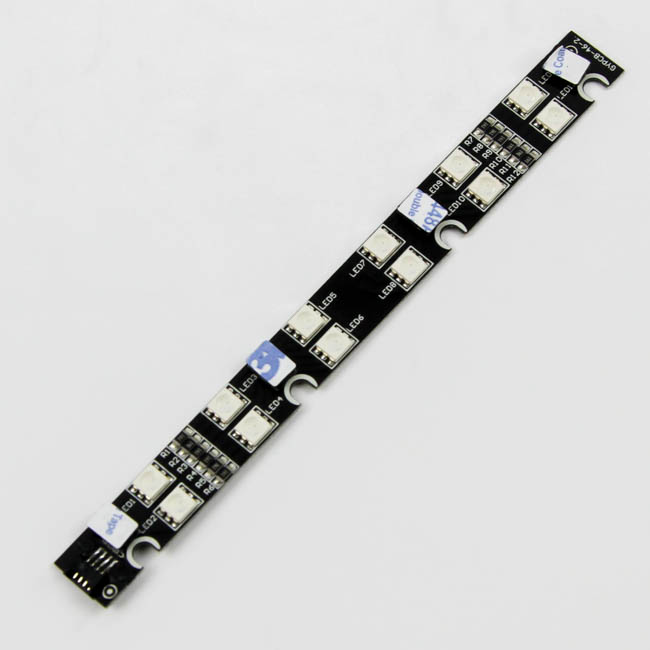
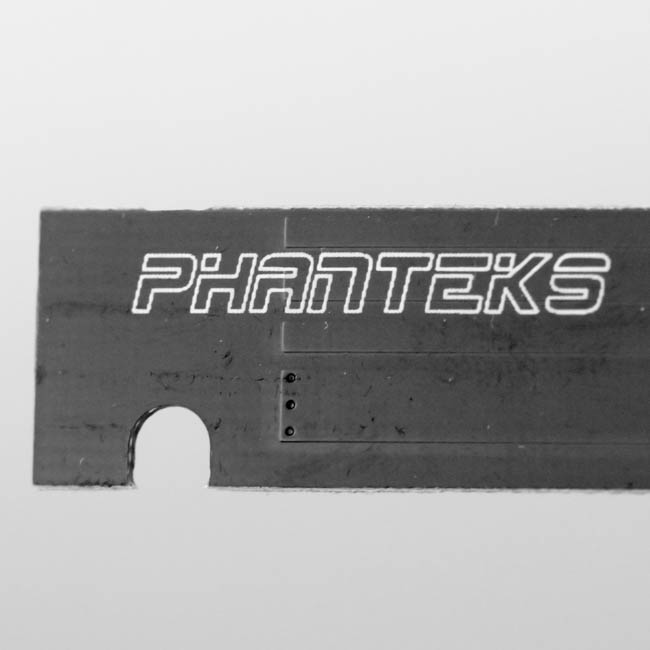
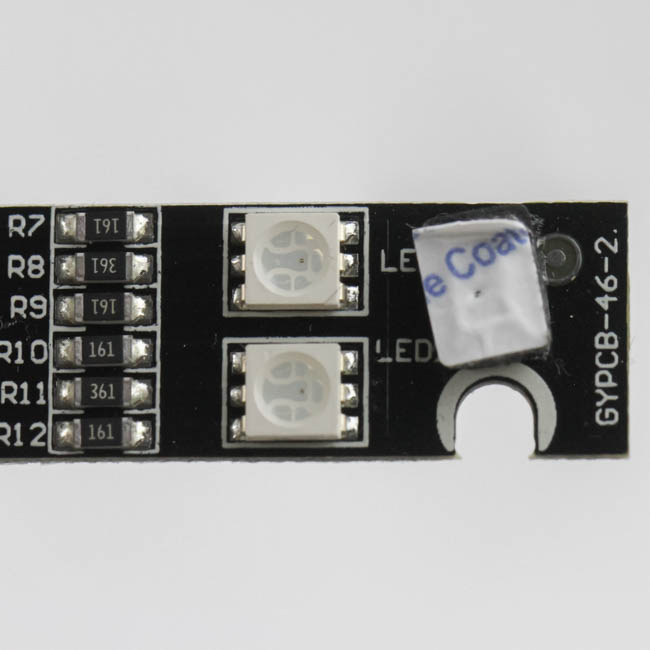

This particular accessory is an RGB LED strip, which does not come pre-installed, but is part of the installation process. As with other such instances, the components are all on a hard PCB with the Phanteks logo on one side, three cutouts which will aid in installation, and twelve RGB SMD LEDs. There are some pieces of sticky tape with covers on them that need to be peeled off, as well as a female connector on one end where a cable will presumably be plugged in.
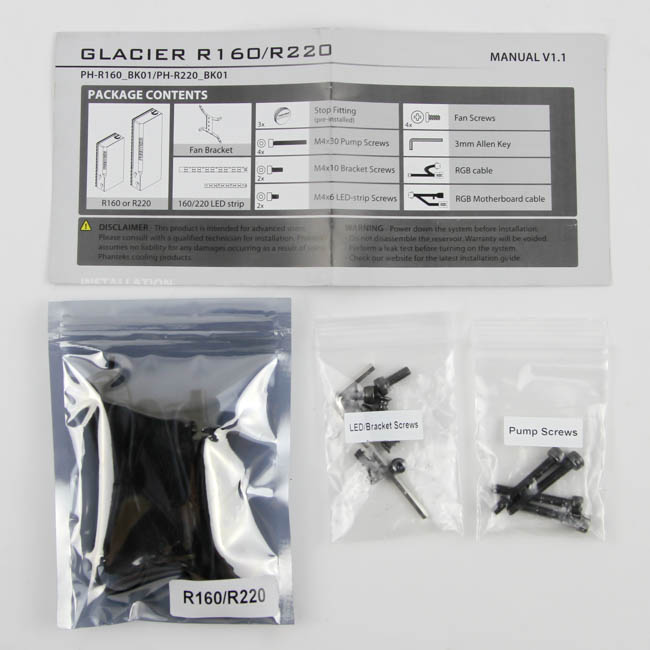

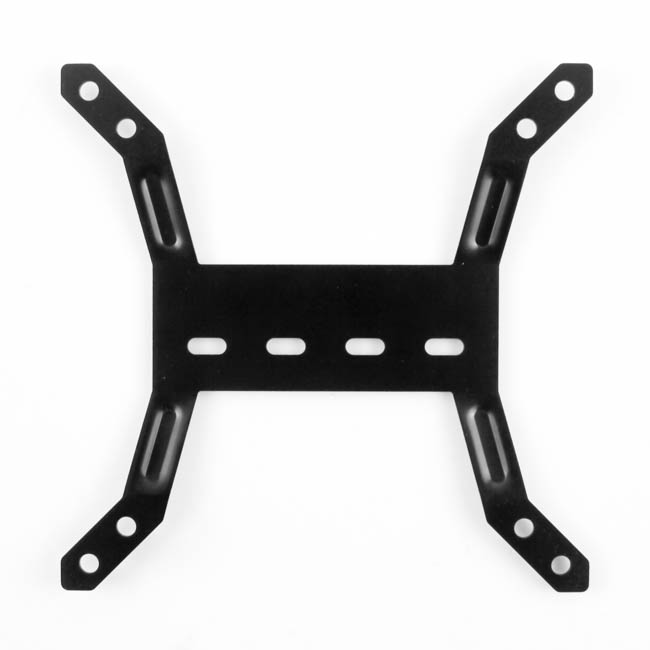
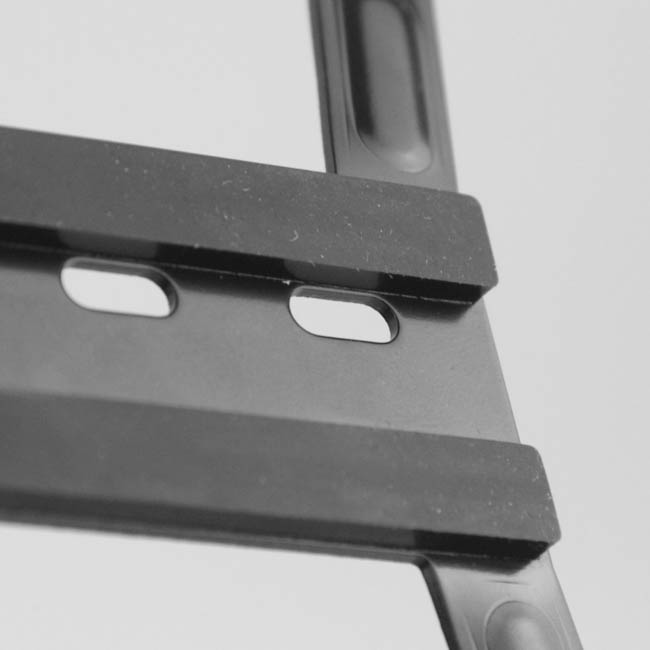
There are plenty of other accessories that come with the Glacier R160, not the least of which is a useful manual that goes over the installation and use of the reservoir as a standalone unit as well as with a DDC pump. It is light on details, however, and I can definitely see which parts newcomers can potentially find confusing due to the isometric view used for the illustrations. For those curious, an online copy can be found here. Two sets of mounting hardware come in marked plastic pouches, and these include an Allen key, four self-tapping screws to help mount the entire system, two short hex head screws, and two slightly longer hex head screws for the LED strip, and four long hex head screws for a DDC pump if you go that route. There is also a metal mounting bracket that has foam pads on a side with a gap in between, and legs that jut out in the corners, which have holes corresponding to fan-hole spacings for 120 and 140 mm fans.
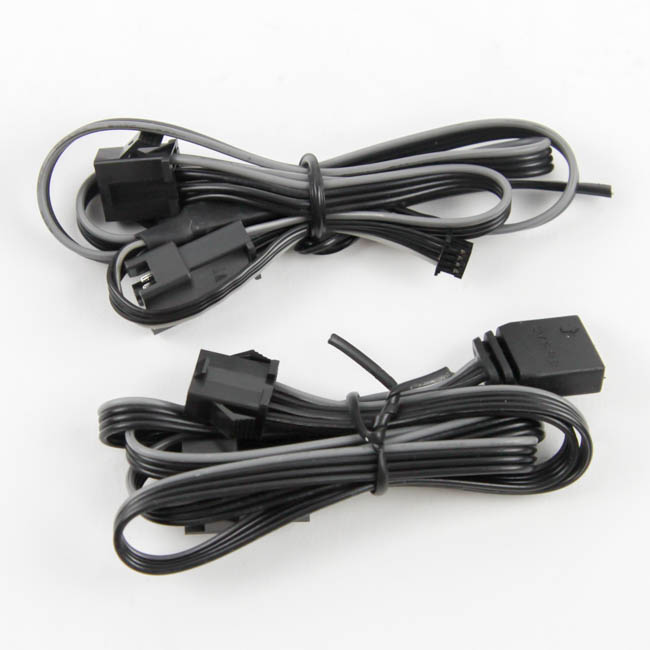
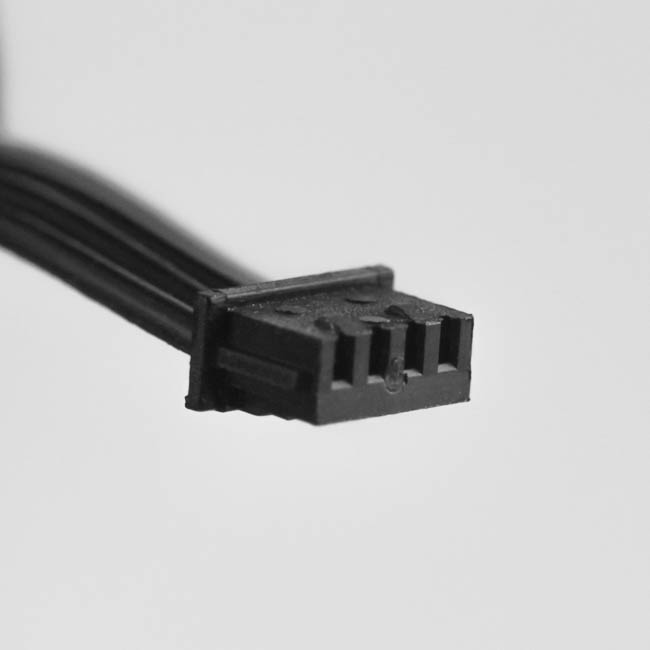
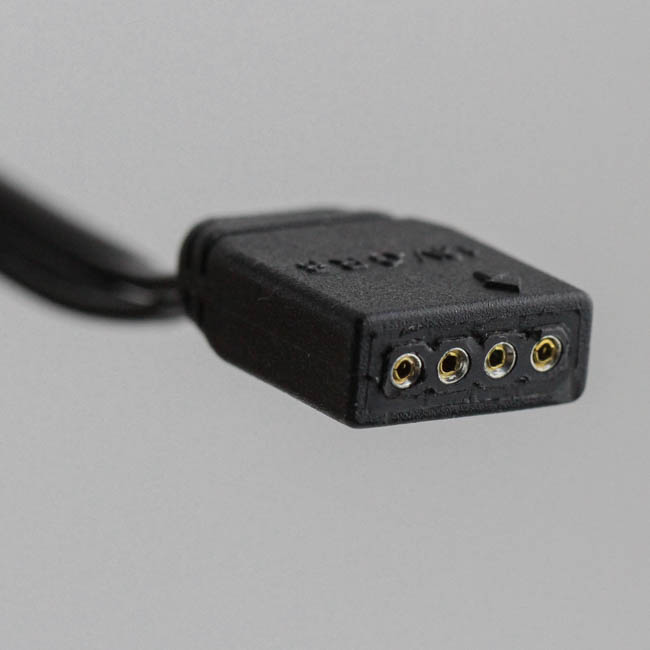
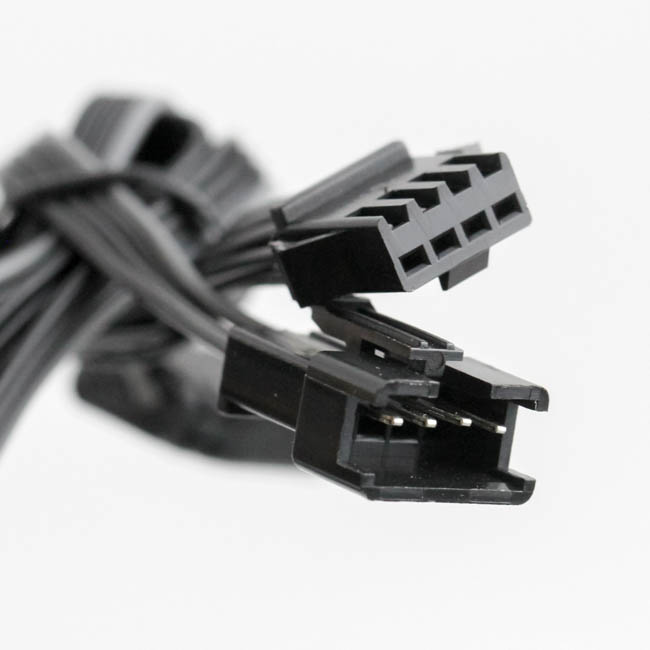
The last pouch contains the RGB cables used to power and control the LED strip we saw before, and here we get an RGB cable that connects to the strip directly, which in turn connects to the RGB motherboard/case adapter cable. This can be used to connect the strip to a compatible RGB LED header on a motherboard, for example, or other Phanteks products that work with it as well.
Our Patreon Silver Supporters can read articles in single-page format.
Nov 21st, 2026 12:24 PST
change timezone
Latest GPU Drivers
New Forum Posts
- RX 580 2048SP 8GB - SK Hynix - Ardiyes - BIOS Needed (1)
- Can you guess Which game it is? (344)
- UPS what one to get? (22)
- Zen 3 IF/IMC degradation (243)
- State of the HPC-AI Market 2026: Processing Elements (0)
- 1 - 5 person file storage server equivalent accasible from anywhere + general VM server. (3)
- Honestly, do you care about GTA VI? (225)
- RX 9000 series GPU Owners Club (2251)
- Windows 11 General Discussion (7746)
- How to prevent OLED burn damage due to PC freezes or power outtages? (51)
Popular Reviews
- Microsoft Surface Laptop Ultra Review - The Next-gen Arm Laptop
- Ugreen NASync DXP4800 GT Review
- Corsair RM1200e (Second Generation) Review
- Pulsar Office Tour & First Look at P1 Dual-Sensor Mouse
- Upcoming Hardware Launches 2027 (Updated Nov 2026)
- Acemagic Retro X3 Review
- Biwin Black Opal NV7400 2 TB Review
- AMD Ryzen 7 9800X3D Review - The Best Gaming Processor
- AMD Zen 6 Technical Deep Dive
- Chieftec Iceberg PRO 360 DARK Review
TPU on YouTube
Controversial News Posts
- NVIDIA Co-Founder and CEO Jensen Huang Officially Resigns (492)
- Report: Jensen Huang Eyes NVIDIA Comeback (260)
- Open Letter Asking NVIDIA to Reinstate Jensen Huang Passes 115,000 Signatures (184)
- OpenAI CEO Argues Home PCs Waste the World's Limited DRAM Supply (152)
- NVIDIA Launches Investigation Into Jensen Huang's Relationship With Suspected Chinese Spy (136)
- Intel "Raptor Lake Next" 16-Core and 20-Core CPUs Surface (130)
- NVIDIA GeForce RTX 50-Series Scheduled for up to $500 Price Hike This Week (89)
- Intel Razor Lake Gets a 12 P-Core bLLC Chip With No E-Cores, Per Leak (86)