 122
PowerColor Radeon RX 9060 XT Reaper 8 GB Review
Circuit Board Analysis »Packaging


The Card


PowerColor's Reaper card comes with a mostly-black color theme that has some red highlights on the fan hubs. On the back you get a backplate, actually a metal backplate—which is definitely much better than the plastic or even complete lack of backplate other board partners offer with their baseline cards.

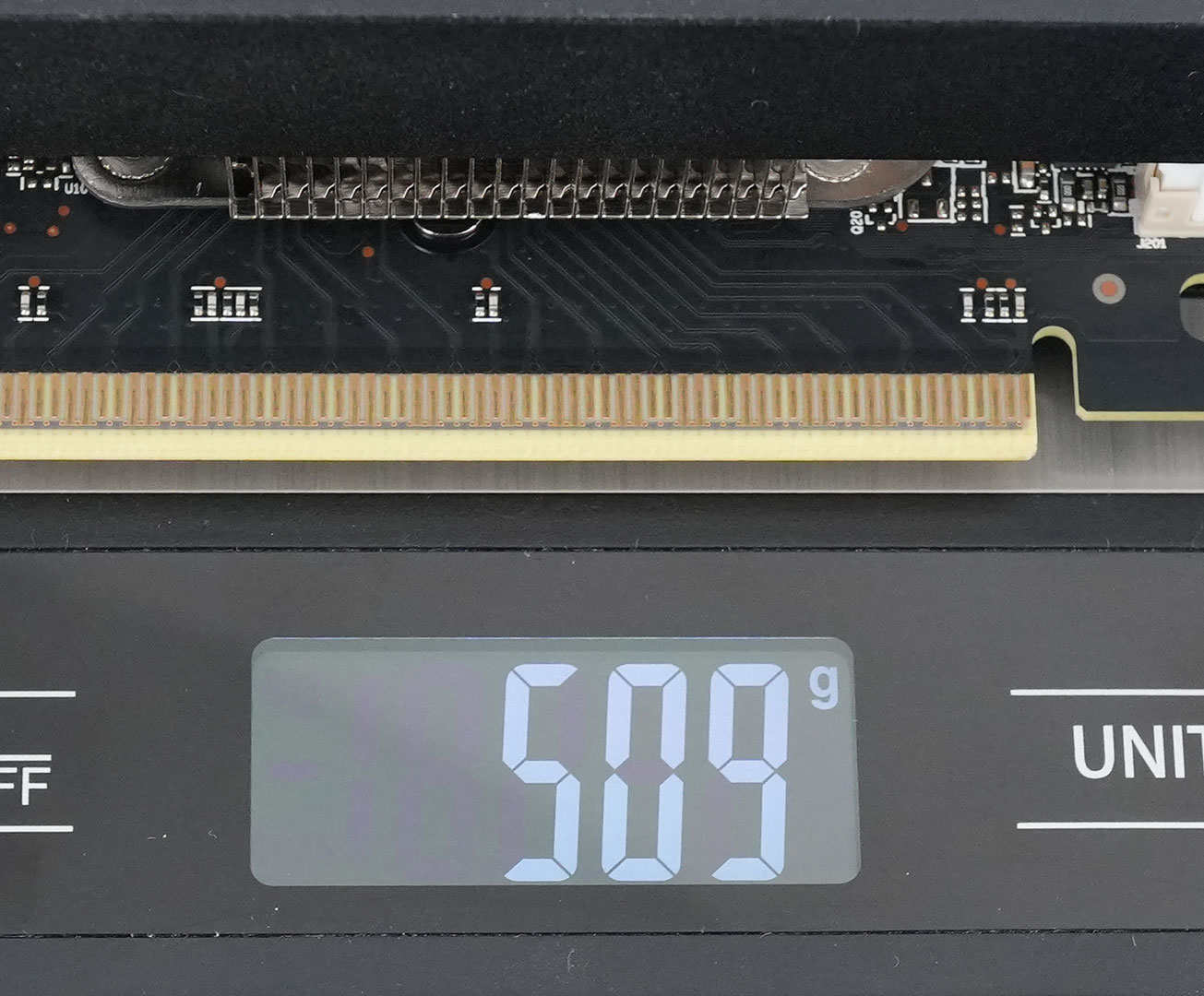
Dimensions of the card are 20.0 x 11.0 cm, and it weighs 509 g.
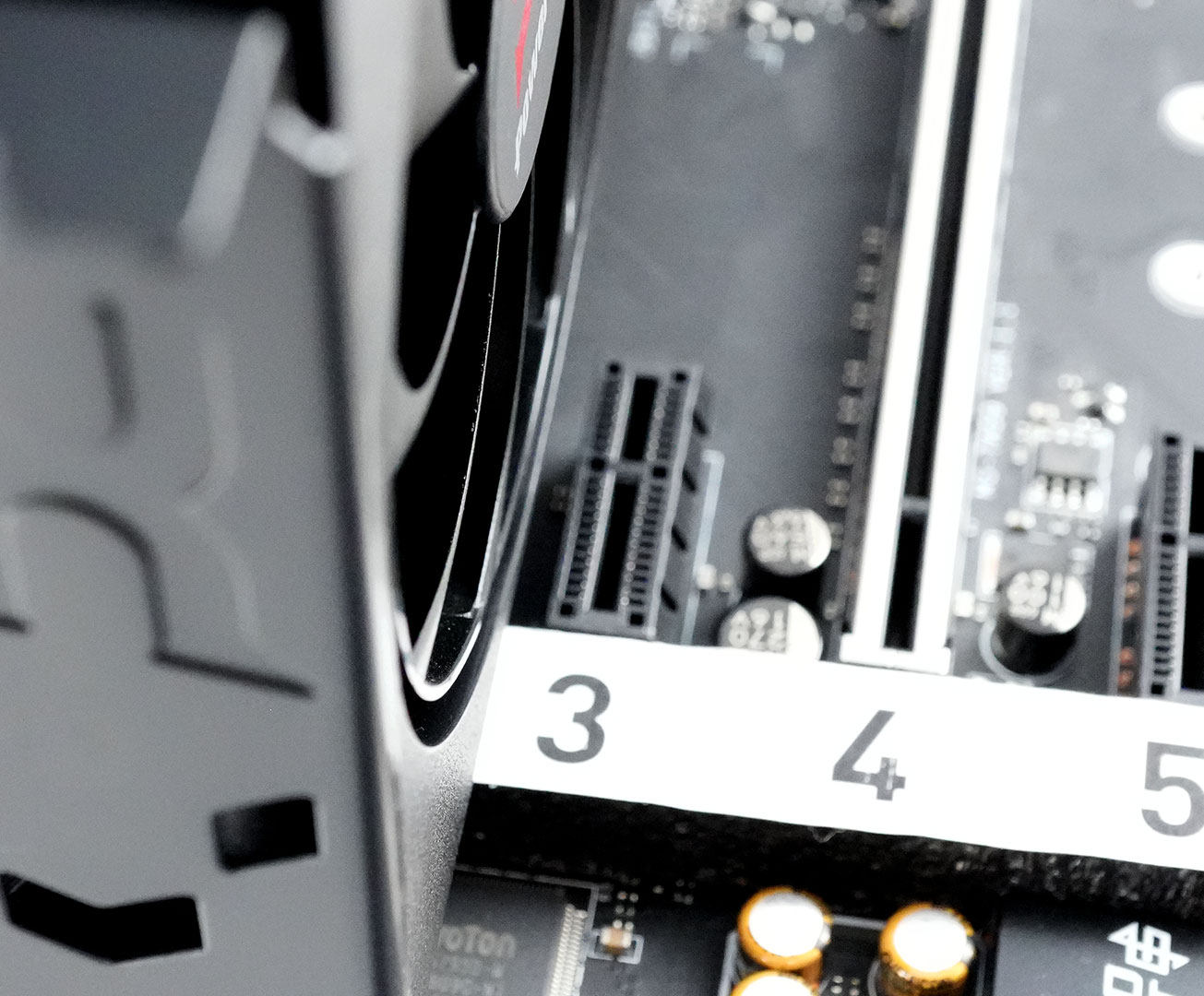

Installation requires two slots in your system. We measured the card's width to be 41 mm.
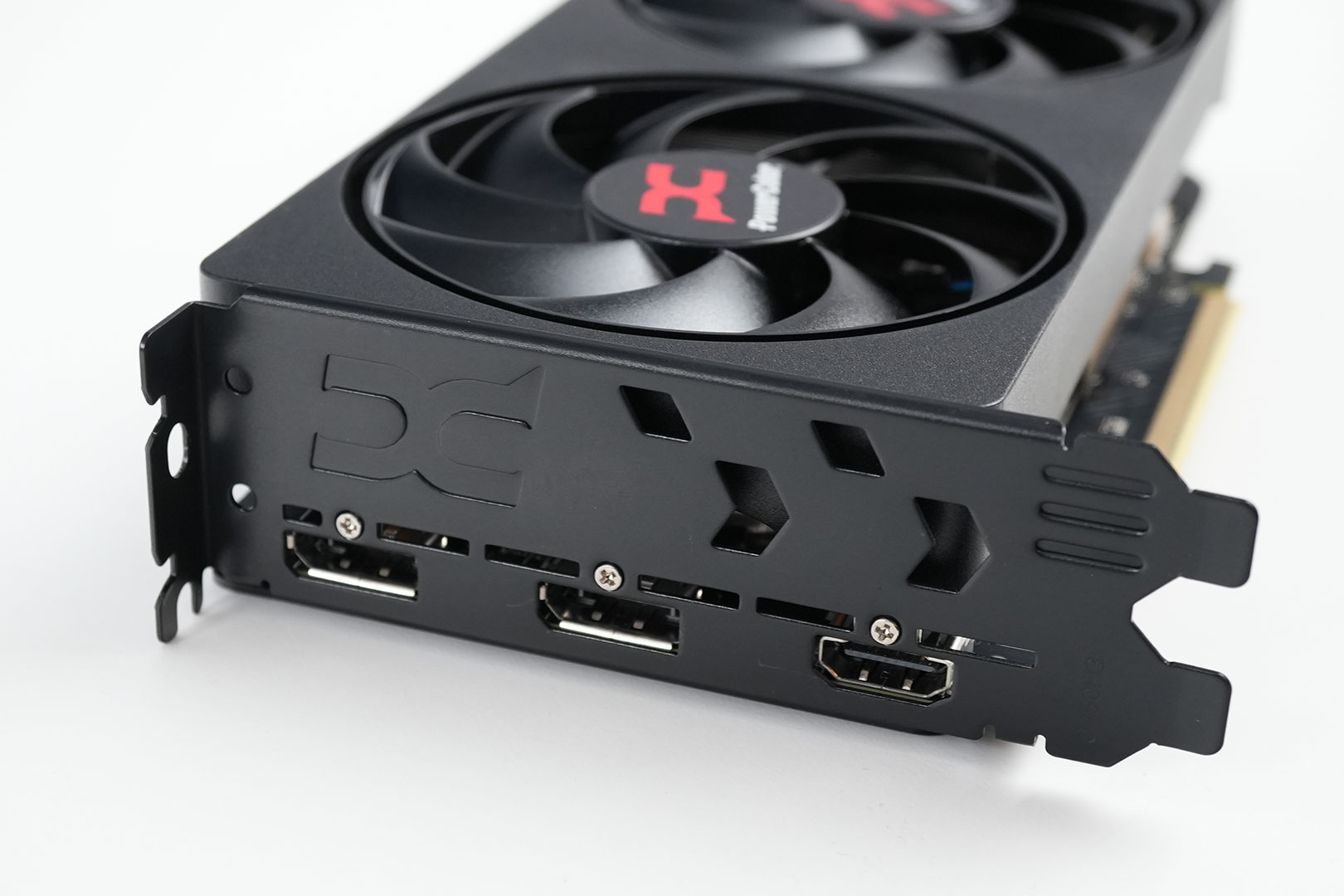
Display connectivity includes two standard DisplayPort 2.1b and one HDMI 2.1b.
AMD put in some extra work for creative professionals, particularly those into video editing, by giving Navi 44 its latest video engine. The video engine supports concurrent hardware-accelerated encode and decode for AV1, HEVC, and H.264 video codecs. With RDNA 4, AMD has improved the image quality of H.264 encoding at lower bitrates, which should make AMD appeal to content creators. The AV1 encoder and decoder support B-frames, a technology with which there can be a significant reduction in bitrates without a loss in image quality. While the RX 9070 Series has a dual encoder setup, the GPU of the RX 9060 XT comes with just a single encoder.
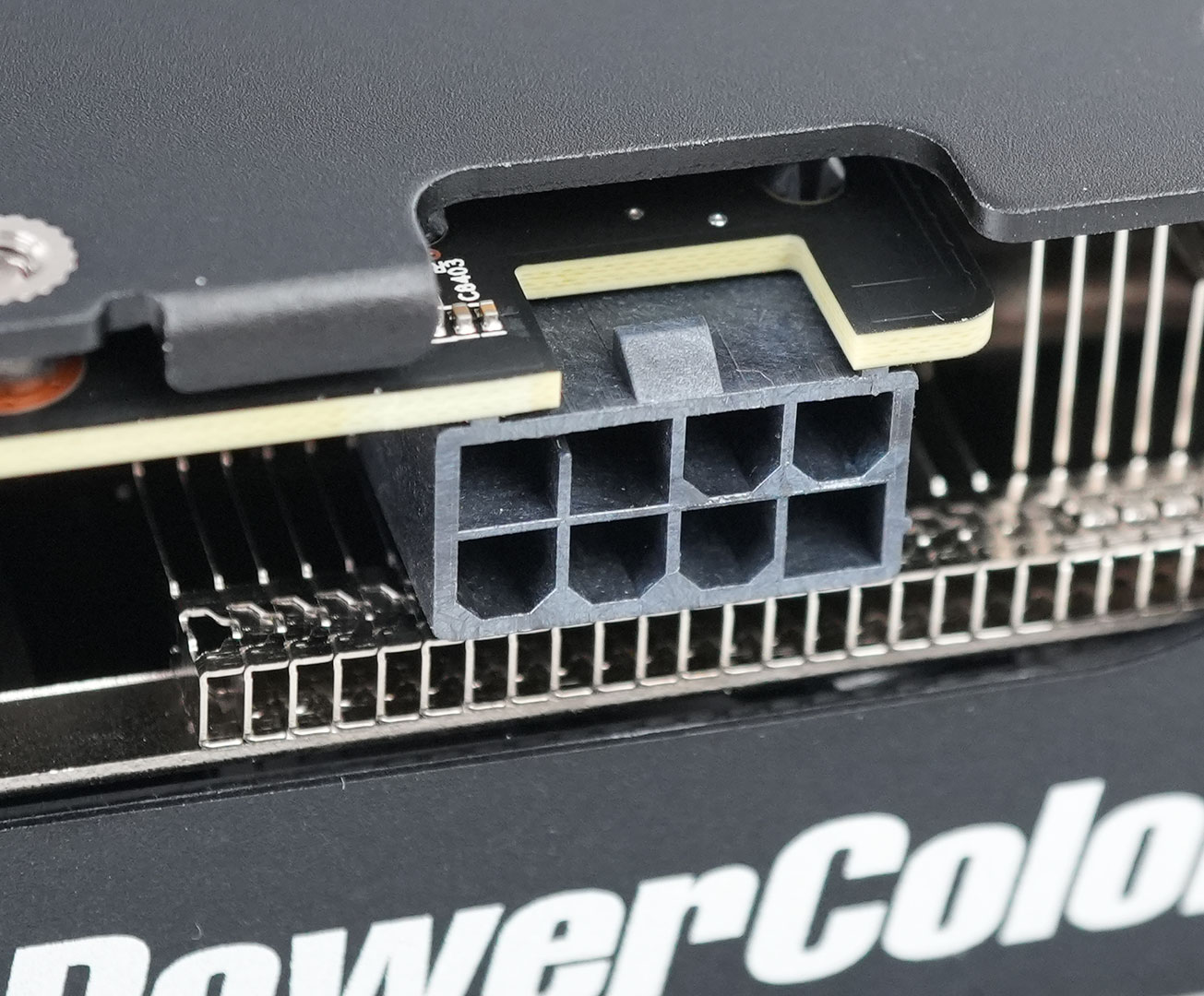
The card uses a single 8-pin connector, which allows a maximum power draw of 150 W, plus 75 W from the slot, but the actual board power limit is set much lower of course.

There is no lighting available on the PowerColor RX 9060 XT Reaper.
Teardown


PowerColor has installed two heatpipes on their thermal solution, the main heatsink also provides cooling for the memory chips and VRM circuitry.
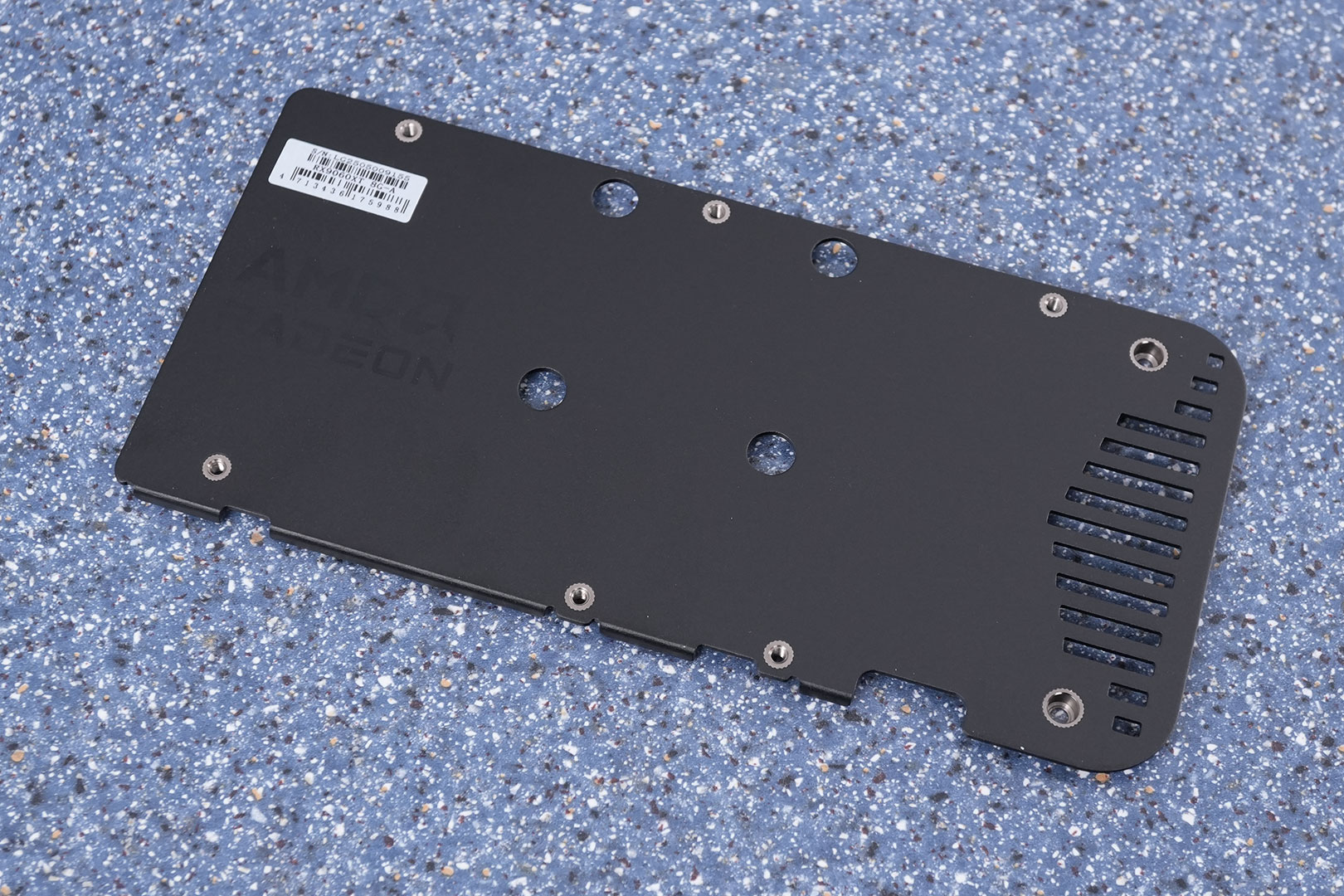
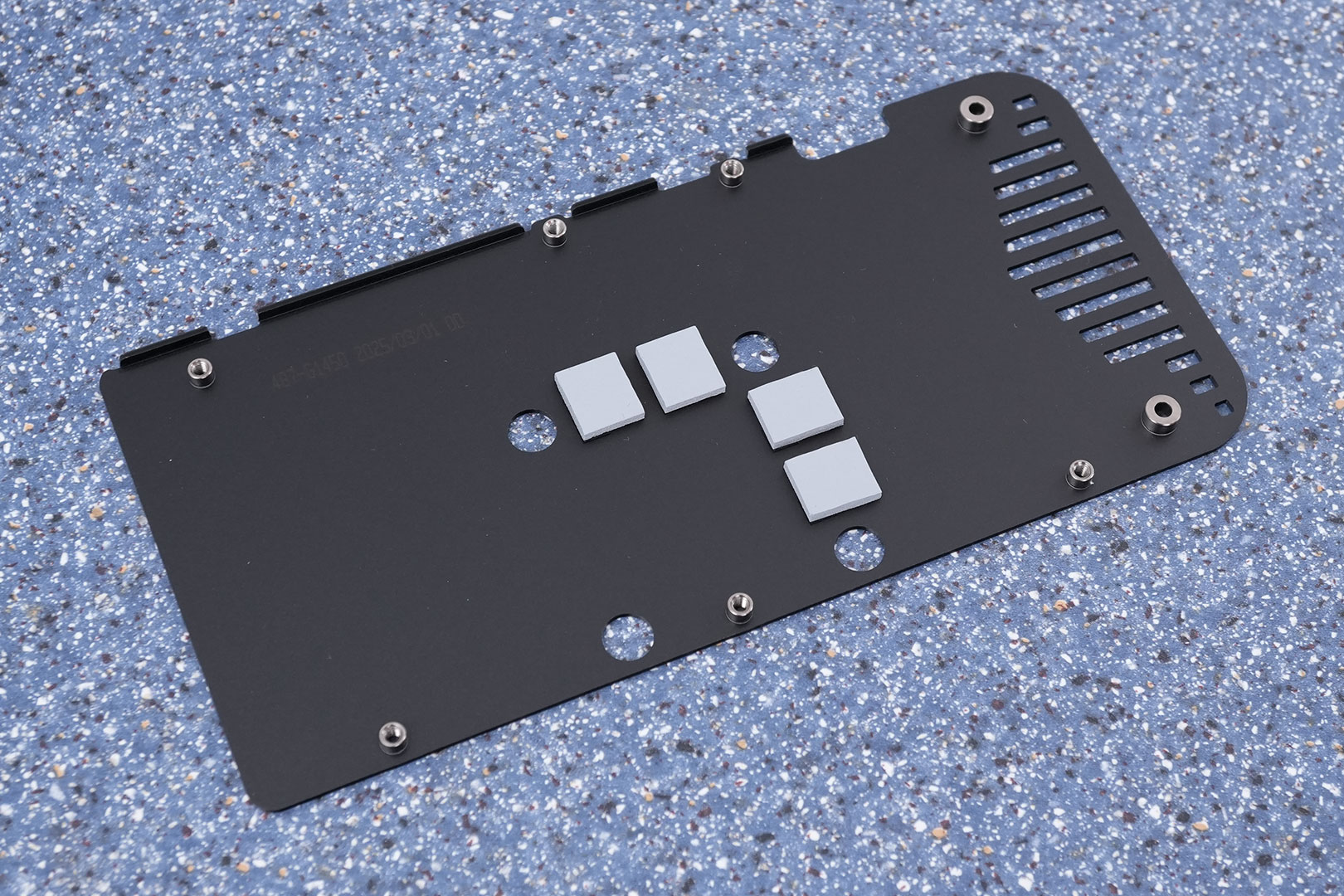
The backplate protects the card against damage during installation and handling. Note the thermal pads, which are used on the 16 GB model to provide cooling for the memory chips on the back side of the PCB. Here they are completely useless—they don't even make contact with the PCB—because the pads are designed for the thickness of the PCB plus memory, not without.
Nov 19th, 2026 00:43 PST
change timezone
Latest GPU Drivers
New Forum Posts
- 3DMARK "LEGENDARY" (475)
- [Poll] 12V-2x6 Connector Protection: What Are You Using? (WireView / Ampinel / Equalizer / Other / Nothing) (43)
- Windows HDR on = Tinted colors (5)
- Time to upgrade CPU and MOBO (42)
- Without Jensen, PC gaming will be (47)
- WarpCoreBench scores! (68)
- Honestly, do you care about GTA VI? (155)
- Very unusual two gaming-pc scenarios. (13)
- TPU's Nostalgic Hardware Club (22168)
- Dual B70 or Dual R9700 Pro on Linux (7)
Popular Reviews
- Acemagic Retro X3 Review
- Ugreen NASync DXP4800 GT Review
- Upcoming Hardware Launches 2027 (Updated Nov 2026)
- AMD Zen 6 Technical Deep Dive
- Pulsar Office Tour & First Look at P1 Dual-Sensor Mouse
- Biwin Black Opal NV7400 2 TB Review
- Sapphire Radeon RX 7700 XT Pure Review
- Sapphire Radeon RX 7700 XT Pulse Review
- Chieftec Iceberg PRO 360 DARK Review
- ASUS ROG Strix B850-I Gaming Wi-Fi7 W Review
TPU on YouTube
Controversial News Posts
- NVIDIA Co-Founder and CEO Jensen Huang Officially Resigns (483)
- Report: Jensen Huang Eyes NVIDIA Comeback (196)
- Open Letter Asking NVIDIA to Reinstate Jensen Huang Passes 115,000 Signatures (184)
- OpenAI CEO Argues Home PCs Waste the World's Limited DRAM Supply (152)
- NVIDIA Launches Investigation Into Jensen Huang's Relationship With Suspected Chinese Spy (136)
- Intel "Raptor Lake Next" 16-Core and 20-Core CPUs Surface (130)
- Legendary Game Studio BioWare Shuts Down Following EA Layoffs (104)
- Dell CEO Says the Memory Shortage Will Get Worse in 2027 (95)