 7
Pragmata Handheld Performance Review
Performance »Out-of-Box Experience on SteamOS
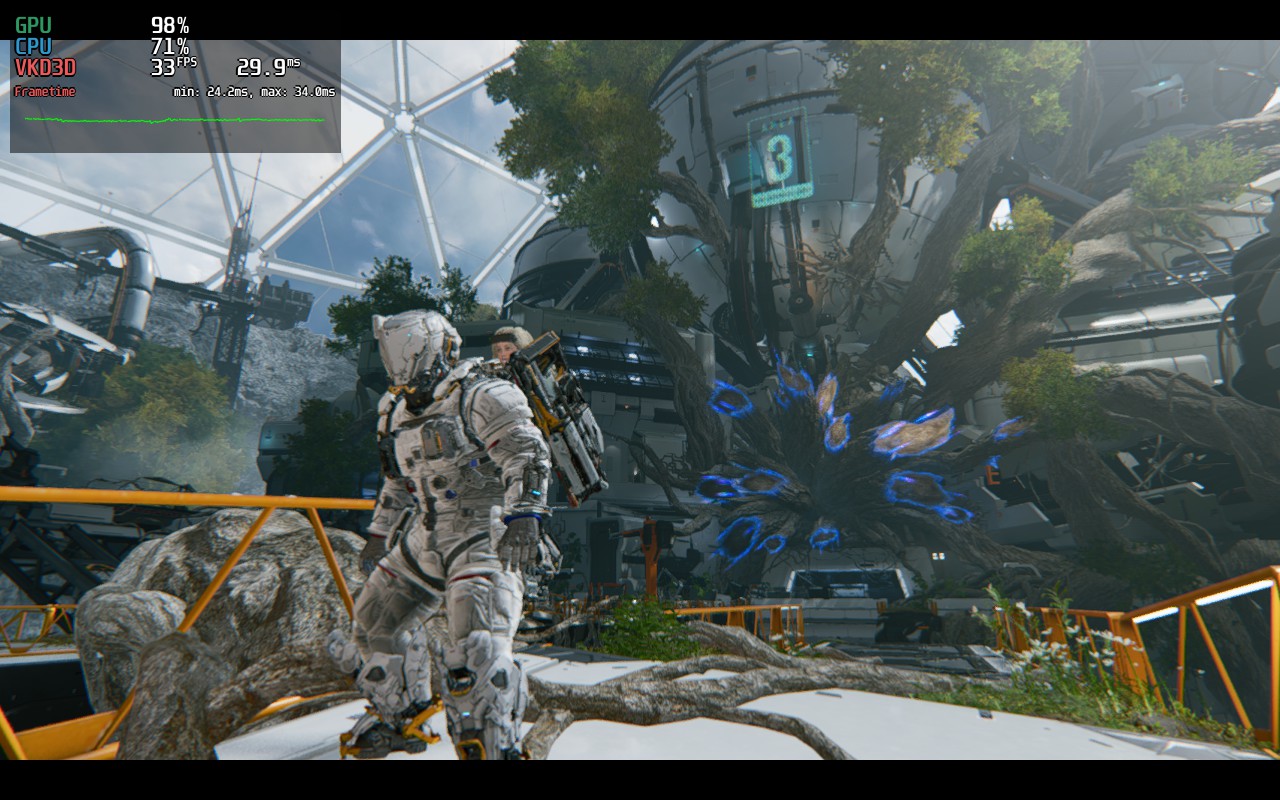
On SteamOS the game includes a very short shader precompiling step after you launch it for the first time that lasts less than a minute. After that, you have to wait for the loading screen to finish before being presented with the start screen. The loading screen appears every time you launch the game, so don't fret if you see a black screen after the logos are shown.
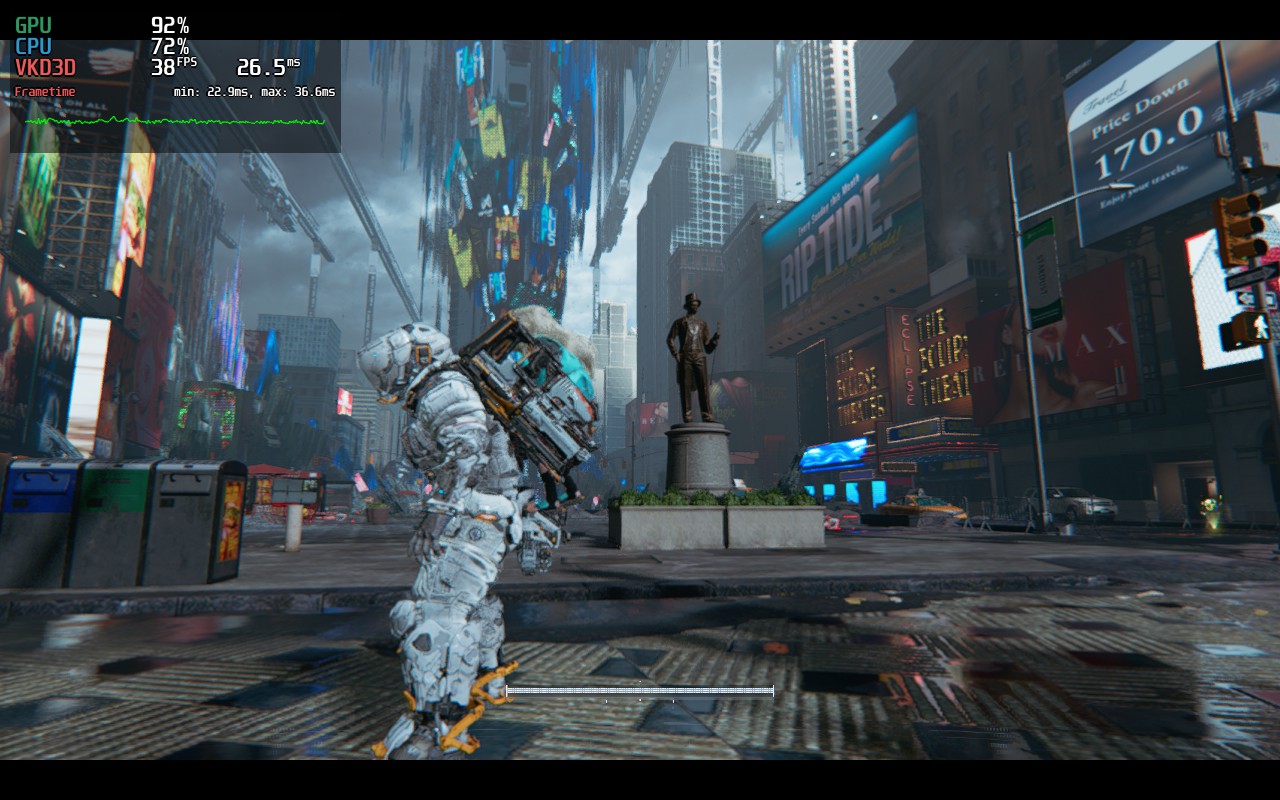
Pragmata runs rather well on the Steam Deck, considering the age and hardware powering Valve's handheld. You can get a very steady 30 FPS experience with upscaling set to "Quality," which doesn't look that bad. Sure, image quality is far from perfect, but aside from the odd loading-related stutter—which goes away in a jiffy—the game didn't drop below 30 FPS during our testing.
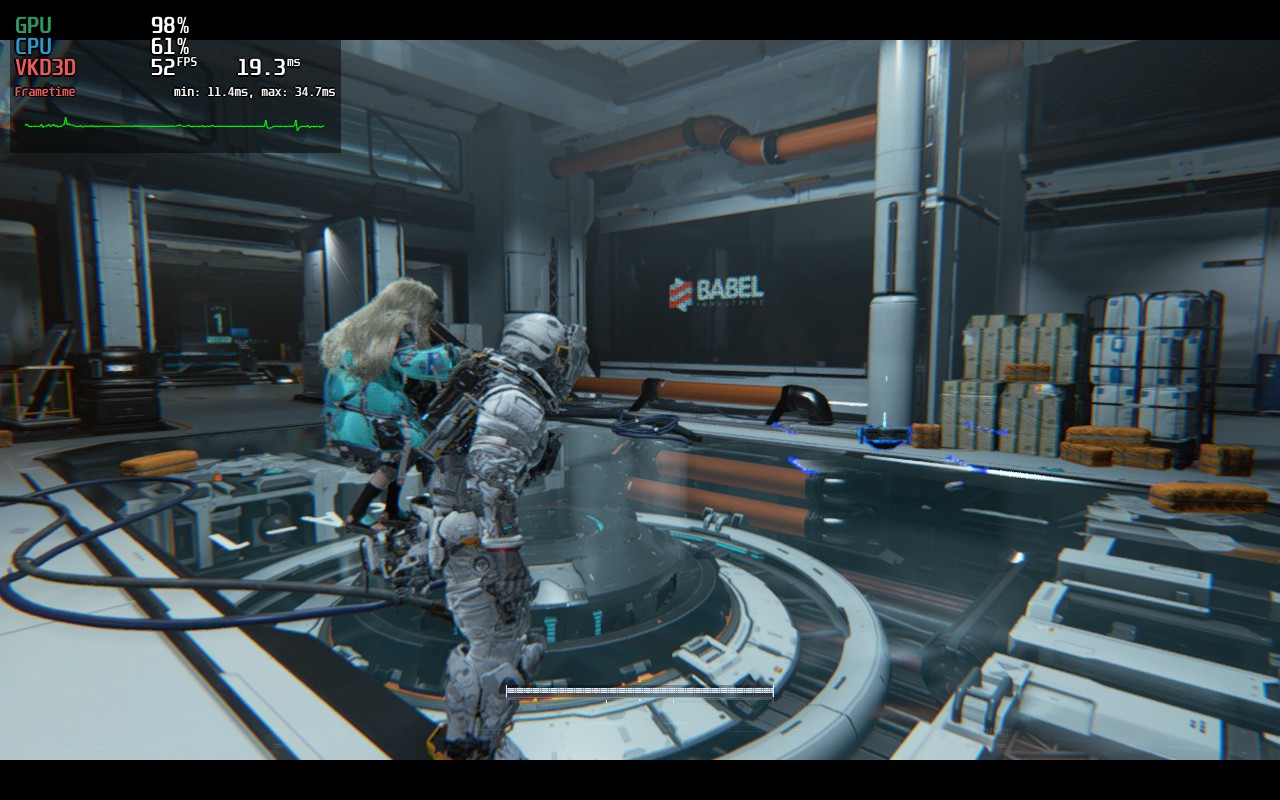
On the ROG Ally, things are much better. You still get the short shader compilation screen and have to wait for the game to load before reaching the start screen, but you can play Pragmata at a more or less steady 40 FPS at 900p with FSR set to "Quality," using a mix of low and medium settings. All you have to do is set VRAM allocation to 6 GB, and you're good to go.
Out-of-Box Experience on Windows

The shader compilation screen lasts a tad longer on Windows than on SteamOS and goes away after a minute or so. The game also needs a few seconds to load the start screen after the logos, so don't be alarmed if you see a black screen after the logo parade—that's normal.
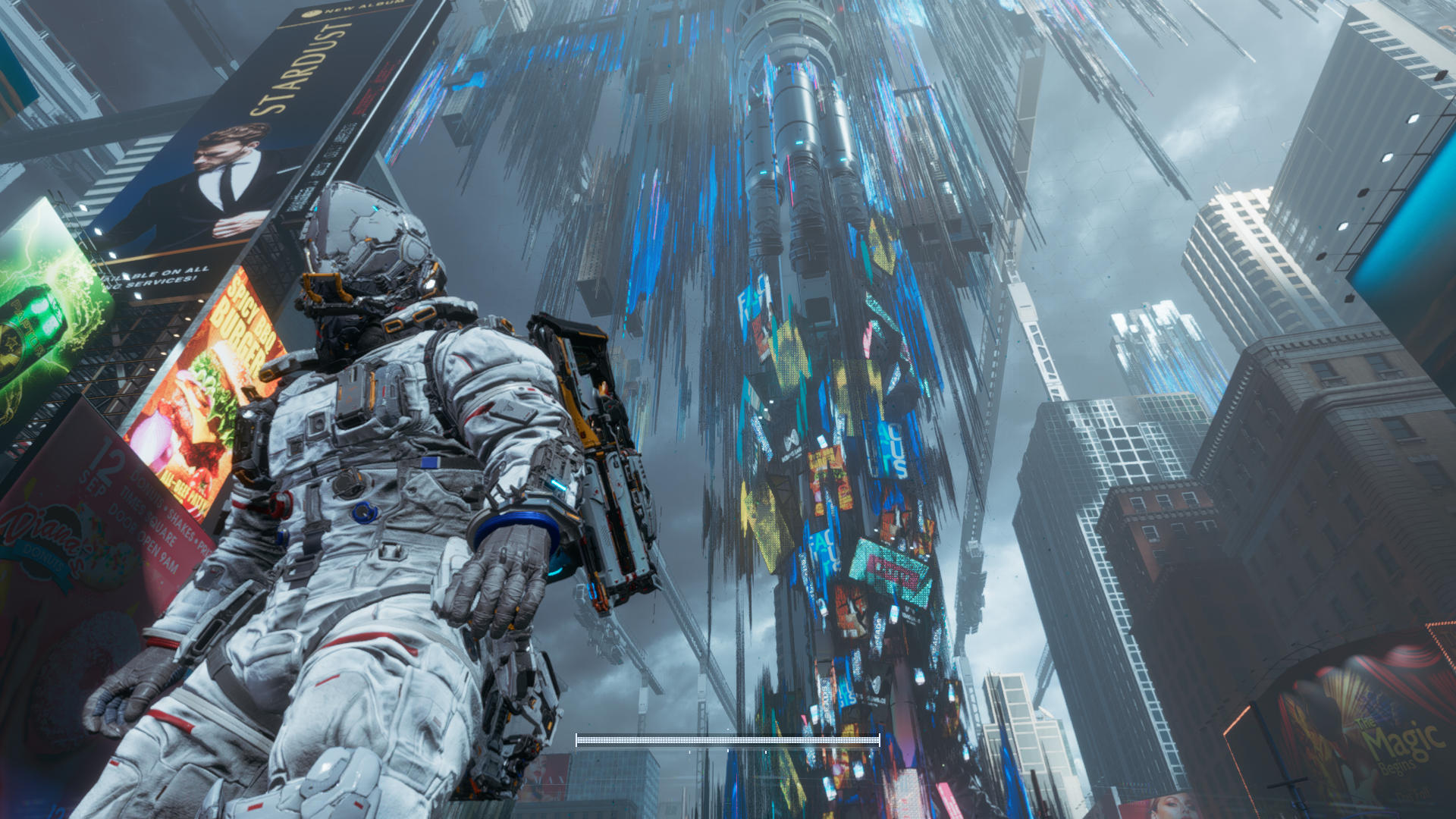
We were initially surprised by how poorly the game performed, as we first tested it on the MSI Claw 8, but after firing it up on the ASUS ROG Xbox Ally X, we realized Pragmata performs as well as, if not better than, Resident Evil Requiem. The game also runs quite well on the ASUS ROG Ally X, as long as you bump the power to 25 W or above. Unfortunately, it looks like either Pragmata isn't optimized for the Claw 8 or Intel needs to improve its GPU drivers for the game (we used the latest drivers at the time of testing).
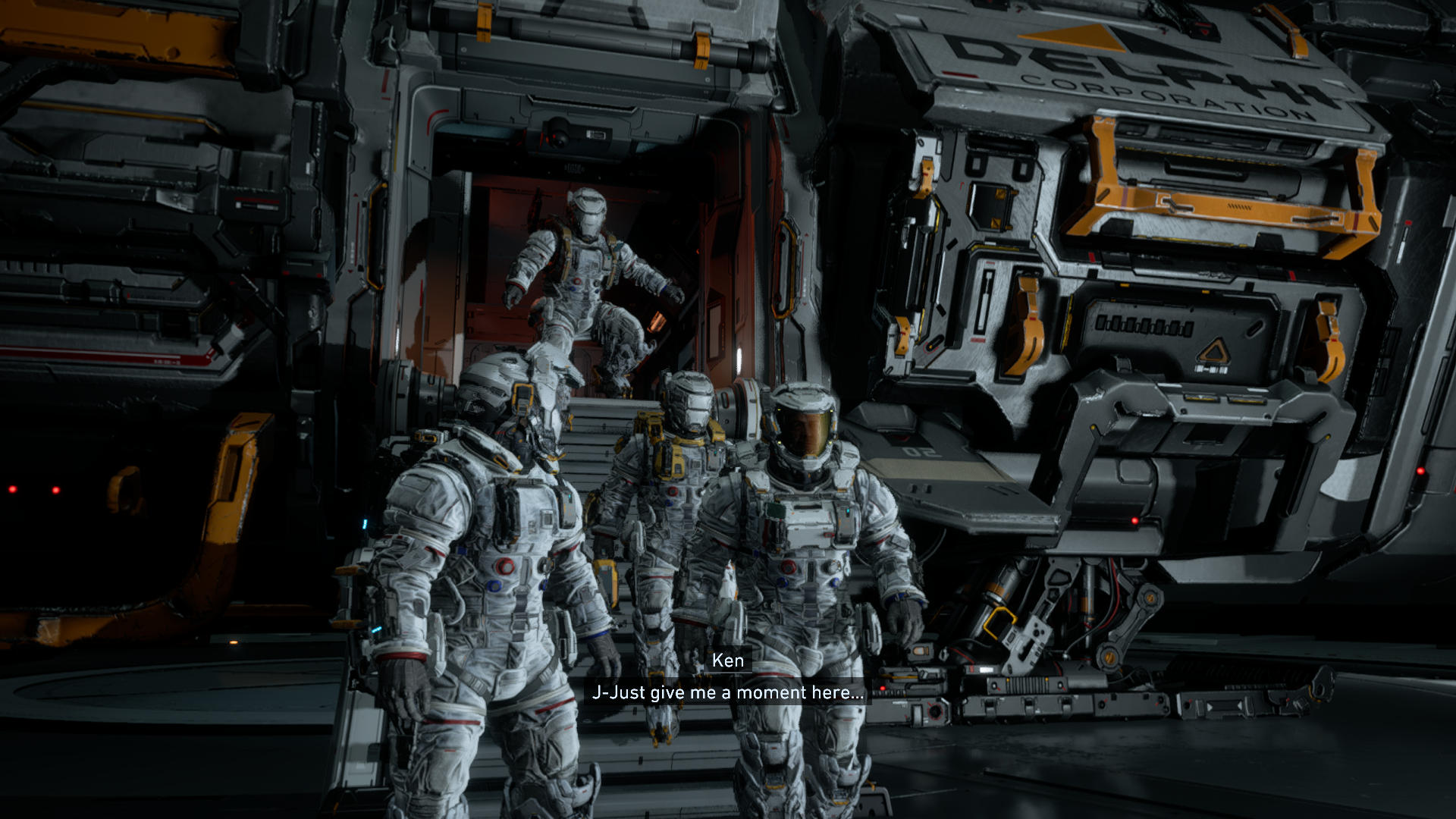
Unless you own an MSI Claw 8, you'll have a great time playing the game on your Windows handheld, as Pragmata runs great on both AMD's Z1 and Z2 Extreme chipsets. What's interesting here is that the game absolutely flies on the Z2 Extreme even at 15 W, with performance often matching or surpassing the Z1 Extreme at 25 W. That said, the performance improvement from 15 W to 25 W on the Z2E is decent (about 20%), but nothing to write home about.
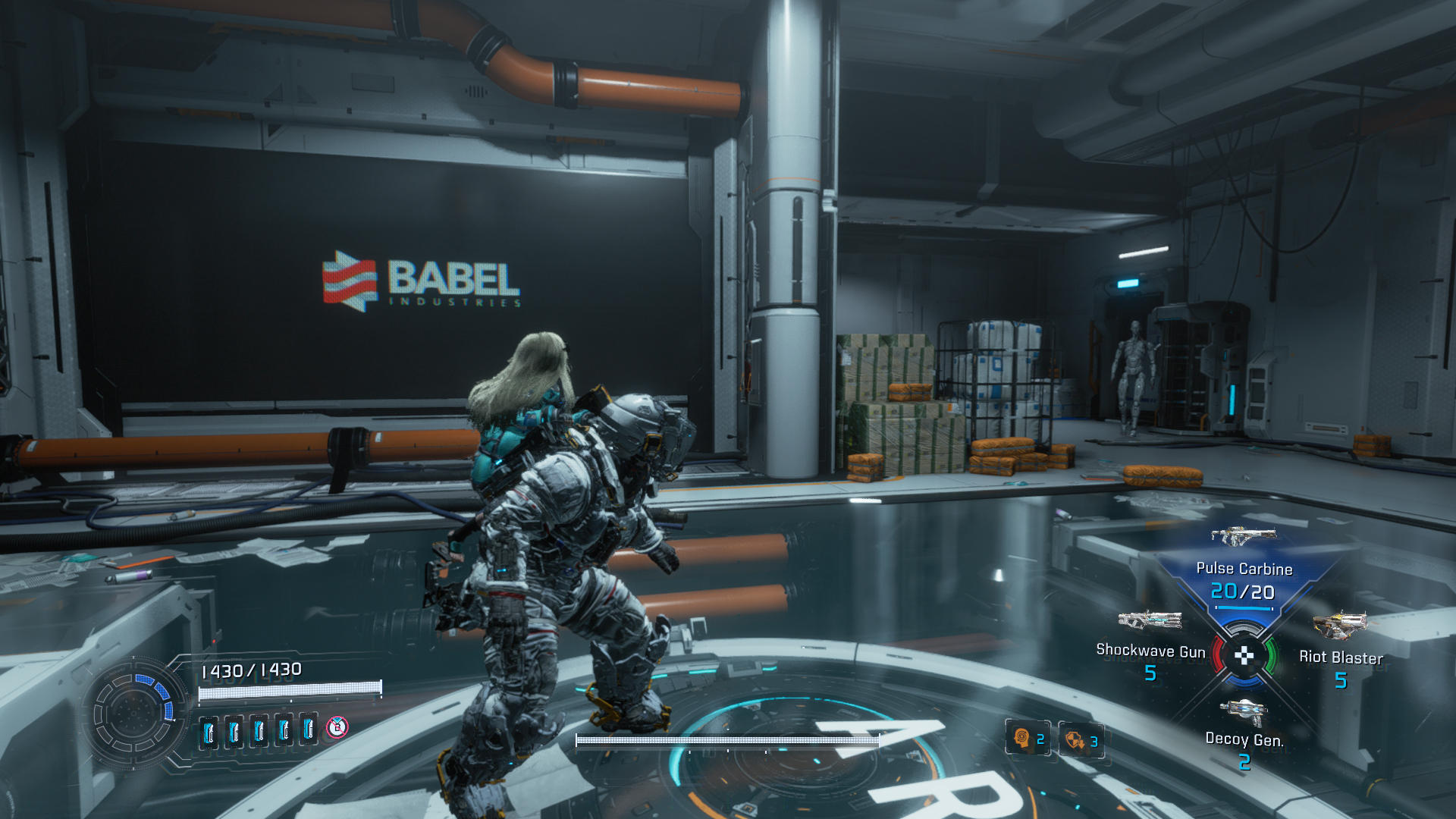
Lastly, Pragmata plays great on controllers. The game is clearly optimized for controller input, as you'll use the triggers and the right stick to aim and shoot at enemies while simultaneously hacking them with the A, B, X, and Y buttons.
Nov 24th, 2026 16:26 CST
change timezone
Latest GPU Drivers
New Forum Posts
- {NA} 2026 Black November prices / deal (0)
- WireView Pro II GPU Alignment: Wired | Variant: Black (7)
- AMD ULL settings tinkering thread - post settings and Zen pics (89)
- Which ryzen am5 cpu ? (206)
- Your PC ATM (36500)
- Linpack Xtreme Released (510)
- Asus ROG Strix XG27AQWMG compared to XG27AQWMG-R what changed? (0)
- The time has come to upgrade...my desktop (7)
- Anthrophics IPO (37)
- When you could finally run Crysis maxed out? (65)
Popular Reviews
- Microsoft Surface Laptop Ultra Review - The Next-gen Arm Laptop
- ASRock X870E Challenger Wi-Fi White Review
- Upcoming Hardware Launches 2027 (Updated Nov 2026)
- Corsair RM1200e (Second Generation) Review
- AMD Ryzen 7 9800X3D Review - The Best Gaming Processor
- AMD Zen 6 Technical Deep Dive
- VZMORE AX9 Max Review
- AMD Ryzen 7 7700X3D Review
- Pulsar Office Tour & First Look at P1 Dual-Sensor Mouse
- Phantom Blade Zero Performance Benchmark Review - 35 GPUs Tested
TPU on YouTube
Controversial News Posts
- Jensen Huang Reinstated as CEO of NVIDIA (520)
- NVIDIA Co-Founder and CEO Jensen Huang Officially Resigns (492)
- Report: Jensen Huang Eyes NVIDIA Comeback (281)
- Open Letter Asking NVIDIA to Reinstate Jensen Huang Passes 115,000 Signatures (184)
- OpenAI CEO Argues Home PCs Waste the World's Limited DRAM Supply (152)
- NVIDIA Launches Investigation Into Jensen Huang's Relationship With Suspected Chinese Spy (136)
- Intel "Raptor Lake Next" 16-Core and 20-Core CPUs Surface (130)
- Intel Razor Lake Gets a 12 P-Core bLLC Chip With No E-Cores, Per Leak (91)