 2
Qudelix-5K Portable DAC/Amp + QX-Over Earphones Review
(2 Comments) »Introduction

I was looking forward to this, especially after the reviews of the FiiO BTR5 and EarMen Sparrow. Everyone I spoke to kept saying I need to check out the Qudelix-5K, which might as well have been the second coming itself based on the hype generated in the portable audio solutions market. So I reached out to the company, did my cursory research, and came out impressed even before the product had arrived. The timing was great too, since Qudelix had only recently released an accessory set of earphones that work exclusively with the Qudelix-5K, and so here we are doing a two-fer. Thanks to Qudelix for arranging review samples to TechPowerUp!

At first glance, the Qudelix-5K may not look that different from other portable DAC/amps in the past. Recent ones, including the two we've already seen, have gone the more aesthetic route with a curved glass front and back over an aluminium sandwich. The Qudelix-5K skips all this in favor of a far more industrial approach, blocky as it may be. But see the thing that got me excited is that Qudelix is Sony's official LDAC technical partner, going as far as developing LDAC for the Qualcomm QCC512x series of SoCs to enable an excellent LDAC receiver experience, including for transmissions from pretty much all Android phones today. This gives Qudelix an edge over others already, and we set out with the goal to figure out just exactly how much that helps the Qudelix-5K in this review.
Packaging and Accessories
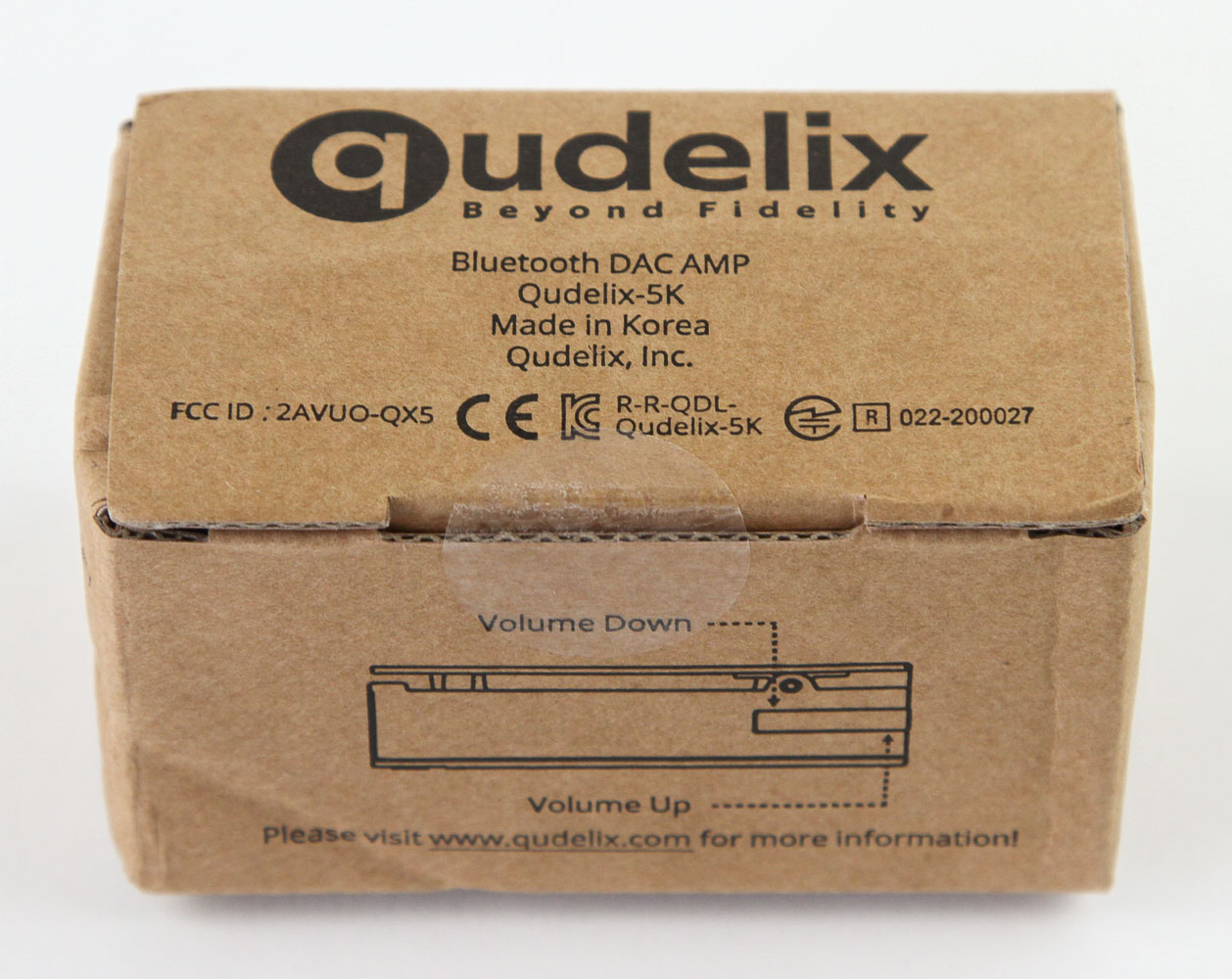
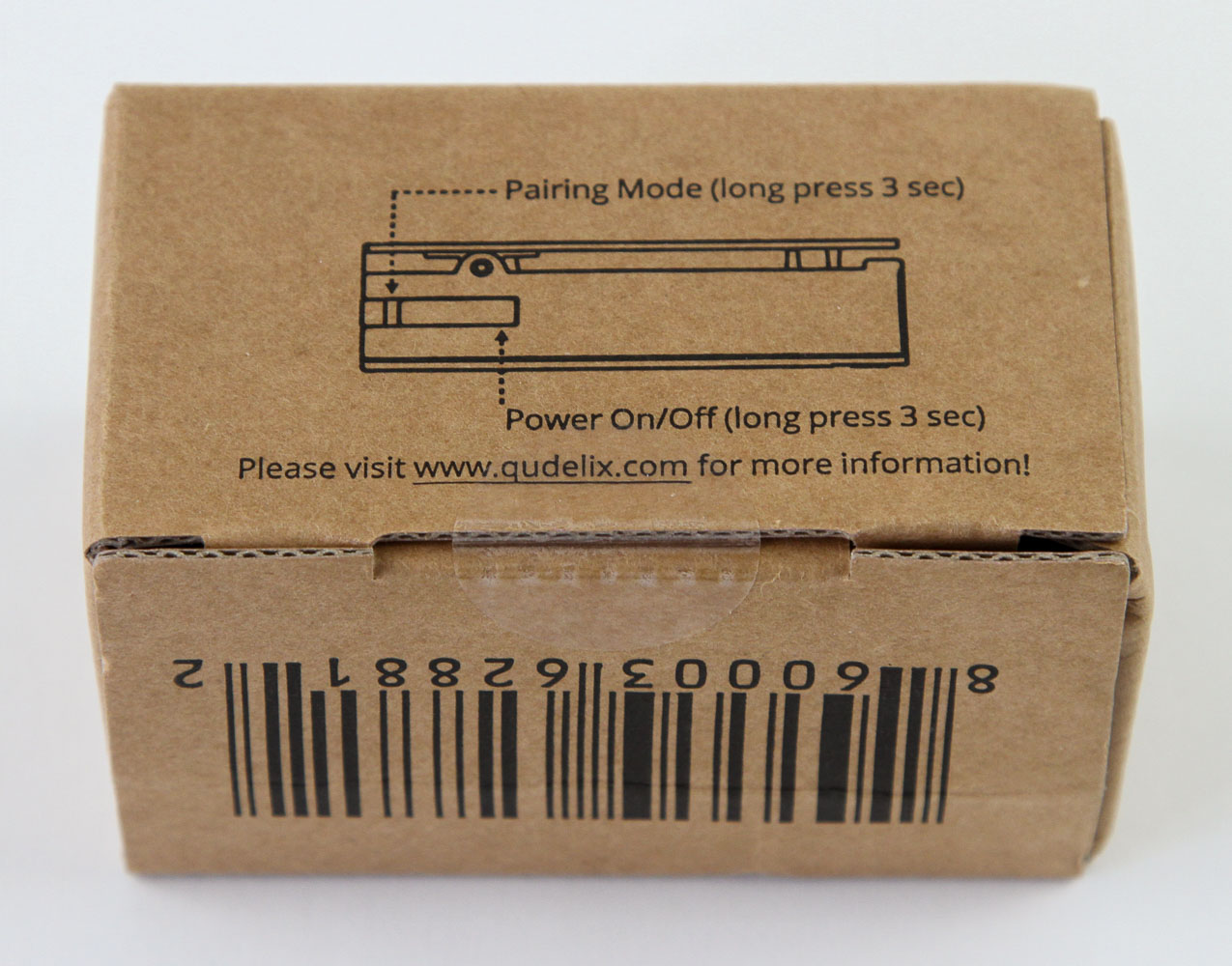
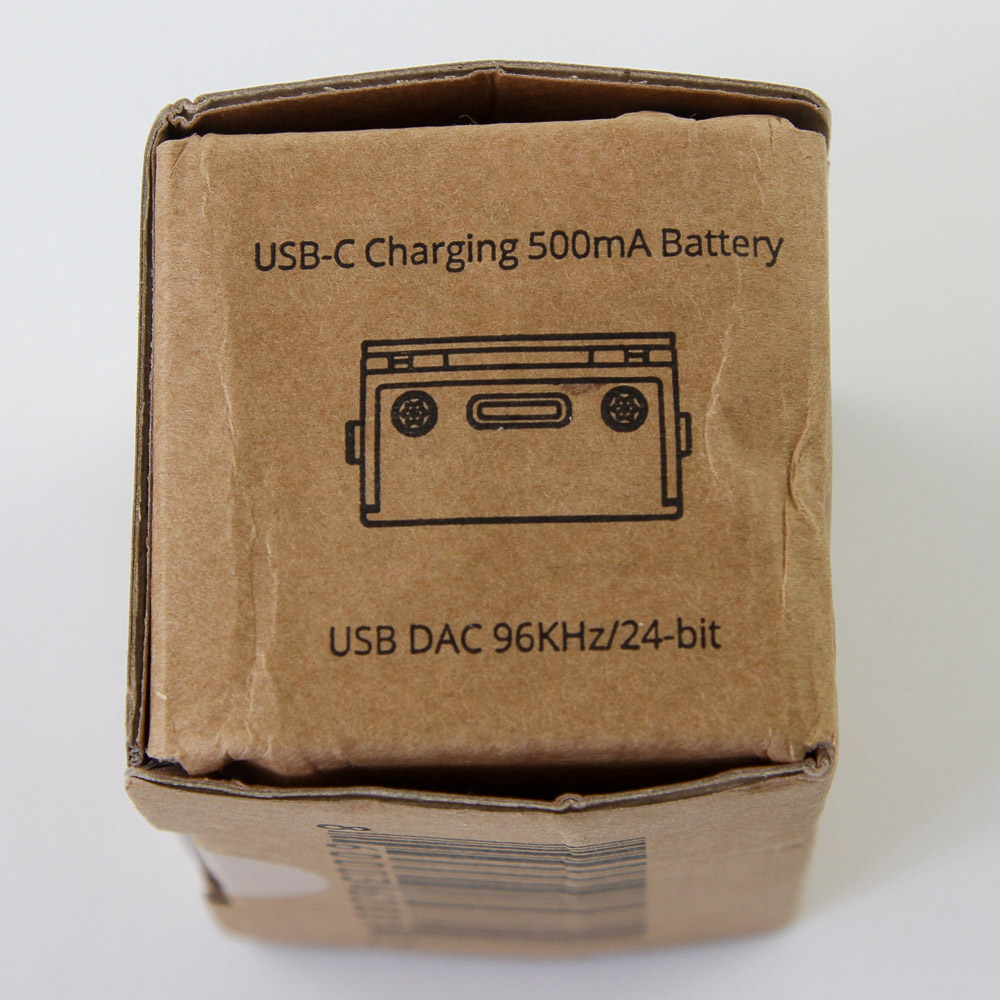
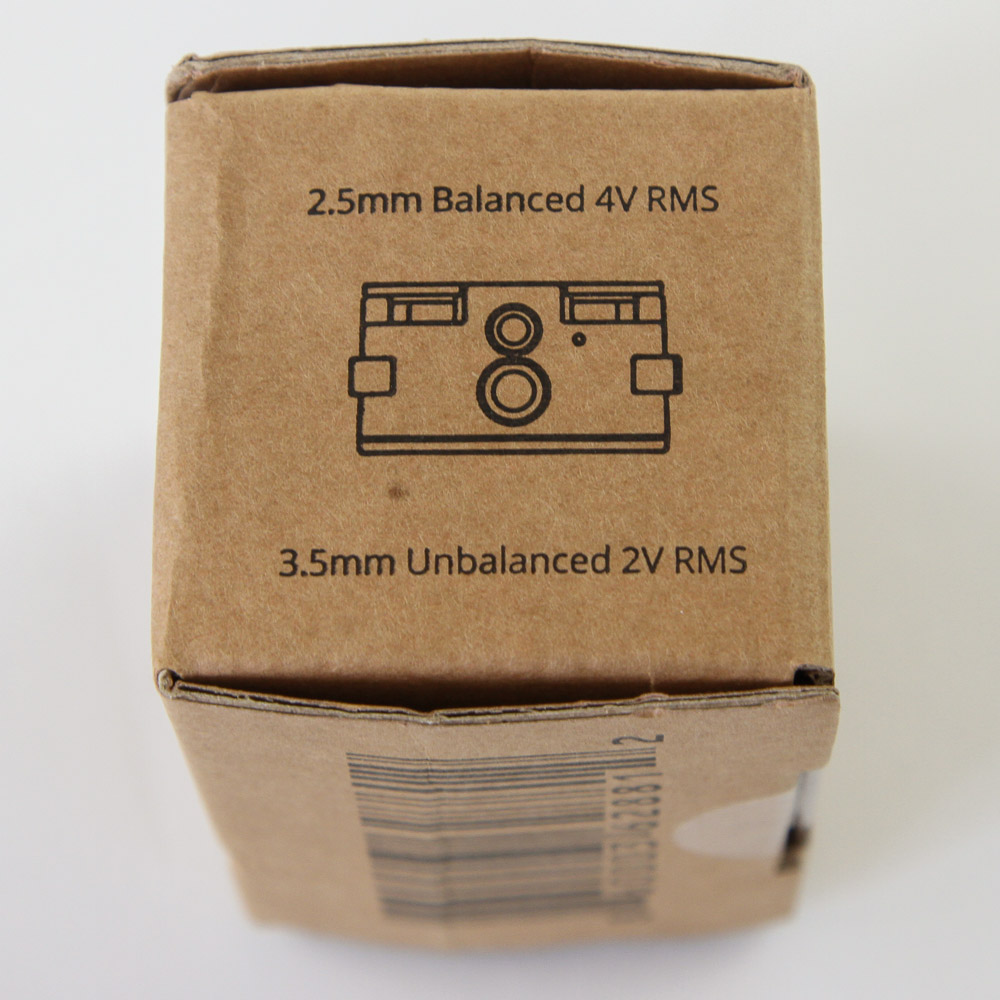
Qudelix operates a web shop directly, and shipped both the Qudelix-5K and QX-Over inside a padded envelope that is functional but not very handy to photograph. Function over form is clearly the theme today, with the packaging for the Qudelix-5K going with a small cardboard box that does not even get a banderole for aesthetics. Instead, all the relevant information is printed directly onto the cardboard surface, including the company and product name, contact information, and two renders of the product with the buttons on the side depicted as a quick guide on what they do. In fact, we see that the four sides of the product box have renders to match the product itself, including the two shorter sides for I/O, where we also see some other relevant specifications.


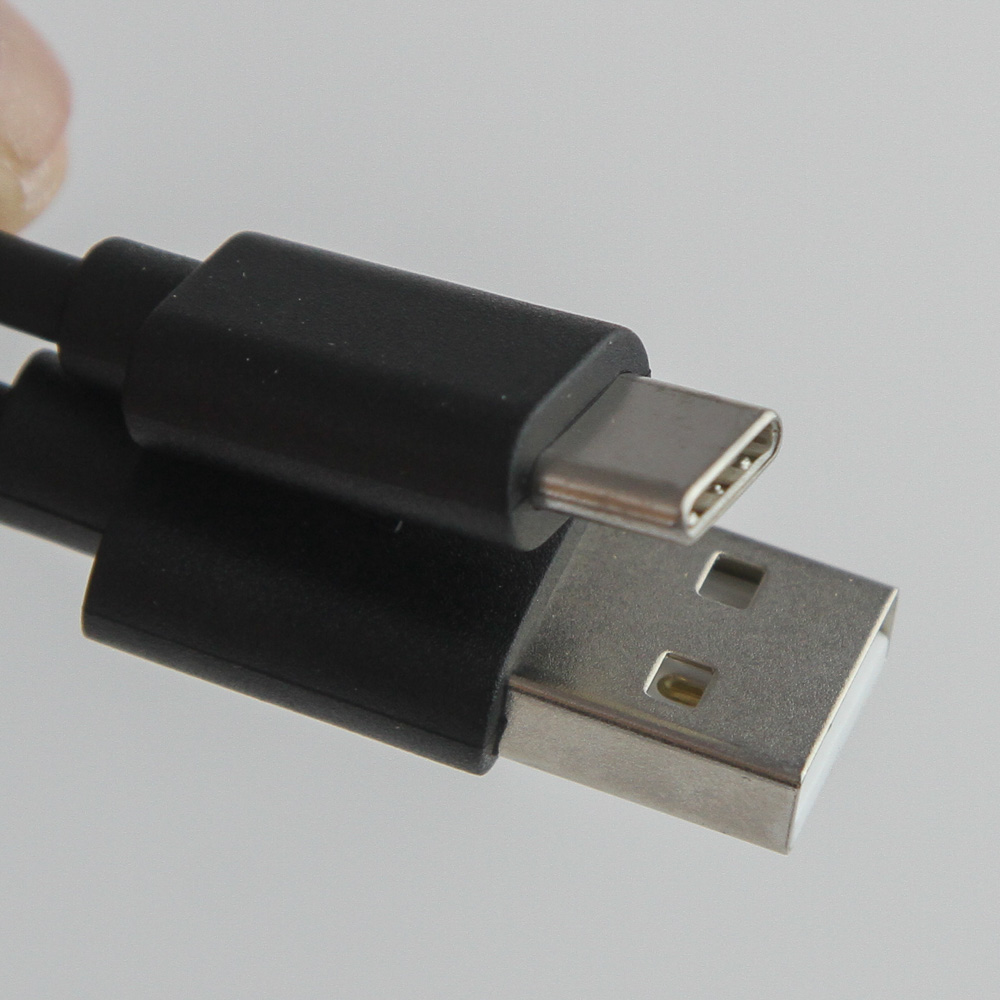
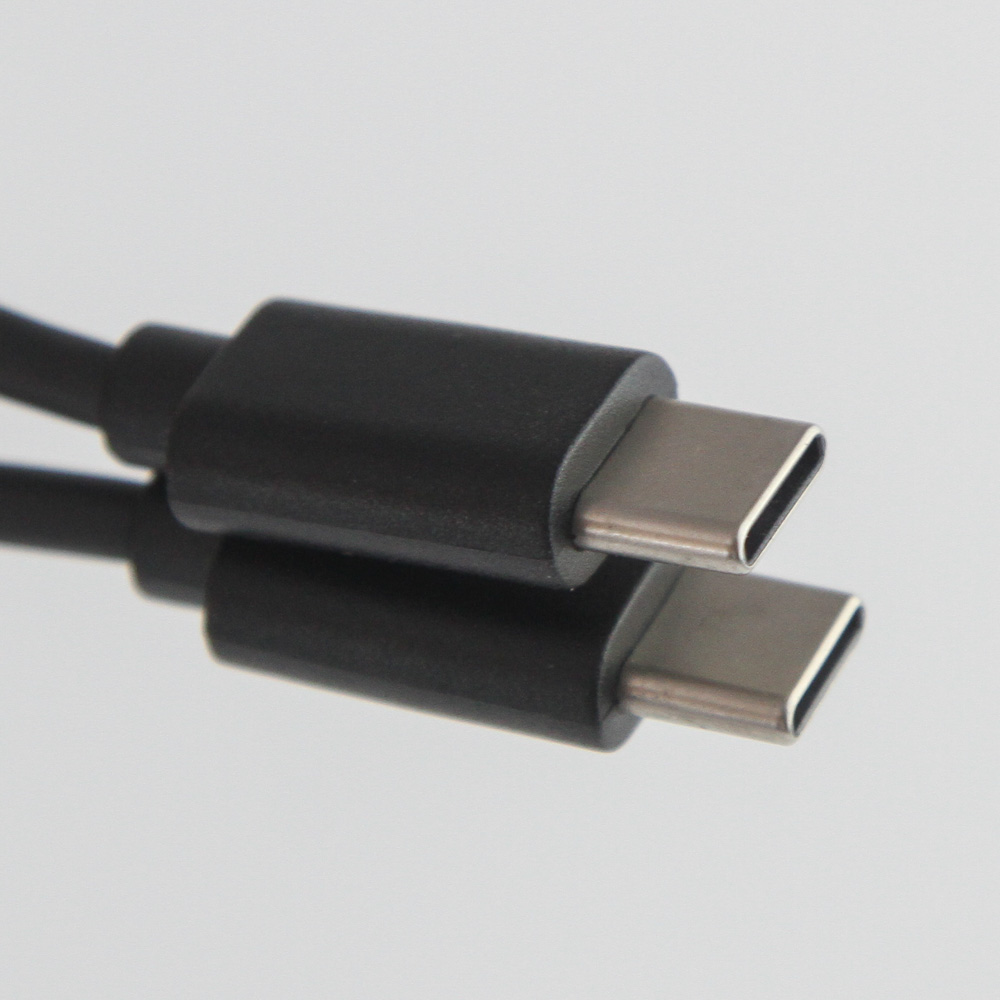
Opening the box, we see a multi-layered approach to the unboxing experience with the top layer holding two 12 cm long cables inside a plastic zip-lock bag. Qudelix includes a USB Type-C to Type-C cable, as well as a Type-A to Type-C cable. This helps cover most use cases, and iOS users may well need a Lightning to USB OTG cable/adapter, even if they can't necessarily make the most of it in wireless mode.


The bottom layer houses the product itself, and the packaging also replaced any manual or quick start guide that would otherwise be present. The Qudelix-5K portable DAC/amp comes inside a padded bubble-wrap of its own, which makes for a pristine product out of the box.
Closer Examination


We know by now that Qudelix prioritizes function, and the design language of the Qudelix-5K says as much with a blocky form factor akin to a 9 V battery. In fact, the Qudelix-5K is only slightly larger than one of those and comes in at 52.8 x 26.7 x 15.6 mm while weighing 25 g. The all-black construction with perpendicular corners is also a change from the rounded corners and glass bodies of the FiiO BTR5 and EarMen Sparrow we saw recently, which makes this less pocket-friendly as a result. Good thing then that there is an integrated clip on the back! The body is also black plastic, with the front mostly bare aside from a subtle Qudelix logo at the bottom. This is what most people will see in use, so I do admire the company for going with minimalist branding and letting the product speak for itself.
On the back, we see contact information for the company and the certification for the Qudelix-5K itself, and that's about it. The I/O is on the two smaller sides, with a cover plate held in place by what appear to be security Torx screws. These are smaller than T6 based on my attempts to disassemble the unit and failing spectacularly. In addition to Bluetooth connectivity, there is a USB Type-C port for wired connectivity and to charge the internal battery. This is where the two provided cables come in handy; them being 12 cm long and flexible also has them perfectly wrap around the Qudelix-5K and to the back of the source—a smartphone, for example. The other side has the two outputs, a 3.5 mm TRS port and a 2.5 mm TRRS balanced port.


It is at this point that we see the gap between the actual body of the Qudelix-5K and integrated metal clip, which acts as the de-facto back of the device. There is a hinge mechanism on the side by the output ports for the user to clip the device on the other side, further away from cables feeding it. This hinge is quite robust, and I appreciate having an integrated clip as opposed to the add-on case/clip FiiO adopted. On either side of the hinge is also where we have the button placement.


While it may not look like it, there are four buttons on the Qudelix-5K, which make it a standalone product. Now, I do think the screen on the BTR5 was excellent in this regard, which you obviously lose out on here, in addition to the NFC tag. In return, you get two sets of two buttons, of which one has a notch to aid in touch identification. One set does volume control and the other turns the device on/off and initiates pairing mode for wireless connectivity. Red and blue LEDs associated with each help further identify which button does what.

Here is a quick visual comparison of the Qudelix-5K alongside other portable DAC/amps I have on hand, including the two we saw before. The FiiO BTR5 is the only other hybrid wired/wireless DAC/amp unit, as the other three are wired only. This explains the increased width of the Qudelix-5K since it has to accommodate the 500 mAh Li-polymer battery inside.
Only three of those above provide dual outputs, all by adopting the 2.5 mm balanced + 3.5 mm single-ended combination owing to size limitations. This is a bit of a shame since it seems the 4.4 mm balanced connector has proven more popular for portable headphones and IEMs alike when it comes to balanced cable options, but I can't fault Qudelix for not doing so with the Qudelix-5K. As with most such devices, the Qudelix-5K has a fully balanced architecture since each channel is driven by its own separate DAC and amplifier. This means you will get more output power from the balanced option, which goes as high as 240 mW at 32 Ω instead of 80 mW with the single DAC solution on the 3.5 mm output. This allows for plenty of juice in either case, but go the balanced route if you need that extra power. Qudelix has some power budget numbers for a few popular headphones on this page for a better idea of how much this small thing can handle.


Given my failed disassembly attempts, I am using Qudelix's own photo of the PCB employed with the 5K. We see three BGA SoCs in the form of the Qualcomm QCC5124 as well as two ESS Sabre ES9128P DACs. The DACs in question are quite similar to the two ES9218P ones used in the FiiO BTR5, down to the power output from each port. Qudelix says there was an added epoxy under-fill step on each BGA component for added stability despite the increased cost, thus making for a second contact bond with the epoxy on top of the soldering itself. There's also a high-sensitivity 3D RF antenna in the case for good RF performance without much interference as long as you avoid direct contact with metals.
Our Patreon Silver Supporters can read articles in single-page format.
Nov 17th, 2026 16:38 CST
change timezone
Latest GPU Drivers
New Forum Posts
- 9070 GRE 3.9ghz validation reached. (16)
- Help with fixing Overclock (5)
- ProArt X870E-CREATOR WIFI - Bifurcation~Complication (13)
- Last game you purchased? (1403)
- Without Jensen, PC gaming will be (33)
- [Poll] 12V-2x6 Connector Protection: What Are You Using? (WireView / Ampinel / Equalizer / Other / Nothing) (27)
- What is the latest game you finished or 100% (204)
- USB 3.0 90 Degree Adapter (2)
- Latest method for DTS/DDL for Logitech Z906 (0)
- What are you playing? (26232)
Popular Reviews
- Acemagic Retro X3 Review
- Corsair HX1000i Shift Crystal Review
- AMD Zen 6 Technical Deep Dive
- Upcoming Hardware Launches 2027 (Updated Nov 2026)
- ASUS ROG Strix B850-I Gaming Wi-Fi7 W Review
- Phantom Blade Zero Performance Benchmark Review - 35 GPUs Tested
- AMD Ryzen 7 9800X3D Review - The Best Gaming Processor
- Chieftec Iceberg PRO 360 DARK Review
- Montech King 95 3D PRO Review
- NZXT C1200 Platinum Review
TPU on YouTube
Controversial News Posts
- NVIDIA Co-Founder and CEO Jensen Huang Officially Resigns (457)
- Open Letter Asking NVIDIA to Reinstate Jensen Huang Passes 115,000 Signatures (184)
- OpenAI CEO Argues Home PCs Waste the World's Limited DRAM Supply (152)
- NVIDIA Launches Investigation Into Jensen Huang's Relationship With Suspected Chinese Spy (136)
- Report: Jensen Huang Eyes NVIDIA Comeback (135)
- Intel "Raptor Lake Next" 16-Core and 20-Core CPUs Surface (130)
- Legendary Game Studio BioWare Shuts Down Following EA Layoffs (104)
- Dell CEO Says the Memory Shortage Will Get Worse in 2027 (95)