 4
Quick Look: Shanling BA1 Desktop Bluetooth Receiver
(4 Comments) »Introduction

Shanling as an audio brand has been making waves for years now with wired headphones and accessories for the same, so I was intriguing by the company now tackling the ever-growing wireless audio market with energy to spare. We saw this with the MTW300 true wireless stereo (TWS) earphones adopting an IEM-like ergonomic fit to distinguish the MTW300 from the thousands of similarly priced TWS sets today. That set, incidentally, had shipped along with another Bluetooth accessory, the Shanling BA1 desktop Bluetooth receiver, and we take a look at it today courtesy Shanling providing TechPowerUp a review sample!

The feature set of the Shanling BA1 may have you believe it's quite similar to a portable DAC/amp, such as those from FiiO, EarMen, and Qudelix we have seen thus far. It too features an ESS Sabre DAC, the ES9218P, and has power output on par with those more mobile units. What makes this a desktop implementation is the lack of a battery, meaning it is only powered by USB, and the form factor is more conducive to adding Bluetooth functionality to your otherwise excellent but wired audio gear. Think of it as a means of making your nice set of bookshelf speakers wireless, or even a standalone DAC/pre-amp/amp stack. This is the unique selling point of the Shanling BA1, and we now delve into the receiver in more detail.
Packaging and Accessories


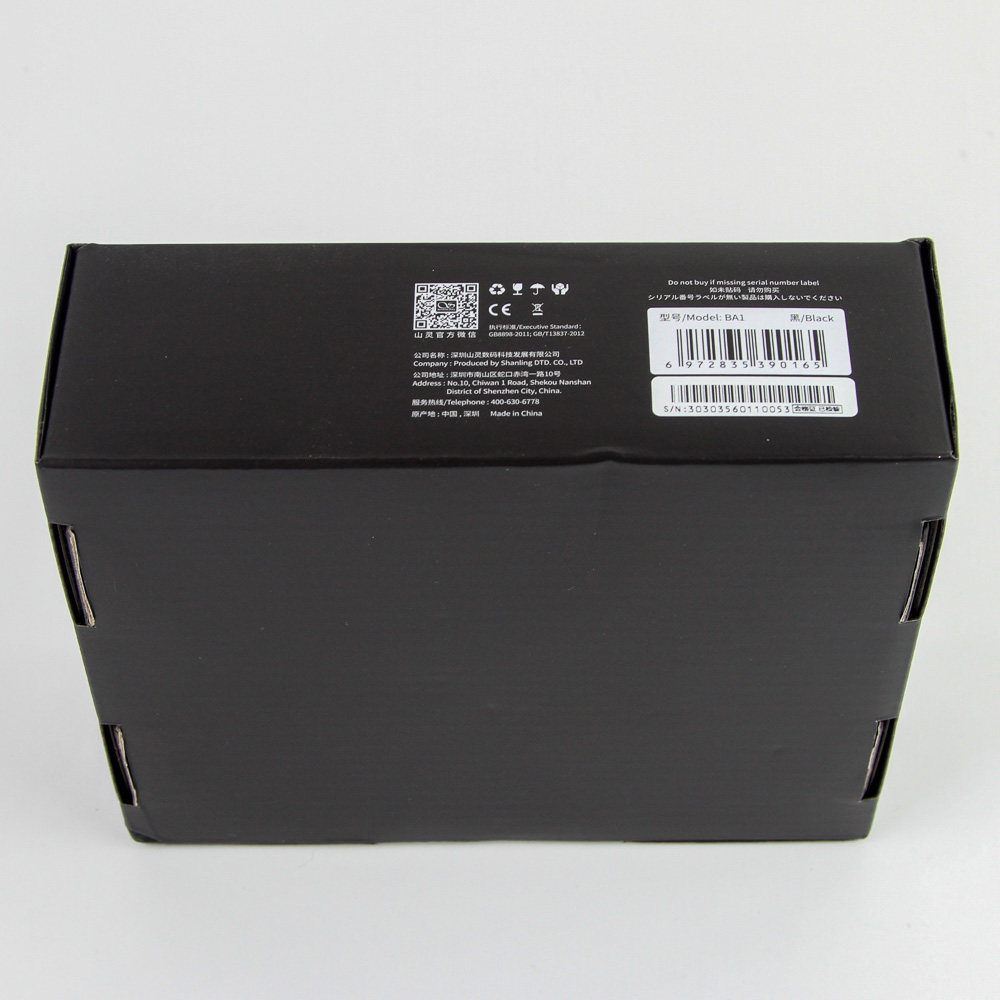
The product box comes with a plastic seal all around, and removing it reveals a smaller box than expected, with the company logo on its front in a shinier black for some contrast against the matte black. The size of the box led me to the realization that this desktop receiver was going to be small, too. I had a larger item pictured in my mind. The back and most of the sides of the packaging are bare, with a sticker confirming the specific model inside, as well as contact information for the company itself. Two side flaps and a central single flap keep the contents in place on their way to you.
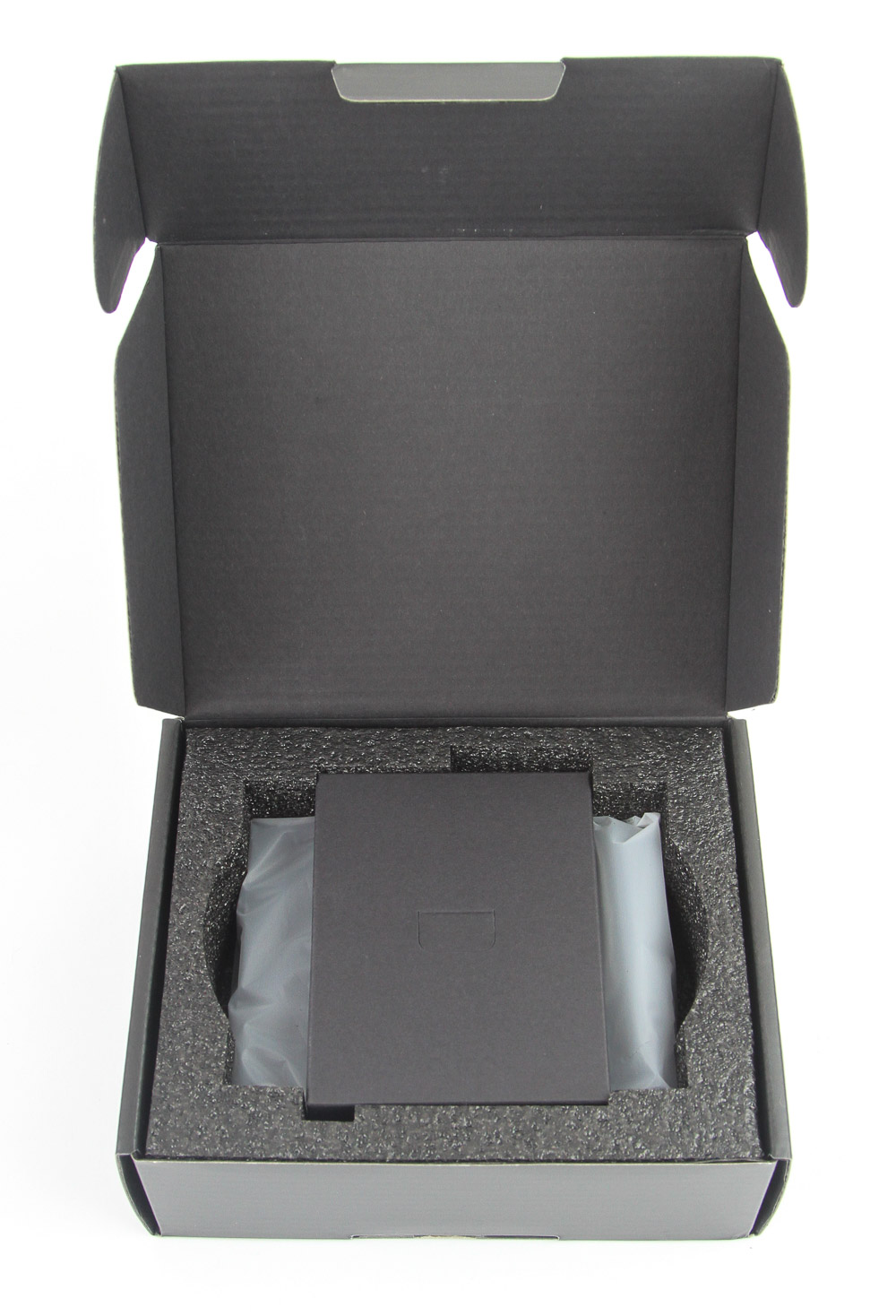

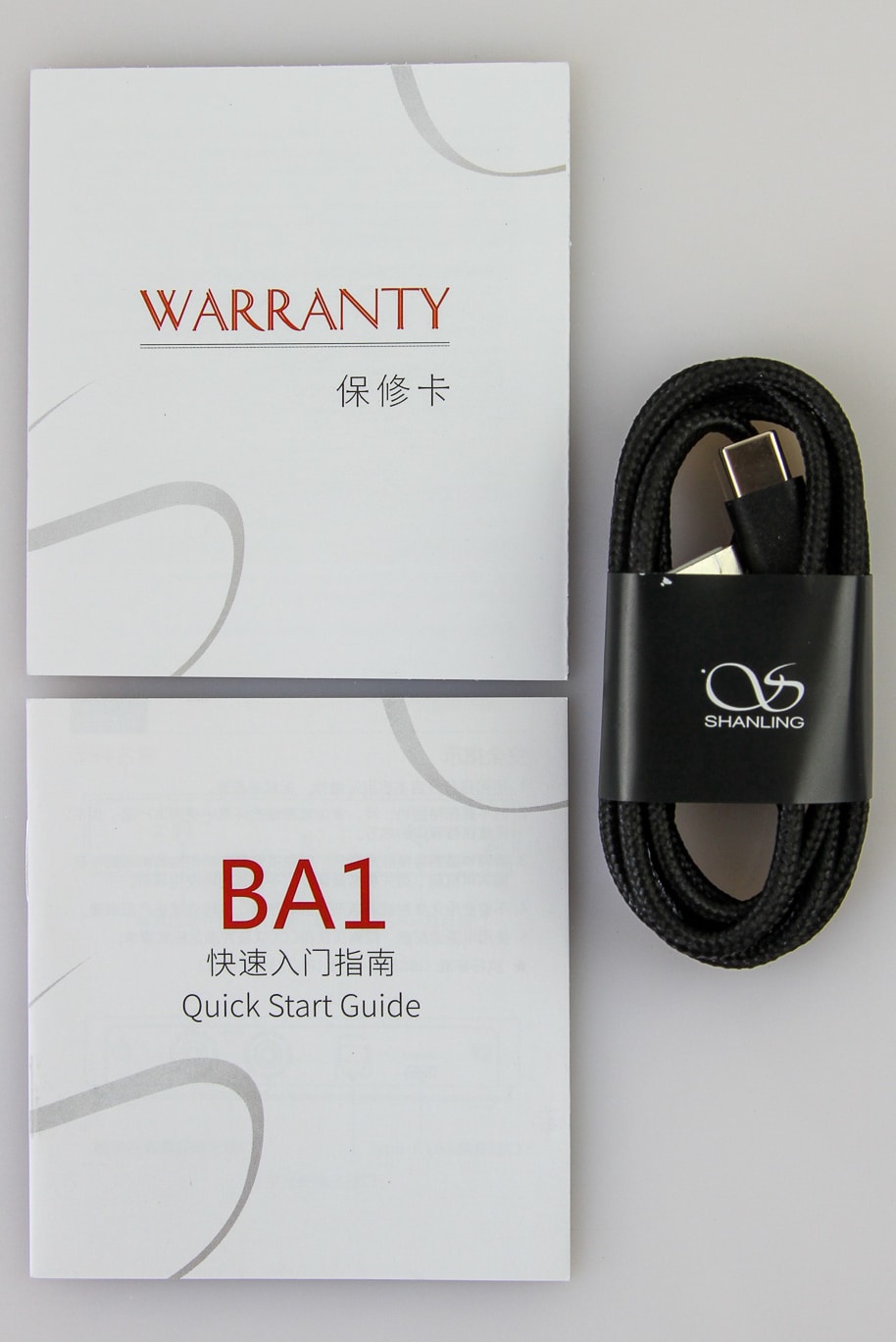
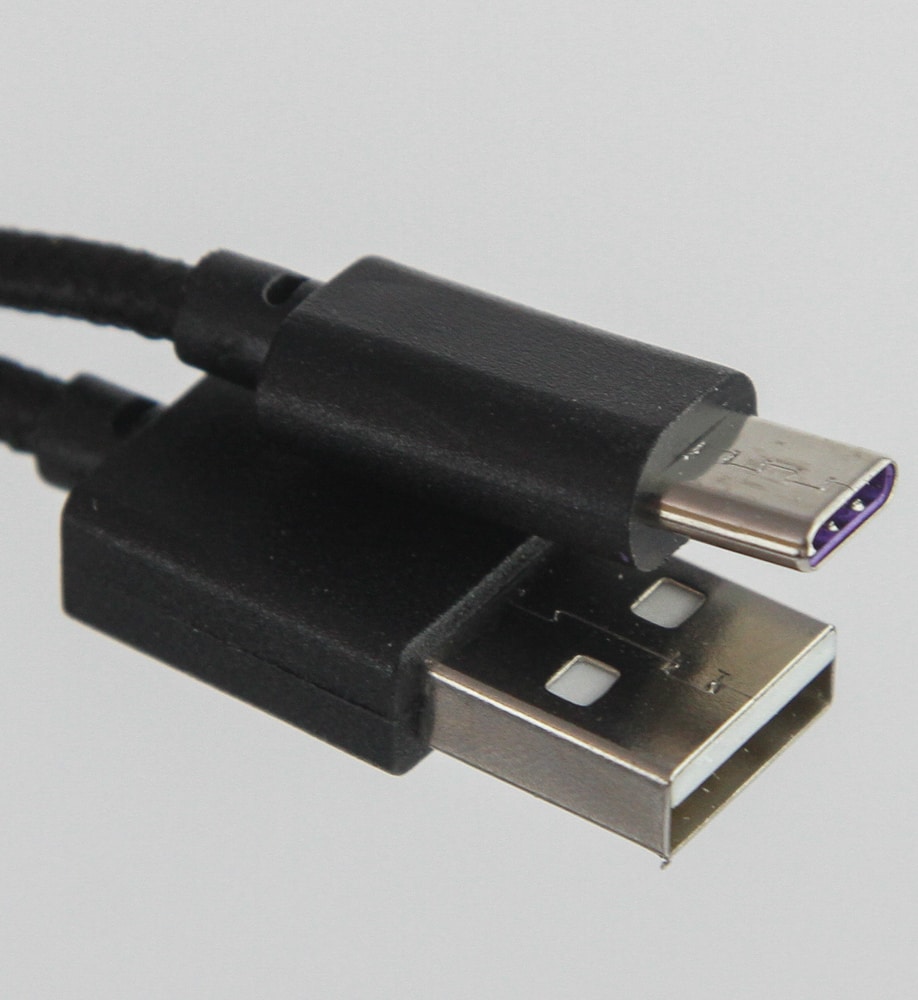
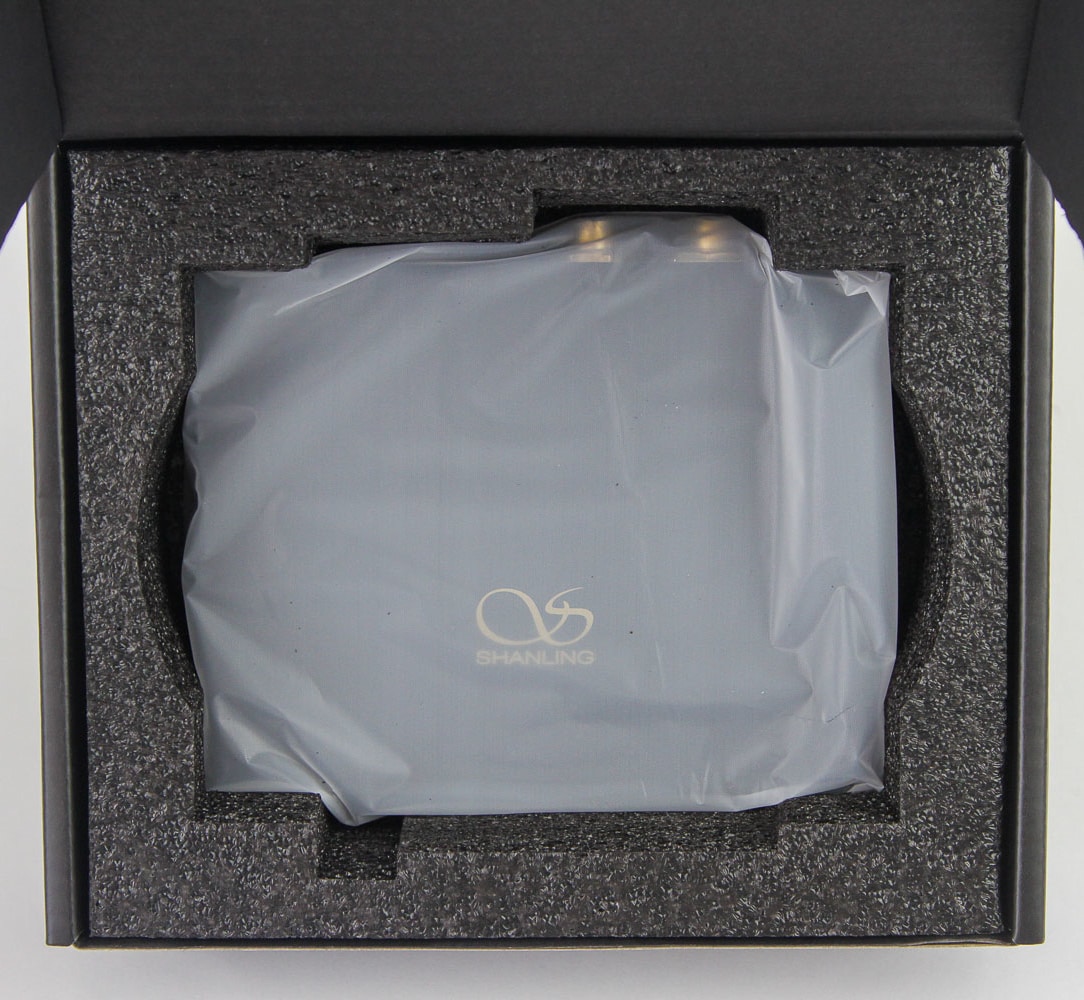
Opening the box, we see a lot of thick foam ensuring everything arrives in pristine condition. There is a deliberate cutout in the middle for the items, including a cardboard accessory box above the main event itself. We get a warranty guide that confirms the year-long manufacturer warranty against defects and a multi-language quick start guide going over the setup, pairing, and operation of the BA1 for different use cases. This is a useful guide to read through, especially if you are new to using such devices. Lastly, Shanling includes a fairly basic USB Type-A to Type-C cable with the expectation that you use the BA1 with a powered 5 V USB source. The BA1 comes inside a thin wax wrap, which is more to keep the surfaces clean than for protection.
Closer Look
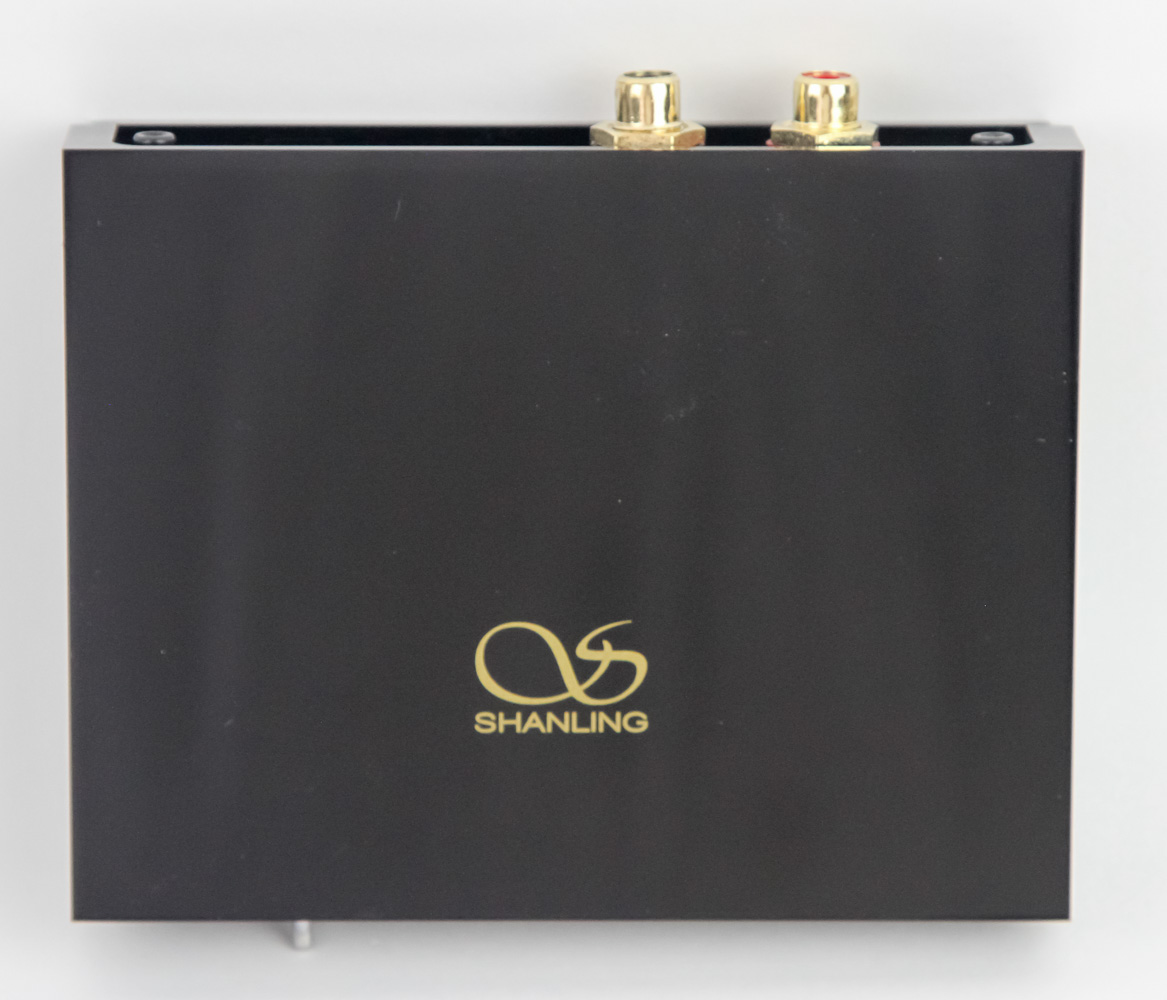

The Shanling BA1 is indeed tiny for desktop receivers, coming in at 12.0 x 12.0 x 2.6 cm. This is with the more mobile hardware inside, and Shanling deliberately went this route to tackle a different use case. The build is pretty to look at, with polished black acrylic all around that makes for a small centerpiece should you wish it to be since it is also tucked away behind other components easily enough. That said, it is a dust and fingerprint magnet, so the former will result in regular dust-wiping sessions with a microfiber cloth. The top surface has the Shanling logo in the center, and the back all the certification logos, confirming this is capable of Hi-Res audio both wired and wirelessly. This is also where the 5 V/1 A input to make the most of the device is confirmed. As such, USB 3.2 Gen 1 (USB 3.0) is recommended as a starting point. Qualcomm is the Bluetooth chipset provider, and brings with it native aptX and aptX HD codec support in addition to Sony's LDAC, which will come in handy for the wireless connectivity options and standard AAC/SBC. On the back, we see these are all on an inset panel, which helps the BA1 appear somewhat floating in use. Four small, circular rubber pads on the corners raise it off the resting surface and prevent scratches to the acrylic casing.


The first image above is how end users will typically view the Shanling BA1, with the front being clean and functional. There is a physical on/off metal toggle switch on the left, LCD screen under the acrylic panel in the center, and 3.5 mm output to the right for headphones and earphones alike. The BA1 branding also shows up here on the bottom-right corner, and the rest of the I/O is on the back for easier cable management. There is a single input for both power and data, with the Type-C port all the way to the right as seen from the back. Analog out via RCA is how you can add Bluetooth connectivity to separately powered speakers and other sources, and optical out also exists for the few target customers of the BA1 using it.


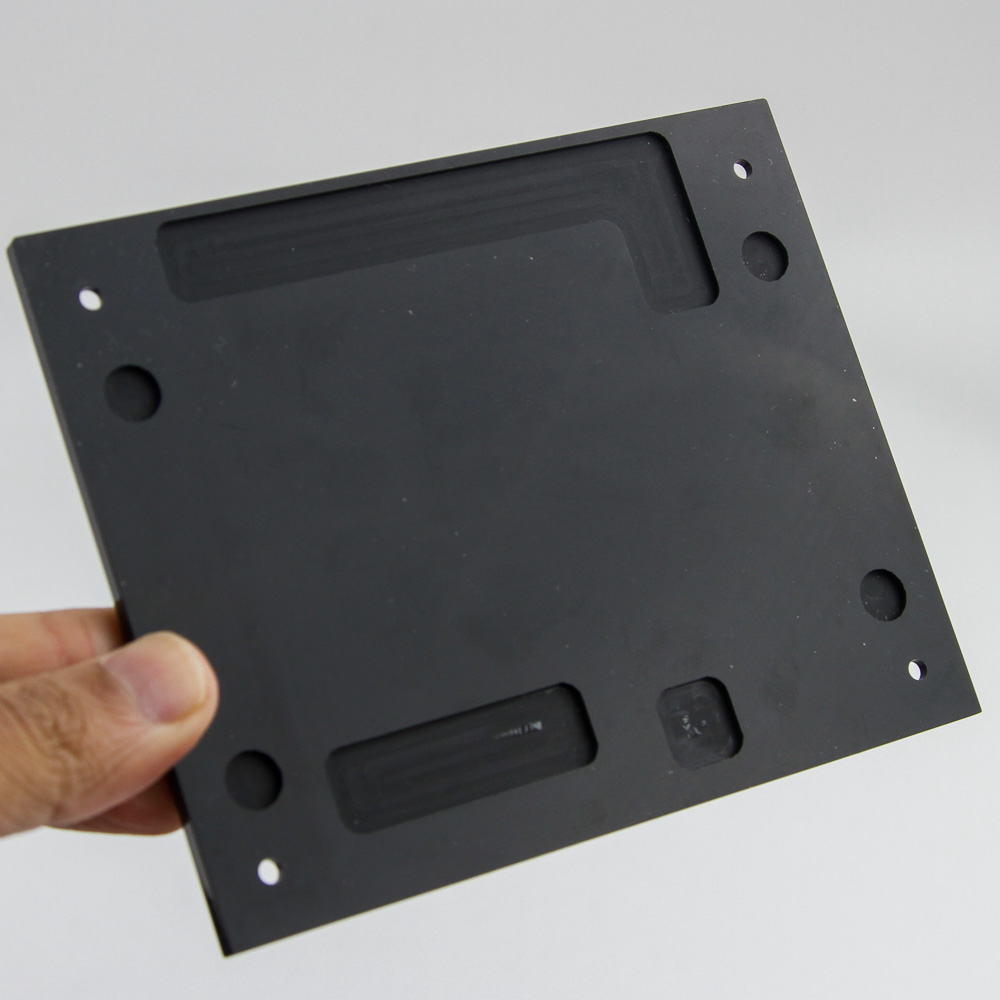


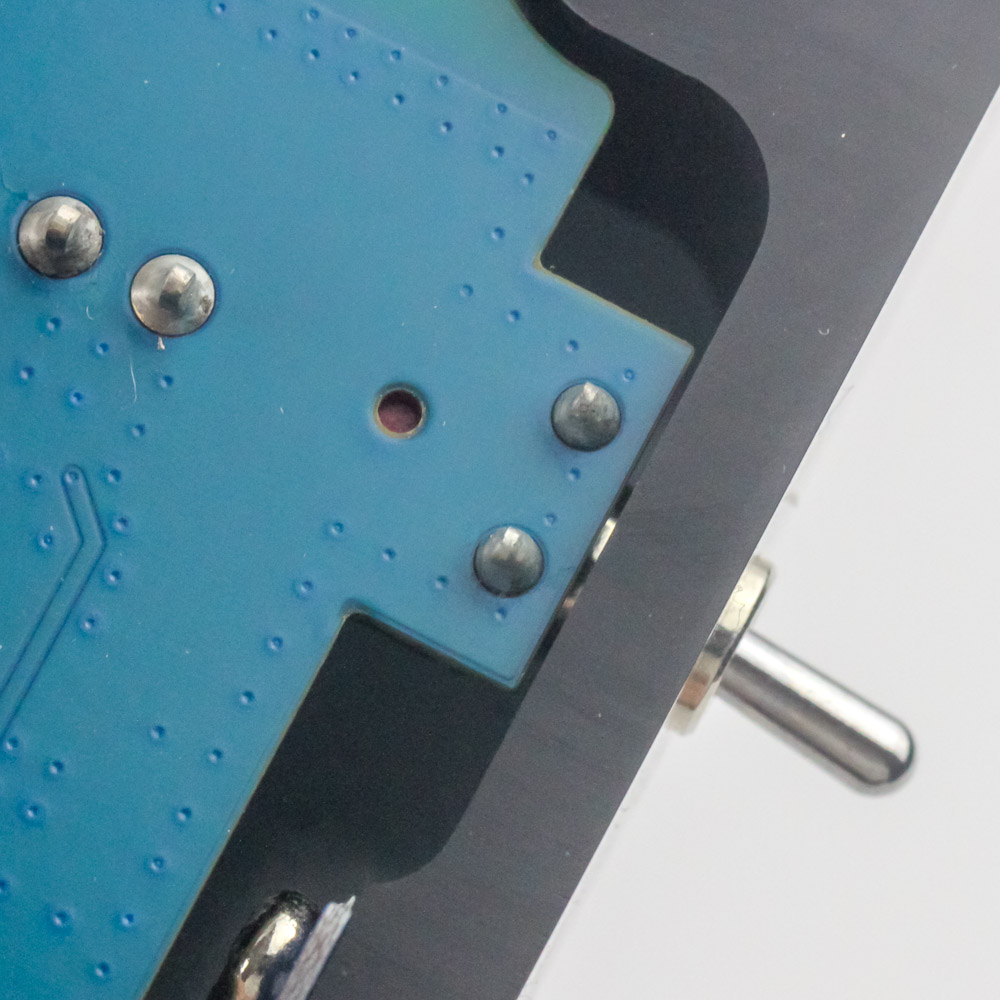
After all testing was completed, I attempted to disassemble the BA1 for a closer look inside and failed almost immediately. There are the expected hidden screws on the back under each of the four rubber pads, as well as two exposed screws on the back. The back panel is machined with space for the solder points and connections to fit without affecting the fit of the panel itself. But all this does is reveal a clean PCB back with the rest of the components on the other side. Access to those requires removing some of the locking nuts around the RCA outputs, but the soldered switch is where I stopped lest I damage the device irreparably. I suppose what little of the solder quality I can see is good enough, and we see a daughter PCB for the LCD screen itself. The markings on the PCB also confirm this is a custom piece for the BA1 as opposed to a regurgitated design, so that's good, too.
Our Patreon Silver Supporters can read articles in single-page format.
Nov 21st, 2026 12:24 PST
change timezone
Latest GPU Drivers
New Forum Posts
- RX 580 2048SP 8GB - SK Hynix - Ardiyes - BIOS Needed (1)
- Can you guess Which game it is? (344)
- UPS what one to get? (22)
- Zen 3 IF/IMC degradation (243)
- State of the HPC-AI Market 2026: Processing Elements (0)
- 1 - 5 person file storage server equivalent accasible from anywhere + general VM server. (3)
- Honestly, do you care about GTA VI? (225)
- RX 9000 series GPU Owners Club (2251)
- Windows 11 General Discussion (7746)
- How to prevent OLED burn damage due to PC freezes or power outtages? (51)
Popular Reviews
- Microsoft Surface Laptop Ultra Review - The Next-gen Arm Laptop
- Ugreen NASync DXP4800 GT Review
- Corsair RM1200e (Second Generation) Review
- Pulsar Office Tour & First Look at P1 Dual-Sensor Mouse
- Upcoming Hardware Launches 2027 (Updated Nov 2026)
- Acemagic Retro X3 Review
- Biwin Black Opal NV7400 2 TB Review
- AMD Ryzen 7 9800X3D Review - The Best Gaming Processor
- AMD Zen 6 Technical Deep Dive
- Chieftec Iceberg PRO 360 DARK Review
TPU on YouTube
Controversial News Posts
- NVIDIA Co-Founder and CEO Jensen Huang Officially Resigns (492)
- Report: Jensen Huang Eyes NVIDIA Comeback (260)
- Open Letter Asking NVIDIA to Reinstate Jensen Huang Passes 115,000 Signatures (184)
- OpenAI CEO Argues Home PCs Waste the World's Limited DRAM Supply (152)
- NVIDIA Launches Investigation Into Jensen Huang's Relationship With Suspected Chinese Spy (136)
- Intel "Raptor Lake Next" 16-Core and 20-Core CPUs Surface (130)
- NVIDIA GeForce RTX 50-Series Scheduled for up to $500 Price Hike This Week (89)
- Intel Razor Lake Gets a 12 P-Core bLLC Chip With No E-Cores, Per Leak (86)