 12
Sabrent Rocket 4 Plus 4 TB SSD Review
(12 Comments) »Introduction

Sabrent is an American hardware manufacturer that was founded in 1998. Their product ranges include external drive enclosures, cables, chargers, card readers, USB hubs, and similar peripherals. Over the last few years, they've made a name for themselves in the SSD market by offering highly cost effective solid-state drives with good performance.
They are particularly well-known for offering QLC drives with good performance at very reasonable pricing, like the Sabrent Rocket Q.

In today's review, we're testing the Sabrent Rocket 4 Plus in the 4 TB variant, which offers a ton of space for you to use. Internally, it's similar to the other Sabrent Rocket 4 Plus models, like the 2 TB version we reviewed previously. The SSD is powered by the Phison E18 controller we're seeing on the vast majority of today's high-end PCI-Express 4.0 SSDs. As NAND flash, Sabrent is using Micron's newest 176-layer 3D TLC, an upgrade from the 96-layers used on the 2 TB Rocket 4 Plus. This component change is a free performance upgrade for the Rocket 4 Plus lineup; Sabrent is not creating a new SKU just for the switch from 96-layer to 176-layer NAND. While component changes are usually a bad thing if they are downgrades, this is an upgrade that will always achieve the same or better performance. According to Sabrent, all Rocket 4 Plus currently available in the market are of the newer 176-layer variant, but you can check the firmware version, which is R4PB47.2 for B47R; older ones use RKT4P1.2. To connect with the rest of the system, the fast PCI-Express 4.0 interface is used. Also included is 2 GB of DRAM cache for those random writes.
The Sabrent Rocket 4 Plus comes in capacities of 500 GB ($77), 1 TB ($130), 2 TB ($260), 4 TB ($750), and 8 TB (unknown). Endurance for these models is set to 350 TBW, 700 TBW, 1400 TBW, 3000 TBW, and 6000 TBW respectively. Sabrent includes a five-year warranty with the Rocket 4 Plus.
| Specifications: Sabrent Rocket 4 Plus 4 TB SSD | |
|---|---|
| Brand: | Sabrent |
| Model: | SB-RKT4P-4TB |
| Capacity: | 4000 GB (3726 GB usable) 96 GB additional overprovisioning |
| Controller: | Phison PS5018-E18 |
| Flash: | Micron 176-Layer 3D TLC B47R IA7BG94AYA / MT29F1T08EDLEE3W |
| DRAM: | 2x 1 GB SKHynix DDR4-3200 H5AN8G6NDJR-XNC |
| Endurance: | 3000 TBW |
| Form Factor: | M.2 2280 |
| Interface: | PCIe Gen 4 x4, NVMe 1.3 |
| Device ID: | Sabrent Rocket 4.0 Plus |
| Firmware: | R4PB47.2 |
| Warranty: | Five years |
| Price at Time of Review: | $750 / $188 per TB |
Packaging


The Drive
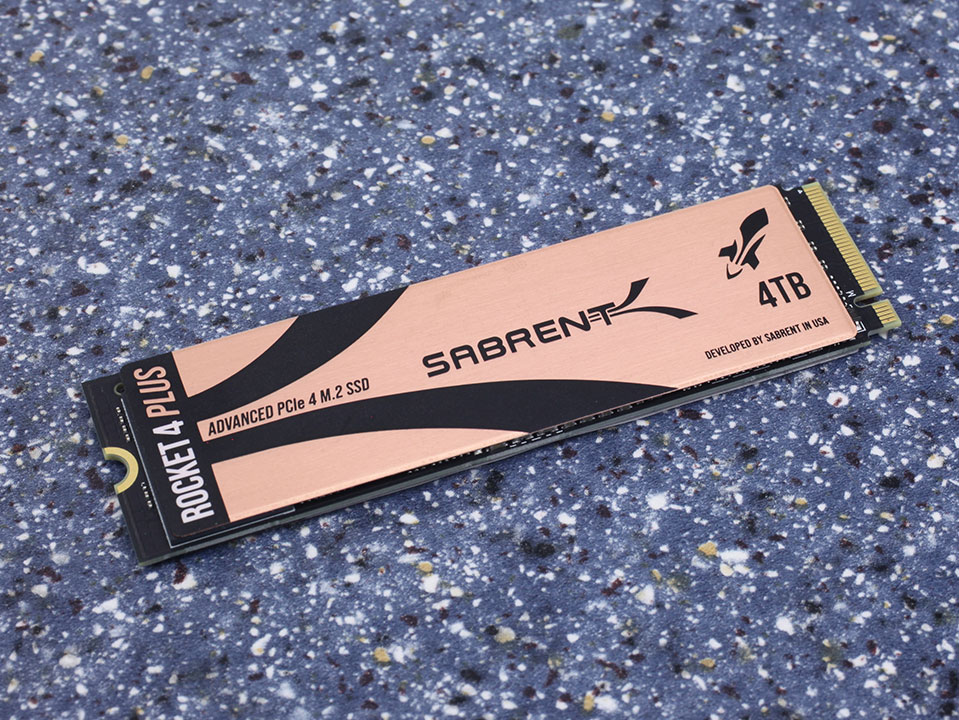
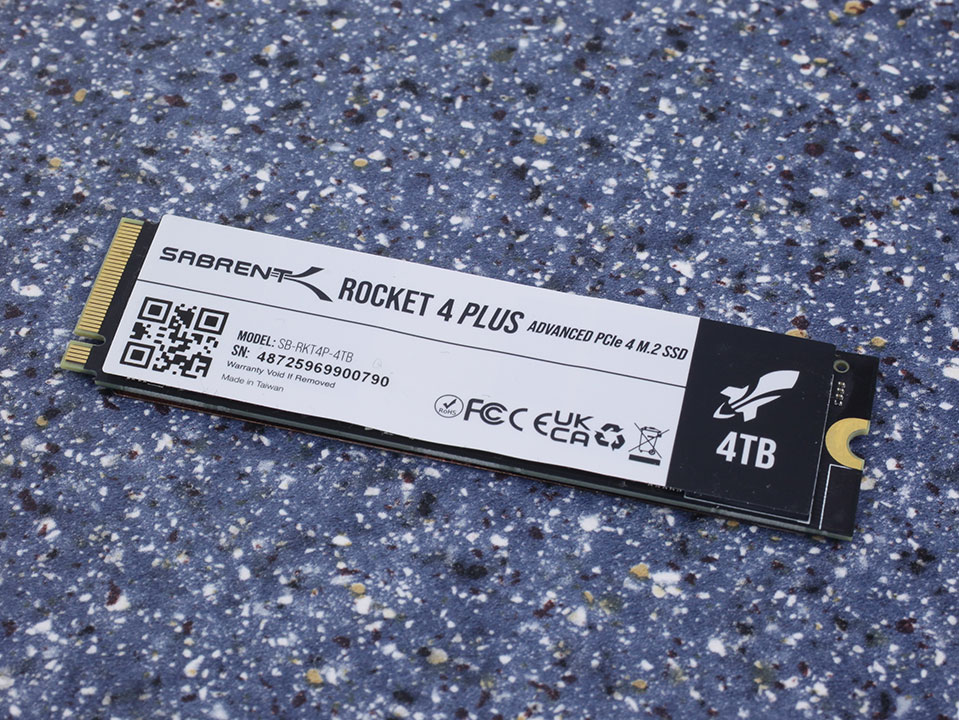
The drive uses the M.2 2280 form factor, which makes it 22 mm wide and 80 mm long.
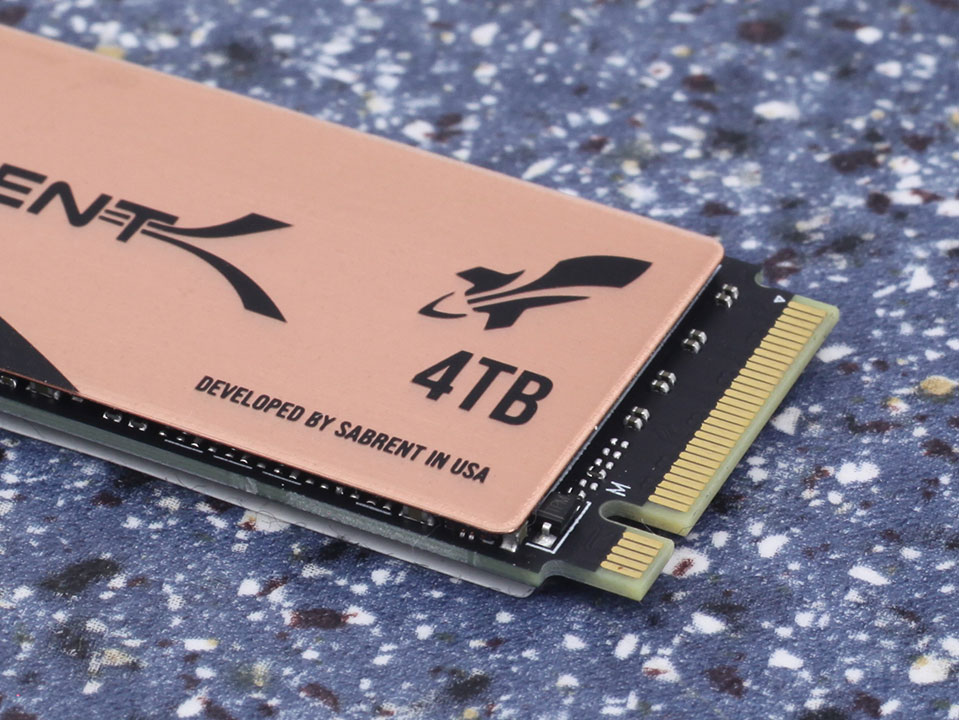
While most other M.2 NVMe SSDs transfer data over the PCI-Express 3.0 x4 interface, the Sabrent Rocket 4 Plus connects to the host system using a PCI-Express 4.0 x4 interface, which doubles the theoretical bandwidth.

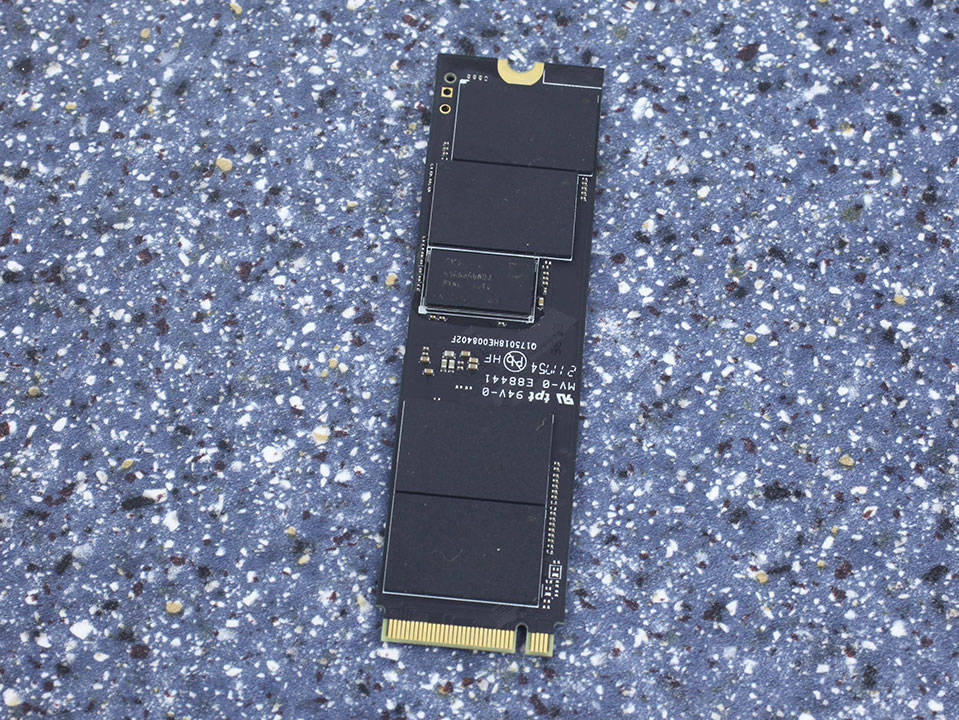
On the PCB, you'll find the controller and eight flash chips. Two DRAM cache chips are installed, too.
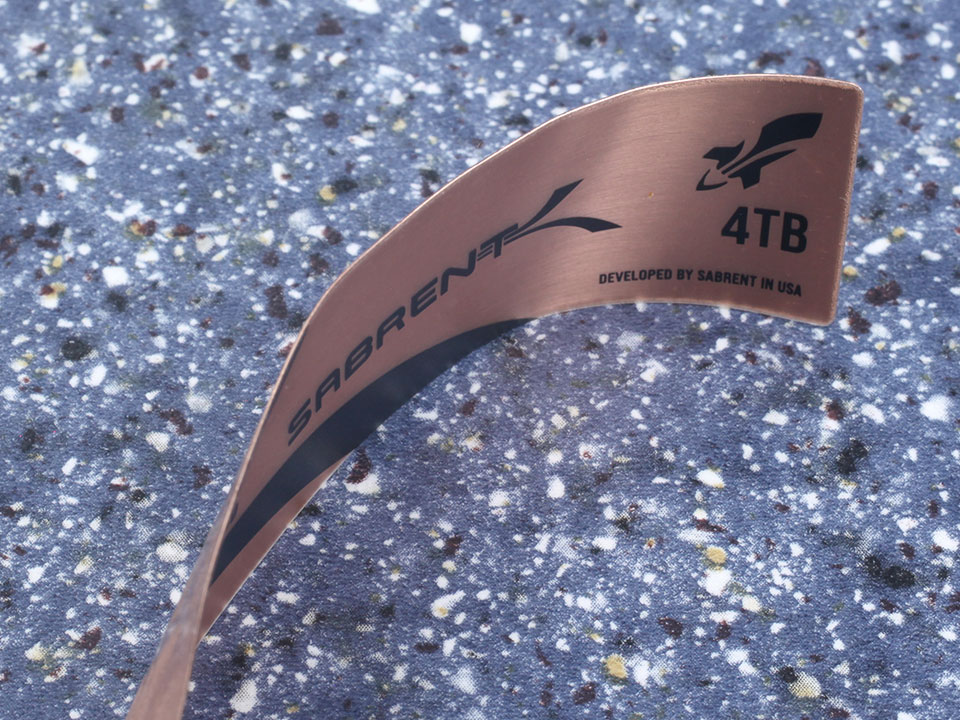
This copper heatspreader foil comes preinstalled on the Rocket 4 Plus.

Sabrent also sent their "Sabrent Rocket NVMe Heatsink" with the Rocket 4 Plus sample; it's an additional purchase for $25.


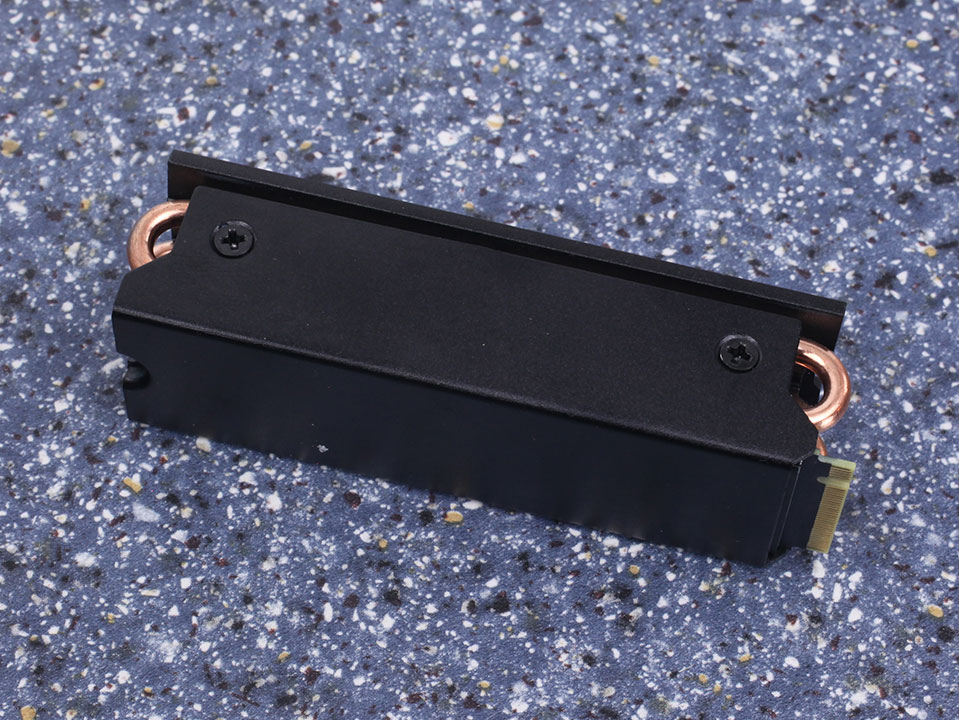
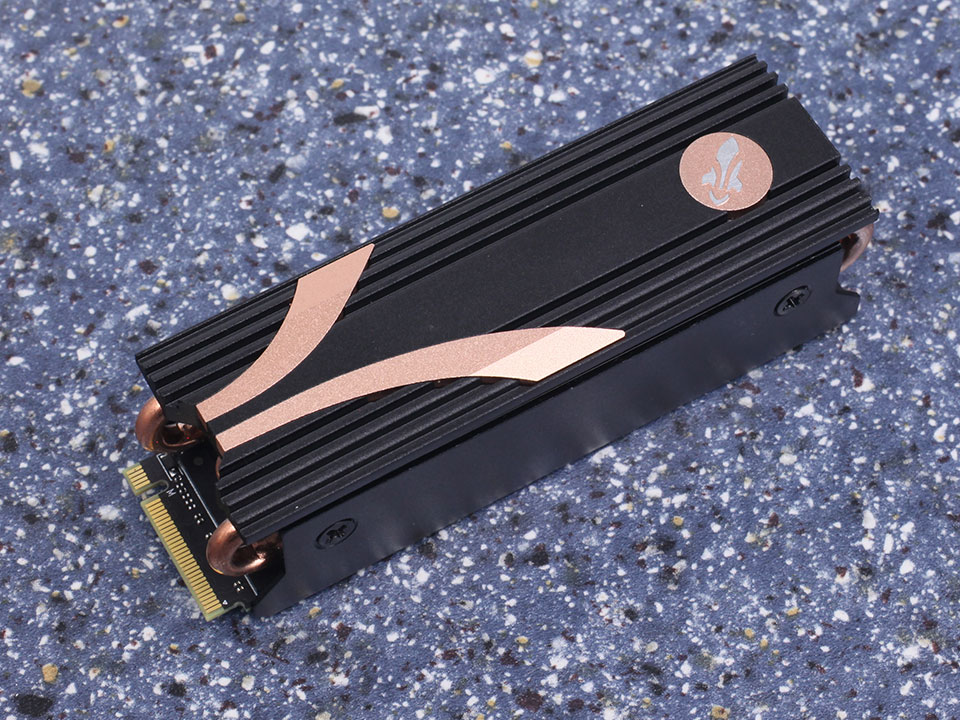
The heatsink is a great little cooling solution that has sufficient mass to soak up quite some heat. It's also very sturdy and uses screws to hold the drive together firmly. You may also use this cooler on other M.2 drives, from any vendor.
Please note that the copper "heatpipes" aren't heatpipes that are filled with a low-pressure liquid for better heat transfer, but solid copper rods, which of course still contribute to heat transfer.
Chip Component Analysis
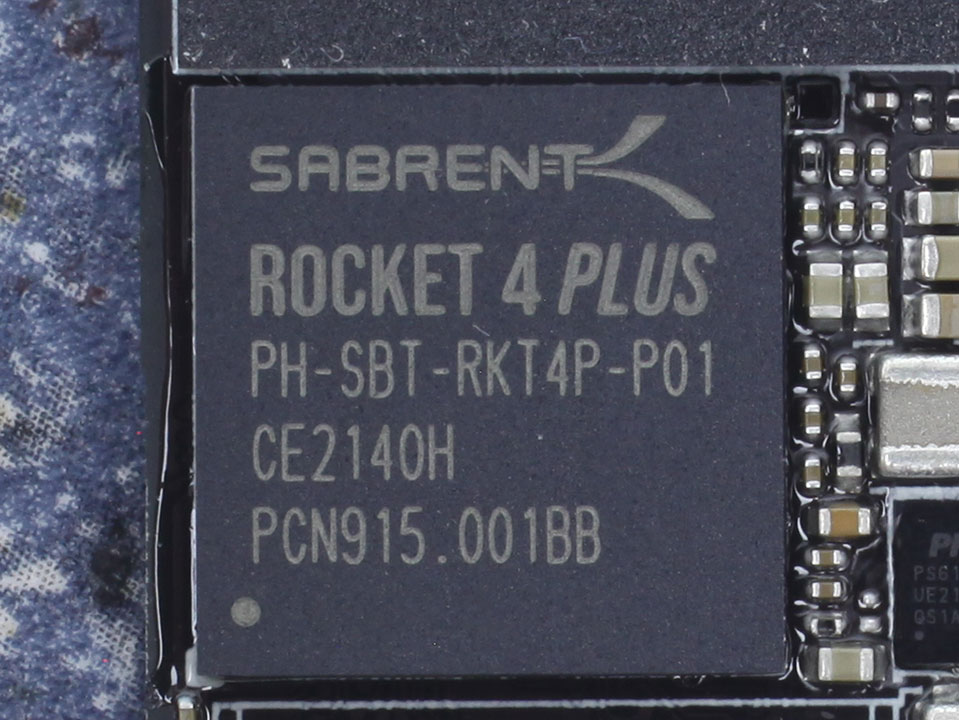
The Phison PS5018-E18 is Phison's PCI-Express 4.0 controller with eight channels. It is produced on TSMC's 12 nanometer node and uses five Arm Cortex R5 CPU cores. The E18 supports NVMe 1.4, TLC, DDR4 memory, and up to 32 dies. Sabrent has rebranded the controller with their own markings.
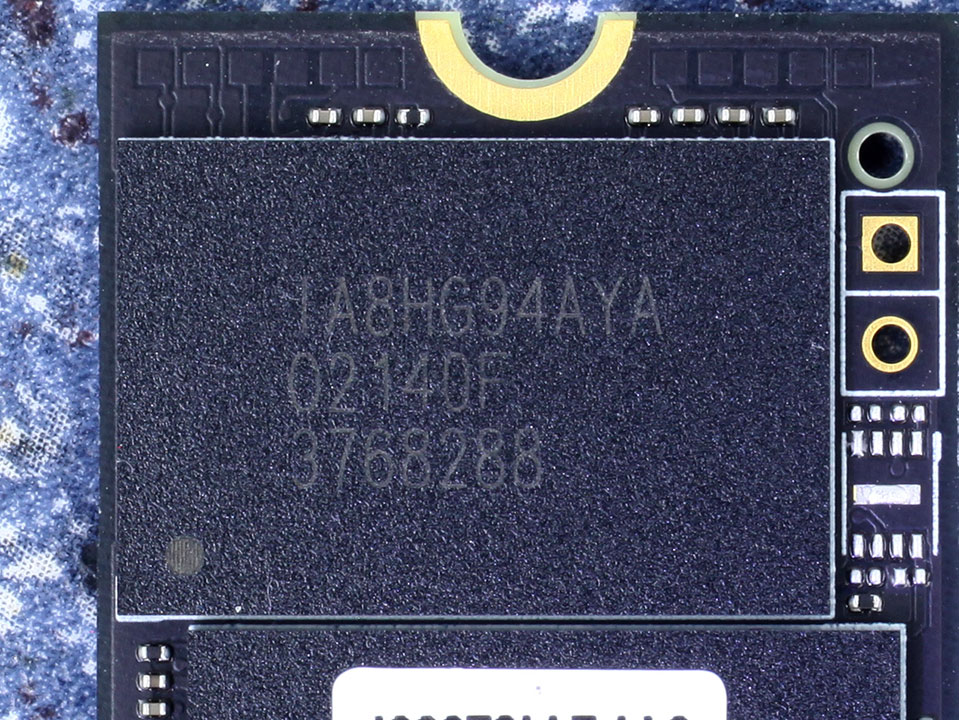
The eight flash chips are Micron 176-layer 3D TLC NAND. Each chip has a capacity of 512 GB.
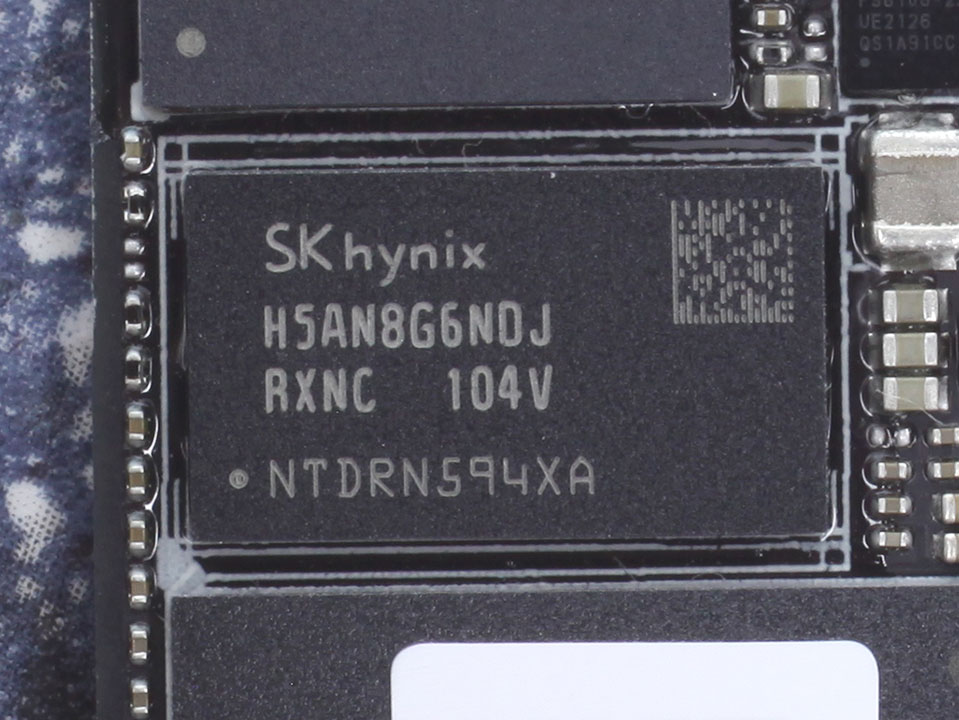
Two Hynix DDR4-3200 chips provide 2 GB of fast DRAM storage for the controller to store the mapping tables.
Test Setup
| Test System SSD 2021 | |
|---|---|
| Processor: | AMD Ryzen 3 3300X @ 4.3 GHz Zen 2, 16 MB Cache |
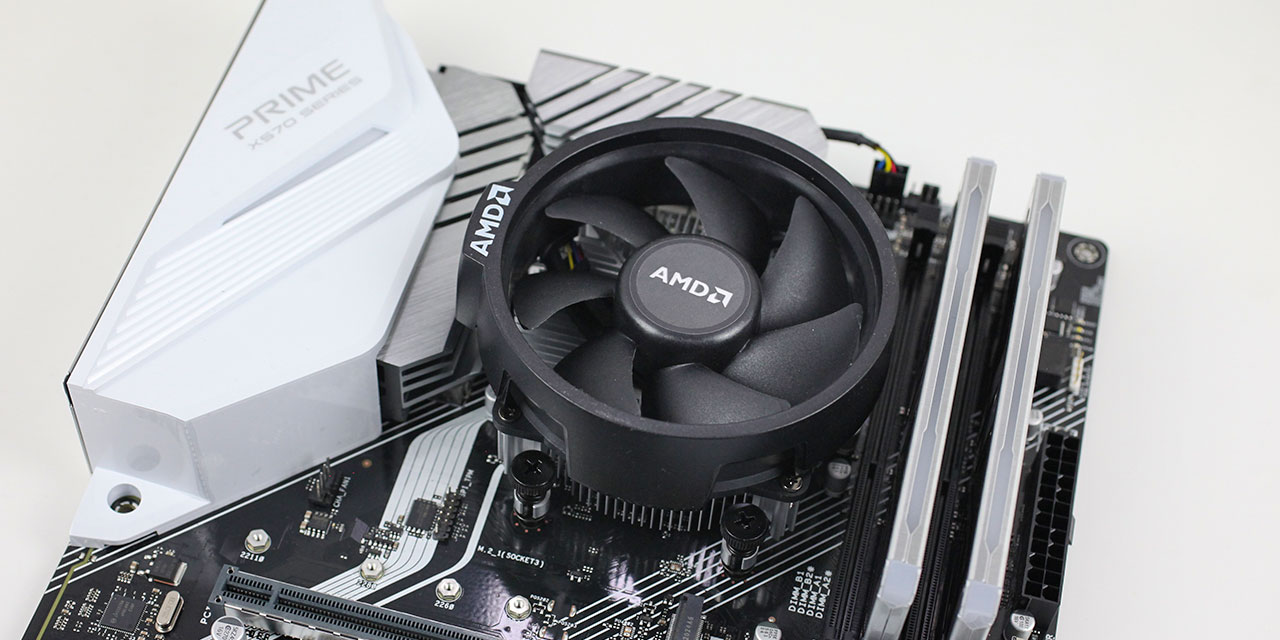
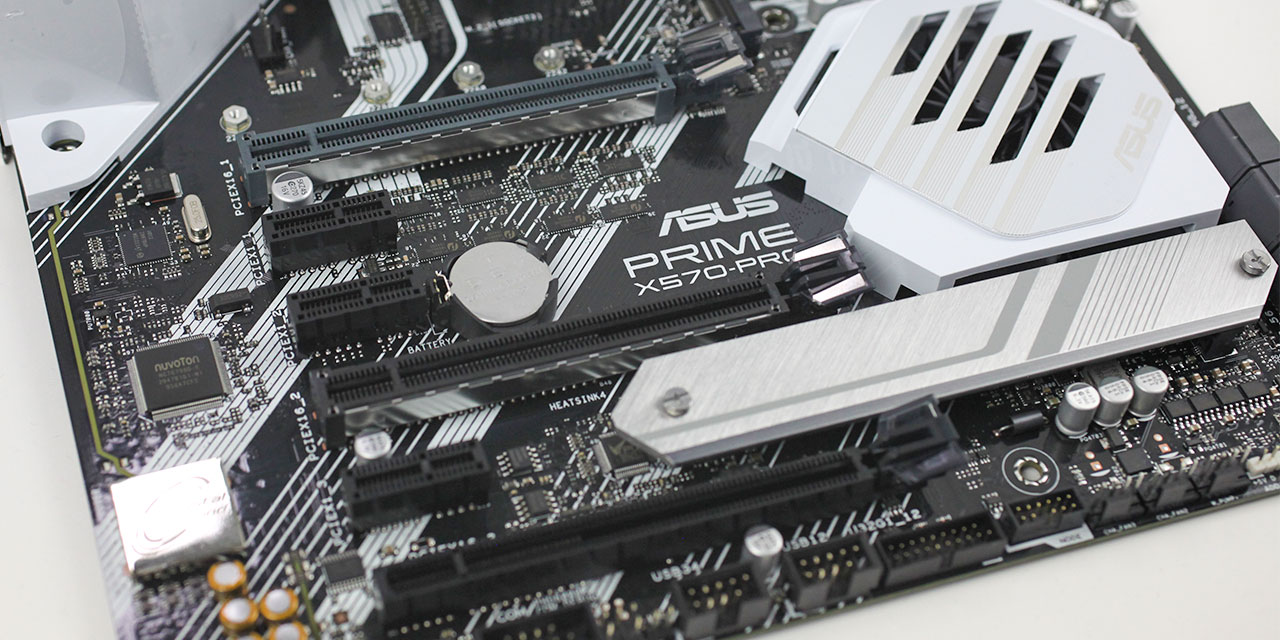
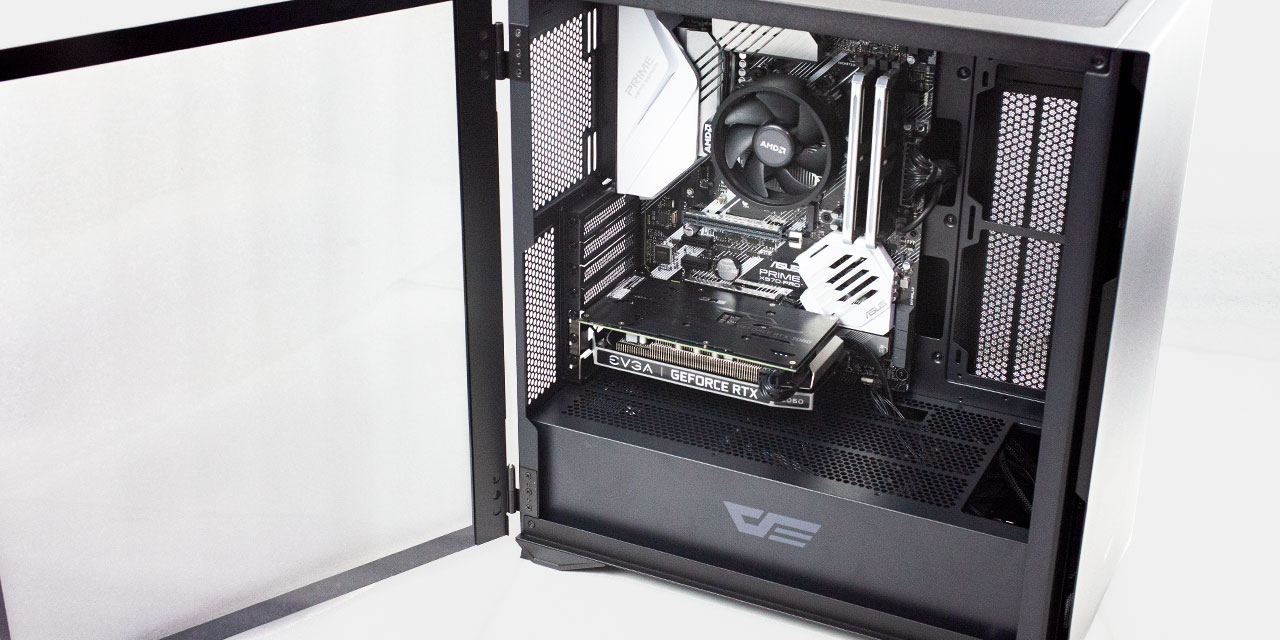
| Motherboard: | ASUS Prime X570-Pro BIOS 2606 / AGESA 1.0.8.0 |
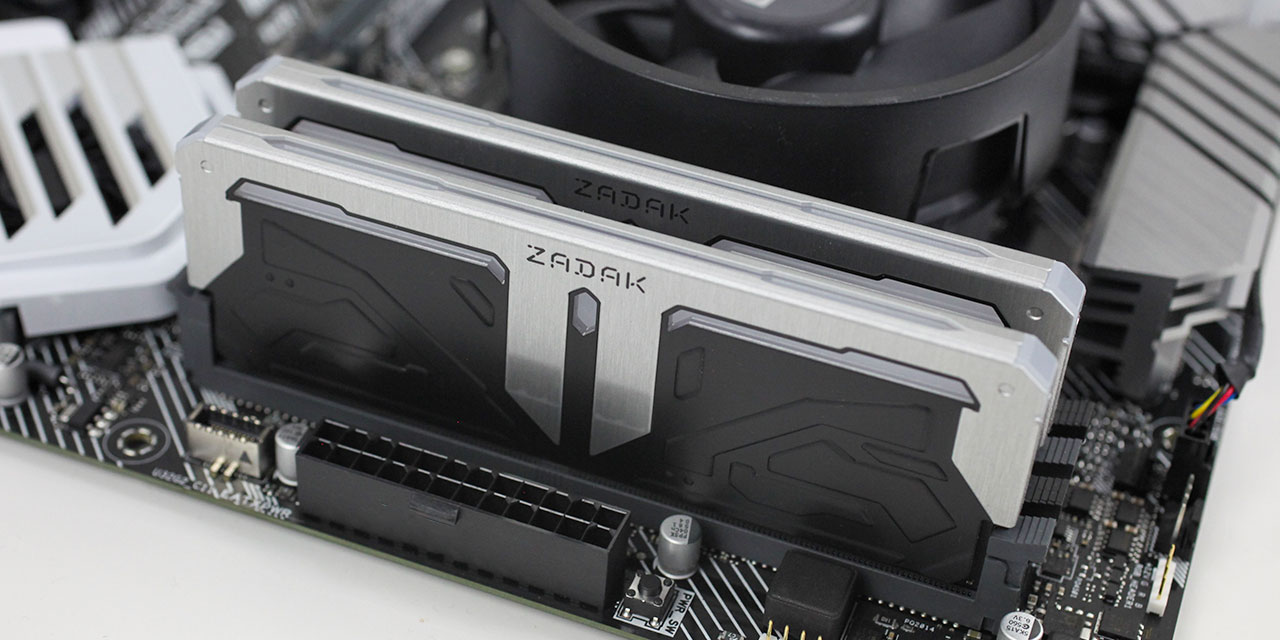
| Memory: | Zadak Spark RGB, 16 GB DDR4 @ 3200 MHz 16-18-18-38 |
| Graphics: | EVGA GeForce RTX 2060 KO 6 GB |
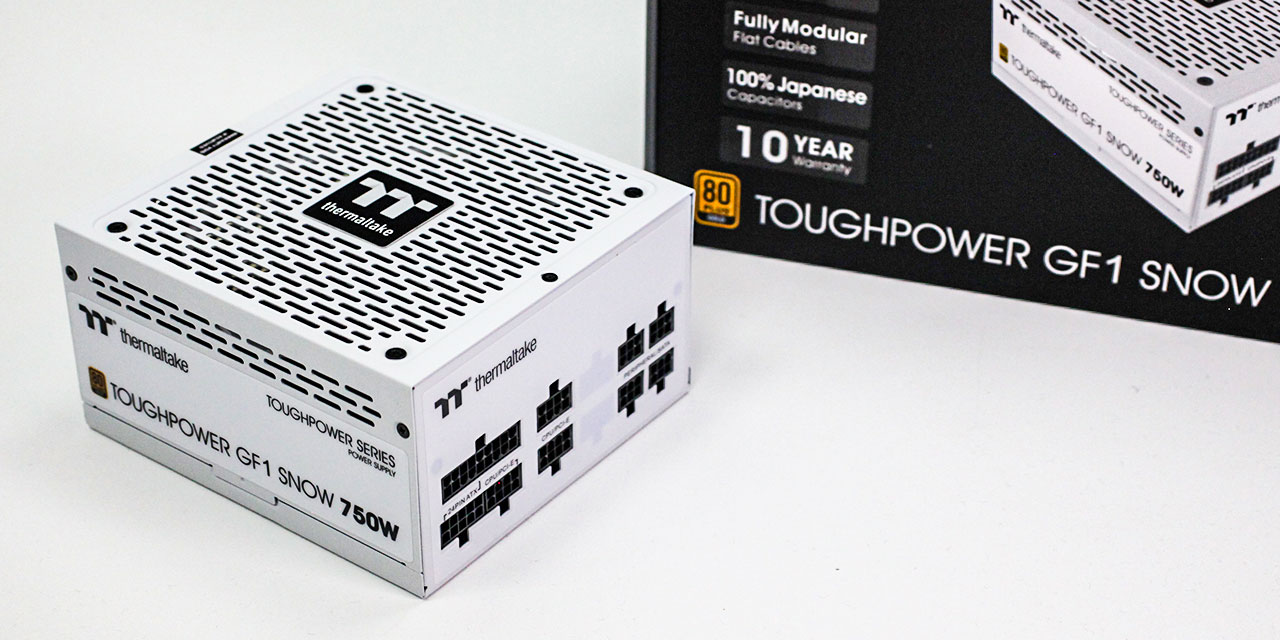
| Power Supply: | Thermaltake Toughpower GF1 Snow 750 W |
| Case: | DarkFlash DLX22 |
| Operating System: | Windows 10 Professional 64-bit Version 2004 (May 2020 Update) |
| Drivers: | AMD Chipset: 2.07.14.327 NVIDIA: 452.06 WHQL |
Our Patreon Silver Supporters can read articles in single-page format.
Nov 27th, 2026 03:52 CST
change timezone
Latest GPU Drivers
New Forum Posts
- Mouse Pad advice - Shidenkai out of production? (8)
- Using sodimm+adapter instead of full size dimm DDR5? (103)
- SABRENT AIC's (no bifurcation) Black Friday deals (0)
- What's your main Black Friday / Cyber Monday purchase? (27)
- Found Out Why My FygoOS Transfers Were Stuck at 11 MB/s (0)
- Wireless Internet sharing between PC and router both-ways, is it possible? (28)
- X79 and/or rampage IV OC'ing thread for those of us still left.... (2461)
- Will zen 6 mobos have anything extra vs current ones? (63)
- Dell Dimension E510 Retro Gaming PC Upgrade & Modification (3)
- Gacha Games - Discussions, Pulls, Updates, etc. (1166)
Popular Reviews
- VZMORE AX9 Max Review
- Upcoming Hardware Launches 2027 (Updated Nov 2026)
- ASRock X870E Challenger Wi-Fi White Review
- AMD Ryzen 7 9800X3D Review - The Best Gaming Processor
- Microsoft Surface Laptop Ultra Review - The Next-gen Arm Laptop
- AMD Zen 6 Technical Deep Dive
- Montech CyberFlow ARGB 360 Review
- Phantom Blade Zero Performance Benchmark Review - 35 GPUs Tested
- Corsair RM1200e (Second Generation) Review
- Pulsar Office Tour & First Look at P1 Dual-Sensor Mouse
TPU on YouTube
Controversial News Posts
- Jensen Huang Reinstated as CEO of NVIDIA (617)
- NVIDIA Co-Founder and CEO Jensen Huang Officially Resigns (492)
- Report: Jensen Huang Eyes NVIDIA Comeback (281)
- Open Letter Asking NVIDIA to Reinstate Jensen Huang Passes 115,000 Signatures (184)
- OpenAI CEO Argues Home PCs Waste the World's Limited DRAM Supply (152)
- NVIDIA Launches Investigation Into Jensen Huang's Relationship With Suspected Chinese Spy (136)
- Intel Razor Lake Gets a 12 P-Core bLLC Chip With No E-Cores, Per Leak (94)
- NVIDIA GeForce RTX 50-Series Scheduled for up to $500 Price Hike This Week (89)