 2
Sharkoon OfficePal C50 Review - Could be a gem...
Closer Look »Assembly
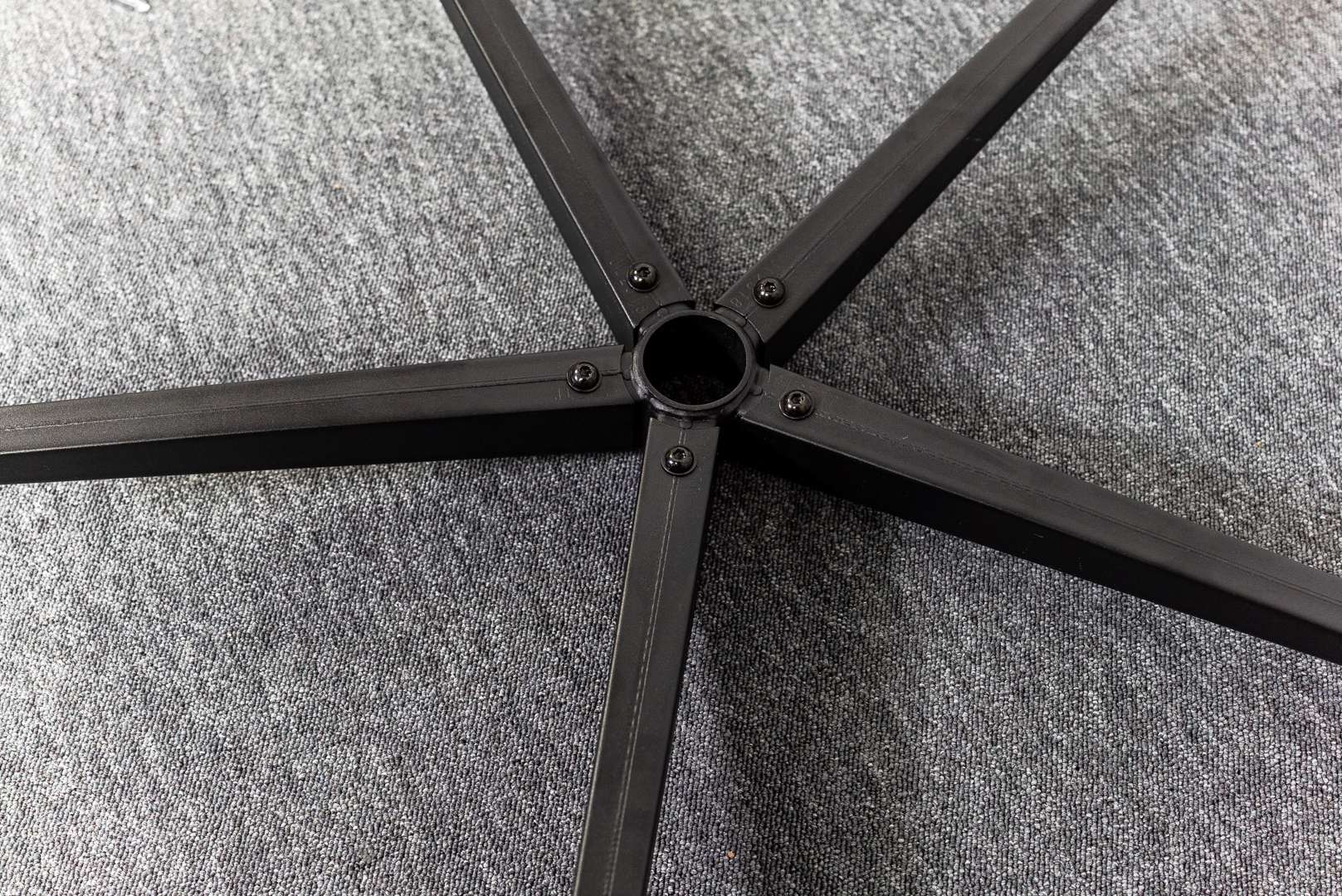
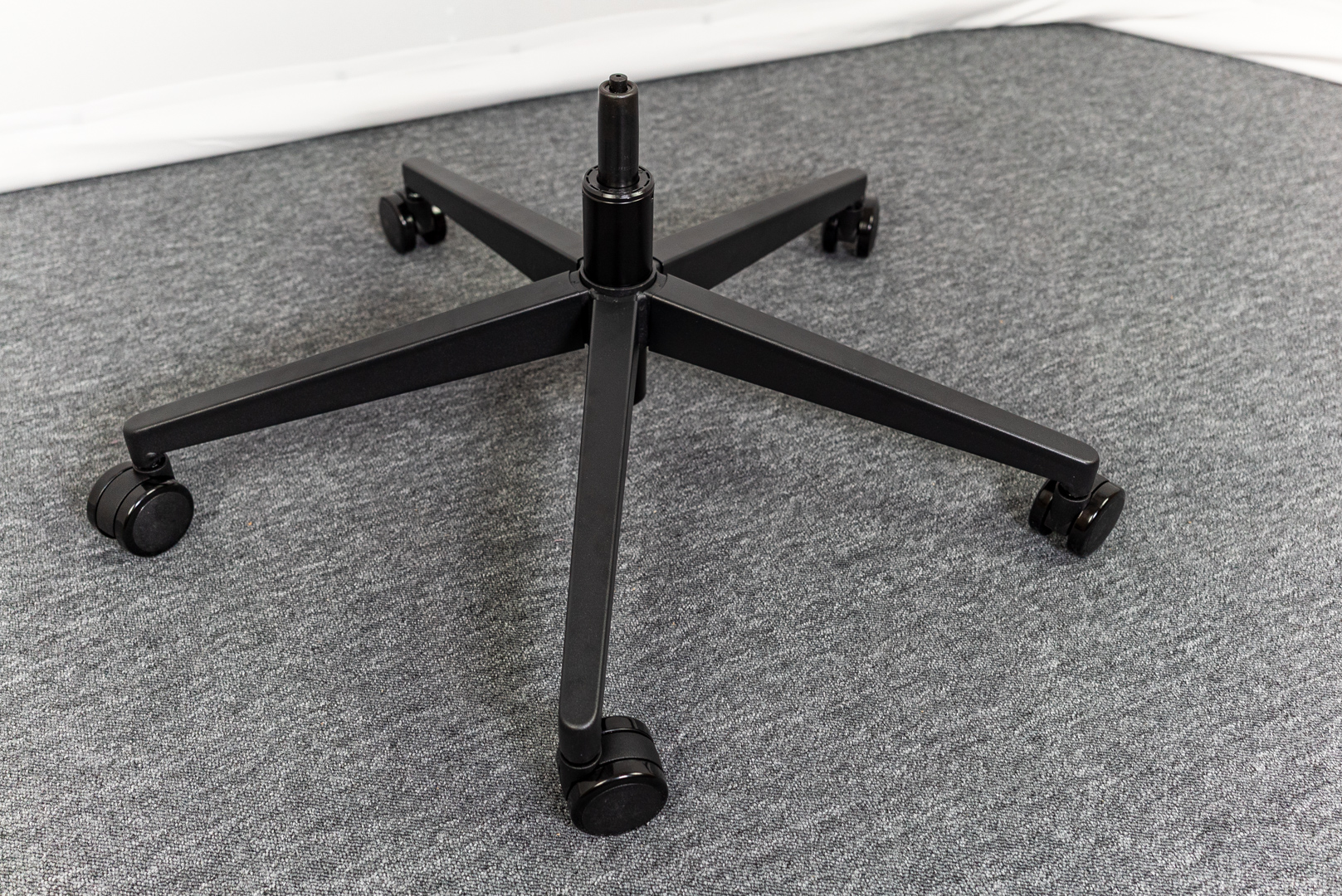
While assembling the OfficePal C50, I was quickly reminded of my experience with the cheaper model from this manufacturer. Some minor imperfections are visible on a few parts, most likely leftovers from the production process.
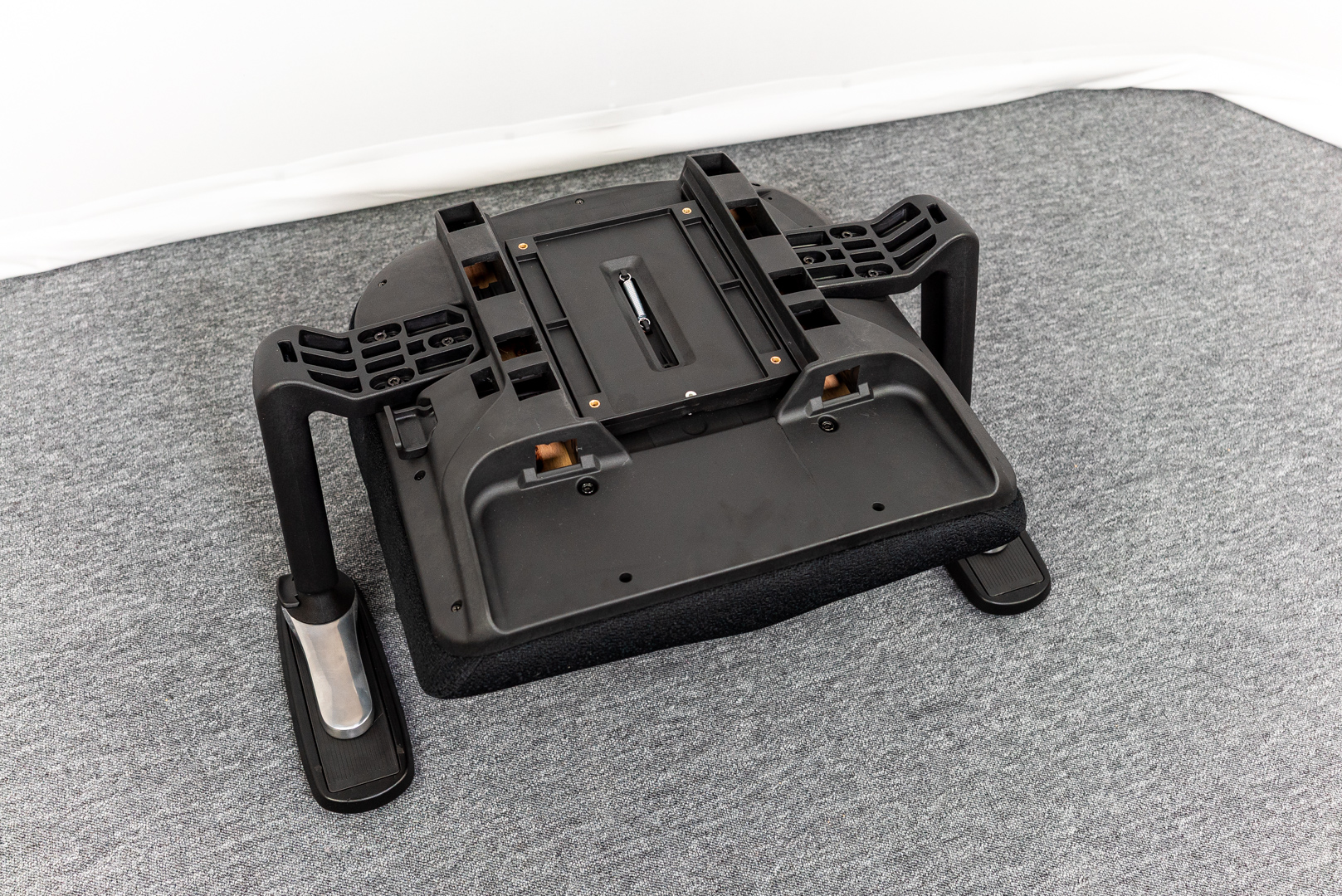
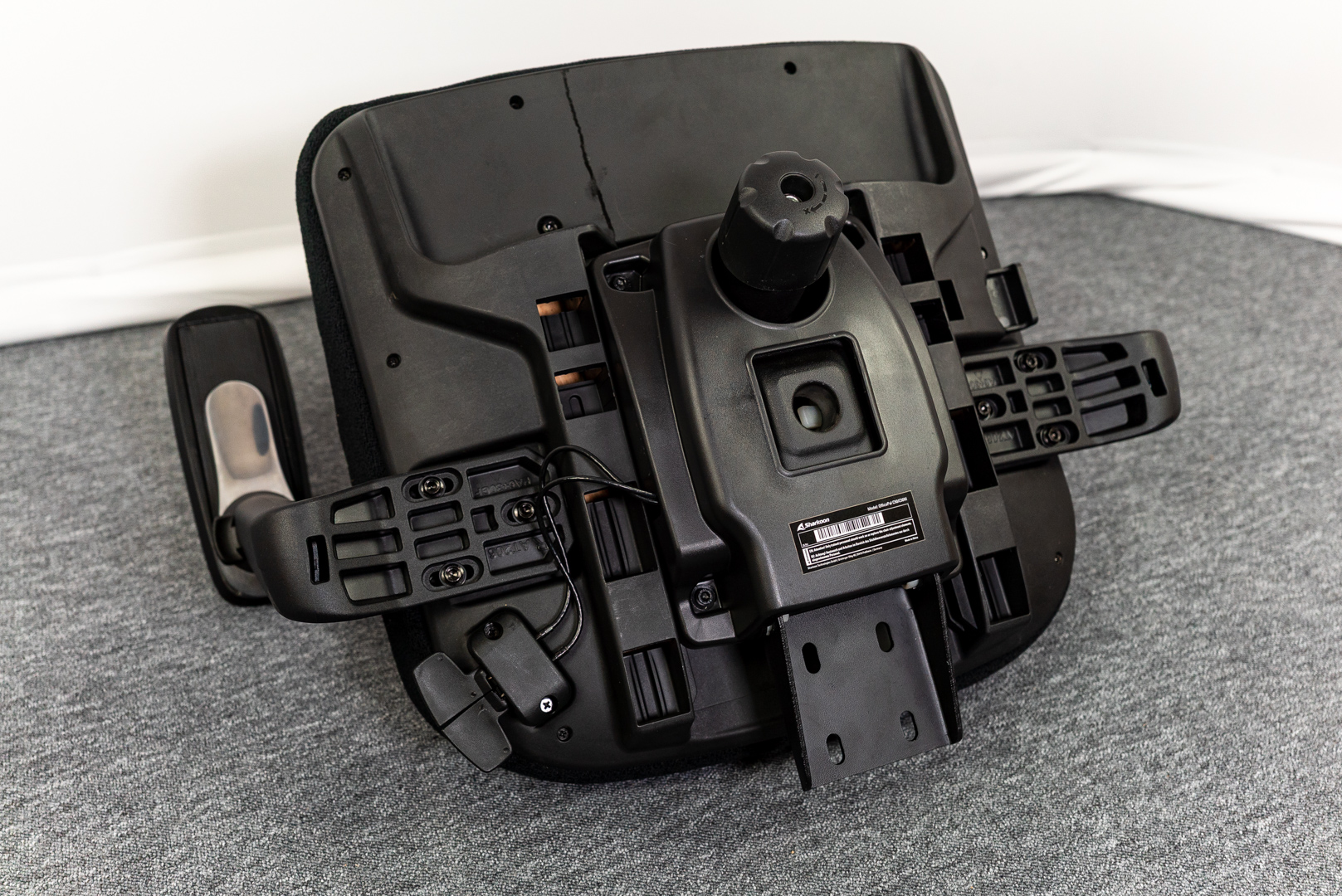
The assembly itself is generally straightforward, but it does include a few less typical steps. The five-star base comes disassembled, so you first have to screw it together and only then attach the wheels and gas lift. After that, it's time to mount the armrests to the seat—and this is the most patience-testing part of the whole process. It's not very convenient and can be a bit frustrating.
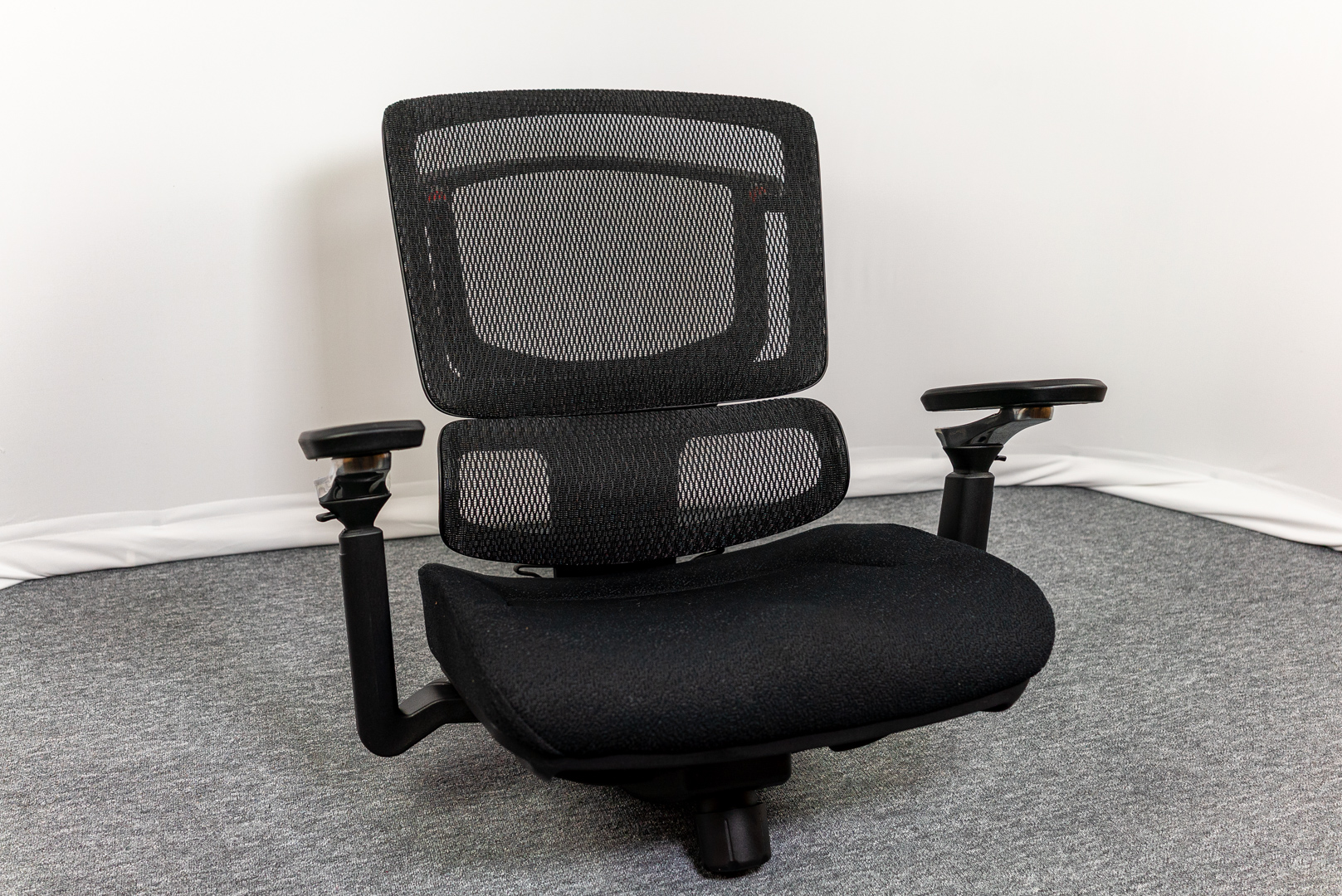
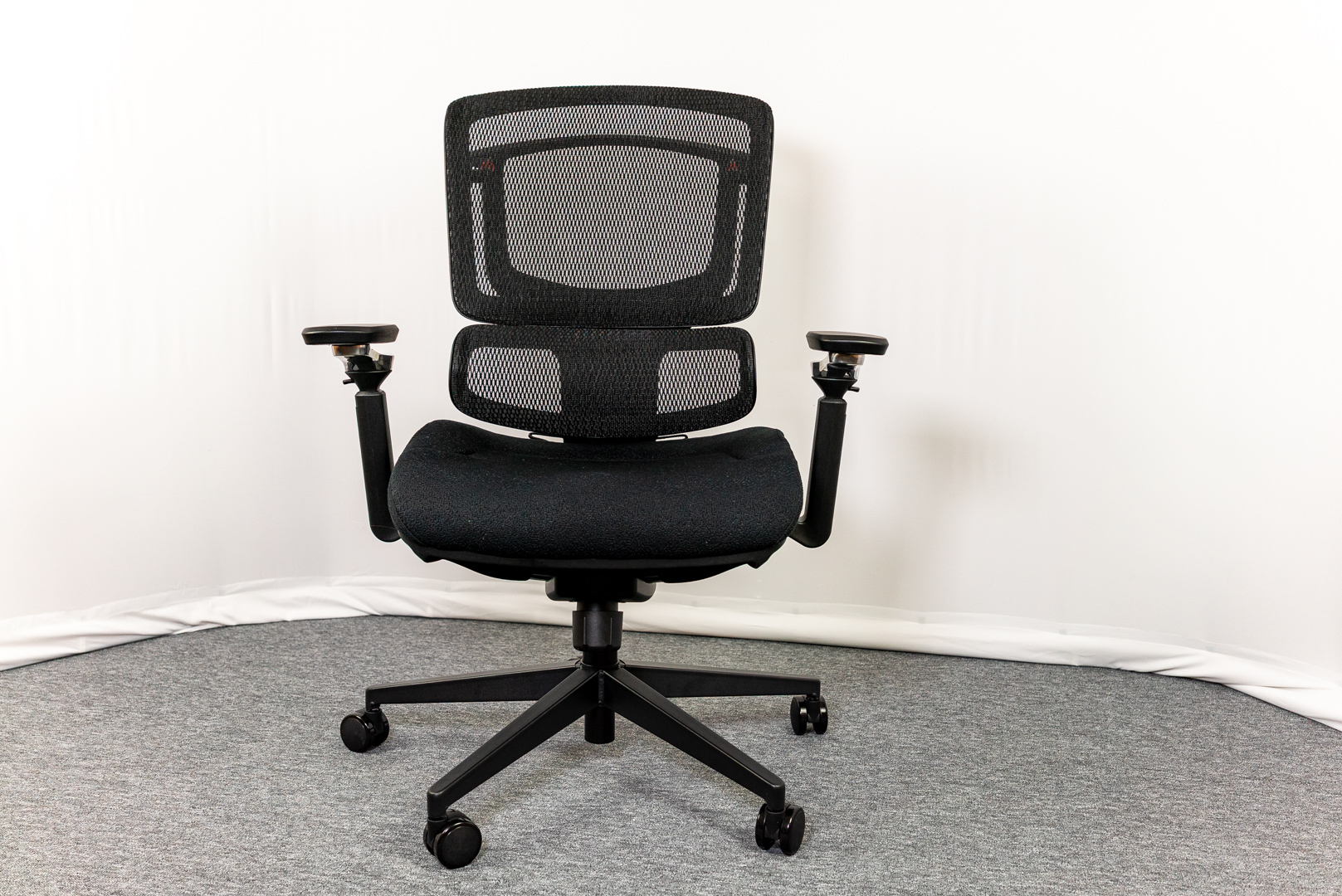
Next comes the tilt mechanism, which is much easier to install, followed by attaching the seat to the backrest (or the backrest to the seat). This step also requires some adjustment to get everything aligned properly, but it's nowhere near as annoying as the armrests. Finally, you place the assembled chair onto the gas lift and finish things off by installing the headrest.
Details
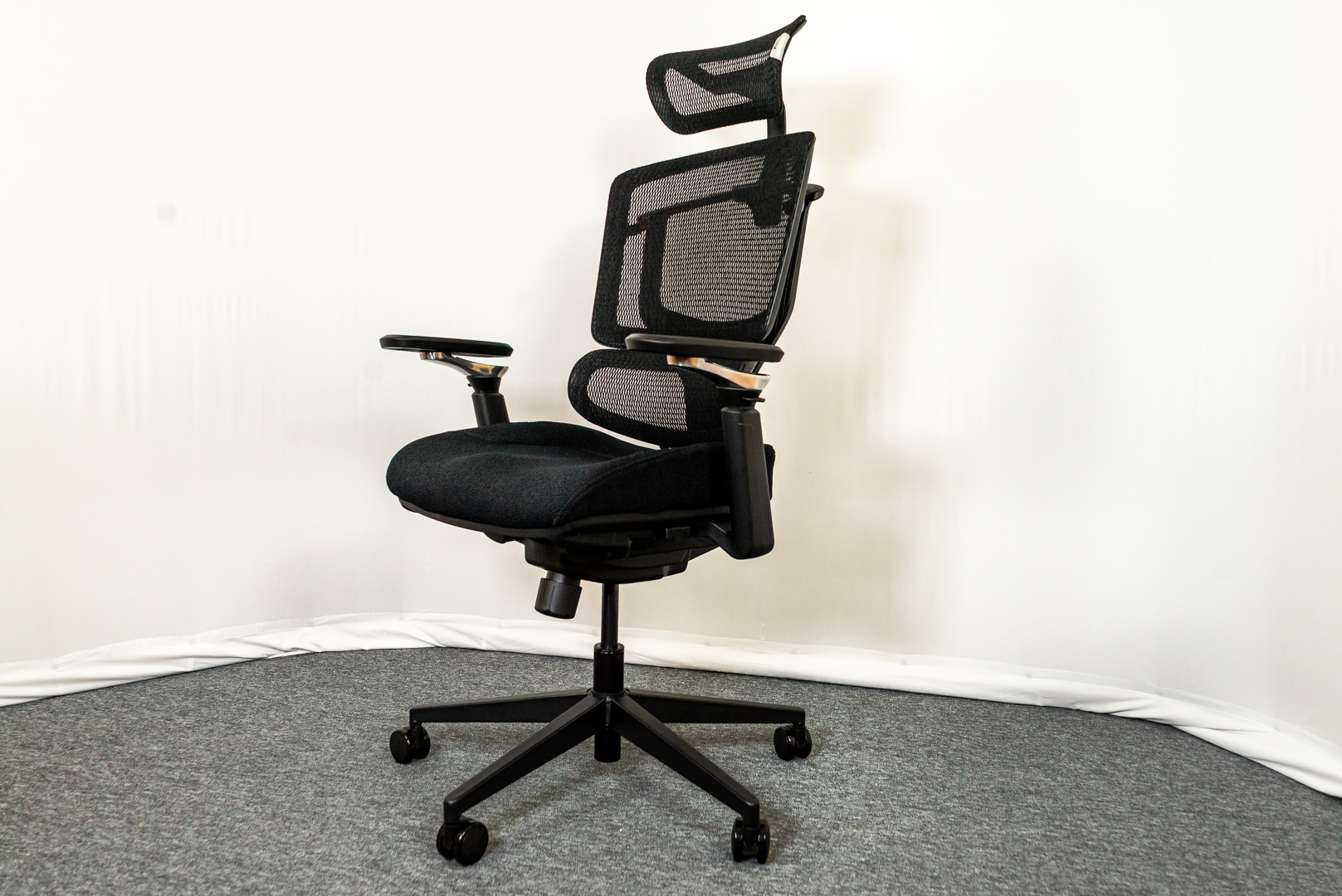
And voilà—assembled. We're left with a ready-to-use chair that doesn't look particularly large. This was already hinted at by the compact packaging, but in theory, it's a model designed for users up to 190 cm (6'3") tall, so it can't be as small as its cheaper sibling. More on that later. For now, the OfficePal C50 leaves fairly positive first impressions, mainly thanks to the wide range of adjustments, the soft seat, and its supposed suitability for taller users.
That said, some downsides are noticeable right away. Even during assembly, you can both see and feel that this isn't the best-built chair in its price segment. Most of the structure is made of plastic, sometimes combined with wood, while metal components are present, but clearly in the minority. For now, let's treat this as a brief introduction.
Nov 26th, 2026 09:51 CST
change timezone
Latest GPU Drivers
New Forum Posts
- Wireless Internet sharing between PC and router both-ways, is it possible? (24)
- Can you guess Which game it is? (366)
- Post your CrystalDiskMark speeds (658)
- Making a game in Godot engine (20)
- What's your main Black Friday / Cyber Monday purchase? (17)
- X79 and/or rampage IV OC'ing thread for those of us still left.... (2459)
- Exploring Local LLMs: Models, Hardware and Setup Experiences (4)
- Linpack Xtreme Released (513)
- Claude credits purchased on or after Dec. 7 now have an expiry date (20)
- Acer TravelMate P414-51 (i5-1135G7): CPU stuck at x4 / ~200 MHz effective under 100% load, no throttle flags. How to find who's clamping it? (1)
Popular Reviews
- ASRock X870E Challenger Wi-Fi White Review
- VZMORE AX9 Max Review
- Upcoming Hardware Launches 2027 (Updated Nov 2026)
- Microsoft Surface Laptop Ultra Review - The Next-gen Arm Laptop
- AMD Ryzen 7 9800X3D Review - The Best Gaming Processor
- AMD Zen 6 Technical Deep Dive
- Corsair RM1200e (Second Generation) Review
- Phantom Blade Zero Performance Benchmark Review - 35 GPUs Tested
- Montech CyberFlow ARGB 360 Review
- Pulsar Office Tour & First Look at P1 Dual-Sensor Mouse
TPU on YouTube
Controversial News Posts
- Jensen Huang Reinstated as CEO of NVIDIA (585)
- NVIDIA Co-Founder and CEO Jensen Huang Officially Resigns (492)
- Report: Jensen Huang Eyes NVIDIA Comeback (281)
- Open Letter Asking NVIDIA to Reinstate Jensen Huang Passes 115,000 Signatures (184)
- OpenAI CEO Argues Home PCs Waste the World's Limited DRAM Supply (152)
- NVIDIA Launches Investigation Into Jensen Huang's Relationship With Suspected Chinese Spy (136)
- Intel "Raptor Lake Next" 16-Core and 20-Core CPUs Surface (130)
- Intel Razor Lake Gets a 12 P-Core bLLC Chip With No E-Cores, Per Leak (94)