 46
Sniper Elite 4: Performance Analysis
(46 Comments) »Introduction

Sniper Elite 4 is a direct sequel to Sniper Elite III, and follows the theme of the previous versions closely.
You are Karl Fairburne, an OSS agent and expert marksman who's sent to Italy in the year 1943 to help the Italian resistance battle the evil Nazis.
Compared to the predecessor, you will now fight on way bigger maps that are much more vertical, which allows for some extreme long-range shots and more tactical gameplay. Rebellion is using their own game engine which adds support for DirectX 12 while still being able to run on DX11, with updated rendering technology and enemy AI improvements.
In this benchmarking review, we will test the game on ten recent graphics cards, at maximum settings using the latest game-optimized drivers from both AMD and NVIDIA.
Screenshots


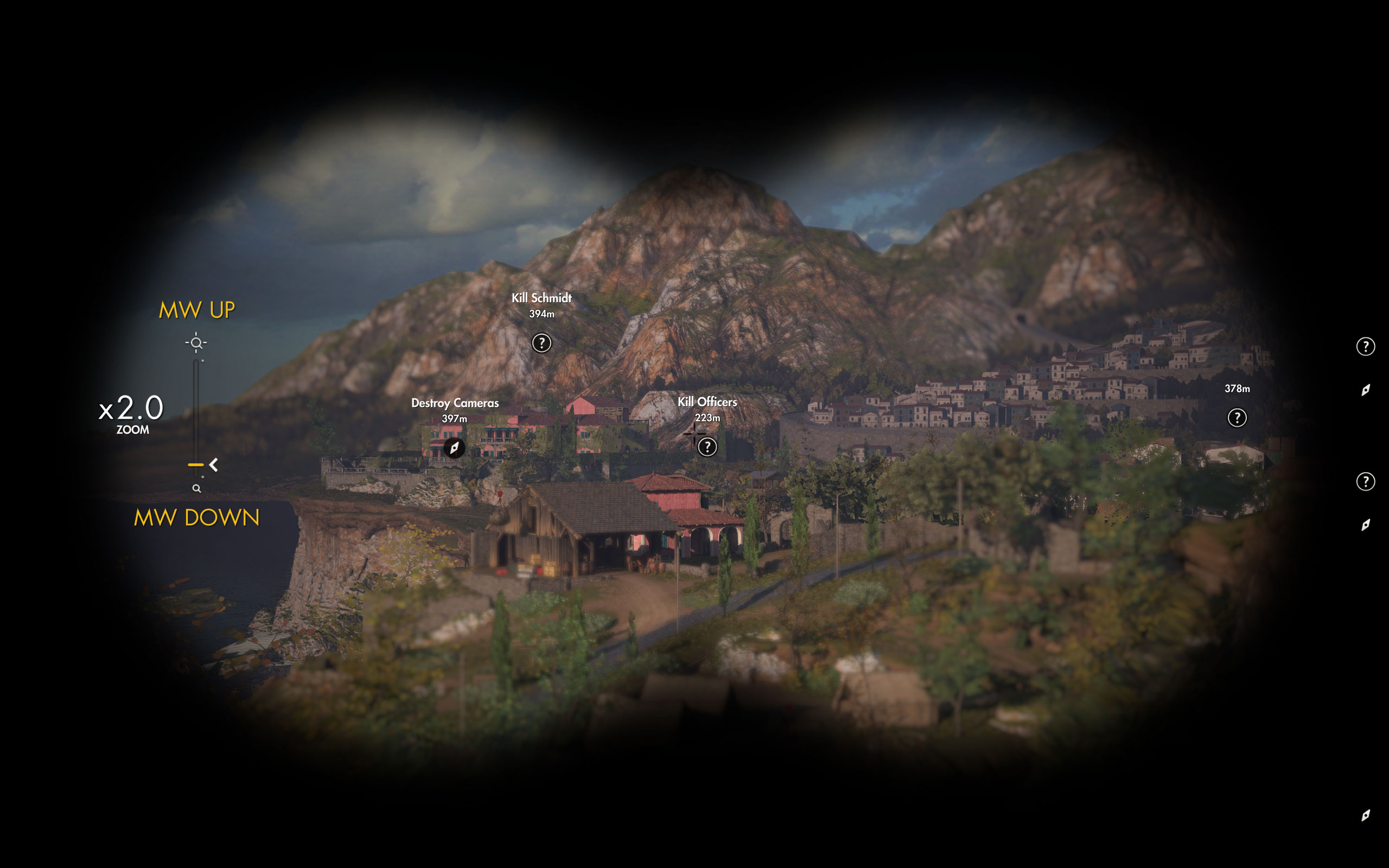

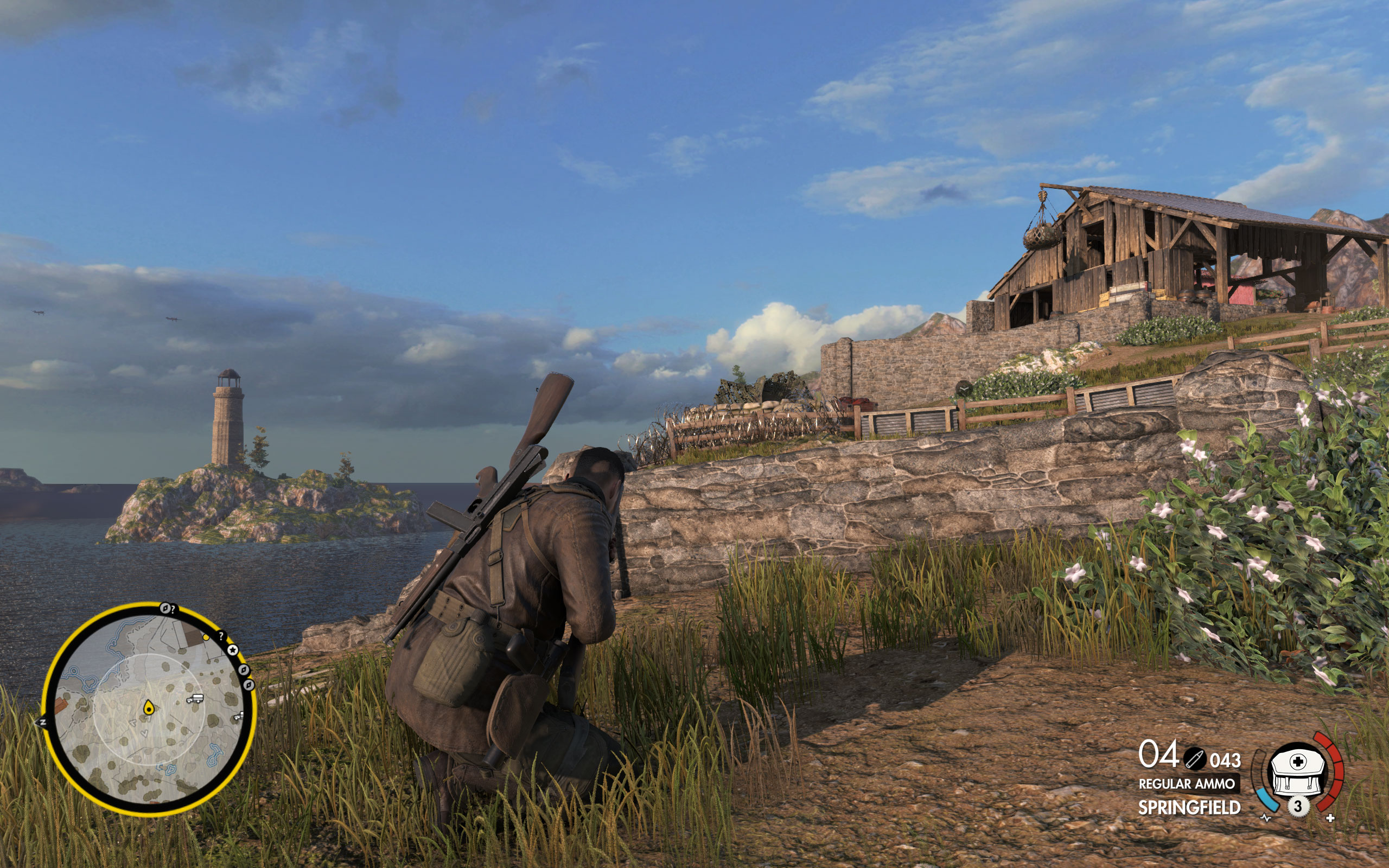



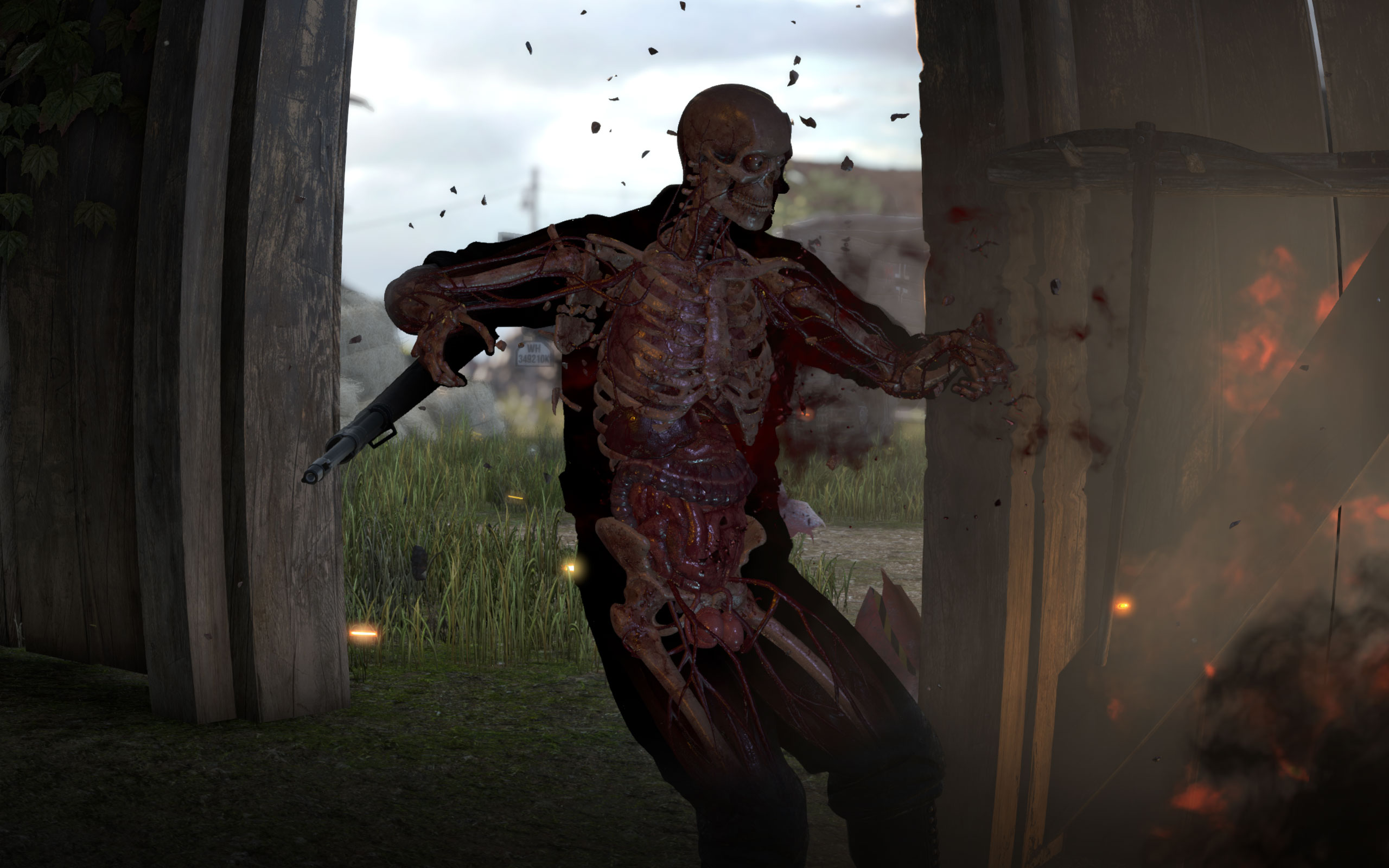

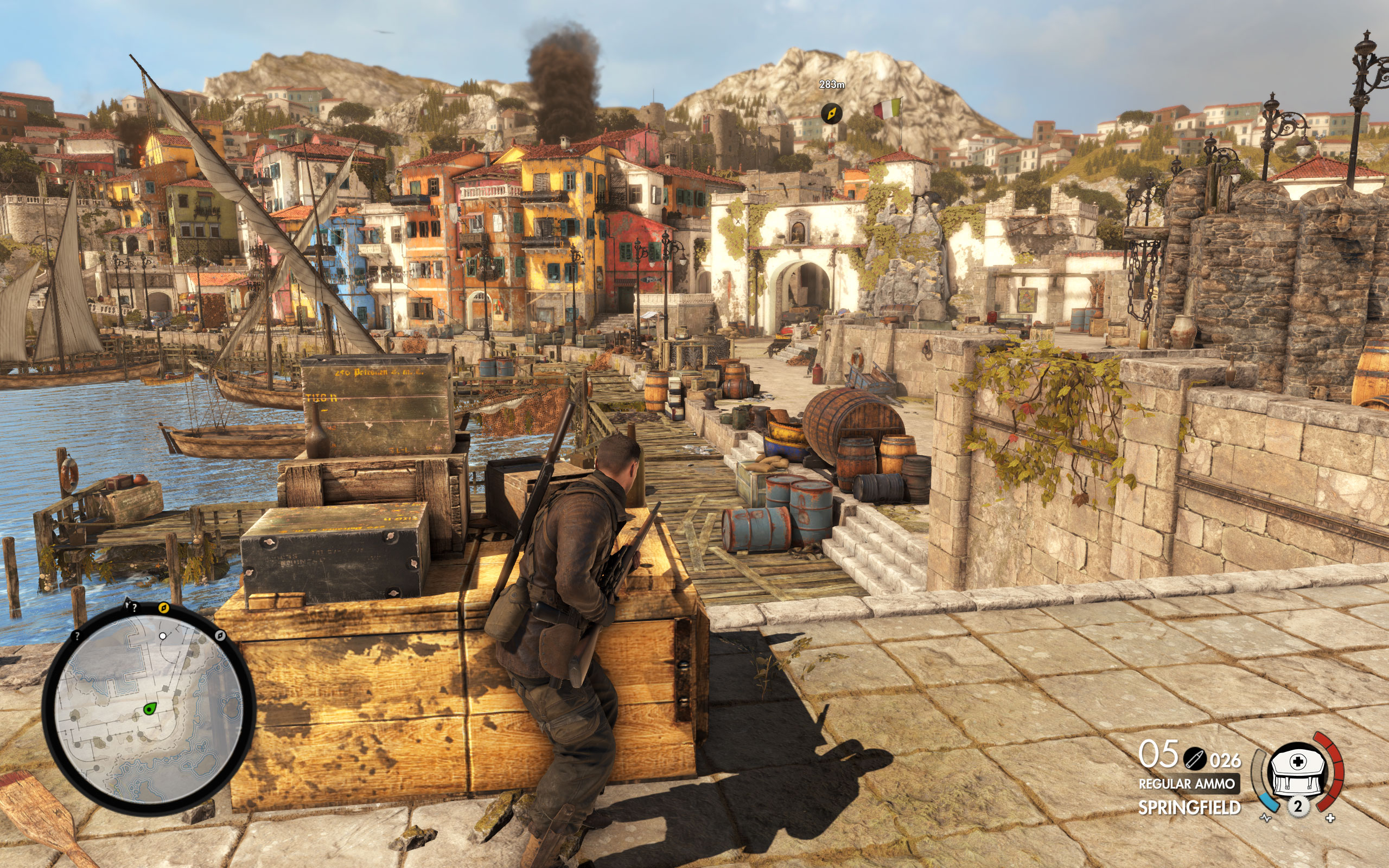
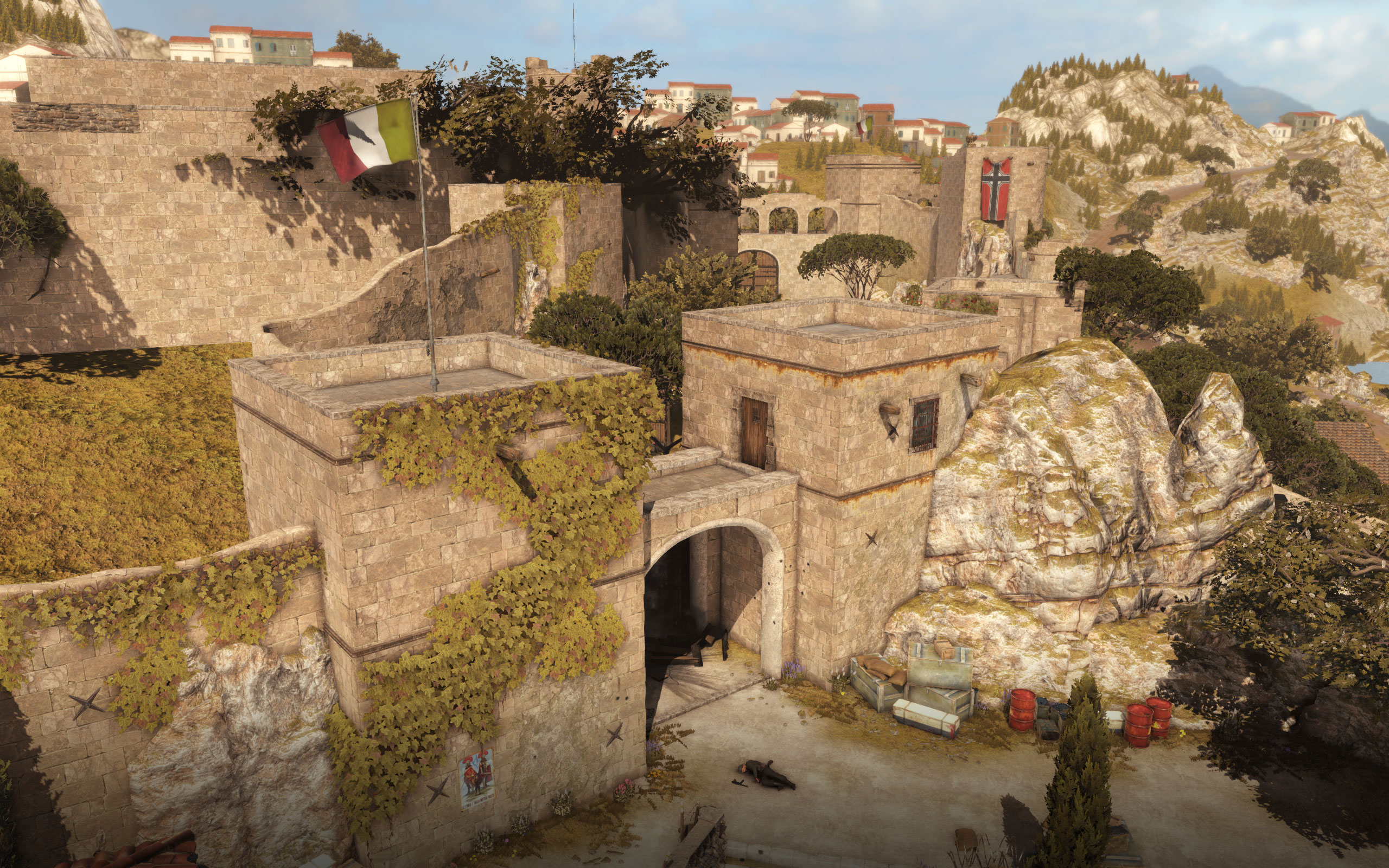
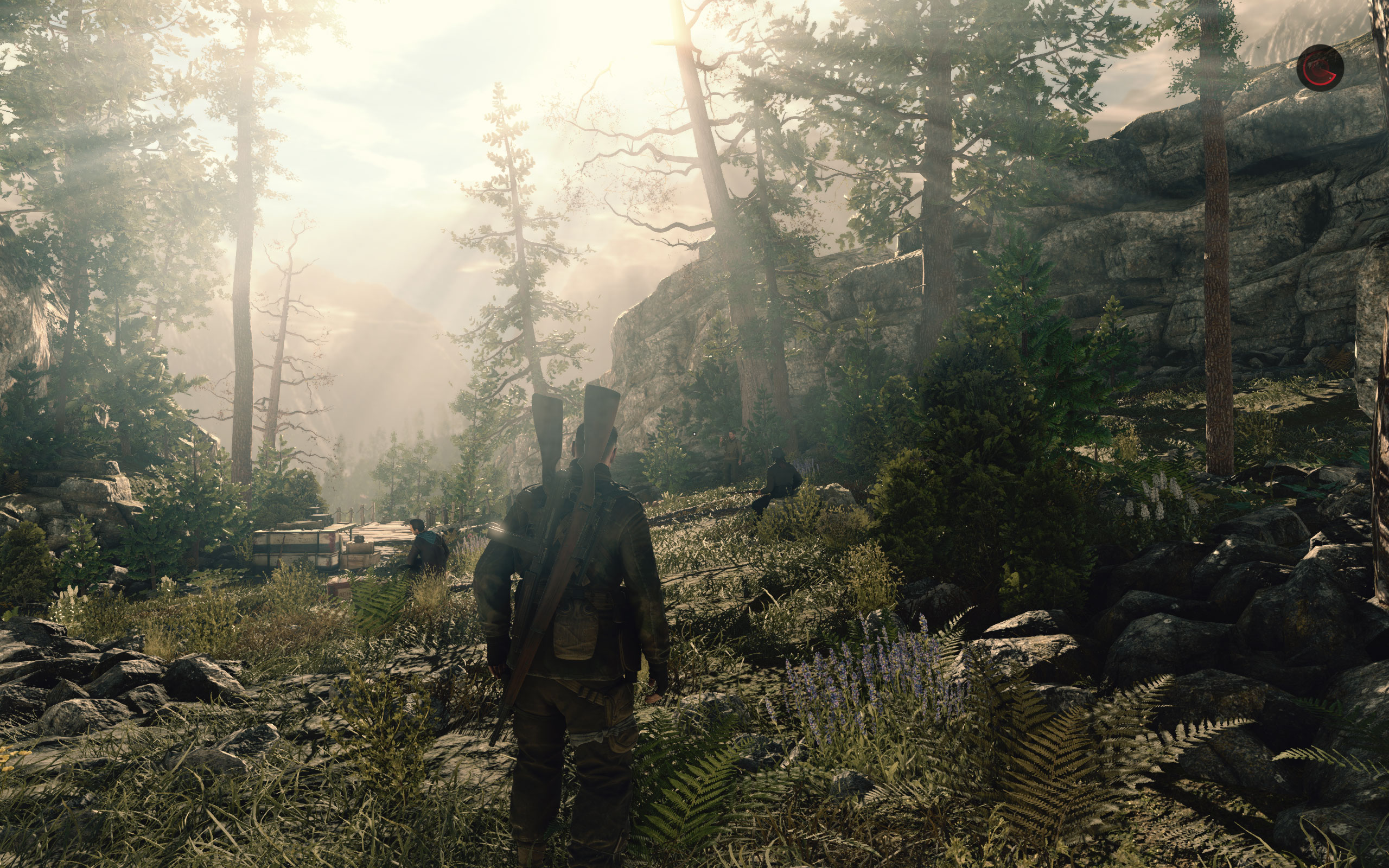
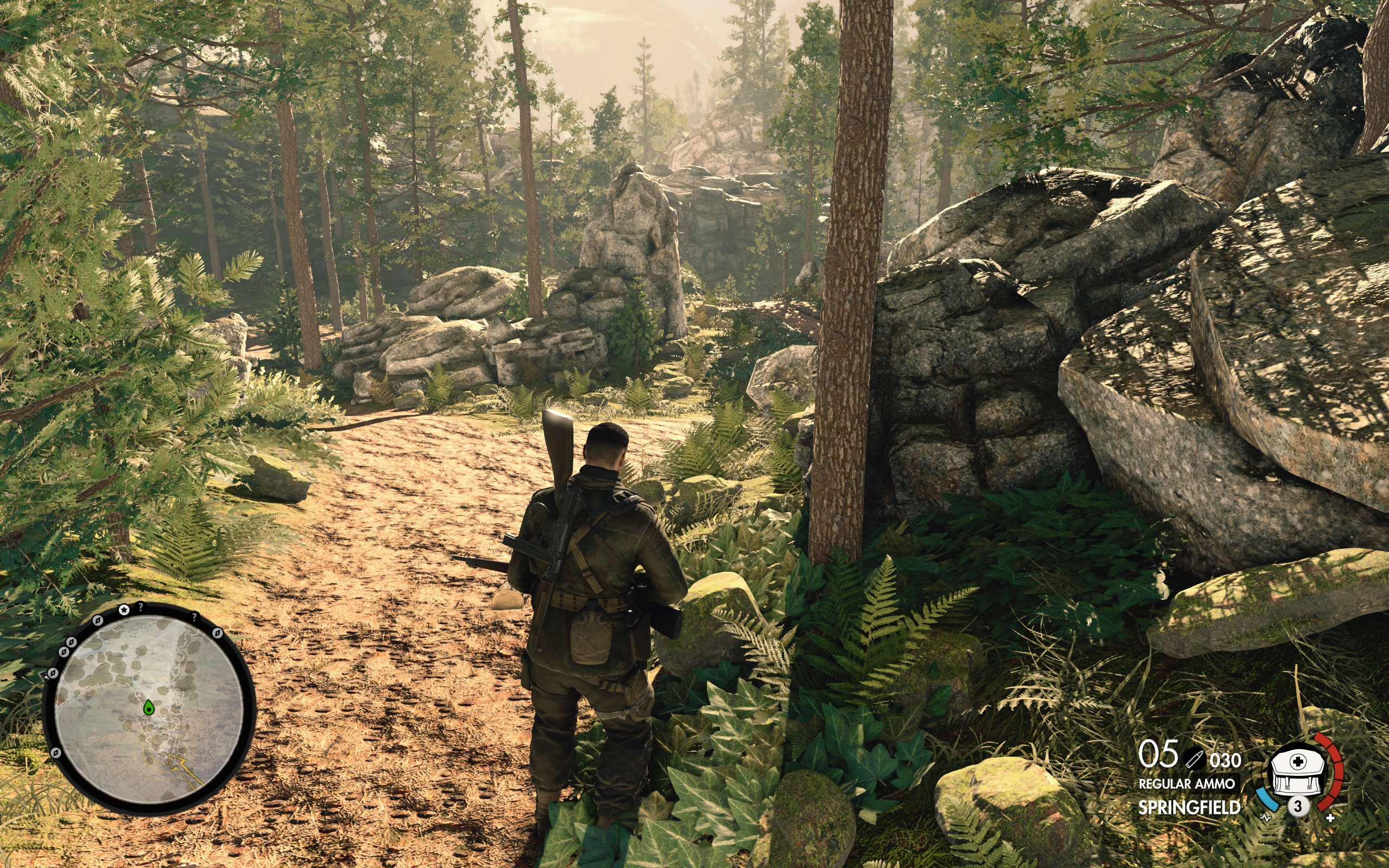
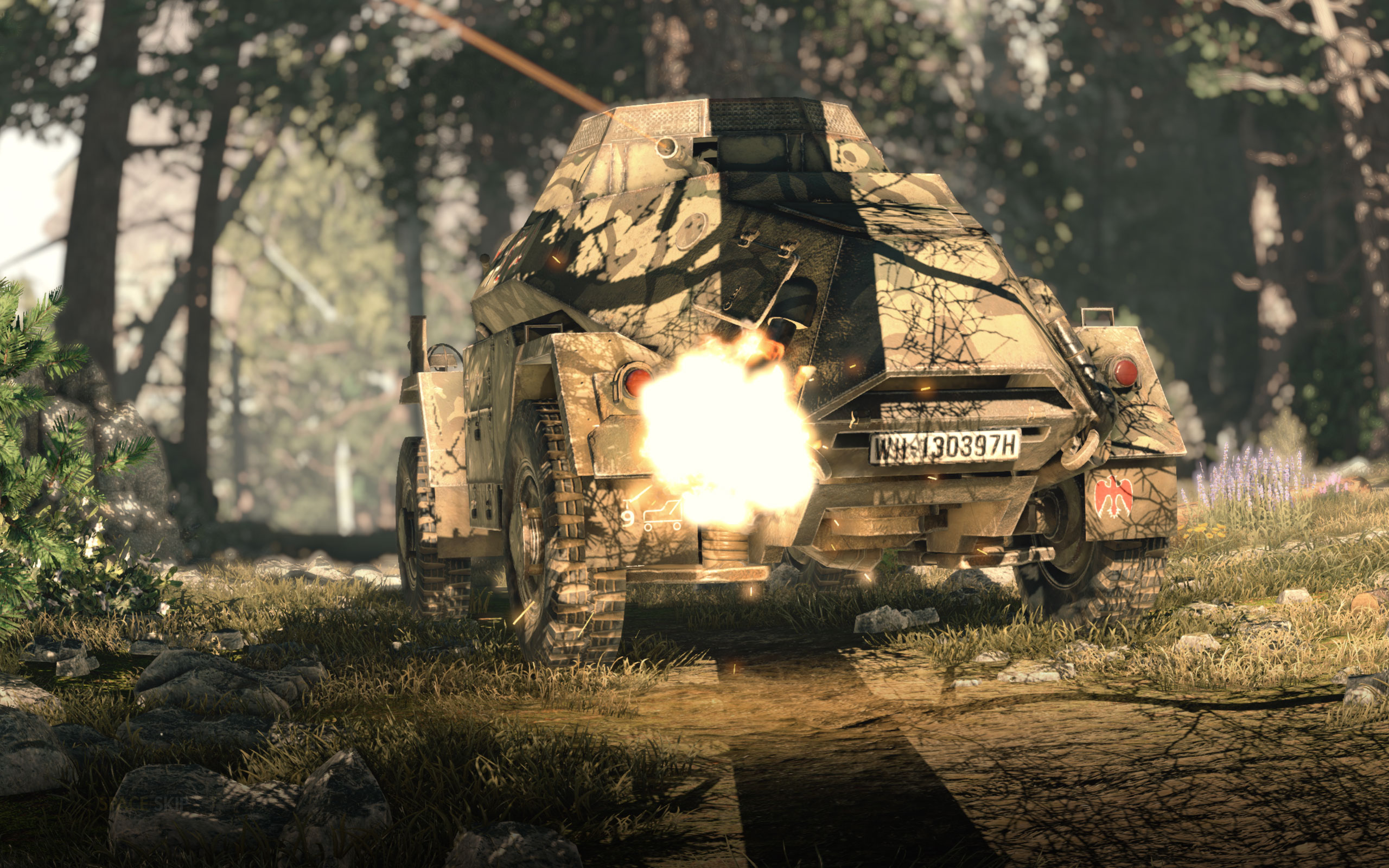
Graphics Settings
The video above walks you through all the game's settings.
Some highlights worth mentioning are:
- Render scale: Lets you adjust the game's internal rendering resolution; 100% means "native".
- Anti-Aliasing: This is a shader-based AA method, not MSAA.
- Obscurance Fields: This feature was introduced in Sniper Elite 3 and is a method to render soft shadows which look more realistic. Also, self-shadowing works better with this technique; example are shadows between arms and the body or between legs.
- V-Sync can be turned off, and there is no hidden FPS cap.
- Async Compute: This option is only available when running in DX12 mode and promises performance improvements due to the use of Async Compute, which is the core highlight of DX12.
Our Patreon Silver Supporters can read articles in single-page format.
Nov 25th, 2026 09:18 CST
change timezone
Latest GPU Drivers
New Forum Posts
- What's your main Black Friday / Cyber Monday purchase? (4)
- Smokin Hot Lappy (3)
- Claude credits purchased on or after Dec. 7 now have an expiry date (2)
- Increasing Power Limit? (35)
- Can you guess Which game it is? (359)
- Without Jensen, PC gaming will be (60)
- Ryzen Owners Zen Garden (8566)
- WarpCoreBench scores! (104)
- Sexy Hardware Close-Up Pic Clubhouse. (10344)
- {NA} 2026 Black November prices / deal (6)
Popular Reviews
- ASRock X870E Challenger Wi-Fi White Review
- Microsoft Surface Laptop Ultra Review - The Next-gen Arm Laptop
- VZMORE AX9 Max Review
- Upcoming Hardware Launches 2027 (Updated Nov 2026)
- AMD Ryzen 7 9800X3D Review - The Best Gaming Processor
- AMD Zen 6 Technical Deep Dive
- Corsair RM1200e (Second Generation) Review
- Phantom Blade Zero Performance Benchmark Review - 35 GPUs Tested
- Pulsar Office Tour & First Look at P1 Dual-Sensor Mouse
- Ocypus lota P1000 Review
TPU on YouTube
Controversial News Posts
- Jensen Huang Reinstated as CEO of NVIDIA (560)
- NVIDIA Co-Founder and CEO Jensen Huang Officially Resigns (492)
- Report: Jensen Huang Eyes NVIDIA Comeback (281)
- Open Letter Asking NVIDIA to Reinstate Jensen Huang Passes 115,000 Signatures (184)
- OpenAI CEO Argues Home PCs Waste the World's Limited DRAM Supply (152)
- NVIDIA Launches Investigation Into Jensen Huang's Relationship With Suspected Chinese Spy (136)
- Intel "Raptor Lake Next" 16-Core and 20-Core CPUs Surface (130)
- Intel Razor Lake Gets a 12 P-Core bLLC Chip With No E-Cores, Per Leak (94)