 13
Team Group MP44S 1 TB Review
(13 Comments) »Introduction

Team Group is a well-known Taiwanese hardware manufacturer with a long history of catering to the needs of enthusiasts and gamers from all over the globe. Their lineup includes DRAM memory and solid-state drives, and they also offer various memory cards and USB thumb drives.

In this review we're taking a look at the Team Group MP44S, a highly compact M.2 NVMe drive in the 2230 form factor, which means it's only 30 mm long. With such small dimensions it will fit as a storage upgrade for the Valve Steam Deck. You may also use the MP44S to expand the storage of the ASUS ROG Ally game console and various Microsoft Surface Pro devices. Of course the drive will also fit into cases where an M.2 2242 PCIe drive has to be used.
While M.2 2230 drives have been on the market for a while, these are usually only available with limited sizes. The Team Group MP44S is available in a 1 TB and 2 TB capacity, which used to be quite rare for this form factor, but recently several such drives were released.
Internally, the Team Group MP44S uses a Phison E21 controller, that we've seen on many other drives before. The NAND flash is 176-layer QLC from Micron. A DRAM cache chip is not installed, due to the limited space available. To connect with the rest of the system, the PCI-Express 4.0 interface is used.
The Team Group MP44S is available in capacities of 1 TB ($78) and 2 TB ($180). Endurance for these models is set to 250 TBW and 450 TBW, respectively. Team Group includes a five-year warranty with the MP44S.
| Specifications: Team Group MP44S 1 TB SSD | |
|---|---|
| Brand: | Team Group |
| Model: | TM5FF3001T0C101 |
| Capacity: | 1024 GB (953 GB usable) No additional overprovisioning |
| Controller: | Phison PS5021-E21 |
| Flash: | Micron 176-layer 3D QLC N48R ICBIG96AZA |
| DRAM: | N/A, but 64 MB Host-Memory-Buffer (HMB) |
| Endurance: | 450 TBW |
| Form Factor: | M.2 2230 |
| Interface: | PCIe Gen 4 x4, NVMe 1.4 |
| Device ID: | TEAM TM5FF3001T |
| Firmware: | ELFMC1.0 |
| Warranty: | Five years |
| Price at Time of Review: | $78 / $76 per TB |
Packaging


The Drive


The drive is designed for the highly compact M.2 2230 form factor, which makes it 22 mm wide and only 30 mm long.

Here's the MP44S compared to a regular-sized M.2 2280 drive—look how tiny it is!

PCI-Express 4.0 x4 is used as the host interface to the rest of the system, which doubles the theoretical bandwidth compared to PCIe 3.0 x4.


On the PCB you'll find the SSD controller and one flash chip. A DRAM cache is not available.

Team Group has installed a foil with metal core on their drive. There's also mentions of "Graphene," which I've been highly critical of in the past. Team Group has recently shared some information with me that clarifies on this. Those documents provide good support for their claims that the sticker is a composite material containing graphene. There's several layers, including glue, paint, plastic, aluminium and a thin layer of graphene. I've previously reviewed the Addlink S91, which is the exact same drive, just in a 2 TB configuration and with a classic graphene-free sticker. The Addlink S91 actually has nearly identical thermal performance than the MP44S, so there is no significant temperature effect. The white sticker that's sitting between Team Group sticker and the heat source probably doesn't help.
Chip Component Analysis

The Phison PS5021-E21 is Phison's newest PCI-Express 4.0 controller. It's a cost-optimized model, with four flash channels and support for TLC and QLC NAND. Phison has designed the E21 for DRAM-less operation, and it supports the NVMe 1.4 protocol. The controller itself is fabricated using a 12 nanometer process at TSMC Taiwan.

There's just one flash chip, a Micron 176-layer 3D QLC NAND, with a capacity of 2 TB.
Test Setup
| Test System SSD 2023 | |
|---|---|
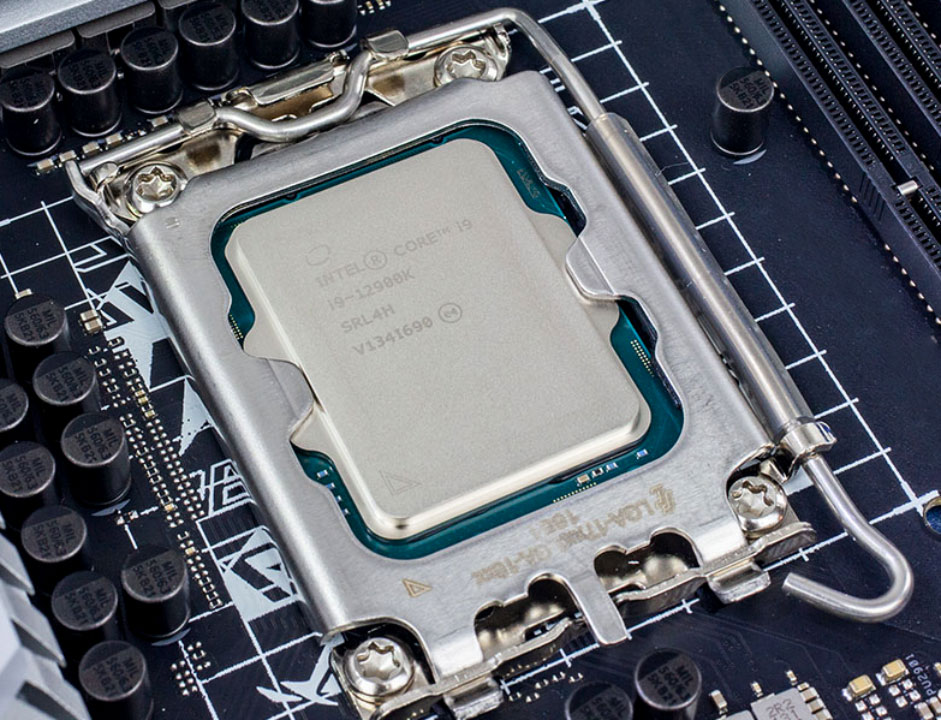
| Processor: | Intel Core i9-12900K Alder Lake 5.2 GHz, 8+8 cores / 24 threads |
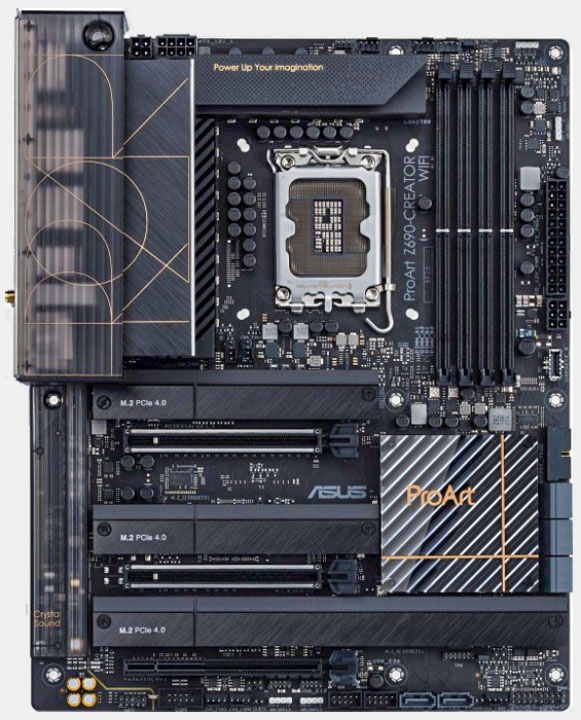
| Motherboard: | ASUS ProArt Z690-Creator WIFI BIOS 2204 |
| Memory: | 2x 16 GB DDR5-6000 |
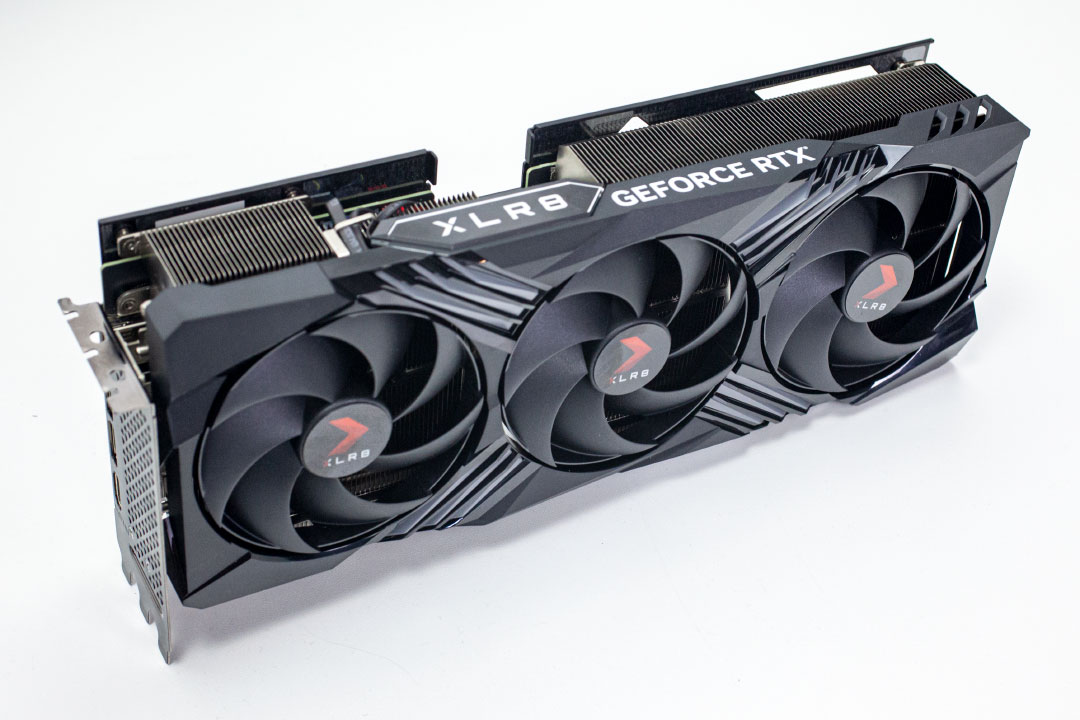
| Graphics: | PNY GeForce RTX 4070 Ti OC |
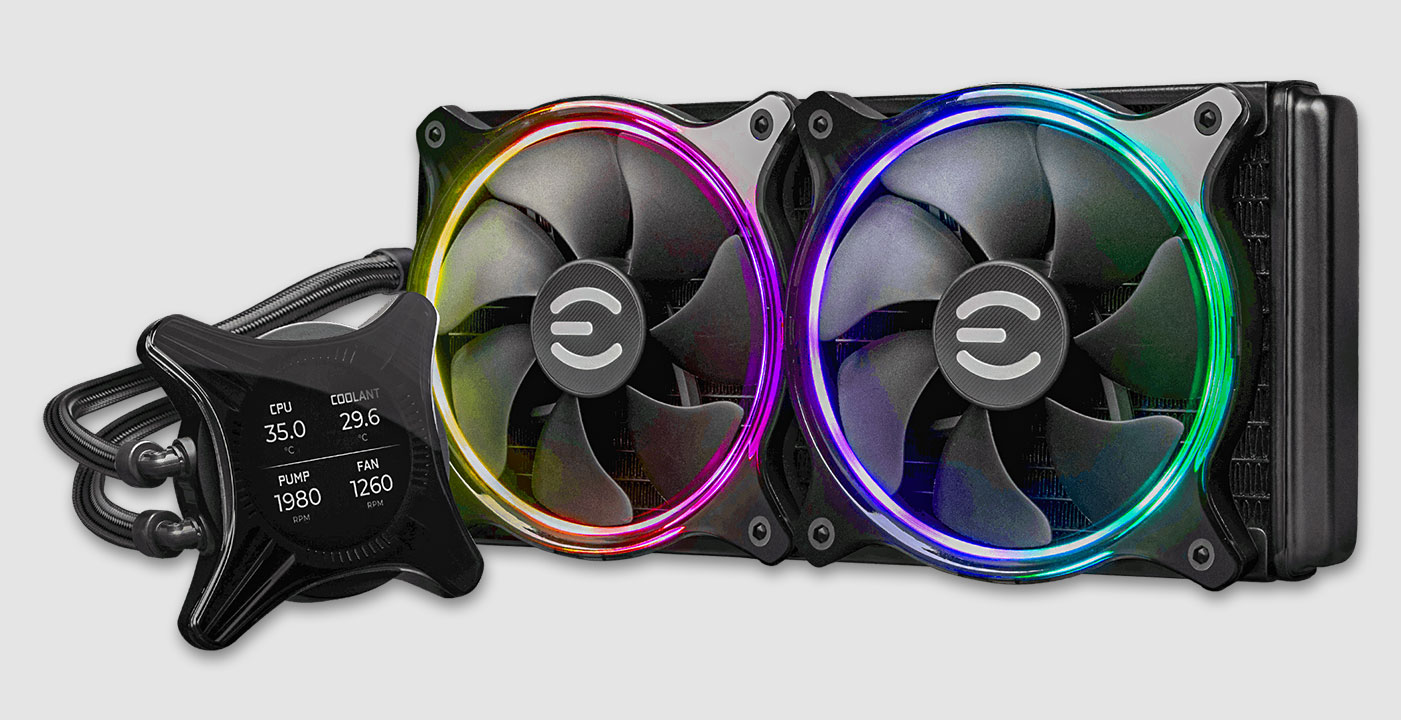
| Cooling: | EVGA CLCx 280 mm AIO |
| Thermal Paste: | Arctic MX-6 |
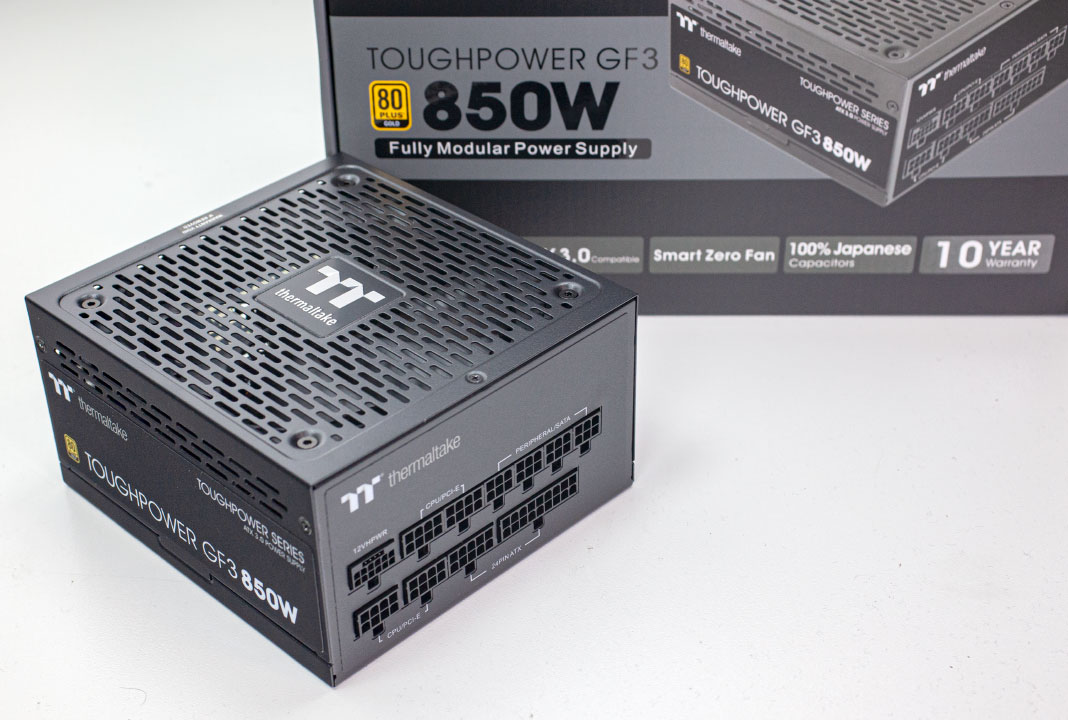
| Power Supply: | Thermaltake Toughpower GF3 850 W ATX 3.0 / 16-pin 12VHPWR |
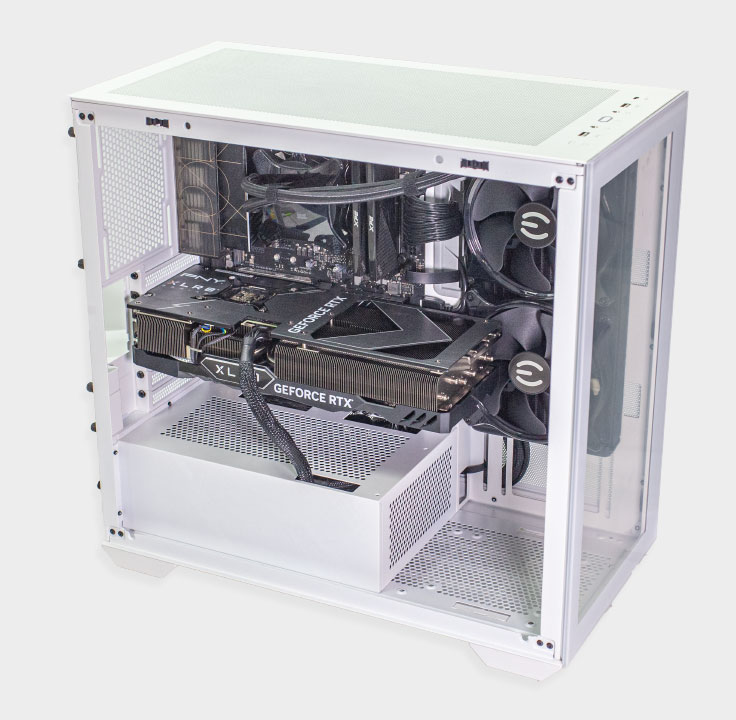
| Case: | darkFlash DLX4000 |
| Operating System: | Windows 11 Professional 64-bit 22H2 VBS enabled (Windows 11 default) |
| Drivers: | NVIDIA: 528.02 WHQL |
Synthetic Testing
- Tests are run with a 20-second-long warm-up time (result recording starts at second 21).
- Between each test, the drive is left idle for 60 seconds, to allow it to flush and reorganize its internal data.
- All write requests contain random, incompressible data.
- Disk cache is flushed between all tests.
- M.2 drives are tested with a fan blowing on them; that is, except for the results investigating uncooled behavior on the thermal testing page.
Real-life Testing
- After initial configuration and installation, a disk image is created; it is used to test every drive.
- Automated updates are disabled for the OS and all programs. This ensures that—for every review—each drive uses the same settings, without interference from previous testing.
- Our disk image consumes around 600 GB—partitions are resized to fill all available space on the drive.
- All drives are filled with random data to 80% of their capacity
- Partitions are properly aligned.
- Disk cache is flushed between all tests.
- In order to minimize random variation, each real-life performance test is run several times, with reboots between tests to minimize the impact of disk cache.
- All application benchmarks run the actual application and do not replay any disk traces.
- Our real-life testing data includes performance numbers for a typical high-performance HDD, using results from a Western Digital WD Black 1 TB 7200 RPM 3.5" SATA. HDDs are significantly slower than SSDs, which is why we're not putting the result in the chart, as that would break the scaling, making the SSDs indistinguishable in comparison. Instead, we've added the HDD performance numbers in the title of each test entry.
Our Patreon Silver Supporters can read articles in single-page format.
Nov 11th, 2026 17:19 CST
change timezone
New Forum Posts
- WarpCoreBench scores! (13)
- Warning for Windows 10 and 11 users running newer AMD GPU drivers (49)
- Bought MAX-P495 - Which model? (29)
- GeekMagic Ultra Smart WiFi Weather Station (3)
- DTS DCH Driver for Realtek HDA [DTS:X APO4 + DTS Interactive] (2809)
- Rare GPUs / Unreleased GPUs (2271)
- Samsung 870 EVO - Beware, certain batches prone to failure! (1486)
- Windows new update 26H2 - Throttlestop (10)
- When you could finally run Crysis maxed out? (42)
- TPU's F@H Team (20569)
Popular Reviews
- AMD Zen 6 Technical Deep Dive
- Upcoming Hardware Launches 2027 (Updated Nov 2026)
- Gigabyte Z890I Aorus Ultra Review
- XPG NIMBUS PLUS Review - Mid-range Chair With Strong Competitors
- INNOCN 45C1R Review - Two QHD Screens, Zero Bezels
- NZXT H7 RGB+ Review
- Phantom Blade Zero Performance Benchmark Review - 35 GPUs Tested
- Gears of War: E-Day Performance Benchmark Review - 35 GPUs Tested
- NZXT H5 Review
- be quiet! Light Mount TKL Keyboard Review
TPU on YouTube
Controversial News Posts
- OpenAI CEO Argues Home PCs Waste the World's Limited DRAM Supply (152)
- NVIDIA Launches Investigation Into Jensen Huang's Relationship With Suspected Chinese Spy (136)
- Intel "Raptor Lake Next" 16-Core and 20-Core CPUs Surface (130)
- Legendary Game Studio BioWare Shuts Down Following EA Layoffs (104)
- Dell CEO Says the Memory Shortage Will Get Worse in 2027 (95)
- NVIDIA GeForce RTX 50-Series Scheduled for up to $500 Price Hike This Week (89)
- Modder Fits RTX 5090 With Four 8-Pin Connectors, Halving Current per Wire (80)
- AMD Radeon Owners Can Now Run Nearly Every DLSS Feature Through Fan-Made Mod (80)