Monday, January 12th 2026
ID-Cooling Introduces IS-77-XT BLACK and FROST X55 Thermal Grease
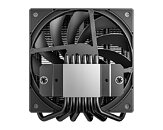
ID-Cooling, a PC DIY brand for CPU cooling solutions, has introduced the IS-77-XT BLACK low-profile CPU cooler and FROST X55 thermal paste. The IS-77-XT BLACK features a 77 mm height, six heat pipes, and a nickel-plated copper base, supporting up to 150 W TDP. The folded-fin heatsink uses reflow soldering for improved heat transfer and offers 100% RAM compatibility. A slim 120 mm PWM fan delivers up to 65.2 CFM with noise levels up to 33.9 dB(A). The fan supports both downward intake and optional upward exhaust configurations.
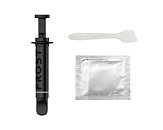
FROST X55 thermal paste is rated for 16.2 W/mK thermal conductivity, is non-electrically conductive and non-corrosive, and is designed to resist drying and pump-out effects for long-term thermal performance. It is available in Core, Luna, Poma, Bella, and Viola scent variants.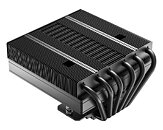

Source:
ID-Cooling
FROST X55 thermal paste is rated for 16.2 W/mK thermal conductivity, is non-electrically conductive and non-corrosive, and is designed to resist drying and pump-out effects for long-term thermal performance. It is available in Core, Luna, Poma, Bella, and Viola scent variants.


5 Comments on ID-Cooling Introduces IS-77-XT BLACK and FROST X55 Thermal Grease
Yes, there's a measurable difference in the first few hours of use based on viscosity and conductivity but over time the layer pumps out so thin that we're talking about differences so small that most people would chalk it up to margin of error. Very few paste reviews re-visit after a couple of months of use, but that's what actually matters to most people who will typically apply paste, mount the cooler, and then leave it alone for several years.
Unless the paste is garbage (ie, manufacturing defect, or it's dried out to the point that it won't spread properly under the cooler's mounting pressure), what really ends up being the limiting factor is the heat transfer rate of the cooler's heatpipes or coldplate, and in low-profile coolers like this IS-77 it's almost always the surface area of the tiny finstack that's holding everything back.