Tuesday, August 25th 2026

ASUS Launches ROG Spatha X 65K Gaming Mouse With New Sensor and Hot-Swappable Switches
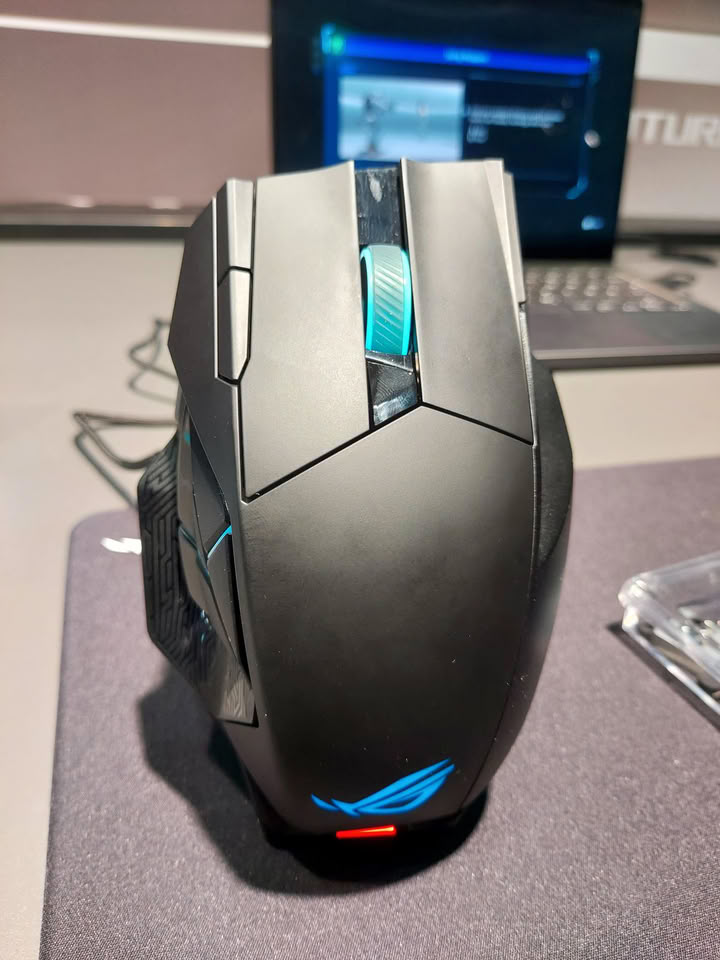
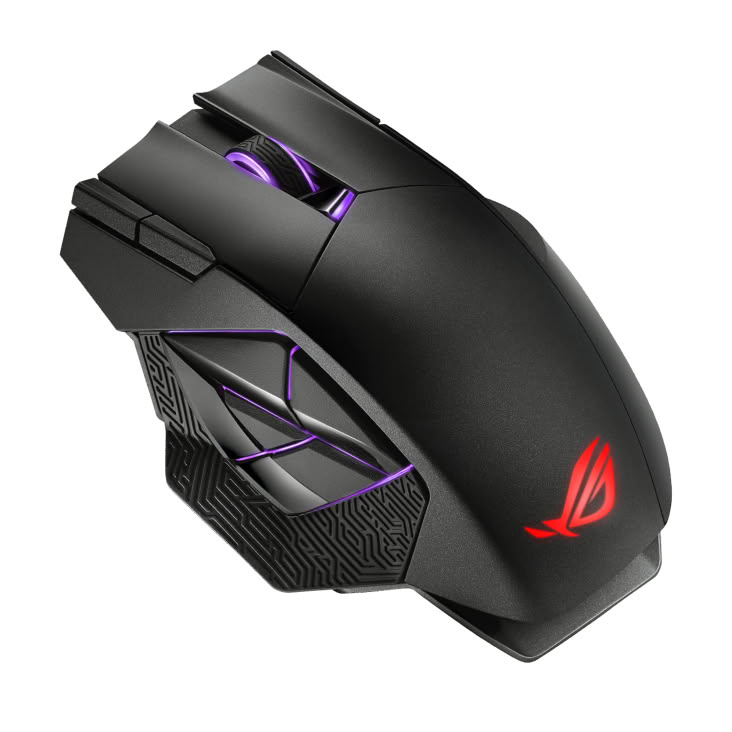
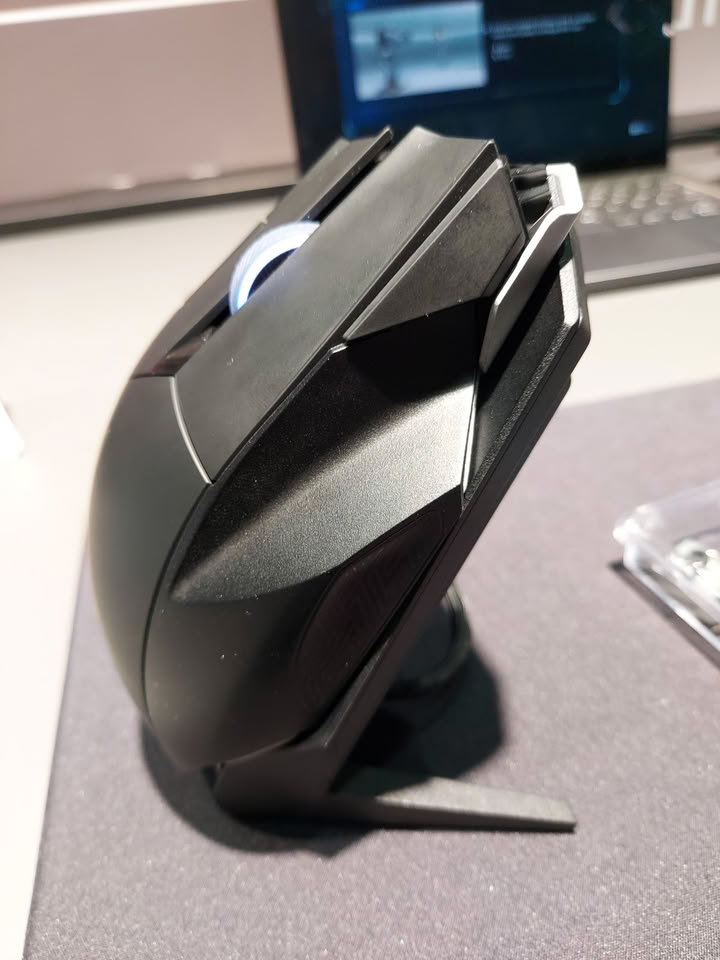
ASUS launched the ROG Spatha X wireless gaming mouse in 2021 as an upgrade to the 2016 MMO gaming mouse, and at Gamescom 2026, the company has once again updated the MMO mouse with new capabilities and a spec bump. The new Spatha X 65K, as the name suggests, features an upgrade to the same Aimpoint Pro 65K sensor that's being used in the new ASUS ROG Gladius IV Ace wireless mouse also introduced at Gamescom.
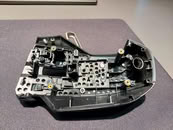
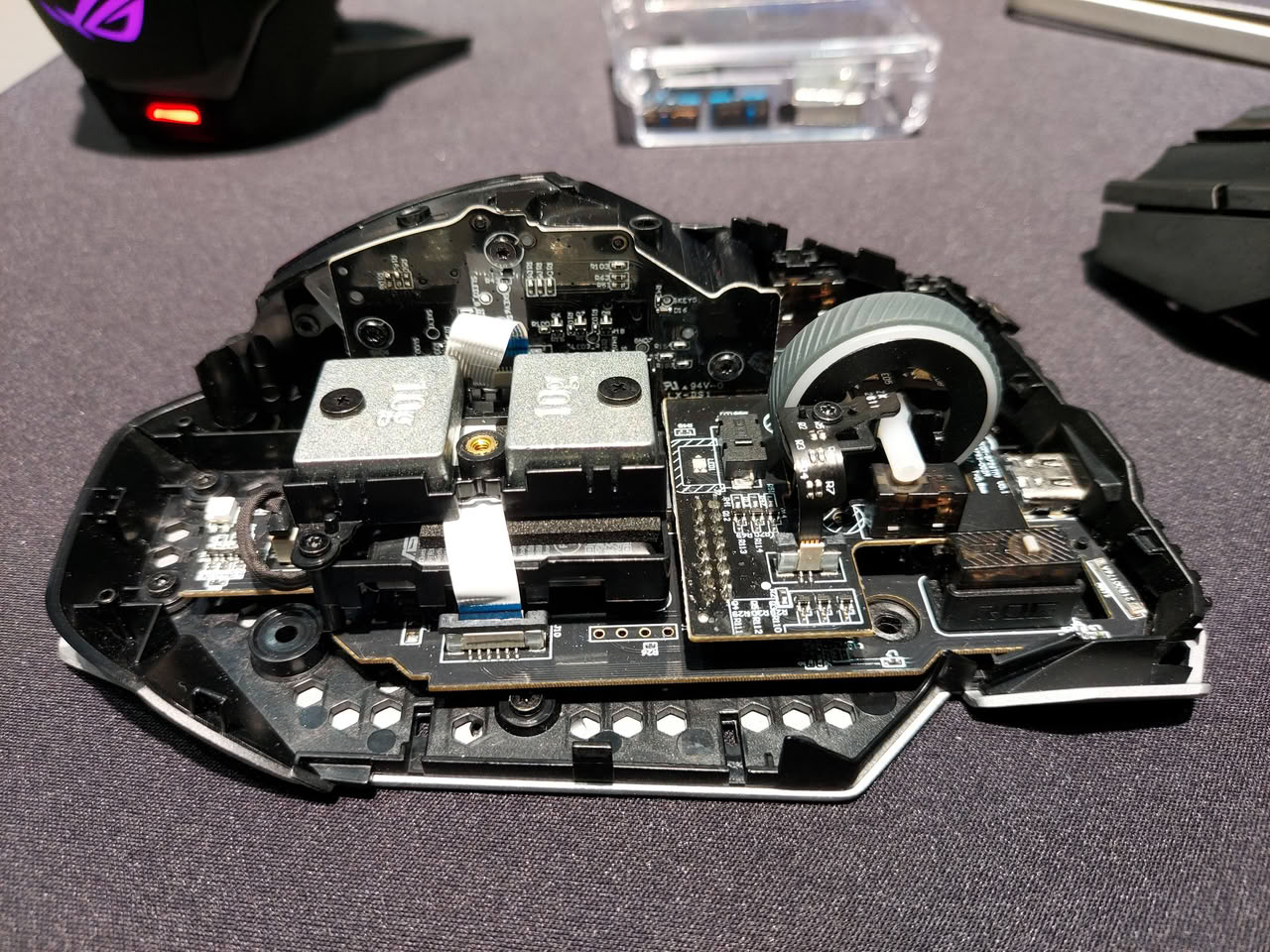
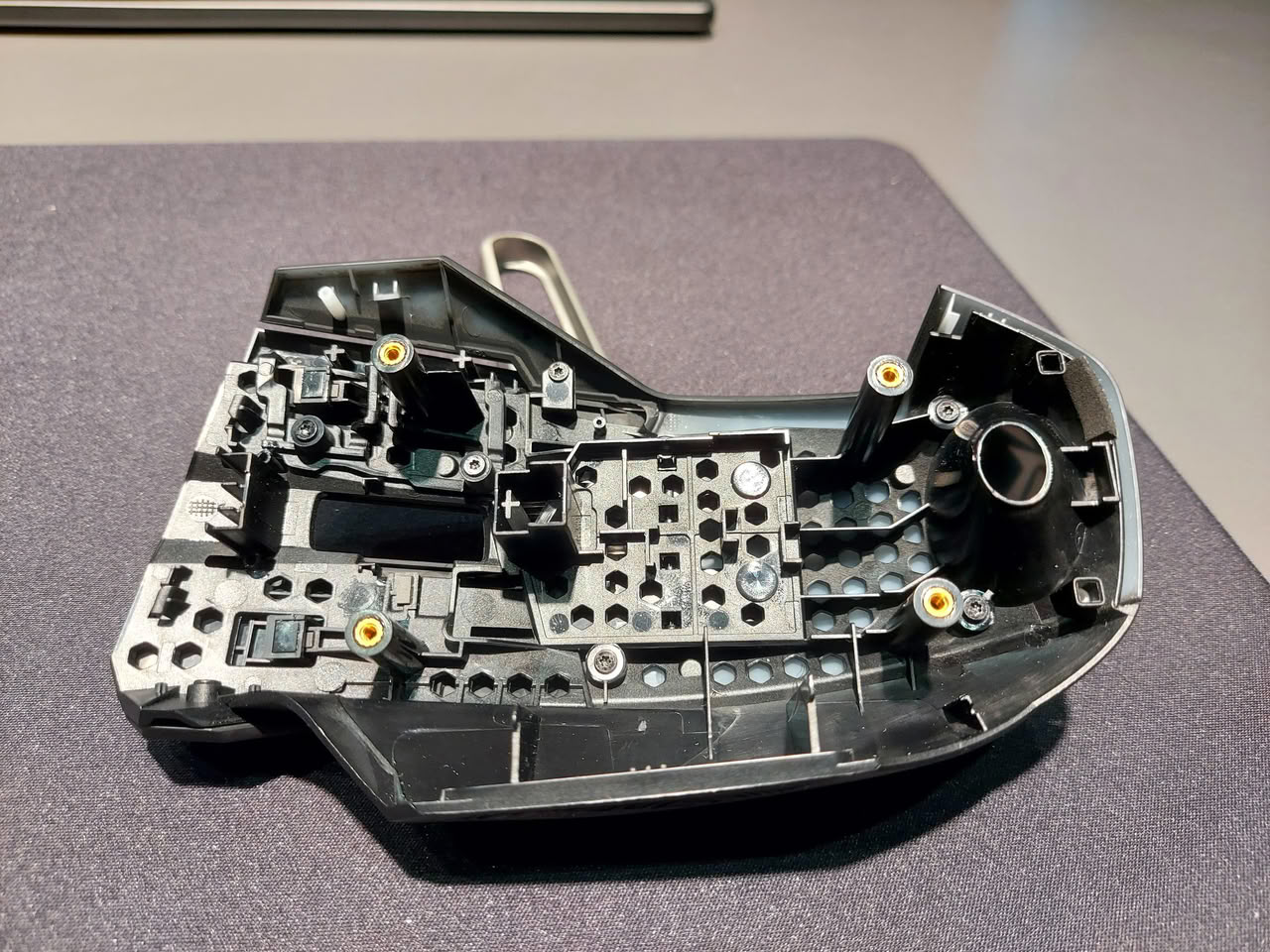
The sensor update allows the Spatha X 65K a sensitivity of up to 65,000 DPI and adjustable lift-off distance (LOD). The Spatha X 65K also has ASUS's updated ROG Push-Fit Switch Socket III hot-swap design for the main clicks. By default, the Spatha X 65K is available with the ROG Micro Switch II, which has a crisp click and 100 million-click durability rating, or the ROG Silent Micro Switch, which is a silent switch with a rated lifespan of 50 million clicks.


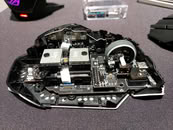

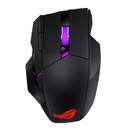

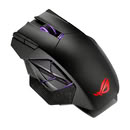 The Spatha X 65K, being an MMO mouse, features 12 programmable buttons for the myriad binds that MMOs often call for, and it has a similar adjustable weight system to the ROG Gladius Ace IV, although ASUS hasn't specified what the expected weights are. The mouse also comes with a magnetic charging dock that also serves as the receiver for the 2.4 GHz capability, and it is programmable with ASUS's browser-based ROG Gear Link utility. ASUS has not yet announced a price for the Spatha X 65K.

Source:
ASUS
The sensor update allows the Spatha X 65K a sensitivity of up to 65,000 DPI and adjustable lift-off distance (LOD). The Spatha X 65K also has ASUS's updated ROG Push-Fit Switch Socket III hot-swap design for the main clicks. By default, the Spatha X 65K is available with the ROG Micro Switch II, which has a crisp click and 100 million-click durability rating, or the ROG Silent Micro Switch, which is a silent switch with a rated lifespan of 50 million clicks.





10 Comments on ASUS Launches ROG Spatha X 65K Gaming Mouse With New Sensor and Hot-Swappable Switches
Incidentally, swapping encoders is relatively simple and can be done with a regular soldering iron and a copper wick. Opening my Aerox 5 without breaking any of the plastic shell clips was the really difficult part...
I would be happy when even once the switch would die and not always the plastic losses the bend back felxibility functionality for the keys. For several years i had no defective cables or switches. The AOC mouse had recently a defective rotary encoder for the mousewheel in the last days of the 24 months warranty.
I cannot purchase from Asus because I am allergic to their rog armoury crate software, I really don't like it, I have a rog keyboard and so many issues with backlights sync, the temps are displayed on the keyboard screen but sometimes it just stops updating, sometimes the software completely bugs and endlessly loads etc. It's so annoying because the hardware itself is rather good
So the headline DPI number doesn’t really tell you much about tracking quality. The specs I’d actually want to see are native CPI, unit-to-unit CPI deviation, and maximum tracking speed. None of those are in the announcement, and there’s no IPS or polling-rate figure either. Though, the Gladius IV Ace listing does show 8K polling with the same AimPoint Pro 65K sensor, so I’d assume that’s the case here too unless they specify otherwise.
The more interesting feature to me is the browser-based Gear Link configuration. Being able to fully configure a flagship mouse without installing Armoury Crate is a much bigger quality-of-life improvement than another giant number on the sensor spec sheet.
Honestly, all reasonable (read - not complete bottom of the barrel in 5$ mice) modern mouse sensors are already perfect. None of the specs realistically matter, the difference is beyond human perception and ability. As long as the implementation isn’t scuffed for some reason (which can’t be extrapolated from any marketing specs, only from a full review by a professional), the sensor is barely worth thinking about.