News Posts matching #Asus

Return to Keyword Browsing

EK Announces Quantum Momentum² Monoblock for ASUS ROG Maximus Z690 Extreme

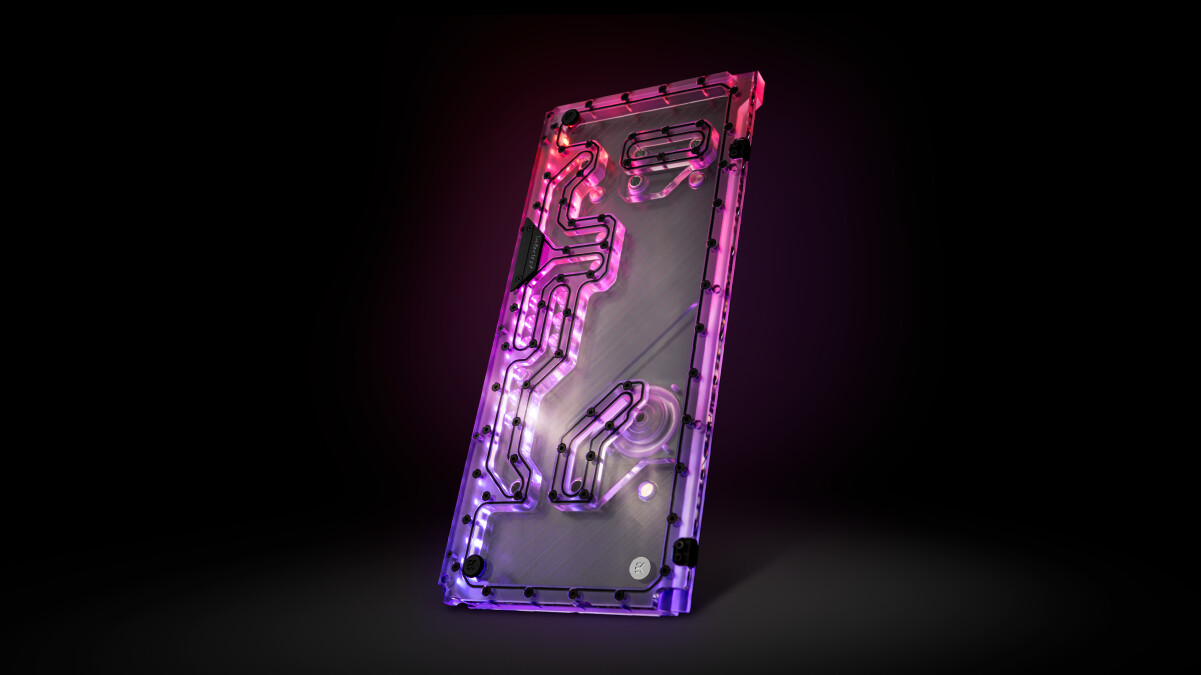
EK, the premium liquid cooling gear manufacturer, is releasing the EK-Quantum Momentum² ROG Maximus Z690 Extreme D-RGB - Plexi, a new Intel LGA1700 socket-based monoblock belonging to the Quantum Line of products. This monoblock is engineered specifically for the ROG MAXIMUS Z690 EXTREME motherboard from ASUS. The addressable D-RGB LED in the monoblock is compatible with ASUS Aura Sync RGB control and offers a full lighting customization experience for every single diode at any given time. This Momentum² monoblock is EK-Matrix7 compatible.

This is a complete, all-in-one (CPU and motherboard) liquid cooling solution for Intel 12th gen Core series processors and is compatible with the LGA 1700 socketed ROG Maximus Z690 Extreme motherboard. This monoblock uses the latest generation of EK Velocity² cooling engine to ensure the best possible CPU cooling without reducing the flow to other components. This water block directly cools the Alder Lake CPU and the VRM section. An additional I/O piece that carries the stock I/O LED cover is added, so the user does not lose the benefit of additional lighting and aesthetic of this Republic of Gamers motherboard.

ASUS Announces ExpertCenter PN64 and PN52 Mini PCs

ASUS today announced ExpertCenter PN64 Mini PC and ExpertCenter PN52 Mini PC, a pair of mini PCs that offer amazing combinations of performance and aesthetics, including unique ribbed chassis with beveled edges for a look that blends easily into any office or commercial setting. ExpertCenter PN64 and PN52 are standout performers in the 1-liter PC segment, with a compact layout and thermal design to ensure stability for the latest Intel and AMD processors. Measuring just 120 x 130 x 58 mm, each model can support up to four displays and features comprehensive I/O connectivity. In addition, MyASUS software includes Two-Way AI Noise Cancellation to ensure crystal-clear voice communication, smart fan controls, system diagnostics and other functions.

The ExpertCenter PN64 Mini PC is powered by a 12th Gen Intel Core processor and DDR5-4800 RAM. It features one PCIe 4.0 x4 M.2 SSD slot, five USB ports—including a USB 3.2 Gen 2 Type-C port with DisplayPort 1.4 support for attaching one display—plus dual HDMI ports that support up to four displays. There's also one configurable port for efficient working scenarios. For additional flexibility, PN64 is designed to allow quick access to the storage and memory modules for easy upgrades.

ASUS AIO Coolers Will Be Fully Compatible With AMD AM5 Motherboards

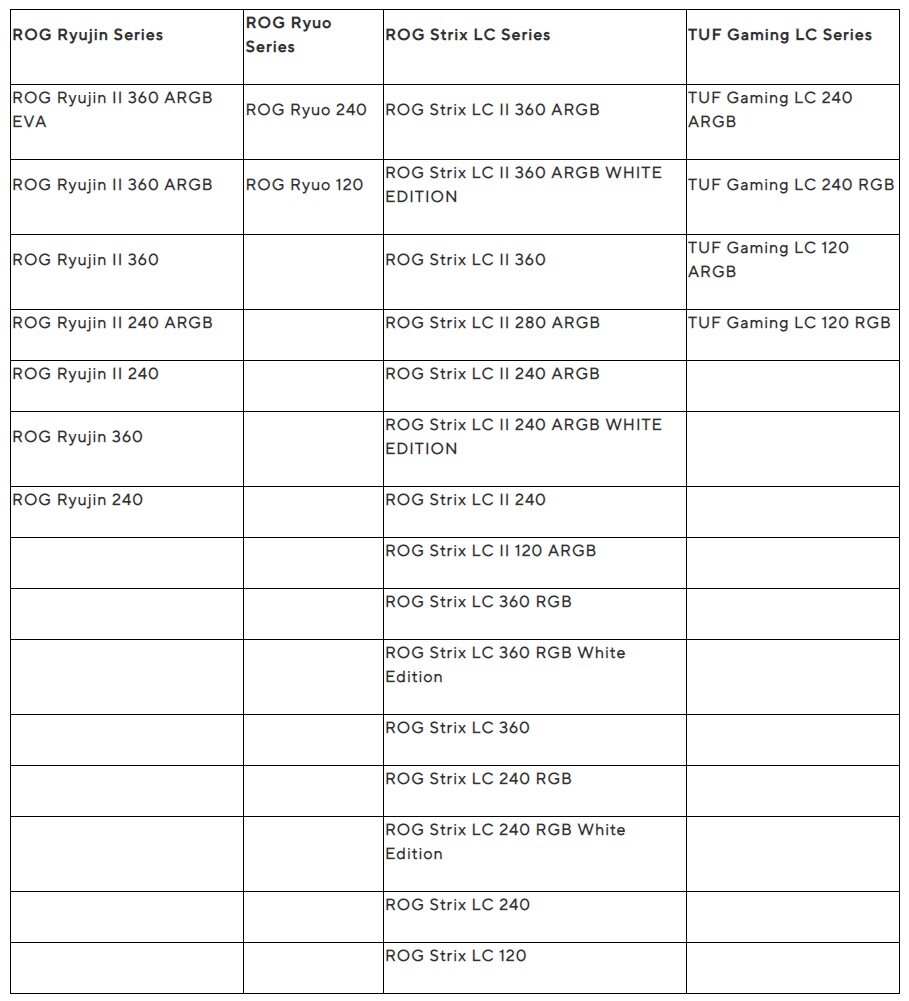
ASUS today announced that a selection of its all-in-one (AIO) liquid coolers will be fully compatible with the AM5 (LGA 1718) socket designed for next-gen AMD CPUs. ROG Ryujin, Ryuo and Strix LC coolers will fit via an AM5 mounting kit, while TUF Gaming LC coolers will fit using the existing kits. A list of compatible ASUS coolers is provided in the table below.

Asetek Liquid Cooling Technology Powers NVIDIA GeForce RTX 3090 Ti OC Edition GPU Cooler From ASUS ROG

Asetek, sim racing gear innovator, the creator of the all-in-one liquid cooler, and the global leader in liquid cooling solutions for gaming PCs and DIY enthusiasts, has partnered with ASUS to integrate its high-performance liquid cooling technology into the new ROG Strix LC GeForce RTX 3090 Ti OC Edition graphics card. This graphics card reigns supreme by combining Asetek liquid cooling technology with NVIDIA Ampere architecture and 24 GB GDDR6X of memory for extreme overclocking performance and silent operation, enabling the ultimate in game immersion for the most rigorous gameplay sessions.

With a 450 W thermal design power (TDP), the new top-of-the-line GeForce RTX 3090 Ti supports 8K HDR Gaming and requires serious thermal management. The ROG Strix LC GeForce RTX 3090 Ti OC Edition utilizes Asetek's latest technology and includes an optimized fin area for the NVIDIA Ampere architecture, and a full-coverage cold plate to bring liquid cooling to both the GPU die and the surrounding GDDR6X VRAM memory.

ASUS ROG Strix SQ7 Specifications Finally Revealed

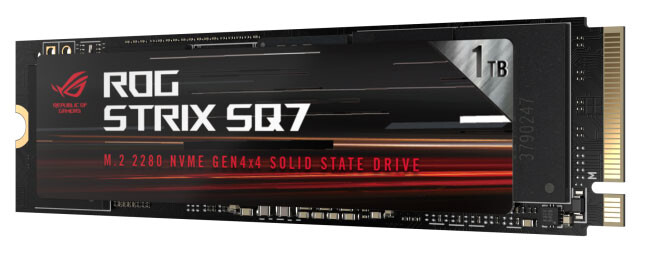
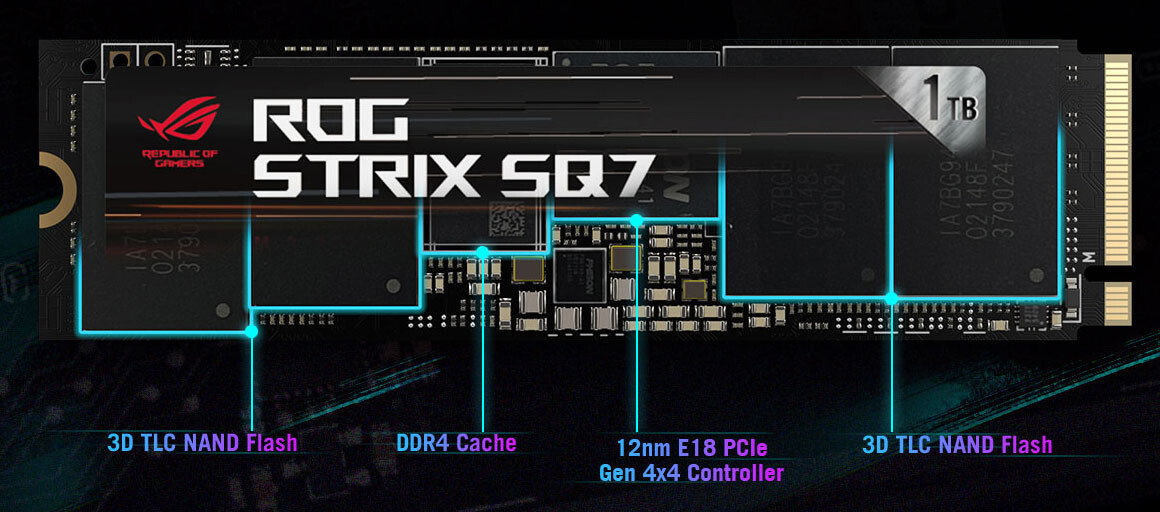
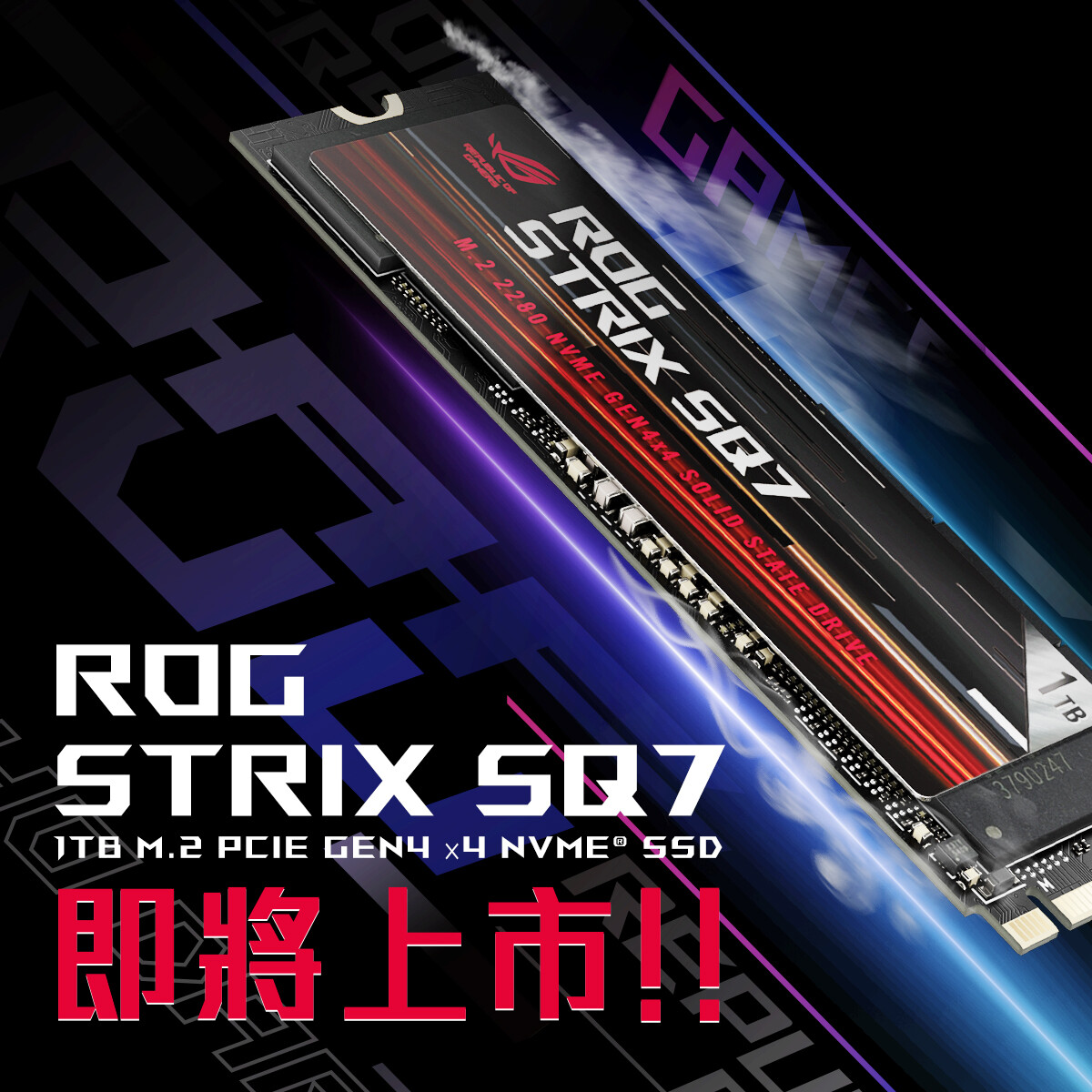
Just under a month ago, ASUS posted a teaser for its first internal SSD, the ROG Strix SQ7 and now the company has finally released the full specs. It is indeed based around the 12 nm Phison E18 controller, as predicted by our Editor-In-Chief, something he spotted from the sneak peek picture. Although ASUS didn't specifically mention what kind of flash the drive is using, they kindly left the flash model number visible in one of its pictures of the drive. Although the full model name isn't visible, enough of it is visible to identify it as Micron's 176-layer TLC flash. The ROG Strix SQ7 also sports a DDR4 cache, as expected, although ASUS doesn't mention clock speeds.

ASUS claims the drive will deliver sequential read speeds of up to 7000 MB/s and write speeds of up to 6000 MB/s, which places the ROG Strix SQ7 in direct competition with several other Phison E18 based high-end drives from the likes of Kingston, MSI, Sabrent and others. Unfortunately, ASUS doesn't mention IOPS or random performance, although an unspecified "large" SLC cache is mentioned. Other features include TGC Opal and AES 256-bit encryption. ASUS also provides its own SSD dashboard, which of course is ROG branded, but looks like a skinned version of Phison's standard SSD dashboard, rather than something custom made. ASUS also provides a copy of NTI Backup Now EZ software and the drives appear to have a five year warranty. ASUS mentions PS5 compatibility outside of the PC space. No word on pricing or retail availability was provided and so far ASUS has only listed a 1 TB model.

EK Releases Matrix 7-ready Distro Plate for Lian Li O11D XL Case

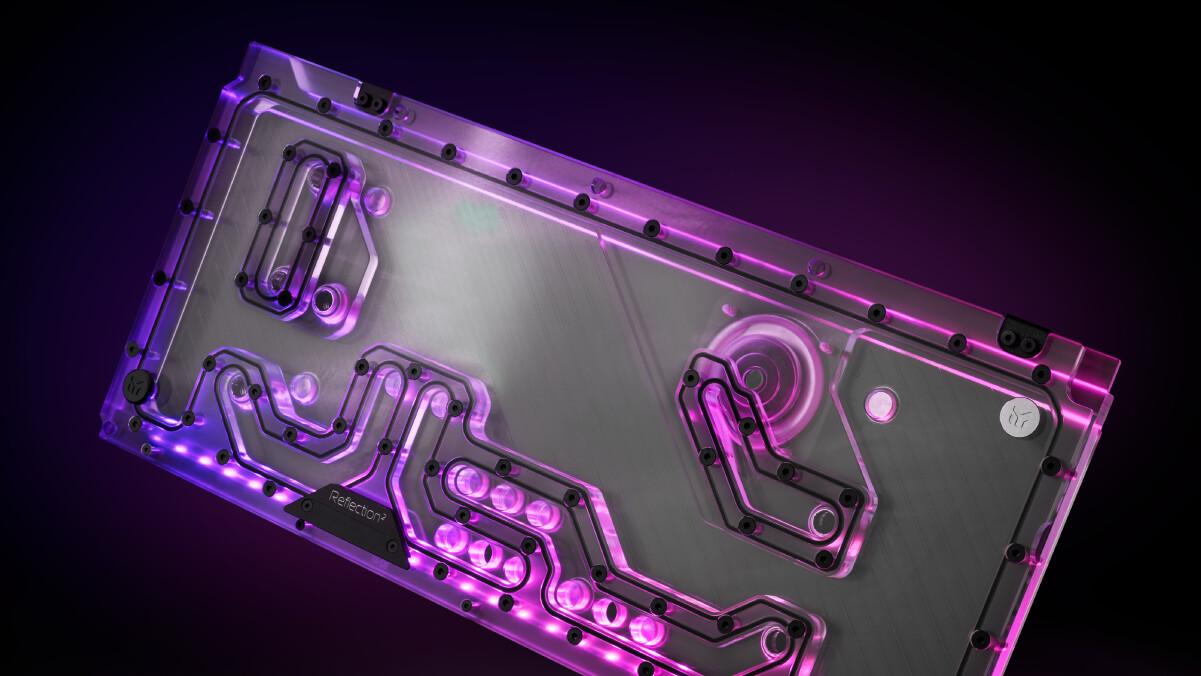
EK, the premium water-cooling gear manufacturer, is launching a new distro plate for the LIAN LI O11D XL chassis. It is designed to provide advanced water cooling with the latest 3rd generation SATA-powered D5 pump, reducing the need for additional 4-pin Molex cables. The Reflection² series distribution plates are EK-Matrix7 compliant.

The EK-Quantum Reflection² PC-O11D XL D5 PWM D-RGB is a custom water cooling reservoir, routing, and pump solution that seamlessly fits into the front of the case. This waterway is also equipped with 6 innovative push-in ports that come with female G1/4" threaded adapters. The idea is that a user can assemble the whole radiator + fittings + tubing and use these push-in adapters to simply slide it into the distro plate. A special metal bracket is included that is used to mount the bottom radiator.

EK Unveils EK-Quantum Vector² for RTX 3090 Ti TUF Gaming and ROG Strix

EK, the leading computer cooling solutions provider, is introducing new Vector² water blocks, this time for the ROG Strix GeForce RTX 3090 Ti and ASUS TUF RTX 3090 Ti GPUs. This product series contains a dedicated GPU water block with an included aluminium backplate, an ultimate GPU cooling enclosure in the form of a set of water blocks and active backplate, but also an alternative nickel-plated backplate and side cover to customize your water-cooled ROG Strix RTX 3090 Ti or ASUS TUF RTX 3090 Ti GPU to your own desires.

The EK-Quantum Vector² Strix/TUF RTX 3090 Ti D-RGB is a complete liquid cooling solution that includes a new Vector² water block, a black-anodized aluminium backplate, and a mounting mechanism. Minimalistic straight lines dominate the new look of the next-gen water blocks.

ASUS Previews RT-AXE7800 Router at Computex, 6 Antennas!

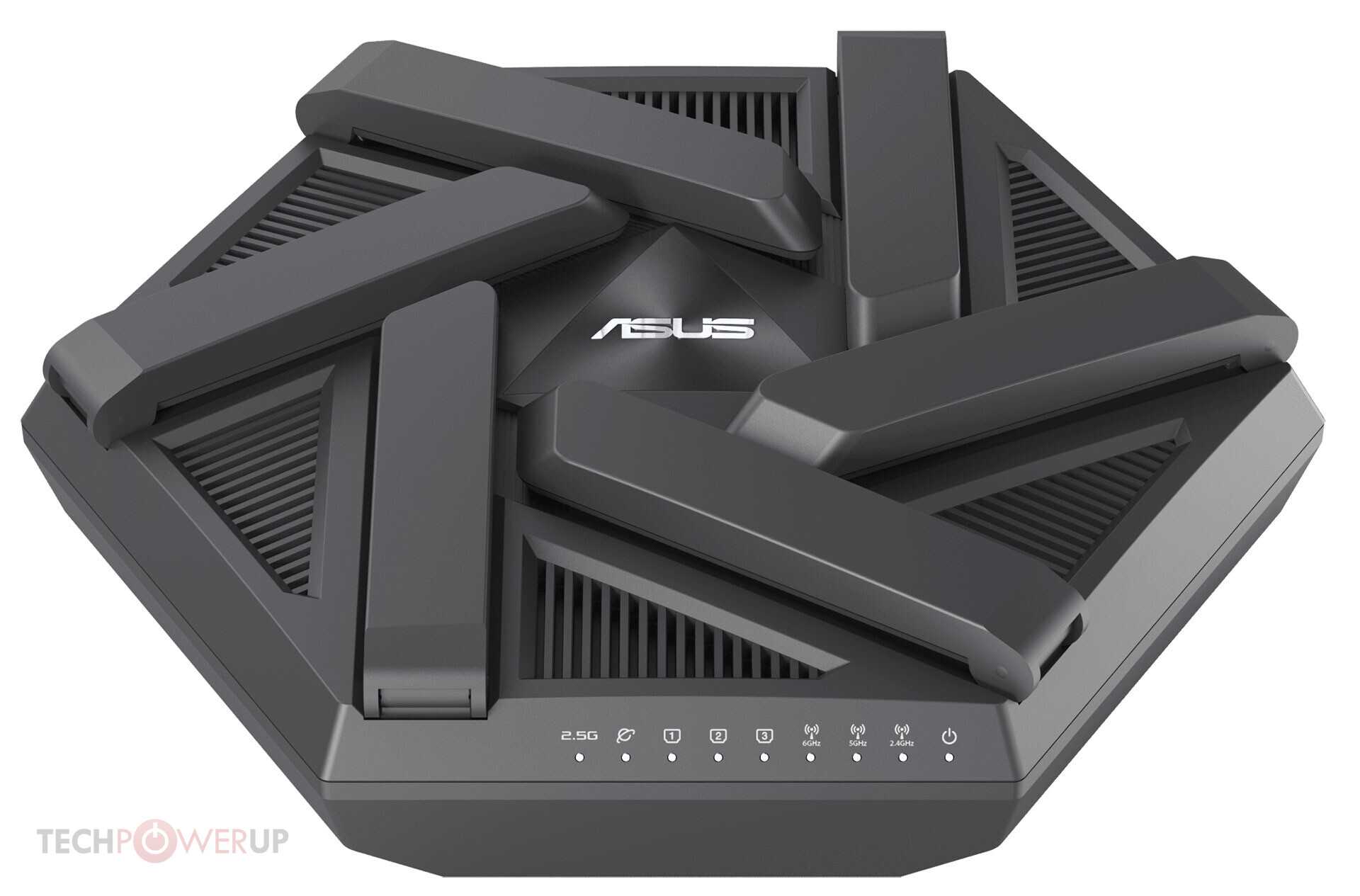
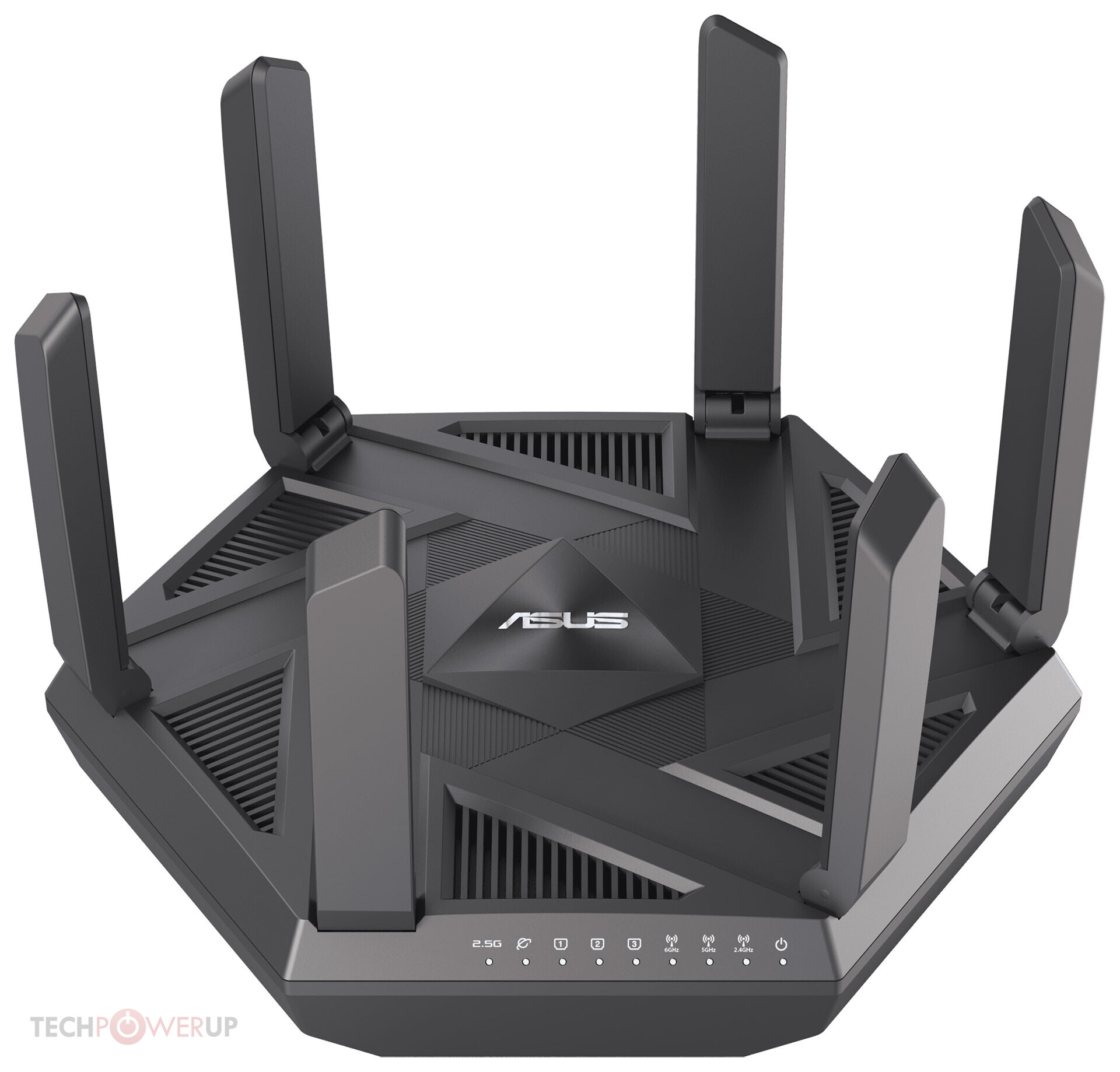
As Computex is a hybrid event this year, a lot of companies are showing off their products online and ASUS has shared a whole host of upcoming products. One that caught our eye was the upcoming RT-AXE7800 router, mostly because it resembles a boxy version of a German kaisersemmeln or kaiser roll when the antennas are folded down. Unfortunately, ASUS didn't share too many details about the RT-AXE7800, but it's a tri-band WiFi 6E router and ASUS claims that it supports wireless speeds up to 7800 Mbps, hence the model name. It supports 160 MHz wide channels, although this is pretty common in WiFi 6E routers, as is the 1024-QAM support and the 6 GHz band that ASUS shared that the router will support.

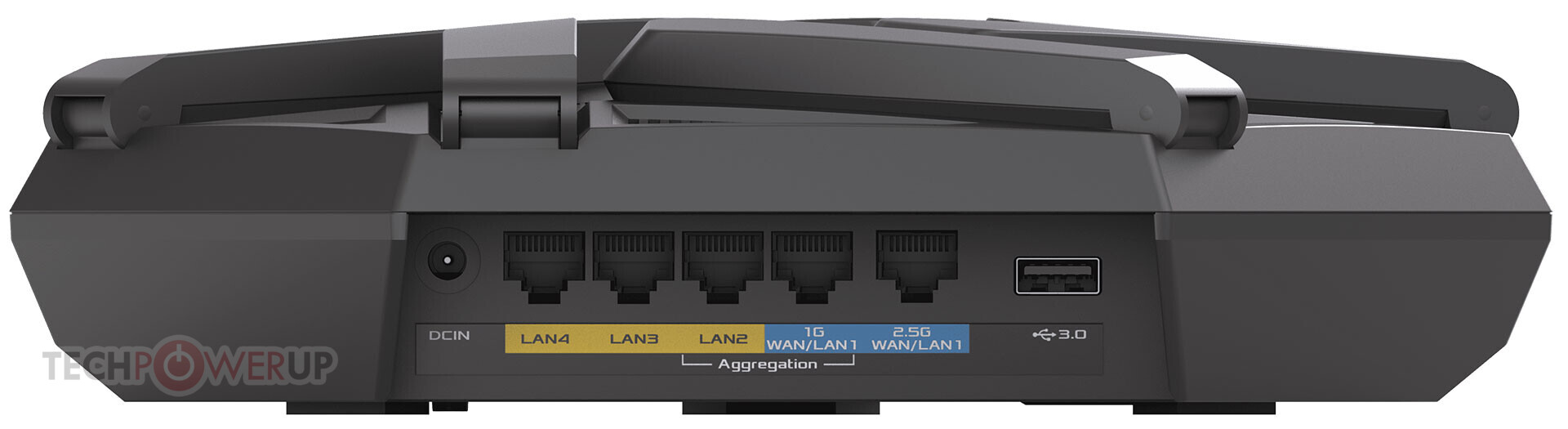
What we can tell from the pictures, is that it'll have a single 2.5 Gbps port that can be used as either a WAN or a LAN port, as well as four Gigabit Ethernet ports, of which one can be a WAN port, or it can be teamed with a second Gigabit port. Keep in mind that teaming doesn't actually give you double the bandwidth to a single client, it requires multiple clients to offer any kind of advantage, as well as a managed switch, alternatively a NAS or a server that supports teaming. Around the back there's a single USB 3.0 port and this is also where the power connector is located. It obviously has six foldable antennas and we'd expect to see more similar designs in the future, as consumer routers with supports for the WiFi channels in the 6 GHz band aren't allowed to have removable antennas. This will also apply to WiFi 7 routers, as it's a regulatory requirement.

ASUS Reveals 500 Hz ROG Swift Esports Monitor With E-TN Panel and G-Sync

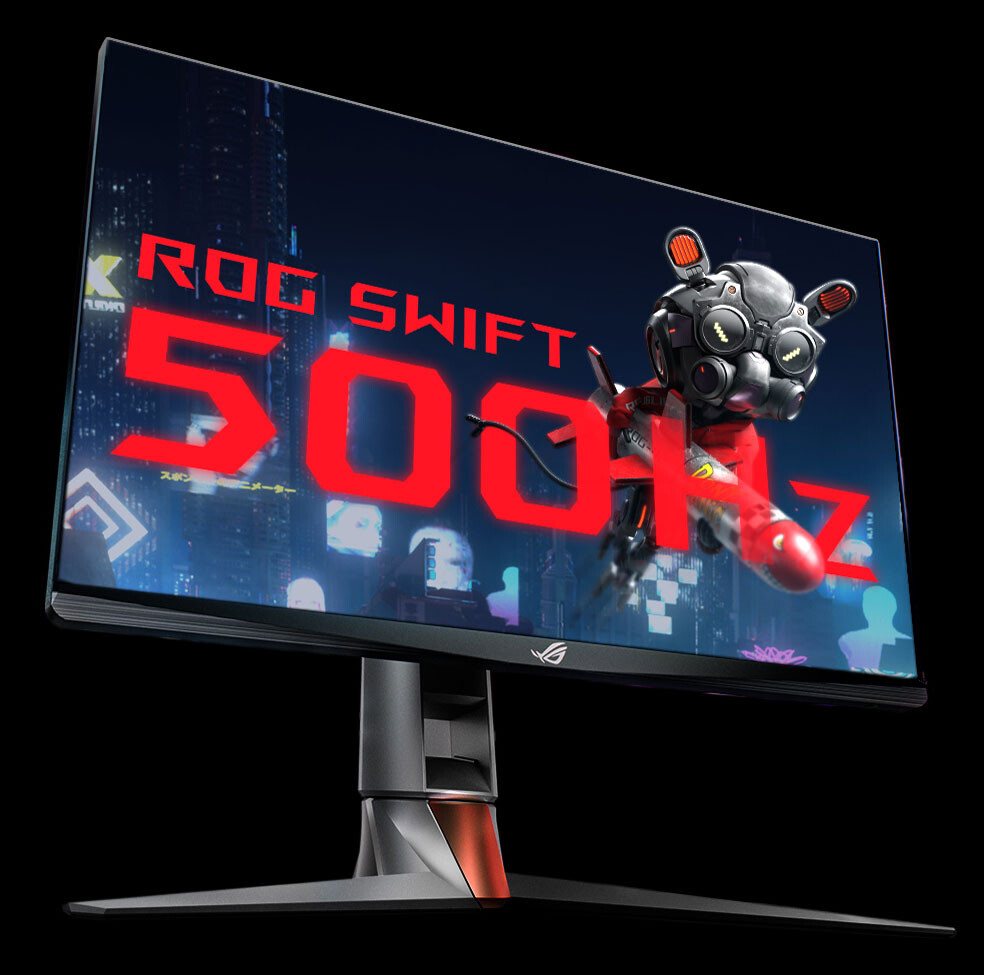
Back in 2012, ASUS released the world's first ever 144 Hz monitor, and we've been chasing high refresh rates ever since. From the first 240 Hz NVIDIA G-SYNC display we released in 2017 to the first 360 Hz display in 2020, ROG is committed to pushing competitive gaming to new heights at every opportunity. Now, we're ecstatic to announce that we've done it again: introducing the ROG Swift 500 Hz, a groundbreaking new gaming monitor that refreshes 500 times per second, for the most fluid, fast-paced motion you'll find in modern Esports.

In competitive, intense firefights, every single millisecond counts. The ROG Swift 500 Hz draws frames more than eight times faster than typical 60 Hz displays in a single second, which means you have that much more time to get a leg up on your opponent in esports titles like Counter-Strike: Global Offensive, Valorant, Overwatch, and Rainbow Six Siege. With super low response times and unprecedented improvements in input lag, the ROG Swift 500 Hz is the new benchmark in Esports, offering the same competitive advantage that made its 360 Hz predecessor the official display at last year's DOTA 2 The International championship. The ROG Swift 500 Hz features a 24.1-inch Full HD (1920x1080) panel, allowing your GPU to push as many frames as possible. ROG was able to push refresh rates to the limit by using new Esports TN (E-TN) technology, which offers 60% better response times than standard TN panels, allowing us to reach a new milestone in speed and clarity.

ASUS Shows Off the ROG Crosshair X670E Extreme

Although AMD didn't provide too many details during its Computex 2022 keynote speech about the upcoming AM5 platform, the company did announce that there will be at least three chipsets for the platform and showed pictures of some upcoming motherboards. ASUS has kindly filled in some more details about its upcoming ROG Crosshair X670E Extreme, which will be one of its higher-end models. Sadly the pictures posted are kind of tiny and the company didn't provide a shot of the rear I/O. That said, ASUS did point out some of its new features that we can expect to find on the ROG Crosshair X670E Extreme.

For starters, the board will have a pair of PCIe 5.0 x16 slots, although each slot is likely to only have eight lanes each, when both slots are in use, but ASUS doesn't mention any details here. The board has support for up to five M.2 NVMe SSDs, four of which support PCIe 5.0. Only two are onboard, with the other three being via ASUS' proprietary ROG PCIe 5.0 M.2 card and ROG GEN-Z.2 card. ASUS also promises USB4 support, as well as a USB 3.2 Gen 2x2 header with Quick Charge 4+ as well as up to 60 W charging support, for cases with a front USB-C port. On top of the rear I/O is an AniMe Matrix LED display that can be user customised.

AMD Announces New Ultrathin Notebook Design Wins, New "Mendocino" Mobile Processor

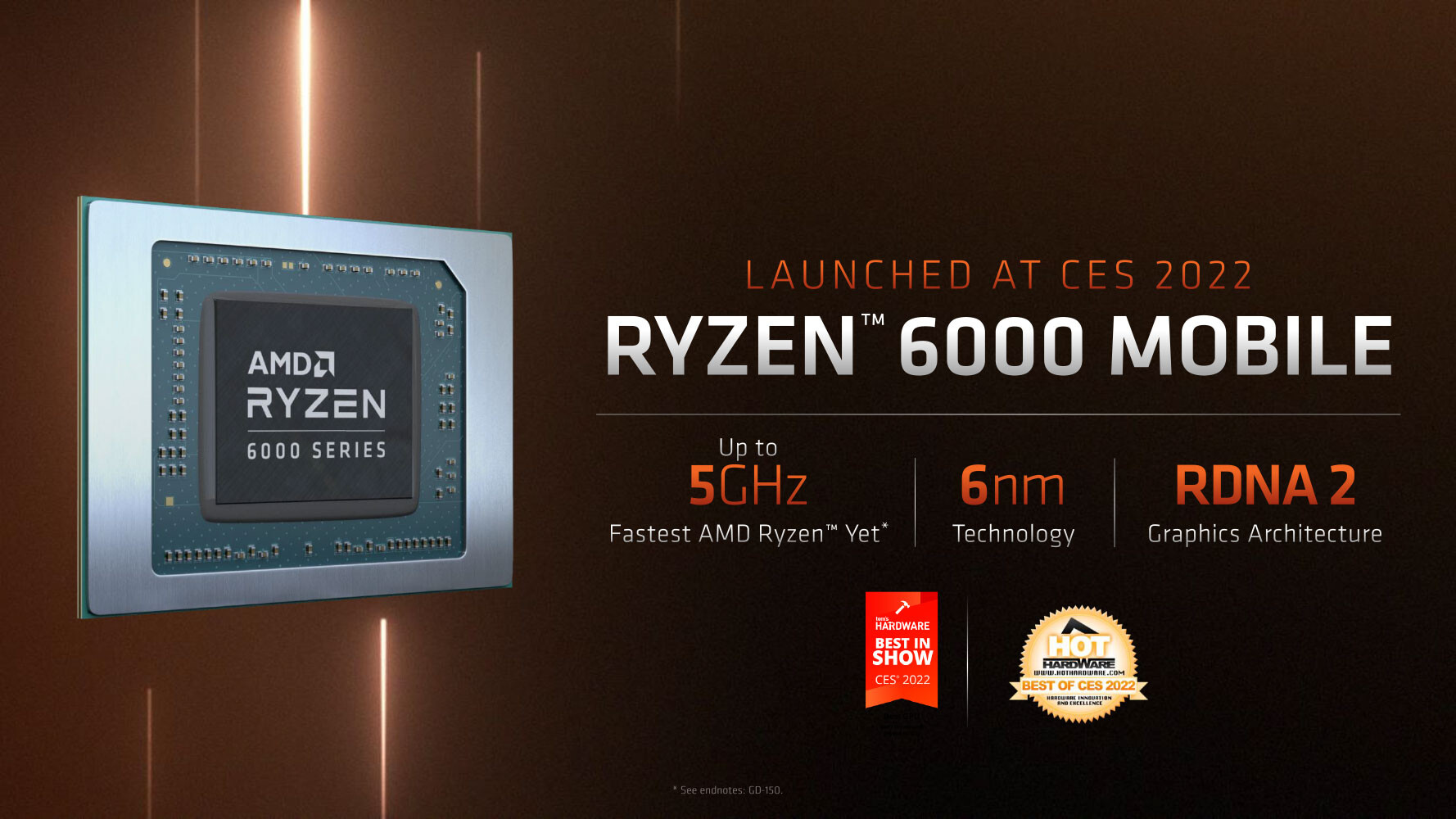
AMD in its Computex 2022 presentation announced several design wins for its Ryzen 6000U line of high-performance processors for ultra-thin notebooks. With configurable TDPs of 15 W and 28 W, these processors feature an 8-core/16-thread "Zen 3" CPU, an iGPU with up to 12 RDNA2 compute units, and a modern I/O that combines DDR5 memory with PCI-Express Gen 4, to bring gaming to ultra-thin form-factors without the need for a discrete GPU. The iGPU meets DirectX 12 Ultimate feature requirements, and AMD leverages technologies such as FidelityFX Super Resolution (FSR), to further improve gaming performance.

Among the new design wins are the ASUS Zenbook S 13 OLED, a 13-inch ultra-thin weighing only 1 kg, and capable of average 60 FPS in "Godfall," taking advantage of FSR. The Lenovo Yoga Slim 7 Pro X is another notebook in this class capable of 1080p gaming, powered by the Ryzen 7 6800HS, with up to 122 FPS in CS:GO, up to 266 FPS in "League of Legends," up to 59 FPS in "Shadow of the Tomb Raider," up to 64 FPS in "Final Fantasy: XIV," and up to 46 FPS in "Deus Ex: Mankind Divided."

Factory Drawing of ASUS X670 Prime-P WiFi Appears Online

We're expecting to see a wide range of AM5 motherboards next week during Computex, but we're already being treated to some early leaks ahead of the show. The most recent leak was picked up by @9550pro on Twitter, but was originally posted on Baidu. What we're looking at here though, isn't actually a picture of a motherboard, but rather the placement map for the SMD components used during motherboard assembly. These pictures are often used to make sure things like the solder mask and components were applied properly during production. However, it does give us a good look at the overall layout of the ASUS X670 Prime-P WiFi and the fact that the X670 chipset does indeed consist of two parts. What is also clear is that we're looking at a PCIe 5.0 x16 slot here, as these slots are SMD components rather than through hole.

Other things that are clearly visible, includes support for three M.2 slots, of which the one closest to the CPU might be PCIe 5.0, but there's really no way of telling by just looking at the connector placement. There's also a space for a WiFi module at the bottom of the rear I/O, but beyond that, it's hard to make out the proper port layout. However, there appears to be at least one USB-C port at the rear, as well as a header for another one at the front of the motherboard, next to a USB 3.0 header. The board also appears to feature 14 power phases and obviously four DDR5 DIMM slots. The chip between the two chipsets are either a Super I/O chip or possibly a PCIe redriver. In addition to the x16 PCIe 5.0 slot, the X670 Prime-P appears to be getting a single PCIe x1 slot and two PCIe x4 slots, both which appear to get physical x16 slots. Finally the board should have two SATA ports mounted at a 90-degree angle, as well as four ports at the bottom edge of the PCB. ASUS seems to have gone for a solar system pattern on the PCB itself, so it'll be interesting to see what the actual boards will look like.

ASRock AM5 Motherboard and More Leaked Ahead of Computex

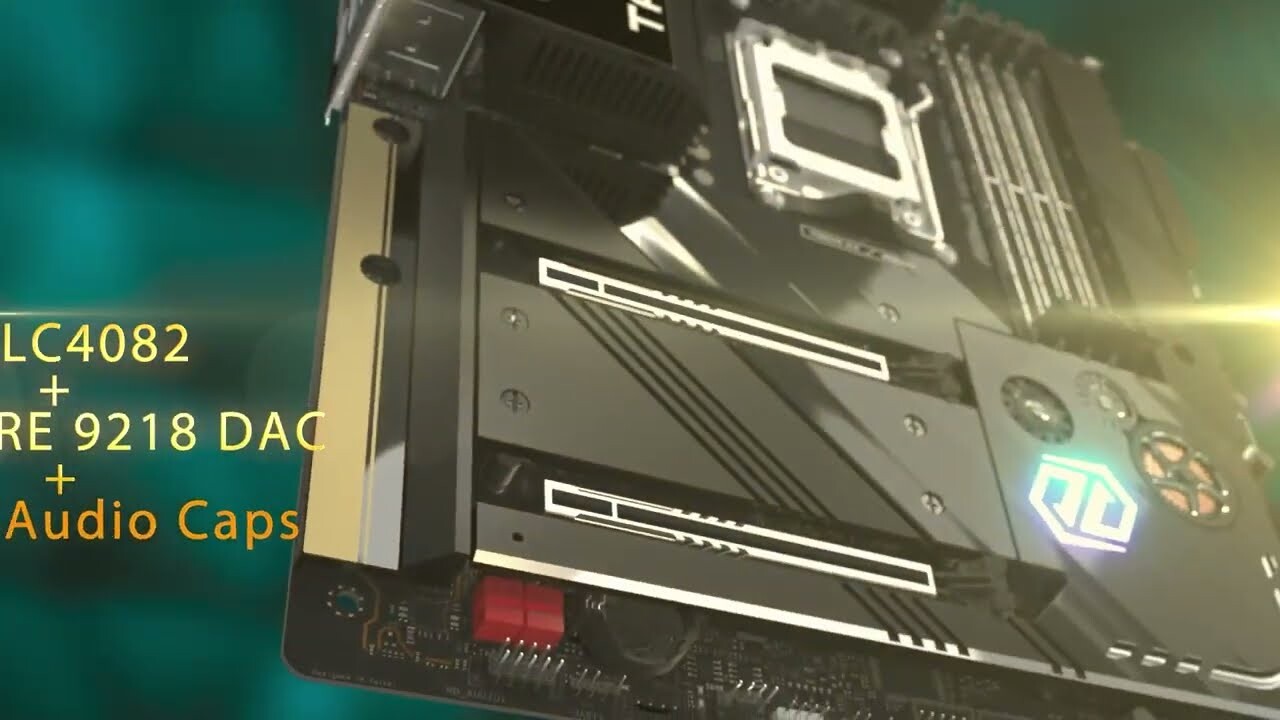
It appears that ASRock got a little bit too excited and posted a Computex video earlier today that contained a brief glimpse of its upcoming X670E Taichi motherboard. The screenshot that was captured by Wccftech doesn't give away too much details, but the board appears to have at least three M.2 slots and a pair of PCIe x16 slots, of which at least one is meant to be of the PCIe 5.0 variety. The rest of the board is covered in heatsinks and various shrouds. The board will feature Realtek's ALC4082 USB attached audio codec, as well as a ESS ES9218 DAC. It is also said to sport a 26-phase VRM setup. The board is also expected to have Thunderbolt 4 support. The video has unfortunately been taken down, so we'll have to wait until next week to find out more details.
In related news, @momomo_us has leaked details of several upcoming AM5 motherboards, of which four models are from ASRock and two from ASUS. The ASRock models are the X670E Taichi mentioned above, the X670 PG Riptide, X670 Phantom Gaming 4 and the X670 Steel Legend. The two ASUS models are the ProArt X670E-Creator WiFi and the ProArt B650-Creator. Finally Gigabyte has revealed that the company will be displaying its X670 Aorus Xtreme, X670 Master, X670 Pro AX and X670 AERO D at Computex next week. The company mentions PCIe 5.0 for both graphics and the M.2 interface, which pretty much cements the earlier rumors about AMD offering PCIe 5.0 support for the M.2 interface on the AM5 platform.

ASUS Also Announces ROG Strix Flow X16 Gaming Notebook

The portable and lightweight Flow family has a new member. ROG is proud to introduce the Flow X16, a convertible thin and light laptop with gaming horsepower that belies its size. Paired with the stunning Nebula HDR Display and fully compatible with the XG Mobile ecosystem, the Flow X16 is ready to redefine how you look at ultraportable gaming laptops.

The Flow X16 is the culmination of a relentless drive to pair cutting-edge components with a thin and light chassis. This 16-inch convertible laptop is powered by up to an AMD Ryzen 9 6900HS processor and up to an NVIDIA GeForce RTX 3070 Ti Laptop GPU, all while weighing just 2.1 kilograms. With a maximum TGP of up to 125 W on the RTX 3070 Ti thanks to Dynamic Boost, this machine is able to go pound for pound with much larger and heavier competition.

ASUS Announces ROG Strix Scar 17 Special Edition (2022) Gaming Notebook

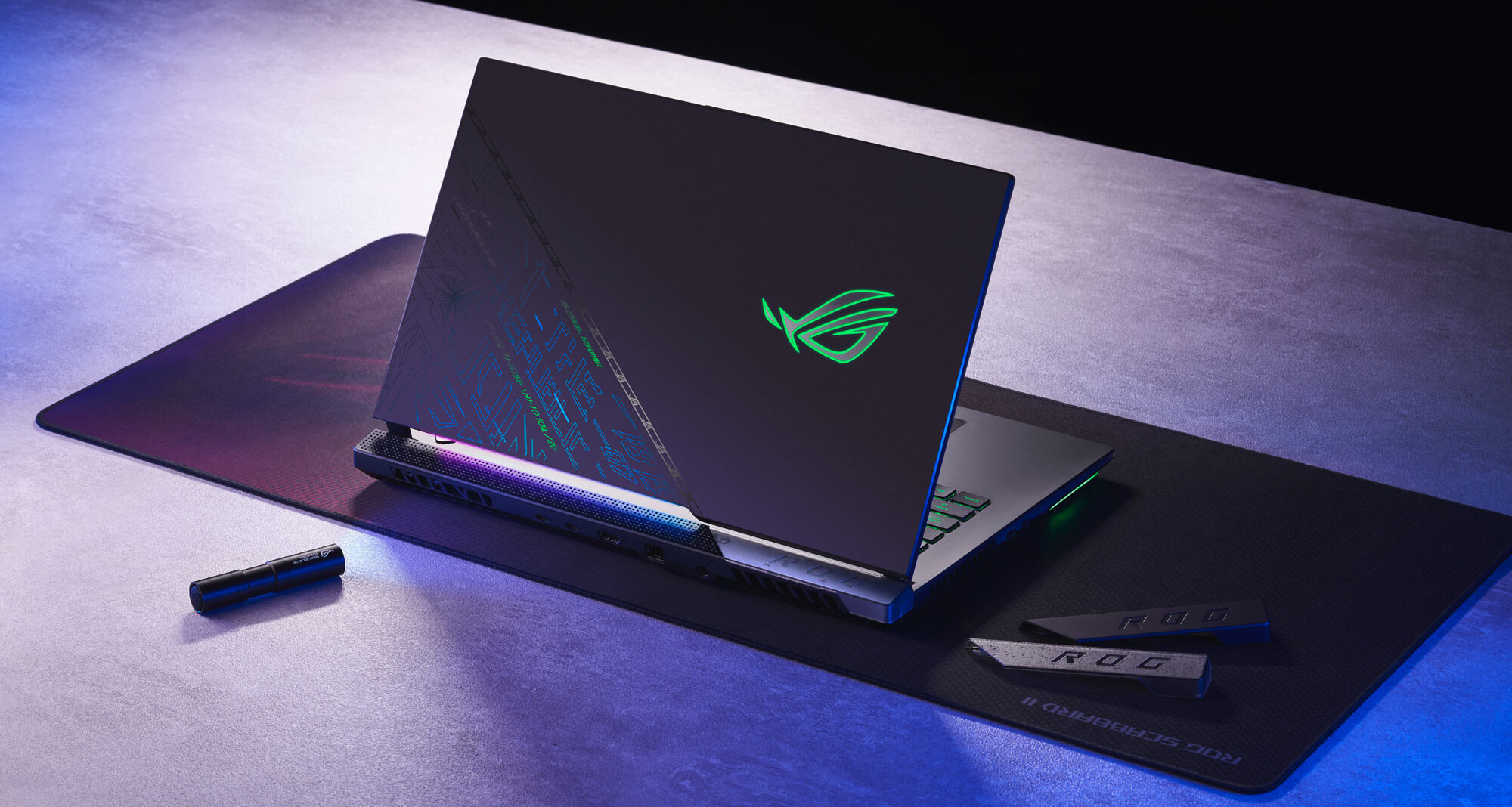
In January, we introduced the ROG Strix SCAR 2022, an ultra-powerful esports gaming machine designed to blow away any and all competition. But we couldn't leave well enough alone, so we decided to make it even better. We're proud to announce the ROG Strix SCAR 17 Special Edition, the ultimate laptop for competitive gaming.

For most gamers, the regular 2022 Strix SCAR is the perfect companion, since it's lighter and more affordable than the new Special Edition, while offering exceptional gaming performance. But for gamers who need the absolute best of the best, cutting-edge technology paired with a bold cyberpunk design, the Strix SCAR 17 SE has arrived.

ASUS Releases GeForce RTX 3080 Noctua OC Edition 10 GB GDDR6X

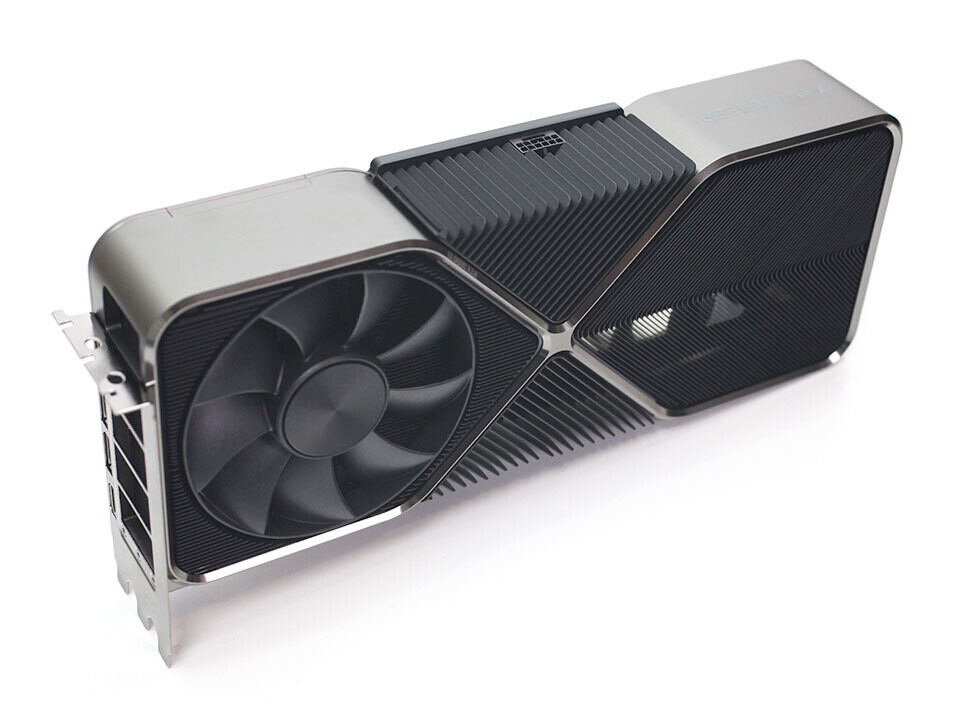
Only a week ago the first pictures of the ASUS x Noctua GeForce RTX 3080 card turned up on the web and now the card has been officially announced as the ASUS GeForce RTX 3080 Noctua OC Edition 10 GB GDDR6X. The card will have an OC and a Gaming mode with different boost clocks, where the Gaming mode allows the GPU to boost to 1785 MHz and the OC mode takes this further to 1815 MHz. The memory remains at stock clocks and uses 19 Gbps GDDR6X memory. ASUS claims it's the quietest card in its class, but doesn't mention any actual noise levels, although the card comes with a 0dB fan stop mode. It should be noted that the card takes up 4.1 slots and as such, it might not fit in all builds. No official pricing was provided.

ASUS is Getting Ready to Launch its First Internal SSD

With Gigabyte and more recently MSI offering internal consumer SSDs, it now looks like ASUS is getting ready to join the fray. There's no shortage of companies that are selling SSDs and most are based on very similar hardware and firmware, so the question is what ASUS is going to bring to the market to differentiate itself from the competition. The company hasn't provided any real details at this point in time, beyond a picture posted on its Taiwanese Facebook page.

The picture doesn't give away a ton of details, but what's clear is that ASUS aims to use its ROG gaming brand for the first product that ends up under the Strix sub-brand. The first drive will be called SQ7 and it's a standard M.2 PCIe 4.0 drive that not unsurprisingly uses four PCIe lanes and will come in at least a 1 TB size. It's possible that ASUS will launch its new SSD either during its "Boundless" event on the 17th of May, or during Computex, which kicks off on the 24th of May.

Update: Based on the sharp-eyed observations of our Editor-In-Chief, its highly likely that the ASUS ROG Strix SSD will be based on Phison's E18 controller, paired with Micron's 176-layer NAND, using Phison's reference PCB design. This means that ASUS would go straight after other high-performance drives, like the Kingston KC3000, Corsair MP600 Pro LPX and MSI's Spatium M480. Keep in mind that not all early product shots are of the actual product though, so we're just going to have to wait and see what ASUS brings to the table.

ASUS x Noctua GeForce RTX 3080 10 GB OC Card Pictured

ASUS looks set to release a second graphics card featuring a Noctua cooling solution nearly a year after the two companies announced the ASUS x Noctua GeForce RTX 3070. This new card features the GA102-based 10 GB version of the RTX 3080 instead of the newer 12 GB version launched in January. The quad-slot cooling solution present on the card is very similar to the existing configuration with dual 120 mm Noctua fans and a slightly modified backplate. The card features dual 8-pin power connectors in addition to non-standard display outputs with 3x DisplayPort 1.4 and 2x HDMI 2.1. The ASUS x Noctua GeForce RTX 3080 is expected to launch soon and retail for 1150 EUR which is 250 EUR more then the existing ASUS x Noctua GeForce RTX 3070.

NVIDIA GeForce RTX 3090 Ti Gets Custom 890 Watt XOC BIOS

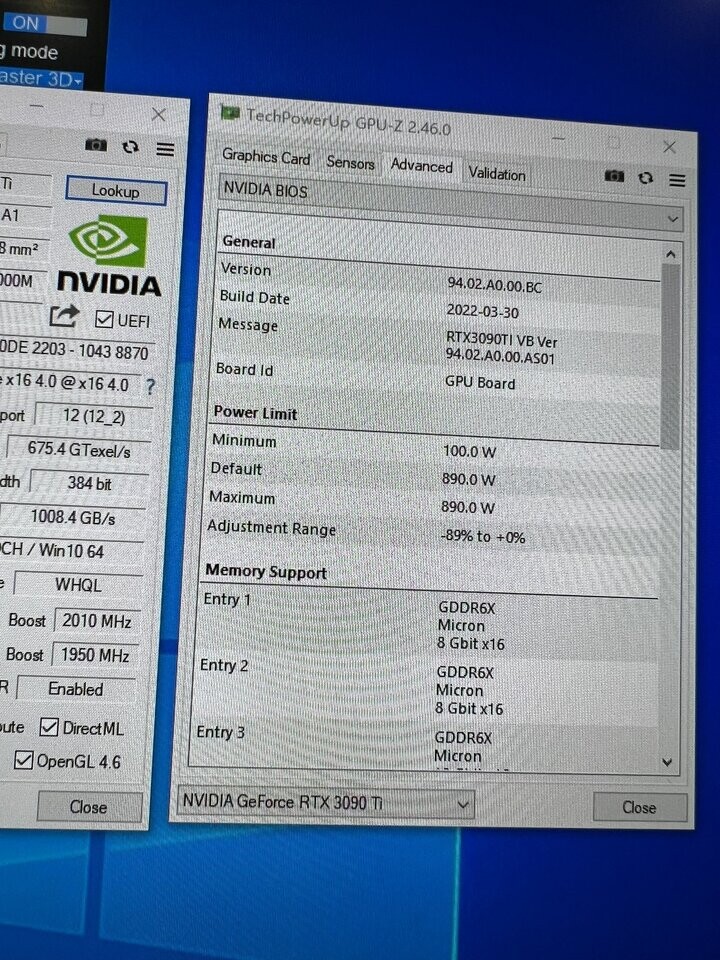
Extreme overclocking is an enthusiast discipline where overclockers try to push their hardware to extreme limits. Combining powerful cooling solutions like liquid nitrogen (LN2), which reaches sub-zero temperatures alongside modified hardware, the silicon can output tremendous power. Today, we are witnessing a custom XOC (eXtreme OverClocking) BIOS for the NVIDIA GeForce RTX 3090 Ti graphics card that can push the GA102 SKU to impressive 890 Watts of power, representing almost a two-fold increase to the stock TDP. Enthusiasts pursuing large frequencies with their RTX 3090 Ti are likely users of this XOC BIOS. However, most likely, we will see GALAX HOF or EVGA KINGPIN cards with dual 16-pin power connectors utilize this.

As shown below, MEGAsizeGPU, the creator of this BIOS, managed to push his ASUS GeForce RTX 3090 Ti TUF with XOC BIOS to 615 Watts, so KINGPIN and HOF designs will have to be used to draw all the possible heat. The XOC BIOS was uploaded to our VGA BIOS database, however, caution is advised as this can break your graphics card.

ASUS Debuts New ProArt Creator Display Lineup at NAB 2022

ASUS is pleased to announce the latest lineup of ProArt displays and creative solutions at NAB 2022 in Las Vegas. The ProArt lineup features an array of innovative solutions for creative professionals, work-from-home employees, and remote students. The ASUS ProArt display offerings include the PA32DC, the world's first OLED monitor with auto calibration; PA147CDV with Wacom EMR technology; and ProArt Display PA348CGV, a 34-inch 21:9 UWQHD (3440 x 1440) flat display featuring 120 Hz variable frame rate.

ASUS ProArt Display OLED PA32DC is a 31.5-inch (3840x2160) Pure RGB Stripe OLED monitor designed to meet the needs of creative professionals. It offers true 10-bit color, exceptional Delta E < 1 color accuracy, covers 99% DCI-P3 color space, and has a 1,000,000:1 contrast ratio to provide the deepest black hues and accurate highlights.

Phanteks Announces GPU Block For The New ASUS RTX 3090Ti Strix & TUF Cards

Phanteks announces the latest Glacier G3090Ti ASUS Bundle Pack containing the water block and backplate designed specifically for the ASUS GeForce RTX 3090 Ti STRIX and TUF models. With increased power consumption and front memory chip location on the new RTX 3090 Ti design, the Glacier G3090Ti ASUS water block will be a great benefit to bring unprecedented cooling to the new ASUS RTX 3090 Ti STRIX and TUF cards.

Like all Glacier water blocks, the water block will use premium materials such as a nickel-plated copper base, clear acrylic top, black or chrome aluminium cover plates, and industrial quality VITON o-rings to ensure the best reliability and longevity. The water block will come with integrated D-RGB lighting that beautifully complements your build and can sync with Phanteks' D-RGB accessories and A-RGB equipped motherboards.

EK Launches Vector² Water-Block for ROG Strix RTX 3070 Ti GPUs

EK, the leading computer cooling solutions provider, is introducing a whole series of Vector² liquid cooling products for ROG Strix RTX graphics cards. ROG RTX 3070 Ti cards get their Vector² water block with passive backplate, and optional backplates in nickel finish to customize your water-cooled 3070 Ti ASUS GPU to your own desires.

The EK-Quantum Vector² Strix RTX 3070 Ti D-RGB is a complete liquid cooling solution including a new plexi Vector² water block, black-anodized aluminium backplate, and a mounting mechanism. The new look of the next-gen water blocks is dominated by minimalist straight lines. The 3rd-generation Vector cooling engine combines the jet plate with a 3D machined Plexi insert to improve flow distribution and thermal performance. This new cooling engine is still based on an Open Split-Flow cooling engine design, which proved to be a superior solution for GPU water blocks. It is characterized by low hydraulic flow restriction, meaning it can be used with weaker water pumps or pumps running on low-speed settings, and still achieve top performance. Great care was taken to achieve a symmetrical flow domain by utilizing an internal bridge to secondary components. This was done to ensure the cooling of secondary components without sacrificing flow distribution over the GPU core.

ASUS Intros TUF Gaming AX3000 V2 Gaming Router

ASUS today introduced the TUF Gaming AX3000 V2 wireless router. The Wi-Fi 6 router offers not just characteristic TUF Gaming product design, but also durability, in the way of multi-level heatsinks for the various hot components underneath, with a "nano-carbon coating." As a router, its specs are pretty mainstream—you get up to 2.4 Gbps in the 5 GHz band, up to 576 Mbps in the 2.4 GHz band (which add up to the "AX 3000" nameplate). The wired networking consists of a 2.5 GbE WAN port, and four 1 GbE LAN ports, from which two ports can be aggregated to a 2 Gbps link when paired with a machine that has two 1 GbE ports. You also get a 5 Gbps USB 3.x type-A port that can turn any USB mass-storage device into a network share, or be used to share a printer; and security in the way of the latest WPA3. The company didn't reveal pricing.

ASUS Announces ROG Thor 1600W Titanium Power Supply

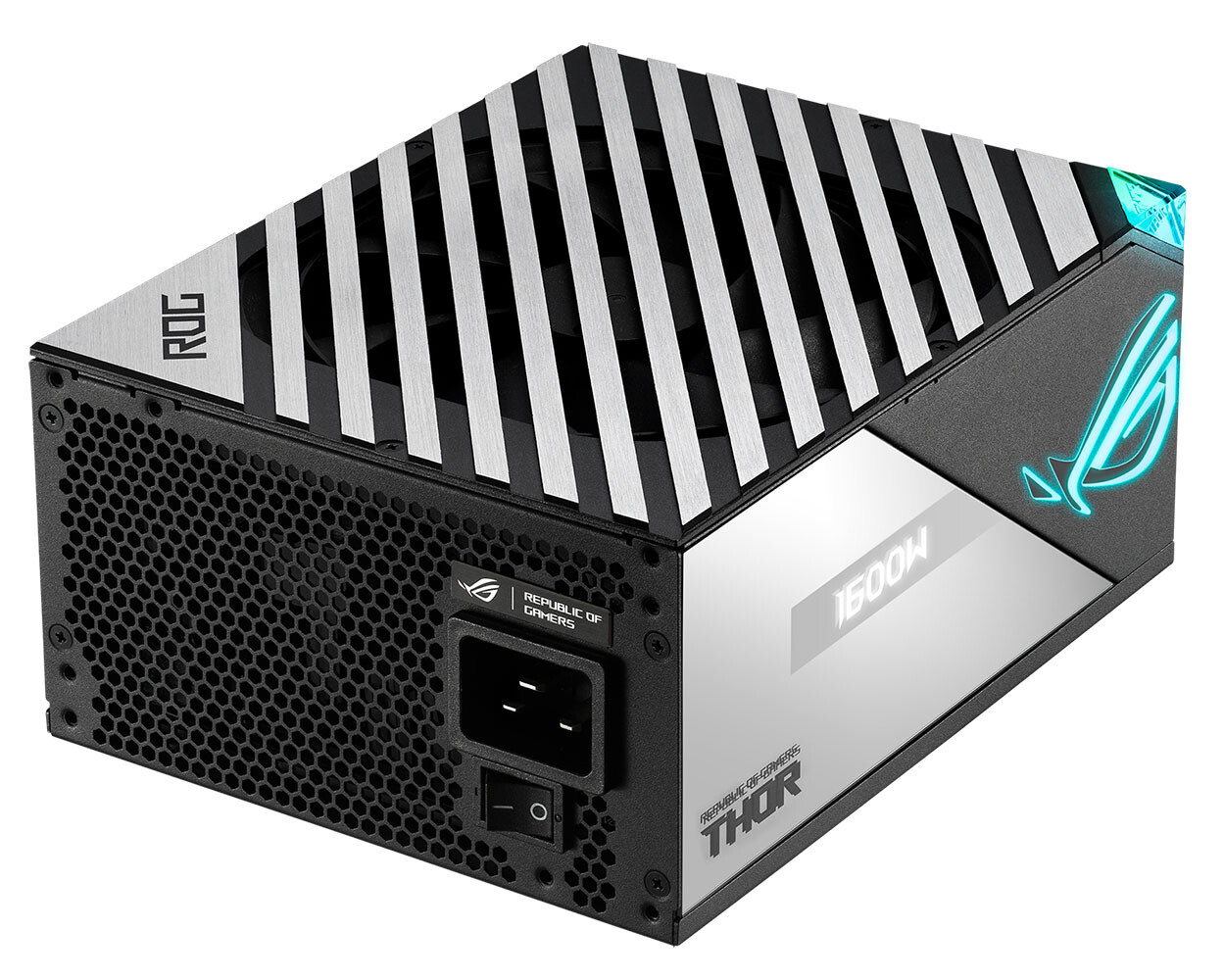
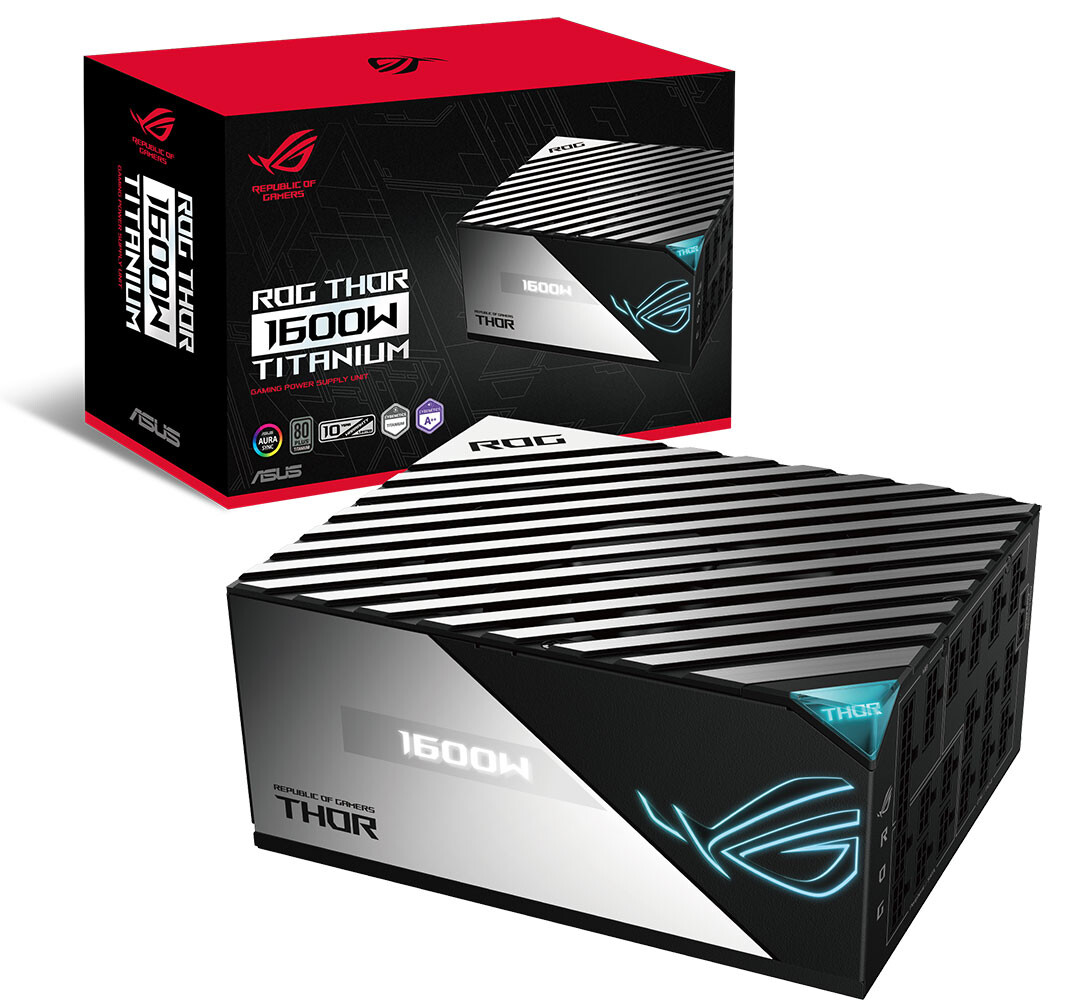
ASUS today unveiled its highest-Wattage variant of the ROG Thor line of premium power supplies. The new ROG Thor 1600 W Titanium comes with not just an enormous amount of power, but also the latest connectivity, including an ATX 3.0-compliant 16-pin connector that ASUS specifies can deliver 600 W of power. There are also as many as ten 8-pin PCIe power connectors, two 8-pin EPS, a 24-pin ATX, and a dozen SATA power connectors.

Under the hood, the ROG Thor 1600 W Titanium uses high-end GaN FETs in its switching circuitry, and a single +12 V rail setup that meets 80 Plus Titanium and Cybenetics Titanium efficiency. The 135 mm fan can stay completely off until 800 W load, thanks to an array of heatsinks designed by ASUS, which along with the low overall noise, earn this PSU Cybenetics Lambda A++ acoustic rating. ASUS is backing it with a 10-year warranty. The company didn't reveal pricing.

ASUS RTX 3050 TUF Gaming its First TUF Gaming VGA with RGB Lighting

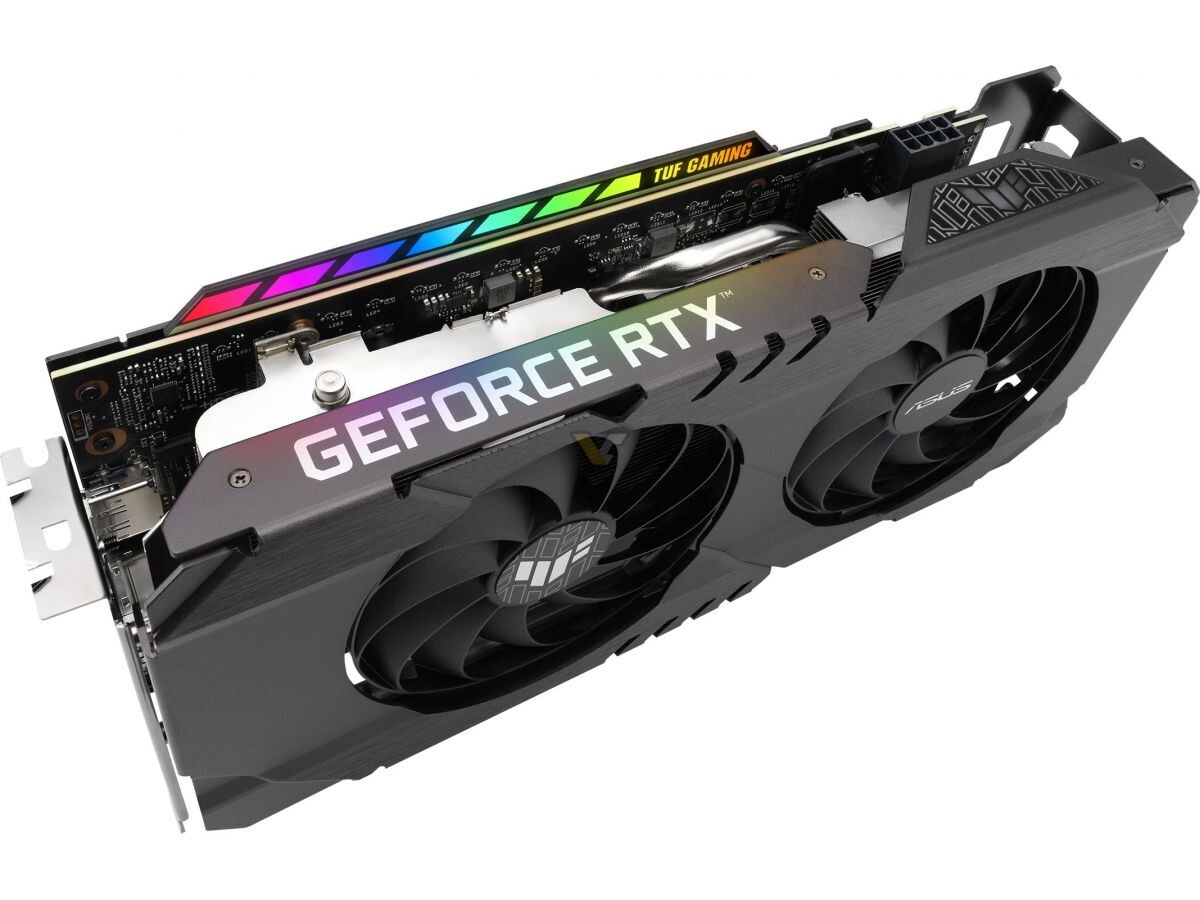
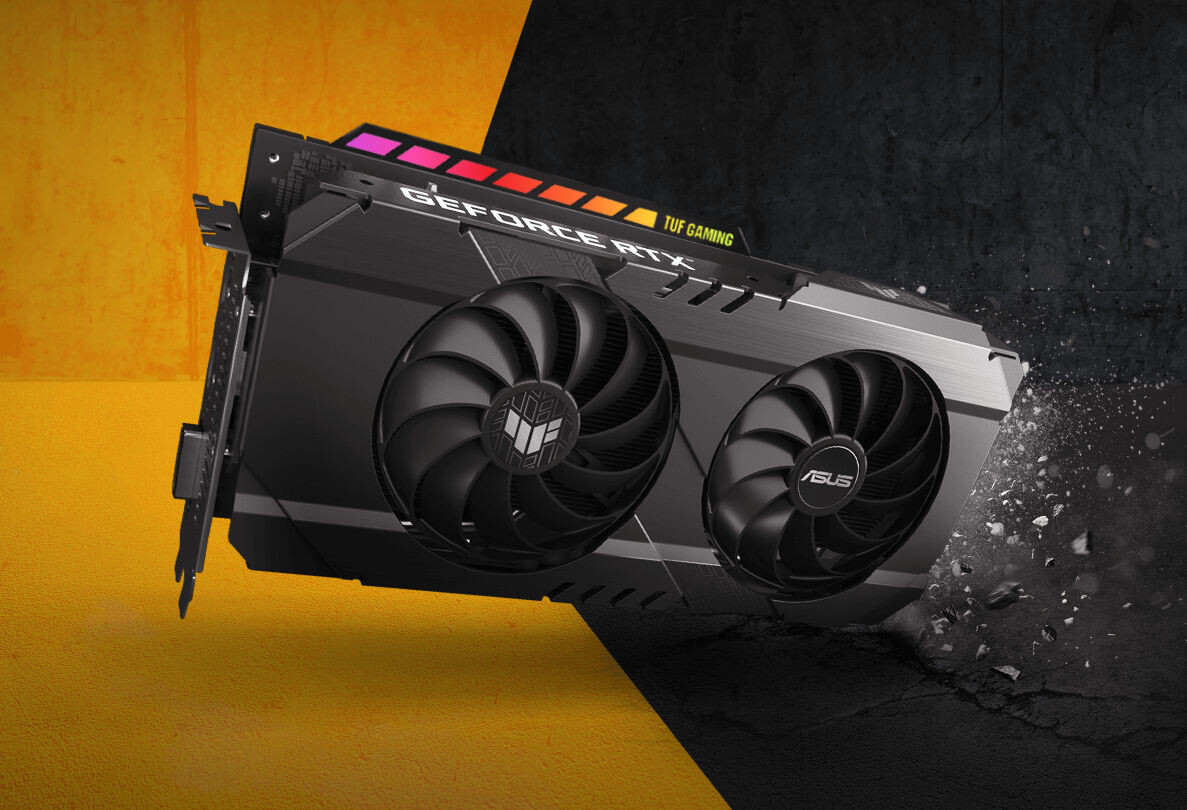
ASUS is giving final touches the to the TUF Gaming GeForce RTX 3050 graphics card. This is the company's first TUF Gaming product based on the RTX 3050, which was, until now, given the ASUS ROG Strix and DUAL OC custom treatment. What's more interesting is its cooling solution, which appears to be the first TUF Gaming graphics card with RGB LED lighting—a change from the functional, industrial look of TUF Gaming graphics cards.
This is also the smallest iteration of the TUF Gaming cooling solution the company debuted with the RTX 30-series "Ampere," and features a dual-fan setup (compared to triple-fan on every other TUF Gaming product from this generation). The card comes with a strip of RGB LEDs lined along the top of the card, at the edge of the backplate. It's being reported that this RTX 3050 card is based on the smaller "GA107" silicon, instead of "GA106," and hence comes with a lower typical board power than GA106-based RTX 3050 cards, with no difference in performance.
Return to Keyword Browsing
Nov 26th, 2026 01:11 CST change timezone

New Forum Posts

Popular Reviews

TPU on YouTube

Controversial News Posts