Modder Builds Keybytes: Modular Magnetic Keyboard System Made with Single Key Building Blocks
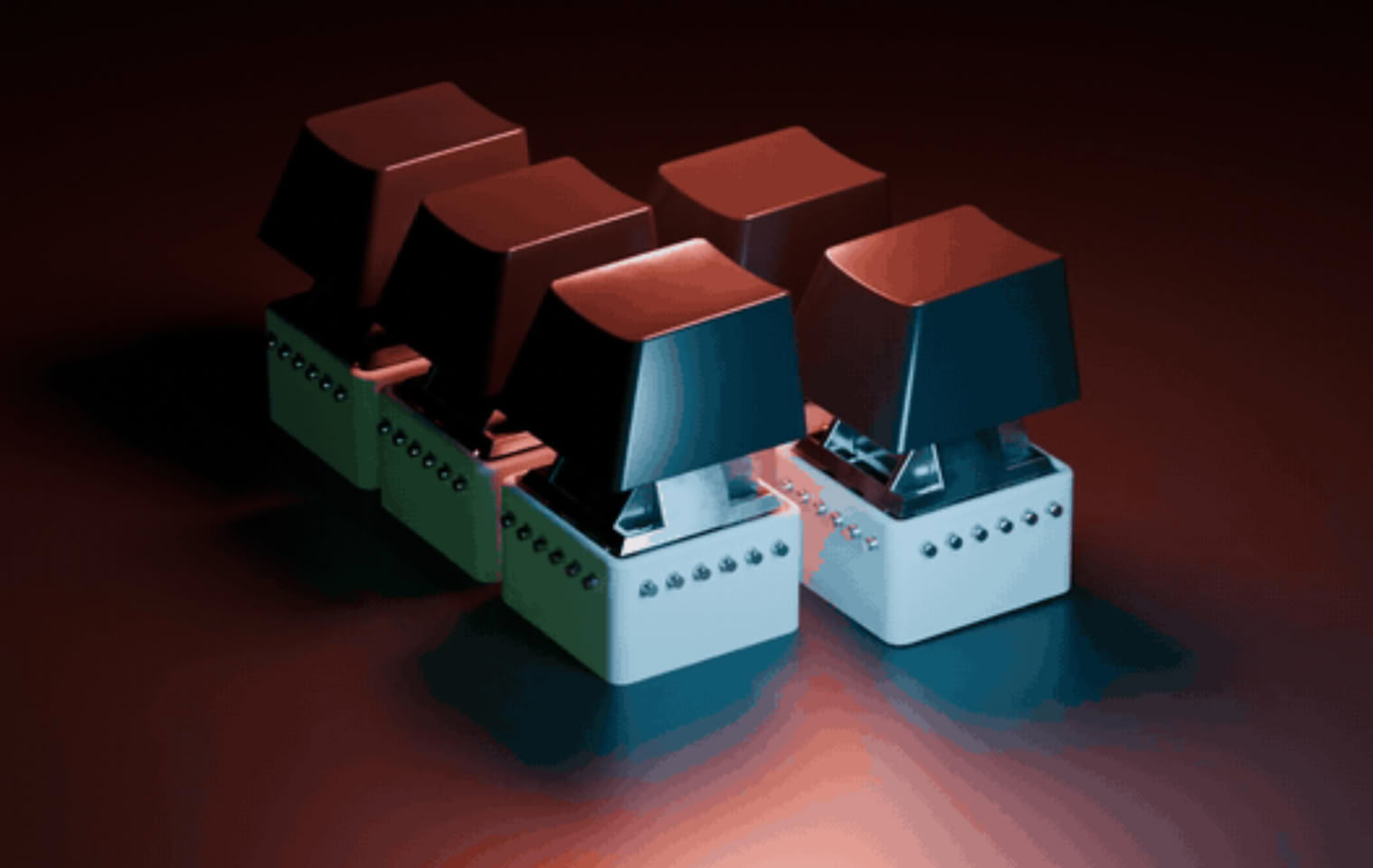
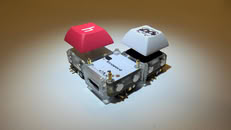
The world of DIY mechanical keyboards is full of niche devices with unique designs, and more than a few gimmicks. Keybytes, a new project by a modder who goes by notaroomba on GitHub via KBDnews, falls somewhere between the former and the latter, and mostly serves as an interesting proof of concept. Keybytes a modular mechanical keyboard project designed for ultimate customization. The basic idea is to have single mechanical keyboard sockets with full-height MX mechanical switches, aka Keybits, each with their own PCB and magnetic connectors that allow them to snap together, effectively creating an infinitely reconfigurable keyboard.
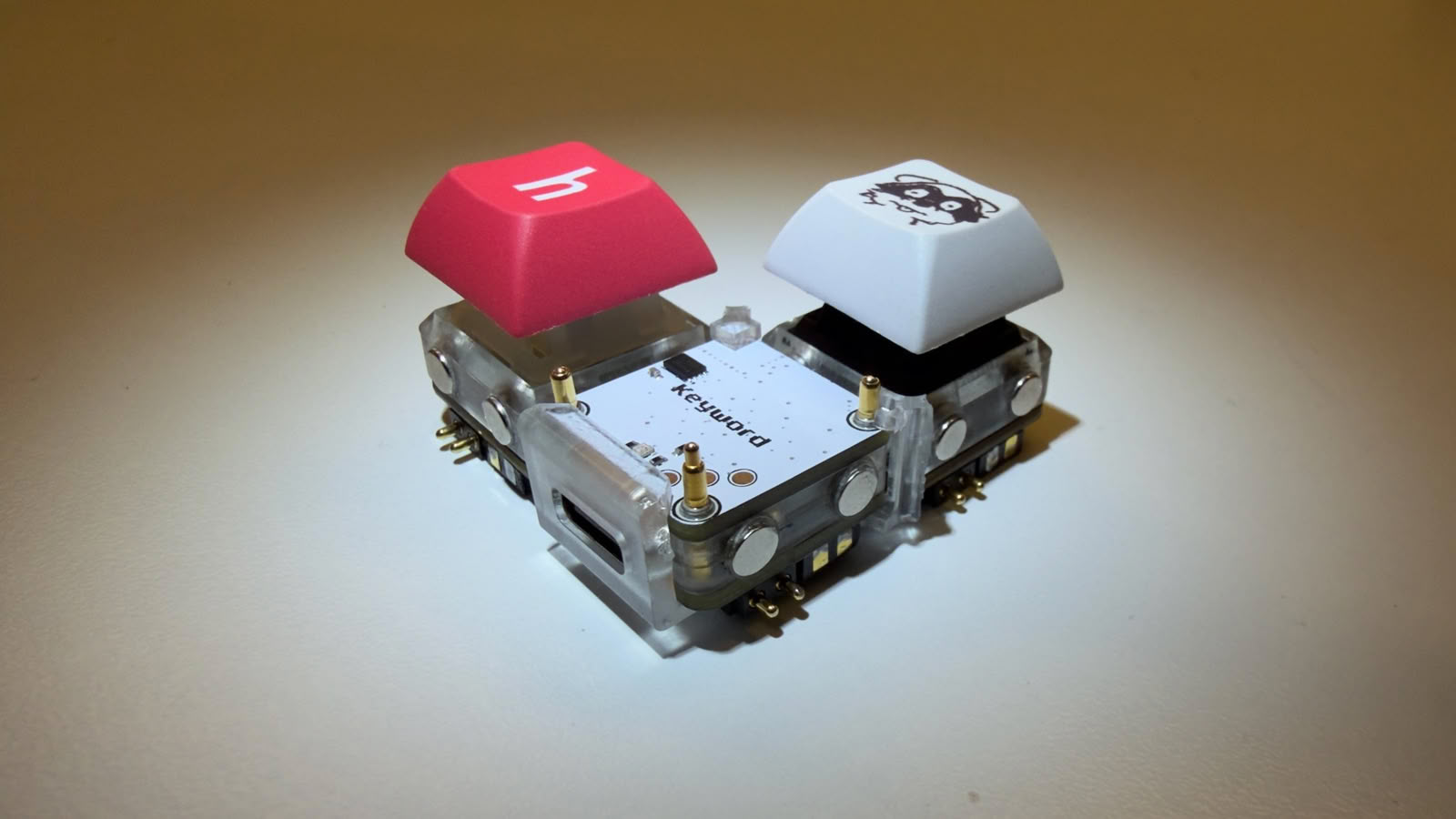
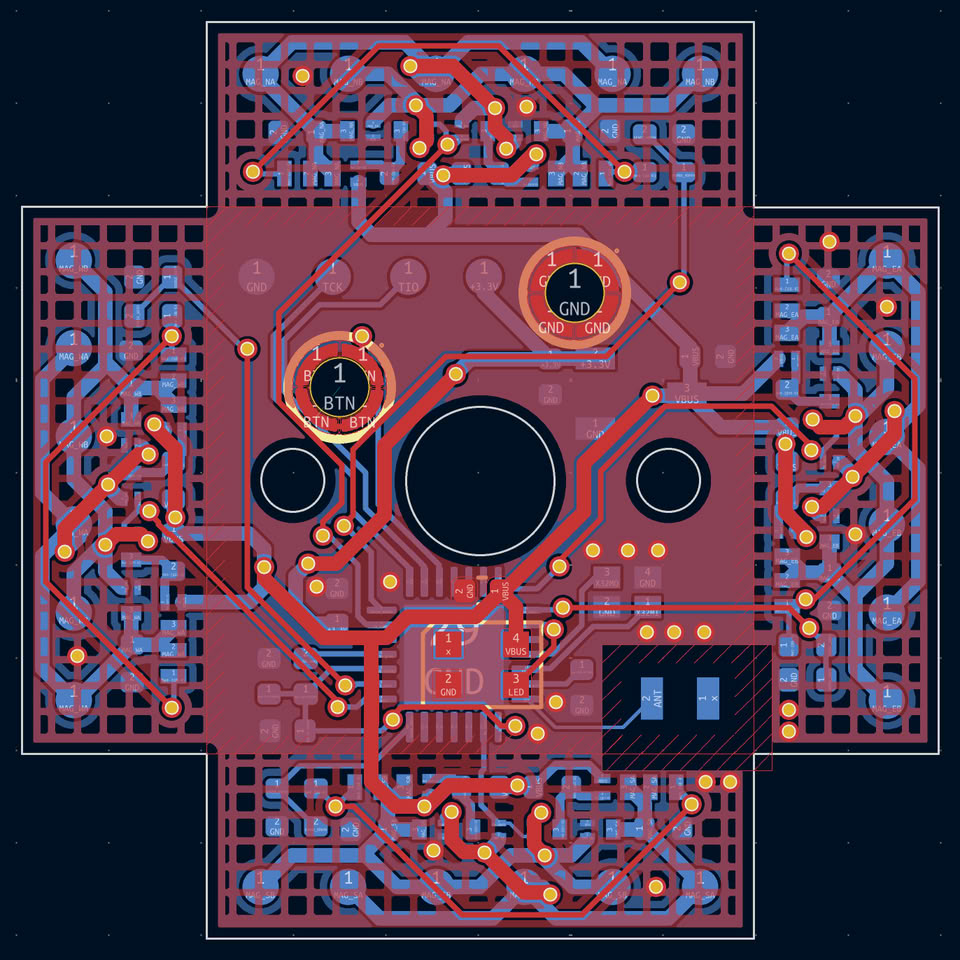
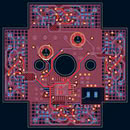
The whole project hinges on the Keyword, a motherboard of sorts that contains the USB Type-C port, battery charging circuitry, and a STM32WB55 MCU. That motherboard connects to each Keybit, each of which also has its own RISC-V CH592F MCU and some clever tricks that allow the bits to connect in a rotation-agnostic way. There are also alternative PCB options, including one with a 3-axis Hall sensor, which would allow for something like a joystick or Hall effect switch implementation, and there are also spacer Keybits with power passthrough in 1u, 0.75u, and 0.5u units. In the latest design revision, each of the Keybits also has six magnets per side and automatic polarity detection, meaning switches can be arranged in-line or at 25%, 50%, or 75% offsets.
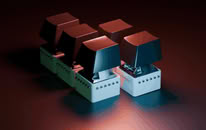
The whole project hinges on the Keyword, a motherboard of sorts that contains the USB Type-C port, battery charging circuitry, and a STM32WB55 MCU. That motherboard connects to each Keybit, each of which also has its own RISC-V CH592F MCU and some clever tricks that allow the bits to connect in a rotation-agnostic way. There are also alternative PCB options, including one with a 3-axis Hall sensor, which would allow for something like a joystick or Hall effect switch implementation, and there are also spacer Keybits with power passthrough in 1u, 0.75u, and 0.5u units. In the latest design revision, each of the Keybits also has six magnets per side and automatic polarity detection, meaning switches can be arranged in-line or at 25%, 50%, or 75% offsets.