News Posts matching #Data breach

Return to Keyword Browsing

Capcom Hit by Major Account Breach, 11.7 Million CAPCOM ID Records Accessed

Capcom has confirmed that an unauthorized third party accessed customer data tied to CAPCOM ID, the shared account used for the company's web services and for online play in some of its games. According to Capcom's official notice, a massive 11,774,247 records were affected worldwide, each containing an email address along with the account creation date, last login time, login count, and the IP address from the most recent sign-in. Capcom spotted the suspicious activity on October 19, started blocking it the same day, and reported the incident to the Osaka Prefectural Police and Japan's Personal Information Protection Commission on October 21. A much smaller group of 43 records also exposed dates of birth, gender, country or region, and nicknames.

The attackers changed the login passwords on 196 accounts too, and Capcom has since reset them. A follow-up notice on October 23 adds that the intruder opened the e-Capcom store pages of 19 of those accounts, exposing names, phone numbers, addresses, and purchase history for those customers in Japan. Capcom says it found no sign that customer-set passwords were compromised, and credit card information was not affected. Capcom hasn't said how the attackers got in, only that the method has been identified and dealt with. CAPCOM ID and Capcom's games remain available. The bigger risk now seems to be phishing, so anyone with a CAPCOM ID is advised to treat messages claiming to come from Capcom with suspicion.


ASUS Listed by Everest Ransomware Group, 1 TB Data Stolen

The Everest ransomware group claims it has breached ASUS and stolen more than 1 TB of internal data, including what it describes as "camera source code." The allegation was posted on the group's dark-web leak site on December 2. Everest says the data includes internal documents, engineering material, and other confidential files, and is demanding that ASUS contact them via the encrypted platform Qtox. No ransom amount has been disclosed. In this context, "camera source code" likely refers to firmware or low-level software used in ASUS devices with integrated cameras (smartphones, laptops) such as drivers, applications related to image processing, or internal developer tools. Everest's past operations often focus on stealing technical IP and development archives before attempting any encryption, a strategy meant to maximize leverage even if victims can recover systems from backups.

ASUS initially did not confirm or deny the breach. However, the company has now issued a public statement saying that an external supplier, not ASUS itself, was compromised. According to ASUS, the incident exposed some camera-related source code used in ASUS phones, but did not impact ASUS products, internal systems, or customer data. The company says it is strengthening supply-chain security and remains compliant with cybersecurity standards.
Public Statement Regarding Unauthorized Third-Party Data Access
An ASUS supplier was hacked. This affected some of the camera source code for ASUS phones. This incident has not impacted ASUS products, internal company systems, or user privacy. ASUS continues to strengthen supply chain security in compliance with cybersecurity standards.

NCIX Database Servers Containing Unencrypted User Data Cause Yet Another Data Breach

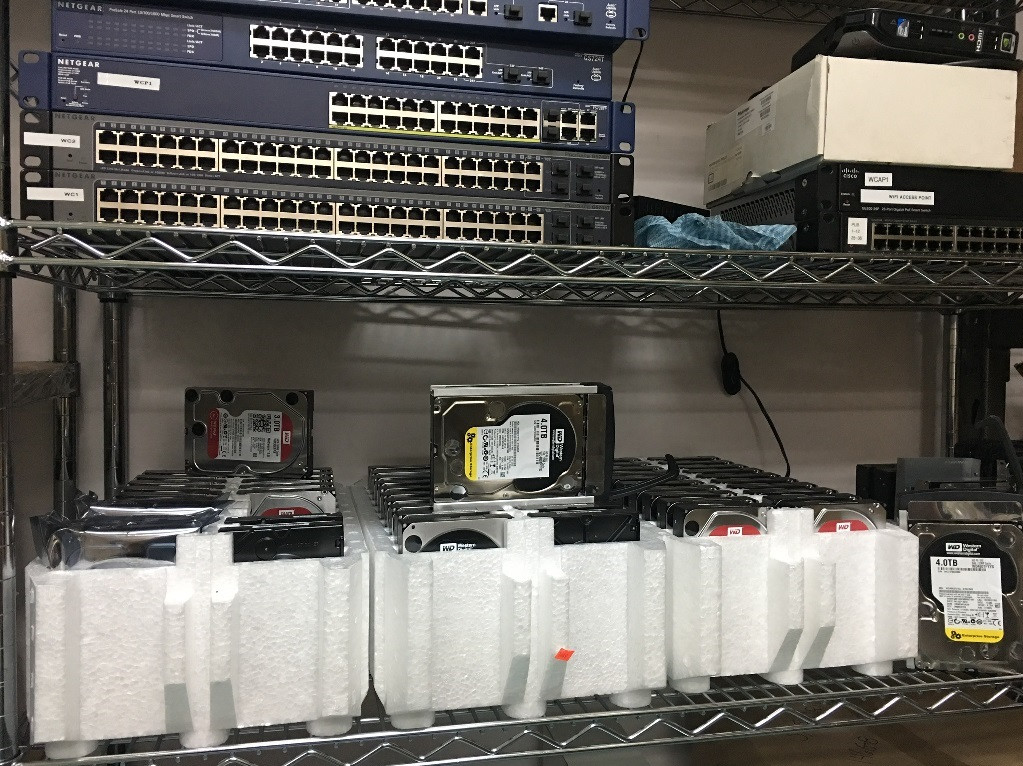
As if the Newegg data breach reported yesterday was not enough, NCIX decided to haunt everyone from the grave when news of a much larger data breach came out today. Readers of our website may have been aware that NCIX declared bankruptcy last December, and all their assets were put up for sale as part of a multi-day auction by the Able Auctions firm earlier this year. Most of the items on sale were innocuous, including remaining PC DIY components and office supplies, but an investigation coming out of Privacy Fly, a cyber security firm from Canada, is showing that something much more sinister ended up in the hands of people who also knew what they were doing. In particular, an unidentified male who called himself "Jeff", acting either independently or on behalf of another company, had procured the entire NCIX server farm at the auction and then sorted through the data to determine what was "useful" and what was not.

By this, he was referring to unencrypted and/or easily-cracked user data stored on the servers that NCIX had not bothered to remove or put behind a stronger password as the contents were laid bare for Privacy Fly to examine after the server was unlocked. These servers were put up for sale for $1500 (CAD) on Craigslist of all places, in a bold move effectively selling user data by the tens of thousands. "Jeff" confirmed he was in possession of hundreds of desktops, hard drives and more servers which, along with the StarWind iSCSI Software that was included in the auction and used by NCIX for all their years of existence meant every single customer and former employee was exposed by the breach. To be more specific, we are talking about financial records including payroll information, residence and email addresses, payment information and even Canadian SIN numbers all available to be seen and purchased by the lot. Be it the fault of NCIX or Able Auction, knowing that unencrypted data servers were sold without being wiped is terrifying, and we recommend taking appropriate actions as deemed for your country of residence.

Newegg Compromised by Magecart Assault; Potential Data Theft for Over a Month

Magecart is a relatively new online exploit group that has been in the news recently for affecting British Airways, and Ticketmaster in the recent past months. This hithero-unrecognized group uses a web-based card skimmer script by injecting a precious few lines of malicious code in a website, to then steal sensitive data that customers enter in the payment sections of said affected websites. Two large digital threat management outfits, RiskIQ and Volexity, today released their reports on how Newegg was similarly affected during the time period of August 13, 2018 through September 18, 2018, and what this means to users who may have performed a transaction on the website during this period.

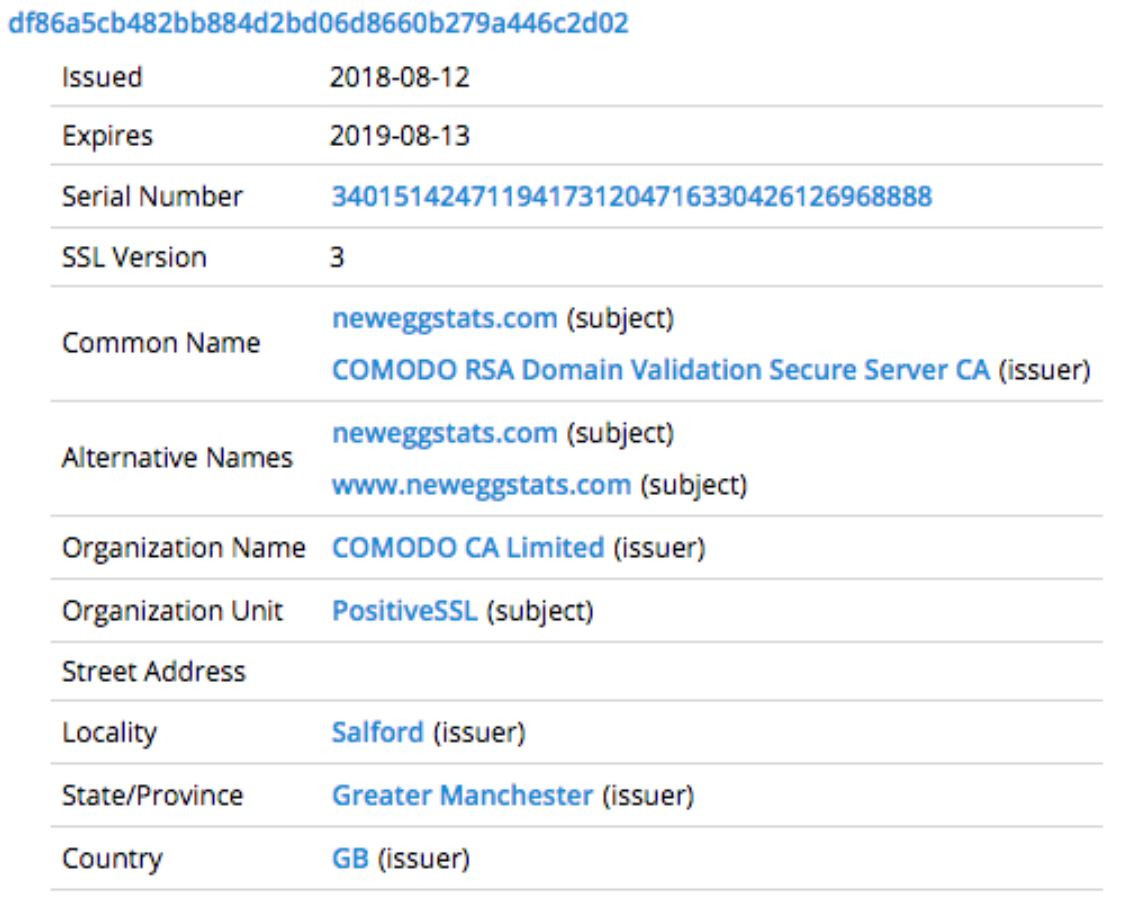
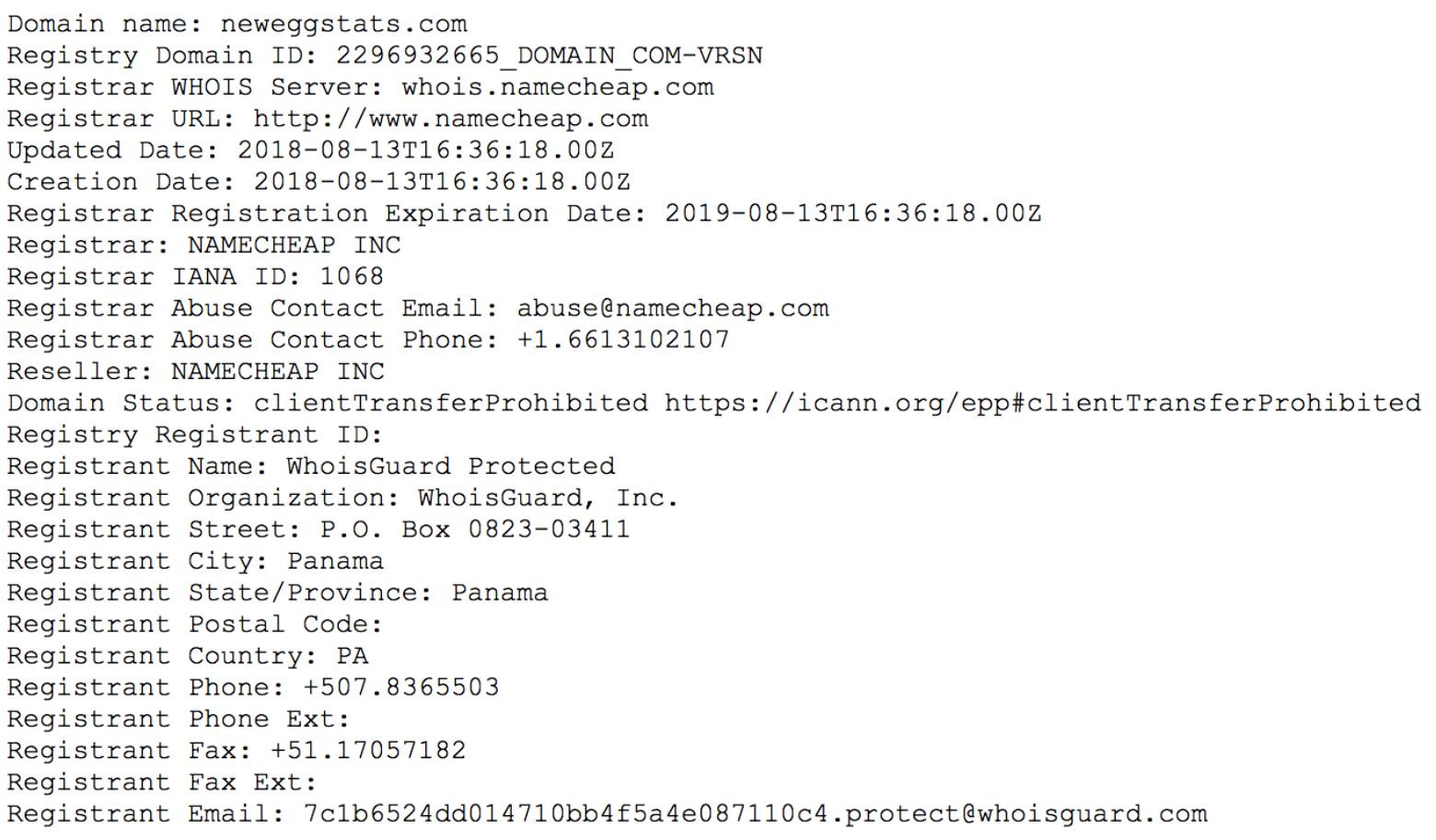
In particular, Newegg.com was affected when the criminals behind Magecart registed the neweggstats.com domain (now inactive) via domain provider Namecheap. As RiskIQ points out, this was soon changed to navigate to the 217.23.4.11 IP address, which is a Magecart server that was used to receive and store all collected user data from the compromise that happened since. A fake certificate was issued to add a layer of legitimacy to the domain, as seen below. Be sure to read past the break to find out more details, and also what the bottom line is for affected users.
Return to Keyword Browsing
Nov 13th, 2026 22:26 CST change timezone

New Forum Posts

Popular Reviews

TPU on YouTube

Controversial News Posts