News Posts matching #GPU

Return to Keyword Browsing

Sapphire GPRO X080 and X060 Mining GPUs Based on AMD RDNA2 Navi Architecture Surface

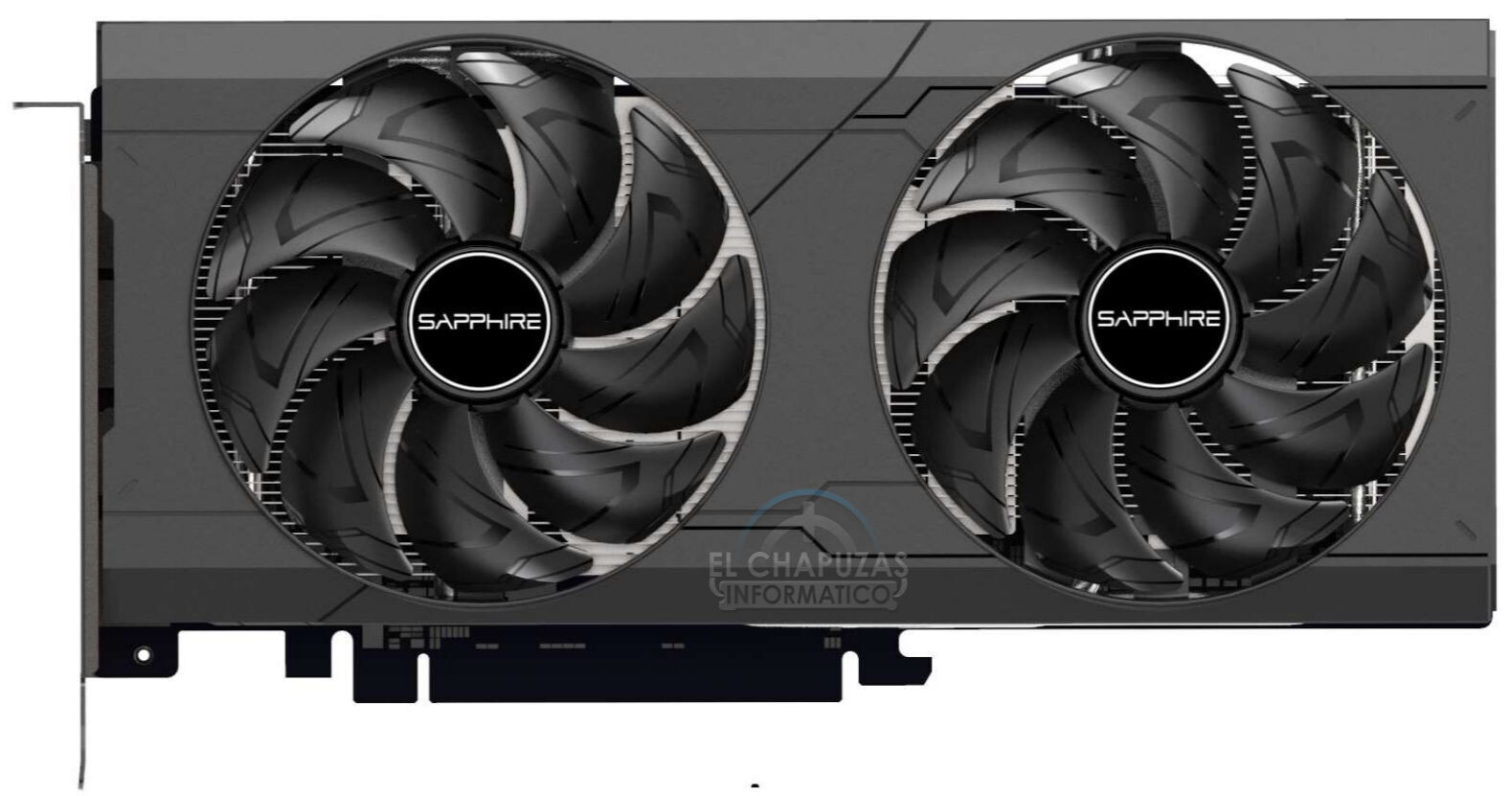
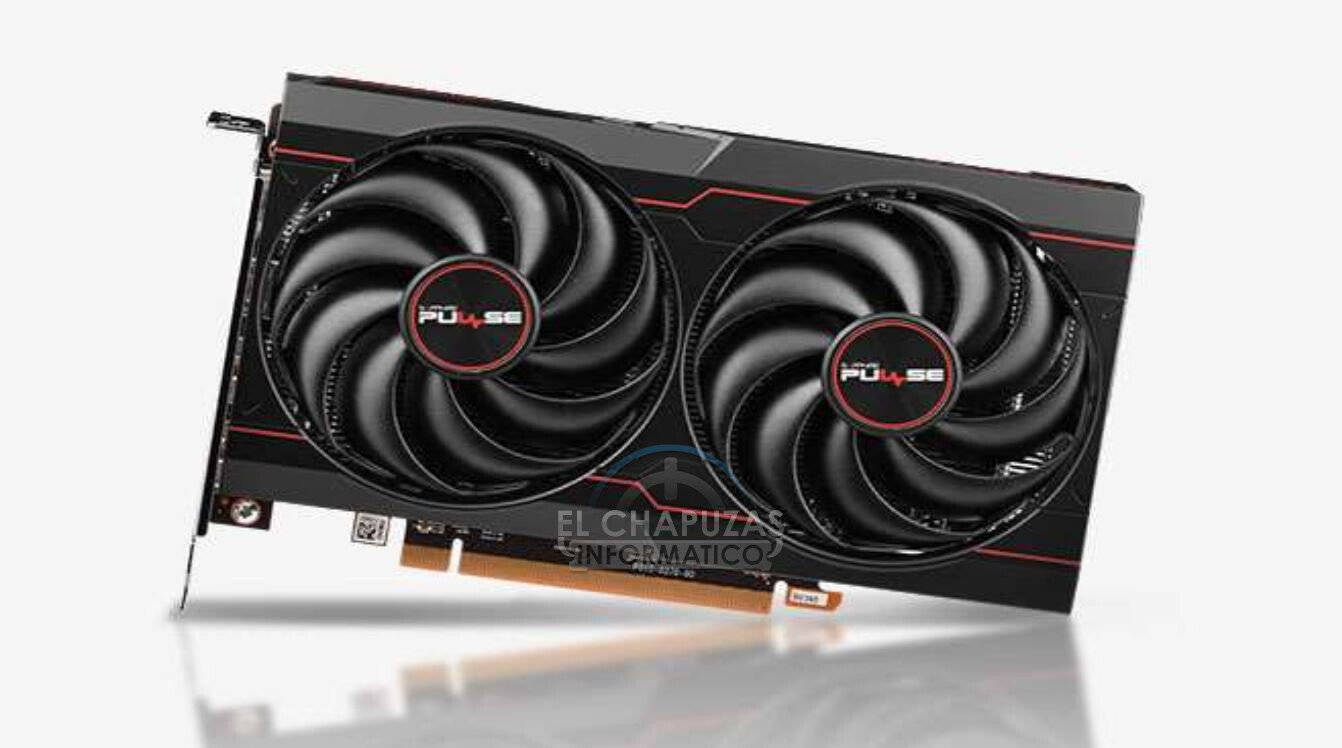
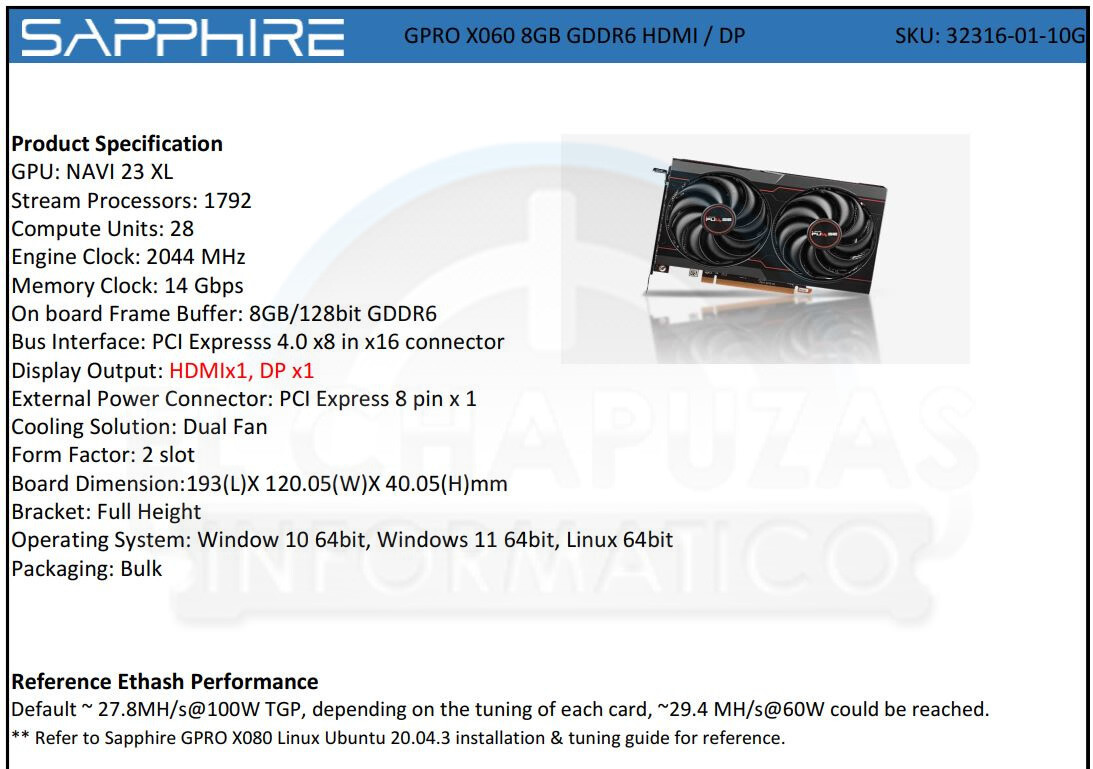
Sapphire, along with various other AIB partners from AMD, has been making graphics cards exclusively for cryptocurrency mining. With the arrival of AMD's RDNA2 generation, this has continued as well. However, the company has been doing it more quietly to avoid backslash from its customers already furious about the poor availability of graphics cards in general. Fortunately, El Chapuzas Informatico managed to get ahold of two datasheets from Sapphire that highlight features and use cases of its GPRO X080 and GPRO X060 mining graphics cards, primarily targeting Ethereum coin mining.

According to the source, the company has readied two models based on RDNA2 chipsets. That is GPRO X080 SKU based on Navi 22 with 2304 Streaming Processors, running at 2132 MHz frequency. Paired with Navi 22 GPU, 10 GB of GDDR6 memory runs at 16 Gbps speed on a 160-bit bus. This model has no display outputs, and the only connector is a PCIe 4.0 x16 slot that connects the GPU to the motherboard. Running at the default 165 Watt TGP, the card produces a 38.0 MH/s hash rate, while the optimized form of 41.6 MH/s reduces TGP to just 93 Watts.

NVIDIA CMP 170HX Mining Card Tested, Based on GA100 GPU SKU

NVIDIA's Crypto Mining (CMP) series of graphics cards are made to work only for one purpose: mining cryptocurrency coins. Hence, their functionality is somewhat limited, and they can not be used for gaming as regular GPUs can. Today, Linus Tech Tips got ahold of NVIDIA's CMP 170HX mining card, which is not listed on the company website. According to the source, the card runs on NVIDIA's GA100-105F GPU, a version based on the regular GA100 SXM design used in data-center applications. Unlike its bigger brother, the GA100-105F SKU is a cut-down design with 4480 CUDA cores and 8 GB of HBM2E memory. The complete design has 6912 cores and 40/80 GB HBM2E memory configurations.

As far as the reason for choosing 8 GB HBM2E memory goes, we know that the Ethereum DAG file is under 5 GB, so the 8 GB memory buffer is sufficient for mining any coin out there. It is powered by an 8-pin CPU power connector and draws about 250 Watts of power. It can be adjusted to 200 Watts while retaining the 165 MH/s hash rate for Ethereum. This reference design is manufactured by NVIDIA and has no active cooling, as it is meant to be cooled in high-density server racks. Only a colossal heatsink is attached, meaning that the cooling needs to come from a third party. As far as pricing is concerned, Linus managed to get this card for $5000, making it a costly mining option.
More images follow...

Jon Peddie Research: Q3 Graphics Card Shipments Increase by 12% Year-over-Year

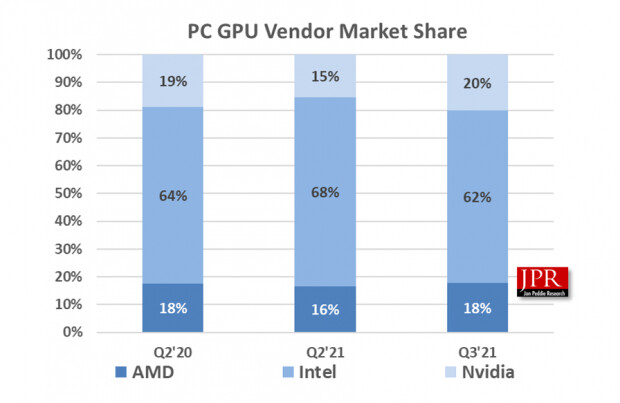
Jon Peddie Research reports the growth of the global PC-based Graphics Processor Units (GPU) market reached 101 million units in Q3'21 and PC CPUs shipments increased by 9% year over year. Overall, GPUs will have a compound annual growth rate of -1.1% during 2020-2025 and reach an installed base of 3,249 million units at the end of the forecast period. Over the next five years, the penetration of discrete GPUs (dGPU) in the PC will grow to reach a level of 31%.

AMD's overall market share percentage from last quarter increased 1.4%, Intel's market share decreased by -6.2%, and Nvidia's market share increased 4.86%, as indicated in the following chart.

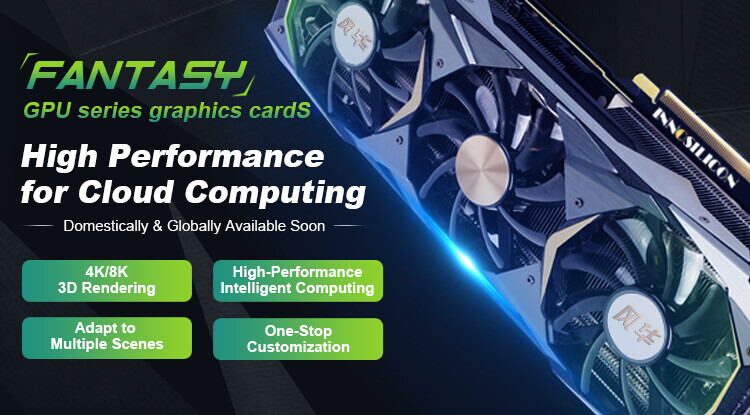
Innosilicon's Fenghua GPU Based on Imagination Technologies IMG-B Series GPU Cores

The somewhat surprise announcement of the Innosilicon Fenghua No.1 server graphics card took many by surprise, but it seems like much of the tech media, us included, weren't paying attention, as there were hints about this card over a year ago. It came from no-one other than Imagination Technologies CMO, David Harold, in an official blog post that was posted on the 13th of October 2020.

The blog post was titled "Back in the high-performance game" and in it David Harold was reminiscing about his close to 20 years at Imigationation Technologies and how the company had started out in the 3D accelerator business with the Kyro "GPU". He goes on to mention last year's IMG A-Series GPU and then moves on to the new IMG-B Series and mentions how it's the 11th generation of the PowerVR architecture and how it has 70 percent higher compute density compared to existing desktop GPUs. He also mentions that Imagination Technologies has five customers working on products for the desktop, performance laptop and "cloud spaces" based on the PowerVR architecture and then goes on to mention Innosilicon by name and pointing out that they have just launched an IMG-B Series BXT multi-core GPU in an add-in card form-factor.

TOP500 Update Shows No Exascale Yet, Japanese Fugaku Supercomputer Still at the Top

The 58th annual edition of the TOP500 saw little change in the Top10. The Microsoft Azure system called Voyager-EUS2 was the only machine to shake up the top spots, claiming No. 10. Based on an AMD EPYC processor with 48 cores and 2.45GHz working together with an NVIDIA A100 GPU and 80 GB of memory, Voyager-EUS2 also utilizes a Mellanox HDR Infiniband for data transfer.

While there were no other changes to the positions of the systems in the Top10, Perlmutter at NERSC improved its performance to 70.9 Pflop/s. Housed at the Lawrence Berkeley National Laboratory, Perlmutter's increased performance couldn't move it from its previously held No. 5 spot.

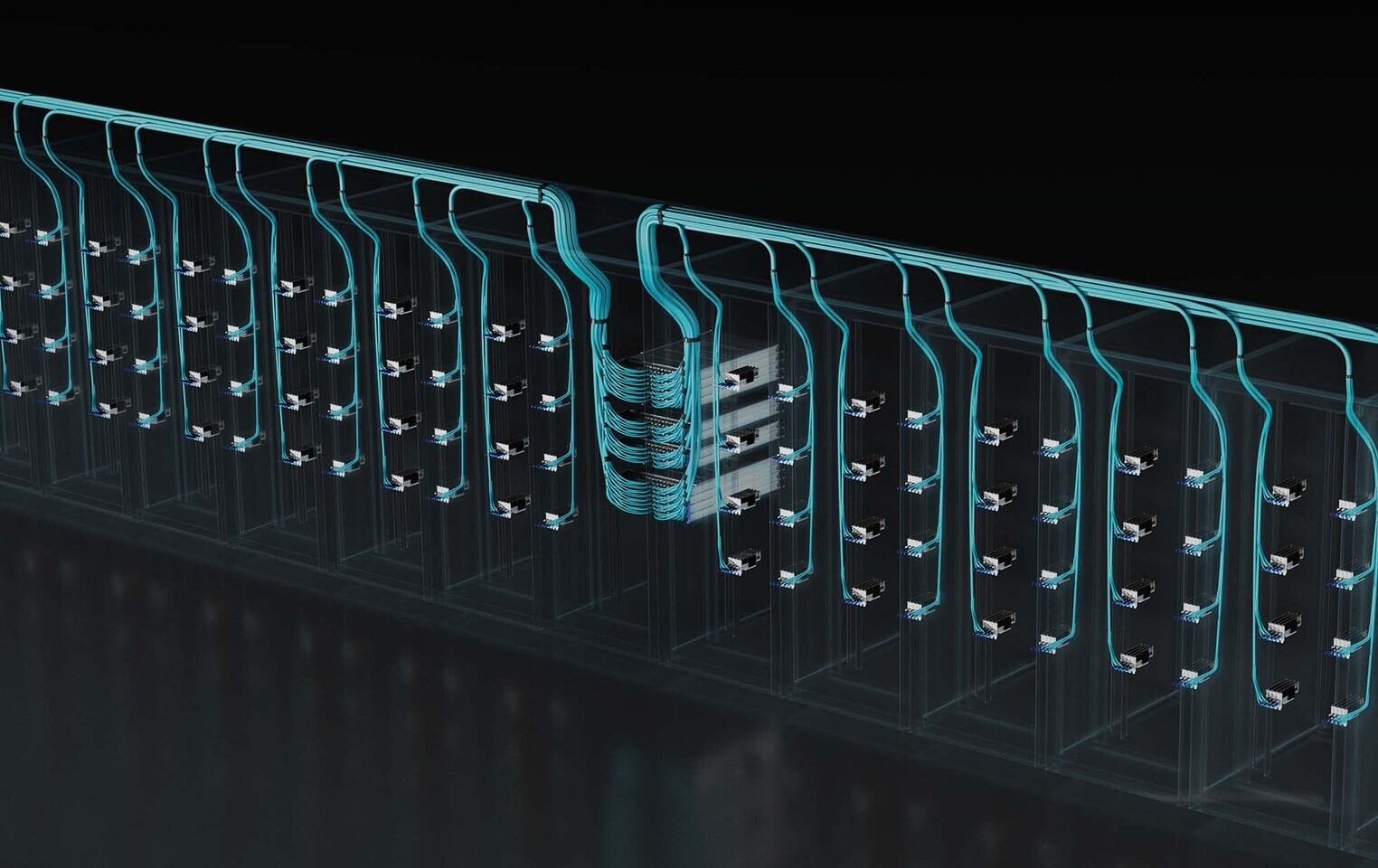
NVIDIA Quantum-2 Takes Supercomputing to New Heights, Into the Cloud

NVIDIA today announced NVIDIA Quantum-2, the next generation of its InfiniBand networking platform, which offers the extreme performance, broad accessibility and strong security needed by cloud computing providers and supercomputing centers.

The most advanced end-to-end networking platform ever built, NVIDIA Quantum-2 is a 400 Gbps InfiniBand networking platform that consists of the NVIDIA Quantum-2 switch, the ConnectX-7 network adapter, the BlueField-3 data processing unit (DPU) and all the software that supports the new architecture.

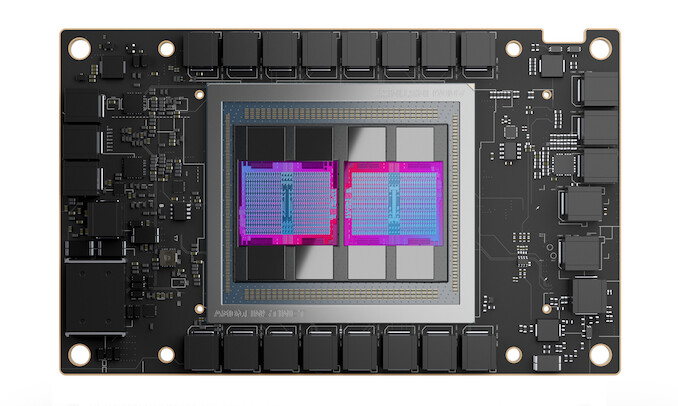
AMD Details Instinct MI200 Series Compute Accelerator Lineup

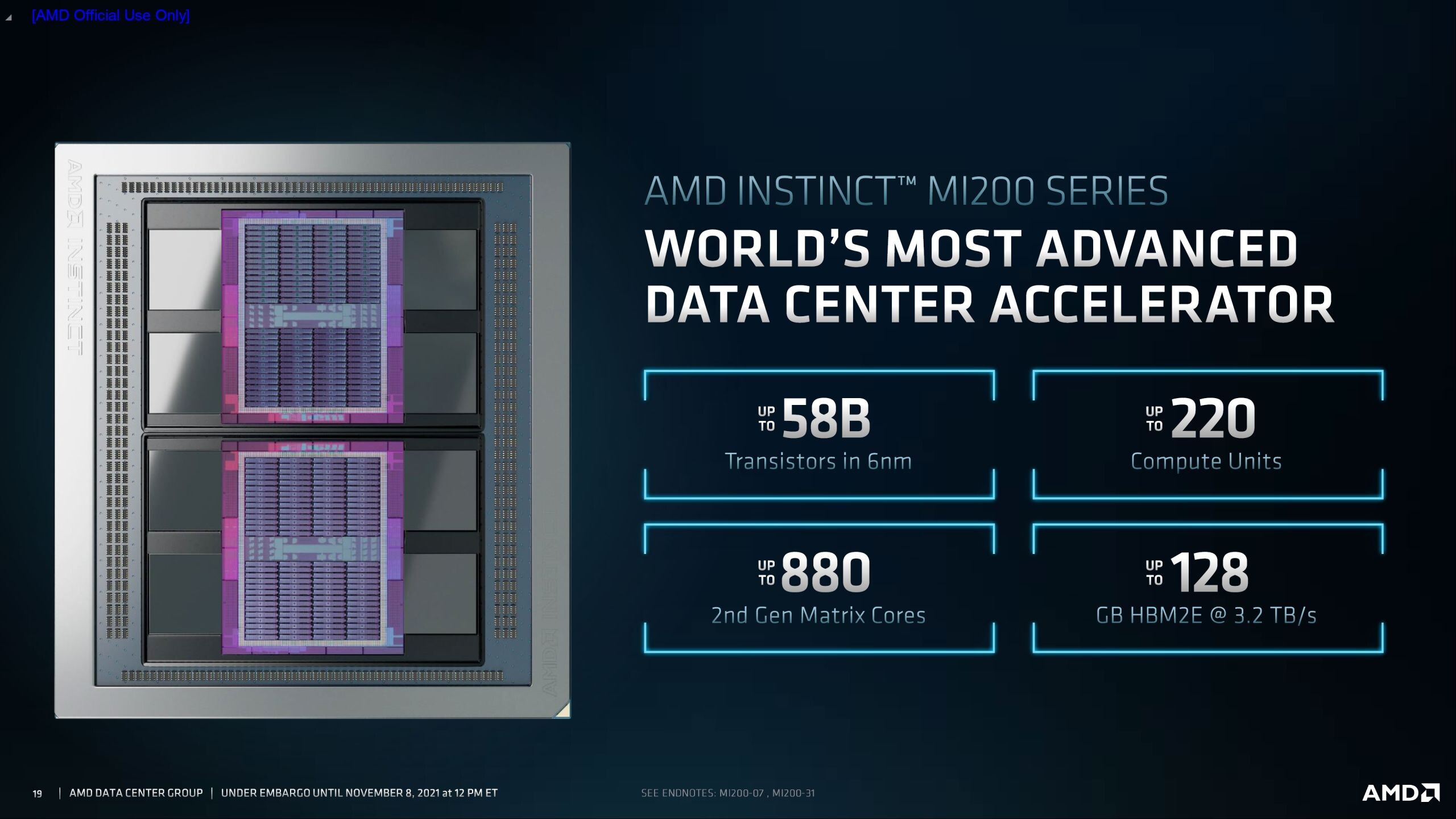
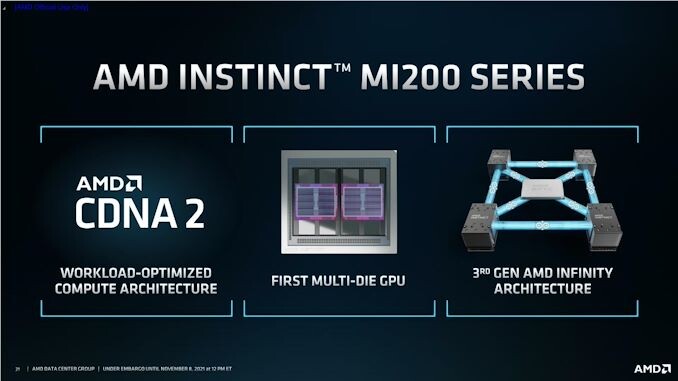
AMD today announced the new AMD Instinct MI200 series accelerators, the first exascale-class GPU accelerators. AMD Instinct MI200 series accelerators includes the world's fastest high performance computing (HPC) and artificial intelligence (AI) accelerator,1 the AMD Instinct MI250X.

Built on AMD CDNA 2 architecture, AMD Instinct MI200 series accelerators deliver leading application performance for a broad set of HPC workloads. The AMD Instinct MI250X accelerator provides up to 4.9X better performance than competitive accelerators for double precision (FP64) HPC applications and surpasses 380 teraflops of peak theoretical half-precision (FP16) for AI workloads to enable disruptive approaches in further accelerating data-driven research.

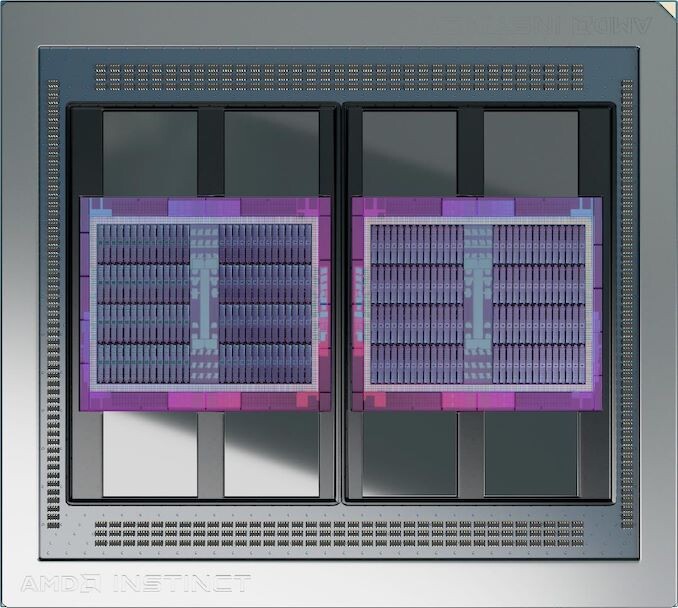
AMD Instinct MI200: Dual-GPU Chiplet; CDNA2 Architecture; 128 GB HBM2E

AMD today announced the debut of its 6 nm CDNA2 (Compute-DNA) architecture in the form of the MI200 family. The new, dual-GPU chiplet accelerator aims to lead AMD into a new era of High Performance Computing (HPC) applications, the high margin territory it needs to compete in for continued, sustainable growth. To that end, AMD has further improved on a matured, compute-oriented architecture born with Graphics Core Next (GCN) - and managed to improve performance while reducing total die size compared to its MI100 family.

Truck Full of EVGA Graphics Cards Gets Stolen in California

Unexpected events tend to happen in the world of graphics cards, and today seems like no exception. According to the public announcement on EVGA forums, a truck delivery full of the latest NVIDIA GeForce RTX 30 series graphics cards got stolen. The truck was going on its route from San Francisco to the EVGA Southern California distribution center. Inside the vehicle, countless GPUs were ranging in MSRP from $329.99 up to $1959.99. However, the company doesn't specify how many GPUs are now missing. It is important to note that any sale of these stolen GPUs is considered a felony, and if you have any information regarding this, please get in touch with EVGA at stopRTX30theft@evga.com email address.
Here is the full announcement from EVGA's forum:

Intel Aurora Supercomputer Will Touch 2 ExaFLOPs of Computational Power

Intel's Aurora supercomputer is a $500 million contract with the US Department of Energy to deliver an exascale supercomputer for Argonne National Laboratory. The project aims to build a machine capable of cranking over one ExaFLOP of computing at sustained workloads. The supercomputer aims to reach two ExaFLOPs of computing power once the installation system is completed and powered. The contract bound Intel to create accelerators that are powerful enough to achieve this magical number. However, they left Intel with room to do a little bit extra. With Ponte Vecchio GPU behind the project, it seems like the GPU is performing better than expected.

According to Intel's CEO, Pat Gelsinger, the system will reach over 2 ExaFLOPs at peak and a bit below in sustained workloads. As per preliminary calculations done by The Next Platform, the system's estimations point towards 2.43 ExaFLOPs peak and around 1.7 ExaFLOPs in sustained workloads at Double-precision floating-point format math, aka FP64. The system will utilize Intel Xeon Sapphire Rapids processors with HBM memory and the powerful Ponte Vecchio GPU with 47 tiles and over 100 billion transistors.

Intel Xe-HPG Arc Alchemist Graphics Card Alleged Pricing Points Towards $650-$825 Range

Intel's Arc Alchemist lineup of graphics cards, based on Xe-HPG GPU configuration, is nearing the launch. With the current situation with AMD and NVIDIA GPUs outputting graphics card prices over the default MSRP, we wonder how Intel would place pricing of its upcoming GPUs and fit inside the market. And today, we got the first round of speculations based on Intel's Arc Alchemist GPU giveaway called Xe-HPG Scavenger Hunt. There are two principal bundles: one worth $900 that includes Intel Arc merchandise, Xbox Game Pass PC for six months, Intel Premium Arc Alchemist graphics card, and one worth $700 that consists of three months of Xbox Game Pass PC, Intel Arc merchandise, and Intel Performance Arc Alchemist graphics card.

According to some preliminary calculations from Tom's Hardware, we assume that with the $900 bundle containing one Premium Arc Alchemist GPU and other prizes, the card will cost as much as $825 when all things get removed. Going down the ladder, Intel has paired a bundle worth $700 with a Performance Arc GPU, which is roughly worth $650 on its own. It indicates that the two Intel Performance and Premium Arch Alchemist graphics cards are respectfully worth $650 and $825. What will the final pricing look like? We don't know. However, we assume that it could be very similar to this. For more information we have to wait for the official launch.

Apple Introduces M1 Pro and M1 Max: the Most Powerful Chips Apple Has Ever Built

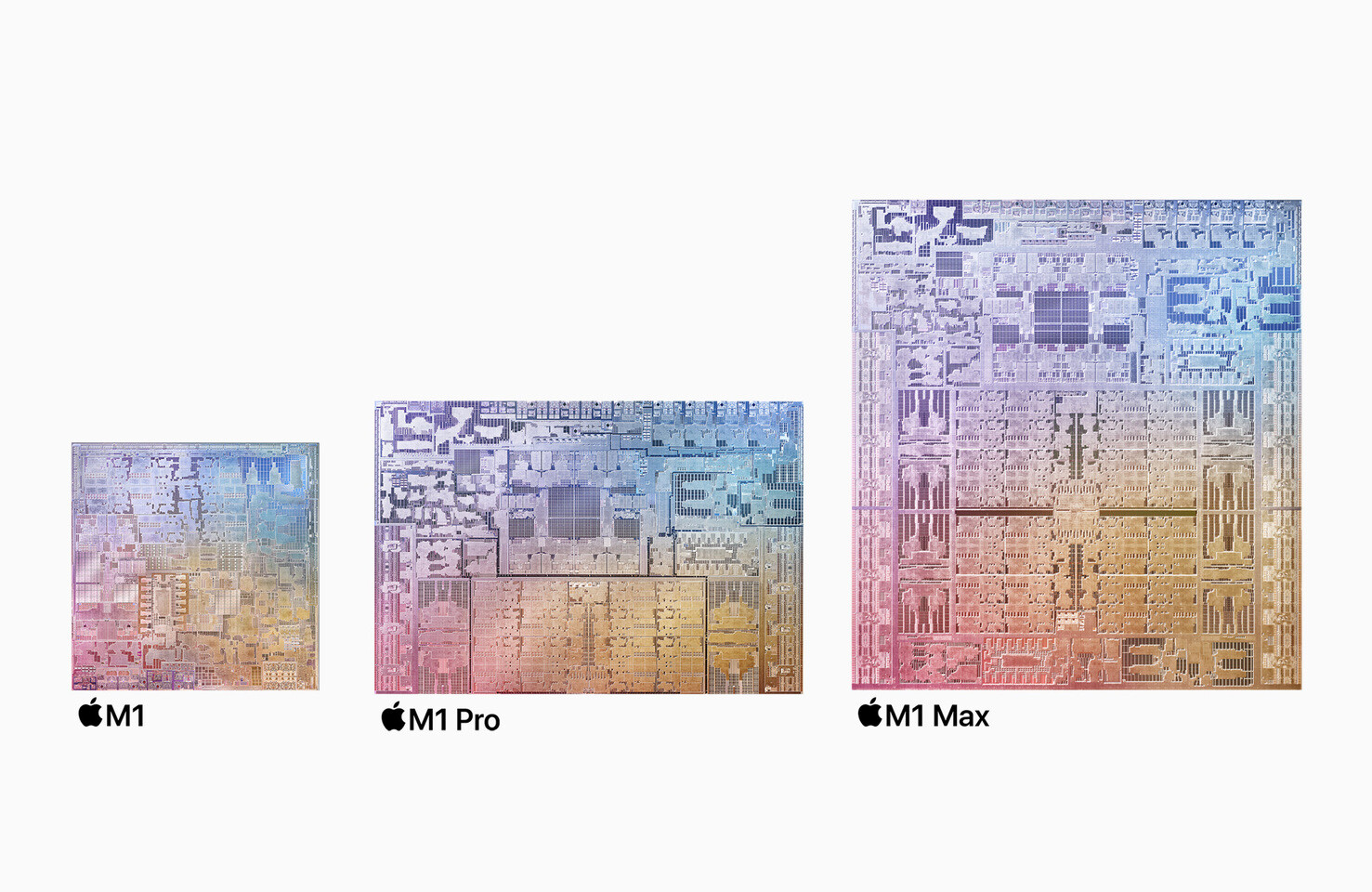
Apple today announced M1 Pro and M1 Max, the next breakthrough chips for the Mac. Scaling up M1's transformational architecture, M1 Pro offers amazing performance with industry-leading power efficiency, while M1 Max takes these capabilities to new heights. The CPU in M1 Pro and M1 Max delivers up to 70 percent faster CPU performance than M1, so tasks like compiling projects in Xcode are faster than ever. The GPU in M1 Pro is up to 2x faster than M1, while M1 Max is up to an astonishing 4x faster than M1, allowing pro users to fly through the most demanding graphics workflows.

M1 Pro and M1 Max introduce a system-on-a-chip (SoC) architecture to pro systems for the first time. The chips feature fast unified memory, industry-leading performance per watt, and incredible power efficiency, along with increased memory bandwidth and capacity. M1 Pro offers up to 200 GB/s of memory bandwidth with support for up to 32 GB of unified memory. M1 Max delivers up to 400 GB/s of memory bandwidth—2x that of M1 Pro and nearly 6x that of M1—and support for up to 64 GB of unified memory. And while the latest PC laptops top out at 16 GB of graphics memory, having this huge amount of memory enables graphics-intensive workflows previously unimaginable on a notebook. The efficient architecture of M1 Pro and M1 Max means they deliver the same level of performance whether MacBook Pro is plugged in or using the battery. M1 Pro and M1 Max also feature enhanced media engines with dedicated ProRes accelerators specifically for pro video processing. M1 Pro and M1 Max are by far the most powerful chips Apple has ever built.

AMD Ryzen Mobile "Raphael-H" Series Could Pack 16 Cores Based on Zen 4 Architecture

As we await the update of AMD's highly anticipated 6000 series Rembrandt APUs based on Zen 3 cores and RDNA2 graphics, we are in for a surprise with information about the next generation, more than a year away, of Ryzen 7000 series mobile processors based on Zen 4 architecture. Codenamed Raphael-H, it co-exists with the upcoming lineup of Phoenix APUs, which come after the 6000 series Rembrandt APU lineup. This mobile variant of the forthcoming desktop Raphael processors features as many as 16 cores based on Zen 4 architecture. What is so special about the Raphael-H is that it represents a mobile adaptation of desktop processors, and we are not sure how it will be different from the Phoenix APUs. However, we assume that Phoenix is going to feature a more powerful graphics solution.

The confusing thing is the timeline of these processors. First comes the Rembrandt APUs (6000 series) and then both the Raphael-H and Phoenix mobile processors. AMD could disable iGPU on mobile Raphael-H designs. However, that is just a guess. We have to wait to find out more in the upcoming months.

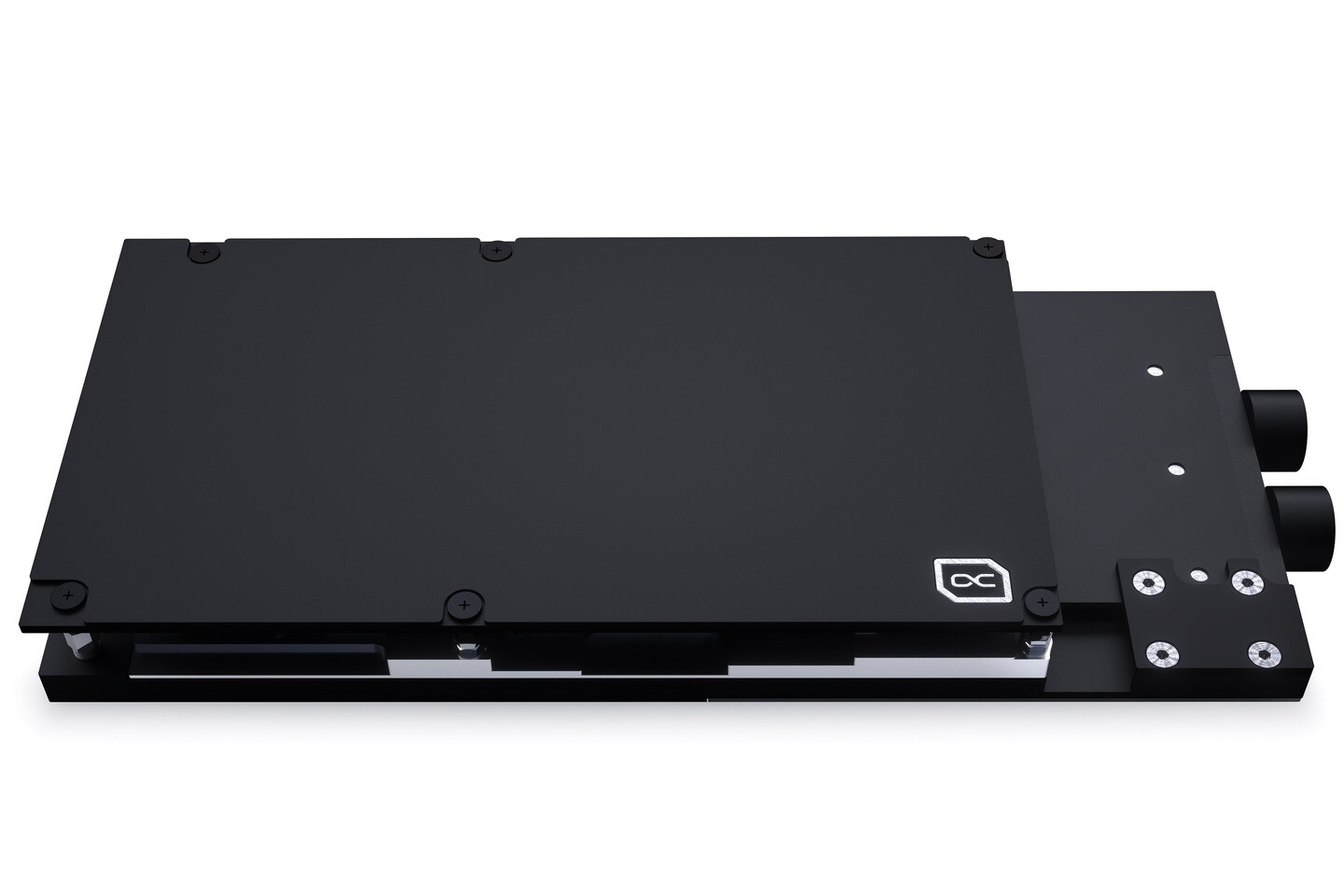
Alphacool Unveils Eisblock Aurora Acryl GPX for MSI Radeon RX 6700 XT Gaming X and Eisblock ES Acetal GPX for NVIDIA Quadro RTX A6000 GPU

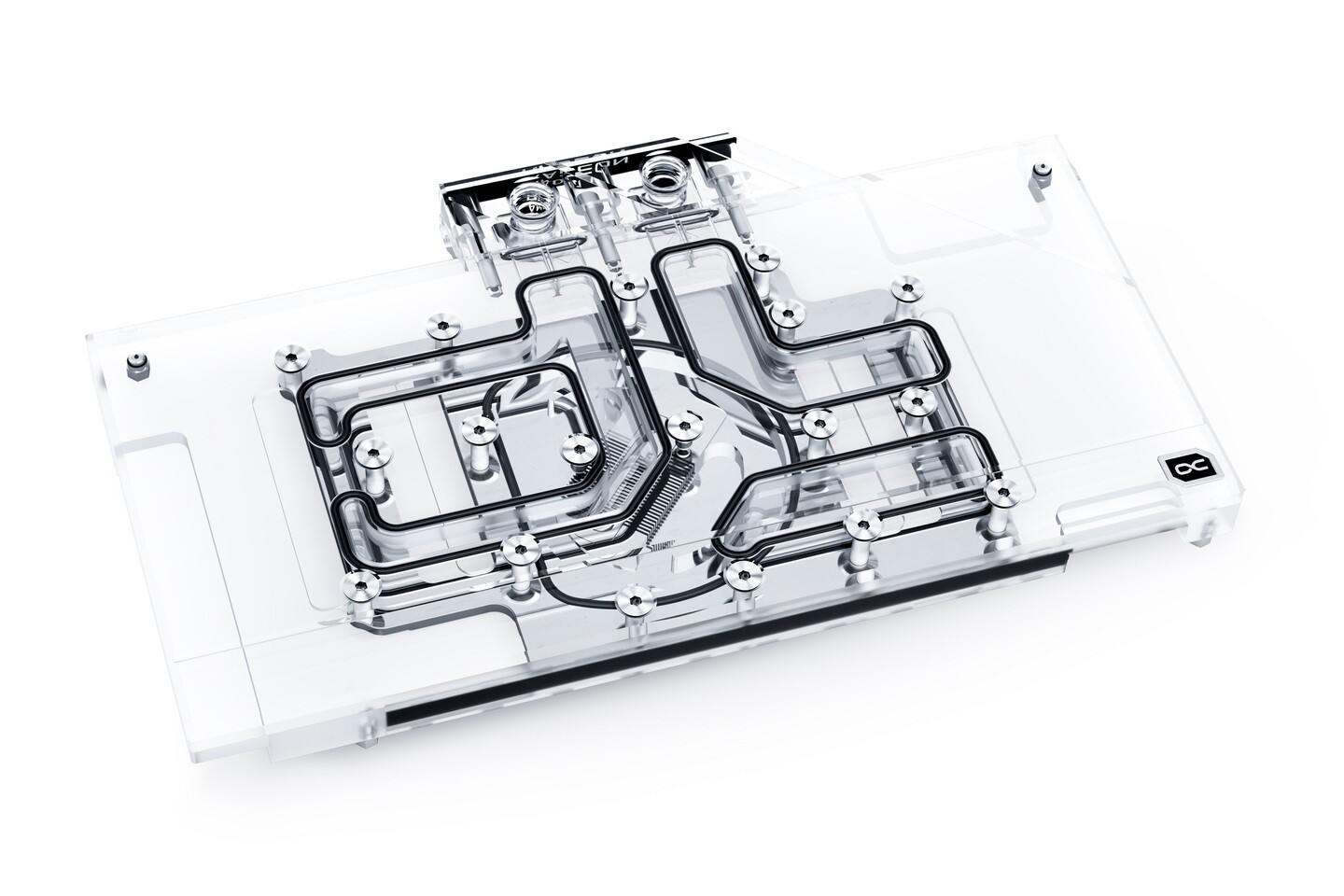
The Alphacool Eisblock Aurora acrylic GPX water cooler with backplate is now also available for MSI Radeon RX 6700 XT Gaming X graphics cards.

More performance! Voltage converters and V-RAM is now cooled much better and more effectively with liquid cooling. This is due to the components being brought closer to the cooler through the use of thinner, yet more powerful Thermal pads. The reduction of the thickness of the nickel-plated copper block to 5.5mm and the constant optimisation of the water flow within the heat sink promise a significant increase in performance. In addition to performance, design also plays an important role. The addressable digital RGB LEDs are embedded directly in the cooling block and give the cooler its very own visual touch.

NVIDIA DLSS Gets Ported to 10 Additional Titles, Including the New Back 4 Blood Game

NVIDIA's Deep Learning Super Sampling (DLSS) technology has been one of the main selling points of GeForce RTX graphics cards. With the broad adoption of the technology amongst many popular game titles, the gaming community has enjoyed the AI-powered upscaling technology that boosts frame-rate output and delivers better overall performance. Today, the company announced that DLSS arrived in 10 additional game titles, and those include today's release of Back 4 Blood, Baldur's Gate 3, Chivalry 2, Crysis Remastered Trilogy, Rise of the Tomb Raider, Shadow of the Tomb Raider, Sword and Fairy 7, and Swords of Legends Online.

With so many titles receiving the DLSS update, NVIDIA advertises using the latest GeForce driver to achieve the best possible performance in the listed games. If you are wondering just how much DLSS adds to the performance, in the newest Back 4 Blood title, RTX GPUs see a 46% boost in FPS. Similar performance gains translate to other labels that received the DLSS patch. You can expect to achieve more than double the number of frames in older titles like Alan Wake Remastered, Tomb Raider saga, and FIST.
For more information about performance at 4K resolution, please see the slides supplied by NVIDIA below.

Another AMD GPU Designer Joins Intel

Intel is apparently taking its GPU business seriously, at the expense of AMD, as according to an article from CRN, Intel has hired Vineet Goel, former Corporate Vice President GPU architecture, graphics, machine learning and mobile platform at AMD. His new title at Intel is almost as longwinding, as he joined Intel as Vice President and General Manager, GPU architecture and IP engineering.

Goel spent his past five years at AMD and prior to that he was the Director of GPU compute solution and Adreno architecture at Qualcomm, although his first job listed on LinkedIn was as a fellow at AMD. His new position at Intel will have him lead the Xe GPU IP roadmap, or in other words, he'll be the person that decides what kind of tech Intel will be putting in its future GPUs.

PCIe Gen5 "12VHPWR" Connector to Deliver Up to 600 Watts of Power for Next-Generation Graphics Cards

The upcoming graphics cards based on PCIe Gen5 standard will utilize the latest PCIe connector with double bandwidth of the previous Gen4 that we use today and bring a new power connector that the next generation of GPUs brings. According to the information exclusive to Igor's Lab, the new connector will be called the 12VHPWR and will carry as many as 16 pins with it. The reason it is called 12VHPWR is that it features 12 pins for power, while the remaining four are signal transmission connectors to coordinate the delivery. This power connector is supposed to carry as much as 600 Watts of power with its 16 pins.

The new 12VHPWR connector should work exclusively with PCIe Gen5 graphics cards and not be backward compatible with anything else. It is said to replace three standard 8-pin power connectors found on some high-end graphics cards and will likely result in power supply manufacturers adopting the new standard. The official PCI-SIG specification defines each pin capable of sustaining up to 9.2 Amps, translating to a total of 55.2 Amps at 12 Volts. Theoretically, this translates to 662 Watts; however, Igor's Lab notes that the connector is limited to 600 Watts. Additionally, the 12VHPWR connector power pins have a 3.00 mm pitch, while the contacts in a legacy 2×3 (6-pin) and 2×4 (8-pin) connector lie on a larger 4.20 mm pitch.

AMD Radeon RX 6600 Graphics Cards from XFX, ASRock, & PowerColor Pictured

AMD is expected to announce their Radeon RX 6600 graphics card on October 13th according to leaked documents. The graphics card will feature a cut-down Navi 23 GPU with 28 Compute Units and 1,792 stream processors compared to 32 and 2,048 on the RX 6600 XT. The card has also been revealed to feature 8 GB of GDDR6 memory running at 14 Gbps on a 128-bit memory bus. The first images of cards from board partners including XFX, ASRock, and PowerColor have been published by VideoCardz covering 5 different RX 6600 models.

The XFX Speedster SWFT 210 features a unique shorter PCB design with a relocated 8-pin power connector in addition to a redesigned backplate which differs from the RX 6600 XT model. PowerColor appears to be releasing Hellhound and Fighter models with identical designs as their RX 6600 XT counterparts featuring 2-slot cooling and single 8-pin power connectors. ASRock is preparing two Challenger series models both sharing the same PCB with the single-fan Challenger ITX and dual-fan Challenger D. These new cards will reportedly match the NVIDIA GeForce RTX 3060 according to a leaked internal benchmark.

ASUS GeForce RTX 3070 With Noctua Cooling Appears

Back in August, we have seen rumors of ASUS collaborating with Austrian cooling specialist Noctua to develop a custom set of graphics cards based on custom cooling solutions provided by Noctua. In the early EEC listings, the references stood for a GPU based on NVIDIA's GeForce RTX 3070 GPU with a custom cooling provided by Noctua. We thought that such a collaboration would open many doors for both companies. Today, the product is finally looking like a genuine offer, and we got the first set of pictures thanks to ASUS Vietnam.

The card, pictured below, has dual 8-pin power connectors to supply the chip and has three DisplayPort connectors accompanied by two HDMI outputs. The product is a three-slot body with Noctua's iconic brown theme, featuring two large fans to cool the heatsink. While we don't know any further information, the Vietnamese pricing is supposed to stand at 26 million VND, translating to around 1137.62 US Dollars at the writing date.

Copper Foil Shortages Could Drive Motherboard and GPU Prices Upwards

Today, we got another report about the potential problems with motherboards and graphics cards. At the moment of writing, the global supply chain of electronics is still under the shortage caused by the lack of sufficient supply of semiconductors and some other electronic components that cannot meet demand. There is a reported scarcity of copper and copper-clad laminates (CCLs), used as a base plate for manufacturing printed circuit boards (PCBs) that power every electronics product currently available. According to DigiTimes, the costs of copper foils used to make these CCLs are rising, putting significant pressure on motherboard and GPU makers to increase their price quotes.

As the materials used to create motherboards and GPUs are experiencing rising costs, that usually results in two types of actions taken by the manufacturer: a price increase or a reduced profit margin of the product. Copper pricing has risen by 35% since Q4 2020, so price growth is inevitable. With the increased MSRP representing a common trend in the computer industry for the past period, it could very easily translate into manufacturers boosting their pricing structure. That means that we, as consumers, could see higher prices of motherboards and graphics cards, especially those models with PCBs made out of high amount of copper layers.

AMD Radeon RX 6600 Reviews Set to Release October 13th

The AMD Radeon RX 6600 is expected to launch in October after documents received by VideoCardz reveal that reviews for the card are set to be published on October 13th. The documents reveal that board partners who will be releasing cards for review will need to have informed AMD by September 15th and can begin shipping them to reviewers on September 29th. The AMD Radeon RX 6600 will use the Navi 23 GPU with 4 Compute Units disabled for a total of 28. This will give the card 1792 Stream Processors which will be paired with 8 GB of GDDR6 memory. The documents also show that AMD is not planning to release an RX 6600 reference card so no pricing information was included. We expect that the card will be shortly available after the listed review embargo is lifted on October 13th at 9 AM EST.

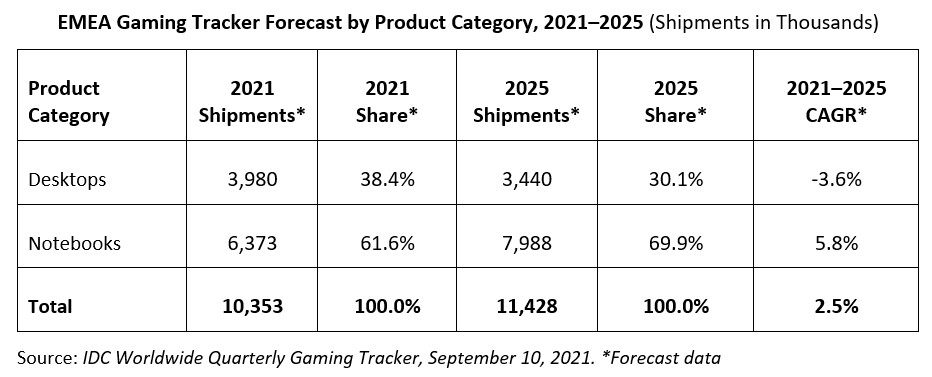
EMEA Gaming PC Market Set to Stay Strong in 2021, Despite Component Shortage, Says IDC

The Europe, Middle East, and Africa (EMEA) market for gaming PCs posted another quarter of solid growth in 2021Q2, growing 10.8% YoY and recording 2.5 million units shipped, according to International Data Corporation (IDC). Approaching the end of 2021, growth is expected to continue, albeit at a lower rate than in recent quarters. 2021Q3 is predicted to grow at 6.1% YoY, while 2021Q4 has an anticipated rise of 4.8% YoY. While the momentum is stabilizing, long-term growth is still expected. In 2025, the PC gaming market is forecast to rise to 11.4 million units, with a five-year compound annual growth rate (CAGR) of 2.5%.

In Western Europe, 2021H1 saw demand in the market driven by consumers working from home, despite the loosening of lockdowns. With upcoming game releases in 2021H2 expected to increase graphical requirements, more gamers will be looking to refresh their PCs to game at the highest level. Therefore, acceleration of new/returning gamers is expected to continue in 2021. However, with component supply and logistics problems continuing, gaming PC production will be impacted too.

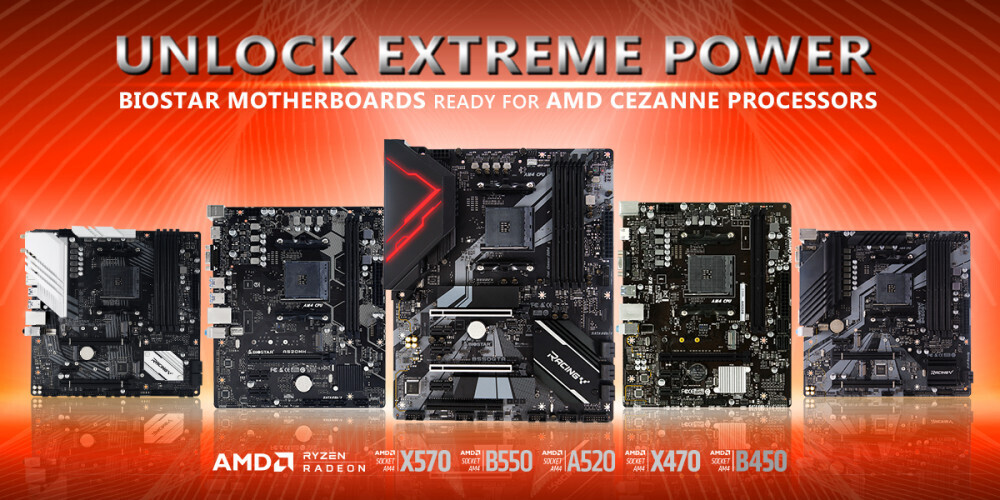
BIOSTAR Brings AMD Cezanne Support to Motherboards Using BIOS Update

BIOSTAR, a leading brand of motherboards, graphics cards, and storage devices, today announced product support for the latest AMD Ryzen 5000G series Cezanne processors. AMD's next-generation Ryzen 5000G series desktop processors codenamed "Cezanne" are ready to invade the global market. The new 5000G series processors are based on Zen 3 architecture, AMD's Ryzen 5000 series of desktop APUs based on the Zen 3 CPU and Vega GPU microarchitectures succeeding the Ryzen 4000 "Renoir" series.

Extreme performance enabled for personal computing with up to 8 cores fueled by the world's most advanced 7 nm processor core technology, the AMD Ryzen 5000 G-series desktop processors with Radeon graphics deliver ultra-fast responsiveness and multi-threaded performance for any use case.

JPR: Graphics Card Add-in-Board (AIB) Market Hits $11.8 billion in Q2'21

According to a new research report from the analyst firm Jon Peddie Research, unit shipments of add-in boards increased in Q2'21 from last year, while Nvidia increased market share to 80% from last quarter a 0.3% increase as well as 2% year-over-year.. Over $11.8 billion AIBs shipped in the quarter—an increase of 179% year-over-year.

Add-in boards (AIBs) use discrete GPUs (dGPU) with dedicated memory. Desktop PCs, workstations, servers, rendering and mining farms, and scientific instruments use AIBs. Consumers and enterprises buy AIBs from resellers or OEMs. They can be part of a new system or installed as an upgrade to an existing system. Systems with AIBs represent the higher end of the graphics industry. Entry-level systems use integrated GPUs (iGPU) in CPUs that share slower system memory.

HYTE Unveils the new SFF Revolt 3 PC Case as its Premier Product

[Editor's note: We have published the review of HYTE Revolt 3 Case here.]

HYTE, the new PC components and lifestyle brand of iBUYPOWER, a leading manufacturer of high-performance custom gaming PCs, today released its premier product, the Revolt 3 Mini-ITX PC case. Previously announced during CES 2021 as the Revolt 3 MK3, the Revolt 3 was designed with careful consideration for DIY PC enthusiasts, gamers, and creators alike.

"iBUYPOWER is excited to introduce its new sub-brand, HYTE, to our community with its very first product, the Revolt 3" said Darren Su, Executive Vice President of iBUYPOWER. "With over 20 years of experience as a systems integrator we felt like we had a unique perspective to bring to the table when developing PC Components. We approached the Revolt 3 with the goal of designing a case with the freedom and flexibility that would allow the use of a wide range of components without imposing performance restrictions based on the size of the case."
Return to Keyword Browsing
Nov 22nd, 2026 17:38 CST change timezone

New Forum Posts

Popular Reviews

TPU on YouTube

Controversial News Posts