
News Posts matching #Locked

Return to Keyword Browsing

Used Ryzen 7 5800X3D Gets Buyer Locked Out of Valorant Due to Previous Owner's Cheating

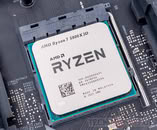
Buying a used Ryzen 7 5800X3D CPU has apparently locked its new owner out of Valorant. Reddit user After-Cartoonist-196 posted on r/PCBaumeister that they bought the chip through the German classifieds site Kleinanzeigen and have owned it since September 21. The CPU apparently works fine. However, Valorant kicked them out at launch, even though the game ran normally on their previous processor. Riot support reportedly told them the CPU's ID was blacklisted in Vanguard on August 12 because the previous owner had cheated. The user also claims their motherboard and storage drive got flagged, and that support refused to lift the ban. However, Riot's head of anti-cheat, Phillip Koskinas, responded on X and disputed part of that. Here's what he posted:

Hardware bans last 4 months maximum, they apply only to the game cheats were detected in, and we don't ban "everything else" when we match one component. Support will give you the time remaining on request. If it were up to me, we'd have soul bans that followed them into hell.

Raspberry Pi Confirms Boards Are Locked to Factory RAM Size via Firmware

Raspberry Pi has confirmed its boards are firmware-locked to their factory RAM configuration, closing off a popular DIY upgrade path. The disclosure came from PhilE, a Raspberry Pi engineer and forum moderator, responding to a user who couldn't get a newly soldered-in 4 GB chip to register on a Compute Module 5. Apparently, the lock isn't new. According to the forum thread, it has been in place for some time, just not spelled out this plainly before. The lockdown reportedly dates back to late 2024, before this year's RAM price surge, so it's not a reaction to the current memory crunch either. That part obviously doesn't sit well with the repair and modding crowd, a community Raspberry Pi has usually supported.

PhilE explained the reasoning candidly. Apparently, some resellers were buying boards with cheaper RAM, swapping in higher-capacity chips "of dubious origin," and reselling them as factory 8 GB units. Those boards were never tested by Raspberry Pi, so when buyers ended up with unreliable hardware, support headaches landed on the company. Locking devices to their original RAM size removes that incentive, PhilE said. The firmware also reads other device attributes tied to the RAM part, so even a same-capacity swap from another board may not work, thus complicating repairs. It seems the tinkerer culture Raspberry Pi built its reputation on has unfortunately run into a hardware lock.
Return to Keyword Browsing
Nov 13th, 2026 07:53 PST change timezone

New Forum Posts

Popular Reviews

TPU on YouTube

Controversial News Posts