News Posts matching #NVIDIA

Return to Keyword Browsing

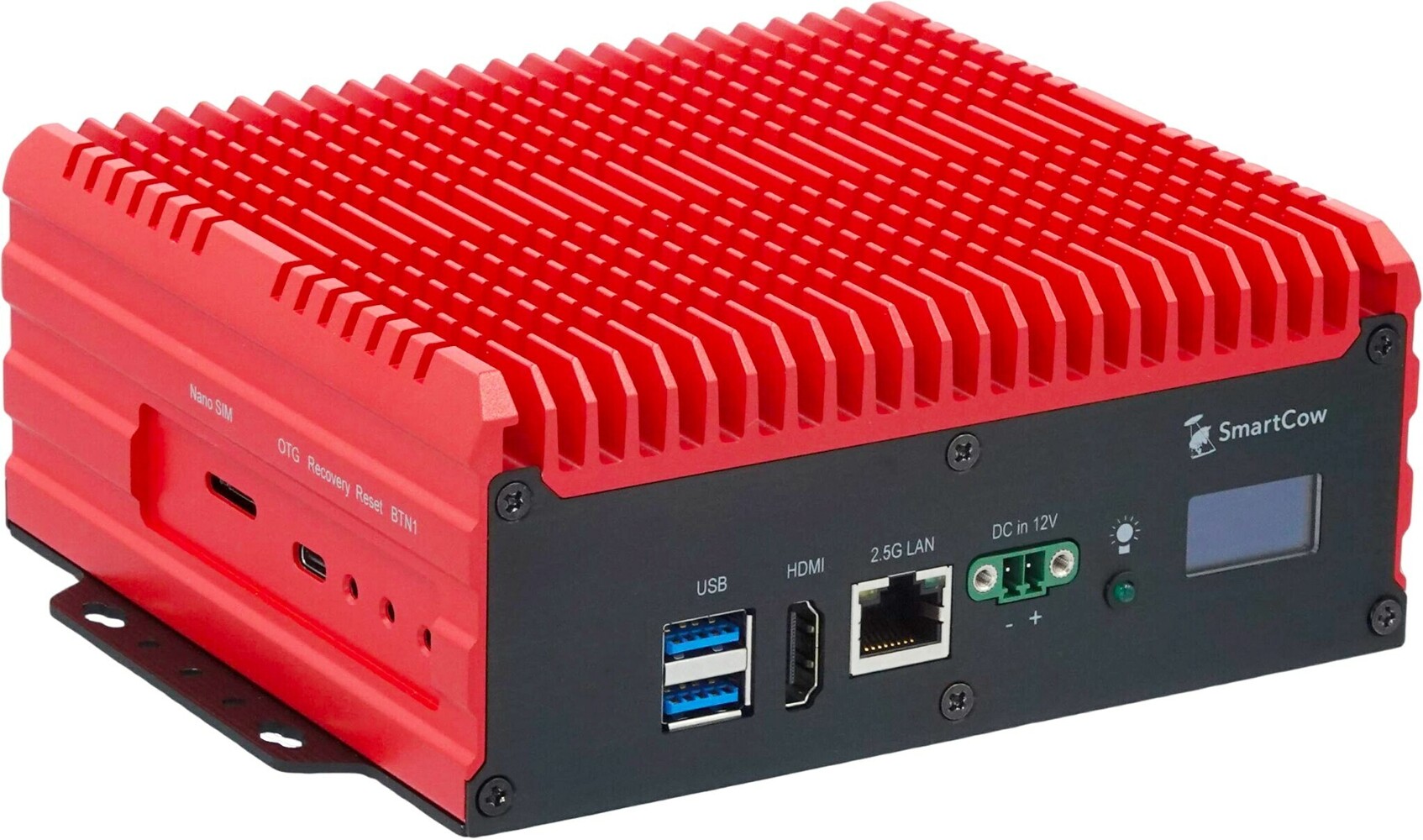
SmartCow introduces Uranus Plus AI Fanless Embedded System Powered by NVIDIA Jetson Orin

SmartCow, an AI engineering company specializing in building complex hardware and software solutions for artificial intelligence at the edge, announces the launch of their latest product, Uranus Plus, an AI fanless embedded system powered by the latest NVIDIA Jetson Orin NX and Jetson Orin Nano system-on-modules. With its thermally efficient design and compact form factor, Uranus Plus is suitable for various smart applications. Uranus Plus comes with options for 5G, 4G, and Wi-Fi connectivity and includes a 256Gb NVMe SSD, enabling the simultaneous operation of multiple neural networks and processing of high-resolution images, enhancing a groundbreaking benchmark in AI-driven capabilities at the edge with support up to 100 TOPS of AI compute.

Uranus Plus supercharges vision AI application development at the edge with NVIDIA Metropolis Microservices for Jetson through app stack modernization. Uranus Plus developers now get access to the latest generative AI capabilities through simple API calls, along with a far faster path to development and cloud-native deployment of vision AI applications at the far edge.
NVIDIA Prepared to Offer Custom Chip Designs to AI Clients

NVIDIA is reported to be setting up an AI-focused semi-custom chip design business unit, according to inside sources known to Reuters—it is believed that Team Green leadership is adapting to demands leveraged by key data-center customers. Many companies are seeking cheaper alternatives, or have devised their own designs (budget/war chest permitting)—NVIDIA's current range of AI GPUs are simply off-the-shelf solutions. OpenAI has generated the most industry noise—their alleged early 2024 fund-raising pursuits have attracted plenty of speculative/kind-of-serious interest from notable semiconductor personalities.

Team Green is seemingly reacting to emerging market trends—Jensen Huang (CEO, president and co-founder) has hinted that NVIDIA custom chip designing services are on the cusp. Stephen Nellis—a Reuters reporter specializing in tech industry developments—has highlighted select NVIDIA boss quotes from an incoming interview piece: "We're always open to do that. Usually, the customization, after some discussion, could fall into system reconfigurations or recompositions of systems." The Team Green chief teased that his engineering team is prepared to take on the challenge meeting exact requests: "But if it's not possible to do that, we're more than happy to do a custom chip. And the benefit to the customer, as you can imagine, is really quite terrific. It allows them to extend our architecture with their know-how and their proprietary information." The rumored NVIDIA semi-custom chip design business unit could be introduced in an official capacity at next month's GTC 2024 Conference.

NVIDIA Expects Upcoming Blackwell GPU Generation to be Capacity-Constrained

NVIDIA is anticipating supply issues for its upcoming Blackwell GPUs, which are expected to significantly improve artificial intelligence compute performance. "We expect our next-generation products to be supply constrained as demand far exceeds supply," said Colette Kress, NVIDIA's chief financial officer, during a recent earnings call. This prediction of scarcity comes just days after an analyst noted much shorter lead times for NVIDIA's current flagship Hopper-based H100 GPUs tailored to AI and high-performance computing. The eagerly anticipated Blackwell architecture and B100 GPUs built on it promise major leaps in capability—likely spurring NVIDIA's existing customers to place pre-orders already. With skyrocketing demand in the red-hot AI compute market, NVIDIA appears poised to capitalize on the insatiable appetite for ever-greater processing power.
However, the scarcity of NVIDIA's products may present an excellent opportunity for significant rivals like AMD and Intel. If both companies can offer a product that could beat NVIDIA's current H100 and provide a suitable software stack, customers would be willing to jump to their offerings and not wait many months for the anticipated high lead times. Intel is preparing the next-generation Gaudi 3 and working on the Falcon Shores accelerator for AI and HPC. AMD is shipping its Instinct MI300 accelerator, a highly competitive product, while already working on the MI400 generation. It remains to be seen if AI companies will begin the adoption of non-NVIDIA hardware or if they will remain a loyal customer and agree to the higher lead times of the new Blackwell generation. However, capacity constrain should only be a problem at launch, where the availability should improve from quarter to quarter. As TSMC improves CoWoS packaging capacity and 3 nm production, NVIDIA's allocation of the 3 nm wafers will likely improve over time as the company moves its priority from H100 to B100.

NVIDIA App Doesn't Need a Login, Unlike GeForce Experience

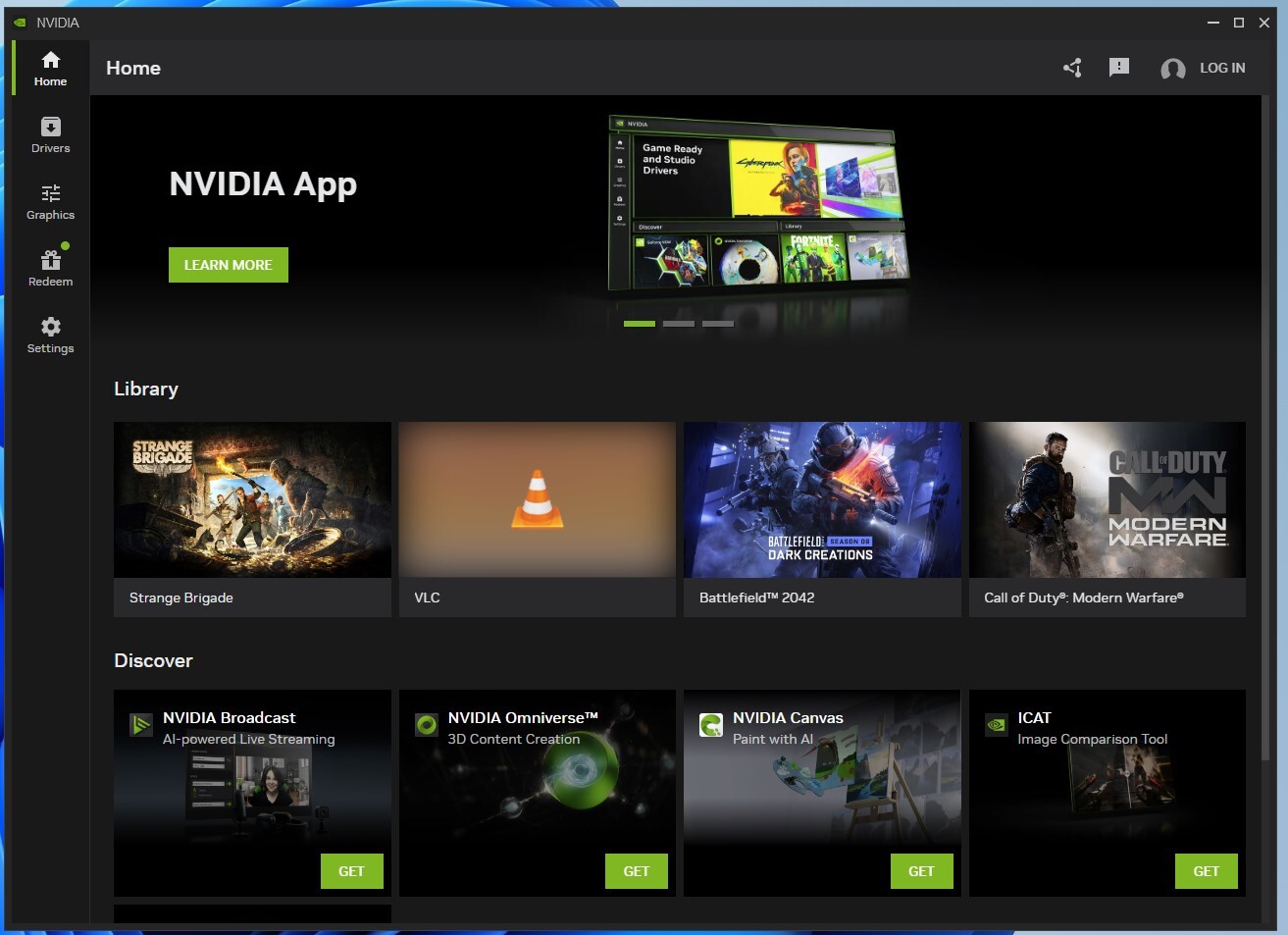
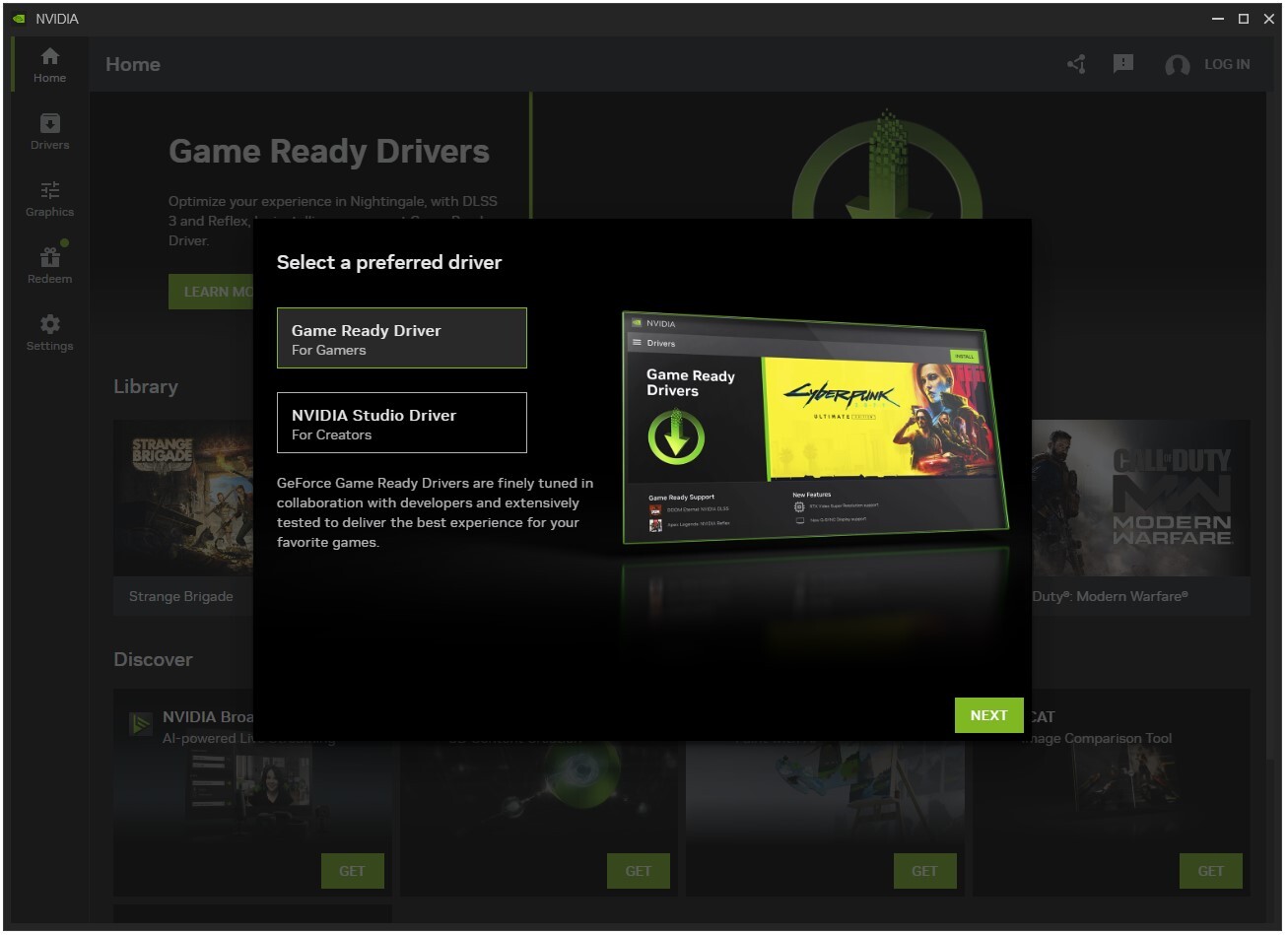
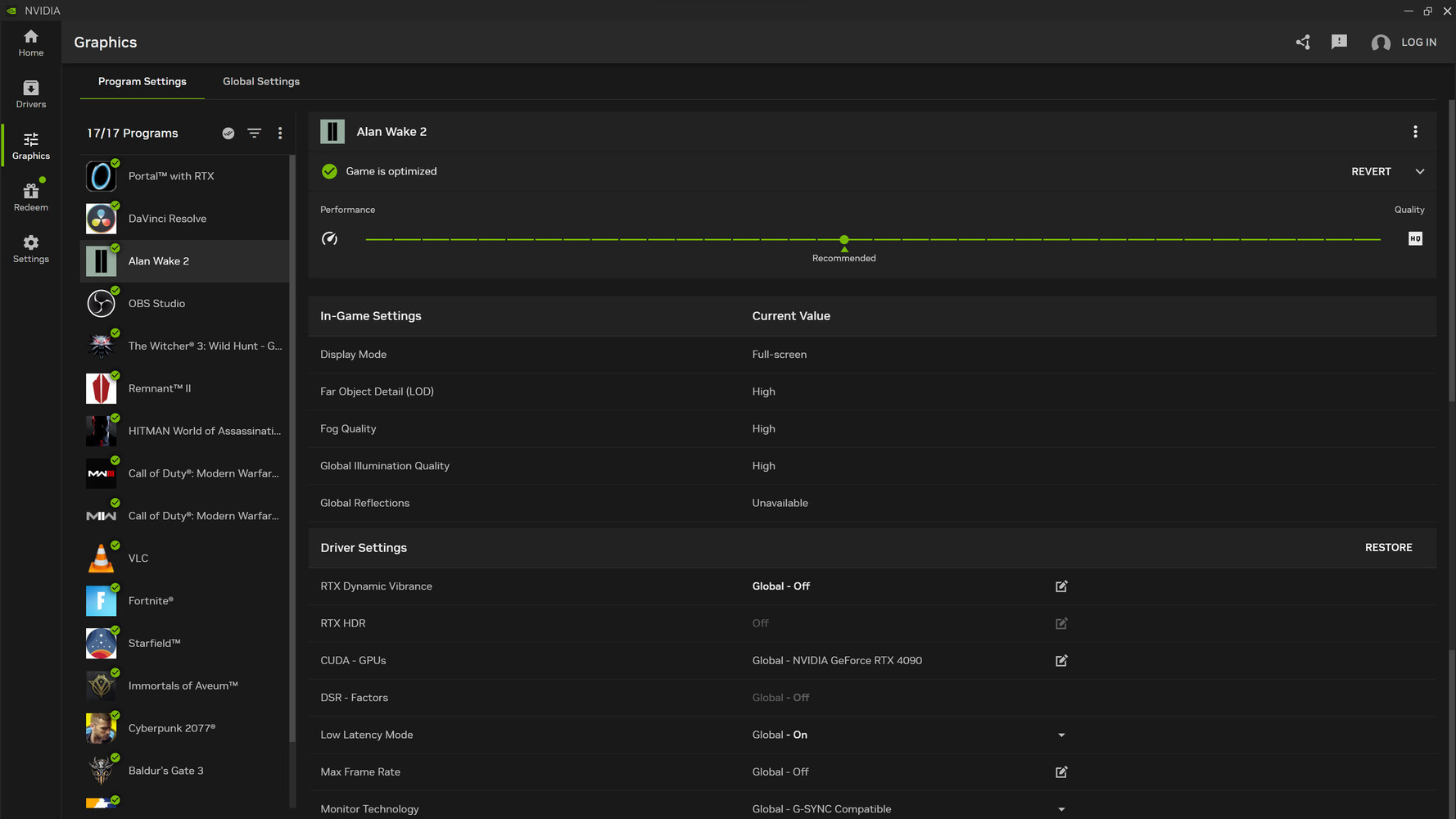
We found out that the new NVIDIA App doesn't need an NVIDIA Account login, and yet gives you nearly all of its functionality. NVIDIA today rolled out the GeForce 551.61 WHQL drivers, and with it, the new NVIDIA App, as we detailed in the driver's news report. NVIDIA App is the company's latest take on a Control Panel application that combines the functionality of the over 20-year-old NVIDIA Control Panel Win32 application, and the modern GeForce Experience app (GFE). The former focuses on settings related to the display head, with one or more settings for the GPU, but has no hardware monitoring or performance overlay features. GFE is more of a concentric outer layer focused on the games installed in your PC, to which you can figure out and apply optimal settings. The new NVIDIA App essentially combines the functionalities of the two, but it has an ace up its sleeve—you don't need an NVIDIA Account to use it.

One of the biggest drawbacks of GeForce Experience is that it mandates you to create an NVIDIA Account, and keeps you logged into this account to use its functionality. Not everyone wants an app that does this; and so some gamers would want to skip installation of GFE altogether during the GeForce driver installation. NVIDIA App takes a refreshingly different approach. It is currently a public beta, isn't part of the driver package, isn't found on Microsoft Store, but is being distributed as a standalone app with its own installer.

NVIDIA GeForce 551.61 WHQL with RTX HDR Released, NVIDIA Finally Has a Modern Control Panel

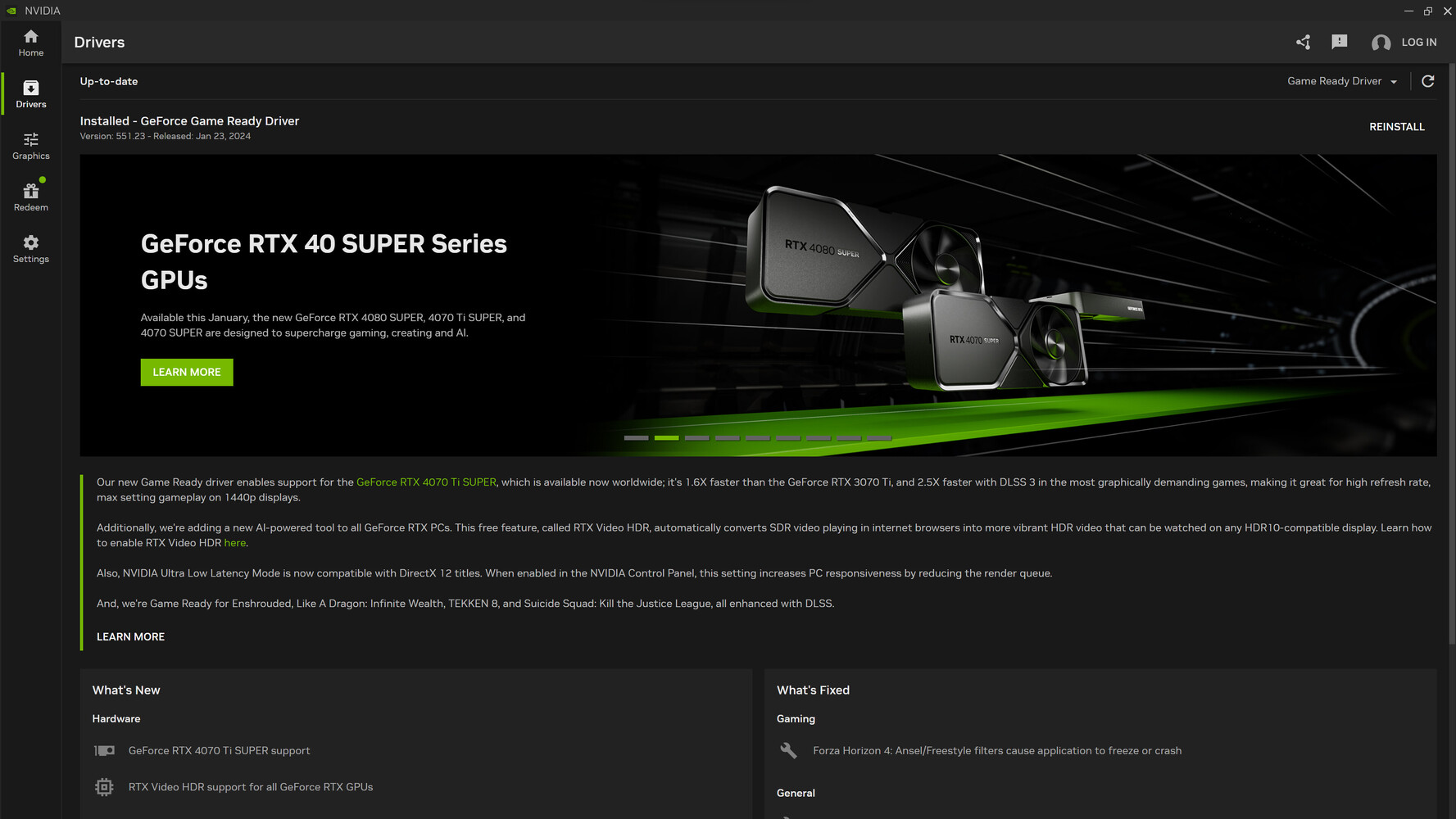
NVIDIA today released the latest version of GeForce drivers. While the actual driver package of the new GeForce 551.61 is WHQL, it also includes a beta version of the NVIDIA App. This is NVIDIA's take on a modern control panel application that combines functionality of the classic NVIDIA Control Panel that hasn't quite changed in 20+ years; and the GeForce Experience application that not everyone likes to have installed. The new NVIDIA App has a lot in common with the AMD Radeon Software application, in that you can configure your displays, monitor and tune your GPU, as well as manage and optimize your installed games. The app also helps gather and present software update options spanning both the main drivers and application profiles for DLSS and other technologies. Most importantly, the NVIDIA App provides a comprehensive performance overlay suite. We will be doing an article detailing the NVIDIA App before the weekend.

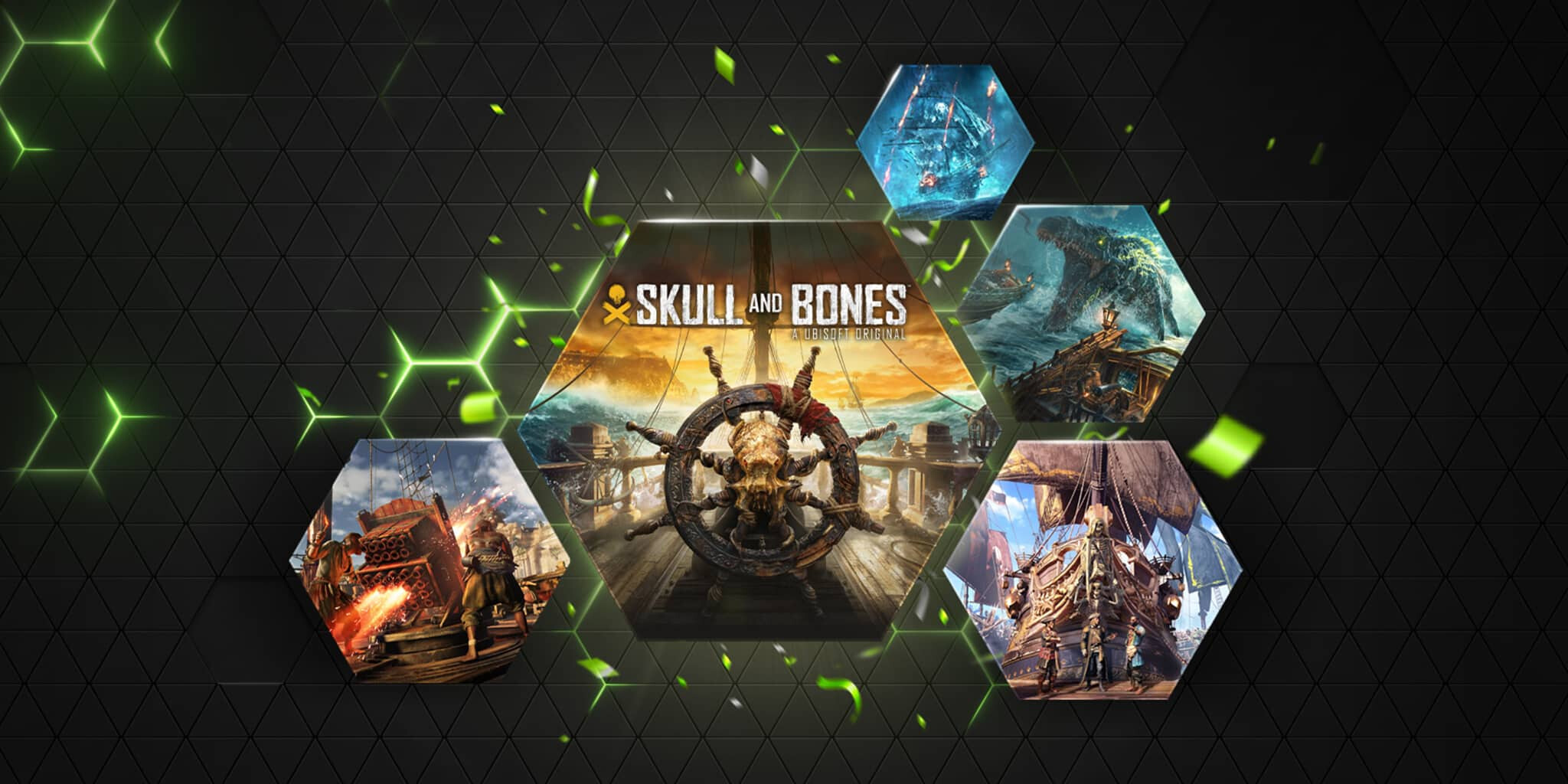
NVIDIA is also debuting RTX HDR, a technology that adds HDR capability to games that otherwise lack it. It does so by utilizing Tensor cores and an AI model that attempts to add HDR to SDR content. The driver adds optimization and optimal settings for Granblue Fantasy: Relink, Nightingale, Pacific Drive, and Skull and Bones. A stability issue with Tom Clancy's Rainbow Six Siege running using the Vulkan API has been fixed. Among the general issues fixed concern incorrect tone mapping for RTX Video HDR; poor SDR video playback quality in Chromium-based web-browsers with Windows HDR setting enabled; filter settings not carrying over with NVIDIA Freestyle; and a couple of bugs with Adobe Substance 3D.

DOWNLOAD: NVIDIA GeForce 551.61 WHQL

NVIDIA GeForce NOW Now Offers 1,800 Games to Stream

Top-tier games from publishing partners Bandai Namco Entertainment and Inflexion Games are joining GeForce NOW this week as the cloud streaming service's fourth-anniversary celebrations continue. Eleven new titles join the over 1,800 supported games in the GeForce NOW library, including Nightingale from Inflexion Games and Bandai Namco Entertainment's Tales of Arise, Katamari Damacy REROLL and Klonoa Phantasy Reverie Series.

"Happy fourth anniversary, GeForce NOW!" cheered Jarrett Lee, head of publishing at Inflexion Games. "The platform's ease of access and seamless performance comprise a winning combination, and we're excited to see how cloud gaming evolves."

NVIDIA GeForce RTX 4070 and 4060 Ti Founders Edition Get Price Drop in China

Both the NVIDIA GeForce RTX 4070 and the RTX 4060 Ti Founders Edition graphics cards have seen a price drop in China, pushing them below the original MSRP. Targeting the mainstream segment, these two graphics cards held at MSRP for quite some time, but now, some retailers are listing these Founders Edition at a reduced price.

The NVIDIA GeForce RTX 4070 Founders Edition is currently listed for 4599 RMB at JD.com, which is 200 RMB lower than its official MSRP. The same goes for the GeForce RTX 4060 Ti Founders Edition, which is currently listed at 2999 RMB. Some custom versions from NVIDIA AIC partners can be found with an even lower price tag, and it could be a result of AMD's push to sell the Radeon RX 6750 GRE in China and slash the sales of the new Radeon RX 7600 series. It is yet to be seen if these price cuts will be coming to the rest of the world, as we will certainly keep a close eye on US and European retailers/e-tailers.

Modders Pull Off 16GB GeForce RTX 2080 Upgrade, Modded Card Posts 8% Performance Boost

Brazilian tech enthusiast Paulo Gomes, in association with Jefferson Silva, and Ygor Mota, successfully modded an EVGA GeForce RTX 2080 "Turing" graphics card to 16 GB. This was done by replacing each of its 8 Gbit GDDR6 memory chips with ones that have double the density, at 16 Gbit. Over the GPU's 256-bit wide memory bus, eight of these chips add up to 16 GB. The memory speed was unchanged at 14 Gbps reference, as were the GPU clocks.

The process of modding involves de-soldering each of the eight 8 Gbit chips, clearing out the memory pads of any shorted pins, using a GDDR6 stencil to place replacement solder balls, and then soldering the new 16 Gbit chips onto the pad under heat. Besides replacing the memory chips, a series of SMD jumpers need to be adjusted near the BIOS ROM chip, which lets the GPU correctly recognize the 16 GB memory size. The TU104 silicon by default supports higher density memory, as NVIDIA uses this chip on some of its professional graphics cards with 16 GB memory, such as the Quadro RTX 5000.

NVIDIA Announces Q4 and Fiscal 2024 Results, Clocks 126% YoY Revenue Growth, Gaming Just 1/6th of Data Center Revenues

NVIDIA (NASDAQ: NVDA) today reported revenue for the fourth quarter ended January 28, 2024, of $22.1 billion, up 22% from the previous quarter and up 265% from a year ago. For the quarter, GAAP earnings per diluted share was $4.93, up 33% from the previous quarter and up 765% from a year ago. Non-GAAP earnings per diluted share was $5.16, up 28% from the previous quarter and up 486% from a year ago.

For fiscal 2024, revenue was up 126% to $60.9 billion. GAAP earnings per diluted share was $11.93, up 586% from a year ago. Non-GAAP earnings per diluted share was $12.96, up 288% from a year ago. "Accelerated computing and generative AI have hit the tipping point. Demand is surging worldwide across companies, industries and nations," said Jensen Huang, founder and CEO of NVIDIA.

Arm Launches Next-Generation Neoverse CSS V3 and N3 Designs for Cloud, HPC, and AI Acceleration

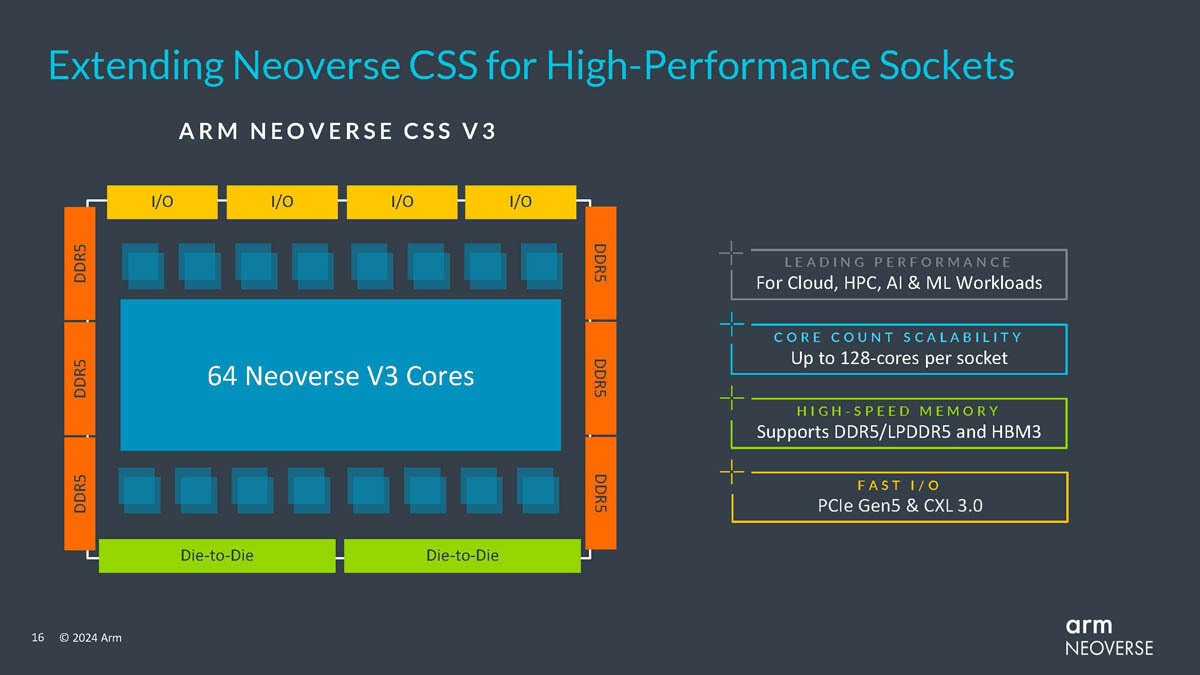
Last year, Arm introduced its Neoverse Compute Subsystem (CSS) for the N2 and V2 series of data center processors, providing a reference platform for the development of efficient Arm-based chips. Major cloud service providers like AWS with Graviton 4 and Trainuium 2, Microsoft with Cobalt 100 and Maia 100, and even NVIDIA with Grace CPU and Bluefield DPUs are already utilizing custom Arm server CPU and accelerator designs based on the CSS foundation in their data centers. The CSS allows hyperscalers to optimize Arm processor designs specifically for their workloads, focusing on efficiency rather than outright performance. Today, Arm has unveiled the next generation CSS N3 and V3 for even greater efficiency and AI inferencing capabilities. The N3 design provides up to 32 high-efficiency cores per die with improved branch prediction and larger caches to boost AI performance by 196%, while the V3 design scales up to 64 cores and is 50% faster overall than previous generations.

Both the N3 and V3 leverage advanced features like DDR5, PCIe 5.0, CXL 3.0, and chiplet architecture, continuing Arm's push to make chiplets the standard for data center and cloud architectures. The chiplet approach enables customers to connect their own accelerators and other chiplets to the Arm cores via UCIe interfaces, reducing costs and time-to-market. Looking ahead, Arm has a clear roadmap for its Neoverse platform. The upcoming CSS V4 "Adonis" and N4 "Dionysus" designs will build on the improvements in the N3 and V3, advancing Arm's goal of greater efficiency and performance using optimized chiplet architectures. As more major data center operators introduce custom Arm-based designs, the Neoverse CSS aims to provide a flexible, efficient foundation to power the next generation of cloud computing.

Google's Gemma Optimized to Run on NVIDIA GPUs, Gemma Coming to Chat with RTX

NVIDIA, in collaboration with Google, today launched optimizations across all NVIDIA AI platforms for Gemma—Google's state-of-the-art new lightweight 2 billion- and 7 billion-parameter open language models that can be run anywhere, reducing costs and speeding innovative work for domain-specific use cases.

Teams from the companies worked closely together to accelerate the performance of Gemma—built from the same research and technology used to create the Gemini models—with NVIDIA TensorRT-LLM, an open-source library for optimizing large language model inference, when running on NVIDIA GPUs in the data center, in the cloud and on PCs with NVIDIA RTX GPUs. This allows developers to target the installed base of over 100 million NVIDIA RTX GPUs available in high-performance AI PCs globally.

Jensen Huang to Unveil Latest AI Breakthroughs at GTC 2024 Conference

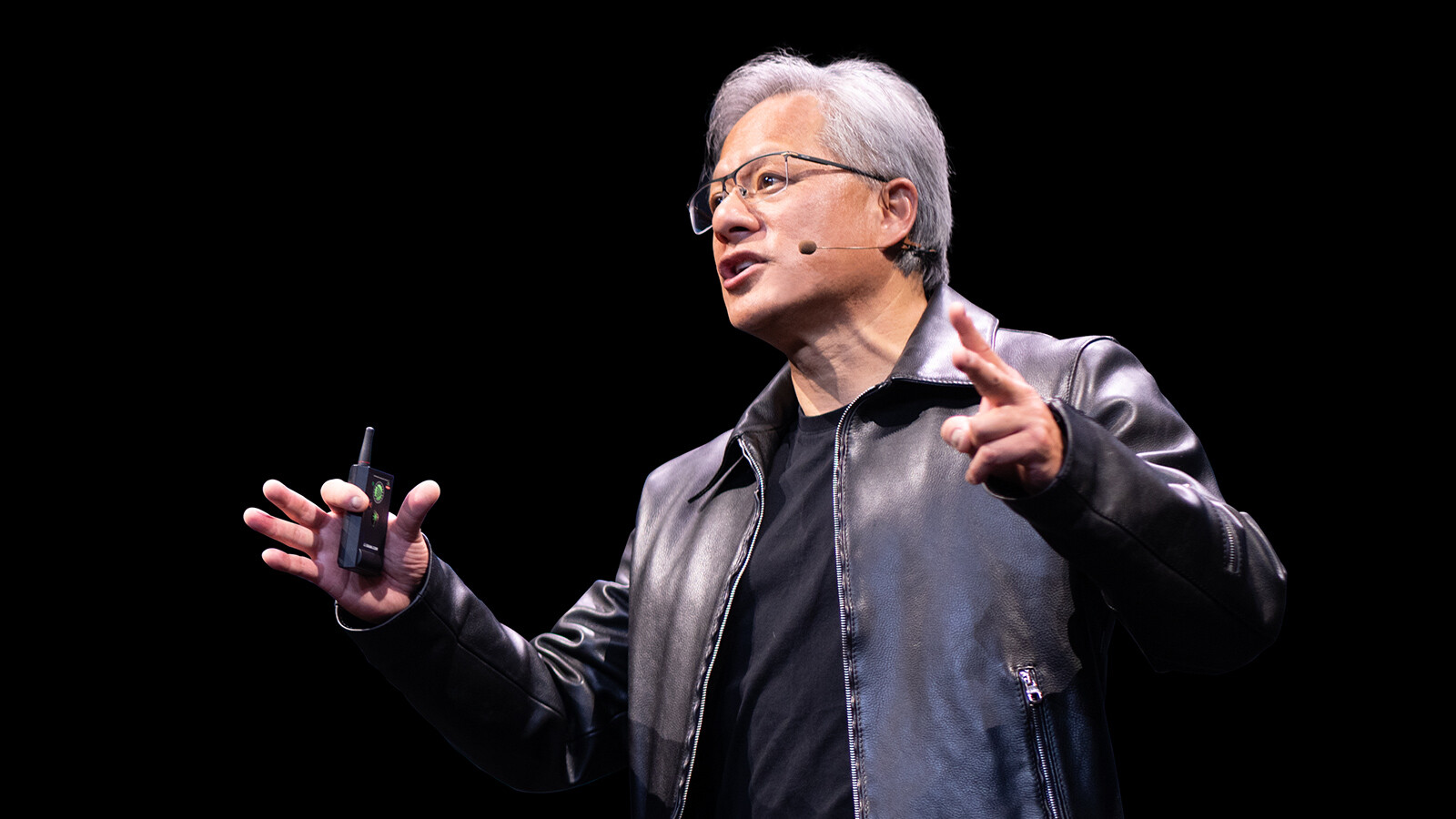
NVIDIA today announced it will host its flagship GTC 2024 conference at the San Jose Convention Center from March 18-21. More than 300,000 people are expected to register to attend in person or virtually. NVIDIA founder and CEO Jensen Huang will deliver the keynote from the SAP Center on Monday, March 18, at 1 p.m. Pacific time. It will be livestreamed and available on demand. Registration is not required to view the keynote online. Since Huang first highlighted machine learning in his 2014 GTC keynote, NVIDIA has been at the forefront of the AI revolution. The company's platforms have played a crucial role in enabling AI across numerous domains including large language models, biology, cybersecurity, data center and cloud computing, conversational AI, networking, physics, robotics, and quantum, scientific and edge computing.

The event's 900 sessions and over 300 exhibitors will showcase how organizations are deploying NVIDIA platforms to achieve remarkable breakthroughs across industries, including aerospace, agriculture, automotive and transportation, cloud services, financial services, healthcare and life sciences, manufacturing, retail and telecommunications. "Generative AI has moved to center stage as governments, industries and organizations everywhere look to harness its transformative capabilities," Huang said. "GTC has become the world's most important AI conference because the entire ecosystem is there to share knowledge and advance the state of the art. Come join us."

Groq LPU AI Inference Chip is Rivaling Major Players like NVIDIA, AMD, and Intel

AI workloads are split into two different categories: training and inference. While training requires large computing and memory capacity, access speeds are not a significant contributor; inference is another story. With inference, the AI model must run extremely fast to serve the end-user with as many tokens (words) as possible, hence giving the user answers to their prompts faster. An AI chip startup, Groq, which was in stealth mode for a long time, has been making major moves in providing ultra-fast inference speeds using its Language Processing Unit (LPU) designed for large language models (LLMs) like GPT, Llama, and Mistral LLMs. The Groq LPU is a single-core unit based on the Tensor-Streaming Processor (TSP) architecture which achieves 750 TOPS at INT8 and 188 TeraFLOPS at FP16, with 320x320 fused dot product matrix multiplication, in addition to 5,120 Vector ALUs.

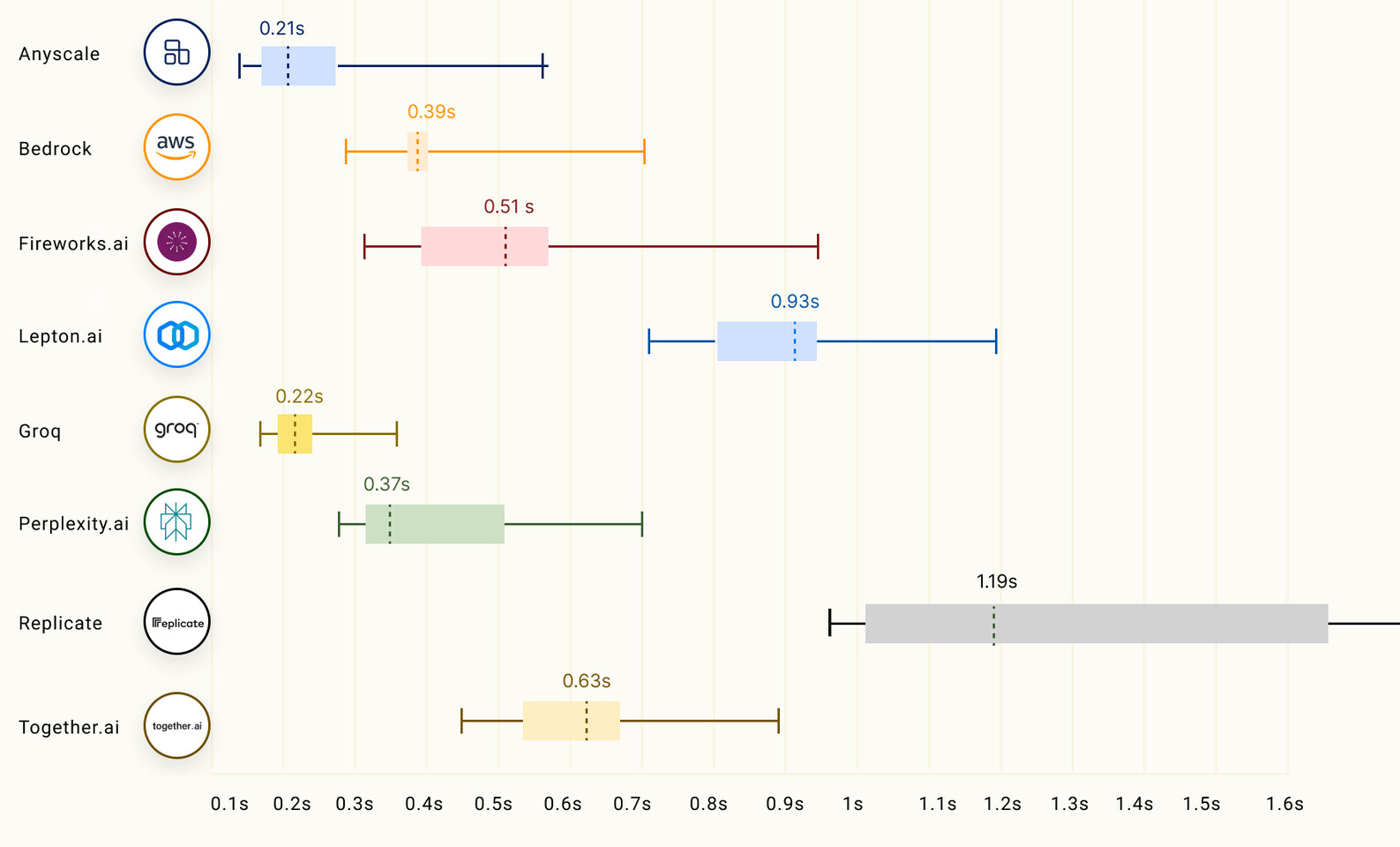
Having massive concurrency with 80 TB/s of bandwidth, the Groq LPU has 230 MB capacity of local SRAM. All of this is working together to provide Groq with a fantastic performance, making waves over the past few days on the internet. Serving the Mixtral 8x7B model at 480 tokens per second, the Groq LPU is providing one of the leading inference numbers in the industry. In models like Llama 2 70B with 4096 token context length, Groq can serve 300 tokens/s, while in smaller Llama 2 7B with 2048 tokens of context, Groq LPU can output 750 tokens/s. According to the LLMPerf Leaderboard, the Groq LPU is beating the GPU-based cloud providers at inferencing LLMs Llama in configurations of anywhere from 7 to 70 billion parameters. In token throughput (output) and time to first token (latency), Groq is leading the pack, achieving the highest throughput and second lowest latency.

KFA2 Intros GeForce RTX 3050 6GB EX Graphics Card

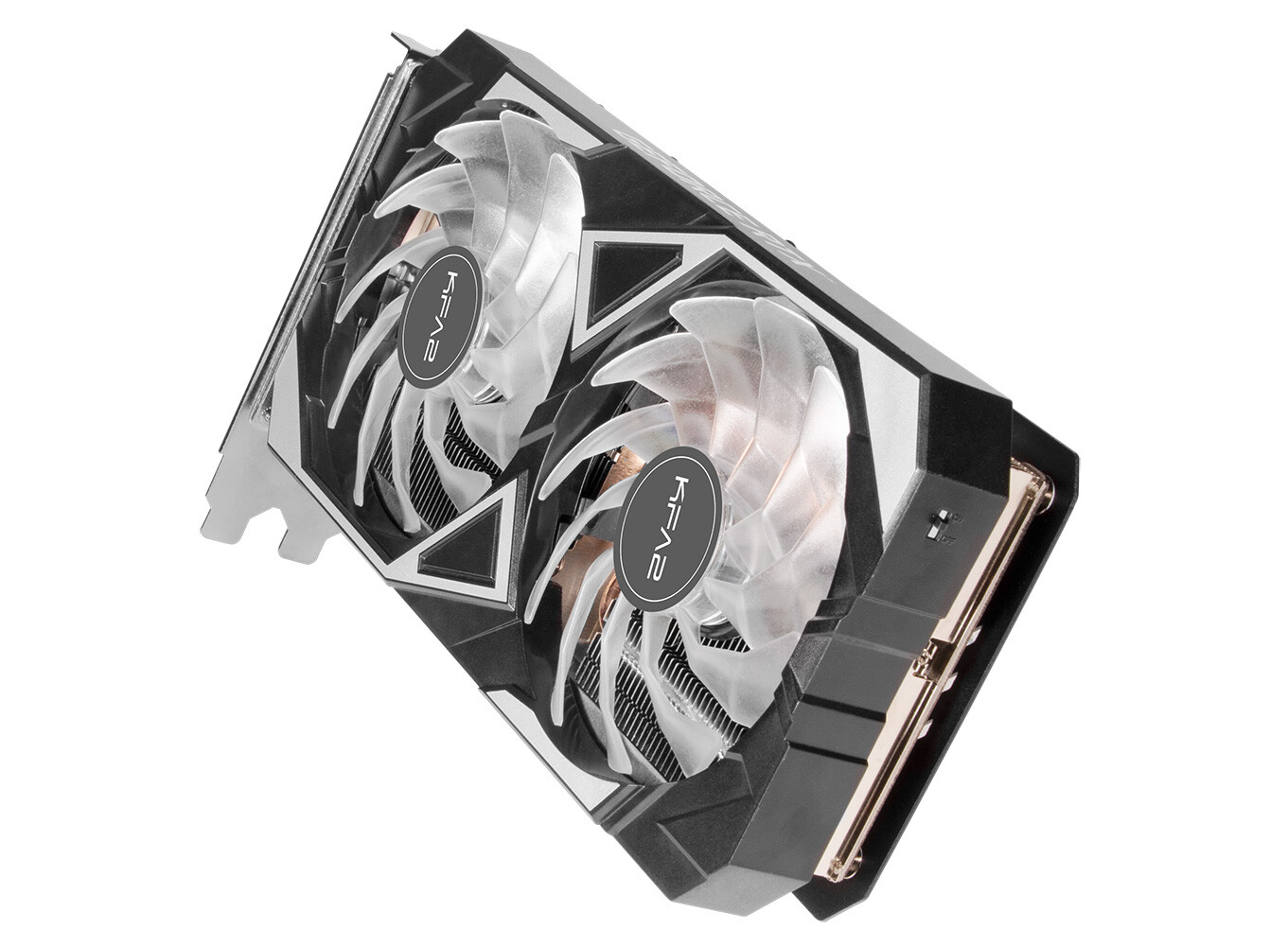
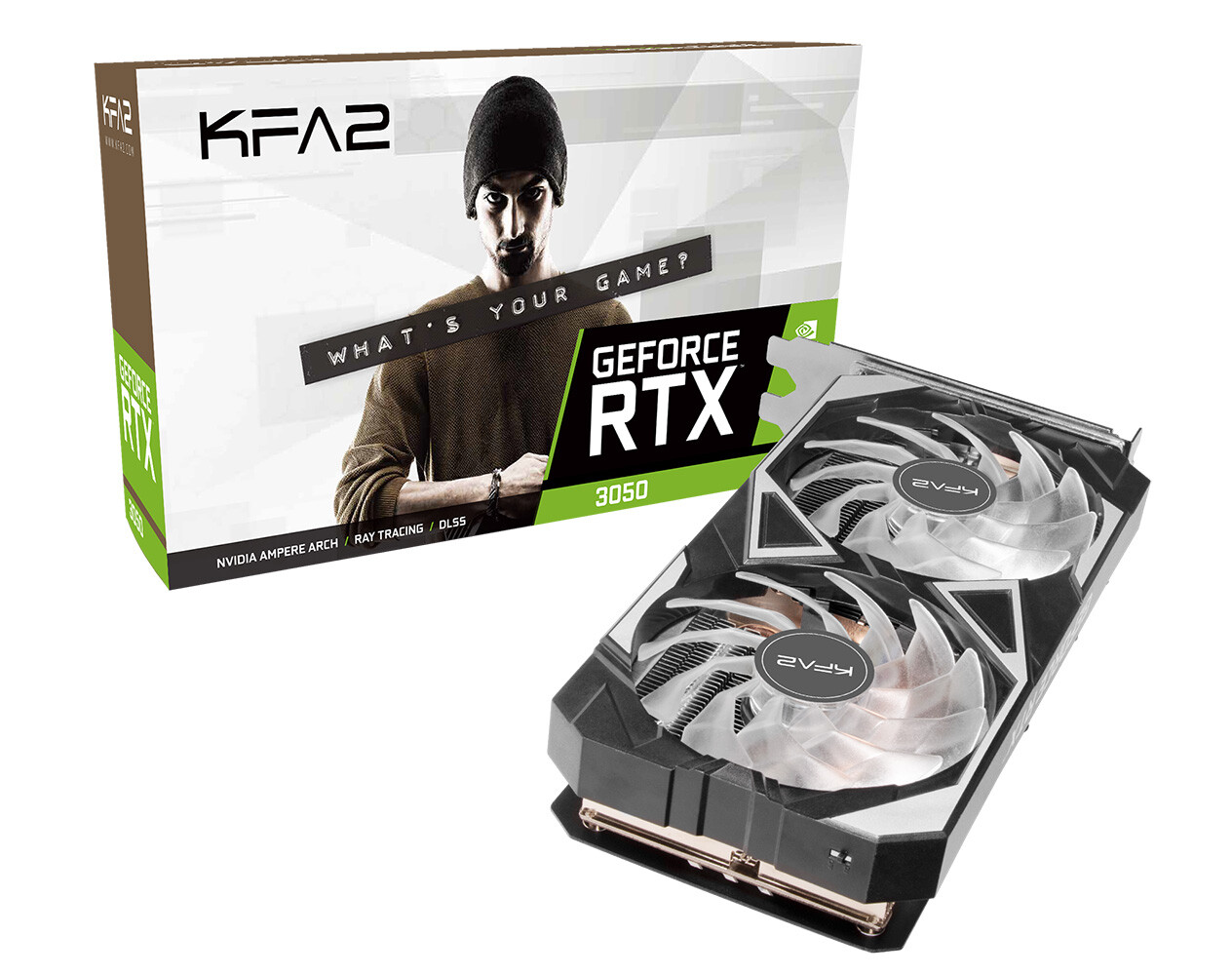
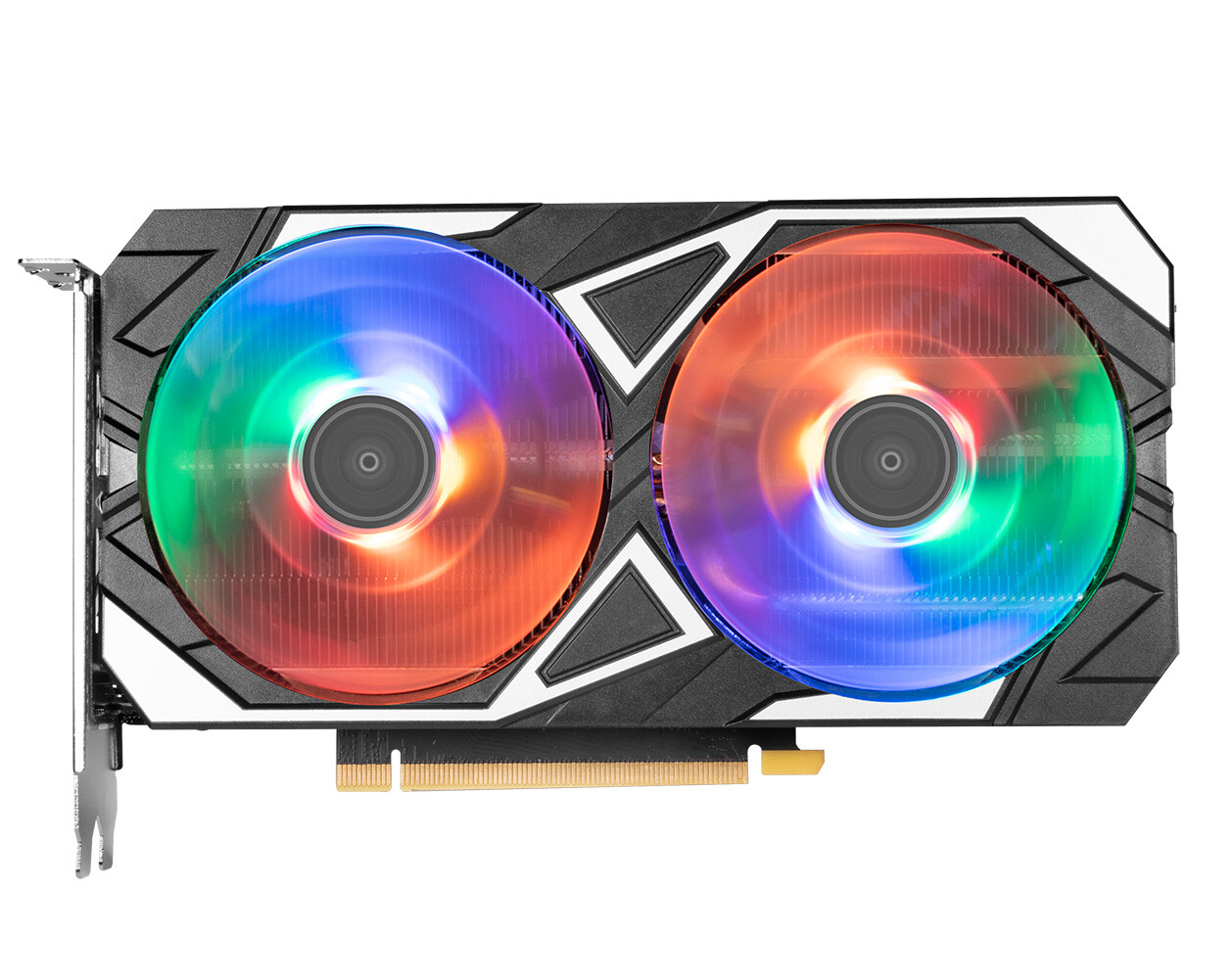
KFA2, the EU-focused brand of graphics cards by Galax, today released the GeForce RTX 3050 6 GB EX, a somewhat premium take on the recently released entry-level GPU by NVIDIA. The KFA2 EX features a spruced up aluminium fin-stack heatsink that uses a flattened copper heatpipe to make broader contact with the GPU, and spread the heat better across the fin-stack. The 22.4 cm long card also has a couple of premium touches, such as a metal backplate, and RGB LED lighting. The lighting setup includes physical switch on the tail end of the card, with which you can turn it off. Also featured is idle fan-stop. The card offers a tiny factory overclock of 1485 MHz boost, compared to 1475 MHz reference. It sticks with PCIe slot power, there are no additional power connectors.

NVIDIA launched the GeForce RTX 3050 6 GB as its new entry level GPU. It is based on the older "Ampere" graphics architecture, and the 8 nm "GA107" silicon. It enables 18 out of 20 streaming multiprocessors physically present, which work out to 2,304 CUDA cores, 72 Tensor cores, 18 RT cores, 72 TMUs, and 32 ROPs. The 6 GB of 14 Gbps GDDR6 memory is spread across a narrower 96-bit memory bus than the one found in the original RTX 3050 8 GB. KFA2 is pricing the RTX 3050 6 GB EX at €199 including taxes.

NVIDIA Joins US Artificial Intelligence Safety Institute Consortium

NVIDIA has joined the National Institute of Standards and Technology's new U.S. Artificial Intelligence Safety Institute Consortium as part of the company's effort to advance safe, secure and trustworthy AI. AISIC will work to create tools, methodologies and standards to promote the safe and trustworthy development and deployment of AI. As a member, NVIDIA will work with NIST—an agency of the U.S. Department of Commerce—and fellow consortium members to advance the consortium's mandate. NVIDIA's participation builds on a record of working with governments, researchers and industries of all sizes to help ensure AI is developed and deployed safely and responsibly.

Through a broad range of development initiatives, including NeMo Guardrails, open-source software for ensuring large language model responses are accurate, appropriate, on topic and secure, NVIDIA actively works to make AI safety a reality. In 2023, NVIDIA endorsed the Biden Administration's voluntary AI safety commitments. Last month, the company announced a $30 million contribution to the U.S. National Science Foundation's National Artificial Intelligence Research Resource pilot program, which aims to broaden access to the tools needed to power responsible AI discovery and innovation.

Supermicro Experiencing NVIDIA Chip Shortage

Charles Liang, CEO of Super Micro Computer Inc. (SMCI), was interviewed by Bloomberg Television last week—press interest is growing due to his firm benefiting greatly during a massive AI boom period. The San Jose, California-based firm specializes in high-performance and high-efficiency servers—its NVIDIA server product lines are particularly popular at the moment. According to BNN Bloomberg: "production capacity can support sales of as much as $25 billion," but Liang admitted that a shortage of AI GPUs is affecting his company's production goals. Wall Street predicts that Super Micro revenue is expected to double, projecting $14.5 billion "in the year ending in June," while shares have more than tripled since January 1 2024: "as investors bet on increasing need for the equipment that powers AI applications and training."

Liang stated in his interview with Bloomberg TV that: "market demand is so strong," but a simple supply stumbling block stands in the way. The Super Micro boss pointed the proverbial finger at a neighboring tech partner: "There is a chip shortage—once we have more supply from the chip companies, from NVIDIA, we can ship more to customers." His company has proudly announced on several occasions that it remains an industry leading supplier of Team Green AI HPC solutions, with recent launches of HGX and MGX-based HPC systems. NVIDIA AI GPU supply woes are not a novel thing at this point in time—many industry watchdogs believe that AMD is benefiting from a well timed launch of competing accelerators. Taiwanese supply chain insiders reckon that GIGABYTE's server division is wholeheartedly embracing Instinct MI300X.

NVIDIA RTX 50-series "Blackwell" to Debut 16-pin PCIe Gen 6 Power Connector Standard

NVIDIA is reportedly looking to change the power connector standard for the fourth successive time in a span of three years, with its upcoming GeForce RTX 50-series "Blackwell" GPUs, Moore's Law is Dead reports. NVIDIA began its post 8-pin PCIe journey with the 12-pin Molex MicroFit connector for the GeForce RTX 3080 and RTX 3090 Founders Edition cards. The RTX 3090 Ti would go on to standardize the 12VHPWR connector, which the company would debut across a wider section of its GeForce RTX 40-series "Ada" product stack (all SKUs with TGP of over 200 W). In the face of rising complains of the reliability of 12VHPWR, some partner RTX 40-series cards are beginning to implement the pin-compatible but sturdier 12V-2x6. The implementation of the 16-pin PCIe Gen 6 connector would be the fourth power connector change, if the rumors are true. A different source says that rival AMD has no plans to change from the classic 8-pin PCIe power connectors.

Update 15:48 UTC: Our friends at Hardware Busters have reliable sources in the power supply industry with equal access to the PCIe CEM specification as NVIDIA, and say that the story of NVIDIA adopting a new power connector with "Blackwell" is likely false. NVIDIA is expected to debut the new GPU series toward the end of 2024, and if a new power connector was in the offing, by now the power supply industry would have some clue. It doesn't. Read more about this in the Hardware Busters article in the source link below.

Update Feb 20th: In an earlier version of the article, it was incorrectly reported that the "16-pin connector" is fundamentally different from the current 12V-2x6, with 16 pins dedicated to power delivery. We have since been corrected by Moore's Law is Dead, that it is in fact the same 12V-2x6, but with an updated PCIe 6.0 CEM specification.

NVIDIA Accelerates Quantum Computing Exploration at Australia's Pawsey Supercomputing Centre

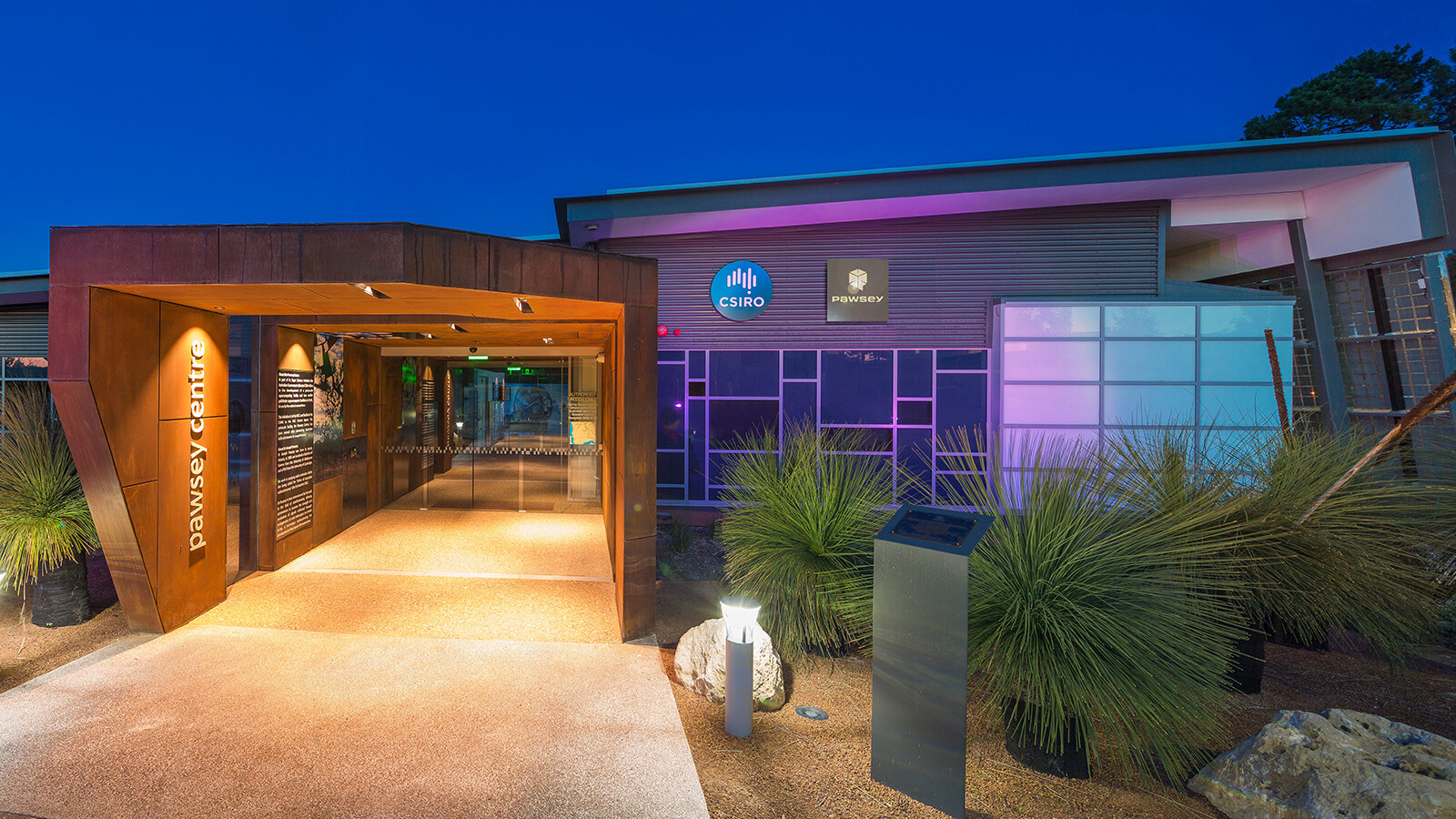
NVIDIA today announced that Australia's Pawsey Supercomputing Research Centre will add the NVIDIA CUDA Quantum platform accelerated by NVIDIA Grace Hopper Superchips to its National Supercomputing and Quantum Computing Innovation Hub, furthering its work driving breakthroughs in quantum computing.

Researchers at the Perth-based center will leverage CUDA Quantum - an open-source hybrid quantum computing platform that features powerful simulation tools, and capabilities to program hybrid CPU, GPU and QPU systems - as well as, the NVIDIA cuQuantum software development kit of optimized libraries and tools for accelerating quantum computing workflows. The NVIDIA Grace Hopper Superchip - which combines the NVIDIA Grace CPU and Hopper GPU architectures - provides extreme performance to run high-fidelity and scalable quantum simulations on accelerators and seamlessly interface with future quantum hardware infrastructure.

GIGABYTE Elevates Computing Horizons at SupercomputingAsia 2024

GIGABYTE, a global leader in high-performance computing solutions, collaborates with industry partner Xenon at SupercomputingAsia 2024, held at the Sydney International Convention and Exhibition Centre from February 19 to 22. This collaboration showcases cutting-edge technologies, offering diverse solutions that redefine the high-performance computing landscape.

GIGABYTE's Highlights at SCA 2024
At booth 19, GIGABYTE presents the G593-SD0, our flagship AI server, and the industry's first Nvidia-certified HGX H100 8-GPU Server. Equipped with 4th/5th Gen Intel Xeon Scalable Processors, it incorporates GIGABYTE's thermal design, ensuring optimal performance within its density-optimized 5U server chassis, pushing the boundaries of AI computing. Additionally, GIGABYTE introduces the 2U 4-node H263-S62 server, designed for 4th Gen Intel Xeon Scalable Processors and now upgraded to the latest 5th Gen, tailored for hybrid and private cloud applications. It features a DLC (Direct Liquid Cooling) solution to efficiently manage heat generated by high-performance computing. Also on display is the newly released W773-W80 workstation, supporting the latest NVIDIA RTX 6000 Ada and catering to CAD, DME, research, data and image analysis, and SMB private cloud applications. At SCA 2024, explore our offerings, including rackmount servers and motherboards, reflecting GIGABYTE's commitment to innovative and reliable solutions. This offers a valuable opportunity to discuss your IT infrastructure requirements with our sales and consulting teams, supported by GIGABYTE and Xenon in Australia.

SoftBank Founder Wants $100 Billion to Compete with NVIDIA's AI

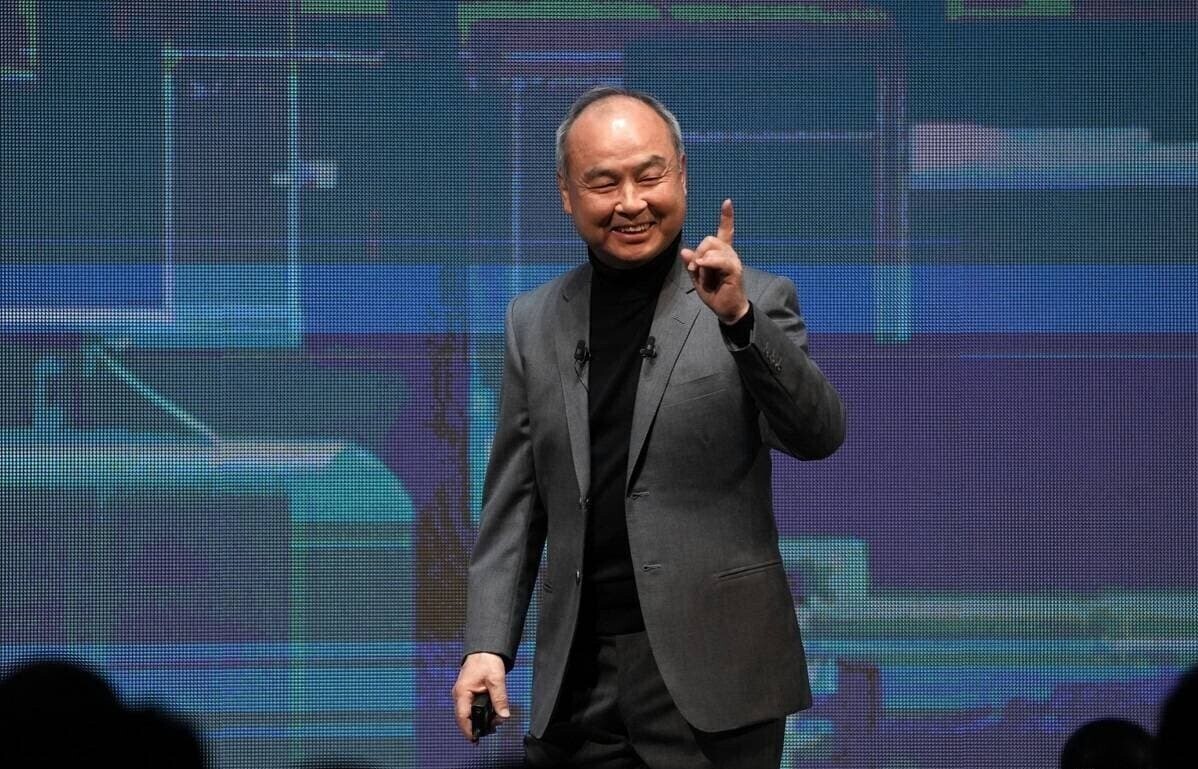
Japanese tech billionaire and founder of the SoftBank Group, Masayoshi Son, is embarking on a hugely ambitious new project to build an AI chip company that aims to rival NVIDIA, the current leader in AI semiconductor solutions. Codenamed "Izanagi" after the Japanese god of creation, Son aims to raise up to $100 billion in funding for the new venture. With his company SoftBank having recently scaled back investments in startups, Son is now setting his sights on the red-hot AI chip sector. Izanagi would leverage SoftBank's existing chip design firm, Arm, to develop advanced semiconductors tailored for artificial intelligence computing. The startup would use Arm's instruction set for the chip's processing elements. This could pit Izanagi directly against NVIDIA's leadership position in AI chips. Son has a chest of $41 billion in cash at SoftBank that he can deploy for Izanagi.

Additionally, he is courting sovereign wealth funds in the Middle East to contribute up to $70 billion in additional capital. In total, Son may be seeking up to $100 billion to bankroll Izanagi into a chip powerhouse. AI chips are seeing surging demand as machine learning and neural networks require specialized semiconductors that can process massive datasets. NVIDIA and other names like Intel, AMD, and select startups have capitalized on this trend. However, Son believes the market has room for another major player. Izanagi would focus squarely on developing bleeding-edge AI chip architectures to power the next generation of artificial intelligence applications. It is still unclear if this would be an AI training or AI inference project, but given that the training market is currently bigger as we are in the early buildout phase of AI infrastructure, the consensus might settle on training. With his track record of bold bets, Son is aiming very high with Izanagi. It's a hugely ambitious goal, but Son has defied expectations before. Project Izanagi will test the limits of even his vision and financial firepower.

Jim Keller Offers to Design AI Chips for Sam Altman for Less Than $1 Trillion

In case you missed it, Sam Altman of OpenAI took the Internet by storm late last week with the unveiling of Sora, the generative AI that can congure up photoreal video clips based on prompts, with deadly accuracy. While Altman and his colleagues in the generative AI industry had a ton of fun generating videos based on prompts from the public on X; it became all too clear that the only thing holding back the democratization of generative AI is the volume of AI accelerator chips. Altman wants to solve this by designing his own AI acceleration hardware from the grounds up, for which he initially pitched an otherworldly $7 trillion in investment—something impossible with the financial markets, but one that's possible only by "printing money," or through sovereign wealth fund investments.

Jim Keller needs no introduction—the celebrity VLSI architect has been designing number crunching devices of all shapes and sizes for some of the biggest tech companies out there for decades, including Intel, Apple, and AMD, just to name a few. When as part of his "are you not entertained?" victory lap, Altman suggested that his vision for the future needs an even larger $8 trillion investment, Keller responded that he could design an AI chip for less than $1 trillion. Does Altman really need several trillions of Dollars to build a grounds-up AI chip at the costs and volumes needed to mainstream AI?

Play at Ultimate Quality With GeForce NOW, Courtesy of GeForce RTX 4080 SuperPOD

GFN keeps its fourth anniversary celebrations rolling by bringing Ubisoft's Skull and Bones and Microsoft's Halo Infinite to the cloud this week. They're part of five newly supported games, and thanks to the power of the cloud, members can play them at unrivaled quality across nearly any device. The Ultimate Upgrade, Instantly. When GeForce NOW launched in 2020, members flocked to take advantage of NVIDIA GeForce RTX 20 Series GPU-powered servers and experience real-time ray tracing on low-powered devices. For the first time, high-performance PC gaming was available to all.

Later, members gained access to the Ultimate upgrade, as NVIDIA cloud gaming servers brought GeForce RTX 3080-class power to users across the globe. Now, with the NVIDIA Ada Lovelace GPU architecture, cloud gaming has taken another leap forward, powered by the GeForce RTX 4080 SuperPOD.

Jensen Huang Believes That Every Country Needs Sovereign AI

Every country needs to own the production of their own intelligence, NVIDIA founder and CEO Jensen Huang told attendees Monday at the World Governments Summit in Dubai. Huang, who spoke as part of a fireside chat with the UAE's Minister of AI, His Excellency Omar Al Olama, described sovereign AI—which emphasizes a country's ownership over its data and the intelligence it produces—as an enormous opportunity for the world's leaders. "It codifies your culture, your society's intelligence, your common sense, your history - you own your own data," Huang told Al Olama during their conversation, a highlight of an event attended by more than 4,000 delegates from 150 countries.

"We completely subscribe to that vision," Al Olama said. "That's why the UAE is moving aggressively on creating large language models and mobilizing compute." Huang's appearance in the UAE comes as the Gulf State is moving rapidly to transform itself from an energy powerhouse into a global information technology hub. Dubai is the latest stop for Huang in a global tour that has included meetings with leaders in Canada, France, India, Japan, Malaysia, Singapore and Vietnam over the past six months. The Middle East is poised to reap significant benefits from AI, with PwC projecting a $320 billion boost to the region's economy by 2030.

MSI & Ubisoft Sail Together, "Skull and Bones" Hardware Bundles Announced

MSI, a prominent gaming hardware brand, is excited to reveal its renewed collaboration with Ubisoft, a distinguished game publisher. Anticipation builds as MSI and Ubisoft join forces to bring gamers an unparalleled experience in the highly anticipated game—Skull and Bones. Navigate Treacherous Waters, Unleash Pirate Fury! Embark on a thrilling maritime journey with Skull and Bones, a captivating co-op pirate open world action-RPG experience. Sail through treacherous seas, engage in epic ship battles, and become the legendary pirate you were destined to be. Beware of every wave, for the open world awaits with dangers and opportunities alike. Are you ready to rule the sea?

Let's begin your private journey with MSI's advanced technologies!
Embark on an exciting adventure with MSI's special offer—buy selected MSI products and a complimentary Skull and Bones for free. Elevate your gaming rig with MSI's cutting-edge motherboards, PC cases, power supplies, liquid coolers, and graphics card. Dive into the thrilling world of Skull and Bones for an immersive gaming experience.

NVIDIA DLSS Coming to Skull and Bones, Banishers: Ghosts of New Eden, and Smalland: Survive the Wilds

Last week, DLSS was available at launch in the Stormgate Steam Next Fest demo, and in The Inquisitor. Additionally, DLSS was also available for players of the new Atomic Heart: Trapped In Limbo expansion, and the newly-released Call of Duty: Warzone Season 2. This week, Banishers: Ghosts of New Eden launches with DLSS 3, while Smalland: Survive the Wilds and Skull and Bones launch with DLSS 2.

Banishers: Ghosts of New Eden Launches Today With DLSS 3 & DLAA
Focus Entertainment and DON'T NOD's Banishers: Ghosts of New Eden launches February 13th. In New Eden, 1695, communities of settlers are plagued by a dreadful curse. As Banishers, step into their lives, investigate the source of evil, unravel chilling mysteries, explore diverse landscapes, and interact with unforgettable characters whose fate lies in your hands. Immerse yourself in an intimate narrative Action-RPG, taking you on an exhilarating journey between life, death, love and sacrifices.
Return to Keyword Browsing
Nov 27th, 2026 19:57 CST change timezone

New Forum Posts

Popular Reviews

TPU on YouTube

Controversial News Posts