News Posts matching #NVIDIA

Return to Keyword Browsing

GTA 6 Fan Ports Climb to 20 FPS on PC, Still Rough Around the Edges

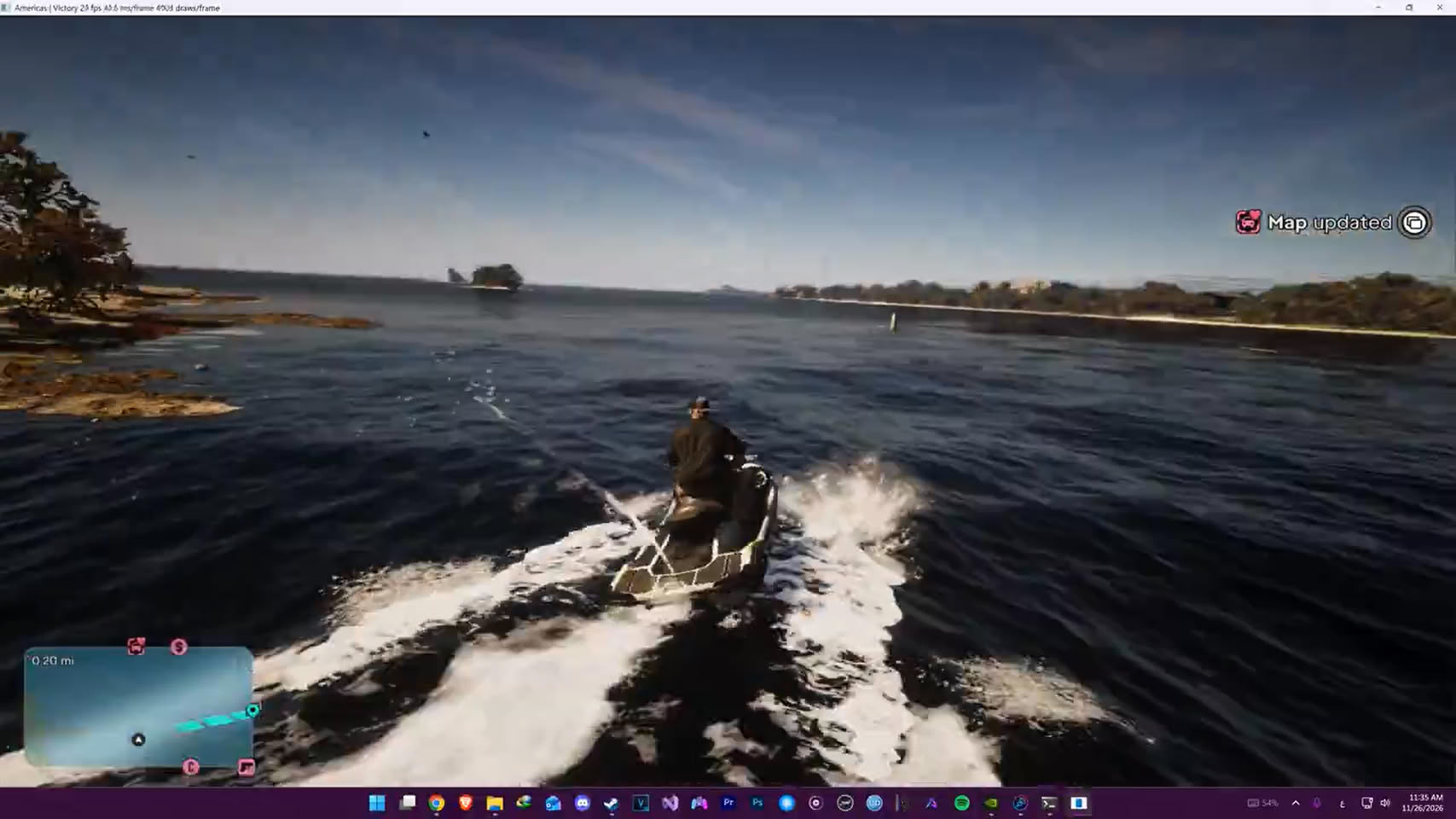
The race to get GTA 6 working on PC is well and truly on. While Rockstar still hasn't given a timeline for the official port, rumors point to a Q1 2027 window for the real thing. However, it looks like the community is not waiting around for it. There are several GTA 6 recompilation and porting projects in the works, but some are a little farther ahead than others. A clip of GTA 6 running on Windows at around 20 FPS is now making the rounds on X. Captioned "CGBJ build," it was posted by AzRage and shows a two-minute-long clip of the game running on Windows, with a framerate counter as well. The counter can be seen at 30 FPS in menus, and while riding a jet ski or driving down the cost it hovers between 19 and 23 FPS. It even drops to roughly 10 FPS in town.

This "CGBJ build" is based on VIctory, an open-source recompilation project that lets the leaked Xbox Series code run natively on Windows, using game files that players supply. VIctory is currently the front-runner project for the porting effort, but the situation is evolving rapidly, and other projects are also making progress, so this can change. This all began after notorious leaker Cyberleek dumped the entire Xbox Series X build online, which kickstarted recompilation efforts like "Leonida." As we covered before, Take-Two Interactive is not sitting by idly, having DMCA'd Leonida along with 3,000+ linked repositories on GitHub. Moreover, the GitHub repository attributed to CGBJ also went offline the same day the clip was posted, though it's not yet clear why. Regardless, the project still has a long way to go before it becomes anywhere near playable.


Kioxia and NVIDIA Collaborate to Expand Effective High-Bandwidth Memory Capacity with SSDs

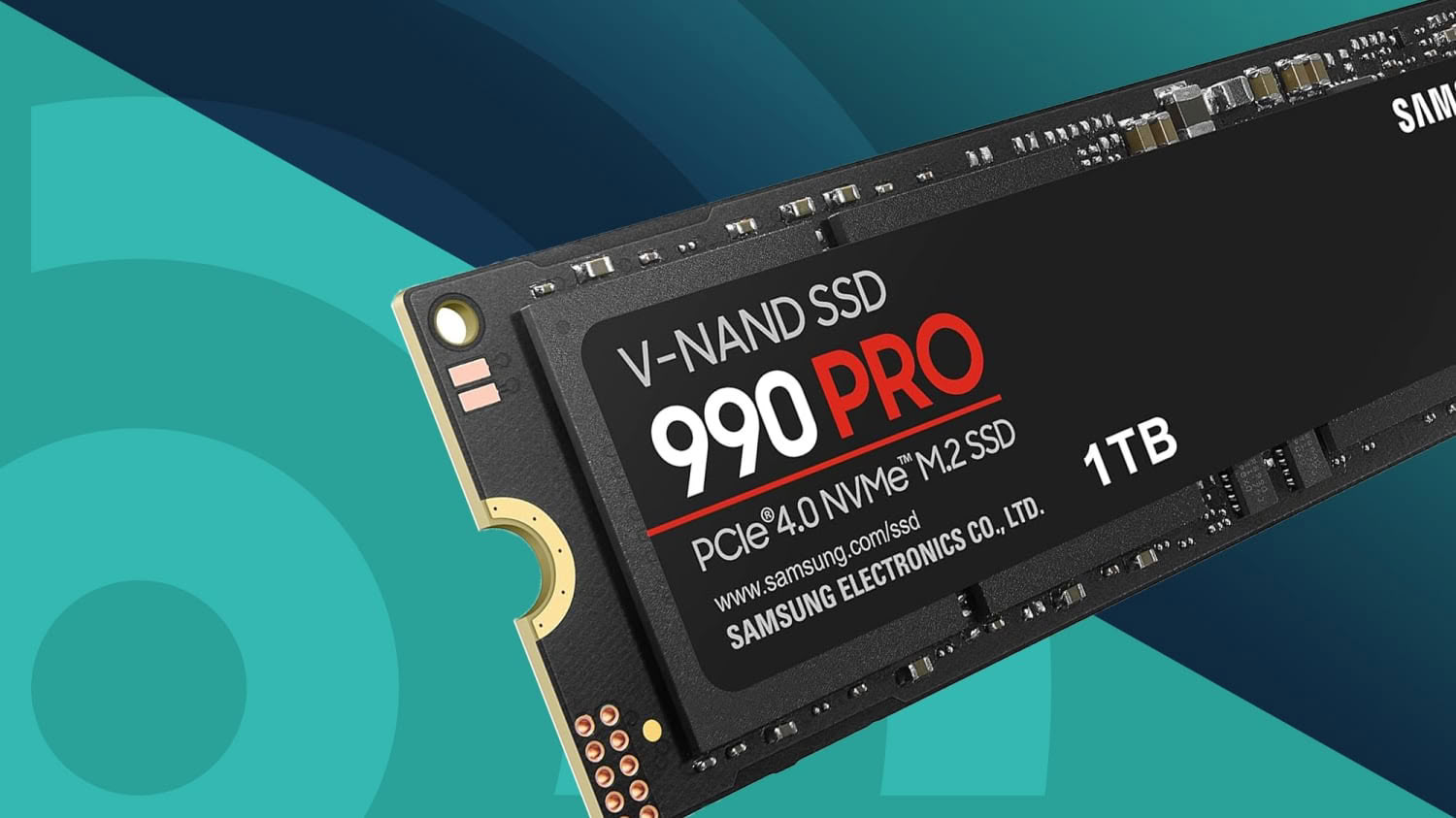
KIOXIA America, Inc. today announced a collaboration with NVIDIA demonstrating the potential to extend effective GPU memory capacity to petabyte scale using NVIDIA SCADA software harnessing the performance of Kioxia SSDs in support of NVIDIA's Storage-Next initiative. The collaboration demonstrates the potential to process a database of 2 trillion vectors on an NVIDIA GB200 NVL72 rack-scale system equipped with 144 KIOXIA XD8 Series 7.68 TB E1.S NVMe SSDs.

Rapid growth in AI datasets is placing increasing pressure on available GPU memory - typically high bandwidth memory (HBM) - capacity. Processing these datasets with HBM alone can require dividing workloads into smaller segments and repeatedly moving data between memory and slower storage systems. By combining NVIDIA SCADA (short for Scaled Accelerated Data Access, a software library designed to extend effective GPU Memory capacity using NVMe SSDs, including for fine-grained data access using small block sizes) and Storage-Next software technologies with high-performance NVMe SSDs, the collaboration demonstrates an approach to making larger datasets accessible for AI processing beyond the capacity limits of HBM alone.

NVIDIA GeForce 621.40 Stops the SSD Writes, but Now Users Report Black Screens

NVIDIA seems to be having a pretty hard time with this latest round of driver updates. The issue started with a bug that caused excessive writes to the SSD due to an NVIDIA program constantly rewriting itself. NVIDIA released the 621.35 hotfix driver to fix that bug, but reports quickly came out that the issue still exists. We then got the GeForce 621.40 WHQL driver, which fixed the SSD write bug for good, but also brought some new issues. Apparently, some GeForce RTX owners are experiencing black screens and lost display signals after installing the GeForce 621.40 driver. According to replies on NVIDIA's own feedback thread, an RTX 5060 user says the monitor shows no signal right after installation and on every boot afterward. They had to roll back to 621.24 to fix the issue.

Another user, an RTX 5080 owner running a multi-monitor setup, said the primary display keeps switching on and off in extended desktop mode. They rolled back to 617.42 to fix that problem. Several other users mentioned random black screens and flickering. NVIDIA hasn't officially acknowledged this problem yet, and it's hard to say how widespread the issue actually is. As for the SSD write bug, multiple users on the thread confirm that it has been fixed. However, a user claims that the FrameView SDK service wrote 36 GB of data in a day, and the writes apparently disappear when the NVIDIA App is uninstalled. NVIDIA users who are experiencing black screen or display issues should consider rolling back to earlier drivers, but keep an eye out for those SSD writes.

GTA VI Console Graphics Settings Revealed: Higher Framerate Theoretically Possible on PS5 Pro

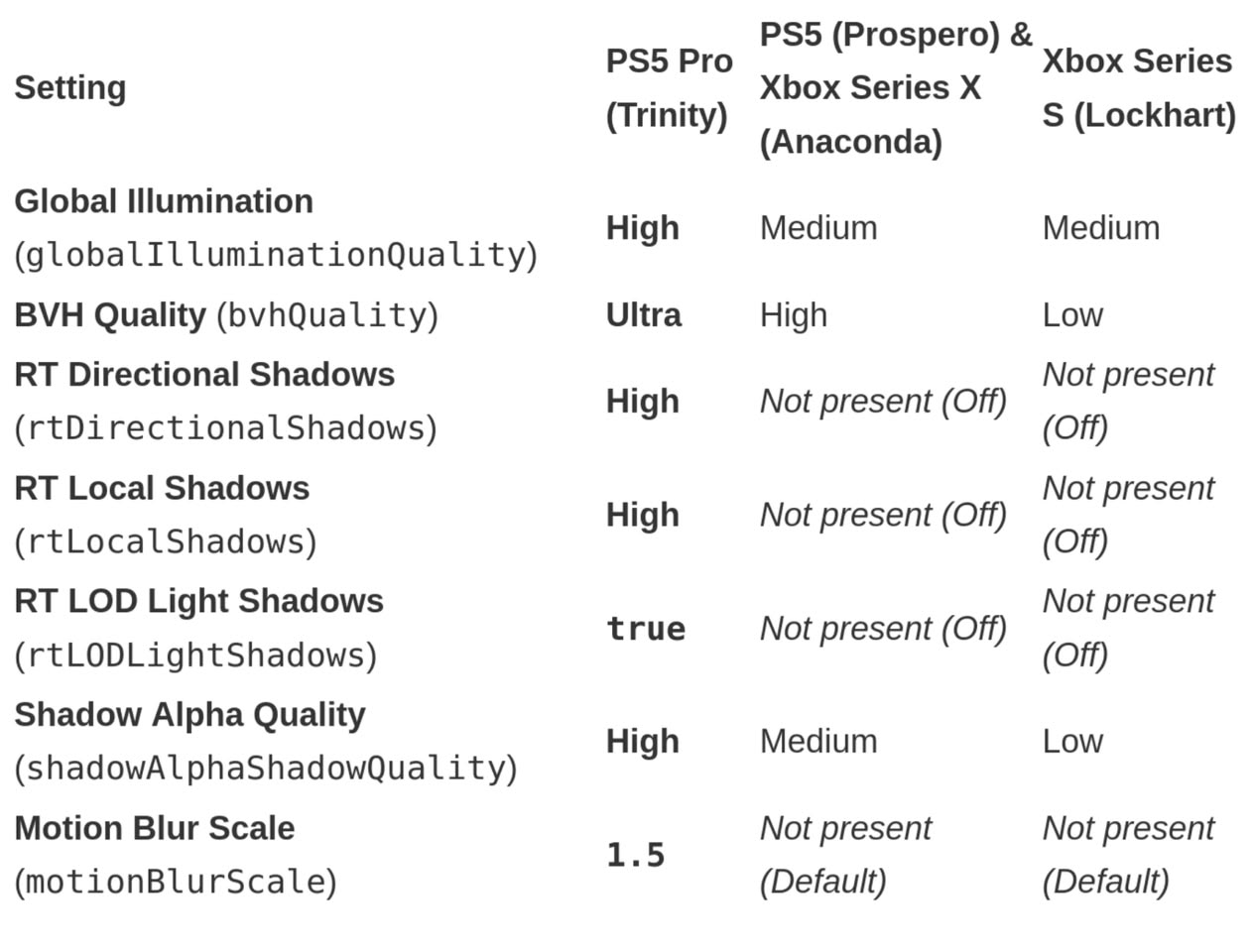
Since the launch of GTA VI, gamers, modders, and hackers alike have been hacking away at the game's files to see what they can break, whether that be in order to unofficially port the game to PC, find workarounds to Rockstar's limitations, or just for interest's sake. This time, it seems as though it's the latter. A dataminer who goes by Tex2 on X and the GTA forums has discovered the graphics options for the various console versions of GTA VI, revealing what options have been enabled on various gaming consoles and perhaps even giving us an idea of what to expect from the eventual PC port of GTA VI.

Interestingly, the base PlayStation 5 and the Xbox Series X both run identical graphics presets, while the PS5 Pro has additional ray tracing options enabled, and the Xbox Series S has the least demanding settings preset. The original post on X has seemingly been removed without explanation, but the full list of settings is still available thanks to reporting by MP1st and Notebookcheck. Interestingly, the GTA VI graphics settings are mostly set to high on the PS5 Pro, with a few medium settings scattered throughout. The ray tracing settings, which are notoriously demanding on hardware, stand out as also being set to high on Sony's high-end console. Even the base PlayStation 5 and Xbox Series X have most settings set to high or medium, with ray tracing disabled.

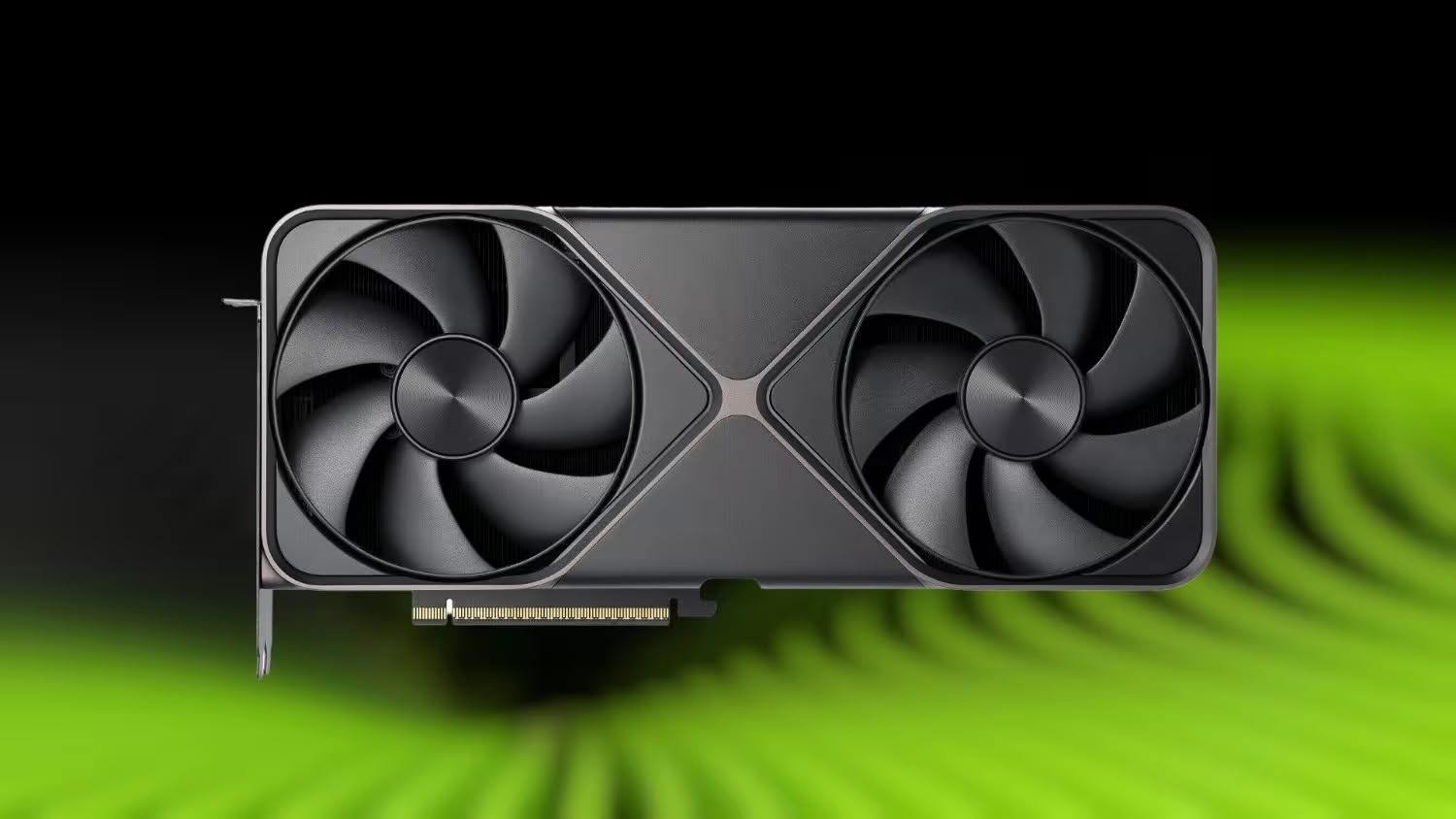
NVIDIA Cuts RTX 50-Series Supply as RTX 60-Series Faces Possible Delay, Per Reports

NVIDIA celebrated Jensen Huang's return this week, but that doesn't mean the GPU shortage is over. In fact, reports from the Chinese distribution forum Board Channels claim that NVIDIA is planning to cut RTX 50-series supply even further. Apparently, NVIDIA's board partners will get 20-30% fewer gaming GPUs over the next three months, which covers the fourth quarter running from November 2026 through January 2027. The report, spotted by Videocardz, claims that NVIDIA has already notified its add-in-card (AIC) partners of the cut. We know that GPU supply to China has been extremely tight from NVIDIA's side, and this is expected to make the situation even worse for consumers. The post focuses only on China, but we may see NVIDIA implement the same policy in other regions, as it has before.
NVIDIA's tight supply is directly linked to AI demand, as corroborated by a report from Taiwan's Commercial Times. Taiwanese ODMs told the paper that new B300 orders take 26 to 40 weeks to deliver, while the delivery window for GB300 is around 14 to 26 weeks. Other products such as the RTX Pro accelerator cards and DGX Station have even stretched past that. To cope with that, NVIDIA is reportedly cutting back on GeForce RTX 50-series supply, as indicated by the Board Channels report. Industry sources expect that the wafers which are freed as a result of these cuts will go towards data center chips in order to meet demand. There's also the issue of memory, and we have covered plenty of reports about memory makers shifting their production pipelines towards AI customers.
System76 Launches Pop!_OS 26.04 With Major UI and Usability Improvements

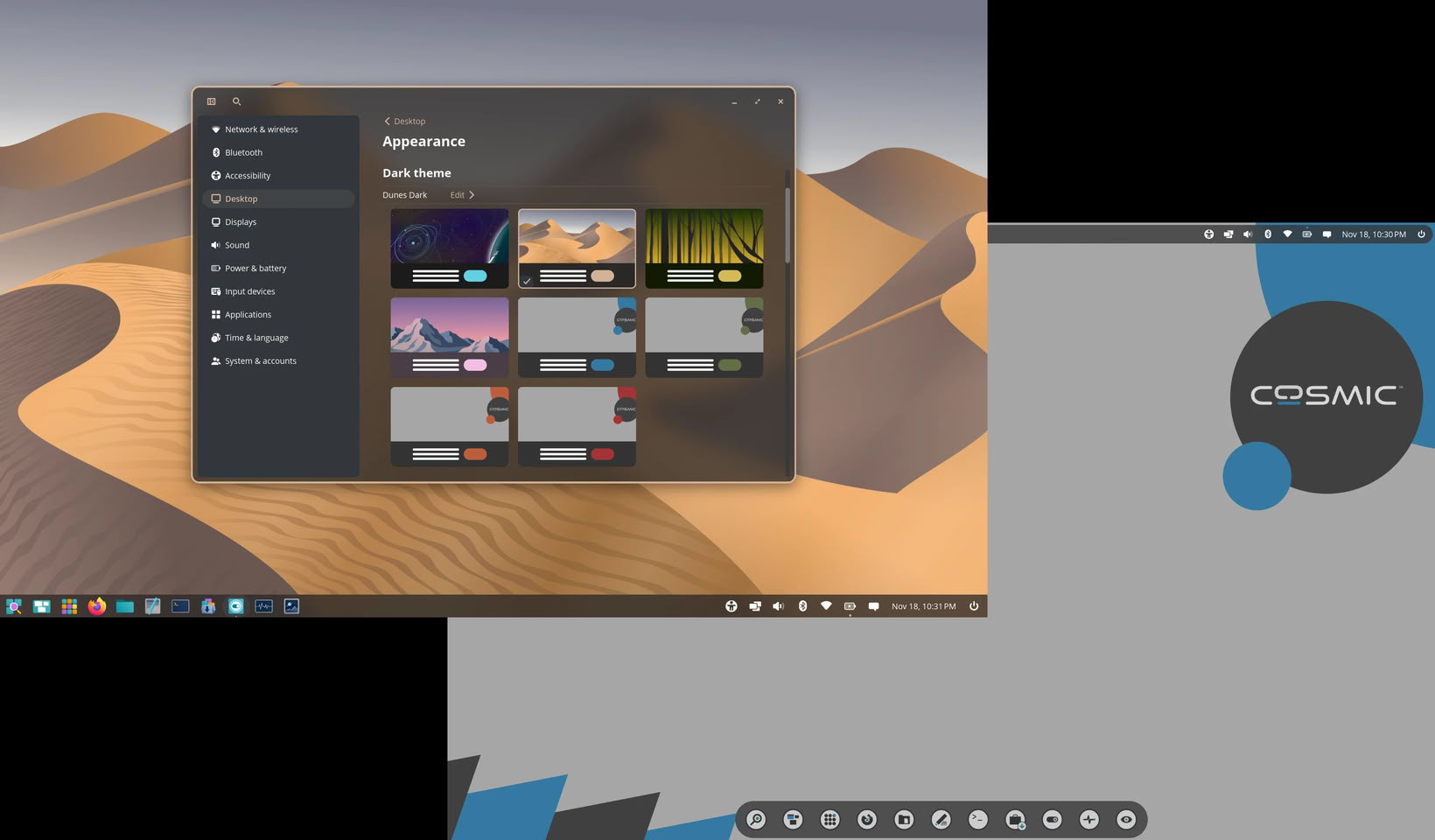
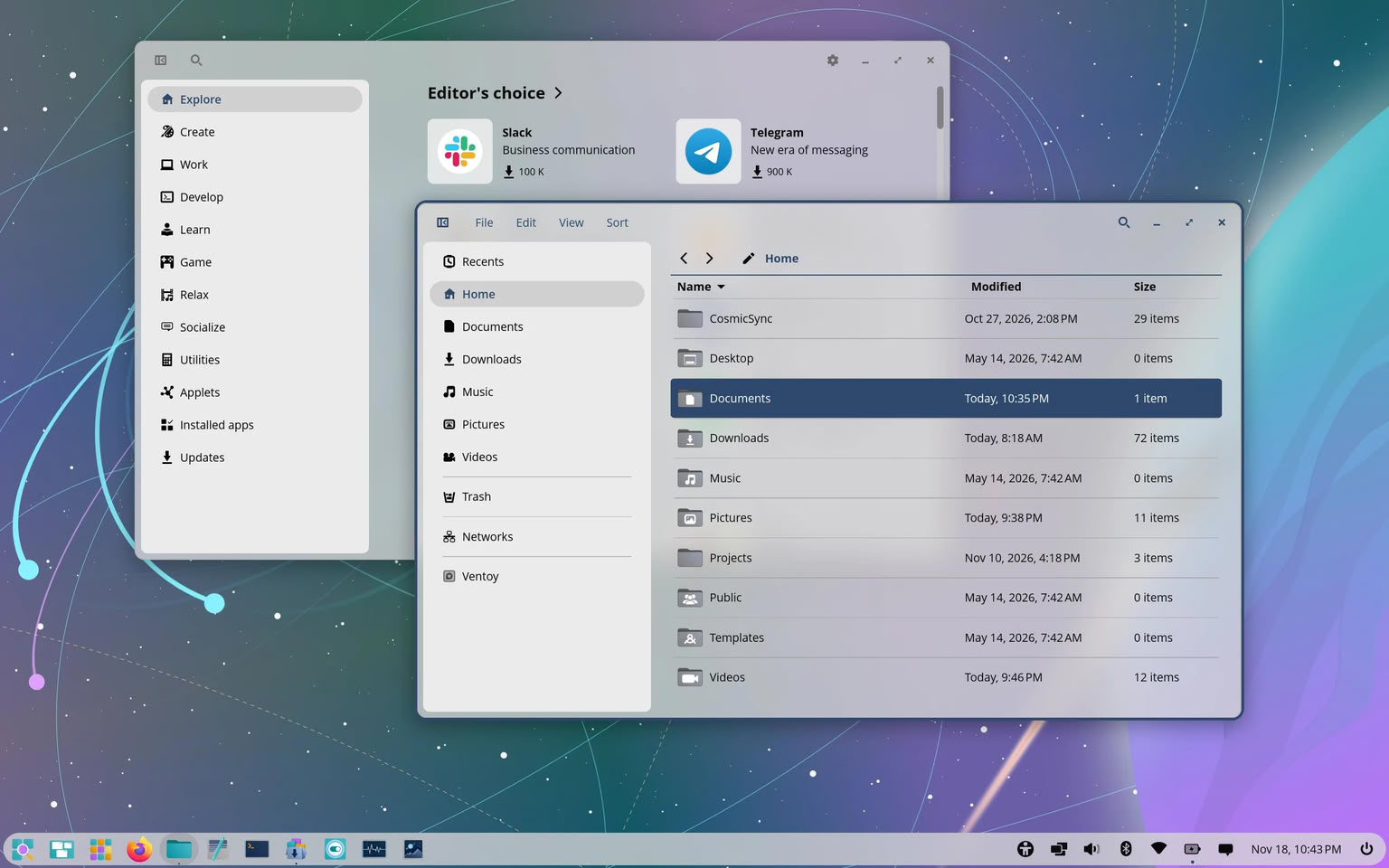
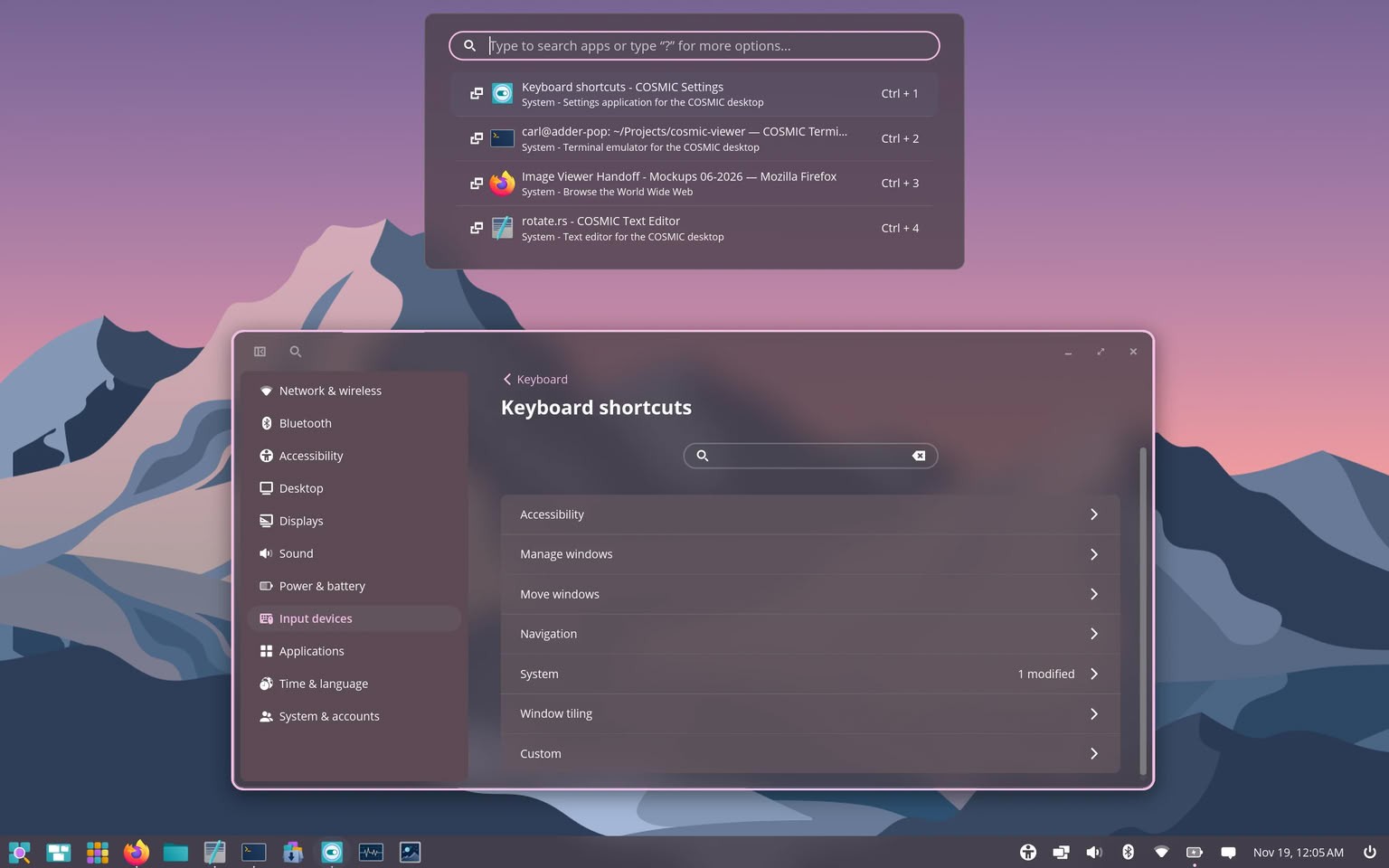
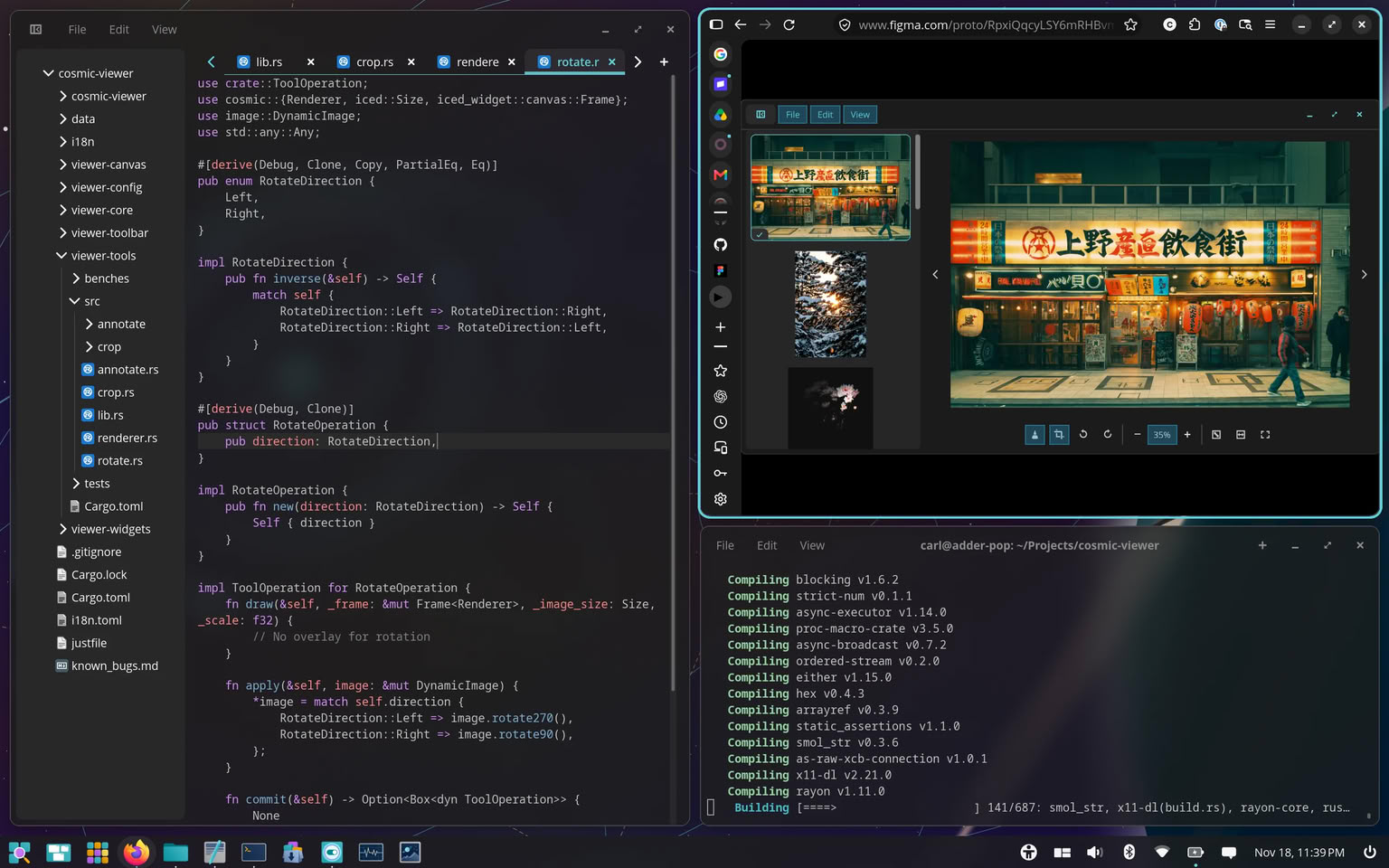
Pop!_OS, the Linux distribution shipped by default with System76's PCs, like the recently released Thelio Prime desktop, has officially been updated to version 26.04 LTS from 24.06. The new update to Pop!_OS has brought with it a host of updates, most of which are aimed at making the distribution and its Cosmic desktop significantly more feature-complete and competitive with the likes of GNOME. The update to 26.04 is largely considered to be a big step for both Pop!_OS and Cosmic, because the Cosmic desktop has been playing catch-up, but it has some highly sought-after power-user design concepts, like the configurable, user-friendly, auto-tiling window management.

The distribution itself is now on kernel version 7.2.15, although kernel versions aren't tied to a specific version of Pop!_OS, due to its update cycle. The major usability improvements come from changes to the desktop, which, in 26.04, include: new Cosmic Image Viewer and System Monitor apps; new Constellations themes with bundled wallpapers, icons, colors, and fonts; built-in drawing tablet support; an on-screen keyboard with touch and gamepad support; support for automatic system and app updates; remote desktop support; configurable workspace wrapping; variable refresh rate support; improved gaming, especially with Steam Big Picture; improvements to touchscreen support; and individual app volume control.

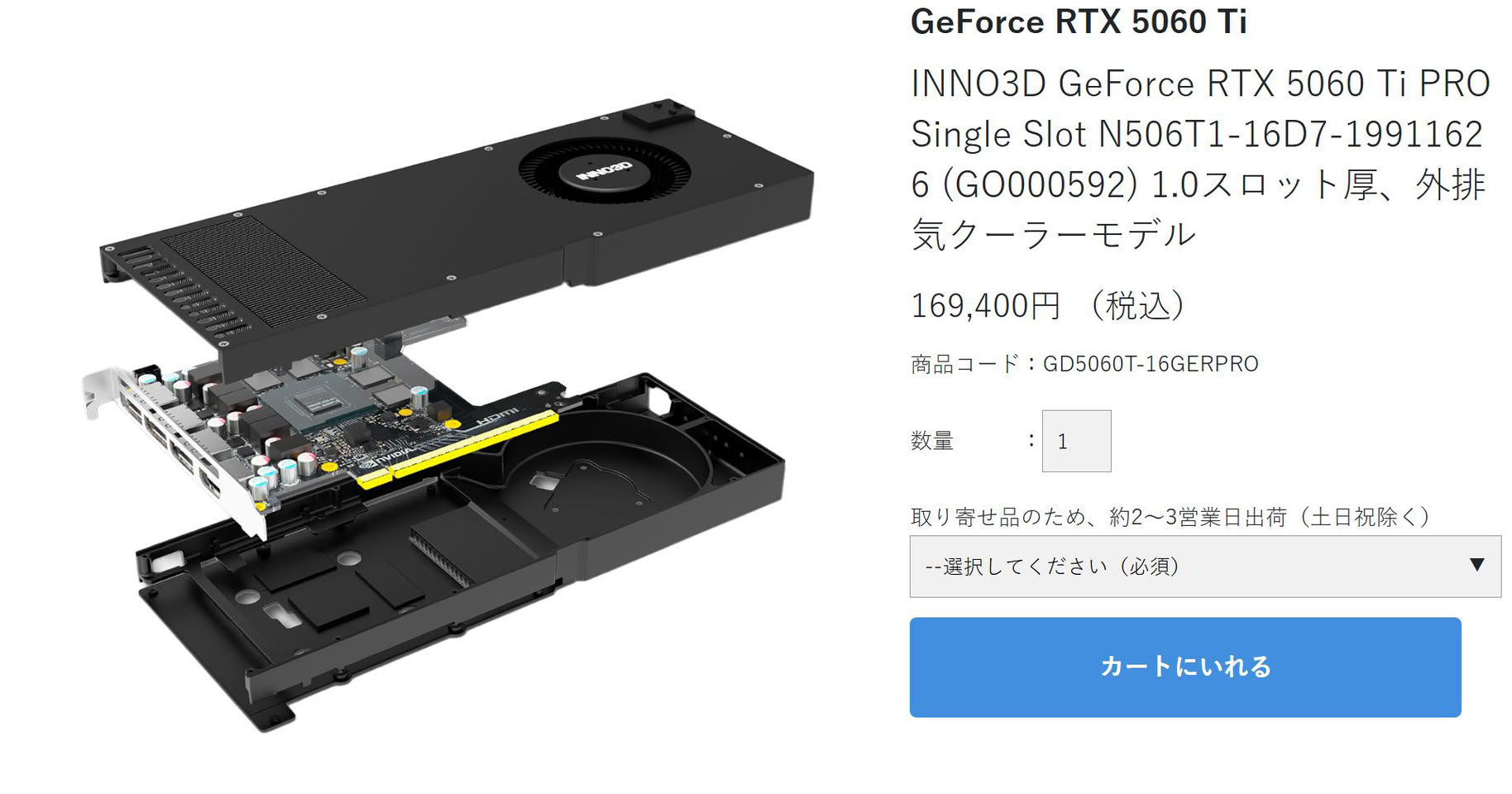
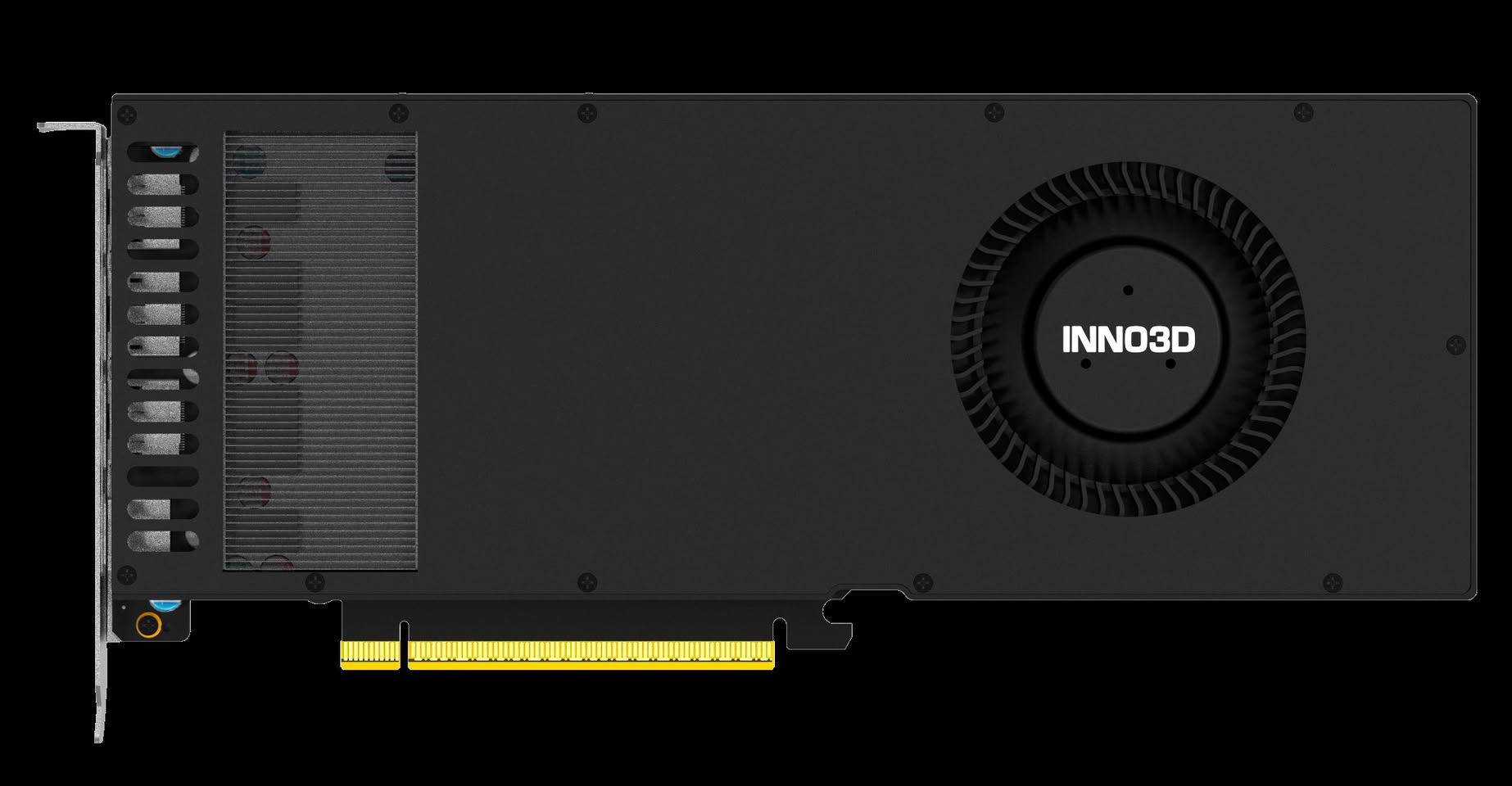
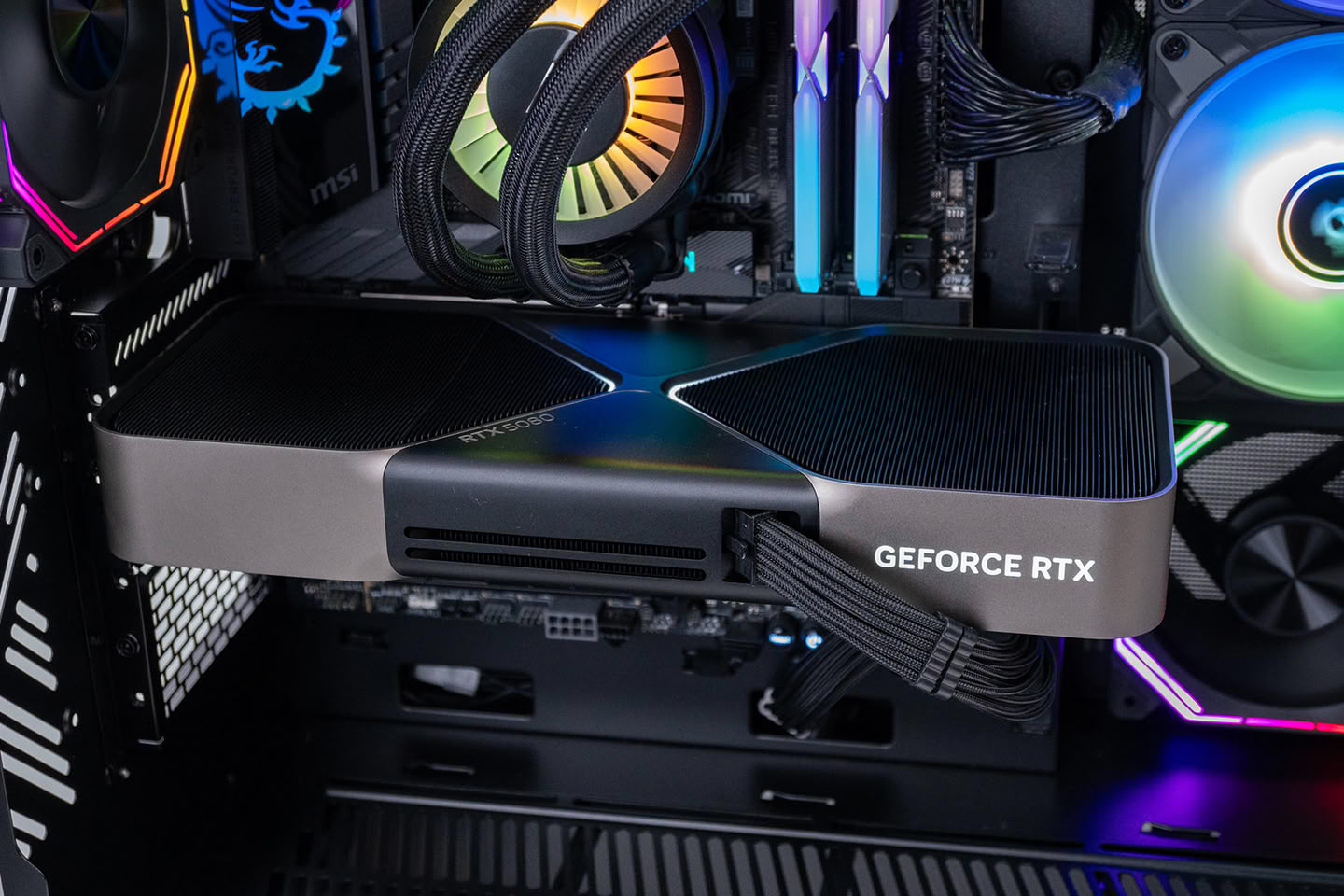
INNO3D's Single-Slot RTX 5060 Ti PRO Gets Listed in Japan for About $1,060

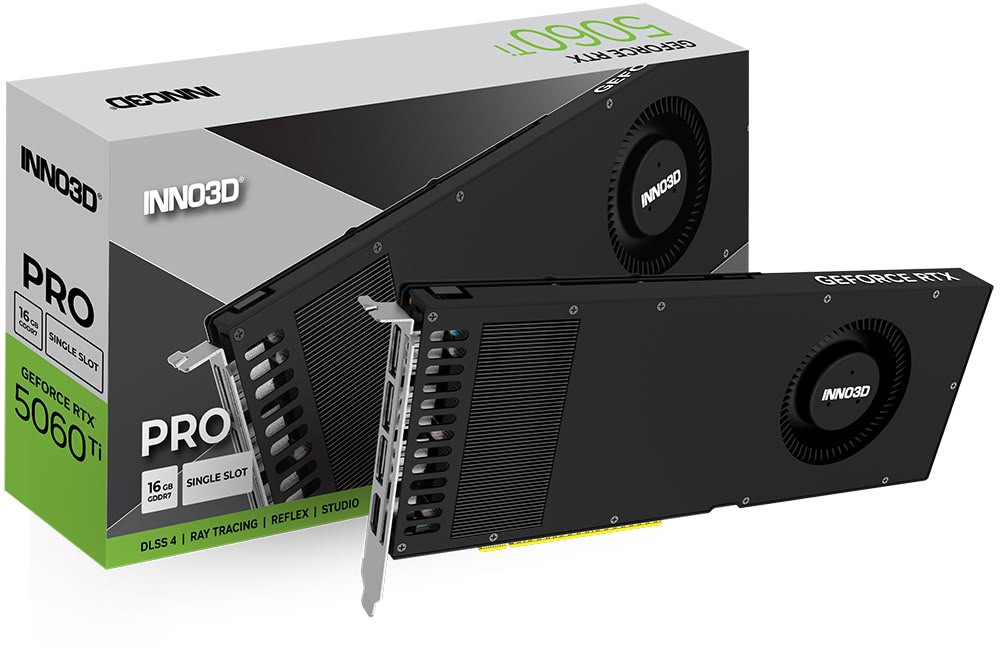
Single-slot graphics cards are quite a rare sight nowadays, especially for the newest generations from NVIDIA and AMD. INNO3D's RTX 5060 Ti PRO is seemingly a great option for those buyers who want a single-slot GPU for their compact builds. However, it looks like Japanese buyers will have to pay a hefty 169,400 yen (roughly $1,060) for this particular model. That information comes from an ELSA ONLINE listing, which is the web store of INNO3D's Japanese partner, ELSA Japan. INNO3D put up the product page for this card around 3 months ago, but the price was not known at that time. For comparison, ELSA's dual-slot RTX 5060 Ti 16 GB cards cost around 20,000 yen ($125) less. What's more interesting is that even some RTX 5070 models in Japan cost less than the single-slot INNO3D variant, at least according to October data.

So what do buyers get for spending a cool $1,060 for a single-slot RTX 5060 Ti? The shroud is just 20 mm thick, and inside is a stock RTX 5060 Ti with 4,608 CUDA cores, a 2,572 MHz boost clock, and 16 GB of GDDR7 VRAM on a 128-bit bus. There's only a single 8-pin connector, and power is rated at 180 W. As for thermals, a vapor chamber and blower fan push the heat out through the bracket. The dimensions are 265 x 111 x 20 mm, so it still needs a full-height slot. This particular variant looks like it's aimed at multi-GPU workstations, but it can also be useful for small form factor builders. INNO3D has done some one-slot cards before, such as the RTX 5090 and RTX 5080 Frostbite Pro, but those relied on Alphacool water blocks instead.

NVIDIA GeForce 621.40 WHQL Game Ready Drivers Released

NVIDIA today released the latest version of its GeForce Game Ready drivers. Version 621.40 WHQL introduces an important fix to a system bug caused by previous versions of GeForce WHQL drivers, which caused the graphics driver to excessively write to the file "nvlog.nvlstg," sometimes at rates as high as 9 MB/s, eating into the finite write endurance of SSDs. This bug was already patched over the weekend with the 621.35 Hotfix release, but this release makes the fix official. The drivers offer game optimization for "Warhammer 40,000: Dawn of War IV," and "Assetto Corsa Rally." The drivers also add DLSS 5 3D-guided neural rendering support for "Where Winds Meet."

DOWNLOAD: NVIDIA GeForce 621.40 WHQL

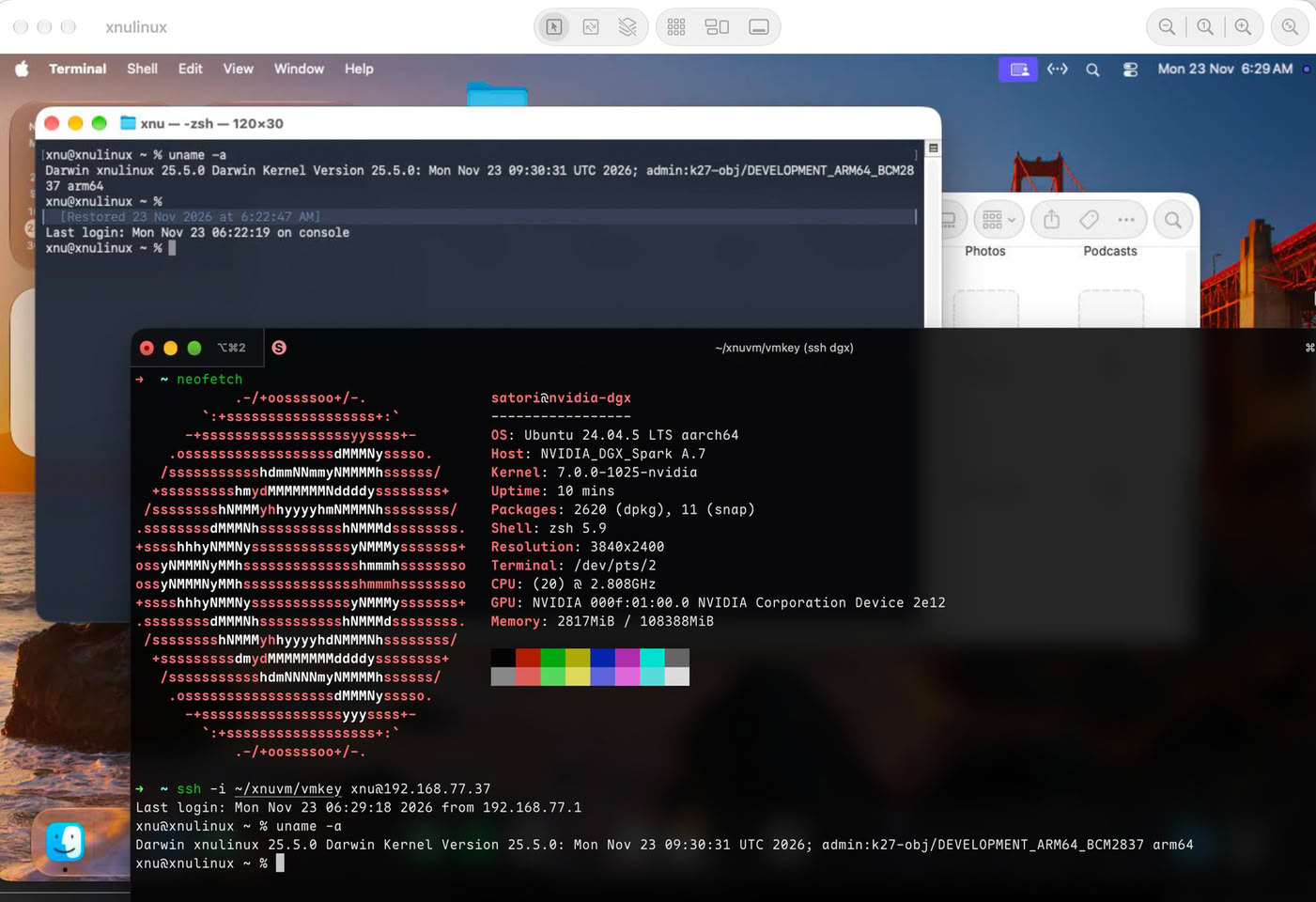
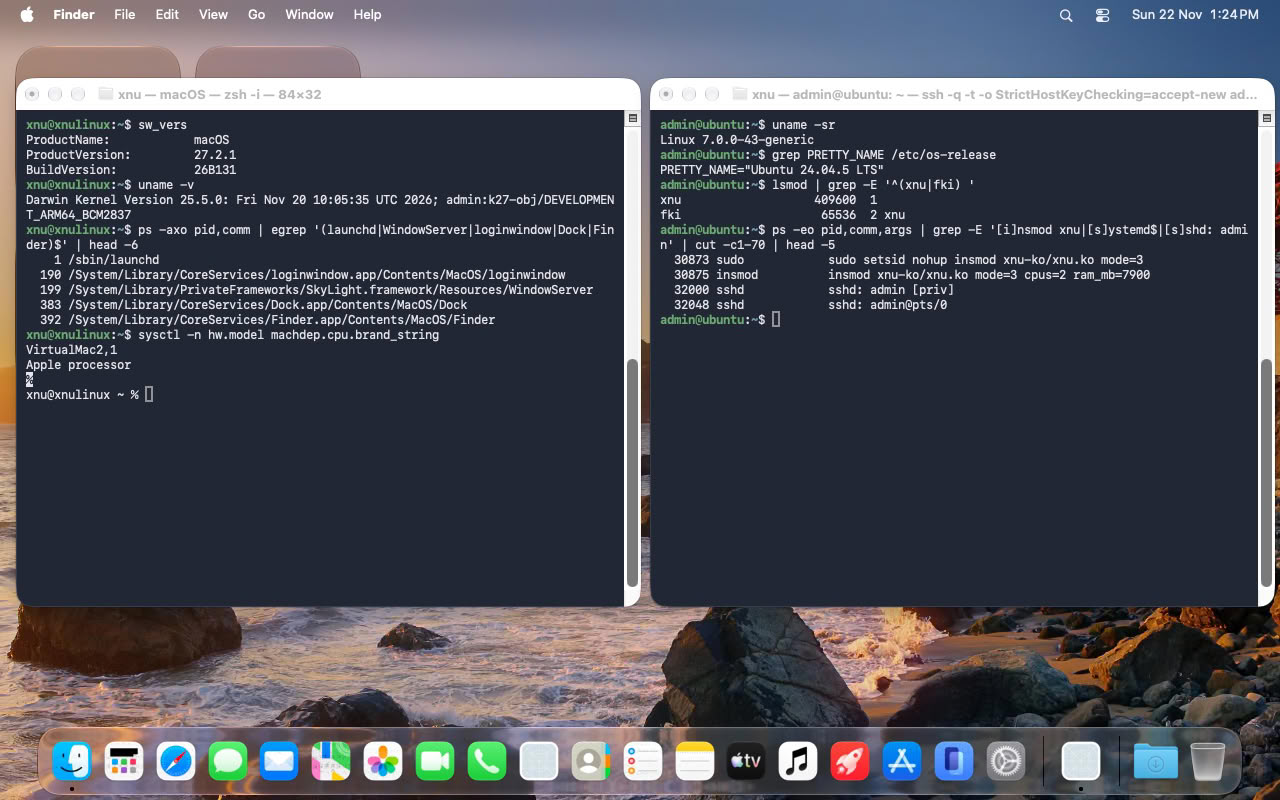
Experimental XNU Linux Project Boots macOS 27 Desktop on Linux

Unix software enthusiasts, rejoice! An experimental project called "XNU Linux" has successfully booted a complete macOS 27 desktop on an ARM64 Linux system. This breakthrough offers a new way to run Apple's operating system without relying on traditional virtualization methods. This is significant news for the community, as there is a large group of enthusiasts eager to create custom macOS desktops, also known as Hackintoshes. The project utilizes Apple's open-source XNU kernel, modified to function as a loadable module within Linux, enabling macOS and Linux processes to run on the same hardware.

Instead of translating macOS applications into a format Linux can execute, XNU Linux takes a different approach by integrating Apple's kernel into the Linux environment. It consists of two primary components: xnu.ko, which runs the hosted XNU kernel, and fki.ko, which provides an interface to Linux resources such as memory, networking, timers, and storage. This setup allows macOS processes to run natively on the host CPU without an intervening hypervisor. The setup has been tested on an NVIDIA DGX Spark running Ubuntu, as well as an Apple Silicon Mac running Linux in a virtual machine. The system successfully reached the macOS desktop, including Finder, Dock, WindowServer, and loginwindow, with Safari and Chrome also operational. Applications such as Spotlight and file-system operations remained functional during a brief 30-minute stress test.

CachyOS Officially Gets Easy Anti-Cheat Linux V2 Support in November Update

We previously covered the announcement that CachyOS would be getting Easy Anti-Cheat Linux V2 support in the future, but it appears as though the developers behind the popular gaming distribution have wasted no time implementing the new Linux kernel security measures required by Epic Games's new Linux-friendly anti-cheat implementation. As of the official CachyOS November 2026 release, the gaming distribution officially has support for the new EAC kernel, bringing the realization of Fortnite on Linux one step closer.

CachyOS has implemented a separate kernel entry called "linux-cachyos-eac," which will get its own boot entry for simplicity and flexibility—meaning if you don't want to use the EAC kernel, you can simply set it as a non-default kernel or select another kernel at boot. The new kernel requires that users enable TPM 2.0 and IOMMU, and it will run in lockdown mode and only load kernel modules signed with a signing key trusted by Epic Games. CachyOS users can enable the new kernel by running the "eac-setup" script in the terminal, which will set up the EAC Linux kernel for systemd-boot, Limine, rEFInd, and GRUB (which is in experimental support). After running the script, gamers can verify that it has successfully applied by running "eac-status."

Jensen Huang Reinstated as CEO of NVIDIA

The NVIDIA Board just announced that it has decided to reinstate Jensen Huang as Chief Executive Officer and President of NVIDIA Corporation. Earlier today, the Board of Directors convened to unanimously approve the reinstatement of Huang following a series of discussions and meetings with him. The board expressed satisfaction with Huang's candor and his ability to lead NVIDIA. Interestingly, the board has decided to keep Harvey C Jones as chair of the board.

"The Board believes Jensen is the right person to lead NVIDIA, and that his reinstatement is in the best interests of our stockholders, employees, partners and customers," said Harvey C. Jones, Chair of the Board. "We have every confidence in Jensen and look forward to working with him as he resumes his leadership of the Company. We are grateful to Colette Kress for her outstanding service as interim CEO, in addition to her continuing responsibilities as NVIDIA's Chief Financial Officer."

NVIDIA's SSD Writing Bug Needs Another Hotfix as Issue Returns

Last week, NVIDIA released the GeForce Hotfix 621.35 driver to address the issue of excessive SSD writing that many consumers reported on their systems. However, the problem might not be completely resolved, and another update could be necessary, as more reports of SSD writing are resurfacing in online communities. According to a Reddit thread, a user reported that the latest hotfix has reduced the peak writing rate seen with the previous GeForce Game Ready 621.24 driver, and that the writing doesn't immediately start after a reboot. However, after a longer uptime or a sleep/wake transition, the writing continues at a rate of 1.26 MB/s, compared to the previous rate of up to 9.1 MB/s. Notably, this issue was recorded on the GeForce RTX 4090 SKU, and the user states that the only way to stop the NVDisplay.Container.exe writing loop is by rolling back to the 621.01 driver version or disabling the _nvtopps container plugin by setting DisableLoad to 1.

NVIDIA's staff on the GeForce Forums confirms that the bug doesn't affect any of the GeForce RTX 50 series "Blackwell" graphics cards. We are monitoring to see if the issue returns for the latest GeForce series as well. In the meantime, it appears that only the GeForce RTX 40 "Ada Lovelace" series is affected, and another hotfix might be needed to resolve the SSD writing bug for good.

Moore Threads Claims Its Next GPU Will Break the Consumer VRAM Record

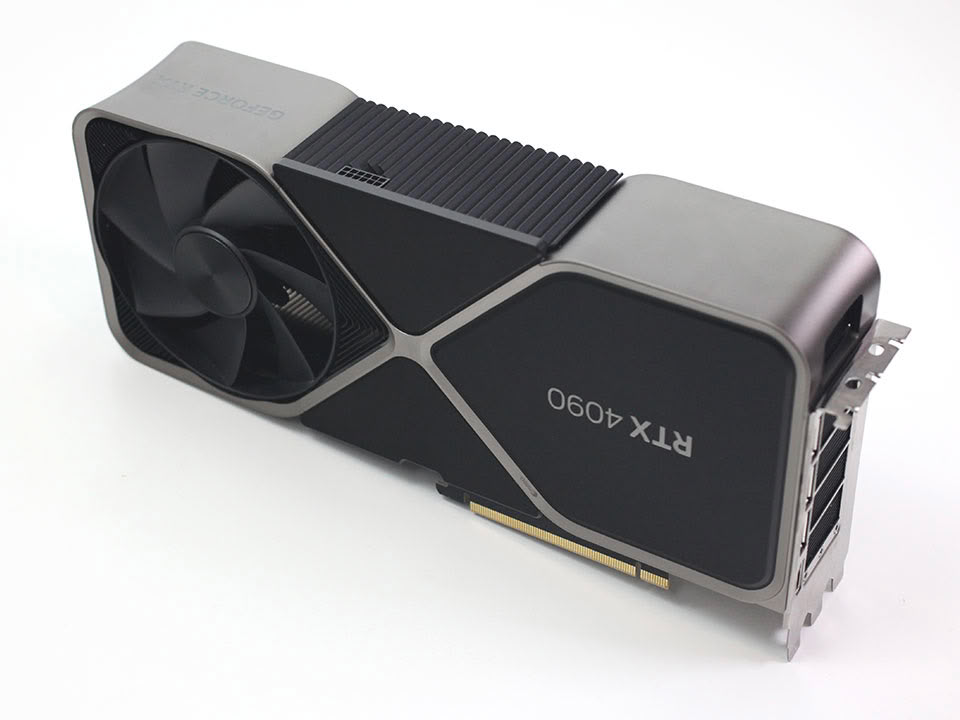
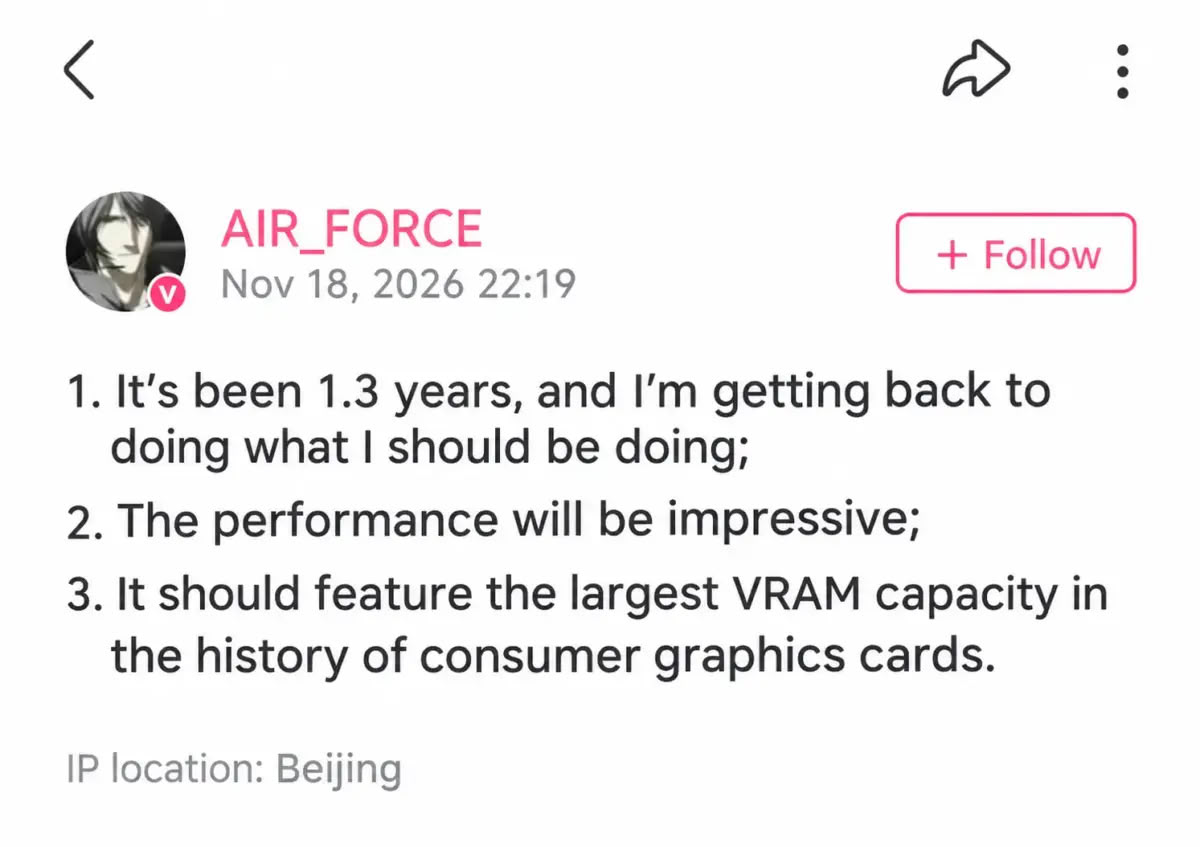
Another player is coming to stake their claim against NVIDIA, AMD, and Intel in the GPU market. A product manager behind Moore Threads' MTT S80 claims that the company's next desktop graphics card, codenamed Lushan, could set the record for the largest VRAM capacity ever put on a consumer graphics card. He posted this on November 18 on Weibo, but didn't disclose how much VRAM it would actually have. After that, Moore Threads published its first poster for MDC 2026, and the artwork hints at the graphics card. It is mostly hidden behind a pair of peaks, with one rendered as a 3D mesh and the other as a neural network. MDC is the MUSA Developer Conference, set for December 29 in Beijing.

We saw the concept behind Lushan at the first MUSA Developer Conference last December, alongside the Huagang architecture. The company then claimed 15x higher AAA gaming performance than its previous generation, as well as 50x faster ray tracing and 64x more compute, some truly gigantic leaps. If we look at what Moore Threads is claiming, the target to beat is the GeForce RTX 5090 at 32 GB of VRAM (if you consider the 5090 a consumer card at all). The MTT S80 has 16 GB of VRAM, and Moore Threads has previously promised four times the memory capacity over its predecessor. That works out to 64 GB, which would definitely be a record, but this is speculation, and Moore Threads has not confirmed any number at the time of writing. There's also debate over whether gamers really need that much VRAM, and whether such a large memory pool would attract workstation and local LLM users instead.

NVIDIA's SSD Write Bug Gets Patched in GeForce Hotfix 621.35 Driver

NVIDIA today has released the GeForce Hotfix 621.35 driver to fix the bug that was hammering SSDs while idle. There is only one fix in the release: "Excessive writes to file nvlog.nvlgstg may occur in the background," and that was all that was needed on an urgent basis. We reported the issue of constant and excessive SSD writes that was spotted by several NVIDIA users earlier this week, particularly on drivers 621.14 and 621.24. The NVDisplayContainer.exe process kept rewriting even on PCs that were just sitting idle, and the nvlog file was at the center of that bug. In some extreme cases, the idle writes were up to 30 GB per hour, while the older 621.01 driver only logged around 2 MB per 5-minute idle window.

The hotfix is built on NVIDIA's latest Game Ready driver, which is currently the 621.24 release from November 12. This is an optional download, of course, as it goes through a shortened QA process and is only offered through the NVIDIA Customer Care site. Previous fixes for the SSD write bug included rolling back to 621.01 and a temporary fix that included stopping the NVIDIA Display Container LS service. Anyone who was affected by this issue is advised to grab the hotfix as soon as possible, while others can wait for the next WHQL release. Curiously, AMD also suffered from a similar SSD write bug just a few days before NVIDIA's, and it too released optional Adrenalin drivers to patch it quickly.

Windows 7 Gets Unofficial DirectX 12 Support for Modern GPUs

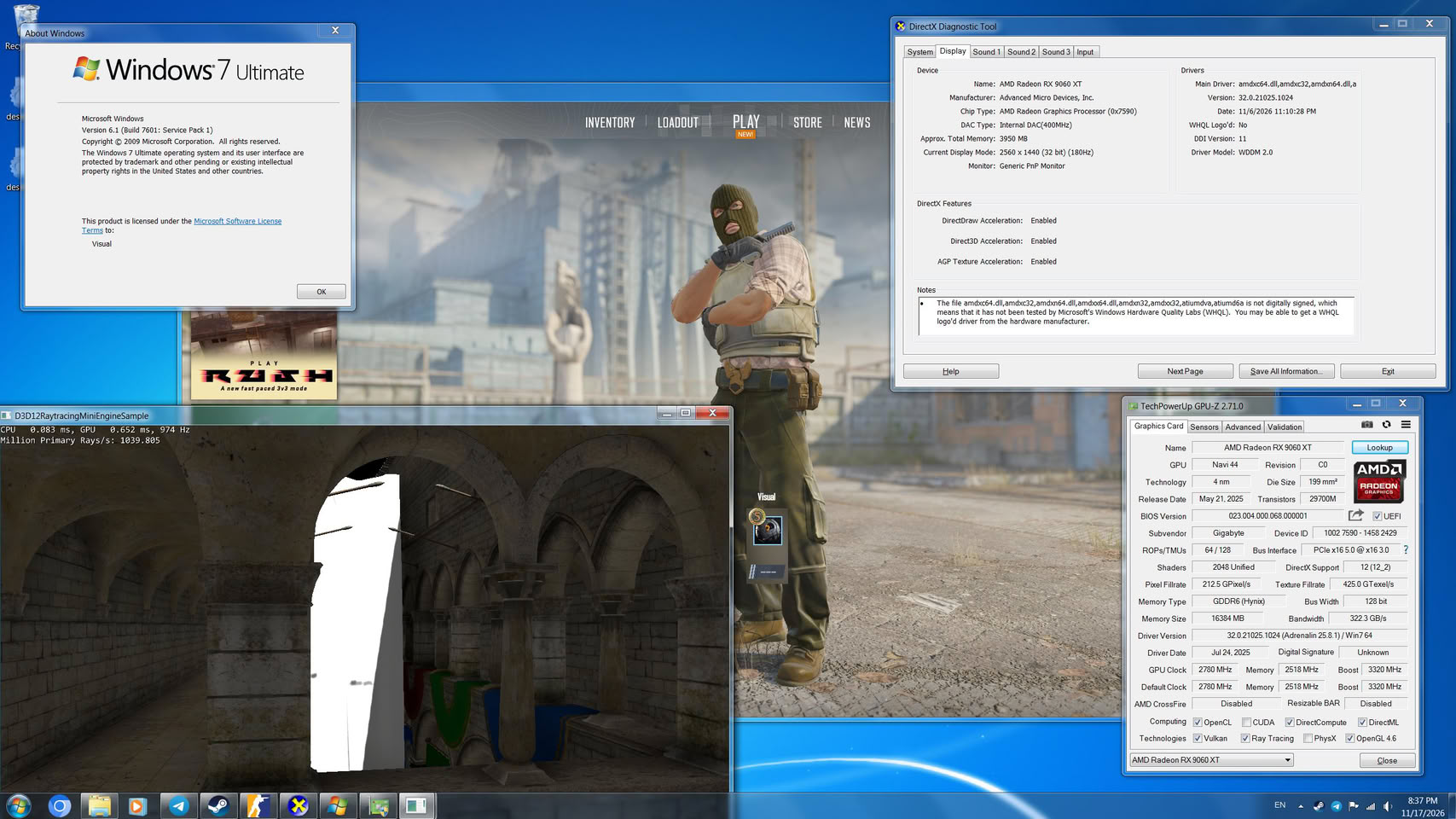
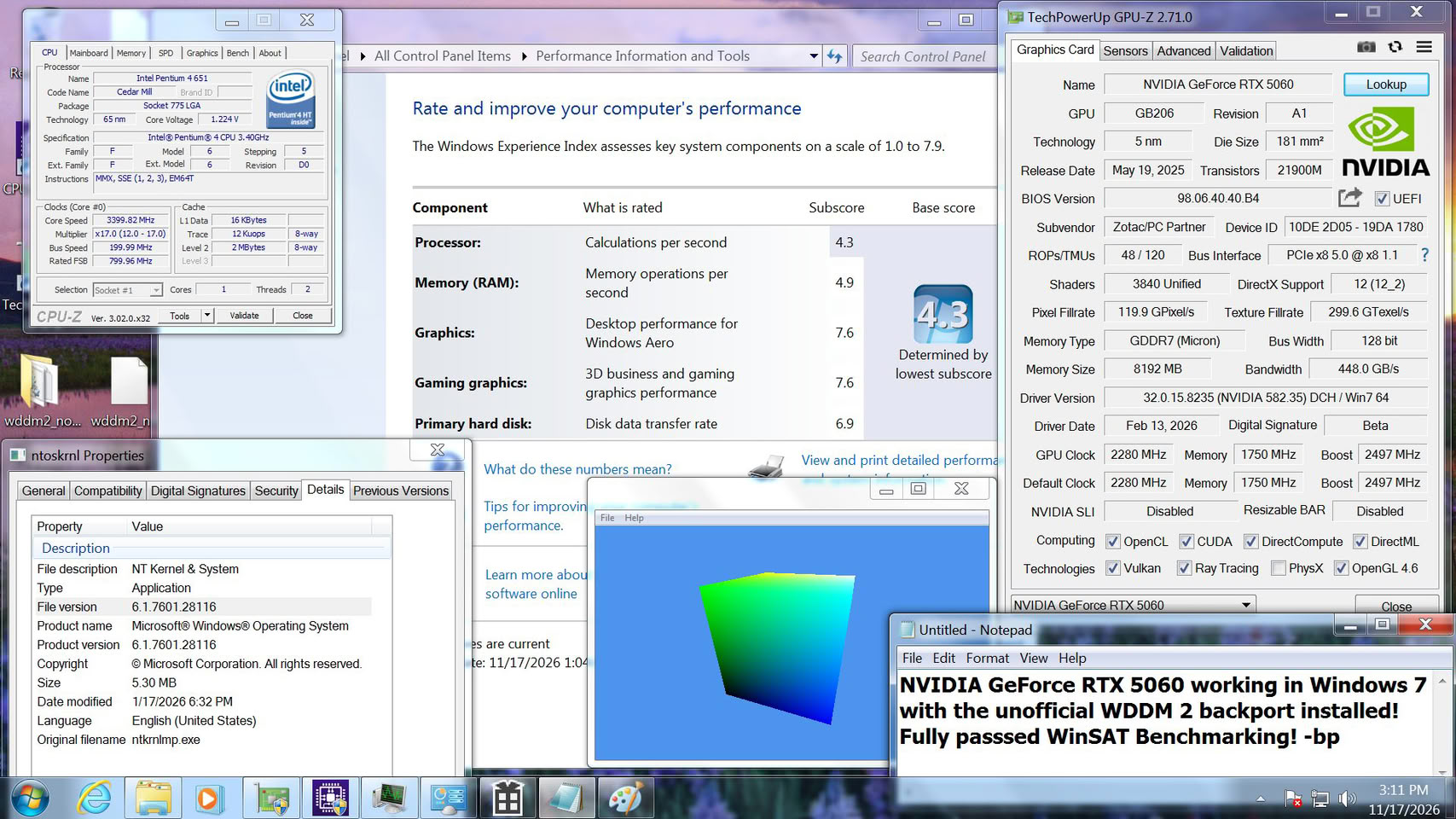
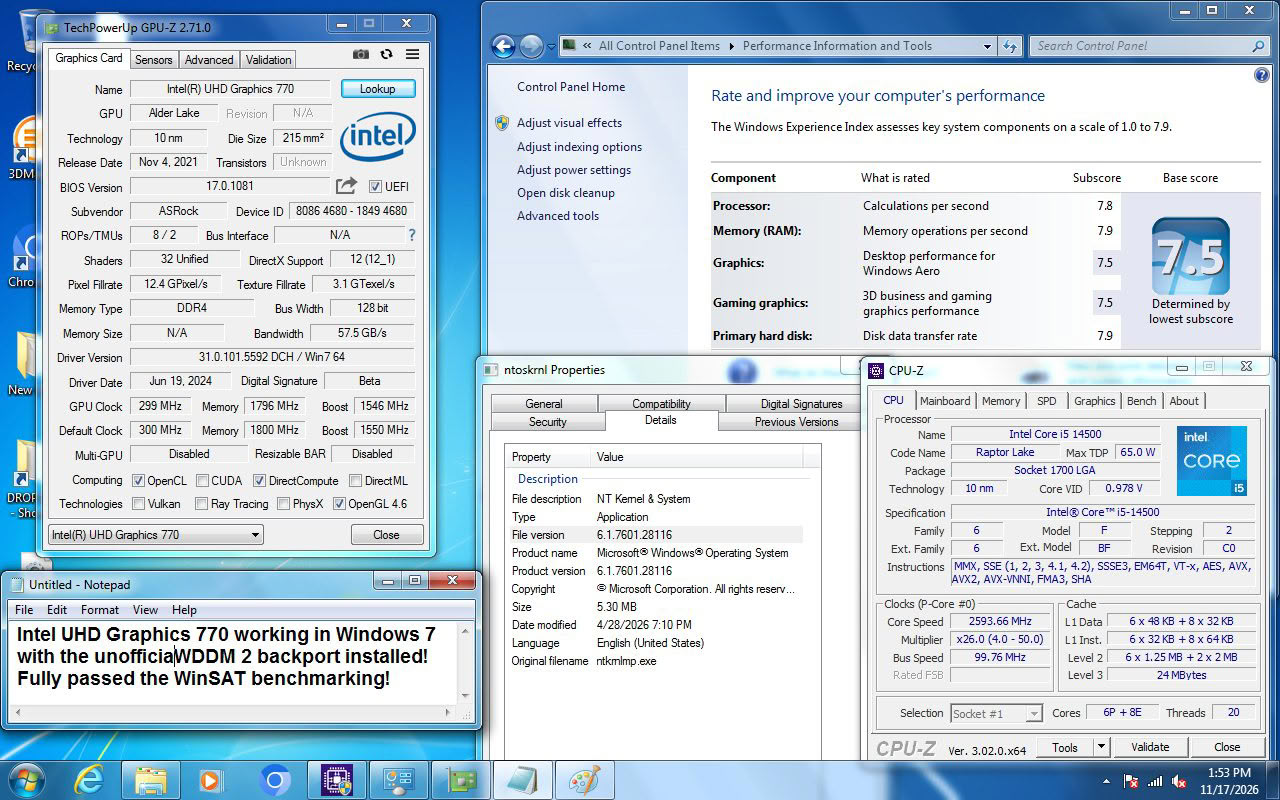
Windows 7 was a beloved operating system for many, and if you're still running a machine with that OS, this release might be for you. Three Windows 7 enthusiasts have managed to get current-generation GPUs and DirectX 12 running on Microsoft's 17-year-old OS. Bob Pony shared the project on X, called WDDM2Win7, an unofficial backport of the Windows Display Driver Model (WDDM) 2. The screenshots show Intel UHD Graphics 770, an NVIDIA GeForce RTX 5060, and an AMD Radeon RX 9060 XT, all detected in TechPowerUp's GPU-Z and running in Windows 7. According to the developer, GeForce RTX 40-series and 50-series cards, as well as Radeon RX 7000 and RX 9000 series cards, work. Intel UHD and Xe graphics are also supported, and DirectX 12 works as well.

Windows 7 originally shipped with WDDM 1.1, while WDDM 2.0 arrived alongside Windows 10 in 2015, bringing DirectX 12 along with it. Microsoft then brought DirectX 12 to Windows 7 in 2019, though only as a user-mode runtime. Individual games like World of Warcraft had to ship it themselves, which limited compatibility. The developers behind this project also backported the Steam client beta to Windows 7 last December after Valve dropped support for the OS in early 2024. As for WDDM2Win7, there is still plenty of testing to be done, but so far there are screenshots showing various GPUs being detected and some DX12 games working. Windows 7 stopped getting free security updates in January 2020, so if you have to try this, make sure it is on a secondary or offline machine.

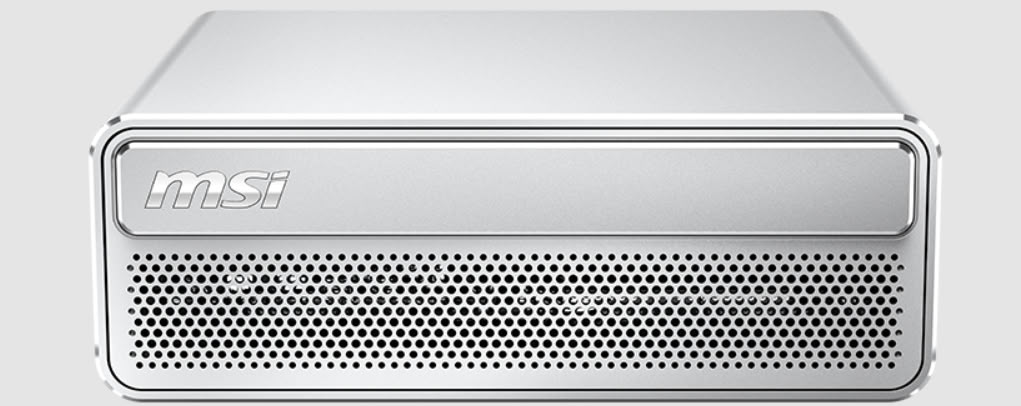
MSI Unveils the EdgeMesa N AI+ Series, Powering the Future of AI Teammates

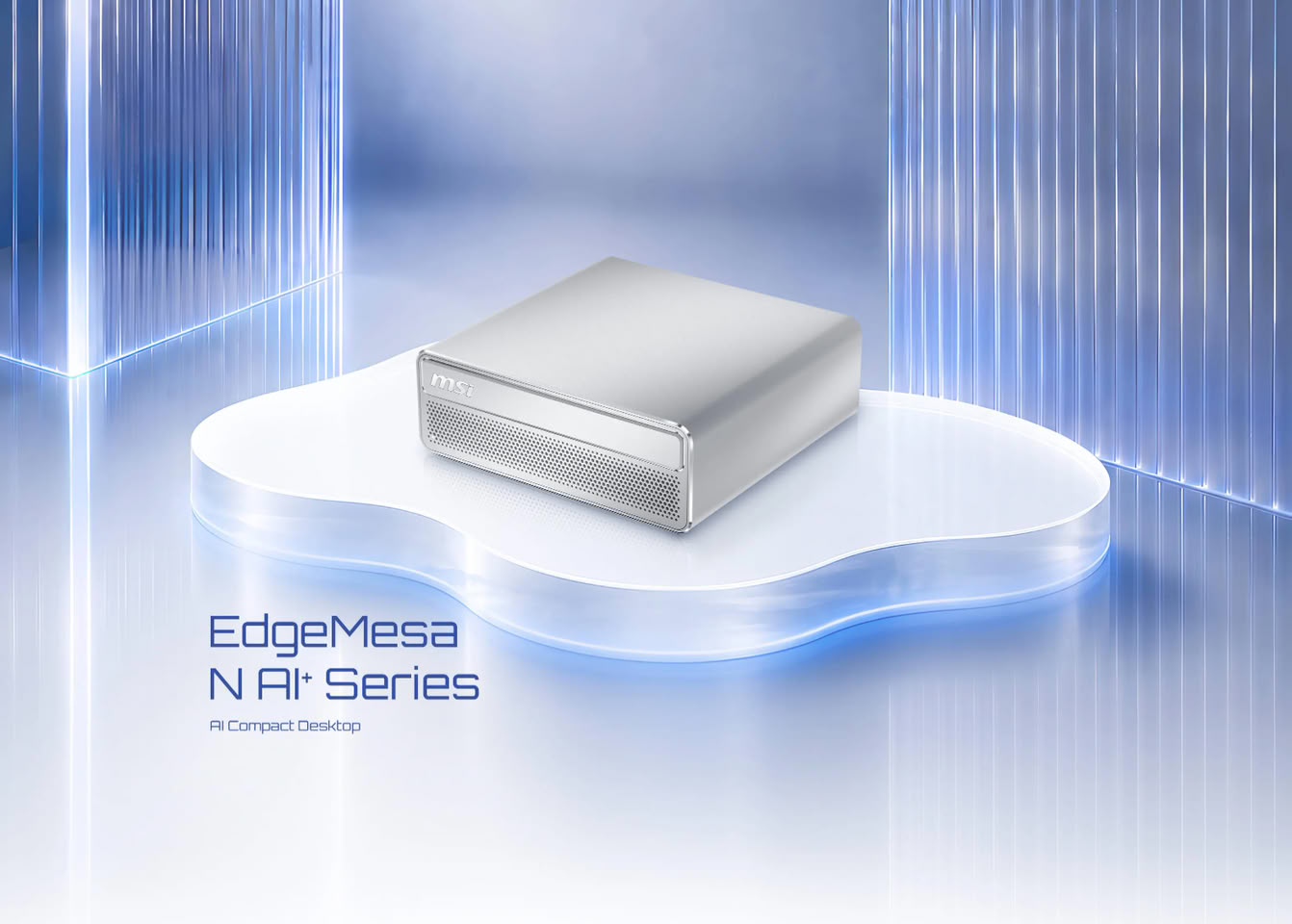
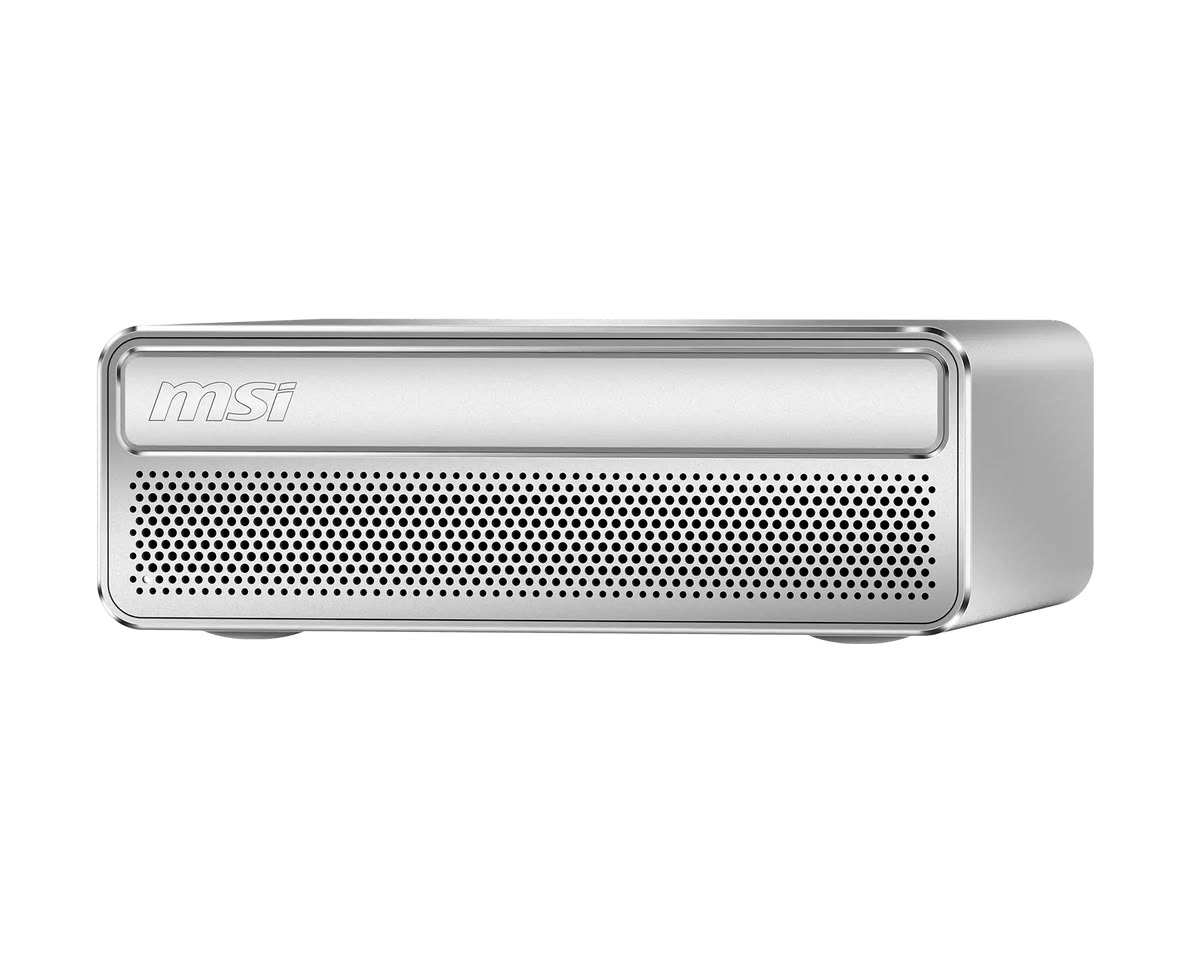
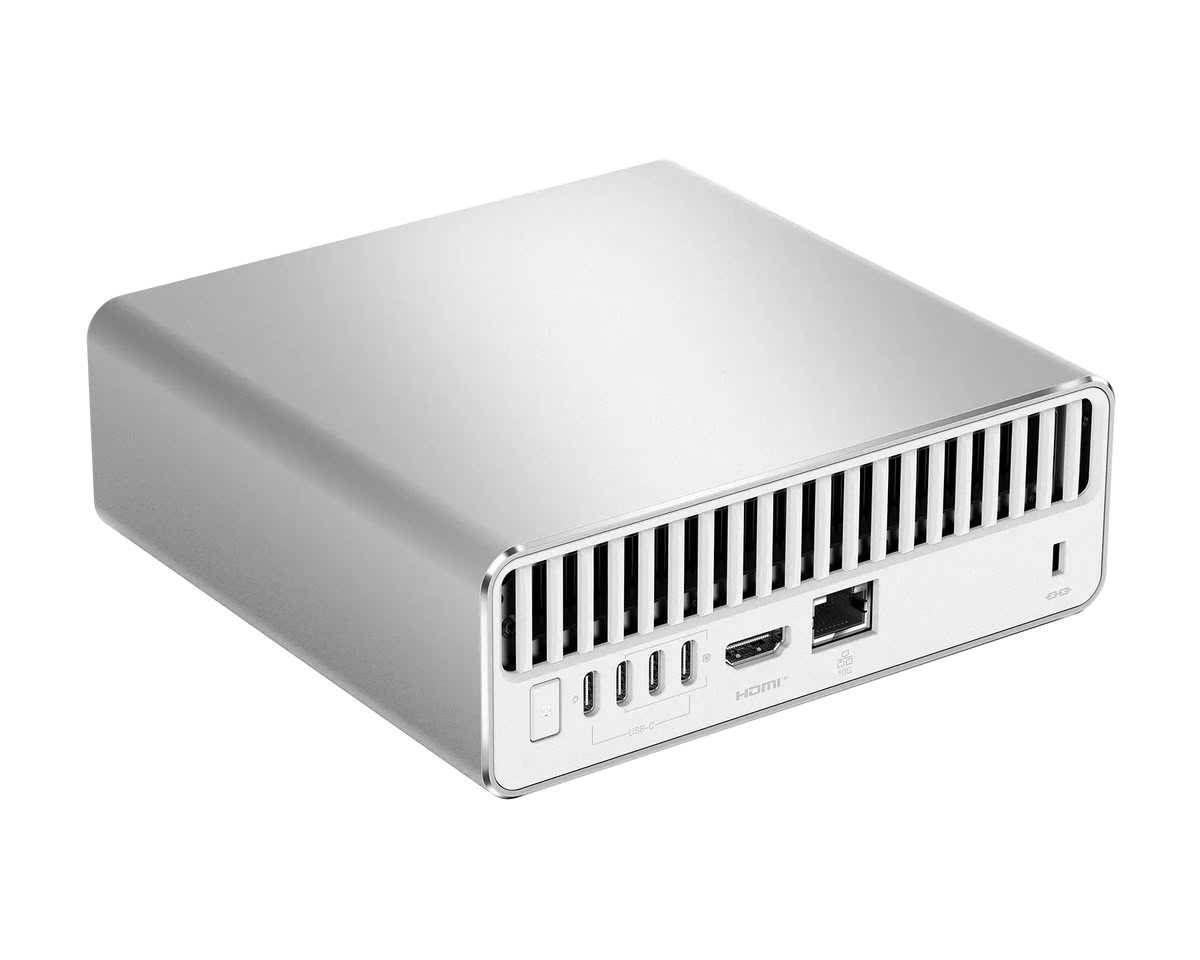
MSI, a global leader in AI computing and innovative technology solutions, introduces the EdgeMesa N AI+ Series, a compact AI desktop designed to bring powerful local AI computing into everyday workspaces. Powered by NVIDIA RTX Spark, the new series combines advanced AI acceleration with MSI's thoughtful engineering, enabling developers, creators, and AI enthusiasts to build, run, and deploy AI applications locally. With Windows 11 and a space-saving design, it provides a practical platform for turning AI experimentation into real-world workflows while maintaining greater control over data and computing resources.

Designed for continuous AI workloads, the EdgeMesa N AI+ Series features a refined 1.3-liter aluminium chassis with a fingerprint-resistant finish. Its MSI AI Pulse Cooling System integrates Vapor Chamber technology and dual turbo fans to manage heat efficiently, helping sustain 140 W TDP performance and support reliable 24/7 AI agent operation. This combination brings demanding AI computing to desktops without occupying valuable workspace.

TSMC Reportedly Reviews Customer Finances, Asks Some Chip Buyers to Pay Upfront

TSMC is reportedly seeking to audit its customers' ability to finance chip allocations, as the company aims to secure funding for its production runs. The report states that TSMC is going as far as obtaining data on customers' financial situations, data center construction stages, and other factors that influence demand assessments. These assessments are then used to propose credit lines based on each company's balance sheet. This evaluation includes collecting information on past debt defaults, the company's position in the industry, and its liquidity. For any orders that exceed the TSMC-imposed credit limit, TSMC requires cash payments for its production runs, with some customers even needing to make upfront payments to secure production capacity. Those who cannot secure a good credit line may pre-pay their production runs to ensure allocation.

With NVIDIA CEO Jensen Huang now out of the loop, TSMC is conducting checks with customers to ensure that, in the event of a broader industry shakeup, its production remains well-funded. The reported AI circular financing scheme that the entire industry has been engaging in is net positive for valuations, but TSMC wants to ensure it gets paid first, regardless of the situation. Many chipmakers and startups have been raising capital to access more cash to fund operations, and a significant portion of that will go to TSMC for its production lines. It is important to note that TSMC isn't changing the way it allocates supply. The company is simply protecting the way that allocation is settled, and the old rule of "first come, first served" remains in practice for securing allocation on any node, including leading-edge and upcoming ones.

Latest NVIDIA Drivers Might Cause Excessive SSD Writing

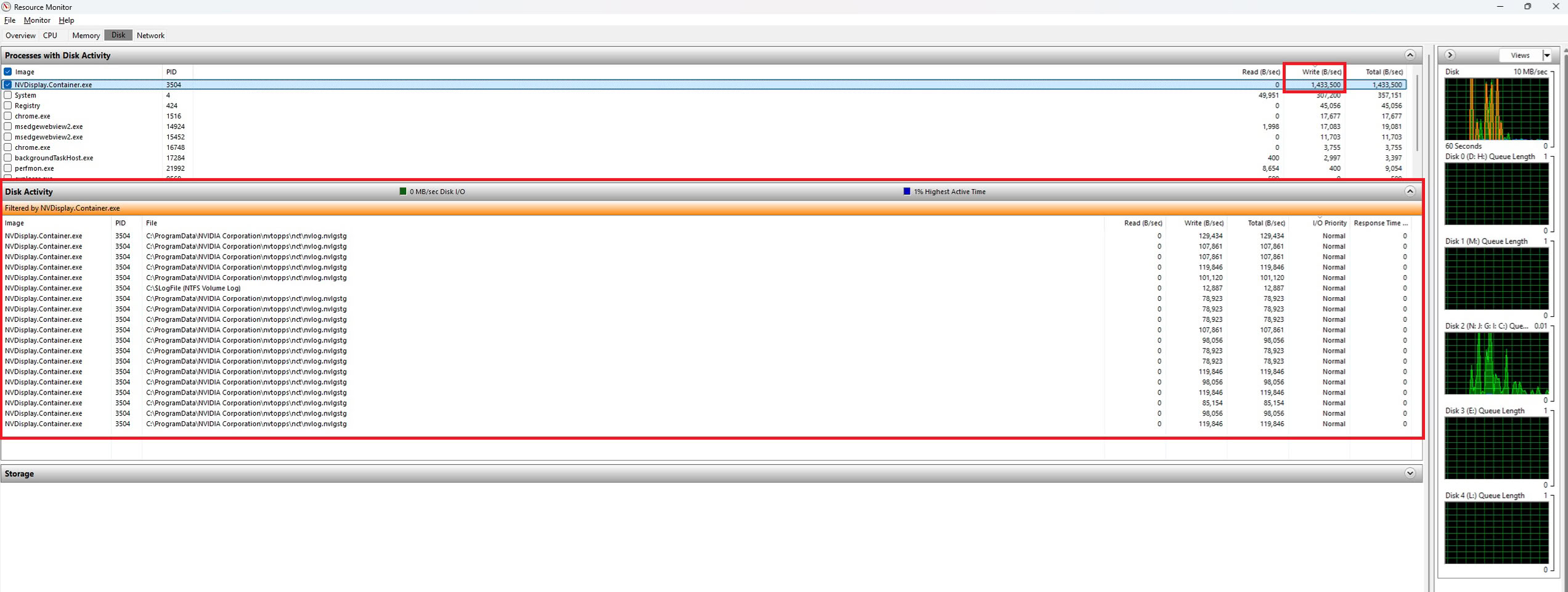
NVIDIA's latest GeForce Game Ready GPU drivers are reportedly causing excessive SSD writing on multiple systems. Users have been reporting numbers of up to 30 GB per hour of SSD writes, even when no typical writing activity is occurring. With driver version 621.01 installed, the NVIDIA Display Container process recorded less than 2 MB of writes while the PC was idle. However, with the upgrade to the version 621.14, released on November 4, the same five-minute check resulted in approximately 515 MB of writes. Another report indicates write activity as high as 30 GB per hour with the newer 621.24 driver. Reports collected by TroubleGrid and posts on NVIDIA's forums point to a binary log named nvlog.nvlgstg, stored in the NVIDIA Corporation folder under C:\ProgramData.

While this may seem minor, it's important to remember that systems can run for extended periods, and the writing can accumulate over time, potentially leading to SSD wear and tear. SSD lifespan largely depends on its ability to endure constant random writes, and forcing random writes onto an SSD will undoubtedly shorten its lifecycle. This is particularly concerning given the high cost of NAND Flash, as users are operating expensive SSDs that could undergo unnecessary wear. Users monitoring the file found that NVDisplay.Container.exe seemed to rewrite it repeatedly. GeForce owners can check their systems by opening the Disk tab in Windows Resource Monitor and looking for NVDisplay.Container.exe under Disk Activity. Disabling recording and overlay features reduced activity in some cases. Below resource monitor is an image from Wccftech.

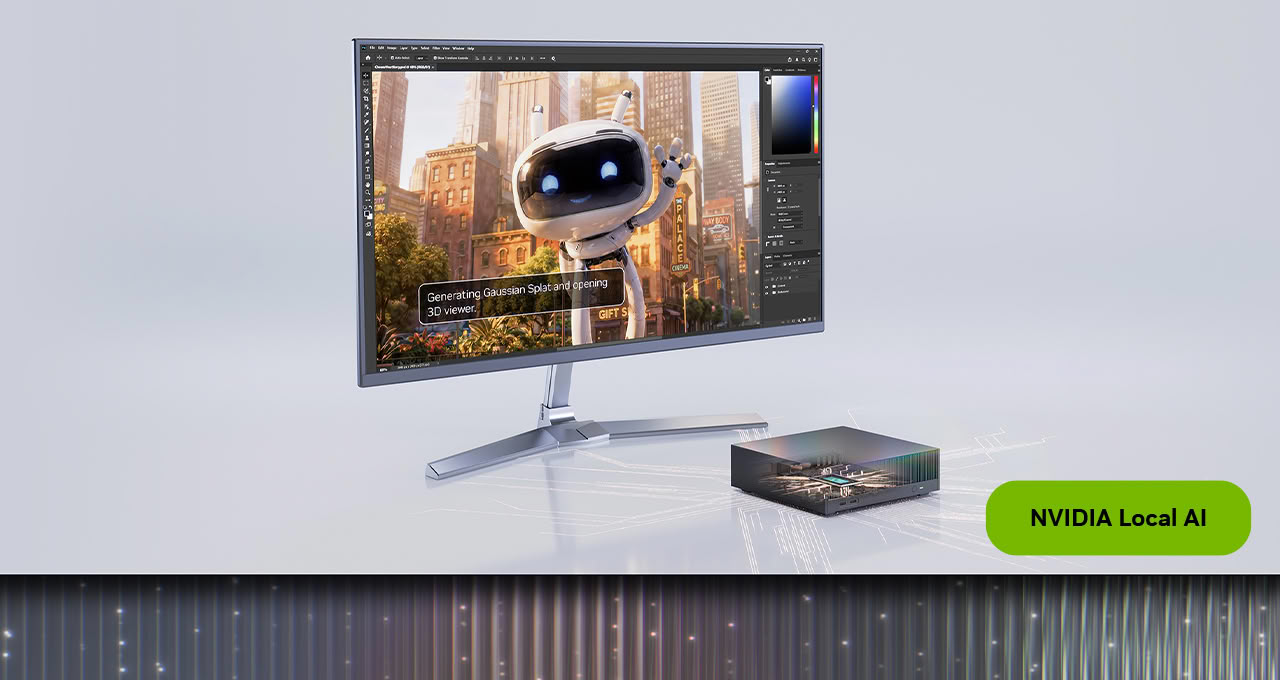
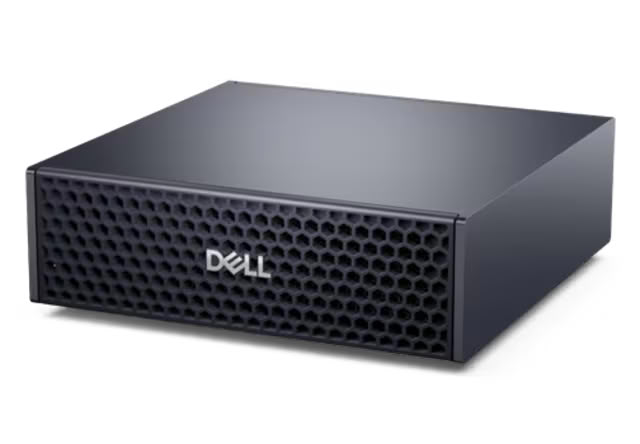
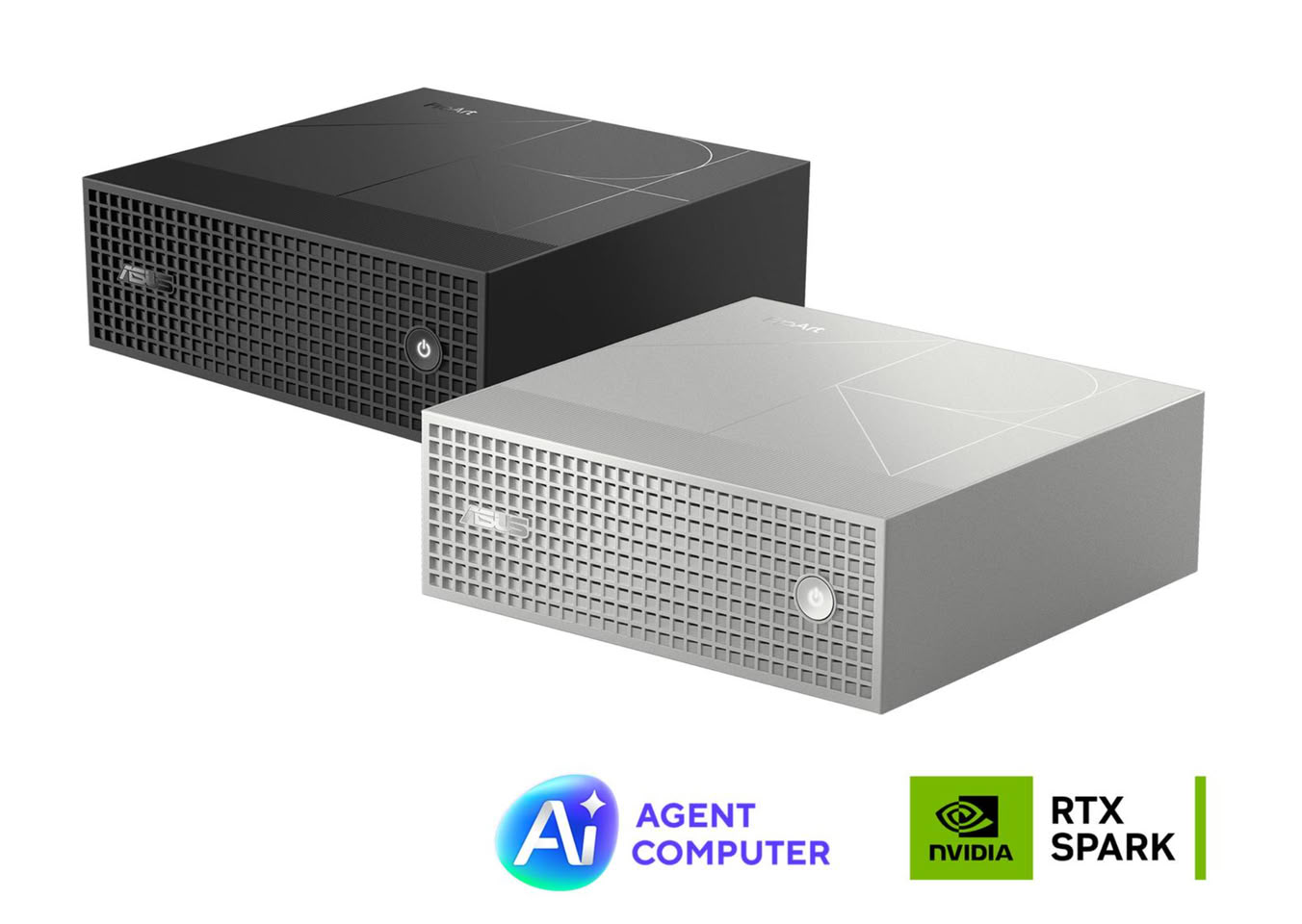
NVIDIA RTX Spark Compact Desktops Out Now

New NVIDIA RTX Spark compact desktops from ASUS, Dell and MSI are available today, bringing local AI agents, image and video generation, and model fine-tuning to a dedicated Windows PC. With up to 128 GB of unified memory and NVIDIA's AI software stack, these systems provide room for larger local models alongside RTX-accelerated creative and development tools. A dedicated desktop can keep agents and scheduled tasks running while a laptop travels or handles other work.

Alongside the new desktops, an expanding software ecosystem brings more creative and development workflows to RTX Spark laptops and compact desktops. Native Windows on Arm applications from Adobe, the NVIDIA DLSS Ray Reconstruction feature in Blender and local generation workflows in ComfyUI expand what creators and developers can do on RTX Spark—all on one Windows PC.

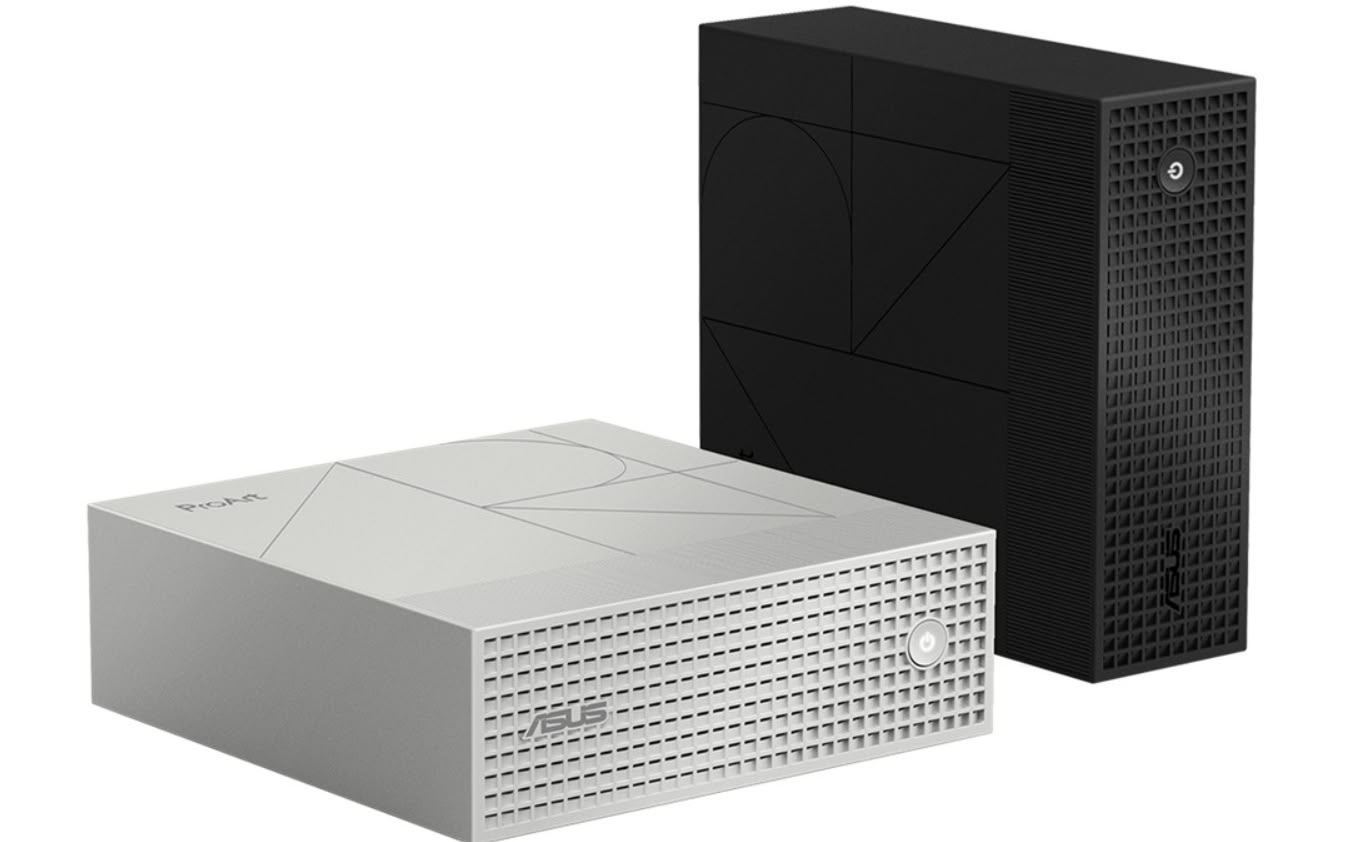
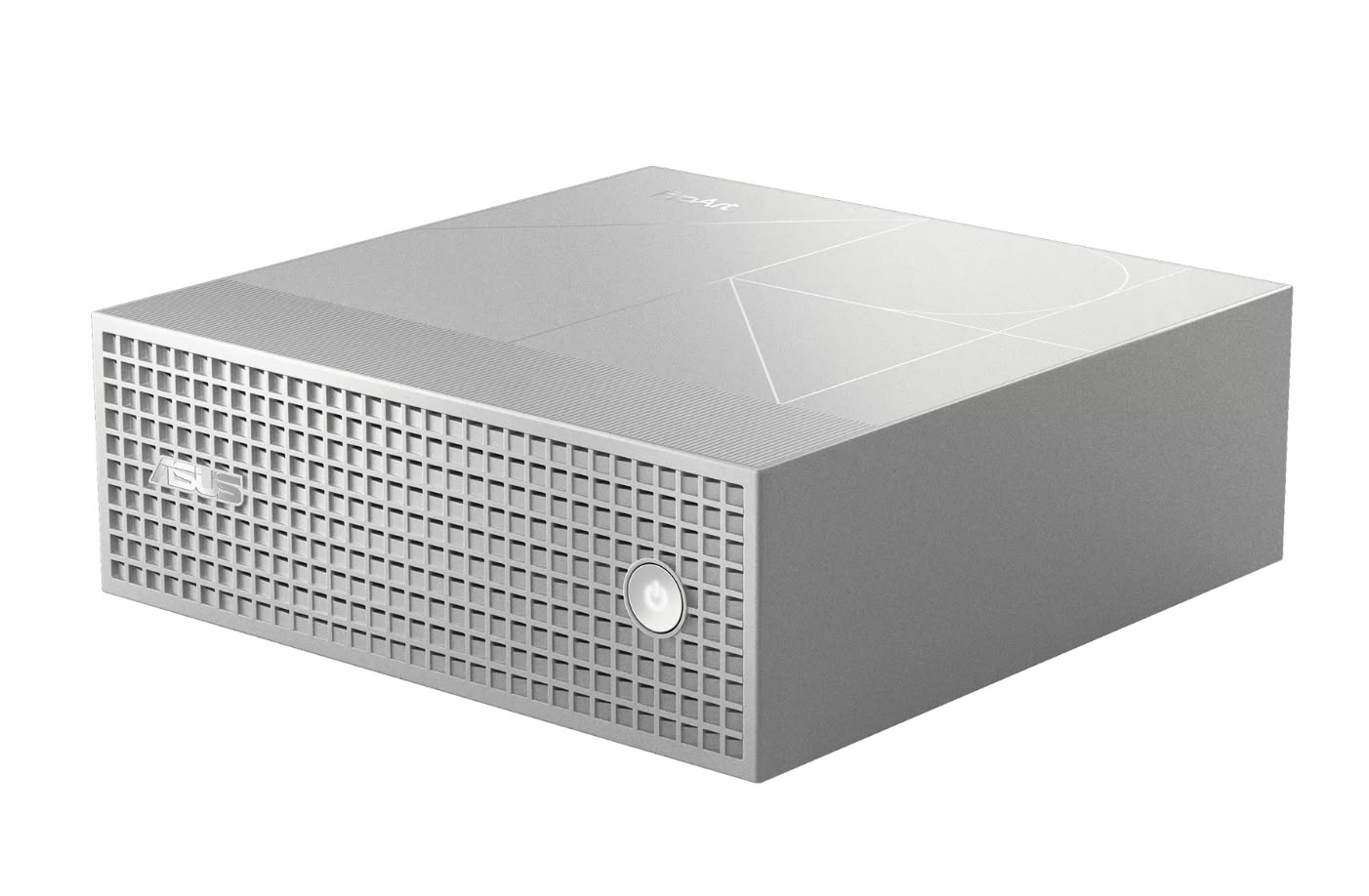
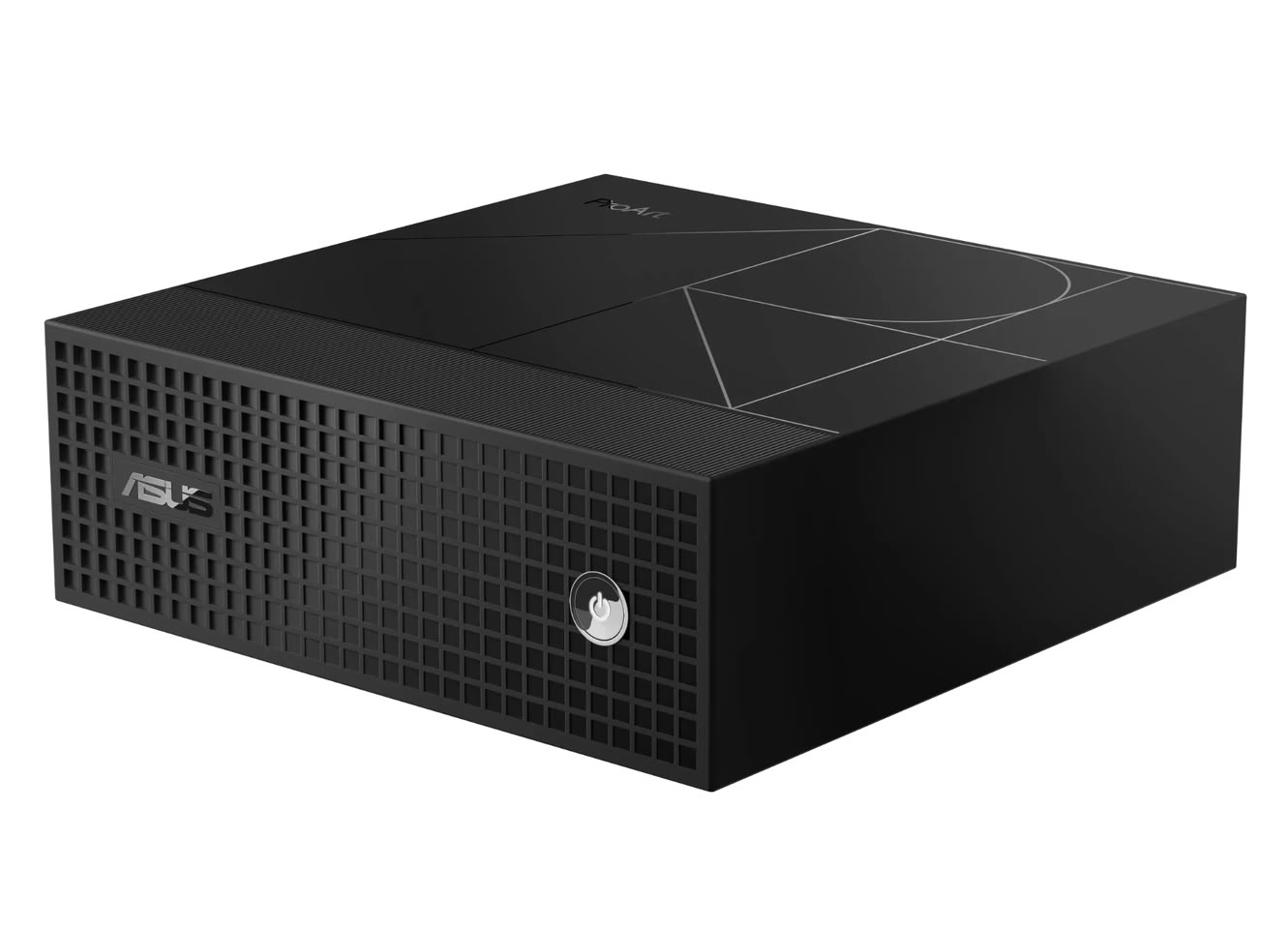
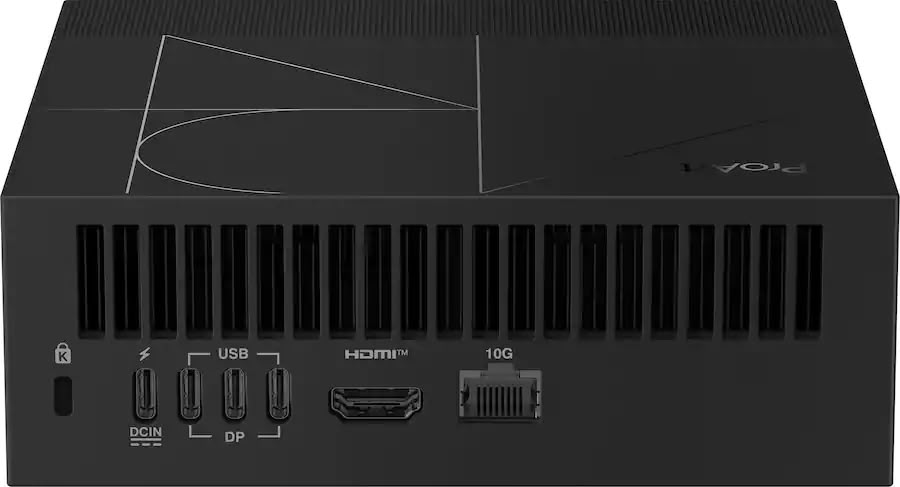
ASUS Announces Availability of the ProArt GR1X

ASUS today announced the availability of the ProArt GR1X mini PC. Built on the NVIDIA RTX Spark superchip, ProArt GR1X is a Windows PC designed as an always-on home for local AI agents. It is able to run large models on-device, keep prompts and project files private, and work with the agent and creative tools people already use. ProArt GR1X can be specified with 128 GB and 64 GB of unified memory.

Built for agentic AI, powered by RTX Spark
AI agents work best when they can run continuously, see local files and apps, and use large models without per-token fees. ProArt GR1X is built for that job—its NVIDIA RTX Spark platform pairs a 6,144-core Blackwell RTX GPU with a 20-core Grace CPU over NVLink-C2C, sharing one pool of up to 128 GB unified memory.

NVIDIA Expands Commitments With Supply Chain Partners to Support AI Infrastructure Buildout

NVIDIA today announced expanded commitments with supply chain partners to support sustainable long-term growth, aligning supply and manufacturing capacity with demand for its accelerated computing and AI infrastructure platforms.

Working with Amkor Technology, Foxconn, Kinsus Interconnect Technology, Samsung Electro-Mechanics, Siliconware Precision Industries (SPIL) and TSMC, NVIDIA is expanding manufacturing capacity across substrates, advanced packaging, wafer and contract manufacturing to scale production of its current and next-generation accelerated computing platforms.

EVE Vanguard, Assetto Corsa Rally, Lightyear Frontier 1.0 & Teardown Adds NVIDIA DLSS 4.5

NVIDIA DLSS gives GeForce RTX and RTX Spark the highest levels of image quality, and a range of options for accelerating performance. This week, we're highlighting the launch of EVE Vanguard's 24/7 alpha, which is accelerated and enhanced by DLSS 4.5, and bringing you news of DLSS 4.5 upgrades and additions for Assetto Corsa Rally, Blender, Lightyear Frontier, and Teardown.

Additionally, gamers can now download Marvel Rivals Season 11, which adds native support for RTX Spark devices.

Jensen Huang Will Not Be Reinstated as CEO, Says NVIDIA Board Chief

After much speculation, NVIDIA's leadership situation has finally gained a bit of clarity. Jensen Huang will not be brought back as CEO, according to NVIDIA board chairman Harvey Jones. The remarks were made during NVIDIA's Q3 FY2027 earnings call on Tuesday, merely hours after Jensen Huang said on X that he would be "honored" to return as CEO. However, it looks like the NVIDIA board has different plans, and even though Jensen had plenty of support online and in tech circles, the board seems to be content with his resignation and is only looking forward. Here's what board chair Harvey Jones said at the very start of the earnings call.
Harvey Jones, NVIDIA Board ChairmanOn November 12th, our board of directors announced that after disclosure of personal behavior inconsistent with the company's code of conduct, standards, and cultural norms, Jensen Huang voluntarily resigned his positions as president, CEO, and board member. The NVIDIA board unanimously accepted his resignation and does not intend to reinstate Jensen as CEO... We will not be addressing or taking questions on today's call regarding the circumstances of Jensen's resignation and the ongoing investigation. Our board will communicate further when appropriate.

NVIDIA Reports Q3 2026 Earnings of $115.8 Billion

NVIDIA (NASDAQ: NVDA) today reported revenue for the third quarter ended October 25, 2026, of $115.8 billion, up 20% from the previous quarter and up 103% from a year ago. For the quarter, GAAP and non-GAAP gross margins were 74.8% and 74.9%, respectively. GAAP and non-GAAP earnings per diluted share were $2.70 and $2.68, respectively. "Our momentum is real. NVIDIA is an exceptional technology leader, powered by the relentless innovation of our people," said Colette Kress, interim CEO and executive vice president and chief financial officer of NVIDIA. "Vera Rubin is off to an explosive start, our roadmap is on track and our ambition has never been greater."

In September 2026, NVIDIA's Board of Directors approved an increase of $150 billion to the company's share repurchase authorization, without expiration. During the third quarter of fiscal 2027, NVIDIA returned $28.1 billion to shareholders in the form of shares repurchased and cash dividends. As of the end of the third quarter, the company had approximately $227.3 billion remaining under its share repurchase authorization.

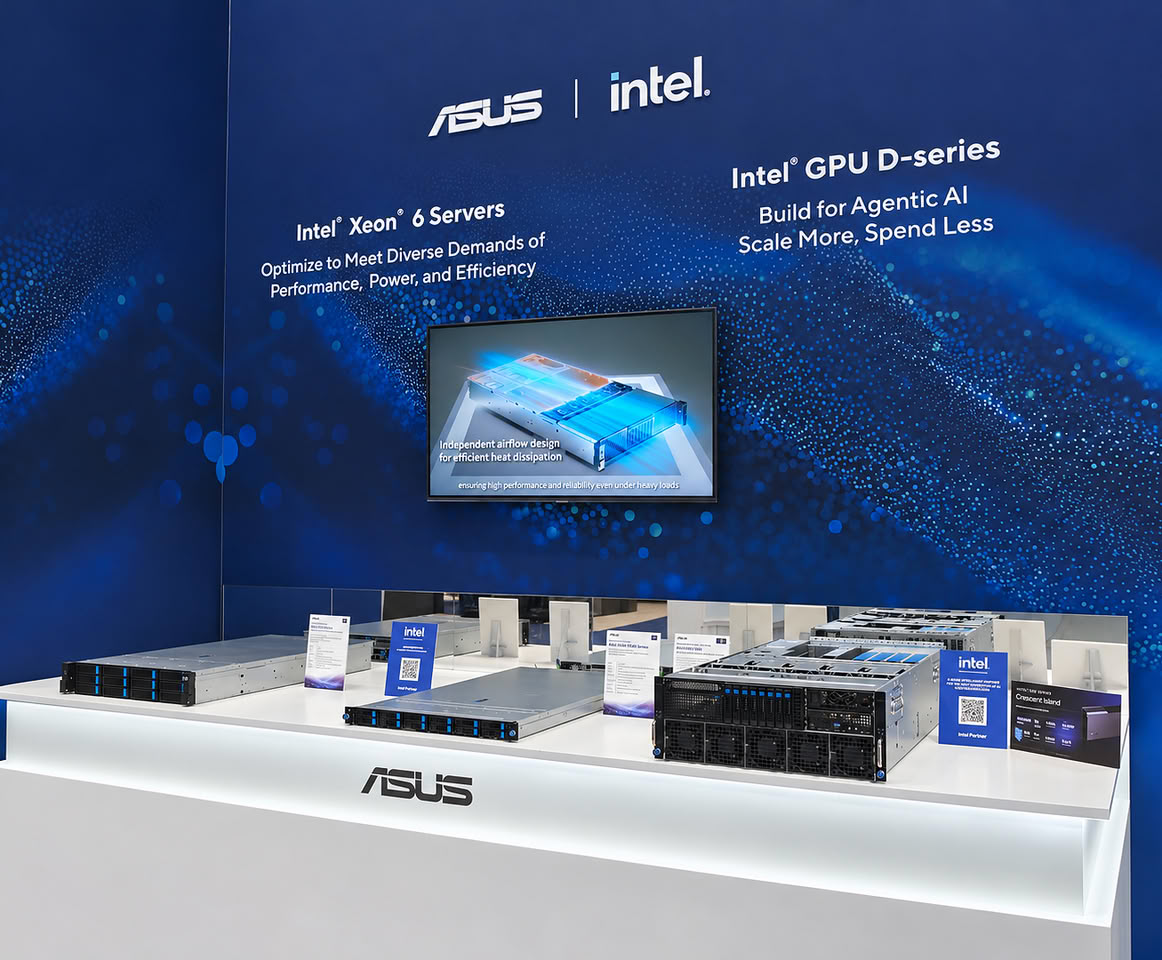
ASUS Showcases Full-Stack AI Infrastructure at SC26, Featuring Intel and AMD Platforms

At SC26, ASUS unveils a unified AI Factory blueprint that gives enterprises the flexibility to build AI infrastructure around their workloads, performance targets, and deployment needs. Spanning AMD, Intel and NVIDIA platforms—from rack-scale AI systems and enterprise servers to edge computing—ASUS brings architectural choice together with integrated engineering, automated manufacturing, rigorous validation, and lifecycle support. With volume shipments of its latest rack-scale AI systems underway this quarter, ASUS demonstrates how it turns next-generation computing architectures into deployment-ready infrastructure, helping enterprises move from AI ambition to real-world implementation with greater confidence, consistency, and scalability.

Next-gen power redefines value for enterprise
For computationally intensive enterprise deployments, ASUS showcases its lineup powered by the 6th Gen AMD EPYC 9006 processor family, giving organizations more control over compute density, storage capacity and rack space. The dual-socket 1U RS700A-E14B-R16U combines PCIe 6.0 connectivity with support for up to 16 E3.S drives for demanding data and compute services. Single-socket alternatives address different deployment priorities: the 2U RS520A-E14B-R12U offers flexible GPU and NVMe configurations, while the compact 1U RS500A-E14B-R12U concentrates high-speed storage and DC-MHS serviceability in a smaller footprint. At the accelerator level, ESC8000A-E13P supports AMD Instinct MI350P, and the air-cooled XA AM3A-E13 integrates eight AMD Instinct MI355X GPUs for compute-intensive model development and scientific simulation. Across both CPU and GPU offerings, ASUS emphasizes configuration flexibility and serviceability to help customers tailor infrastructure to budget, facility and application requirements.
Return to Keyword Browsing
Nov 27th, 2026 18:51 CST change timezone

New Forum Posts

Popular Reviews

TPU on YouTube

Controversial News Posts