Intel, Ericsson Expand Collaboration to Advance Next-Gen Optimized 5G Infrastructure
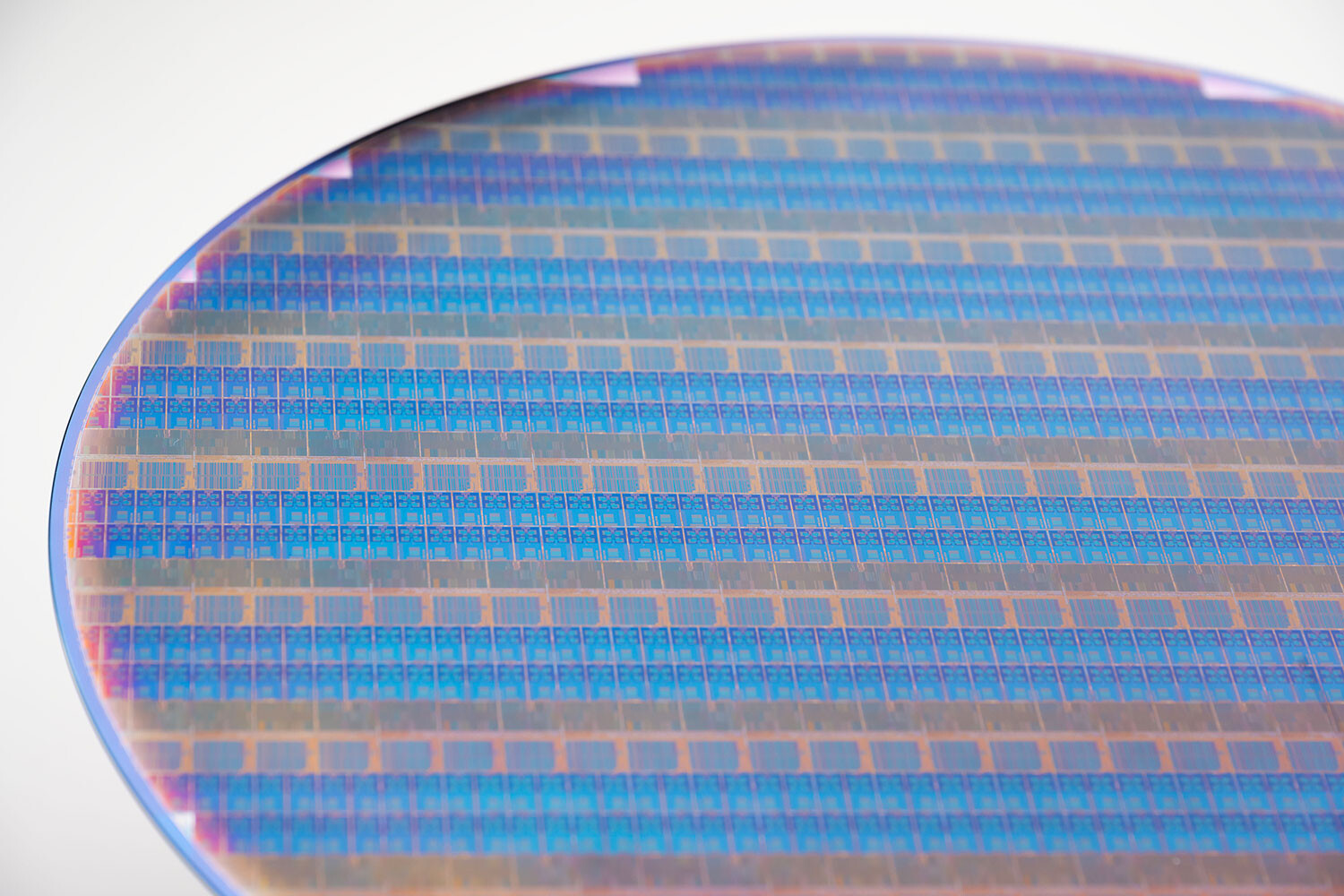
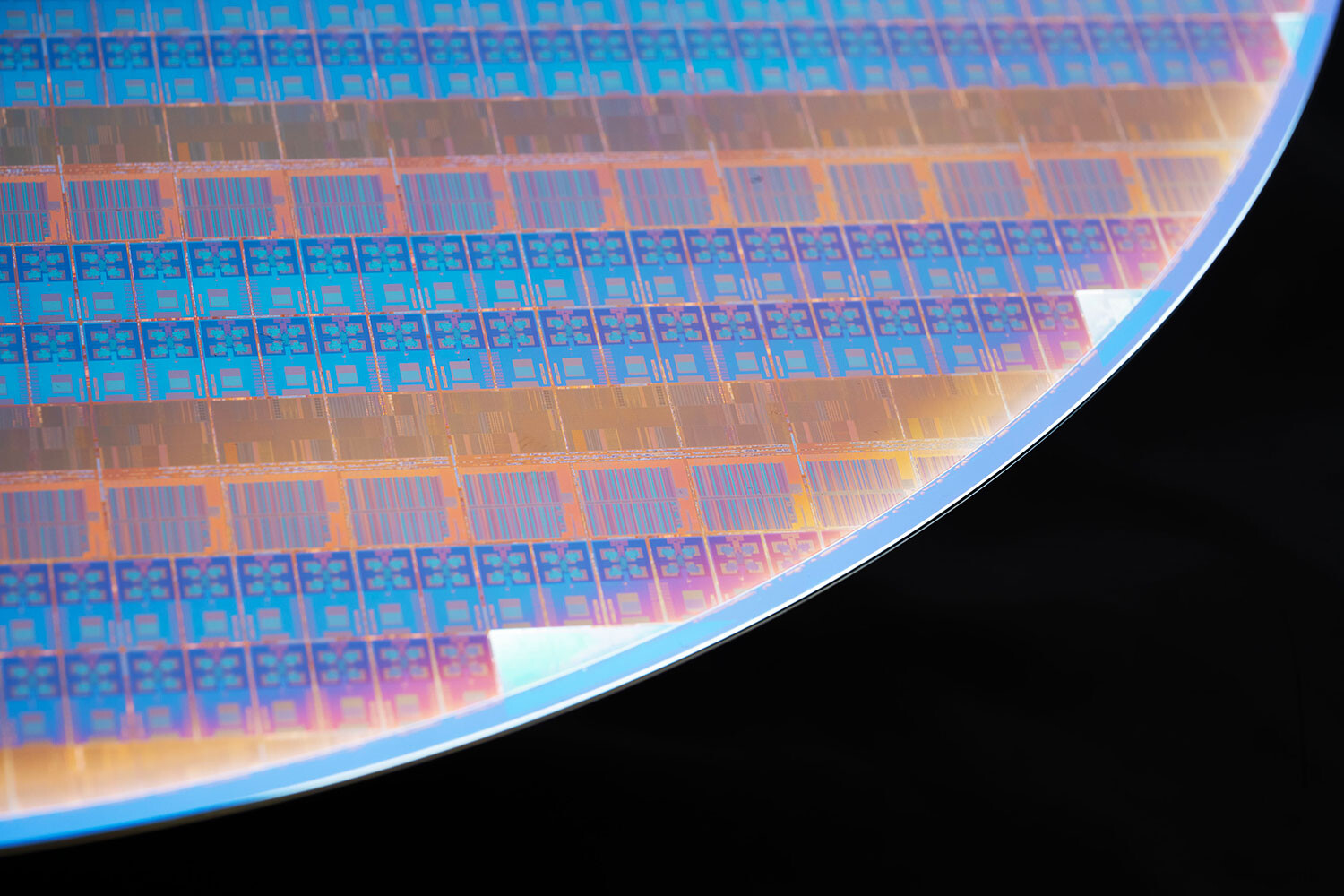
Today, Intel announced a strategic collaboration agreement with Ericsson to utilize Intel's 18A process and manufacturing technology for Ericsson's future next-generation optimized 5G infrastructure. As part of the agreement, Intel will manufacture custom 5G SoCs (system-on-chip) for Ericsson to create highly differentiated leadership products for future 5G infrastructure. Additionally, the companies will expand their collaboration to optimize 4th Gen Intel Xeon Scalable processors with Intel vRAN Boost for Ericsson's Cloud RAN (radio access network) solutions to help communications service providers increase network capacity and energy efficiency while gaining greater flexibility and scalability.
"As our work together evolves, this is a significant milestone with Ericsson to partner broadly on their next-generation optimized 5G infrastructure. This agreement exemplifies our shared vision to innovate and transform network connectivity, and it reinforces the growing customer confidence in our process and manufacturing technology," said Sachin Katti, senior vice president and general manager of the Network and Edge group at Intel. "We look forward to working together with Ericsson, an industry leader, to build networks that are open, reliable and ready for the future."
"As our work together evolves, this is a significant milestone with Ericsson to partner broadly on their next-generation optimized 5G infrastructure. This agreement exemplifies our shared vision to innovate and transform network connectivity, and it reinforces the growing customer confidence in our process and manufacturing technology," said Sachin Katti, senior vice president and general manager of the Network and Edge group at Intel. "We look forward to working together with Ericsson, an industry leader, to build networks that are open, reliable and ready for the future."