 16
Aerocool Klaw Review
A Closer Look - Inside »A Closer Look - Outside

The Aerocool Klaw looks pretty cool out of the box. The bulky front with its lights and LED strips running down the front doesn't just look cool, but visualizes its name nicely, too.
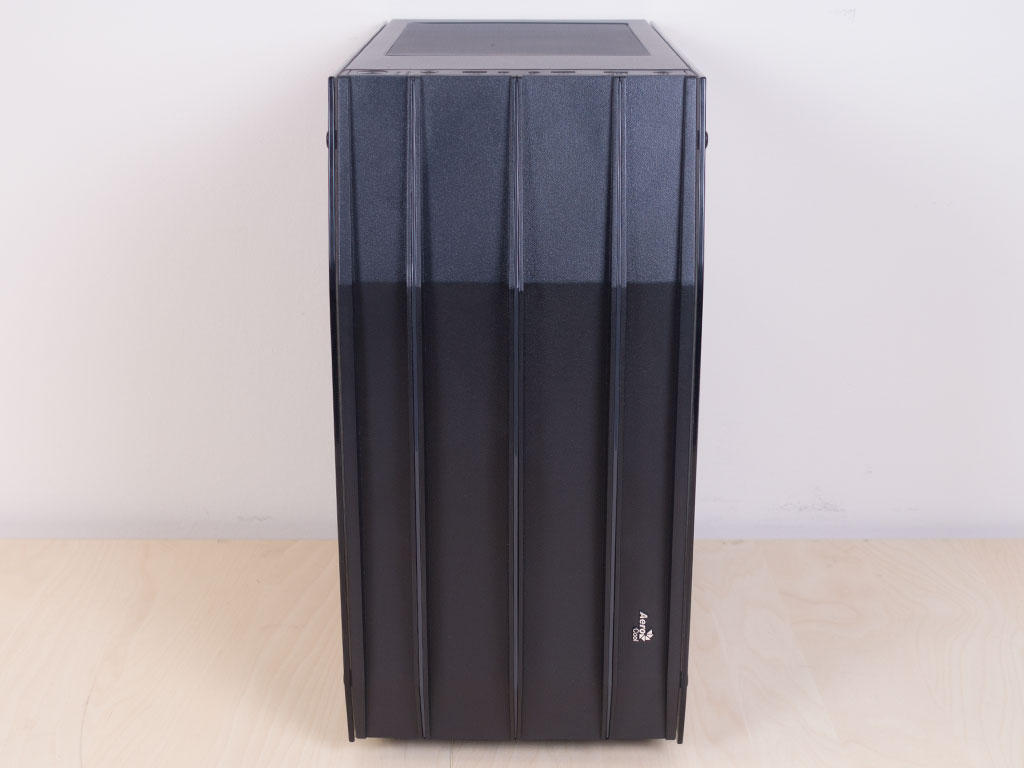
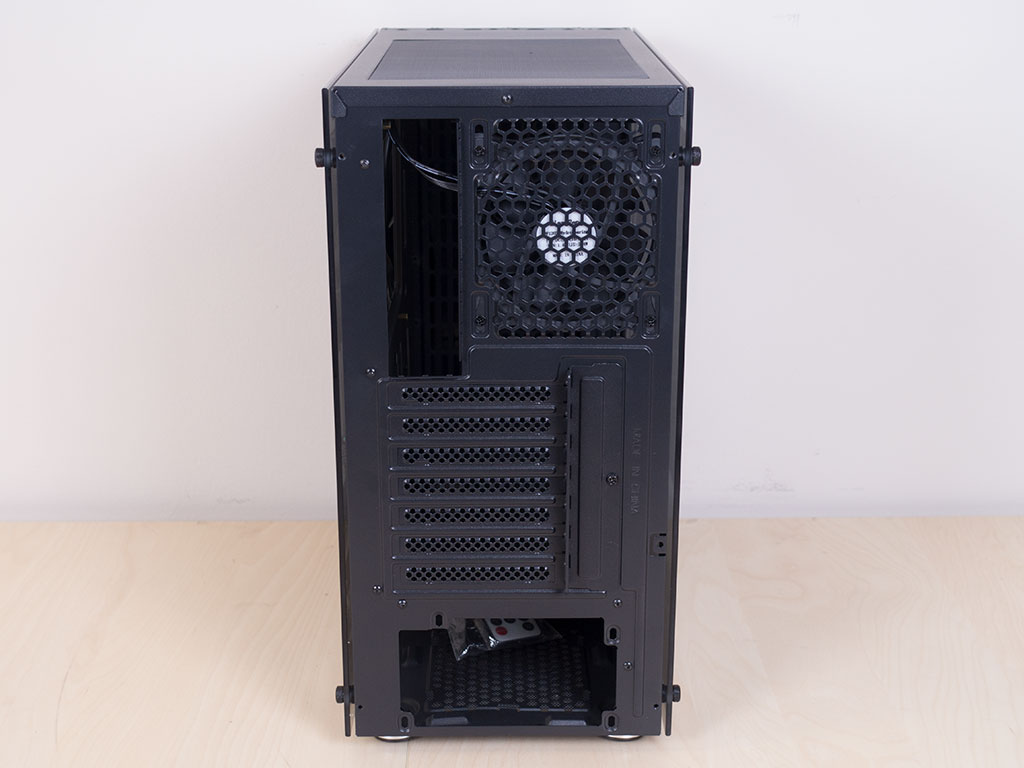
Looking at the front, you can clearly see the uniquely square RGB frames surrounding the two pre-installed fans. To gain access to these, simply pull the front cover off. All the fans within the Klaw come with five leads—two for the actual fan and three to control the addressable RGBs. In the rear, the chassis looks a lot more traditional. Unfortunately, the metal frame doesn't feel too sturdy, which entry-level OEM cases usually are known for. It would have been nice to see slightly thicker steel used throughout.
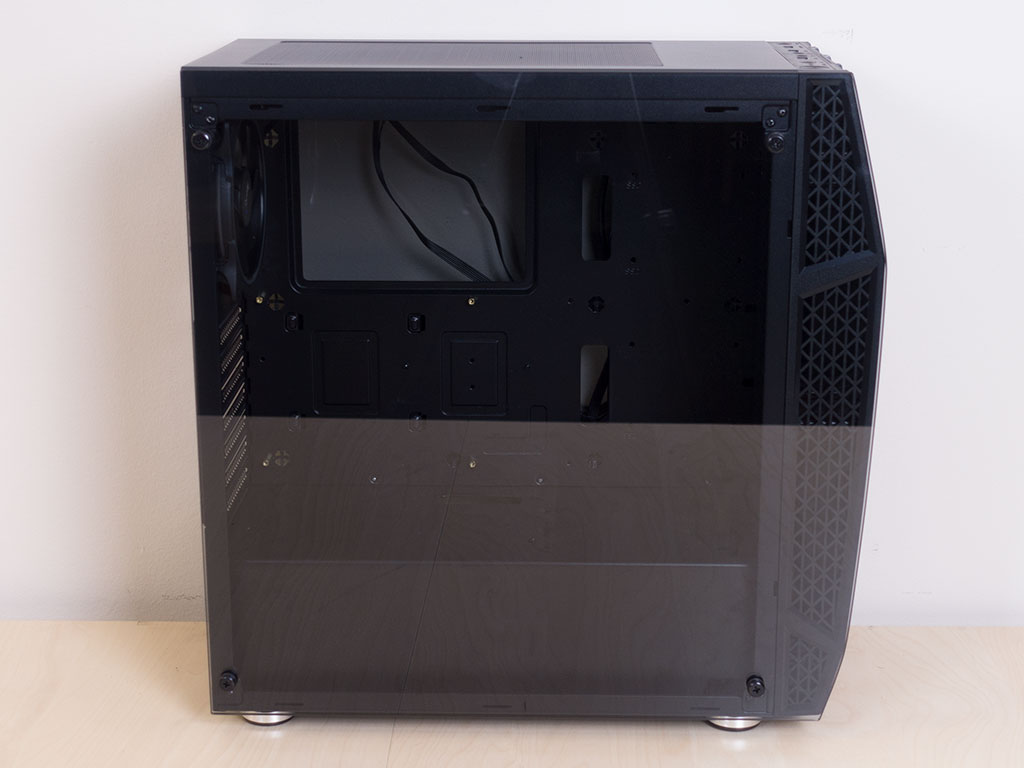
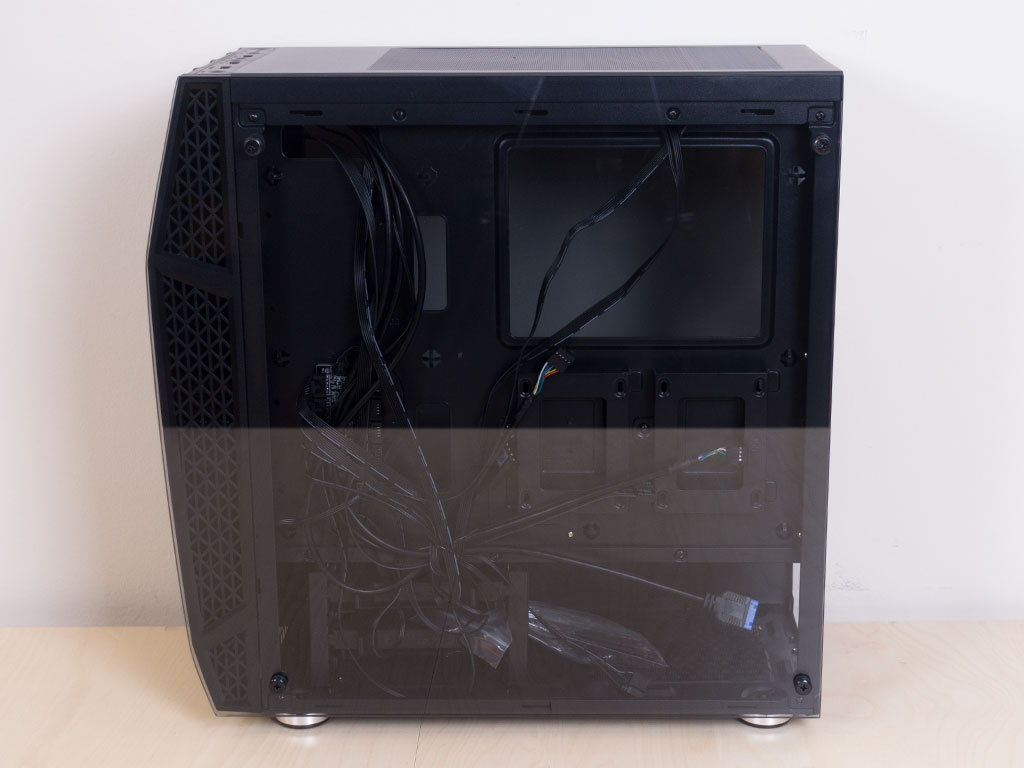
Both side panels are made completely out of glass, but Aerocool has chosen not to put black framing on it, so the overall look is deducted from a bit by the mounting and tooling holes of the case frame. Also, some brands opt to have the panel covering the backside of the motherboard tray with a slightly heavier tint for good measure.
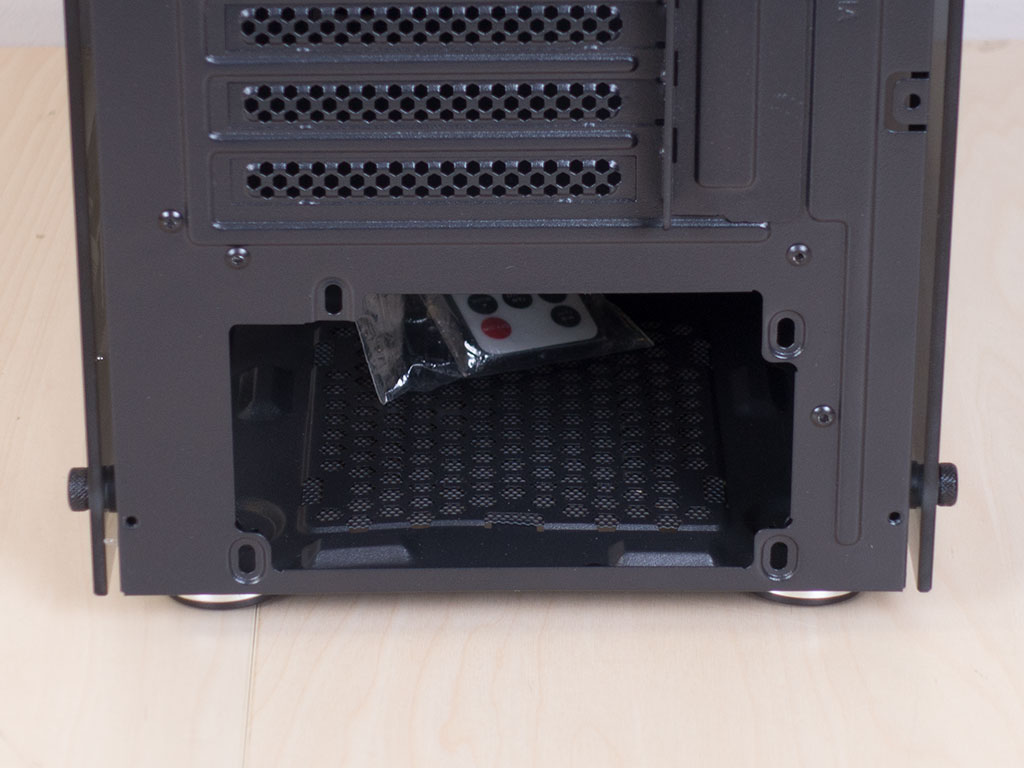
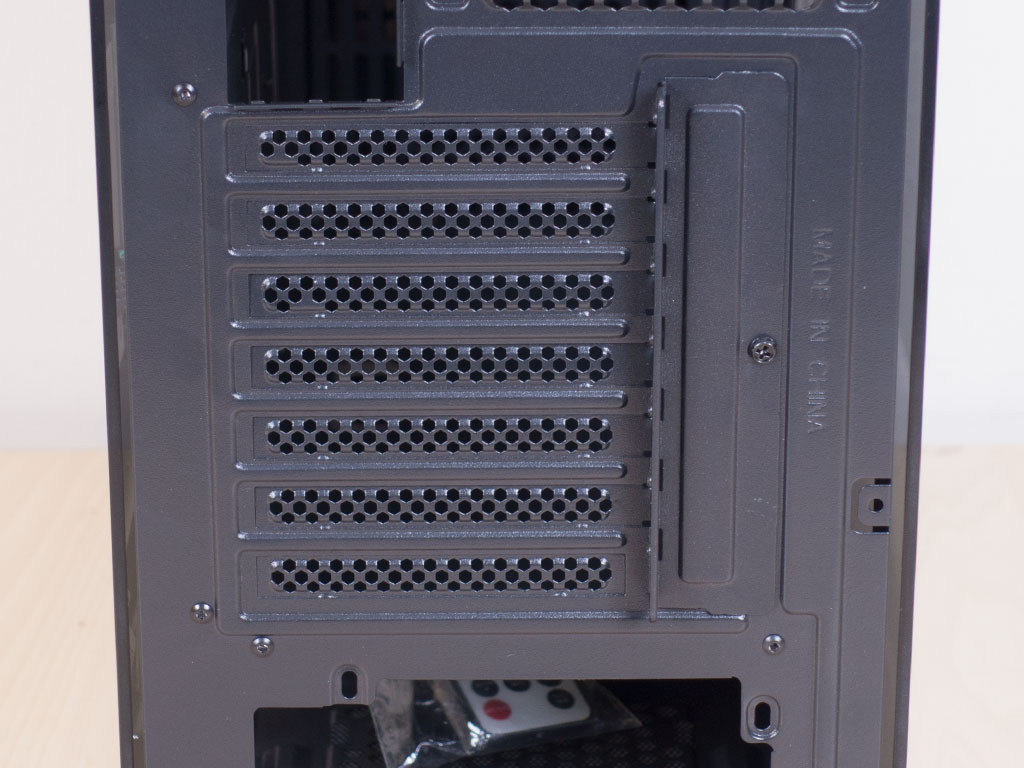
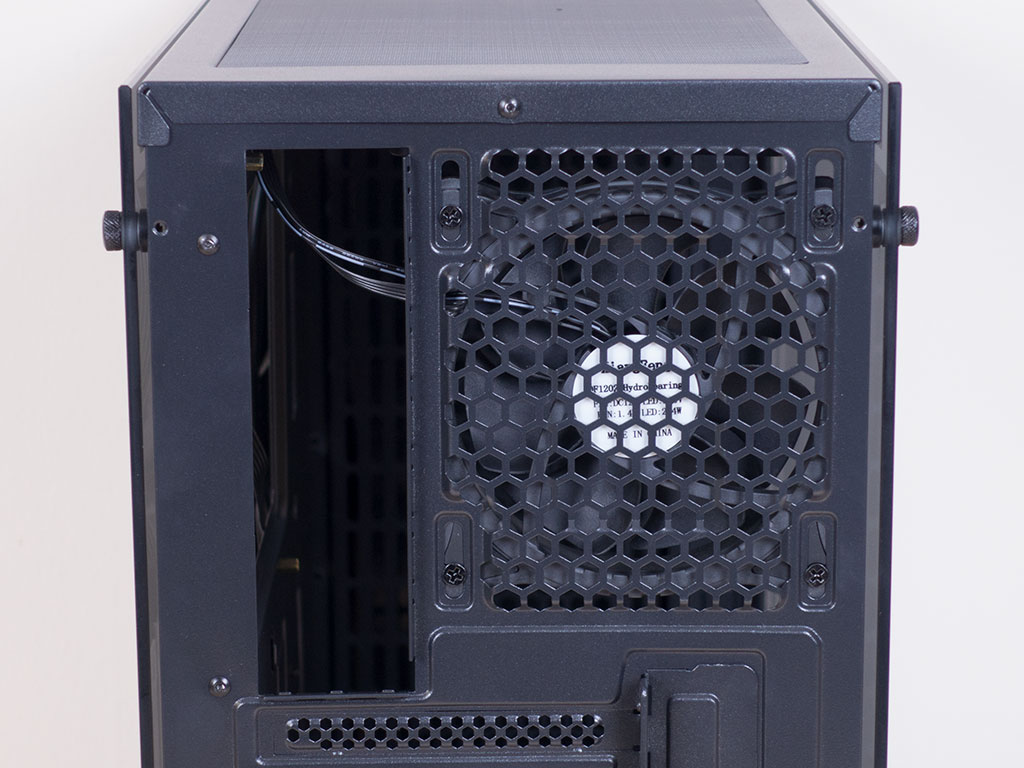
The PSU bay in the rear comes with a single set of mounting screws. Above that are the seven expansion slots. Aerocool chose to keep it simple by utilizing break-out covers. While this is fine for entry-level cases, I would have still liked to see reusable covers here as many people may change their system configuration over time. A compromise would have been a few separately included covers. In the very top, you will find a fan with embedded RGBs, which is set to push hot air out the back of the chassis. Even though the cooling units within the Klaw come with an Aerocool sticker on one side, the other clearly shows the logo of a random Asian manufacturer for some reason.
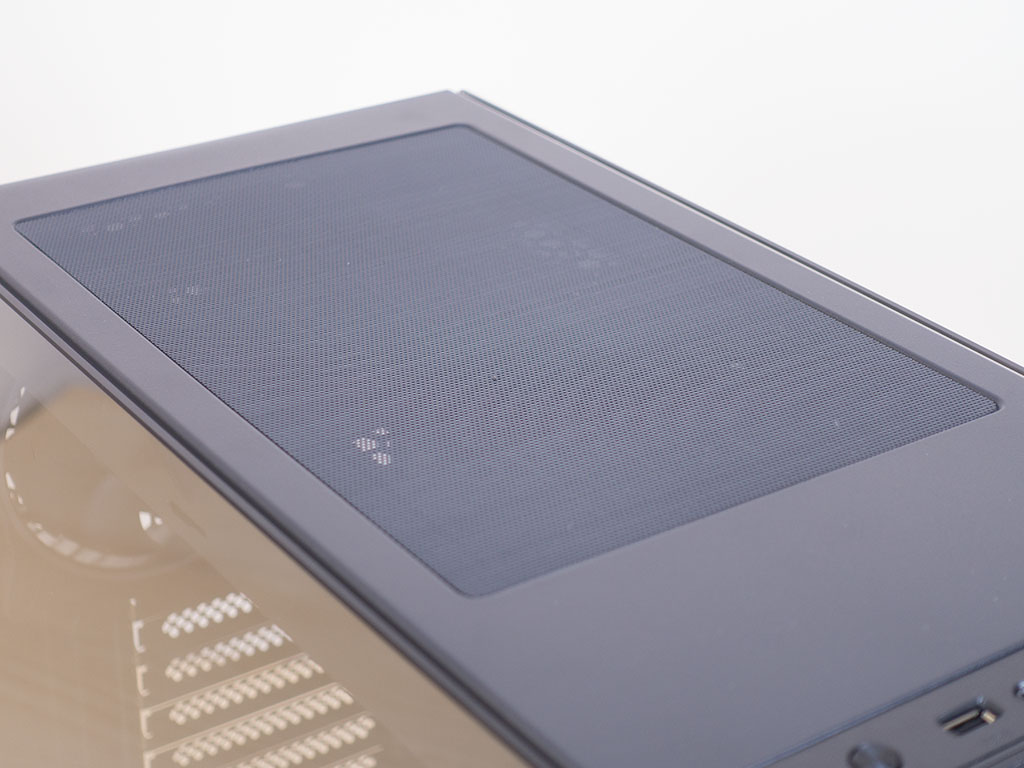
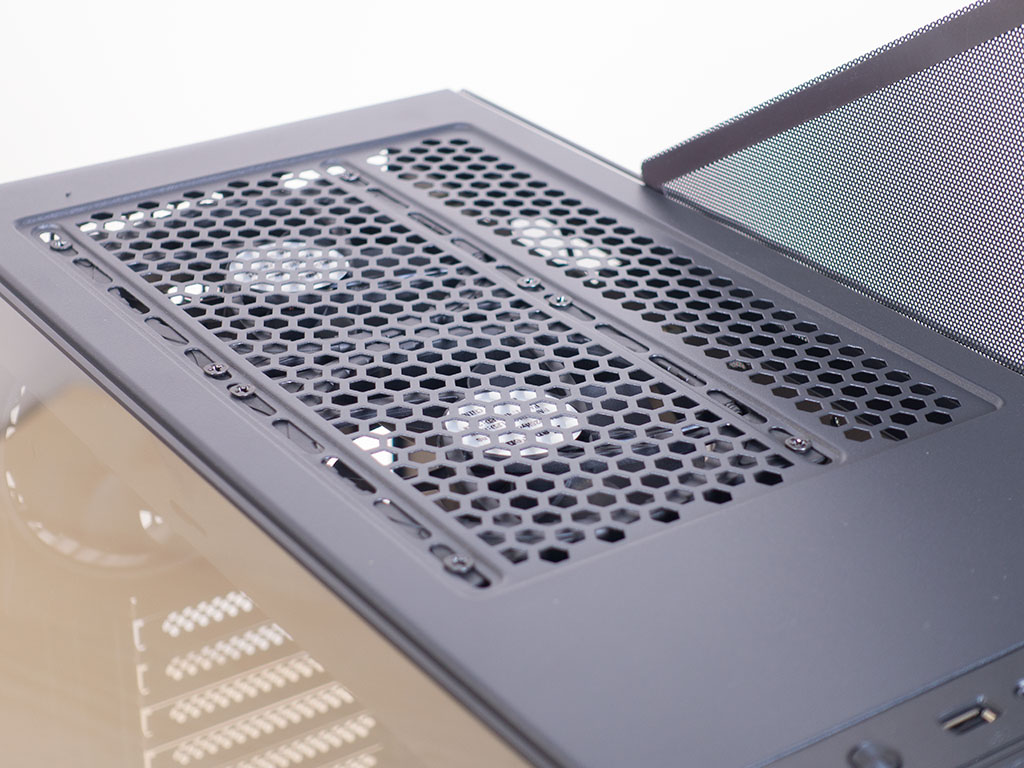
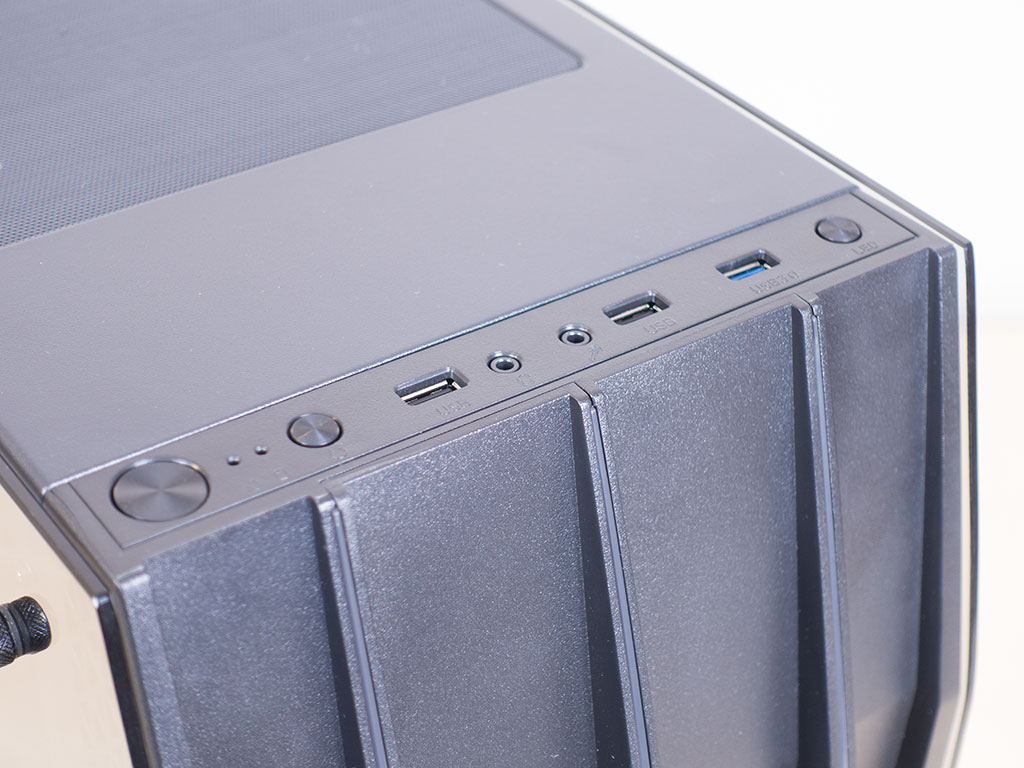
A magnetic dust filter in the top covers an air vent that may be used for two fans or to hold a radiator. With offset mounting holes, you should not run into any issue with your motherboard if going for liquid cooling in this area. The I/O consists of power and reset, an LED toggle switch, and the usual audio plugs, as well as a USB 3.0 and two USB 2.0 ports, which is a somewhat outdated configuration. It would have been simpler (and probably cheaper) to just offer two USB 3.0 ports instead.
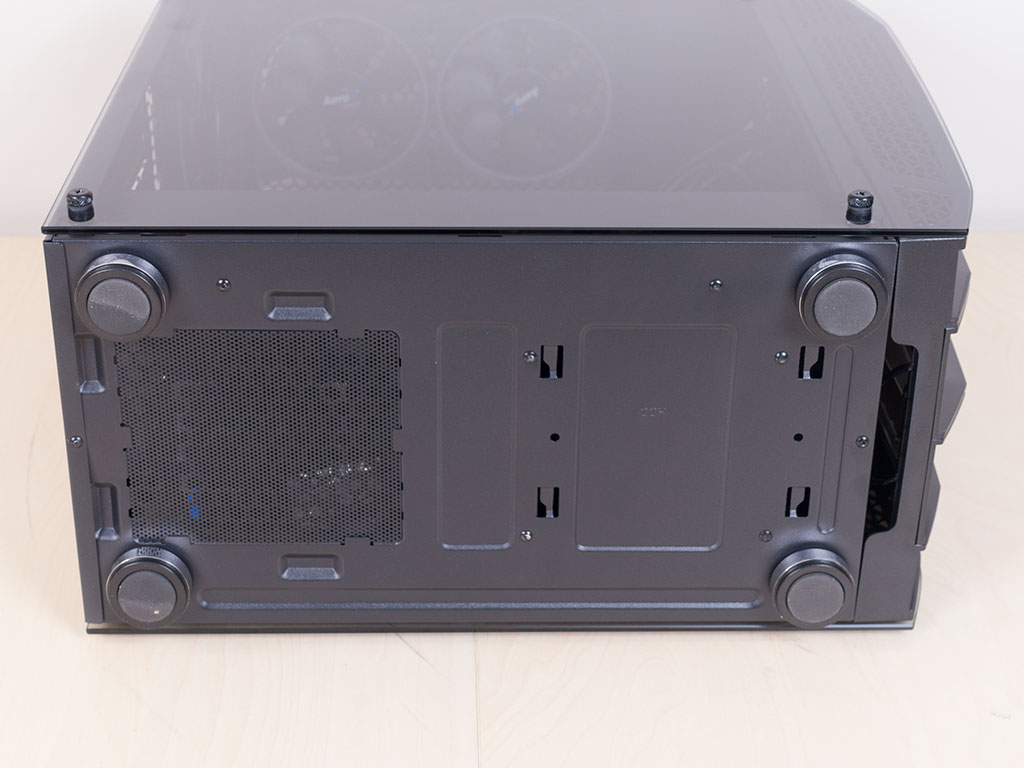
On the underside, you will find a simple metal mesh cover on the PSU bay air vent.
Nov 21st, 2026 16:15 PST
change timezone
Latest GPU Drivers
New Forum Posts
- Ryzen or Intel system (4)
- Honestly, do you care about GTA VI? (227)
- repair an NVIDIA Quadro M4000 (0)
- 1 - 5 person file storage server equivalent accasible from anywhere + general VM server. (4)
- Windows 11 General Discussion (7748)
- RX 580 2048SP 8GB - SK Hynix - Ardiyes - BIOS Needed (2)
- UPS what one to get? (23)
- Local LLM General Discussion (694)
- Can you guess Which game it is? (345)
- Intel Core Ultra 5 processor 250K Plus (16)
Popular Reviews
- Microsoft Surface Laptop Ultra Review - The Next-gen Arm Laptop
- Corsair RM1200e (Second Generation) Review
- Pulsar Office Tour & First Look at P1 Dual-Sensor Mouse
- Upcoming Hardware Launches 2027 (Updated Nov 2026)
- Ugreen NASync DXP4800 GT Review
- AMD Ryzen 7 9800X3D Review - The Best Gaming Processor
- Biwin Black Opal NV7400 2 TB Review
- AMD Zen 6 Technical Deep Dive
- Phantom Blade Zero Performance Benchmark Review - 35 GPUs Tested
- Acemagic Retro X3 Review
TPU on YouTube
Controversial News Posts
- NVIDIA Co-Founder and CEO Jensen Huang Officially Resigns (492)
- Report: Jensen Huang Eyes NVIDIA Comeback (261)
- Open Letter Asking NVIDIA to Reinstate Jensen Huang Passes 115,000 Signatures (184)
- OpenAI CEO Argues Home PCs Waste the World's Limited DRAM Supply (152)
- NVIDIA Launches Investigation Into Jensen Huang's Relationship With Suspected Chinese Spy (136)
- Intel "Raptor Lake Next" 16-Core and 20-Core CPUs Surface (130)
- NVIDIA GeForce RTX 50-Series Scheduled for up to $500 Price Hike This Week (89)
- Intel Razor Lake Gets a 12 P-Core bLLC Chip With No E-Cores, Per Leak (86)