 7
Akko x Gudetama 5108S Mechanical Keyboard Review
(7 Comments) »Introduction

If you asked me to name one company in the keyboard space that I was really excited about, it would probably be Akko. The Chinese peripheral brand has been growing from strength to strength in the past couple of years, having ditched all "borrowed" keycap designs in favor of original concepts, coming out with premium DIY keyboard kits, growing its own in-house developed switches, and even obtaining licensed IP to come out with new and interesting themed keyboard designs, all while retaining its core attraction of value for money. Indeed, every single Akko review to date has featured a new design and there are more featured in our "Building a Keyboard" series too! A lot of these reviews were based on an older base keyboard that did need some updating to keep up with newer keyboard releases, and Akko did just that as seen in the review of the impressive 3098B series. Today we examine a latest gen Akko 5108S keyboard thanks to Mechkeys having kindly provided a review sample to TechPowerUp!

As with every other Akko keyboard, the last three digits in the keyboard number represent the number of keys of the product. As such, this 5108S unit is a full-size keyboard with 108 keys in the US ANSI layout. We also notice the unique theme of yellow and white employed here, which is relatable to most folks here as representing the whites and yolks of eggs—specifically, one particular lazy egg called Gudetama. It's a Japanese cartoon character that's become extremely popular in east Asian for its proclivity towards procrastination, as well as various difficulties surviving modern-day life—there's even a recently released Netflix show worth the watch! As such, note that this particular keyboard review will cover both the base 5108S keyboard experience in addition to how well, or not, Akko has implemented the Gudetama license. We begin our coverage with a look at the product specifications in the table below.
Specifications
| Akko x Gudetama 5108S Keyboard | |
|---|---|
| Layout: | 108-key modified US ANSI layout |
| Material: | ABS plastic case, PBT plastic keycaps, steel plate, and foam sheet |
| Macro Support: | Yes |
| Dimensions: | 442 (L) x 132 (W) x 41 (H) mm |
| Weight (inc. cable): | 1.2 kg / 2.65 lbs. |
| Wrist/Palm Rest: | No |
| Anti-ghosting: | Full N-Key rollover USB |
| Media Keys: | Dedicated volume control, media playback available as a secondary function |
| Cable Length: | 6 ft / 1.8 m |
| Software: | Yes |
| Switch Type: | Akko CS Crystal RGB mechanical switch |
| Backlighting: | Yes, 16.8 M per-key RGB lighting |
| Interface: | USB |
| Warranty: | One year |
Packaging and Accessories


Themed keyboards typically come with matching packaging, and the Akko x Gudetama 5108S keyboard is no different. The product box uses a two-piece packaging with an external sleeve that embraces the Gudetama colors and design fully, to where there is no doubt as to what keyboard is inside. Indeed, it's not often that the licensed IP gets full coverage here with Akko's own branding relegated to the sides, where we also see more information about the actual switch used here. Slide out the inner box to reveal a similar black box with purple Akko logo on the front as with previously covered Akko products.
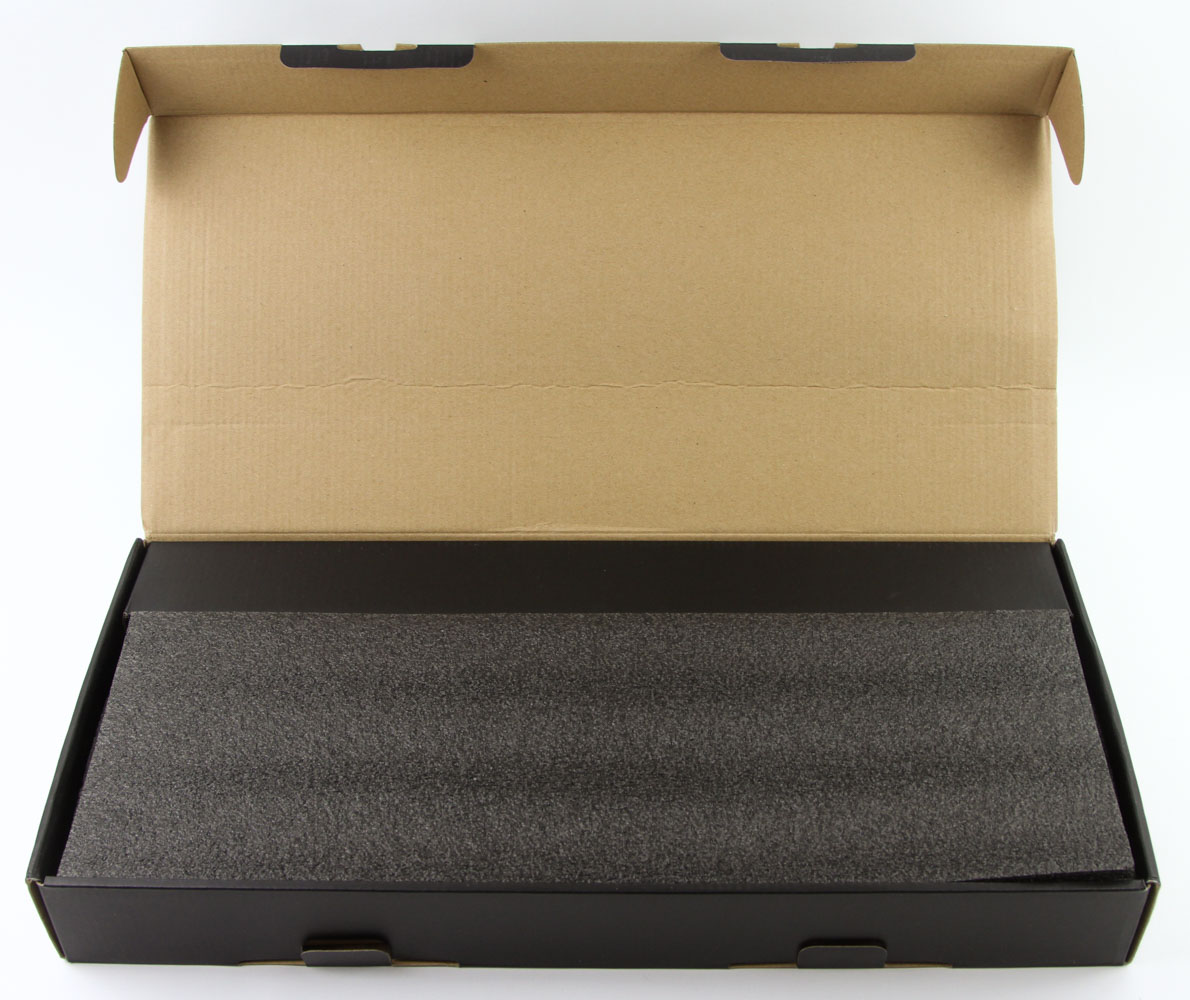


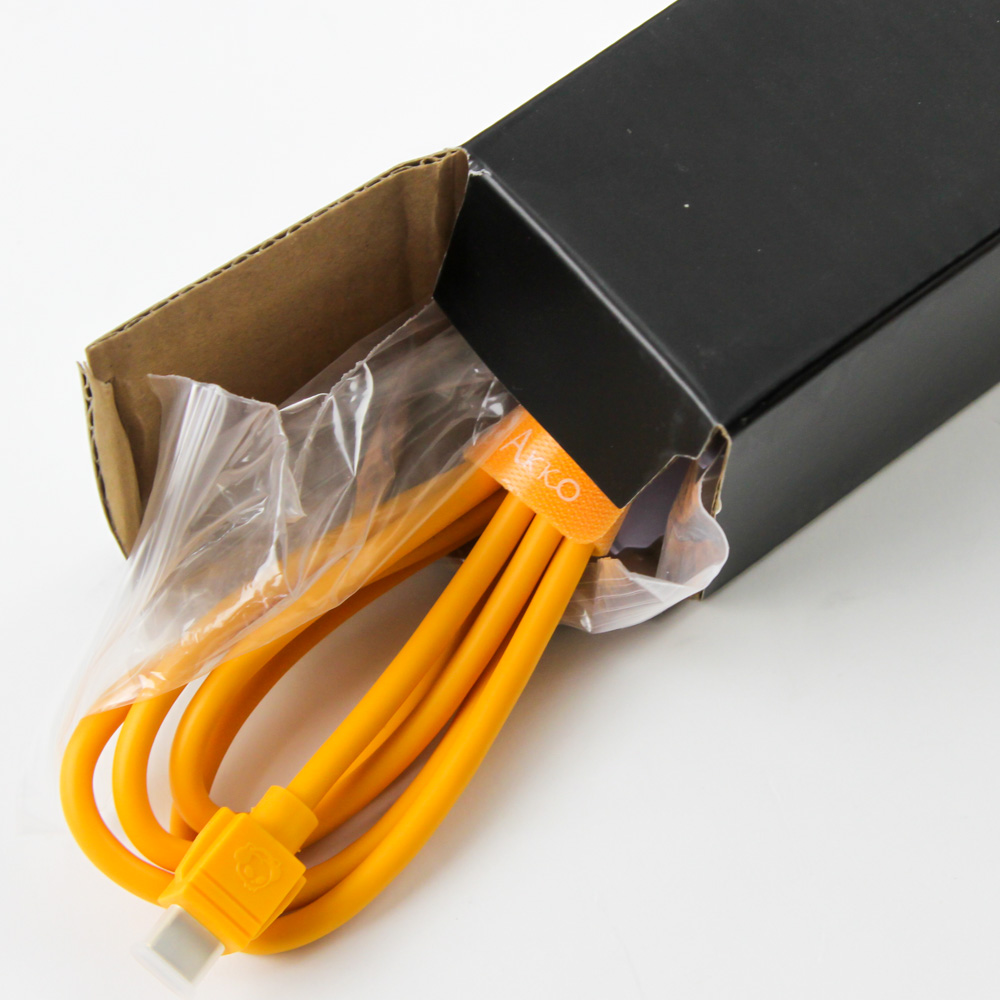
There are side flaps and double flaps in the middle opening which reveals a foam sheet and the keyboard underneath with more foam around it for added protection. There is also a thin foam wrap around the keyboard to keep it dust-free out of the box, and a hard plastic cover which can double up as a dust cover when the keyboard is not in use. Akko also includes a multi-language user manual here (online copy here) which I recommend going over to know about the various pre-programmed functions and customization options available. The rest of the accessories come inside another cardboard box, as seen above.
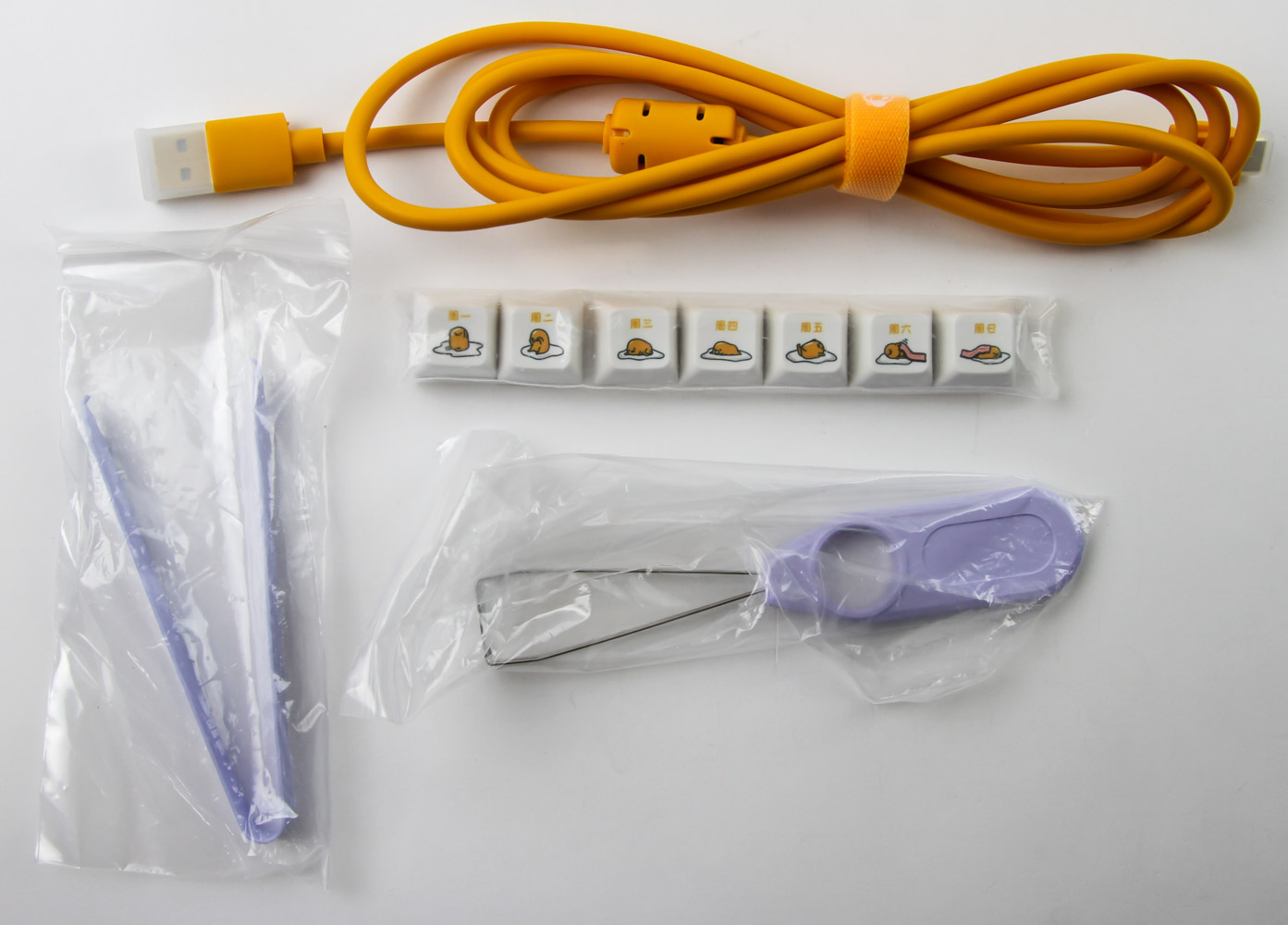
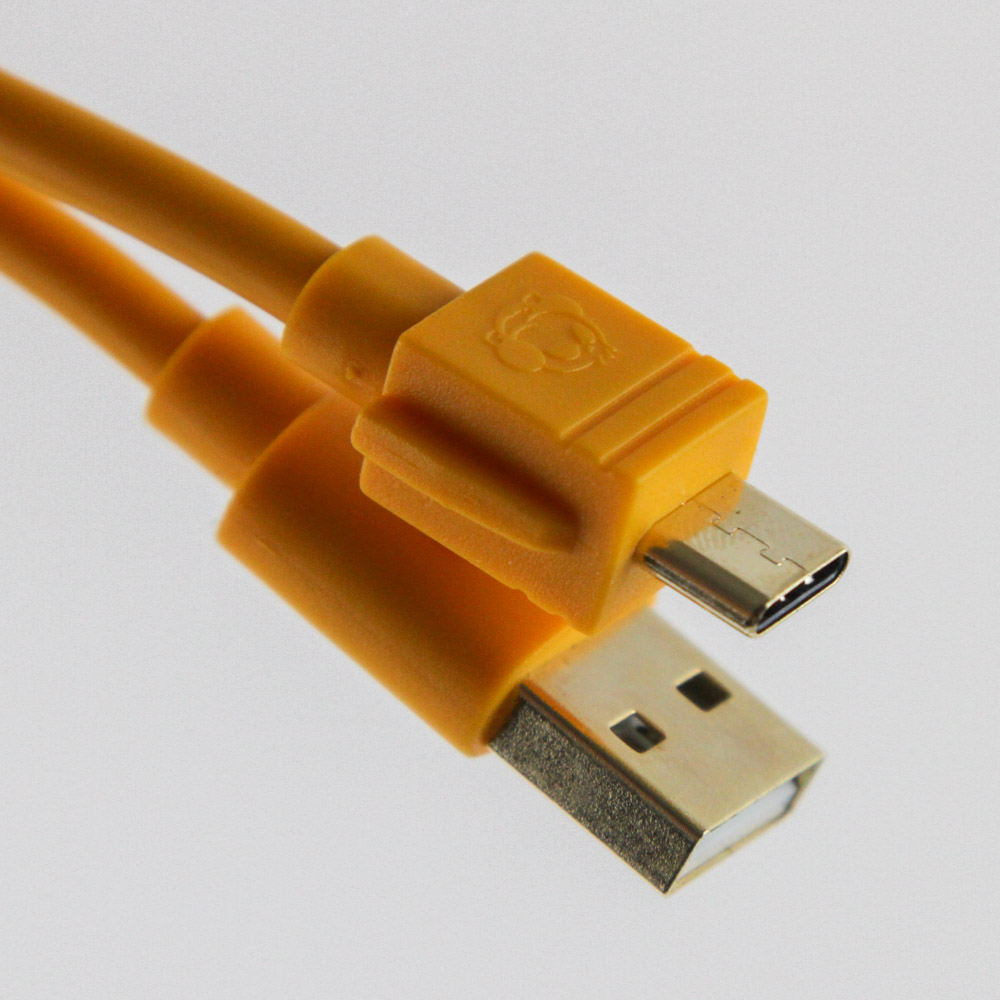
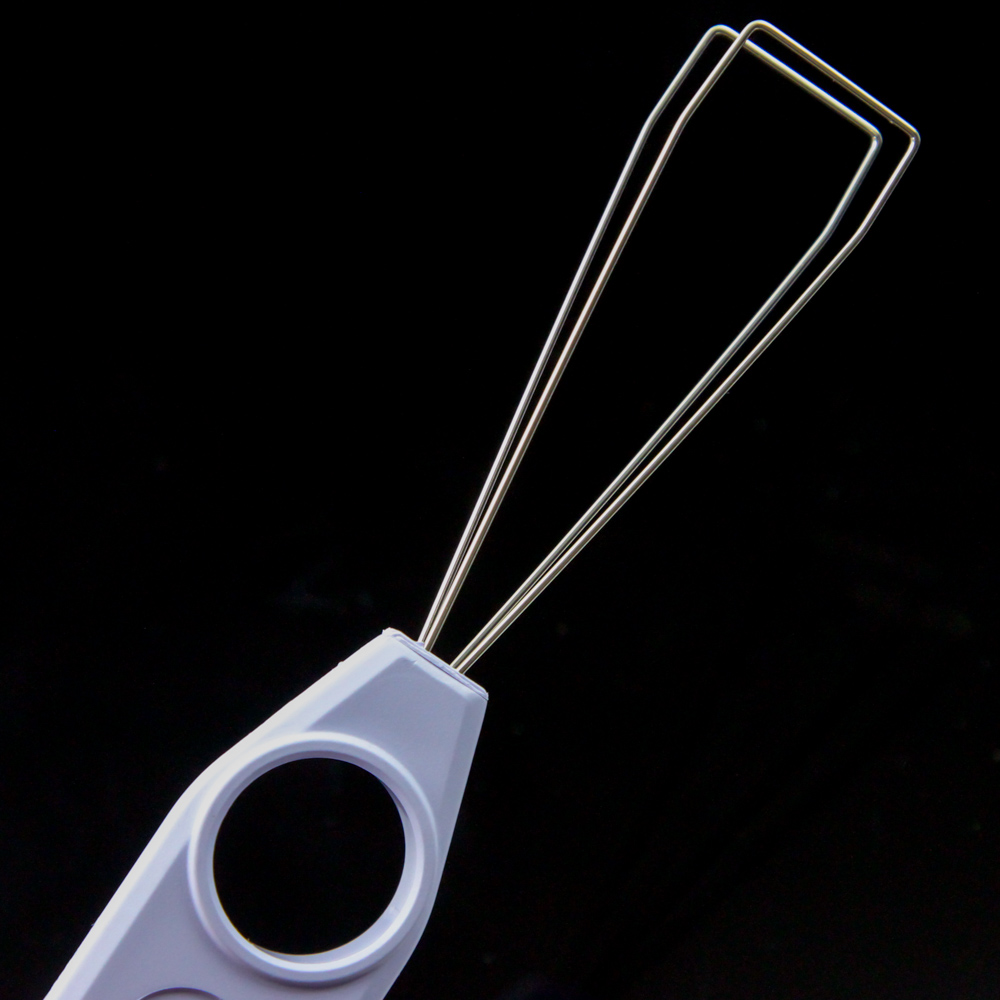
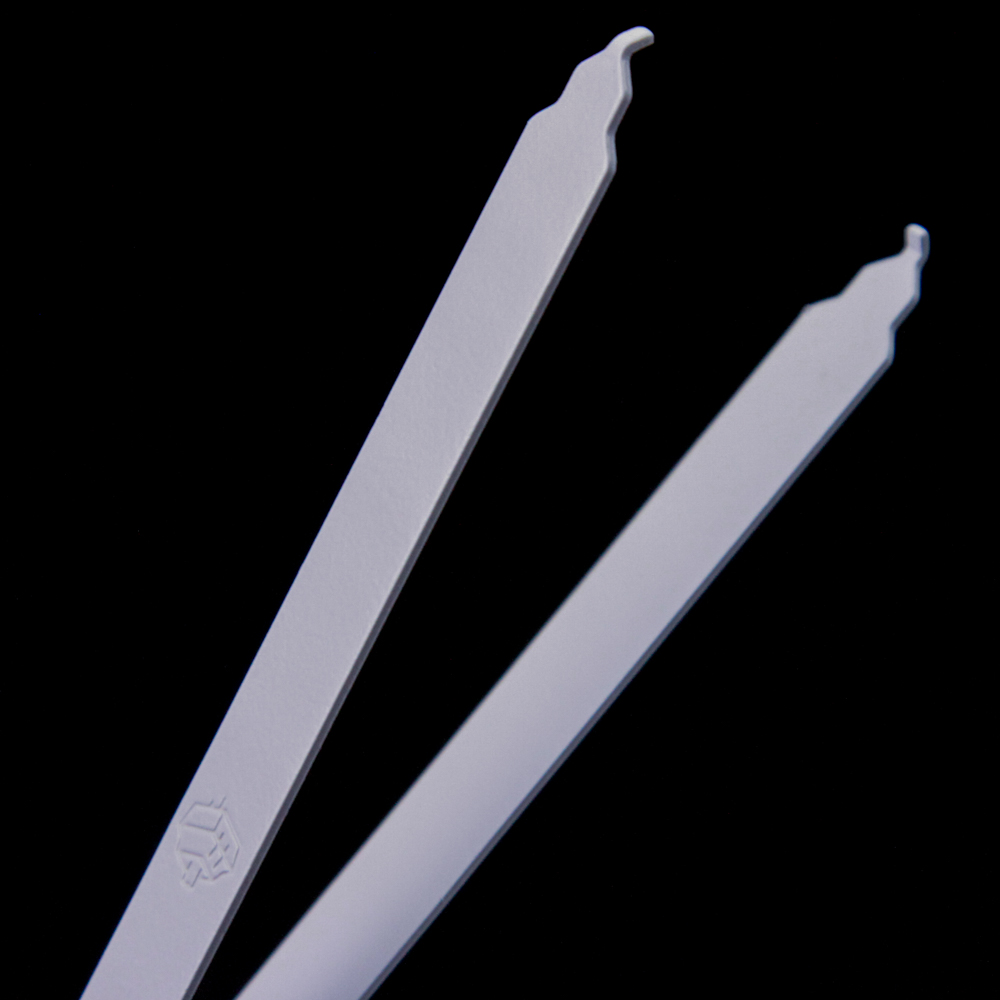


Akko goes further down the theme route with a color-matched keyboard cable too going from USB Type-A on the PC side to Type-C on the keyboard side. We also get a nice metal wire-style keycap puller, as well as a separate metal prong switch remover tool, indicating the keyboard supports hot-swappable switches. Rounding off the accessories is a set of seven replacement novelty keycaps in the 1u size that have the Gudetama character in various states of not wanting to do anything based on the day of the week starting from Monday and ending in a sleepy Sunday. These are thick PBT keycaps (average wall thickness 1.35 mm) with dye-sublimed legends/designs for added longevity. The use of black lines on the white base to mimic egg whites is a clever touch, given the limitations of dye sublimation where you can only have darker colors on a lighter base.
Our Patreon Silver Supporters can read articles in single-page format.
Nov 14th, 2026 19:29 CST
change timezone
Latest GPU Drivers
New Forum Posts
- 9070 GRE 3.9ghz validation reached. (11)
- Honestly, do you care about GTA VI? (20)
- AI generated images... (226)
- What is in your fleet, size and contents? (28)
- WarpCoreBench scores! (33)
- X79 and/or rampage IV OC'ing thread for those of us still left.... (2452)
- Can you guess Which game it is? (317)
- What can the FX 8320 do today? Here is the answer. (43)
- Ryzen 7 8700G OC (8)
- auto-closed by somethings by actions (2)
Popular Reviews
- AMD Zen 6 Technical Deep Dive
- ASUS ROG Strix B850-I Gaming Wi-Fi7 W Review
- Corsair HX1000i Shift Crystal Review
- Upcoming Hardware Launches 2027 (Updated Nov 2026)
- Montech King 95 3D PRO Review
- NZXT C1200 Platinum Review
- NZXT H7 RGB+ Review
- NZXT H5 Review
- Phantom Blade Zero Performance Benchmark Review - 35 GPUs Tested
- AMD Ryzen 7 9800X3D Review - The Best Gaming Processor
TPU on YouTube
Controversial News Posts
- NVIDIA Co-Founder and CEO Jensen Huang Officially Resigns (406)
- OpenAI CEO Argues Home PCs Waste the World's Limited DRAM Supply (152)
- NVIDIA Launches Investigation Into Jensen Huang's Relationship With Suspected Chinese Spy (136)
- Intel "Raptor Lake Next" 16-Core and 20-Core CPUs Surface (130)
- Legendary Game Studio BioWare Shuts Down Following EA Layoffs (104)
- Dell CEO Says the Memory Shortage Will Get Worse in 2027 (95)
- NVIDIA GeForce RTX 50-Series Scheduled for up to $500 Price Hike This Week (89)
- Modder Fits RTX 5090 With Four 8-Pin Connectors, Halving Current per Wire (80)