 91
AMD Ryzen 7 7700X3D Review
(91 Comments) »Introduction

We have with us the new AMD Ryzen 7 7700X3D, part of the 2026 refresh of AMD's desktop lineup. It is based on the older Zen 4 microarchitecture, but comes supercharged with 3D V-Cache and is aimed squarely at a lower price point. The 7700X3D was announced earlier this year, alongside the 5800X3D AM4 10th Anniversary Edition. Reviving the 5800X3D might look like AMD selling nostalgia, but it makes real sense given today's market: with DDR5 prices up nearly 5x on the back of the AI-inferencing boom, DDR4 platforms are popular again. The 7700X3D, meanwhile, targets a price-performance sweet spot that lines it up against Intel's recently launched Core Ultra 7 270K Plus.
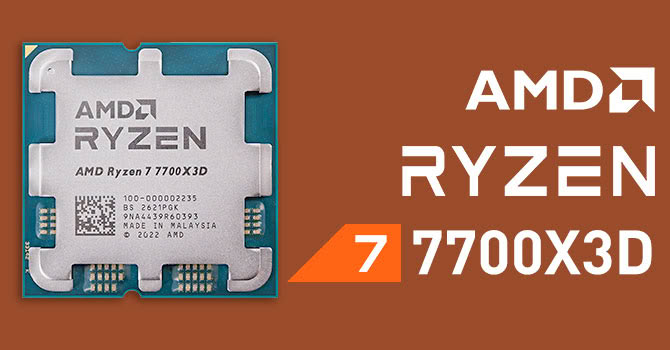
The Ryzen 7 7700X3D launches at $330, putting it just above Intel's Core Ultra 7 270K Plus, which currently streets for $310. AMD's goal is a chip that beats the Intel part in gaming while still sitting well below the Ryzen 7 9850X3D at around $490. In essence, the 7700X3D is a downclocked version of AMD's previous-generation gaming flagship, the Ryzen 7 7800X3D—which makes that chip, rather than the Intel part, its most revealing comparison, since it streets for only about $20 more. The wrinkle is availability: the 7800X3D appears to be winding down and may be nearing end-of-life, so the 7700X3D looks less like a rival to it than its lower-cost Zen 4 X3D successor, keeping the option on the shelf once remaining 7800X3D stock sells through.
AMD configured the Ryzen 7 7700X3D with a 4.00 GHz base frequency and a 4.50 GHz maximum boost. For comparison, the 7800X3D launched at 4.20 GHz base and 5.00 GHz boost—so the 7700X3D gives up 500 MHz at the top of its range. The 8-core/16-thread chip carries 1 MB of L2 cache per core and 96 MB of shared L3—32 MB on-die plus 64 MB on a stacked 3D V-Cache die, addressed as a single contiguous cache.
The Ryzen 7 7700X3D is compatible with all Socket AM5 motherboards, spanning AMD 600-series and 800-series chipsets. AMD standardized USB BIOS flashback, so getting an aftermarket motherboard to work with a 7700X3D should be fairly straightforward. The processor features the same 120 W TDP as the 7800X3D and current 9850X3D, so the cooling requirements should be the same. In terms of I/O, you get a dual-channel DDR5 memory interface, and a 28-lane PCI-Express Gen 5 root complex, from which 24 lanes are usable—16 towards the PEG slot, and two Gen 5 x4 links for CPU-attached M.2 NVMe slots.
| Price | Cores/ Threads | Base Clock | Max. Boost | L3 Cache | TDP | Architecture | Process | Socket | |
|---|---|---|---|---|---|---|---|---|---|
| Intel Core i5 | |||||||||
| Core i5-12400F | $170 | 6/12 | 2.5 GHz | 4.4 GHz | 18 MB | 65 W | Alder Lake | 10 nm | LGA 1700 |
| Core i5-13400F | $250 | 6+4/16 | 2.5/1.8 GHz | 4.6/3.3 GHz | 20 MB | 65 W | Raptor Lake | 10 nm | LGA 1700 |
| Core i5-12600K | $310 | 6+4/16 | 3.7/2.8 GHz | 4.9/3.6 GHz | 20 MB | 125 W | Alder Lake | 10 nm | LGA 1700 |
| Core i5-13600K | $320 | 6+8/20 | 3.5/2.6 GHz | 5.1/3.9 GHz | 24 MB | 125 W | Raptor Lake | 10 nm | LGA 1700 |
| Core i5-14600K | $250 | 6+8/20 | 3.5/2.6 GHz | 5.3/4.0 GHz | 24 MB | 125 W | Raptor Lake | 10 nm | LGA 1700 |
| Intel Core Ultra 5 | |||||||||
| Core Ultra 5 245K | $180 | 6+8/14 | 4.2/3.6 GHz | 5.2/4.6 GHz | 24 MB | 159 W | Arrow Lake | 3 nm | LGA 1851 |
| AMD Ryzen 5 | |||||||||
| Ryzen 5 8500G | $150 | 6/12 | 3.5 GHz | 5.0 GHz | 16 MB | 65 W | Phoenix 2 | 4 nm | AM5 |
| Ryzen 5 5600X | $180 | 6/12 | 3.7 GHz | 4.6 GHz | 32 MB | 65 W | Zen 3 | 7 nm | AM4 |
| Ryzen 5 7600 | $210 | 6/12 | 3.8 GHz | 5.1 GHz | 32 MB | 65 W | Zen 4 | 5 nm | AM5 |
| Ryzen 5 7600X | $170 | 6/12 | 4.7 GHz | 5.3 GHz | 32 MB | 105 W | Zen 4 | 5 nm | AM5 |
| Ryzen 5 9600X | $180 | 6/12 | 3.9 GHz | 5.4 GHz | 32 MB | 65 W | Zen 5 | 4 nm | AM5 |
| Intel Core i7 | |||||||||
| Core i7-12700K | $340 | 8+4/20 | 3.6/2.7 GHz | 5.0/3.8 GHz | 25 MB | 125 W | Alder Lake | 10 nm | LGA 1700 |
| Core i7-13700K | $420 | 8+8/24 | 3.4/2.5 GHz | 5.4/4.2 GHz | 30 MB | 125 W | Raptor Lake | 10 nm | LGA 1700 |
| Core i7-14700K | $380 | 8+12/28 | 3.4/2.5 GHz | 5.6/4.3 GHz | 33 MB | 125 W | Raptor Lake | 10 nm | LGA 1700 |
| Intel Core Ultra 7 | |||||||||
| Core Ultra 7 265K | $300 | 8+12/20 | 3.9/3.3 GHz | 5.5/4.6 GHz | 30 MB | 250 W | Arrow Lake | 3 nm | LGA 1851 |
| Core Ultra 7 270K Plus | $310 | 8+16/24 | 3.7/3.2 GHz | 5.5/4.7 GHz | 36 MB | 250 W | Arrow Lake Plus | 3 nm | LGA 1851 |
| AMD Ryzen 7 | |||||||||
| Ryzen 7 5700G | $210 | 8/16 | 3.8 GHz | 4.6 GHz | 16 MB | 65 W | Zen 3 + Vega | 7 nm | AM4 |
| Ryzen 7 5700X | $220 | 8/16 | 3.4 GHz | 4.6 GHz | 32 MB | 65 W | Zen 3 | 7 nm | AM4 |
| Ryzen 7 7700 | $280 | 8/16 | 3.8 GHz | 5.3 GHz | 32 MB | 65 W | Zen 4 | 5 nm | AM5 |
| Ryzen 7 7700X | $240 | 8/16 | 4.5 GHz | 5.4 GHz | 32 MB | 105 W | Zen 4 | 5 nm | AM5 |
| Ryzen 7 9700X | $310 | 8/16 | 3.8 GHz | 5.5 GHz | 32 MB | 65 W | Zen 5 | 4 nm | AM5 |
| Ryzen 7 5800X | $220 | 8/16 | 3.8 GHz | 4.7 GHz | 32 MB | 105 W | Zen 3 | 7 nm | AM4 |
| Ryzen 7 5800X3D | $420 | 8/16 | 3.4 GHz | 4.5 GHz | 96 MB | 105 W | Zen 3 | 7 nm | AM4 |
| Ryzen 7 7700X3D | $330 | 8/16 | 4.0 GHz | 4.5 GHz | 96 MB | 120 W | Zen 4 | 5 nm | AM5 |
| Ryzen 7 7800X3D | $350 | 8/16 | 4.2 GHz | 5.0 GHz | 96 MB | 120 W | Zen 4 | 5 nm | AM5 |
| Ryzen 7 9800X3D | $450 | 8/16 | 4.7 GHz | 5.2 GHz | 96 MB | 120 W | Zen 5 | 4 nm | AM5 |
| Ryzen 7 9850X3D | $490 | 8/16 | 4.7 GHz | 5.6 GHz | 96 MB | 120 W | Zen 5 | 4 nm | AM5 |
| Intel Core i9 | |||||||||
| Core i9-12900K | $430 | 8+8/24 | 3.2/2.4 GHz | 5.2/3.9 GHz | 30 MB | 125 W | Alder Lake | 10 nm | LGA 1700 |
| Core i9-13900K | $610 | 8+16/32 | 3.0/2.2 GHz | 5.8/4.3 GHz | 36 MB | 125 W | Raptor Lake | 10 nm | LGA 1700 |
| Core i9-14900K | $470 | 8+16/32 | 3.2/2.4 GHz | 6.0/4.4 GHz | 36 MB | 125 W | Raptor Lake | 10 nm | LGA 1700 |
| Intel Core Ultra 9 | |||||||||
| Core Ultra 9 285K | $500 | 8+16/24 | 3.7/3.2 GHz | 5.7/4.6 GHz | 36 MB | 250 W | Arrow Lake | 3 nm | LGA 1851 |
| AMD Ryzen 9 | |||||||||
| Ryzen 9 5900X | $280 | 12/24 | 3.7 GHz | 4.8 GHz | 64 MB | 105 W | Zen 3 | 7 nm | AM4 |
| Ryzen 9 7900 | $430 | 12/24 | 3.7 GHz | 5.4 GHz | 64 MB | 65 W | Zen 4 | 5 nm | AM5 |
| Ryzen 9 7900X | $320 | 12/24 | 4.7 GHz | 5.6 GHz | 64 MB | 170 W | Zen 4 | 5 nm | AM5 |
| Ryzen 9 7900X3D | $700 | 12/24 | 4.4 GHz | 5.6 GHz | 128 MB | 120 W | Zen 4 | 5 nm | AM5 |
| Ryzen 9 9900X | $330 | 12/24 | 4.4 GHz | 5.6 GHz | 64 MB | 120 W | Zen 5 | 4 nm | AM5 |
| Ryzen 9 5950X | $430 | 16/32 | 3.4 GHz | 4.9 GHz | 64 MB | 105 W | Zen 3 | 7 nm | AM4 |
| Ryzen 9 7950X | $510 | 16/32 | 4.5 GHz | 5.7 GHz | 64 MB | 170 W | Zen 4 | 5 nm | AM5 |
| Ryzen 9 7950X3D | $700 | 16/32 | 4.2 GHz | 5.7 GHz | 128 MB | 120 W | Zen 4 | 5 nm | AM5 |
| Ryzen 9 9950X | $510 | 16/32 | 4.3 GHz | 5.7 GHz | 64 MB | 170 W | Zen 5 | 4 nm | AM5 |
| Ryzen 9 9950X3D | $670 | 16/32 | 4.3 GHz | 5.7 GHz | 128 MB | 170 W | Zen 5 | 4 nm | AM5 |
| Ryzen 9 9950X3D2 | $900 | 16/32 | 4.3 GHz | 5.6 GHz | 192 MB | 200 W | Zen 5 | 4 nm | AM5 |
Unboxing and Photography


The Ryzen 7 7700X3D ships in the same compact box AMD uses across the Ryzen 7000 series, with no bundled cooling solution. The front and back faces clearly mark that the processor features 3D V-Cache technology.

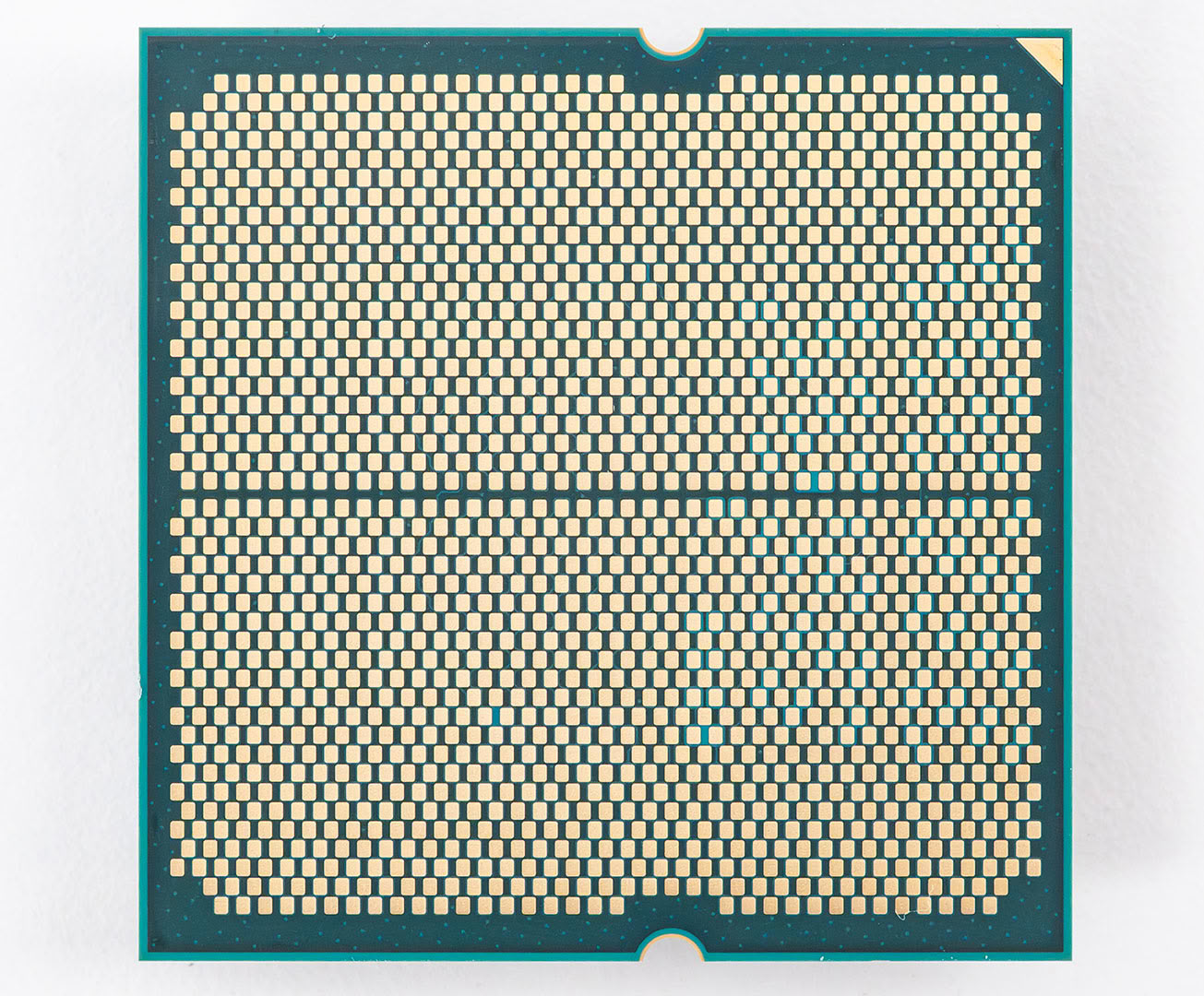
Physically, the 7700X3D looks like a standard Socket AM5 processor, but the surface-mount capacitor layout on the substrate isn't quite identical even to its closest sibling—compared to the 7800X3D, the caps in the top-side areas of the substrate are arranged slightly differently. The Zen 5 chips like the 9800X3D differ again, and also carry a subtly revised "AMD Ryzen" logo on the IHS. None of this is functional, just minor SMD placement—and underneath it's the same story every time: like all first-generation Zen 4 X3D parts, the 3D V-Cache is stacked on top of the compute die, below the IHS.

The AM5 socket retention brace only applies pressure along the two side protrusions of the IHS. Intel sockets have it the same way. Socket AM5 retains cooler compatibility with AM4, so you're spoiled for choice with aftermarket cooling solutions.
Test Setup
- All applications, games, and processors are tested with the drivers and hardware listed below—no performance results were recycled between test systems.
- All games and applications are tested using the same version.
- All games are set to their highest quality setting unless indicated otherwise.
| Test System "Zen 4 & Zen 5" | |
|---|---|
| Processor: | All AMD Ryzen 9000, 8000 & Ryzen 7000 processors |
| Motherboard: | ASUS X870E Crosshair Hero BIOS 2202 7700X3D: BIOS 2306 |
| Memory: | 2× 16 GB DDR5-6000 28-36-36-76 Infinity Fabric @ 2000 MHz |
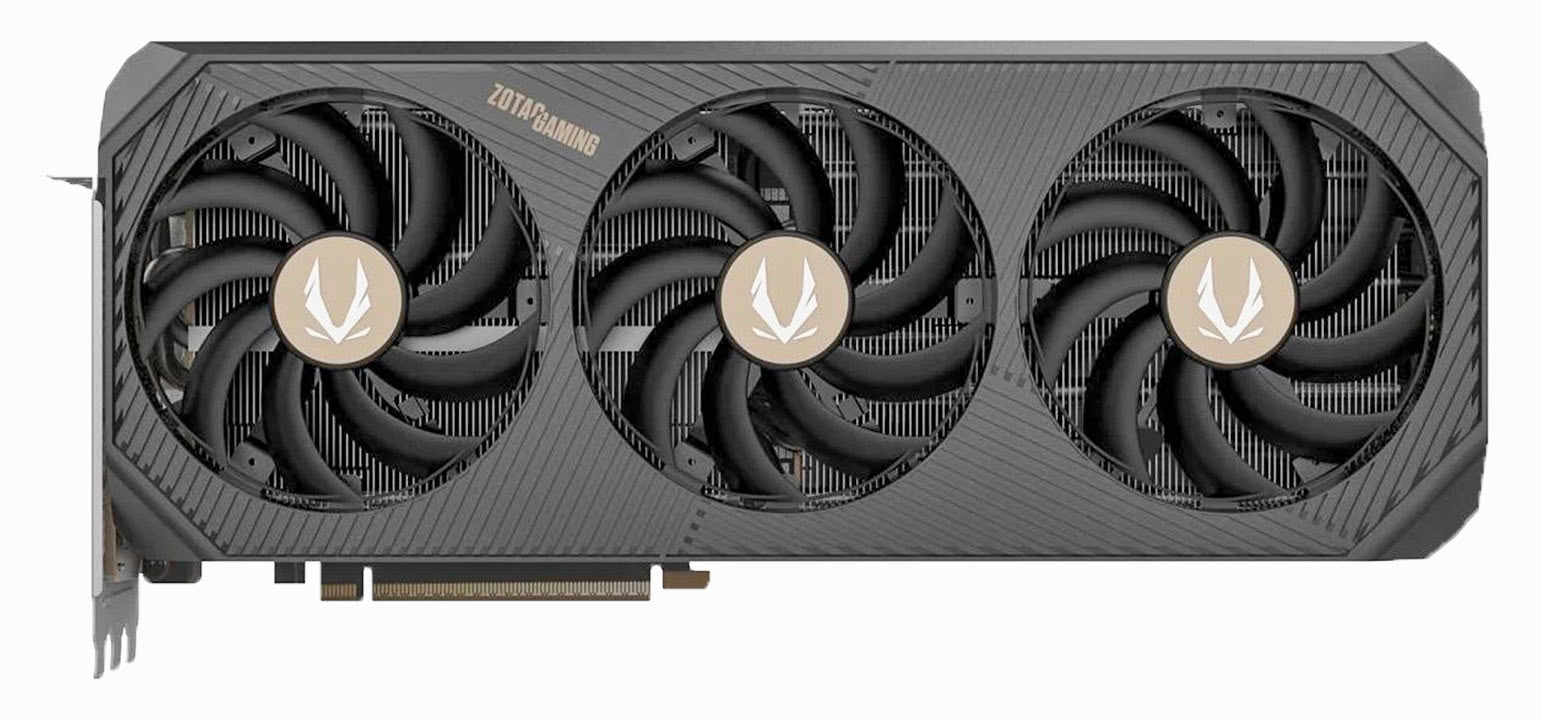
| Graphics: | Zotac GeForce RTX 5090 Solid |
| Storage: | 2 TB M.2 NVMe SSD |
| Air Cooling: | Noctua NH-D15 |
| Water Cooling: | Arctic Liquid Freezer III 420 mm AIO |
| Thermal Paste: | Arctic MX-6 |
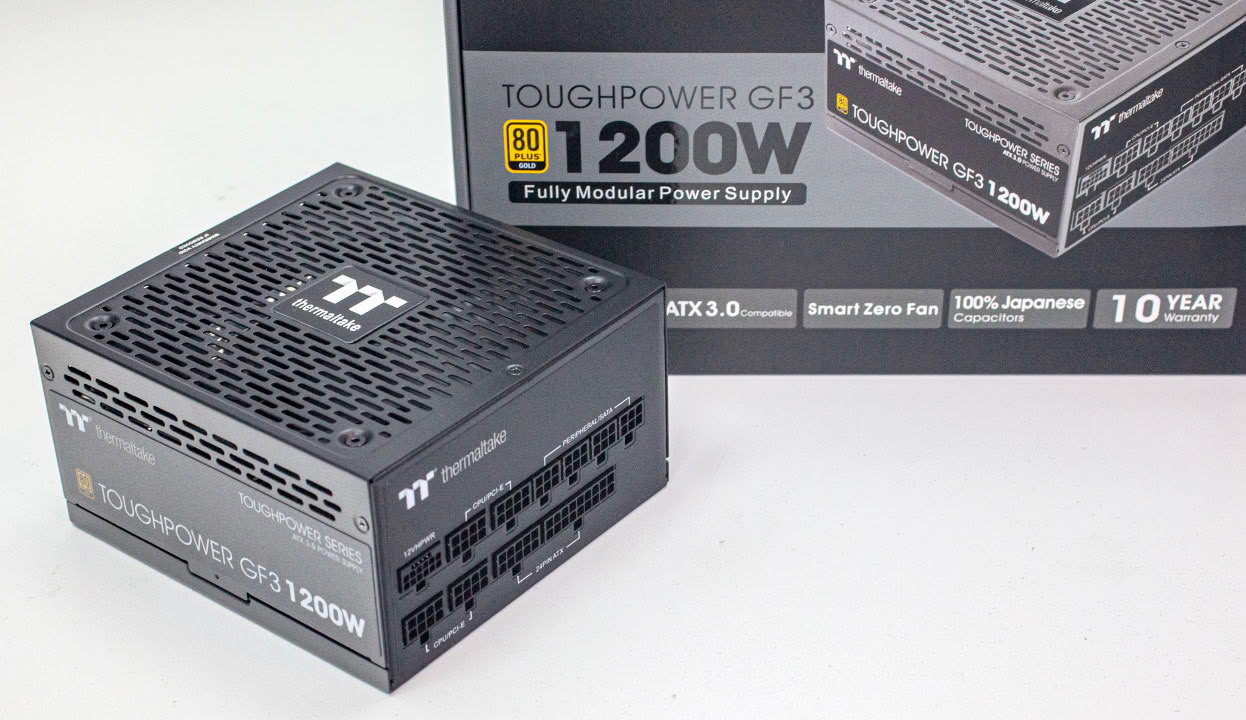
| Power Supply: | Thermaltake Toughpower GF3 1200 W ATX 3.0 / 16-pin 12VHPWR |
| Software: | Windows 11 Professional 64-bit 25H2 VBS enabled (Windows 11 default) |
| Drivers: | Ryzen Chipset Drivers 8.05.04.516 9950X3D: Game Mode enabled, Game Bar installed and active |


| Test System "Arrow Lake" | |
|---|---|
| Processor: | All Intel Core 200 Series processors (Intel stock power settings/Core 200S Boost enabled) |
| Motherboard: | ASUS Z890 Maximus Hero BIOS 2302 |
| Memory: | 2× 16 GB DDR5-6000 28-36-36-76 2T / Gear 2 |
| All other specifications same as above | |
| Test System "Raptor Lake" | |
|---|---|
| Processor: | All Intel 14th Gen processors (Intel stock power settings/ASUS MCE disabled) |
| Motherboard: | ASUS Z790 Maximus Dark Hero BIOS 3107 |
| Memory: | 2× 16 GB DDR5-6000 28-36-36-76 2T / Gear 2 |
| All other specifications same as above | |
AIDA64 Cache and Memory Performance
In this first test we're looking at the performance offered by the memory subsystem and the processor's L1, L2 and L3 caches. AIDA64 comes with a great benchmark that provides a nice overview of all these performance characteristics.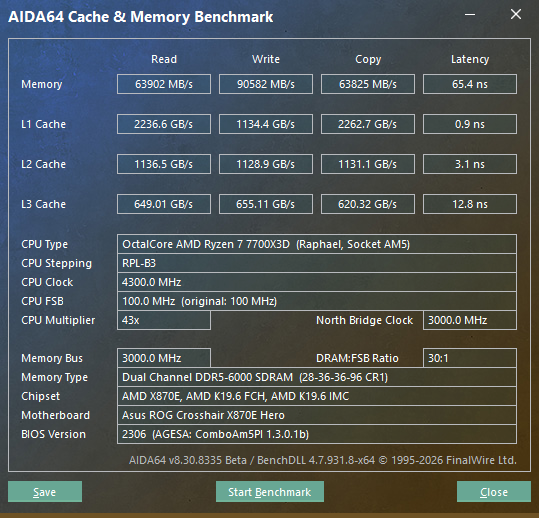
Y-Cruncher
Y-Cruncher is a highly optimized piece of software that can calculate Pi and other constants to a huge number of digits. It is fully multithreaded, uses a modern code design and is optimized for all major processor architectures. This ability has made it a popular application, used by the enthusiast community to determine and compare how powerful their overclocked systems are.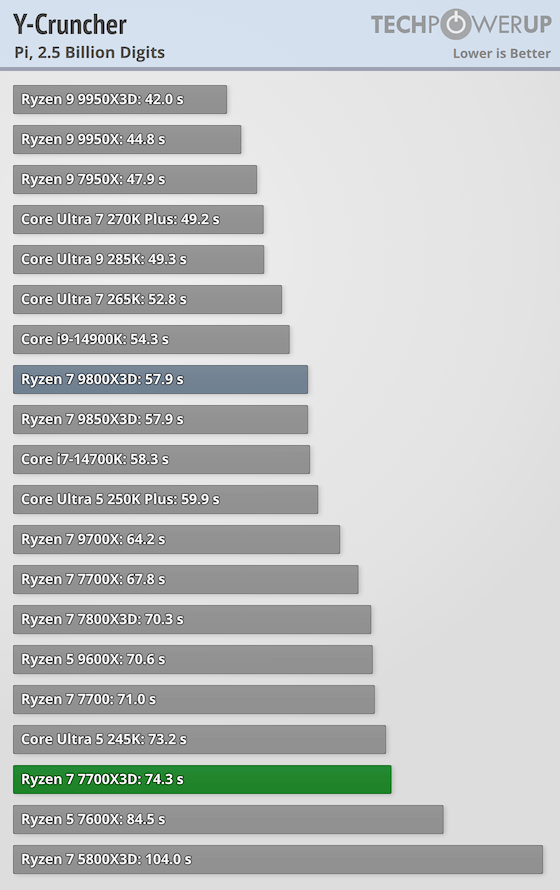
Chess Simulation
Creating a worthwhile opponent for the game of chess has been one of the most fascinating tasks for computer programmers for decades. In this test we're using the highly popular Stockfish chess engine to calculate optimal moves in a chess scenario. Each CPU is running at the fastest instruction set supported, including AVX512-VNNI, AVX256-VNNI, AVX512, BMI2 and AVX2.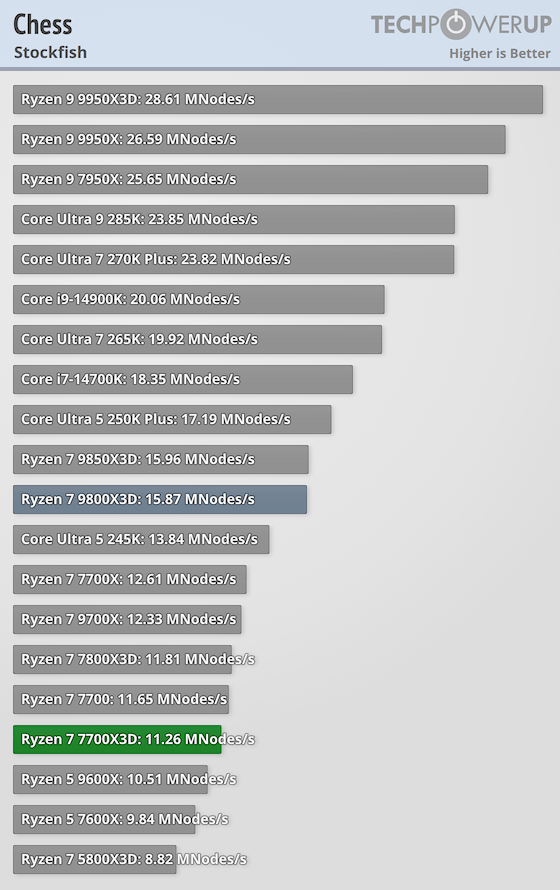
Web Browsing — JetStream 2
The JetStream 2 browser benchmark combines multiple JavaScript and WebAssembly benchmarks with several advanced workloads to determine how quickly a browser can complete specific tasks. It not only rewards high overall performance, but also fast startup and consistent operation.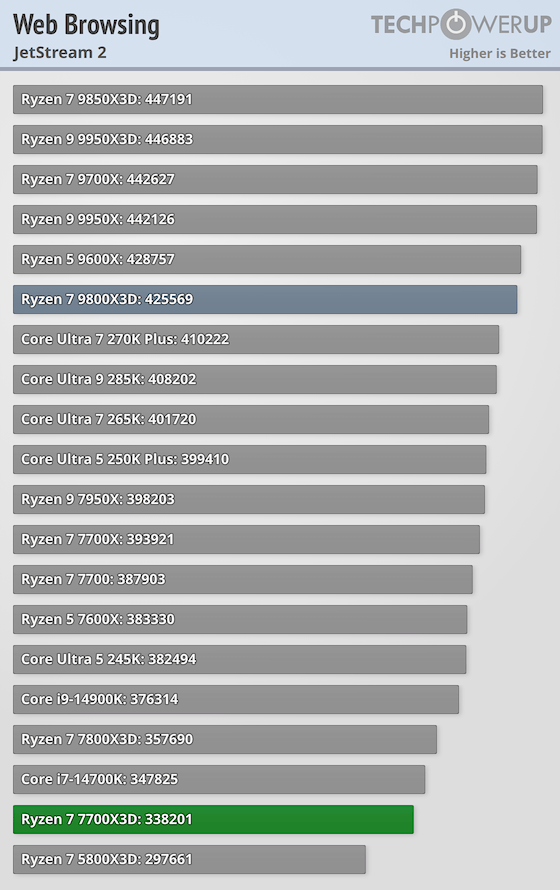
Web Browsing — Speedometer 2
Speedometer 2 tests a "to-do list" web application that's implemented using a huge number of popular frameworks. Among the benchmarks are versions built with React, Ember.js, AngularJS, vue.js, jQuery and others—frameworks that are used by the most popular sites in the world.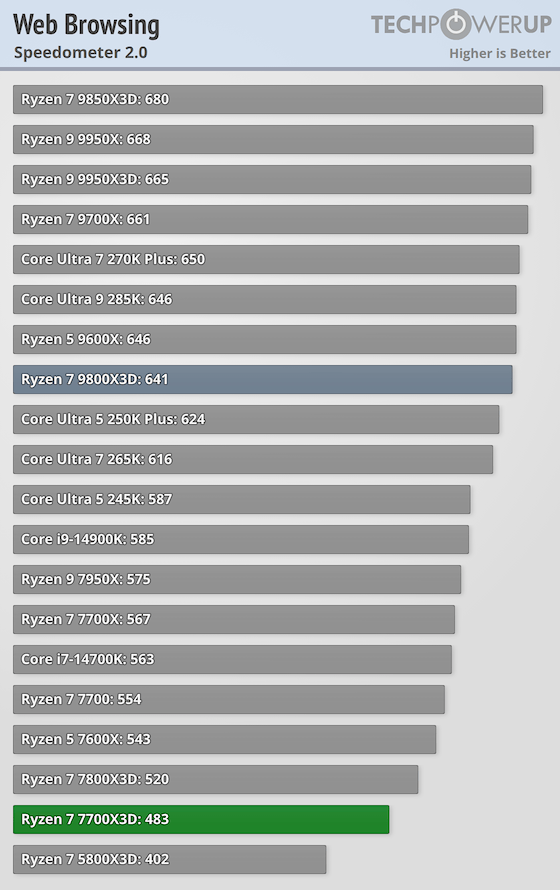
Our Patreon Silver Supporters can read articles in single-page format.
Nov 14th, 2026 08:25 CST
change timezone
Latest GPU Drivers
New Forum Posts
- No screen and keyboard with mouse not being powered on (6)
- What can the FX 8320 do today? Here is the answer. (3)
- Tell me about your favourite graphics card (48)
- What are you playing? (26219)
- 3D Printer Club (851)
- Folding Pie and Milestones!! (10202)
- a note from zachary85's son (9)
- Have you got pie today? (17083)
- Requesting original VBIOS for Gigabyte RX 5700 XT GAMING OC 8G Rev 2.0 (Micron) (3)
- Unallocated space in ssd , is it normal? (19)
Popular Reviews
- AMD Zen 6 Technical Deep Dive
- Corsair HX1000i Shift Crystal Review
- ASUS ROG Strix B850-I Gaming Wi-Fi7 W Review
- NZXT C1200 Platinum Review
- Upcoming Hardware Launches 2027 (Updated Nov 2026)
- Montech King 95 3D PRO Review
- NZXT H7 RGB+ Review
- NZXT H5 Review
- Phantom Blade Zero Performance Benchmark Review - 35 GPUs Tested
- XPG NIMBUS PLUS Review - Mid-range Chair With Strong Competitors
TPU on YouTube
Controversial News Posts
- NVIDIA Co-Founder and CEO Jensen Huang Officially Resigns (386)
- OpenAI CEO Argues Home PCs Waste the World's Limited DRAM Supply (152)
- NVIDIA Launches Investigation Into Jensen Huang's Relationship With Suspected Chinese Spy (136)
- Intel "Raptor Lake Next" 16-Core and 20-Core CPUs Surface (130)
- Legendary Game Studio BioWare Shuts Down Following EA Layoffs (104)
- Dell CEO Says the Memory Shortage Will Get Worse in 2027 (95)
- NVIDIA GeForce RTX 50-Series Scheduled for up to $500 Price Hike This Week (89)
- Modder Fits RTX 5090 With Four 8-Pin Connectors, Halving Current per Wire (80)